The toxic smog has reached alarming levels and almost engulfed entire north and central Punjab, including the provincial capital, and some parts of south Punjab in the last few weeks, more than 11 million children under the age of five are currently exposed to toxic air across the province.
“The worse air quality will affect young children and pregnant women the most,” United Nations Children Emergency Fund (UNICEF) country representative Abdullah Fadil cautioned the other day.
The intensity of smog could be gauged from the fact that it peaked in Multan a couple of days ago after Lahore despite ‘so-called’ anti-smog measures adopted by the Punjab government.
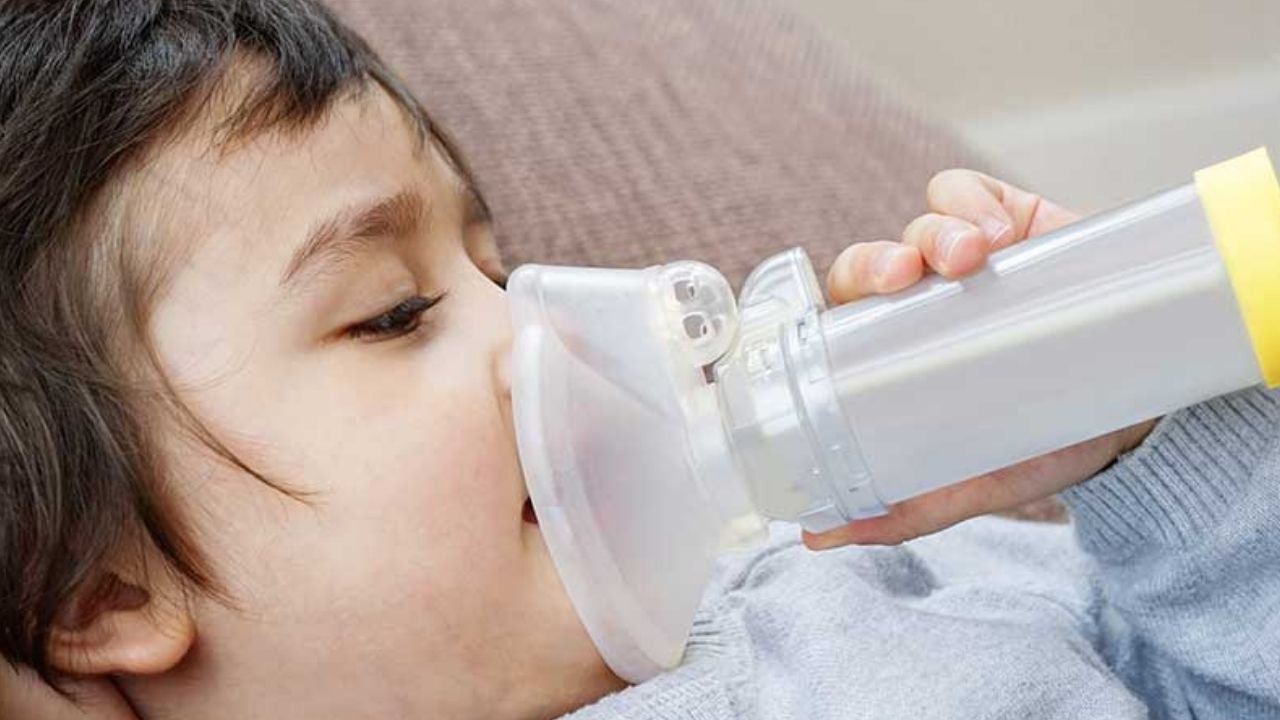
The smog-related diseases have also prevailed as a good number of people, especially children, are being admitted to hospitals in different cities.
Realising the gravity of the situation, the provincial authorities restricted all outdoor activities in Lahore, including school closures, a ban on entry in parks and open eateries and closure of shops at 8pm last week.
On Monday, the provincial government also banned all outdoor activities in Multan, Gujranwala, and Faisalabad, the most affected districts after Lahore, till November 17.
“Approximately 12% of deaths in children under five in Pakistan were due to air pollution but the impact of this year’s extraordinary smog [on children and pregnant women’ will take time to assess,” UNICEF’s Fadil said.
“Young children are most affected because of smaller lungs and lack of immunities. They also breathe twice as fast as adults and consume more air, often through the mouth, along with pollutants, leading to life-threatening respiratory diseases,” he noted.
The Unicef representative further said that the potential impact of air pollutants could be extreme on babies’ developing lungs and brains, as breathing in particulate air pollution could damage brain tissue and undermine cognitive development, with lifelong implications and setbacks.
“When pregnant women are exposed to polluted air, they are more likely to give birth prematurely, face respiratory issues, and their babies may have a low birth weight.”
The Unicef, Fadil added, was supporting awareness measures as part of the Punjab government’s official plan to reduce the smog. “The global body is also advocating and working with government departments to reduce emissions with the help of strategies like transitioning to renewable energy,” he maintained.