Author: afp

  • Genitalia from girls mutilated in Ivory Coast sold for magic

    Genitalia from girls mutilated in Ivory Coast sold for magic

    Trigger Warning: The details of the story could be painful to read.

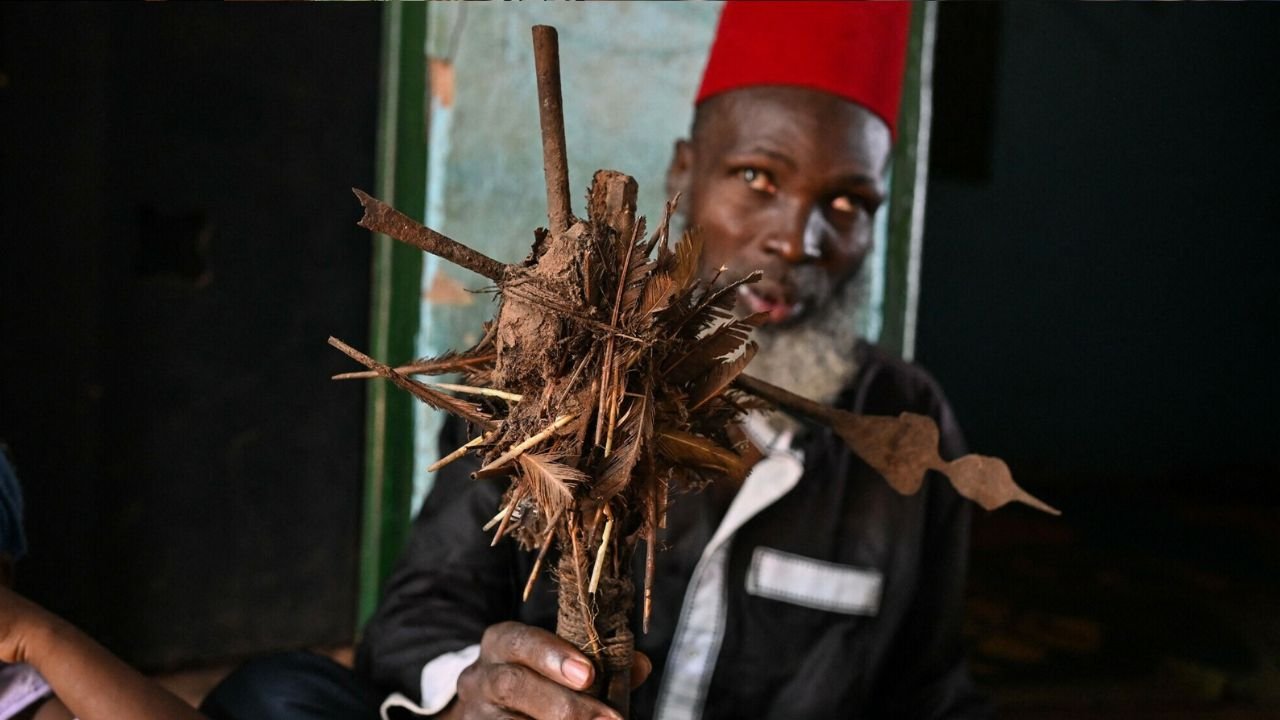
    When he was a witch doctor, Moussa Diallo would regularly smear himself in a lotion made from a clitoris cut from a girl subjected to female genital mutilation.

    “I wanted to be a big chief, I wanted to dominate,” said the small but charismatic fiftysomething from northwest Ivory Coast.

    “I put it on my face and body” every three months or so “for about three years”, said Diallo, who asked AFP not to use his real name.
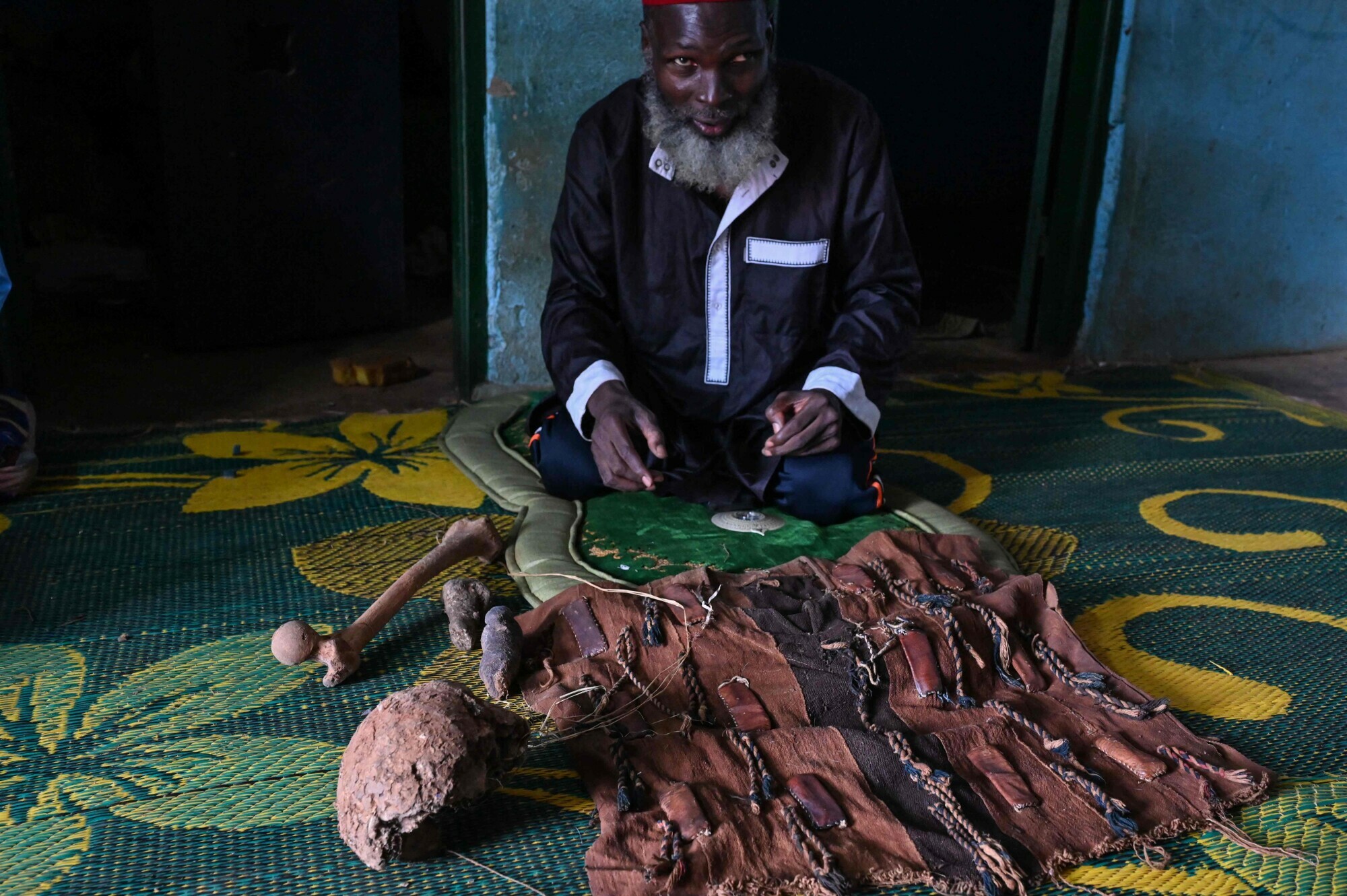
    Genitalia cut from girls in illegal “circumcision” ceremonies is used in several regions of the West African country to “make love potions” or magic ointments that some believe will help them “make money or reach high political office”, said Labe Gneble, head of the National Organisation for Women, Children and the Family (ONEF).

    A ground-down clitoris can sell for up to around $170, the equivalent of what many in Ivory Coast earn in a month.

    Diallo stopped using the unctions a decade ago, but regional police chief Lieutenant N’Guessan Yosso confirmed to AFP that dried clitorises are still “very sought after for mystical practices”.

    And it is clear from extensive interviews AFP conducted with former faith healers, circumcisers, social workers, researchers and NGOs, that there is a thriving traffic in female genitalia for the powers they supposedly impart.

    Many are convinced the trade is hampering the fight against female genital mutilation (FGM), which has been banned in the religiously diverse nation for more than a quarter of a century.

    Despite that, one in five Ivorian women are still being cut, according to the OECD, with one in two being mutilated in parts of the north.

    Cut and mixed with plants

    Before he had a crisis of conscience and decided to campaign against FGM, Diallo said he was often asked by the women who performed excisions around the small town of Touba to use his powers to protect them from evil spells.

    Female circumcision has been practised by different religions in West Africa for centuries, with most girls cut between childhood and adolescence.

    Many families consider it a rite of passage or a way to control and repress female sexuality, according to the UN Children’s Agency UNICEF, which condemns cutting as a dangerous violation of girls’ fundamental rights.

    Beyond the physical and psychological pain, cutting can be fatal and lead to sterility, birth complications, chronic infections and bleeding, not to mention the loss of sexual pleasure.

    Diallo would often accompany the women who do the cutting out into the forest or to a home where dozens of girls would be circumcised, often surrounded by fetishes and sacred objects. So it was relatively easy for the former faith healer to obtain the precious powder.

    “When they would cut the clitorises they would dry them for a month or two then pound them with stones,” he said.

    The result was a “black powder” which was then sometimes mixed with “leaves, roots and bark” or shea butter that is often used in cosmetics.

    They could then sell it for around “100,000 CFA Francs (152 euros) if the girl was a virgin” or “65,000 (99 euros) if she already had a child” or barter it for goods and services, Diallo added.

    The ex-witch doctor said he was able to get some of the powder recently — a mix of human flesh and plants, he believes — from a cutter in his village.

    AFP was shown the powder but was unable to analyse it without buying it.

    ‘Organ trafficking’

    Former circumcisers interviewed by AFP insisted that clitorises cut from girls are either buried, thrown into a river or given to the parents, depending on local custom.

    But one in the west of the country admitted some end up being used for magic.

    “Some people pretend they are the girls’ parents and go off with the clitoris,” she said.

    Witch doctors use them for “incantations” and sell them afterwards, she claimed.

    Another circumciser said some of her colleagues were complicit in the trade, “giving (genitalia) to people who are up to no good” for occult purposes.

    Mutilated when she was still a child, one victim told AFP that her mother warned her to bring home the flesh that had been cut.

    The trade is regarded as “organ trafficking” in Ivorian law and is punishable — like FGM — with fines and several years in prison, said lawyer Marie Laurence Didier Zeze.

    But police in Odienne, who are in charge of five regions in the country’s northwest, said no one has ever been indicted for trafficking.
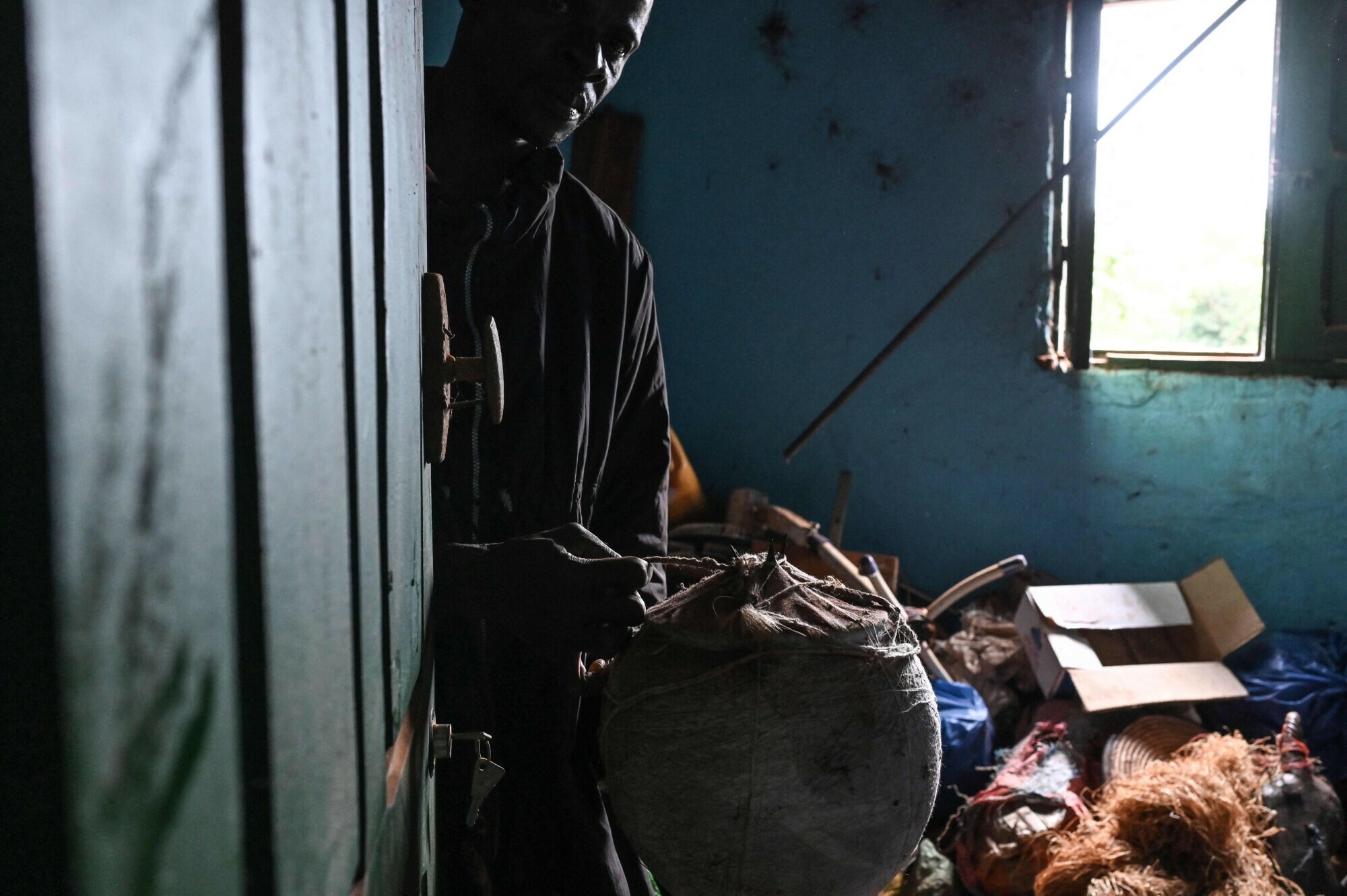
    “People won’t say anything about sacred practices,” lamented Lieutenant N’Guessan Yosso.

    The cutters themselves are both feared and respected, locals told AFP, often seen as prisoners of evil spirits.

    ‘Just nuts’

    “A clitoris cannot give you magical powers, it’s just nuts,” said gynaecologist Jacqueline Chanine based in the country’s commercial capital Abidjan.

    Even so, the practice is still stubbornly widespread in some parts of the country, according to researchers.
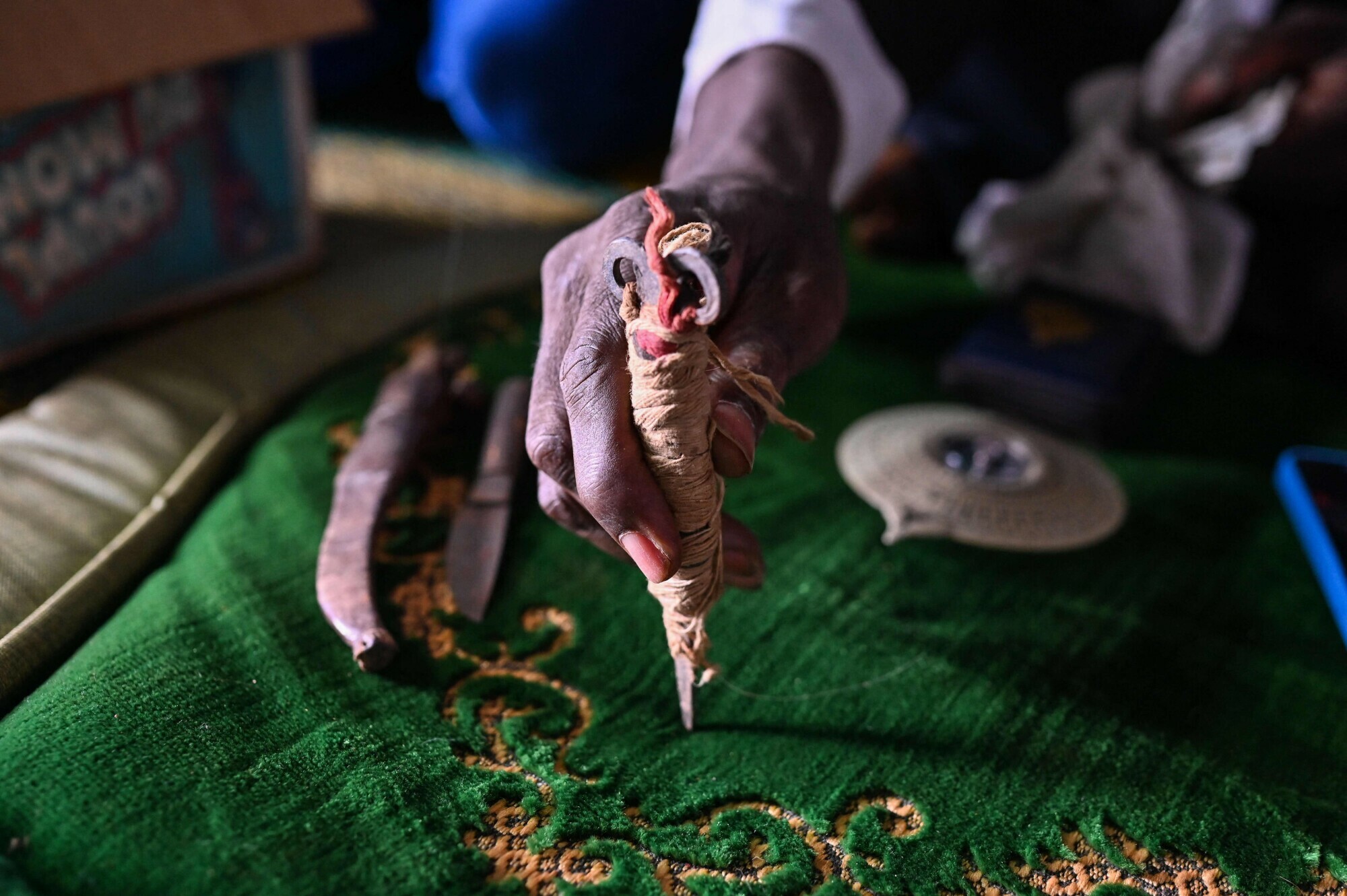
    Dieudonne Kouadio, an anthropologist specialising in health, was presented with a box of the powder in the town of Odienne, 150 kilometres north of Touba.

    “It contained a dried cut organ in the form of a blackish powder,” he said.

    His discovery was included in a 2021 report for the Djigui foundation, whose conclusions were accepted by the Ministry for Women.

    Farmers in Denguele district, of which Odienne is a part, “buy clitorises and mix the powder with their seeds to increase the fertility of their fields”, said Nouho Konate, a Djigui foundation member who has been fighting FGM in the area for 16 years.

    He said parents of young girls were “gutted” when he told them of the trafficking.

    Further south and in the centre west of the country, women use clitoris powder as an aphrodisiac, hoping to prevent their husbands straying, said criminologist Safie Roseline N’da, author of a 2023 study on FGM which also pointed to the trade.

    She and her two co-authors discovered that blood from cut women was also being used to honour traditional gods.

    They are far from the only Ivorian folk remedies that use body parts, according to lawyer Didier Zeze.

    Mystic beliefs keeps it going

    “The mystic has a central place in daily life” in the Ivory Coast — where Islam, Christianity and traditional animist beliefs co-exist — said the Canadian anthropologist Boris Koenig, a specialist in occult practices there.

    “It touches every sphere of people’s social, professional, family and love lives,” he said, and there is generally nothing illegal about it.

    The trade, however, is “one of the reasons that FGM survives” in the Ivory Coast, NGOs argue, where the rate of cutting is generally falling and is below the West African average of 28 per cent, according to the OECD.

    Back near Touba, the former witch doctor Diallo recalled how up to 30 women would be cut in a day in the places his magic protected.

    The dry season between January to March was the favoured period for circumcisions when the hot Harmattan wind from the Sahara helps scars heal, he said.
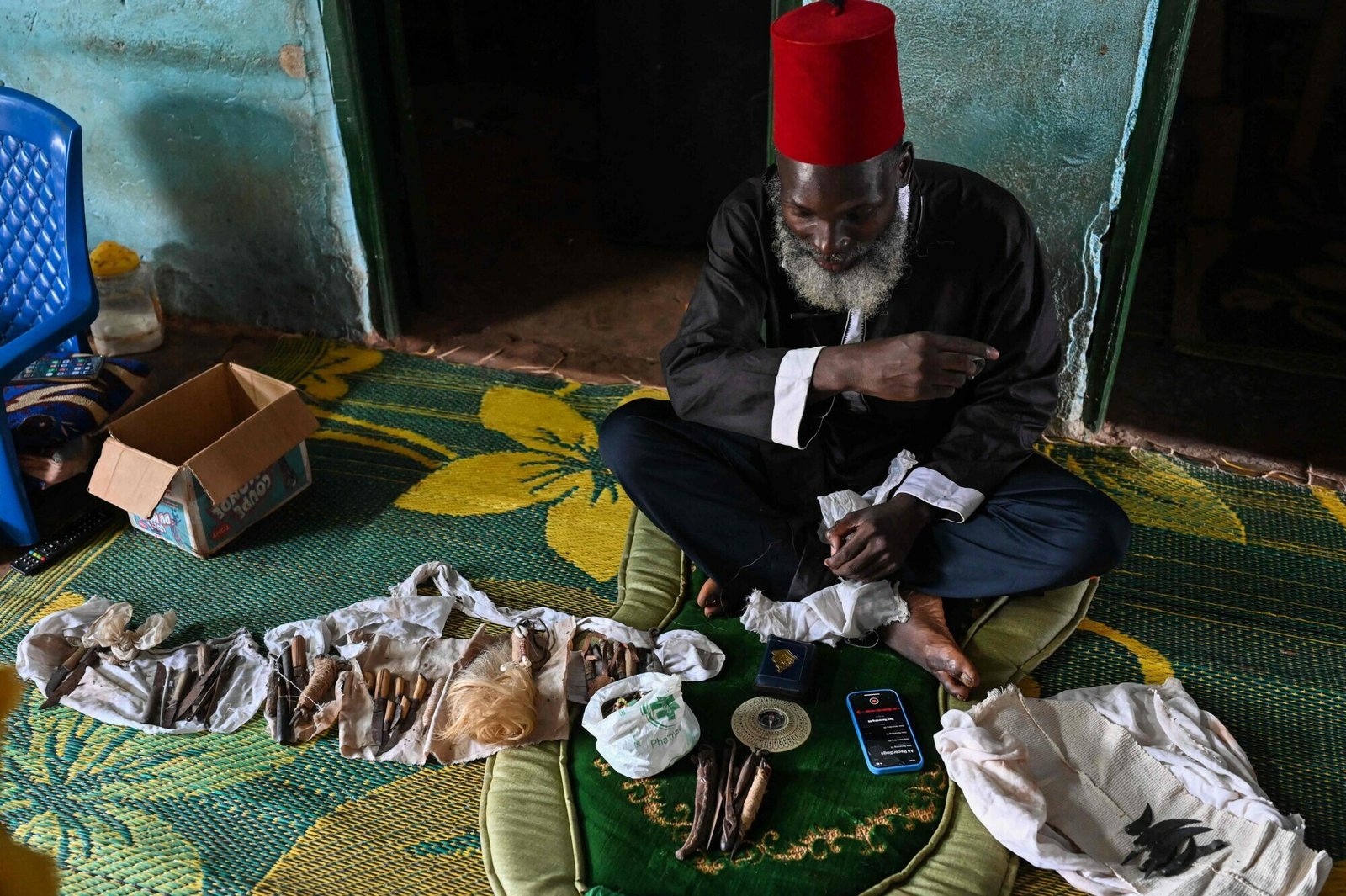
    Staff at the region’s only social work centre say the cutting is still going on but hard to quantify because it never happens in the open.

    Instead, it goes on in secret, hidden behind traditional festivals which have nothing to do with the practice, kept going, they say, by circumcisers from neighbouring Guinea — only a few kilometres away — where FGM rates are over 90pc.

  • Israeli strikes on Syria kill at least 14: state media

    Israeli strikes on Syria kill at least 14: state media

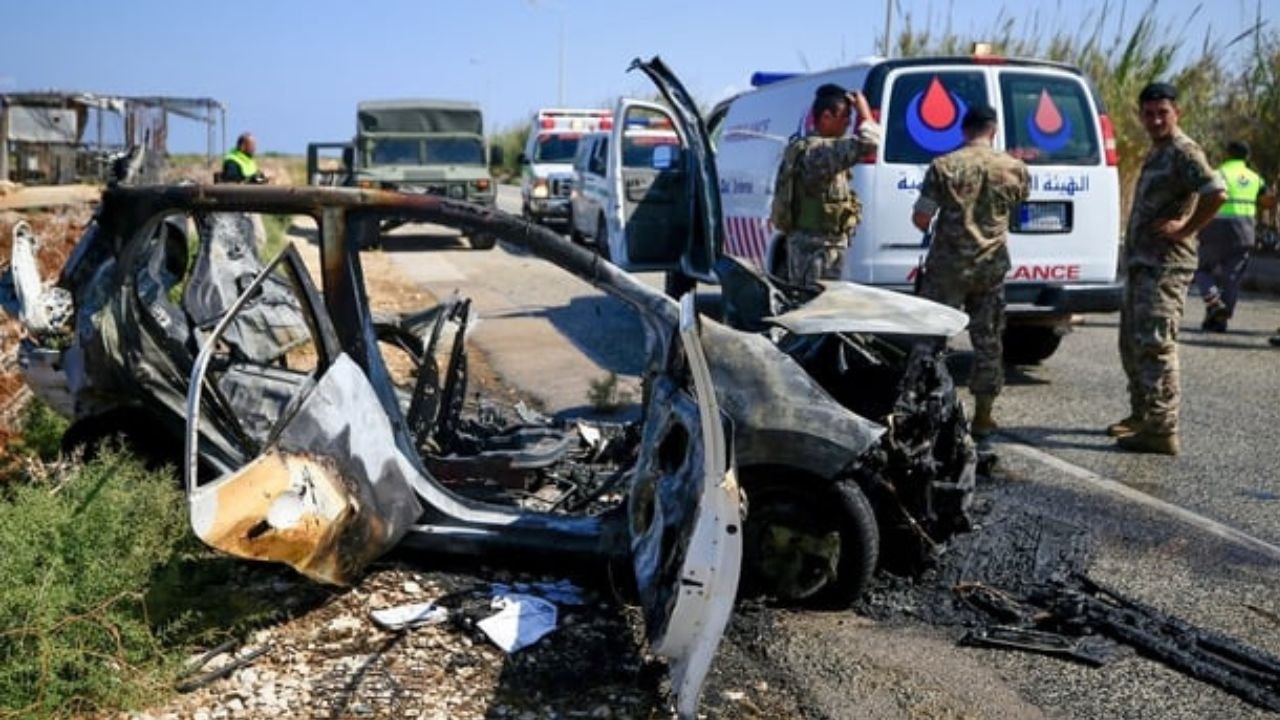
    Syrian state media said Monday that overnight Israeli strikes killed 14 people in central Hama province, with a war monitor reporting a higher death toll in raids on sensitive military sites.

    The Israeli military, which has carried out hundreds of strikes in Syria since the start of the civil war there in 2011, declined to comment on the latest reported attack.

    Syrian official news agency SANA, citing a medical source, said: “The number of martyrs resulting from the Israeli aggression on a number of sites in the vicinity of Masyaf has risen to 14 martyrs and 43 wounded, including six critically.”

    The Syrian Observatory for Human Rights war monitor reported “intense Israeli strikes” overnight, giving a death toll of “18 people” including eight Syrian fighters. It said 32 others were wounded.

    Israeli strikes on Syria since 2011 have mainly targeted army positions and Iran-backed fighters, including from Lebanon’s Hezbollah group.

    Israeli authorities rarely comment on individual strikes in Syria but have repeatedly said they will not allow arch-enemy Iran to expand its presence.

    Syria’s SANA news agency, citing a military source, reported that at “around 11:20 pm (2020 GMT) on Sunday, the Israeli enemy carried out an air attack” from the direction of northwest Lebanon “targeting a number of military sites in the central region”.

    Air defences “shot down some” of the missiles, SANA reported.

    The Observatory said, “Israeli strikes… targeted the scientific research area in Masyaf” in Hama province and other sites, destroying “buildings and military centres”.

    The Britain-based Observatory, which relies on a network of sources inside Syria, had earlier said the strikes targeted sites “where pro-Iran groups and weapons development experts are stationed”.

    It was “one of the most violent Israeli attacks” in Syria in years, Observatory chief Rami Abdel Rahman told AFP.

    He said Iranian experts “developing arms including precision missiles and drones” worked in the scientific research centre that was hit.

    Nasser Kanani, spokesman for the Iranian foreign ministry, told a media briefing: “We strongly condemn this criminal attack by the Zionist regime on Syrian soil.”

    Israeli raids on Syria surged after October 7 sparked a genocide in Gaza, then eased somewhat after an April 1 strike blamed on Israel hit the Iranian consular building in Damascus.

    Syria has sought to stay out of the Israel-Hamas conflict, which has raised fears of a broader regional war.

    In late August, several pro-Iranian fighters were killed in Syria’s central Homs region in strikes attributed to Israel, the Observatory had said.

    Days later, the Israeli military said it killed an unspecified number of fighters belonging to Hamas ally Islamic Jihad in a strike in Syria near the Lebanese border.

    The Syrian government’s brutal suppression of a 2011 uprising triggered the conflict that has killed more than half a million people and drawn in foreign armies and jihadists.

    Iran-backed groups, including Lebanon’s powerful Hezbollah movement, have bolstered President Bashar al-Assad’s forces during Syria’s civil war.

    Israeli raids on Syria have also sought to cut off Hezbollah supply routes to Lebanon.

    Iran Accuses Israel Over ‘Criminal’ Syria Attack

    Iran on Monday accused its regional arch-foe Israel of carrying out what it called a “criminal” attack in central Syria, where state media said strikes killed at least 14 people.

    “We strongly condemn this criminal attack by the Zionist regime on Syrian soil,” foreign ministry spokesman Nasser Kanani told a news conference in Tehran, calling on Israel’s backers to “stop supporting and arming it”.

  • He’s predicted (almost) every US Election — and says Harris will win

    He’s predicted (almost) every US Election — and says Harris will win

    Forget the polls, ditch the data and stop sending journalists to swing-state diners to interview undecided voters: historian Allan Lichtman already knows who is going to win the US presidential election.

    “Harris will win,” Lichtman confidently announced to AFP.

    He was speaking at his home in the leafy Washington suburb of Bethesda shortly after unveiling his much-discussed, once-every-four-years White House prediction, based on what he calls the “13 keys” method.

    It can be easy to dismiss Lichtman’s signature methodology as just another gimmick in the endless, drawn-out “horse race” style coverage of US elections — where journalists, pollsters and pundits are constantly trying to see who is up and who is down.

    But the American University history professor has answers for his critics — and a track record that’s hard to beat, having correctly called all but one election since 1984.

    Lichtman pays no attention to opinion polls.

    Instead, his predictions are based on a series of true-or-false propositions applied to the current presidential administration. If six or more of these “keys” are false, the election will go to the out-of-power challenger — in this case, Republican candidate Donald Trump.

    One of the keys, for example, posits that the president’s party won seats in the most recent midterm elections. The Democrats actually lost control of the House in the 2022 midterms, meaning this particular key is termed “false,” tipping the scales toward Trump.

    A few more keys break Trump’s way: President Joe Biden stepped down, meaning Democrats lost the key which determines the “incumbency,” a vital advantage.

    Biden’s vice president and replacement as nominee, Kamala Harris, is surging on optimism among party faithful. But Lichtman rules that she does not qualify for another of the keys, which is being a charismatic, “once-in-a-generation” candidate in the style of Ronald Reagan or Franklin Roosevelt.

    More points to Trump, yes. But after that the keys start breaking in rapid succession for Harris.

    For example, the Biden administration’s massive environment and infrastructure legislation ticks the box for the key requiring a “major policy change” by the current White House.

    Another key for Harris is the exit of fringe independent candidate Robert F. Kennedy Jr.

    She also satisfies the key demanding lack of major scandal.

    Do the math and it turns out that only three keys are falling for Trump. But to be declared the presumptive winner, he would have needed six.

    And there’s another key which could go Harris’s way, if the administration reaches a ceasefire and hostage release in Gaza.

    It’s a move that would likely require Democrats to push harder against the Israeli government — sure to cause strain among poll-obsessed advisors in a party trying to straddle a base that is heavily divided over the issue. Yet, a ceasefire would mean the Democrats actually delivered a policy achievement, Lichtman argues, and deliver one of the keys on foreign policy.

    “I don’t like to speculate, because the devil is in the details, but that could be seen as a big success,” he said.

    Critics of the “13 keys” home in on the speculative nature of some of the true-false propositions. What is a charismatic leader, for example?

    Yet the sage of Bethesda, as some have dubbed him, is well-versed in arguing his case.

    “I’ve been doing this for 40 years. I think I’ve heard every conceivable question,” he said. “‘Aren’t your keys subjective?’ I obviously have an answer to that — they’re not subjective, they’re judgmental.

    “We’re dealing with human beings. Historians make judgments all the time, and the judgments are very tightly constrained.”

    Amid the “noise” of national political punditry, Lichtman argues, presidential elections are a simple “vote up or down on the strength and performance of the White House party.”

    In that way, his method is anti-horse race — focused on good governance rather than campaigns, since in reality “we forget virtually anything a candidate has to say.”

  • Brazil’s president fires minister accused of sexual harassment

    Brazil’s president fires minister accused of sexual harassment

    Brazil’s President Luiz Inacio Lula da Silva on Friday fired his human rights minister, Silvio Almeida, following claims that he sexually harassed several women, including a cabinet colleague.

    The scandal, which caused outrage in Brazil, is the first of its kind involving a member of Lula’s government since the veteran leftist returned to power last year.

    “Given the grave accusations against minister Silvio Almeida and after summoning him for a conversation… President Lula decided to remove the head of the human rights and citizenship ministry,” the presidency said in a statement.

    “The president considers the possibility of the minister remaining in office untenable given the nature of the allegations,” the statement added.

    In a later statement, Almeida said: “I asked President Lula to dismiss me.”

    “It will give me a chance to prove my innocence and recover from this,” he said.

    The Metropoles news site reported on Thursday that the women’s association Me Too Brasil had received complaints against Almeida from several women, including Racial Equality Minister Anielle Franco.

    Me Too Brasil confirmed the report and said that the women in question had “received psychological and legal support.”

    The federal police said Friday it would investigate the claims and the presidential ethics commission said it too had launched an inquiry.

    Almeida, a 48-year-old lawyer and university professor who is considered one of Brazil’s leading intellectuals, had earlier rejected the allegations as “lies” aimed at tarnishing the image of “a black man who occupies a prominent position in public office.”

    Franco, 40, is also black.

    Writing on Instagram after Almeida’s dismissal, she said that it was “unacceptable to downplay or diminish acts of violence” and praised Lula’s “forceful action.”

    Welcoming the expressions of solidarity she had received, she added: “We know how much women and girls suffer from harassment everyday, at work, in public transport, in schools and at home.”

    On Friday, the UOL news site published the account of one of Almeida’s accusers, a university professor who said the minister groped her during a meal in 2019 in front of around 15 people.

    “There were a lot of people, I was wearing a skirt and I remember his hand on my private parts,” she said, adding: “I felt ashamed.”

    Before meeting Almeida on Friday, Lula issued a stern warning about possible cases of sexual harassment in his team.

    “What I can say is that whoever practices harassment cannot remain in government,” he told Brazil’s Difusora Goiania radio station while emphasizing Almeida’s right to the presumption of innocence.

    On Thursday, the government had acknowledged the “seriousness” of the claims levelled at the minister and vowed that they would be treated “with the rigour and speed that situations of possible violence against women demand.”

    Almedia’s wife, Edneia Carvalho, with whom he has a one-year-old daughter, described the claims against the minister as “unfair” and “absurd” on Instagram.

    While this is the first scandal involving alleged sexual misconduct by a member of Lula’s government, it is not the first time one of his ministers has been accused of a crime.

    In June, the federal police recommended that Communications Minister Juscelino Filho be indicted for corruption and consorting with criminals.

    Filho denied the allegations and so far has kept his job.

  • Floods displace nearly 950,000 in west Africa

    Floods displace nearly 950,000 in west Africa

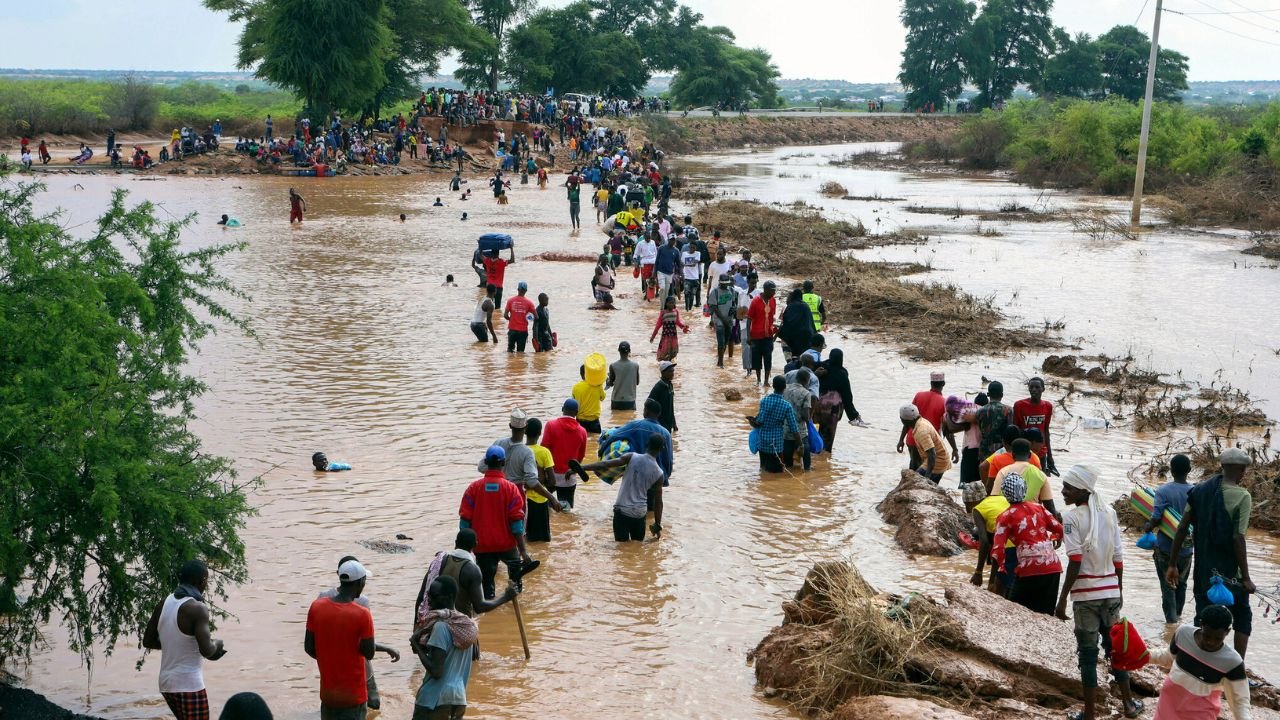
    ABID: Severe flooding in west Africa has displaced nearly 950,000 people and disrupted children’s education at the start of the school year, international charity Save the Children said on Friday.

    “Hundreds of thousands of children now displaced from their homes are facing disease, hunger from crop destruction, and disruption to their education, as schools have become crowded with fleeing families or damaged in the floods,” the NGO said.

    Save the Children said around 950,000 people had been displaced — 649,184 in Niger, 225,000 in Nigeria and 73,778 in Mali. Niger’s government says more than 700,000 people have been left homeless, and 273 people have died since the rainy season started in June.

    Neighbouring Nigeria has meanwhile seen 29 of its 36 states — mainly in the north — hit by rising waters of the River Niger and its major Benue tributary, with the country listing 200 deaths, Save the Children said. “According to Nigerian government data, over 115,265 hectares of farmland have also been damaged in a country with already high rates of food insecurity,” the NGO said.

    The agency said one in every six children across Nigeria “faced hunger in June-August this year — a 25 per cent increase on the same period last year.” In Mali, whose government declared a state national disaster, more than half of those displaced are children, the NGO revealed.

    Save the Children said climate change was making extreme weather and its consequences ever more serious and frequent, with Africa suffering disproportionally.

    “These countries are already ravaged by conflict and insecurity, making it even harder to respond, said Vishna Shah-Little, regional advocacy, media and communications director for the agency in Western and Central Africa.

  • Gaza genocide in its 12th month with truce hopes slim

    Gaza genocide in its 12th month with truce hopes slim

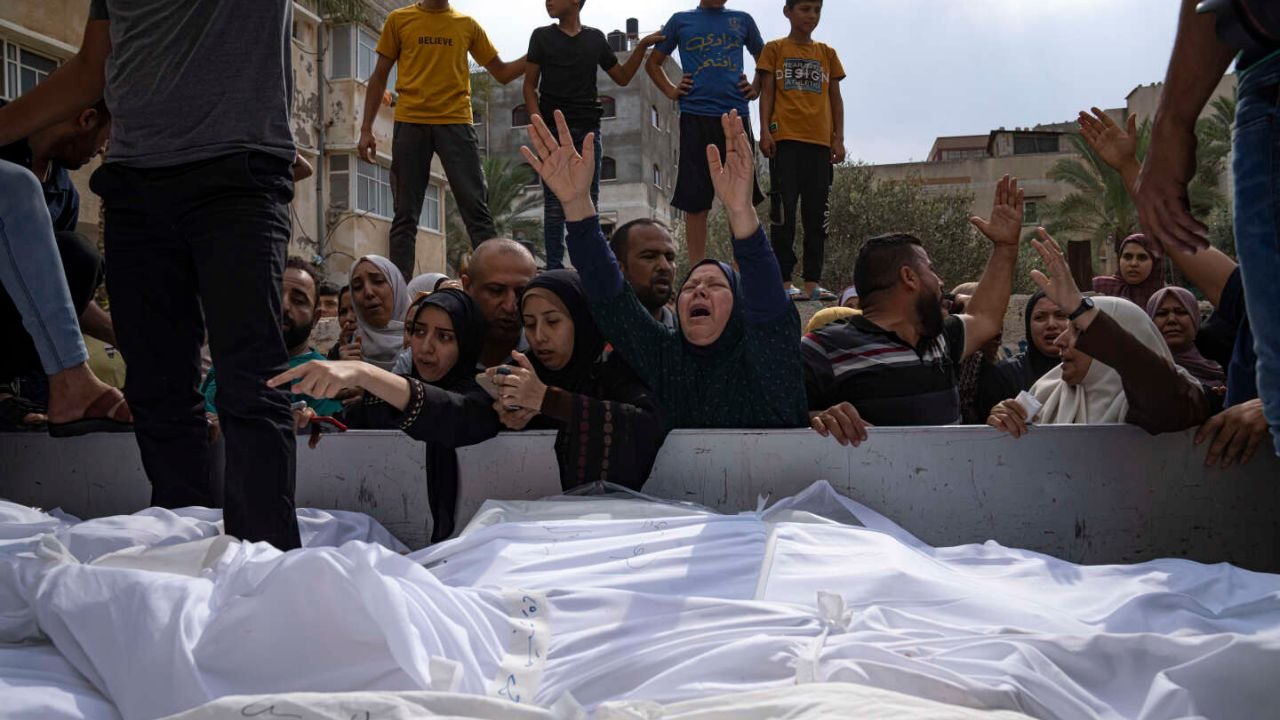
    The genocide in Gaza entered its 12-month on Saturday with little sign of respite for the Palestinian territory or hope for Israeli hostages still held captive.

    The chances of a truce appear slim, with both sides sticking doggedly to their positions, AFP reports.

    Hamas’ October 7 gave Israel an excuse to spark the genocide. While the organization is demanding a complete Israeli withdrawal Israeli Prime Minister Benjamin Netanyahu insists that troops must remain on a key strip of land along the Gaza-Egypt border.

    The United States, Qatar and Egypt have all been mediating to bring about a ceasefire in the region where Israel in Gaza has killed at least 40,939 people.

    According to the United Nations human rights office, most of the dead are women and children.

    However, the attack on Israel resulted in the deaths of 1,205 people, mostly civilians, including some hostages killed in captivity, according to official Israeli figures.

    Of 251 hostages seized by Palestinian militants during the attack, 97 remain in Gaza, including 33 the Israeli military says are dead.

    Scores were released during a one-week truce in November.

    Israel’s announcement last Sunday that the bodies of six hostages, including a US-Israeli citizen, had been recovered shortly after being killed, sparked grief and anger in Israel.

    Marking the anniversary, UN Palestinian Refugee Agency (UNRWA) chief Philippe Lazzarini posted on X on Saturday: “Eleven months. Enough. No one can take this any longer. Humanity must prevail. Ceasefire now.”

    International pressure to end the war was further underlined by Friday’s shooting dead in the West Bank of a Turkish-American activist demonstrating against Israeli settlements in the occupied territory.

    The family of 26-year-old Aysenur Ezgi Eygi has demanded an independent investigation into her death, saying on Saturday her life “was taken needlessly, unlawfully, and violently by the Israeli military”.

    The UN rights office said Israeli forces killed Eygi with a “shot in the head”.

    Ankara said she was killed by “Israeli occupation soldiers”, and President Recep Tayyip Erdogan condemned the Israeli action as “barbaric”.

    Washington called her death “tragic”, and has pressed its close ally Israel to investigate.

    West Bank raids

    Israeli settlements in the West Bank, where about 490,000 people live, are illegal under international law.

    Since the October 7 attack, Israeli troops or settlers have killed more than 662 Palestinians in the West Bank, which Israel occupied in 1967, according to the Palestinian health ministry.

    Eygi’s death came on the day Israeli forces withdrew from a deadly 10-day raid in the West Bank city of Jenin, where AFP journalists reported residents returning home to widespread destruction.

    The Jenin pullout came with Israel at loggerheads with the United States over talks to forge a truce in the Gaza war.

    US Secretary of State Antony Blinken said Thursday “90 percent is agreed” and urged Israel and Hamas to finalise a deal.

    But Netanyahu denied this, telling Fox News: “It’s not close.”

    Hamas is demanding Israel’s complete withdrawal from the Gaza Strip, saying it agreed months ago to a proposal outlined by US President Joe Biden.

    AFP reporters said several air strikes and shelling rocked the territory overnight and early Saturday.

    Gaza’s civil defence agency and the Palestinian Red Crescent said an Israeli air strike killed four people near the Nuseirat refugee camp in central Gaza.

    The civil defence and a witness said an air strike that targeted a flat in Bureij camp killed another four.

    And in Jabalia, an Israeli air strike killed four more Palestinians, civil defence officials said.

    They added that a woman and a child were also killed in an air strike north of Gaza City.

    Medics reported at least 33 Palestinians wounded in an air strike on a residential area in Beit Lahia and said they were being treated at Al-Awda, Kamal Adwan and Indonesian hospitals.

  • Jennifer Lopez slays TIFF red carpet as she unveils ‘Unstoppable’ 

    Jennifer Lopez slays TIFF red carpet as she unveils ‘Unstoppable’ 

    Jennifer Lopez infused the Toronto film festival with a dose of A-list glamour Friday at the world premiere of her new movie, true-story sports drama “Unstoppable,” which earned a rousing ovation.

    The 55-year-old actress, singer and dancer was making her first red carpet appearance since the announcement of her divorce from Ben Affleck, who co-produced the film with best friend Matt Damon but was not in attendance.

    And she did not disappoint, wearing a skin-baring metallic silver gown with seemingly nothing but giant black velvet bows holding it together, her hair long and loose. Sky-high silver platform heels finished the look.

    In “Unstoppable,” Lopez plays Judy, the mother of high school wrestler Anthony Robles (Jharrel Jerome) who, though born with only one leg, doggedly pursued — and achieved — his dream of becoming a US university champion.

    Oscar nominee Don Cheadle and Michael Pena play his demanding coaches, and Bobby Cannavale plays his abusive stepfather, who repeatedly puts the family in jeopardy.

    “Unstoppable” tells Robles’s inspiring story while also delving into the difficulties of his family life, and showcasing his close relationship with his mother.

    The film had several applause moments in the buildup to Robles’s winning run to a college championship for Arizona State University. Then, as the credits rolled, Robles himself, in the theater, earned a standing ovation from the crowd at Roy Thomson Hall.

    “When I read the script, I felt like so many women, including myself, could relate to the struggles that she had gone through in her life,” Lopez said in a question-and-answer session after the screening.

    “This story being a Latino story, being so inspiring — it was just something that kind of grabbed me.”

    Jerome said he trained for five months, including with Robles on the wrestling mat.

    “As an actor, it is one of the most daunting tasks to portray somebody that is real,” he said.

    “Unstoppable” was one of the marquee events of day two at the Toronto International Film Festival, the largest in North America, which offers a mix of Oscar-bait movies, feel-good family fare and searing documentaries.

    This year marks a return to normal for the event, after twin strikes by actors and writers kept top talent from promoting their work here last year.

    Lopez is just one of the major stars visiting Canada’s biggest city for the festival.

    Ben Stiller, Orlando Bloom and Katy Perry hit the red carpet on Thursday night. Also expected are Angelina Jolie, Elton John, Bruce Springsteen, Salma Hayek, Cate Blanchett and Nicole Kidman.

    – ‘The Last Showgirl’ –

    Earlier, Gia Coppola debuted her latest effort behind the camera, “The Last Showgirl,” starring Pamela Anderson as veteran Vegas performer Shelley, who is left in despair when her show is abruptly canceled.

    After a 30-year run dancing half-naked in sequins and high heels in a traditional Sin City show, Shelley must figure out what the future holds.

    Coppola — the granddaughter of legendary director Francis Ford Coppola — goes beyond the bright lights of America’s favorite gambling playground to show the harsh realities of the entertainment industry and what happens to those it discards, especially women.

    “I think I’ve been getting ready my whole life for this role,” Anderson told the audience after the screening.

    The “Baywatch” actress quipped that it was the first time she’d been offered a script that was “coherent.”

    Jamie Lee Curtis teared up as she spoke about the film. She plays Annette, a onetime dancer and Shelley’s best friend who ends up waitressing to make ends meet — and frittering away her hard-won earnings on bets.

    “It’s a movie about dreams and going after your dreams,” only to discover they may never be realized, said the Oscar winner.

  • 14-year-old boy kills four in US school shooting

    14-year-old boy kills four in US school shooting

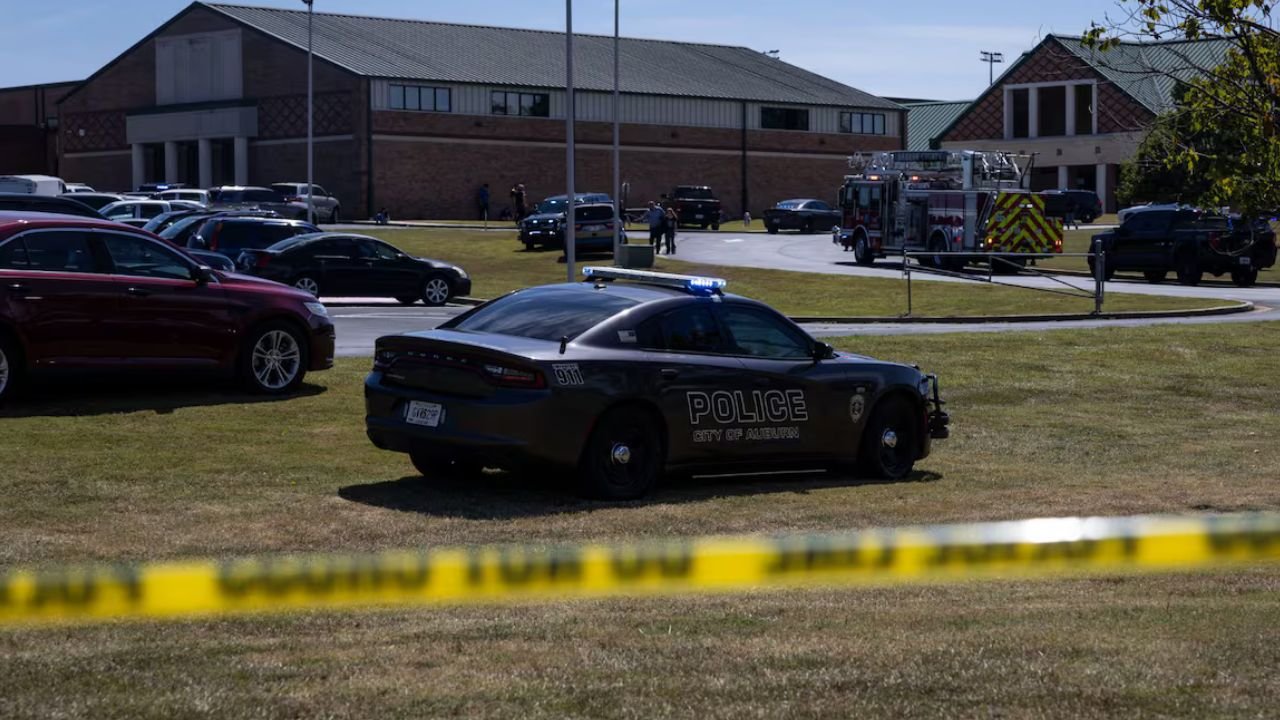
    A 14-year-old boy killed four people, including two students, and wounded nine more when he opened fire at a high school in the US state of Georgia on Wednesday, law enforcement said.

    The suspected shooter — also a student at the school — had been brought to the FBI’s attention more than a year ago for threats to commit a school shooting, the agency said.

    He was taken into custody after Wednesday’s shooting and will be tried as an adult on murder charges, the Georgia Bureau of Investigation said.

    Two teachers were also among the dead.

    After the latest chapter in America’s gun violence crisis — nearly 400 mass shootings this year alone, by one tally — people gathered at a sports field outside Apalachee High School, some forming a circle with their arms linked.

    “Our school resource officer engaged him,” county sheriff Jud Smith told reporters, referring to law enforcement officers employed to work at US schools.

    “The shooter quickly realized that if he did not give up that it would end with an OIS — an officer-involved shooting. He gave up, got on the ground, and the deputy took him into custody.”

    Smith said police did not yet know if the shooter singled out specific people as targets, adding later that the nine wounded were expected to recover.

    The two students killed were also 14 years old, authorities said.

    ‘Still not safe’

    After the suspected shooter was brought to the attention of the FBI, the county sheriff’s office interviewed his father and the then 13-year-old suspect, who denied the threats, before flagging the child to school officials for monitoring.

    Georgia Bureau of Investigation director Chris Hosey said the shooter used an “AR-platform style weapon” and that authorities were investigating how he brought the gun into the school.

    Some in the school initially thought it was just another shooter drill, one student told AFP, referring to the exercises common in US schools.

    “Everyone just thought it was a fake drill until my teacher said we didn’t get an email,” Alexsandra Romeo said.

    “She got us all in a little corner and everyone was just hugging each other, I had some of my friends crying. Until two police officers came in with their guns and told us that this is not a drill and that we’re still not safe.”

    Another student, 17-year-old Stephanie Folgar, described hearing “loud bangs” and panicking students hiding in the bathrooms and closet.

    “It’s scary knowing that that could’ve been you,” she said.

    One student told local media that he saw blood on the floor and a body as he was led out of the building by authorities.

    The shooting occurred near the town of Winder, about 45 miles (70 kilometers) northeast of Atlanta, the state capital.

    Earlier, school authorities were reported to have sent a message to parents saying they were enforcing a “hard lockdown after reports of gunfire.”

    After the all-clear was given, parents were invited to the school to be reunited with their children, with long lines of vehicles visible outside.

    Gun violence ‘epidemic’

    School shootings have become a sadly regular occurrence in the United States, where about a third of adults own a firearm and regulations on purchasing even powerful military-style rifles are lax.

    Polls show a majority of voters favour stricter controls on the use and purchase of firearms, but the powerful gun ownership lobby is opposed to additional restrictions, and lawmakers have repeatedly failed to act.

    US President Joe Biden said he was mourning the dead.

    “Students across the country are learning how to duck and cover instead of how to read and write. We cannot continue to accept this as normal,” he said.

    Speaking at a campaign event in New Hampshire after the shooting, Vice President Kamala Harris said it was time to end the “epidemic of gun violence.”

    Republican US presidential candidate Donald Trump said the perpetrator of the shooting was a “sick and deranged monster.”

    This year, there have been at least 384 mass shootings — defined as a shooting involving at least four victims, dead or wounded — across the United States, according to the Gun Violence Archive.

    At least 11,557 people have been killed in firearms violence in the United States this year, according to the GVA.

  • ‘Russian spy’ whale was shot dead: animal rights groups

    ‘Russian spy’ whale was shot dead: animal rights groups

    Animal rights groups on Wednesday said gunfire killed a beluga whale that rose to fame in Norway after its unusual harness sparked suspicions the creature was trained by Russia as a spy.

    The organisations NOAH and One Whale said they had filed a complaint with Norwegian police, asking them to open a “criminal investigation”.

    Nicknamed “Hvaldimir” in a pun on the Norwegian word for whale, hval, and its purported ties to Moscow, the white beluga first appeared off the coast in Norway’s far-northern Finnmark region in 2019.

    He was found dead on Saturday in a bay on Norway’s southwestern coast. His body was transported on Monday to a local branch of the Norwegian Veterinary Institute for autopsy.

    His body was transported on Monday to a local branch of the Norwegian Veterinary Institute for autopsy.

    The report is expected “within three weeks”, a spokeswoman for the institute said. “He had multiple bullet wounds around his body,” the head of One Whale, Regina Crosby Haug who said she viewed Hvaldimir’s body on Monday, told AFP.

    One Whale was founded to track the beluga, which had become a celebrity in Norway. “The injuries on the whale are alarming and of a nature that cannot rule out a criminal act—it is shocking,” NOAH director Siri Martinsen said in a statement. “Given the suspicion of a criminal act, it is crucial that the police are involved quickly,” she said.

    A third organisation which also tracked the whale’s movements, Marine Mind, said it found Hvaldimir’s dead body floating in the water on Saturday around 2:30 p.m. local time. “There was nothing to immediately reveal the cause of death,” director Sebastian Strand told AFP. “We saw markings but it’s too early to say what they were.”

    He said marine birds probably caused some of the markings but said there was no explanation for others at this stage. With an estimated age of 15 to 20, Hvaldimir was relatively young for a beluga whale, which can live to between 40 and 60 years of age. When he was found in 2019, Norwegian marine biologists removed a man-made harness with a mount suited for an action camera and the words “Equipment St. Petersburg” printed in English on the plastic clasps.

    Norwegian officials said Hvaldimir may have escaped an enclosure and may have been trained by the Russian navy as he appeared to be accustomed to humans. Moscow has never issued any official reaction to speculation that he could be a “Russian spy”.

  • Greta Thunberg arrested at Pro-Palestinian demo in Denmark

    Greta Thunberg arrested at Pro-Palestinian demo in Denmark

    Climate activist Greta Thunberg and several others were arrested Wednesday after occupying a University of Copenhagen building to call for an academic boycott of Israeli universities, Danish media reported.

    Images on the daily Ekstra Bladet website showed the 21-year-old activist, wearing a black-and-white keffiyeh shawl draped over her shoulders, being escorted out of a campus building by police.

    Thunberg herself shared images on Instagram of riot police entering a building where the group “Students against the Occupation” were staging a protest.

    “I can’t confirm the names of those arrested, but six people have been arrested in connection with the demonstration,” a Copenhagen police spokesman told AFP.

    Three of them “are suspected of forcing their way into the building and blocking the entrance”, he said.

    The six were released several hours later, the spokesman told AFP, and video footage published by Ekstra Bladet showed Thunberg walking out of the police station.

    Students against the Occupation said in an Instagram statement that “while the situation in Palestine only gets worse, the University of Copenhagen continues cooperation with academic institutions in Israel”.

    “We are occupying” the university’s “central administration with one demand: academic boycott now.”

    Pro-Palestinian protesters have set up encampments at universities around the United States and Europe since last spring to protest against Israel’s bombardment of Gaza and occupation of Palestinian territories.