Author: afp

  • 44,000 Afghans in Pakistan still awaiting US, foreign resettlement

    44,000 Afghans in Pakistan still awaiting US, foreign resettlement

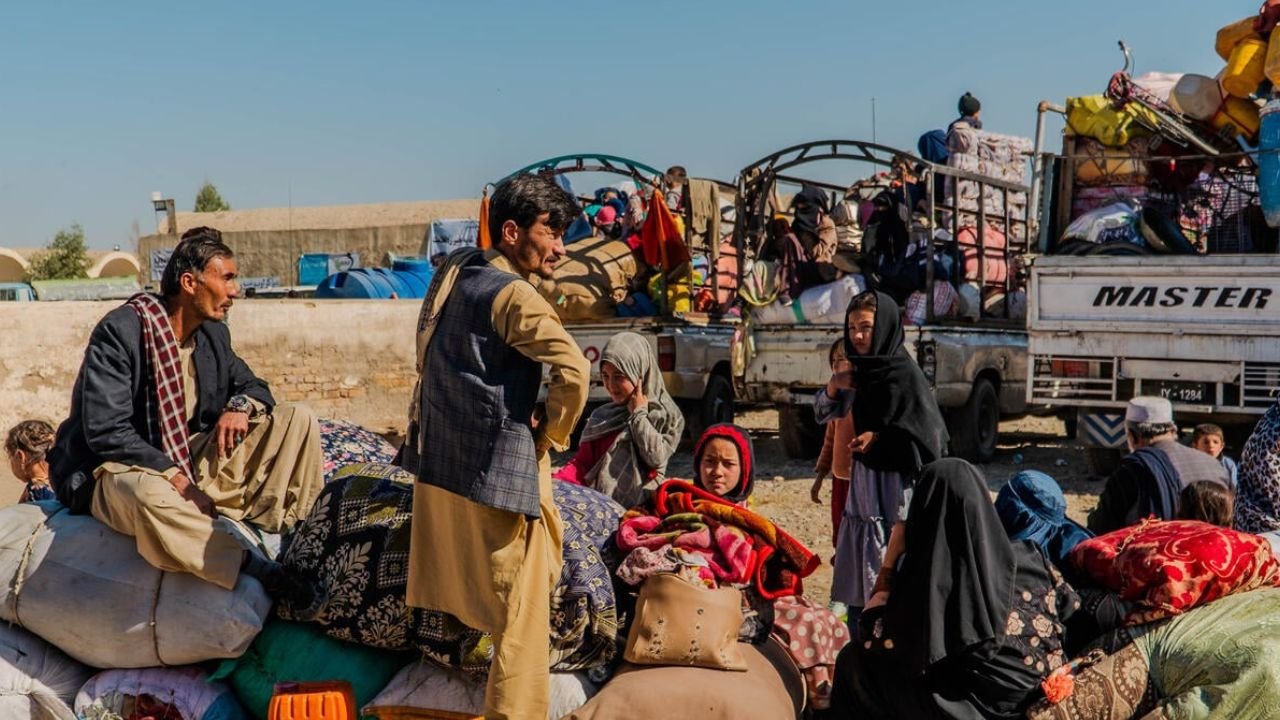
    At least 44,000 Afghans approved for relocation to Western nations following the Taliban’s return to power are still waiting in limbo in Pakistan, Islamabad said Thursday.

    In the days after the NATO-backed government collapsed in August 2021, more than 120,000 people, mostly Afghans, were airlifted from Kabul in a chaotic evacuation.

    Hundreds of thousands more Afghans have fled Taliban rule since then, with many promised new lives in the nations involved in their country’s 20-year occupation.

    Pakistani foreign office spokeswoman Mumtaz Zahra Baloch said that three years after the Taliban takeover, there were still 25,000 Afghans approved for relocation to the US living in Pakistan.

    A further 9,000 Afghans resident in Pakistan have been accepted by Australia, as have 6,000 by Canada, 3,000 by Germany, and more than 1,000 by Britain – all yet to be relocated.

    “We have urged them to expedite the approval and visa issuance process for these countries, for these individuals, so that they are relocated as early as possible,” Baloch told reporters at a weekly press briefing.

    Most countries shut their Afghan embassies as Kabul fell, and as a result, many parked Afghan migrants in Pakistan while their Islamabad embassies processed their cases.

    Many of the Afghans who were promised relocation were involved in the foreign-backed government and are fearful of reprisals by Taliban authorities.

    On Tuesday, Pakistani Prime Minister Shehbaz Sharif pressed the UN High Commissioner for Refugees Filippo Grandi over the backlog of Afghans awaiting relocation, as well as the large numbers of refugees who have arrived with no plans for onward travel.

    According to a statement released by his office, Sharif told Grandi that “the international community must recognise the burden being shouldered by Pakistan while hosting such a large refugee population, and demonstrate collective responsibility”.

    Some 600,000 Afghans have travelled to Pakistan since the Taliban took over and implemented their austere version of Islam.

    Millions more came in the four decades before that, fleeing successive conflicts including the Soviet invasion, a civil war, and the post-9/11 US-led occupation.

    Since last year, however, Islamabad has waged a campaign to evict huge numbers of undocumented Afghans, as relations with Kabul soured over security.

    More than half a million have crossed back into Afghanistan, fearing arrest. On Wednesday, Islamabad said it would extend the right of registered Afghan refugees to stay for another year — but continue its push to send those without papers back home.
  • 20 year sentence for Saudi teacher over social media posts

    20 year sentence for Saudi teacher over social media posts

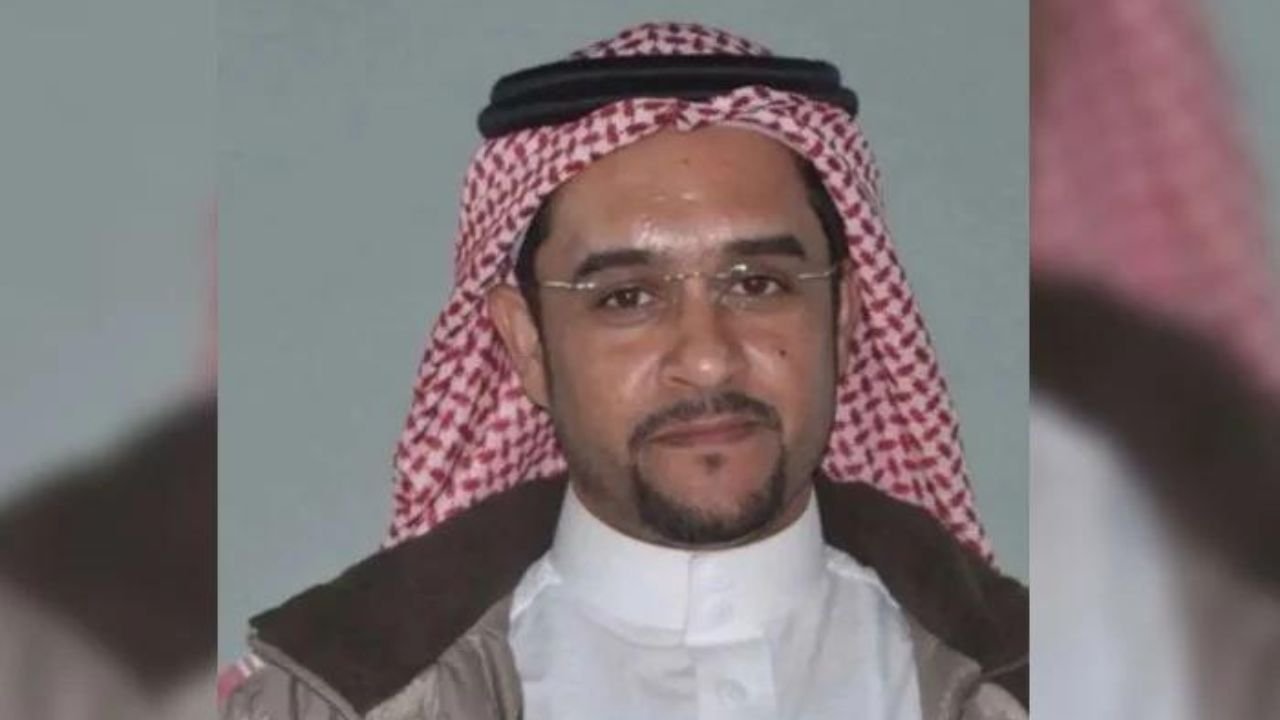
    Saudi Arabia has sentenced a teacher to 20 years in prison over critical social media posts, Human Rights Watch and the convicted man’s brother said Tuesday.

    Asaad al-Ghamdi, 47, was arrested in November 2022, in a nighttime raid on his home in the Saudi city of Jeddah, according to HRW.

    He was convicted on May 29 by Saudi Arabia’s Specialised Criminal Court, which was established in 2008 to try suspects accused of terrorism, the New York-based rights group said.

    He was sentenced “to 20 years in prison on charges related to his peaceful social media activity”, HRW added, calling it “yet another escalation in the country’s ever-worsening crackdown on freedom of expression”.

    Court documents reviewed by HRW showed that Ghamdi was charged with “challenging the religion and justice of the King and the Crown Prince” and “publishing false and malicious news and rumors”.

    According to HRW, the posts used as evidence against him criticised projects related to the Vision 2030 reform agenda.

    One post mourned Abdallah al-Hamed, a leading Saudi human rights figure who died in prison following his conviction on charges relating to his activism.

    Ghamdi faces the same charges as his brother Mohammad, a government critic who denounced alleged corruption and human rights abuses on social media.

    Mohammad was sentenced to death last year based on his social media activity.

    Their third brother, Saeed, an Islamic scholar and government critic living in exile in the United Kingdom, condemned the latest move by Saudi authorities.

    “The accusations are arbitrary and unjust because they are all based on tweets,” Saeed told AFP, commenting on the verdict against Asaad.

    “Maybe I am the target,” he added.

    Over the past two years, the Saudi judiciary has convicted and handed down lengthy prison terms to dozens of individuals for their social media posts, according to rights groups.

    They include Nourah al-Qahtani, who was sentenced to 45 years in prison in 2022, largely over social media posts criticising the government

    Salma al-Shehab, a member of the Sunni-ruled kingdom’s Shiite minority, was sentenced to 34 years behind bars in 2022 for aiding dissidents seeking to “disrupt public order” in the kingdom by relaying their tweets.

    Manahel al-Otaibi, a 29-year-old blogger and fitness instructor, was arrested in November 2022 for challenging Saudi male guardianship laws and requirements for women to wear the customary body-shrouding abaya robe.

    The Specialised Criminal Court sentenced her to 11 years in prison on January 9, but the sentence was only made public later in a Saudi submission to United Nations special rapporteurs enquiring about the case.

  • Singapore’s hell theme park dead serious about afterlife

    Singapore’s hell theme park dead serious about afterlife

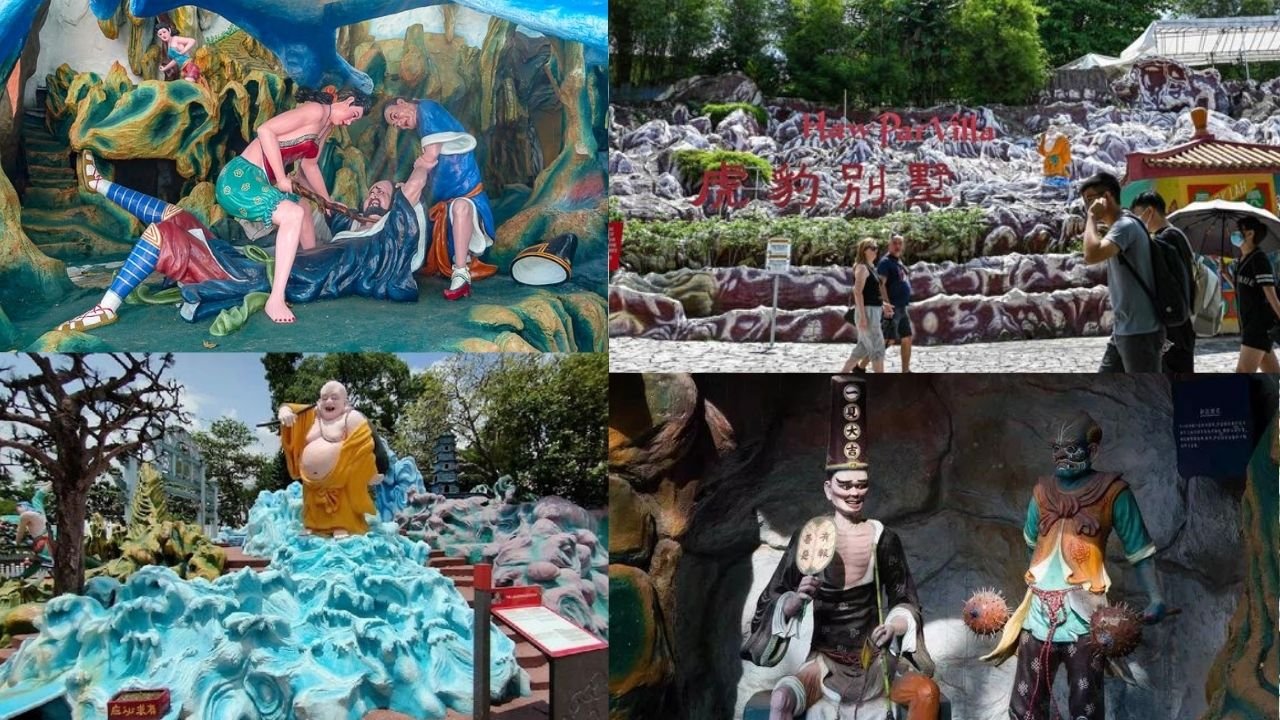
    Gory grottos with demons impaling sinners on stakes and people drowning in a pool of blood are not part of your average theme park experience.

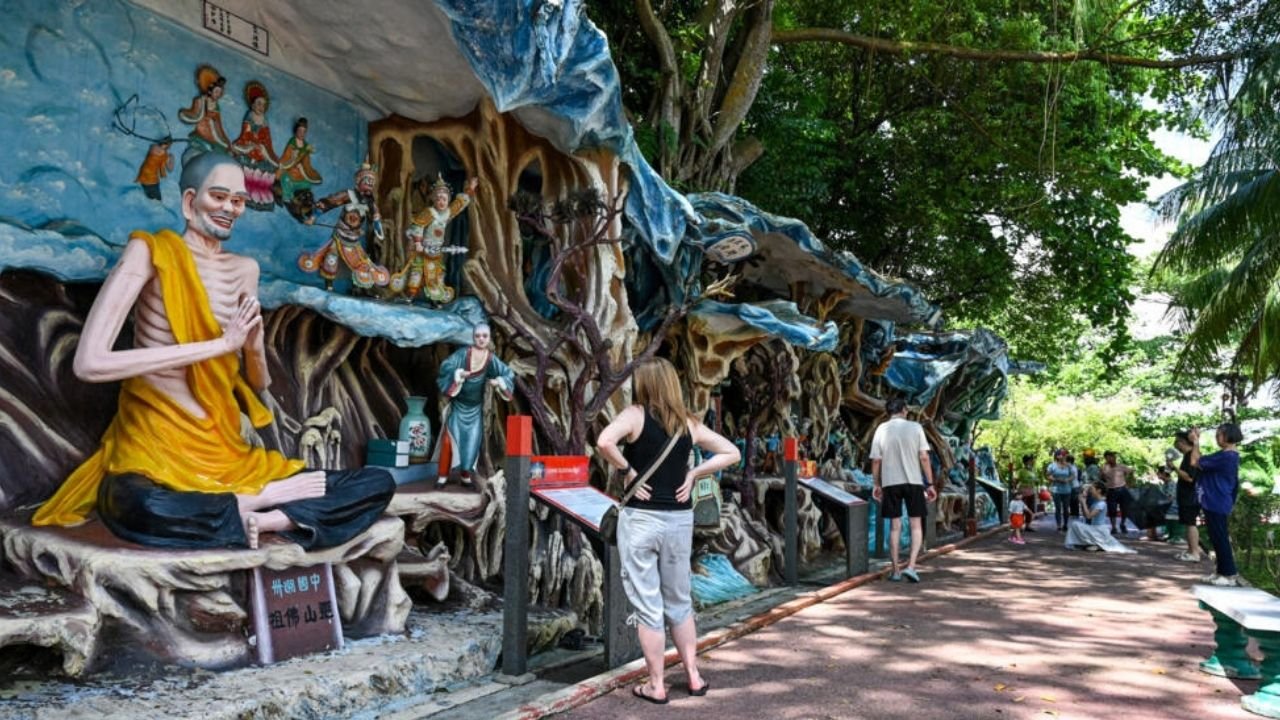
    But at Hell’s Museum in Singapore, the main attraction at the Haw Par Villa Park, visitors are welcomed to a kitschy, air-conditioned hell on Earth.

    Inside the sprawling park complex, which features over 1,000 statues and dioramas showcasing Asian culture, faiths, and philosophy, Hell’s Museum exhibits various religious views on the afterlife.

    Visitors are encouraged to learn about the 10 Courts of Hell through intense depictions of punishments for earthly sins.

    At court number two, for instance, corruption gets you frozen in ice, while rapists at court Seven are thrown in boiling oil.

    The 10 Courts of Hell are “the result of the mixing of four different religions and philosophies: Buddhism, Taoism, Hinduism, Confucianism”, said Eisen Teo, the chief curator of Hell’s Museum in the multicultural city-state.

    “The sculptures and dioramas are a visual dissection of many classics, stories and moral values that many Singaporeans have and are familiar with,” Teo said.

    Visitor Gin Goldberg told AFP she wasn’t so surprised to learn that many religions had differing opinions on the afterlife.

    “One person’s heaven would be another person’s hell,” the American said.

    Party in hell

    The odd park stands apart from gleaming Singapore’s mainstream tourist attractions such as the luxury shops of Marina Bay Sands or the towering “supertrees” of Gardens by the Bay.

    Haw Par Villa was built in 1937 by entrepreneur Aw Boon Haw, known for co-developing Asia’s much-loved Tiger Balm pain relief rub.

    While fondly remembered by older generations, the park has had trouble attracting the Gen Z crowd and younger millenials, according to Journeys, the firm that manages the park.

    To broaden appeal, it has held several rave parties and other private events — but not too near to religious exhibits.

    “After they came here (for the parties) they fell in love with the quirky, eccentric park, with these cool sculptures. Fell in love with them and they keep doing repeat visits,” said Savita Kashyap, Journeys’ executive director.

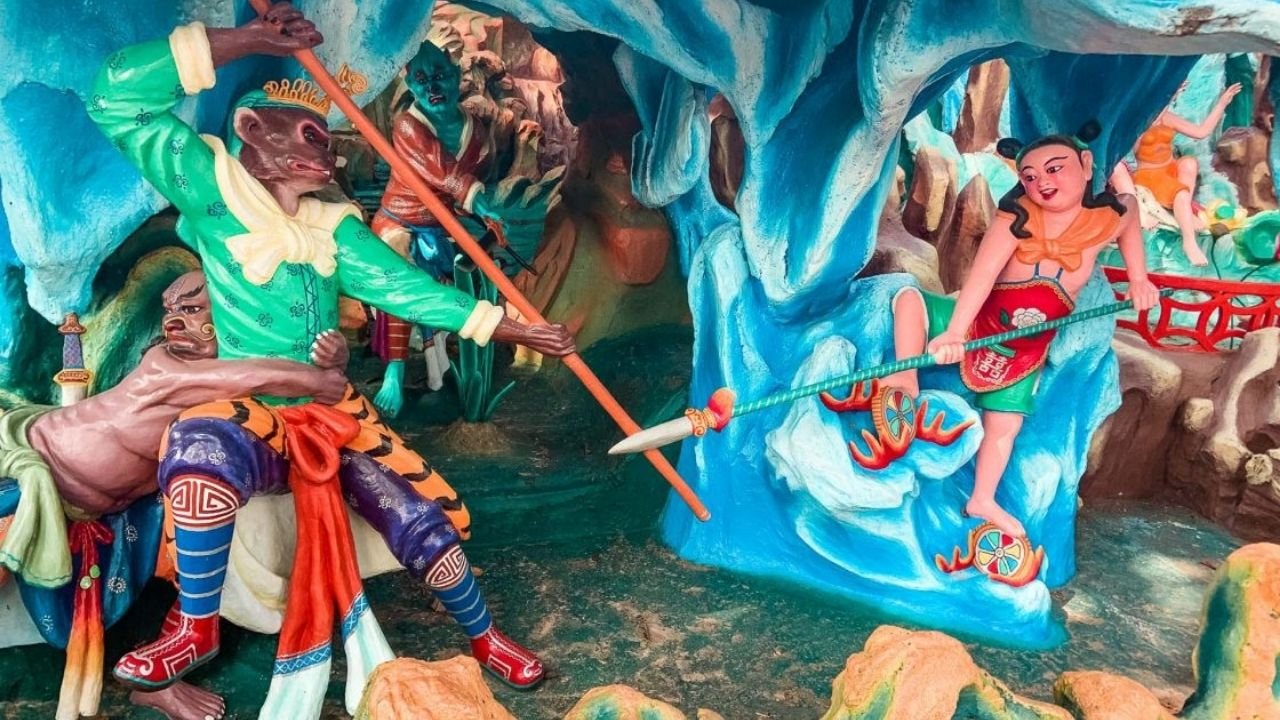
    While Haw Par Villa isn’t just about the afterlife, and raves — it also displays scenes from Chinese folklore such as “Romance of the Three Kingdoms” — its hellish attraction remains the top draw.

    But not for all.

    While leaving, one Filipina visitor told AFP that she won’t be returning anytime soon.

    “It’s very scary,” she said.

  • Brad Pitt at Silverstone for filming of F1 movie

    Brad Pitt at Silverstone for filming of F1 movie

    Brad Pitt’s previously untitled Formula One film, co-produced by seven-time world champion Lewis Hamilton, will be called F1, it was announced on Friday at the British Grand Prix.

    After months of speculation, the title was confirmed by Formula One, and is due for release next year.

    Pitt, 60, was at Silverstone on Friday where he is filming scenes for the movie using an adapted Formula Two car that he drives on track between sessions involving other racing series.

    The long-awaited movie was delayed by the United States actors’ and writers’ strike last year.

    Hamilton has been involved in the script creation to ensure authenticity.

    The film is being directed by Joseph Kosinski, who made Top Gun: Maverick.

  • Six dead In Tokyo heatwave

    Six dead In Tokyo heatwave

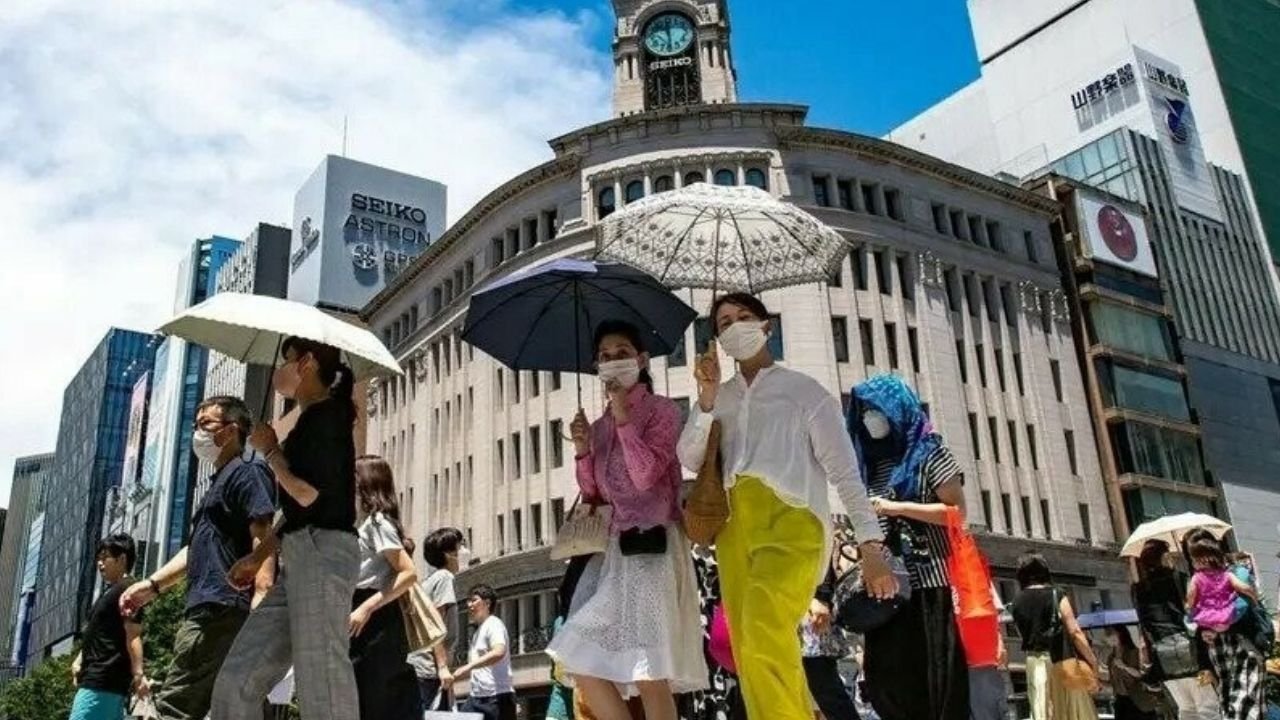
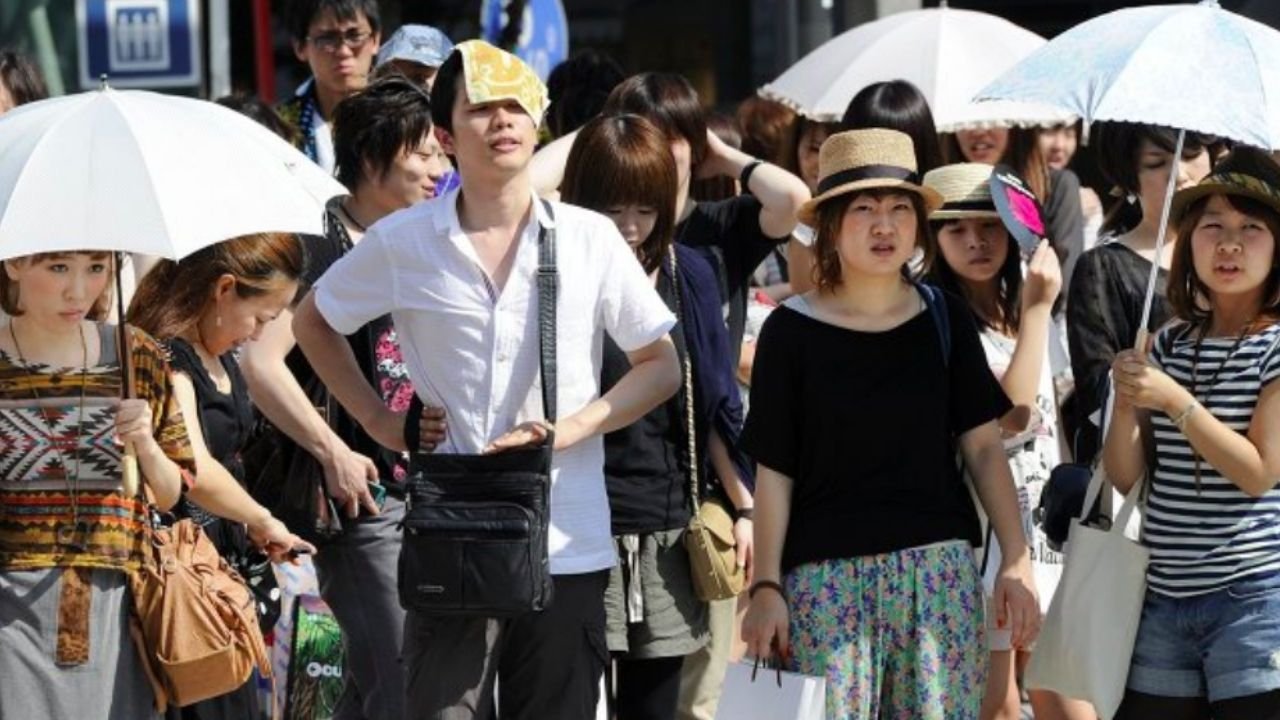
    Six people have died of heatstroke in Tokyo as Japan swelters under a rare rainy season heatwave, prompting authorities to issue a flurry of health warnings.

    Over the weekend, the central Shizuoka region became the first in Japan to see the mercury reach 40 degrees Celsius (104 Fahrenheit) this year, far surpassing the 35-degree threshold classified by weather officials as “extremely hot”.

    Such severe heat in the middle of Japan’s rainy season is “rather rare”, caused in part by a strong South Pacific high-pressure system, a weather agency official told AFP.

    Temperatures also hit record highs near 40 degrees Celsius on Monday at observation posts in Tokyo and in the southern Wakayama region, according to local media.

    The past few days, authorities have issued heatstroke alerts in much of the country, urging residents to avoid exercising outside and to use air conditioning.

    The capital logged three deaths linked to heatstroke on Saturday and three more on Monday, when the mercury hovered around 35 degrees Celsius at midday, according to the city’s medical examination office.

    “Without the AC on, I find it difficult to survive,” Tokyo resident Sumiko Yamamoto, 75, told AFP, adding she feels “it’s gotten drastically hotter” since last year.

    “Through the advice given on TV, I try to stay hydrated as much as possible. Because I’m old, I’m being careful not to collapse,” she said.

    Heatstroke is particularly deadly in Japan, which has the second-oldest population in the world after Monaco.

    Yamamoto’s age puts her in the demographic flagged by health experts as particularly vulnerable to heatstroke, along with infants and those living alone or who are too poor to afford air conditioning.

    The Japanese Association for Acute Medicine on Monday warned of the rising death toll from heat exhaustion nationwide, which grew from just a few hundred per year two decades ago to around 1,500 in 2022.

    The sheer number of fatalities suggests that heatstroke now poses a danger on par with that of “a major natural disaster”, the group said, warning against non-essential outings.

    Tokyo business executive Mikio Nakahara, 67, says the difference between Tokyo 50 years ago and now is stark.

    “Tokyo wasn’t as hot as it is now,” he told AFP.

    But these days, “I try to work remotely as much as possible so I don’t have to go outside.”

    With ever-hotter summers becoming the norm around the world, tourists like Ainhoa Sanchez, 29, aren’t too surprised by Tokyo’s temperatures.

    “So the plan is going sightseeing a little bit. Drinking a lot of liquids. Maybe when we get too hot, we can get into a shop, look around, chill a bit and then go back to the street,” she told AFP.

  • ‘Despicable Me 4’ tops N.American box office on opening weekend

    ‘Despicable Me 4’ tops N.American box office on opening weekend

    Animated comedy “Despicable Me 4” rose to the top of the North American box office on its first weekend in theaters, according to figures from industry watcher Exhibitor Relations published Sunday.

    The fourth major installment of the Minions universe — which features Will Ferrell voicing a new villain — racked up $75 million in ticket sales in the United States and Canada since its Friday release by Universal Pictures.

    “This is an outstanding opening for the 4th episode of an animation series, ranking only behind Toy Story 4,” said box office analyst David A. Gross.

    In second place with $30 million was “Inside Out 2,” the coming-of-age Disney and Pixar film which was knocked off the top spot after enjoying three consecutive weekends there.

    Apocalyptic horror “A Quiet Place: Day One” was in third place after taking in $21 million with its story of New Yorkers who must remain silent to survive an invasion by extraterrestrial creates with acute hearing.

    “MaXXXine,” a slasher that sees a mysterious killer stalking an aspiring actress in Hollywood, took fourth place with $6.7 million in ticket sales.

    Will Smith’s action-comedy “Bad Boys: Ride or Die,” which also stars Martin Lawrence, took the last top five spot as it earned $6.5 million.

    Rounding out the top 10 were:

    “Horizon: An American Saga — Chapter One” ($5.5 million)

    “Sound of Hope: The Story of Possum Trot” ($3.2 million)

    “Kalki 2898 AD” ($1.9 million)

    “The Bikeriders” ($1.3 million)

    “Kinds of Kindness” ($860,000)

  • Samsung workers begin three-day general strike over pay

    Samsung workers begin three-day general strike over pay

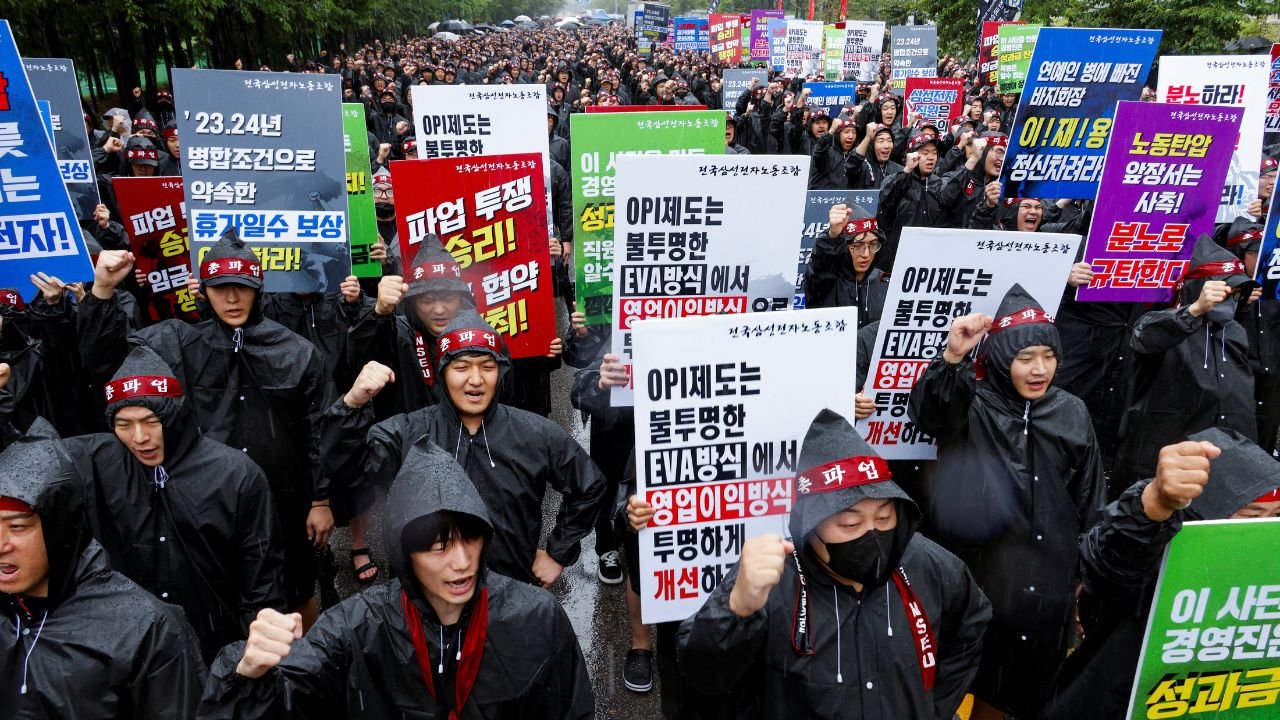
    Workers at South Korean tech giant Samsung began a three-day general strike over pay and benefits on Monday, the head of a union representing tens of thousands of employees told AFP, warning the action could impact memory chip production.

    Samsung Electronics is the world’s largest memory chip maker and accounts for a significant chunk of global output of the high-end chips.

    Wearing rain jackets and ribbons saying “fight with solidarity”, thousands of workers gathered outside the company’s foundry and semiconductor factory in Hwaseong, Gyeonggi, an hour south of Seoul.

    Samsung management has been locked in negotiations with the union since January, with the two sides failing to narrow differences on benefits and a rejected 5.1 percent pay raise offer from the firm.

    “The strike has started from today,” Son Woo-mok, head of the National Samsung Electronics Union, told AFP.

    “Today’s general strike is just the beginning,” he added.

    “Recalling why we are here, please do not come to work until July 10th and do not receive any business calls,” he told the crowd of workers.

    The union said about 5,200 people from factory facility, manufacturing and development had joined the protest.

    “Do they still not think this will affect their production line?” said Lee Hyun-kuk, vice president of the union.

    The union, which has more than 30,000 members, or more than a fifth of the company’s total workforce, announced the three-day general strike last week, saying it was a last resort after talks broke down.

    The move follows a one-day walkout in June, the first such collective action at the company, which went decades without unionisation.

    “We are now at critical crossroads,” the union said in an appeal sent out to members last week, urging them to support the strike.

    “This strike is the last card we can use,” it said, saying that workers at the company needed to “act as one”.

    “I’m really excited,” one union member and protester told AFP. “We’re making history.”

    Workers rejected the offer of a 5.1 percent pay hike in March, with the union having previously outlined demands including improvements to annual leave and transparent performance-based bonuses.

    Samsung declined a request for comment.

    “While the ongoing strike is only scheduled for three days, the participating members include those working in chip assembly lines,” business professor Kim Dae-jong at Sejong University told AFP.

    “Given that the union could carry out additional strikes in case the gridlock continues, it could pose a great risk to Samsung management amid its race for dominance in the competitive chips market.”

    Samsung Electronics avoided its employees unionising for almost 50 years — sometimes adopting ferocious tactics, according to critics — while rising to become the world’s largest smartphone and semiconductor manufacturer.

    Company founder Lee Byung-chul, who died in 1987, was adamantly opposed to unions, saying he would never allow them “until I have dirt over my eyes”.

    The first labour union at Samsung Electronics was formed in the late 2010s.

    The firm is the flagship subsidiary of South Korean giant Samsung Group, by far the largest of the family-controlled conglomerates that dominate business in Asia’s fourth-largest economy.

    It recently predicted a 15-fold increase in its on-year second quarter operating profits, thanks to growing demand for generative AI.

    Semiconductors are the lifeblood of the global economy, used in everything from kitchen appliances and mobile phones to cars and weapons.

    And demand for the advanced chips that power artificial intelligence systems has skyrocketed thanks to the success of ChatGPT and other generative AI products.

    Semiconductors are South Korea’s leading export and hit $11.7 billion in March, their highest level in almost two years, accounting for a fifth of South Korea’s total exports, according to figures released by the trade ministry.

  • Iran reformist Pezeshkian wins presidential election

    Iran reformist Pezeshkian wins presidential election

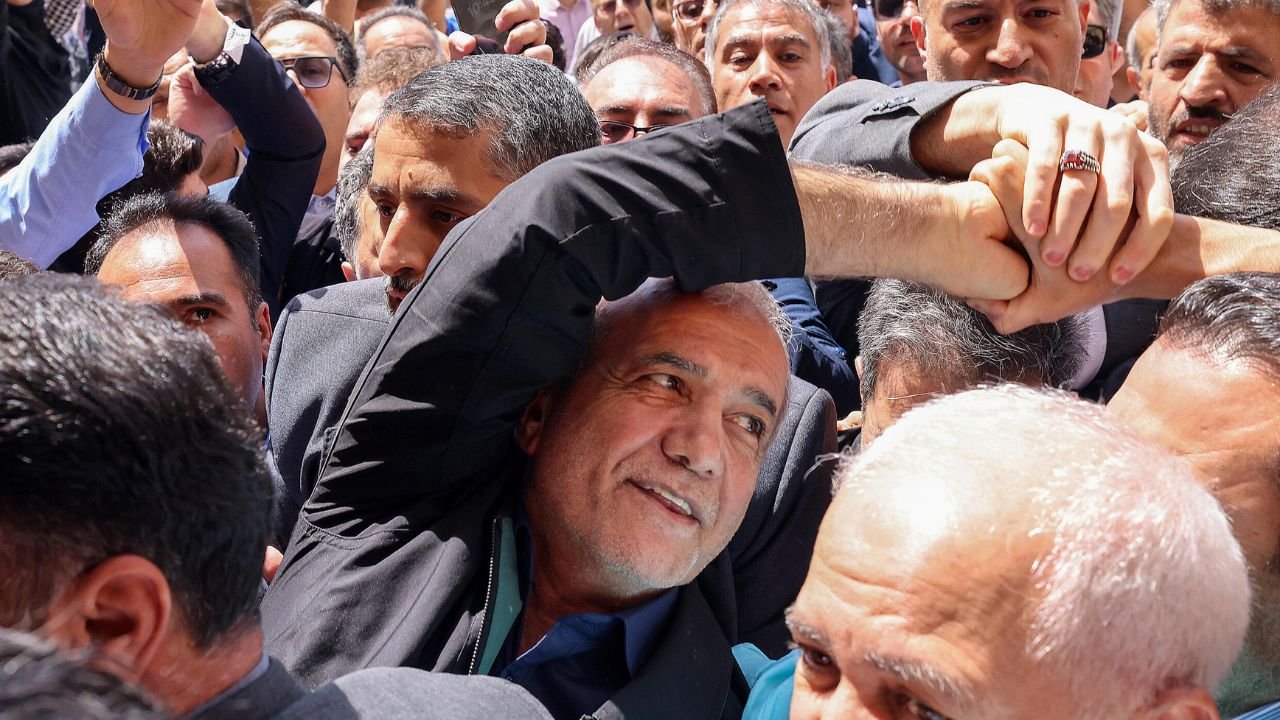
    Tehran (AFP) – Masoud Pezeshkian, Iran’s only reformist candidate in the latest presidential election, has risen from relative obscurity to become the ninth president of the Islamic republic.

    Pezeshkian, 69, won around 53.6 percent of the vote in a runoff election against the ultraconservative Saeed Jalili.

    In the first round of Iran’s snap elections on June 28, Pezeshkian led the polls against three other conservative figures, stunning supporters and rivals alike.

    Pezeshkian’s victory has raised the hopes of Iran’s reformists after years of dominance by the conservative and ultraconservative camps.

    He will replace late ultraconservative president Ebrahim Raisi who died in a May helicopter crash.

    “The difficult path ahead will not be smooth except with your companionship, empathy, and trust. I extend my hand to you,” Pezeshkian said in a post on X, after on Tuesday saying he would “extend the hand of friendship to everyone” if he won.

    In the lead-up to the elections, Iran’s main reformist coalition threw its weight behind Pezeshkian, with former presidents Mohammad Khatami and the moderate Hassan Rouhani declaring support for his bid.

    Pezeshkian takes over the presidency amid heightened regional tensions over the Gaza war, a dispute with the West over Iran’s nuclear programme and domestic discontent over the state of Iran’s sanctions-hit economy.

    ‘Out of isolation’

    The outspoken heart surgeon had publicly criticised the Raisi government over its handling of the death in custody of Iranian Kurd Mahsa Amini, who had been arrested for allegedly violating the Islamic republic’s strict dress code for women.

    In a post on Twitter, now known as X, at the time, he called on the authorities to “set up an investigation team” to look into the circumstances behind her death.

    In recent campaigning, he has maintained his stance, criticising the enforcement of mandatory hijab laws which require women to cover their head and neck in public since shortly after the 1979 Islamic revolution.

    “We oppose any violent and inhumane behaviour towards anyone, notably our sisters and daughters, and we will not allow these actions to happen,” he said.

    He also vowed to ease internet restrictions and to involve ethnic minorities in his government.

    Pezeshkian was born in 1954 to an Iranian father of Turkic origin and a Kurdish mother in the city of Mahabad in the northwestern province of West Azerbaijan.

    He has represented Tabriz in Iran’s parliament since 2008, served as health minister in Khatami’s government, and supervised sending medical teams to the war front during the Iran-Iraq conflict between 1980 and 1988.

    In 1993, Pezeshkian lost his wife and one of his children in a car accident. He never remarried and raised his remaining three children — two sons and a daughter — alone.

    Campaigning on behalf of Pezeshkian was Mohammad Javad Zarif, Iran’s combative former foreign minister who helped secure the landmark 2015 nuclear deal with world powers, which fell through three years later.

    Pezeshkian has called for reviving the accord — which sought to curb Tehran’s nuclear activity in return for sanctions relief — to get Iran “out of isolation”.

    “If we manage to lift the sanctions, people will have an easier life while the continuation of sanctions means making people’s lives miserable,” he said during a televised interview.

    Pezeshkian will be tasked with applying state policy outlined by the supreme leader Ayatollah Ali Khamenei, who wields ultimate authority in the country.

  • When TikTok reunited identical twins separated at birth

    When TikTok reunited identical twins separated at birth

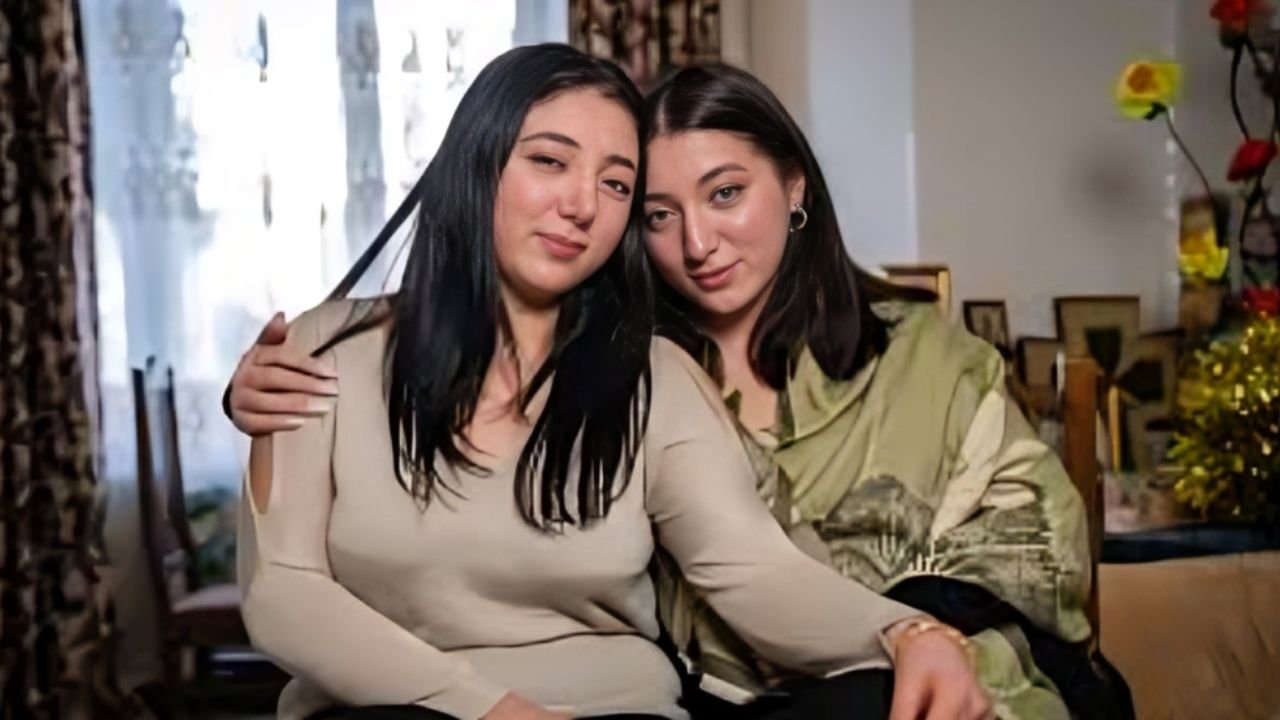
    Georgian student Elene Deisadze was browsing TikTok in 2022 when she stumbled across the profile of a girl, Anna Panchulidze, who looked exactly like her. Months later, after chatting and becoming friends, they both separately learnt they were adopted, and last year decided to take a DNA test. It revealed they were not only related, but identical twins.

    “I had a happy childhood, but now my entire past felt like a deception,” Anna, an English student at university, told AFP.

    Far from an innocent case of separation at birth, the sisters are among tens of thousands of Georgian children who were illegally sold in a decades-long baby trafficking scandal. The scheme, uncovered by journalists and families searching for lost relatives, saw babies stolen from their mothers – many of whom were told they had died – and then sold to adoptive parents in Georgia and abroad.

    Journalists have found that the illegal adoptions took place over more than 50 years, orchestrated by a network of maternity hospitals, nurseries and adoption agencies that colluded to take the children from their parents, falsify birth records, and place them with new families in exchange for cash.

    ‘New reality’

    Elene and Anna, now 19, began unravelling their hidden past two years ago. “We became friends without suspecting we might be sisters, but both of us felt there was some special bond between us,” Elene, a psychology student, told AFP.

    Last summer, both of their parents independently told the girls they had been adopted — revelations they had long planned to make. It was then that the pair decided to take the genetic test that would reveal they were identical twins.

    “I struggled to process the information, to accept the new reality — the people who had raised me for 18 years are not my parents,” said Anna. “But I feel no anger whatsoever, only immense gratitude to the people who raised me, and joy at finding my flesh and blood,” she added.

    ‘Buy a baby’

    The test for Elene and Anna was arranged with the help of Georgian journalist Tamuna Museridze, who runs a Facebook group dedicated to reuniting babies stolen from their parents.

    It has over 200,000 members — including mothers who were told by hospital staff that their babies had died shortly after being born, but then discovered years later they might be alive. Museridze set up the group in 2021 in a bid to find her own family after learning she had been adopted. She soon uncovered the mass baby-selling operation.

    “Mothers were told their babies had died shortly after birth and were buried at a hospital cemetery,” Museridze said. “In fact, hospitals had no cemeteries, and babies were being secretly whisked away and sold to adoptive parents.”

    The new parents were often unaware the adoptions were illegal and told fabricated stories about the circumstances. “Some people, however, consciously chose to circumvent the law and buy a baby” to avoid decade-long waiting lists, Museridze told AFP.

    She says she has evidence that at least 120,000 babies “were stolen from their parents and sold” between 1950 and 2006, when anti-trafficking measures by reformist president Mikheil Saakashvili eventually quashed the scheme.

    In Georgia, new parents would pay the equivalent of many months’ salary to arrange the adoption, while babies trafficked abroad were sold for up to $30,000, Museridze said.

    ‘Virtually impossible’

    Elene’s adoptive mother, Lia Korkotadze, decided with her husband to adopt after learning they couldn’t have children a year into their marriage. “But adopting from an orphanage seemed virtually impossible due to incredibly long waiting lists,” the 61-year-old economist told AFP.

    In 2005, an acquaintance told her about a six-month-old baby available for adoption from a local hospital – for a fee.

    Korkotadze said she “realised that was my chance,” and agreed. “They brought Elene right to my house,” Korkotadze said, never suspecting there was “anything illegal.” “It took months of excruciating bureaucratic delays to formalise the adoption through court,” she said.

    The tale of Anna and Elene mirrors that of another set of twin sisters — Anna Sartania and Tako Khvitia. They were separated at birth and sold to different parents, managing to reunite years later after finding each other on social media.

    More than 800 families have been reunited thanks to Museridze’s Facebook group. Successive Georgian governments have made multiple attempts to investigate the scheme and have made a handful of arrests over the last 20 years. Interior ministry spokesman, Tato Kuchava, told AFP that an “investigation is underway” into Museridze’s revelations, but declined to provide further details.

    Georgia’s Prime Minister Irakli Kobakhidze said last week in parliament that Tbilisi is among the world leaders in combating trafficking. But Museridze says the state’s response has been lacking. “The government did nothing tangible to help our efforts.”

  • Woman found dead swallowed by python in Indonesia

    Woman found dead swallowed by python in Indonesia

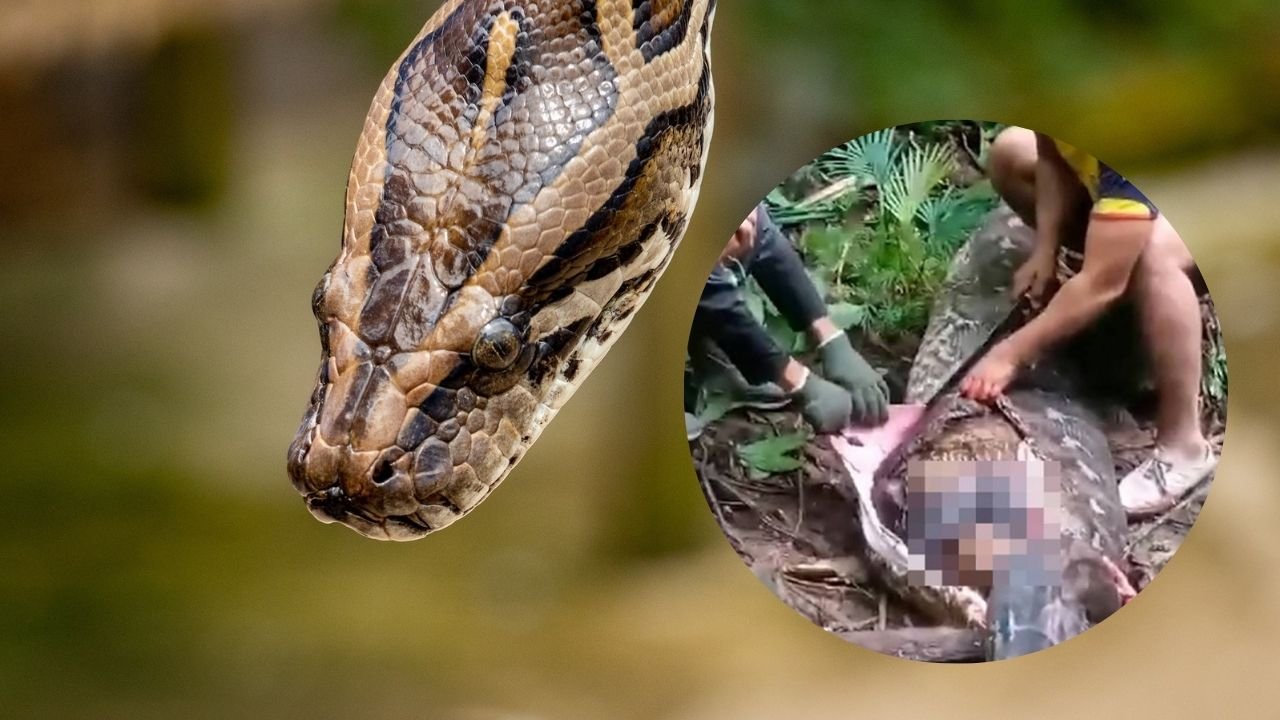
    A woman was found dead inside the belly of a snake after it swallowed her whole in central Indonesia, police said Wednesday, the second python killing in the province in a month.

    Siriati, 36, had gone missing after she left her house Tuesday morning to buy medicine for her sick child, police said, prompting relatives to launch a search.

    Her husband Adiansa, 30, found her slippers and pants on the ground about 500 metres (yards) from their house in Siteba village, South Sulawesi province.

    “Shortly after that, he spotted a snake, about 10 metres from the path. The snake was still alive,” local police chief Idul, who like many Indonesians has one name, told AFP.

    Village secretary Iyang told AFP that Adiansa became suspicious after he noticed the python’s “very large” belly. He called the villagers to help cut open its stomach, where they found her body.

    Such incidents are considered extremely rare, but several people have been swallowed by pythons in recent years.

    A woman was found dead last month inside the belly of a reticulated python in another district of South Sulawesi.

    Last year residents in the province killed an eight-metre python, which was found strangling and eating one of the farmers in a village.

    A 54-year-old woman was found dead in 2018 inside a seven-metre python in Southeast Sulawesi’s Muna town.

    And the year before, a farmer in West Sulawesi went missing before being found being swallowed by a four-metre python at a palm oil plantation.