Author: afp

  • Netflix drama stirs complex past of Pakistan’s ‘courtesans’

    Netflix drama stirs complex past of Pakistan’s ‘courtesans’

    The Netflix hit “Heeramandi” depicts the plush and powerful lives of courtesans in the 1940s, but there is little glamour for modern Pakistani sex workers in the faded red-light district where the series is set.

    The eight-part show — subtitled “The Diamond Bazaar” in English — portrays courtesans in the “royal neighbourhood” of pre-partition Lahore, once a hub of culture and political intrigue.

    With dazzling Bollywood-style opulence, it shows women consorting with aristocrats, forging influential alliances and rivalries against the backdrop of India’s struggle for independence from British rule.

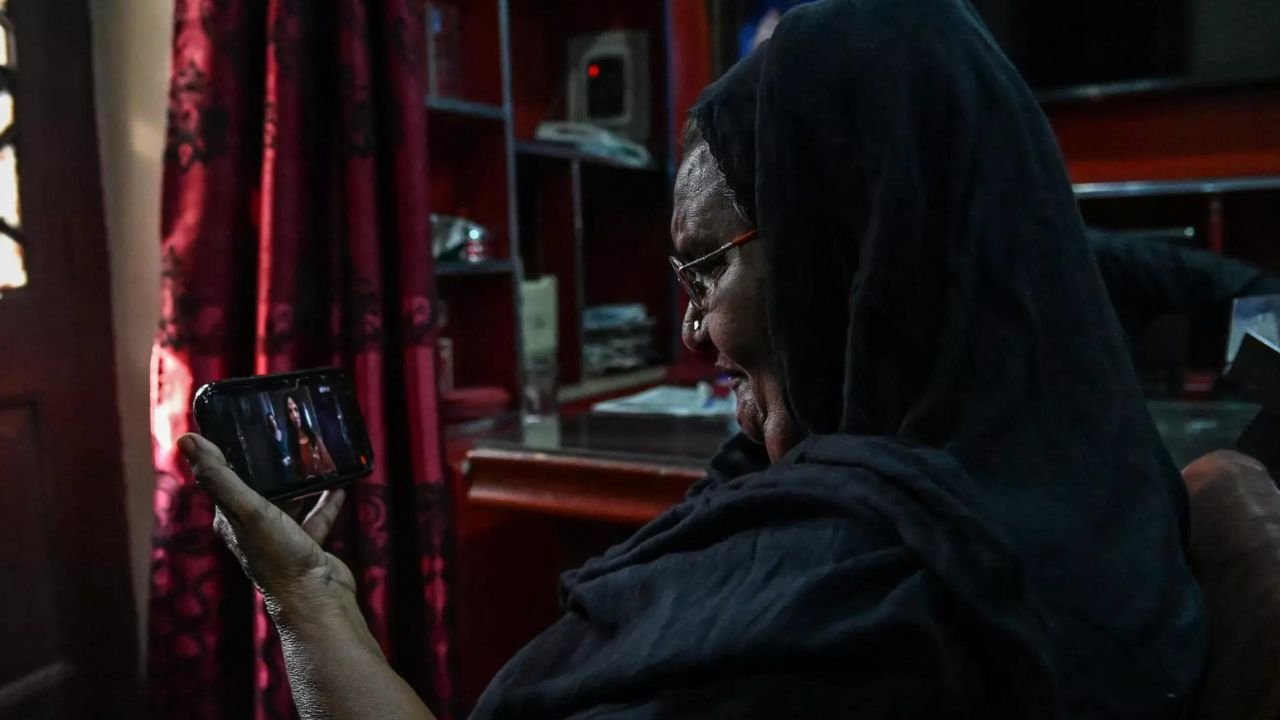
    But in the derelict remains of the neighbourhood, 65-year-old former sex worker Shagufta scoffed.

    “This is not what Heera Mandi is like,” she told AFP, using a pseudonym to protect her identity.

    “Now the girls just put their bodies on display,” explained Shagufta. “There is nothing left in Heera Mandi.”

    Shagufta can trace back seven generations of women in her family who worked as “tawaifs” in Heera Mandi, and she began dancing and being prostituted at the age of 12.

    While courtesans did command respect for their artistry in dance and music during the Mughal period, the show exaggerates the wealth and glamour of the British-ruled era in which it is set.

    “It was never like this,” she said.

    Taboo ‘tawaifs’
    The glittering jewels and swooning melodrama of the show attracted nearly 11 million views in its first three weeks on Netflix, as well as a deluge of interest on social media.

    Fascination has been split across Pakistan and India, where TikTok has lit up with videos of influencers dressing in traditional costumes and lip-syncing to the show’s songs and dialogues.

    A sequence from a seductive classical dance inspired by the gait of an elephant — considered regal and dignified — has gone viral, with the dancer gracefully moving her hips from side to side.

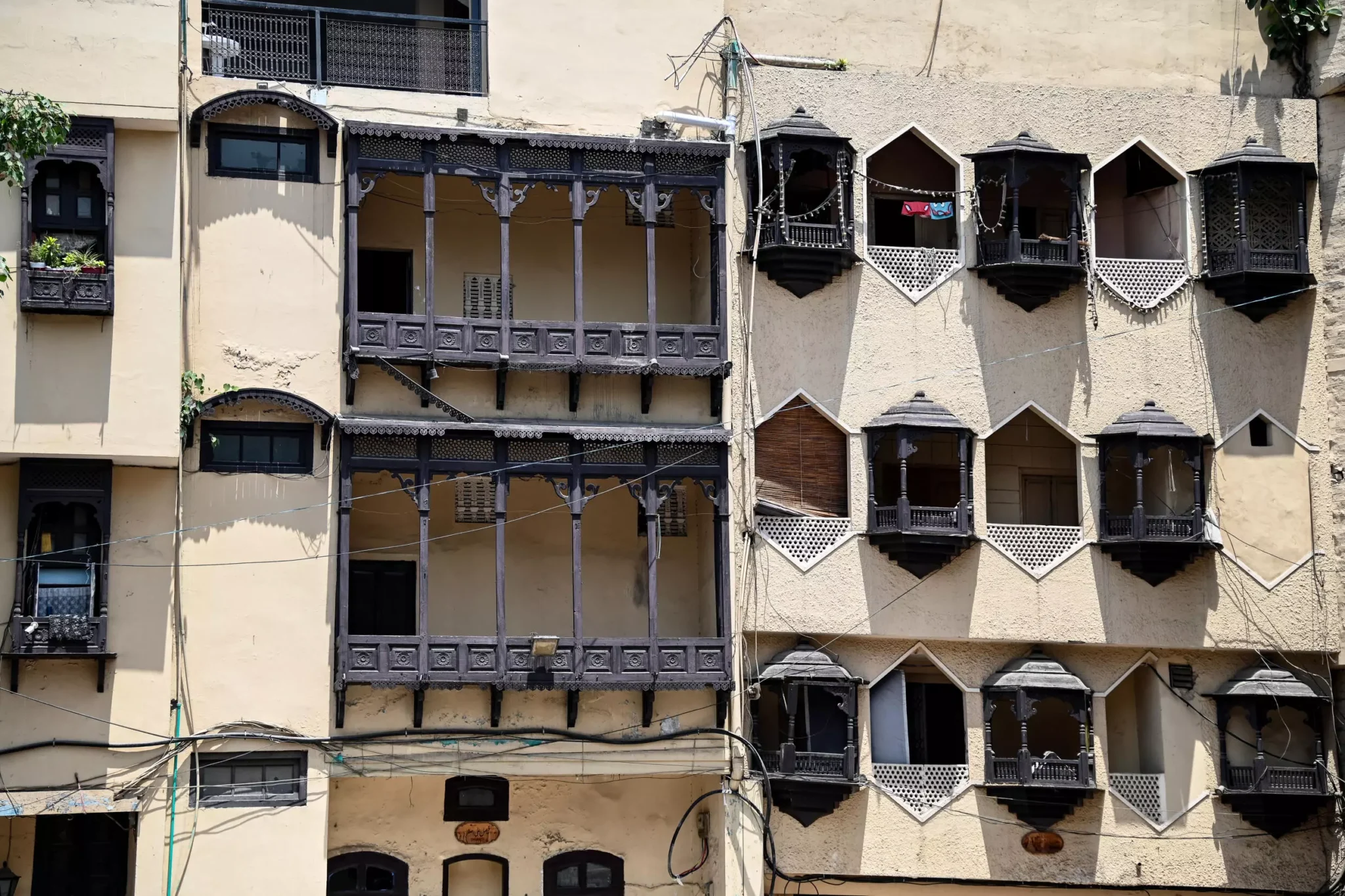
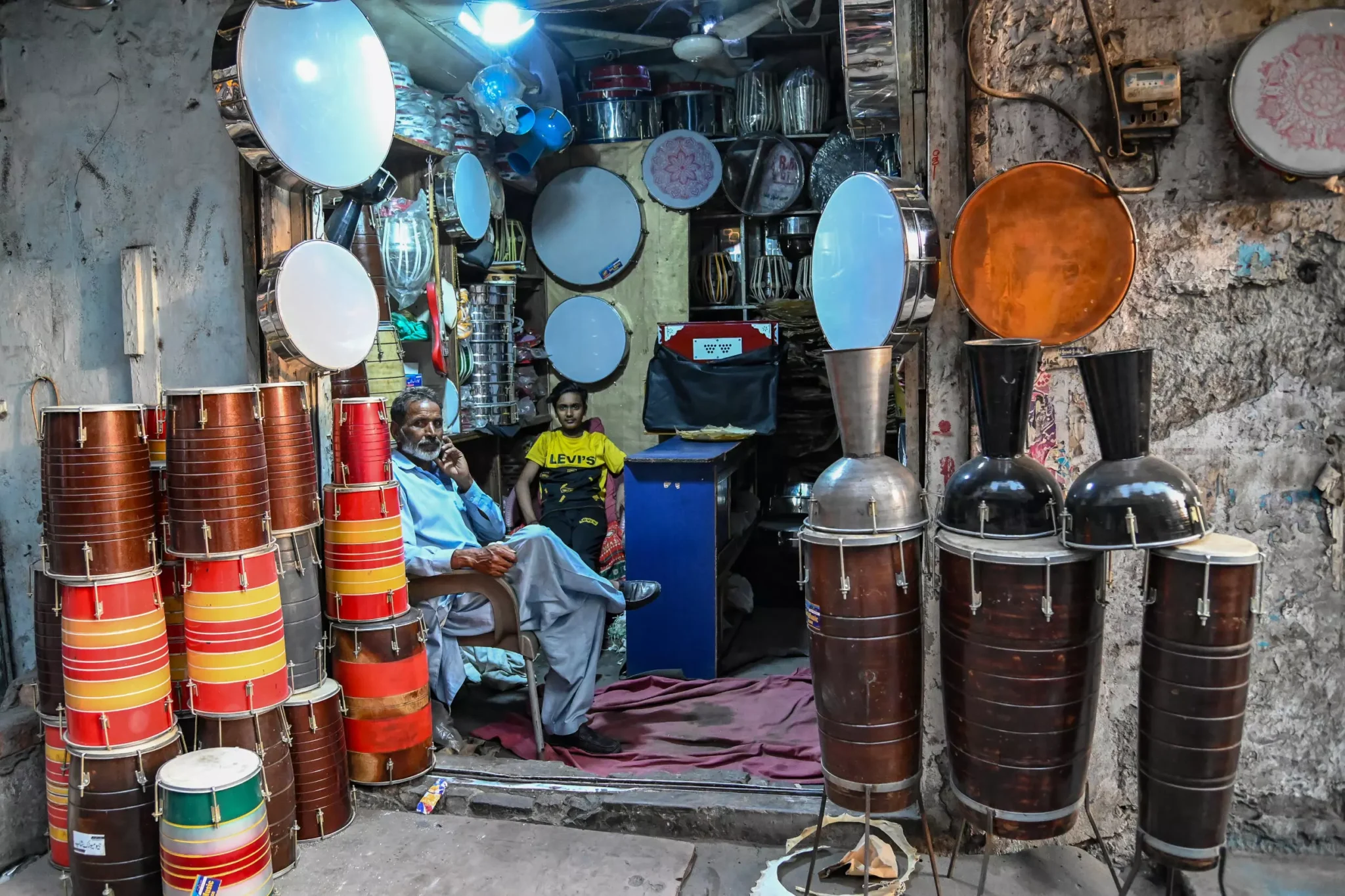
    Some vloggers have performed in front of shops selling shoes and musical instruments that have replaced the once-grand brothels, their crumbling art deco facades framing filthy alleyways.

    But whether the show is breaking down barriers around sexuality in deeply conservative Pakistan or simply compounding them with titillation is up for debate.

    Ar. Naveen Zaman, a cultural researcher, is excited about the renewed attention Heera Mandi is getting.

    “People are once again talking about the tawaif culture,” he said. “So actually, they are starting researching about these topics which were considered taboo in the past years.”

    For Zaman, it is a step towards reviving an uncomfortable history.

    “Old connections are being built here,” he said.

    The courtesans were at the height of their power in the Mughal era, which lasted from the 1500s to the mid-1800s.
    During British rule, Victorian morality codes were threatened by the women’s influence over the adoring local aristocracy, and the “diamond bazaar” was relegated to a red-light zone.

    Decades after Pakistan gained independence, the dictatorship of President Zia ul-Haq introduced hardline Islamic reforms which pushed sex work further into the shadows.

    A police crackdown in 2009 finally shuttered Heera Mandi’s brothels and ended the music and dancing with which sex workers entertained their clients.

    Painful realities

    For 38-year-old Noor — also a pseudonym — the Netflix series does not wash away the stigma of being a sex worker from Heera Mandi.

    Unlike in the series, where the term “tawaif” evokes ideas of art and etiquette, sex work in present-day Pakistan is a raw and dispiriting business.

    Forced into sex work when she was a child to support her family, Noor is ostracised even by her relatives for the work she does.

    “Women in this field are not considered honourable and are not treated with respect. It doesn’t matter how pious they become, they will never be respected. People will always call her a tawaif.”

    “Even though in other areas of the city more sex work occurs — because of Heera Mandi’s reputation this place is still notorious,” she said.

    Classical Indian dancer Manjari Chaturvedi has been working to reclaim the storied culture of courtesans for 15 years.

    In her New Delhi studio, she called the Netflix series a “missed opportunity” which “could have created a different narrative for women, who were stigmatised for many centuries for the work they did”.

    “The saddest thing that a cinema like this does is it again brings sexuality into the foreground rather than the art, and again it brings the same stigma,” Chaturvedi said.
  • Claudia Sheinbaum makes history as Mexico’s first woman president

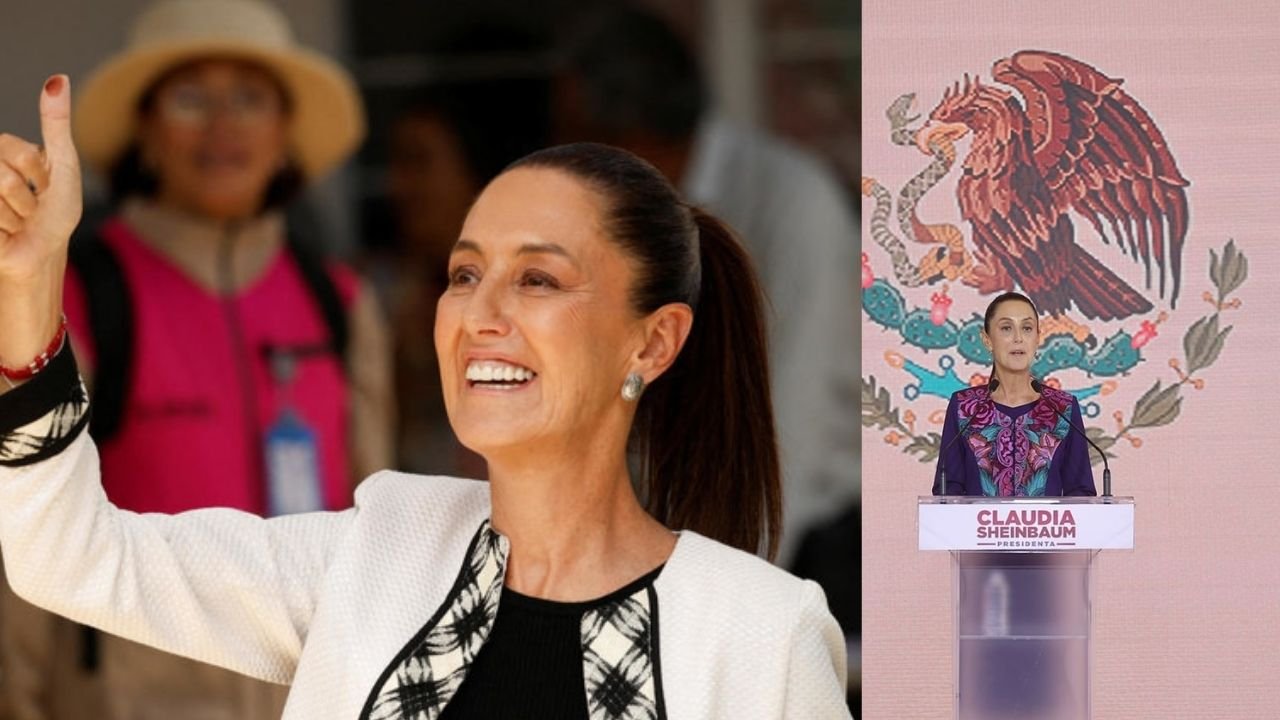
    Claudia Sheinbaum makes history as Mexico’s first woman president

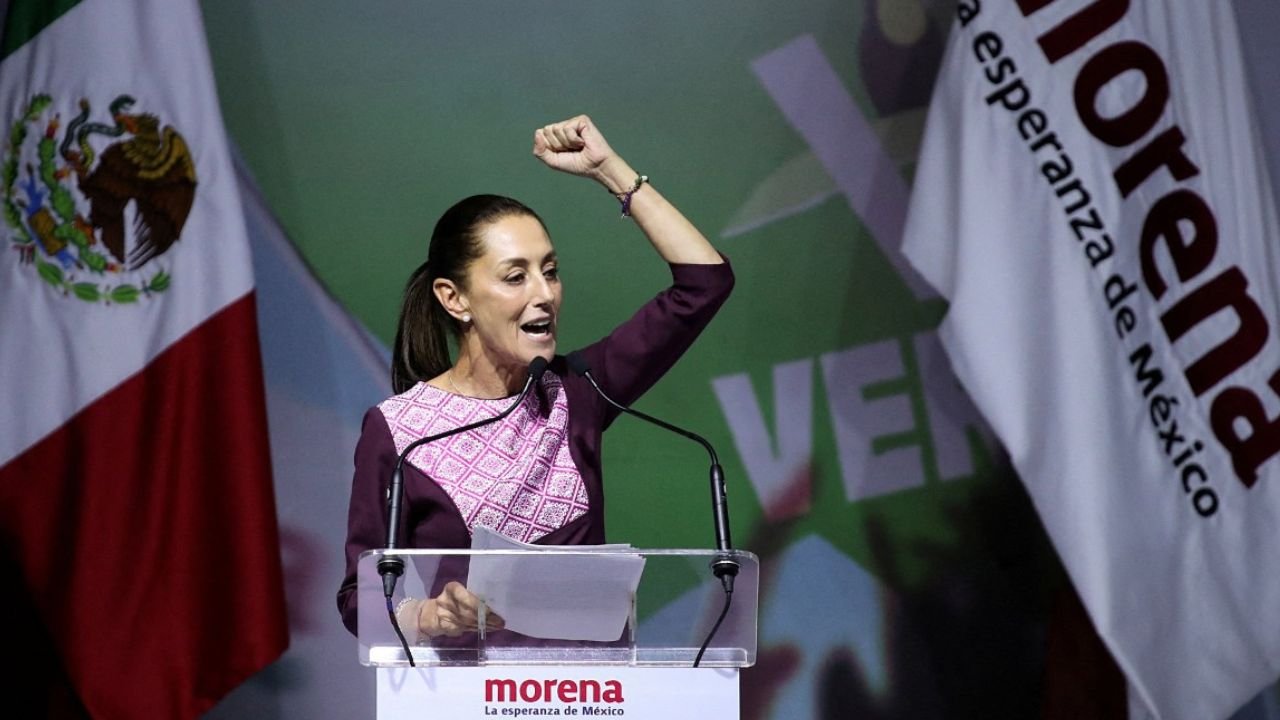
    Claudia Sheinbaum was elected Mexico’s first woman president by a landslide Sunday, making history in a country plagued by rampant criminal and gender-based violence.

    Crowds of flag-waving supporters sang and danced to mariachi music in Mexico City’s main square celebrating the ruling party candidate’s victory.

    “I want to thank millions of Mexican women and men who decided to vote for us on this historic day,” Sheinbaum said in a victory speech to the cheering crowd.

    “I won’t fail you,” the 61-year-old former Mexico City mayor vowed.

    She thanked her main opposition rival Xochitl Galvez, who conceded defeat.

    Sheinbaum, a scientist by training, won around 58-60 percent of votes, according to preliminary official results from the National Electoral Institute.

    That was more than 30 percentage points ahead of Galvez, and some 50 percentage points ahead of the only man running, long-shot centrist Jorge Alvarez Maynez.

    Voters had flocked to polling stations across the Latin American nation, despite sporadic violence in areas terrorized by ultra-violent drug cartels.

    Thousands of troops were deployed to protect voters, following a particularly bloody electoral process that has seen more than two dozen aspiring local politicians murdered.

    ‘Transformation’

    Mexican women going to the polls had cheered the prospect of a woman breaking the highest political glass ceiling in a country where around 10 women or girls are murdered every day.

    “A female president will be a transformation for this country, and we hope that she does more for women,” said Clemencia Hernandez, a 55-year-old cleaner in Mexico City.

    “Many women are subjugated by their partners. They’re not allowed to leave home to work,” she said.

    Daniela Perez, 30, said that having a woman president would be “something historic,” even though neither of the two main candidates was “totally feminist” in her view.

    “We’ll have to see their positions on improving women’s rights, resolving the issue of femicides — which have gone crazy — supporting women more,” added the logistics company manager.

    Nearly 100 million people were registered to vote in the world’s most populous Spanish-speaking country, home to 129 million people.

    Sheinbaum owes much of her popularity to outgoing President Andres Manuel Lopez Obrador, a fellow leftist and mentor who has an approval rating of more than 60 percent but is only allowed to serve one term.

    Lopez Obrador congratulated his ally with “all my affection and respect.” As well as being the first woman to lead Mexico, “she is also the president with possibly the most votes obtained in the history of our country,” he said.

    After casting her ballot, Sheinbaum revealed she had not voted for herself but for a 93-year-old veteran leftist, Ifigenia Martinez, in recognition of her struggle.

    ‘Hugs not bullets’

    In a nation where politics, crime and corruption are closely entangled, drug cartels went to extreme lengths to ensure that their preferred candidates win.

    Hours before polls opened, a local candidate was murdered in a violent western state, authorities said, joining at least 25 other political hopefuls killed this election season, according to official figures.

    In the central Mexican state of Puebla, two people died after unknown persons attacked polling stations to steal papers, a local government security source told AFP.

    Voting was suspended in two municipalities in the southern state of Chiapas because of violence.

    Sheinbaum has pledged to continue the outgoing president’s controversial “hugs not bullets” strategy of tackling crime at its roots.

    Galvez vowed a tougher approach to cartel-related violence, declaring “hugs for criminals are over.”

    More than 450,000 people have been murdered and tens of thousands have gone missing since the government deployed the army to fight drug trafficking in 2006.

    The next president will also have to manage delicate relations with the neighboring United States, in particular the vexed issues of cross-border drug smuggling and migration.

    As well as choosing a new president, Mexicans voted for members of Congress, several state governors and myriad local officials — a total of more than 20,000 positions.

  • India Commission says 642 million voted in election

    India Commission says 642 million voted in election

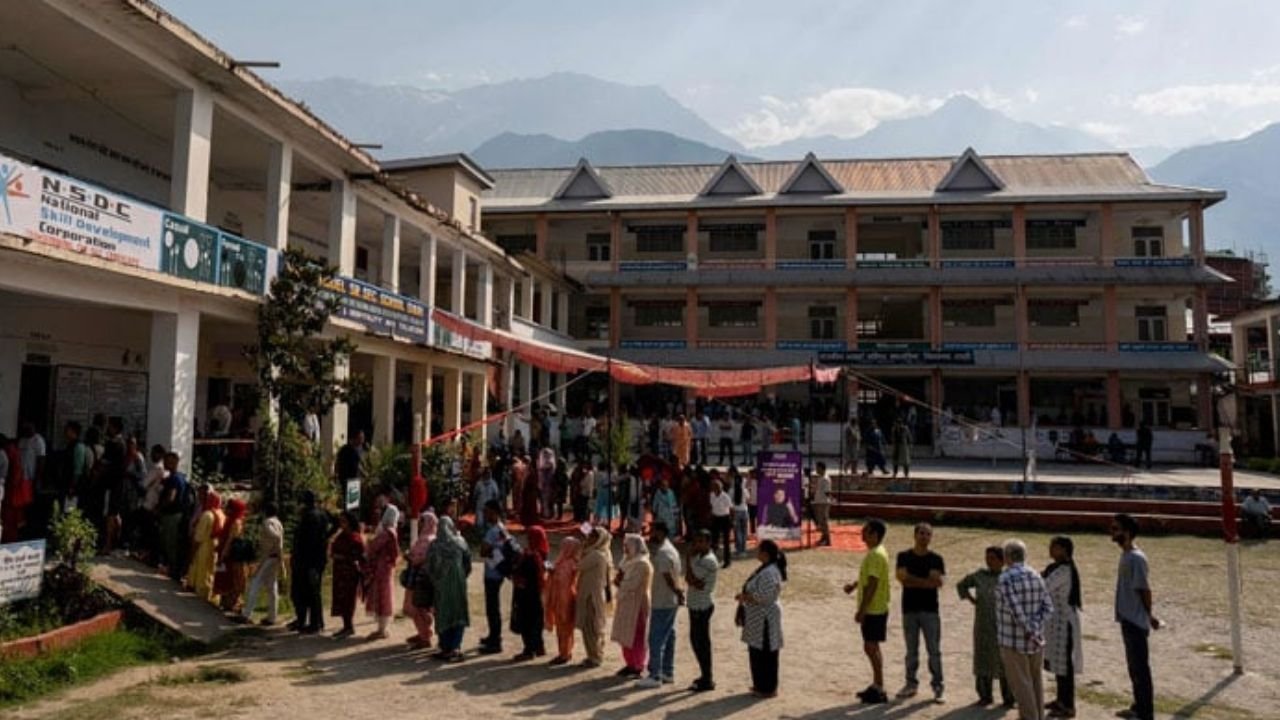
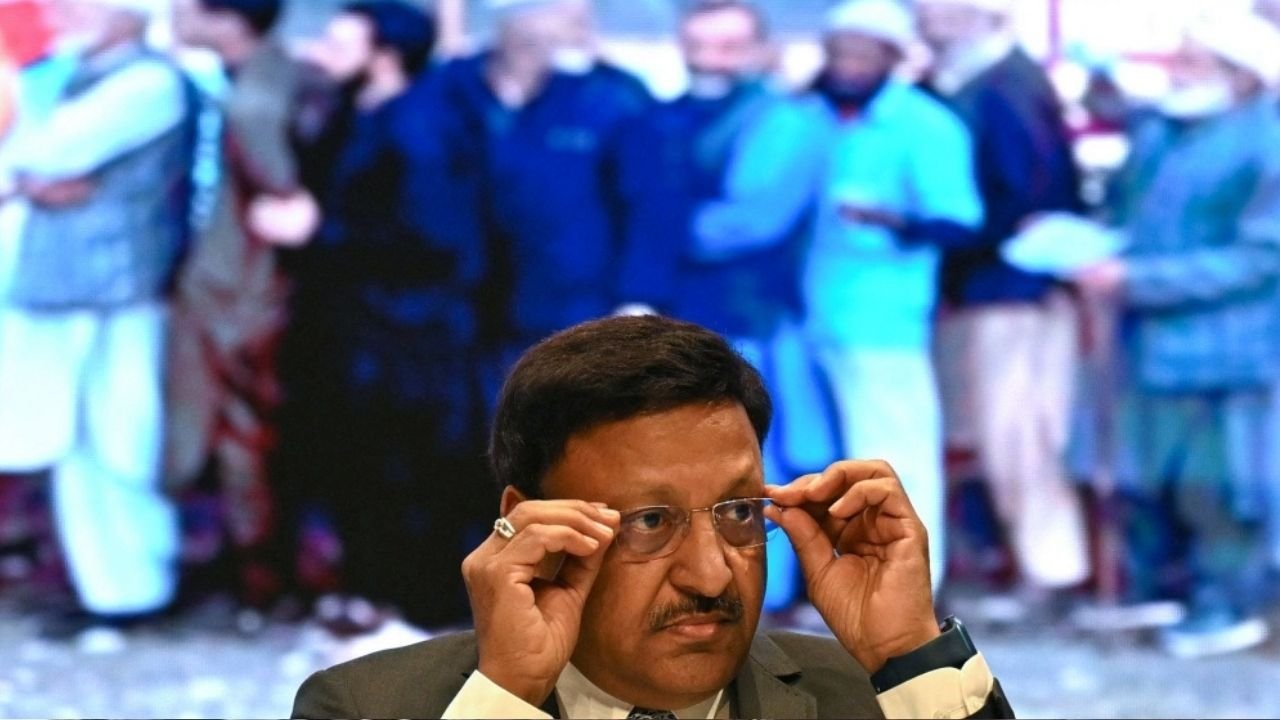
    A total of 642 million Indians voted in the just-concluded six-week-long polls, Chief Election Commissioner Rajiv Kumar told reporters on Monday, with Prime Minister Narendra Modi widely expected to win a third term.

    “We have created a world record of 642 million Indian voters, it is a historic moment for all of us,” Kumar said, adding that nearly half of those — 312 million — were women voters.

    “It shows the incredible power of voters of India,” he said.

    “People should know about the strength of Indian democracy.”

    Based on the commission’s figure of an electorate of 968 million, 66.3 percent of eligible voters turned out, slightly down on the last general election in 2019.

    Kumar said that “642 million voters chose action over apathy, belief over cynicism and in some cases, the ballot over the bullet”, the commission said, with the commissioner adding that there were “no major incidents of violence”.

    Voting in the seventh and final staggered round ended on Saturday, and counting and results are due on Tuesday.

    Exit polls show Modi is well on track to triumph, with the premier saying he was confident that “the people of India have voted in record numbers” to re-elect his government.

    India uses electronic voting machines that allow for faster counting of ballots.

    “We have a robust counting process in place,” Kumar said.

  • Maldives to ban Israeli tourists

    Maldives to ban Israeli tourists

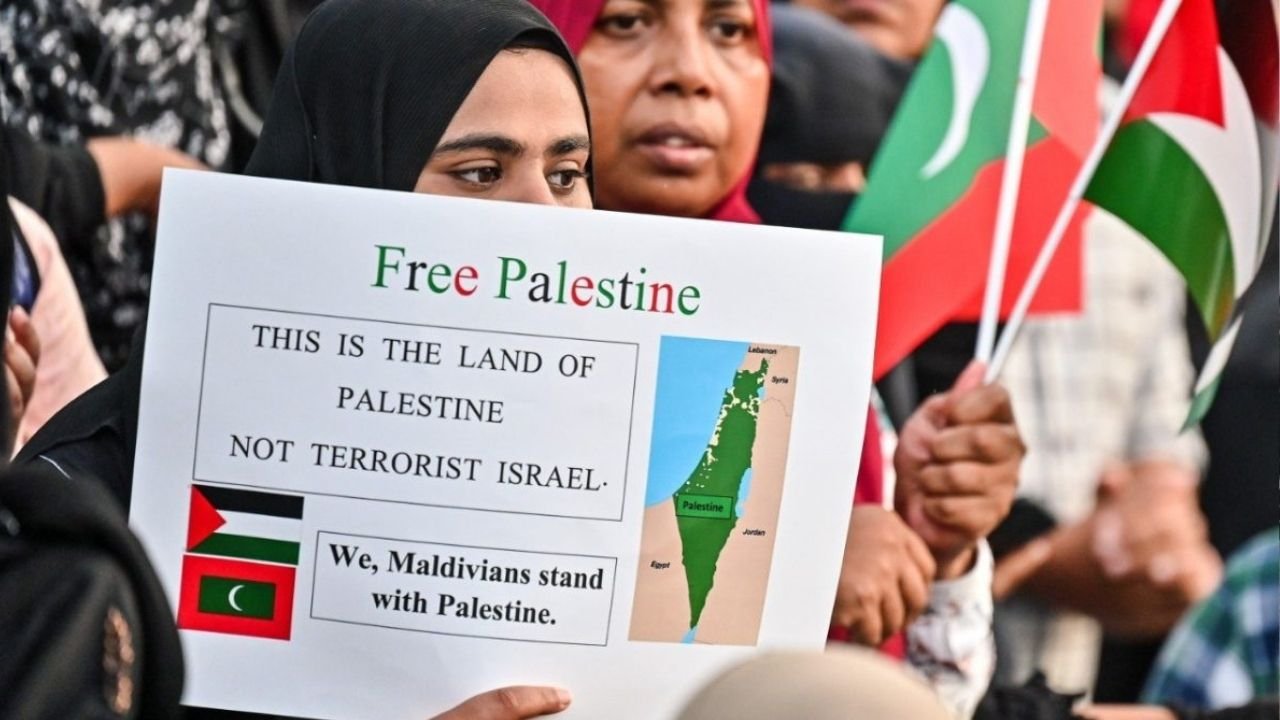
    MALE: The Indian Ocean nation of the Maldives will ban Israelis from the luxury tourist hot spot, the office of the president said on Sunday, announcing a national rally in “solidarity with Palestine”.

    The Maldives, a tiny Islamic republic of more than 1,000 strategically located coral islets, is known for its secluded sandy white beaches, shallow turquoise lagoons, and Robinson Crusoe-style getaways.

    President Mohamed Muizzu has “resolved to impose a ban on Israeli passports,” a spokesman for his office said in a statement, without giving details of when the new law would take effect.

    Muizzu also announced a national fundraising campaign called “Maldivians in Solidarity with Palestine”.

    The Maldives had lifted a previous ban on Israeli tourists in the early 1990s and moved to restore relations in 2010. However, normalisation attempts were scuttled following the toppling of President Mohamed Nasheed in February 2012.

    Opposition parties and government allies in the Maldives have been putting pressure on Muizzu to ban Israelis, as a sign of protest against the Gaza attack.

    Official data showed the number of Israelis visiting the Maldives dropped to 528 in the first four months of this year, down 88 percent compared to the corresponding period last year.

    In response to the ban, an Israel Ministry of Foreign Affairs spokesman urged citizens to avoid travel to the Maldives.

  • India’s six-week election ends with vote in Hindu holy city Varanasi

    India’s six-week election ends with vote in Hindu holy city Varanasi

    VARANASI: Indians flocked to the polls under scorching heat in the Hindu holy city of Varanasi on Saturday as a marathon national election reached its final day, six weeks after the voting first began.

    Indian Prime Minister Narendra Modi is widely expected to win a third term in office when results are announced Tuesday, in large part due to his cultivated image as an aggressive champion of India’s majority faith.

    The 73-year-old’s constituency of Varanasi is the spiritual capital of Hinduism, where devotees from around India come to cremate deceased loved ones by the Ganges river.

    It is one of the final cities to vote in India’s gruelling election and where public support for Modi’s ever-closer alignment of religion and politics burns brightest.

    “Modi is obviously winning,” Vijayendra Kumar Singh, who works in one of the popular pilgrimage destination’s many hotels, told AFP.

    “There’s a sense of pride with everything he does, and that’s why people vote for him.”

    Modi has already led the ruling Bharatiya Janata Party (BJP) to two landslide victories in 2014 and 2019, forged in large part by his appeal to the Hindu faithful.

    This year, he presided over the inauguration of a grand temple to the deity Ram, built on the grounds of a centuries-old mosque in Ayodhya razed by Hindu zealots in 1992.

    Construction of the temple fulfilled a longstanding demand of Hindu activists and was widely celebrated across the country with back-to-back television coverage and street parties.

    The ceremony, and numerous other chest-beating appeals to India’s majority religion over the past decade, have in turn made many among the country’s 200 million-plus minority Muslim community increasingly uneasy about their futures.

    Modi himself has made a number of strident comments about Muslims on the campaign trail, referring to them as “infiltrators”.

    He has also accused the motley coalition of more than two dozen opposition parties contesting the poll against him of plotting to redistribute India’s wealth to its Muslim citizens.

    ‘Already so hot’

    India has voted in seven phases over six weeks to ease the immense logistical burden of staging an election in the world’s most populous country.

    Both counting and results are expected on Tuesday, but exit polls published after polls close Saturday are expected to give some indication of the winner.

    Turnout is down several percentage points from the last national election in 2019, with analysts blaming widespread expectations of a Modi victory as well as successive heatwaves scorching India’s northern states.

    Extensive scientific research shows climate change is causing heatwaves to become longer, more frequent and more intense, with Asia warming faster than the global average.

    A scorching sun bore down on Varanasi and its countless temples and riverside crematoriums during Saturday’s vote, with temperatures forecast to peak at 44°C (111 Fahrenheit).

    “It’s already so hot,” Chinta Devi, who arrived to cast her vote at eight in the morning, told AFP.

    “Varanasi has felt hotter than usual over the last few days,” she added. “You see all the streets and markets empty.”

    ‘A lot more respect’

    Analysts have long expected Modi to triumph against the opposition alliance competing against him, which at no point has named an agreed candidate for prime minister.

    His prospects have been further bolstered by several criminal probes into his opponents and a tax investigation this year that froze the bank accounts of Congress, India’s largest opposition party.

    Western democracies have largely sidestepped concerns over rights and democratic freedoms in the hopes of cultivating an ally that can help check the growing assertiveness of China, India’s northern neighbour and rival regional power.

    Modi’s image at home has been bolstered by India’s rising diplomatic and economic clout — the country overtook Britain as the world’s fifth-biggest economy in 2022.

    “As an Indian, I feel that he has ensured a lot of respect and prestige for India during his term,” Shikha Aggarwal, 40, told AFP while waiting to cast her vote.

    “People now look at India and Indians with a lot more respect, something not accorded earlier.”

  • Israel pounds Gaza after Biden outlines ceasefire plan

    Israel pounds Gaza after Biden outlines ceasefire plan

    Israeli forces hammered Rafah in southern Gaza with tanks and artillery on Saturday, hours after US President Joe Biden said Israel was offering a new roadmap towards a full ceasefire.

    Shortly after Biden’s announcement, Israeli Prime Minister Benjamin Netanyahu insisted his country would still pursue the war until it had reached all its aims.

    He reiterated that position on Saturday, saying that “Israel’s conditions for ending the war have not changed: the destruction of Hamas’s military and governing capabilities, the freeing of all hostages and ensuring that Gaza no longer poses a threat to Israel”.

    A permanent ceasefire without those conditions being met was “a non-starter”, he said.

    Hamas, meanwhile, said it “views positively” the plan laid out by Biden.

    In his first major address outlining a possible end to the conflict, the US president said Israel’s three-stage offer would begin with a six-week phase that would see Israeli forces withdraw from all populated areas of Gaza.

    It would also see the “release of a number of hostages, including women, the elderly, the wounded, in exchange for (the) release of hundreds of Palestinian prisoners”.

    Israel and the Palestinians would then negotiate during those six weeks for a lasting ceasefire — but the truce would continue while the talks remained underway, Biden said.

    The US leader urged Hamas to accept the Israeli offer. “It’s time for this war to end, for the day after to begin,” he said, in comments echoed by British Foreign Secretary David Cameron.

    Israel insists on war aims

    US Secretary of State Antony Blinken called his counterparts from Jordan, Saudi Arabia and Turkey on Friday to press the deal.

    UN chief Antonio Guterres “strongly hopes” the latest development “will lead to an agreement by the parties for lasting peace”, his spokesman Stephane Dujarric said.

    German Foreign Minister Annalena Baerbock said the Israeli offer “provides a glimpse of hope and a possible path out of the war’s deadlock”, while EU chief Ursula von der Leyen welcomed a “balanced and realistic” approach to end the bloodshed.

    Saudi Arabia stressed its “support for all efforts aimed at an immediate ceasefire” and the withdrawal of Israeli troops. 

    Indonesia, meanwhile, said it was ready to send “significant peacekeeping forces” as well as medical personnel to Gaza if a ceasefire is agreed.

    But Netanyahu took issue with Biden’s presentation of what was on the table, insisting on Friday the transition from one stage to the next in the proposed roadmap was “conditional” and crafted to allow Israel to maintain its war aims.

    “The prime minister authorised the negotiating team to present an outline for achieving (the return of hostages), while insisting that the war will not end until all of its goals are achieved,” Netanyahu’s office said.

    “The exact outline proposed by Israel, including the conditional transition from stage to stage, allows Israel to maintain these principles.”

    Israel has repeatedly vowed to destroy Hamas since the Palestinian militant group attacked southern Israel on October 7.

    Rafah Massacre

    Israel sent tanks and troops into Rafah in early May, ignoring concerns over the safety of displaced Palestinian civilians sheltering in the city on the Egyptian border.

    On Saturday, residents reported tank fire in the Tal al-Sultan neighbourhood in west Rafah, while witnesses in the east and centre of Rafah described intense artillery shelling.

    “From the early hours of the night until this morning, the aerial and artillery bombardment has not stopped for a single moment”, a resident from west Rafah told AFP on condition of anonymity.

    “There are a number of occupation (Israeli) snipers in high-rise buildings overseeing all areas of Tal al-Sultan… making the situation very dangerous”, the resident added.

    There was also shelling and gunfire from the Israeli army in Gaza City, in the north of the Palestinian territory, according to an AFP reporter.

    Before the Rafah offensive began, the United Nations said up to 1.4 million people were sheltering in the city.

    Since then, one million have fled the area, the UN agency for Palestinian refugees, UNRWA, has said.

    The Israeli seizure of the Rafah crossing has further slowed sporadic deliveries of aid for Gaza’s 2.4 million people and effectively shuttered the territory’s main exit point.

    ‘Everything is ashes’

    Israel said last week that aid deliveries had been stepped up.

    But Blinken acknowledged on Friday that the humanitarian situation was “dire” despite US efforts to bring in more assistance.

    The World Food Programme said daily life had become “apocalyptic” in parts of southern Gaza since Israel began its assault on Rafah in early May.

    The genocide in Gaza has killed at least 36,379 people in Gaza, mostly civilians, according to the Hamas-run territory’s health ministry.

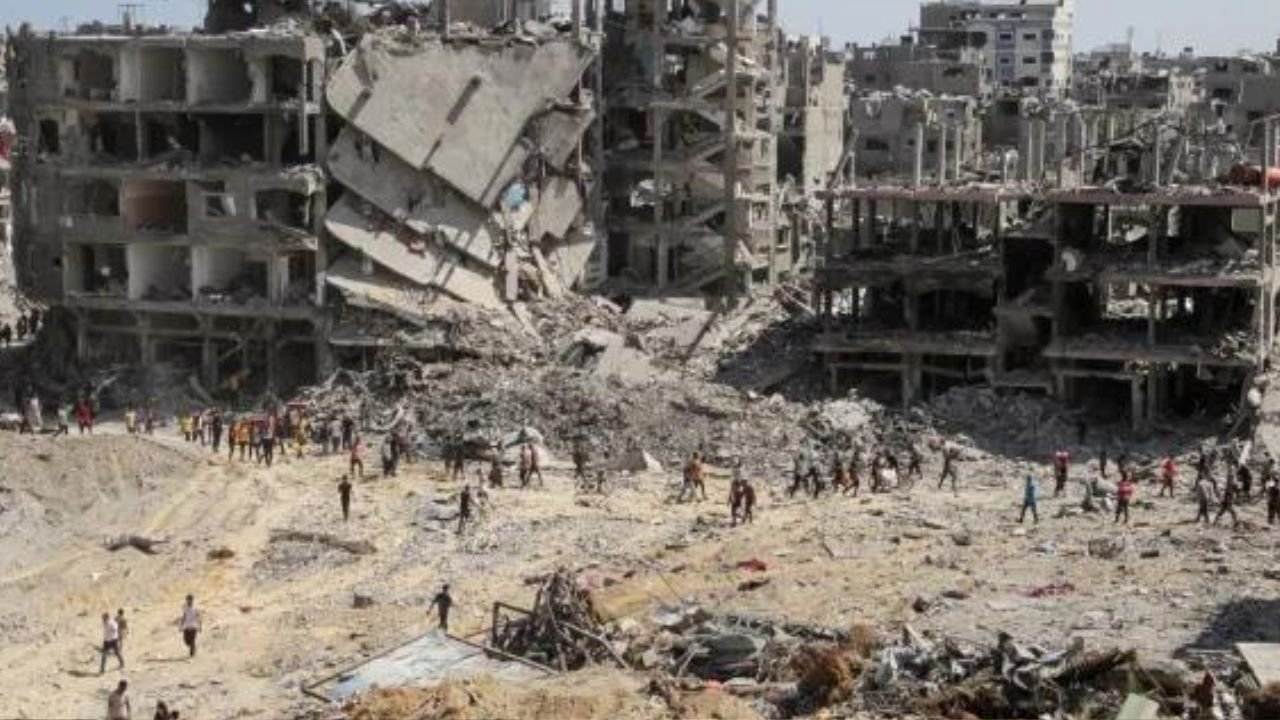
    In northern Gaza, witnesses said that after carrying out a three-week operation in the town of Jabalia and its neighbouring refugee camp, troops had ordered residents of nearby Beit Hanun to evacuate ahead of an imminent assault.

    The Israeli army said troops “completed their mission in eastern Jabalia and began preparation for continued operations in the Gaza Strip”.

    Jabalia shopkeeper Belal al-Kahlot said there was nothing left of his store after the Israeli operation. “Everything is ashes.”

    The Israeli military announced the deaths of two soldiers in Gaza, taking to 294 the number of Israeli troops killed since the start of ground operations in late October.

  • Countries vote to give Palestinians more rights at WHO

    Countries vote to give Palestinians more rights at WHO

    The World Health Organization’s top decision-making body voted Friday to grant Palestinians additional rights, echoing a similar decision in May by the United Nations General Assembly.

    Countries gathered for this week’s World Health Assembly, the annual gathering in Geneva of the WHO’s 194 member states, overwhelmingly approved a draft resolution on “aligning the participation of Palestine” in the WHO with its participation in the United Nations.

    A full 101 of the 177 countries with voting rights backed the text, with five opposed.

    The resolution, presented by a group of mainly Arab and Muslim countries along with China, Nicaragua and Venezuela, called for the Palestinians, which already have observer status at the WHO, to be granted virtually all the same rights as full members.

    The vote came after UN members voted in New York in May to grant Palestinians more rights in the global body, after their drive for full membership was blocked by the United States.

    At the WHA in Geneva, Palestinian officials and their backers did not attempt to ask for full membership.

    Several diplomatic sources suggested that was due to concern that a vote for Palestinian membership would trigger an automatic suspension of US funding to the WHO.

    The text approved Friday instead handed the Palestinians, among other things, “the right to be seated among member states… the right to submit proposals and amendments… (and) to be elected as officers in the plenary and the main committees of the Health Assembly”.

    But it noted that “Palestine, in its capacity as an observer state, does not have the right to vote in the Health Assembly or to put forward its candidature to WHO’s organs”.

    Israeli genocide against Palestinians has killed at least 36,224 people in Gaza, mostly civilians, according to the territory’s health ministry.

  • In historic first, Mexicans expected to elect woman president

    In historic first, Mexicans expected to elect woman president

    Millions of Mexicans are expected to vote for their first woman president in a landmark election Sunday, following a long and sometimes acrimonious race overshadowed by soaring political violence.

    In a watershed for a country with a long history of gender discrimination, two women have dominated the contest to lead the world’s most populous Spanish-speaking country.

    Addressing a cheering crowd of thousands at her closing campaign rally, ruling party candidate Claudia Sheinbaum said Mexico was going to “make history” this weekend.

    “I say to the young women, to all the women of Mexico — colleagues, friends, sisters, daughters, mothers and grandmothers — you are not alone,” the 61-year-old said.

    Her vow to champion women’s rights was music to the ears of Evelyn Trasvina.

    “I’m very excited,” said the 42-year-old accountant from western Mexico.

    “Many people have been lifted out of poverty and one of the promises is the recognition of women’s unpaid work,” she told AFP.

    Sheinbaum, a former Mexico City mayor and a scientist by training, was leading her main opposition rival Xochitl Galvez, also 61, by around 17 points in opinion polls days before the election.

    Nearly 100 million people are registered to vote in the country of 129 million, and 61-year-old housewife Rosa Maria Miranda said that criminal violence meant Galvez would get her support.

    “We women are fed up. We’re afraid to go out into the streets,” she said.

    The campaign season ended on a tragic note Wednesday when a gunman shot dead an aspiring mayor in the southern state of Guerrero.

    The attack brought the number of local politicians who have been murdered to at least 24 during what has been a particularly violent electoral process, according to official figures.

    Some non-governmental organizations have reported an even higher toll, including Data Civica, which has counted around 30 killings.

    Sheinbaum has pledged to continue outgoing President Andres Manuel Lopez Obrador’s controversial “hugs not bullets” strategy of tackling crime at its roots.

    Galvez, meanwhile, promised a tougher approach to cartel-related violence.

    “You will have the bravest president, a president who does confront crime,” the outspoken senator and businesswoman with Indigenous roots told her closing rally in the northern city of Monterrey.

    She accused Lopez Obrador of implementing “a security strategy where hugs have been for criminals and bullets for citizens.”

    Sheinbaum owes much of her popularity to Lopez Obrador, a close ally who has an approval rating of more than 60 percent but is only allowed to serve one term.

    It is almost a year since the contest for the ruling party nomination got underway, with Sheinbaum crisscrossing the country to meet supporters.

    The ruling party candidate had the backing of 53 percent of voters as campaigning drew to a close, according to a poll average compiled by research firm Oraculus.

    Galvez, who lashed out at her main rival in a series of televised presidential debates, calling her an “ice lady” and “narco-candidate,” was second with 36 percent.

    The only man running, 38-year-old centrist Jorge Alvarez Maynez, had just 11 percent.

    Tackling the cartel violence that makes murder and kidnapping a daily occurrence in Mexico will be among the major challenges facing the next leader, along with managing migration and delicate relations with the neighboring United States.

    More than 450,000 people have been murdered and tens of thousands have gone missing since the government deployed the army to fight drug trafficking in 2006.

    While Mexican women enjoy growing success in politics and business, gender violence remains a major problem in a country where around 10 women are murdered every day.

    And while millions of Mexicans have escaped poverty in recent years, more than a third still live below the poverty line, according to official figures.

    As well as voting for a new president, Mexicans will choose members of Congress, several state governors and myriad local officials. In total, more than 20,000 positions are being contested.

  • Pakistan farmers pin poor mango crop on climate change

    Pakistan farmers pin poor mango crop on climate change

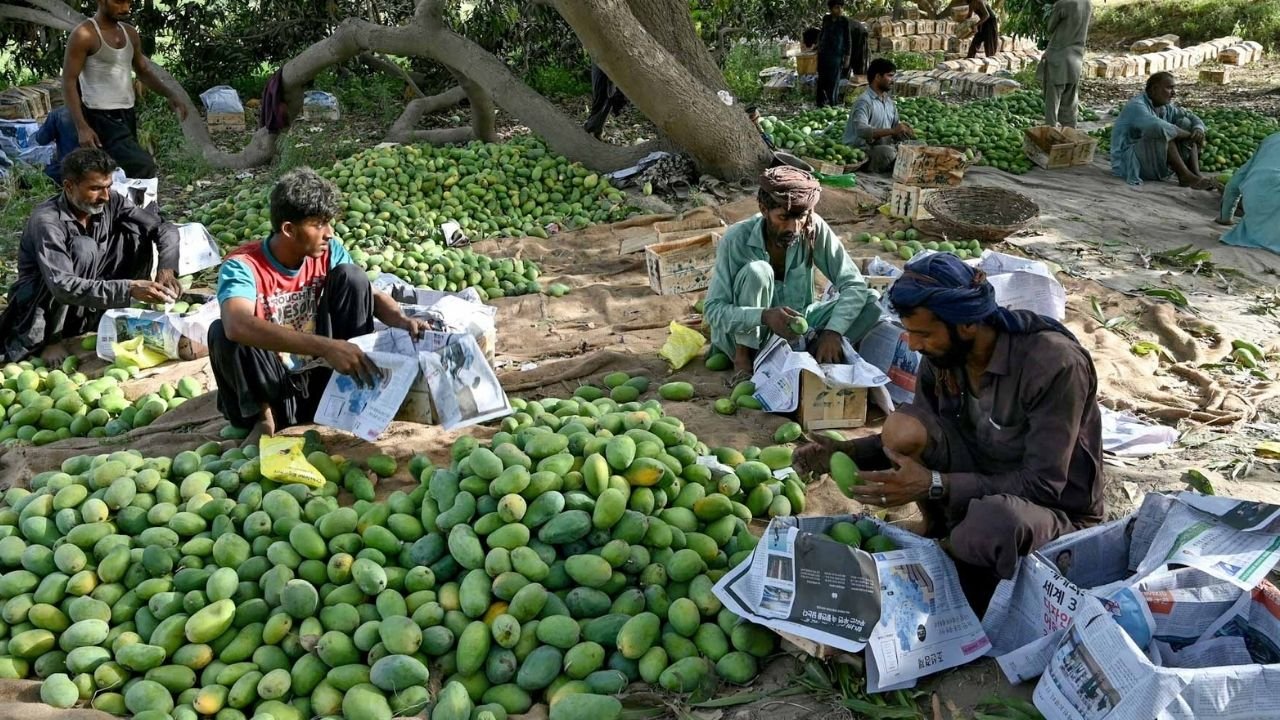
    Pakistan’s mangoes are normally a source of national pride and much-needed income, but farmers are blaming climate change for the parasites and extreme weather ruining much of this season’s crop.

    A white and orange scarf wrapped around his head in the scorching heat, farmer Muhammad Yusuf lamented the erratic weather.

    An abnormally long winter was followed by the wettest April in decades, while the country is now experiencing a heatwave with temperatures hitting up to 52 degrees Celsius (126 degrees Fahrenheit).

    “Buds didn’t flower on time, many buds just died. Those that started growing were infected with (parasite) black hopper,” said Yusuf, who has worked half his life growing mangoes.

    Now over 60 years old, Yusuf said “climate change has wreaked havoc” in his village of Tando Allahyar, around 200 kilometres (124 miles) northeast of economic hub Karachi.

    Pakistan is the world’s fourth-largest mango producer and agriculture accounts for almost a quarter of its GDP.

    Further south in Tando Ghulam Ali, Arsalan, who manages a 900-acre mango orchard, noticed the damage as soon as the harvest started this week.

    “We have production losses of 15 to 20 percent, and the picking has only just started so this figure will surely increase,” said the 32-year-old.

    Exports will be slashed as a result warned Arsalan, who goes by one name.

    “The mangoes turn yellow from the outside but remain underripe or overripe inside,” he explained.

    Ziaul Haq, a mango grower and exporter from Tando Ghulam Ali, said the “many attacks on fruit” by pests were unprecedented.

    “This, in our history, has never happened before,” he told AFP.

    ‘Feed our families’

    The proliferation of parasites has led to an explosion in spending on pesticides.

    This uptick was confirmed by several farmers in Sindh province, where Tando Allahyar and Tando Ghulam Ali are located, as well as those in the leading agricultural province of Punjab further north.

    They told AFP that chemicals are now used six to seven times per year, compared to just twice three years ago.

    Farmers in Sindh said they have been struggling since 2022 when a series of severe heatwaves were followed by unprecedented flooding, while those in Punjab said the declining crops yields date back several years more.

    “The losses in Punjab reached 35 to 50 percent and in Sindh, 15 to 20 percent” compared to last year, said Waheed Ahmed, head of the Pakistan Federation of Fruit and Vegetable Exporters Association (PFVA).

    Speaking to local media, he said that last year Pakistan had only managed to export 100,000 of the 125,000 tonnes of mangoes it planned to sell abroad.

    Pakistan’s 20 varieties of mangoes come second only to oranges as the most-produced fruit in the country.

    The income loss from a poor harvest could have a significant impact on the country, which is in talks to secure a loan from the International Monetary Fund (IMF).

    Mashooq Ali, a 30-year-old labourer in Tando Ghulam Ali, wants the government to help farmers cope.

    “Landowners will earn less this year,” said Ali, whose wife has started trading clothes to earn extra cash.

    “And even if they paid us as much as last year, with inflation, we won’t be able to feed our families.”

    srq/rsc/lb

    © Agence France-Presse

  • One dead after falling into jet engine at Schiphol

    A person died Wednesday after falling into the spinning turbine blades of a departing passenger jet at Amsterdam’s Schiphol airport, officials said.

    The death occurred on the apron outside the busy hub’s terminal as a KLM flight was ready to depart for Billund in Denmark.

    “An… incident took place at Schiphol today during which a person ended up in a running aircraft engine,” Dutch flagship carrier KLM said in a statement.

    “Sadly the person has died,” KLM said, without disclosing the victim’s identity.

    Dutch border police, who are responsible for security at the Netherlands’ largest airport, said passengers were removed from the plane and an investigation was opened.

    The plane involved is a short-haul Embraer jet, used by KLM’s Cityhopper service which operates flights to other nearby destinations like London, Dutch news reports said.

    A picture posted on the NOS public broadcaster showed the plane surrounded by fire trucks and ambulances next to the departure terminals.

    Safety and security measures are strict at Schiphol and accidents are rare at the busy airport, which handled around 5.5 million passengers last month alone, according to airport figures.