Author: afp

  • Pakistan bus crash kills at least 27 people: hospital

    Pakistan bus crash kills at least 27 people: hospital

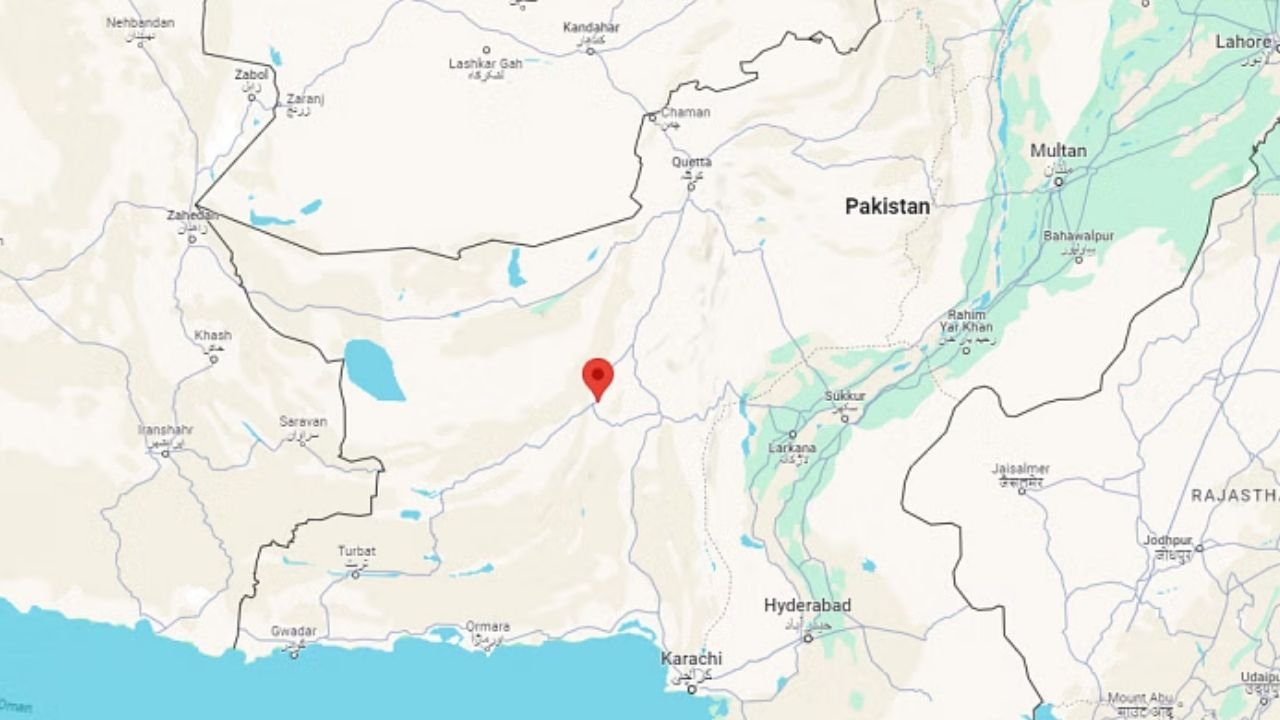
    Quetta, Pakistan – At least 27 people were killed on Wednesday when a bus plunged off the road into a deep ravine in southwestern Pakistan, hospital and government officials said.

    The crash happened around dawn in Basima town in Balochistan province while the bus was travelling from Turbat city to Quetta.

    “The driver was navigating a turn in a mountainous area when the vehicle lost control and fell into a ravine,” Ismail Mengal, a local government official said, giving a toll of 27 dead.

    “We are still investigating the cause of the incident. It could be that the driver fell asleep or was speeding, which led to the accident.”

    More than 25 others, including the driver, were injured.

    Noor Ullah, chief doctor at Civil Hospital Basima, told AFP that 27 bodies were taken there, including three women and two children.

    Prime Minister Shehbaz Sharif has “expressed deep sorrow and grief over the tragic traffic accident”, his office said in a statement.

    Road accidents with high fatalities are common in Pakistan, where safety measures are lax, driver training is poor and transport infrastructure often decrepit.

    At least 17 pilgrims were killed and 41 injured in a crash in April as they travelled to a shrine in Balochistan’s Hub district.

    In January last year, 41 people were killed when their bus, which was also loaded with containers of flammable oil, careered off the road into a valley and burst into flames.

    mak-zz/ecl/pbt

    © Agence France-Presse

  • Indian capital records highest-ever temperature of 49.9 Celsius

    Indian capital records highest-ever temperature of 49.9 Celsius

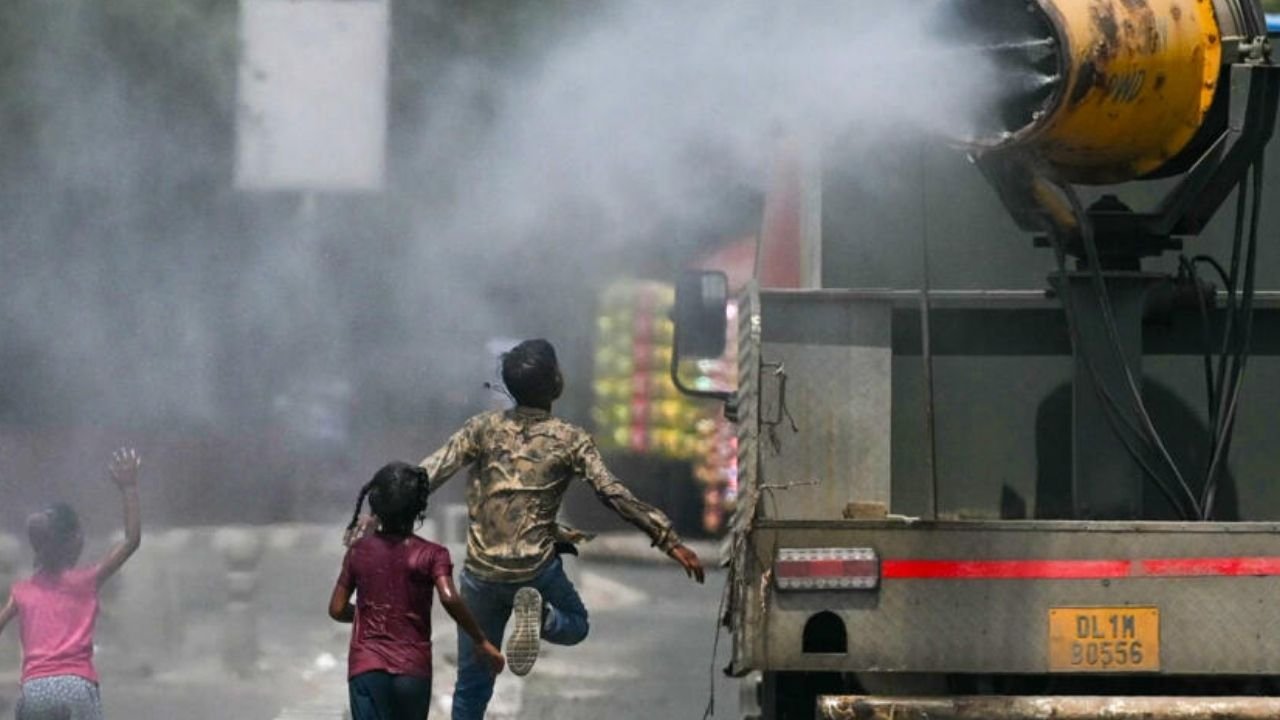
    New Delhi (AFP) – Temperatures in India’s capital have soared to a record-high 49.9 degrees Celsius (121.8 Fahrenheit) as authorities warn of water shortages in the sprawling mega-city.

    The India Meteorological Department (IMD), which reported “severe heat-wave conditions”, recorded the temperatures on Tuesday at two Delhi suburbs stations at Narela and Mungeshpur.

    The weather bureau said the temperatures were nine degrees higher than expected.

    Forecasters predict similar temperatures Wednesday for the city of more than 30 million people, issuing a red alert warning notice for people to take care.

    In May 2022, parts of Delhi hit 49.2 degrees Celsius (120.5 Fahrenheit), Indian media reported at the time.

    India is no stranger to searing summer temperatures.

    But years of scientific research have found climate change is causing heatwaves to become longer, more frequent and more intense.

    ‘Water scarcity’

    New Delhi authorities have also warned of the risk of water shortages as the capital swelters in headache-inducing heat — cutting supplies to some areas.

    Water Minister Atishi Marlena has called for “collective responsibility” in stopping wasteful water use, the Times of India newspaper reported Wednesday.

    “To address the problem of water scarcity, we have taken a slew of measures such as reducing water supply from twice a day to once a day in many areas,” Atishi said, the Indian Express reported.

    “The water thus saved will be rationed and supplied to the water-deficient areas where supply lasts only 15 to 20 minutes a day,” she added.

    The IMD warned of the heat’s impact on health, especially for infants, the elderly and those with chronic diseases.

    Many blame the soaring temperatures on scorching winds from Rajasthan state, where temperatures on Tuesday were the hottest in the country, at 50.5 degrees Celsius.

    Rajasthan’s desert region of Phalodi holds the country’s all-time heat record, hitting 51 degrees Celsius in 2016.

    At the same time, West Bengal state and the northeastern state of Mizoram have been struck by gales and lashing rains from Cyclone Remal, which hit India and Bangladesh on Sunday, killing more than 38 people.

    Bangladesh’s Meteorological Department said the cyclone was “one of longest in the country’s history”, blaming climate change for the shift.

  • Pakistan’s Sufi festivals reclaim spirit after violence

    Pakistan’s Sufi festivals reclaim spirit after violence

    Shah Jiwana (Pakistan) (AFP) – Rhythmic drums and spirited dancing are once again bringing life to the shrines of Pakistan’s saints, where festivals were long stifled by jihadist violence.

    As the harvest season ends and schools finish for the summer, villagers climb atop tractor trolleys, buses and rickshaws to head to the annual celebrations at Sufi shrines dotted across the country.

    “Those who cannot meet during the rest of the year reunite at the fair,” said Muhammad Nawaz, a farmer from Punjab province at the annual “mela” to honour saint Shah Jiwana in Jhang city in May.

    “These fairs and Punjab’s culture share a profound connection, one of love and brotherhood.”

    Fairgrounds, musicians, traditional wrestlers and motorcycle acrobats delight pilgrims lit by lanterns of all colours — but always under the watchful eye of hundreds of police officers.

    Centuries-old Sufi orders across the Islamic world have millions of followers, from Turkey to South Asia, and their beliefs are rooted in mysticism and a devotion to saints.

    Many orthodox hardliners consider Sufi beliefs heretical, however, and Sunni militant groups such as the Pakistani Taliban and Islamic State have carried out bloody attacks at shrines and festivals.

    In Pakistan, the attacks led authorities to ban festivals or limit their activities until recently.

    “The goal was to avoid risking public lives,” said Alloudin Mehmood, a government official at Bari Imam shrine in Islamabad, targeted by a 2005 suicide bombing that killed 19 people.

    Security has dramatically improved after several military operations, allowing celebrations to slowly return.

    “Only after receiving security clearance was the festival permitted last year, ending a 16-year hiatus,” Mehmood added.

    The event was shortened from five days to three, with mobile phone signals suspended for security reasons.

    ‘Culture is resilient’

    The landscape of rural Pakistan is adorned with thousands of Sufi shrines, varying in size from grand edifices to modest structures, each steeped in a tapestry of associated legends.

    Particularly in Punjab and Sindh, saints, commonly referred to as “Pirs,” are revered and miracles attributed to their spiritual presence.

    “These shrines have endured threats and persecution,” said anthropologist and author Zulfiqar Ali Kalhoro.

    “Culture always has a remarkable resilience, capable of absorbing shocks and persevering through challenging times.”

    The annual celebrations commemorate the anniversaries of a saint’s death and symbolise the spiritual union between devotees and the divine.

    “Pilgrims find solace, healing, release and entertainment at these events that celebrate the ‘friends of God’,” said Carl W. Ernst, who has authored several books on Sufism.

    Sufism has inspired some of Pakistan’s most beloved artists, writers and musicians.

    Sufi shrines often attract marginalised groups, including transgender women and drug addicts.

    “We are never as well-received as at festivals,” Khusbhoo, a transgender woman, told AFP.

    Come to the fair

    At the Shah Jiwana shrine, devotion gives way to entertainment in the late afternoon.

    A juice seller belts out a famous Punjabi song: “Forget about your responsibilities for a while; let’s head to the fair instead.”

    Thousands turn to the fields to witness traditional games such as Kabaddi, a rough contact sport where opponents slap each other around the face, and tent pegging, a more graceful display of horsemanship.

    Against the neon background of the fairgrounds, 16-year-old stunt girl Fatima Noor prepares her motorbike.

    Defying both gravity and social taboos, she circles the “wall of death” to the amazement of the crowd — a chance to earn some money for her family.

    “These fairs must be held, because we do not have any other employment opportunities,” she said.

    Eighteen-year-old Hamid Ijaz delighted in the celebrations, disrupted for much of his childhood.

    “Because of how widespread hate and sectarianism are in our country, it’s crucial to organise events like these where people can come together and foster love,” he told AFP.

  • After Raisi’s funeral, Iran’s focus turns to vote for successor

    After Raisi’s funeral, Iran’s focus turns to vote for successor

    After Iran mourned President Ebrahim Raisi, who died in a recent helicopter crash, the nation’s focus turns to an election next month for his successor, with the conservative camp seeking support from Ayatollah Ali Khamenei.

    The lead-up to the early vote on June 28 has opened up the field to a broad range of hopefuls from all political parties. The big question for them is how many candidacies will survive the vetting process in the Islamic republic.

    President Raisi, who had more than a year left of his first term, died on May 19 alongside his foreign minister Hossein Amir-Abdollahian and six others when their helicopter crashed into a fog-shrouded mountainside.

    They were laid to rest in multi-day funeral rites drawing mass crowds of mourners.

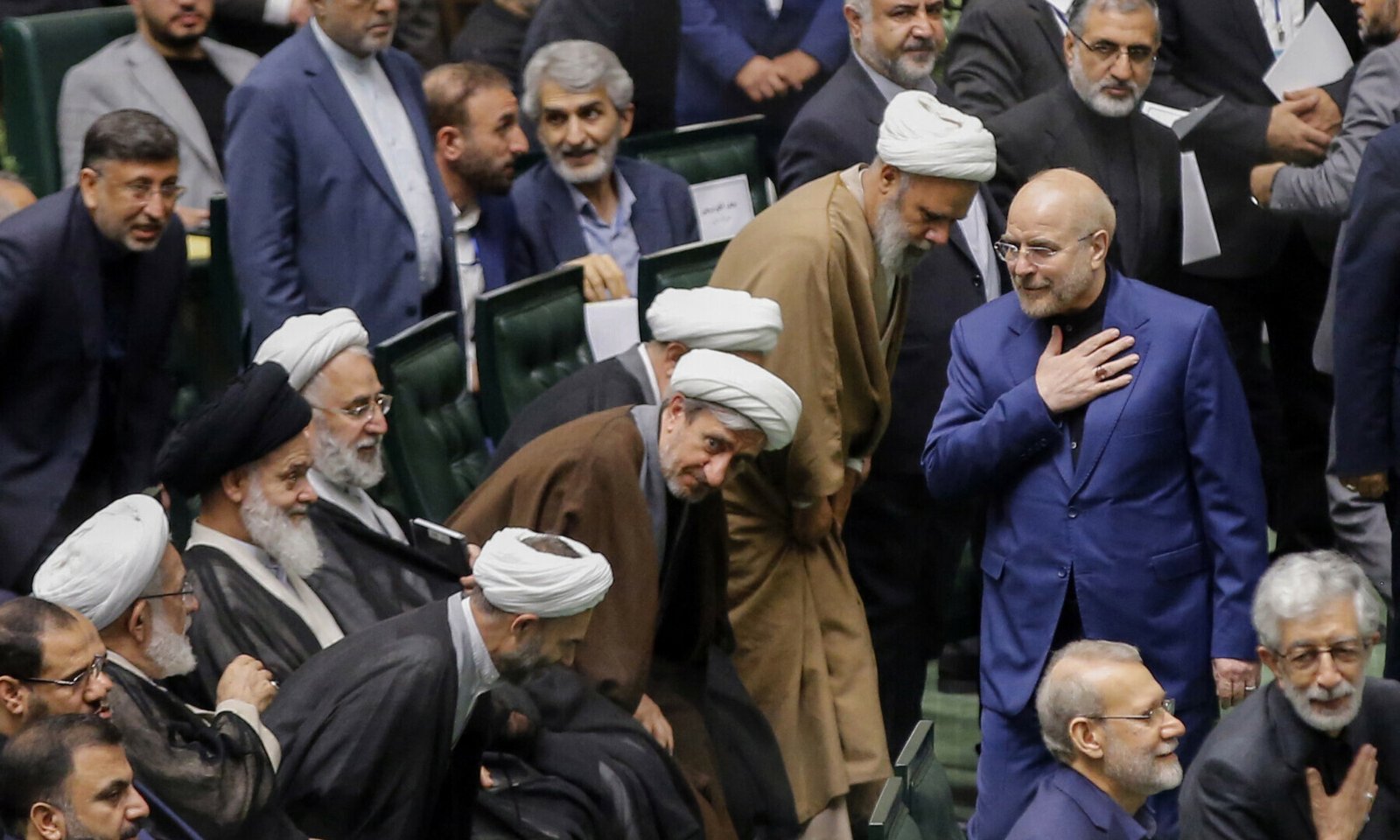
    Iran’s Parliament Speaker Mohammad Bagher Qalibaf (R) greets lawmakers during the inauguration session for the new Parliament in Tehran on May 27, 2024. — AFP

    The June vote will be held during a turbulent time, as the Gaza war rages between Israel and Hamas, and amid continued diplomatic tensions over Iran’s nuclear programme.

    Khamenei, who has the final say in all matters of state, has assigned Raisi’s vice president, Mohammad Mokhber, 68, to assume interim duties for the next few weeks and organise the June election.

    Among other hopefuls, former nuclear negotiator Saeed Jalili was one of the first to announce his candidacy.

    Other contenders include moderate former foreign minister Mohammad Javad Zarif, and centrist Ali Larijani, who served as the speaker in parliament.

    Ex-president Mahmoud Ahmadinejad has so far kept voters guessing and said he is “checking the conditions to decide whether to register”.

    Under Iran’s election process, candidates will have several days to formally register, starting on May 30.

    The final list, however, will depend on the outcome of the validation process by the conservative-dominated Guardian Council following a June 3 registration deadline.

  • Spain, Ireland and Norway recognise Palestinian state

    Spain, Ireland and Norway recognise Palestinian state

    Madrid (AFP) – Spain, Ireland and Norway are formally recognising a Palestinian state on Tuesday in a decision slammed by Israel as a “reward” for Hamas more than seven months into the genocide against Palestinians in Gaza.

    The three European countries believe their initiative has strong symbolic impact, which is likely to encourage others to follow suit.

    “Recognition of the State of Palestine is not only a matter of historic justice… It is also an essential requirement if we are all to achieve peace,” Spanish Prime Minister Pedro Sanchez said before meeting his cabinet.

    The move, he said, was “not against anyone, least of all Israel”.

    “It is the only way to move towards the solution that we all recognise as the only possible way to achieve a peaceful future — that of a Palestinian state living side-by-side with the state of Israel in peace and security.”

    Sanchez also said the decision reflected Spain’s “outright rejection of Hamas, which is against the two-state solution” and whose October 7 attacks led to the Gaza war.

    The plans were unveiled last week in a coordinated announcement by the prime ministers of the three countries.

    Both the Spanish and Irish cabinets were meeting to formally approve the step on Tuesday morning, while Norway informed Palestinian prime minister Mohammed Mustafa its recognition would also take effect the same day.

    Entering the cabinet meeting, Irish Prime Minister Simon Harris said it was “an important moment”.

    He said it sent “a signal to the world is that there are practical actions you can take as a country to help keep the hope… of a two-state solution alive”.

    ‘Incitement to genocide’

    The decision has provoked a furious response from Israel and further exacerbated diplomatic tensions, notably with Spain.

    Last week, Sanchez’s far-left deputy Yolanda Diaz hailed the move saying: “We cannot stop. Palestine will be free from the river to the sea”, which Israel’s Madrid envoy denounced as a “clear call for the elimination of Israel”.

    The slogan refers to the British mandate borders of Palestine, which stretched from the River Jordan to the Mediterranean before Israel was created in 1948.

    On Tuesday, Israeli Foreign Minister Israel Katz went even further.

    “Sanchez, as long as you don’t fire your deputy and you recognise a Palestinian state, you are participating in the incitement to commit genocide and war crimes against the Jewish people,” he wrote on X.

    On Sunday, Katz posted a video on X splicing footage of the October 7 attacks with flamenco dancing, saying: “Sanchez: Hamas thanks you for your service”.

    Spain condemned the post as “scandalous and revolting”.

    On Monday, Katz ordered the first of a series of “preliminary punitive measures”, ordering Spain’s Jerusalem consulate to stop offering consular services to Palestinians in the occupied West Bank.

    Differences within the EU

    Recognising Palestinian statehood has provoked sharp disagreement within the 27-nation European Union.

    For decades, formal recognition of a Palestinian state has been seen as the endgame of a negotiated peace between Israelis and Palestinians.

    Washington and most Western European nations have said they are willing to one day recognise Palestinian statehood, but not before agreement on thorny issues like the status of Jerusalem and final borders.

    The Gaza bloodshed has revived calls for Palestinians to be given their own state.

    Ever more European countries are expressing a desire to do so, although others remain reticent.

    France, for example, believes it is not the right time to do so, while Germany only envisages recognition following negotiations between the two sides.

    Tuesday’s move will mean 145 of the United Nations’ 193 member states now recognise Palestinian statehood.

    In 2014, Sweden became the first EU member to recognise a Palestinian state.

    It followed six other European countries that took the step before joining the bloc — Bulgaria, Cyprus, the Czech Republic, Hungary, Poland and Romania.

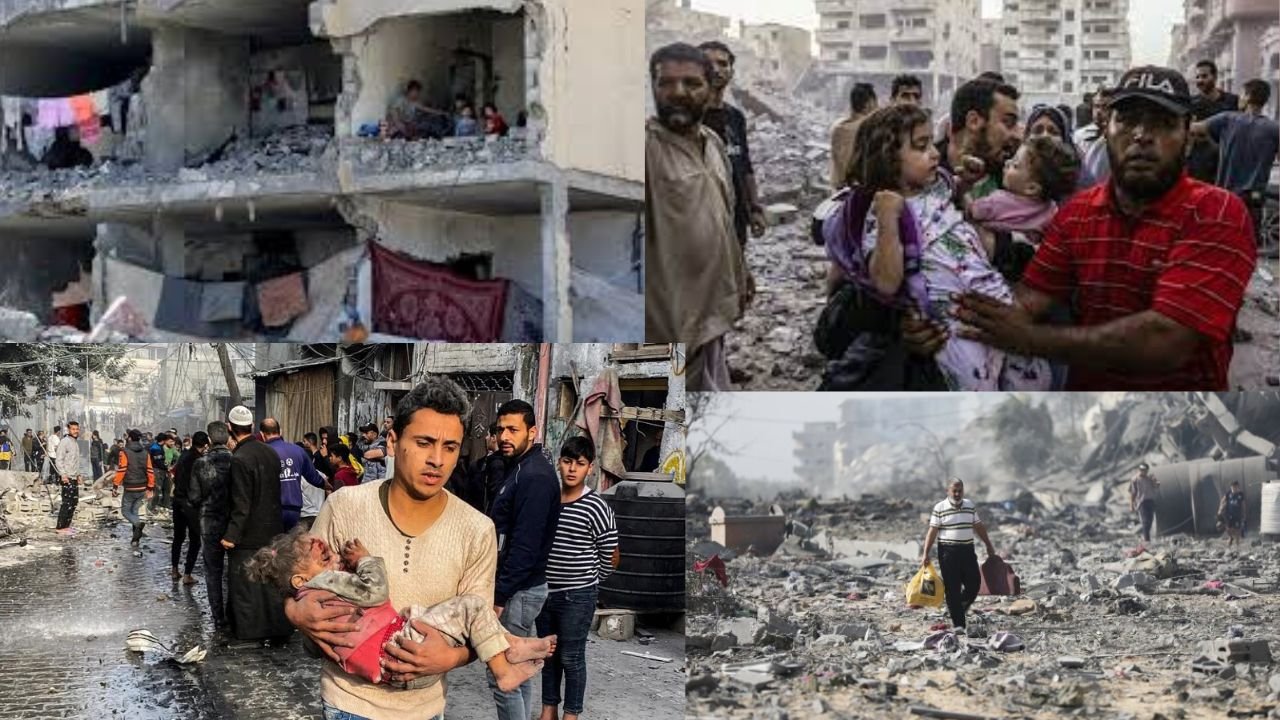
    Israeli genocide against Palestinians in Gaza has killed more than 36,000 people, also mostly civilians, according to the health ministry.

  • Deadly Bangladesh cyclone one of longest seen

    Deadly Bangladesh cyclone one of longest seen

    Bangladeshi weather experts said Tuesday that a deadly cyclone that carved a swathe of destruction was one of the quickest-forming and longest-lasting they’d experienced, blaming climate change for the shift.

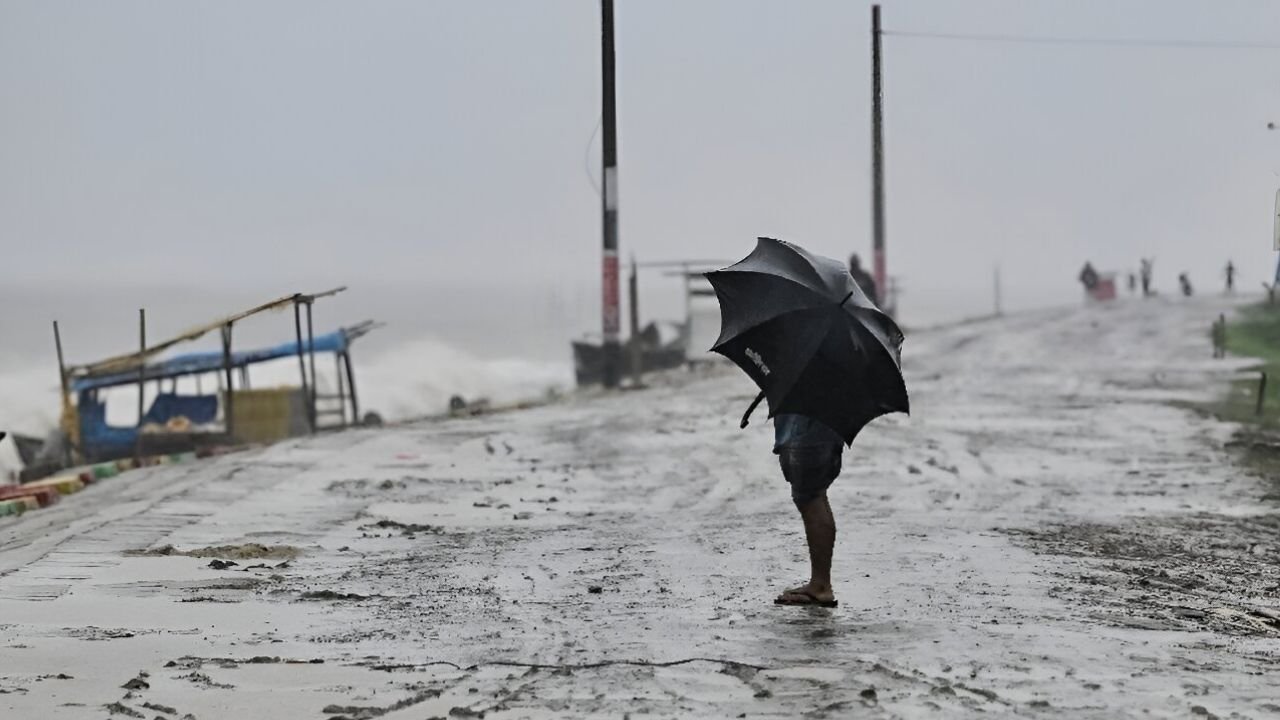
    Cyclone Remal, which made landfall in low-lying Bangladesh and neighbouring India on Sunday evening with fierce gales and crashing waves, left at least 23 people dead, destroyed thousands of homes, smashed seawalls and flooded cities across the two countries.

    “In terms of its land duration, it is one of the longest in the country’s history,” Azizur Rahman, director of the state-run Bangladesh Meteorological Department told AFP, adding it had battered the country for more than 36 hours.

    In contrast, Cyclone Aila, which hammered Bangladesh in 2009, lasted around 34 hours.

    Cyclones have killed hundreds of thousands of people in Bangladesh in recent decades, and the number of superstorms hitting its densely populated coast has increased sharply, from one a year to as many as three, due to the impact of climate change.

    Slow-moving — and therefore longer-lasting — storms bring greater destruction.

    “I’ve seen many storms in my life but nothing like this cyclone”, said Asma Khatun, an 80-year-old widow who lives with her son, a fisherman in Bangladesh’s hard-hit coastal town of Patuakhali.

    “Before, the storm came and went away… now it doesn’t seem to go away. The incessant pouring and heavy wind kept us stuck for days”.

    Rahman said the cyclone triggered massive rains, with some cities receiving at least 200 millimetres (7.9 inches).

    Storm surges breached multiple embankments, meaning seawater flooded into farmland, damaged freshwater fish farms common along the coast, or corrupted drinking water.

    Bangladesh’s state minister for disaster Mohibbur Rahman said 3.75 million people had been affected by the cyclone,  more than 35,000 homes were destroyed, and another 115,000 damaged.

    “We don’t know where to go,” said Setara Begum, 75, surveying the wreckage of her home after its tin roof was ripped off.

    Azizur Rahman said the cyclone formed more quickly than almost all the cyclones they have monitored in recent decades.

    “Of course, quick cyclone formation and the long duration of cyclones are due to the impact of climate change,” Rahman said.

    “It took three days for it to turn into a severe cyclone from low pressure in the Bay of Bengal… I’ve never seen a cyclone formed from a low pressure in such a quick time,” he said.

    “Usually, a cyclone is formed in the south and southwest of the Bay of Bengal, then takes seven to eight days to turn into a severe cyclone.”

    But while scientists say climate change is fuelling more storms, better forecasting and more effective evacuation planning have dramatically reduced death tolls.

    Around a million people in Bangladesh and neighbouring India fled inland seeking safety — but many people preferred to stay put to guard their homes.

    In Bangladesh, Cyclone Remal killed at least 17 people, according to the disaster management office and police, who reported Tuesday the additional deaths of a husband and wife, “crushed under stacks of bricks” when their house collapsed.

    Some drowned. Others were killed by debris, falling trees or electrocuted by falling power lines.

    Thousands of electricity poles were torn down, and power is out across large areas, said Biswanath Sikder, chief engineer of the Bangladesh Rural Electrification Board.

    “More than 20 million people are without electricity,” Sikder told AFP. “We are working hard to bring around 50 percent of these affected people by Tuesday evening.”

    In India, six people died, West Bengal state officials said.

    But the worst impact was stemmed by the expansive Sundarbans mangrove forest straddling Bangladesh and India — where the Ganges, Brahmaputra and Meghna rivers meet the sea, Bangladesh’s state weather department said.

    The crucial sea-water coastal forests help dissipate the violence of such storms.

    The International Union for Conservation of Nature (IUCN) warned this month that half of the world’s mangrove ecosystems are at risk of collapse due to climate change, deforestation and pollution.

  • For deaf children in Pakistan, school is life

    For deaf children in Pakistan, school is life

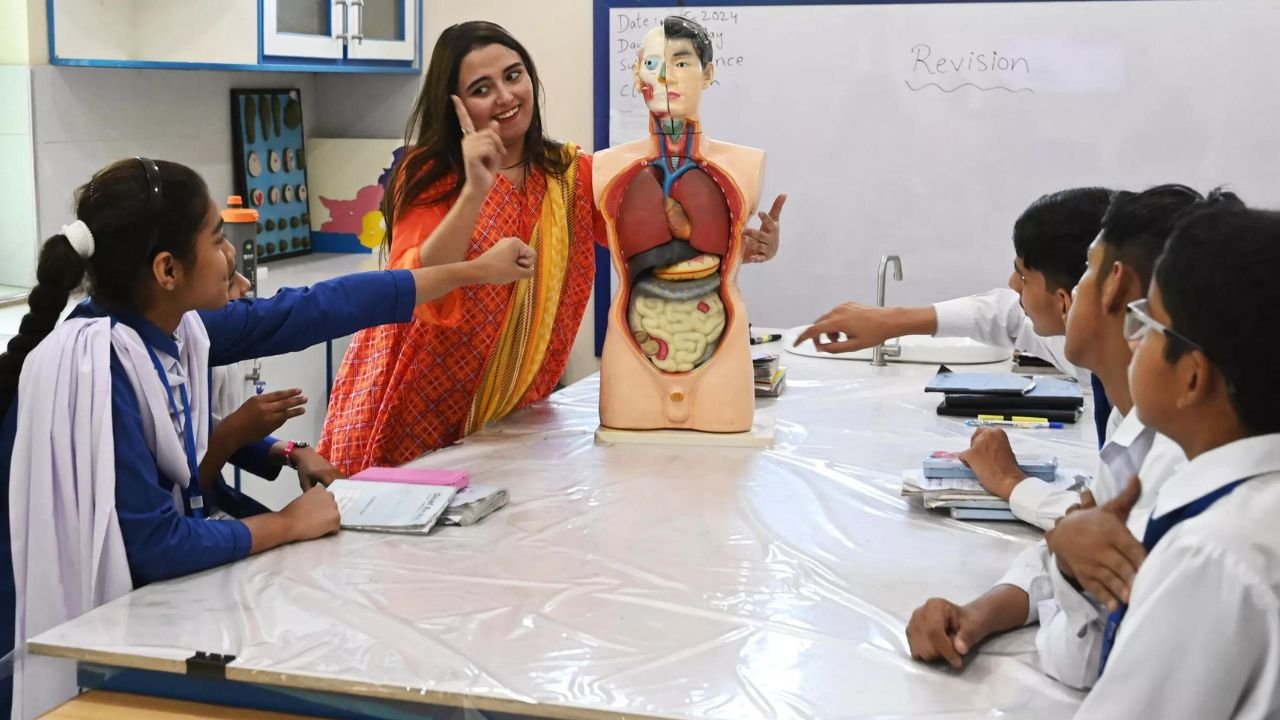
    Lahore (Pakistan) (AFP) – At a school for the deaf in Pakistan, the faces of students are animated, their smiles mischievous, as their hands twirl in tandem with their sign language teacher.

    The quiet classes exude joy, led often by teachers who are also deaf.

    “I have friends, I communicate with them, joke with them, we share our stories with each other about what we have done and not done, we support each other,” said Qurat-ul-Ain, an 18-year-old deaf woman who joined the school a year ago.

    More than 200 pupils, children and adults mostly from disadvantaged backgrounds, are among the few given a new fervour for life at this inner-city school in historic Lahore.

    Of more than a million deaf school-age children in Pakistan, less than five percent go to school.

    The figure is even lower for girls and, without a language to express themselves, many children are marginalised by society and even their families.

    “Life is a little difficult. There is a huge communication gap here where people generally don’t know sign language,” said Qurat-ul-Ain.

    At the school run by charity Deaf Reach, pupils learn sign language in English and Urdu before progressing on to the national curriculum.

    Everyone has a name in sign language, which often has to do with a physical characteristic.

    Younger children learn with visuals: a word and a sign are associated with an image.

    Their peers turn their thumbs down for a wrong answer and make the applause sign — twisting hands –- for a correct one.

    Families learning to sign

    Founded in 1998 by an American and funded with donations, Deaf Reach now has eight schools across the country, educating 2,000 students on a “pay what you can afford” basis, with 98 percent of children on scholarships.

    The vast majority of students at the school come from hearing families, who are also offered the chance to learn how to sign and break the language barrier with their son or daughter.

    Adeela Ejaz explained how she struggled to come to terms with her first born son — now 10 years old — being deaf.

    “When I couldn’t understand what he was trying to say he would bang his head against the wall and floor,” the 35-year-old told AFP.

    “It was tough for everyone because no-one knew how to communicate with him. Everyone would tell us he is deaf but I wasn’t prepared to accept that.”

    The mother and son pair are now both learning to sign.

    “I am getting better at signing and I am able to communicate with my son. He’s now become so attached to me.”

    The programme makes extensive use of technology, and offers an online dictionary and a phone app.

    It has also found employment for more than 2,000 deaf people with around 50 Pakistani companies.

    Huzaifa, 26, who became deaf after contracting a fever at a young age, was given a stitching apprenticeship at Deaf Reach to help him into the skilled workforce.

    “Teachers in the government school didn’t know any sign language. They would just write notes on the board and tell us to copy it. We used to get really disheartened, and I would be extremely worried for my future,” he told AFP.

    His family pushed for him to become educated, helping him to learn the basics of sign language before he received formal coaching.

    “My parents never threw me away. They spared no effort in ensuring I was able to continue my education,” he said.

    Without their dedication, he said: “I’d be working as a day labourer somewhere, cutting leaves or cementing walls.”

    Isolated and fearful

    Sign language varies from one country to another, with its own associated culture, and regional variations sometimes exist.

    According to World Federation of the Deaf, 80 percent of the approximately 70 million deaf people in the world have no access to education.

    “I used to sit idly at home, use the mobile or play outside. I never had a clue about what people were saying,” said Faizan, 21, who has been at Deaf Reach for 11 years and dreams of working abroad.

    “Before learning how to sign I used to feel very weak mentally and had an inferiority complex and fear. But thankfully there is none of that anymore.”

    Attitudes towards people with disabilities are slowly improving in Pakistan, which has introduced laws against discrimination.

    “We have seen over the years the mentality change tremendously. From many people hiding their deaf children, feeling embarrassed, ashamed,” noted Daniel Marc Lanthier, director of operations of the foundation behind Deaf Reach.

    Nowadays families are “coming out in the open, asking for education for their children, asking to find employment for them,” he said, though much work remains.

    “With a million deaf children who don’t have access to school, it’s a huge challenge, it’s a huge goal to be met.”
  • Fire at children’s hospital in India kills six babies, owner arrested

    Fire at children’s hospital in India kills six babies, owner arrested

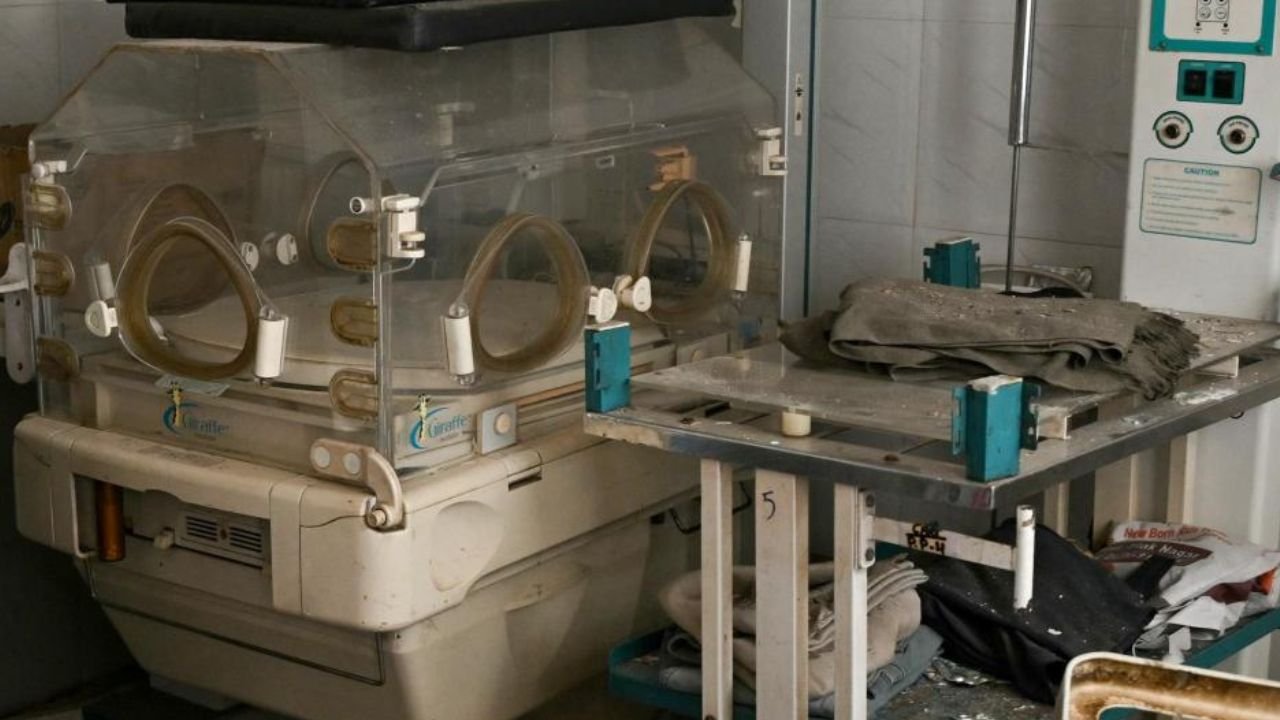
    Indian police said on Monday they had arrested a doctor and the owner of an unlicensed hospital where six newborn babies died when a fire erupted in a crowded ward without fire exits.

    The blaze broke out at the New Born Baby Care hospital in New Delhi’s Vivek Vihar area late Saturday evening. In the crucial first minutes, bystanders spotted the fire and braved the blaze to rescue the newborns inside.

    “We didn’t even name her […] I never even held her in my arms,” Anjar Khan, whose 11-day-old daughter died in the blaze, was quoted as saying by the Hindustan Times.

    Vinod Sharma, who lost his day-old baby boy, blamed the hospital authorities for the tragedy.

    “He had a problem with breathing. The doctor had said that he will be fine in a few days,” Sharma was quoted as saying by The Indian Express newspaper. “We didn’t know that the hospital would kill him.”

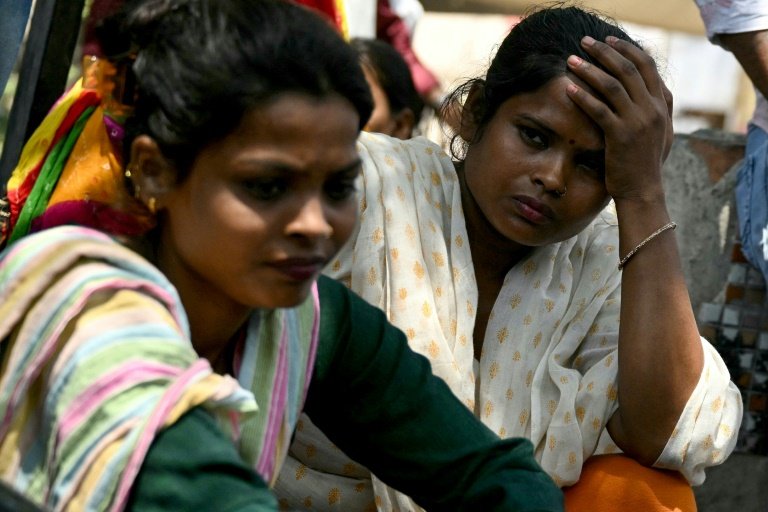
    Mothers wait to identify the bodies of their children a day after a fire broke out at a children’s hospital in New Delhi
    Arun SANKAR

    Five babies rescued alive

    Fires are common in India due to poor building practices, overcrowding and a lack of adherence to safety regulations. The narrow two-storey hospital building was squeezed between a row of homes, without space on either side, making it hard for fire engines to reach.

    “We were trying to control the fire, but there was no way to enter the building and rescue the 12 babies who were trapped,” local fire officer Atul Garg told reporters.

    Senior police officer Surendra Chaudhary told AFP that the hospital did “not have a fire exit system”.

    Its licence expired in March and the owner filled the ward with more than twice the number of beds it previously had permission for.

    “The hospital had permission for up to five beds but they had installed more than 10 beds,” he said. “In view of all this, we have made the arrests.”

    Five babies pulled out from the fire are still recovering in another hospital.

    ‘Highly flammable’

    The blaze in the hospital on Saturday broke out just hours after a separate fire at an amusement park in India’s western state of Gujarat. The toll from that fire rose to 28 on Monday, police said.

    The blaze — which ripped through a centre with a bowling alley and other games crowded with youngsters — was triggered by welding work on the ground floor, chief fire officer Ilesh Kher told reporters.

    “The CCTV footage clearly shows that a spark from the welding work fell on a stack of corrugated cardboard sheets below, causing the fire,” Kher said. “This spread very fast as the material was highly flammable.”

    The corpses were so badly burned they have not been identified so far.

    Police have charged seven people with culpable homicide in connection to that fire. The two fires came as northern India was gripped by intense heat, with temperatures in Delhi hitting 46.8°C.

  • Over 300 million children a year face sexual abuse online: study

    Over 300 million children a year face sexual abuse online: study

    More than 300 million children a year are victims of online sexual exploitation and abuse, according to the first global estimate of the scale of the problem published on Monday.

    Researchers at the University of Edinburgh found that one in eight of the world’s children have been victims of non-consensual taking, sharing and exposure to sexual images and video in the past 12 months.

    That amounts to about 302 million young people, said the university’s Childlight Global Child Safety Institute, which carried out the study.

    There have been a similar number of cases of solicitation, such as unwanted sexting and requests for sexual acts by adults and other youths, according to the report.

    Offences range from so-called sextortion, where predators demand money from victims to keep images private, to the abuse of AI technology to create deepfake videos and pictures.

    The problem is worldwide but the research suggests the United States is a particularly high-risk area, with one in nine men there admitting to online offending against children at some point.

    “Child abuse material is so prevalent that files are on average reported to watchdog and policing organisations once every second,” said Childlight chief executive Paul Stanfield.

    “This is a global health pandemic that has remained hidden for far too long. It occurs in every country, it’s growing exponentially, and it requires a global response,” he added.

    The report comes after UK police warned last month about criminal gangs in West Africa and Southeast Asia targeting British teenagers in sextortion scams online.

    Cases — particularly against teenage boys — are soaring worldwide, according to non-governmental organisations and police.

    Britain’s National Crime Agency (NCA) issued an alert to hundreds of thousands of teachers telling them to be aware of the threat their pupils might face.

    The scammers often pose as another young person, making contact on social media before moving to encrypted messaging apps and encouraging the victim to share intimate images.

    They often make their blackmail demands within an hour of making contact and are motivated by extorting as much money as possible rather than sexual gratification, the NCA said.

    pdh/bp

    © Agence France-Presse

  • Israel official says ‘intention’ to renew Gaza talks ‘this week’

    Israel official says ‘intention’ to renew Gaza talks ‘this week’

    An Israeli official said Saturday the government had an “intention” to renew “this week” talks aimed at reaching a hostage release deal in Gaza, after a meeting in Paris between US and Israeli officials.

    “There is an intention to renew the talks this week and there is an agreement,” the official told AFP on condition of anonymity.

    The Israeli official did not elaborate on the agreement, but Israeli media reported that Mossad chief David Barnea had agreed during meetings in Paris with mediators CIA Director Bill Burns and Qatari Prime Minister Mohammed bin Abdulrahman Al-Thani on a new framework for the stalled negotiations.

    Top US diplomat Antony Blinken also spoke with Israeli war cabinet minister Benny Gantz about new efforts to achieve a ceasefire and reopen the Rafah border crossing, Washington said.

    Talks aimed at reaching a hostage release and truce deal in the Gaza Strip ground to a halt this month after Israel launched a military operation in the territory’s far-southern city of Rafah.

    The current war in Gaza has caused the deaths of more than 1,170 people, mostly civilians, according to an AFP tally based on Israeli official figures.

    Meanwhile, Israel has carried out a massacre of 35,903 people in Gaza, mostly women and children, according to data from Gaza’s health ministry.