Author: afp

  • Before Raisi, other leaders killed in aviation crashes

    Before Raisi, other leaders killed in aviation crashes

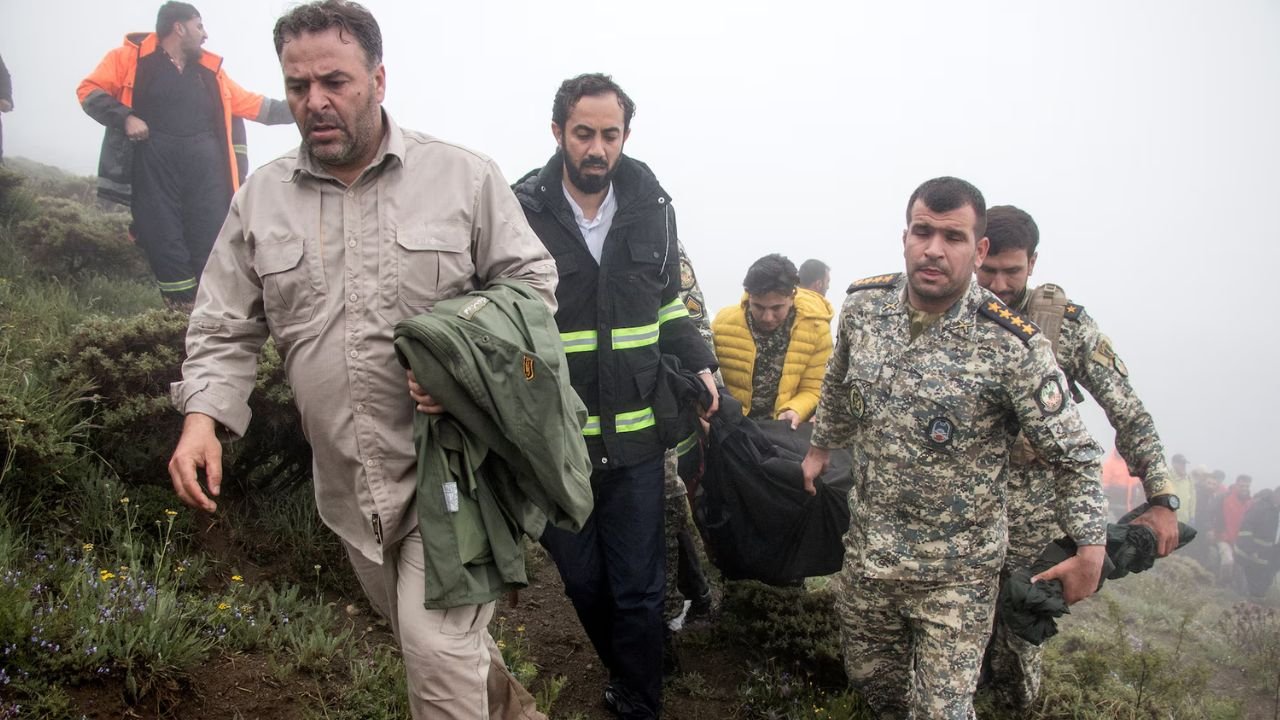
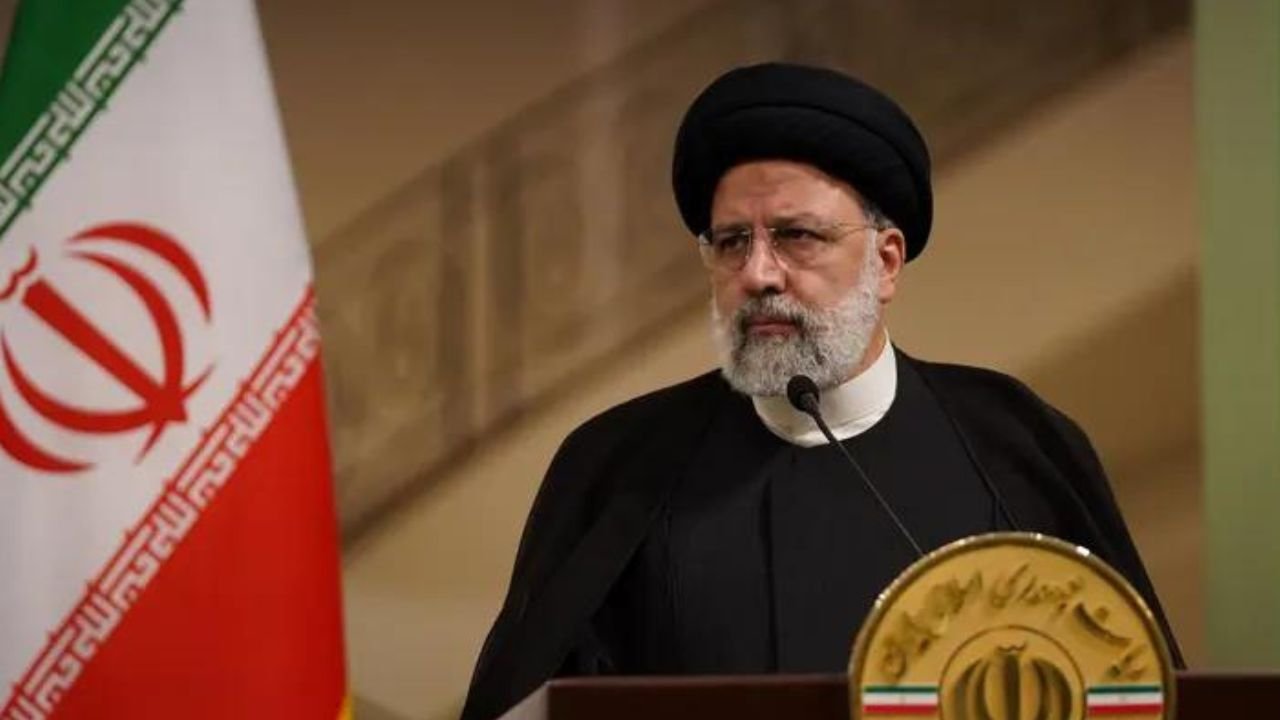
    Iranian President Ebrahim Raisi, whose death in a helicopter crash was announced Monday, is the latest major political leader to die in an aviation crash. Here are some of the best known among the others:

    2024: Former Chilean president Sebastian Pinera

    On 6 February 2024, former Chilean president Sebastian Pinera (in office from 2010-2014, and then 2018-2022), died in a helicopter crash at Lago Ranco, a vacation site 920 kilometres (570 miles) south of the capital Santiago.

    2010: Poland’s president Lech Kaczynski

    On 10 April 2010, a Tupolev 154 with 96 people aboard including Polish President Lech Kaczynski and senior political and military figures, crashed while trying to land in thick fog at an airport near Smolensk in western Russia.

    There were no survivors. The crash was attributed to bad weather as well as errors by the Polish pilots and Russian air traffic controllers.

    2005: Rebel leader turned Sudanese vice-president John Garang

    On 30 July 2005, John Garang, the former separatist rebel leader who became vice-president of Sudan, died when his helicopter crashed in Sudan on a flight back from Uganda.

    2004: Macedonian President Boris Trajkovski

    Macedonia’s president Boris Trajkovski was killed along with eight others when his plane crashed on February 26 2004, as it prepared to land in thick fog in the southern Bosnian town of Mostar.

    1994: Presidents Juvenal Habyarimana of Rwanda and Cyprien Ntaryamira of Burundi

    On 6 April 1994, a Falcon 50 transporting Rwandan president Juvenal Habyarimana and his Burundi counterpart Cyprien Ntaryamira was shot down over Kigali by at least one missile.

    The attack is considered the spark that unleashed the genocide of Tutsis that left at least 800,000 dead, according to the United Nations.

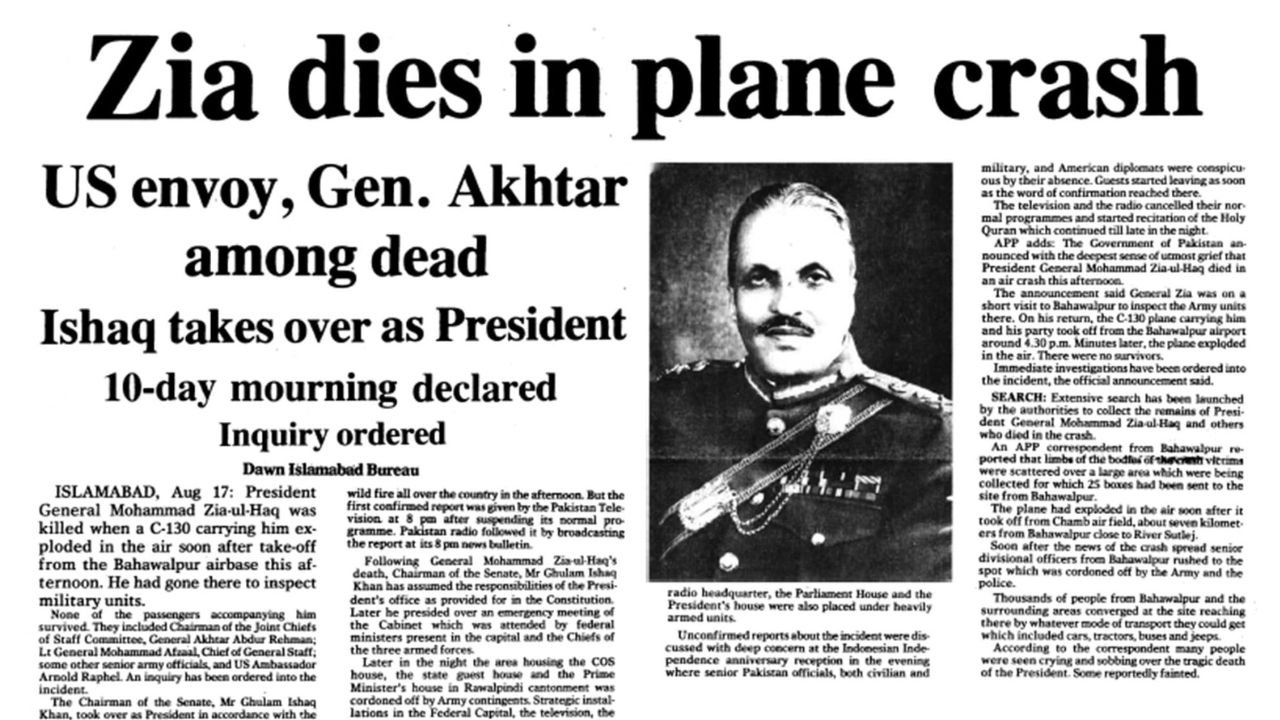
    1988: Pakistani President Zia ul-Haq

    Pakistan’s president Zia ul-Haq was among the victims of a 17 August 1988 plane crash near Bahawalpur, in the country’s east.

    1986: Mozambique President Samora Machel

    On 19 October 1986, Mozambique’s first president Samora Machel died when his Tupolev 134 went down in the north-east of South Africa.

    1961: UN Secretary General Dag Hammarskjold

    On September 17 or 18 of 1961, a plane carrying the UN Secretary General Dag Hammarskjold crashed in Northern Rhodesia, now Zambia, while attempting to negotiate a ceasefire between warring factions in the former Belgian Congo. The cause of the crash has never been established.

    doc-ang/lch/gv/rox/gv/db

    © Agence France-Presse
  • India shuts schools as temperatures soar

    India shuts schools as temperatures soar

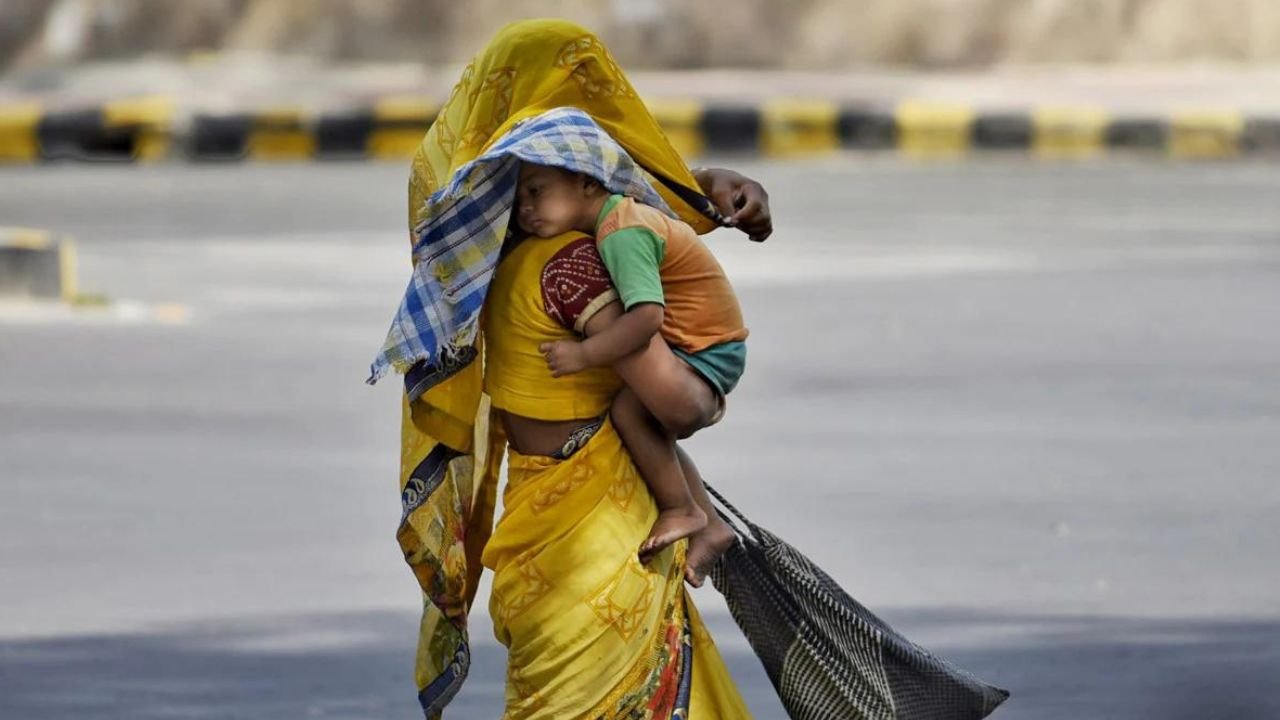
    Indian authorities in the capital have ordered schools shut early for the summer holiday, after temperatures hit 47.4 degrees Celsius (117 degrees Fahrenheit) with Delhi gripped by a “severe heatwave”.

    Delhi city officials asked schools to shut with “immediate effect” due to the blistering heat, according to a government order quoted by the Hindustan Times Tuesday, cutting short the term by a few days.

    India’s weather bureau has warned of “severe heatwave conditions” this week, with the mercury reaching the sizzling peak of 47.4 degrees Celsius in Delhi’s Najafgarh suburb on Monday, the hottest temperature countrywide.

    Authorities in other states — including Haryana, Madhya Pradesh, Punjab and Rajasthan — have also ordered schools close, Indian Today reported.

    India is no stranger to searing summer temperatures.

    But years of scientific research have found climate change is causing heatwaves to become longer, more frequent and more intense.

    The Indian Meteorological Department warned of the impact of the heat on the health especially for infants, the elderly and those with chronic diseases.

    In May 2022, parts of Delhi hit 49.2 degrees Celsius (120.5 Fahrenheit), Indian media reported at the time.

    The next round of voting in India’s six-week-long election takes place on Saturday, including in Delhi.

    Turnout in voting has dipped, with analysts suggesting the hotter-than-average weather is a factor — as well as the widespread expectation that Prime Minister Narendra Modi will easily win a third term.

    India’s election commission has formed a task force to review the impact of heatwaves and humidity before each round of voting.

    At the same time, India’s southern states including Tamil Nadu and Kerala have been lashed by heavy rains over the past few days.

    Severe storms also hit parts of the country last week, including in the financial capital Mumbai, where strong winds flattened a giant billboard that killed 16 people and left dozens more trapped.

    ash/pjm/sn

    © Agence France-Presse

  • US says Iran sought help over president crash

    US says Iran sought help over president crash

    Washington (AFP) – The United States said Monday that arch-enemy Iran sought assistance over a helicopter crash that killed president Ebrahim Raisi, as Washington meanwhile offered condolences despite saying he had “blood on his hands.”

    The State Department said Iran, which has had no diplomatic relations with Washington since the aftermath of the 1979 Islamic revolution, reached out afer Raisi’s aging chopper crashed in foggy weather Sunday.

    “We were asked by the Iranian government for assistance,” State Department spokesman Matthew Miller told reporters.

    “We said that we would be willing to assist — something that we would do with respect to any government in this situation,” he said.

    “Ultimately, largely for logistical reasons, we were unable to provide that assistance.”

    He declined to go into detail or describe how the two countries communicated. But he indicated Iran was seeking help in the immediate aftermath to find the helicopter of Raisi, who died along with his foreign minister, Hossein Amir-Abdollahian, and seven others.

    The crash came after the United States and Iran reportedly held their latest quiet talks in Oman aimed at increasing stability following open clashes between Iran and Israel.

    The State Department in a statement offered “official condolences” over the deaths.

    “As Iran selects a new president, we reaffirm our support for the Iranian people and their struggle for human rights and fundamental freedoms,” it said.

    President Joe Biden’s administration described condolences as standard and not showing support for Raisi, who as a judge presided over mass executions of politicial prisoners and under whose presidency authorities have cracked down on mass protests led by women.

    “This was a man who had a lot of blood on his hands,” National Security Council spokesman John Kirby told reporters, saying Raisi was responsible for “atrocious” abuses.

    Kirby said, however, that “as in any other case, we certainly regret in general the loss of life and offered official condolences as appropriate.”

    The United States has often but not always offered condolences in the past to leaders it opposed with such messages sent over Joseph Stalin, Kim Il Sung and Fidel Castro.

    But the condolence message, along with similar words from European nations, brought anger to some opponents of the clerical state who saw Raisi’s death as reason to celebrate.

    Masih Alinejad, a women’s rights activist who US investigators say was the target of an assassination plot in New York engineered by Tehran, wrote on X, formerly known as Twitter, “Your condolences only pour salt on the wounds of the oppressed.”

    No ‘security impact’

    Defense Secretary Lloyd Austin indicated that US forces have not changed their posture after the crash in Iran, where decisions are ultimately made by the supreme leader, Ayatollah Ali Khamenei.

    “I don’t necessarily see any broader regional security impact,” Austin told reporters.

    He preemptively denied any US role and said there was no reason to think it was anything other than an accident.

    “The United States had no part to play in that crash. That’s a fact, plain and simple,” Austin said.

    “It could be a number of things — mechanical failure, pilot error, you name it,” he said.

    Iran’s military ordered an investigation. It has often in the past blamed security incidents on Israel and the United States, which both in recent years have struck Iranian targets.

    Former foreign minister Mohammad Javad Zarif blamed the crash on continued US sanctions which have impeded the sale of aviation parts.

    Asked about Zarif’s remark, Miller said: “Ultimately, it’s the Iranian government that is responsible for the decision to fly a 45-year-old helicopter in what was described as poor weather conditions, not any other actor.”

  • World reactions to death of Iran’s President Raisi

    World reactions to death of Iran’s President Raisi

    Iran’s powerful allies on Monday mourned the death of its President Ebrahim Raisi in a helicopter crash, while regional militants hailed him as a supporter of the Palestinian cause.

    Here is a roundup of key reactions:

    China

    China’s President Xi Jinping said “his tragic death is a great loss to the Iranian people, and the Chinese people have lost a good friend,” foreign ministry spokesman Wang Wenbin said at a regular press conference.

    European Union

    The European Union expressed its “sincere condolences”.

    “Our thoughts go to the families,” EU Council President Charles Michel said in a statement.

    France

    France sent its condolences “to the Islamic Republic of Iran… (and) to the families of the victims of this accident,” in a statement from the foreign ministry.

    India

    Indian Prime Minister Narendra Modi said he was “deeply saddened and shocked by the tragic demise” of Raisi, adding that “India stands with Iran in this time of sorrow.”

    Exiled opposition group

    Exiled Iranian opposition group the National Council of Resistance of Iran (NCRI) said Raisi’s death “represents a monumental and irreparable strategic blow to the mullahs’ supreme leader Ali Khamenei and the entire regime, notorious for its executions and massacres”, in a statement from the group’s leader, Maryam Rajavi.

    Russia

    Russian President Vladimir Putin hailed Raisi as an “outstanding politician” and said his death was an “irreplaceable loss.”

    “As a true friend of Russia, he made an invaluable personal contribution to the development of good-neighbourly relations between our countries, and made great efforts to take them to the level of a strategic partnership,” Putin said in a letter to Iran’s Supreme Leader Ayatollah Ali Khamenei.

    Turkey

    Turkey was “deeply saddened” by Raisi’s death and “shares the pain of the friendly and brotherly Iranian people,” Foreign Minister Hakan Fidan said.

    President Recep Tayyip Erdogan sent his “sincere condolences to the friendly and fraternal people and government,” in a message on X, formerly Twitter.

    Hamas-Gaza

    Hamas mourned Raisi as an “honourable supporter” of the Gaza-based Palestinian militant group whose October 7 attack is responded disproportionately by Israel in form of a genocide.

    Hamas said it appreciated Raisi’s “support for the Palestinian resistance and tireless efforts in solidarity” with Palestinians since the start of the Israel-Hamas war in Gaza.

    Hezbolllah-Lebanon

    Lebanon’s powerful Hezbollah group, which has traded deadly cross-border fire with Israel during the war, praised Raisi as “a strong supporter, and a staunch defender of our causes… and a protector of the resistance movements”.

    Lebanon announced three official days of mourning.

    Houthis-Yemes

    Yemen’s Tehran-backed Houthi rebels saying Raisi’s death “is a loss not only for Iran but also for the entire Islamic world and Palestine and Gaza,” Huthi spokesman Mohammed Abdulsalam said on X, adding that the Palestinians were “in dire need of the presence of such a president who continued to defend” their right to freedom.

    UAE

    Iran’s Gulf neighbours the United Arab Emirates, Bahrain and Qatar sent their condolences.

    The oil-rich UAE “stands in solidarity with Iran at this difficult time”, said Emirati President Sheikh Mohammed bin Zayed Al Nahyan.

    Qatar

    Qatar’s emir, Sheikh Tamim bin Hamad Al-Thani, called the news “painful”.

    Syria

    Syrian President Bashar al-Assad expressed solidarity with close ally Tehran, which has backed him during more than a decade of civil war.

    “We worked with the late President to ensure that strategic relations between Syria and Iran flourish always,” the Syrian presidency said in a statement.

    Iran’s arch-enemies the United States and Israel had yet to react publicly.

  • PM Shehbaz declares day of mourning after Iranian President’s death

    PM Shehbaz declares day of mourning after Iranian President’s death

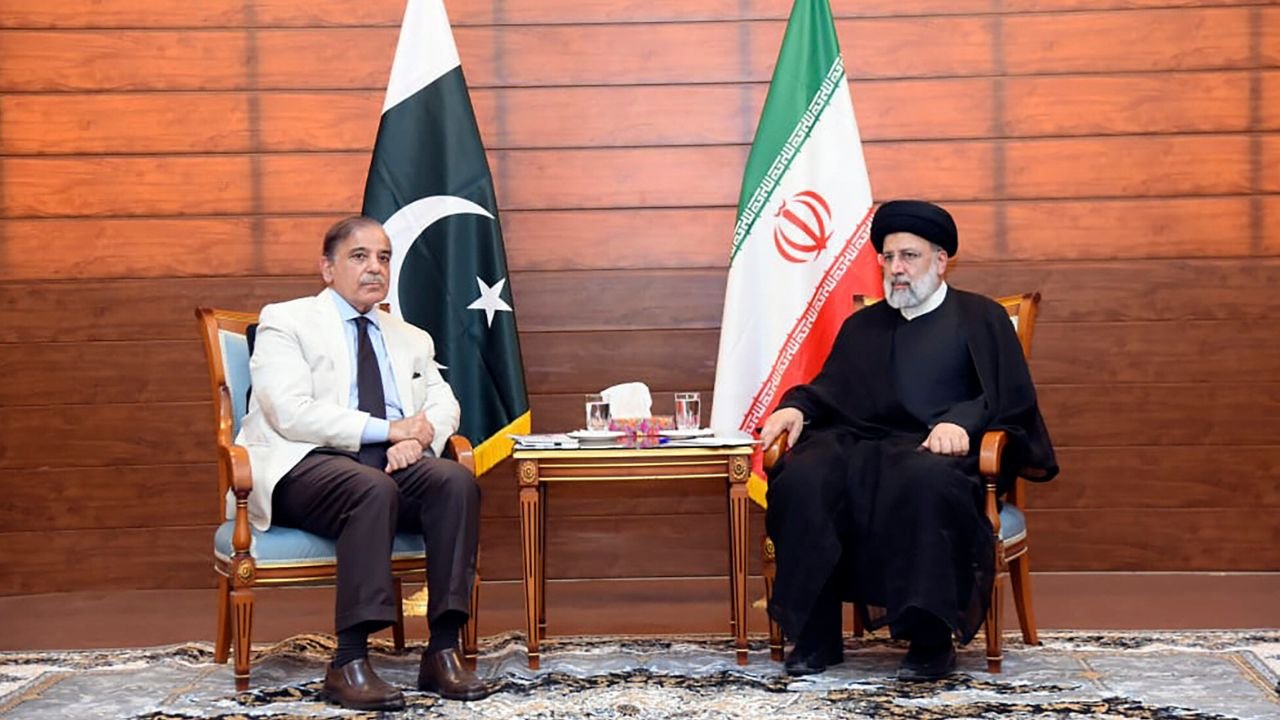
    Pakistan’s Prime Minister Shehbaz Sharif declared a day of mourning after Iranian media reported that president Ebrahim Raisi had died in a helicopter crash.

    “Pakistan will observe a day of mourning and the flag will fly at half mast as a mark of respect for President Raisi and his companions and in solidarity with Brotherly Iran,” Shehbaz posted on X, formerly Twitter.

    “I along with the government and people of Pakistan extend our deepest condolences and sympathies to the Iranian nation on this terrible loss,” he added.

    “The great Iranian nation will overcome this tragedy with customary courage.”

    The Pakistani leader hosted Raisi in Islamabad for a three-day visit in April in a bid to mend ties between the neighbours after they traded deadly strikes earlier this year.

  • Protest after Peru classifies transsexuality as mental disorder

    Protest after Peru classifies transsexuality as mental disorder

    LGBTQ groups protested Friday outside Peru’s health ministry after the government issued a decree listing transsexualism as a mental disorder.

    “It is a decree that takes us back three decades,” said Jorge Apolaya, spokesman of the Collective Pride March, a Lima-based rights group.

    “We cannot live in a country where we are considered sick,” he said.

    Transgender people are those who reject the sex they were assigned at birth. Some opt for surgical or medical intervention.

    The government on May 10 updated its list of insurable health conditions — which since 2021 has offered benefits for mental health treatment — to include services for transgender people.

    In the decree, the health ministry describes the condition as a “mental disorder” — an obsolete term long officially abandoned by the World Health Organization.

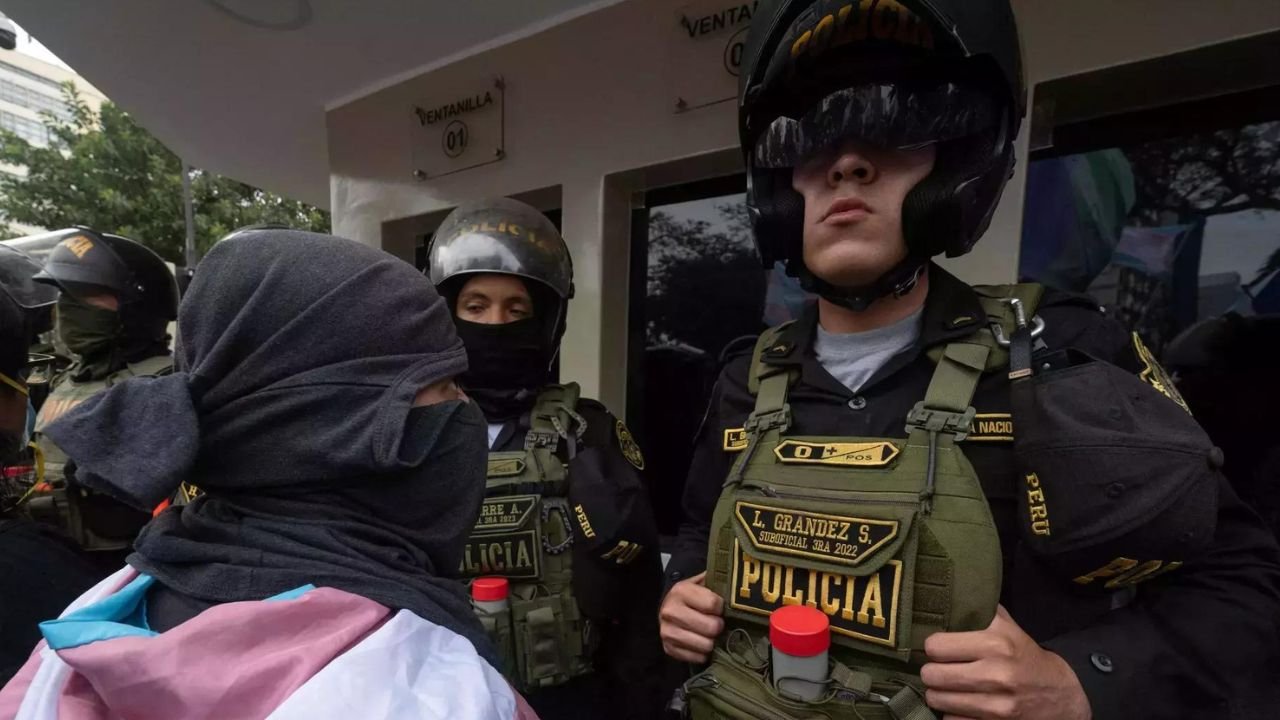
    More than 200 activists gathered outside the health ministry to demand the revocation of the decree on Friday — the International Day Against Homophobia, Biphobia and Transphobia.

    Police guard the entrance of Peru’s Ministry of Health during a protest staged by LGBTQ groups against a new government decree listing transsexualism as a “mental disorder” (Cris BOURONCLE)

    “It is a regulation that violates us … they are positioning us as sick people, as if we have a problem,” said 25-year-old Afrika Nakamura.

    With slogans like “It’s not a  disease, it’s diversity!” and “We are trans and we are not sick,” the protesters blocked the busy avenue in front of the ministry for a few hours.

    No clashes with police were reported.

    “We demand the repeal of this transphobic and violent decree, which goes against our trans identities in Peru,” activist Gianna Camacho of the Coordinacion Nacional LGTBIQ+ told AFP.

    “We are not mentally ill and we do not suffer from any mental disorder,” she added.

    The government said it would not scrap the decree.

    Health ministry official Carlos Alvadrado told AFP that doing so would “remove the right to care.”

    The ministry has previously insisted it does not consider gender diversity as an illness, and in a statement expressed “our respect for gender identities and our rejection of the stigmatization of sexual diversity.”

    It said the decree was meant merely to extend mental health coverage “for the full exercise of the right to health and well-being” of those who want or need it.

    An article on the website of Human Rights Watch describes the decree as “profoundly regressive” in a country that does not allow same-sex marriage nor for transgender people to change their identity documents.

    For Percy Mayta, a medical doctor and activist, “pathologizing” transgender people “opens the door to… conversion therapy” — which UN bodies have equated to torture and is not illegal in Peru.

    In its press statement, Peru’s health ministry underlined that “the sexual orientation and gender identity of a person does not in itself constitute a physical or mental health disorder and therefore should not be subjected to medical treatment or care or so-called reconversion therapies.”

  • Austria to resume aid to UN agency for Palestinians

    Austria to resume aid to UN agency for Palestinians

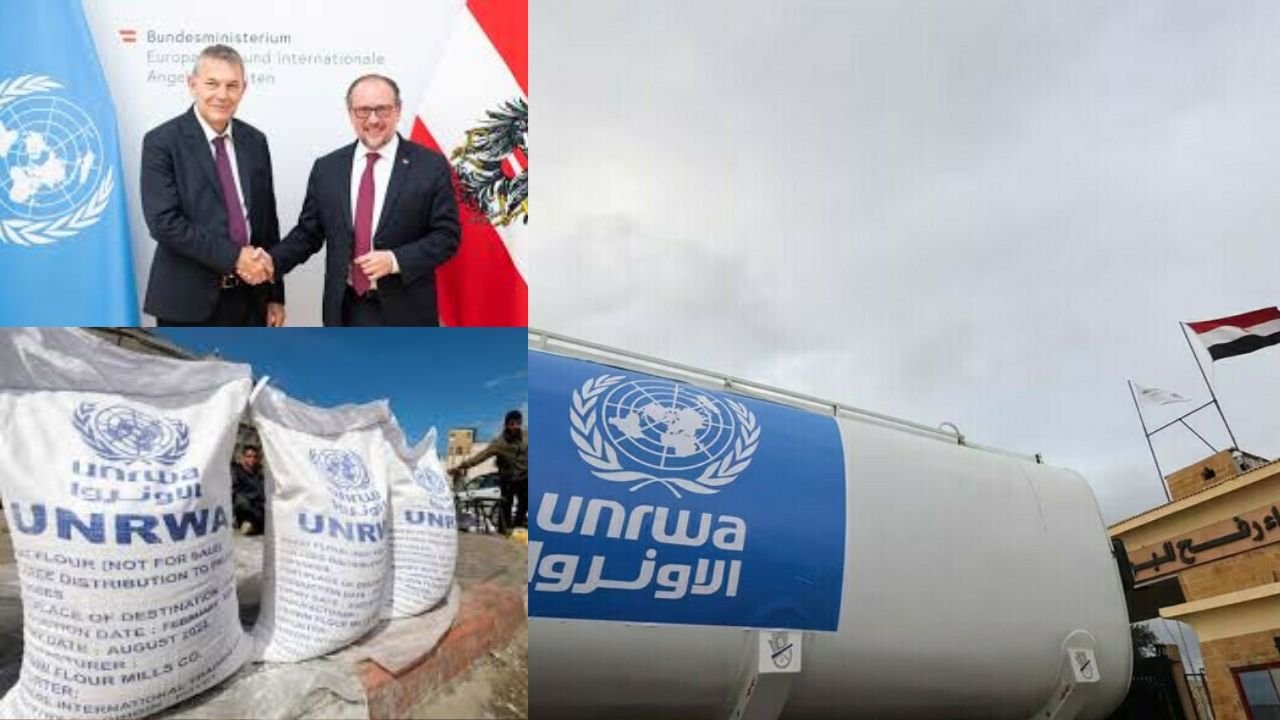
    Austria said on Saturday that it will restore its funding to the UN agency for Palestinian refugees after suspending it over allegations that staff were involved with the Hamas.

    Israel alleged in January that some United Nations Relief and Works Agency (UNRWA) employees may have participated in the Hamas attacks on Oct. 7 that triggered the genocide in the Gaza Strip.

    In the weeks that followed, numerous donor states, including Austria, suspended or paused some $450 million in funding.

    Many, including Germany, Sweden, Canada and Japan, had since resumed funding, while others have continued to hold out.

    “After analysing the action plan in detail” submitted by UNRWA “to improve the functioning of the organization,” Austria has decided to “release the funds,” its Foreign Ministry said in a statement.

    A total of 3.4 million euros ($3.7 million) in funds have been budgeted for 2024, and the first payment is expected to be made in the summer, the statement said. 

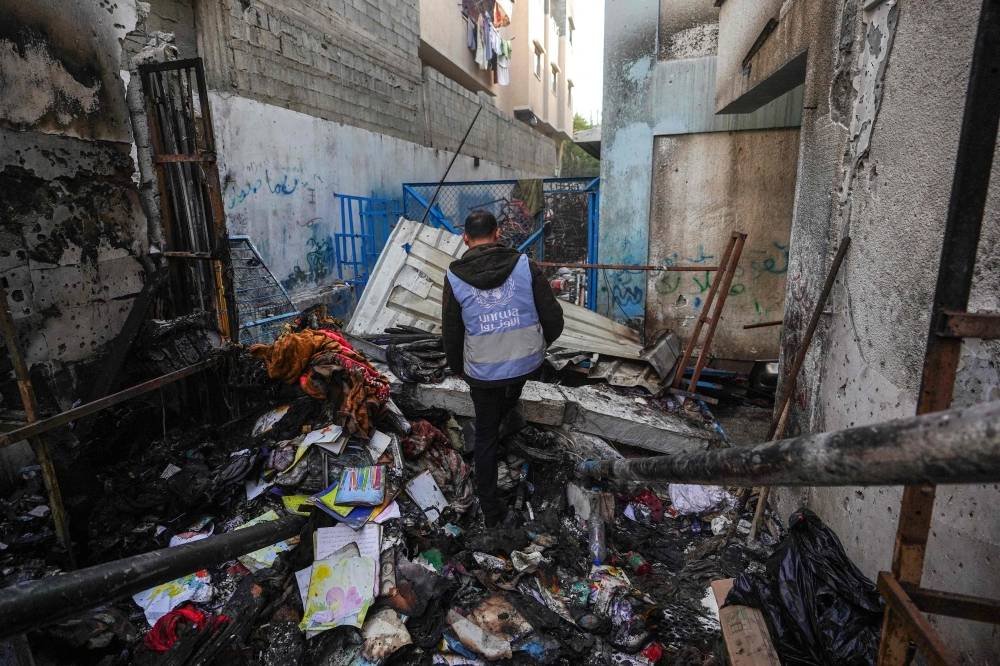
    An UNRWA staff member checks a burned area at a school housing displaced Palestinians that was hit during the ongoing conflict between Israel and Hamas, in Nuseirat in the central Gaza Strip on May 17, 2024. (Credit: AFP)

    “Some of the Austrian funds will be used in the future to improve internal control mechanisms at UNRWA,” it added.

    Austria said it will “closely monitor” the implementation of the action plan with other international partners, noting that “a lot of trust had been squandered.”

    The Alpine country said it has substantially increased support for the suffering Palestinian population in Gaza and the region since Oct. 7, making 32 million euros ($34.8 million) in humanitarian aid available to other international aid organizations.

    Israel’s has massacred at least 35,303 people, mostly civilians, according to data provided by the health ministry in the Gaza territory.

  • Flash floods kill 50 in western Afghanistan

    Flash floods kill 50 in western Afghanistan

    Flash flooding has killed at least 50 people in western Afghanistan, provincial police said Saturday, a week after hundreds were washed away in the north of the country.

    The floods on Friday also destroyed about 2,000 houses, and damaged thousands more homes and businesses, Ghor police spokesman Abdul Rahman Badri said in a statement.

    The fresh flooding in the country — which is highly vulnerable to climate change — comes as survivors of the May 10 flash floods in northern Baghlan province continue to search for missing relatives.

    “Fifty residents of Ghor province were killed by the floods on Friday and a number of others are missing,” Badri said.

    “These terrible floods have also killed thousands of cattle… They have destroyed hundreds of hectares of agricultural land, hundreds of bridges and culverts, and destroyed thousands of trees,” he added.

    Major roads into and within the province were blocked.

    Abu Obaidullah, the head of the province’s disaster management department, said it was an “emergency situation”.

    The floods hit several districts in the province, including the capital Chaghcharan, where the streets “are full of mud”, Obaidullah said.

    “The situation is really concerning,” he told AFP, adding that victims were in need of shelter, food and water.

    ‘Exceptionally vulnerable’

    The UN’s World Food Programme (WFP) and Taliban officials said more than 300 people died as a result of the flood disaster earlier this month that left homes and roads coated in thick mud.

    The destruction of roads and bridges hampered rescue efforts, with United Nations agencies and Taliban authorities warning the death tolls would rise.

    Afghanistan, which is “exceptionally vulnerable to flooding” has seen above-average rainfall this spring, Mohammad Assem Mayar, a water resource management expert, said in a recent Afghanistan Analysts Network report.

    From mid-April to early May, flash flooding and other floods had left about 100 people dead in 10 of Afghanistan’s provinces, authorities said.

    Farmland has been swamped in a country where 80 percent of the more than 40 million people depend on agriculture to survive.

    The rains come after prolonged drought in Afghanistan, which is one of the least prepared nations to tackle climate change impacts, according to experts.

    The country, ravaged by four decades of war, is also one of the world’s poorest.

    The WFP warned that the recent floods have compounded an already dire humanitarian situation.

    str-sw/ecl/sco

    © Agence France-Presse

  • Video shows Sean ‘Diddy’ Combs assaulting ex-girlfriend

    Video shows Sean ‘Diddy’ Combs assaulting ex-girlfriend

    Disturbing surveillance video published on Friday shows Sean ‘Diddy’ Combs physically assaulting his then-girlfriend Casandra Ventura, corroborating allegations she made in a now-settled lawsuit late last year.

    Combs is the target of several civil lawsuits that characterise him as a violent sexual predator who used alcohol and drugs to subdue his victims, and his homes were raided this year by federal agents.

    The 2016 footage, which was obtained and published by CNN, shows the rap mogul hitting, dragging and kicking the singer known as Cassie, who in her recent lawsuit said Combs subjected her to more than a decade of coercion by physical force and drugs, plus a 2018 rape.

    In the video, Ventura leaves a hotel room after which Combs, appearing to wear only a towel, chases her before throwing her to the ground and assaulting her. “The gut-wrenching video has only further confirmed the disturbing and predatory behaviour of Mr Combs. Words cannot express the courage and fortitude that Ms Ventura has shown in coming forward to bring this to light,” read a statement from her lawyer Douglas Wigdor.

    Casandra Ventura sued Combs in federal court last fall, a bombshell suit that was settled out of court but succeeded by a string of similarly lurid sexual assault claims against the hip-hop star. Ventura met Combs when she was 19 and he was 37, after which he signed her to his label and they began a romantic relationship.

    Combs has vehemently denied all accusations against him. His lawyer did not immediately respond to a request for comment from AFP. In March armed agents entered Combs’ sprawling luxury properties in Miami and Los Angeles, a heavily publicised bicoastal operation that suggested an investigation into the rapper is underway.

  • ‘Danger behind the beauty’: more solar storms could be heading our way

    ‘Danger behind the beauty’: more solar storms could be heading our way

    Tourists normally have to pay big money and brave cold climates for a chance to see an aurora, but last weekend many people around the world simply had to look up to see these colourful displays dance across the sky.

    Usually banished to the poles of Earth, the auroras strayed as far as Mexico, southern Europe and South Africa on the evening of May 10, delighting skygazers and filling social media with images of exuberant pinks, greens and purples.

    But for those charged with protecting Earth from powerful solar storms such as the one that caused the auroras, a threat lurks beneath the stunning colours.

    “We need to understand that behind this beauty, there is danger,” Quentin Verspieren, the European Space Agency’s space safety programme coordinator, told AFP.

    Mike Bettwy of the US Space Weather Prediction Center said that “we’re focused on the more sinister potential impacts” of solar storms, such as taking out power grids and satellites, or exposing astronauts to dangerous levels of radiation.

    The latest auroras were caused by the most powerful geomagnetic storm since the “Halloween Storms” of October 2003, which sparked blackouts in Sweden and damaged power infrastructure in South Africa.

    There appears to have been less damage from the latest solar storms, though it often takes weeks for satellite companies to reveal problems, Bettwy said.

    There were reports that some self-driving farm tractors in the United States stopped in their tracks when their GPS guidance systems went out due to the storm, he told AFP.

    ‘Definitely not over’

    These strange effects are caused by massive explosions on the surface of the Sun that shoot out plasma, radiation and even magnetic fields at incredibly fast speeds born on the solar wind.

    The recent activity has come from a sunspot cluster 17 times the size of Earth which has continued raging over the week. On Tuesday it blasted out the strongest solar flare seen in years.

    The sunspot has been turning towards the edge of the Sun’s disc, so activity is expected to die down in the short term as its outbursts aim away from our planet.

    But in roughly two weeks the sunspot will swing back around, again turning its gaze towards Earth.

    In the meantime, another sunspot is “coming into view right now” which could trigger “major activity in the coming days”, ESA space weather service coordinator Alexi Glover told AFP.

    So the solar activity is “definitely not over”, she added.

    It is difficult to predict how violent these sunspots could be — or whether they could spark further auroras.

    But solar activity is only just approaching the peak of its roughly 11-year cycle, so the odds of another major storm are highest “between now and the end of next year”, Bettwy said.

    What threat do solar storms pose?

    Geomagnetic storms such as the recent one create a magnetic charge of voltage and current, “essentially overloading” things like satellites and power grids, according to Bettwy.

    The most famous example came in 1859 during the worst solar storm in recorded history, called the Carrington Event.

    As well as stunning auroras, the storm caused sparks to fly off of telegraph stations. The charge that originated from the Sun was so strong that some telegraphs worked without being plugged into a power source.

    So what would happen if such a powerful geomagnetic storm struck Earth again?

    Bettwy said most countries have improved their power grids, which should prevent prolonged outages like those that hit Sweden in 2003 or Canada in 1989.

    Still, he suggested people have an emergency kit in case electricity is knocked out for a day or two. Fresh water might also help in case filtration plants go offline.

    Astronauts are particularly at risk from radiation during extreme solar activity. Those on the International Space Station usually take the best shelter they can when a bad storm is expected.

    Bettwy said a massive solar storm could expose astronauts to an “unhealthy dose” of radiation, but he did not think it would be lethal.

    Emphasising that he did not want to “instil fear”, Bettwy added that radiation can also potentially “get through the fuselage” of planes flying near the north pole.

    Airlines sometimes change routes during extreme solar storms to avoid this happening, he added.

    Several upcoming missions are expected to improve forecasting of the Sun’s intense and unpredictable weather, aiming to give Earth more time to prepare.

    If the ESA’s Vigil mission, planned to launch in 2031, was in place today, it would give us far more information about the currently rotating sunspot, Glover said.

    dl/tw/sco

    © Agence France-Presse