Author: afp

  • ‘Hindu nation’: Religion trumps caste in India vote

    ‘Hindu nation’: Religion trumps caste in India vote

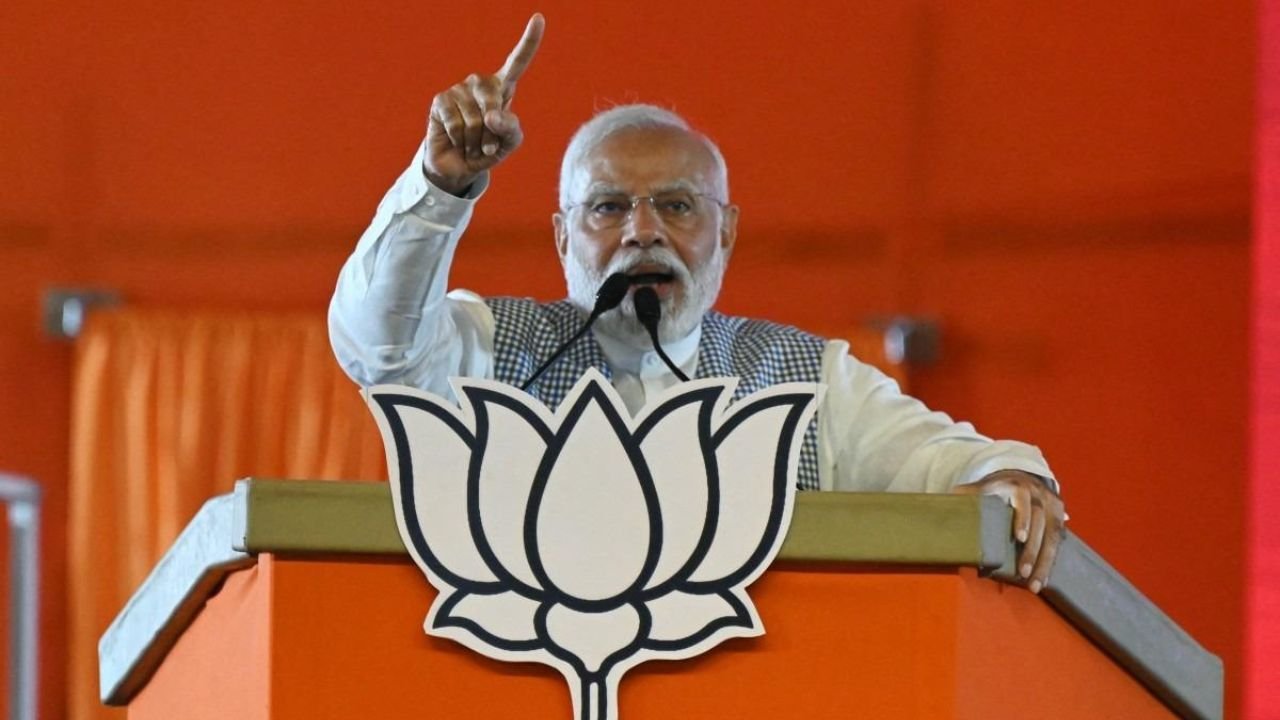
    Agra, India – Born at the bottom of the Hindu faith’s rigid caste system, voters like Anil Sonkar will determine whether Indian Prime Minister Narendra Modi returns to power next month.

    More than two-thirds of India’s 1.4 billion people are estimated to be on the lower rungs of a millennia-old social hierarchy that divides Hindus by function and social standing.

    Politicians of all stripes have courted lower caste Indians with affirmative action programmes, job guarantees and special subsidies to mitigate long-standing discrimination and disadvantage.

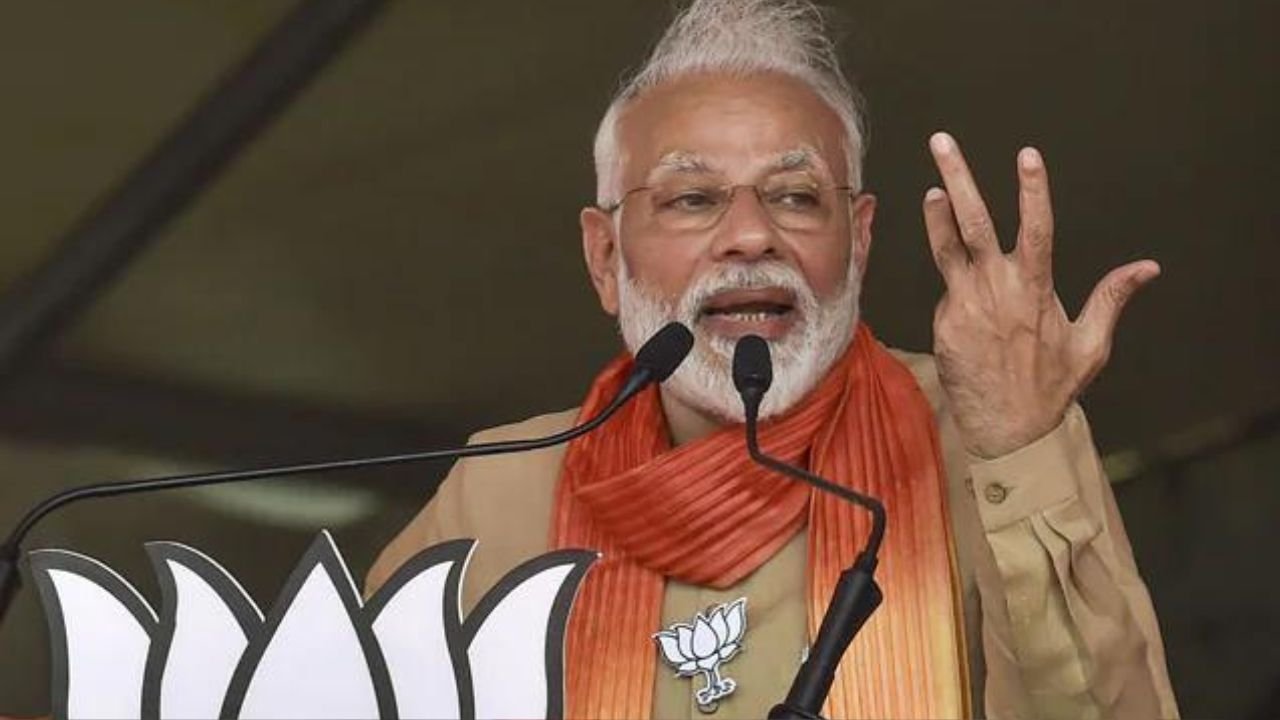
    But Modi’s Hindu-nationalist Bharatiya Janata Party (BJP) has established itself as India’s dominant political force with a different pitch: think of your religion first, and caste second.

    “There are no economic opportunities and business has never been so bad for me,” said Sonkar, a 55-year-old fishmonger and a member of the Dalit castes, once disparagingly known as “untouchables”.

    “But under this government, we feel safe and proud as Hindus,” he told AFP in the tourist city of Agra, home of the Taj Mahal. “That is why, despite everything, I voted for Modi.”

    Modi’s party is expected to easily win this year’s national election once it concludes in June, in large part due to his government’s positioning of the Hindu faith at the centre of its politics.

    His government has been accused in turn of marginalising the country’s 200-million-plus Muslims, leaving many among them fearful for their futures in India.

    But its strategy of appealing to pan-Hindu unity, and directing the faith’s internal frictions outwards, has reaped political dividends.

    “The BJP’s base among the marginalised has grown over every election since 2014,” political scientist and author Sudha Pai told AFP.

    The party, she added, had successfully forged a new pan-Hindu political coalition by showing respect to the “cultural symbols, icons and history” of low-caste voters, and in the process furthering its goal of building a “Hindu nation”.

    Station in life

    Caste remains a crucial determinant of one’s station in life at birth, with higher castes the beneficiaries of ingrained cultural privileges, lower castes suffering entrenched discrimination, and a rigid divide between both.

    Modi himself belongs to a low caste, but the elite worlds of politics, business and culture are largely dominated by high-caste Indians.

    Less than six percent of Indians married outside their caste, according to the country’s most recent census in 2011.

    Modi’s political coalition has managed to bridge this internal divide by trumpeting a vision of a resurgent and assertive Hindu faith.

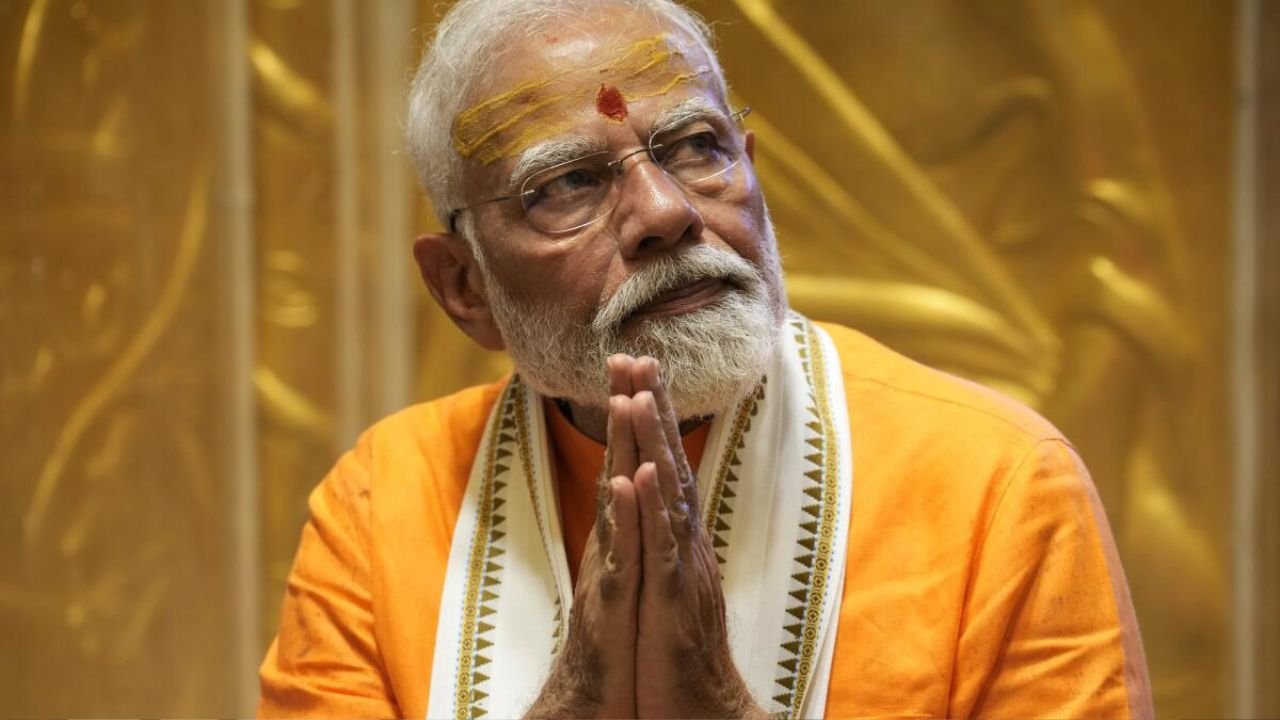
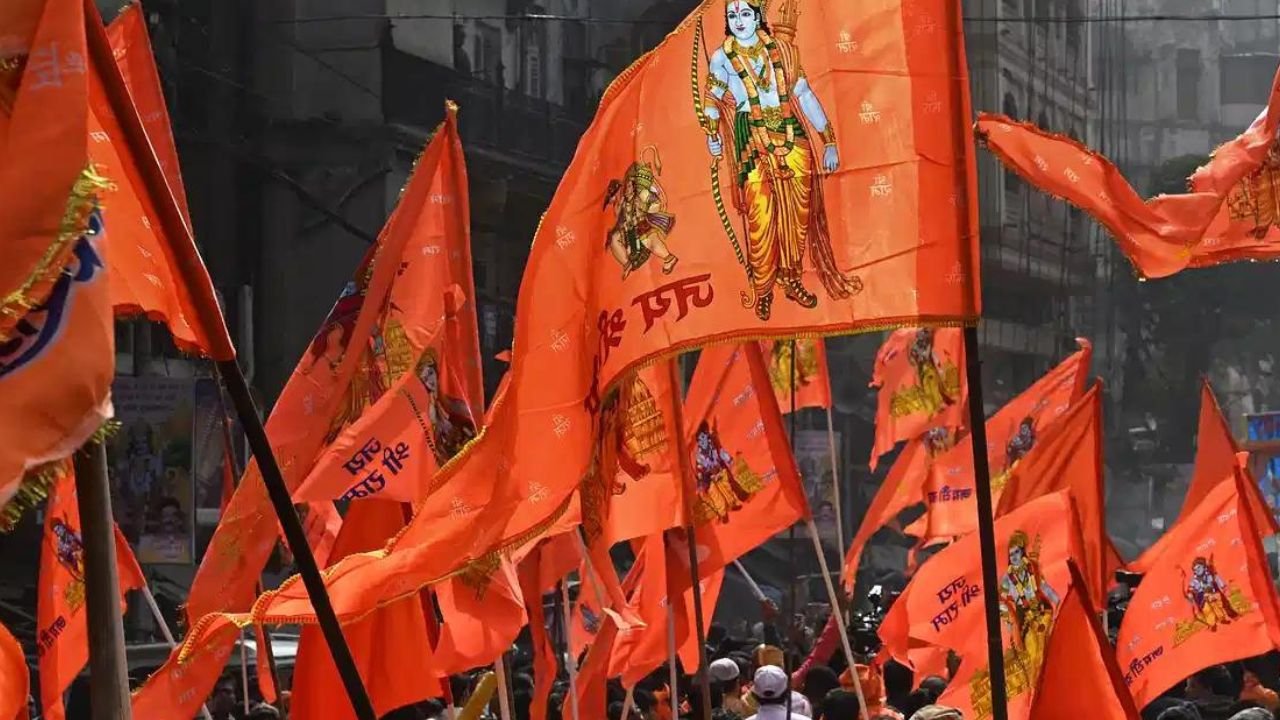
    The prime minister began the year by inaugurating a grand temple to the Hindu deity Ram, built on the site of a centuries-old mosque razed by Hindu zealots decades earlier.

    Construction of the temple fulfilled a long-standing demand of Hindu activists and was widely celebrated by Hindu voters, whatever their caste group.

    Modi’s rise also coincided with the declining fortunes of caste-based political parties that had dominated politics for decades in Uttar Pradesh, India’s most populous state with more people than Nigeria and its most important electoral battleground.

    Many in the state accused these parties of directing welfare programmes and other benefits of political power to their own caste groups, a situation they say changed when Modi came to power and made them available for all disadvantaged voters.

    “The soles of my slippers wore off as I ran around trying to get a card for free rations,” homemaker Munni Devi, 62, told AFP at a BJP campaign rally over the din of frenzied drum beats and music.

    “But Modi gave me one immediately after coming to power,” she told AFP.

    ‘Demons of those contradictions’

    The BJP has been able to unite a broad array of caste groups into a single bloc of support, but caste discrimination remains a fact of life both in politics and society at large.

    Despite Modi’s own low-caste origins, the senior ranks of his ministry, party and civil service remain overwhelmingly dominated by upper-caste functionaries.

    “Our lawmaker is from our caste and from the BJP,” said farmer Patiram Kushwaha, a Modi supporter reconsidering his allegiance.

    “He cannot do anything for us because those sitting at the top don’t listen to him.”

    More than two dozen opposition parties in this year’s poll have campaigned on a joint pledge to address the structural causes of discrimination by staging a caste-based national census and redirecting resources to the most disadvantaged.

    Analysts nonetheless expect Modi to triumph convincingly over the opposition bloc, but Neelanjan Sircar, of the Centre for Policy Research think-tank in New Delhi, said the BJP faced a monumental challenge in holding its coalition together over the long term.

    “This balancing act of keeping together groups which don’t really get along with each other is extremely tough in the long run,” he told AFP.

    “At some point, you have to face the demons of those contradictions.”

    sai/gle/sco

    © Agence France-Presse
  • Bahrain calls for peace conference at Gaza-focused Arab League

    Bahrain calls for peace conference at Gaza-focused Arab League

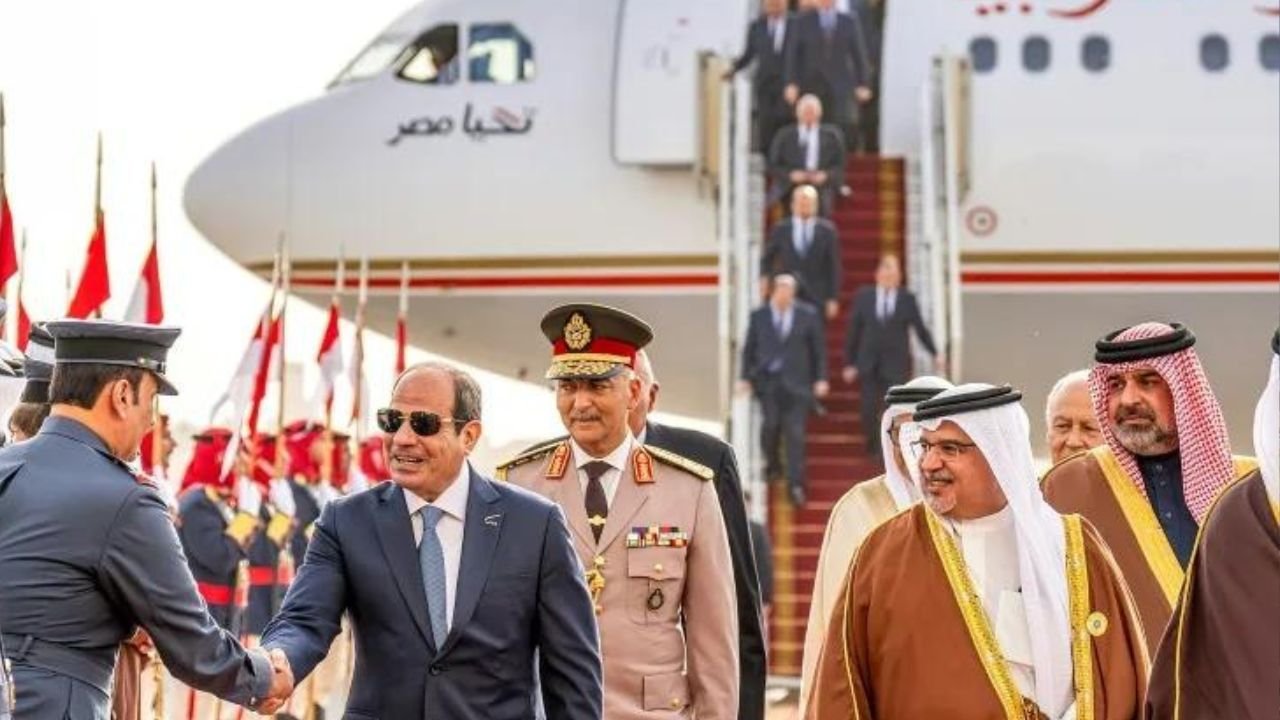
    Host Bahrain called for a Middle East peace conference Thursday at the start of an Arab League summit dominated by Israel’s war on Gaza, which has been raging in the Gaza Strip without a ceasefire in sight.

    King Hamad bin Isa Al Khalifa was addressing fellow heads of state and government at the 22-strong grouping in the capital Manama, more than seven months into a conflict that has convulsed the region.

    “(We) call for an international conference for peace in the Middle East, in addition to supporting full recognition of the State of Palestine and accepting its membership in the United Nations,” said the king.

    It is the first time the bloc has come together since an extraordinary summit in Riyadh, the capital of neighbouring Saudi Arabia, in November that also involved leaders from the 57-member Organisation of Islamic Cooperation, based in the Saudi city of Jeddah.

    At that meeting, leaders condemned Israeli forces’ “barbaric” actions in Gaza but declined to approve punitive economic and political steps against the country, despite growing anger in the region and widespread support for the Palestinian cause.

    That could change this time around as backing builds globally for a two-state solution long advocated by Arab countries, said Kuwaiti analyst Zafer al-Ajmi.

    Western public opinion has become “more inclined to support the Palestinians and lift the injustice inflicted on them” since Israel’s creation more than 70 years ago, Ajmi said.

    Meanwhile, Israel has failed to achieve its war objectives including destroying Hamas and is now mired in fighting, he said.

    Change of ‘tone’

    Israeli Prime Minister Benjamin Netanyahu on Wednesday said nearly 500,000 people had been evacuated from the southern Gaza city of Rafah, where he is insisting on going after remaining Hamas despite objections from US President Joe Biden.

    He also disputed claims that Israeli operations there would trigger a “humanitarian catastrophe”, though much of the international community remains squarely opposed to a Rafah invasion.

    Against that backdrop, and with mediator Qatar describing talks on a truce and hostage release deal as close to a stalemate, “the tone of Arab countries has changed”, Ajmi said, raising the possibility that the final declaration out of Thursday’s summit could include “binding” measures.

    The message would be especially strong coming from a summit held in Bahrain, one of two Gulf countries along with the United Arab Emirates to normalise ties with Israel in 2020 under the US-brokered Abraham Accords.

    Beyond the Israel-Hamas war, Arab leaders are also expected to discuss conflicts in Sudan, Libya, Yemen and Syria, whose President Bashar al-Assad is due to attend after returning to the Arab fold last year.

    Attacks by Yemen’s Huthis on Red Sea shipping, which the rebels say are intended as a show of solidarity with Palestinians, could also be on the agenda, said Bahraini analyst and journalist Mahmeed al-Mahmeed.

    Bahrain joined a maritime coalition organised by Washington to counter those attacks.

    “These vital sea lanes are not only important for countries in the region, but also for the global economy,” Mahmeed said.

  • India opposition criticises PM Modi for anti-Muslim comments

    India opposition criticises PM Modi for anti-Muslim comments

    India’s main opposition party on Thursday condemned Prime Minister Narendra Modi for anti-Muslim comments in election campaign speeches that have heightened concerns over sectarian tensions in the world’s biggest democracy.

    Modi remains popular across much of India and his Hindu-nationalist Bharatiya Janata Party (BJP) is widely expected to win this general election when it concludes in early June.

    Since voting began last month, the 73-year-old premier has stepped up his rhetoric targeting India’s main religious divide in a bid to rally voters.

    He has referred in campaign rallies to Muslims as “infiltrators” and claimed the main opposition Congress party would redistribute the nation’s wealth to Muslims if it won.

    P. Chidambaram, a former Indian finance minister and senior lawmaker for Congress, said Thursday that Modi was playing “his usual game of dividing Hindus and Muslims”.

    “The world is watching and analysing the Indian prime minister’s statements, and they do not bring glory to India,” he added.

    After Modi suggested that a former prime minister from Congress had planned for a separate “Muslim budget”, the party’s general secretary Jairam Ramesh condemned his statements as “nonsensical”.

    “This is typical Modi bombast and bogusness,” he said Wednesday on social media platform X.

    Since he swept to power a decade ago, Modi has sought to align India’s politics more closely with its majority faith, in defiance of the country’s officially secular constitution.

    His cultivated image as a champion of Hinduism has made him roundly popular but has left many among the country’s 200-million-plus Muslim minority uneasy about their status and anxious about their futures.

    Modi on Tuesday denied stoking religious tensions in a television interview with broadcaster News18.

    “The day I start talking about Hindu-Muslim (divisions) will be the day I will lose my ability to lead a public life,” Modi said.

    ‘Vote jihad’

    But at a campaign rally the following day, Modi accused Congress of planning to commit “vote jihad”, an implied suggestion that his opponents were rallying Muslims to vote against him.

    India’s poll code prohibits sectarian campaigning and opposition parties lodged a complaint about an earlier Modi speech last month with the election commission, which has yet to announce any sanctions against the premier.

    Other members of Modi’s party have been accused of matching his rhetoric and unfairly targeting Muslims during the election.

    A BJP candidate in Hyderabad, Madhavi Latha, was widely condemned on social media Monday for demanding veiled Muslim women remove their facial coverings at a polling station so she could personally check that their appearances matched their identity documents.

    Police in the southern city announced an investigation into the incident.

  • Five Israeli soldiers killed by their own tanks in Gaza

    Five Israeli soldiers killed by their own tanks in Gaza

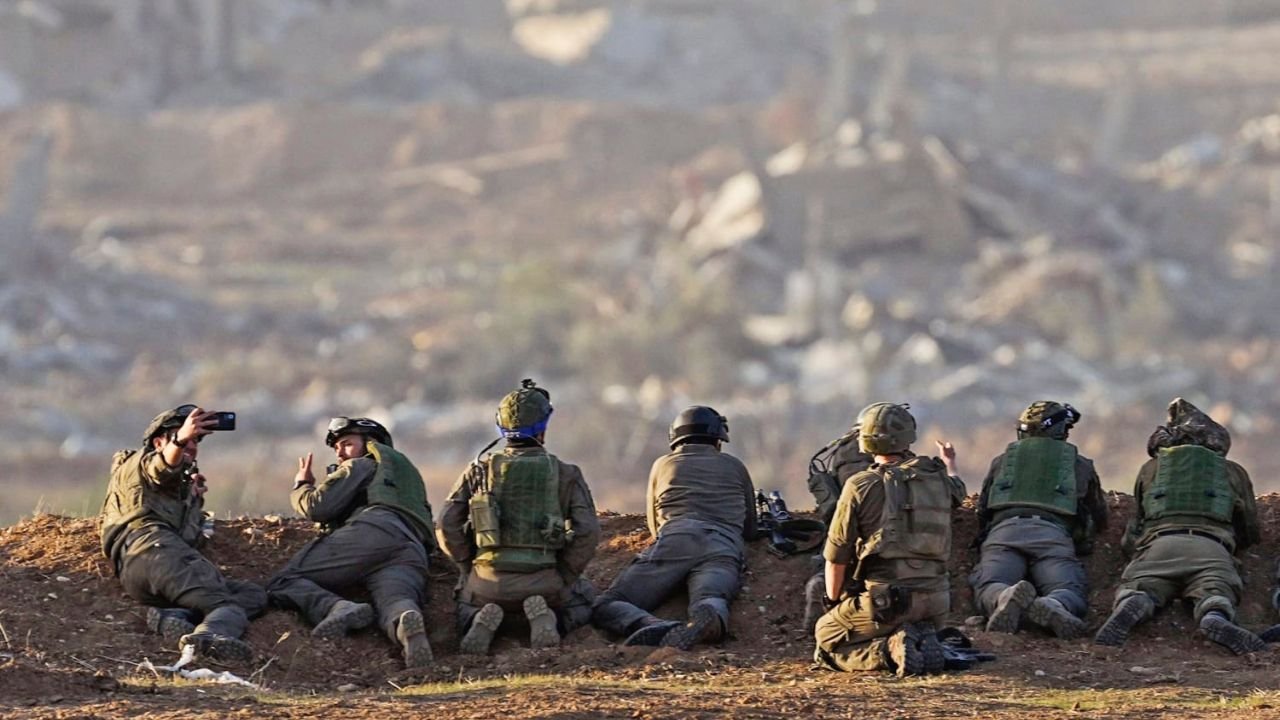
    Israel said Thursday that five of its troops were killed by friendly fire in Gaza, as a rift emerged inside the war cabinet on how the Palestinian territory should be ruled in future.

    The army said that the five soldiers were killed when two Israeli tanks mistakenly fired shells at the building they were in during operations in the northern Jabalia refugee camp on Wednesday.

    “Five soldiers of the 202nd Paratrooper Battalion were killed last night in a mass casualty incident as a result of fire by our forces,” the military said, adding that seven other troops were wounded.

    AFP reporters, witnesses and medics said Thursday that Israeli warplanes again targeted areas across Gaza overnight, including in Gaza City and its southern Zeitun area, Jabalia and the Nuseirat refugee camp.

    The military’s main focus has been Rafah near the Egyptian border, where Prime Minister Benjamin Netanyahu has ordered an offensive in defiance of US warnings that more than a million civilians sheltering there could be caught in the crossfire.

    Netanyahu on Wednesday argued that “we have to do what we have to do” and insisted that mass evacuations there had averted a much-feared “humanitarian catastrophe”.

    Washington — long Israel’s main political, diplomatic and military supporter — has repeatedly urged its ally to take greater steps to protect and aid civilians, and to make a post-war plan for Gaza to avoid being mired in a long counter-insurgency campaign.

  • Sudan facing ‘inferno’ of violence, crushing aid holdups: UN

    Sudan facing ‘inferno’ of violence, crushing aid holdups: UN

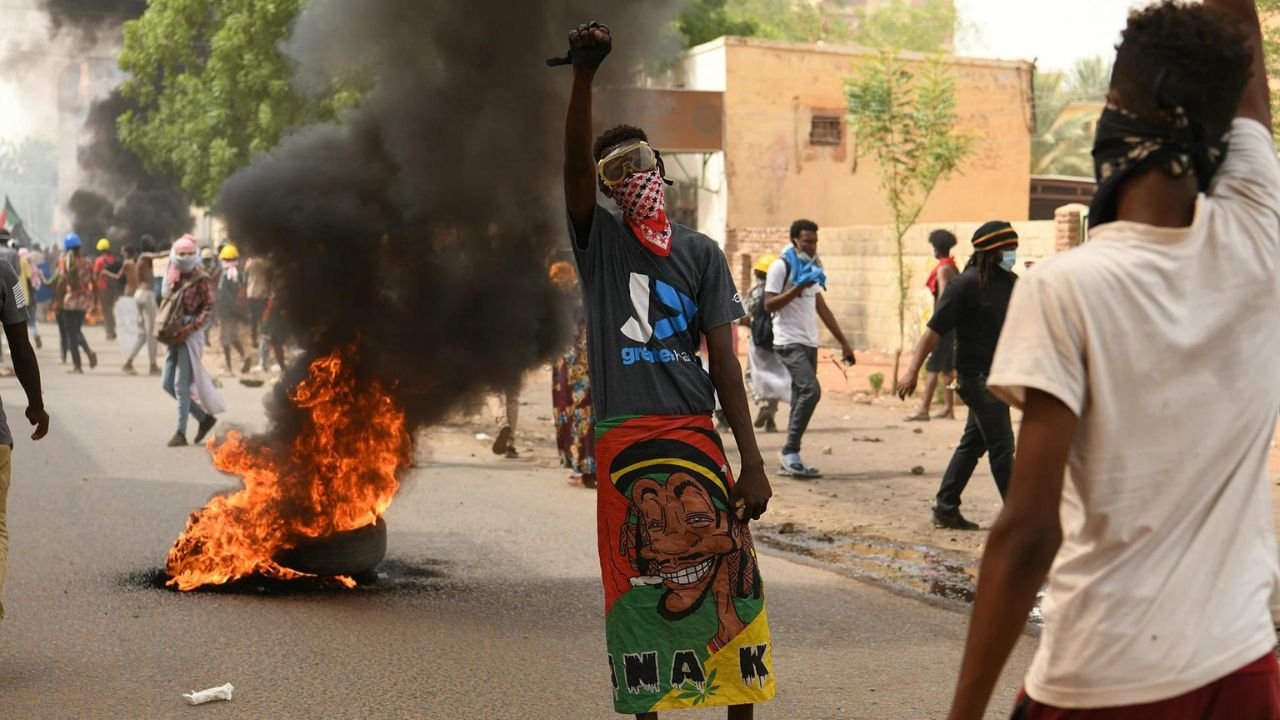
    Residents of conflict-hit Sudan are “trapped in an inferno of brutal violence” and increasingly at risk of famine due to the rainy season and blocked aid, the UN’s humanitarian coordinator for the country warned Wednesday.

    Tens of thousands of people have died and millions have been displaced since war broke out in April 2023 between the army and the paramilitary Rapid Support Forces (RSF).

    “Famine is closing in. Diseases are closing in. The fighting is closing in and there’s no end in sight,” Clementine Nkweta-Salami told a press conference.

    The grim situation is only expected to worsen, with “just six weeks before the lean season sets in, when food becomes less available, and more expensive.”

    Noting that more than four million people are facing potential famine, Nkweta-Salami added that the onset of the country’s rainy season means that “reaching people in need becomes even more difficult.”

    The area’s planting season also “could fail if we aren’t able to procure and deliver seeds for farmers,” she said.

    And “after more than a year of conflict, the people of Sudan are trapped in an inferno of brutal violence.”

    “In short, the people of Sudan are in the path of a perfect storm that is growing more lethal by the day,” Nkweta-Salami warned, adding that the humanitarian community needs “unfettered access to reach people in need, wherever they are.”

    The United Nations has expressed growing concern in recent days over reports of heavy fighting in densely populated areas as the RSF seeks control of El-Fasher, the last major city in the western Darfur region not under its control.

    “Right now the humanitarian assistance they rely on can’t get through,” Nkweta-Salami said.

    More than a dozen UN trucks loaded with medical equipment and food, which left Port Sudan on April 3, have still not reached El Fasher, she said, “due to insecurity and delays in getting clearances at checkpoints.”

    abd/mdl/bfm/nro

    © Agence France-Presse

  • Ireland to recognise Palestinian statehood ‘this month’: minister

    Ireland to recognise Palestinian statehood ‘this month’: minister

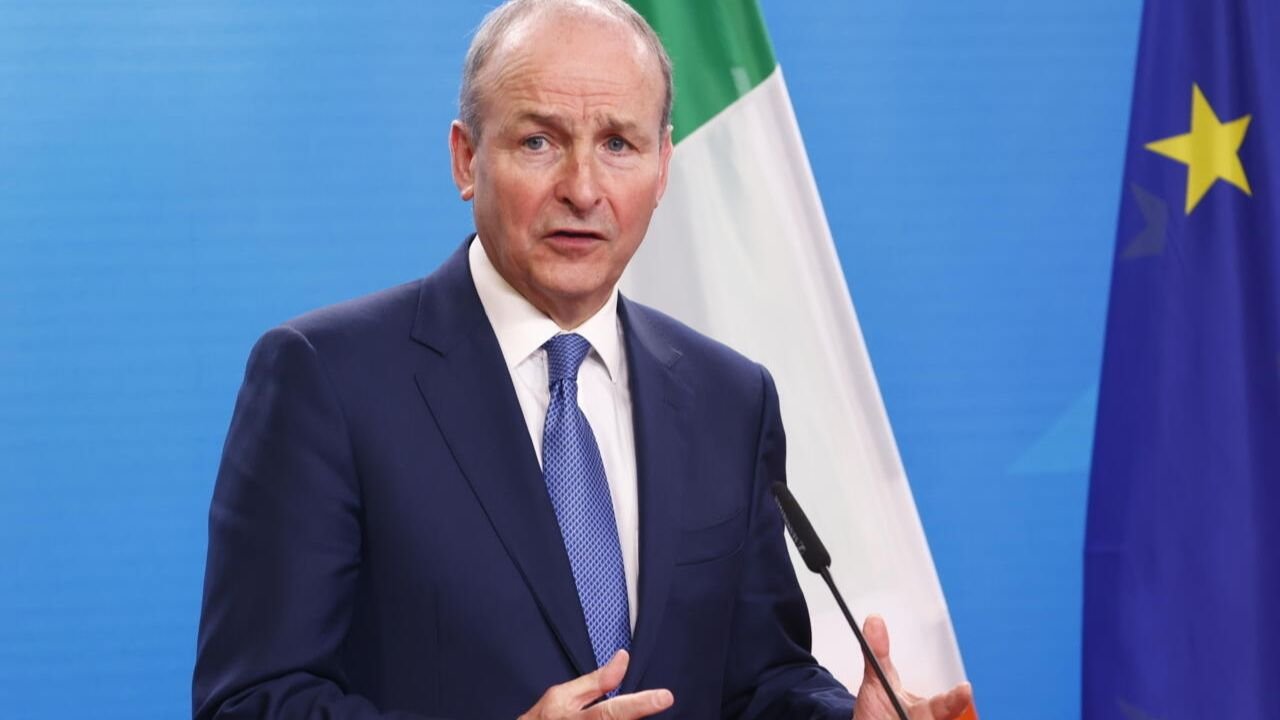
    Ireland is certain to recognise Palestinian statehood by the end of May, the country’s foreign minister said Wednesday, without specifying a date.

    “We will be recognising the state of Palestine before the end of the month,” Micheal Martin, who is also Ireland’s deputy prime minister, told the Newstalk radio station.

    In March the leaders of Spain, Ireland, Slovakia and Malta said in a joint statement that they stand ready to recognise Palestinian statehood.

    Ireland has long said it has no objection in principle to officially recognising the Palestinian state if it could help the peace process in the Middle East.

    But Israeli genocide against Palestinians in Gaza has given the issue new impetus.

    Last week EU foreign policy chief Josep Borrell said Spain, Ireland and Slovenia planned to symbolically recognise a Palestinian state on May 21, with others potentially following suit.

    But Ireland’s Martin shied Wednesday from pinpointing a date.

    “The specific date is still fluid because we’re still in discussions with some countries in respect of a joint recognition of a Palestinian state,” said Martin.

    “It will become clear in the next few days as to the specific date but it certainly will be before the end of this month.

    “I will look forward to consultations today with some foreign ministers in respect of the final specific detail of this.”

    Last month during a visit to Dublin by Spanish premier Pedro Sanchez, Irish Prime Minister Simon Harris said the countries would coordinate the move together.

    “When we move forward, we would like to do so with as many others as possible to lend weight to the decision and to send the strongest message,” said Harris.

    Israeli genocide in Gaza has killed more than 35,000 people in the besieged strip, mostly women and children, according to the territory’s health ministry.

  • ‘Drive like a woman’, French road safety campaign tells men

    ‘Drive like a woman’, French road safety campaign tells men

    A French road safety association said Monday it had launched a campaign urging men to drive like women, aiming to cut traffic deaths while debunking the sexist stereotype that men are better behind the wheel.

    “Drive Like A Woman”, runs the slogan on the ads, seen mostly in metro stations and posted online, from the association Victims and Citizens.

    “A look at the data tells you that there’s no truth” to the stereotype that men are better drivers, the association said in a statement.

    Some 84 percent of deadly road accidents were caused by men, it said, citing a governmental road safety report.

    Victims and Citizens, which assists people injured in traffic accidents and runs awareness campaigns, said it hoped to prompt a change in the “mentality of men and therefore in their behaviour”.

    According to the government report, 93 percent of drivers causing an accident under the influence of alcohol were men.

    “Driving like a woman just means one thing, staying alive,” the ad campaign said.

    Close to 3,200 people died in road accidents in France last year, with early data for this year pointing to a possible increase in 2024.

    cco/jh/sjw/rlp

    © Agence France-Presse

  • Modi files candidacy for India election in Hindu holy city

    Modi files candidacy for India election in Hindu holy city

    India Prime Minister Narendra Modi on Tuesday formally submitted his candidacy to recontest the parliamentary seat for the Hindu holy city of Varanasi in a general election he is widely expected to win.

    The marathon six-week poll concludes next month, and the 73-year-old premier used the election formality as a campaign event that paid deference to the country’s majority faith.

    Varanasi is the spiritual capital of Hinduism, where devotees from around India come to cremate deceased loved ones by the Ganges river, and the premier has represented the city since sweeping to power a decade ago.

    Hundreds of supporters had gathered outside a local government office to greet Modi when he arrived to lodge his nomination.

    Footage showed the premier handing over his candidacy paperwork, flanked by a Hindu mystic.

    “It’s our good fortune that Modi represents our constituency of Varanasi,” devout Hindu and farmer Jitendra Singh Kumar, 52, told AFP while waiting for the leader to emerge.

    “He is like a God to people of Varanasi. He thinks about the country first, unlike other politicians.”

    Modi, who has made acts of religious worship a central fixture of his premiership, had spent the morning visiting temples and offering prayers at the banks of the Ganges.

    Tens of thousands of supporters had lined the streets of Varanasi to greet Modi as he arrived in the city on Monday atop a flatbed truck, waving to the crowd from atop a flatbed truck as loudspeakers blared devotional songs.

    Many along the roadside waved saffron-coloured flags bearing the emblem of his ruling Bharatiya Janata Party (BJP), throwing marigold flowers at the procession as it passed by.

    ‘Not wanted’

    Modi and the BJP are widely expected to win this year’s election, which is conducted over six weeks to ease the immense logistical burden of staging the democratic exercise in the world’s most populous country.

    Varanasi is one of the last constituencies to vote on June 1, with counting and results expected three days later.

    Since the vote began last month, Modi has made a number of strident comments against India’s 200-million-plus Muslim minority in an apparent effort to galvanise support.

    He has used public speeches to refer to Muslims as “infiltrators” and “those who have more children”, prompting condemnation from opposition politicians and complaints to India’s election commission.

    The ascent of Modi’s Hindu-nationalist politics despite India’s officially secular constitution has made the Muslims in the country increasingly anxious.

    “We are made to feel as if we are not wanted in this country,” Shauqat Mohamed, who runs a tea shop in the city, told aFP.

    “If the country’s premier speaks of us in disparaging terms, what else can we expect?” the 41-year-old added.

    “We have to accept our fate and move on.”

    abh/gle/mca

    © Agence France-Presse

  • India vote resumes with Indian-occupied Kashmir poised to oppose Modi

    India vote resumes with Indian-occupied Kashmir poised to oppose Modi

    India’s six-week election resumed Monday including in Indian-occupied Kashmir, where voters were expected to show their discontent with Prime Minister Narendra Modi’s cancellation of their disputed territory’s semi-autonomy and the security crackdown that followed.

    Modi remains popular across much of India and his Hindu-nationalist Bharatiya Janata Party (BJP) is widely expected to win the poll when it concludes early next month.

    But his government’s decision in 2019 to bring IOK under its direct rule — and the subsequent clampdown — have been deeply resented among the region’s residents, who will be voting for the first time since the move.

    “What we’re telling voters now is that you have to make your voice heard,” said former chief minister Omar Abdullah, whose National Conference party is campaigning for the restoration of IOK’s former semi-autonomy.

    “The point of view that we want people to send out is that what happened… is not acceptable to them,” he told AFP.

    IOK has been divided between India and Pakistan since their independence in 1947. Both claim it in full and have fought two wars over control of the Himalayan region.

    Rebel groups opposed to Indian rule have waged an insurgency since 1989 on the side of the frontier controlled by New Delhi, demanding either independence or a merger with Pakistan.

    India accuses Pakistan of backing the insurgents, a charge that Islamabad denies.

    The conflict has killed tens of thousands of soldiers, rebels and civilians in the decades since, including a spate of firefights between suspected rebels and security forces in the past month.

    ‘Referendum’

    Violence has dwindled since the Indian portion of the territory was brought under direct rule five years ago, a move that saw the mass arrest of local political leaders and a months-long telecommunications blackout to forestall expected protests.

    Modi’s government says its cancelling of IOK’s special status has brought “peace and development”, and it has consistently claimed the move was supported by Kashmiris.

    But his party has not fielded any candidates in the IOK valley for the first time since 1996, and experts say the BJP would have been roundly defeated if it had.

    “They would lose, simple as that,” political analyst and historian Sidiq Wahid told AFP last week, adding that Kashmiris saw the vote as a “referendum” on Modi’s policies.

    The BJP has appealed to voters to instead support smaller and newly created parties that have publicly aligned with Modi’s policies.

    But voters are expected to back one of two established IOK political parties calling for the Modi government’s changes to be reversed.

    “I voted for changing the current government. It must happen for our children to have a good future,” civil servant Habibullah Parray told AFP.

    “Everywhere you go in Kashmir today you find people from outside in charge. Everyone wants that to change.”

    In rural districts outside Srinagar, the region’s biggest city, army soldiers patrolled roads in convoys of bulletproof vehicles.

    Several polling booths around the constituency had more than two dozen paramilitary troops guarding voter queues.

    Boycotts called by rebel groups left few Kashmiris willing to participate in past elections, with just over 14 percent of eligible voters in Srinagar casting a ballot during the last national poll in 2019.

    By mid-afternoon on Monday nearly 30 percent of people in the constituency had voted, with booths still open for several more hours.

    Nearly one billion voters

    India’s election is conducted in seven phases over six weeks to ease the immense logistical burden of staging the democratic exercise in the world’s most populous country.

    More than 968 million people are eligible to vote in India’s election, with the final round of polling on June 1 and results expected three days later.

    Voter turnout elsewhere in India has so far declined significantly from 2019, according to election commission figures.

    Analysts have blamed widespread expectations that Modi will easily win a third term and hotter-than-average temperatures heading into the summer.

    India’s weather bureau has forecast more hot spells in May and the election commission formed a taskforce last month to review the impact of heat and humidity before each round of voting.

  • UN Security Council seeks inquiry into mass graves in Gaza

    UN Security Council seeks inquiry into mass graves in Gaza

    The UN Security Council on Friday called for an immediate and independent investigation into mass graves allegedly containing hundreds of bodies near hospitals in Gaza.

    In a statement, members of the council expressed their “deep concern over reports of the discovery of mass graves, in and around the Nasser and Al-Shifa medical facilities in Gaza, where several hundred bodies, including women, children and older persons, were buried.”

    The members stressed the need for “accountability” for any violations of international law and called on investigators to be given “unimpeded access to all locations of mass graves in Gaza to conduct immediate, independent, thorough, comprehensive, transparent and impartial investigations.”

    Hospitals in the Gaza Strip have been repeatedly targeted since the beginning of the Israeli military operation in the Palestinian territory, following the October 7 attack.

    Israel has accused Hamas of using medical facilities as command centers and to hold hostages abducted during the initial attack.

    The World Health Organization (WHO) said in April that Al-Shifa, in Gaza City, had been reduced to an “empty shell,” with many bodies found in the area.

    The Israeli army has said around 200 Palestinians were killed during its military operations there.

    Bodies have reportedly been found buried in two graves in the hospital’s courtyard.

    The UN rights office in late April had itself called for an independent investigation into reports of mass graves at Al-Shifa and at the Nasser Medical Complex in Khan Yunis.

    Gaza officials said at the time that health workers at the Nasser complex had uncovered hundreds of bodies of Palestinians they alleged had been killed and buried by Israeli forces.

    Israel’s army has dismissed the claims as “baseless and unfounded.”

    The statement Friday from the Security Council did not say who would conduct the investigations.

    But it “reaffirmed the importance of allowing families to know the fate and whereabouts of their missing relatives, consistent with international humanitarian law.”

    Israeli genocide against Palestinians has killed at least 34,943 people in the Gaza Strip, mostly women and children, the health ministry in the Hamas-run territory said Friday.