Author: afp

  • Pro-Palestinian student protests spread in Switzerland

    Pro-Palestinian student protests spread in Switzerland

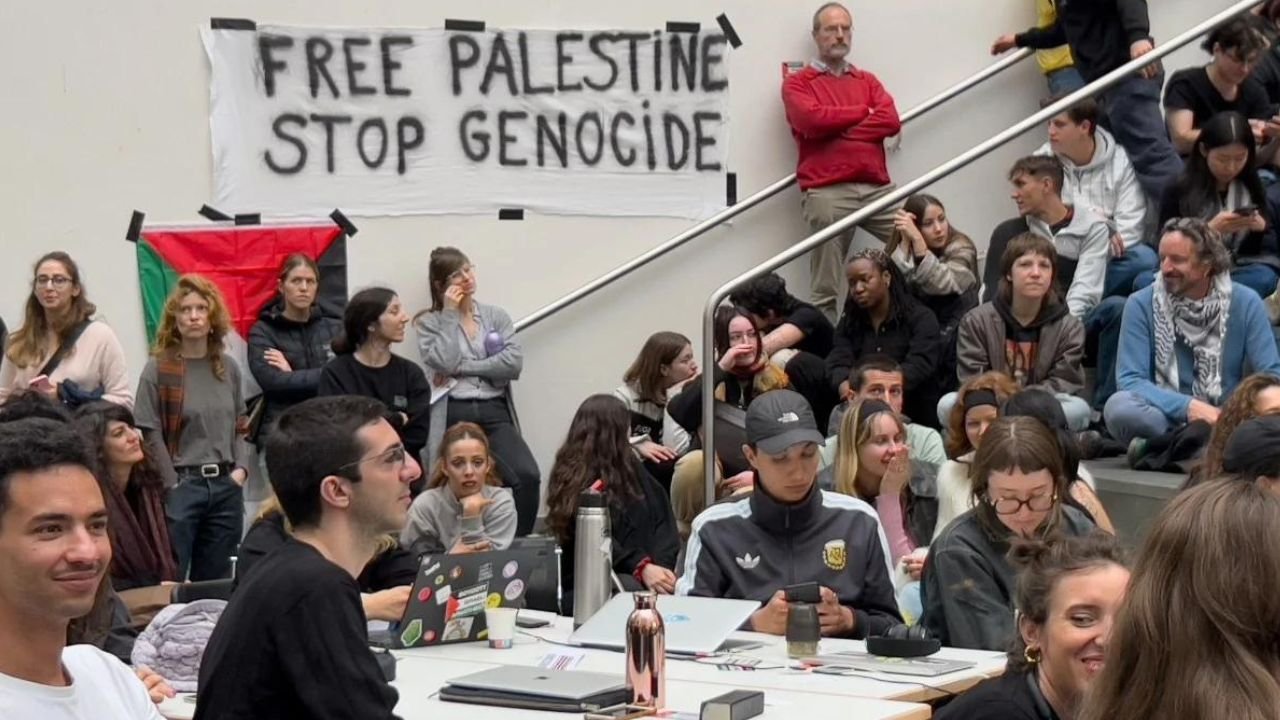
    Pro-Palestinian protests on Tuesday spread to three universities across Switzerland — inspired by similar student demonstrations that began in the United States.

    For weeks, students around the world have been calling for their universities to cut ties with Israeli institutions over the war in Gaza.

    Students at the University of Lausanne (UNIL) were the first to mobilise in Switzerland, with several hundred occupying a hall Thursday evening to demand an end to partnerships with Israeli universities.

    UNIL responded in a statement that it “considers that there is no reason to cease these relations”. Protesters and the rector will meet later Tuesday.

    On Tuesday, the movement spread to the prestigious EPFL university in Lausanne, where a group of students occupied the university’s hall, an AFP photographer observed.

    The students are demanding “an academic boycott” of Israeli institutions and “an end to censorship at EPFL”, and called on other universities to join in.

    Tens of students protested in the entrance hall of the ETH Zurich shortly before midday on Tuesday, shouting “Free Palestine” and rolling a poster onto the floor that said “no Tech for Genocide” before being removed by police, according to news agency Keystone-ATS.

    In Geneva, the Palestine Student Coordination – University of Geneva (CEP-UnigGe) took over a hall at the university with sofas, chairs and tables around midday, the Swiss agency reported.

    Numerous Palestinian flags and banners were hung on all floors of the building. An assembly is scheduled for Tuesday.

    In a letter to the university’s rector, the group called for “an immediate end to links between the University of Geneva and Israeli universities” and called on the rectorate to encourage the admission of Palestinian students.

    Students across Europe have launched pro-Palestinian protests on campuses in Ireland, France, The Netherlands, Belgium and Germany.

  • Taylor Swift ready to shake up Europe

    Taylor Swift ready to shake up Europe

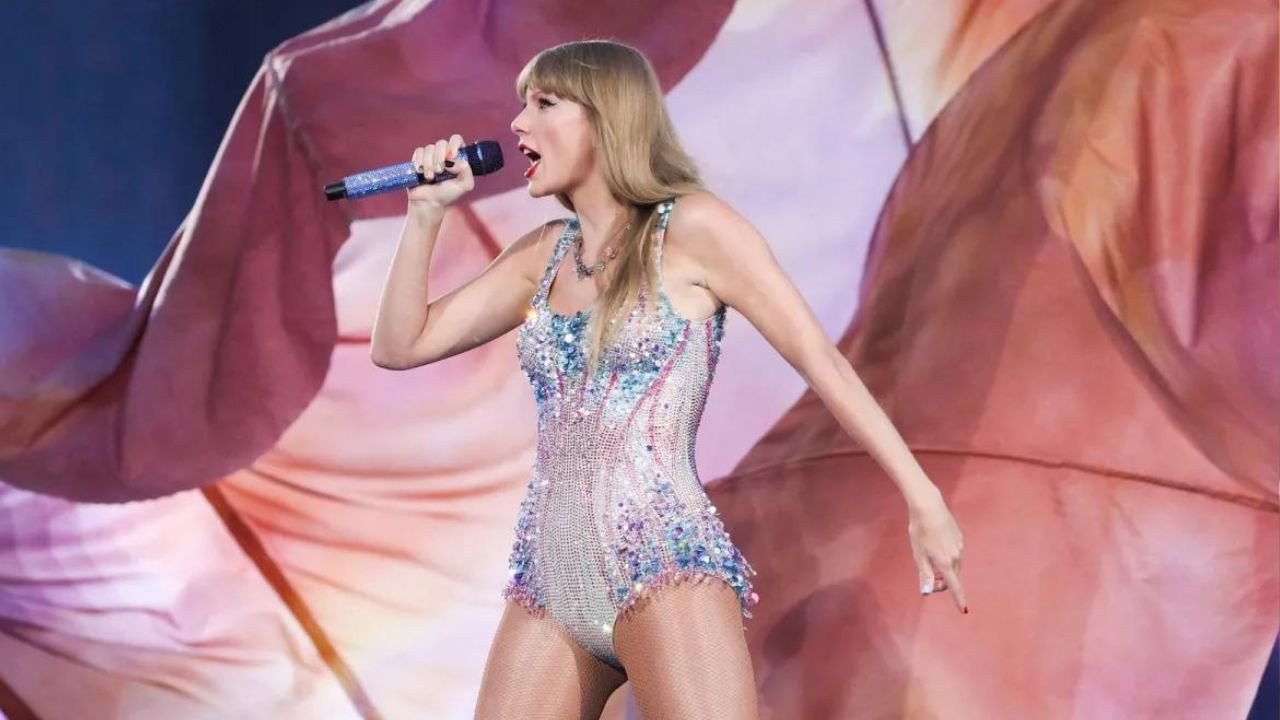
    Having shaken four continents, Taylor Swift’s Eras Tour finally brings the biggest pop culture icon of the century to Europe from Thursday, starting with a four-night run in Paris.

    Swift has broken almost every record in music, and her sixth tour is no exception.

    The Eras Tour, which began in March 2023, is already the first to sell more than $1 billion in tickets, and is expected to more than double that by the time it concludes in Vancouver this December.

    Swifties in Paris are especially excited to hear songs off her new album, “The Tortured Poets Society”, being performed for the first time.

    Many critics have derided the 31-track album as bloated and mediocre – “a rare misstep” in the words of British music mag NME.

    Such blasphemy leaves her devoted fanbase seeing red –- Paste magazine felt the need to keep their damning review anonymous, knowing all too well how her fans would react.

    But a few bad reviews are unlikely to lead to a cruel summer for Swift – the album sold 1.4 million copies on its first day and broke every streaming record going, reaching a billion streams on Spotify within five days.

    Some 42,000 people will see Swift in Paris before she heads on for dates in Sweden, Portugal, Spain, Britain, Ireland, Netherlands, Switzerland, Italy, Germany, Poland and Austria.

    Many are travelling a long way – around one in five of the Paris audience is coming from the United States, according to the La Defense Arena where she is performing.

    ECONOMIC JUGGERNAUT

    The 34-year-old’s tour remains a money-making machine beyond the wildest dreams of promoters and venues.

    Research group QuestionPro estimated that last year’s US dates generated $5 billion for the country’s economy. The US Travel Association said the figure may have exceeded $10 billion when hotel rooms, restaurants and other indirect sales were included.

    The La Defense Arena says it has doubled the previous record of merchandise-sellers across its dates.

    The mere mention of a London pub, The Black Dog, on her new album was enough to send a swarm of Swifties to its doors this month, potentially saving the struggling boozer.

    Fans tracked it down after realising it lay close to the home of British actor Joe Alwyn, with whom Swift had a six-year relationship that ended last summer.

    Swift’s tell-all dissections of her love stories have been the fuel powering her global domination, and fans have been pouring over “The Tortured Poets Department” for cryptic clues about Alwyn, her short-but-dramatic fling with Matty Healy (lead singer of The 1975), and her current beau, American football star Travis Kelce.

    “There is something in her music that captures the adolescent desire for a poetic existence, charged with passion, danger and love,” said Satu Hämeenaho-Fox, author of “Into the Taylor-Verse”.

    Soukeyna, a 16-year-old fan travelling up from southwest France for opening night, said Swift gives her “the feeling of being part of a community”.

    “She’s a complete artist who writes her own words, and you really have to listen to the lyrics and understand them, which is something unique,” she added.

  • Al Jazeera to pursue legal action ‘until the end’ over Israel ban

    Al Jazeera to pursue legal action ‘until the end’ over Israel ban

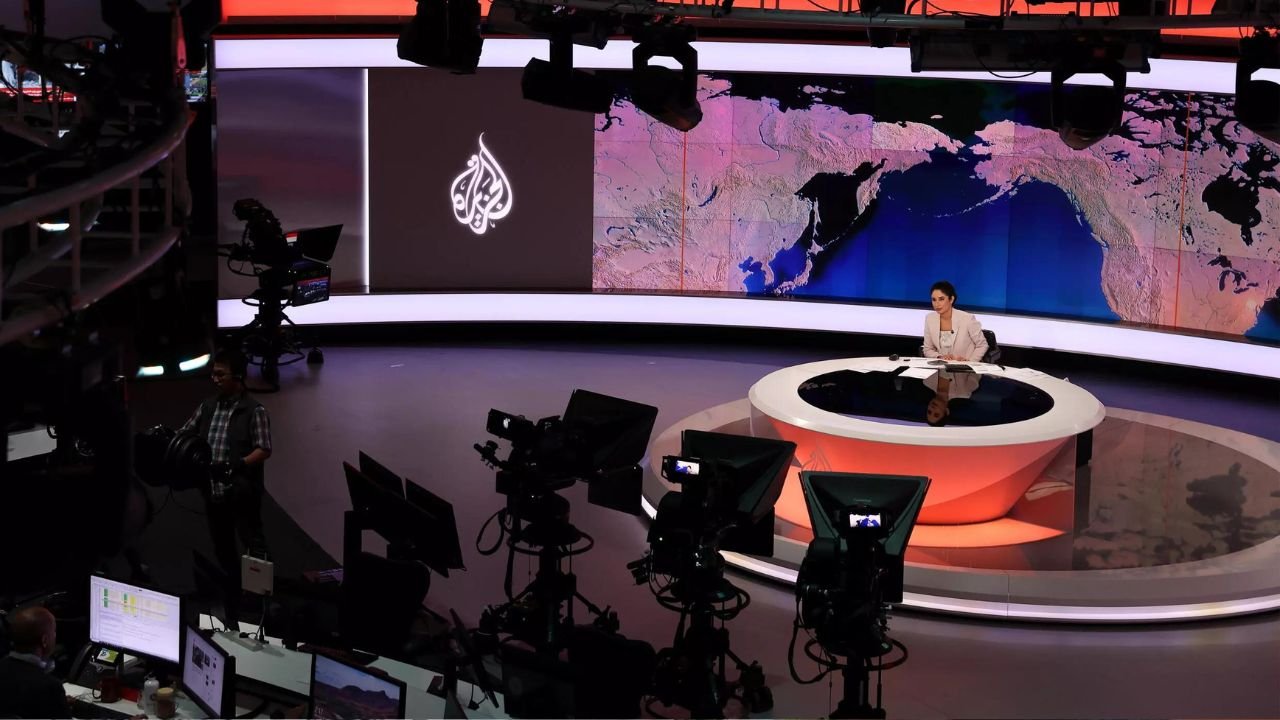
    Doha (AFP) – Al Jazeera will look to pursue all possible legal action “until the end” to challenge Israel’s ban on its operations there, the TV network’s news director told AFP in an interview.

    The Qatar-based station was taken off air in Israel after Prime Minister Benjamin Netanyahu’s government voted on Sunday to shut it down over its coverage of the Gaza war.

    Speaking on Monday, Al Jazeera English news director Salah Nagm said the network would “follow every legal path”, adding: “If there is a possibility of challenging that decision we are going to pursue it until the end.”

    Under a cabinet decision which Netanyahu said was “unanimous”, Al Jazeera’s Jerusalem offices were shuttered, its equipment confiscated and its team’s accreditations pulled.

    “The equipment which was confiscated, the loss that we suffered from stopping our broadcast, all of that is subject matter for legal action,” Nagm said.

    The Israeli government on Sunday said the order was initially valid for 45 days, with the possibility of an extension.

    Hours later, screens in Israel carrying Al Jazeera’s Arabic and English channels went blank, apart from a message in Hebrew saying they had “been suspended in Israel”.

    ‘An action from the 60s’

    The shutdown does not apply to the Israeli-occupied West Bank or Gaza Strip, from which Al Jazeera still broadcasts live on Israel’s war with Hamas.

    Al Jazeera immediately condemned Israel’s decision as “criminal”, saying on social media site X that it “violates the human right to access information”.

    But Najm downplayed the ban’s impact on Al Jazeera’s coverage of the war and on the public’s ability to access its content, even with its website now blocked in Israel.

    “It’s an action from the 60s rather than the 21st century to take such a decision of shutting down,” he said, explaining the channel could rely on other sources for information without “people on the ground”.

    “I know people that have VPN can see us online anytime,” the news director said referring to virtual private networks that establish protected internet connections and can allow users to access the internet as if they were in a different country.

    The decision came after Israel’s parliament last month voted to pass a new national security law granting senior ministers powers to ban broadcasts by foreign channels over threats to security.

    In his statement on Sunday, Netanyahu charged that “Al Jazeera correspondents have harmed the security of Israel and incited against IDF (Israeli military) soldiers”.

    ‘Arbitrary decision’

    But Nagm questioned which Al Jazeera broadcasts the Israeli government considered a security threat, calling the ban an “arbitrary decision”.

    Since the start of the Gaza war, Al Jazeera’s office in the Palestinian territory has been bombed and two of its correspondents killed.

    “Al Jazeera has lost a few people, their families have suffered so that’s really different from other conflicts in this sense,” Nagm said.

    Al Jazeera’s Gaza bureau chief Wael al-Dahdouh was wounded in an Israeli strike in December that killed the network’s cameraman.

    Dahdouh’s wife, two of their children and a grandson were killed in October in a bombardment of central Gaza’s Nuseirat refugee camp.

    And Dahdouh’s eldest son, an Al Jazeera staff journalist, was killed alongside another journalist in Rafah in January when an Israeli strike targeted the car they were travelling in.

    At least 97 journalists and media workers have been killed since the war began, among them Palestinians, Israelis and Lebanese, according to the Committee to Protect Journalists.

    “That’s not something that we can just report politely,” Nagm said.

    “We have to be wary and careful and alert the people of the nature of the war that’s going on and how deadly it is for the people and also for us as a profession.”

  • Putin takes oath for record fifth presidential term

    Putin takes oath for record fifth presidential term

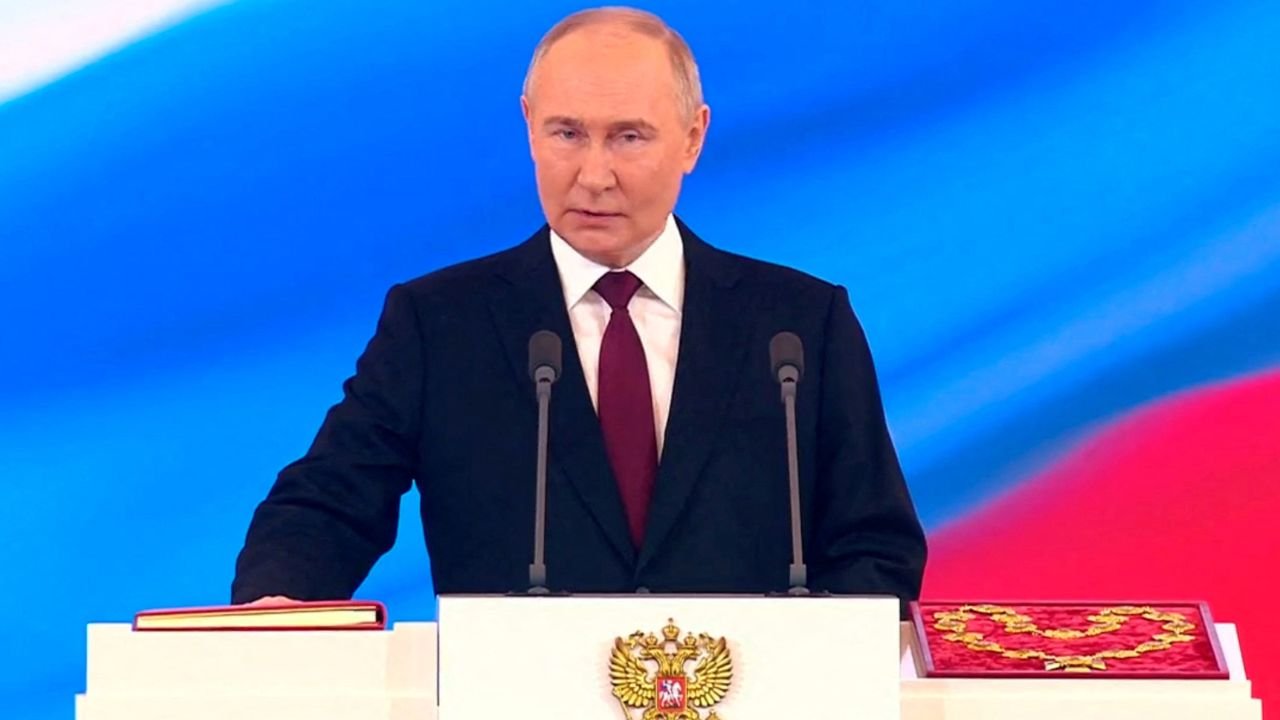
    Russian President Vladimir Putin was Tuesday sworn into office at a lavish Kremlin ceremony for a record-breaking fifth term with more power than ever before.

    The 71-year-old has ruled Russia since the turn of the century, securing a fresh six-year mandate in March after winning presidential elections devoid of all opposition.

    ‘Together we will win’: Putin tells Russians at inauguration

    Vladimir Putin said Tuesday that Russia would pass through the current “difficult” period stronger and emerge victorious, as he took power for a record fifth presidential term.

    “We will pass through this difficult period with dignity and become even stronger,” Putin said at his inauguration ceremony, adding: “We are a united and great nation, and together we will overcome all obstacles, realise everything we have planned, and together, we will win.”

  • Pro-Palestinian demonstrators protest outside the Met Gala

    Pro-Palestinian demonstrators protest outside the Met Gala

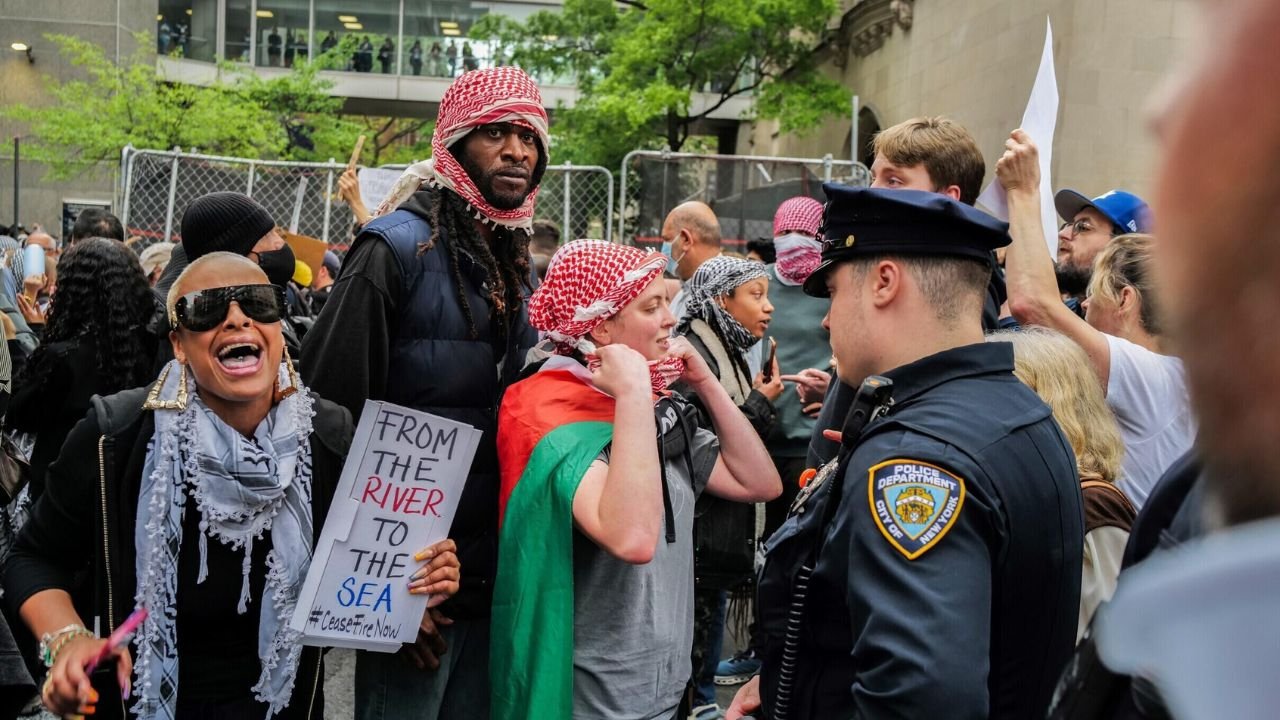
     Protesters in New York converged near the Met Gala on Monday in a rally against the ongoing war in Gaza, leading to several arrests, police said.

    Among the rallying points were the gates of Columbia University, which has been the center of spreading demonstrations, before protesters marched through Manhattan to American fashion’s biggest night — or at least as close as police would let them.

    The Met Gala, which attracts celebrities, fashion designers and mass media attention, is a yearly mammoth fundraiser for the Metropolitan Museum of Art’s Costume Institute.

    It was unclear how many arrests were made as stars walked the carpet and posed for photos, but AFP journalists confirmed several arrests while the New York Daily News reported the number was about a dozen, out of hundreds that gathered near the soiree.

    Organizers on X, formerly Twitter, posted a flier for an event dubbed as the “Citywide Day of Rage for Gaza.”

    Monday’s protest appeared unconnected to the demonstrations that have rocked Columbia’s campus, culminating in the university calling the police to clear out student protesters.

    Despite growing concern from a number of young voters and some members of Joe Biden’s Democratic Party over the growing civilian death toll, the president has continued to support Israel in its war in Gaza.

    Under domestic pressure from the left and the right in an election year, Biden has tried to walk a thin line, pushing for a ceasefire deal and warning Israel not to invade the Gazan city of Rafah — though he has not stopped US arms from flowing to the country or conditioned future aid.

    Vowing to destroy Hamas, Israel launched an offensive that has killed at least 34,735 people in Gaza, mostly women and children, according to the Hamas-run territory’s health ministry.

  • Iran sentences man to death for posts during 2022 protests

    Iran sentences man to death for posts during 2022 protests

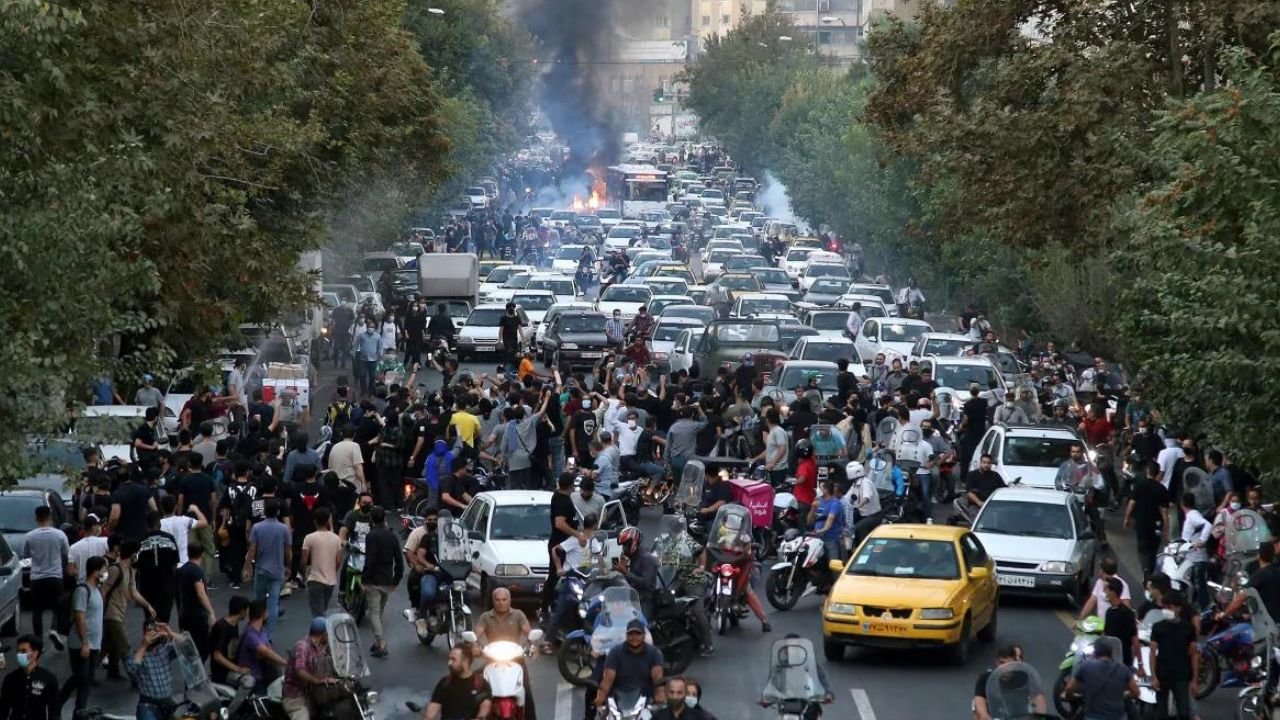
    An Iranian court has sentenced a man to death over content he posted online during 2022 protests over the death in custody of an Iranian-Kurdish woman, the judiciary said Tuesday.

    Iran was gripped by months-long protests over the death of Mahsa Amini, 22, after she was arrested for an alleged breach of the strict dress code for women.

    The judiciary’s Mizan Online website said Mahmoud Mehrabi was found guilty of posting content that included guidance on how “to use homemade weapons and called for the destruction of public property”.

    He was convicted of “inciting people to commit killings and insulting religious sanctities”, it added.

    Lawyer Babak Farsani said Mehrabi was found guilty of the capital offence of “corruption on earth”. He can appeal against the sentence before the Supreme Court.

    The months-long protests sparked by Amini’s death saw hundreds of people killed in street clashes, including dozens of security personnel.

    Thousands were arrested as authorities moved to quell what they branded foreign-instigated “riots”.

    Last month, an Iranian court sentenced popular rapper Toomaj Salehi to death for supporting the demonstrations.

    Nine men have been executed in protest-related cases involving killings and other violence against security forces.

    Amnesty International says Iran executed 853 people in 2023, the highest total since 2015.

  • India election chiefs warn political parties against AI deepfakes

    India election chiefs warn political parties against AI deepfakes

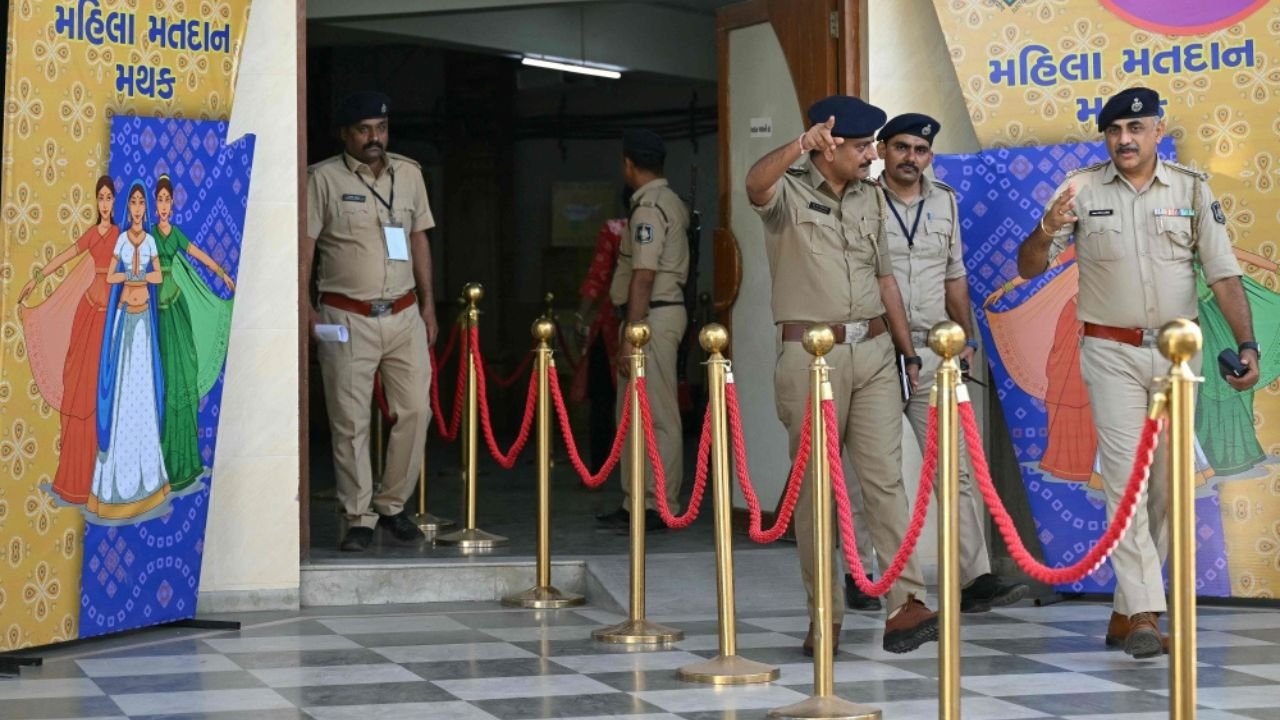
    India’s election authorities on Monday warned political parties against using artificial intelligence to create deepfake videos and spread misinformation during the country’s ongoing general election.

    Millions of voters will head to polling stations on Tuesday in the third of seven voting phases in the world’s most populous country.

    A rash of deepfake and doctored videos and misinformation have circulated on social media in recent weeks.

    The Election Commission of India (ECI) warned against “misuse of AI-based tools to create deepfakes that distort information or propagate misinformation”.

    Political parties “have been specifically directed to refrain from publishing and circulating deep fake audios/videos, disseminate any misinformation or information which is patently false, untrue or misleading in nature”, the ECI said in a statement.

    It did not mention any organisation by name, but said parties would be ordered to remove any fake content within three hours of being notified of such.

    The warning came days after the arrest of the social media chief of the country’s main opposition party over accusations he doctored a video that was widely shared.

    The Congress party’s Arun Reddy was detained on Friday in connection with edited footage that falsely shows India’s powerful interior minister Amit Shah vowing in a campaign speech to end affirmative action policies for millions of poor and low-caste Indians.

    Shah’s original campaign speech shows him promising to end affirmative action measures for Muslims established in the southern state of Telangana.

    Prime Minister Narendra Modi, his ruling Bharatiya Janata Party and the opposition Congress party have accused each other of spreading misinformation and outright falsehoods since voting began last month.

    In recent weeks, both Modi and Shah have stepped up campaign rhetoric over India’s principal religious divide between majority Hindus and the 200 million-strong Muslim minority in an effort to rally voters.

    At a recent campaign rally Modi referred to Muslims as “infiltrators” and “those who have more children”, prompting condemnation and an official complaint to election authorities by Congress.

    The prime minister has not been sanctioned for his remarks despite election rules prohibiting campaigning on “communal feelings” such as religion, prompting frustration from the opposition camp.

    In its statement Monday the Commission also asked political parties to refrain from “posting derogatory content towards women”, using children in their campaigns, or depicting harm to animals.

  • ‘Everybody is vulnerable’: Fake US school audio stokes AI alarm

    ‘Everybody is vulnerable’: Fake US school audio stokes AI alarm

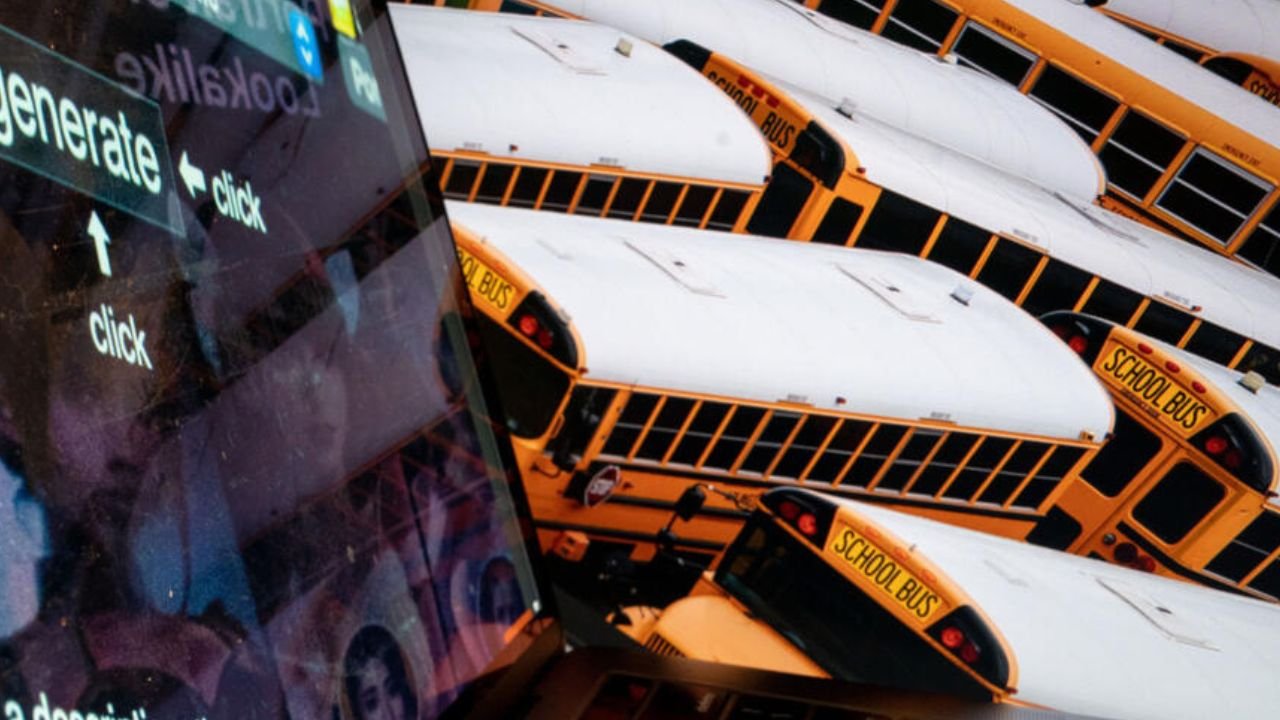
    A fabricated audio clip of a US high school principal prompted a torrent of outrage, leaving him battling allegations of racism and anti-Semitism in a case that has sparked new alarm about AI manipulation.

    Police charged a disgruntled staff member at the Maryland school with manufacturing the recording that surfaced in January — purportedly of principal Eric Eiswert ranting against Jews and “ungrateful Black kids” — using artificial intelligence.

    The clip, which left administrators of Pikesville High School fielding a flood of angry calls and threats, underscores the ease with which widely available AI and editing tools can be misused to impersonate celebrities and everyday citizens alike.

    In a year of major elections globally, including in the United States, the episode also demonstrates the perils of realistic deepfakes as the law plays catch-up.

    “You need one image to put a person into a video, you need 30 seconds of audio to clone somebody’s voice,” Hany Farid, a digital forensics expert at the University of California, Berkeley, told AFP.

    “There’s almost nothing you can do unless you hide under a rock.

    “The threat vector has gone from the Joe Bidens and the Taylor Swifts of the world to high school principals, 15-year-olds, reporters, lawyers, bosses, grandmothers. Everybody is now vulnerable.”

    After the official probe, the school’s athletic director, Dazhon Darien, 31, was arrested late last month over the clip.

    Charging documents say staffers at Pikesville High School felt unsafe after the audio emerged. Teachers worried the campus was bugged with recording devices while abusive messages lit up Eiswert’s social media.

    The “world would be a better place if you were on the other side of the dirt,” one X user wrote to Eiswert.

    Eiswert, who did not respond to AFP’s request for comment, was placed on leave by the school and needed security at his home.

    ‘Damage’

    When the recording hit social media in January, boosted by a popular Instagram account whose posts drew thousands of comments, the crisis thrust the school into the national spotlight.

    The audio was amplified by activist DeRay McKesson, who demanded Eiswert’s firing to his nearly one million followers on X. When the charges surfaced, he conceded he had been fooled.

    “I continue to be concerned about the damage these actions have caused,” said Billy Burke, executive director of the union representing Eiswert, referring to the recording.

    The manipulation comes as multiple US schools have struggled to contain AI-enabled deepfake pornography, leading to harassment of students amid a lack of federal legislation.

    Scott Shellenberger, the Baltimore County state’s attorney, said in a press conference the Pikesville incident highlights the need to “bring the law up to date with the technology.”

    His office is prosecuting Darien on four charges, including disturbing school activities.

    ‘A million principals’

    Investigators tied the audio to the athletic director in part by connecting him to the email address that initially distributed it.

    Police say the alleged smear-job came in retaliation for a probe Eiswert opened in December into whether Darien authorized an illegitimate payment to a coach who was also his roommate.

    Darien made searches for AI tools via the school’s network before the audio came out, and he had been using “large language models,” according to the charging documents.

    A University of Colorado professor who analyzed the audio for police concluded it “contained traces of AI-generated content with human editing after the fact.”

    Investigators also consulted Farid, writing that the California expert found it was “manipulated, and multiple recordings were spliced together using unknown software.”

    AI-generated content — and particularly audio, which experts say is particularly difficult to spot — sparked national alarm in January when a fake robocall posing as Biden urged New Hampshire residents not to vote in the state’s primary.

    “It impacts everything from entire economies, to democracies, to the high school principal,” Farid said of the technology’s misuse.

    Eiswert’s case has been a wake-up call in Pikesville, revealing how disinformation can roil even “a very tight-knit community,” said Parker Bratton, the school’s golf coach.

    “There’s one president. There’s a million principals. People are like: ‘What does this mean for me? What are the potential consequences for me when someone just decides they want to end my career?’”

    “We’re never going to be able to escape this story.”
  • 70% of environment journalists report attacks, threats, pressure: UN

    70% of environment journalists report attacks, threats, pressure: UN

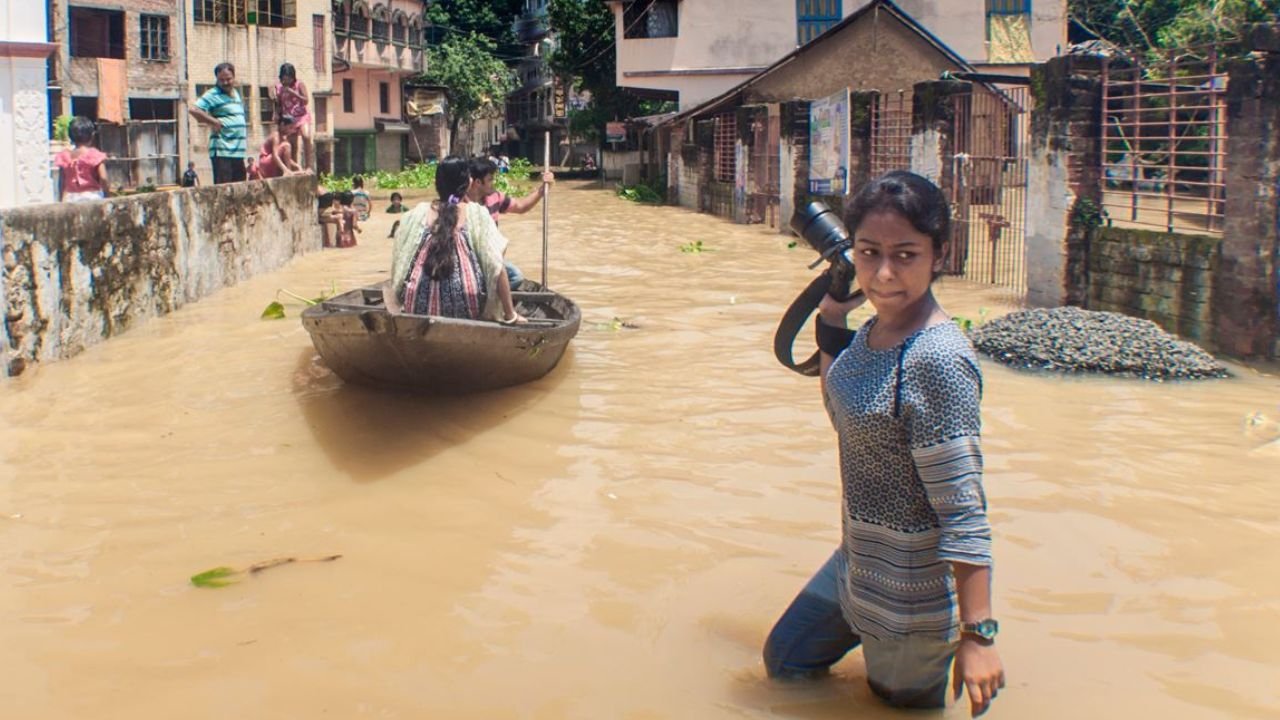
    Seventy percent of environmental journalists from 129 countries, polled in March, reported experiencing attacks, threats or pressure related to their job, UNESCO said Thursday.

    Of those, two in five subsequently experienced physical violence, it said in a report released on World Press Freedom Day. More than 900 reporters were questioned for the poll.

    The UN Educational, Scientific and Cultural Organization warned of an increase in violence against and intimidation of journalists reporting on the environment and climate.

    “Without reliable scientific information about the ongoing environmental crisis, we can never hope to overcome it,” UNESCO director general Audrey Azoulay said in a statement.

    “And yet the journalists we rely on to investigate this subject and ensure information is accessible face unacceptably high risks all over the world, and climate-related disinformation is running rampant on social media.”

    UNESCO said at least 749 journalists and news media outlets reporting on environmental issues were “targeted with murder, physical violence, detention and arrest, online harassment or legal attacks” between 2009 and 2023.

    More than 300 of those attacks occurred between 2019 and 2023 –- a 42 percent increase on the preceding five-year period.

    “The problem is global, with attacks taking place in 89 countries in all regions of the world,” the agency added.

    At least 44 environmental journalists have been killed for their work in the past 15 years, with convictions in only five cases, said the report.

    On top of hundreds of reported physical attacks, “a third of journalists surveyed said they had been censored,” it added.

    “Almost half (45 percent) said they self-censored when covering the environment due to fear of being attacked, having their sources exposed, or due to an awareness that their stories conflicted with the interests of concerned stakeholders.”

    At a press freedom conference in Chile this week, UNESCO will announce the launch of a grants program to provide legal and technical support to over 500 environmental journalists facing persecution, said the statement.

  • Japan town begins blocking Mt Fuji view from ‘bad-mannered’ tourists

    Japan town begins blocking Mt Fuji view from ‘bad-mannered’ tourists

    Fujikawaguchiko (Japan) (AFP) – Work has begun in a small Japanese town to erect a barrier blocking views of the country’s most famous sight, Mount Fuji, after locals complained of bad behaviour by photo-hungry tourists.

    Fujikawaguchiko town began building panels of mesh netting at a spot where unending flows of mostly foreign tourists visit daily to take photos of the majestic mountain sitting behind a Lawson convenience store.

    Photos taken from a narrow stretch of pavement across a busy road from the Lawson store — which are ubiquitous in Japan — are widely shared online.

    Local officials and residents say while the town welcomes visitors, they need to stop tourists from continuously crossing the street, ignoring red lights, littering, trespassing, illegally parking and smoking outside of designated areas.

    “It became not uncommon for people to yell at us when we asked them to move their cars, and for them to throw their lit cigarettes (on the ground),” a dentist’s office located across the street from the Lawson shop said in a statement.

    By the middle of this month, the town plans to complete the barrier, which will stand 2.5 metres (8 feet) high and stretch more than 20 metres long to block the view of the mountain, with hopes that it will discourage tourists from loitering there.

    The town’s move has prompted national and international headlines, as Japan experiences growing problems of overtourism, particularly at popular sites like the narrow private alleys of Kyoto, and even trails on Mount Fuji itself, where tourists love to photograph themselves and post on social media.

    The Fujikawaguchiko town hall has been inundated with telephone calls from Japanese people, many of them non-local residents, who have criticised the move to block the view.

    “It is not that we do not want people to see Mount Fuji. The issue is that there are so many people who are not able to observe basic rules,” a town official told AFP.

    ‘Basic manners’

    Having the net barrier is unfortunate but perhaps necessary, area residents say.

    “We welcome foreigners for the revitalisation of the community, but there are so many violations of basic manners, like crossing the road, dumping garbage and trespassing into people’s properties,” a 60-year-old resident told AFP.

    “After all, they are here for Mount Fuji, so having that barrier is very unfortunate,” said the woman, who identified herself as Watanabe.

    “There might have been other ways to deal with it, but for now I feel it cannot be helped,” she said.

    Some tourists expressed understanding and voiced hopes that the town would create a designated photo spot.

    But others speculated that the barrier may only make matters worse.

    “Stop people? I don’t think so because when there is a will there is a way. People will just be on the left side of it or right side of it,” said 29-year-old Australian tourist Trinity Robinson.

    “There definitely will be a way to still get the shot. It will just be more dangerous, really.”

    As a possible solution, a 37-year-old local man, who gave his name as Ama, called on visitors to check out other scenic locations in the area.

    “Mount Fuji from here (near the Lawson shop) is fantastic. But there are so many other places around here where you can visit and see beautiful views,” he said.