Author: afp

  • England Women’s cricket coach using AI to pick team

    England Women’s cricket coach using AI to pick team

    England Women’s cricket coach Jon Lewis revealed Friday he is using artificial intelligence to aid team selection, saying the technology helped his side square last season’s Ashes.

    Lewis first became familiar with the work of London-based PSi when he took charge of the UP Warriorz franchise in India’s Women’s Premier League.

    Now the 48-year-old former England paceman uses the company to assist with his decisions about squad composition, team balance and in-game match-ups between players.

    The system plots projected outcomes depending on the composition of each side.

    “I can send multiple different line-ups to the PSi in London and they run, I think, about 250,000 simulations per team that I send, with all different permutations that could happen through the game,” he said.

    “We are able to run simulated teams versus the simulated opposition to give us an idea about how those teams may match up against each other.

    “I came across it during my time at UP Warriorz and it’s something I looked at and thought it could add some value to the England Women’s cricket team.”

    Lewis said he still favoured a “people-first approach” but he added: “What data can do is give you a really objective view of what could happen and what has happened previously. I think it will help with borderline decisions in terms of selection and match-ups.”

    Lewis, who has spoken to England’s rugby union coach Steve Borthwick about his own use of the PSi model, said the system had proved its worth as his side drew last season’s multi-format Women’s Ashes series against arch-rivals Australia.

    “There was one selection particularly last year, one period of the Ashes that we targeted as a team,” said Lewis, speaking at the announcement of England’s squad for T20 and ODI series at home to Pakistan later this month.

    “There were a couple of selections where AI really helped because both players I was thinking about picking were both in really good form and were both really selectable and it did help with those selections.

    “We saw a real strength in Australia and we matched up our strength to that. That worked really, really well and it helped us win the T20 series in particular, which got us back in the Ashes.”

    AI is becoming an increasing feature of top-level sport, with International Olympic Committee president Thomas Bach saying last month it could help identify talented athletes “in every corner of the world”.

    He said AI could also provide more athletes with access to personalised training methods.
  • Paul Auster’s wife deplores reporting on US writer’s death

    Paul Auster’s wife deplores reporting on US writer’s death

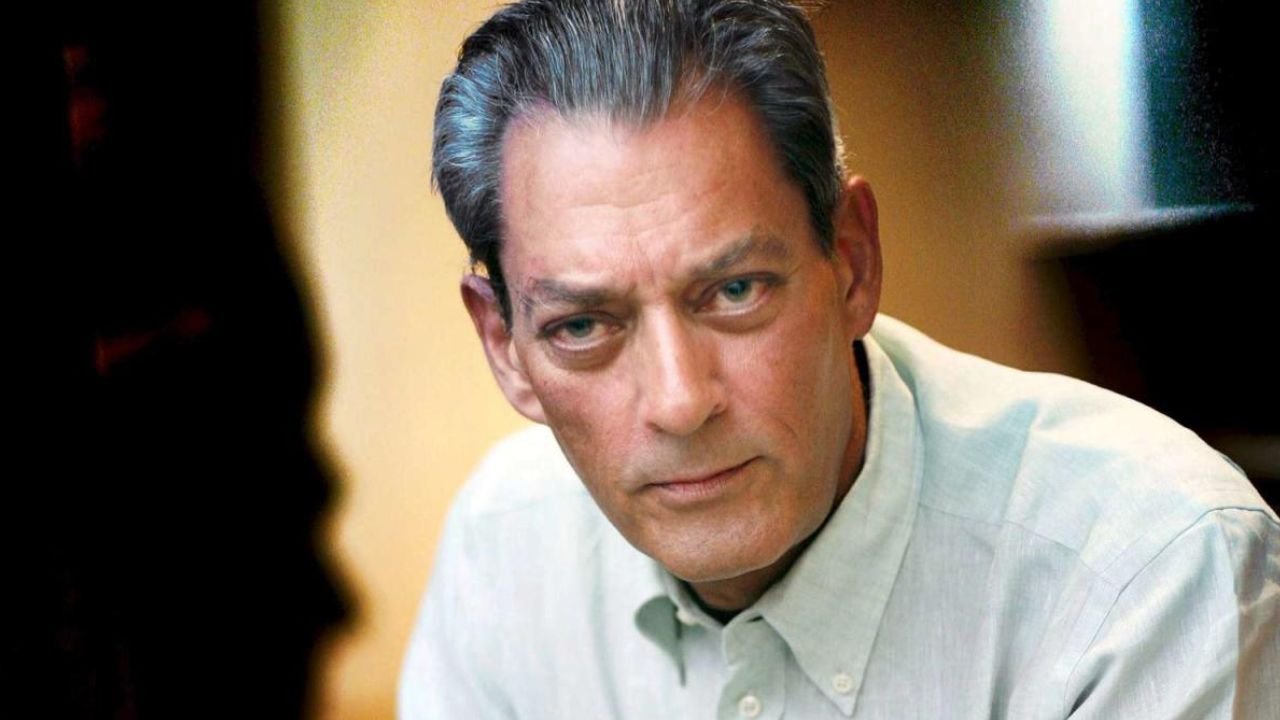
    New York (AFP) – The wife of US writer Paul Auster, who died due to lung cancer complications, said Thursday that her family was “robbed” of “dignity” after a friend quickly confirmed his death to media outlets.

    The New York Times, citing a friend of the couple, published a story of Auster’s passing hours after his death on Tuesday, with other outlets following suit with similar reports.

    “I was naive, but I had imagined that I would be the person to announce the death of my husband,” Siri Hustvedt, an esteemed novelist, wrote on Instagram.

    “He died with us, his family, around him on April 30, 2024 at 6:58 PM,” Hustvedt said.

    “Sometime later, I discovered that even before his body had been taken from our house, the news of his death was circulating on media and obituaries had been posted,” she added.

    Hustvedt revealed in March 2023 that Auster, whose works included “The New York Trilogy,” had been diagnosed with lung cancer.

    The New York Times — the first news outlet to announce Auster’s death — cited family friend and American journalist Jacki Lyden as its source, though Hustvedt did not refer to her or the newspaper directly.

    Hustvedt wrote on Instagram: “Not one of us was able to call or email the people dear to us before the shouting online began. We were robbed of that dignity.

    “I do not know the full story about how this happened, but I know this: It is wrong.”

    Hustvedt added: “Paul never left Cancerland. It turned out to be, in Kierkegaard’s words, the sickness unto death,” referencing the 19th-century Danish philosopher.

    He made his name with noirish, existentialist novels about lonely writers, outsiders and down-and-outers that were a huge hit in Europe particularly.

    The author gained cult status in the 1980s and 1990s with his “New York Trilogy” of metaphysical mysteries and his hip film “Smoke,” about the lost souls who frequent a Brooklyn tobacco shop.

  • Rains, mudslides kill 29 in southern Brazil’s ‘worst disaster’

    Rains, mudslides kill 29 in southern Brazil’s ‘worst disaster’

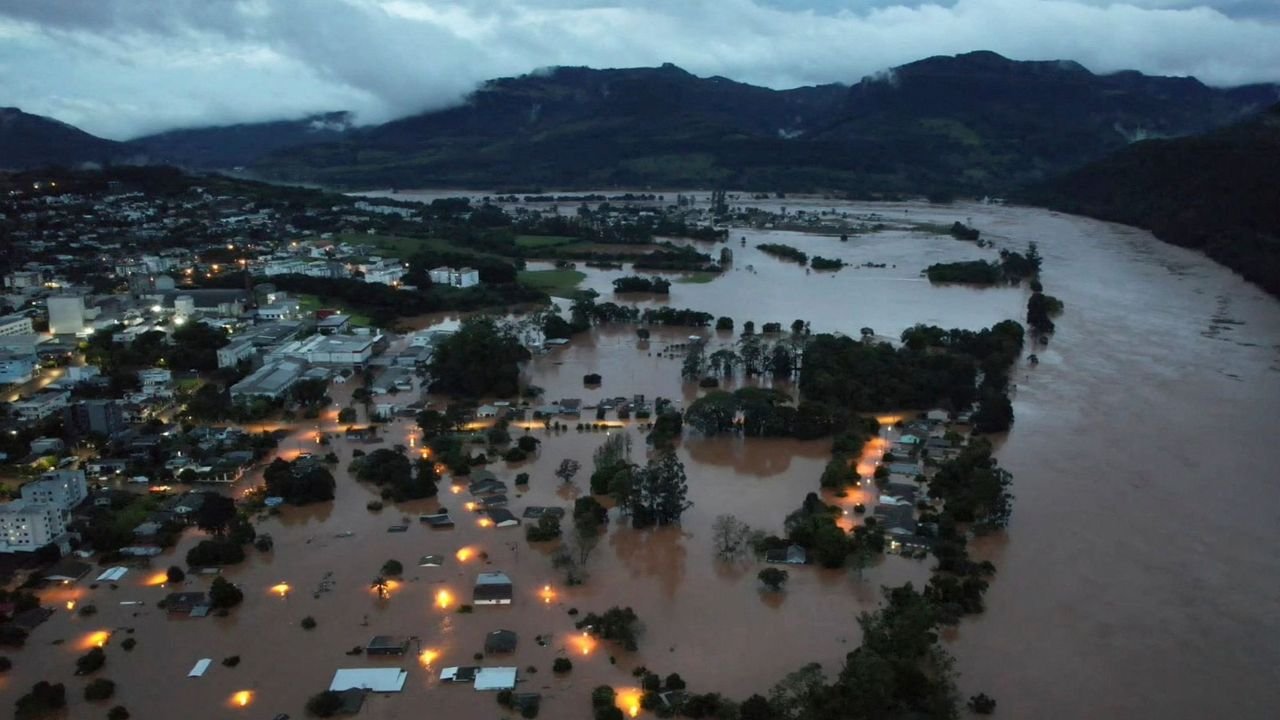
    Brazilian President Luiz Inacio Lula da Silva on Thursday visited the country’s south where floods and mudslides caused by torrential rains have killed 29 people, with the toll expected to rise.

    Authorities in Rio Grande do Sul have declared a state of emergency as rescuers continue to search for dozens of people reported missing among the ruins of collapsed homes, bridges and roads.

    Storm damage has affected nearly 150 municipalities in the state, also injuring 36 people and displacing more than 10,000.

    Governor Eduardo Leite said Rio Grande do Sul was dealing with “the worst disaster in (its) history.”

    “With the deepest pain in my heart, I know it will be even more,” the governor said of the death toll.

    Lula, who has blamed the torrent on climate change, arrived in the town of Santa Maria in the morning with a delegation of ministers and held a working meeting with Leite and other officials to coordinate rescue efforts, the government said.

    The president promised “there will be no lack of human or material resources” to “minimize the suffering this extreme event… is causing in the state.”

    The federal government, he added, “will be 100 percent at the disposition” of state officials.

    Central authorities has already made available 12 aircraft, 45 vehicles and 12 boats as well as 626 soldiers to help clear roads, distribute food, water and mattresses, and set up shelters, a press statement said.

    As the rains continued, forecasts warned the state’s main Guaiba River, which has already overflowed its banks in some areas, would reach an extraordinary level of three meters (9.8 feet) by Thursday and four meters the next day.

    Entire communities in Rio Grande do Sul state have been completely cut off as persistent rains have destroyed bridges and blocked roads, and left towns without even telephone or internet services.

    Rescuers and soldiers have been scrambling to free families trapped in their homes, many stuck on rooftops to escape rising waters.

    “I’ve never seen anything like this… it’s all under water,” said Raul Metzel, a 52-year-old machine operator in the municipality of Capela de Santana.

    A dam collapsed in the town of Cotipora, raising the level of water in the Taquari river.

    “I came here to help people, to get them out of the flooding because it is very dangerous. The current is very strong,” said fisherman Guilverto Luiz, who was helping rescue efforts in Sao Sebastiaio do Cai, about 70 km from Porto Alegre, the state capital.

    Authorities have urged people to avoid areas along state highways due to a risk of mudslides, and those who live near rivers or on hillsides to evacuate.

    Hundreds of thousands of people have been left without access to electricity and drinking water, while classes have been suspended state-wide.

    On Wednesday, the state’s deputy governor, Gabriel Souza, said damages have been estimated at $20 million.

    Mayor Sandra Backes of Sinimbu said the situation in her town was “a nightmare.”

    “Sinimbu is like a war zone, completely destroyed… All the stores, businesses, supermarkets — everything is devastated,” she said in a video posted on Instagram.

    Elsewhere, in Santa Cruz do Sul, lifeguards used boats to transport residents, many of them children, to safety.

    The region’s rivers had already been swollen from previous storms.

    Last September at least 31 people died as a cyclone hit the state.

    South America’s largest country has suffered a string of recent extreme weather events, which experts say are made more likely by climate change.

    The floods came amid a cold front battering the south and southeast, following a wave of extreme heat.

  • Heatwave swells Asia’s appetite for air-conditioning

    Heatwave swells Asia’s appetite for air-conditioning

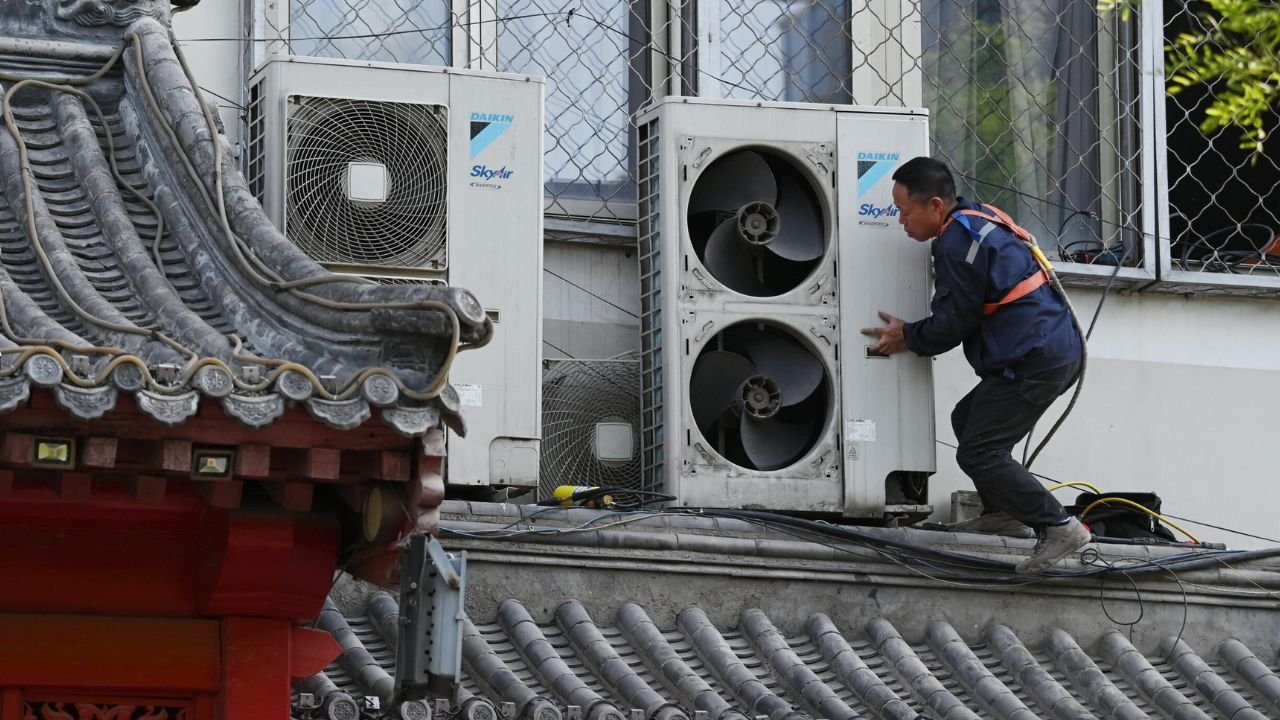
    Hong Kong (AFP) – A record-breaking heatwave is broiling parts of Asia, helping drive surging demand for cooling options, including air-conditioning.

    AC exhaust units are a common feature of urban landscapes in many parts of Asia, clinging like limpets to towering apartment blocks in Hong Kong or tucked in a cross formation between the windows of a building in Cambodia.

    They offer relief from temperatures that have toppled records in recent weeks, with many countries in the region hitting 40 degrees Celsius (104 Fahrenheit) or higher.

    Scientists have long warned that human-induced climate change will produce more frequent, longer and more intense heatwaves.

    Only 15 percent of homes in Southeast Asia have air-conditioning, according to a 2019 report by the International Energy Agency (IEA).

    But that figure obscures vast variations: ranging from around 80 percent installation in Singapore and Malaysia, to less than 10 percent in Indonesia and Vietnam, the IEA said.

    Forecasts suggest that higher temperatures and better wages could see the number of air-conditioning units in Southeast Asia jump from 40 million in 2017 to 300 million by 2040.

    That would stretch local electricity capacity, which is already struggling under current conditions.

    Myanmar is producing only about half the electricity it needs each day, with the junta blaming weak hydropower because of scant rains, low natural gas yields and attacks by its opponents on infrastructure.

    Thailand has seen record power demand in recent weeks, as people retreat indoors to cooled homes or businesses.

    Air-conditioning is already responsible for the emission of approximately one billion metric tons of carbon dioxide per year, according to the IEA, out of a total of 37 billion emitted worldwide.

    Still, cooling options like air-conditioning are a key way to protect human health, especially for those who are most vulnerable to the effects of extreme heat: children, the elderly and those with certain disabilities.

    With demand surging, dozens of countries last year signed up to the United Nations’ Global Cooling Pledge, a commitment to improve the efficiency of air conditioners and reduce emissions from all forms of cooling.

    Some countries have been trying to reduce the impact of cooling for years.

    Since 2005, Japan has encouraged office workers to ditch ties and jackets so air conditioners can be kept at 28 degrees Celsius.

    The annual “Cool Biz” programme took on new significance during power shortages in 2011 following the shutdown of nuclear plants after the Fukushima disaster.

  • UNESCO awards press prize to Palestinian journalists in Gaza

    UNESCO awards press prize to Palestinian journalists in Gaza

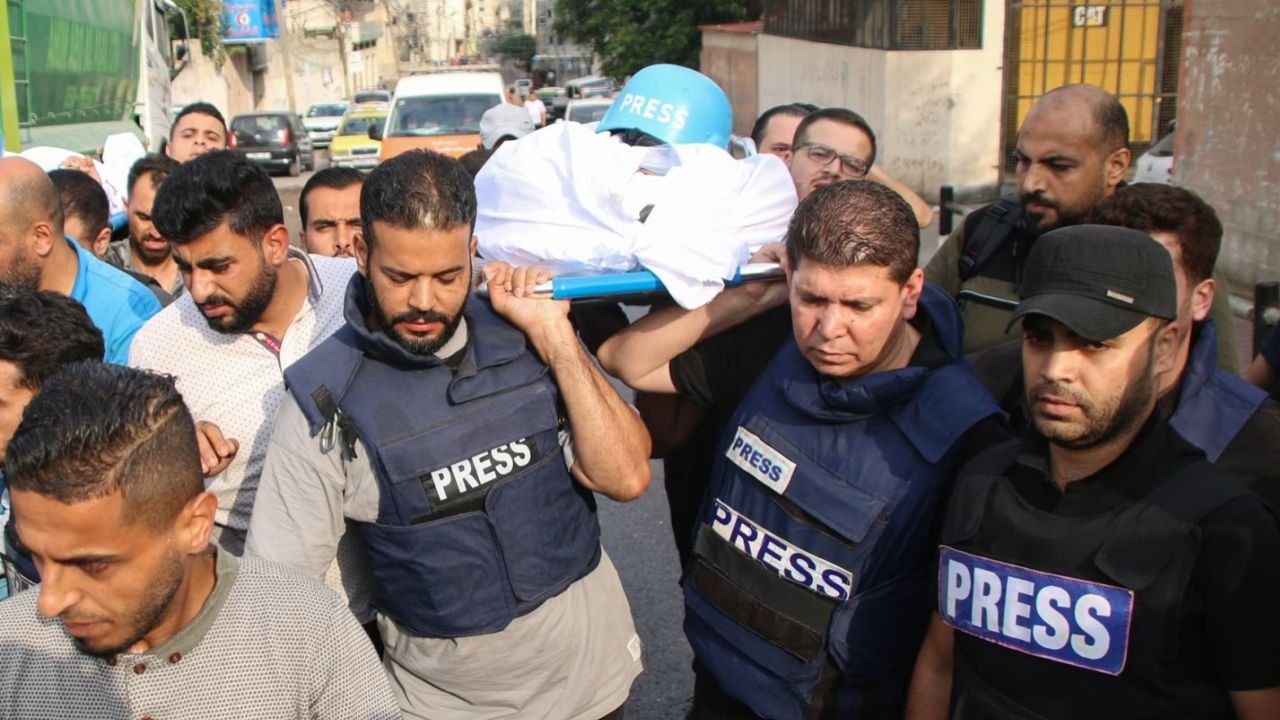
    UNESCO on Thursday awarded its world press freedom prize to all Palestinian journalists covering the Israeli genocide against the people in Gaza since October 8, 2023.

    “In these times of darkness and hopelessness, we wish to share a strong message of solidarity and recognition to those Palestinian journalists who are covering this crisis in such dramatic circumstances,” said Mauricio Weibel, chair of the international jury of media professionals.

    “As humanity, we have a huge debt to their courage and commitment to freedom of expression.”

    Audrey Azoulay, director general at the UN organisation for education, science and culture, said the prize paid “tribute to the courage of journalists facing difficult and dangerous circumstances”.

    According to the New York-based Committee to Protect Journalists (CPJ), at least 97 members of the press have been killed since the war broke out in October, 92 of whom were Palestinians.

  • Police say 20 killed in mountain bus accident in Pakistan

    Police say 20 killed in mountain bus accident in Pakistan

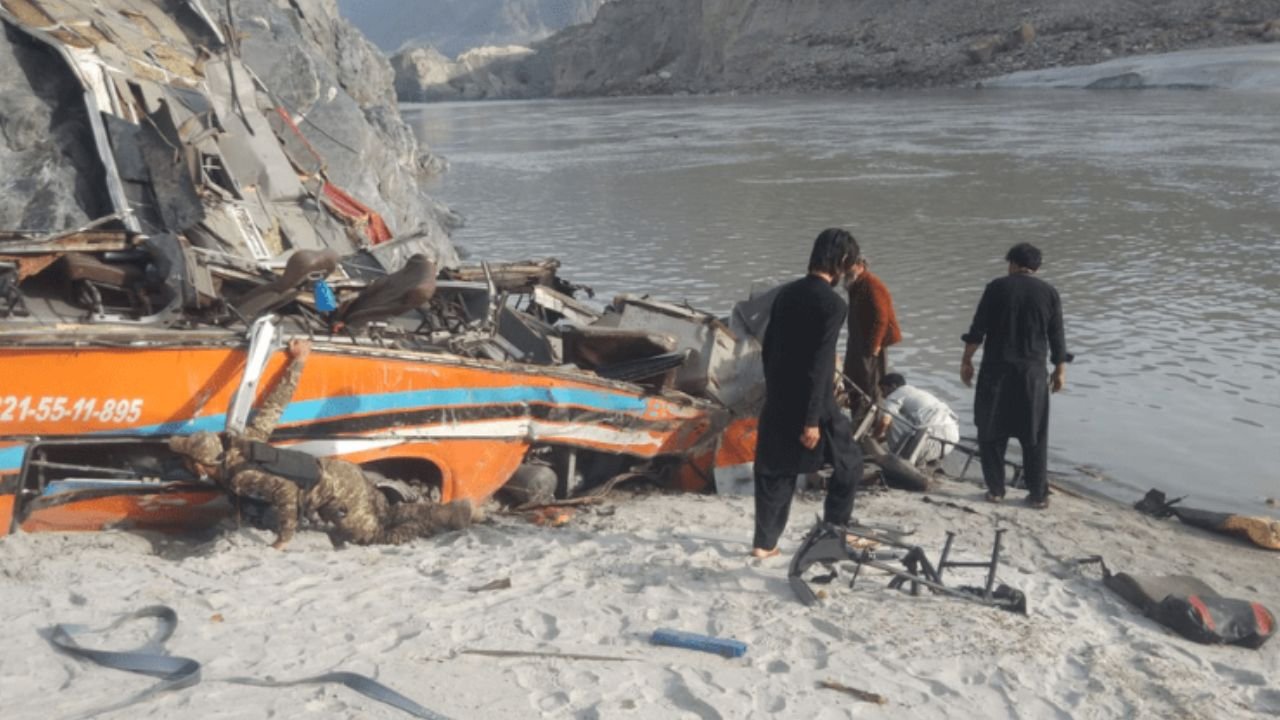
    At least 20 people were killed on Friday when a bus plunged into a deep valley in Pakistan’s mountainous northern region, police said.

    The driver lost control of the vehicle on a bend near the city of Chilas, in the Gilgit-Baltistan region, around dawn, falling into a rocky ravine where the River Indus flows.

    “The local Ulema (Muslim leader) announced the news of the accident from the loudspeaker of the mosque and urged the people to donate blood for the injured,” Azmat Shah, a police official in the city told AFP.

    “Rescue operations have been completed. Among the 21 injured, the condition of five is very critical.”

    The bus was travelling from the capital Islamabad to Gilgit.

    Road accidents with high fatalities are common in Pakistan, where safety measures are lax, driver training is poor and transport infrastructure often decrepit.

  • Pro-Palestinian students camp out at Mexico’s largest university

    Pro-Palestinian students camp out at Mexico’s largest university

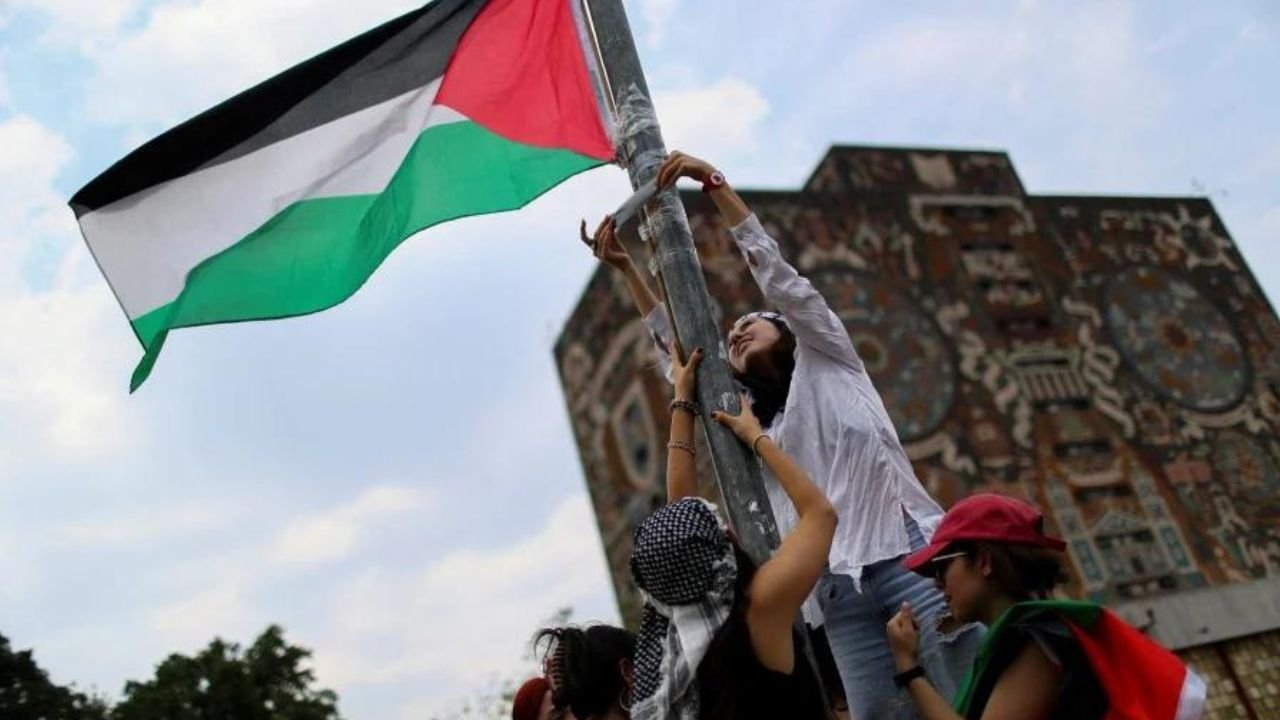
    Mexico City (AFP) – Dozens of pro-Palestinian students from Mexico’s largest university camped out Thursday in solidarity with similar protests that have swept colleges in the United States.

    Mounting flags and chanting “Long live free Palestine,” the protesters set up tents in front of the National Autonomous University of Mexico’s (UNAM) head office in Mexico City.

    The students called on the Mexican government to break diplomatic and commercial ties with Israel.

    “We are here to support Palestine, the people who are in Palestine, and the student camps in the United States,” said Valentino Pino, a 19-year-old philosophy student.

    Jimena Rosas, 21, said she hoped the protest would have a domino effect and spread to other universities in the country.

    “Once people see that UNAM is beginning to mobilize, other universities should start as well,” she said.

    Dozens of universities in the United States have seen pro-Palestinian demonstrations in recent weeks, leading to clashes with police and counter-protests.

    Israeli genocide against Palestinians since October 8 has killed more than 34,500 people in Gaza, mostly women and children, according to the territory’s health ministry.

  • China says to take ‘necessary measures’ after fresh US sanctions

    China says to take ‘necessary measures’ after fresh US sanctions

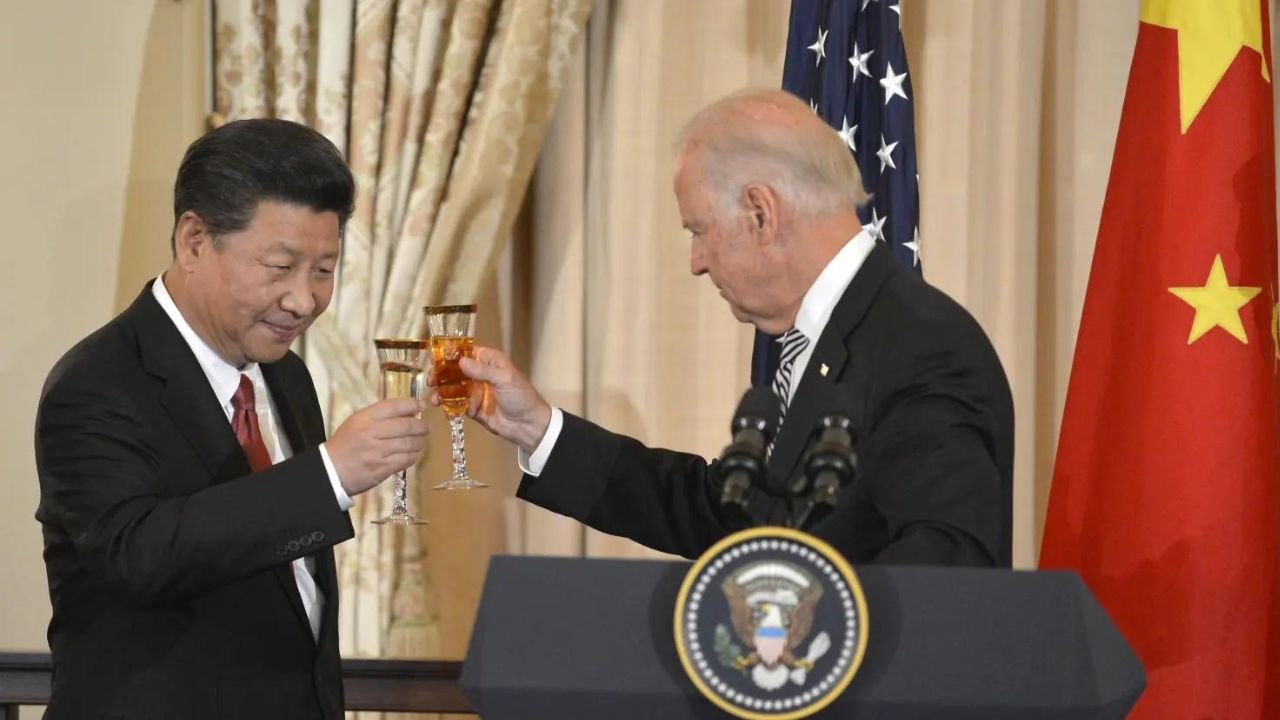
    Beijing on Thursday said it would take “necessary measures” after the United States announced fresh sanctions aimed at crippling Russia’s military and industrial capabilities, punishing companies in China and elsewhere that help Moscow acquire weapons for its war in Ukraine.

    “The Chinese side urges the US to stop smearing and containing China and stop wantonly implementing illegal and unilateral sanctions,” a foreign ministry spokesman said in a message to AFP.

    “China will take all necessary measures to resolutely uphold the legal rights and interests of Chinese companies,” he added.

    In a sweeping package announced by the US Treasury Department on Wednesday, Washington targeted nearly 300 entities in Russia, China and other countries accused of supporting President Vladimir Putin’s invasion.

    Treasury Secretary Janet Yellen said her department had “consistently warned that companies will face significant consequences for providing material support for Russia’s war”, and that its “actions will further disrupt and degrade Russia’s war efforts”.

    China has never condemned Russia’s attack on Kyiv, and stands accused of indirectly supporting the war through its strategic partnership with its neighbour Moscow.

    Beijing insisted again on Thursday it was “neither a creator nor a party” to the crisis in Ukraine, and said it had the right to develop “normal” trading relations with all countries, including Russia.

    “China has always resolutely opposed the United States implementing illegal and unilateral sanctions against Chinese enterprises and exercising ‘long-arm jurisdiction’,” the spokesman said.

  • Tweets or ‘terrorism’?: Saudi’s jailed online activists

    Tweets or ‘terrorism’?: Saudi’s jailed online activists

    A Saudi court’s decision to sentence fitness influencer Manahel al-Otaibi to 11 years in prison highlights what activists describe as a fierce crackdown on even vaguely critical online speech.

    In the past two years the Saudi judiciary has “convicted and handed down lengthy prison terms on dozens of individuals for their expression on social media”, the human rights groups Amnesty International and ALQST said in a joint statement on Tuesday.

    These cases are generally handled by the Specialised Criminal Court, which was established in 2008 to try suspects accused of terrorism, and Saudi authorities do not often comment on them.

    Here are some of the most high-profile recent examples:

    Nourah al-Qahtani

    A mother-of-five, Qahtani was arrested in July 2021 largely in connection with critical posts on Twitter, since rebranded as X, according to a sentencing document provided by Democracy for the Arab World Now (DAWN), a Washington-based rights group.

    She initially received a prison sentence of six-and-a-half years, however prosecutors appealed for a harsher sentence and got their wish: a 45-year term issued in mid-2022.

    Qahtani’s Twitter account, as identified in the sentencing document, features numerous posts criticising the government and others warning of attempts to arrest those behind public protests, which are not tolerated in Saudi Arabia.

    The court found Qahtani had used Twitter “to challenge the religion and justice” of King Salman and Crown Prince Mohammed bin Salman

    Get info without
    leaving the page., the kingdom’s 38-year-old de facto ruler, according to the sentencing document.

    It also says she incited “the activities of those who seek to disturb public order and destabilise the security of society and the stability of the state” by “publishing false and malicious tweets”.

    Qahtani did not have a large public profile and it is not clear how her anonymous Twitter account, which has fewer than 600 followers, attracted the attention of Saudi authorities.

    Salma al-Shehab

    A member of Sunni-ruled Saudi Arabia’s Shiite minority, Shehab had been studying for a doctorate in Britain and was arrested in January 2021 while visiting on holiday.

    In August 2022 she was sentenced to 34 years behind bars for aiding dissidents seeking to “disrupt public order” in the kingdom by relaying their tweets.

    The mother-of-two, who mostly posted about women’s rights to an account with just a few thousand followers, was also banned from travelling abroad for a further 34 years.

    Both the sentence and travel ban were later reduced to 27 years each, according to Amnesty.

    After Shehab’s sentence was made public, the University of Leeds, where she was studying, said in a statement it was “deeply concerned” and trying to find ways to support her.

    Mohammed al-Ghamdi

    A government critic who denounced alleged corruption and human rights abuses on social media, Mohammed al-Ghamdi was sentenced to death last year.

    The charges include conspiracy against the Saudi leadership, undermining state institutions and supporting terrorist ideology, sources briefed on the details of the verdict said.

    The case against him was at least partly built on posts criticising the government and expressing support for “prisoners of conscience” like the jailed religious clerics Salman al-Awda and Awad al-Qarni, Mohammed’s brother Saeed al-Ghamdi told AFP at the time.

    Mohammed al-Ghamdi, a retired teacher in his 50s, was arrested in June 2022.

    Human Rights Watch said in August 2023 it had seen court documents contending that Ghamdi “targeted the status of the King and the Crown Prince” and that the “magnitude of his actions is amplified by the fact they occurred through a global media platform, necessitating a strict punishment”.

    In an interview with Fox News that aired in September 2023, Prince Mohammed said he disapproved of the judgement and raised the possibility that Ghamdi might be spared death.

    “I’m hoping that in the next phase of trials, the judge there is more experienced. And they might look at it totally different,” Prince Mohammed said.

    Manahel al-Otaibi

    Otaibi, a 29-year-old blogger and fitness instructor, was arrested in November 2022.

    Rights groups contend that law enforcement targeted her for challenging Saudi male guardianship laws and requirements for women to wear the customary body-shrouding abaya robe.

    The Specialised Criminal Court sentenced her to 11 years in prison on January 9, but the sentence was only made public later in a Saudi submission to United Nations special rapporteurs inquiring about the case.

    That document, dated January 24 and seen by AFP on Tuesday, says Otaibi “was convicted of terrorist offences that have no bearing on her exercise of freedom of opinion and expression or her social media posts”.

  • More war debris in Gaza than Ukraine: UN

    More war debris in Gaza than Ukraine: UN

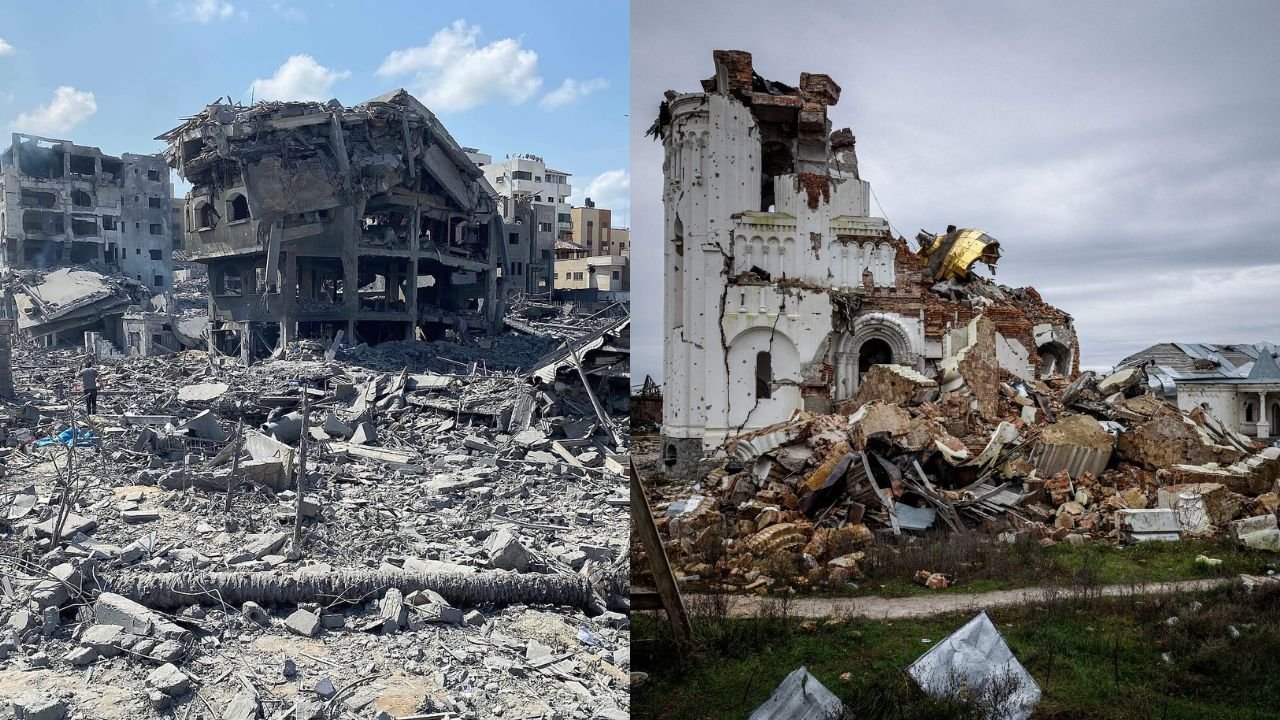
    Geneva (AFP) – The Gaza Strip is filled with more war debris and rubble than Ukraine, the head of UN demining operations for the narrow Palestinian territory said Wednesday.

    And the danger for clearance work is restricted not just to unexploded ordnance but includes possible exposure to toxic substances such as asbestos.

    The United Nations Mine Action Service (UNMAS) estimated the amount of debris in Gaza at 37 million tonnes in mid-April, or 300 kilogrammes per square metre.

    “Gaza has more rubble than Ukraine, and to put that in perspective, the Ukrainian front line is 600 miles (nearly 1,000 kilometres) long, and Gaza is 25 miles (40 km) long,” said Mungo Birch, head of the UNMAS programme in the Palestinian territories.

    But the sheer volume of rubble is not the only problem, said UNMAS.

    “This rubble is likely heavily contaminated with UXO (unexploded ordnance), but its clearance will be further complicated by other hazards in the rubble,” Birch told journalists.

    “There’s estimated to be over 800,000 tonnes of asbestos, for instance, alone in the Gaza rubble.” The cancer-causing mineral used in construction requires special precautions when handling.

    Birch said he hoped UNMAS, which works to mitigate the threats posed by all types of explosive ordnance, would become the coordination body for mine action in Gaza.

    It has secured $5 million of funding but needs a further $40 million to continue its work in Gaza over the next 12 months.

    However, “the sector as a whole will need hundreds of millions of US dollars over multiple years in order to make Gaza safe again for the population”, Birch added.

    Israel’s retaliatory offensive has killed at least 34,568 people in Gaza, mostly women and children, according to the health ministry.