Author: afp

  • Iraqi female TikTok star shot dead: officials

    Iraqi female TikTok star shot dead: officials

    A gunman on a motorbike shot dead a well-known Iraqi social media influencer known as Om Fahad outside her Baghad home on Friday, Iraqi security officials told AFP.

    An unidentified attacker shot Om Fahad in her car in the Zayouna district, a security official said, requesting anonymity because he was not cleared to speak to the media.

    Another security source said the attacker appeared to have pretended to be making a food delivery.

    Om Fahad had become known for light-hearted TikTok videos of herself dancing to Iraqi music wearing tight-fitting clothes.

    In February 2023, a court sentenced her to six months in jail for sharing “videos containing indecent speech that undermines modesty and public morality”.

    The Iraqi government launched a campaign last year to clean up social media content that it said breached Iraqi “morals and traditions”.

    An interior ministry committee was established to scour TikTok, YouTube, and other platforms for clips it deemed offensive.

    Several influencers have since been arrested, according to authorities.

    Despite years of war and sectarian conflict after the 2003 US invasion to overthrew Saddam Hussein, Iraq has returned to a semblance of normality.

    But civil liberties — for women, sexual minorities and other groups — remain constrained in the conservative society.

    In 2018, model and influencer Tara Fares was shot dead by gunmen in Baghdad.

  • Woman hides two kilos of cocaine in false hair braids

    Woman hides two kilos of cocaine in false hair braids

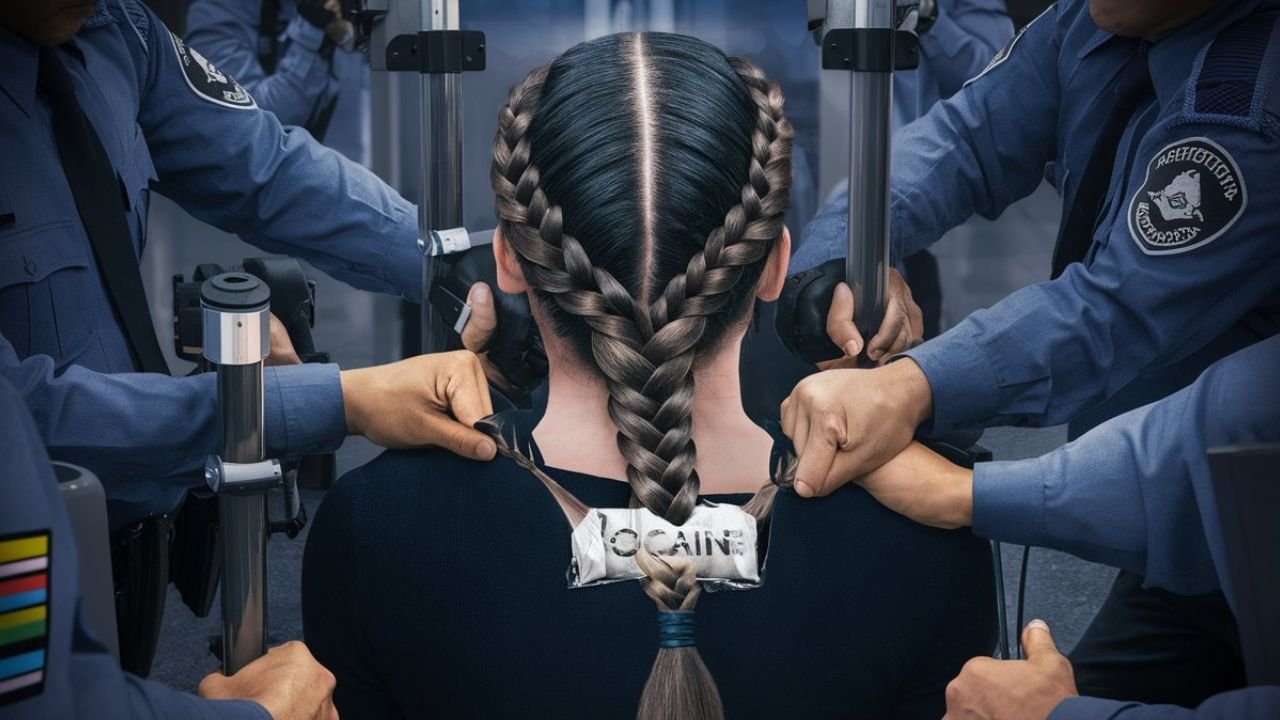
    A woman who was carrying two kilos (4.4 pounds) of cocaine in false hair braids has been jailed for 18 months in the French Caribbean territory of Guadeloupe, a regional customs official said Friday.

    The 24-year-old woman from Guyana was caught at an airport in March, said Olivier Fouque, regional customs director.

    The cocaine was in “tubes hidden in false braids,” the official said. The woman was jailed for 18 months and fined 30,000 euros, he added without giving more details.

    Fouque cited the woman as an example of new ways being used to get drugs into France’s Caribbean islands after the introduction of tougher airport checks.

    Last year there were 47 cases of people being detained for carrying cocaine and other drugs in their stomachs, according to the official.

    This year, there have been “one or two”, he added.

    France introduced tougher checks on flights in Guyana in 2022 and the tactic was extended to Guadeloupe and Martinique in March this year.

    Fouque said at least 30 “suspect” people had been turned away from flights at France’s Caribbean airports this year.

  • 37 million tonnes of debris in Gaza could take years to clear: UN

    37 million tonnes of debris in Gaza could take years to clear: UN

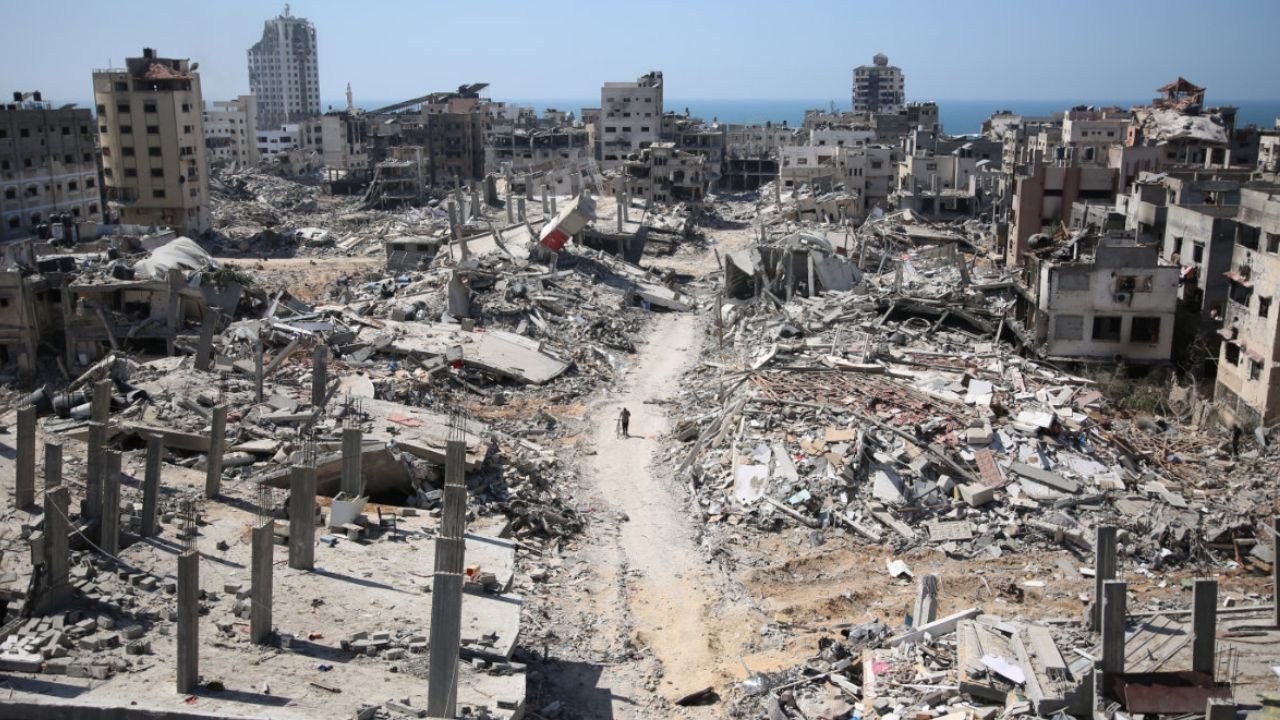
    There are some 37 million tonnes of debris to clear away in Gaza once the Israeli offensive is over, a senior official with the UN Mine Action Service said Friday (Apr 26).

    And unexploded ordnance buried in the rubble would complicate that work, said UNMAS’ Pehr Lodhammar, who has run mine programmes in countries such as Iraq.

    It was impossible to say how much of the ammunition fired in Gaza remained live, said Lodhammar.

    “We know that typically there is a failure rate of at least 10% of land service ammunition,” he told journalists in Geneva.

    “What we do know is that we estimated 37 million tonnes of debris, which is approximately 300 kilos of debris per square metre,” he added.

    Starting from a hypothetical number of 100 trucks, that would take 14 years to clear away, he said.

    Lodhammar was speaking as UNMAS launched its 2023 annual report Friday.

    The war in Gaza between Israel and Hamas erupted when the Palestinian militant group Hamas launched an unprecedented attack on Israel on Oct 7.

    The attack resulted in the deaths of 1,170 people in Israel, according to an AFP tally based on official Israeli figures.

    Israel vowed to eliminate Hamas, and its ensuing military offensive in Gaza has killed at least 34,356 people, most of them women and children, according to the health ministry in the Hamas-run territory.

  • Calls for mosque demolition weigh on India’s Muslim voters

    Calls for mosque demolition weigh on India’s Muslim voters

    Muslim teacher Tasleem Qureshi’s walk to the polls on Friday took her past the yellow barricades and police cordon guarding her local mosque — a looming flashpoint in India’s religious divide.

    Her hometown Mathura is the site of the Shahi Idgah, an Islamic house of worship that the Hindu faithful believe was built over the birthplace of the deity Krishna.

    Hindu activists want to “reclaim” the site in a campaign endorsed by members of Prime Minister Narendra Modi’s ruling Bharatiya Janata Party (BJP).

    “The BJP keeps saying that the Shahi Idgah will cease to exist after the elections,” Qureshi, 48, told AFP.

    “We will not let that happen and we will protect it with our lives,” she said.

    Modi is widely expected to win a third term in office once India’s six-week-long election concludes in June, in large part thanks to his championing of the country’s majority faith.

    Mathura is one of several locations across India’s northern heartlands where activists have sought to replace centuries-old Islamic monuments with Hindu temples.

    In January, Modi presided over the inauguration of a grand temple to Ram, one of the most important deities in the Hindu pantheon.

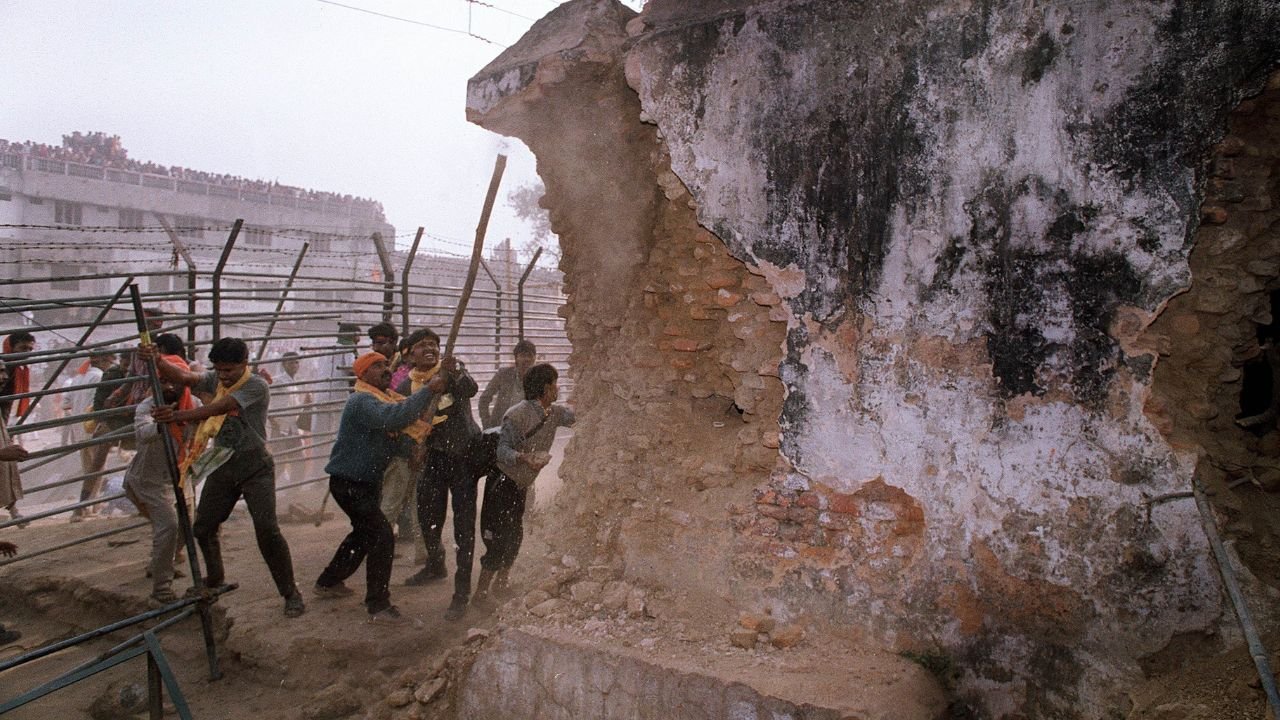
    It was built in the northern city of Ayodhya on the grounds of a centuries-old mosque razed by Hindu zealots decades earlier.

    Modi told an audience of thousands at a glitzy ceremony attended by Bollywood celebrities and cricket stars that India was “creating the genesis of a new history”.

    Construction of the temple fulfilled a long-standing demand of Hindu activists and was widely celebrated across India, with extensive television coverage and street parties.

    Jubilant Hindu activists had proclaimed when the mosque was destroyed that more would follow, identifying the Shahi Idgah in Mathura as one of their future targets.

    Modi’s opponents accuse his Hindu-nationalist government of marginalising India’s 220-million-plus Muslim population.

    He was accused last weekend of “blatantly targeting” the faith in a campaign speech in which he claimed his opponents had once pledged that Muslims had “first right over the nation’s wealth”.

    Temples small and large line Mathura’s narrow, pot-holed streets, teeming with young men offering guided tours for pilgrims.

    The street leading to the mosque has for decades been guarded by a stern, round-the-clock police detachment to prevent vandalism.

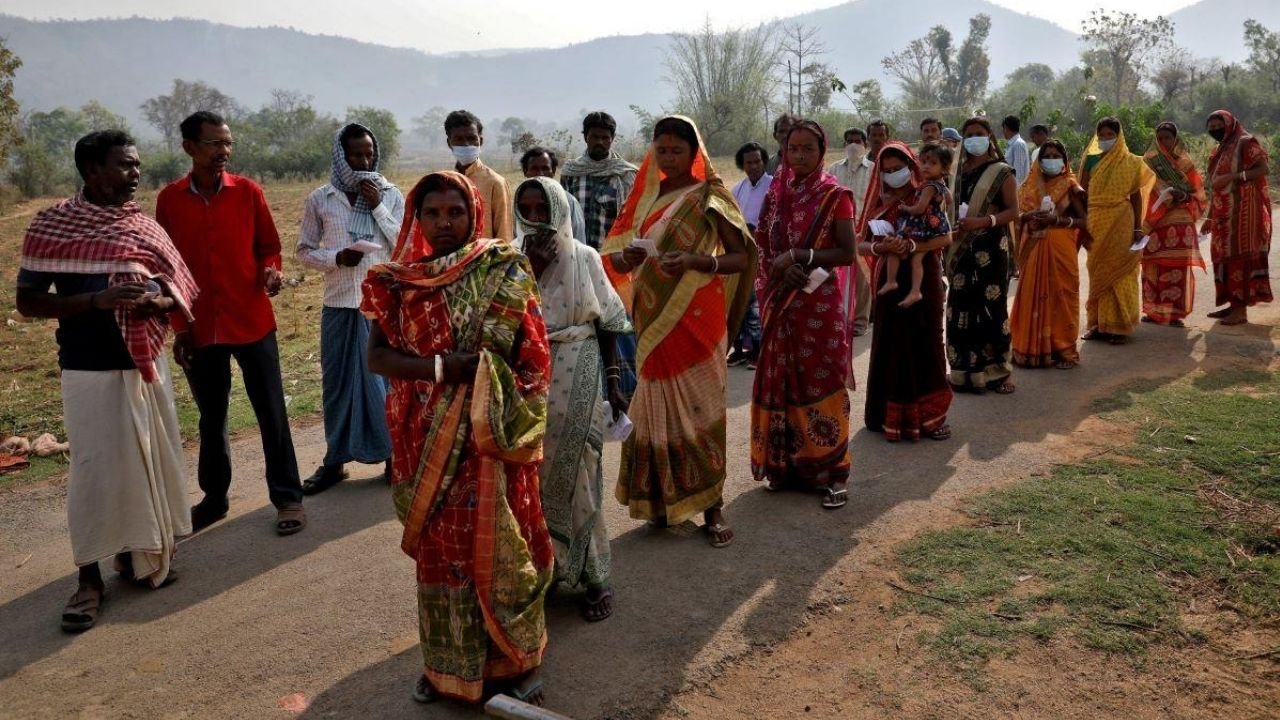
    A polling station nearby is testament to the close quarters in which the city’s two main faiths live, with women in Muslim dress voting alongside saffron-clad Hindu priests.

    But with Hindus accounting for more than 80 percent of Mathura’s population, its religious divide is a microcosm of the one across India at large.

    Its parliamentary seat has been held by the BJP since Modi was first elected in 2014, represented by movie star Hema Malini, and the Ayodhya temple’s inauguration has galvanised Hindu voters in the city who support the mosque’s removal.

    Gokul Prasad, an electrician, told AFP that Modi’s inauguration of the Ayodhya temple was the “single most important issue” of the election campaign.

    “Since we live in Mathura so close to the Shahi Idgah, we will obviously vote for Modi,” the 50-year-old said.

    The fate of the Shahi Idgah has also mobilised the city’s Muslim minority.

    But several told AFP that they had lined up to vote on Friday only to find their names were missing on the electoral rolls.

    “They told me neither I nor my husband can vote as our names are not there,” said 55-year-old Rehana Qureshi — no relation to Tasleem — outside a polling booth.

    “We have lived and voted here for generations,” she added. “It seems that the only right we Muslims still have is also being taken away.”

  • Xi tells Blinken US, China should be ‘partners, not rivals’

    Xi tells Blinken US, China should be ‘partners, not rivals’

    Chinese President Xi Jinping on Friday told top US diplomat Antony Blinken that the world’s two biggest economies should be “partners, not rivals”, but that there were a “number of issues” to be resolved in their relations.

    Meeting Blinken in Beijing’s Great Hall of the People, Xi said the two countries had “made some positive progress” since he met with US President Joe Biden last year, according to state broadcaster CCTV.

    “There are still a number of issues that need to be resolved, and there is still room for further efforts,” Xi said.

    “I proposed three major principles: mutual respect, peaceful coexistence, and win-win cooperation,” the Chinese leader added.

    “The earth is big enough to hold the common development and… prosperity of China and the United States,” he continued.

    “China would be pleased to see a confident and open, prosperous and developing United States,” Xi said.

    “We hope the US can also take a positive view of China’s development,” he added.

    “When this fundamental problem is solved… relations can truly stabilise, get better, and move forward.”

  • Indian election resumes as heatwave hits voters

    Indian election resumes as heatwave hits voters

    India’s six-week election juggernaut resumed Friday with millions of people lining up outside polling stations in parts of the country hit by a scorching heatwave.

    Prime Minister Narendra Modi is widely expected to win a third term in the election, which concludes in early June.

    But turnout in the first round of voting last week dropped nearly four points to 66 percent from the last election in 2019, with speculation in Indian media outlets that higher-than-average temperatures were to blame.

    Modi took to social media shortly before polls re-opened to urge those voting to turn out in “record numbers” despite the heat.

    “A high voter turnout strengthens our democracy,” he wrote on social media platform X. “Your vote is your voice!”

    The second round of the poll — conducted in phases to ease the immense logistical burden of staging an election in the world’s most populous country — includes districts that have this week seen temperatures above 40 degrees Celsius (104 degrees Fahrenheit).

    AFP – MOHAMMED

    India’s weather bureau said Thursday that severe heatwave conditions would continue in several states through the weekend.

    That includes parts of the eastern state of Bihar, where five districts are voting Friday and where temperatures more than 5.1 degrees Celsius above the seasonal average were recorded this week.

    Karnataka state in the south and parts of Uttar Pradesh, India’s most populous state and heartland of the Hindu faith, are also scheduled to vote while facing heatwave conditions.

    Earlier this week, India’s election commission said it had formed a task force to review the impact of heatwaves and humidity before each round of voting.

    The Hindu newspaper suggested the decision could have been taken out of concerns that the intense heat “might have resulted in a dip in voter turnout”.

    In a Monday statement, the commission said it had “no major concern” about the impact of hot temperatures on Friday’s vote.

    AFP – SHARMA

    But it added that it had been closely monitoring weather reports and would ensure “the comfort and well-being of voters along with polling personnel”.

    A wave of exceptionally hot weather has blasted South and Southeast Asia, prompting thousands of schools across the Philippines and Bangladesh to suspend in-person classes.

    The heat disrupted campaigning in India on Wednesday when roads minister Nitin Gadkari fainted at a rally for Modi in Maharashtra state.

    Footage of the speech showed Gadkari falling unconscious and being carried off the stage by handlers. He later blamed the incident on discomfort “due to the heat”.

    Years of scientific research have found climate change is causing heatwaves to become longer, more frequent and more intense.

    AFP – SHARMA

    Friday will also see voting in the constituency of India’s most prominent opposition leader — Rahul Gandhi of the once-dominate Congress party.

    The 53-year-old is fighting to retain his seat in the southern state of Kerala, a stronghold for opponents of Modi’s Hindu-nationalist Bharatiya Janata Party (BJP).

    “It is the duty of every citizen to become a soldier of the constitution, step out of their homes today and vote to protect democracy,” he wrote on X.

    Gandhi is the son, grandson and great-grandson of former prime ministers, but his Congress party has suffered two landslide defeats against Modi in the last two general elections.

    Gandhi has been hamstrung by several criminal cases lodged against him by BJP members, including a conviction for criminal libel that saw him briefly disqualified from parliament last year.

    The opposition alliance has accused Modi’s government of using law enforcement agencies to selectively target its leaders and undermine its campaign.

    More than 968 million people are eligible to take part in India’s election, with the final round of voting on June 1 and results expected three days later.

  • Pakistan horror zoo is reborn as rehab centre

    Pakistan horror zoo is reborn as rehab centre

    Islamabad, Pakistan – Before it was forced to close over its “intolerable” treatment of animals, the Islamabad Zoo was home to neglected elephants and underfed lions pacing back and forth behind the bars of their enclosures.

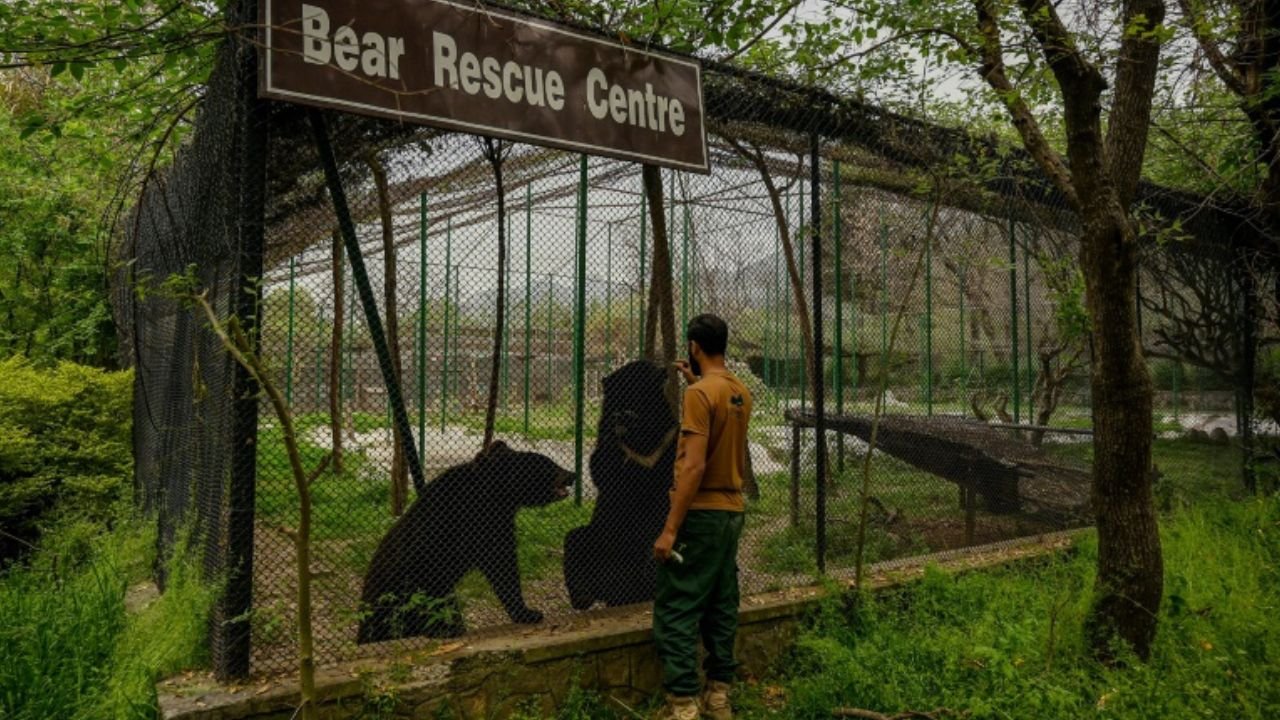
    Now, four years later, it is a rehabilitation centre for Pakistani wildlife, providing a refuge for motherless leopard cubs, tigers seized from owners who kept them as status symbols, and bears forced to dance — or fight — for the amusement of crowds.

    “The whole energy of the place has changed ever since the zoo was emptied… The care shows, look around,” Rina Saeed, the head of Islamabad Wildlife Management Board (IWMB), told AFP.

    The zoo found international notoriety in 2016, when the singer Cher launched a campaign to remove its shackled Asian elephant Kaavan, the last in the country and dubbed the world’s loneliest elephant.

    But Kaavan’s treatment wasn’t an isolated incident — two lions died at the facility when zookeepers attempted to force them from their pen by setting fire to piles of hay. And over the years, hundreds of animals listed on the zoo’s inventory simply vanished.

    Pakistan’s climate change ministry said it was “seriously concerned” about the “intolerable and inhumane” treatment of animals at the zoo in 2020 — the same year the courts ordered it shut and Kaavan was moved to Cambodia.

    Within months of its closure, a small rescue centre began to take root at the facility, and now evidence of its past as a tourist attraction is fading — silence hangs over the empty, overgrown parking lot and the shabby ticket stand sits idle next to a swing set.

    “Now it is a proper rehabilitation centre with over 50 animals,” Saeed said, adding that the team had rescued more than 380 animals.

    ‘Unrecognisable’

    The IWMB team rescues animals from across the country, recently taking in two indigenous leopard cubs poached from their mother, bears once forced to fight dogs in underground competitions and monkeys made to dance for tips.

    Amir Khalil, a veterinarian who directs the global animal welfare organisation Four Paws, which oversaw Kaavan’s relocation, recently made an emotional return to the zoo, saying it “now holds hope”.

    Vets from the Austria-based NGO had come to the centre to see after three black bears whose claws had been removed by their previous owners, treating them in the shadow of an abandoned Ferris wheel in the zoo’s former cafe — now a makeshift clinic.

    “This place is unrecognisable,” Khalil told AFP while inspecting one of the animals, an overweight former dancing bear called Anila.

    Anila was also suffering from a nose infection from a ring pierced through her snout to help keep her under control.

    “We hope this place turns out to be a place for animals with a better future,” Khalil said.

    Last year the IWMB seized a tiger cub with broken bones from a vet clinic in an upscale neighbourhood in the capital, later relocating the animal to South Africa.

    Owning a wild cat is a symbol of wealth in Pakistan even though it is illegal in some parts of the country.

    “We think animals are toys,” said Ali Sakhawat, deputy director of research and planning at the IWMB.

    The animals brought to the centre are not only physically injured but also mentally traumatised.

    “We keep them occupied to help them erase the memories of the trauma inflicted by poachers,” Aneis Hussan, a wildlife ranger, told AFP as he played with Daboo, one of the rescued black bears.

    “The bears you’ve observed here exhibit signs of joy — roaming freely, climbing trees — a stark contrast to the captivity that deprived them of happiness,” Hussan added.

    Bumpy quest for survival

    Wildlife authorities are pushing for new laws targeting poachers and bear baiters who regularly trap and traffic wild animals.

    A new Islamabad Nature and Wildlife Management Act would strengthen animal protections, but Saeed says it still “needs the president’s signature”.

    The last presidential order on animal welfare — restricting bear baiting — was passed over 20 years ago by President Pervez Musharraf.

    “No one in the government listens, I have gotten old trying to make them understand how important this is,” Safwan Ahmad, vice chairman of the non-profit Pakistan Wildlife Foundation, told AFP.

    IWMB wants to establish a permanent sanctuary at the site of the rehabilitation centre, but the local authority that owns the land intends to reopen the facility as a public zoo.

    “There is one (zoo) in almost every city worldwide,” said Irfan Khan Niazi of the environmental department of the Capital Development Authority, which oversees planning and development in Islamabad.

    “Just because rules were not followed once does not mean it would happen again”, he added.

    “No matter how many zoos we make for kids, this won’t teach them that animals are to be taken care of,” said IWMB’s Sakhawat.

    “Wild animals are to be kept in the wild, not cages”, he added.

    stm/ecl/smw/tym

    © Agence France-Presse

  • Use of alcohol and e-cigarettes among youth ‘alarming’: WHO

    Use of alcohol and e-cigarettes among youth ‘alarming’: WHO

    The widespread use of alcohol and e-cigarettes among adolescents is “alarming”, according to a report released on Thursday by the World Health Organization’s (WHO) European branch, which recommended measures to limit access.

    Based on survey data from 280,000 young people aged 11, 13 and 15 in Europe, Central Asia and Canada, the WHO said it showed a “concerning picture” of substance use among young people.

    “The long-term consequences of these trends are significant, and policy-makers cannot afford to ignore these alarming findings,” the health body said.

    The report found that 57 percent of 15-year-olds had drunk alcohol at least once, for girls the figure was 59 percent, compared to 56 percent of boys.

    The WHO noted that overall drinking had decreased for boys, while it had increased for girls.

    When it came to current use — defined as having drunk at least once in the last 30 days — eight percent of 11-year-old boys reported having done so, compared to five percent of girls.

    But by age 15, girls had overtaken boys, with 38 percent of girls saying they had drunk at least once in the last 30 days, while only 36 percent of boys had.

    “These findings highlight how available and normalised alcohol is, showing the urgent need for better policy measures to protect children and young people from harms caused by alcohol,” said WHO Europe — which gathers 53 countries including several in Central Asia.

    In addition, nine percent of teenagers reported having experienced “significant drunkenness” — having been drunk at least twice.

    The WHO said this rate climbed from five percent among 13-year-olds to 20 percent for 15-year-olds, “demonstrating an escalating trend in alcohol abuse among youth”.

    The report also highlighted the increased use of e-cigarettes — often called vapes — among teenagers.

    While smoking is declining, with 13 percent of 11-15 year-olds having smoked in 2022, two percentage points less than four years earlier, the report noted that many of them have instead adopted e-cigarettes — which have overtaken cigarettes among adolescents.

    Around 32 percent of 15-year-olds have used an e-cigarette, and 20 percent reported having used one in the last 30 days.

    “The widespread use of harmful substances among children in many countries across the European Region -– and beyond -– is a serious public health threat,” WHO Regional Director for Europe Hans Kluge said in a statement.

    Kluge called for higher taxes, restrictions in availability and advertising, as well as a ban on flavouring agents.

    “Engaging in high-risk behaviours during the adolescent years can shape adult behaviour, with substance use at an early age being linked to a higher risk of addiction,” the report said.

    “The consequences are costly for them and society,” it added.

    Cannabis use, meanwhile, was down slightly with 12 percent of 15-year-olds having ever used it, down four percentage points in as many years.

    Conducted every four years by the WHO, the HBSC (Health Behaviour in School-aged Children) survey examines the health behaviour of 11, 13 and 15-year-olds, and includes a section on substance use.

  • Nearly 282 million people faced acute hunger in 2023: UN-led report

    Nearly 282 million people faced acute hunger in 2023: UN-led report

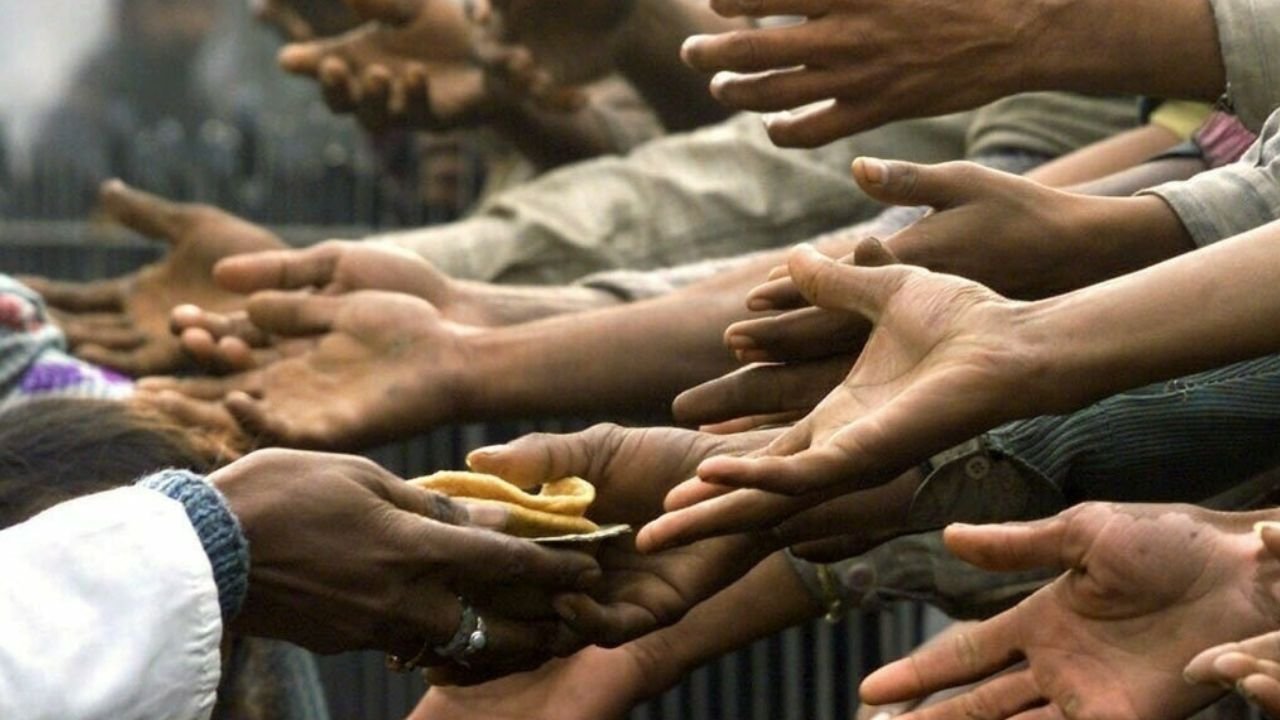
    Food insecurity worsened around the world in 2023, with some 282 million people suffering from acute hunger due to conflicts, particularly in Gaza and Sudan, UN agencies and development groups said Wednesday.

    Extreme weather events and economic shocks also added to the number of those facing acute food insecurity, which grew by 24 million people compared with 2022, according to the latest global report on food crises from the Food Security Information Network (FSIN).

    The report, which called the global outlook “bleak” for this year, is produced for an international alliance bringing together UN agencies, the European Union and governmental and non-governmental bodies.

    2023 was the fifth consecutive year of rises in the number of people suffering acute food insecurity — defined as when populations face food deprivation that threatens lives or livelihoods, regardless of the causes or length of time.

    Much of last year’s increase was due to report’s expanded geographic coverage, as well as deteriorating conditions in 12 countries.

    More geographical areas experienced “new or intensified shocks” while there was a “marked deterioration in key food crisis contexts such as Sudan and the Gaza Strip”, Fleur Wouterse, deputy director of the emergencies office within the UN’s Food and Agricultural Organization (FAO), told AFP.

    Some 700,000 people, including 600,000 in Gaza, were on the brink of starvation last year, a figure that has since climbed yet higher to 1.1 million in the war-ridden Palestinian territory.

    Since the first report by the Global Food Crisis Network covering 2016, the number of food-insecure people has risen from 108 million to 282 million, Wouterse said.

    Meanwhile, the share of the population affected within the areas concerned has doubled 11 percent to 22 percent, she added.

    Protracted major food crises are ongoing in Afghanistan, the Democratic Republic of Congo, Ethiopia, Nigeria, Syria and Yemen.

    “In a world of plenty, children are starving to death,” wrote UN Secretary-General Antonio Guterres in the report’s foreword.

    “War, climate chaos and a cost-of-living crisis — combined with inadequate action — mean that almost 300 million people faced acute food crisis in 2023.”

    “Funding is not keeping pace with need,” he added.

    This is especially true as the costs of distributing aid have risen.

    For 2024, progress will depend on the end of hostilities, said Wouterse, who stressed that aid could “rapidly” alleviate the crisis in Gaza or Sudan, for example, once humanitarian access to the areas is possible.

    Worsening conditions in Haiti were due to political instability and reduced agricultural production, “where in the breadbasket of the Artibonite Valley, armed groups have seized agricultural land and stolen crops”, Wouterse said.

    The El Nino weather phenomenon could also lead to severe drought in West and Southern Africa, she added.

    According to the report, situations of conflict or insecurity have become the main cause of acute hunger in 20 countries or territories, where 135 million people have suffered.

    Extreme climatic events such as floods or droughts were the main cause of acute food insecurity for 72 million people in 18 countries, while economic shocks pushed 75 million people into this situation in 21 countries.

    “Decreasing global food prices did not transmit to low-income, import-dependent countries,” said the report.

    At the same time, high debt levels “limited government options to mitigate the effects of high prices”.

    On a positive note, the situation improved in 17 countries in 2023, including the Democratic Republic of Congo and Ukraine, the report found.

  • Hip hop star Megan Thee Stallion sued for harassment by cameraman

    Hip hop star Megan Thee Stallion sued for harassment by cameraman

    Megan Thee Stallion forced her cameraman to watch her having sex in a moving car, according to a lawsuit filed in Los Angeles. Emilio Garcia says the incident, which happened on the Spanish holiday island of Ibiza, was part of a campaign of harassment that also included fat-shaming him.

    “Emilio should never have been put in a position of having to be in the vehicle with her while she had sex with another woman,” said Garcia’s lawyer Ron Zambrano. “‘Inappropriate’ is putting it lightly. Exposing this behaviour to employees is definitely illegal.”

    The suit alleges the incident took place in June of 2022 when Garcia, who worked as a personal photographer to the star, was on tour with her.

    “Plaintiff could not get out of the car as it was both moving and he was in the middle of nowhere in a foreign country,” says the suit, filed Tuesday in Los Angeles Superior Court. “Plaintiff was embarrassed, mortified and offended throughout the whole ordeal.”

    The Hot Girl Summer artist told Garcia not to talk about what he had seen, says the suit, which also claims she would tell him he was fat and ate too much.

    Garcia’s suit says the 29-year-old star began employing him in 2018, but classified him as an independent contractor, rather than an employee. That meant he was not eligible for benefits such as health care or overtime pay, which could have run into the six figures. The suit claims Garcia was contracted to work eight-hour days, but was required to take calls from Megan Thee Stallion, whose real name is Megan Pete, outside those times and to perform other tasks without being given proper breaks.

    The suit, which alleges retaliation and multiple state Labour Code violations names as defendants Megan Thee Stallion, Megan Thee Stallion Entertainment, Inc., Hot Girl Touring LLC, and Roc Nation. Garcia is seeking unspecified compensatory and punitive damages.

    “Megan just needs to pay our client what he’s due, own up to her behaviour and quit this sort of sexual harassment and fat shaming conduct,” said Zambrano.

    Entertainment outlet Page Six cited Megan Thee Stallion’s lawyer Alex Spiro as denying the allegations. “This is an employment claim for money — with no sexual harassment claim filed and with salacious accusations to attempt to embarrass her,” the lawyer told the outlet. “We will deal with this in court.”

    Last year, Canadian rapper Tory Lanez was jailed for 10 years in prison for shooting Megan Thee Stallion in the feet during a drunken argument after a Hollywood party.