Author: afp

  • Hindu nationalist Modi the favourite as India votes

    Hindu nationalist Modi the favourite as India votes

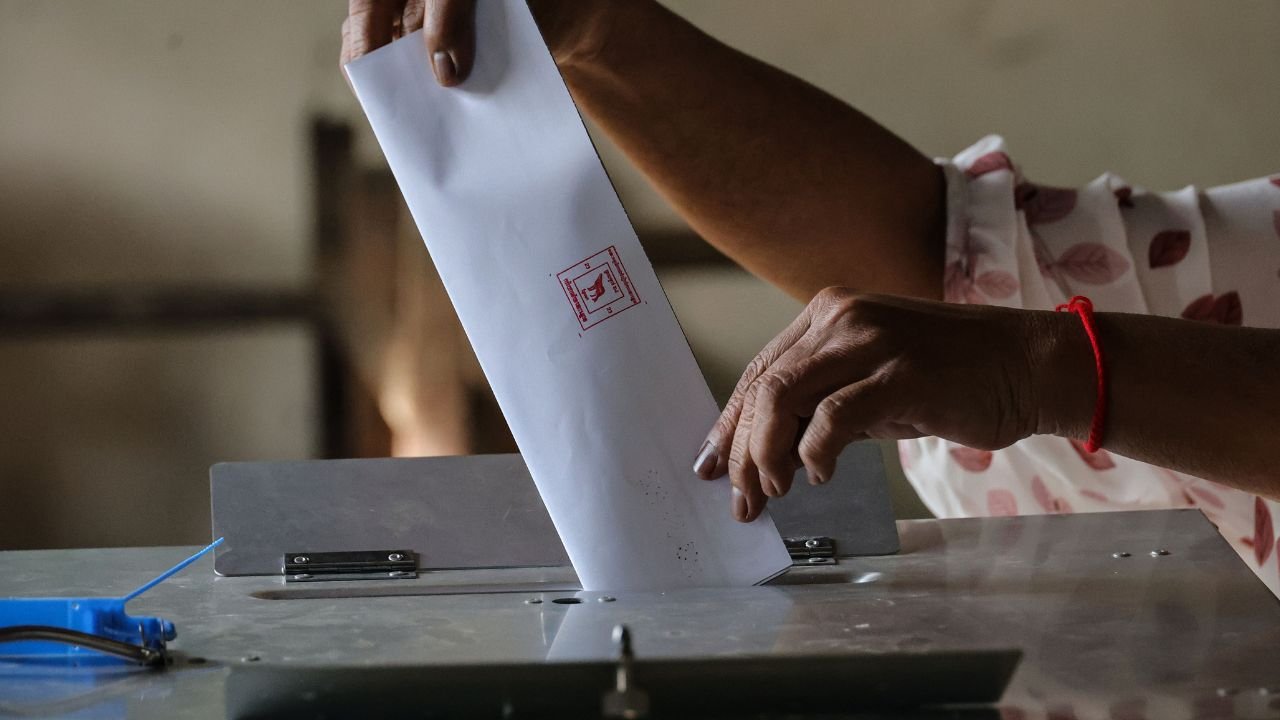
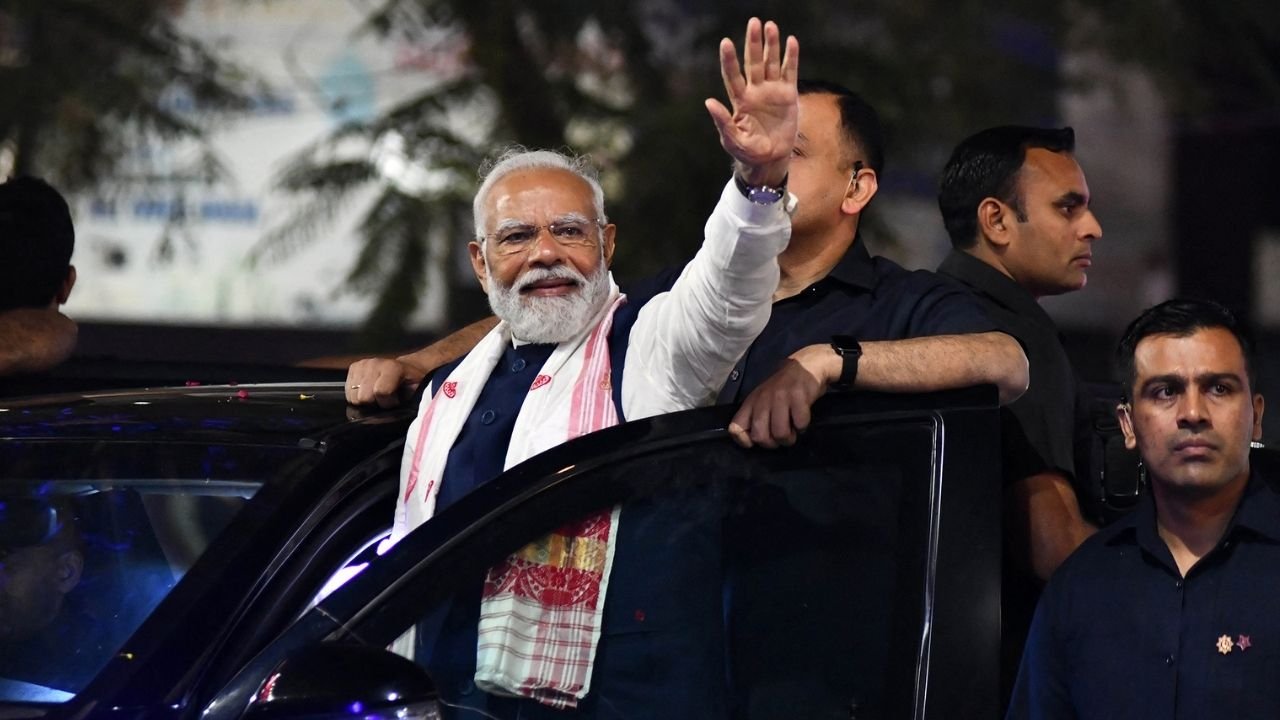
    India began voting Friday in a six-week election with an all but assured victory for Hindu nationalist Prime Minister Narendra Modi, as a weakened opposition is pushed to the sidelines.

    A total of 968 million people are eligible to take part in the world’s biggest vote — a staggering logistical exercise that critics say follows a concerted effort to delegitimise rivals.

    A long and winding queue was patiently assembled outside a polling station in the Hindu holy city of Haridwar, on the banks of the Ganges river, even before the booths opened.

    “I am here because I am happy about the direction the country is headed,” said autorickshaw driver Ganga Singh, 27. 

    “I will vote keeping in mind not personal welfare but the country’s prosperity.”

    Modi, 73, remains resoundingly popular after a decade in office that has seen India rise in diplomatic clout and economic power, as well as efforts by his government to bring the country’s majority faith in ever closer alignment with its politics.

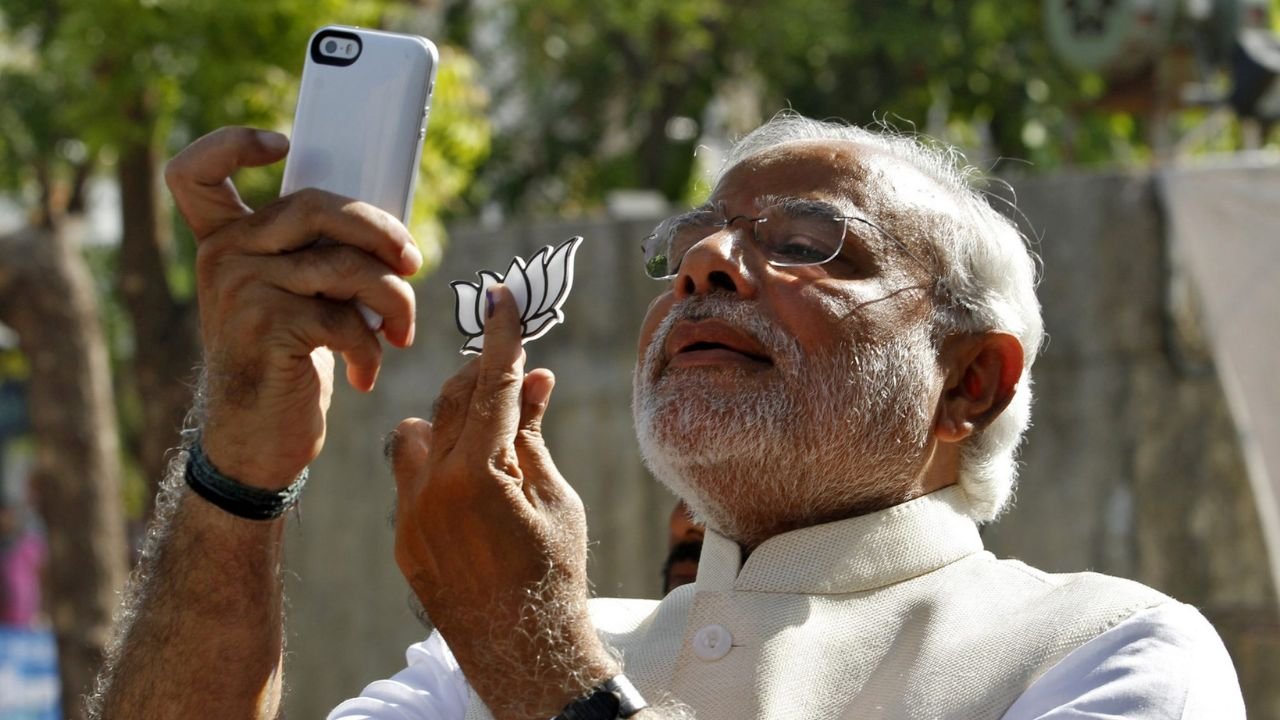
    “I urge all those voting… to exercise their franchise in record numbers,” he wrote in a social media post on X as the election began. 

    “Every vote counts and every voice matters!”

    Modi has already led the ruling Bharatiya Janata Party (BJP) through two landslide victories in 2014 and 2019, forged in large part by his appeals to the Hindu faithful.

    This year, he presided over the inauguration of a grand temple to the deity Ram, built on the grounds of a centuries-old mosque razed by Hindu zealots.

    “The nation is creating the genesis of a new history,” Modi told the thousands gathered for the ceremony, among them Bollywood celebrities and cricket stars.

    Construction of the temple fulfilled a long-standing demand of Hindu activists and was widely celebrated across India with back-to-back television coverage and street parties.

    ‘Pattern of repression’ 

    Analysts have long expected Modi to triumph against a fractious alliance of more than two dozen parties that have yet to name a candidate for prime minister.

    His prospects have been further bolstered by several criminal probes into his opponents and a tax investigation this year that froze the bank accounts of Congress, India’s largest opposition party.

    Opposition figures and human rights organisations have accused Modi’s government of orchestrating the probes to weaken rivals. 

    “We have no money to campaign, we cannot support our candidates,” Rahul Gandhi, the most prominent Congress leader, told reporters in March.

    “Our ability to fight elections has been damaged.”

    Congress dominated Indian politics for nearly seven decades following independence and remains the only opposition party with a nationwide presence.

    In Haridwar, Gabbar Thakur, who photographs tourists by the Ganges for a living, turned out early to vote. 

    “I am here because I am upset with the government,” he said. “The so-called development hasn’t reached where I live.”

    Modi’s tenure has seen India overtake former colonial ruler Britain as the world’s fifth-biggest economy, and Western nations lining up to court a prospective ally against regional rival China’s growing assertiveness.

    In doing so, they have sidestepped concerns over the taming of India’s once-vibrant press and restrictions on civil society that have seen rights groups like Amnesty severely curtail their local operations.

    Last year, the tax office raided the BBC’s local offices weeks after the British broadcaster aired a documentary questioning Modi’s role in 2002 religious riots that killed around 1,000 people, most of them Muslims.

    While India is constitutionally secular, the country’s 220 million-strong Muslim community and other minorities have felt threatened by the rise of Hindu nationalist fervour.

    Modi’s time in office had seen “a pattern of repression to undermine democracy and civic space”, rights group CIVICUS said in a Wednesday report.

    Opposition alliance 

    Modi’s BJP is challenged by an alliance of more than two dozen parties that have come together in an electoral bloc.

    It has accused Modi’s government of using law enforcement agencies to selectively target its leaders and undermine its campaign.

    Among them is Delhi chief minister Arvind Kejriwal, arrested last month and still in custody on allegations his party received kickbacks in return for liquor licences.

    Gandhi — the scion of India’s most famous political dynasty, whose father, grandmother and great-grandfather all served as prime minister — was briefly disqualified from parliament last year after being convicted of criminal libel.

    The 53-year-old has criticised the government for democratic backsliding and its chest-thumping Hindu nationalism.

    On Friday, his Congress party urged voters to end “hatred and injustice” as polls opened.

    “Your one vote can put an end to inflation, unemployment, hatred and injustice,” it said on social media platform X.

    But Gandhi has already led Congress to two defeats against Modi and his efforts to dent the premier’s popularity have failed to register with voters.

    Published opinion polls are rare in India, but a Pew survey last year found Modi was viewed favourably by nearly 80 percent of the public.

    Voting will be staggered over seven stages between April 19 and June 1, with more than a million polling stations across India.

    Ballots will be counted all at once on June 4 and are usually announced on the same day.
  • Apple drops WhatsApp, Threads from China app store on official order: report

    Apple drops WhatsApp, Threads from China app store on official order: report

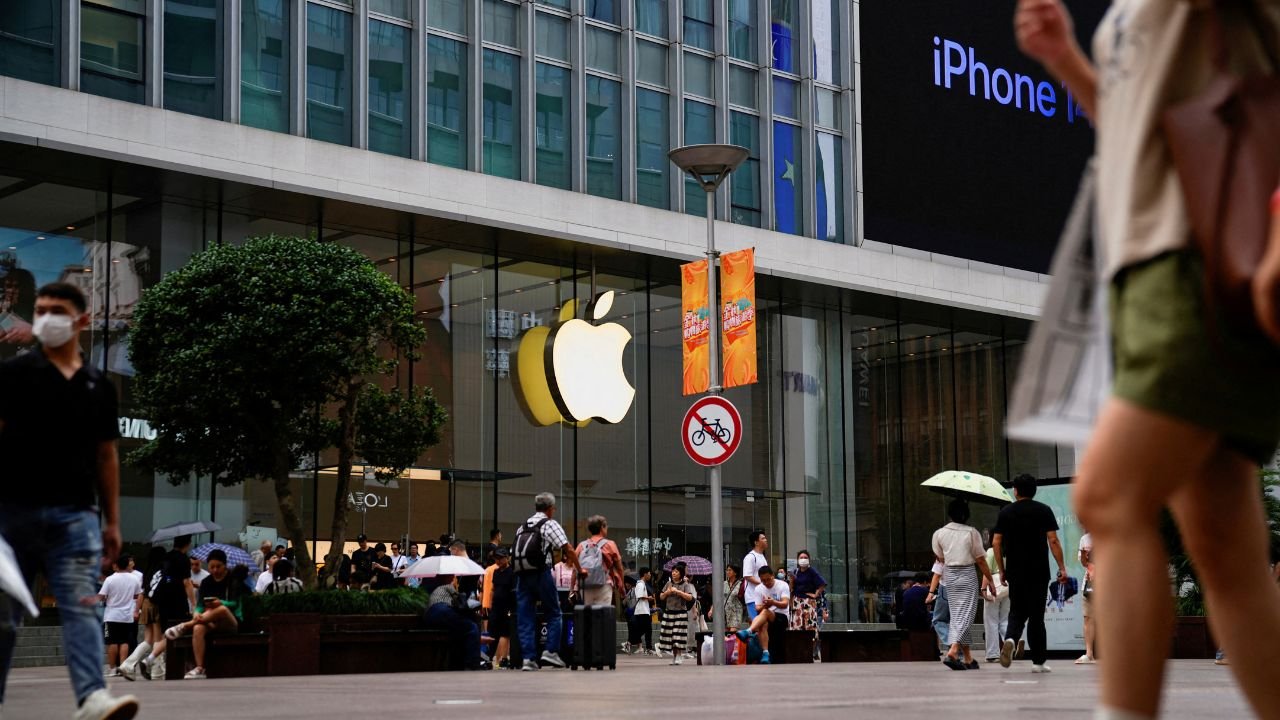
    Beijing (AFP) – Apple has removed the Meta-owned WhatsApp and Threads from its App Store in China following an order from the country’s top internet regulator, Bloomberg reported Friday citing the tech giant.

    Beijing engages in some of the world’s most extensive internet censorship, with web users in mainland China unable to access everything from Google to many foreign apps without using a virtual private network.

    “We are obligated to follow the laws in the countries where we operate, even when we disagree,” said Apple in a statement, according to Bloomberg.

    “The Cyberspace Administration of China (CAC) ordered the removal of these apps from the China storefront based on their national security concerns,” said Apple, referring to China’s internet regulator.

    “These apps remain available for download on all other storefronts where they appear.”

    A Meta spokesperson referred AFP to Apple, which did not immediately respond to a request for comment.

    The CAC and the Ministry of Industry and Information Technology — another top Chinese internet regulatory body — also did not immediately respond.

    China is a key market for Apple, which last year topped the country’s smartphone market for the first time.

    But thorny issues of censorship and national security have long hounded the US-based firm’s operations in China as Beijing and Washington engage in a fierce battle for technological supremacy.

    In January, China said it had cracked Apple’s encrypted AirDrop communication service, which had once given protesters a vital channel for sharing information during the major 2019 pro-democracy protests in Hong Kong.

    State-backed experts said in January that they had devised a way to reveal an iPhone’s encrypted device log, allowing them to then identify an AirDrop user’s phone number and email accounts.

    Many online platforms that are popular in much of the world — including Google, Facebook, X, WhatsApp and TikTok — are blocked in mainland China.

    But savvy iPhone users in China have still been able to download banned platforms through Apple’s app store, then use a VPN to get around the restrictions.

    Removing WhatsApp and Threads from the Chinese app store will greatly complicate the ability of new iPhone users to access the apps.

    The latest development comes a day before a scheduled vote in the US House of Representatives to force the wildly popular video app TikTok to sever all links with its Chinese parent ByteDance.

    US officials have raised concerns in recent years over potential national security and privacy threats posed by TikTok, despite repeated assurances by the firm that it presents no risks to the American public.

    Beijing has frequently lashed out against US restrictions on Chinese tech, claiming they are a pretext to contain the country’s economic rise.

  • Google fires 28 workers protesting contracts with Israel

    Google fires 28 workers protesting contracts with Israel

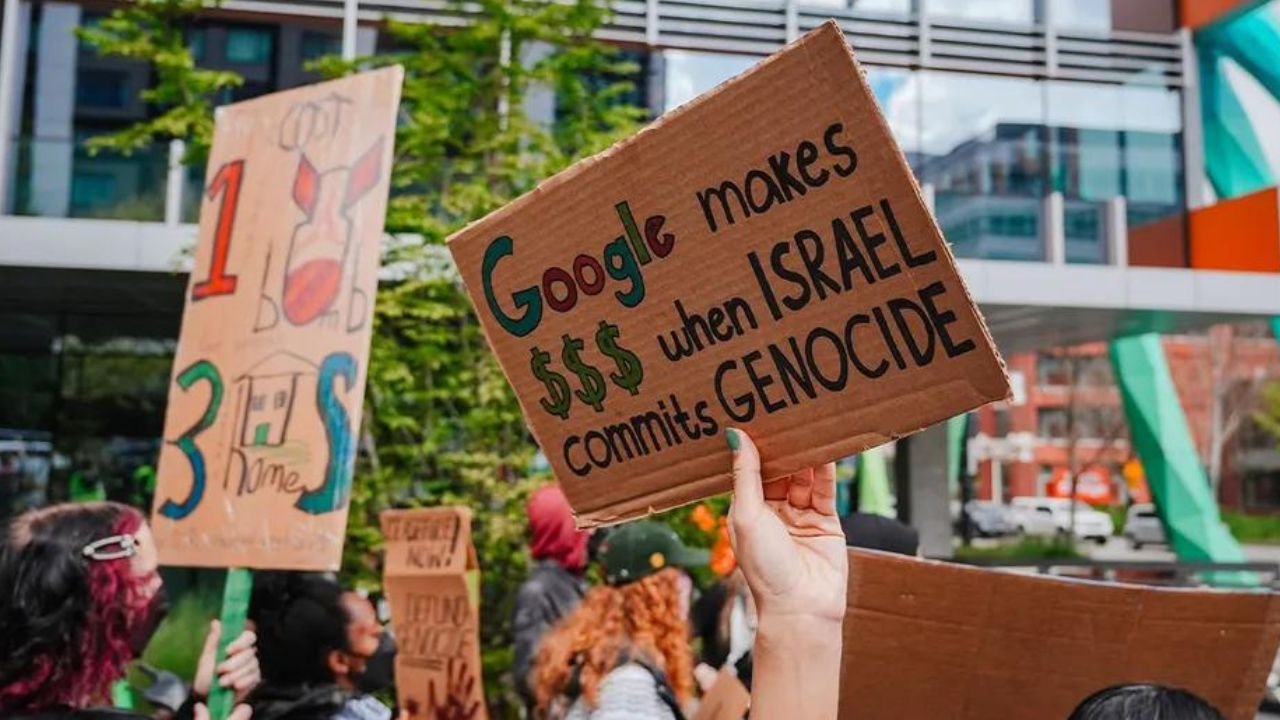
    New York, United States – Google fired 28 employees following a sit-down protest over the tech giant’s contract with the Israeli government, a Google spokesperson said Thursday.

    The Tuesday demonstration was organized by the group “No Tech for Apartheid,” which has long opposed “Project Nimbus,” Google’s joint $1.2 billion contract with Amazon to provide cloud services to the government of Israel.

    Video of the demonstration showed police arresting Google workers in Sunnyvale, California, in the office of Google Cloud CEO Thomas Kurian’s, according to a post by the advocacy group on X, formerly Twitter.

    Kurian’s office was occupied for 10 hours, the advocacy group said.

    Workers held signs including “Googlers against Genocide,” a reference to accusations surrounding Israel’s attacks on Gaza.

    “No Tech for Apartheid,” which also held protests in New York and Seattle, pointed to an April 12 Time magazine article reporting a draft contract of Google billing the Israeli Ministry of Defense more than $1 million for consulting services.

    A “small number” of employees “disrupted” a few Google locations, but the protests are “part of a longstanding campaign by a group of organizations and people who largely don’t work at Google,” a Google spokesperson said.

    “After refusing multiple requests to leave the premises, law enforcement was engaged to remove them to ensure office safety,” the Google spokesperson said. “We have so far concluded individual investigations that resulted in the termination of employment for 28 employees, and will continue to investigate and take action as needed.”

    Israel is one of “numerous” governments for which Google provides cloud computing services, the Google spokesperson said.

    “This work is not directed at highly sensitive, classified, or military workloads relevant to weapons or intelligence services,” the Google spokesperson said.

    jmb/nro

    © Agence France-Presse

  • X working with Pakistan govt to ‘understand concerns’ over ban

    X working with Pakistan govt to ‘understand concerns’ over ban

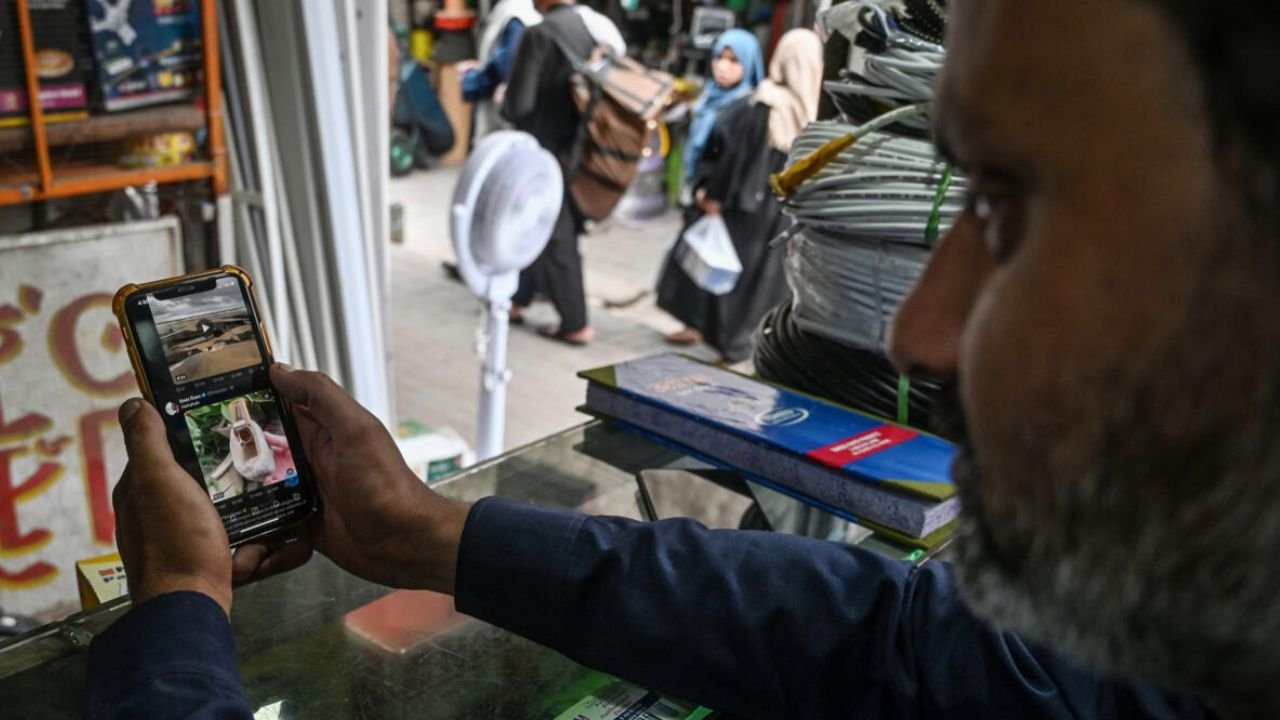
    Islamabad, Pakistan – Social media platform X said Thursday it would work with Pakistan’s government “to understand its concerns” after authorities insisted an ongoing two-month ban was based on security grounds.

    The platform, formerly known as Twitter, has been rarely accessible since February 17, when jailed former prime minister Imran Khan’s party called for protests following a government official’s admission of vote manipulation in the February election.

    “We continue to work with the Pakistani Government to understand their concerns,” X’s Global Government Affairs team posted, in their first comments since the site was disrupted.

    The Interior Ministry on Wednesday said X was blocked on security grounds, according to a report submitted to the Islamabad High Court where one of several challenges to the ban is being heard.

    On the same day, the Sindh High Court ordered the government to restore access to social media platform X within a week.

    “The Sindh High Court has given the government one week to withdraw the letter, failing which, on the next date, they will pass appropriate orders,” Moiz Jaaferi, a lawyer challenging the ban, told AFP.

    The court’s full decision is expected to be published this week.

    Both the government and the Pakistan Telecommunication Authority (PTA) had for weeks refused to comment on the outages.

    “It is the sole prerogative and domain of the federal government to decide what falls within the preview of terms of ‘defence’ or ‘security’ of Pakistan and what steps are necessary to be taken to safeguard National Security,” said the interior ministry’s report, submitted by senior official Khurram Agha.

    The interior ministry suggested intelligence agencies were behind the order.

    The closure of a social media service “when there is request from any security or intelligence agency” is “well within the scope of provisions of the PTA act”, the report said.

    Digital rights activists, however, said it was designed to quash dissent after February 8 polls that were fraught with claims of rigging.

    Access to X has been sporadic, occasionally available for short cycles based on the internet service provider, forcing users to use virtual private networks.

    Mobile services were cut across Pakistan on election day, with the interior ministry also citing security reasons.

    It was followed by a long delay in issuing voting results, giving rise to allegations of tampering.

    Khan’s opposition party had already faced heavy censorship in the weeks before the election, banned from television channels and from holding rallies, forcing its campaign online.

    Despite the crackdown, his party won the most seats but was kept from power by a coalition of rival parties that had the backing of the military.

    stm-ecl/jts/ssy

    © Agence France-Presse

  • Meta shouldn’t force users to pay for data protection: EU watchdog

    Meta shouldn’t force users to pay for data protection: EU watchdog

    Brussels, Belgium – Facebook owner Meta and other online platforms must not force users to pay for the right to data protection enshrined in EU law when offering ad-free subscriptions, the European data regulator said Wednesday.

    “Online platforms should give users a real choice when employing ‘consent or pay’ models,” the European Data Protection Board (EDPB) chair Anu Talus said in a statement.

    “The models we have today usually require individuals to either give away all their data or to pay,” she said. “As a result, most users consent to the processing in order to use a service, and they do not understand the full implications of their choices.”

    Meta in November launched a “pay or consent” system allowing users to withhold use of their data for ad targeting in exchange for a monthly fee — a model that has faced several challenges from privacy and consumer advocates.

    Meta has long profited from selling user data to advertisers but this business model has led to multiple battles with EU regulators over data privacy.

    The latest announcement came after the data protection authorities of The Netherlands, Norway and the German state of Hamburg went to the EDPB for an opinion regarding the pay-or-consent model used by Meta.

    The Silicon Valley company allows users of Instagram and Facebook in Europe to pay between 10 and 13 euros (around $11 and $14) a month to opt out of data sharing.

    Meta pointed to an EU court ruling last year that it said opened the way for subscriptions as a “legally valid” option. “Today’s EDPB opinion does not alter that judgment and subscription for no ads complies with EU laws,” a Meta spokesperson said.

    Meta is waiting for a decision on its model by the data privacy regulator in Ireland where the company is headquartered.

    ‘Binary choice’

    All digital platforms must comply with the European Union’s mammoth general data protection regulation (GDPR), which has been at the root of EU court cases against Meta.

    The EDPB in its opinion argued that Meta’s model was at odds with the GDPR’s requirement that consent for data use must be freely given.

    “In most cases, it will not be possible for large online platforms to comply with the requirements for valid consent if they confront users only with a binary choice between consenting to processing of personal data for behavioural advertising purposes and paying a fee,” the opinion read.

    The EDPB also warned the type of subscription service put forward by Meta “should not be the default way forward” for platforms.

    It suggested that platforms should consider an alternative that would give users the right to reject being tracked for advertising purposes without the need to pay.

    Privacy defenders welcomed the opinion.

    “Overall, Meta is out of options in the EU. It must now give users a genuine yes/no option for personalised advertising,” said prominent online privacy activist Max Schrems.

    “We know that ‘Pay or Okay’ shifts consent rates from about three percent to more than 99 percent — so it is as far from ‘freely given’ consent as North Korea is from a democracy,” said Schrems.

    Tech lobby group CCIA however warned the EDPB risked “opening a Pandora’s Box”.

    “Forcing businesses to offer services at a loss is unprecedented and sends the wrong signals,” said CCIA Europe’s senior policy manager, Claudia Canelles Quaroni.

    “All companies should be able to offer paid-for versions of their services.”

    raz/gv

    © Agence France-Presse

  • X blocks India election posts after takedown orders

    X blocks India election posts after takedown orders

    Social media platform X has blocked several posts in India containing political speech after authorities ordered their takedown ahead of a six-week general election that starts Friday.

    X, owned by Tesla boss Elon Musk and formerly known as Twitter, said the posts would be withheld from Indian audiences until the election was over despite its disagreement with the order.

    “In compliance with the orders, we have withheld these posts for the remainder of the election period,” X said in a statement posted to the platform late Tuesday.

    “However, we disagree with these actions and maintain that freedom of expression should extend to these posts and political speech in general.”

    The posts by elected politicians, political parties and candidates made unverified claims about the private lives of their opponents, which India’s election commission said violated its code of conduct.

    The platform’s announcement of its compliance with the order came the same day X’s Brazilian office said it would abide by a court direction to block disinformation-spreading users in that country.

    Musk had earlier threated to disregard the Brazilian court’s order.

    The billionaire is expected to meet Prime Minister Narendra Modi in India this month to discuss major investment plans in the country.

    India, the world’s biggest democracy, regularly ranks among the top five countries globally for number of requests made by a government to remove social media content.

    Last year, an Indian court hit X with a $61,000 fine after the platform unsuccessfully challenged orders to remove tweets and accounts critical of Modi’s government.

    Rights groups say freedom of expression is under threat in India, which has fallen 21 spots to 161 out of 180 countries in the World Press Freedom Index since Modi took office in 2014.

    Indian authorities have regularly imposed blanket internet shutdowns during periods of unrest.

    That includes a months-long outage in the northeastern state of Manipur last year in the wake of ethnic violence.

    The government says internet cuts curb disinformation by stemming rumours from spreading on social media or mobile messaging applications.

    A total of 968 million people are eligible to cast a ballot in the election, with the final round of voting on June 1 and counting three days later.

  • US says new sanctions on Iran coming soon

    US says new sanctions on Iran coming soon

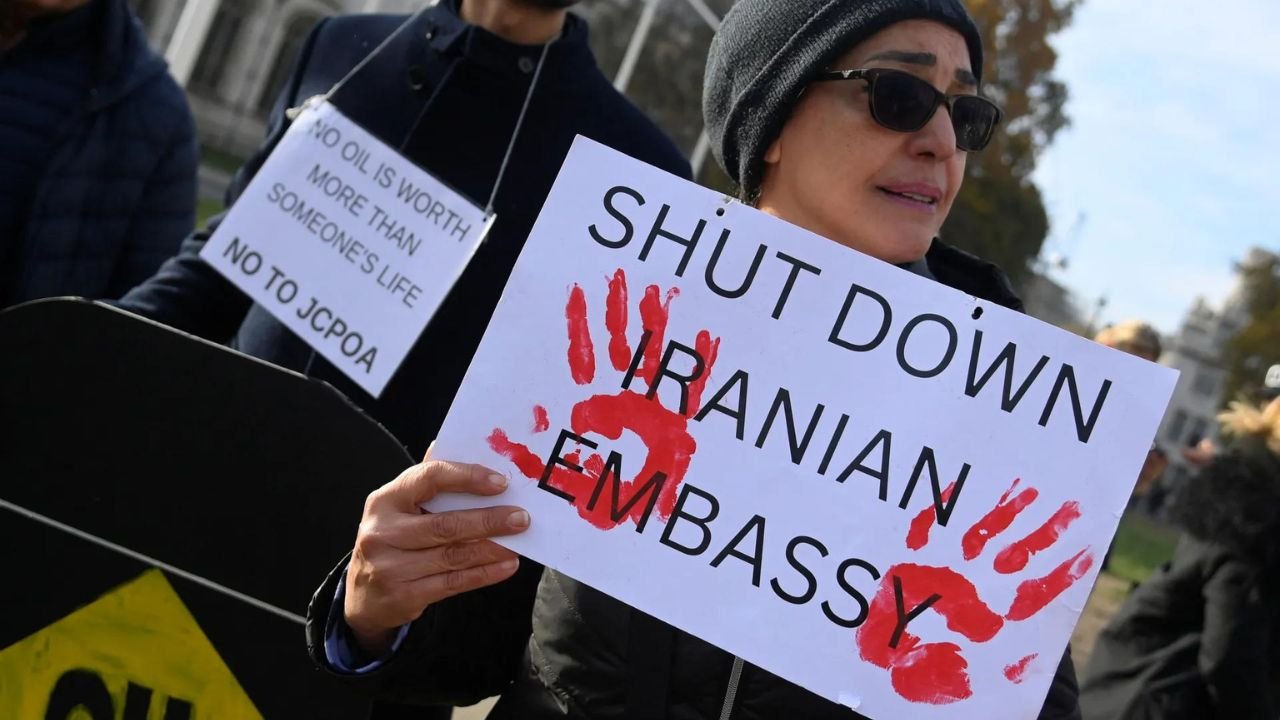
    The United States said Tuesday it would soon impose new sanctions on Iran’s missile and drone program after its retaliatory attack on Israel, and that it expects its allies and partners to follow with parallel measures.

    US National Security Advisor Jake Sullivan’s announcement came after Treasury Secretary Janet Yellen indicated punitive measures were in the works, and European Union foreign policy chief Josep Borrell said his office was working on it.

    Iran sent more than 300 missiles, drones and rockets at Israel over the weekend, in what it said was retaliation for a deadly strike on Tehran’s consulate in Damascus. Nearly all of the projectiles were intercepted, and there was little damage.

    “In the coming days, the United States will impose new sanctions targeting Iran, including its missile and drone program” as well as the Revolutionary Guards and the Iranian defense ministry, Sullivan said in a statement.

    “We anticipate that our allies and partners will soon be following with their own sanctions,” he added.

    “These new sanctions and other measures will continue a steady drumbeat of pressure to contain and degrade Iran’s military capacity and effectiveness and confront the full range of its problematic behaviors.”

    US authorities have been using economic tools to counter Iran’s activities, taking aim at its drone and missile programs, as well as its financing of groups like Hamas, which launched its own attack on Israel on October 7.

    Earlier, Yellen previewed the sanctions, telling reporters: “Iran’s actions threaten the region’s stability and could cause economic spillovers.”

    The Treasury will not hesitate to work with US allies to “use our sanctions authority to continue disrupting the Iranian regime’s malign and destabilizing activity,” she said.

    She added that “all options to disrupt terrorist financing” will be on the table.

    ‘More that we could do’

    Months of Israeli genocide in Gaza have triggered violence in the region involving Iranian proxies and allies who say they are acting in support of Palestinians in the Gaza Strip.

    But tensions have soared even higher with Tehran’s first direct assault on Israel, which has prompted appeals for de-escalation by world leaders fearing wider conflict.

    Yellen did not offer specifics on the possible measures to be taken, but said Washington has been working to diminish Iran’s ability to export oil, adding there might be “more that we could do.”

    The United States is also looking to work with G7 partners and countries including China to constrain Iran’s ability to access goods needed to build weapons, a senior Treasury official told reporters.

    “We’re going to have conversations with all major suppliers around the world,” the official said.

    In Brussels, Borrell said after an emergency meeting of EU foreign ministers that some member states had proposed “the adoption of expanded restrictive measures against Iran” and that his office would begin preparatory work.

    “We have to move away from the edge of the abyss,” Borrell said.

    Sullivan said that Washington had sanctioned more than 600 Iran-linked individuals and entities “connected to terrorism, terrorist financing and other forms of illicit trade, horrific human rights abuses, and support for proxy terrorist groups.”

    “The pressure will continue,” he warned.

    “We will not hesitate to continue to take action, in coordination with allies and partners around the world, and with Congress, to hold the Iranian government accountable for its malicious and destabilizing actions.”

    bys-sst/nro

    © Agence France-Presse

  • UK parliament debates law phasing out smoking

    UK parliament debates law phasing out smoking

    London, United Kingdom – The UK parliament on Tuesday kicked off its first debate on Prime Minister Rishi Sunak’s planned flagship legislation to prevent young people from smoking, despite opposition from many in his own Conservative Party.

    The law would ban the selling of tobacco products to anyone born after January 1, 2009 –- effectively raising the smoking age by a year each year until it applies to the whole population.

    “This has the potential to phase out smoking in young people almost completely as early as 2040,” the government said when it unveiled the plan, calling the move “historic”.

    While the law looks set to pass thanks to support from opposition parties — including Labour, which is expected to win a general election due this year — Sunak faces the prospect of a rebellion from backbench Tory MPs.

    The beleaguered leader has little political capital to expend within his fractured party as he struggles to revive its fortunes following months of dire polling.

    Smoking is the UK’s biggest preventable killer and opinion polls show that around two-thirds of people in the UK back a phased smoking ban.

    However, libertarian-leaning MPs on the right of the ruling Conservatives, including former prime minister Liz Truss, have branded the move an attack on personal freedoms.

    Conservative MP Simon Clarke told BBC radio that he was “both sceptical and downright opposed” to the plans.

    “I think that an outright ban risks being counterproductive, I think it actually risks making smoking cooler, it certainly risks creating a black market, and it also risks creating a unmanageable challenge for the authorities,” he said.

    Former prime minister Boris Johnson also said at an event in Canada last week it was “mad” that the party of Winston Churchill was “banning cigars”.

    Vaping clamp down

    Opening the debate for the government, Health Secretary Victoria Atkins told the House of Commons that there is “no liberty in addiction”.

    “Nicotine robs people of their freedom to choose. The vast majority of smokers start when they are young, and three quarters say that if they could turn back the clock they would not have started,” she said.

    MPs are due to vote on whether to approve the plans for the next stage of the legislative process on Tuesday evening.

    Conservative MPs have been given a free vote, meaning they are able to defy the government without fear of being suspended from the party.

    Westminster watchers will closely study the size of the rebellion to see what it suggests about Sunak’s authority, amid reports that some cabinet members are considering voting against.

    The proposed ban was supposedly inspired by a similar plan in New Zealand which was later dropped.

    Official figures show smoking causes about one in four deaths from cancer and leads to 64,000 deaths in England per year.

    “If parliament passes this new bill, it will put the UK at the very forefront of the fight to eradicate one of the most harmful inventions of modern times,” said Lion Shahab, co-director of the tobacco and alcohol research group at University College London.

    The legislation also seeks to clamp down on young people vaping by restricting flavours and packaging to make less appealing to children.

    jwp-pdh/jj/yad

    © Agence France-Presse

  • Dubai reels from floods chaos after record rains

    Dubai reels from floods chaos after record rains

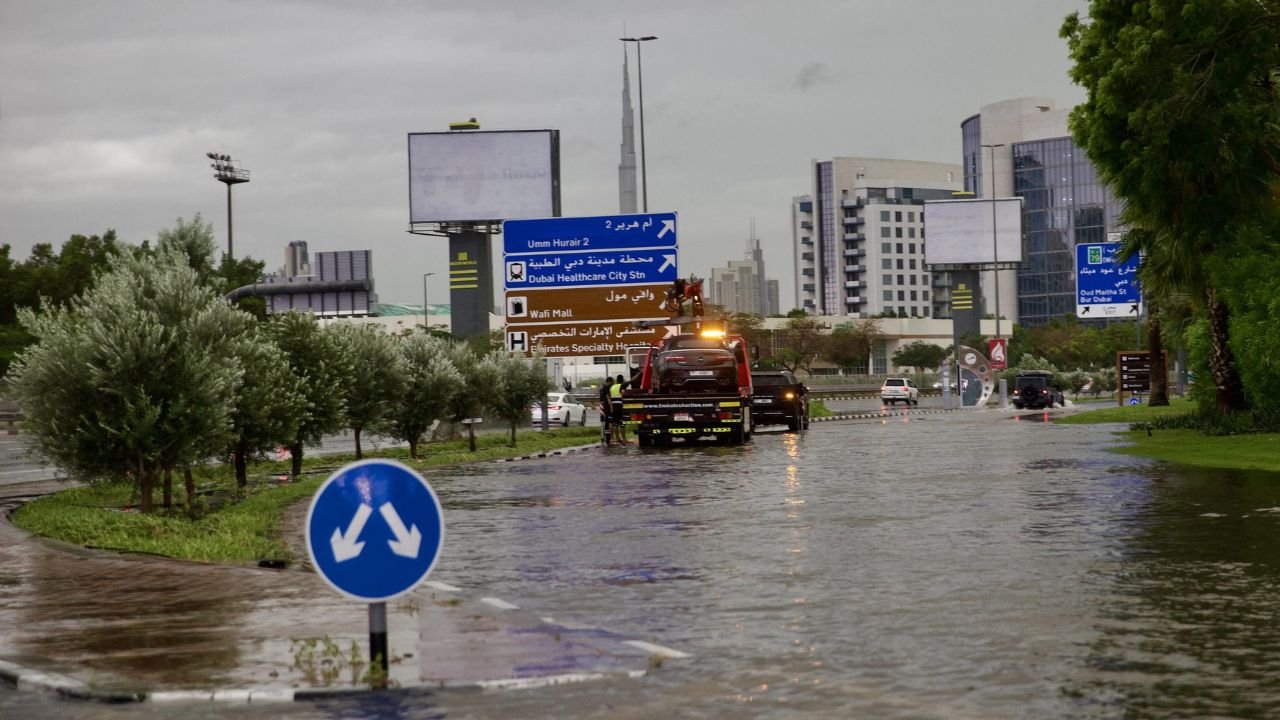
    Dubai, United Arab Emirates – Dubai’s giant highways were clogged by flooding and airport passengers were urged to stay away on Wednesday as the glitzy financial centre reeled from record rains.

    Huge tailbacks snaked along six-lane expressways after up to 254 millimetres of rain — about two years’ worth — fell on the desert United Arab Emirates on Tuesday.

    At least one person was killed after a 70-year-old man was swept away in his car in Ras Al-Khaimah, one of the country’s seven emirates, police said.

    Passengers were warned not to come to Dubai airport, the world’s busiest by international traffic, “unless absolutely necessary”, an official said.

    “Flights continue to be delayed and diverted… We are working hard to recover operations as quickly as possible in very challenging conditions,” a Dubai Airports spokesperson said.

    Dubai’s flagship Emirates airline cancelled all check-ins on Wednesday as staff and passengers struggled to arrive and leave, with access roads flooded and some metro services suspended.

    At the airport, long taxi queues formed and delayed passengers milled around. Scores of flights were also delayed, cancelled and diverted during Tuesday’s torrential rain.

    The storms hit the UAE and Bahrain overnight Monday and on Tuesday after lashing Oman, where 18 people were killed, including several children.

    Climatologist Friederike Otto, a specialist in assessing the role of climate change on extreme weather events, told AFP it was “high likely” that global warming had worsened the storms.

    Official media said it was the highest rainfall since records began in 1949, before the formation of the UAE in 1971.

    th/kir

    © Agence France-Presse

  • Jobs and rights on young voters’ minds for India polls

    Jobs and rights on young voters’ minds for India polls

    New Delhi, India – Around 130 million young adults aged 18 to 22 will be newly eligible to vote in India’s national elections when polls open Friday — more people than the entire population of Mexico.

    AFP asked four first-time voters who were too young to vote in the 2019 elections about who they would support and the issues that mattered to them:

    The student

    Mumbai university student Abhishek Dhotre, 22, said he was unhappy with “the communal discord that is seen all throughout India” as a result of the government’s muscular Hindu nationalism.

    Prime Minister Narendra Modi’s government has brought India’s majority Hindu faith to the forefront of political life.

    That has left Muslims and other minorities anxious about their futures in the nominally secular country.

    Still, with India’s economy growing at a breakneck pace, overtaking former colonial ruler Britain as the world’s fifth-largest in 2022, Dhotre wants Modi and his Bharatiya Janata Party (BJP) to win again.

    “With the flow of development, infrastructure and everything that’s going on, I would prefer the current government to stay,” he told AFP.

    The software developer

    Thrishalini Dwaraknath, 20, epitomises India’s economic changes — she is about to move from Tamil Nadu to the tech hub of Bengaluru, both of them in the south, to work as a software developer.

    “I’m excited to be part of the Indian democracy and voicing my opinion for the first time,” she told AFP. “And I’m glad that my voice matters.”

    She praised Modi’s government for its achievements in office but said it needed to do more to help millions of unemployed young Indians find work.

    India’s annual GDP growth hit 8.4 percent in the December quarter, but the International Labour Organization estimated that 29 percent of the country’s young university graduates were unemployed in 2022.

    “Addressing the skill gap between students and the job market is key,” Dwaraknath said.

    The farmer

    One first-time voter who will definitely not be backing the BJP is Gurpartap Singh, 22, a wheat farmer from the northern state of Punjab.

    Farmers in Punjab were the backbone of a yearlong protest in 2021 against the Modi government’s efforts to bring market reforms into India’s agricultural sector.

    The reforms were later shelved, marking a rare political defeat for the prime minister, but farmers say their demands have still not been met.

    “So many farmers died in the protest,” Singh said. “They have not got justice.”

    Farmers are a significant voting bloc in India — hundreds of millions of people make their living from the land.

    “The government that thinks about the farmers, youth — that is the government that should come to power,” Singh said, adding that the BJP had failed that test.

    The transgender woman

    India’s 1.4 billion people encompass a vast range of backgrounds including a transgender community estimated to be several million people strong.

    The Hindu faith has many references to a “third gender”, and a 2014 Supreme Court ruling said people could be legally recognised as such.

    They nonetheless face entrenched stigma and discrimination, and Salma, a transgender Muslim woman from the Hindu holy city of Varanasi, said she did not expect that to change under another BJP government.

    “All the time this government has stayed in power, they have done nothing good for us,” said Salma, who declined to say who she would vote for.

    “We should get equal rights.”

    burs-ash/slb-gle/lb

    © Agence France-Presse