Author: afp

  • Samsung Electronics expects 10-fold rise in Q1 profit

    Samsung Electronics expects 10-fold rise in Q1 profit

    Samsung Electronics said Friday it expects first-quarter operating profits to rise more than 10-fold year on year as chip prices recover.

    The firm is the flagship subsidiary of South Korean giant Samsung Group, by far the largest of the family-controlled conglomerates that dominate business in Asia’s fourth-largest economy.

    The tech giant said in a regulatory filing that January-March operating profits were expected to rise 931.3 percent to 6.6 trillion won ($4.89 billion). Operating profits in the same period last year totalled around 640 billion won.

    The expectation exceeded the average estimate by 20.5 percent, according to South Korea’s Yonhap news agency, which referenced its financial data firm.

    Sales, meanwhile, are expected to rise 11.4 percent to 71 trillion won, Samsung said.

    South Korean chipmakers, led by Samsung, enjoyed record profits in recent years as prices for their products soared, but a global economic slowdown dealt a blow to memory chip sales.

    However, the semiconductor market had been predicted to recover this year and grow 11.8 percent, according to industry monitor World Semiconductor Trade Statistics.

    The news from Samsung comes after South Korea’s SK Hynix — the world’s second-largest memory chip maker — announced in January that it had returned to profit after four consecutive quarters of losses.

    Samsung’s overall outlook is “fortified by a resurgence in the smartphone market, escalating DRAM (memory chip) prices”,  Neil Shah, vice president of Counterpoint Research, told AFP.

    Samsung is expected to release its final earnings report at the end of this month.

  • India’s Congress party promises minority protection and jobs

    India’s Congress party promises minority protection and jobs

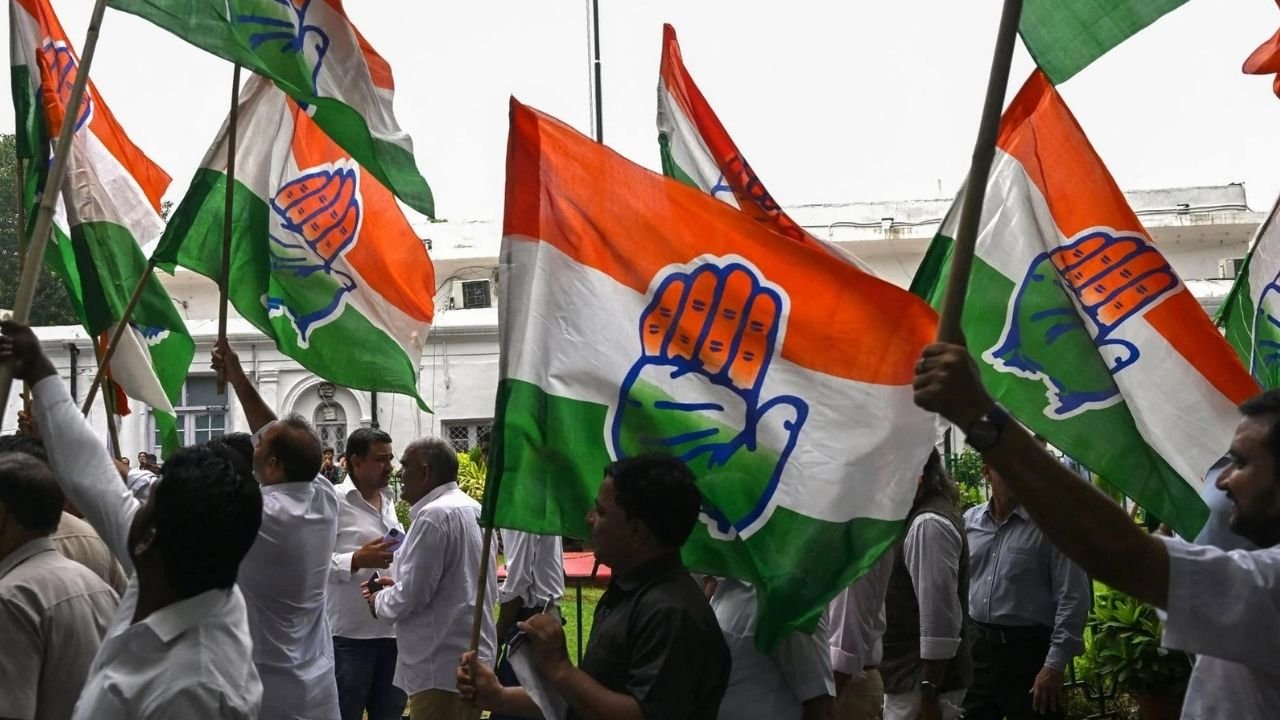
    India’s main opposition party Congress vowed Friday to protect minorities – generally seen as a reference to the country’s Muslims – while accelerating growth and jobs in a manifesto for an election it is widely expected to lose.

    Nearly a billion Indians will vote to elect a new government in six-week-long parliamentary elections starting on April 19, the largest democratic exercise in the world.

    Many analysts see Prime Minister Narendra Modi’s re-election under his Hindu nationalist Bharatiya Janata Party (BJP) banner as a foregone conclusion.

    Congress led India’s independence struggle and dominated politics for most of the next seven decades but its secularist vision has since struggled against the BJP’s appeal to members of India’s majority faith.

    In its manifesto, Congress promised to protect “linguistic and religious minorities”.

    “The plurality of religions represents the history of India,” it said. “History cannot be altered.”

    India has a long and grim history of sectarian clashes between the country’s Hindu majority and Muslims, its biggest minority faith with 200 million members.

    Party leader Rahul Gandhi — the son, grandson and great-grandson of prime ministers — said the upcoming election was “fundamentally different” from any other in India’s history.

    “It is between those who want to end India’s constitution and democracy and those who want to save it,” he said.

    The Congress manifesto, titled a “justice document”, offered “concrete guarantees unlike Modi’s empty promises”, said lawmaker and lead author P Chidambaram.

    The party has promised to address India’s “massive unemployment” on a “war footing”, adding that it would earmark half of all government jobs for women.

    Young people voted for Modi in droves when he was first elected a decade ago after he said he would create 10 million jobs a year.

    But a recent International Labour Organization (ILO) report warned that India was hamstrung by a “grim” crisis, with unemployment on the rise.

    Congress proposed an unconditional annual cash transfer of Rs 100,000 ($1,200) “to every poor Indian family”, without precisely defining who would qualify.

    The BJP is yet to publish its own manifesto.

  • UN Rights Council considers call for halt to arms sales to Israel

    UN Rights Council considers call for halt to arms sales to Israel

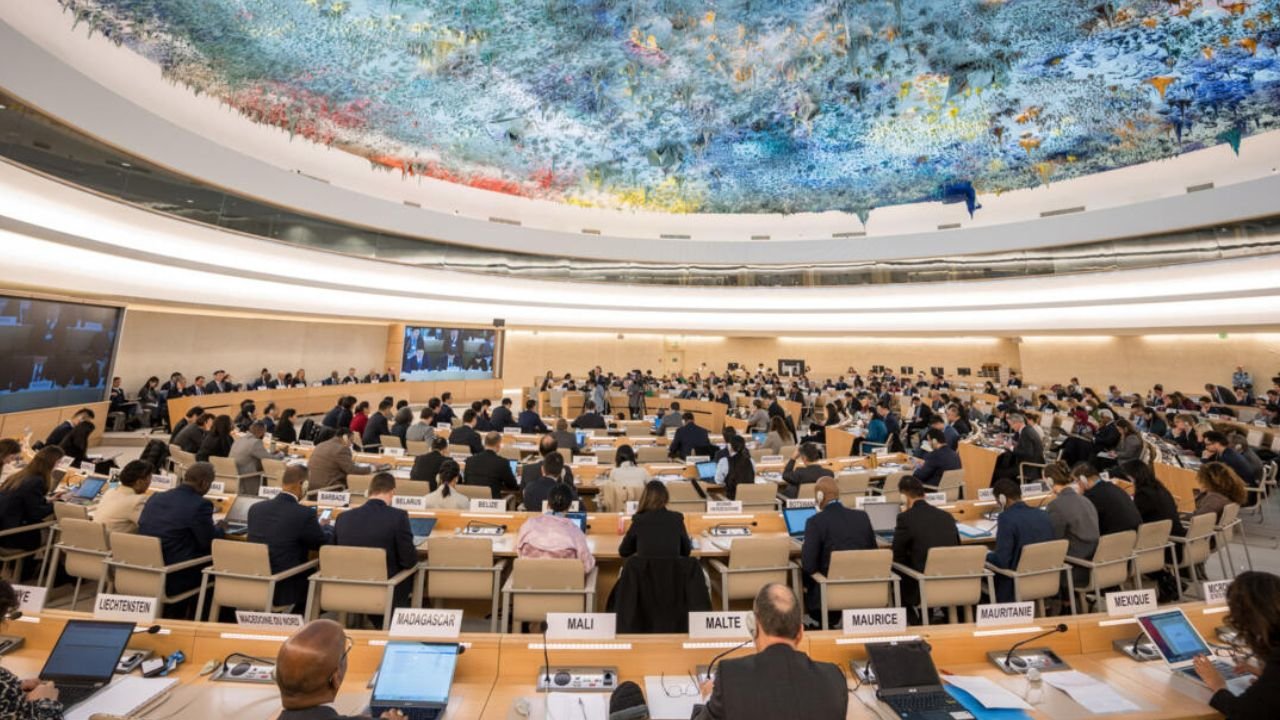
    The UN Human Rights Council was on Friday debating whether to demand a halt in arms sales to Israel, whose genocide in Gaza has killed more than 33,000 people.

    If the text is adopted, it would mark the first time that the United Nations’ top rights body has taken a position on the bloodiest-ever genocide to beset the besieged Palestinian territory.

    The draft text calls on countries to “cease the sale, transfer and diversion of arms, munitions and other military equipment to Israel”.

    This, it said, is needed among other things “to prevent further violations of international humanitarian law and violations and abuses of human rights”.

    It stresses that the International Court of Justice ruled in January “that there is a plausible risk of genocide” in Gaza.

    Friday’s draft resolution, which was brought forward by Pakistan on behalf of all Organisation of Islamic Cooperation (OIC) member states except Albania, calls for “an immediate ceasefire” and “for immediate emergency humanitarian access and assistance”.

    It comes after the UN Security Council in New York last week also finally passed a resolution calling for a ceasefire — thanks to an abstention from Washington, Israel’s closest ally and largest arms supplier.

    However, the ceasefire demand has had no impact on the ground.

    Palestinian militants also took more than 250 hostages on October 7, and 130 remain in Gaza, including 34 who the army says are dead.

    Israel’s retaliatory campaign has killed at least 33,037 people, mostly women and children, according to the health ministry in Gaza.

    The rights council draft resolution does not name Hamas but it does condemn the firing of rockets at Israeli civilian areas and demands “the immediate release of all remaining hostages”.

    The strongly worded text repeatedly names Israel, stressing it is “the occupying Power”.

    It demands that Israel end its occupation of all Palestinian territories and “immediately lift its blockade on the Gaza Strip and all other forms of collective punishment”.

    The text, which was revised late on Thursday removing several references to genocide, continues to express “grave concern at statements by Israeli officials amounting to incitement to genocide”.

    And it urges countries to “prevent the continued forcible transfer of Palestinians within and from Gaza”.

    It warns in particular “against any large-scale military operations in the city of Rafah” in the south of the densely populated Gaza Strip, where well over one million civilians are sheltering, warning of “devastating humanitarian consequences”.

    The draft resolution also condemns “the use of starvation of civilians as a method of warfare in Gaza”, where the UN has warned that famine is looming.

    And it slammed “the unlawful denial of humanitarian access, wilful impediment to relief supplies and deprivation of objects indispensable to the survival of civilians, including food, water, electricity, fuel and telecommunications, by Israel”.

    The text also condemns Israel’s “use of explosive weapons with wide area effects by Israel in populated areas in Gaza”.

    Friday’s draft resolution deplores the fact that Israel has persistently refused to cooperate with numerous investigations ordered by the UN rights council.

    And it insists on the “imperative of credible, timely and comprehensive accountability for all violations of international law” in Gaza.

    It calls on the Commission of Inquiry on the rights situation in the occupied Palestinian territories — the highest-level UN investigation launched prior to October 7 — to probe all “direct and indirect transfer or sale of arms, munitions, parts, components and dual use items to Israel, the occupying Power”.

    The team, it said, should identify the weapons used since October 7 and “analyse the legal consequences of these transfers”.

    The investigators should present their findings to the council at its 59th session, which will be held in mid-2025, it said.

  • Macron believes France, allies ‘could have stopped’ 1994 Rwanda genocide

    Macron believes France, allies ‘could have stopped’ 1994 Rwanda genocide

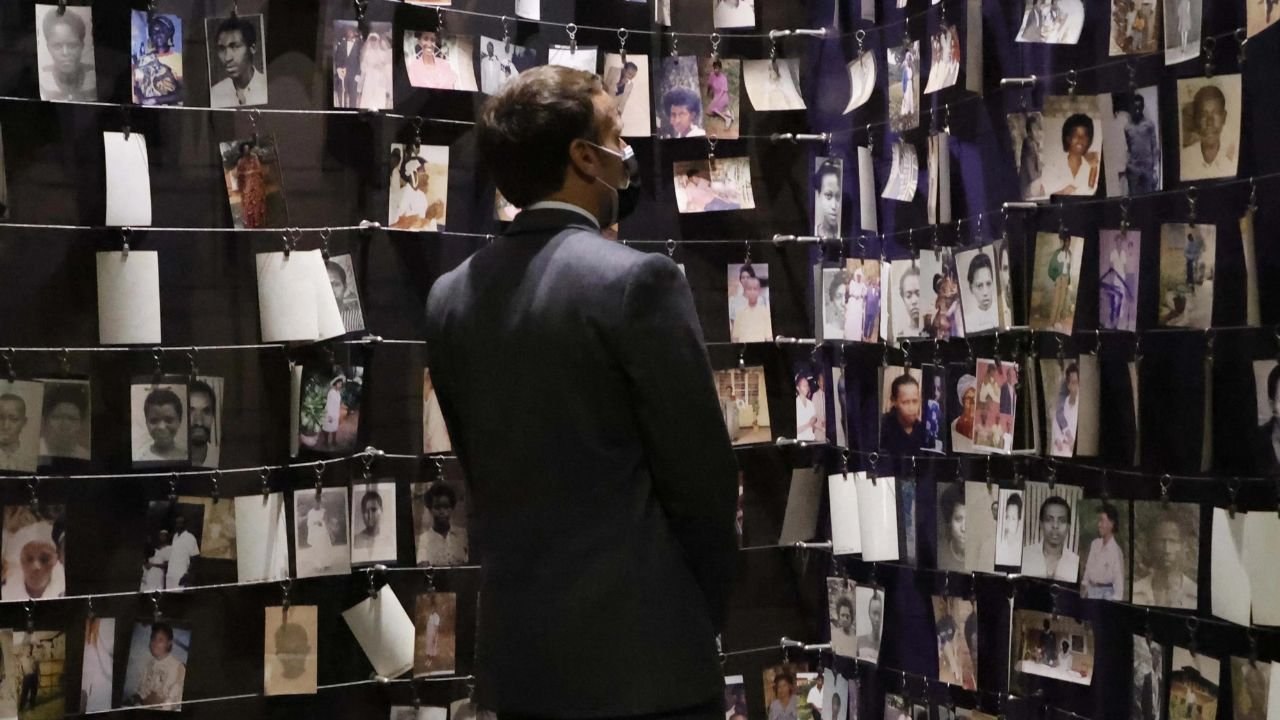
    President Emmanuel Macron believes France and its Western and African allies “could have stopped” Rwanda’s 1994 genocide but did not have the will to halt the slaughter of an estimated 800,000 people, mostly ethnic Tutsis, the presidency said on Thursday.

    In a video message to be published on Sunday to mark the 30th anniversary of the genocide, Macron will emphasise that “when the phase of total extermination against the Tutsis began, the international community had the means to know and act”, a French presidential official said, asking not to be named.

    The president believes that at the time, the international community already had historical experience of witnessing genocide with the Holocaust in World War II and the mass killings of Armenians in Ottoman Turkey during World War I.

    Macron will say that “France, which could have stopped the genocide with its Western and African allies, did not have the will” to do so, the official added.

    The president will not be heading to Kigali to attend commemorations of the genocide this Sunday alongside Rwandan President Paul Kagame, and France will instead be represented by Foreign Minister Stephane Sejourne.

    Macron, during a visit to Rwanda in 2021, recognised France’s “responsibilities” in the genocide and said only the survivors could grant “the gift of forgiveness”.

    But he stopped short of an apology and Kagame, who led the Tutsi rebellion that ended the genocide, has long insisted on the need for a stronger statement.

    A historical commission set up by Macron and led by historian Vincent Duclert also concluded in 2021 that there had been a “failure” on the part of France under former leader Francois Mitterrand, while adding that there was no evidence Paris was complicit in the killings.

    Marcel Kabanda, president of the Ibuka France genocide survivor association, welcomed Macron’s new message reported on Thursday.

    “It goes even further than the Duclert report or his message in Kigali” in 2021, he said.

    “I’m overjoyed he is giving France this positive image of a country that recognises its faults and grows through recognising its history,” he said.

    In his video message, Macron is to “reiterate the importance of the duty of remembrance, but also of developing and disseminating reference knowledge, in particular through the education of younger generations in France,” the presidency said.

  • McDonald’s to acquire franchised stores in Israel

    McDonald’s to acquire franchised stores in Israel

    McDonald’s Corporation said Thursday it will acquire Alonyal, which owns 225 McDonald’s restaurants in Israel which have been hit by calls for a boycott over Israeli genocide in Gaza.

    Terms of the transaction were not disclosed. McDonald’s said in a statement the deal was subject to conditions which it did not identify.

    Alonyal has operated McDonald’s restaurants in Israel for more than 30 years, today owning 225 franchised properties with more than 5,000 employees, who will be retained after the sale.

    In presenting its 2023 earnings report in February, McDonald’s said the war in Gaza that began in October with the Hamas attacks on Israel was weighing on its results.

    McDonald’s was targeted with boycott calls after the franchised restaurants in Israel offered thousands of free meals to Israeli soldiers.

    “We recognize that families in their communities in the region continue to be tragically impacted by the war and our thoughts are with them at this time,” Chief Executive Chris Kempczinski said in an analyst call.

    He said the impact of the boycott was “meaningful,” without elaborating.

    McDonald’s fourth quarter sales disappointed analysts. In franchised restaurants outside the United States, comparable sales fell 0.7 percent.

    “Obviously the place that we’re seeing the most pronounced impact is in the Middle East. We are seeing some impact in other Muslim countries like Malaysia, Indonesia,” said Kempczinski.

    This also happened in countries with large Muslim populations such as France, especially for restaurants in heavily Muslim neighborhoods, he said.

    McDonald’s shares were down nearly 2 percent in after-market trading Thursday.

  • Taliban government in Kabul urges Islamabad to show restraint over Afghan migrants

    Taliban government in Kabul urges Islamabad to show restraint over Afghan migrants

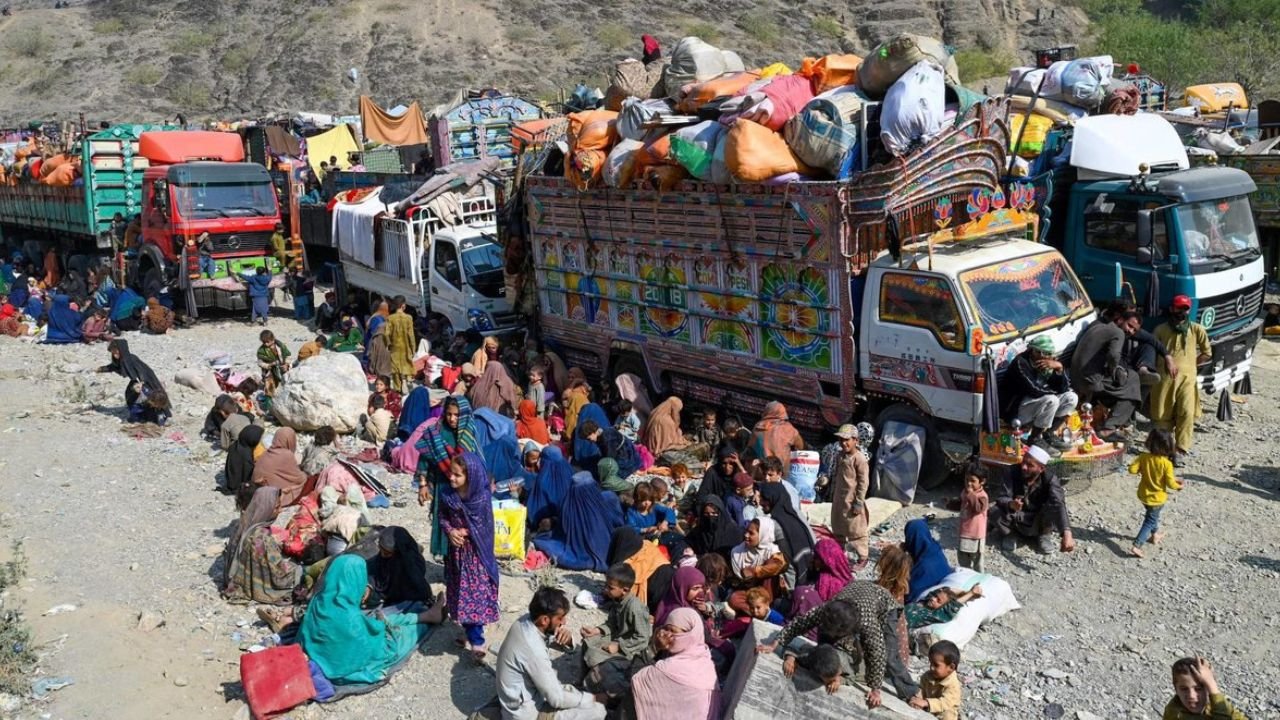
    Taliban authorities urged Pakistan on Thursday not to make a unilateral decision on repatriating Afghan migrants, saying they shouldn’t be “harassed,” after reports Islamabad would renew an eviction campaign.

    More than half a million Afghans fled Pakistan last year after the former government ordered undocumented migrants to leave or face arrest as Islamabad-Kabul relations soured over security.

    Islamabad initially set a November 2023 deadline but official sources, who asked not to be identified, told AFP in March that Pakistan is gathering data on Afghan migrants – including those residing legally in the country – ahead of a renewed push slated to start after the Islamic holy month of Ramadan.

    A final decision has not been made on a repatriation push, according to Pakistan officials, but the Afghan deputy minister for refugees urged restraint in a meeting with a top Pakistani diplomat in Kabul.

    “The issue of refugees is bilateral and decisions regarding them should be made through an understanding between both countries,” said Abdul Rahman Rashed, according to a ministry statement on social media platform X on Thursday.

    “They shouldn’t be harassed until a joint mechanism is reached.”

    Taliban authorities have urged Afghans to return home since taking power in 2021 but they also have condemned Pakistan’s actions, saying nationals are being punished for tensions between Islamabad and Kabul, and have called for people to be given more time to leave.

    Millions of Afghans have poured into Pakistan over the decades, fleeing successive conflicts and political upheaval.

  • Apple explores making personal robots: report

    Apple explores making personal robots: report

    Apple engineers are working on making personal robots, a report said on Wednesday, just weeks after the iPhone-maker abandoned its efforts to develop an electric car.

    The tech titan has people working on a robot that would follow people around at home and be helpful, according to Bloomberg that cited unnamed people familiar with the situation.

    The project was in a nascent stage and it was unclear whether it would lead to a product sold by Apple, the report indicated.

    Apple did not reply to a request for comment.

    The California-based company has been looking for new ways to make money beyond its iPhones and the digital content and services it sells to users.

    Apple recently abandoned its ambitions to produce an electric car, according to US media reports, ending a struggling decade-long project.

    It has never publicly disclosed its EV plans, despite a steady drip of media leaks over the years.

    Apple is reported to have transferred employees from the shuttered car division to generative artificial intelligence projects.

    The robot project is being overseen by Apple’s hardware engineering division and its AI and machine learning group, Bloomberg reported.

    The report came as analysts are keen to hear what progress Apple is making with AI at the company’s annual WWDC developers gathering at its Silicon Valley campus in June.

    Around the world, major tech companies including Google, Microsoft, Meta and Amazon are rapidly pursuing the development and deployment of AI products.

  • ‘Shocking increase’ of children denied aid in conflicts: UN

    ‘Shocking increase’ of children denied aid in conflicts: UN

    A growing number of children caught up in armed conflicts around the globe are being denied access to critical humanitarian aid, a United Nations official warned Wednesday, as relief operations come under attack or are blocked by governments.

    The last report by the UN secretary-general on the rights of children in conflicts, published in June 2023, recorded nearly 4,000 confirmed cases of aid being denied to children, from Gaza to Yemen, Afghanistan and Mali.

    “Data gathered for our forthcoming 2024 report shows we are on target to witness a shocking increase of the incidents of the denial of humanitarian access globally,” Virginia Gamba, the secretary-general’s special representative for children and armed conflict, told the Security Council Wednesday.

    She said last year’s figure already represented an “exponential” increase since 2019.

    “Cases of denial of humanitarian access are linked to the restriction of humanitarian activities and movements; interference with humanitarian operations and discrimination of aid recipients; direct and indiscriminate attacks on civilian infrastructure; disinformation and detention, violence against, and killing of, humanitarian personnel; and looting,” Gamba said.

    She did not specify which countries would be singled out in the 2024 report, set to be released this summer.

    Nearly half of the cases in last year’s report — 1,861 — were of Israeli forces denying aid to children in Gaza.

    That report came before the October 7 attack by Hamas militants on southern Israel and the ensuing all-out war in Gaza.

    The UN has since repeatedly denounced restrictions Israel has put on aid entering the war-torn territory.

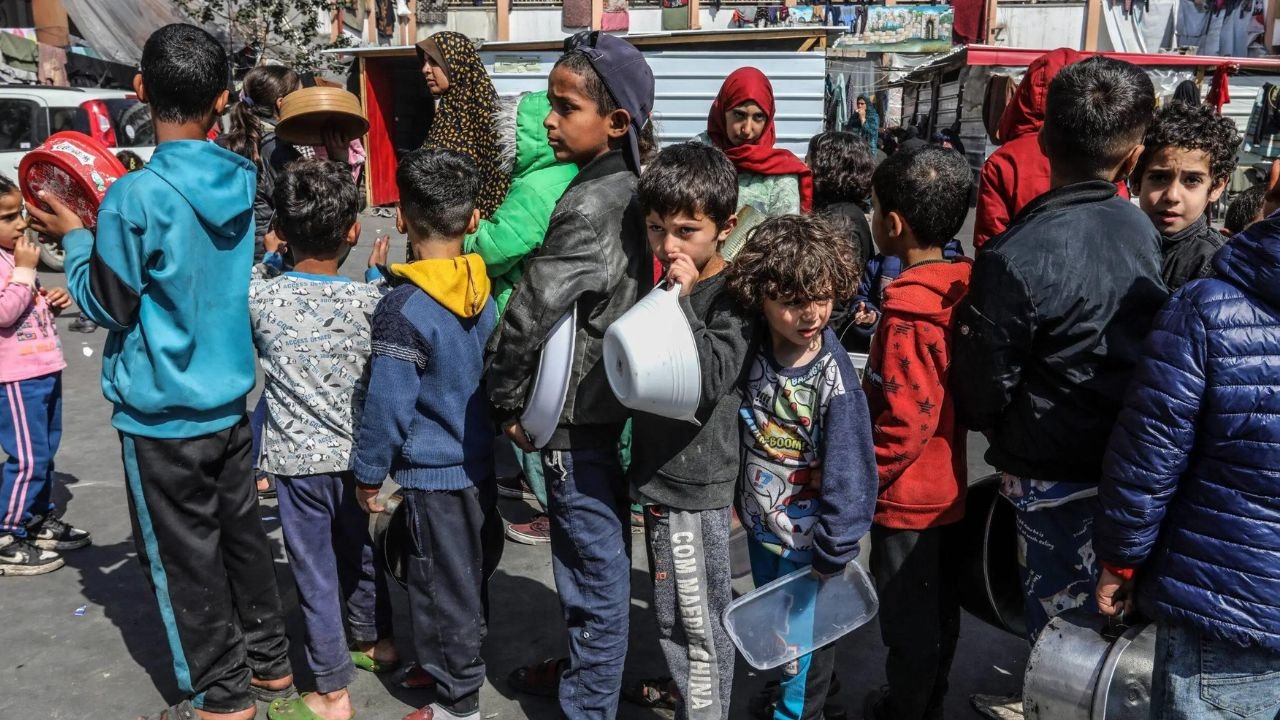
    “As a result of these constraints, children cannot access age-appropriate nutritious food or medical services and have less than two to three liters of water per day,” UNICEF deputy executive director Ted Chaiban told the Council.

    “The consequences have been clear,” Chaiban said, noting that one in three children in northern Gaza  under two years old suffer from acute malnutrition, “a figure that has more than doubled in the last two months.”

    Apart from Gaza, he also highlighted the threats to children’s access to humanitarian aid in Sudan and Burma.

    In addition to access to humanitarian aid, the UN’s report on children and armed conflict also lists the number of children killed and wounded, as well as attacks on hospitals and schools.

    From all the data points, the report draws up a “list of shame” of government forces and other armed groups responsible for the violations.

    Last year’s report listed Russia’s military over its attacks on Ukraine, but excluded Israel, angering several NGOs which have called for its inclusion for years.

  • Online hate sows Muslim fears as India votes

    Online hate sows Muslim fears as India votes

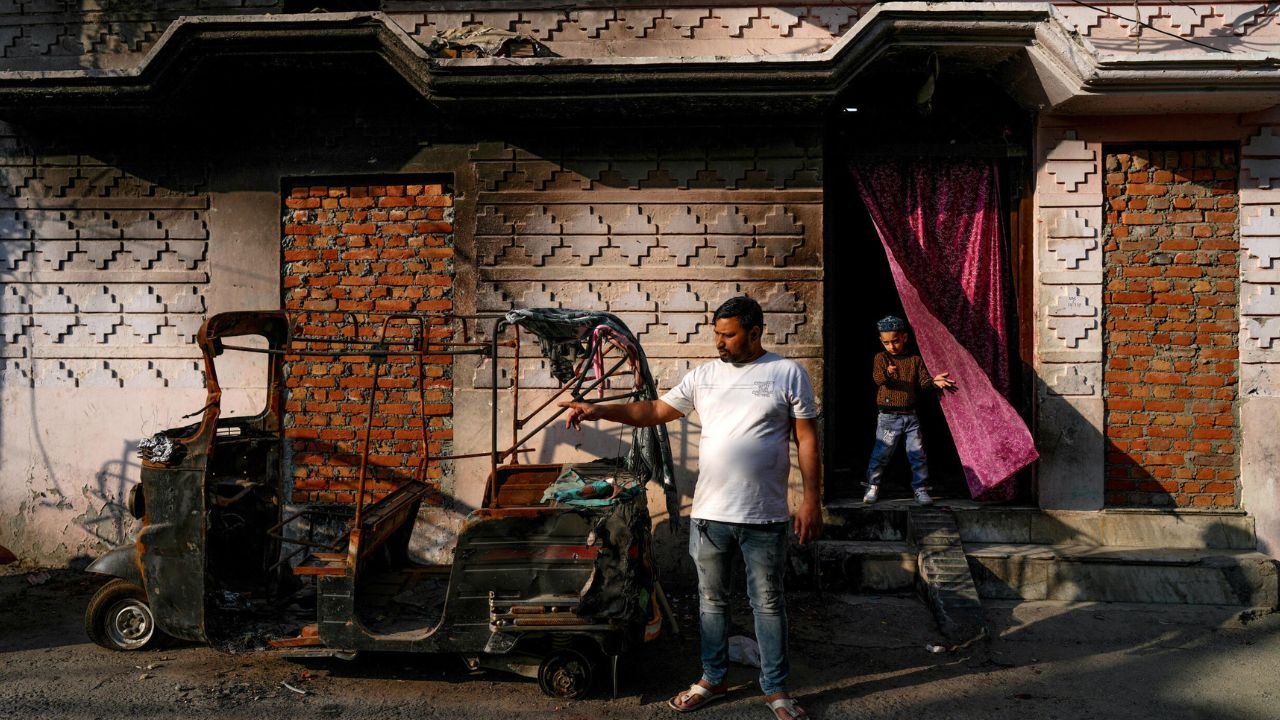
    Haldwani (India) (AFP) – After his brother was murdered in anti-Muslim riots, Pervez Qureshi watched the videos he believes incited the killers, part of a wave of hatred being fomented on social media ahead of India’s elections.

    India has a long and grim history of sectarian clashes between the Hindu majority and its biggest minority faith, but analysts warn increasingly available modern technology is being used to deliberately exploit divisions.

    “Videos and messages were shared on Facebook and WhatsApp which contained inflammatory language and incitement to violence,” Qureshi told AFP, recalling the attack on his brother Faheem in February in the northern city of Haldwani in Uttarakhand state.

    “It poisoned the atmosphere.”

    Nearly 550 million more Indians have access to the internet than when Prime Minister Narendra Modi came to power a decade ago, according to figures from the Internet and Mobile Association of India.

    Modi’s Hindu-nationalist Bharatiya Janata Party (BJP) is widely expected to win a third term in elections that begin on April 19.

    Part of his popularity can be attributed to his party’s masterful online campaign team, staffed by thousands of volunteers who champion his good deeds and achievements.

    Modi’s use of social media “awakens nationalism and patriotism among the youth in every corner of the country”, said Manish Saini, a youth leader of a BJP “IT Cell” in Uttarakhand state, who works online to reach voters.

    ‘Atmosphere of hatred’

    Critics however accuse the BJP’s sophisticated social media apparatus of also fanning the flames of division.

    Haldwani community leader Islam Hussain said tensions were already high before February’s violence, after months of incendiary social media posts calling Muslims “outsiders”.

    “It was said that due to the increasing population of Muslims, the social demography of Uttarakhand is changing”, Hussein said.

    “Right-wing social media cells have a big role in creating an atmosphere of hatred against Muslims.”

    Clashes erupted after the authorities said a mosque had been built illegally, and a Muslim group gathered to prevent its demolition.

    Some hurled stones at police officers, who beat them back with batons and tear gas.

    Hindu residents gathered to cheer on the police clampdown, chanting religious slogans and throwing rocks at the crowd.

    Footage of the riots spread swiftly on social media.

    Egged on by online calls to mobilise, Hindu mobs rampaged through the streets.

    “It’s time to teach them a lesson,” read the caption to one of dozens of inflammatory posts, many of which remain online.

    “The time has come to beat Muslims.”

    Qureshi said his brother Faheem, 32, was killed by Hindu neighbours after they first torched his car.

    ‘Triggers an incident’

    But Saini, coordinator for the BJP’s youth wing, said the online team he leads does not encourage violence — and is under strict instruction not to “write anything against anyone’s religion”.

    He said his colleagues had mobilised quickly on the day riots broke out to provide information, not to stir up trouble.

    “When we got the news, we immediately started preparing graphics, videos and text messages to reach people with the correct and accurate information related to the incident,” he said.

    He said the initial violence was clashes between police and a Muslim group — and blamed Modi’s opponents for instigating riots to tarnish the government’s image.

    Critics disagree.

    Raqib Hameed Naik, from research group Hindutva Watch, said that the BJP’s IT Cell had generated anger towards minorities, by promoting the government’s Hindu-nationalist agenda.

    Naik, who documents hate speech against religious minorities, said the social media messages spreading during the Haldwani violence followed a pattern seen in previous riots.

    “First, hate speech against Muslims by a Hindu activist or politician creates an atmosphere… then the hate speech triggers an incident,” Naik said.

    Afterwards, online Hindu-nationalist campaigners “hold Muslims responsible” for the violence, he added.

  • Pakistan facing 30 percent water shortage for sowing season

    Pakistan facing 30 percent water shortage for sowing season

    Pakistan is facing a 30 percent water shortage at the start of the sowing season for cash crops such as rice and cotton, the country’s water regulator said.

    The Indus River System Authority (IRSA) said the gap is based on lower-than-normal winter snowfall in Pakistan’s northern glacier region, affecting catchment areas of the Indus and Jhelum Rivers that are used for irrigation.

    Kharif crops, or monsoon crops, including rice, maize, sugarcane and cotton are sown in April and require a wet and warm climate with high levels of rainfall.

    “There was less snow than normal as a result of climate change affecting the country’s glaciers,” Muhammad Azam Khan, assistant researcher with IRSA, which regulates the distribution of water resources along the Indus river, told AFP on Wednesday.

    “This will have a direct impact on the availability of water for kharif crops in the summer.”

    The water shortage gap is expected to narrow as the monsoon rains arrive later in the season.

    However, the country’s meteorological department has also forecast higher than normal temperatures during monsoon season, increasing uncertainty.

    Agriculture is the largest sector of Pakistan’s economy, contributing about 24 percent of its GDP.

    But it has been criticized for being water inefficient.

    “What this current water shortfall means for the crops is that authorities will have to better plan on how to utilize the water that is allotted to them,” said IRSA’s Khan.

    Pakistan, the world’s fifth-largest country with a population of more than 250 million, has recently been grappling with the profound impacts of climate change which includes shifting and unpredictable weather patterns.

    Devastating floods in 2022 — which scientists linked to climate change — that affected more than 30 million people also severely impacted Pakistan’s cotton crop that year.