Author: afp

  • ‘Katespiracy’ explodes after UK royal photo gaffe

    ‘Katespiracy’ explodes after UK royal photo gaffe

    The picture was meant to douse speculation about the whereabouts and health of Britain’s Catherine, Princess of Wales, but instead her manipulated image unleashed a torrent of internet-breaking rumors and conspiracy theories.

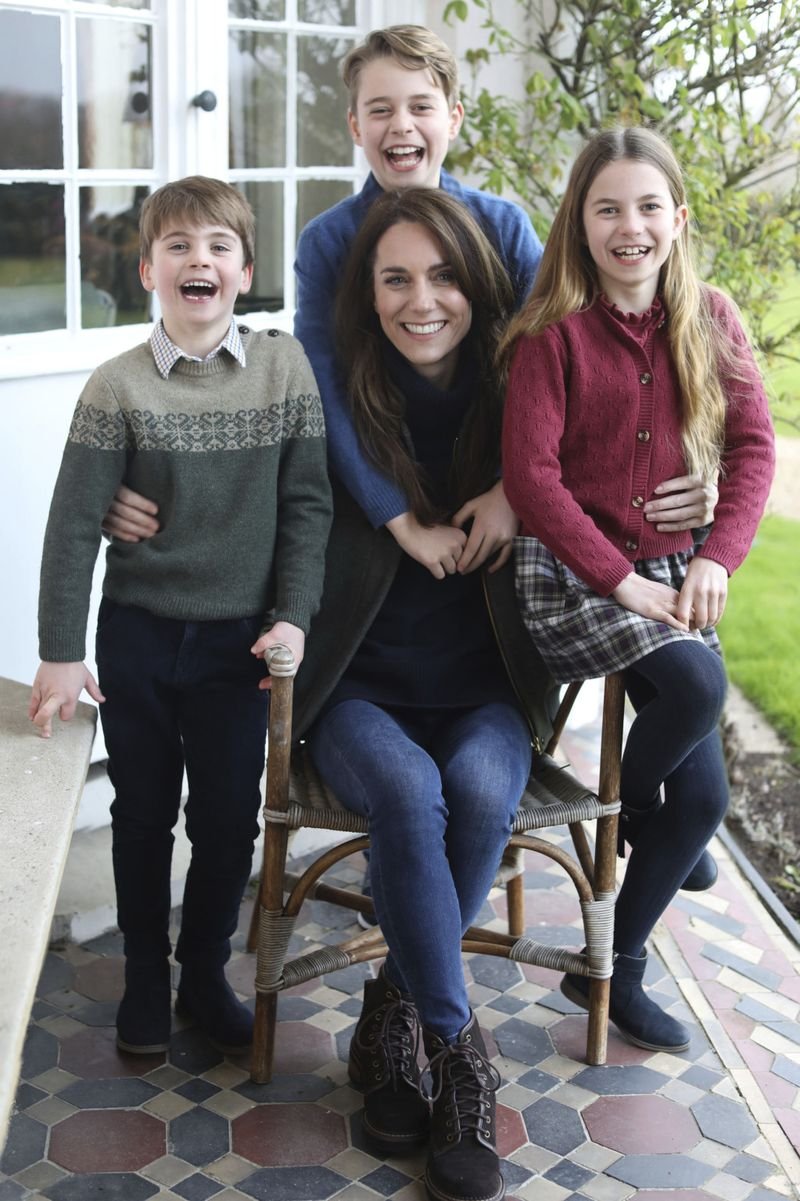
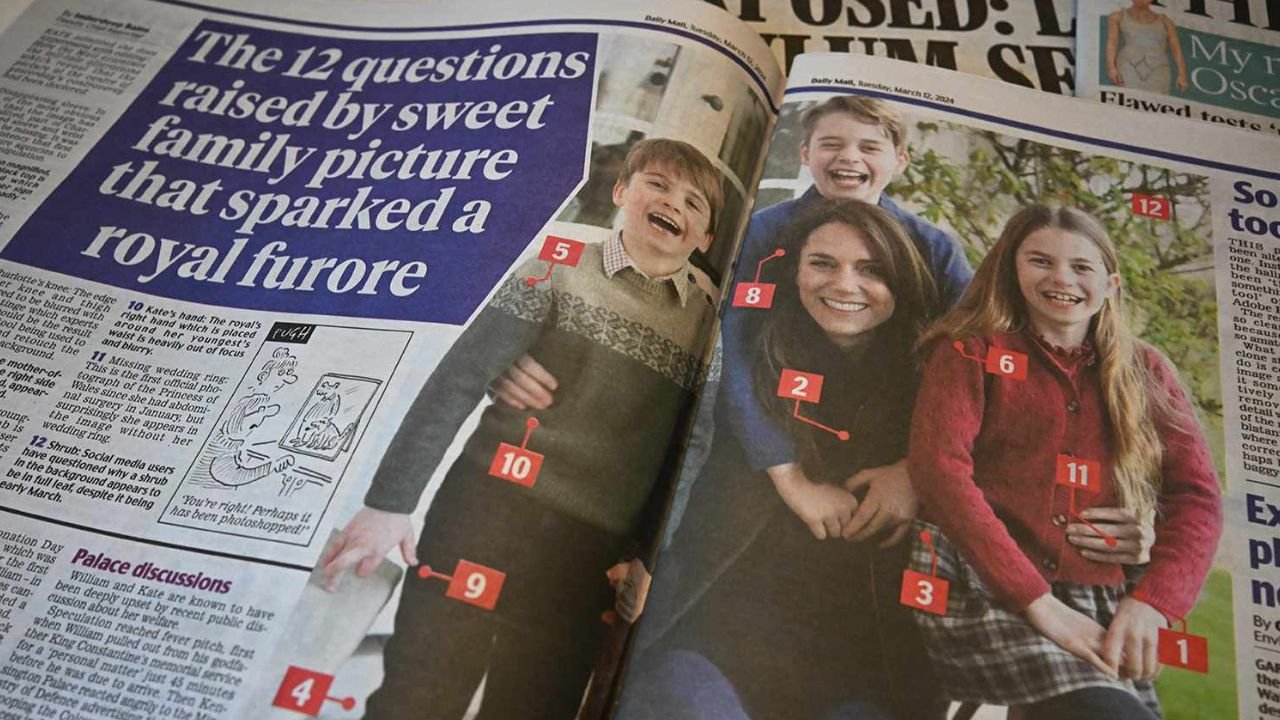
    The storm in the royal tea pot erupted after Kate, 42, on Monday apologized and admitted to editing a palace-issued photograph of herself with her three children after the altered image was withdrawn by news agencies including AFP.

    The fiasco gave way to a fresh swirl of speculation about the British royal — dubbed online as “Katespiracy” — laying bare the fragility of the digital landscape in the age of rampant disinformation that has eroded trust and turned social media users into amateur sleuths.

    The internet guessing game had already begun after the princess was not seen in public since attending a Christmas Day church service and underwent abdominal surgery in January.

    Amid a vacuum of information, online posts speculated whether her marriage to William, heir to the British throne, was on the rocks. Others pondered whether Kate was recovering from an eating disorder or the cosmetic procedure known as a Brazilian butt lift — while some wondered whether she were even alive.

    Proof of life landed on Sunday, when the palace released a photograph they said was recently snapped by William, but eagle-eyed social media users began tearing it apart for inconsistencies, such as a misaligned zipper on Kate’s jacket.

    The inconsistencies were so clear that several global news agencies, including AFP, pulled the picture from publication.

    Then the rumor mill began spinning even faster after the princess declared in a statement that, whoops, she had edited the photograph — without disclosing the reasons for doing so or what she had edited out.

    “The moral of the editing of the royal picture is simple. Tell all,” wrote Guardian newspaper columnist Simon Jenkins.

    “At this stage, privacy does not work. It breeds rumour, gossip and fabrication.”

    Internet rabbit holes

    That is exactly what happened. Social media exploded with memes exploring what the palace was hiding.

    “Every family hides a secret,” read the text inscribed in one photo swirling on Twitter, now X, designed as a promo for a fictitious Netflix show titled: “Royal Conspiracy. The disappearance of Kate Middleton.”

    Kensington Palace declined to release an unedited copy of the photograph, prompting social media detectives to go down new rabbit holes.

    Some observers called it the Streisand effect, royal edition — the palace secrecy and botched PR had made the speculation about Kate worse, leaving even those who typically steer clear of such gossip hooked.

    There were questions about whether or not it was actually Kate who had edited the image.

    Some turned to horticulturists, demanding to know the plant in the background of the altered photograph, as it looked suspiciously leafy for this time of the year in England.

    A breed of self-declared Kate Middleton Truthers demanded to know her whereabouts, while some speculated –- with a dash of humor — whether she had ditched her family to do an intensive Photoshop course.

    An entreaty from royal sympathizers seemingly went ignored as they insisted Kate was entitled to her privacy and should to be left alone.

    ‘Transparency’

    The manipulated image dropped at a time when concerns around false or misleading visual information are at an all-time high, particularly following the rapid advances in generative artificial intelligence.

    “People now feel a pervasive, low-grade disorientation, suspicion, and distrust,” US writer Charlie Warzel wrote in the Atlantic Monthly.

    “As the royal photo fiasco shows, the deepfake age doesn’t need to be powered by generative AI — a hasty Photoshop will do.”

    The furore also prompted many to ask whether British royals had altered images before, with media outlets such as CNN saying they were reviewing all handout photos previously provided by Kensington Palace.

    The climate of online distrust has spurred new calls for transparency, even among British royal family members with a long tradition of secrecy.

    Last month, King Charles III, Kate’s father-in-law, won plaudits for publicly announcing his cancer diagnosis.

    But many health experts faulted him for not declaring the type of cancer, a move that would have encouraged members of the British public to emulate him and get themselves examined.

    “If the royals really want to model important values to the nation, they should start by overhauling their approach to media in favour of transparency (and) scrupulous honesty,” Catherine Mayer, author of the book “Charles: The Heart of a King,” wrote on X.

    “They should stand against disinformation, not contribute to it.”
  • Hezbollah Launched Over 100 Rockets At Israeli Positions

    Hezbollah Launched Over 100 Rockets At Israeli Positions

    Lebanon’s Hezbollah said Tuesday it launched over 100 rockets at Israeli military positions in retaliation for a strike on the country’s east that killed one person the day before.

    Hezbollah and Israel have exchanged near-daily cross-border fire since the genocide in Gaza erupted in October, but several Israeli strikes have recently hit Hezbollah positions further north, raising fears of a full-blown conflict.

    Hezbollah launched “more than a hundred katyusha rockets” Tuesday morning at two military bases in the occupied Golan Heights, the group said in a statement.

    This was “in response to the Israeli attacks on our people, villages and cities, most recently near the city of Baalbek and the killing of a citizen”, it added.

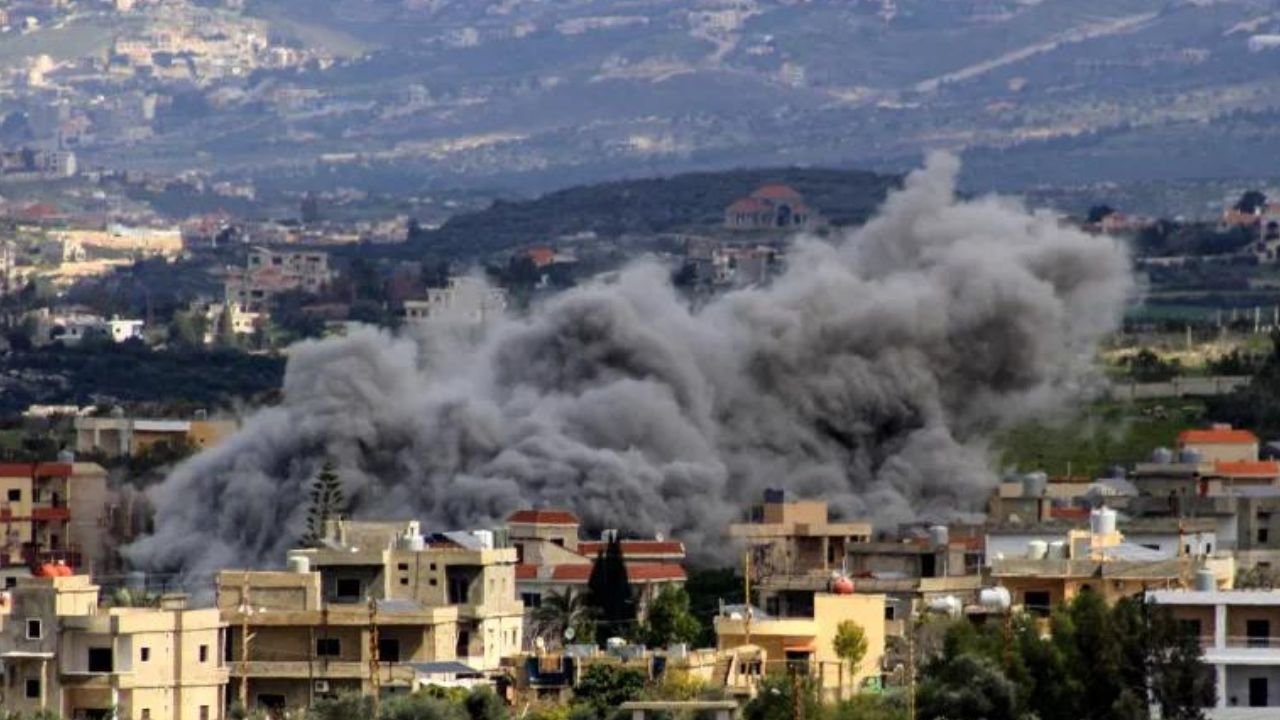
    On Monday, Israeli air strikes near Lebanon’s eastern city of Baalbek killed one person, in the second raid on the Hezbollah stronghold since cross-border hostilities began.

    The Israeli military confirmed its jets had hit two sites belonging to “Hezbollah’s aerial forces” in retaliation for strikes on the occupied Golan Heights over several days.

    On February 26, Israeli strikes targeted Baalbek, some 100 kilometres (60 miles) from the border, killing two Hezbollah members.

    Earlier on Tuesday, Hezbollah said its chief Hassan Nasrallah met with Khalil al-Hayya, a leading member of Hamas’s political bureau.

    They discussed ceasefire talks for the Gaza war, as well as attacks by Hamas’s regional allies to support its war efforts, the Hezbollah statement said.

    Nasrallah is due to give a televised speech on Wednesday.

    Hezbollah has repeatedly said it will only stop its attacks on Israel with a ceasefire in Gaza.

    But Israeli Defence Minister Yoav Gallant recently said any truce in Gaza would not change Israel’s goal of pushing Hezbollah out of southern Lebanon, by force or diplomacy.

    Since the increased Israeli attacks on Gaza following October 7, at least 317 people, mainly Hezbollah fighters but also 54 civilians, have been killed in Lebanon, according to an AFP tally.

    In Israel, at least 10 soldiers and seven civilians have been killed in the cross-border hostilities.

  • European Countries That Allow Assisted Dying

    European Countries That Allow Assisted Dying

    France could become the next European country to legalise assisted dying for the terminally ill under a proposal set out by President Emmanuel Macron.

    In an interview with two French newspapers he suggested that adults with full control of their judgement, suffering an incurable and life-threatening illness in the short-to-medium term and whose pain cannot be relieved should be able to “ask to be helped to die”.

    Several other European countries already allow the terminally ill to receive help to end their lives.

    Here is a round-up of the situation:

    In April 2002, the Netherlands became the first country in the world to legalise active euthanasia, whereby doctors administer lethal doses of drugs to patients suffering from an incurable condition.

    It also legalised assisted suicide, where patients can receive help to voluntarily take their own life.

    The Dutch law said the patient must have “unbearable suffering with no prospect of improvement” and must have requested to die in a way that is “voluntary, well considered and with full conviction”.

    In 2012, the Netherlands expanded the law to authorise euthanasia for over-12s in great suffering, provided they have parental consent, and in 2020 to patients with severe dementia, if the patient had requested the procedure while still mentally competent.

    The Dutch government in April 2023 also approved euthanasia for children under 12 after years of debate, permitting mercy deaths for young minors suffering “unbearably and without hope”.

    Belgium was the second country to adopt euthanasia and assisted suicide in May 2002, and with similar caveats to the Dutch.

    In 2014 it went further than the Netherlands by allowing terminally ill children of all ages to also request the procedure, with the consent of their parents.

    Fellow Benelux country Luxembourg decriminalised euthanasia and assisted dying in 2009, followed by Spain in June 2021, which legalised both practices.

    Portugal in May 2023 adopted a bill decriminalising euthanasia, despite strong opposition from President Marcelo Rebelo de Sousa, a devout churchgoer.

    The law legalised euthanasia for people in great suffering and with incurable diseases.

    Switzerland, which prohibits euthanasia, has for decades allowed assisted suicide, making it the go-to destination for patients from around Europe looking for assistance to end their suffering.

    The growth of so-called “suicide tourism” has caused much soul-searching in Switzerland but the authorities decided in 2011 against restricting the practice.

    Neighbouring Austria, a staunchly Catholic nation, also legalised assisted suicide in 2022 after its constitutional court ruled the country was violating citizens’ fundamental rights in making it illegal.

    Italy’s constitutional court by contrast in February 2022 rejected a bid to hold a referendum on decriminalising assisted dying, judging that such a vote would fail to protect the weakest.

    But the court ruled that it should not always be punishable to help someone with “intolerable” physical or psychological suffering to commit suicide.

    The issue is also the subject of renewed public interest in Britain. In 2015, MPs voted overwhelmingly against allowing assisted dying but over 150,000 people have signed a petition calling for a new debate and vote.

  • S. Korea starts procedures to suspend licences of 4,900 striking doctors

    S. Korea starts procedures to suspend licences of 4,900 striking doctors

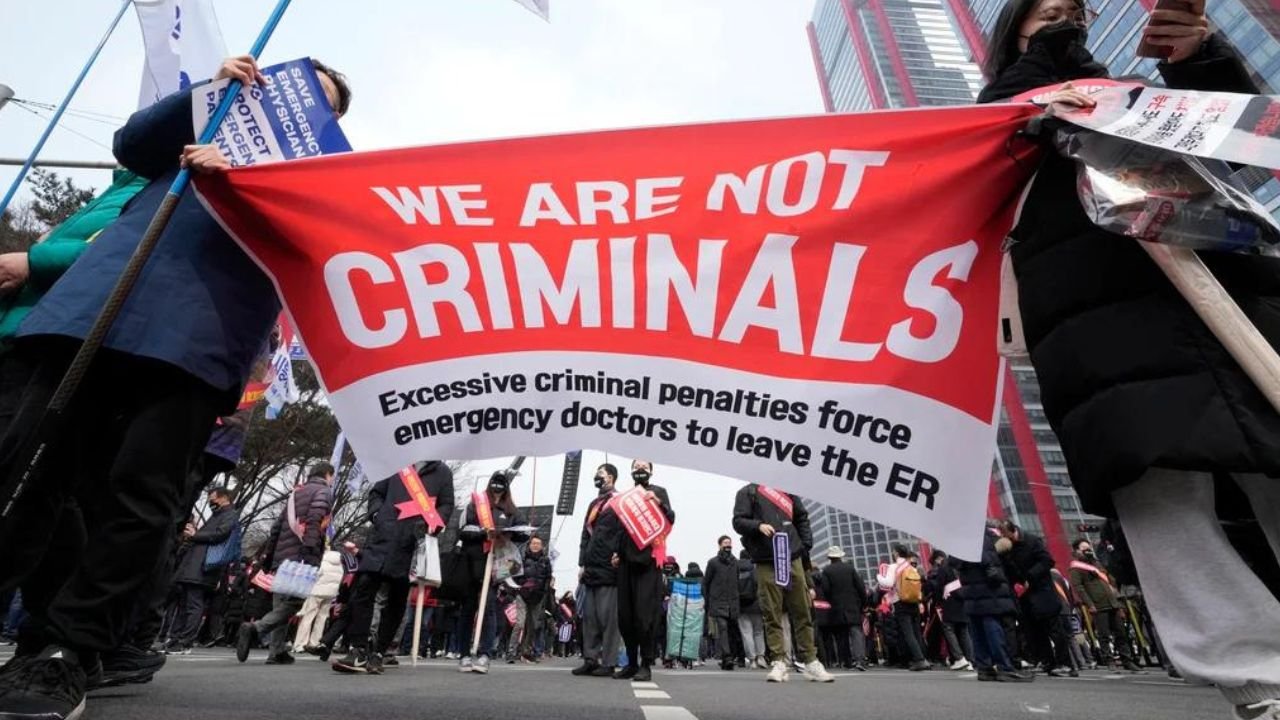
    South Korea said Monday it had started procedures to suspend the medical licenses of 4,900 junior doctors who have resigned and stopped working to protest government medical training reforms, causing health care chaos.

    The walkout, which started February 20, is over government plans to sharply increase the number of doctors, which it says is essential to combat shortages and South Korea’s rapidly aging population, while the medics argue it will erode service quality.

    Nearly 12,000 junior doctors — 93 percent of the trainee workforce — were not in their hospitals at the last count, despite government back to work orders and threats of legal action, forcing Seoul to mobilize military medics and millions of dollars in state reserves to help.

    The Health Ministry on Monday said it had sent administrative notifications — the first step to suspending the doctors’ medical licenses — to thousands of trainee doctors after they defied specific orders telling them to return to their hospitals.

    “As of March 8 (notifications) have been sent to more than 4,900 trainee doctors,” Chun Byung-wang, director of the health and medical policy division at the health ministry, told reporters.

    The government has previously warned striking doctors they face a three month suspension of their licenses, a punishment which, it says, will delay by at least a year their ability to qualify as specialists.

    Chun urged the striking medics to return to their patients.

    “The government will take into account the circumstance and protect trainee doctors if they return to work before the administrative measure is complete,” he said, indicating doctors who come back to work now could avoid the punishment.

    “The government will not give up dialogue. The door for dialogue is always open … The government will respect and listen to opinions of the medical community as a companion for the medical reforms,” he added.

    The government last week announced new measures to improve pay and conditions for trainee medics, plus a review of the continuous 36-hour work period, which is a major gripe of junior doctors.

    The strikes have led to surgery cancelations, long wait times and delayed treatments at major hospitals.

    Seoul has mobilized military doctors and earmarked millions of dollars of state reserves to ease service shortfalls, but has denied that there is a full-blown health care crisis.

    Military doctors will start working in civilian hospitals from Wednesday this week, Chun said.

    Under South Korean law, doctors are restricted from striking, and the health ministry has asked police to investigate people connected to the work stoppage.

    The government is pushing to admit 2,000 more students to medical schools annually from next year to address what it calls one of the lowest doctor-to-population ratios among developed nations.

    Doctors say they fear the reform will erode the quality of service and medical education, but proponents accuse medics of trying to safeguard their salaries and social status.

  • First official image published of UK’s Princess Kate after surgery

    First official image published of UK’s Princess Kate after surgery

    Kensington Palace released the first official photo of Princess Kate on social media on Sunday, nearly two months after her abdominal surgery, during which she has stayed out of the public eye.

    The 42-year-old princess, whose husband Prince William is heir to the British throne, has been recovering mainly at their home in Windsor, west of London, since leaving hospital on January 29.

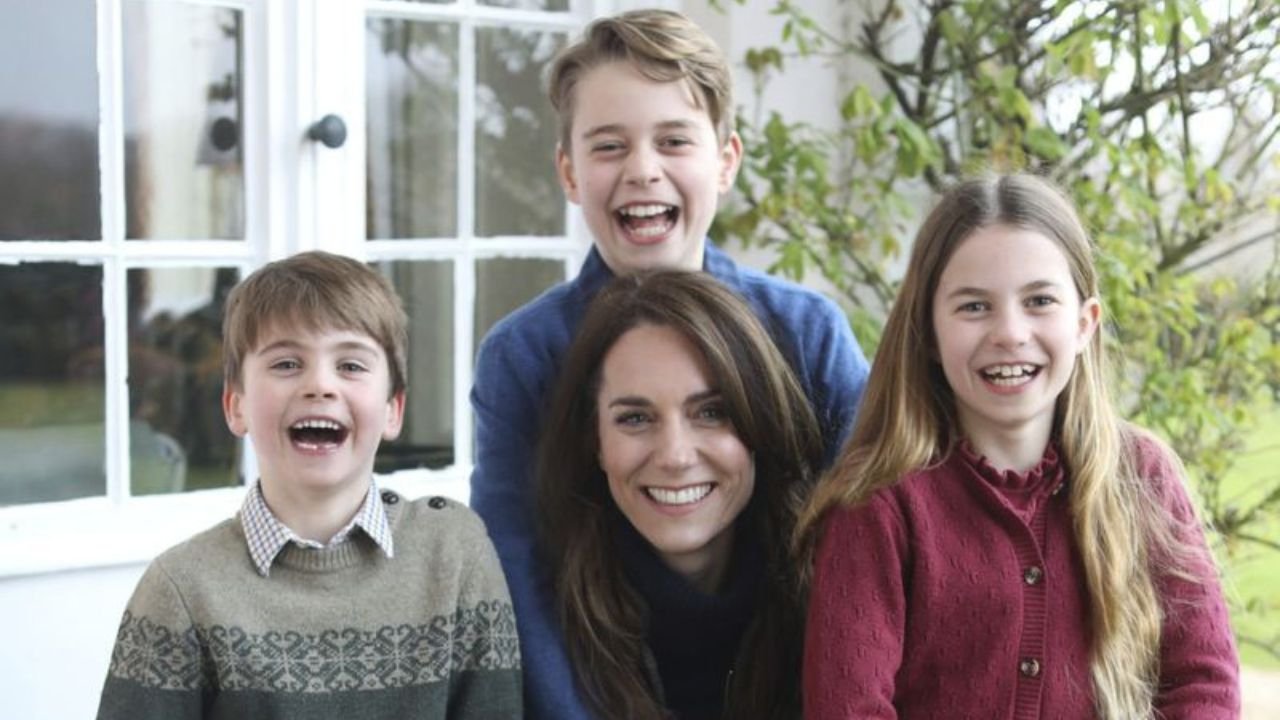
    The photo shows the Princess of Wales sitting on a garden chair, dressed in jeans, a sweater and a dark jacket, smiling, surrounded by her three laughing children, George, Charlotte and Louis.

    “Thank you for your kind wishes and continued support over the last two months,” read a message accompanying the photo on X.

    “Wishing everyone a Happy Mother’s Day,” said the message, which was signed “C” for Catherine.

    In a statement the palace clarified that the photo was taken “in Windsor earlier this week” by Kate’s husband, Prince William.

    The family photograph is the first official image of Kate released by the royal family since her hospitalisation at the London Clinic on January 16 for an abdominal surgery.

    The future queen was last pictured in public during a Christmas Day walk in Sandringham, eastern England.

    Photos published by TMZ earlier in March showed Kate wearing sunglasses while being driven in a car, with the celebrity news site saying they were taken Monday near Windsor Castle.

    UK media outlets including the Daily Mail and The Sun have chosen not to publish the photos.

    The sighting came after a flurry of conspiracy theories on social media over the famously hard-working and dutiful princess’s absence from the spotlight.

    The speculation came despite Kensington Palace clearly saying at the time of her surgery that she would be “unlikely to return to public duties until after Easter”.

    It also said the surgery was not related to cancer.

    Kate’s hospitalisation came almost simultaneously with the announcement that William’s father, King Charles, had been admitted for surgery for a benign prostate condition and subsequently diagnosed with an unrelated cancer.

    Charles, 75, visited his daughter-in-law’s bedside after being admitted himself on January 26.

    The king withdrew from public duties during his treatment, though he attended church services and held his weekly audience with the prime minister.

    – Camilla steps in –

    Charles’s wife Queen Camilla, 76, has been the most visible senior royal, stepping in to cover many of her husband’s public duties during his treatment.

    She is now on a break until March 11, when she is expected to join William and other senior royals at the annual Commonwealth Day service at Westminster Abbey.

    She is reported to be on holiday this week, effectively meaning all four of the most senior royals are out of action.

    The princess is one of the most popular members of the royal family.

    She and William have taken on more royal duties since his younger brother Prince Harry and his wife Meghan left for the United States in 2020, and the king’s brother Prince Andrew stepped back because of his friendship with the convicted sex offender Jeffrey Epstein.

  • Aid boat readied as Israeli attacks in Gaza rage before Ramadan

    Palestinian Territories – A boat laden with food for Palestinians in Gaza was “ready” to set sail from Cyprus, an NGO said Saturday, as Israeli military operations in Gaza raged.

    The sea route aims to counter aid access restrictions, which humanitarians and foreign governments have blamed on Israel, more than five months into the genocide which has left Gaza’s 2.4 million people struggling to survive.

    Hopes were fading fast for a pause in the fighting before Ramadan, which could begin as early as Sunday depending on the lunar calendar, as Israel accused Hamas of seeking to “inflame” the region during the Muslim fasting month.

    The United Nations has repeatedly warned of looming famine, particularly in north Gaza where no overland border crossings are open.

    In Rafah, in Gaza’s far south, “we can barely get water,” said displaced Palestinian woman Nasreen Abu Yussef.

    Roughly 1.5 million Palestinians have sought refuge in the city, where Atallah al-Satel said he wanted an end to the genocide.

    “We are just exhausted citizens,” said Satel, who had fled to Rafah from Khan Yunis.

    Spanish charity Open Arms said its boat, which docked three weeks ago in Cyprus’s Larnaca port, was “ready” to embark but awaits final authorisation.

    It would be the first shipment along a maritime corridor from Cyprus — the closest European Union country to Gaza — that the EU Commission hopes will open on Sunday.

    Open Arms spokeswoman Laura Lanuza told AFP that Israeli authorities were inspecting the cargo of “200 tonnes of basic foodstuffs, rice and flour, cans of tuna”.

    US charity World Central Kitchen, which has partnered with Open Arms, has teams in the besieged Gaza Strip who were “constructing a dock” to unload the shipment, Lanuza said.

    With ground access limited, countries have also turned to airdropping aid, although a parachute malfunction turned one delivery deadly on Friday.

    The health ministry in Gaza said three more children had died from malnutrition and dehydration, with the total number of such deaths now 23.

    ‘Only part of the solution’

    Another 82 people were killed in strikes over the previous day, the ministry said, bringing the number of deaths in Israel’s bombardment and ground offensive of Gaza to 30,960, mostly women and children.

    Israel’s campaign to destroy Hamas began after the movement’s October 7 attack on Israel resulted in about 1,160 deaths, mostly civilians, according to Israeli official figures.

    The UN’s World Food Programme has warned that the volume of aid that can be delivered by sea will do little if anything to stave off famine in Gaza.

    European Commission chief Ursula von der Leyen, in Larnaca on Friday, said a “pilot operation” would be launched in partnership with World Central Kitchen, supported by aid from the United Arab Emirates.

    A US effort for a “temporary pier” to receive aid off Gaza, which the Pentagon said would take up to 60 days to establish, builds upon the maritime corridor proposed by Cyprus, senior US officials said.

    Humanitarian workers and UN officials say easing the entry of trucks to Gaza would be more effective than aid airdrops or maritime shipments.

    The US military said it airdropped more than 41,000 meals into Gaza on Saturday, and Canada has said it too will join aerial aid delivery missions.

    But a steady flow of relief into Gaza was “only part of the solution”, said International Committee of the Red Cross chief Mirjana Spoljaric.

    The warring sides must do more to “safeguard civilian life and human dignity”, she said, decrying the “unacceptable” civilian death toll.

    ‘Tough’ truce talks

    After a week of talks with mediators in Cairo failed to produce a breakthrough, Hamas’s armed wing said it would not agree to a hostage-prisoner exchange unless Israeli forces withdraw.

    Israel has rejected such a demand.

    On Saturday, Prime Minister Benjamin Netanyahu’s office said Mossad spy agency chief David Barnea had met CIA director William Burns on Friday “as part of the ceaseless efforts to advance another hostage release deal”.

    US President Joe Biden acknowledged it would now be “tough” to secure a new truce deal in time for Ramadan.

    Saturday’s Israeli statement accused Hamas of “entrenching its positions like someone who is not interested in a deal and is striving to inflame the region during Ramadan”.

    Israeli military spokesman Daniel Hagari said Israel was preparing for “all possible operational scenarios” during the Muslim holy month.

    On the ground in southern Gaza, the Israeli army said fighting persisted in the area of Khan Yunis and Hamas authorities reported more than 30 air strikes overnight.

    Hamas chief Ismail Haniyeh called for the speedy distribution of aid to Gazans and for the full opening of border crossings “to end the siege of our people”.

    The war’s effects have been felt across the region, including off Yemen where Iran-backed Huthi rebels, who say they are acting in solidarity with Gazans, have repeatedly targeted ships plying the vital Red Sea trade route.

    US and allied forces shot down 28 one-way attack drones fired towards the Red Sea and Gulf of Aden on Saturday, the US military said, after one of the largest such rebel strikes.

    bur-srm/kir/ami

    © Agence France-Presse

  • Cambodia earns new world record for largest ‘Bridal Carry’

    Cambodia earns new world record for largest ‘Bridal Carry’

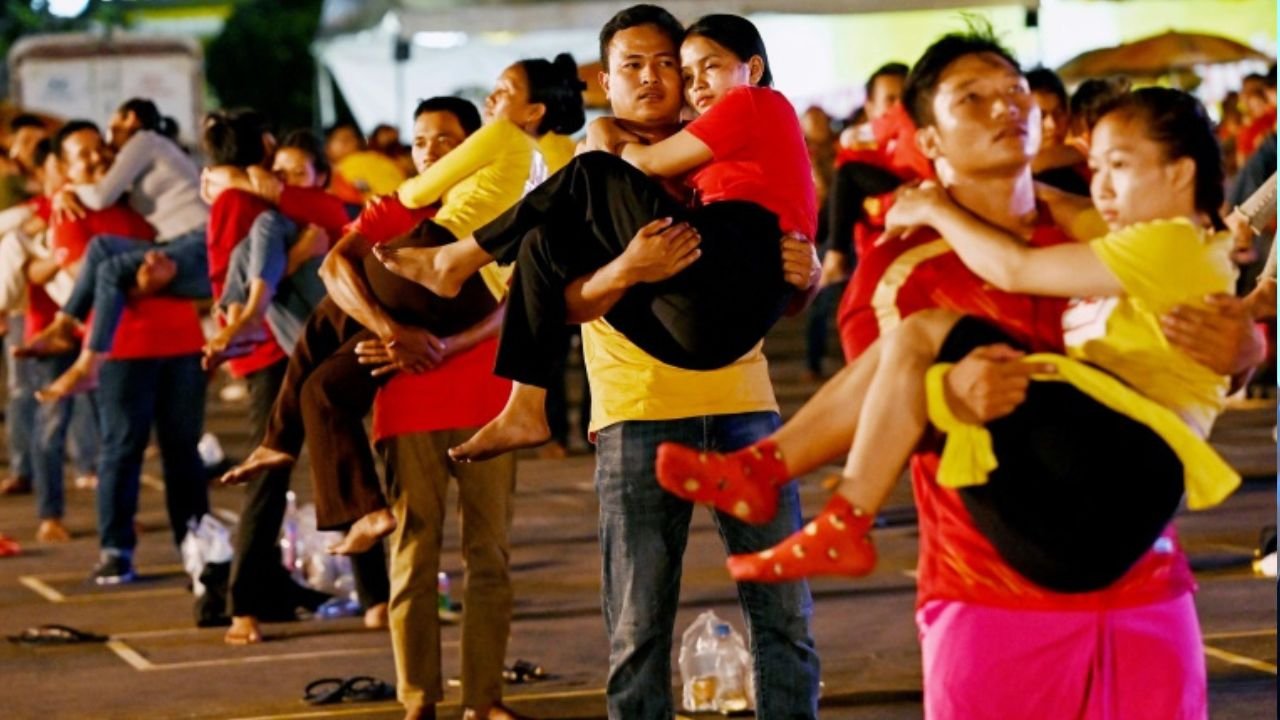
    Hundreds of Cambodians braved sticky tropical heat to set an unusual new world record: for the most people performing a “bridal carry” at the same time.

    Late on Friday, 245 men hoisted their partners – wives, girlfriends, sisters, or mothers – with one arm under the legs and one behind the back and held the position for a minute to set the mark, certified by Guinness World Records representatives.

    “I am so happy, it is my first time to participate in such an event to break a world record for Cambodia,” Sam Khan, 25, told AFP before carrying his wife.

    The event drew participants young and old.

    “I am so excited,” 50-year-old mother Heng Pov told AFP while being carried by her son.

    After setting the record, many of the participants carried on with the hold as part of a competition to win a new car.

    The “bridal carry” is so named for the way a groom in some cultures carries his bride over the threshold of their new home.

    This article was produced by AFP. For more information go to AFP.com.
    © Agence France-Presse

  • Asif Ali Zardari: ‘Artful dodger’ returns as Pakistan president

    Asif Ali Zardari: ‘Artful dodger’ returns as Pakistan president

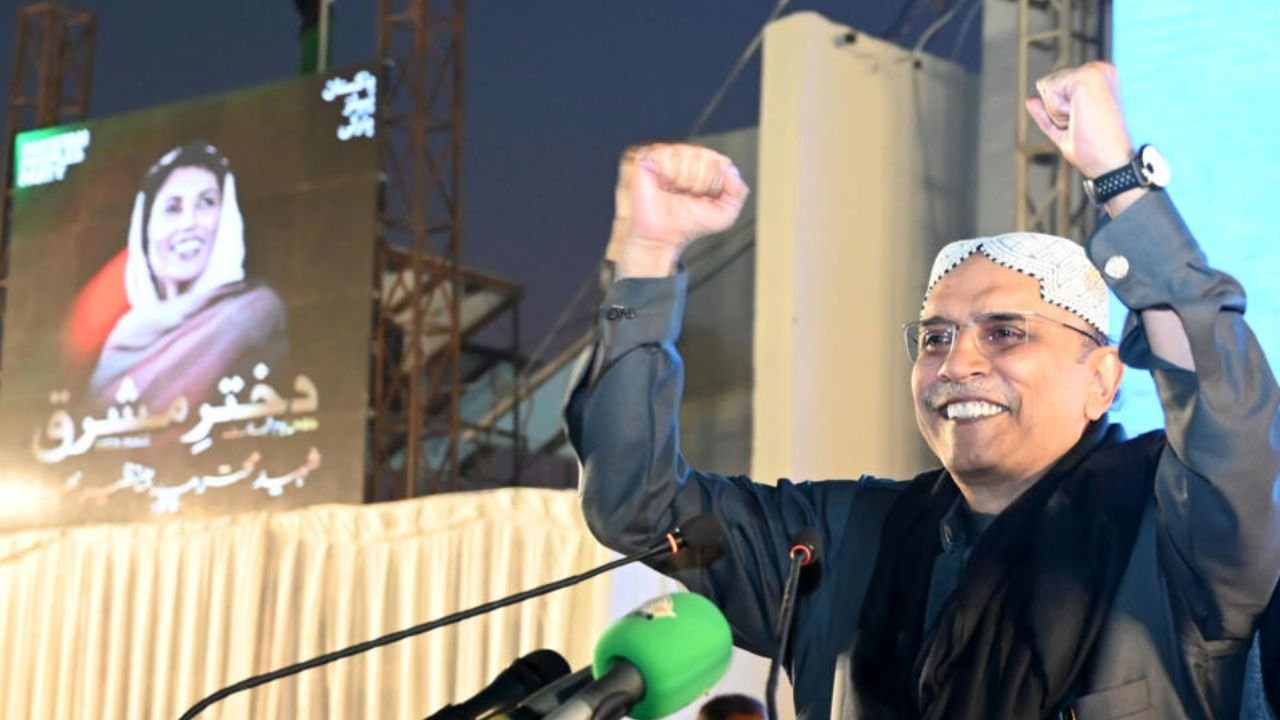
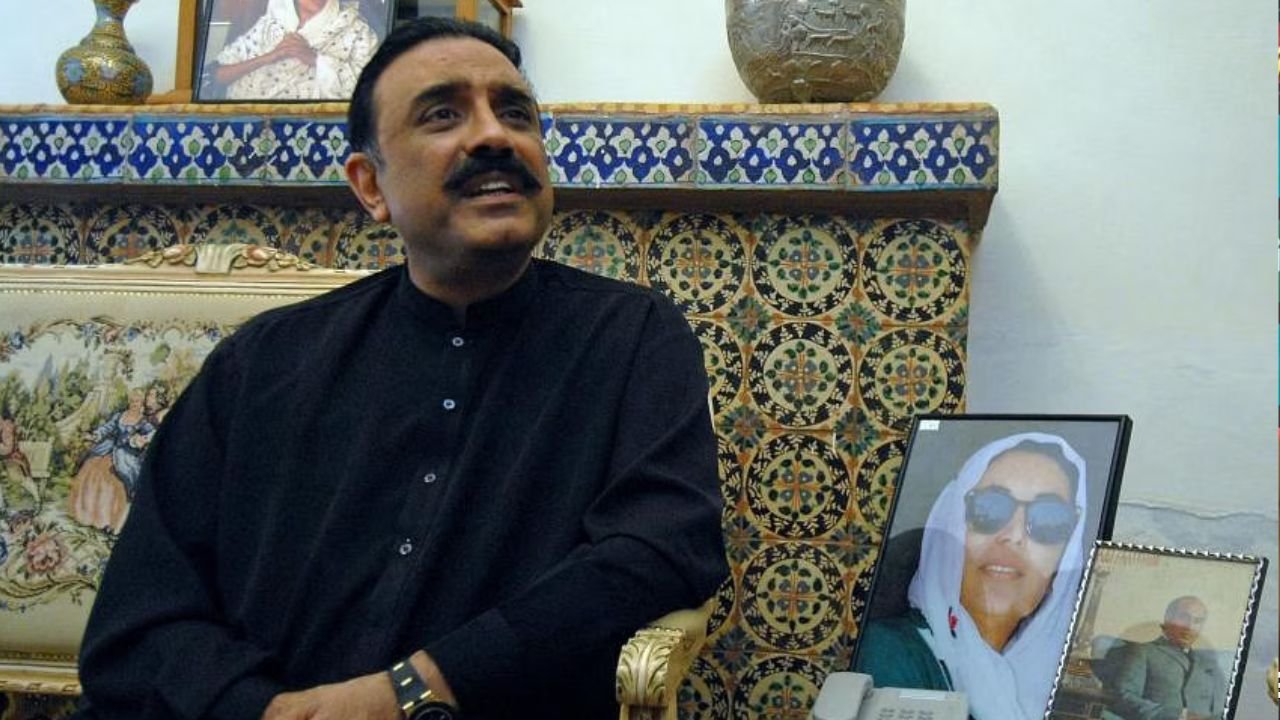
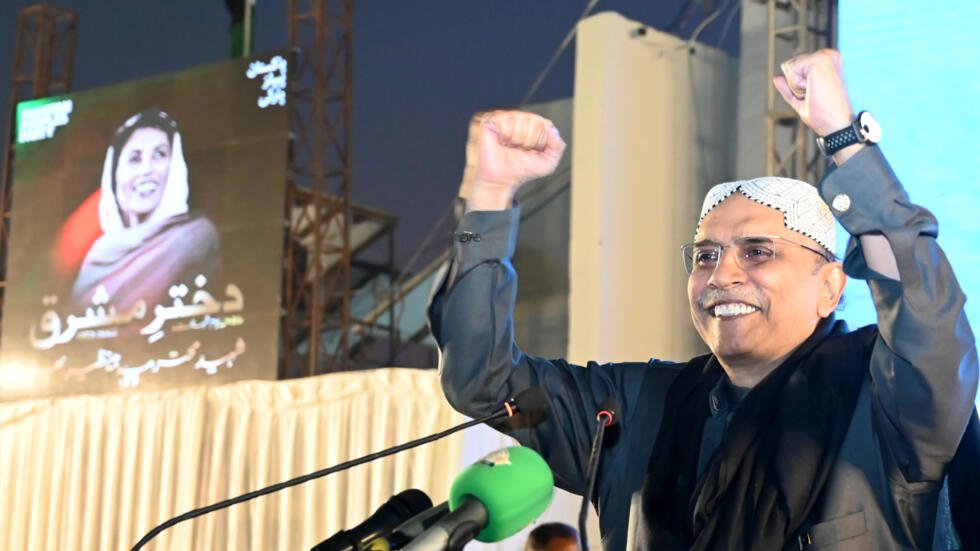
    Asif Ali Zardari, the widower of Pakistan’s slain first female premier Benazir Bhutto who has had a life storied equally by tragedy and farce, is set to become president for a second time on Saturday.

    Initially a background character as Bhutto’s consort, Zardari was stained by a bevy of corruption and other allegations, including absurd kidnapping plots and taking kickbacks lavished on hoards of jewellery.

    Despite a reputation as “Mr. Ten Percent” — the alleged cut he took for rubber-stamping contracts — a sympathy vote propelled him to office when his wife was assassinated in a 2007 bomb and gun attack.

    Between 2008 and 2013, he ushered in constitutional reforms rolling back presidential powers, and the 68-year-old’s second term will see him steer a largely ceremonial office.

    He has spent more than 11 years in jail, a long time even by the standards of Pakistani politicians, with a wheeler-dealer’s talent for bouncing back after scandals.

    Back in 2009, the New York Times said he had a knack for “artful dodging” — “maneuvering himself out of the tight spots he gets himself into”.

    Newly sworn-in lawmakers were set to vote him in under the terms of a coalition deal brokered after February 8 elections marred by rigging claims.

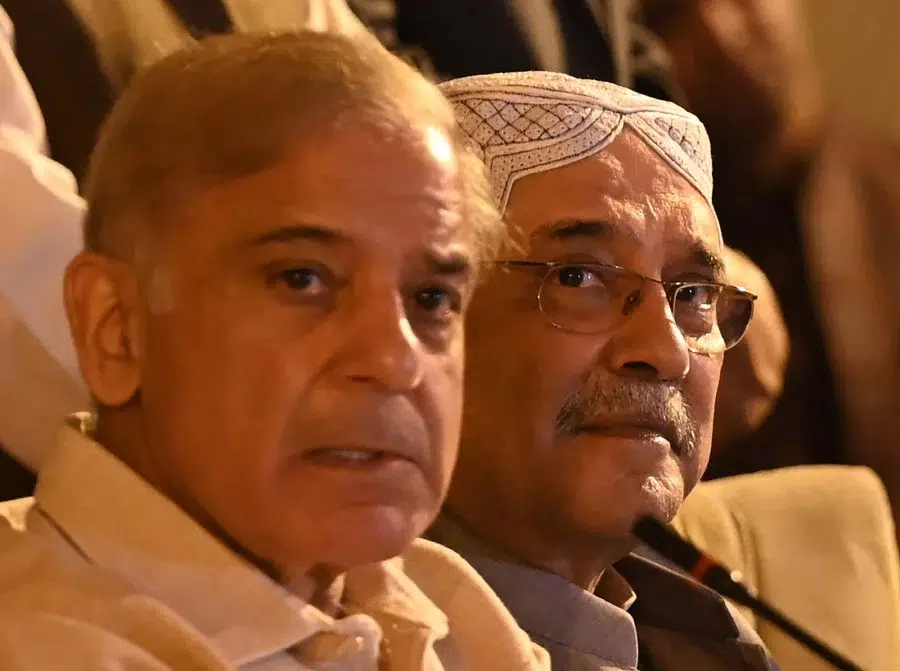
    Under that deal, Zardari’s Pakistan Peoples Party (PPP) will take the presidency, while its historic rivals the Pakistan Muslim League-Nawaz (PML-N) party secured the prime minister’s position for Shehbaz Sharif, who was officially sworn in on Monday.

    Zardari was born in 1955 into a land-owning family from the southern province of Sindh.

    “As a child, I was spoilt by my parents as an only son,” he said in a 2000 interview with the Guardian newspaper. “They indulged my every whim.”

    He expressed only limited political ambitions as a young man — losing a 1983 local government election.

    It was his 1987 arranged marriage with PPP leader Benazir Bhutto that earned him a spot in the political limelight.

    Their union — brokered by Bhutto’s mother — was considered an unlikely pairing for a leader-in-waiting from one of Pakistan’s major political dynasties.

    Bhutto was an Oxford and Harvard graduate driven by the desire to oust then-president Mohammad Zia-ul-Haq, who forced her father from the prime minister’s office and had him executed.

    Zardari was a university dropout with a reputation for brawling, partying and romancing women at a private disco in his family home.

    On the eve of their wedding, Bhutto’s team issued a formal statement denying he was “a playboy who plays polo by day and frequents discos at night”.

    Their nuptial celebrations were dubbed the “people’s wedding” — doubling as a political rally in the megacity of Karachi, where a crowd of 100,000 fervently chanted PPP slogans.

    Initially, Zardari pledged to keep out of politics.

    Bhutto served as prime minister from 1988 to 1990 — the first woman to head a democratic government in a Muslim country — and again from 1993 to 1996.

    PPP insiders regarded Zardari as a liability, considering him likely to embarrass her leadership.

    Their fears were perhaps well-founded. In 1990, he was embroiled in accusations of an absurd plot to extort a businessman by tying a bomb to his leg.

    He was jailed for three years on extortion and kidnapping charges but was elected to the national assembly from behind bars.

    In Bhutto’s second term, he served as investment minister.

    A bombshell New York Times investigation detailed how he tried to engineer vast kickbacks on military contracts over this period while lavishing huge sums on jewellery.

    After Bhutto’s government fell in 1996, Zardari was back behind bars within half an hour.

    In December 2007, Bhutto was assassinated while on the campaign trail for a third term in office.

    Her killing shook the nation to its core, a wave of sympathy carrying the PPP to victory in 2008. The party nominated Zardari as president.

    In 2010, he was widely criticised for continuing a European holiday when the nation was devastated by floods that killed almost 1,800 and affected 21 million.

    He was also head of state when US commandos trespassed onto Pakistani soil for the 2011 assassination of Osama Bin Laden, an episode that humiliated many compatriots.

    He did, however, usher in constitutional reforms rolling back the sweeping powers of the presidency and bolstering parliamentary democracy that had been undermined by three decades of military rule since 1947.

    In 2013, Zardari became the first Pakistani president to complete his full term.

    He was jailed once again over money laundering charges in 2019 but was released months later.

    Zardari and Benazir had three children, including Bilawal Bhutto Zardari, the current chairman of the PPP.

    This article was produced by AFP. © Agence France-Presse

  • Pakistan’s women ‘Rowdy Riders’ take on traffic and tradition

    Pakistan’s women ‘Rowdy Riders’ take on traffic and tradition

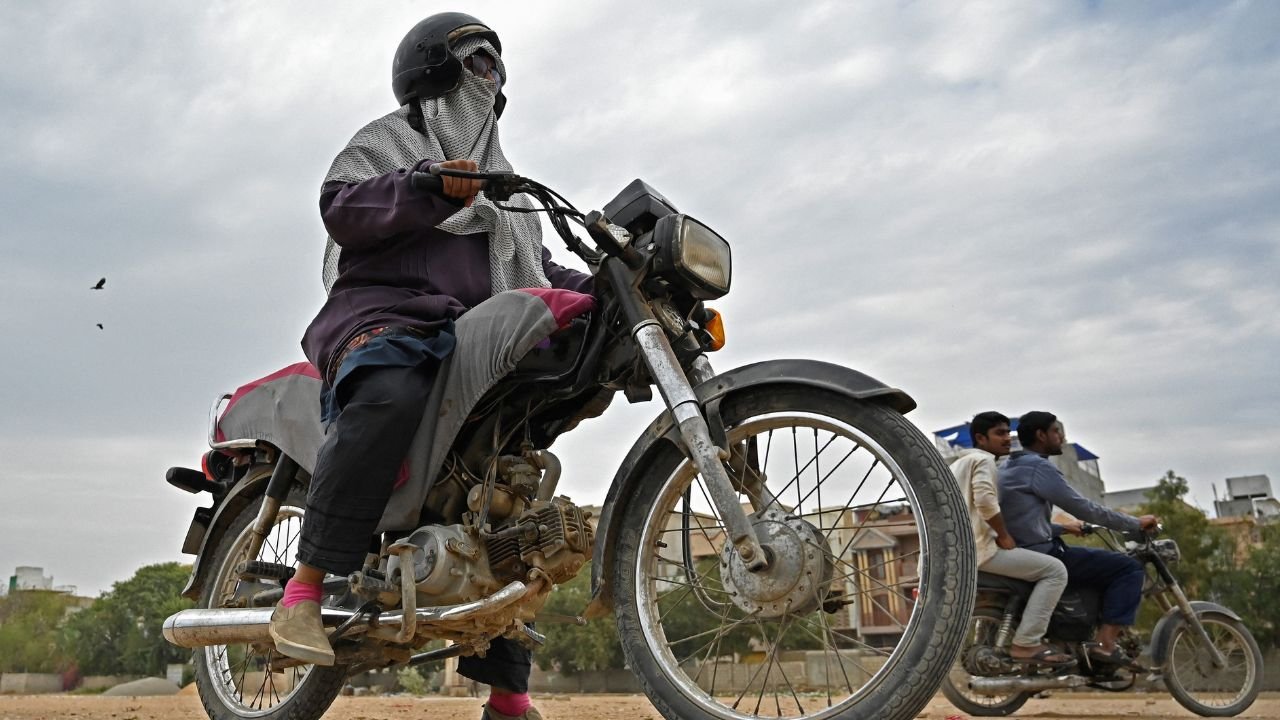
    Karachi (AFP) – Revving round a dusty oval in the heart of Pakistan’s largest city, women on motorbikes practise looping a row of safety cones, their helmets securing colourful headscarves in place.

    It is a rare sight in the culturally conservative country, where women are typically relegated to the back seats of cars or to riding side-saddle on motorbikes, ferried by a male relative.

    “Change is under way,” says Zainab Safdar, demonstrating how to mount a two-wheeler while cloaked in a pink body-covering abaya.

    The 40-year-old is an instructor for the “Rowdy Riders”, a women-only group teaching novices in Karachi everything from the basics of balancing on a bicycle to high-octane gear changing and negotiating traffic.

    Since being founded in 2017 by a handful of pioneering riders, the self-described “Rowdies” have swollen in number to more than 1,500 housewives, students and professionals.

    “In the past, there were misconceptions about girls riding bikes,” Safdar said, referring to doubts about their abilities.

    “Fortunately, with greater awareness, these notions have been dispelled.”

    Women’s participation in the workforce is impacted by the limited availability of public transport services that ensure their safety.

    In the sprawling megacity, granting women the skill and confidence to join legions of male bikers in the helter-skelter of congestion unlocks a new tier of freedom.

    Most of the riders hail from Karachi’s middle class, but rigid gender norms often still hold sway.

    University lecturer Shafaq Zaman said “it took a while to get permission” from her family to start classes to master a pedal bike two months ago.

    Among the few dozen bikers assembled under the mid-afternoon sun, she looks on with her seven-year-old daughter Aleesha as a convoy of women open up their engines and rip past in a haze of dust.

    “I am so inspired that now I have my own dream for me, that I want to ride on a heavy bike. I want to ride the whole of Pakistan,” 30-year-old Zaman said.

    Her story is not unusual. In Pakistan, very young boys are often seen steering motorbikes, but many of the “Rowdies” did not learn to ride a bicycle until well into adulthood.

    “There should be a bike in every house, and usually there is, but it’s rotting because men do not use it and women don’t know how to,” said Sana Kamran, sitting confidently astride a 110cc Suzuki.

    “If women can manage household responsibilities and earn a living, why can’t they ride a bike for their convenience?” the 41-year-old asked.

    Motorbikes are ubiquitous across Pakistan — most commonly red Honda models or cheaper Chinese reproductions, considered capable of mastering any terrain.

    The quest to conquer a bike has seen 26-year-old Farwa Zaidi suffer multiple bone fractures — but the injuries are a badge of honour she wears as proudly as the “Rowdy Riders” crest on her jacket.

    “Here I am, standing strong,” she said alongside her 70cc electric scooter.

    At four feet and six inches (137 centimetres) tall, Zaidi said her small stature made it difficult to claim a spot on crammed city buses.

    Learning to ride gave her a new sense of possibility.

    “Once we master cycling, it instils a new-found confidence in our ability to conquer other challenges,” she says.

  • India confirms citizen fighting with Russian army dead

    India confirms citizen fighting with Russian army dead

    India’s embassy in Moscow has confirmed the death of a citizen recruited by the Russian army, days after a relative said he had been sent to fight in Ukraine.

    Two years after Russia’s invasion began, tens of thousands of its soldiers have been killed in Ukraine and Moscow is on a global quest for more combatants. The foreign ministry in New Delhi said last month that it was working to secure discharges for around 20 Indian nationals “stuck” in the Russian army.

    The embassy did not state the circumstances behind Mohammed Asfan’s death but said it was in touch with his family and Russian authorities. “Mission will make efforts to send his mortal remains to India,” the embassy wrote on X, formerly Twitter.

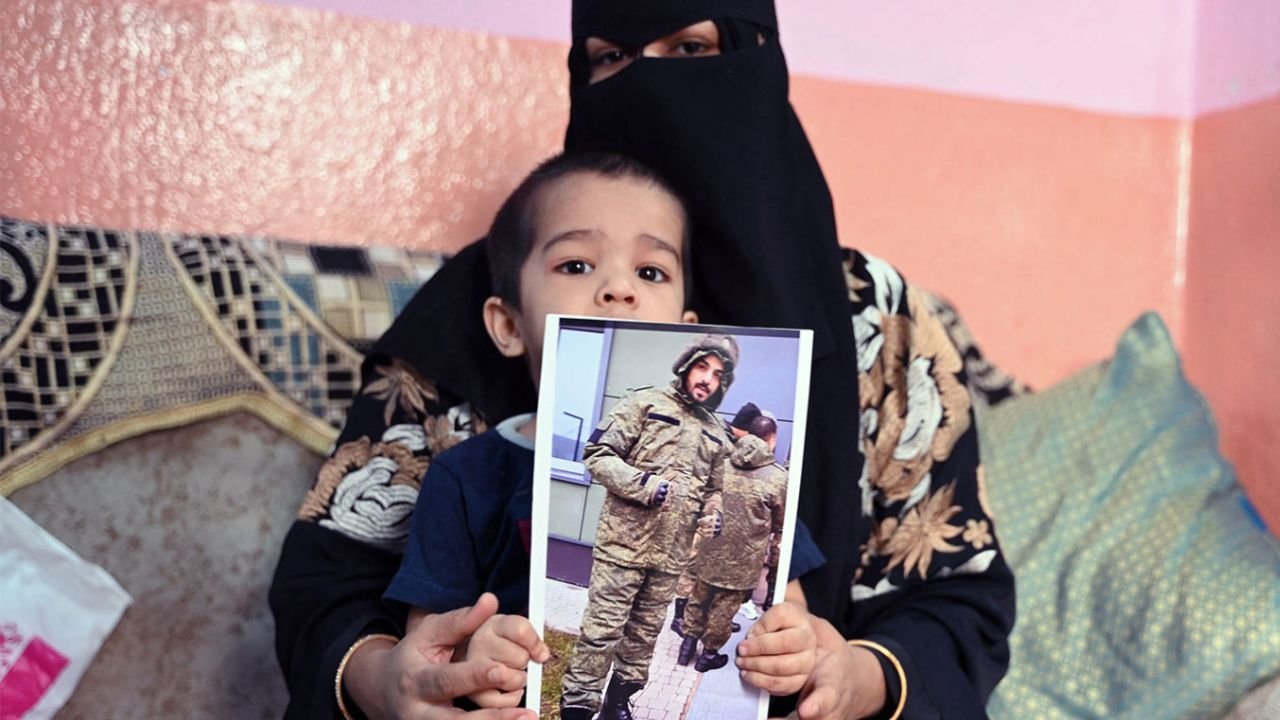
    Asfan’s brother Mohammed Imran said in February that his sibling had been missing for nearly two months. Asfan had last called from the southern Russian city of Rostov-on-Don to say that he had been deployed to the frontlines, Imran had said.

    He said that another Indian soldier who managed to escape told his family that 30-year-old Asfan had been wounded by a bullet. Asfan is the first death confirmed by Indian authorities among its citizens serving with the Russian army and the second confirmed overall.

    A 23-year-old man from Gujarat state was killed in a Ukrainian airstrike while working as a “security helper”, local media reported last month, citing relatives and another Indian soldier at the frontlines.

    Several Indian recruits said last month that they were lured into joining up by promises of high salaries and a Russian passport before being shipped to the frontlines.

    The soldiers said they had been promised non-combatant roles but were trained to use Kalashnikov assault rifles and other weapons before being sent to Ukraine.