Author: afp

  • Alarm over fate of major Gaza hospital after Israeli raid

    Alarm over fate of major Gaza hospital after Israeli raid

    Palestinian Territories – There was growing concern Friday over a key Gaza hospital a day after a raid by the Israeli army, with the health ministry saying several patients had died there due to a lack of oxygen.

    The health ministry said the power was cut off and the generators stopped after the raid at the Nasser hospital in the southern city of Khan Yunis, and that four patients had died Friday.

    In recent days, intense fighting has raged in the vicinity of the hospital – one of the Palestinian territory’s last remaining major medical facilities that are still operational.

    On Thursday Israeli army spokesman Daniel Hagari said there was “credible intelligence” to suggest hostages seized by Gaza militants in the October 7 attack that sparked the war had been held at the hospital, and that bodies of some of the captives may still be inside.

    But the military said later it had “not yet found any evidence of this”, although forces had found “weapons, grenades and mortar bombs” at the hospital complex.

    On Friday it said Israeli forces had taken into custody more than “20 terrorists” suspected of involvement in the October 7 attack at the hospital.

    A witness who declined to be named out of fear for their safety told AFP the army had shot “at anyone who moved inside the hospital”.

    The health ministry also raised fears over the fate of six other patients in the intensive care unit and three children, saying it held Israel “responsible for the lives of patients and staff considering that the complex is now under its full control”.

    ‘Pattern of attacks’

    Medical charity Doctors Without Borders described a “chaotic situation” at the hospital, with one employee unaccounted for and another detained by Israeli forces.

    “Our medical staff have had to flee the hospital, leaving patients behind,” it said.

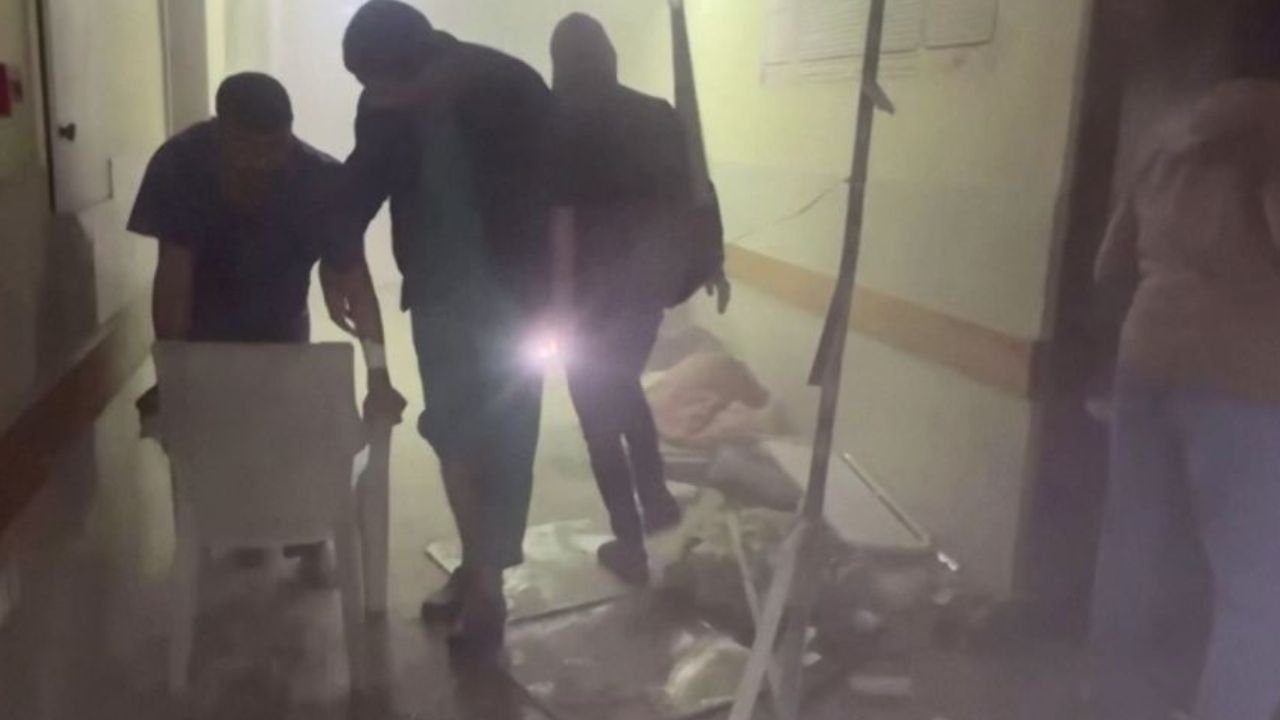
    Footage circulating on social media, which AFP could not independently verify, showed rescuers trying to move patients through dust-filled corridors amid fallen debris.

    At least 28,775 people, mostly women and children, have been killed in Israel’s assault on the Palestinian territory, according to the health ministry.

    The UN Human Rights Office said Israel’s raid on the Nasser hospital appeared to be “part of a pattern of attacks by Israeli forces striking essential life-saving civilian infrastructure in Gaza, especially hospitals”.

    The World Health Organization has described the Nasser hospital as a critical facility “for all of Gaza”, where only a minority of hospitals are even partly operational.

    Israeli strikes continued in the besieged territory overnight, with the health ministry saying Friday another 112 people were killed.

    ‘Dying slowly’

    Nearly 1.5 million displaced Palestinians are trapped in Rafah – more than half of Gaza’s population – seeking shelter in a sprawling makeshift encampment near the Egyptian border.

    There are fears about a growing humanitarian disaster without adequate supplies.

    “They are killing us slowly,” said displaced Palestinian Mohammad Yaghi. “We are dying slowly due to the scarcity of resources and the lack of medications and treatments in the city of Rafah.”

    “There is no medicine,” said Jihan al-Quqa, who was displaced from Khan Yunis to Rafah.

    “There are no antibiotics or any other treatments,” she added.

    “Everyone is sick, children and the elderly, and there is no medicine.”

    US President Joe Biden spoke by phone with Israeli Prime Minister Benjamin Netanyahu late Thursday, the White House said, and urged him again not to carry out an attack on Rafah without a plan to keep civilians safe.

    Britain, Australia, Canada and New Zealand have also urged Israel not to launch a ground offensive in the city.

    Despite international pressure, Netanyahu has insisted he would push ahead with a “powerful” operation in the overcrowded city to achieve “complete victory” over Hamas.

    Media reports suggested Egyptian authorities were building a new wall near the frontier with Gaza, amid fears of an influx of refugees.

    Truce talks

    Mediators from the United States, Qatar and Egypt gathered in Cairo this week to try and broker a deal to halt the fighting and see the release of the remaining hostages in exchange for Palestinian prisoners held by Israel.

    CIA director Bill Burns made an unannounced visit to Israel Thursday for talks with Netanyahu and the head of Israel’s Mossad intelligence agency, David Barnea.

    Barnea had already held talks with Burns and Egyptian and Qatari representatives in Cairo on Tuesday, before a Hamas delegation visited Wednesday.

    US Secretary of State Antony Blinken said he believed an agreement was still “possible”.

    But there has been limited sign of progress.

    Netanyahu said Thursday he rejected a plan for international recognition of a Palestinian state, following reports of the move in The Washington Post.

    burs-rox/dv

    © Agence France-Presse
  • Modi’s government accused of freezing Congress funds ahead of elections

    Modi’s government accused of freezing Congress funds ahead of elections

    India’s main opposition Congress party said on Friday that its bank accounts had been frozen by the tax department just weeks before the expected announcement of national elections.

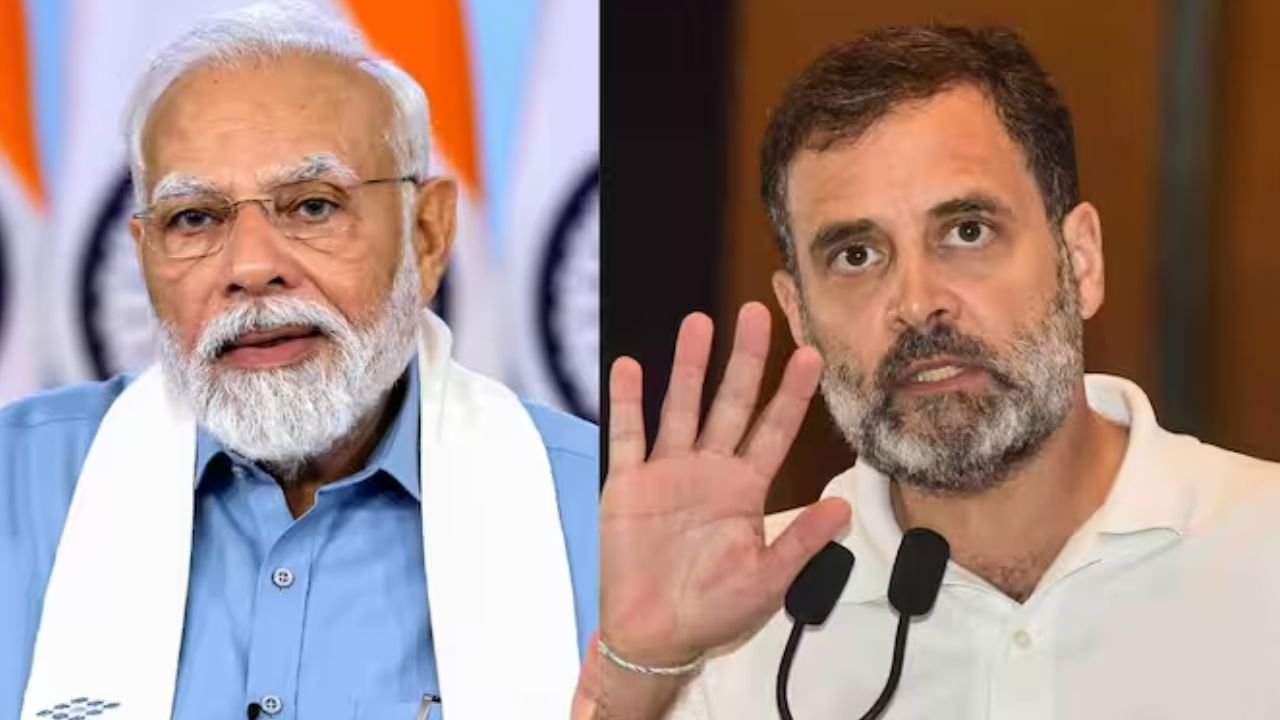
    Critics and rights groups have accused India’s Prime Minister Narendra Modi’s government of using law enforcement agencies to selectively target its political foes.

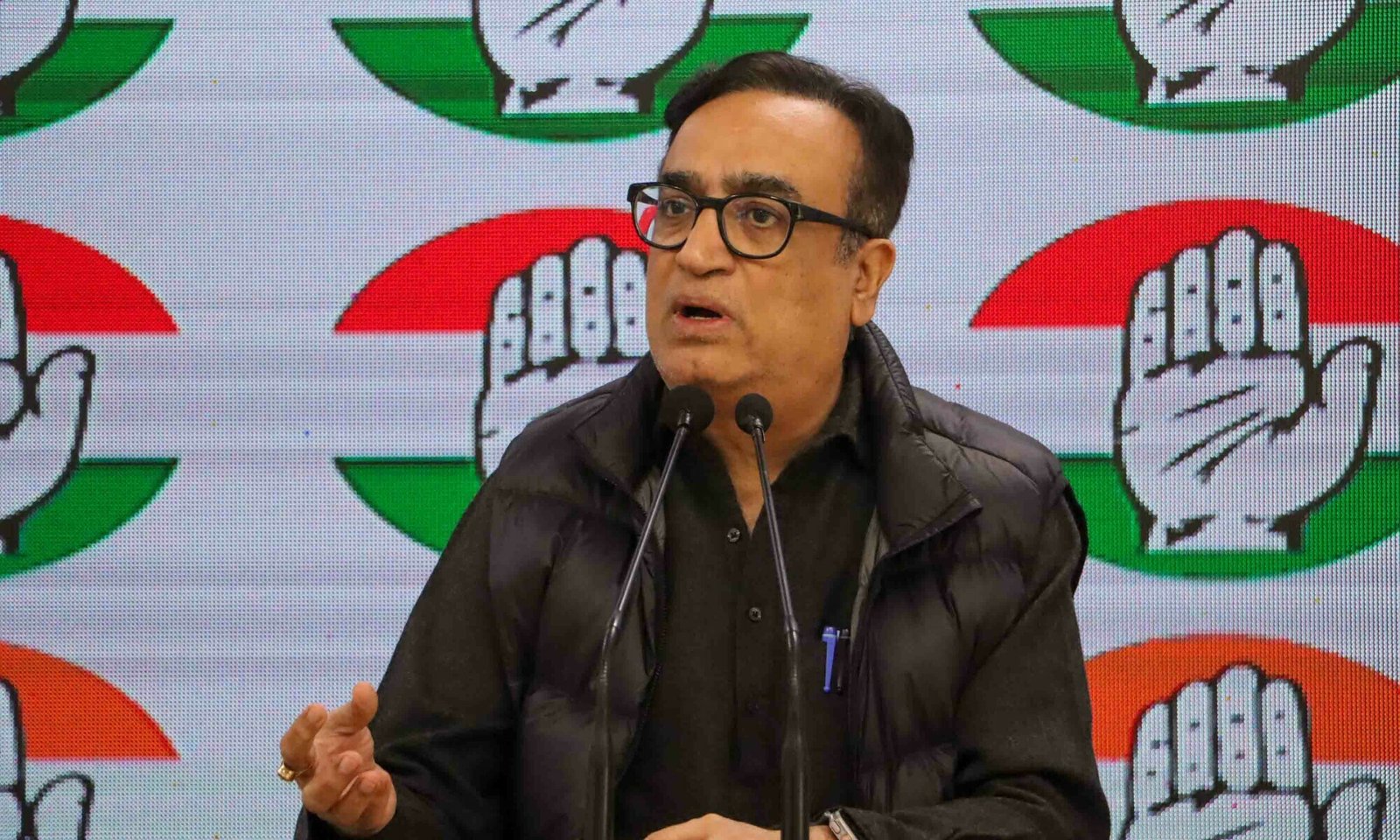
    Congress spokesman Ajay Maken said the action against his party was aimed at sidelining it ahead of the polls.

    “When the principal opposition party’s accounts have been frozen just two weeks before the announcement of the national elections, do you think democracy is alive in our country?” he asked reporters.

    “Don’t you think it is going towards one party system?” he added.

    Four of Congress’s accounts had been frozen after an investigation of the party’s 2018-19 income tax returns, Maken said.

    He added that the tax department had issued a payment demand for 2.1 billion rupees ($25.3 million) in relation to its probe.

    Maken conceded that the party had filed its returns late by up to 45 days but insisted it had done nothing to warrant such a penalty.

    “Today is a sad day for Indian democracy,” he said, adding that the party was appealing the decision in court and would stage public protests.

    India’s Congress party spokesman Ajay Maken addresses a press conference at All India Congress Committee (AICC) headquarters in New Delhi on February 16. — AFP

    Friday’s announcement follows numerous legal sanctions and active investigations against leading opponents of Modi’s ruling Bharatiya Janata Party (BJP).

    Congress party leader Rahul Gandhi, scion of the dynasty that dominated Indian politics for decades, was convicted of criminal libel last year after a complaint by a member of Modi’s party.

    His two-year prison sentence saw him disqualified from parliament for a time until the verdict was suspended by a higher court, but raised concerns over democratic norms in the world’s most populous country.

    ‘Face the consequences’

    Congress is a member of an opposition party alliance hoping to challenge Modi at this year’s polls, and other leading figures in the bloc have also found themselves under investigation.

    Arvind Kejriwal, leader of the Aam Aadmi Party and chief minister of the capital region Delhi, has repeatedly been summoned by investigators probing alleged corruption in the allocation of liquor licences.

    Earlier this month police arrested Hemant Soren, until then the chief minister of eastern Jharkhand state and another leading figure in the opposition alliance, for allegedly facilitating an illegal land sale.

    India’s main financial investigation agency, the Enforcement Directorate, has ongoing probes against at least four other chief ministers or their families, all of whom belong to the BJP’s political opponents.

    Other investigations have been dropped against erstwhile BJP rivals who later switched their allegiance to the ruling party.

    Virendra Sachdeva, president of the BJP’s Delhi branch, said on Friday that Congress had only itself to blame for the freezing of its accounts.

    “It is unfortunate that a big party like Congress is not following government rules,” he told the Press Trust of India news agency.

    “If it is not following the rules, then it has to face the consequences. “

  • Thailand To Offer Medical Coverage For Tourists

    Thailand To Offer Medical Coverage For Tourists

    Thailand has launched a scheme to offer visitors up to $14,000 in medical coverage in the event of an accident, the tourism minister said Thursday, as the kingdom seeks to lure travelers back after the pandemic.

    The government will cover expenses up to 500,000 baht ($14,000) and pay compensation of up to one million baht in case of death under the new scheme.

    Travel restrictions during the Covid-19 pandemic hammered the kingdom’s vital tourism sector and arrivals have not bounced back as quickly as officials hoped.

    Tourism minister Sudawan Wangsuphakijkosol told AFP the new Thailand Traveller Safety scheme began on January 1 and will run until August 31.

    “The campaign aims to assure foreign tourists that Thailand is safe and everyone will be under good care,” she said.

    The kingdom has long been popular with young backpackers from around the world seeking sun, sand and adrenalin.

    But accidents are not uncommon and there have been numerous reports in recent months of young Europeans finding themselves facing big medical bills with inadequate insurance.

    The Thai government stresses that the scheme will not cover accidents caused by “negligence, intent, illegal acts” or risky behaviour.

    Tourists can register for the scheme through the Thailand Traveller Safety website at tts.go.th.

    Some 28 million people visited Thailand in 2023, up from 11 million the year before, but still well down from the 40 million who came in 2019, the last year before the pandemic.

    Officials are hoping to hit 35 million visitors in 2024, with a target of $55 billion in revenue.

  • Bangladesh Nobel winner Yunus says his firms ‘forcefully’ taken over

    Bangladesh Nobel winner Yunus says his firms ‘forcefully’ taken over

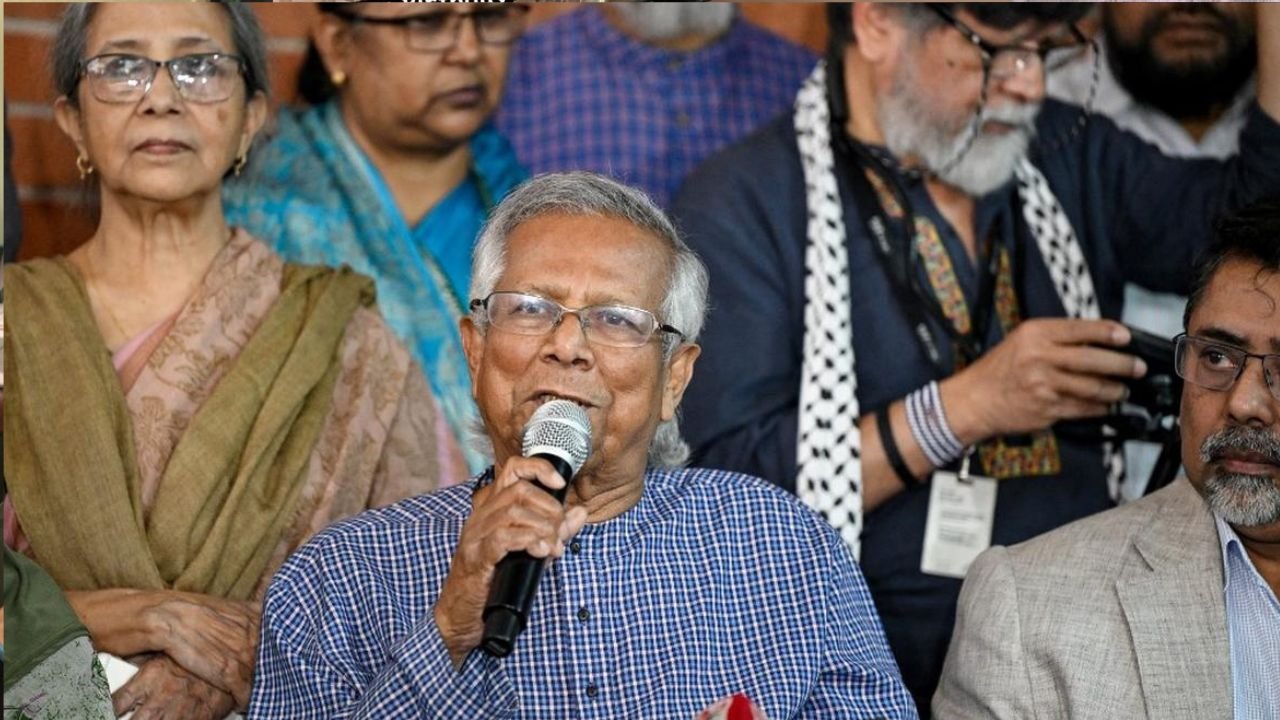
    Bangladesh Nobel peace laureate Muhammad Yunus said on February 15 several of his firms were “forcefully” taken over, weeks after his conviction in a criminal case his supporters say was politically motivated.

    Mr. Yunus, 83, is credited with lifting millions out of poverty with his pioneering microfinance bank but has earned the enmity of long-time Prime Minister Sheikh Hasina, who has accused him of “sucking blood” from the poor.

    He told a press conference that on February 12, a group of “outsiders” had come to a building housing several of his companies, taking over offices and locking out staff.

    “Some people came and took control forcefully,” he said, without giving further details on those involved.

    “We’re in deep trouble. It’s a big disaster,” he added. “They are trying to run the companies according to their rules.”

    Mr. Yunus said police refused to register a criminal case regarding the apparent takeover.

    “They find no problems” with the occupation, he said.

    Earlier on Feb. 15, dozens of people who told employees they were supporters of the ruling Awami League stood at the gates of the building to refuse entry to staff.

    “They did not allow us to enter the building,” Mainul Hasan, a general manager of one of the Yunus-chaired firms, told AFP.

    Some of those who entered the building told those present that they were the new directors of several of the firms, existing employees said.

    Last month, Mr. Yunus and three colleagues from Grameen Telecom, one of the firms he founded, were sentenced to jail for six months after they were found guilty of violating labour laws.

    ‘Continuous judicial harassment’

    All four deny the charges, which supporters and rights groups said were politically motivated, and have been bailed pending appeal.

    Mr. Yunus is facing more than 100 other charges over labour law violations and alleged graft.

    Last year, around 160 global figures, including former US president Barack Obama and ex-U.N. Secretary-General Ban Ki-moon, published a joint letter denouncing “continuous judicial harassment” of Mr. Yunus.

    The signatories, including more than 100 of his fellow Nobel laureates, said they feared for “his safety and freedom”.

    Critics accuse Bangladeshi courts of rubber-stamping decisions made by Hasina’s Government, which won re-election last month in a vote without genuine Opposition parties.

    Her administration has been increasingly firm in its crackdown on political dissent, and Mr. Yunus’s popularity among the Bangladeshi public has for years earmarked him as a potential rival.

  • Democracy slides amid wars and political polarisation, study says

    Democracy slides amid wars and political polarisation, study says

    Democratic standards across the world fell in 2023 amid the spread of wars, authoritarian crackdowns and declining levels of trust in mainstream political parties, the Economist Intelligence Unit (EIU) said on Thursday.

    While the number of countries categorized as democracies increased by two last year, the global average index score fell to 5.23 in 2023 from 5.29 the year before, its lowest level since the first study was published in 2006.

    “The world has entered an age of conflict, and the contours of a future major war are already visible,” said the study titled “Age of Conflict.”

    “Today’s wars are concentrated in countries where democracy is absent or in trouble.”

    Western Europe was the only region to improve its score, moving ahead of North America. The study said it was the first time that North America has not placed as the world’s highest-scoring region.

    Joan Hoey, the editor of the report, said scores fell for “not only those nations prosecuting wars (Azerbaijan and Russia), but for those on the receiving end (Armenia and Ukraine).”

    “However, growing democratic resilience and consolidation in EU member states in Central Europe, as well as in Balkan and Baltic countries, ensured that the overall regional score did not significantly fall,” Hoey added.

    “The narrative of democracy in Eastern Europe and Central Asia can be best summed up as a tale of resilience.”

    The London-based analysis group pointed to intensifying anti-immigration sentiment in many countries, saying the political landscape in the Americas and Europe has become increasingly polarised.

    “Three years after the COVID-19 pandemic, which led to a rollback of freedoms around the globe, the results for 2023 point to a continuing democratic malaise and lack of forward momentum.”

    “More countries are experiencing declining levels of trust in mainstream political parties and leaders, and succumbing to ‘culture wars’ of the sort that have long characterised the U.S.,” the study said.

    “Western Europe is plagued by low levels of trust in government.”

    The 27-nation EU holds elections for its European Parliament later this year and polls suggest the far-right could rise to become the third-biggest grouping in the legislature.

    The report said that Ukraine’s battle to repel Russia’s two-year invasion was taking a toll on its democratic institutions and practices, while Russia continued its steady slide toward “outright dictatorship.”

    Only 7.8% of the global population reside in a “full democracy” and substantially more than one-third live under authoritarian rule.

    The number of democracies increased by two in 2023, with Paraguay and Papua New Guinea being upgraded from “hybrid regimes” to “flawed democracies.”

    Greece became a “full democracy” while Pakistan was downgraded to an “authoritarian regime.” The United States remains a “flawed democracy.”

    The top three places in the index are occupied by Norway, New Zealand and Iceland, while the final three countries are North Korea, Myanmar and Afghanistan.

  • ‘Enough is enough’, Australia wants WikiLeaks founder back home now

    ‘Enough is enough’, Australia wants WikiLeaks founder back home now

    Australia’s Prime Minister Anthony Albanese on Thursday denounced the years-long US and British legal pursuit of WikiLeaks founder Julian Assange, saying “enough is enough”.

    The country’s parliament passed a motion Wednesday with the prime minister’s support, calling for an end to 52-year-old Assange’s prosecution so that he can return to his family in Australia.

    Assange, an Australian citizen, will go to London’s High Court next week, seeking leave to appeal against his extradition to the United States for trial on espionage charges.

    “People will have a range of views about Mr Assange’s conduct,” Albanese told parliament. “But regardless of where people stand, this thing cannot just go on and on and on indefinitely.”

    Australians from many sides of politics have a common view, he said, that “enough is enough”.

    Albanese said he had raised Assange’s case “at the highest levels” in Britain and the United States.

    The Australian government had a duty to lobby for its citizens, the prime minister said.

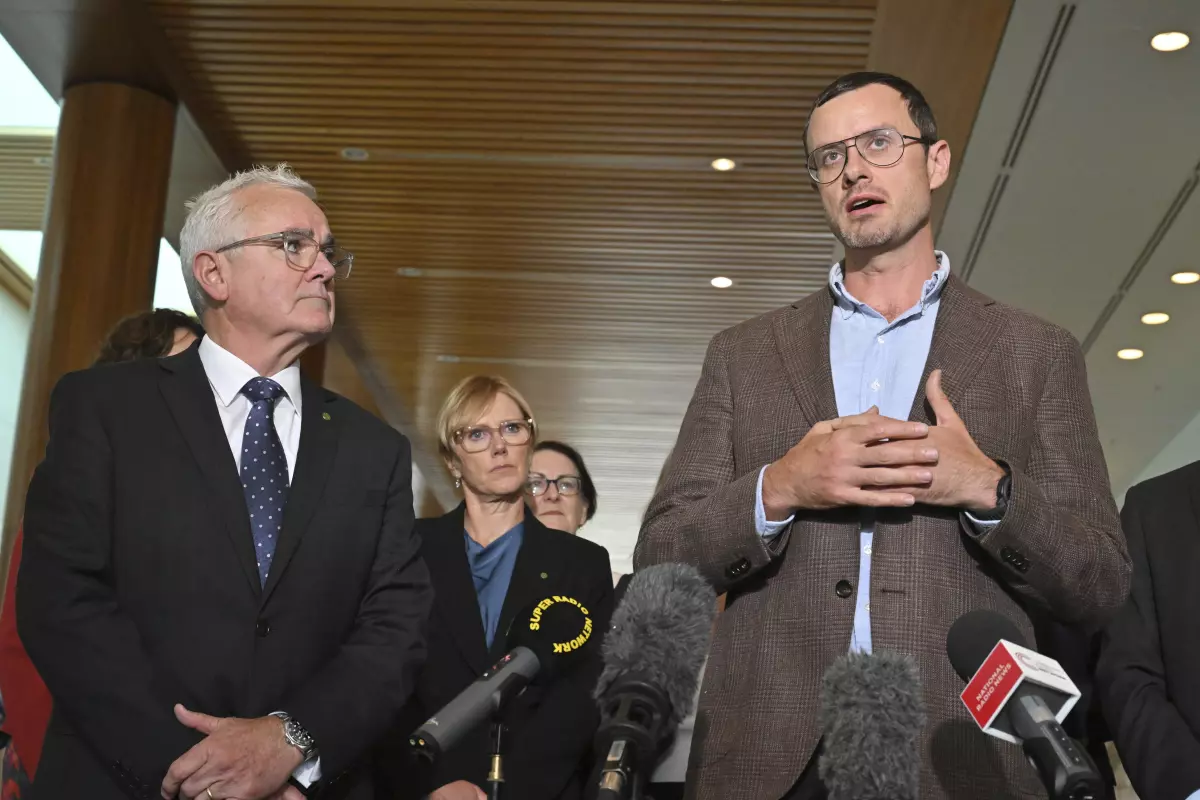
    Independent member of parliament Andrew Wilkie, left, and Julian Assange’s brother Gabriel Shipton, right, speak to the media at Parliament House in Canberra, Thursday, Feb. 15, 2024. Australia’s House of Representatives has passed a motion calling on the United States and the UK to end the prosecution of WikiLeaks founder Julian Assange and for him to be allowed to return to his home country. (Mick Tsikas/AAP Image via AP)
     (Mick Tsikas / Associated Press)

    He cited the case of Chinese-born Australian journalist Cheng Lei, released in October last year after more than three years’ detention in China on espionage charges.

    Albanese also referred to diplomatic “successes” for Australians held in Vietnam and Myanmar.

    Australian economist Sean Turnell was released from a Myanmar jail in November 2022 after being held for 650 days on allegations of spying and gun-running.

    A Vietnamese dissident with Australian citizenship, Chau Van Kham, was freed from jail in Vietnam in July 2023 following his conviction on terrorism charges.

    Australia should not interfere in the legal processes of other countries, Albanese said.

    “But it is appropriate for us to put our very strong view that those countries need to take into account the need for this to be concluded.”

    Assange has been held in the high-security Belmarsh Prison in southeast London since April 2019.

    He was arrested after holing up for seven years in Ecuador’s London embassy to avoid extradition to Sweden, where he faced accusations of sexual assault, later dropped.

    US authorities want to put the Australian on trial for divulging US military secrets about the wars in Iraq and Afghanistan.

    Assange’s legal team will be seeking permission to appeal his extradition to the United States at a hearing listed in London’s High Court for February 20 and 21.

    He is accused of publishing some 700,000 confidential documents related to US military and diplomatic activities, starting in 2010.

  • Cambodia warns students of ‘losing dignity’ on Valentine’s Day

    Cambodia warns students of ‘losing dignity’ on Valentine’s Day

    Authorities in Cambodia have issued a stern rebuke to students to avoid “inappropriate activities” this Valentine’s Day, warning them of the perils of “losing dignity”.

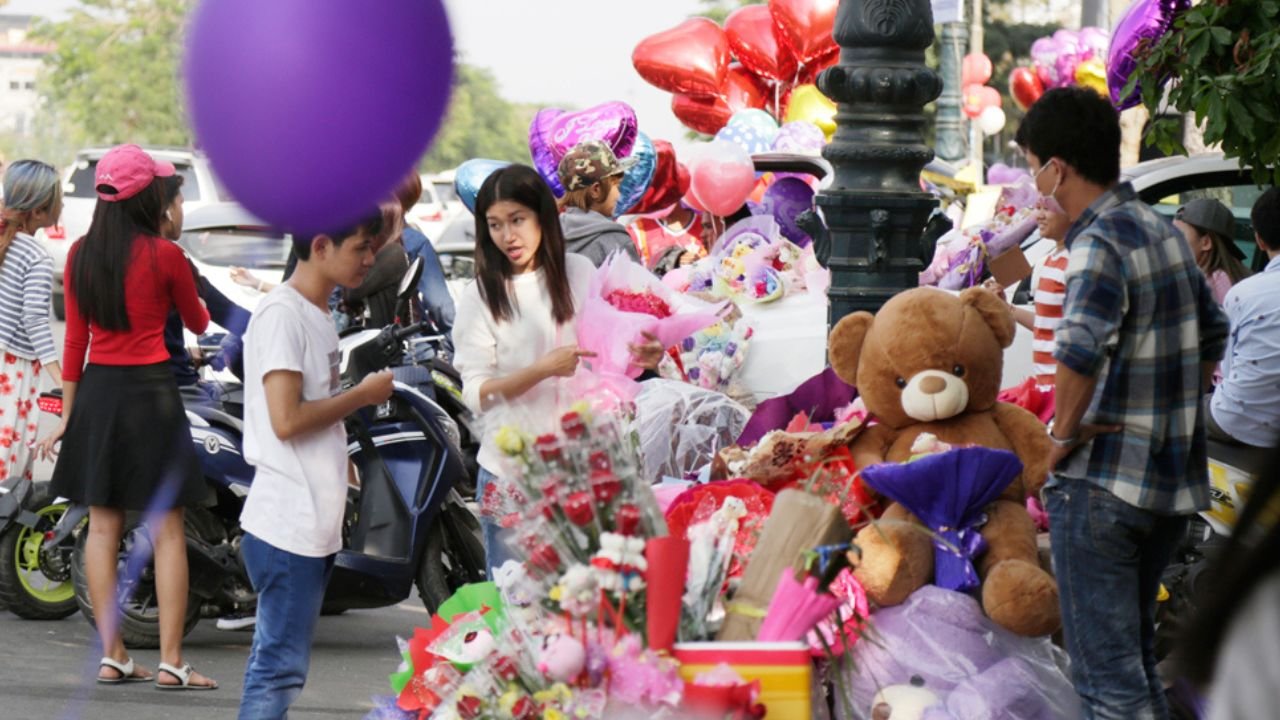
    Valentine’s Day has become popular among young people in many Southeast Asian countries in recent years, with bunches of red roses and heart-shaped chocolates popping up in stores and on street stalls in the days leading up to February 14.

    While some might see the annual celebration of love as a bit of harmless fun, the Cambodian government — which has form for issuing dire warnings about the pitfalls of young love and premarital sex — is rattled.

    The education ministry issued a directive to public and private schools late on Tuesday ordering them to “take measures to prevent inappropriate activities on Valentine’s Day”.

    “It is not tradition of our Khmer nationality,” the statement said.

    The ministry also noted that the event had made “a small number of youths… forget about studying and lose the dignity of themselves and their families”.

    The Ministry of Culture called on authorities and parents “to remind children to use the day in line with the beautiful Khmer tradition for the sake of their honour and dignity”.

    And the ministry of Women’s affairs weighed in, saying some people “misunderstand the meaning of February 14”.

    Cambodia’s National AIDS Authority warned that AIDS was still spreading and that some people, particularly youth, used Valentine’s Day to “show love that leads to possible sexual intercourse”.

    Last year, there were 7,600 people living with AIDS in Cambodia, including 1,400 new cases, it said.

    About 42 percent of the new cases are youths aged between 15 and 24, the authority said.

    Social conservatives see Valentine’s Day as a foreign import that represents a moral threat to traditional Buddhist beliefs.

    Cambodian women in particular are under intense social pressure to retain their virginity until marriage.

  • Elections in Indonesia: Ex-general likely to win

    Elections in Indonesia: Ex-general likely to win

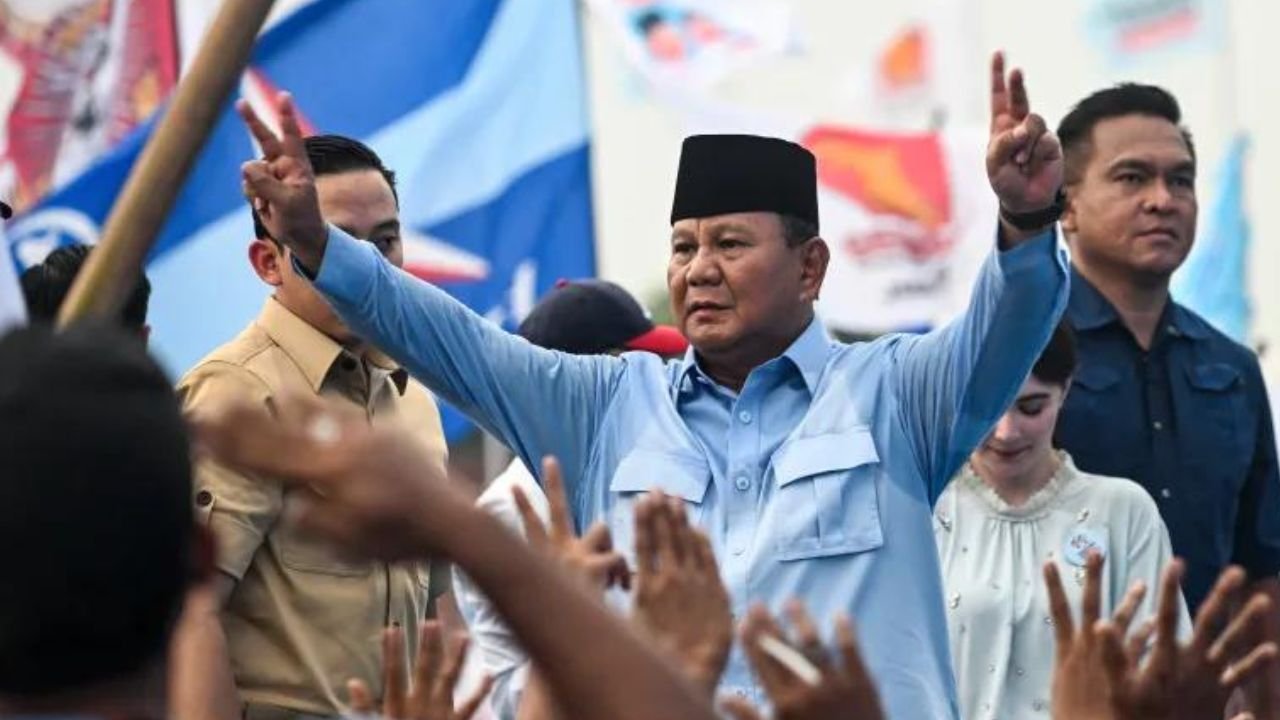
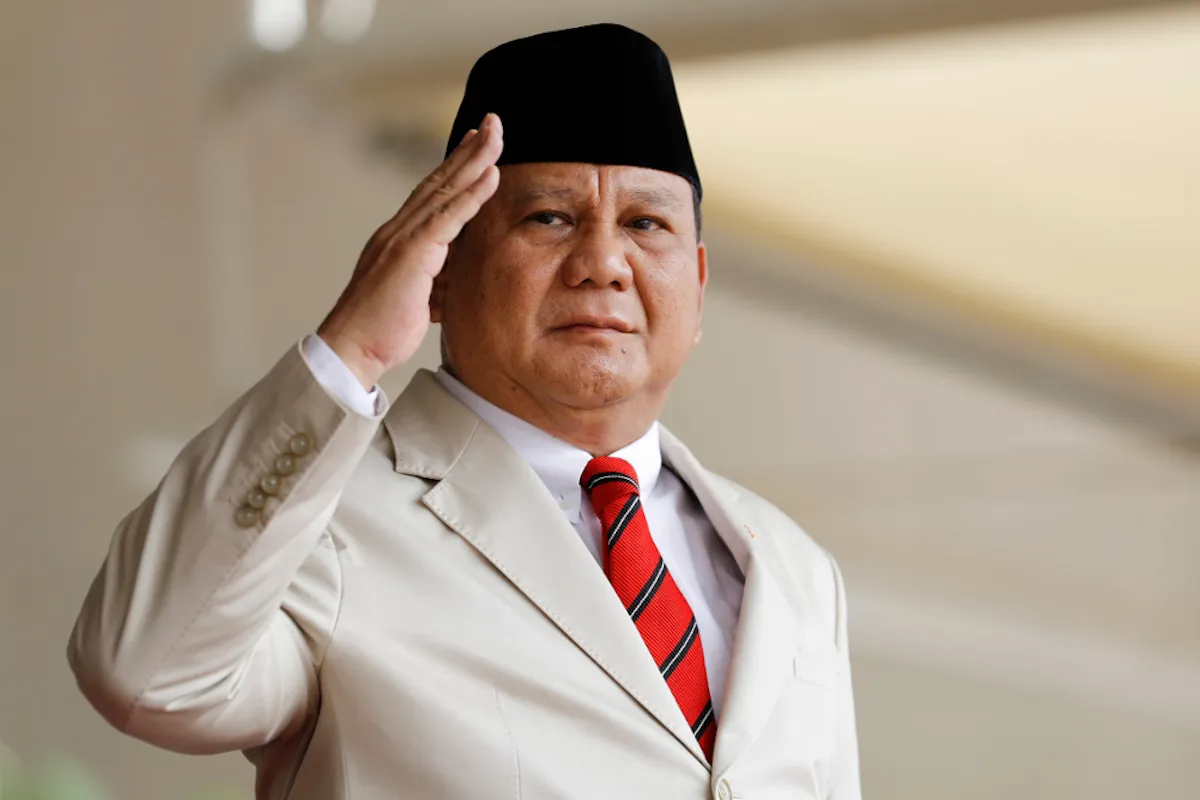
    Indonesians began voting for a new president Wednesday with Defence Minister Prabowo Subianto the frontrunner to lead Southeast Asia’s biggest economy despite concerns over his human rights record.

    Polls project Subianto, a military chief during the Suharto dictatorship a generation ago, to secure a majority and replace popular outgoing president Joko Widodo, who observers claim indirectly supported his campaign.

    The 72-year-old is the clear favourite after a campaign mixing populist rhetoric with pledges to continue the policies of Widodo, who has presided over steady economic growth but reached the constitutional two-term limit.

    “The hope is to win,” Subianto told reporters before voting in Bogor on Wednesday.

    “Come to the voting station… cast your votes according to your conscience.”

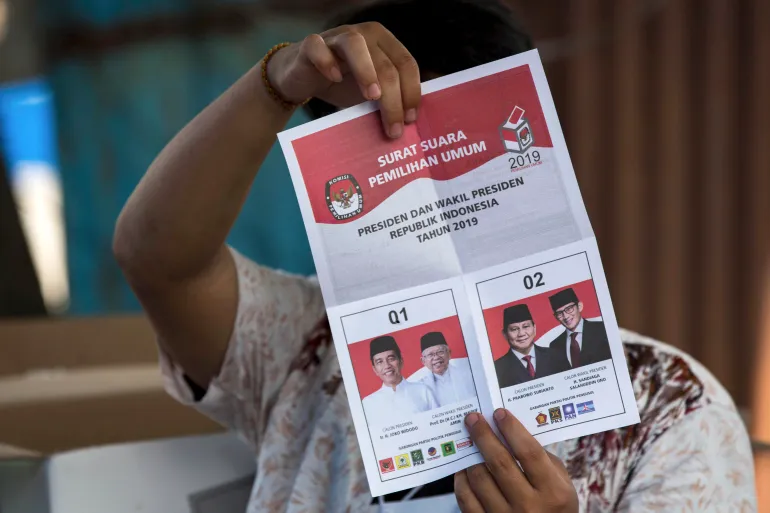
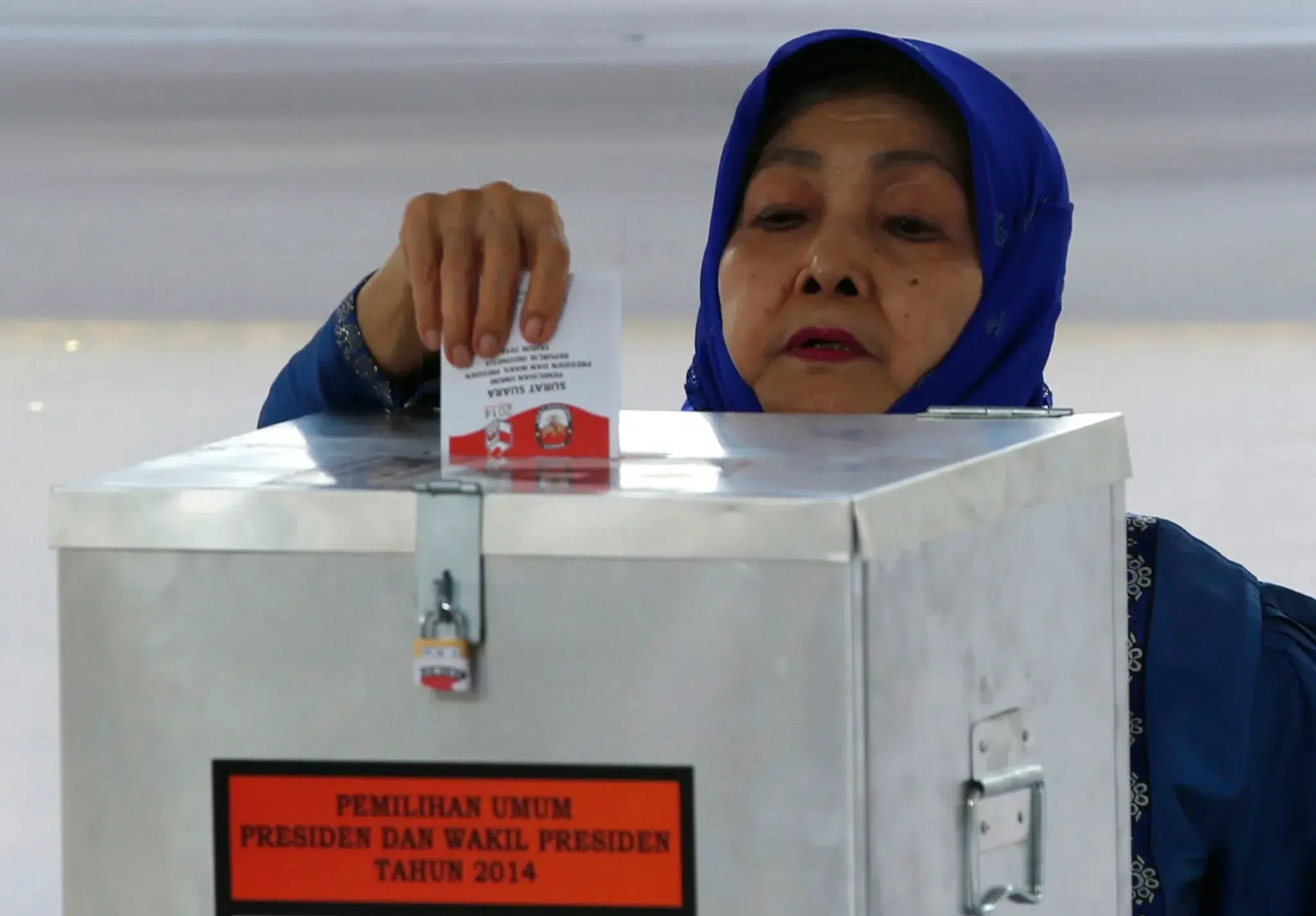
    Nearly 205 million people are eligible to vote for Subianto or his rivals, former Jakarta governor Anies Baswedan and former Central Java governor Ganjar Pranowo, in just the fifth presidential election since the end of Suharto’s dictatorship in 1998.

    Polling stations opened at 7:00 am (2200 GMT) in the easternmost region of Papua and were due to close at 01:00 pm (0600 GMT) at the other end of the country in jungle-clad Sumatra.

    A logistical feat involving more than 800,000 polling stations and 20,000 seats up for grabs saw planes, helicopters, speedboats and even cows used to cart ballots around the sprawling archipelago of nearly 280 million people.

    In Papua’s Timika city, officials inspected makeshift polling stations built from logs, metal sheets and palm leaves as voters arrived to eye candidate lists.

    In the capital Jakarta, a thunderstorm deluged 34 polling stations, according to the city’s disaster mitigation agency.

    Workers wearing shirts that read “not voting is not an option” relocated some stations where ballot boxes had been wrapped in plastic, while others used pumps to drain floodwater.

    Official results are not expected until March, but so-called quick counts from government-approved pollsters — shown to be reliable in the past — are expected to indicate the winner later Wednesday.

    ‘Decisive leader’

    Consultant Debbie Sianturi was one of those determined to vote.

    “I want to have a leader that will continue the democracy,” the 57-year-old said.

    Another said Subianto’s experience made him a popular candidate.

    “He has a military background, so I think he will be a decisive leader,” said Afhary Firnanda, a 28-year-old office worker in Jakarta.

    Election commissioner Idham Kholik told AFP all voters should be allowed to cast their ballots if large queues remained when polls closed.

    Subianto needs to claim more than 50 percent of the overall vote and at least a fifth of ballots cast in over half the country’s 38 provinces to secure the presidency.

    If he falls short, a second-round vote will be held in June.

    Baswedan, seen as the favourite to challenge Subianto in that event, told supporters to help ensure a fair vote in the graft-riddled country where voters dip their fingers in halal ink to prevent double voting.

    “Come back to the voting station, monitor the vote count,” he told reporters.

    Pranowo, who entered election day last in polls after once being the front-runner, said he hoped for a clean election.

    “Today is the best time for all to return to the good path of democracy,” he told reporters.

    Commitment to democracy

    Another key factor in Subianto’s popularity is having Widodo’s eldest son, 36-year-old Gibran Rakabuming Raka, as his vice presidential running mate, a move that has raised eyebrows.

    In October, Indonesia’s then-chief justice, who is Widodo’s brother-in-law, changed the rules that had barred candidates below the age of 40 from running for high office.

    Widodo enjoys near-record approval ratings after two terms of solid economic growth and relatively stable politics in the nation’s young democracy.

    However, some legal experts and rights groups have accused Widodo of improperly using government funds to support Subianto.

    Subianto and his aides have rejected accusations of impropriety.

    Subianto was dismissed from the military in 1998 over accusations he ordered the abduction of democracy activists at the end of Suharto’s rule, but he denied the accusations and was never charged.

    He has since rehabilitated his image, thanks in part to a savvy social media campaign targeting Indonesia’s youth that portrayed him as a “cuddly grandpa”.

    But rights groups have expressed alarm that he could roll back hard-won democratic freedoms, pointing to the alleged disappearances.

    “We’ve been always worried about his commitment towards democracy,” said Yoes Kenawas, a researcher at Jakarta-based Atma Jaya Catholic University.

    “If he wins, those questions will always linger.”

  • AI giants to unveil pact to fight political deepfakes in year of crucial elections worldwide

    AI giants to unveil pact to fight political deepfakes in year of crucial elections worldwide

    Tech giants including Meta, Microsoft, Google and OpenAI are working on a pact to jointly crack down on AI content intended to deceive voters ahead of crucial elections around the world this year, companies involved said Tuesday.

    Currently under negotiation by the companies, this so-called “accord” on deepfakes and other dangerous content is set to be announced during the Munich Security conference on Friday.

    “In a critical year for global elections, technology companies are working on an accord to combat the deceptive use of AI targeted at voters,” a spokesperson for Meta said in an emailed statement to AFP on Tuesday.

    “Adobe, Google, Meta, Microsoft, OpenAI, TikTok and others are working jointly toward progress on this shared objective,” the statement added.

    According to the Washington Post, which first reported the existence of the project, the companies will agree to develop ways to identify, label and control AI-generated images, videos and audio that aim to deceive voters.

    The idea comes as big tech companies are under considerable pressure over fears that AI-powered applications could be misused in a pivotal election year.

    Meta, Google and OpenAI have already agreed to use a common watermarking standard that would tag images generated by their AI applications, such as OpenAI’s ChatGPT, Microsoft’s Copilot or Google’s Gemini (formerly Bard).

    Recent examples of convincing AI deepfakes have only heightened worries about the easily accessible technology.

    Last month, a robocall impersonation of US President Joe Biden pushed out to tens of thousands of voters urged people to not cast ballots in the New Hampshire primary.

    In Pakistan, the party of former prime minister Imran Khan has used AI to generate speeches from their jailed leader.

  • Pressure mounts on Israel for Gaza ceasefire

    Gaza Strip (Palestinian Territories) (AFP) – Israel faced growing international pressure to agree to a ceasefire, as it planned an incursion into the southern Gaza city Rafah where more than a million Palestinians are trapped.

    CIA Director William Burns was due in Cairo on Tuesday for a new round of talks on a Qatari-mediated ceasefire that would temporarily halt fighting in exchange for Gaza freeing hostages.

    His planned visit comes after Washington and the United Nations warned Israel against carrying out a ground offensive into Rafah without a plan to protect civilians, who say they have nowhere left to go.

    “Wherever we go there’s bombing, martyrs and wounded,” said Iman Dergham, a displaced Palestinian woman.

    On a visit to the White House Monday, Jordan’s King Abdullah II pushed for a full ceasefire to end the four-month-old war.

    “We cannot afford an Israeli attack on Rafah. It is certain to produce another humanitarian catastrophe,” said the monarch whose country hosts a large number of Palestinian refugees.

    “We cannot stand by and let this continue. We need a lasting ceasefire now. This war must end.”

    After rejecting Gazas’s terms for a truce last week, Israel conducted a predawn raid in Rafah on Monday that freed two hostages and killed around 100 people.

    Netanyahu hailed the overnight operation freeing Fernando Simon Marman, 60, and Luis Har, 70, as “perfect”, while the Palestinian foreign ministry said the deaths of dozens of Gazans amounted to a “massacre”.

    The rare rescue mission under heavy air strikes came hours after Netanyahu spoke with US President Joe Biden, who reiterated his opposition to a major assault on Rafah.

    But Netanyahu has defied pressure from key ally and military backer Washington, insisting that “complete victory” cannot be achieved until the elimination of the militants’ last battalions in Rafah.

    While meeting with the units that freed the two hostages, Israeli Defense Minister Yoav Gallant on Monday said there would be “more operations” soon and pledged to see “Gaza destroyed”.

    “In my opinion, the day is not far.”

    No safe place

    Rafah has become a last refuge for over half of Gaza’s population, who are pressed up against the Egypt border in makeshift encampments where they face outbreaks of hepatitis and diarrhoea, and a scarcity of food and water.

    Netanyahu has said Israel would provide “safe passage” to civilians trying to leave, but foreign governments and aid groups — as well as Gazans — wondered where they could go.

    “As it is, there is no place that is currently safe in Gaza,” said United Nations spokesperson Stephane Dujarric.

    When asked about an evacuation mission, he said the UN would “not be party to forced displacement of people”.

    The UN’s human rights chief Volker Turk warned that “an extremely high number of civilians” would likely be killed or injured in a full Israeli incursion into Rafah, which could also spell the end of the “meager” humanitarian aid entering Gaza.

    “It’s almost famine here, we’re almost out of flour in the north region,” said a man in northern Gaza’s Beit Lahia. “We can’t even find food and drinks for the children.”

    ‘Time is running out’

    Israel’s operation to free the two hostages left Rafah with bomb craters and piles of rubble.

    The United States said it was deeply concerned by the reports that around 100 Palestinians, including women and children, were killed in the early Monday raid.

    The State Department also called for Israel to investigate the “heartbreaking” killing of six-year-old Gazan Hind Rajab.

    Her body was recovered on Saturday along with two relatives and two Red Crescent workers who went to find her after her family’s car came under fire while trying to flee an Israeli advance on Gaza City.

    “I will question before God on Judgment Day those who heard my daughter’s cries for help and did not save her,” Hind’s mother Wissam Hamada told AFP.

    At least 28,340 people, mostly women and children, have been killed in Israel’s relentless bombardment and ground offensive in Gaza, according to the health ministry.

    Militants also seized about 250 foreign and Israeli captives from southern Israel, around 130 of whom Israel says are still held in Gaza including 29 who are presumed dead.

    The Hostages and Missing Families Forum campaign group warned that “time is running out for the remaining hostages”, urging the Israeli government to “exhaust every option on the table to release them”.