Author: afp

  • Blinken to meet Palestinian president after warning Israel civilian toll ‘too high’

    Blinken to meet Palestinian president after warning Israel civilian toll ‘too high’

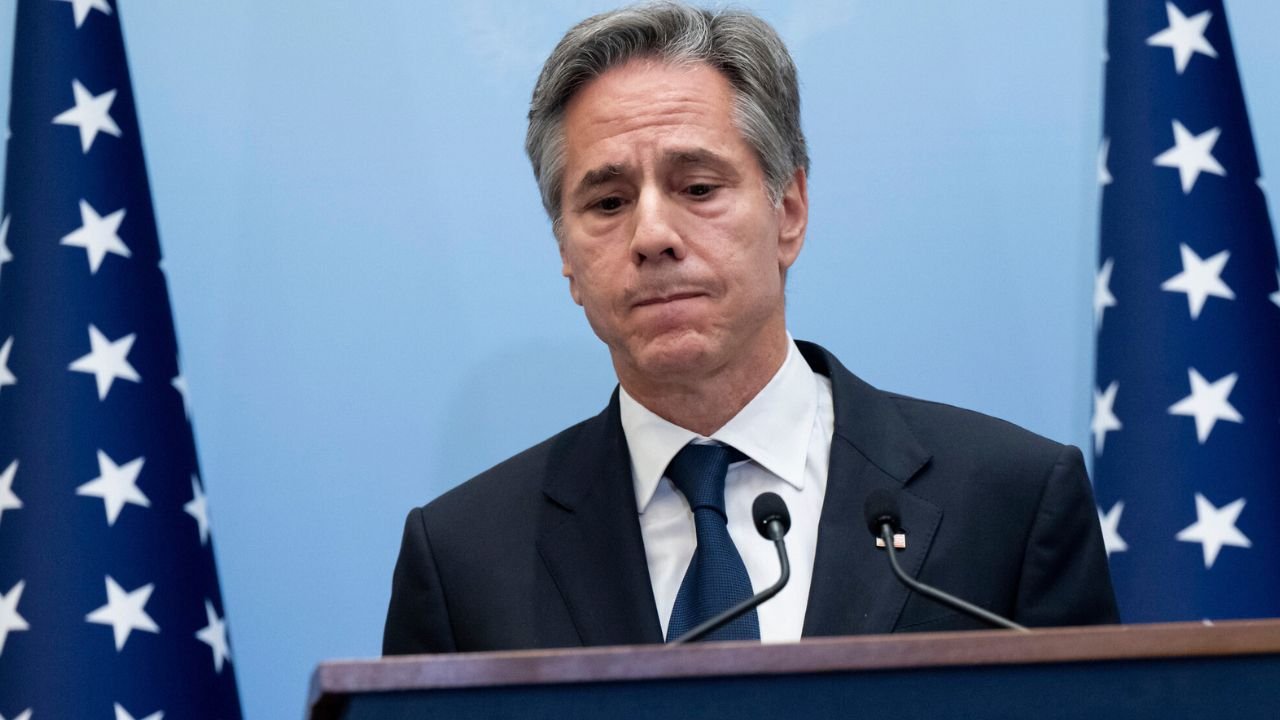
    Tel Aviv (AFP) – US Secretary of State Antony Blinken was due to hold talks Wednesday with the head of the Palestinian Authority, which Washington hopes could govern Gaza after Israel’s attacks end.

    The United States’ top diplomat was on his fourth crisis visit to the Middle East since the war in the Gaza Strip began, meeting with Israeli Prime Minister Benjamin Netanyahu in Tel Aviv on Tuesday.

    Blinken told a news conference afterwards that the United States would continue to support its ally, but also called on Israel to do more to protect those trapped in the besieged Palestinian territory, saying the “daily toll on civilians in Gaza, particularly children, is far too high”.

    Washington has floated a post-war scenario in which a reformed Palestinian Authority, currently led by president Mahmud Abbas, governs Gaza in addition to the West Bank.

    The authority currently exercises limited rule in the West Bank, which has been occupied by Israel since 1967.

    “Israel must stop taking steps that undercut Palestinians’ ability to govern themselves effectively,” Blinken said Tuesday, emphasising the importance of progress towards a two-state solution.

    “The Palestinian Authority also has a responsibility to reform itself, to improve its governance — issues I plan to raise with president Abbas,” he added.

    Netanyahu, however, has shown no interest in reviving negotiations towards a Palestinian state, and an early post-war plan outlined by Defence Minister Yoav Gallant envisions local “civil committees” governing Gaza after Israel has dismantled Hamas.

    Blinken declined to say on Tuesday whether Netanyahu’s views had shifted in their discussions.

    Multiple attempts at reconciliation have failed, but Hamas chief Ismail Haniyeh said last week he was “open to the idea” of a single Palestinian administration in Gaza and the West Bank.

    Jordan’s royal palace, meanwhile, said King Abdullah II would host Abbas and Egyptian President Abdel Fattah al-Sisi on Wednesday for talks on Gaza, including efforts to “push for an immediate ceasefire”.

    ‘We see no hope’

    Israel has responded with relentless bombardment and a ground invasion of Gaza since October 7 that have killed at least 23,210 people, mostly women and children, the health ministry said Tuesday.

    The ministry announced Wednesday morning that another 70 people were killed and more than 130 wounded in overnight attacks.

    The Israeli army announced the death of another soldier early Wednesday, bringing the total killed since its ground invasion began to 186.

    The war has displaced the vast majority of Gaza’s population, and dire shortages of food, water and medicine have left hundreds of thousands at risk of famine and disease, the UN and WHO have said.

    AFP footage on Tuesday showed a crowd of Gazans rushing towards aid trucks carrying flour and canned goods into Gaza City, in the territory’s devastated north, with some climbing up the sides of the vehicles and tossing down food.

    “We’ve been listening to the news for 98 days, hoping that the war will end, but due to this difficult situation we see no hope,” Ibrahim Saadat told AFP from a camp for displaced people in the southern border town of Rafah.

    “Due to the lack of water, we shower just once per month. Psychologically we are suffering, and diseases have spread everywhere.”

    The WHO warned on Tuesday that its ability to provide aid and support to Gazan hospitals was “shrinking”.

    During his visit, Blinken called for “more food, more water, more medicine” to be delivered to the territory, and said that Israel had agreed to a UN assessment in the north to “determine what needs to be done to allow displaced Palestinians to return safely”.

    Israel says it has largely achieved military control over northern Gaza and that operations are focussing further south.

    In the southern city of Khan Yunis, wounded people, some of them children, were rushed to hospital on Tuesday after a strike hit displaced Palestinians living in tents at Al-Mawasi camp.

    “We were chatting under a palm tree, and suddenly we saw stones and shrapnel everywhere,” young Lama Abu Gemmayzeh told AFP.

    “Some of us started running, and others were on the ground, and we started screaming for ambulances.”

    Fears of escalation

    Since the war started, fears have grown of an escalating conflict between Israel and its other regional enemies, a loose alliance of Iran-backed armed groups in Lebanon, Syria, Iraq and Yemen.

    Defence Minister Gallant told Blinken on Tuesday that intensifying pressure on Iran was “critical” and could prevent a regional escalation, an Israeli government statement said.

    Hours later, Iran-backed Huthi rebels in Yemen “launched a complex” drone and missile attack in the southern Red Sea, the US Central Command (CENTCOM) said.

    American and British forces shot down 18 drones and three missiles in the latest attack, CENTCOM said, adding no injuries or damage were reported.
  • US defense chief under fire for undisclosed hospitalisation

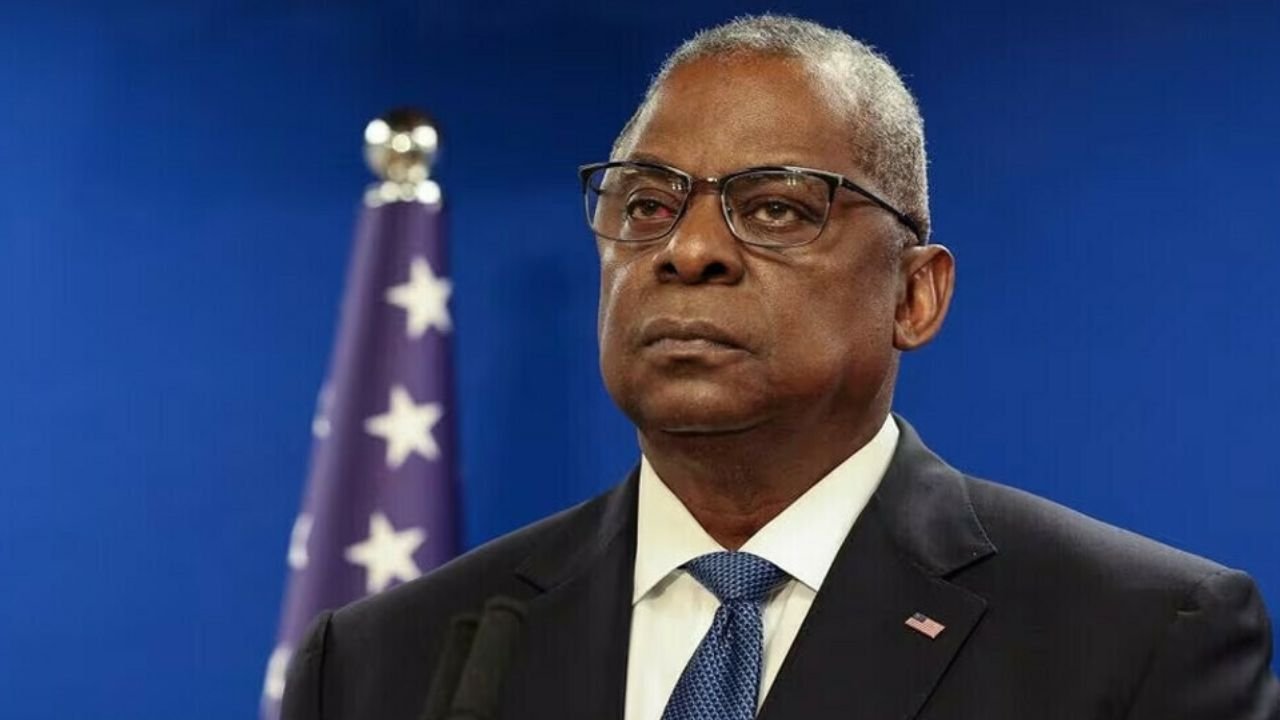
    US defense chief under fire for undisclosed hospitalisation

    US Defense Secretary Lloyd Austin is facing growing criticism for waiting days to inform the White House and Congress about his hospitalisation, keeping key officials in the dark about his status during a major Middle East crisis.

    Austin was admitted to Walter Reed National Military Medical Center on January 1 due to complications from an elective medical procedure, but the Pentagon did not make any public announcement until four days later, and also waited to notify other top government figures.

    The 70-year-old secretary’s hospitalization comes with Washington struggling to contain the fallout from the Israel-Hamas war, which has sparked violence against American forces in Iraq and Syria as well as attacks on international shipping.

    With the Middle East in turmoil, the idea that “for four days the secretary of defense is in a hospital and (President Joe) Biden doesn’t know is shocking,” Ian Bremmer, the president of the Eurasia Group political risk firm, said Monday.

    Bremmer said the situation gives the president an opportunity to replace Austin, but the White House has stood by the secretary.

    Austin underwent an unspecified medical procedure on December 22 and was discharged the following day, but began experiencing “severe pain” on January 1 and was taken by ambulance to Walter Reed, Pentagon spokesman Major General Pat Ryder told journalists on Monday.

    Some of Austin’s authorities were transferred to Deputy Defense Secretary Kathleen Hicks on January 2, but she was not told that he was hospitalized until two days later, Ryder said.

    The US National Security Advisor Jake Sullivan was likewise informed on January 4, bringing the White House into the loop, while Congress was not told until the day after that — the same day the Pentagon made a public announcement.

    Ryder said Austin’s chief of staff “had been out sick with the flu, which caused a delay in these notifications.”

    “We are currently reviewing how we can improve these notification procedures, to include White House and congressional notifications,” he said.

    Ryder also said he was informed of Austin’s hospitalization on January 2, but “did not feel that I was at liberty” to disclose information on the secretary’s condition “until we knew more.”

    The lack of notification has drawn criticism from Congress, with some Republican lawmakers calling on Austin to go.

    “It is shocking and absolutely unacceptable that the Department of Defense waited multiple days to notify the president, the National Security Council, and the American people,” Representative Elise Stefanik said in a statement, calling for Austin’s “immediate resignation.”

    Former president Donald Trump also weighed in, saying in a social media post that Austin “should be fired immediately for improper professional conduct and dereliction of duty.”

    But the White House has backed him, with Press Secretary Karine Jean-Pierre saying, “The president has complete confidence, continues to have confidence in Secretary Austin.”

    Ryder also said Austin — who remains hospitalized but is no longer in intensive care and has resumed his full duties — “has no plans to resign.”

    “Nothing is more important to the secretary of defense and the (Defense) Department than the trust and confidence of the American public we serve,” Ryder said, adding that “we will continue to work hard every day to earn and deserve that trust.”

    Austin meanwhile said in a statement on Saturday that he took “full responsibility for my decisions about disclosure,” and admitted that he “could have done a better job ensuring the public was appropriately informed.”

  • Death Toll From Japan Quake Rises Above 200

    Death Toll From Japan Quake Rises Above 200

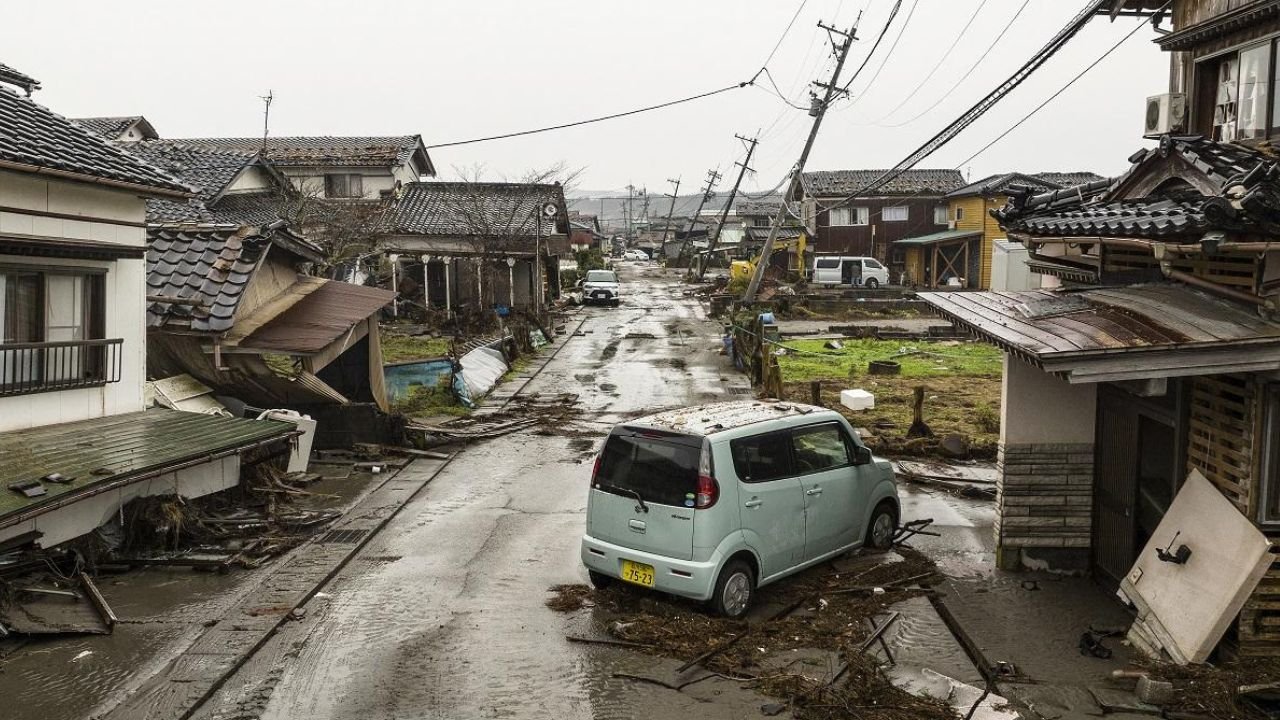
    The death toll from the powerful earthquake that flattened parts of central Japan on January 1 passed 200 on Tuesday, with just over 100 still unaccounted for, authorities said.

    The 7.5 magnitude quake destroyed and toppled buildings, caused fires and knocked out infrastructure on the Noto Peninsula on Japan’s main island Honshu just as families were celebrating New Year’s Day.

    Eight days later thousands of rescuers were battling blocked roads and poor weather to clear the wreckage as well as reach almost 3,500 people still stuck in isolated communities.

    Ishikawa regional authorities released figures on Tuesday showing that 202 people were confirmed dead, up from 180 earlier in the day, with 102 unaccounted for, down from 120.

    On Monday, authorities had more than tripled the number of missing to 323 after central databases were updated, with most of the rise related to badly hit Wajima.

    But since then “many families let us know that they were able to confirm safety of the persons (on the list)”, Ishikawa official Hayato Yachi told AFP.

    With heavy snow in places complicating relief efforts, as of Monday almost 30,000 people were living in around 400 government shelters, some of which were packed and struggling to provide adequate food, water and heating.

    Almost 60,000 households were without running water and 15,600 had no electricity supply.

    Road conditions have been worsened by days of rain that have contributed to an estimated 1,000 landslides.

    At a daily disaster-relief government meeting on Tuesday, Prime Minister Fumio Kishida instructed ministers to “make efforts of resolving the state of isolation (of communities) and continue tenacious rescue activities”.

    Kishida also urged secondary evacuations to other regions outside the quake-hit area, top government spokesman Yoshimasa Hayashi told reporters.

    In Ishikawa prefecture’s city of Suzu, a woman in her 90s managed to survive five days under the wreckage of a collapsed house before being saved on Saturday.

    “Hang in there!” rescuers were heard calling to the woman, in police footage from the rainy scene published by local media.

    Not all were so lucky, with Naoyuki Teramoto, 52, inconsolable on Monday after three of his four children’s bodies were discovered in the town of Anamizu.

    “We were talking of plans to go to Izu,” a famous hot spring resort, after his daughter passed her high school entrance exam, he told broadcaster NTV.

    Japan experiences hundreds of earthquakes every year, though most cause no damage because of strict building codes in place for more than four decades.

    But many structures are older, especially in rapidly ageing communities in rural areas like Noto.

    The country is haunted by the monster quake of 2011 that triggered a tsunami, left around 18,500 people dead or missing, and caused a nuclear catastrophe at the Fukushima plant.

  • Top US diplomat to meet Israeli PM as fears of escalation rise

    Top US diplomat to meet Israeli PM as fears of escalation rise

    Tel Aviv (AFP) – Top US diplomat Antony Blinken was set to meet Israeli leaders on Tuesday as part of efforts to contain Israeli attacks on Gaza, a day after strikes in Syria and Lebanon killed high-profile members of Hamas and its ally Hezbollah.

    The visit comes as the Israeli military said its campaign against Hamas in the Gaza Strip was shifting into a new phase involving more targeted operations in the territory’s centre and south.

    Sirens warning of incoming rockets sounded in central and southern Israel on Monday, as well as near the border with Lebanon, where Israeli strikes and tit-for-tat exchanges of fire with Iran-backed Hezbollah militants have raised fears the war could spread north.

    Earlier in the day, Hezbollah announced the killing of a “commander” for the first time since October, naming him as Wissam Hassan Tawil.

    A security official in Lebanon, speaking on condition of anonymity, said Tawil “had a leading role in managing Hezbollah’s operations in the south”, and was killed there by an Israeli strike.

    The Israeli military said it struck Hezbollah “military sites” in Lebanon on Monday, but did not immediately comment on Tawil’s death.

    His was the second high-profile killing in Lebanon this month, following a strike in a Hezbollah stronghold in Beirut that resulted in the death of Hamas deputy leader Saleh al-Aruri.

    On Monday the Israeli army also said it had killed a “central” Hamas figure in Syria, Hassan Akasha, who had led “terrorist cells which fired rockets… toward Israeli territory”.

  • Germany Ready To Sell Eurofighter Jets To Saudi Arabia

    Germany Ready To Sell Eurofighter Jets To Saudi Arabia

    Chancellor Olaf Scholz’s government on Monday defended plans to lift Germany’s longstanding veto on sales of Eurofighter jets to Saudi Arabia, saying Riyadh has adopted a “constructive approach” in the Israel-Hamas war.

    Germany, Britain, Italy and Spain jointly build the jet and each can veto deals.

    Berlin has blocked one deal, sought by London, since 2018.

    But German Foreign Minister Annalena Baerbock, on a visit to Israel on Sunday, signalled that Berlin was ready to lift its blockade.

    “We do not see ourselves, as the German federal government, opposing British considerations on other Eurofighter (sales),” Baerbock told journalists, as she underlined the Saudi role in the Middle East security crisis since the eruption of the Israel-Hamas war on October 7.

    Scholz “shares this assessment,” his spokesman Steffen Hebestreit said on Monday at a press conference, noting that “it is an open secret that Saudi Arabia’s airforce has used Eurofighters to shoot down rockets launched by the Huthis on the way to Israel”.

    Germany has blocked arms sales to Riyadh since the 2018 murder of dissident journalist Jamal Khashoggi in the Saudi consulate in Istanbul.

    That includes blocking a deal for 48 Eurofighter jets signed by Saudi Crown Prince Mohammed bin Salman in London.

    Baerbock noted that Saudi Arabia and Israel had “not renounced their policy of normalisation” since the war broke out.

    “The fact that Saudi Arabia is now intercepting missiles fired by the Huthis at Israel underlines this, and we are grateful for that,” she added.

    “The fact that the Saudi air force also uses Eurofighters in this context is an open secret,” the minister continued.

    “Saudi Arabia is a key contributor to Israel’s security, even these days, and is helping to stem the risk of a regional conflagration.”

    Germany’s previous position against deliveries to the kingdom had put itself at odds with key partners, with Airbus chief Guillaume Faury saying in November that it was “damaging to Germany’s reputation as an exporting nation”.

    “This raises the question of confidence and the credibility of Germany as a country participating in international programmes,” he added.

    Berlin’s U-turn, however, risks opening up a new political row domestically, with Baerbock’s Greens already uneasy about the move.

    Co-chair of the Greens, Ricarda Lang, on Monday insisted that “with a view on the human rights situation, including Saudi Arabia’s domestic constitution, I think as before that it is wrong to deliver Eurofighters” to the kingdom.

  • India’s Top Court Overrules Early Release Of 11 In Gang Rape Case

    India’s Top Court Overrules Early Release Of 11 In Gang Rape Case

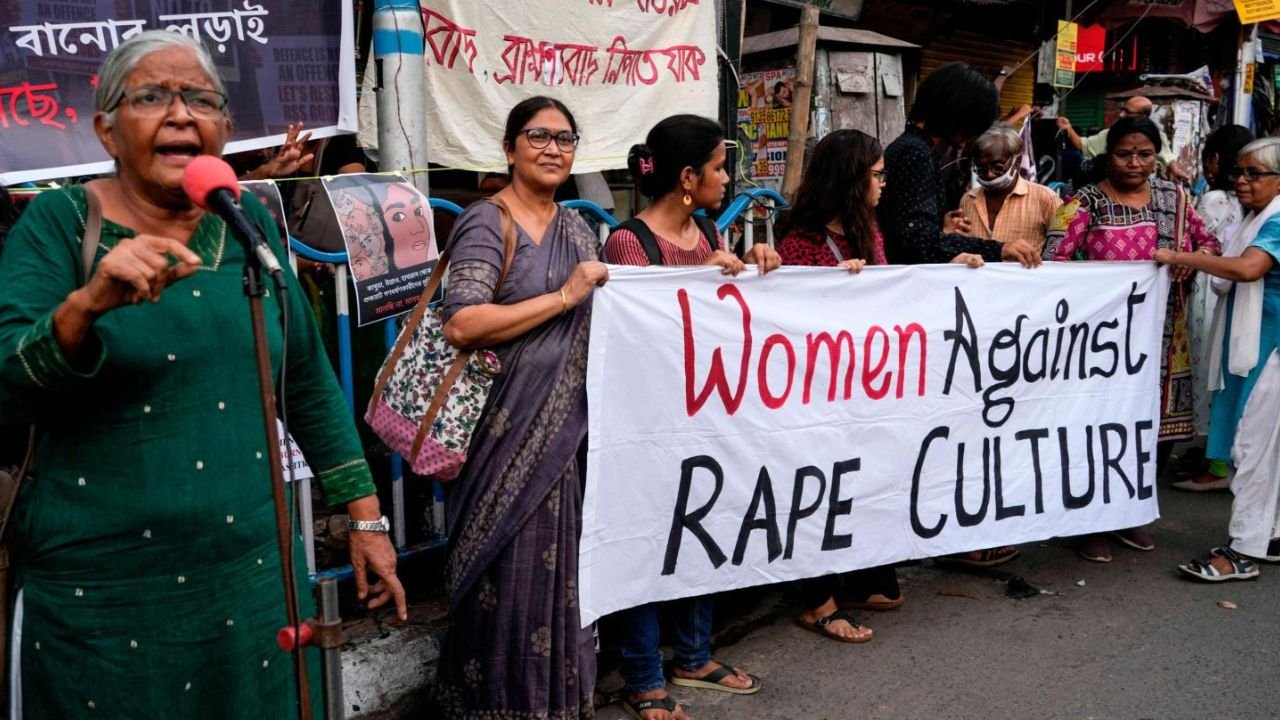
    India’s top court ruled Monday that 11 murderers convicted of a gang rape that drew global outrage but who were released early must return to jail.

    Bilkis Bano and two of her children were the only survivors among a group of Muslims attacked by a Hindu mob in the western state of Gujarat in 2002 during one of post-independence India’s worst religious riots.

    Bilkis was pregnant at the time and seven of the 14 people murdered were relatives, including her three-year-old daughter.

    The attack took place when Hindu nationalist Narendra Modi, now India’s prime minister, was the premier of Gujarat.

    Modi was accused of turning a blind eye to the riots but was cleared of any wrongdoing in 2012, two years before his Bharatiya Janata Party (BJP) won national power.

    The 11 convicts were freed in August 2022 following a recommendation by a state government panel, but must now return to jail within two weeks, the Supreme Court in New Delhi ruled.

    “Their plea for protection of their liberty is rejected,” the Supreme Court said.

    Allowing them to remain free would “not be in consonance of the rule of law”, it added.

    The men were accorded a heroes’ welcome when they were released in 2022 and a viral video showed relatives and supporters welcoming them with sweets and garlands.

    The convicts’ release triggered angry reactions across the country, especially since it coincided with India’s Independence Day celebrations, when Modi spoke about women’s safety and security.

    Soon afterwards, Bilkis said she was “bereft of words”.

    At the time, she said in a statement released by her lawyer that she “trusted the system” and was “learning slowly to live with her trauma”.

    “The release of these convicts has taken from me my peace and shaken my faith in justice,” she said then. “My sorrow and my wavering faith is not for myself alone but for every woman who is struggling for justice in courts.”

    The opposition Congress party welcomed Monday’s ruling, saying it exposed the BJP’s “callous disregard for women”.

    “It is a slap on the face of those who facilitated the illegal release of these criminals and also those who garlanded the convicts and fed sweets to them,” spokesman Pawan Khera posted on X, previously known as Twitter.

    “India will not allow administration of justice to be incumbent on the religion or the caste of the victim or the perpetrator of a crime.”

  • Bomb Kills Five Police From Pakistan Polio Protection Team

    Bomb Kills Five Police From Pakistan Polio Protection Team

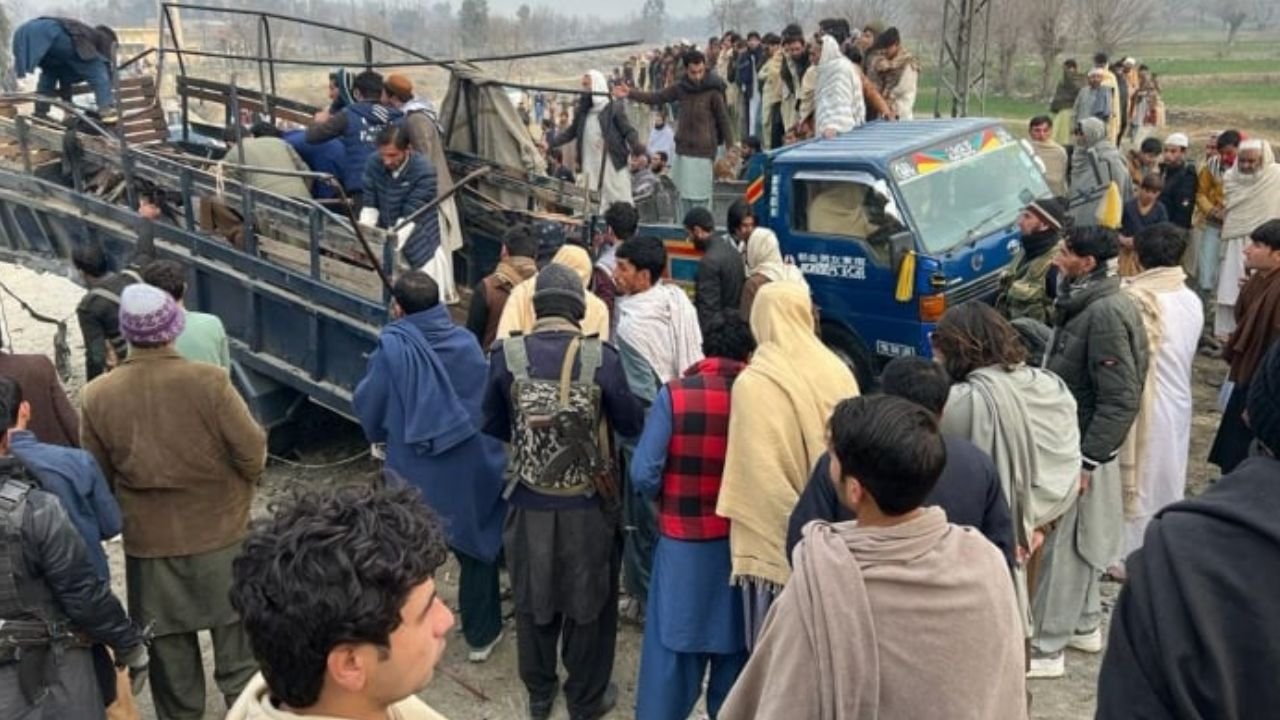
    A bomb targeting a polio protection team in Bajaur, northwestern Pakistan, on Monday killed at least five police officers, officials said.

    “A police truck transporting around 25 policemen for anti-polio campaign duties was targeted by an IED (improvised explosive device),” Anwar ul Haq, a senior government official in Bajaur district, told AFP.

    He said at least five police officers were killed and at least 20 others were wounded.

    Kashif Zulfiqar, a senior police officer in the district, confirmed the death toll.

    The attack happened in Mamund in Bajaur district, on the border with Afghanistan, in an area where militancy has been rising since the Taliban took control of Kabul in 2021.

    There was no immediate claim of responsibility for the attack but Islamist militants, including the Pakistan Taliban, have killed scores of polio vaccination workers and their security escorts in the past.

  • Oppenheimer tops Golden Globes on bittersweet night for Barbie

    Oppenheimer tops Golden Globes on bittersweet night for Barbie

    Oppenheimer, Christopher Nolan’s drama about the inventor of the atomic bomb, topped the Golden Globes on January 7 – but its fellow summer smash hit Barbie missed out on best comedy film honours to Poor Things.

    Oppenheimer took five prizes, including best drama, best director for Nolan, best score, as well as acting wins for Cillian Murphy and Robert Downey Jr.

    Emma Thomas, the film’s producer and Nolan’s wife, said her husband’s three-hour epic about “one of the darkest developments in our history” is “unlike anything anyone else is doing”.

    Murphy, who plays brilliant scientist J. Robert Oppenheimer, hailed his “visionary director”, while Downey Jr, portraying the protagonist’s bitter rival, praised the movie as a “masterpiece.”

    In winning best director, Nolan fended off Greta Gerwig, who helmed Barbie – the other half of the “Barbenheimer” phenomenon that grossed a combined US$2.4 billion (S$3.2 billion) last year at the box office.

    Turning nostalgia for the beloved doll into a sharp satire about misogyny and female empowerment, Barbie was the leading film heading into the night with nine nominations, but ended the gala with just two prizes.

    It won the award for best song, for a tune written by Billie Eilish and her brother Finneas. And as the year’s highest grossing movie, it claimed a newly created trophy for box office achievement.

    “We would like to dedicate this to every single person on the planet who dressed up and went to the greatest place on Earth, the movie theatres,” said Margot Robbie, the film’s star and producer.

    “Thank you to all the Barbies and Kens in front of and behind the screen,” added Gerwig.

    But Barbie surprisingly lost out on best comedy to Poor Things – a surreal, sexy bildungsroman which also earned Emma Stone best actress for her no-holds-barred turn as Bella Baxter.

    “Bella falls in love with life itself, rather than a person. She accepts the good and the bad in equal measure, and that really made me look at life differently,” said Stone.

    After an annus horribilis in which the industry was crippled by strikes, A-listers turned out in force to celebrate Sunday.

    Stars who were unable to promote their movies during the months-long Screen Actors Guild (SAG-AFTRA) walkout used the occasion to make up for lost time on the Oscars campaign trail.

    Along with movie stars like Leonardo DiCaprio, attendees included big names from the world of music such as Bruce Springsteen and Dua Lipa – both nominated for best song – and Taylor Swift representing her recent concert movie.

    “The big difference between the Golden Globes and the NFL – on the Golden Globes, fewer camera shots of Taylor Swift,” joked host Jo Koy.

    The ongoing hype surrounding “Barbenheimer”, even months after the films’ releases, is a welcome boon to the new owners of the high-profile but consistently scandal-dogged Golden Globes.

    Private investors including US billionaire Todd Boehly purchased the awards after years of controversy and declining audiences, and have invested heavily in resetting a night once billed as “Hollywood’s biggest party”.

    The Globes were boycotted by the industry after allegations of corruption and racism rose to the surface in 2021, and the show was taken off air entirely a year later.

    Since then, the controversial group of Los Angeles-based foreign journalists that created the Globes 80 years ago has been disbanded, and a wider net of overseas critics was brought in to choose this year’s winners.

    “Golden Globes journalists, thanks for changing your game,” said Downey Jr as he collected his prize.

    The Globes provide a timely boost for the Oscars. Nominations voting for the Academy Awards begins Thursday, with the Oscars taking place this year on March 10.

    Indigenous actor Lily Gladstone won best actress in a drama for her role in Martin Scorsese’s Killers of the Flower Moon, delivering some of her emotional speech in the native language of the Blackfeet Nation.

    “This is an historic win, it doesn’t belong to just me,” she said.

    “This is for every little res kid.”

    Paul Giamatti and Da’Vine Joy Randolph bolstered their Oscars campaigns with wins for The Holdovers, in which they starred as a curmudgeonly history teacher and cook of a 1970s prep school, respectively.

    Best screenplay and best non-English language film went to French courtroom drama “Anatomy of a Fall.”

    That film’s director and co-writer Justine Triet said she had assumed that “nobody is going to see this movie” about “a couple fighting, suicide, a dog vomiting… I mean, come on!”

    “This movie is about the truth, the impossibility of catching it,” she added.

    Hayao Miyazaki’s The Boy And The Heron won best animated film.

    The Globes also honour television.

    Succession (2018 to 2023) dominated, claiming best drama series, and acting wins for stars Kieran Culkin, Sarah Snook and Matthew Macfadyen.

    The Bear swept the comedy categories, while road-rage saga Beef did the same in limited series.

    Past Globes host Ricky Gervais, who did not attend, won best stand-up comedy performance, a new category. AFP

    List of winners at the 80th Golden Globes

    Film

    Best Drama: Oppenheimer

    Best Musical or Comedy: Poor Things

    Best Actor, Drama: Cillian Murphy, Oppenheimer

    Best Actress, Drama: Lily Gladstone, Killers Of The Flower Moon

    Best Actor, Musical or Comedy: Paul Giamatti, The Holdovers

    Best Actress, Musical or Comedy: Emma Stone, Poor Things

    Best Supporting Actor: Robert Downey Jr, Oppenheimer

    Best Supporting Actress: Da’Vine Joy Randolph, The Holdovers

    Best Director: Christopher Nolan, Oppenheimer

    Best Screenplay: Justine Triet and Arthur Harari, Anatomy Of A Fall

    Best Non-English Language Film: Anatomy Of A Fall

    Best Cinematic and Box Office Achievement: Barbie

    Best Animated Feature: The Boy And The Heron

    Best Original Score: Ludwig Goransson, Oppenheimer

    Best Original Song: What Was I Made For? from Barbie, music and lyrics by Billie Eilish and Finneas O’Connell

    Television

    Best Drama Series: Succession

    Best Actor, Drama Series: Kieran Culkin, Succession

    Best Actress, Drama Series: Sarah Snook, Succession

    Best Musical or Comedy Series: The Bear

    Best Actor, Musical or Comedy Series: Jeremy Allen White, The Bear

    Best Actress, Musical or Comedy Series: Ayo Edebiri, The Bear

    Best Limited Series or TV Movie: Beef

    Best Actor, Limited Series or TV Movie: Steven Yeun, Beef

    Best Actress, Limited Series or TV Movie: Ali Wong, Beef

    Best Supporting Actress: Elizabeth Debicki, The Crown

    Best Supporting Actor: Matthew Macfadyen, Succession

    Best Performance in Stand-up Comedy on Television: Ricky Gervais, Armageddon

  • Bangladesh’s Hasina wins re-election after polls without opposition

    Bangladesh’s Hasina wins re-election after polls without opposition

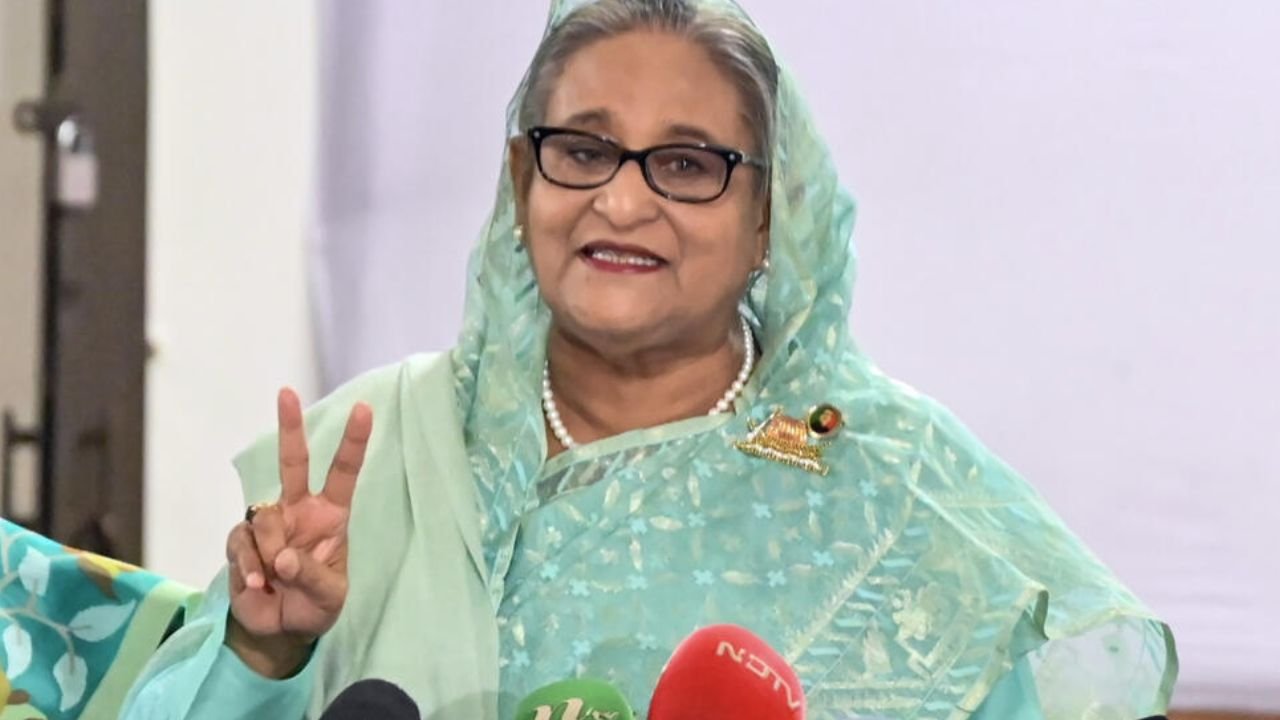
    Bangladesh’s Prime Minister Sheikh Hasina won re-election for a fifth term Sunday, officials said, following a boycott led by an opposition party she branded a “terrorist organisation”.

    Hasina’s ruling Awami League “has won the election”, an Election Commission spokesman told AFP in the early hours of Monday morning, after a vote that initial reports suggested had a meagre turnout of some 40 percent.

    She has presided over breakneck economic growth in a country once beset by grinding poverty, but her government has been accused of rampant human rights abuses and a ruthless opposition crackdown.

    Her party faced almost no effective rivals in the seats it contested, but it avoided fielding candidates in a few constituencies, in an apparent effort to avoid the legislature being branded a one-party institution.

    The opposition Bangladesh Nationalist Party (BNP), whose ranks have been decimated by mass arrests, called a general strike and, along with dozens of others, refused to participate in a “sham election”.

    While the final result and exact figures will be formally announced at a ceremony later on Monday, election commission officials said Hasina’s party had won around three-quarters of seats, at least 220 of the total 300.

    But support of other lawmakers including from allied parties could push Hasina’s control over parliament even higher.

    ‘Disgrace’

    Hasina, 76, had called for citizens to show faith in the democratic process.

    “The BNP is a terrorist organisation,” she told reporters after casting her vote. “I am trying my best to ensure that democracy should continue in this country.” 

    First-time voter Amit Bose, 21, said he had cast his ballot for his “favourite candidate”, but others said they had not bothered because the outcome was assured.

    “When one party is participating and another is not, why would I go to vote?” said rickshaw-puller Mohammad Saidur, 31.

    BNP head Tarique Rahman, speaking from Britain where he lives in exile, told AFP he feared “fake votes” would be used to boost voter turnout.

    “What unfolded was not an election, but rather a disgrace to the democratic aspirations of Bangladesh,” he wrote on social media, alleging he had seen “disturbing pictures and videos” backing his claims.

    Among the victors was Shakib Al Hasan, the Bangladesh cricket team captain, who won his seat for Hasina’s party in a landslide, local officials said.

    Fear of ‘further crackdown’

    The BNP and other parties staged months of protests last year, demanding Hasina step down ahead of the vote. Officers in the port city of Chittagong broke up an opposition protest Sunday, firing shotguns and tear gas canisters.

    But election officials said voting was largely peaceful, with nearly 800,000 police officers and soldiers deployed countrywide.

    Meenakshi Ganguly, from Human Rights Watch, said Sunday that the government had failed to reassure opposition supporters that the polls would be fair, warning that “many fear a further crackdown”.

    Politics in the country of 170 million people was long dominated by the rivalry between Hasina, the daughter of the country’s founding leader, and two-time premier Khaleda Zia, wife of a former military ruler.

    Hasina has been the decisive victor since returning to power in a 2009 landslide, with two subsequent polls accompanied by widespread irregularities and accusations of rigging.

    Zia, 78, was convicted of graft in 2018 and is now in ailing health at a hospital in Dhaka. BNP head Rahman is her son.

    ‘Dangerous combination’

    Hasina has accused the BNP of arson and sabotage during last year’s protest campaign, which was mostly peaceful but saw several people killed in police confrontations.

    The government’s security forces have been dogged by allegations of extrajudicial killings and enforced disappearances — charges it rejects.

    Economic headwinds have left many dissatisfied with Hasina’s government, after sharp spikes in food costs and months of chronic blackouts in 2022.

    Pierre Prakash of the International Crisis Group said before the vote that Hasina’s government was clearly “less popular than it was a few years ago, yet Bangladeshis have little real outlet at the ballot box.”

    “That is a potentially dangerous combination.”

  • Four dead, 40 hospitalised in Tunisia alcohol poisoning

    Four dead, 40 hospitalised in Tunisia alcohol poisoning

    Four people have been killed and 40 hospitalised after consuming tainted alcohol in southern Tunisia, an official said.

    An inquiry has been opened and the person who supplied the alcohol has been arrested, Fethi Baccouche, a spokesman for the Medenine court, told AFP.

    An analysis of the alcohol is underway to determine what was behind the mass poisoning.

    Of the 40 surviving victims, most left hospital but some were transferred to the capital Tunis for treatment, Baccouche said, without providing exact numbers.

    Poisonings from incorrectly produced or adulterated alcohol are common in Tunisia and often fatal.

    In 2021, Tunisian health authorities announced five deaths and the hospitalisation of 25 more in Kasserine in the country’s west after they drank contaminated alcohol.

    And in May 2020, 39 people were poisoned, including six who died, after drinking methanol near the city of Kairouan.

    The consumption of home-made alcohol is common in some working-class neighbourhoods of Tunis and remote regions of the country where poverty rates are high.

    The alcohol, which is illegal, is often much cheaper than that sold in shops.