Author: afp

  • Beloved Maggie Smith playing Professor McGonagall in Harry Potter dies at 89

    Beloved Maggie Smith playing Professor McGonagall in Harry Potter dies at 89

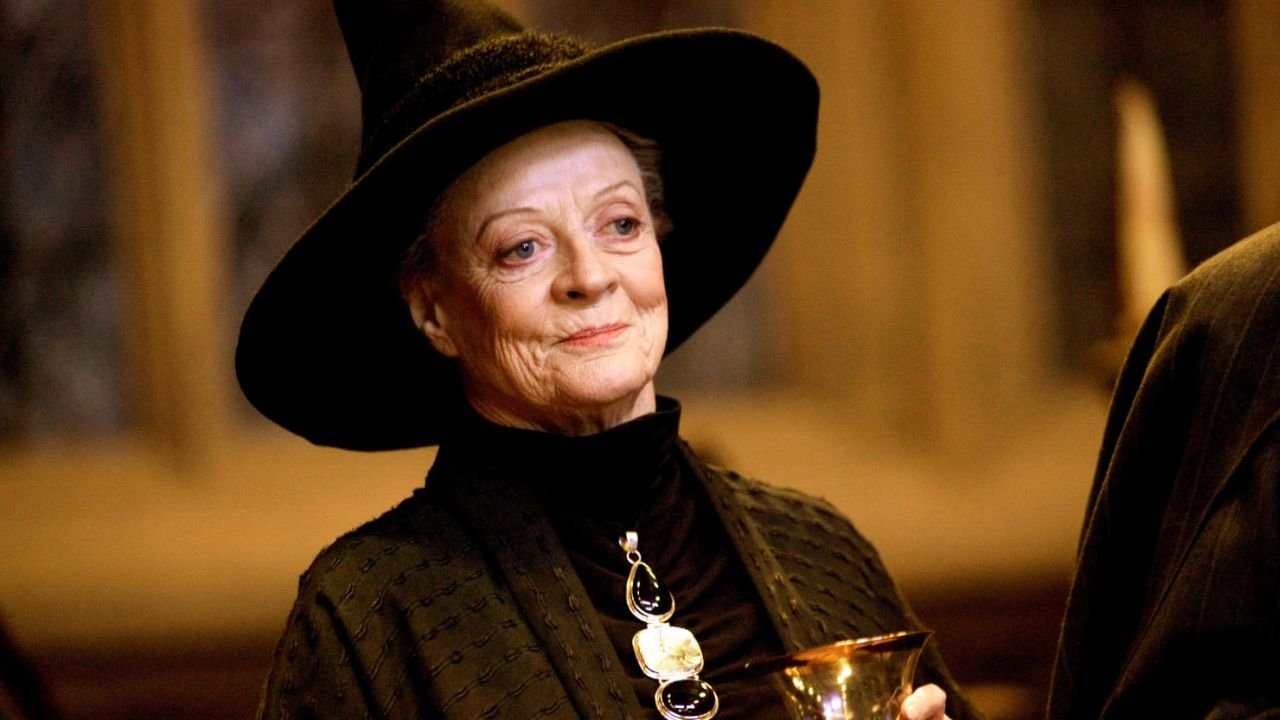
    Maggie Smith, who died on Friday aged 89, was an Oscar-winning legend of stage and screen, renowned for playing wide repertoire of characters during a decades-spanning career and personifying a particular kind of English eccentricity.

    For more than 60 years, on stage and on screen, she excelled in whatever she turned her hand to, winning a Tony, two Oscars, three Golden Globes and five Baftas.

    She became best-known in recent decades for her portayal of the kindly Professor McGonagall in the “Harry Potter” film franchise and the Dowager Countess in the hit television period drama series “Downton Abbey”.

    Smith became an international star in the 1960s and 1970s, when she won Oscars for best actress in “The Prime of Miss Jean Brodie” (1969) and “Travels with my Aunt” (1972).

    She was one of Britain’s most famous and beloved actors.

    Her portrayal of the caustic Countess of Grantham, Lady Violet Crawley, in “Downton Abbey” (2010-2015), which was screened in over 100 countries, won her a new generation of admirers around the globe.

    “It’s ridiculous. I led a perfectly normal life until Downton Abbey,” she told the British Film Institute in April 2017.

    “I would go to theatres, I would go to galleries and things like that on my own. And now I can’t.”

    Smith played the ruthless aristocrat in all six seasons of the show, created by screenwriter Julian Fellowes in 2010, winning a Golden Globe and three Emmy awards.

    After initially declining to participate in a big-screen adaptation of the series, the actress eventually agreed to appear in the film, which was a hit around the world in 2019.

    • Snooty schoolteacher –

    Born on December 28, 1934, the daughter of a secretary from Glasgow and an Oxford professor of pathology, Smith made her stage debut in 1952 with the Oxford University Dramatic Society.

    A string of stage successes in London’s West End and on Broadway followed, and she famously appeared opposite Laurence Olivier in 1959.

    This led to her becoming a member of Olivier’s celebrated 1960s National Theatre company, where she earned critical acclaim alongside her husband, the actor Robert Stephens.

    By the end of the decade, Smith’s film career had taken off.

    She won the best actress Academy Award in 1969 for her unforgettable portrayal of a snooty, unorthodox Edinburgh schoolteacher in “The Prime of Miss Jean Brodie”.

    She also picked up a best supporting actress award in 1978 for “California Suite” and, in all, won six Oscar nominations.

    Smith’s marriage to heavy-drinking Stephens, with whom she had two sons, had collapsed in 1973 and they divorced two years later.

    She remarried shortly after to screenwriter Beverley Cross, who died in 1998.

    Smith was made a Dame of the British Empire in recognition of her work in 1990 and, beside the top honours, won many other stage and screen awards in both Britain and the United States.

    • ‘Energy and curiosity’ –

    Smith was widely considered a near-flawless actress, with the rare ability to make a cameo role a central feature of a film.

    “(She) can capture in a single moment more than many actors can convey in an entire film,” said acclaimed director Nicholas Hytner after working with her on “The Lady in the Van” (2015).

    “She can be vulnerable, fierce, bleak and hilarious simultaneously, and she brings to the set each day the energy and curiosity of a young actor who’s just started out,” he added.

    Smith left some people feeling overawed.

    “It’s true I don’t tolerate fools but then they don’t tolerate me, so I am spiky,” she told The Guardian in 2014.

    “Maybe that’s why I’m quite good at playing spiky elderly ladies.”

    Perhaps the best example was 2001’s “Gosford Park” — also written by Fellowes — in which Smith played the frightful Constance, Countess of Trentham, with aplomb.

    She was credited with a dogged dedication to her craft.

    She survived a breast cancer diagnosis in 2007 and filmed “Harry Potter and the Half-Blood Prince” two years later while enduring chemotherapy treatment.

    “I was hairless. I had no problem getting the wig on — I was like a boiled egg,” she told The Times of the experience.

    The actor also suffered from Graves disease, a manageable thyroid condition causing tiredness, weight loss and heart palpitations.

    Smith is survived by her sons, actors Chris Larkin and Toby Stephens
  • Saudi Arabia forms coalition to push for Palestinian statehood

    Saudi Arabia forms coalition to push for Palestinian statehood

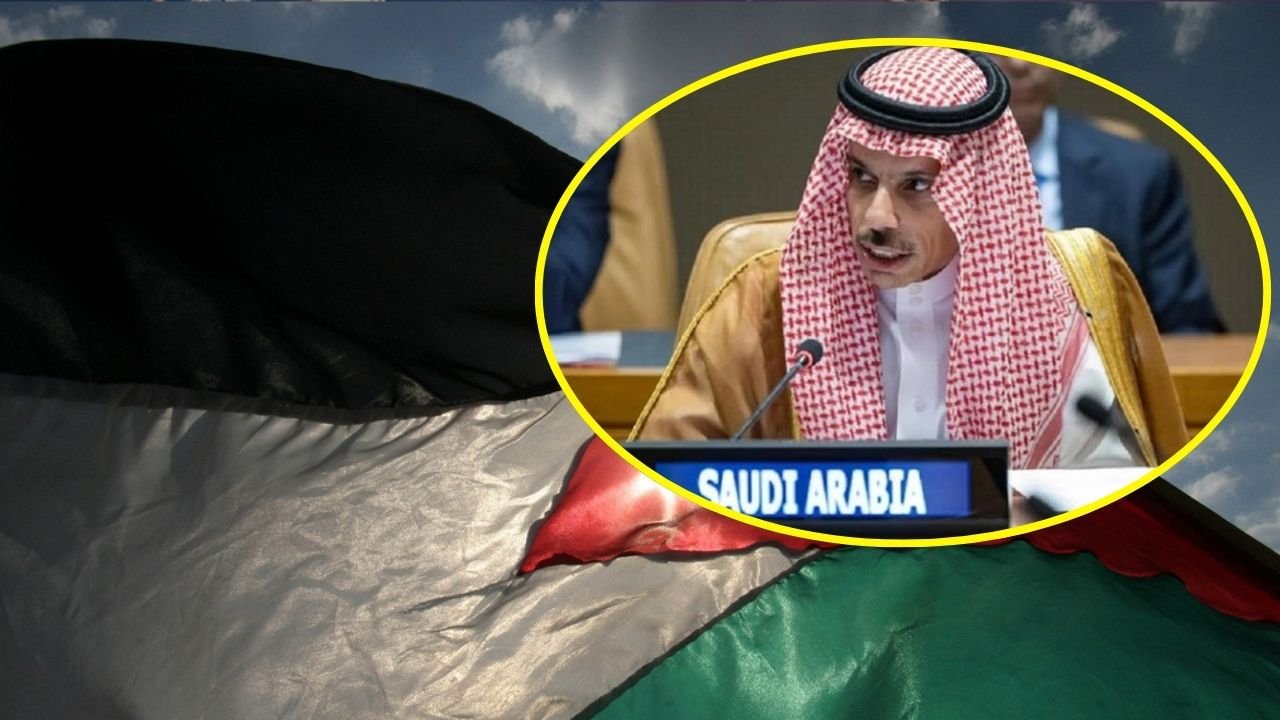
     Saudi Arabia’s foreign minister on Friday announced an “international alliance” to press for Palestinian statehood, on the sidelines of the United Nations General Assembly.

    Prince Faisal bin Farhan said the “International Alliance to implement the two-state solution” included Arab and Islamic countries, as well as European partners, the Saudi Press Agency said.

    The Gaza crisis has revived talk of a “two-state solution” of Israeli and Palestinian states living in peace side by side, but analysts said the goal seems more unattainable than ever.

    The hard-right Israeli government of Prime Minister Benjamin Netanyahu remains implacably opposed to Palestinian statehood.

    Saudi Arabia, the world’s biggest oil exporter, paused US-brokered talks on recognising Israel after the Israeli invasion of Gaza in October last year.

    Earlier this month, Crown Prince Mohammed bin Salman toughened his tone, explicitly saying that an “independent Palestinian state” is a condition for normalisation.

    A senior official of the Saudi-based Organisation of Islamic Cooperation (OIC) said the new coalition “consists mainly of Islamic and Arab members of OIC plus some European countries”.

    “There will be meetings in Arab and European countries to discuss the practical execution of the initiative and a conference later this year in Riyadh,” added the official, who asked to remain anonymous.

    Prompting Israeli anger, Ireland, Norway and Spain announced their recognition of a Palestinian state in May. Slovenia followed, bringing the number of countries that recognise a Palestinian state to 146 out of the 193 United Nations member states.

    Prince Faisal said the nearly year-long Gaza conflict could not be justified by Israel as “self-defence”.

    “Self-defence cannot justify the killing of tens of thousands of civilians, the practice of systematic destruction, forced displacement (and) the use of starvation as a tool of war,” Prince Faisal told a ministerial meeting on the Palestinian crisis, on the sidelines of the UN General Assembly.

  • Pope says Church must ‘seek forgiveness’ for child sexual abuse

    Pope says Church must ‘seek forgiveness’ for child sexual abuse

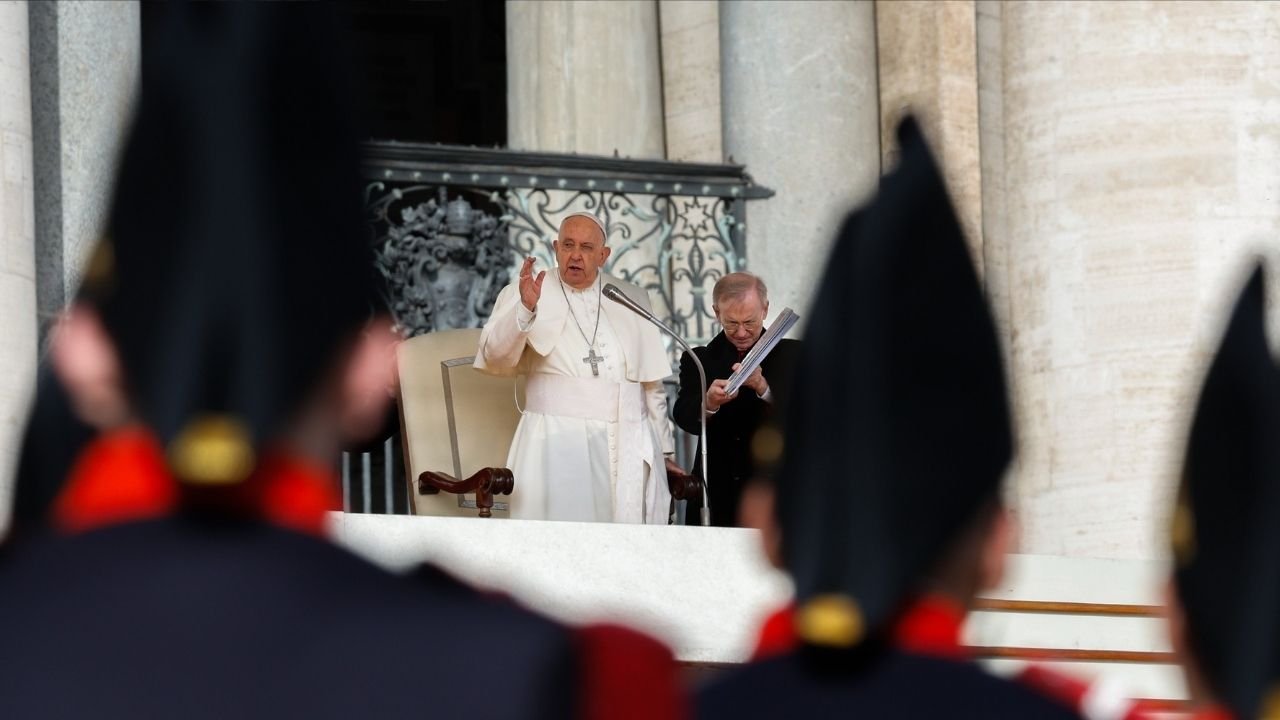
    Pope Francis said Friday that the Catholic Church must “seek forgiveness” over the “scourge” of child sexual abuse, during a visit to Belgium where the Church’s dark past looms large.

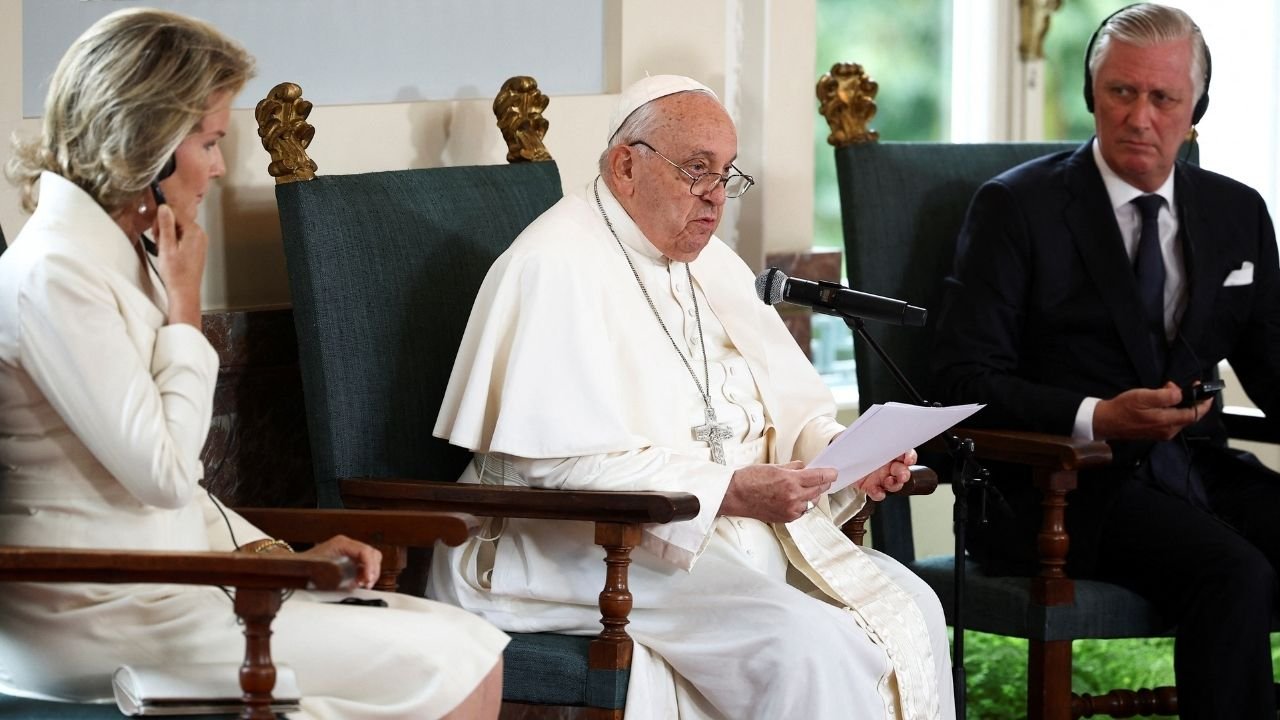
    In a speech before political and civil society leaders that opened his three-day visit to the country, Francis denounced the “tragic instances of child abuse” as a stain on the Church’s legacy.

    “It is our shame and our humiliation,” Francis told the gathering at the Laeken Palace royal residency.

    “The Church must be ashamed and must seek forgiveness,” he said.

    The 87-year-old pontiff is due to meet with a group of clerical sexual assault victims in Brussels in the afternoon, as part of a three-day stay in the European nation tarred by decades of scandals and cover-ups.

    The meeting with around 15 victims, taking place at 6:30 pm (1630 GMT) at the Vatican’s diplomatic mission, was being held with the “utmost discretion”, according to the Belgian church.

    It was arranged after a hard-hitting documentary last year put Belgium’s abuse scandal back on the front pages, prompting many new victims to come forward.

    In an open letter published by Le Soir newspaper this month, some demanded the pope address paedophilia and set up a process for financial reparations.

    “Words alone are not enough. Concrete measures must also be taken,” Belgian Prime Minister Alexander De Croo said in a preamble to the pope’s speech.

    The pontiff said the abuse scandal was “a scourge that the Church is addressing firmly and decisively by listening to and accompanying those who have been wounded, and by implementing a prevention programme throughout the world”.

    Forced adoptions

    Francis has made combating sexual assault in the Church a main mission of his papacy, and insisted on a “zero tolerance” policy in the wake of wide-reaching abuse scandals around the world.

    During his speech, Francis also said he was “saddened” to learn about a forced adoptions scandal in Belgium that saw institutions run by nuns give up the babies of thousands of underage girls and unmarried women.

    “We see how the bitter fruit of wrongdoing and criminality was mixed in with what was unfortunately the prevailing view in all parts of society at that time,” he said.

    Belgium’s HLN news site estimates that up to 30,000 children were taken from their mothers in Belgium between 1945 and the 1980s.

    Bishops in Belgium apologised in 2023 and requested an independent investigation after fresh testimonies emerged from women and people claiming to have been “sold” by the Catholic Church to their adoptive family.

    Child sexual abuse and forced adoptions have “badly damaged trust” between the Church and society, De Croo said.

    In a sign of the work yet to be done, the program of an open-air mass concluding Francis’s trip on Sunday had to be changed at the last minute after it emerged that the closing hymn was composed by a priest accused of sexual abuse.

    The blunder prompted the head of the Belgian bishops’ conference, Archbishop Luc Terlinden, to admit that the Church needed to get better at keeping a tab on cases and perpetrators.

    “This represents a great challenge for us, but we must think about it seriously with the help of lawyers and psychologists,” he told a local broadcaster. The composer, who died this month, reportedly settled a sexual abuse case in 2002.

    On the wane

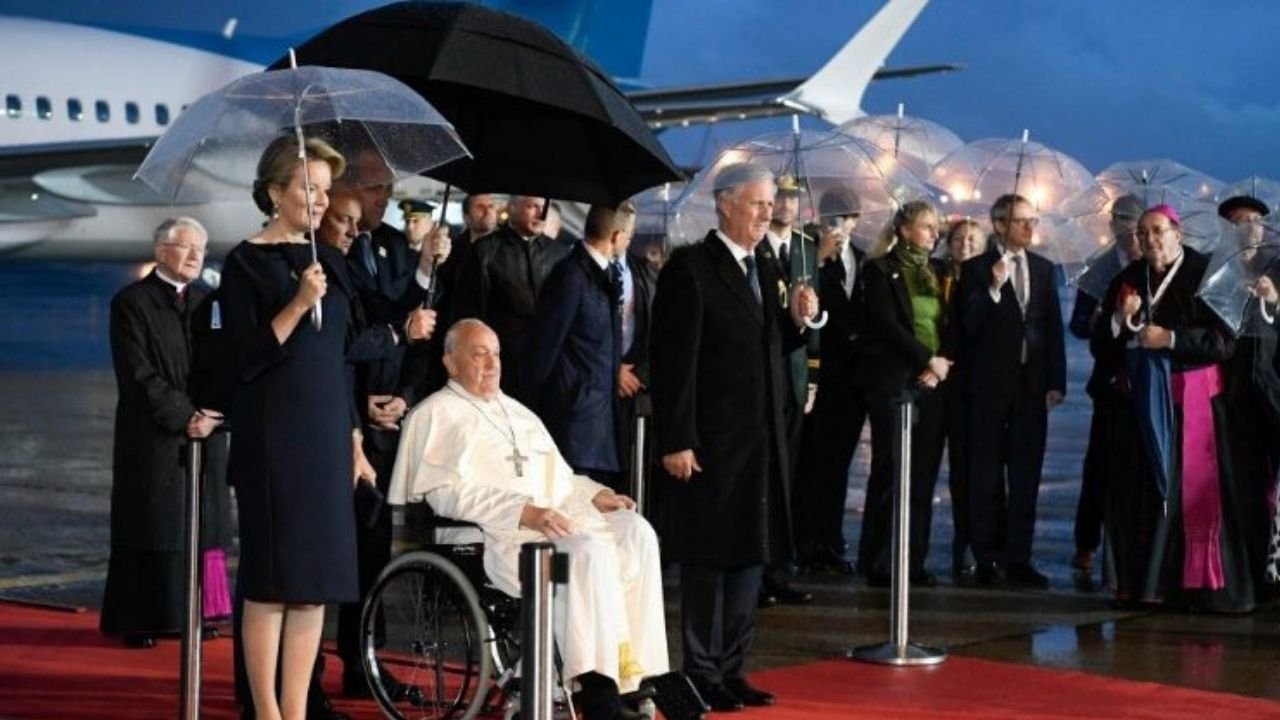
    The Argentinian pope arrived in Belgium on Thursday evening after spending the day in neighbouring Luxembourg, where he made a plea for international diplomacy amid flaring conflicts across the globe.

    He was welcomed by King Philippe and Queen Mathilde, who hosted him on Friday morning, and he will head on to meet with academics at the Catholic university of Leuven in Dutch-speaking Flanders — whose 600th anniversary next year is the official reason for Francis’s visit.

    On Saturday, during what is his 46th trip abroad, Francis will meet the clergy at the vast Basilica of the Sacred Heart before holding discussions with students at Louvain-la-Neuve in French-speaking Wallonia, notably on climate issues.

    The last papal visit to Brussels was in 1995, when John Paul II attended the beatification of Saint Damien, who dedicated his life to lepers.

    Nearly 65 percent of Belgium’s population is Christian, including 58 percent who are Catholic, according to figures from Louvain university.

    But their numbers are on the wane, reflecting a decline across Europe.

    During his weekly general audience, Francis said he hoped his visit could be “the opportunity for a new impetus of faith”.

  • 7-year-old Indian boy killed in ritual sacrifice

    7-year-old Indian boy killed in ritual sacrifice

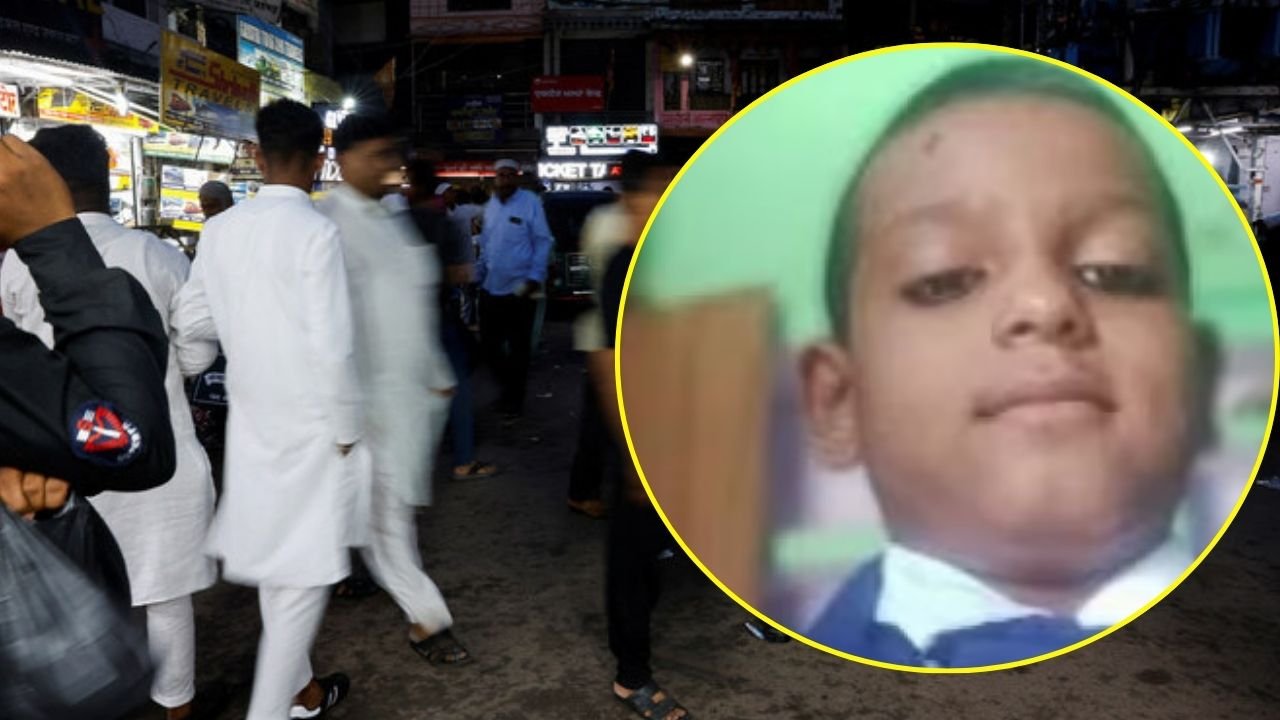
    Five people were arrested in India for the killing of a seven-year-old boy in an alleged ritual sacrifice aimed at bringing good fortune to a public school, police said Friday.

    The victim was found dead in his bed on Sunday night at the hostel where he lived in the city of Hathras, not far from the country’s famed Taj Mahal.

    Instead of alerting authorities, police said that school director Dinesh Baghel hid the body in the trunk of his car.

    Police officer Himanshu Mathur told AFP that the boy was killed before a black magic ceremony conducted by Baghel’s father.

    “The boy was meant to be taken to an altar as part of a ritual but got killed before the ceremony could be completed,” he said.

    Baghel and his father were arrested along with three other teachers at the school, Mathur added.

    Mathur did not give further details on how the child had died, and local media reports said the body was undergoing a post-mortem examination.

    India’s National Crime Records Bureau lodged 103 cases of human sacrifice in the country between 2014 and 2021.

    Ritual killings are usually conducted to appease deities and are more common in tribal and remote areas, where belief in witchcraft and the occult is widespread.

    Last year, police arrested five men for the 2019 murder of a 64-year-old woman who was killed and decapitated with a machete after visiting a temple in India’s remote northeast.

    Police said the alleged ringleader had been conducting a religious rite to mark the anniversary of his brother’s death.

  • Meta unveils star-studded AI assistants

    Meta unveils star-studded AI assistants

    Meta launched AI chatbots voiced by Hollywood celebrities like John Cena and Judi Dench on Wednesday, betting that its billions of users are eager to embrace artificial intelligence.

    “I think that voice has the potential to be one of, if not the most frequent ways, that we all interact with AI,” said Meta founder and CEO Mark Zuckerberg at the company’s annual product presentation event. “It is just a lot better,” he said.

    The deployment comes months after OpenAI previewed its own ChatGPT voice feature, which drew controversy for its similarity to actress Scarlett Johansson’s voice.

    Meta has obtained permission from the stars featured in its new voice tool, which will be available on Instagram, Facebook, and WhatsApp. However, Meta AI won’t be accessible in Europe due to concerns about compliance with EU data protection laws and potential fines.

    Meta’s AI relies on content and data from its platforms’ legions of users, a practice that involves numerous obligations and safeguards in Europe.

    400 million users

    Like ChatGPT or Google’s Gemini, Meta AI is an AI assistant that answers questions, creates images, writes messages and even provides companionship.

    This new version builds on the initial release unveiled a year ago. Meta reports that over 400 million people already consult Meta AI at least once a month, and the company aims to make it “the most widely used AI assistant by the end of the year.” Critics, however, point out that many users stumble into MetaAI inadvertently, as it has replaced the search function on apps such as WhatsApp.

    Since ChatGPT’s breakthrough, major tech companies have been rapidly developing AI applications capable of producing high-quality content from simple queries.

    Competition is fierce, with Google and Microsoft having a head start in productivity features, and Apple entering the market with AI-capable iPhones. However, these models require substantial technical infrastructure, energy, and skilled engineers, significantly impacting company resources.

    Meta believes its enhanced assistant sounds more natural, can interact verbally, and analyze images. Like other chatbots, it can suggest recipes from food photos or edit images based on simple user requests.

    Despite concerns about heavy spending on AI and virtual reality, Meta’s profits have soared, with its share price up 60 per cent since the beginning of the year. The company’s success rides on strong advertising results.

    But the social media giant’s heavy spending on AI and virtual reality technology has always been a concern for investors and observers. “When I think about AI, Meta is not necessarily the first brand that comes to mind,” Creative Strategies analyst Carolina Milanesi said.

    “And their biggest hurdle is going to be privacy and trust: a lot of consumers will have issues with trusting that the data is not being used for other reasons.”

  • ‘Please don’t eat my cat’: Trump parody song goes viral

    ‘Please don’t eat my cat’: Trump parody song goes viral

    A pet-loving part-time musician is fast becoming a global star by gently poking fun at Donald Trump for suggesting that Haitian immigrants are making a meal of America’s cats and dogs.

    “Eating the cats”, a parody song by The Kiffness which sets to music Trump’s extraordinary claims during the US presidential debate that migrants in Ohio “are eating the dogs, eating the cats”, has been viewed more than 8.7 million times on YouTube alone in 12 days.

    “People of Springfield please don’t eat my cat,” pleads the South African singer, whose real name is David Scott. “Why would you do that?/ Eat something else.”

    He then helpfully holds up a card suggesting a range of other mostly veggie options, including broccoli, avocados and poached eggs.

    The singer, who has been slowly building a following for his feel-good songs about pets and children — because “they tend to unite people” — has seen his popularity soar since he got his singing claws into Trump.

    Although he insists he is not attacking anybody, just giving some cat- and dog-friendly dietary advice.

    “I think music has a powerful way of taking away negative energy and polarising feelings, especially with someone like Donald Trump, who is such a polarising figure,” he told AFP before his band gave a concert in Paris.

    “I want my music to unite people. And I think that’s why I moved towards music that included animals. Because animals unite people,” said the 36-year-old from Cape Town.

    The video, which has been watched by millions more on social media, shows Trump’s rival Kamala Harris reacting to his widely-derided claims during their debate earlier this month. A couple of cats and dogs also chip in with vocals, and equally incredulous looks.

    Scott said all the earnings from the song are going to help pets and stray cats and dogs in Springfield, with more than $20,000 already raised.

    “I’ve never seen anything like it,” he told AFP. “The interest has been overwhelming from both sides, from Democrats, from Republicans.”

    He said the song was not “laughing at the situation, it’s saying that you can rise above it… and just see the humour in things,” said the musician, who describes himself on X as a “Christian, husband, father (and) part-time musician”.

    Springfield’s mayor, police and Ohio’s Republican governor have all said there is no evidence to back up Trump’s claims that Haitian migrants were eating the city’s pets.

    But that has not stopped his running mate JD Vance — an Ohio senator — from doubling down on the claims, despite being widely mocked.

    “My constituents are telling me firsthand that they’re seeing these things,” an unapologetic Vance told CNN.

    This prompted Haitian groups in Springfield to file charges against Trump and Vance Wednesday over the threats to their community since the pair amplified the false online rumours.

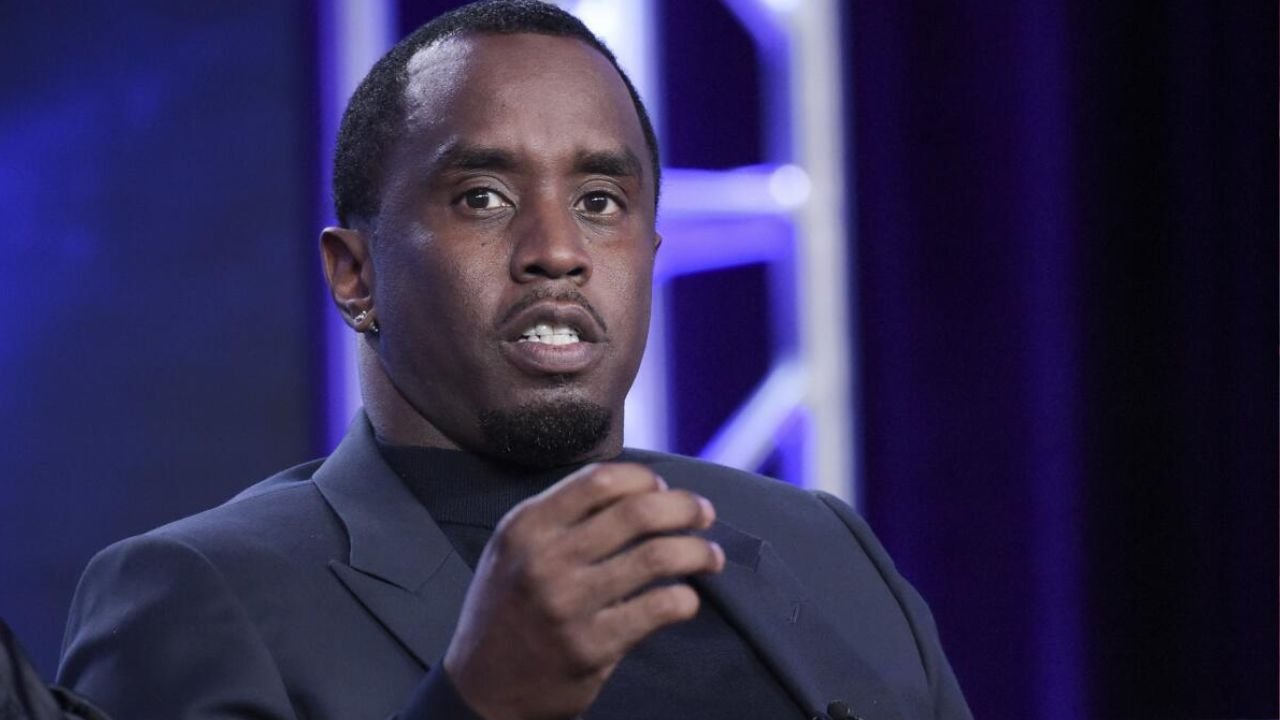
  • Sean ‘Diddy’ Combs sued for alleged 2001 rape

    Sean ‘Diddy’ Combs sued for alleged 2001 rape

    A woman who alleges Sean “Diddy” Combs drugged and violently raped her, filming the assault so he could sell it for the titillation of others, said Tuesday she was suing the rapper.

    Thalia Graves held a tearful press conference in Los Angeles, in which she said the emotional and mental pain from the 2001 attack remains with her.

    The 54-year-old Combs was indicted last week on three criminal counts that allege he sexually abused women and coerced them into drug-fueled sex parties using threats and violence.

    A spate of separate lawsuits, now including Graves’s, in the last year have painted the picture of a serial predator, sparking a massive fall from grace for the hip hop star.

    “It goes beyond just physical harm caused by and during the assault. It’s a pain that reaches into your very core of who you are, and leaves emotional scars that will never be fully healed,” she told reporters.

    “I’ve had PTSD, depression and anxiety. I’m emotionally scarred. It has been hard for me to trust others, to form healthy relationships, or even feel safe in my own skin.

    “Flashbacks, nightmares and intrusive thoughts make me feel like it’s a constant struggle.”

    In the criminal case, Combs is charged with racketeering conspiracy, sex trafficking and transporting victims across state lines to engage in prostitution.

    Prosecutors say Combs was the don of a criminal enterprise that ensnared women and forced them to commit sex acts under the threat of violence, financial insecurity and reputational ruin.

    – Mounting lawsuits –

    Allegations have been building against Combs since last year, when singer Cassie, whose real name is Casandra Ventura, alleged Combs subjected her to more than a decade of coercion by physical force and drugs as well as a 2018 rape.

    A spate of similarly lurid lawsuits since describe Combs as a violent man who used his celebrity to prey on women.

    Combs has pleaded not guilty to the criminal charges. He has been jailed awaiting trial.

    Graves’ lawyer, Gloria Allred, said her client’s claims were not part of the criminal indictment.

    Graves’ suit, filed in the Southern District of New York, says she met the rapper through her then-boyfriend, who worked at Combs’s Bad Boy Records.

    It details how Combs took her to his studio, giving her a glass of wine along the way that she believes was spiked. She says she lost consciousness shortly after arriving.

    When she woke up, she was naked and bound. But when she called for help, Combs’ associate Joseph Sherman smashed her head into a pool table.

    Combs and Sherman then raped her and she passed out again.

    The suit says the two men repeatedly warned her over the following years not to talk about the alleged assault.

    After Combs’s ex-girlfriend Cassie Venture went public with allegations about his criminal behavior last year, Graves discovered her assault had been taped and sold as pornography.

    The legal action demands compensatory and punitive damages, as well as other costs and fees.

  • Nearly 500 dead in Israeli strikes on Lebanon

    Nearly 500 dead in Israeli strikes on Lebanon

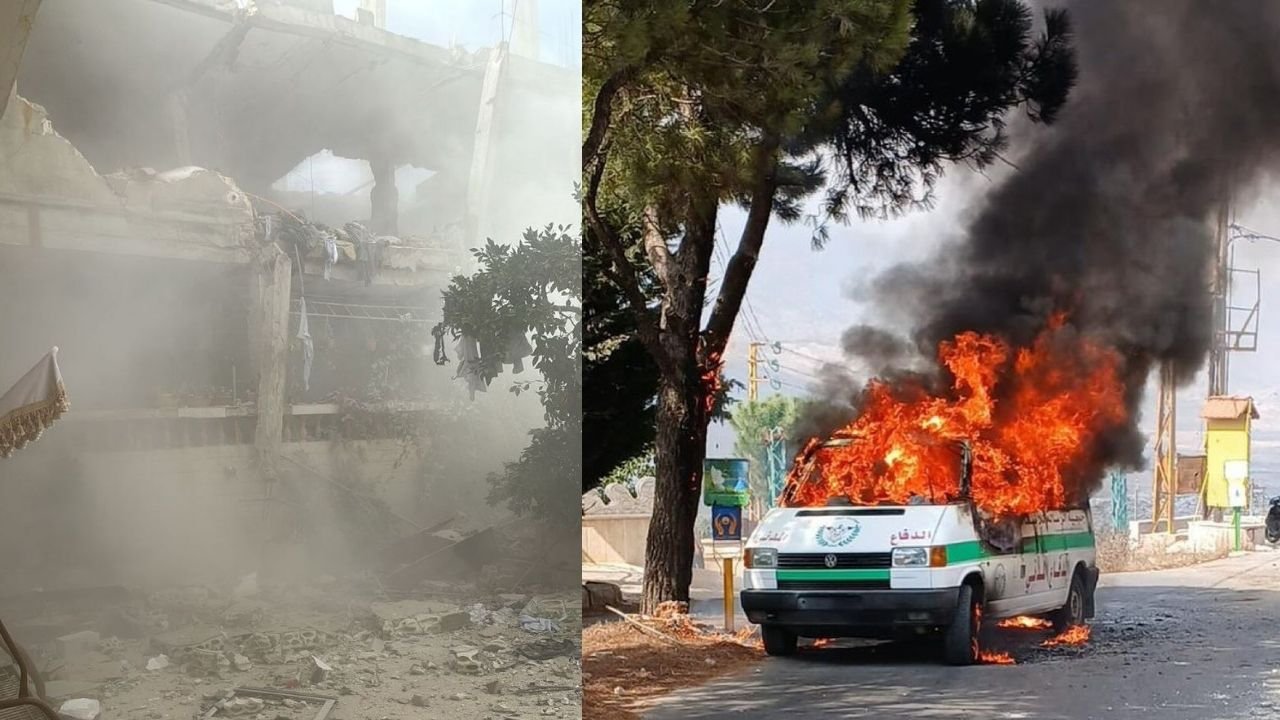
    Israeli air strikes on Lebanon killed at least 492 people on Monday, including 35 children, the health ministry said, marking the deadliest day of cross-border violence since the Gaza genocide began.

    Arab states strongly condemned Israel for the escalating hostilities with Hezbollah, which have intensified to levels unseen in nearly a year.

    Israel said it killed a “large number” of Hezbollah fighters when it hit about 1,600 sites in southern and eastern Lebanon, including a “targeted strike” in Beirut in what the Israeli military called “Operation Northern Arrows”.

    Hezbollah said Ali Karake, its third-in-command, was alive and had moved to safety after a source said the strike on the capital targeted him.

    The group said early Tuesday it had launched “volleys” of missiles at Israeli military sites after state media reported new raids in eastern Lebanon.

    People in Israel’s coastal city of Haifa were seen running for cover on Monday when air raid sirens sounded.

    Lebanon’s health ministry said the strikes killed 492 people, including 35 children and 58 women, and wounded 1,645 others. Health Minister Firass Abiad said “thousands of families” had been displaced.

    Explosions near the ancient city of Baalbek in eastern Lebanon sent smoke billowing into the sky.

    “We sleep and wake up to bombardment… that’s what our life has become,” said Wafaa Ismail, 60, a housewife from the southern village of Zawtar.

    ‘Most difficult week for Hezbollah’

    Global powers urged Israel and Hezbollah to step back from the brink of all-out war as the violence shifted from Israel’s southern border with Gaza to its northern frontier with Lebanon.

    France and Egypt called on the United Nations Security Council to intervene, while Iraq requested an urgent meeting of Arab states on the sidelines of the UN General Assembly in New York.

    Israeli army chief Herzi Halevi said the strikes hit combat infrastructure Hezbollah had been building for two decades.

    Israeli Defence Minister Yoav Gallant called Monday “a significant peak” in the operation.

    “This is the most difficult week for Hezbollah since its establishment –- the results speak for themselves,” he said.

    “Entire units were taken out of battle as a result of the activities conducted at the beginning of the week in which numerous terrorists were injured.”

    Prime Minister Benjamin Netanyahu said Israel was acting to change the “security balance” in the north.

    Hezbollah wave of rockets

    Hezbollah, which has been trading near-daily fire with Israel in support of Hamas, said it was in a “new phase” of confrontation.

    The group said it launched rockets at Israeli military sites near Haifa and two bases in retaliation for Israeli strikes on the south and the Bekaa.

    The attack came after an Israeli strike on southern Beirut on Friday killed its elite Radwan Force commander, Ibrahim Aqil, and coordinated communications device blasts that Hezbollah blamed on Israel killed 39 people and wounded almost 3,000 on Tuesday and Wednesday.

    Since the cross-border exchanges between Israel and Hezbollah began in October, tens of thousands of people on both sides have fled their homes.

    An Israeli military official, who cannot be further identified under military rules, said the operation seeks to “degrade threats” from Hezbollah, push them back from the border, and then to destroy infrastructure.

    Lebanese Prime Minister Najib Mikati urged the United Nations and world powers to deter what he called Israel’s “plan that aims to destroy Lebanese villages and towns”.

    ‘Full-fledged war’ nearing

    US President Joe Biden, whose country is Israel’s main ally and weapons supplier, said Washington was “working to de-escalate in a way that allows people to return home safely”.

    The Pentagon said it was sending a small number of additional US military personnel to the Middle East after thousands were deployed earlier alongside warships, fighter jets and air defence systems.

    A US official, speaking on condition of anonymity at the UN General Assembly, said that Washington opposed an Israeli ground invasion targeting Hezbollah and had “concrete ideas” on how to de-escalate the crisis.

    G7 foreign ministers said in a joint statement that “no country stands to gain” from escalating conflict, warning of “unimaginable consequences” if a regional war broke out.

    EU foreign affairs chief Josep Borrell warned that Israel and Hezbollah were “almost in full-fledged war”, ahead of a gathering of world leaders at the United Nations.

    UN chief Antonio Guterres was “gravely alarmed” by civilian casualties in Lebanon, his spokesman said.

    The United Nations peacekeeping force in south Lebanon warned “any further escalation of this dangerous situation could have far-reaching and devastating consequences”.

    Qatar, a mediator in Gaza ceasefire talks, said Israel’s bombardment of Lebanon “puts the region on the brink of the abyss”, while Turkey said the strikes threatened “chaos” and Jordan urged an immediate end to the escalation “before it is too late”.

    The Palestinian foreign ministry condemned the strikes and ordered Palestinian medical staff in Lebanon to provide support for the wounded.

    Iran’s newly elected president, Masoud Pezeshkian, accused Israel of seeking “to create this wider conflict”.

    Hamas’s October 7 attack on Israel resulted in the deaths of 1,205 people, mostly civilians, according to an AFP tally based on Israeli official figures that include hostages killed in captivity.

    Of the 251 hostages also seized by militants, 97 are still held in Gaza, including 33 the Israeli military says are dead.

    Israel’s retaliatory military offensive has massacred at least 41,455 people in Gaza, most of them civilians, according to figures provided by Gaza’s health ministry. The UN has described the figures as reliable.

  • Man arrested in Italy over 1977 Australian double murder

    Man arrested in Italy over 1977 Australian double murder

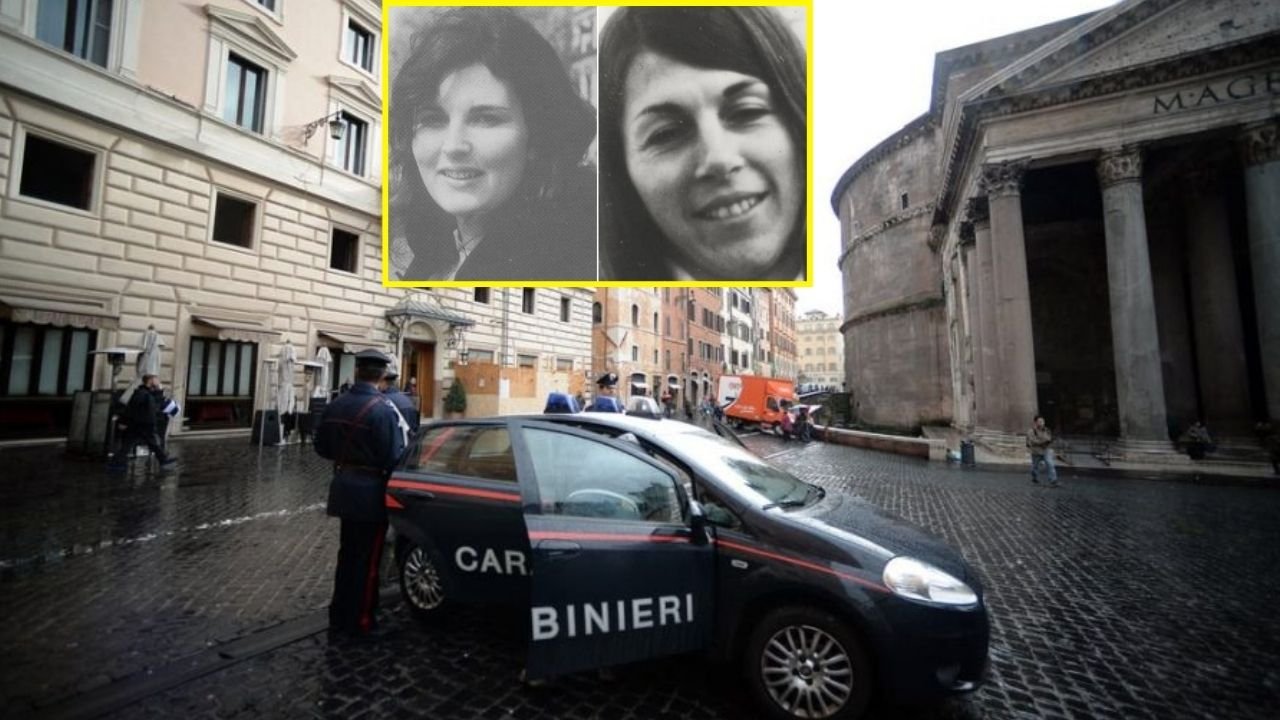
    A 65-year-old man has been arrested in Rome over the “horrific, frenzied” 1977 murder of two women in their home in Melbourne, Australian police said Saturday.

    The bodies of Suzanne Armstrong, 27, and Susan Bartlett, 28, were discovered at their house in Easey Street, Melbourne, on January 13, 1977, with multiple stab wounds.

    Armstrong had been raped. Her then 16-month-old son was found unharmed in his cot.

    The women had last been seen alive three days earlier.

    “It was an absolutely gruesome, horrific, frenzied homicide — multiple stabbings,” Victoria Police Chief Commissioner Shane Patton told a news conference.

    He described the 47-year-old crime, known as the Easey Street murders, as the state’s longest and most serious cold case.

    The suspect, a dual Greek-Australian citizen, had been living in Greece where he was protected by the country’s statute of limitations, Patton said.

    Police waited for him to leave the country, the chief commissioner added, and he was finally arrested Thursday in the Italian capital’s Fiumicino airport under an Interpol red notice.

    Australia will launch extradition procedures, he said.

    Police had been helped by “technological advances” over the years, Patton said.

    In 2017, they offered an Aus$1 million (US$680,000) reward for information leading to an arrest and conviction, he said, after new information had come to light.

    He declined to give more details of the investigation.

    A report in Melbourne’s The Age newspaper, which police did not confirm, said police had decided to check the DNA of all 131 people named in the original police file.

    The suspect was on that list and had agreed to undergo a DNA test but instead fled to Greece in 2017, the paper reported.

    He was linked to the crime by the DNA of a close relative, it said.

    According to The Age, the suspect had been stopped and searched on the night of the murders by local police who found a large knife on him — three days before the bodies were discovered.

    It is “understood” that the man — then a teenager — was not interviewed about the killings at the time as police focused on other suspects, the paper said.

    A detective senior sergeant running the investigation since 2015 broke the news of the suspect’s arrest to the victims’ families on Saturday morning, Patton said.

    The families were “emotional, speechless, overwhelmed, but appreciative that they hadn’t been forgotten”, he said.

    “There is simply no expiry date on crimes that are as brutal as this. I think that is borne out here today.”

  • Pro-Hasina student leader beaten to death on Dhaka campus

    Pro-Hasina student leader beaten to death on Dhaka campus

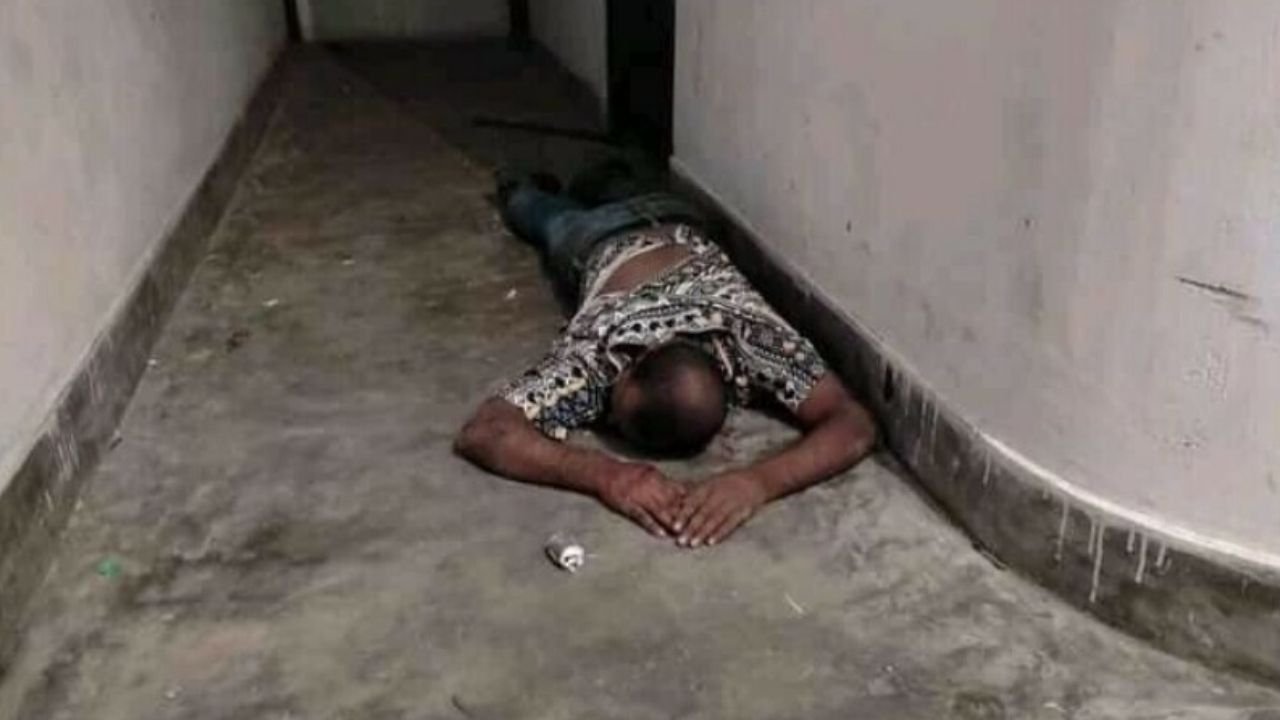
    A Bangladeshi student leader was beaten to death at his university campus in an apparent reprisal for attacks on protesters during the uprising that ousted ex-premier Sheikh Hasina last month.

    Shamim Ahmed was enrolled at Jahangirnagar University in the capital, Dhaka, and was a top member of the student wing of Hasina’s Awami League party, police officer Abu Bakkar said.

    Bakkar said Ahmed was beaten by unknown assailants on Wednesday night for leading an attack on student demonstrators at the campus in mid-July, when protests demanding Hasina’s removal from office were gaining momentum.

    “We took him to the Gonoshasthaya Hospital, where he later died,” the officer added.

    Staff at the hospital confirmed that Ahmed had died after being brought in with multiple injuries. Ahmed is at least the second leader of the Awami League’s student wing to be killed this month.

    Fellow leader Abdullah Al Masud died hours after being beaten by a mob in the northern city of Rajshahi on Sept 8, according to local media reports.

    He had also been accused of marshalling counter-demonstrations against the student-led uprising against Hasina, who fled the country in early August moments before protesters stormed her Dhaka palace.

    Hasina’s government was accused of widespread abuses, including the mass detention and extrajudicial killing of political rivals. More than 450 people were killed in the weeks of violence leading up to the autocratic leader’s toppling.

    Since her departure for exile in neighbouring India, cabinet ministers and other senior members of Hasina’s party have been arrested, and her government’s appointees have been purged from courts and the central bank.

    At least 25 journalists seen as close to Hasina’s regime have also been taken into custody since her ouster and replacement with an interim government led by Nobel Peace Prize laureate Mohammed Yunus.