South Korean pistol shooter Kim Ye-ji, whose skill and nonchalance won the internet at the Paris Olympics, has landed her first acting role — as an assassin.
The 32-year-old took silver in the women’s 10m air pistol in July and her ultra-calm demeanour, combined with her wire-rimmed shooting glasses and baseball cap, turned her into a worldwide online sensation.
As videos of her shooting went viral, she drew praise from celebrities such as Elon Musk.
“She should be cast in an action movie. No acting required!” Musk wrote on his social media platform X at the time.
Now she will play an assassin in “Crush”, a spinoff short-form series of the global film project “Asia”, a spokesperson for Seoul-based entertainment firm Asia Lab told AFP on Friday.
Kim will star alongside Indian actress and influencer Anushka Sen, the company said in a separate statement, saying it was excited to witness “the potential synergy that will arise from Kim Ye-ji and Anushka Sen’s new transformation into a killer duo”.
Since winning silver, a short clip showing Kim at the Baku World Cup in May has gone viral, spawning fan art, endless memes and multiple edits setting the clip to K-pop.
Kim signed with a South Korean talent agency in August to assist her in managing her extracurricular activities and she has since been featured in a magazine photoshoot for Louis Vuitton.
A second deadly wave of unprecedented explosions in the strongholds of Lebanon’s Hezbollah left it in disarray on Thursday, hours before a major speech by its beleaguered leader, Hassan Nasrallah.
The latest batch of device explosions killed 20 people and wounded more than 450 others on Wednesday, officials said, stoking fears of a full-blown war with Israel.
The blasts came a day after the simultaneous detonation of pagers used by Hezbollah killed 12 people, including two children, and wounded up to 2,800 others across Lebanon in an unprecedented attack blamed on Israel.
Walkie-talkies used by its members exploded in the latest blasts at Hezbollah’s Beirut stronghold, a source close to the group said, with state media reporting similar detonations in south and east Lebanon.
AFPTV footage showed people running for cover when an explosion went off during a funeral for Hezbollah fighters in south Beirut in the afternoon.
“The wave of enemy explosions that targeted walkie talkies… killed 20 people and wounded more than 450,” Lebanon’s health ministry said in a statement.
There was no comment from Israel, which only hours before Tuesday’s explosions had announced it was broadening the aims of its offensive in Gaza to include its fight against Hamas’s ally Hezbollah.
“The centre of gravity is moving northward,” Israeli Defence Minister Yoav Gallant said during a visit to an air base on Wednesday, adding, “We are at the start of a new phase in the war.”
Amos Harel of the left-leaning Haaretz newspaper said the pager and walkie-talkie blasts had put “Israel and Hezbollah on the brink of all-out war”.
Out of this world
With tensions in the Middle East spiralling, senior diplomats from the United States, Britain, Germany, France and Italy will meet on Thursday in Paris, sources said, ahead of a UN Security Council meeting planned for Friday.
US Secretary of State Antony Blinken will join his counterparts in the French capital after discussing the possibility of a Gaza truce in Cairo.
The White House warned all sides against “an escalation of any kind”.
“We don’t believe that the way to solve where we’re at in this crisis is by additional military operations at all,” US National Security Council spokesman John Kirby told reporters.
Hezbollah has traded near-daily cross-border fire with Israel since Hamas’s October 7 attacks sparked the conflict in Gaza.
Lebanese Foreign Minister Abdallah Bou Habib warned that the “blatant assault on Lebanon’s sovereignty and security” was a dangerous development that could “signal a wider war”.
Hezbollah said Israel was “fully responsible for this criminal aggression” and vowed revenge.
Iran’s envoy to the UN said the country “reserves the right to take retaliatory measures” after its ambassador in Beirut was wounded.
The influx of so many casualties all at once overwhelmed medics.
At a Beirut hospital, doctor Joelle Khadra said the “injuries were mainly to the eyes and hands, with finger amputations, shrapnel in the eyes — some people lost their sight”.
A doctor at another hospital in the Lebanese capital said he had worked through the night and that the injuries were “out of this world — never seen anything like it”.
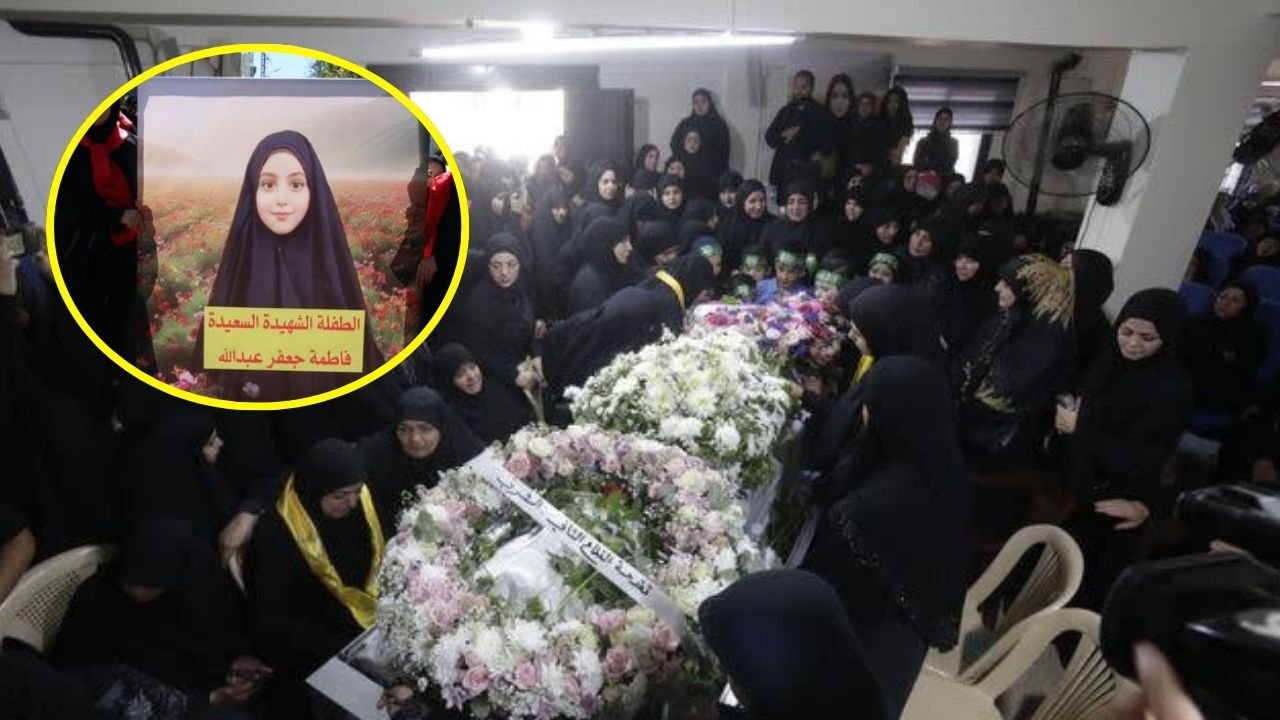
Among the dead was the 10-year-old daughter of a Hezbollah member, killed in east Lebanon’s Bekaa Valley when her father’s pager exploded, the family and a source close to the group said.
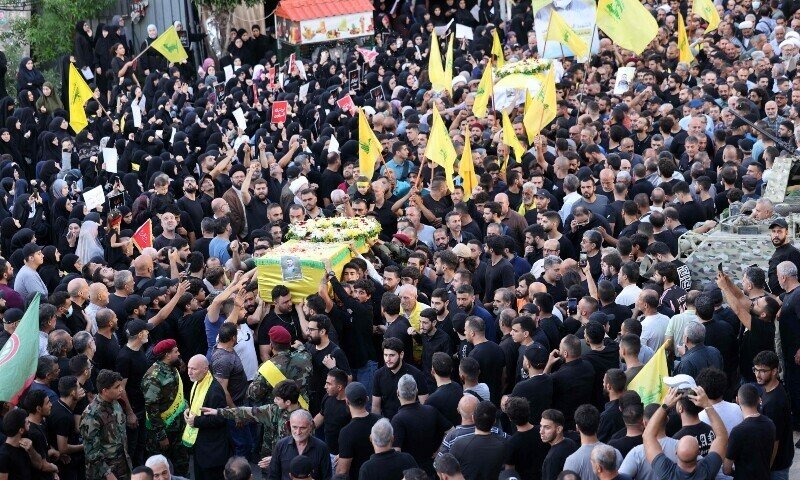
Hezbollah fighters carry the coffins of people killed after hundreds of paging devices exploded in a deadly wave across Lebanon the previous day, during their funeral procession in Beirut’s southern suburbs on September 18, 2024. — AFP
Heavy blow
Analysts said operatives had likely planted explosives on the pagers before they were delivered to Hezbollah.
“A small plastic explosive was almost certainly concealed alongside the battery, for remote detonation via a call or page,” said Charles Lister of the Middle East Institute.
The preliminary findings of a Lebanese investigation into the blasts found the pagers had been booby-trapped, a security official said.
“Data indicates the devices were pre-programmed to detonate and contained explosive materials planted next to the battery,” the official said, requesting anonymity to discuss sensitive matters.
A source close to Hezbollah, asking not to be identified, said the pagers were “recently imported” and appeared to have been “sabotaged at source”.
After The New York Times reported that the pagers had been ordered from Taiwanese manufacturer Gold Apollo, the company said they had been produced by its Hungarian partner BAC Consulting KFT.
A government spokesman in Budapest said the company was “a trading intermediary, with no manufacturing or operational site in Hungary”.
The attack dealt a heavy blow to Hezbollah, which already had concerns about the security of its communications after losing several commanders to targeted strikes in recent months.
As fears surged of a regional conflagration nearly a year into the Gaza conflict, Lufthansa and Air France announced the suspension of flights to Tel Aviv, Tehran and Beirut until Thursday.
‘Extremely volatile’
Since October, the exchanges of fire between Israeli troops and Hezbollah have killed hundreds of people, mostly fighters, in Lebanon, and dozens including soldiers on the Israeli side.
They have also forced tens of thousands of people on both sides to flee their homes.
United Nations rights chief Volker Turk said Tuesday’s attack had come at an “extremely volatile time”, calling the blasts “shocking” and their impact on civilians “unacceptable”.
UN chief Antonio Guterres urged governments “not to weaponise civilian objects”.
The October 7 attacks that sparked the genocide in Gaza resulted in the deaths of 1,205 people, mostly civilians, on the Israeli side, according to an AFP tally based on official Israeli figures that include hostages killed in captivity.
Out of 251 hostages seized by fighters, 97 are still held in Gaza, including 33 the Israeli military says are dead.
Israel’s military offensive and strikes has killed at least 41,272 people in Gaza, most of them civilians, according to data provided by the territory’s health ministry. The UN has acknowledged these figures as reliable.
In Gaza on Wednesday, the civil defence agency said an Israeli strike on a school-turned-shelter killed five people, while the Israeli military said it targeted Hamas.
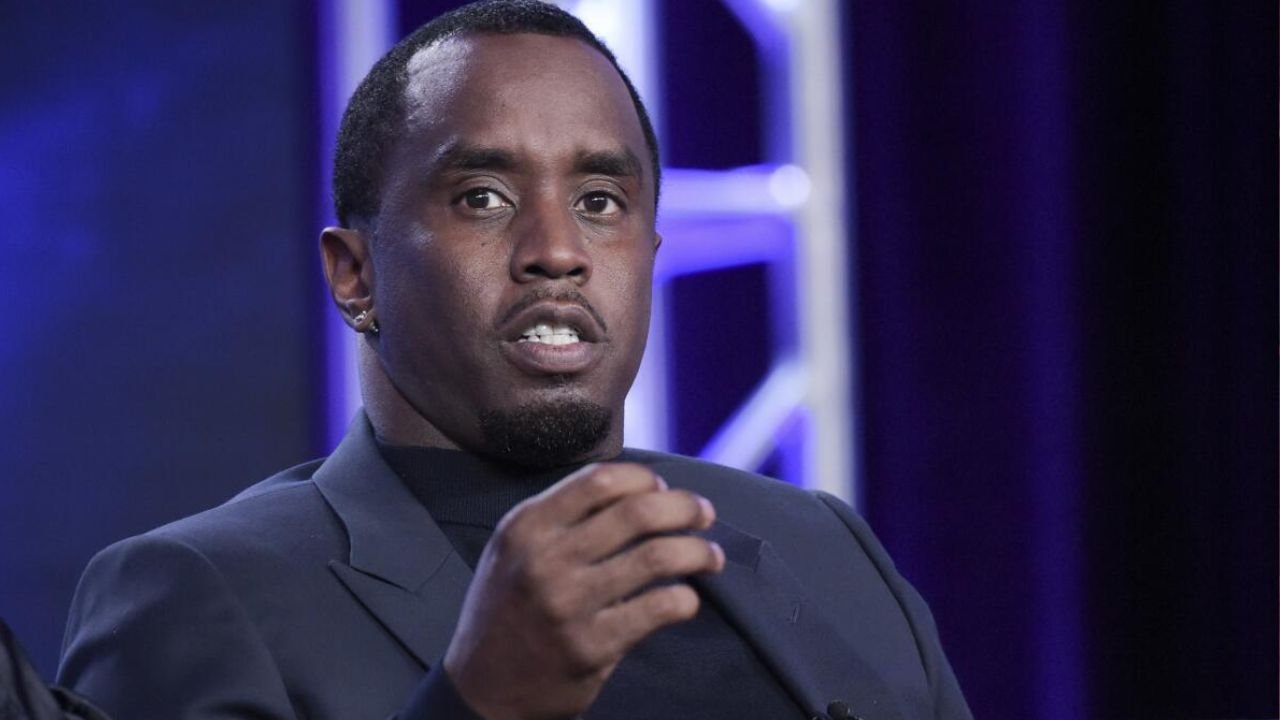
Superstar rap mogul Sean “Diddy” Combs pleaded not guilty Tuesday to racketeering and sex trafficking charges, and was ordered to remain in custody pending a trial.
Combs, 54, was arrested by federal agents in New York on Monday evening and accused in a just-unsealed three-count criminal indictment alleging he sexually abused women and coerced them into drug-fueled sex parties using threats and violence.
Appearing in a Manhattan courtroom where many family members came to support him, the one-time music dignitary pleaded not guilty. His lawyer asked Magistrate Judge Robyn Tarnofsky to allow his release on bail.
After a lengthy bail hearing in which the prosecution voiced concerns including the potential for witness tampering and flight risk, Judge Tarnofsky denied bail, saying she was concerned about a “power imbalance” in the case that includes people she said are “subject to coercion.”
She also cited concerns over his alleged propensity for anger, violence and substance abuse.
Combs, who was wearing black t-shirt, grey sweatpants and sneakers, did not noticeably react to the pre-trial detention ruling, which his attorney, Marc Agnifilo, said would be appealed.
Along with racketeering conspiracy and sex trafficking, Combs is charged with one count of transporting victims across state lines to engage in prostitution.
Damian Williams, the US Attorney for the Southern District of New York, said that although Combs is the only person indicted for now the investigation is ongoing.
The indictment alleges that for decades Combs “abused, threatened, and coerced women and others around him to fulfill his sexual desires, protect his reputation, and conceal his conduct.”
It accused him of running a criminal enterprise that carried out “sex trafficking, forced labor, kidnapping, arson, bribery, and obstruction of justice.”
Combs allegedly engaged in a “persistent and pervasive pattern” of verbal, emotional, physical, and sexual abuse of women, the indictment said.
“On numerous occasions from at least in or about 2009 and continuing for years, Combs assaulted women by, among other things, striking, punching, dragging, throwing objects at, and kicking them,” it said.
Williams said female victims were forced to engage in extended sexual performances with male commercial sex workers in sessions called “Freak Offs,” which were planned and controlled by Combs and often videotaped.
“The Freak Offs sometimes lasted days at a time… and often involved a variety of narcotics such as ketamine, ecstasy and GHB,” he said. “The indictment alleges that Combs threatened and coerced victims to get them to participate in the Freak Offs.”
– Bombshell suit –
The powerful music industry figure, who has gone by various monikers including Puff Daddy and P Diddy, was credited as key to hip hop’s journey from the streets to luxury clubs.
Despite his efforts to cultivate the image of a smooth party kingpin and business magnate, a spate of lawsuits describe Combs as a violent man who used his celebrity to prey on women.
The floodgates opened last year after singer Cassie, whose real name is Casandra Ventura, alleged Combs subjected her to more than a decade of coercion by physical force and drugs as well as a 2018 rape.
The pair met when Ventura was 19 and Combs was 37, after which he signed her to his label and they began a relationship.
The bombshell suit was settled out of court, but a string of similarly lurid sexual assault claims followed — including one in December by a woman who alleged Combs and others gang-raped her when she was 17.
The rapper’s luxury homes in Miami and Los Angeles were raided by agents in March.
Disturbing surveillance video emerged in May showing Combs physically assaulting his then-girlfriend Ventura, corroborating allegations she made in the now-settled case.
The prosecution referenced the footage’s content during the bail hearing, suggesting it is a key element of their case.
– Global fame with dark shadow –
Born Sean John Combs on November 4, 1969, in Harlem, the artist entered the industry as an intern in 1990 at Uptown Records, where he eventually became a talent director.
In 1991, he promoted a celebrity basketball game and concert at the City College of New York that left nine people dead after a stampede and resulted in a string of lawsuits.
He was fired from Uptown and founded his own label, Bad Boy Records.
That began a quick ascent to the top of East Coast hip hop, along with his late disciple, The Notorious B.I.G.
Combs boasted a number of major signed acts and production collaborations with the likes of Mary J Blige, Usher, Lil’ Kim, TLC, Mariah Carey and Boyz II Men.
He was also a Grammy-winning rapper in his own right, debuting with the chart-topping single “Can’t Nobody Hold Me Down” and his album “No Way Out.”
At least 10 people were killed and dozens injured when a bus crashed in central Iran, official media reported on Tuesday.
The bus overturned in Yazd province while travelling between the cities of Bushehr in southwestern Iran and Mashhad in the northeast, state television said.
“The accident left 10 people dead and 41 injured, according to initial figures,” it said, without specifying the total number of passengers on board.
Iran has a poor road safety record, with more than 20,000 deaths in accidents recorded in the year to March, according to the judiciary’s Legal Medicine Organisation cited by local media.
Last month, a bus carrying Pakistani pilgrims crashed in central Iran, killing 28 people en route to Iraq for Chehlum, one of the most significant events in the Shia Muslim calendar.
Days later, another bus crash killed three people and injured 48 others.
Developing countries will need trillions of dollars in the years ahead to deal with climate change- but exactly how much is needed, and who is going to pay for it?
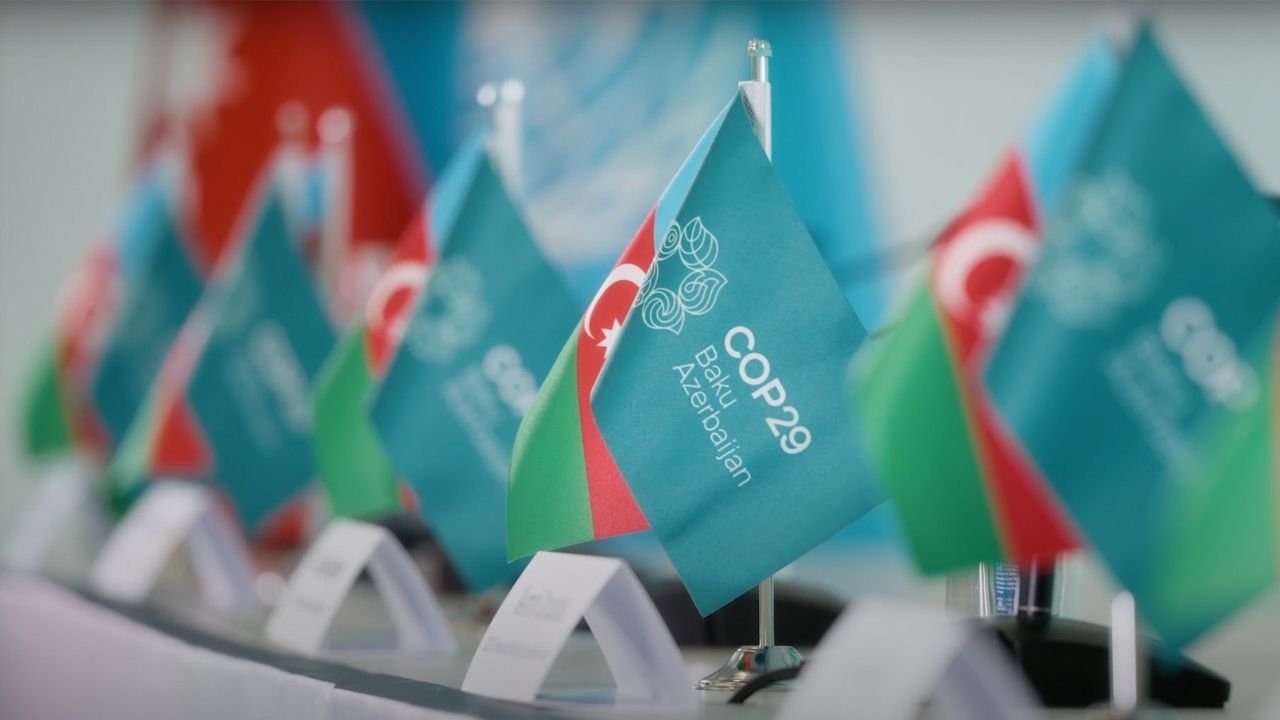
These difficult questions will be wrestled at this year’s United Nations climate conference, known as COP29, being hosted in Azerbaijan in November.
What is climate finance?
It is the buzzword in this year’s negotiations, but there isn’t one agreed definition of “climate finance”.
In general terms, it’s money spent in a manner “consistent with a pathway towards low greenhouse gas emissions and climate-resilient development”, as per phrasing used in the Paris Agreement.
That includes government or private money channelled into low-carbon investments in clean energy like wind and solar, technology like electric vehicles, or adaptation measures like dikes to hold back rising seas.
But could a subsidy for a new water-efficient hotel, for example, be included in climate finance?
The COPs — the annual UN-sponsored climate summits — have never defined it.
How much is needed?
The Climate Policy Initiative, a nonprofit research group, estimates that $10 trillion per year in climate finance will be needed between 2030 and 2050.
This compares to around $1.3 trillion spent in 2021-2022.
But in the parlance of UN negotiations, climate finance has come to refer to something more specific — the difficulties that developing nations face getting the money they need to adapt to global warming.
The line between climate finance and conventional development aid is sometimes blurred.
But experts commissioned by the UN estimate that developing countries, excluding China, will need an estimated $2.4 trillion per year by 2030.
Who will pay?
Under a UN accord adopted in 1992, a handful of countries deemed wealthy, industrialised, and the most responsible for global warming were obligated to provide compensation to the rest of the world.
In 2009, these countries — the United States, the European Union, Japan, the United Kingdom, Canada, Switzerland, Turkey, Norway, Iceland, New Zealand and Australia — committed to paying $100 billion per year by 2020.
They only achieved this for the first time in 2022. The delay eroded trust and fuelled accusations that rich countries were shirking their responsibility.
At COP29, nearly 200 nations are expected to agree on a new finance goal beyond 2025 — but deep divisions remain over how much should be paid, and who should pay it.
India has called for $1 trillion annually, a ten-fold increase in the existing pledge, but countries on the hook to pay it want other major economies to chip in.
They argue times have changed since 1992. Economies have grown, new powers have emerged, and today the big industrialised nations of the early 1990s represent just 30 percent of historic greenhouse gas emissions.
In particular, there is a push for China — the world’s largest polluter today — and the Gulf countries to pay, a proposal they do not accept.
Where will they find the money?
Today, most climate finance aid goes through development banks or funds co-managed with the countries concerned, such as the Green Climate Fund and the Global Environment Facility.
Campaigners are very critical of the $100 billion pledge because two-thirds of the money was distributed as loans, often at preferential rates, but seen as compounding debt woes for poorer nations.
Even revised upwards, it is likely any future commitment will fall well short of what is needed.
But it is viewed as highly symbolic nonetheless, and crucial to unlocking other sources of money, namely private capital.
Financial diplomacy also plays out at the World Bank, the International Monetary Fund and the G20, where hosts Brazil want to craft a global tax on billionaires.
The idea of new global taxes, for example on aviation or maritime transport, is also supported by France, Kenya and Barbados, with the backing of UN chief Antonio Guterres.
Redirecting fossil fuel subsidies towards clean energy or wiping the debt of poor countries in exchange for climate investments are also among the options.
Another proposal, from COP29 host Azerbaijan, has floated asking fossil fuel producers to contribute to a new fund that would channel money to developing countries.
As for the “loss and damage” fund created at COP28 to support vulnerable nations cope with extreme weather events, it is still far from up and running, with just $661 million pledged so far.
The number of people in Japan aged 100 or older has hit a record high of more than 95,000 — almost 90 percent of them women — government data showed Tuesday.
The figures further highlight the slow-burning demographic crisis gripping the world’s fourth-biggest economy as its population ages and shrinks.
As of September 1, Japan had 95,119 centenarians, up 2,980 year-on-year, with 83,958 of them women and 11,161 men, the health ministry said in a statement.
On Sunday, separate government data showed that the number of people over the age of 65 hit a record high of 36.25 million, accounting for 29.3 percent of Japan’s population.
The proportion puts Japan at the top of a list of 200 countries and regions with a population of over 100,000 people, the Ministry of Internal Affairs and Communications said.
Japan is currently home to the world’s oldest living person, Tomiko Itooka, who was born on May 23, 1908 and is 116 years old, according to the US-based Gerontology Research Group.
The previous record-holder, Maria Branyas Morera, died last month in Spain at the age of 117.
Itooka lives in a nursing home in Ashiya, Hyogo prefecture in western Japan, the ministry said.
She often says “thank you” to the nursing home staff and expresses nostalgia about her hometown, the ministry said.
“I have no idea at all about what’s the secret of my long life,” Japan’s oldest man, Kiyotaka Mizuno, who is 110, told local media.
Mizuno, who lives in Iwata, Shizuoka prefecture in central Japan with his family, gets up at 6:30 am every morning and eats three meals a day — without being picky about his food.
His hobby is listening to live sports, including sumo wrestling, the ministry said.
Japan is facing a steadily worsening population crisis, as its expanding elderly population leads to soaring medical and welfare costs, with a shrinking labour force to pay for it.
The country’s overall population is 124 million, after declining by 595,000 in the previous, according to previous government data.
The government has attempted to slow the decline and ageing of its population without meaningful success, while gradually extending the retirement age — with 65 becoming the rule for all employers from fiscal 2025.
If you care about the environment, think twice about using AI.
Generative artificial intelligence uses 30 times more energy than a traditional search engine, warns researcher Sasha Luccioni, on a mission to raise awareness about the environmental impact of the hot new technology.
Recognized as one of the 100 most influential people in the world of AI by the American magazine Time in 2024, the Canadian computer scientist of Russian origin has sought for several years to quantify the emissions of programs like ChatGPT or Midjourney.
“I find it particularly disappointing that generative AI is used to search the Internet,” laments the researcher, who spoke with AFP on the sidelines of the ALL IN artificial intelligence conference in Montreal.
The language models on which the programs are based require enormous computing capacities to train on billions of data points, necessitating powerful servers.
Then, there’s the energy used to respond to each individual user’s requests.
Instead of simply extracting information, “like a search engine would do to find the capital of a country, for example,” AI programs “generate new information,” making the whole thing “much more energy-intensive,” she explains. According to the International Energy Agency, the combined AI and the cryptocurrency sectors consumed nearly 460 terawatt hours of electricity in 2022 — two percent of total global production.
Energy efficiency
A leading researcher on the impact of AI on climate, Luccioni participated in 2020 in the creation of a tool for developers to quantify the carbon footprint of running a piece of code. “CodeCarbon” has since been downloaded more than a million times.
Head of the climate strategy of startup Hugging Face, a platform for sharing open-access AI models, she is now working on creating a certification system for algorithms.
Similar to the program from the US Environmental Protection Agency that awards scores based on the energy consumption of electronic devices and appliances, it would make it possible to know an AI product’s energy consumption in order to encourage users and developers to “make better decisions.”
“We don’t take into account water or rare materials,” she acknowledges, “but at least we know that for a specific task, we can measure energy efficiency and say that this model has an A+, and that model has a D,” she says.
Transparency
In order to develop her tool, Luccioni is experimenting with it on generative AI models that are accessible to everyone, or open source, but she would also like to do it on commercial models from Google or ChatGPT-creator OpenAI, which have been reluctant to agree.
Although Microsoft and Google have committed to achieving carbon neutrality by the end of the decade, the US tech giants saw their greenhouse gas emissions soar in 2023 because of AI: up 48 percent for Google compared to 2019 and 29 percent for Microsoft compared to 2020.
“We are accelerating the climate crisis,” says Luccioni, calling for more transparency from tech companies.
The solution, she says, could come from governments that, for the moment, are “flying blindly,” without knowing what is “in the data sets or how the algorithms are trained.”
“Once we have transparency, we can start legislating.”
‘Energy sobriety’
It is also necessary to “explain to people what generative AI can and cannot do, and at what cost,” according to Luccioni.
Zimbabwe will cull 200 elephants as it faces an unprecedented drought that has led to food shortages while also tackling a ballooning population of the animals, the country’s wildlife authority said Friday.
The country has “more elephants than it needed”, Zimbabwe’s environment minister said in parliament on Wednesday, adding that the government had instructed the Zimbabwe Parks and Wildlife Authority (ZimParks) to begin the culling process.
The 200 elephants will be hunted in areas where they have clashed with humans, including Hwange, home of Zimbabwe’s largest natural reserve, ZimParks Director General Fulton Mangwanya told AFP.
Zimbabwe is home to an estimated 100,000 elephants and has the second-biggest elephant population in the world after Botswana. Thanks to conservation efforts, Hwange is home to 65,000 of them, more than four times its capacity, according to ZimParks. Zimbabwe last culled elephants in 1988.
Neighbouring Namibia has already killed 160 in a cull of more than 700 elephants to cope with its worst drought in decades.
Zimbabwe and Namibia are among a swathe of countries in southern Africa that have declared a state of emergency because of drought.
However, the move to hunt the animals for food was not welcomed across the board.
“[The] Government must have more sustainable eco-friendly methods to dealing with drought without affecting tourism,” said Farai Maguwu, director of the nonprofit Centre for Natural Resource Governance. “They risk turning away tourists on ethical grounds. The elephants are more profitable alive than dead.”
He added, “We have shown that we are poor custodians of natural resources, and our appetite for ill-gotten wealth knows no bounds, so this must be stopped because it is unethical.”
On the other hand, Chris Brown, a conservationist and CEO of the Namibian Chamber of Environment, said that “elephants have a devastating effect on habitat if they are allowed to increase continually, exponentially”.
“They really damage ecosystems and habitats, and they have a huge impact on other species which are less iconic and therefore matter less in the eyes of the eurocentric, urban armchair conservation people,” he said. “Those species matter as much as elephants. “
Pop star Justin Timberlake was handed a sentence of community service on Friday after he changed his plea to guilty following his arrest for drunk driving, US media reported.
On June 18, the 43-year-old entertainer was pulled over in the town of Sag Harbor, about 100 miles (160 kilometers) east of New York City, after police observed his BMW go through a stop sign and struggle to stay within road lanes.
Sag Harbor Village Justice Court justice Carl Irace handed Timberlake a community service sentence and ordered the star to make a public statement after the singer pleaded guilty to a lesser charge of driving while alcohol impaired, broadcaster NBC reported.
The charge is a traffic violation that carries a fine between $300 to $500 and a 90-day license suspension.
Timberlake told Irace that he would be willing to perform between 25 and 40 hours of community service to settle the case, NBC reported.
– ‘Selfish’ star –
“I try to hold myself to a very high standard for myself. This was not that. I found myself in a position where I could have made a different decision,” Timberlake said outside the court.
“Even if you’ve had one drink, don’t get behind the wheel of a car, there’s so many alternatives,” added Timberlake, who wore a dark cardigan and a pearl necklace.
“I grew up in a small town so I can appreciate and understand the strain, or unique nature, of what this must have been for the people of Sag Harbor… I’m very grateful and I thank them.”
Sag Harbor is an upmarket community in the exclusive Hamptons, notorious for its decadent parties and a favorite destination for the rich and famous, many of whom have summer houses on Long Island.
The officer who pulled over the “Selfish” singer said he was in no fit state to drive, although Timberlake has always insisted he had only one martini at the American Hotel during an evening with friends.
“His eyes were bloodshot and glassy, a strong odor of an alcoholic beverage was emanating from his breath, he was unable to divide attention, he had slowed speech, he was unsteady afoot, and he performed poorly on all standardized field sobriety tests,” the police report said.
Timberlake’s lawyer, Edward Burke Jr, said that the star was respectful during his encounter with police.
“Contrary to what was reported, (Timberlake) wasn’t drinking other people’s drinks, or warned in advance not to drive, he wasn’t rude, he wasn’t obnoxious, he wasn’t belligerent. In fact he was polite and he was cooperative,” he said outside court.
“His plea today to a reduced and amended non-criminal charge, which is a traffic violation, is consistent with these facts.”
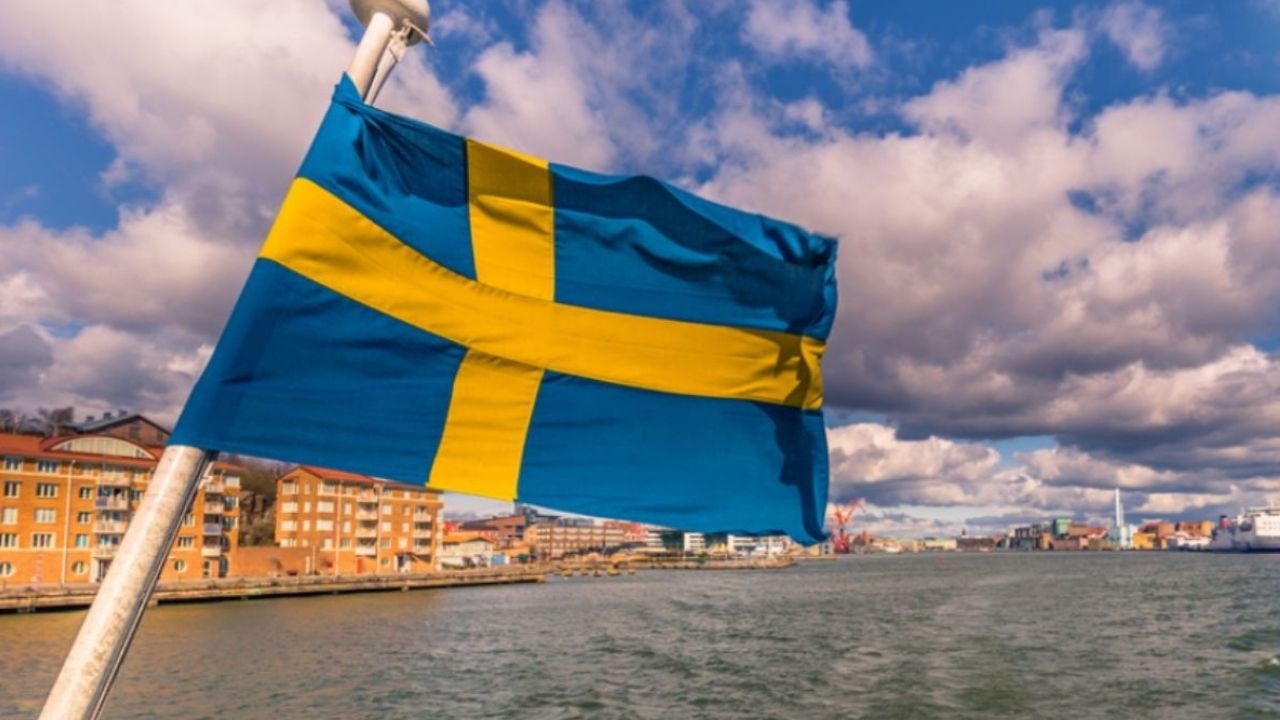
Sweden plans to boost payments to up to $34,000 to immigrants who leave the nation that has been a haven for the war-weary and persecuted, the right-wing government said on Thursday.
The Scandinavian country was for decades seen as a “humanitarian superpower” but, over the years, has struggled to integrate many of its newcomers. Immigrants who voluntarily return to their countries of origin from 2026 would be eligible to receive up to 350,000 Swedish kronor, the government, which is propped up by the anti-immigration Sweden Democrats, told a press conference.
“We are in the midst of a paradigm shift in our migration policy,” Migration Minister Johan Forssell told reporters as the government presented its latest move to crack down on migration.
Currently, immigrants can receive up to 10,000 kronor per adult and 5,000 kronor per child, with a cap of 40,000 kronor per family. Immigrants groups could not immediately be reached for comment on the change.
“The grant has been around since 1984, but it is relatively unknown, it is small and relatively few people use it,” Ludvig Aspling of the Sweden Democrats told reporters.
Forssell said only one person had accepted the offer last year. Aspling added that if more people were aware of the grant and its size was increased, more would likely take the money and leave.
He said the incentive would most likely appeal to the several hundred thousand migrants who were either long-term unemployed, jobless or whose incomes were so low they needed state benefits to make ends meet. “That’s the group we think would be interested,” Aspling said.
A government-appointed probe last month advised the government against significantly hiking the amount of the grant, saying the expected effectiveness did not justify the potential costs.
The Nordic nation has struggled for years to integrate immigrants, and the head of the inquiry, Joakim Ruist, said that a sizeable financial increase would send a signal that migrants were undesirable, further hampering integration efforts. Other European countries also offer grants as an incentive for migrants to return home.
Denmark pays more than $15,000 per person, compared to around $1,400 in Norway, $2,800 in France and $2,000 in Germany.
Sweden’s Prime Minister Ulf Kristersson came to power in 2022 with a minority government propped up by the Sweden Democrats, vowing to get tough on immigration and crime. The Sweden Democrats emerged as the second-largest party. Sweden has offered generous foreign development aid since the 1970s and has taken in large numbers of migrants since the 1990s.