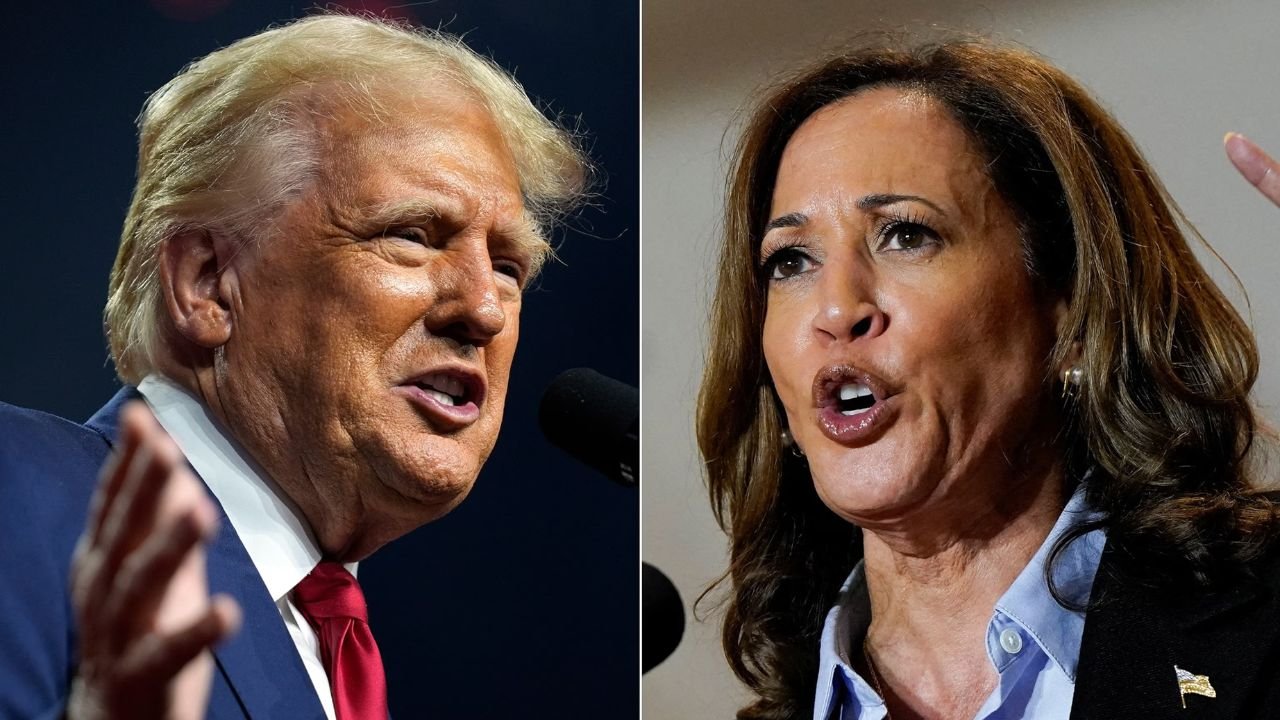
Donald Trump on Thursday announced he will not participate in another televised debate with his Democratic rival Vice President Kamala Harris ahead of November´s presidential election.
“There will be no third debate!,” the Republican candidate wrote on his Truth Social platform, including in his tally the earlier debate with US President Joe Biden in June and his Tuesday showdown with Harris.
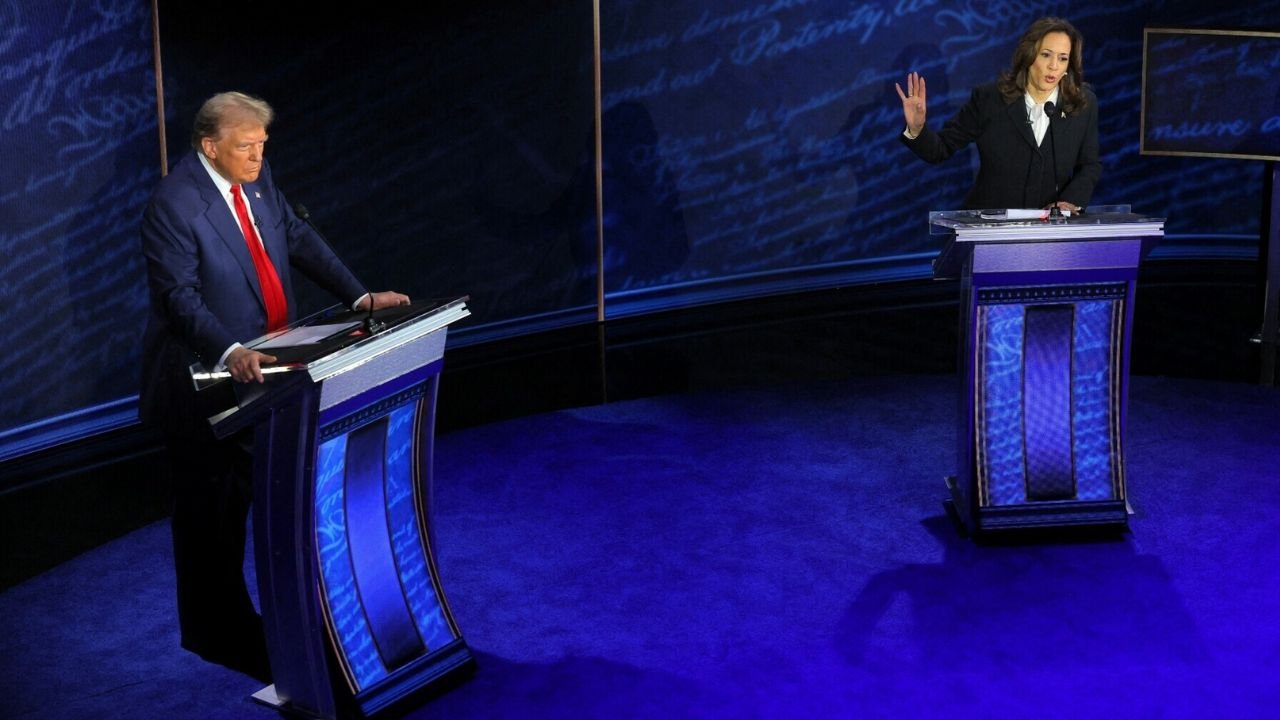
The Democratic candidate put Trump on the defensive in their ABC News-hosted clash, watched by 67 million people. Almost immediately, her campaign called for a second showdown in October.
The day after the debate, Trump said he “would do NBC and would do Fox, too.” However, his latest statement, issued in his characteristic mix of all-caps segments and insults, made clear he has bowed out — while claiming that Harris is just desperate for a second chance.
“Polls clearly show that I won the Debate against Comrade Kamala Harris, the Democrats’ Radical Left Candidate, on Tuesday night, and she immediately called for a Second Debate,” he wrote in his post.
“When a prizefighter loses a fight, the first words out of his mouth are, ‘I WANT A REMATCH,’” he said.
A CNN snap poll of viewers said Harris performed better than Trump by 63% to 37, while a YouGov poll said Harris laid out a clearer plan by 43 to 32%.
A debate between the vice presidential running mates, Democratic Minnesota Governor Tim Walz and Republican Senator J.D. Vance, from Ohio, is currently set to be hosted by CBS News on October 1.
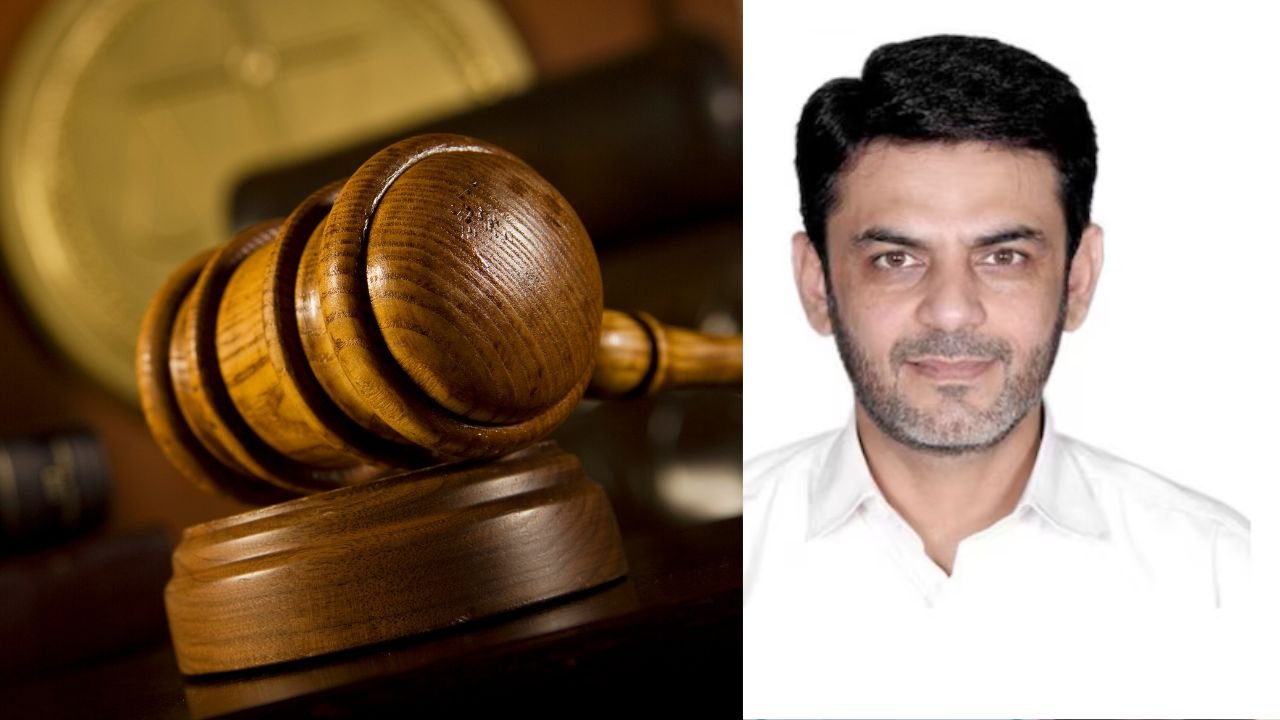
A Pakistani man with ties to Iran has been charged for allegedly plotting to kill a US official in retaliation for the assassination of Revolutionary Guards commander Qassem Soleimani, prosecutors said on Wednesday.
Asif Raza Merchant, 46, allegedly sought to hire a hitman to assassinate a politician or a US government official in the United States, the Justice Department and prosecutors said in a statement.
“As these terrorism and murder for hire charges against Asif Merchant demonstrate, we will continue to hold accountable those who would seek to carry out Iran’s lethal plotting against Americans,” Attorney General Merrick Garland said.
Soleimani was killed in a US drone strike in Baghdad in January 2020.
“As alleged, Merchant orchestrated a plot to assassinate US politicians and government officials. Today’s indictment is a message to terrorists here and abroad,” US Attorney Breon Peace added.
The intended victim was not identified, but the attorney general has previously said no evidence has emerged to link Merchant with the July 13 murder attempt against former president Donald Trump in Butler, Pennsylvania.
FBI Director Christopher Wray has said the Pakistani national had “close ties to Iran” and that the alleged murder-for-hire plot was “straight out of the Iranian playbook”. Another FBI official said the assassins Merchant allegedly tried to hire were undercover FBI agents.
“After spending time in Iran, Merchant arrived in the US from Pakistan and contacted a person he believed could assist him with the scheme to kill a politician or government official,” the Justice Department said.
“That person reported Merchant’s conduct to law enforcement and became a confidential source.”
Merchant was arrested on July 12 as he planned to leave the country.
Iran’s mission to the United Nations said in August it had “not received any report on this from the American government”.
“But it is clear that this method is contrary to the Iranian government’s policy of pursuing Soleimani’s killer,” the mission said in a statement carried by Iran’s official IRNA news agency.
In 2022, the US charged a Revolutionary Guards member with plotting to assassinate former US National Security Adviser John Bolton. The Justice Department said Shahram Poursafi, who remains at large, had offered to pay an individual in the United States $300,000 to kill Bolton.
Kamala Harris went on the offensive against Donald Trump in a fiery televised debate Tuesday, getting under her rival’s skin as they battled for a breakthrough in an agonizingly close election.
In a performance that earned her the endorsement of pop superstar Taylor Swift, the Democrat clashed with the “extreme” Republican on hot-button issues from abortion to democracy and accused him of being a friend to dictators.
Trump repeatedly raised his voice as he hit back at the vice president on immigration and the economy, branding her a “Marxist” and blaming her for what he said were the failings of President Joe Biden’s administration.
The former president claimed after that the ABC News-hosted clash in Philadelphia was his “best debate”, while Harris’s campaign also claimed victory and challenged him to a second debate in October.
With less than two months until the election, Harris, 59, was under pressure to deliver in front of an audience expected to run into the tens of millions after her sudden replacement as the Democratic candidate in place of Biden.
She started on the front foot by surprising Trump by approaching him to shake his hand before they took to their lecterns.
Then the niceties ended.
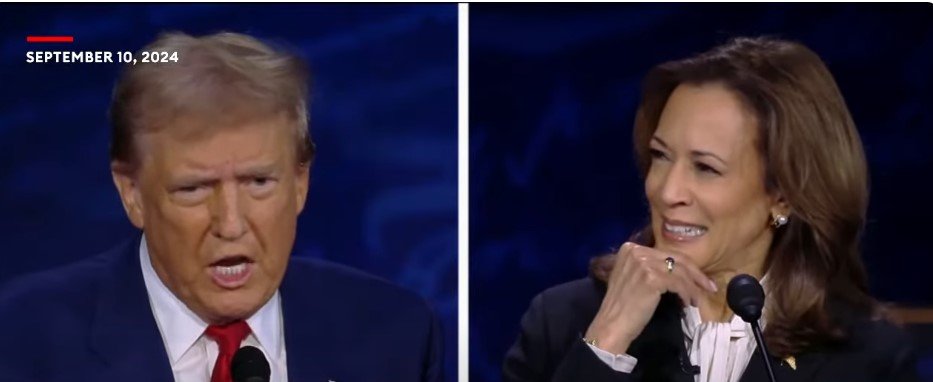
Trump, who only a few weeks ago had believed himself to be cruising to victory, reacted to pressure from Harris by resorting to the kinds of finger-jabbing insults and meandering invective that he uses at his rallies.
Harris responded by looking on in amusement and occasionally exclaiming “c’mon”, before declaring that she represents a fresh start after the “mess” of the Trump presidency — and saying: “We’re not going back.”
‘Eat you for lunch’
One of their most intense exchanges was on abortion.
Trump insisted that while having pushed for the end of the federal right to abortion, he wanted individual states to make their own policy.
Harris said he was telling a “bunch of lies” and called his policies “insulting to the women of America.”
Within minutes, Trump hammered at the Democrat’s weak spot on immigration by falsely claiming that she and Biden had allowed “millions of people pouring into our country from prisons and jails, from mental institutions and insane asylums.”
Harris pointed out that Trump is a convicted felon, called him “extreme” and said it is “a tragedy” that throughout his career he had used “race to divide the American people.”
The rivals also clashed on foreign policy, with Harris telling Trump that Russian President Vladimir Putin would “eat you for lunch” when it came to the war in Ukraine and that foreign dictators were “laughing” at him.
Trump shot back by accusing Harris of being weak on the war in Gaza, saying she “hated Israel” and that Israel would be “gone” within two weeks if she was president.
Another jarring clash came as Trump doubled down on his unprecedented refusal to accept losing to Biden in the 2020 election, before trying to overturn the result.
Harris responded by mocking his catchphrase as a reality TV star, saying that Trump had been “fired by 81 million people.”
Swift endorsement
Taylor Swift broke her silence on US politics minutes after the debate, backing Harris as president and praising her as a “steady-handed, gifted leader.”
Her message on Instagram — which received 3.6 million likes in the space of an hour — was signed off “childless cat lady” in a jibe at an insult that Trump’s running mate J.D. Vance directed at Democrat-supporting women.
The last presidential debate in June had resulted in a crushing victory for Trump, after Biden delivered a catastrophic performance that ended up dooming his reelection campaign.
Biden said the Harris-Trump debate “wasn’t even close”, in a post on X.
Trump had long seemed invulnerable. He has been convicted of falsifying business records to cover up an affair with an adult film star, found liable for sexual abuse, and faces trial on charges of trying to overturn the 2020 election — and still is polling neck-and-neck with Harris.
But Harris clearly needled him on one of his favorite, if less serious topics: the size of his trademark rallies.
Attendees, she said, prompting an angry retort, were leaving early out of “exhaustion and boredom.”
At another moment where Trump appeared to be losing his cool, he talked at length about a debunked conspiracy theory that Haitian immigrants have been eating local people’s pets in Ohio.
“They’re eating the dogs, the people that came in, they’re eating the cats,” he said before being corrected by the ABC News moderator that the authorities in the town of Springfield have said this did not happen.
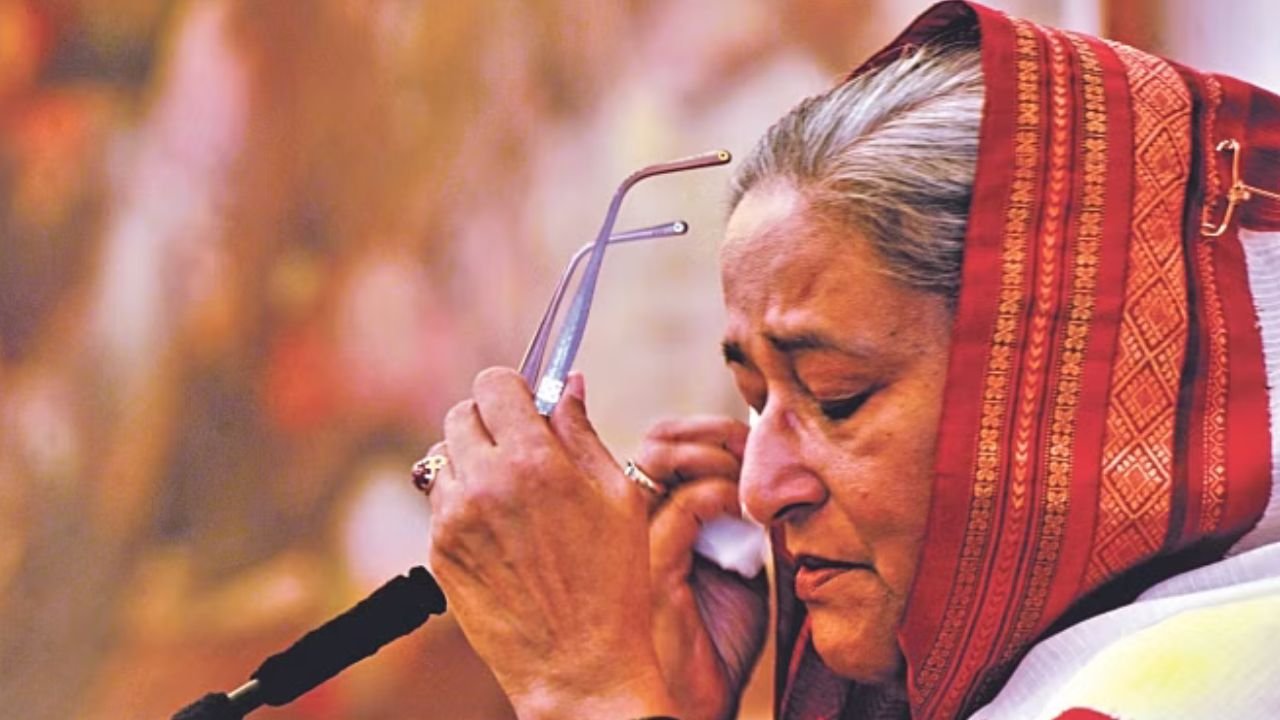
Bangladesh’s war crimes tribunal is to seek the extradition of ousted leader Sheikh Hasina from neighbouring India, its chief prosecutor has said, accusing her of carrying out “massacres”.
Weeks of student-led demonstrations in Bangladesh escalated into mass protests last month, with Hasina quitting as prime minister and fleeing by helicopter to old ally India on August 5, ending her iron-fisted 15-year rule.
“As the main perpetrator has fled the country, we will start the legal procedure to bring her back,” Mohammad Tajul Islam, chief prosecutor of Bangladesh’s International Crimes Tribunal (ICT), told reporters on Sunday.
The ICT was set up by Hasina in 2010 to probe atrocities during the 1971 independence war from Pakistan.
Hasina’s government was accused of widespread human rights abuses, including the mass detention and extrajudicial killing of her political opponents.
“Bangladesh has a criminal extradition treaty with India which was signed in 2013, while Sheikh Hasina’s government was in power,” Islam added.
“As she has been made the main accused of the massacres in Bangladesh, we will try to legally bring her back to Bangladesh to face trial”.
Hasina, 76, has not been seen in public since fleeing Bangladesh.
Her presence in India has infuriated Bangladesh. Dhaka has revoked her diplomatic passport, and the countries have a bilateral extradition treaty which would permit her to return to face criminal trial.
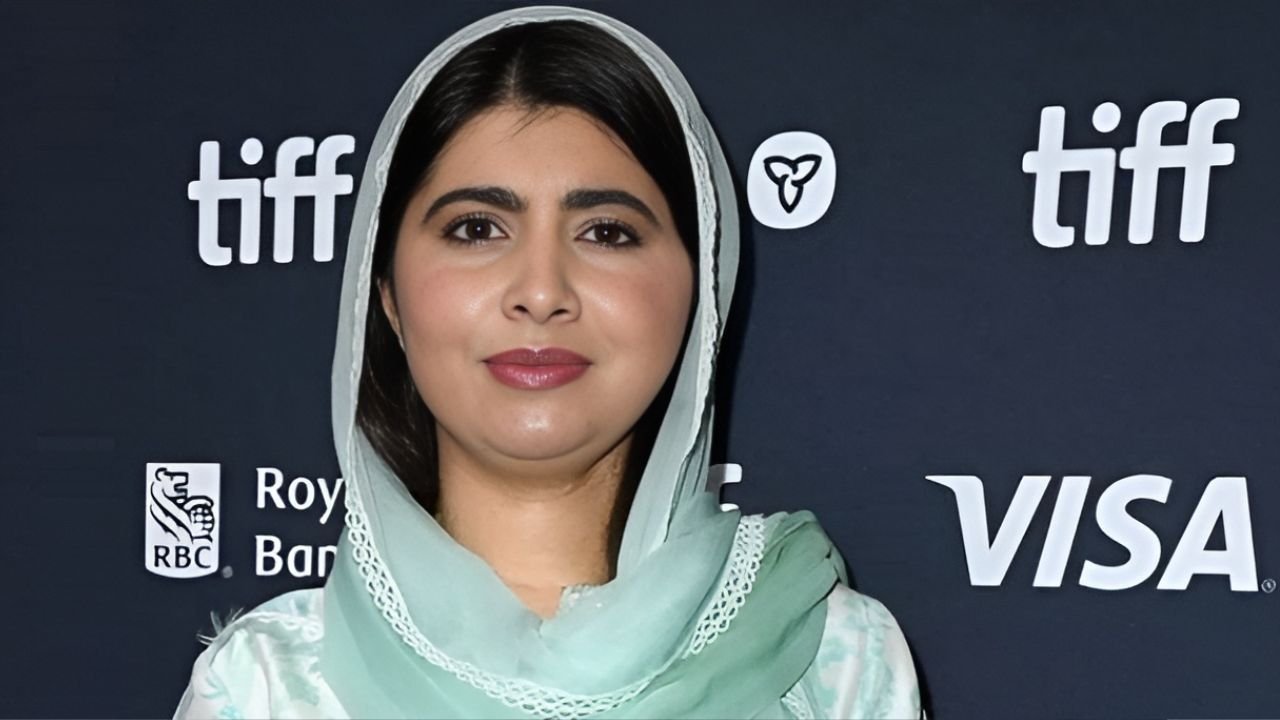
Nobel peace laureate Malala Yousafzai, who unveiled her first documentary with Apple TV+ at the Toronto film festival, said Monday that its inspiring story of elderly South Korean women sea divers dovetails perfectly with her own activism.
“The Last of the Sea Women” tells the compelling story of the matriarchal haenyeo community, whose members support themselves by fishing off South Korea’s Jeju island, using only wetsuits, masks, flippers, baskets and hooks.
The traditional community, inscribed on UNESCO’s intangible cultural heritage list in 2016, has existed for centuries, but is at risk as many of the women are now in their 60s, 70s or even 80s.
“I was looking for stories of women… I wanted stories of their resilience. And when I heard about this project from Sue, I was like, ‘This is exactly what I’m looking for’,” Yousafzai told AFP in an interview with Korean-American director Sue Kim.
“When I look at the stories of the haenyeo, it inspires me about the possibilities and the capabilities that women have in their bodies, in their minds,” said the 27-year-old Pakistani activist, who is one of the film’s producers.
“They have inspired me in so many ways, in their activism and how they are cooperating with nature, how they have built the community.”
– ‘Total badasses’ –
In the 1960s, 30,000 women plucked everything from abalone to octopus from the sea to support their families. Today, that number has dwindled to 4,000.
The film shows the women speaking candidly about their difficult jobs, which involves holding their breath underwater for up to two minutes, and includes beautiful under-sea images of them at work.
It explores how the haenyeo are attempting to breathe new life into their culture through training and social media outreach, and how they work together to prevent overfishing.
It also examines the threat they believe is posed by the release into the Pacific Ocean of wastewater from Japan’s stricken Fukushima nuclear power plant.
“I met them first when I was a child, and I was so struck by them, because they cut such a confident, bold figure,” Kim, making her feature directorial debut, told AFP.
“They’re total badasses. They’re so physically agile and adept and strong, and they’re advocating for the environment, and they’re caring about the next generation.”
As a teenager, Yousafzai survived a 2012 assassination attempt by the Taliban over her campaigning for education rights for girls. She was co-awarded the Nobel Peace Prize in 2014 at age 17.
She signed a deal with Apple TV+ in 2021 to produce content focused on women and girls and has started her own production company.
“Storytelling has been part of my activism, and I believe that we need to create platforms and opportunities for girls and women to reflect on the world as they see it,” Yousafzai said.
“I hope to continue to work with these incredible female directors and storytellers to bring more stories to the screen.”
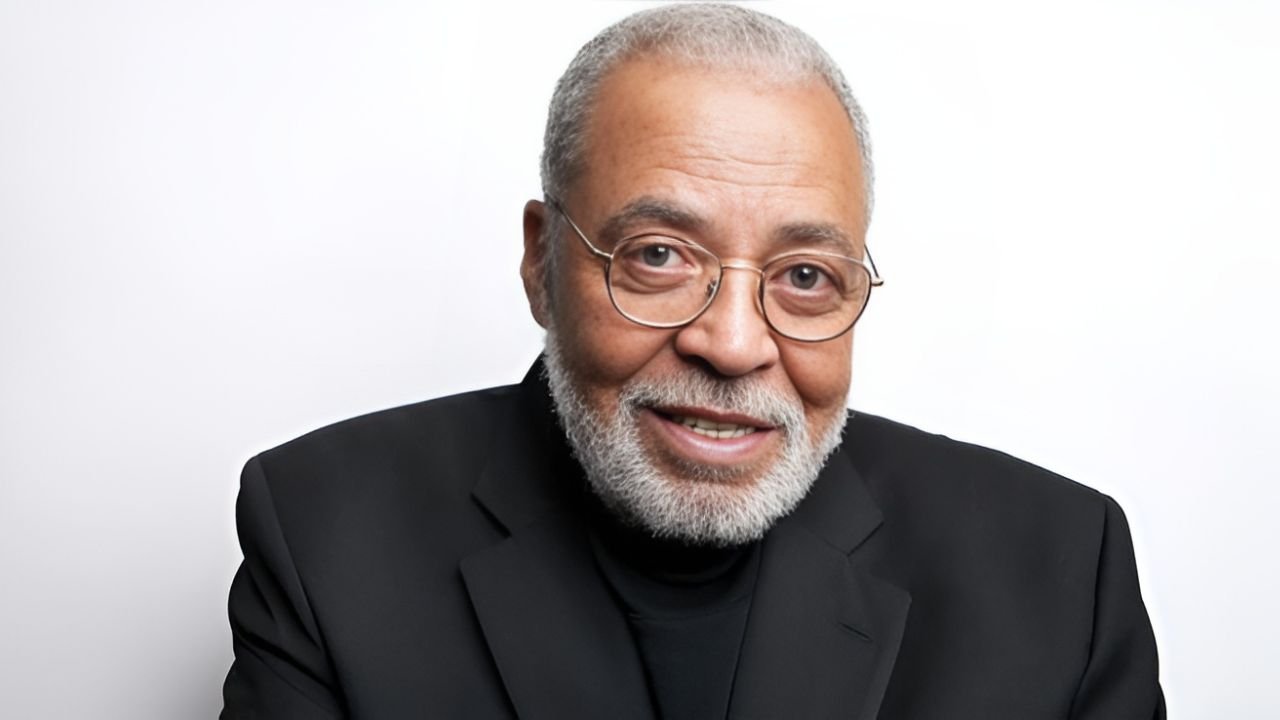
James Earl Jones, a versatile and award-winning American stage and screen actor who used his booming deep voice to bring the iconic “Star Wars” villain Darth Vader to life, has died, his representatives said Monday. He was 93 years old.
From the works of Shakespeare and August Wilson, to his indelible voiceovers in the blockbuster space saga and as Mufasa in the Disney classic “The Lion King,” Jones earned fans with his ability to play both the everyman and the otherworldly.
He won three Tony awards including a lifetime award, two Emmys and a Grammy, as well as an honorary Oscar, also for lifetime achievement.
In 1971, he became only the second Black man nominated for an Academy Award for best actor, after Sidney Poitier.
All of these accolades were hard-won, as Jones, who was born in segregated Mississippi on January 17, 1931, had to overcome a childhood stutter that often led him to barely speak at all.
“Stuttering is painful. In Sunday school, I’d try to read my lessons and the children behind me were falling on the floor with laughter,” Jones told the Daily Mail in 2010.
Reciting his own poetry, at the prodding of an English teacher, helped him to gain control of his voice, which would later be used to strike fear among millions in “Star Wars” as Darth Vader.
Jones did not physically portray the character — David Prowse wore Vader’s black cape and imposing face mask, while Jones offered the voice, oozing the evil power of the Dark Side.
“I am your father,” Vader tells Luke Skywalker, portrayed by Mark Hamill, in a pivotal fight scene in “The Empire Strikes Back” — a twist etched in cinema history.
“He created, with very little dialogue, one of the greatest villains that ever lived,” “Star Wars” creator George Lucas said in 2015 at a ceremony honoring Jones in New York.
– Broadway –
From Mississippi, Jones moved to Michigan at age five, where he was raised by his maternal grandparents.
Initially, he studied to become a doctor, and though he shifted his major to drama, and graduated from the University of Michigan, he didn’t initially think about an acting career.
“Even when I began acting studies, I thought about being a soldier,” Jones told PBS public television in 1998.
“And the idea of being an actor didn’t occur to me until after my service was almost finished.”
After university, Jones served in the US Army and then moved to New York to try his luck in acting, working as a janitor at night to make ends meet.
He made his Broadway debut in 1958 in “Sunrise at Campobello” at the Cort Theatre — which in 2022 was renamed the James Earl Jones Theatre.
He tackled many iconic Shakespeare characters on the stage, including Othello and King Lear, but also performed in several Wilson plays, chronicling the Black experience in America.
“On stage, Jones was commanding, powerful. He embodied the elegance and dignity of African American men,” said director Kenny Leon.
But the silver screen eventually came calling.
– Admirals and kings –
Jones’ film debut came in 1964 as Lieutenant Zogg in Stanley Kubrick’s Cold War satire “Dr Strangelove.”
Military roles would crop up throughout his career, notably Admiral Greer in three films about Tom Clancy’s beloved character Jack Ryan (“The Hunt for Red October,” “Patriot Games,” “Clear and Present Danger”).
As for kings, he has played a few — King Jaffe Joffer in the Eddie Murphy comedy “Coming to America” (1988) and Mufasa, Simba’s father, in “The Lion King” (1994).
His first major award came in 1969, a Tony for best actor in a play for “The Great White Hope”, in which he portrayed troubled but gifted boxer Jack Jefferson — based on the real-life Jack Johnson, the first Black world heavyweight champion.
Jones revived the role in a film adaptation of the play — earning his sole Oscar nomination and a Golden Globe award for the performance. In 2011, he won an honorary Academy Award.
Even into his 80s, Jones was a force on Broadway, starring opposite Angela Lansbury in “The Best Man” in a 2012 revival — earning another Tony nomination in the process — and with Cicely Tyson in “The Gin Game” in 2015.
And for years, he greeted viewers of the cable news network CNN with the simple phrase: “This is CNN.”
– ‘Darker voice’ –
But his most famous role was ultimately the one for which he never appeared on screen.
Lucas eventually chose between Jones and film legend Orson Welles for the role.
“George thought he wanted a — pardon the expression — darker voice. So he hires a guy born in Mississippi, raised in Michigan, who stutters and that’s the voice and that’s me,” Jones told the American Film Institute in 2009.
Jones initially did not want to be credited for the film, as he felt his voiceovers were simply part of the movie’s special effects, but eventually conceded, and went on to voice the character in multiple films, television series and video games.
In his 90s, he stepped back from the role. But he signed over the rights to his voice recordings to a start-up that is working with Lucasfilm to preserve and recreate it for future projects using artificial intelligence.
The technology was used in the Disney+ mini-series “Obi-Wan Kenobi” in 2022, according to Vanity Fair.
Jones’ second wife Cecilia died in 2016. They had one son.
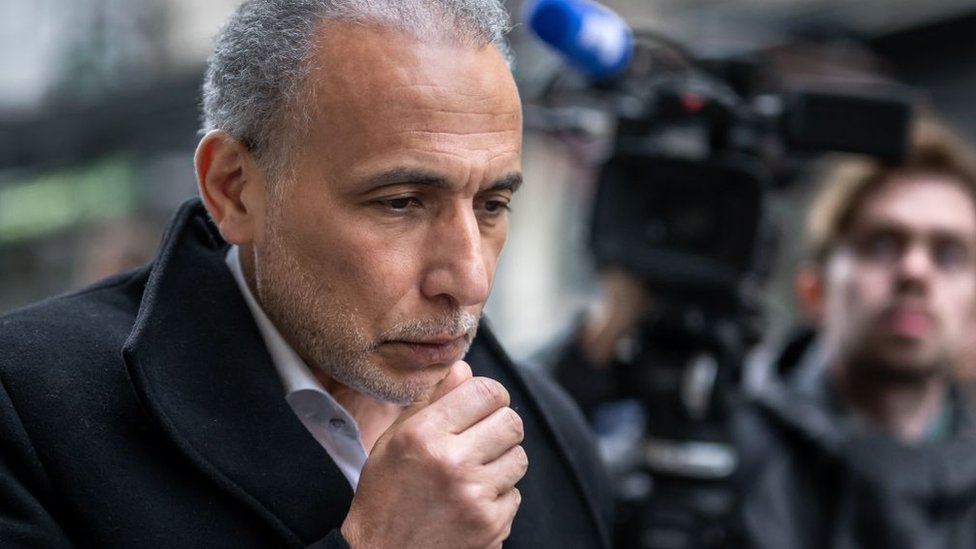
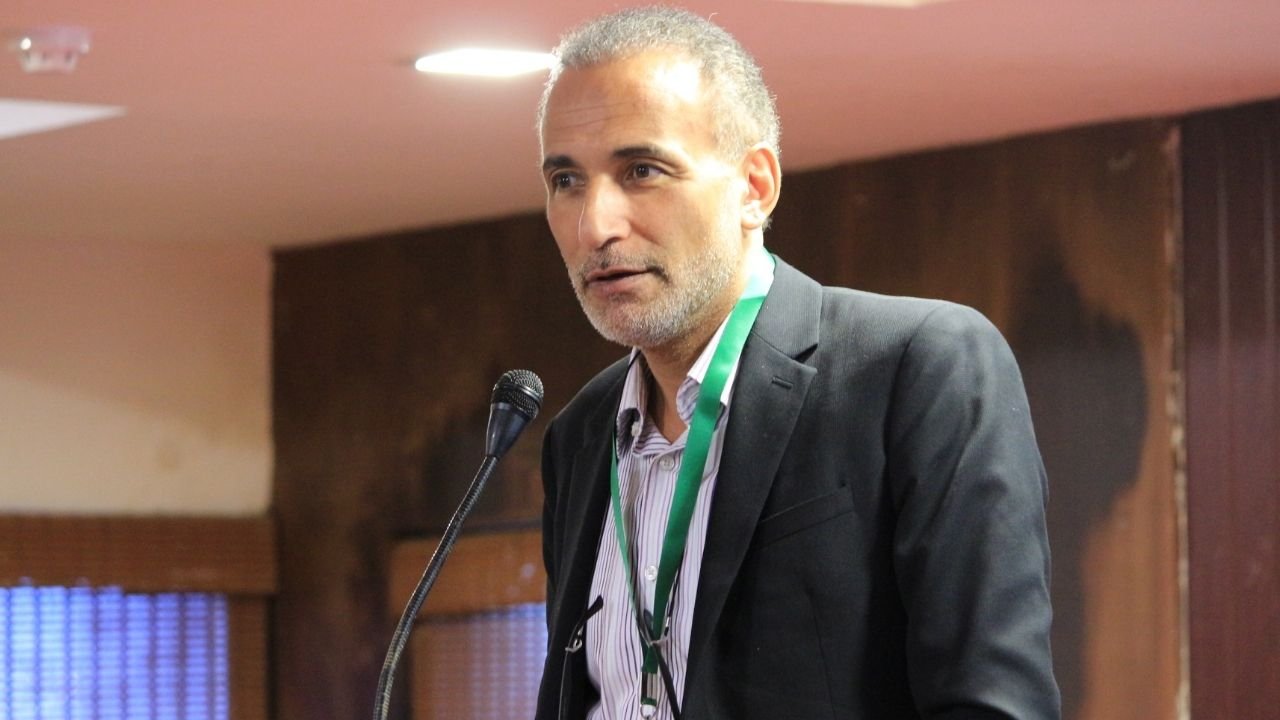
Islamic scholar Tariq Ramadan, convicted on appeal of rape and sexual coercion by a Geneva court, is a Swiss intellectual accused of masking violence and radicalism behind a mild facade.
The Swiss court said it “annuls the judgement of 24 May 2023” and sentenced the 62-year-old former Oxford University professor to three years in prison, two of them suspended.
The verdict was slightly more lenient than the three years in prison — half suspended — requested by the prosecutor in the appeals case in May.
The ruling — dated August 28 but not made public until after it was reported by broadcaster RTS early on Tuesday — is likely to be subject to an appeal at Switzerland’s highest court.
Ramadan, a charismatic yet controversial figure in European Islam, has always maintained his innocence.
Ramadan’s accuser, a Muslim convert identified only as “Brigitte”, had testified before the court that he subjected her to rape and other violent sex acts in a Geneva hotel room during the night of October 28, 2008.
The lawyer representing Brigitte said she was repeatedly raped and subjected to “torture and barbarism”.
‘Trap’
Ramadan said that Brigitte invited herself up to his room. He let her kiss him, he said, before quickly ending the encounter.
He said he was the victim of a “trap”.
Brigitte was in her forties at the time of the alleged assault.
She filed a complaint ten years later, telling the court she felt emboldened to come forward following similar complaints filed against Ramadan in France.
The appeals verdict overturns a lower court finding last year acquitting Ramadan of rape and sexual coercion, citing a lack of evidence, contradictory testimonies and “love messages” sent by the plaintiff after the alleged assault.
But during their appeal, Brigitte’s lawyers alleged that Ramadan had exercised significant “control” over the woman, suggesting she had suffered something akin to Stockholm syndrome.
The three appeals court judges pointed to “witness testimony, certificates, medical notes and private expert opinions consistent with the facts presented by the plaintiff”.
“Elements collected during the investigation have thus convinced the chamber of the guilt of the accused,” the court said in a statement.
Ramadan was a professor of contemporary Islamic studies at Oxford and held visiting roles at universities in Qatar and Morocco.
He was forced to take a leave of absence in 2017 when rape allegations surfaced in France at the height of the “Me Too” movement.
In France, he is suspected of raping three women between 2009 and 2016.
His large defence team is fighting a Paris appeals court decision in June that the cases can go to trial.
Who is Tariq Ramadan?
Ramadan, 62, is the grandson of the founder of the Islamist movement, the Muslim Brotherhood in Egypt, and wrote his doctoral thesis on his ancestor.
He basked in the public spotlight in the 2000s as a professor at Britain’s prestigious Oxford university, lecturing across Europe as well as Morocco, Qatar and Japan, drawing crowds of students wherever he went.
Named by Time Magazine in 2004 among the 100 most influential people in the world for his influence on European Muslims, Ramadan has nevertheless stirred controversy throughout his career.
He has rejected allegations of anti-Semitism as attempts to silence what he sees as legitimate criticism of the Israeli state.
And French defenders of the country’s fierce secularism have accused him of smuggling an identitarian subtext within his modernising message, encouraging young girls to wear the Islamic headscarf or spreading religious fundamentalism.
Well turned-out with trademark trimmed grey hair and beard, Ramadan engaged in verbal jousts with opponents including French polemicist Eric Zemmour, who went on to stand as a far-right presidential candidate in 2022.
He fought back against allegations of fundamentalism, saying he encouraged young Muslims to involve themselves in their societies, calling the headscarf a matter of personal choice, urging “contextualisation” of Islam’s founding texts and condemning violence.
Nevertheless, his attempt to acquire French nationality in addition to his Swiss passport to “provide a concrete, positive example of upholding the values of the Republic” was rejected in 2016 by the then prime minister Manuel Valls.
Court battles in France
Ramadan’s fall from grace began in 2017 when he was first targeted with allegations of sexual violence in France.
In total, four women in France ultimately accused him of rapes between 2009 and 2016, while a Swiss woman converted to Islam filed a criminal complaint in 2018 for a rape she said took place in Geneva 10 years before.
The Swiss case is the one in which Ramadan has now been convicted on appeal.
As the allegations broke, he put his 12-year professorship in contemporary Islamic studies at the University of Oxford on hold as support for him haemorrhaged, including from Qatar.
His 2018 admission that he had sex outside his decades of marriage, in which he had four children with a French woman convert, tarnished his image for some religious and community leaders.
Saying he suffers from multiple sclerosis and depression, Ramadan retired early.
Alongside the Swiss case, a Paris appeals court ruled in June this year that Ramadan should be tried for raping three women between 2009 and 2016, a decision his lawyers have challenged.
The scholar spent more than nine months in pre-trial detention in 2018 but was released in November that year.
‘Fragile’ women
French investigators in 2023 said they had identified a pattern across all the rape allegations.
Ramadan would enter private conversations with women who were “especially fragile, with tumultuous life stories, looking for love, validation and spirituality”.
The discussions would quickly take an intimate and then sexual turn, prosecutors said, leading to an in-person meeting.
Psychiatric experts told the investigation that the women had been fervent admirers of Ramadan as a public figure with religious and academic credentials.
But when it came to the meetings, several women described a complete change of character, with Ramadan becoming violent, ranging from slaps to blows and non-consensual penetration.
Ramadan said he had not carried out “a single act, behaviour or sex act that was not discussed beforehand” with the women.
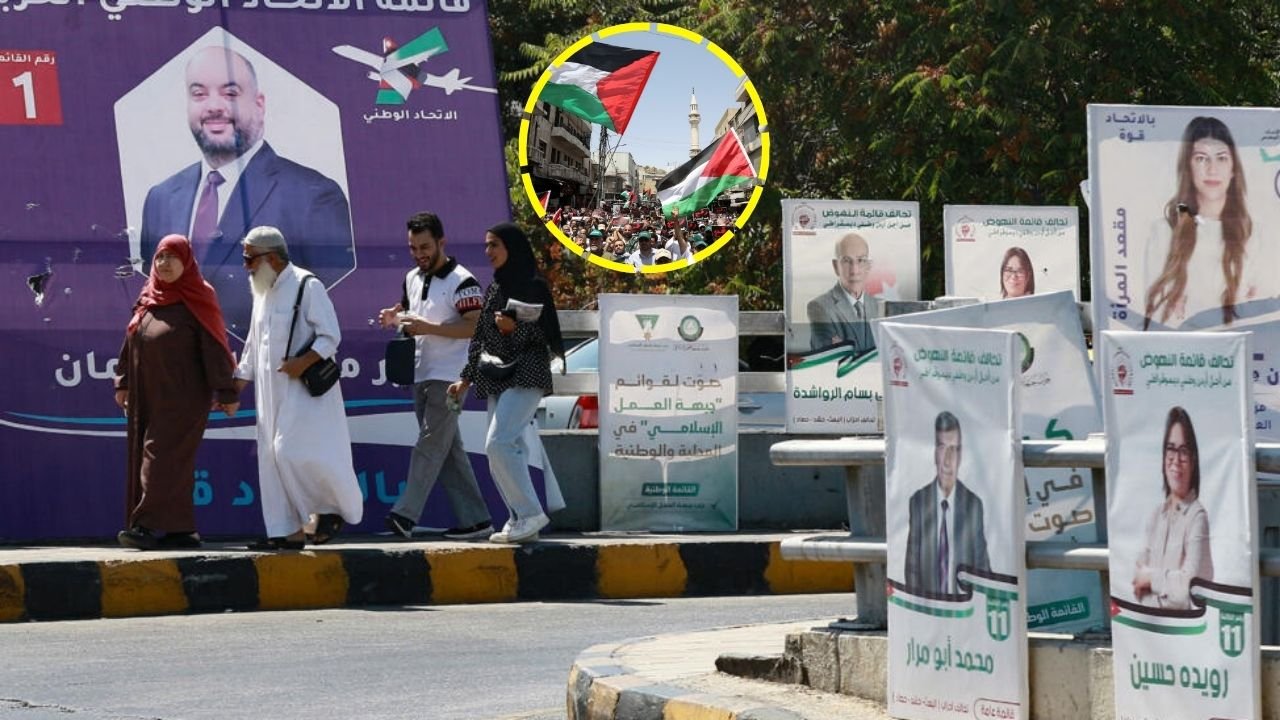
The vote is the first since a reform was passed in 2022 that increased the number of seats in the house, reserving a higher number for women and lowering the minimum age for candidates.
Despite the reform, which was a bid to modernise the kingdom’s parliament, voters and candidates have both told AFP the genocide in Gaza is the main issue in Tuesday’s election.
Islamist candidates seeking to capitalise on anger over Gaza were, however, unlikely to score major gains, said analysts who believe the conflict may push abstention rates higher.
Jordan became, in 1994, the second Arab state after Egypt to sign a peace treaty with Israel.
But around half of its population is of Palestinian origin, and there have been regular protests calling for the cancellation of the peace treaty since the genocide started in Gaza after October 7.
Just two days ahead of the vote, a Jordanian man killed three Israeli guards at the border crossing between Jordan and the occupied West Bank — the first such attack since the 1990s.
Voters also worry that no matter the election result, there can be no improvement to the economy until Israel and Hamas reach a ceasefire.
Jordan has seen a decline in tourism since the war began — a sector it relies on for about 14 percent of its gross domestic product.
Compounding the country’s economic woes, public debt has neared $50 billion, and unemployment hit 21 per cent in the first quarter of this year.
Doubts over vote impact
Polling will open at 7:00 a.m. (0400 GMT) local time on Tuesday, and voting will continue until 7:00 p.m. The final results will be announced within 48 hours.
Candidates include tribal leaders, leftists, centrists and Islamists from the country’s largest opposition group, the Muslim Brotherhood-affiliated Islamic Action Front (IAF).
In a busy market in central Amman, where campaign posters were on display, views on the vote in the lead-up to polling day were mixed.
“Elections are important and vital. They are our opportunity to make our voices heard and choose who represents us in parliament, even though deep down we doubt there will be significant change,” said 65-year-old retiree Issa Ahmed.
Mohammed Jaber, a shop owner in Amman, meanwhile told AFP: “People are busy with many things, the Gaza genocide and the bad economic situation. They do not know what the parties will be able to achieve.”
According to the election commission, more than 5.1 million people are registered to vote in the country of 11.5 million.
‘All eyes’ on Gaza
“What is happening in Gaza, from daily killing, destruction, and tragedies broadcast daily on television, makes us feel pain, helplessness, humiliation and degradation, and makes us forget the elections and everything that is happening around us,” said Omar Mohammed, a 43-year-old civil servant.
“I feel bitterness. I am not sure yet if I will vote in these elections,” he added.
Candidates have also focused on the conflict, with Islamists seeking to capitalise on solidarity with Gazans.
“The Gaza genocide and the Palestinian cause occupy a major place in the Jordanian elections, as all eyes and minds are on Gaza and Palestine and the massacres taking place there against the Palestinian people,” IAF candidate Saleh Armouti told AFP.
“The elections… should not be delayed and they serve the Palestinian cause and the region, but I also fear that there will be some abstention from voting due to these events,” he added.
Oraib Rantawi, an analyst and the head of the Amman-based Al Quds Center for Political Studies, agreed the war may drive abstention rates higher but he did not think the Islamists’ focus on Gaza would translate into votes.
“The improvement in these forces’ status and parliamentary representation will be modest,” he told AFP.
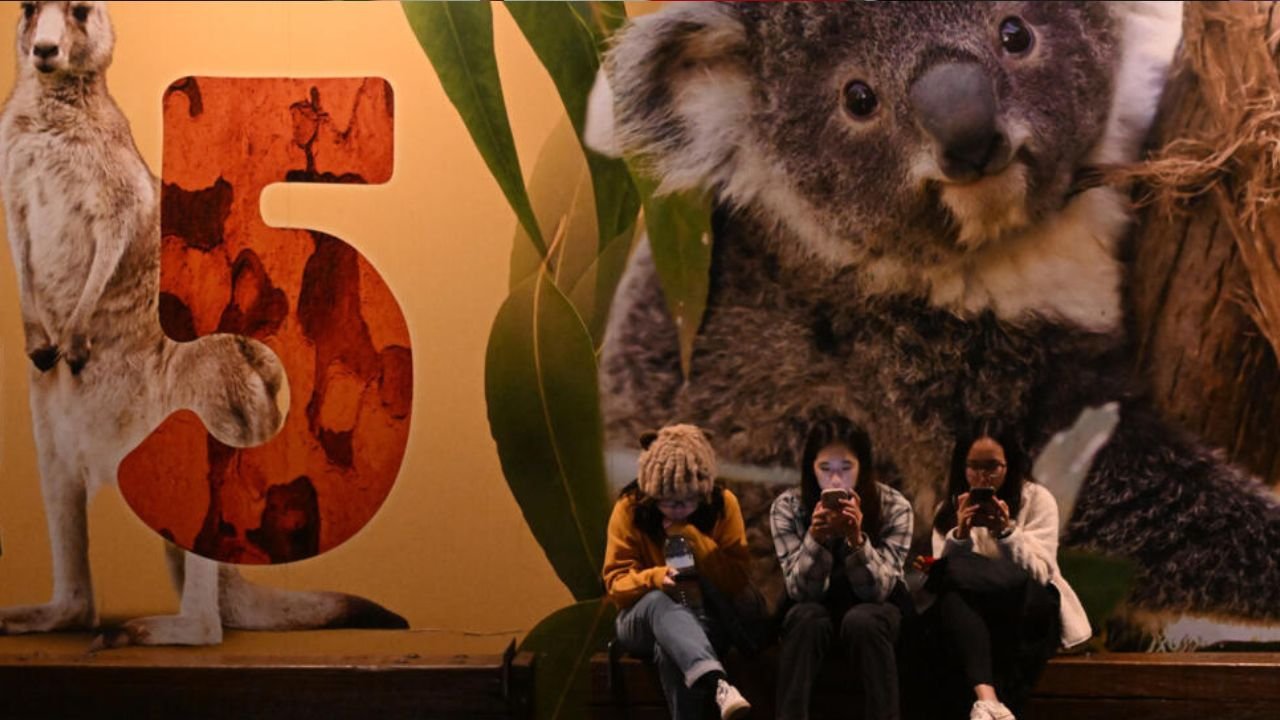
Australia will ban children from using social media with a minimum age limit as high as 16, the prime minister said Tuesday, vowing to get kids off their devices and “onto the footy fields”.
Federal legislation to keep children off social media will be introduced this year, Anthony Albanese said, describing the impact of the sites on young people as a “scourge”.
Albanese said that the minimum age for children to log into sites such as Facebook, Instagram, and TikTok has not been decided but is expected to be between 14 and 16 years.
The prime minister said his own preference would be to block users aged below 16.
Age verification trials are being held over the coming months, the centre-left leader said, though analysts said they doubted it was technically possible to enforce an online age limit.
“I want to see kids off their devices and onto the footy fields and the swimming pools and the tennis courts,” Albanese said.
“We want them to have real experiences with real people because we know that social media is causing social harm,” he told national broadcaster ABC.
“This is a scourge. We know that there is mental health consequences for what many of the young people have had to deal with,” he said.
Australia’s conservative opposition leader, Peter Dutton, said he would support an age limit.
“Every day of delay leaves young kids vulnerable to the harms of social media and the time for relying on tech companies to enforce age limits,” he said.
‘Easy to circumvent’
But it is not clear that the technology exists to reliably enforce such bans, said the University of Melbourne’s associate professor in computing and information technology, Toby Murray.
“We already know that present age verification methods are unreliable, too easy to circumvent, or risk user privacy,” he said.
Analysts warned that an age limit may not in any case help troubled children.
It “threatens to create serious harm by excluding young people from meaningful, healthy participation in the digital world,” said Daniel Angus, who leads the digital media research centre at Queensland University of Technology.
“There is logic in establishing boundaries that limit young people’s access,” said Samantha Schulz, senior sociologist of education at the University of Adelaide.
“However, young people are not the problem and regulating youth misses the more urgent task of regulating irresponsible social media platforms. Social media is an unavoidable part of young people’s lives.”
The prime minister said parents expected a response to online bullying and harmful material present on social media.
“These social media companies think they’re above everyone,” he told a radio interviewer.
“Well, they have a social responsibility and at the moment, they’re not exercising it. And we’re determined to make sure that they do,” he said.
Australia has been at the forefront of global efforts to regulate social media platforms, with its online safety watchdog bumping heads notably with Elon Musk’s X over the content it carries.
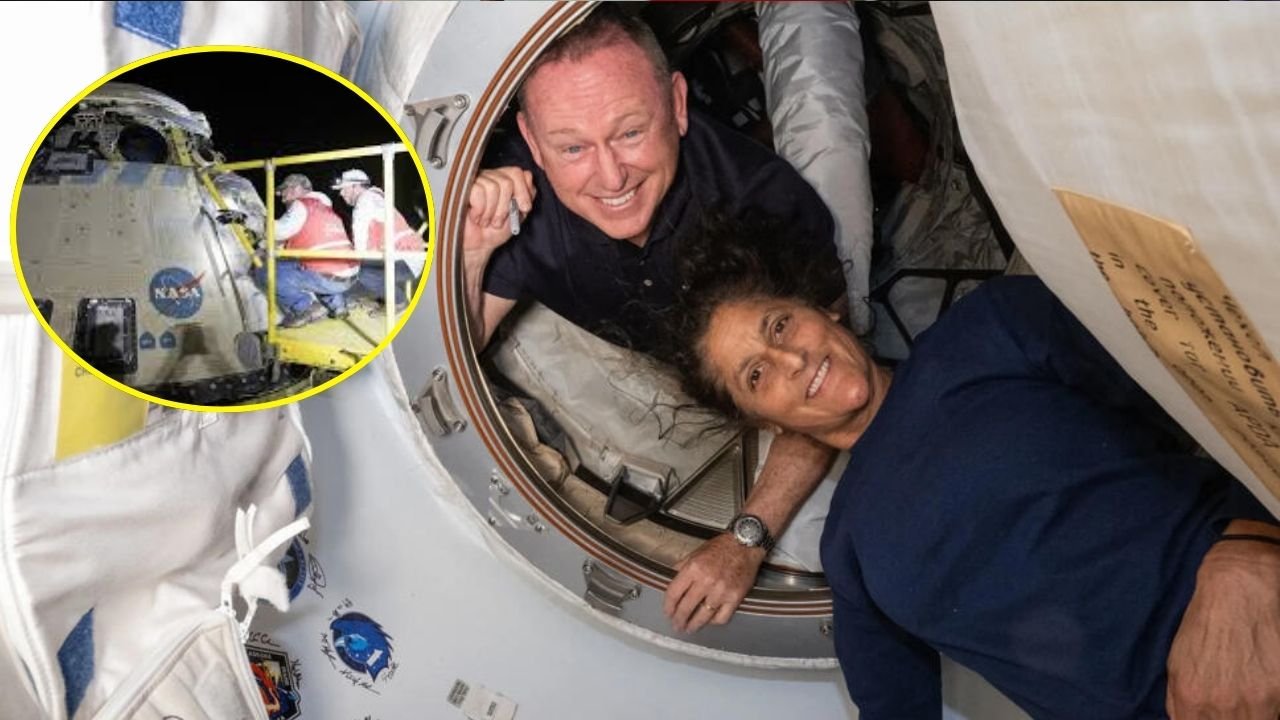
Boeing’s beleaguered Starliner made its long-awaited return to Earth on Saturday without the astronauts who rode it up to the International Space Station (ISS), after NASA ruled the trip back too risky.
After years of delays, Starliner had launched in June for what was meant to be a roughly weeklong test mission — a final shakedown before it could be certified to rotate crew to and from the orbital laboratory.
But unexpected thruster malfunctions and helium leaks on the way to the ISS had derailed those plans, and NASA had decided it was safer to bring back crewmates Butch Wilmore and Suni Williams on a rival SpaceX Crew Dragon though they will have to wait until February 2025.
The gumdrop-shaped Boeing capsule touched down softly at the White Sands Space Harbor in New Mexico at 4:01am GMT on Saturday, its descent slowed by parachutes and cushioned by airbags, having departed the ISS around six hours earlier.
As it streaked red-hot across the night sky, ground teams reported hearing sonic booms. The spacecraft endured temperatures of 3,000 degrees Fahrenheit (1,650 degrees Celsius) during atmospheric reentry.
NASA had praised on Boeing during a post-flight press conference where representatives from the company were conspicuously absent.
“It was a bullseye landing,” said Steve Stich, program manager for NASA’s commercial crew program. “The entry in particular has been darn near flawless,” he added.
Still, he acknowledged that certain new issues had come to light, including the failure of a new thruster and the temporary loss of the guidance system.
He added it was too early to talk about whether Starliner’s next flight, scheduled for August next year, would be crewed, instead stressing NASA needed time to analyse the data they had gathered and assess what changes were required to both the design of the ship and the way it is flown.
Ahead of the return leg, Boeing had carried out extensive ground testing to address the technical hitches encountered during Starliner’s ascent, then promised — both publicly and behind closed doors — that it could safely bring the astronauts home. In the end, NASA disagreed.
In response to whether he stood by that decision, NASA’s Stich said: “It’s always hard to have that retrospective look. We made the decision to have an uncrewed flight based on what we knew at the time and based on our knowledge of the thrusters and based on the modelling that we had.”
History of setbacks
Even without a crew aboard, the stakes were high for Boeing, a century-old aerospace giant.
With its reputation already battered by safety concerns surrounding its commercial jets, its long-term prospects for crewed space missions hung in the balance.
Shortly after undocking, Starliner executed a powerful “breakout burn” to swiftly clear it from the station and prevent any risk of collision — a manoeuvre that would have been unnecessary if crew were aboard to take manual control if needed.
Mission teams then conducted thorough checks of the thrusters required for the critical “deorbit burn” that guided the capsule onto its reentry path around 40 minutes before touchdown.
Though it was widely expected that Starliner would stick the landing, as it had on two previous uncrewed tests, Boeing’s program continues to languish behind schedule.
In 2014, NASA had awarded both Boeing and SpaceX multibillion-dollar contracts to develop spacecraft to taxi astronauts to and from the ISS, after the end of the Space Shuttle program left the US space agency reliant on Russian rockets.
Although initially considered the underdog, Elon Musk’s SpaceX has surged ahead of Boeing, and successfully flown dozens of astronauts since 2020.
Meanwhile, the Starliner program has faced numerous setbacks, from a software glitch that prevented the capsule from rendezvousing with the ISS during its first uncrewed test flight in 2019 to the discovery of flammable tape in the cabin after its second test in 2022 to the current troubles.
With the ISS scheduled to be decommissioned in 2030, the longer Starliner takes to become fully operational, the less time it will have to prove its worth.