Author: newsdesk

  • Kevin Spacey charged with four different cases of sexual assault

    Kevin Spacey charged with four different cases of sexual assault

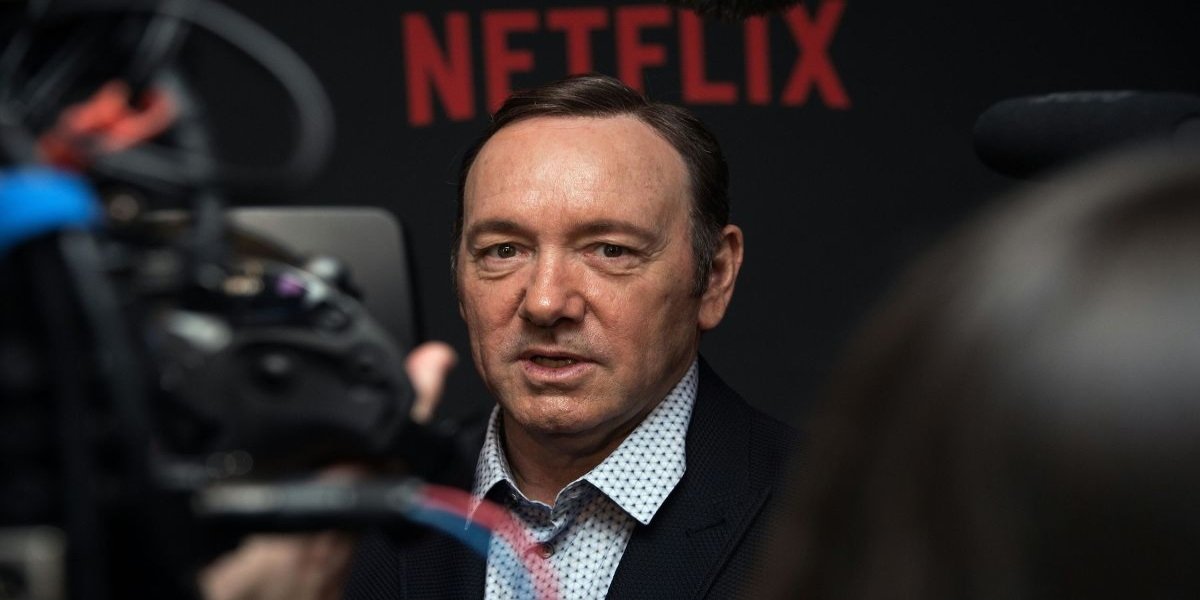
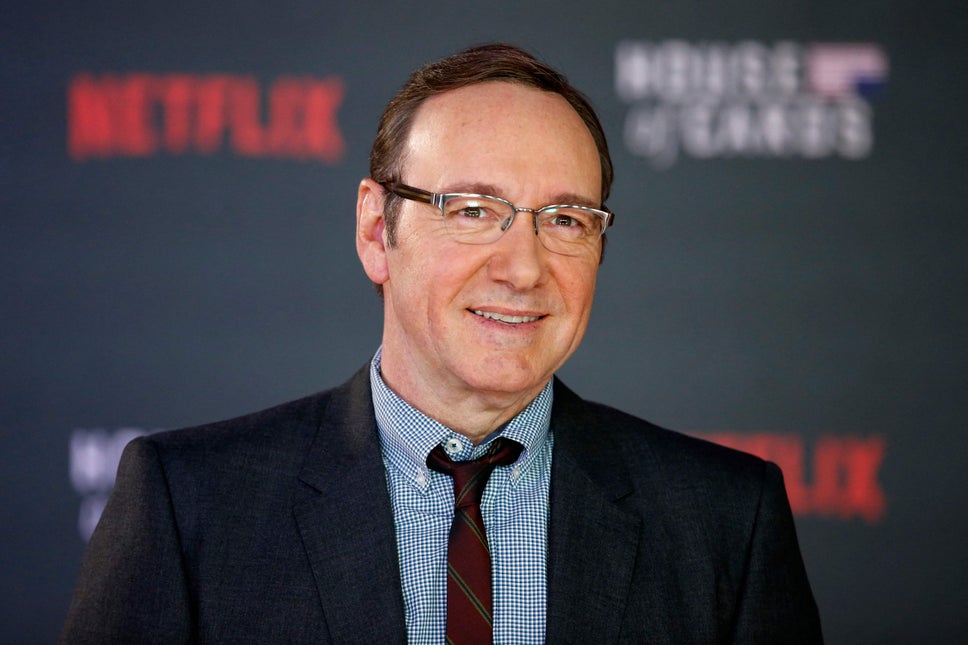
    American actor Kevin Spacey has been charged with four counts of sexual assault against three men, Britain’s Crown Prosecution Service (CPS) said on Thursday.

    House Of Cards star was also charged with one count of causing a person to engage in penetrative sexual activity without consent, the CPS said.

    The charges relate to two alleged incidents in London in 2005, another two in 2008, and a further incident in Gloucestershire, western England, in 2013.

    Hollywood star Kevin Spacey charged with sexual assault against three men |  Evening Standard

    The alleged victim of the 2005 incidents is now in his 40s, while the two men allegedly involved in the 2008 and 2013 incidents are now in their 30s, London’s Metropolitan Police said.

    The decision to charge Spacey “follows a review of the evidence gathered by the Metropolitan Police Service in its investigation,” the force said.

    While the charges were authorized on Thursday, Spacey is not currently in England or Wales and the charges cannot formally be applied until he enters one of those countries, a CPS spokesperson told CNN.

    The agency did not comment on whether it would be seeking Spacey’s extradition if he does not do so.

  • Pak vs WI ODI: Series moves from Pindi to Multan due to political situation

    The three-match Pakistan-West Indies One Day International (ODI) series has been moved from Rawalpindi to Multan due to the political situation in Islamabad.

    The first ODI between Pakistan and West Indies will take place on June 8. The West Indies team is likely to arrive in Multan next week on June 5.

    Earlier, the Pakistan Cricket Board (PCB) had sought guidelines from the federal government to decide on the future of the West Indies series, which was set to start in Rawalpindi.

    It is pertinent to mention here that the ODI series is part of the World Cup 2023 qualifying round.

    Former Prime Minister (PM) Imran Khan warned Pakistan’s government to set new elections in the next six days or he will again march on the capital along with millions of people.

  • Ali Zafar lands in hot waters for sharing seminude pictures

    Ali Zafar lands in hot waters for sharing seminude pictures

    Actor-singer  Ali Zafar recently shared some bold seminude pictures on his official Instagram handle, which is generating polarising response from netizens.

    Now, the Teefa in Trouble star has created an uproar on the internet by posting scandalous clicks of himself on his social media handle.

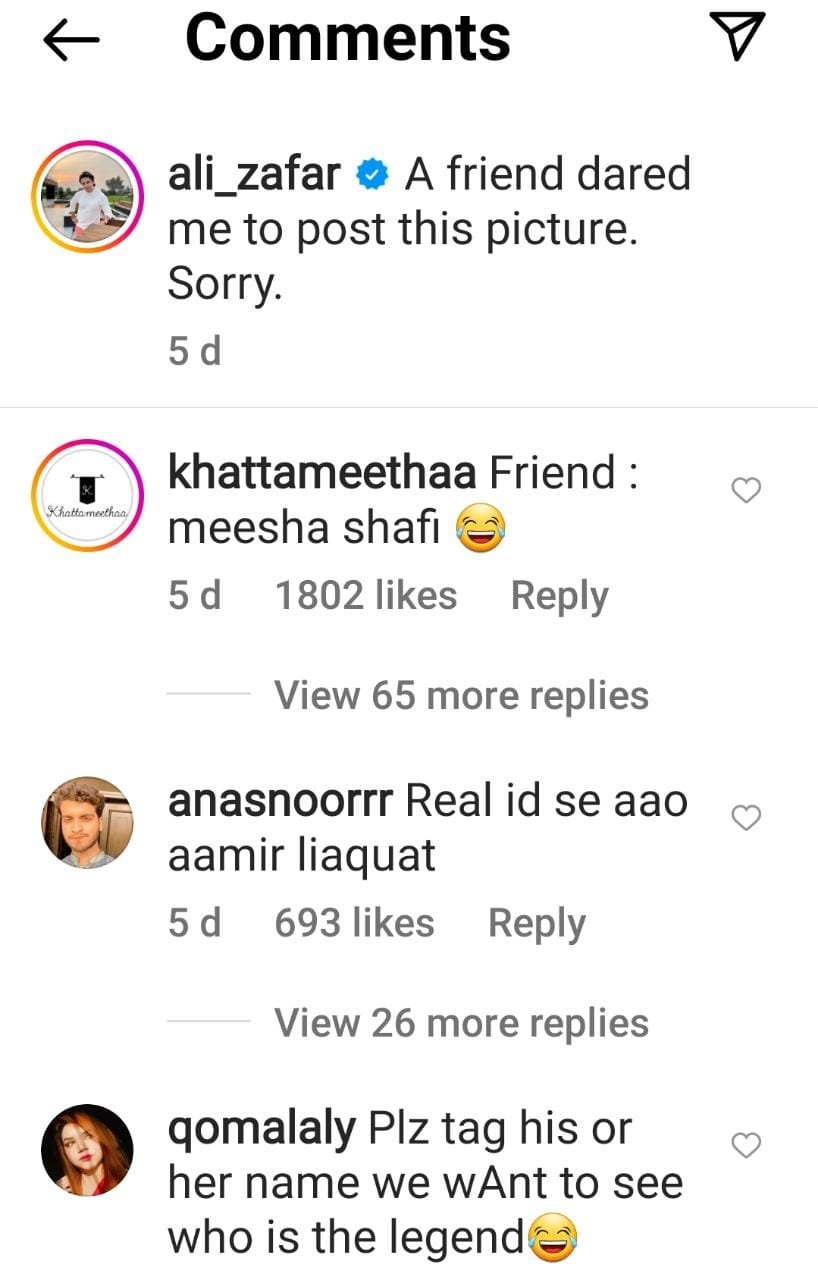
    Zafar decided to set the internet on fire once again when he accepted a dare from his friend a posted a rather controversial picture. “A friend dared me to post this picture. Sorry.”, captioned the Kill Dill hero.

    https://twitter.com/itsfayyazkhann/status/1528767648225447936?ref_src=twsrc%5Etfw%7Ctwcamp%5Etweetembed%7Ctwterm%5E1528767648225447936%7Ctwgr%5E%7Ctwcon%5Es1_&ref_url=https%3A%2F%2Fen.dailypakistan.com.pk%2F24-May-2022%2Fali-zafar-in-trouble-for-sharing-shirtless-photo

    Earlier he created a stir by doing bold scenes in his Bollywood film, London Paris New York.

    Hot Body Shirtless Indian Bollywood Model & Actor: Ali Zafar
    Ali Zafar and Aditi Rao in steamy lovemaking scene from the Bollywood  venture 'London, Paris, New York'
    Ali Zafar shows off his toned bod! | Hindi Movie News - Times of India
  • No ban on diapers, sanitary pads, their raw material, clarifies Miftah Ismail

    No ban on diapers, sanitary pads, their raw material, clarifies Miftah Ismail

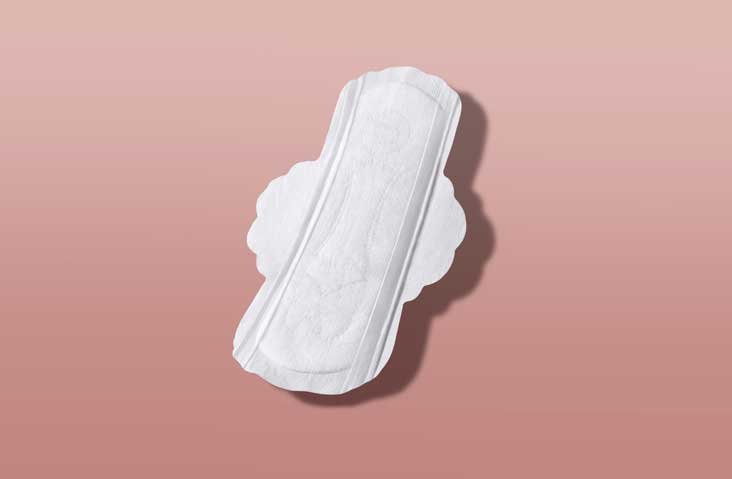
    Finance Minister Miftah Islamail has clarified there is no import ban on sanitary pads or their raw materials.

    “There is no ban on any industrial raw material. The ban is only on some luxury or non-essential goods. And there is certainly no ban on sanitary pads or diapers (or their raw materials), which are obviously essential goods. We will issue further official clarification on Monday.”

    Head of the Prime Minister’s Strategic Reforms, Salman Sufi, tweeted that the news circulating regarding ban on saintry pads is “absolutely incorrect”.

    “Women’s health is of paramount importance and shall never be compromised,” said Sufi.

    It was reported earlier that government has added raw materials for sanitary napkins to the list of non-essential luxury items in its recent import ban, which will affect the production of pads in Pakistan.

    A major chunk of sanitary napkins is produced by two companies in Pakistan — P&G and Santex, which make Always and Butterfly respectively. The production of sanitary napkins of one of these brands has been majorly affected, reports Dawn.

    “Though all of our products are produced in Pakistan, two of the core raw materials that form the base of the napkin are imported. The ban would mean the factory would have to shut down eventually because we can’t manufacture them anymore after the current supply runs out,” said Muhammad Kamran, Chief Operating Officer of Santex while talking to Dawn.

    The main components in question, he explained, are sap paper and wadding cellulose fibre. These items are classified as HS Code 4803.000, which is prohibited under the new import ban according to the Ministry of Commerce.

    “[These] are basic raw materials utilised in the manufacturing of female sanitary napkins. These items are neither tissues nor luxury but are included in S.No 63 of the SRO,” he added.

     “We’ve sent an application to the Ministry of Commerce that will take 15 to 20 days to review. We’re hoping for a positive response.”

    Read more- Govt bans import of ‘luxury items’ to fight economic crisis

    On May 19, 2022, the federal cabinet issued a list of 41 items, which will be banned from being imported for two months. This is in an attempt to address the current account deficit.

  • Samsung shows off its 200-megapixel camera sensor capabilities

    Samsung shows off its 200-megapixel camera sensor capabilities

    Samsung revealed its 200MP ISOCELL HP1 camera sensor in September of last year, however the tremendous sensor has yet to be utilised in a gadget. That could change in July with the release of a forthcoming Motorola handset, and Samsung has released a video highlighting the sensor’s prowess.

    The video’s intention is to demonstrate the level of clarity that the HP1 sensor can sustain. Whereas no mobile was utilised to indicate the new sensor, it was connected to a Frankenstein rig complete with a device, external display, and an additional lens, allowing a group of Samsung engineers to catch some detailed cat photographs.

    After that, the final 200 MP image was still reproduced on a commercial printer. A massive canvas composed of twelve separate 2.3-meter-long pieces stitched together and hung from a building. Of course, the photographers behind the scenes optimised and adjusted the actual photo. The main point to remember is that you can zoom and crop images without compromising details captured.

    Samsung’s HP1 sensor features an all-new pixel clustering technology identified as ChamelonCell, which can group up to sixteen pixels in a wide range of resolutions ranging from 12.5MP stills with a 2.56m pixel pitch to 50MP stills (1.28m pixels) or natively at 200MP (0.64m pixels) based on ones requirements.

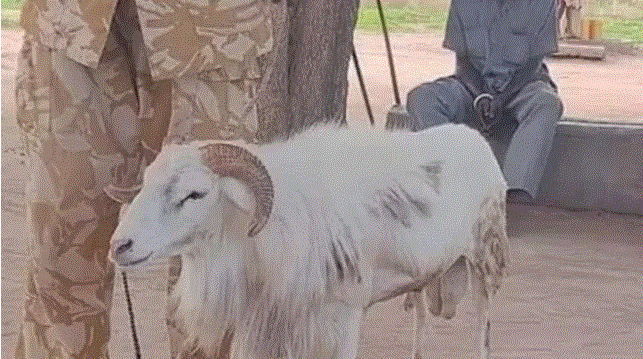
  • Sheep sentenced to three years in prison for killing a woman

    Sheep sentenced to three years in prison for killing a woman

    A sheep has been sentenced to three years in prison for killing a 45-year-old woman in Africa’s South Sudan, reports NDTV.

    The woman named Adhieu Chaping was attacked by the sheep repeatedly which eventually killed her.

    According to the Indian media outlet, the sheep will spend its sentence in a military camp. Moreover, the court directed the owner of the sheep to give five cows to the family of the victim.

    The police spokesperson said, “The owner is innocent and the sheep is the one that committed the crime so it deserves to be arrested. Later on, the case shall be forwarded to customary court where the case can be handled amicably.”

    It has been reported that according to customary laws, the sheep will be given to the victim’s family as compensation after serving its sentence.

  • ‘No reappointment or extension’: NA passes bill to amend NAB Laws

    ‘No reappointment or extension’: NA passes bill to amend NAB Laws

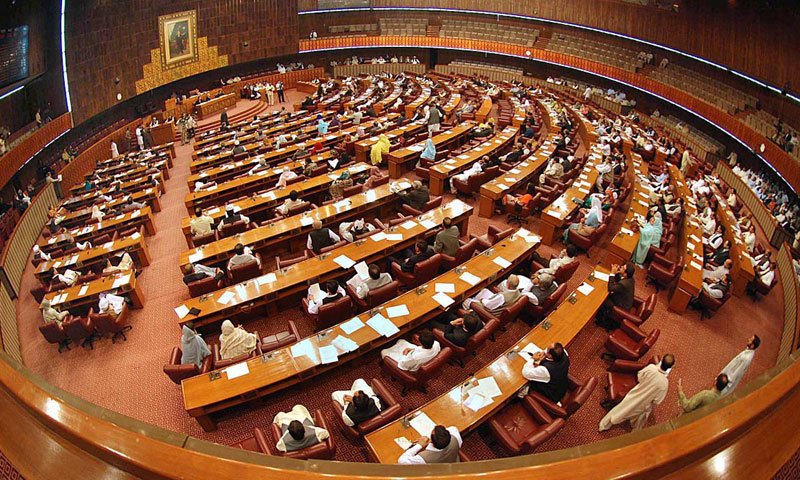
    The joint session of Parliament that took place on Thursday passed the National Accountability (Second Amendment) Bill 2021 with a majority in National Assembly (NA).

    The bill will be presented in the Senate today for approval. Once passed from the Upper House, the bill will apply to all cases, being probed by NAB since 1999. The key points of the bill are as follows:

    1- The NAB chairperson’s term has been reduced from four years to three years and will not be eligible for reappointment or an extension.

    2- Consultation for the chairperson of NAB will begin two months prior to the retirement of the previous chairperson.

    3- If the leader of the House and Opposition do not agree on a name for a chairperson, then the matter will go to a parliamentary committee. That too is now time-bound and the committee has 30 days to recommend a name.

    4- A closed inquiry cannot be reopened without permission from the courts and all inquiries by NAB have to now be completed within six months.

    5-People who initiate false or fabricated cases will now be punished with imprisonment of either five years or a fine.

    Federal Minister of Law and Justice Azam Nazeer Tarar presented this bill. Speaking about the NAB law, he said it had been used to influence politicians, adding that “judges had also said that the NAB was used to corner politicians”.

    Supreme Court asks how cabinet members make amendments to law for own benefits

    Following the news of amendments in the NAB law and Election Act taking place in the House, the Supreme Court of Pakistan (SCP) took notice of the situation.

    The apex court inquired how could federal cabinet members make amendments benefitting themselves and directed the government to present the details of the cabinet members whose names have been removed from the Exit Control List (ECL).

    The Chief Justice of Pakistan (CJP) Umar Ata Bandial asked Attorney General of Pakistan (AGP) Ashtar Ausaf, “At whose behest did the Cabinet amend the rules pertaining to people involved in corruption and defaulters. Did the federal Cabinet approve the amendment in rules?”

    Responding to it, AGP Ausaf said that he would present the minutes of the Cabinet meeting for approval.

    Similarly, SC Justice Mazhar Naqvi was of the view that the cabinet members benefited from the amendment they approved.

    The AGP maintained that he would find out if the members who were on the no-travel list were part of the committee that approved the amendments or not.

    Justice Mazhar also observed how a minister facing allegations could make amendments to benefit himself.

    No electronic voting machines will be used in elections: Assembly passes bill

    The NA also passed the Elections (Amendment) Bill 2022 on Thursday with a majority, seeking to remove the use of Electronic Voting Machines (EVMs) in the upcoming general elections.

    Parliamentary Affairs Minister Murtaza Javed Abbasi presented the bill, which was only opposed by Grand Democratic Alliance (GDA). The bill is expected to be sent to the Senate today.

    GDA lawmaker Ghous Bakhsh Mehr said that Pakistan should at least try using EVMs. “If not the whole country, then use them in some areas,” he said.

    Under the new bill, two amendments were being made to Sections 94 and 103 of the Election Act:

    1- In Section 94, the Election Commission of Pakistan (ECP) may conduct pilot projects for voting by overseas Pakistanis in by-elections to ascertain the technical efficacy, secrecy, security, and financial feasibility of such voting and shall share the results with the government, which shall, within 15 days from the commencement of a session of a house after the receipt of the report, lay the same before both houses of parliament.

    2- In Section 103, the ECP may conduct pilot projects for the utilisation of EVMs and biometric verification system in the by-elections.

    Azam Nazeer Tarar said that these amendments will ensure free, fair, and transparent elections. He added that ECP had also raised objections to the use of EVMs.

    About the matter of Overseas Pakistanis’ vote, the federal minister said, “Overseas Pakistanis are a precious asset of the country and the government does not believe in snatching their right to vote.”

    Similarly, Pakistan People’s Party (PPP) argued that the amendments will not deprive Overseas Pakistanis of their voting right.

    Prime Minister (PM) Shehbaz Sharif’s Focal Person on Digital Media Abubakar Umer also issued a clarification via Twitter on the matter. He said, “The overseas Pakistanis voting right remains intact. Only voting through EVM has been discarded due to ECP objections on some technical aspects.”

    The details of the expenses for the upcoming general elections were also presented in the NA session. The elections would cost approximately Rs47.41 billion, of which around Rs15 billion would be for ensuring security.
  • Fact Check: All Confucius Chinese learning centers except NUML are shutting down

    Fact Check: All Confucius Chinese learning centers except NUML are shutting down

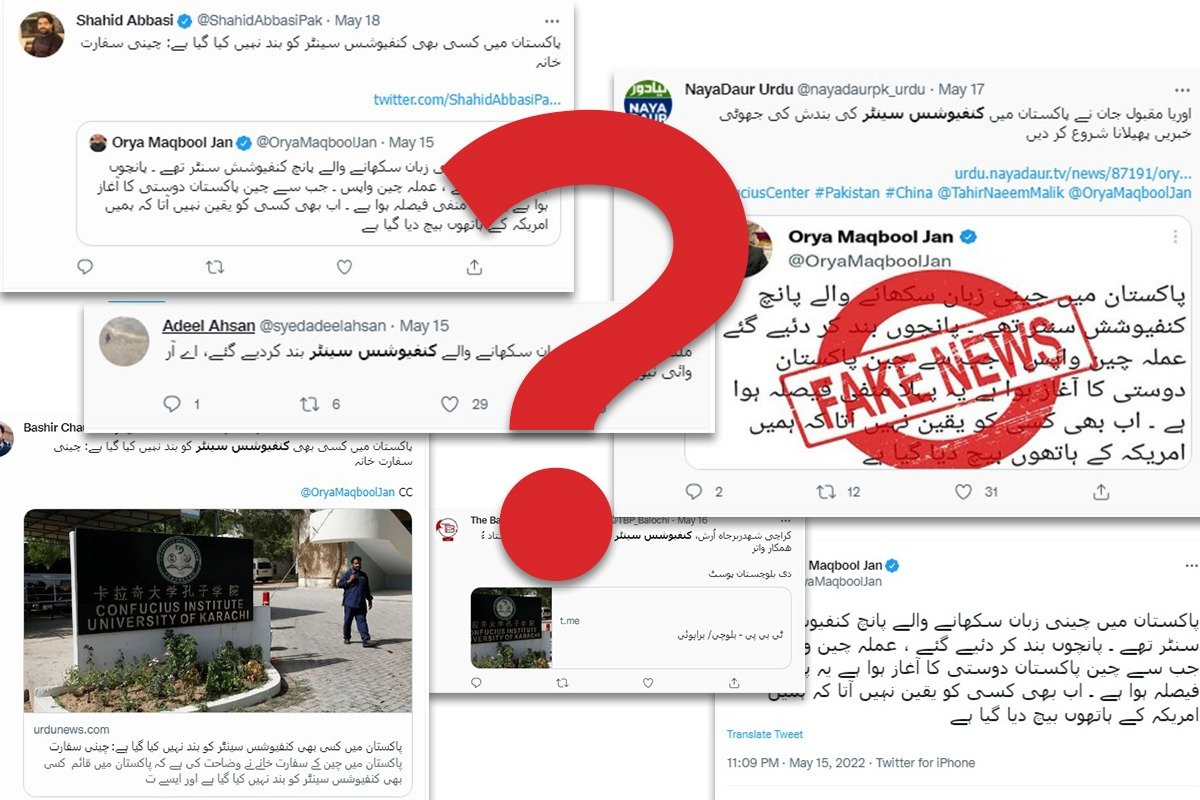
    Claim: All Confucius Chinese learning centers have shut down in Pakistan in the wake of the University of Karachi bomb blast in which three Chinese nationals were killed.

    Fact: All Confucius Chinese learning centers except the one in NUML are shutting down as most Chinese educators have gone back to China. Remaining classes for the current session have been shifted online.

    On May 15, right-wing activist and journalist Orya Maqbool Jan with 477.2K followers on Twitter, shared a tweet claiming that all five Confucius centers in Pakistan are being shut down in the aftermath of the University of Karachi bombing by Shari Baloch. The female suicide bomber targeted three Chinese nationals working at the Confucius Institute of the University of Karachi.

    On May 17, The News posted an article quoting Zhang Heqing, the Cultural Counsellor at the Chinese embassy in Islamabad, stating that all centers are operating and that China will continue to increase educational support sent towards Pakistan. After the article in the English daily, social media users started “fact checking” Orya Maqbool Jan, including Naya Daur andUrdu News, using The News’ article to back up their claim that none of the Confucius centers are shutting down.

    Team Current decided to verify this widely spread news and we discovered that except for the Confucius center inside National University of Modern Languages (NUML), Islamabad, all other centers – in Lahore, Faisalabad, Karachi and Bahawalpur, are on their way to shutting down for the foreseeable future.

    We got in touch with Babar Saleem, the accounts officer at the University of Karachi Confucius center, who confirmed on call that outside these five centers the Chinese government had set up a few classes in PItaro as well. But since all Chinese educators have already gone back to China, the current session in these centers have been changed from in person to online and after the current session ends, all activities at the center have been cancelled.

    Verdict: 90% TRUE (since the learning center at NUML will remain open)

  • Govt considering gas import contract with countries including Russia

    Govt considering gas import contract with countries including Russia

    Pakistan is in talks with multiple countries, including Russia, to sign a liquefied natural gas (LNG) import agreement in order to alleviate the country’s ongoing energy supply crisis.

    According to Bloomberg, the Ministry of Energy will go for the ‘most favourable deal’ and is considering government-to-government contracts for importing the gas.

    This action came as Pakistan battles blackouts caused by a fuel crisis caused by long-term suppliers’ failure to deliver shipments. To keep the lights on, the government previously resorted to purchasing LNG on the spot market, incurring debt that endangers worsening inflation on a massive scale.

    The government of Prime Minister (PM) Shehbaz Sharif, which took office on April 11, hopes to capture a new long-term LNG contract to help reduce fuel costs. Long agreements are remarkably affordable than existing spot pricing, while market participants also anticipate that this will provide some relaxation to the government.

  • Toyota Pakistan to launch first-ever locally assembled Hybrid crossover

    Toyota Pakistan to launch first-ever locally assembled Hybrid crossover

    Toyota Indus Motor Company (IMC), Pakistan’s most prominent automaker, is upgrading its manufacturing plant in preparation for the start of local production of hybrid electric vehicles (HEVs) by 2023.

    Toyota IMC CEO Ali Asghar Jamali revealed that the locally assembled Toyota Corolla Cross will be available in 2023. It is worth noting that this crossover will be the first ever locally assembled Hybrid vehicle by the Japanese manufacturer in Pakistan.

    He stated that the company intends to launch its hybrid crossover SUV in the Rs5 to Rs7 million price range, which may not be possible given the country’s economic and overall situation. Experts predict that the Crossover will be priced between Rs9-10 million.

    Given the current economic situation and the government’s plan to raise car taxes, Toyota IMC will reveal its final price next year.

    Jamali also discussed the company’s plans for overall HEV localization. He stated that Toyota has already invested $100 million in Pakistan to produce HEVs and plans to introduce electric vehicles (EVs) in the future when the country is ready for this technology.

    Jamali emphasised that HEVs are a midterm solution before EVs because Pakistan lacks the infrastructure for the latter, and that converting all cars to HEVs could reduce Pakistan’s oil imports by up to 50%.

    As most of Pakistan’s electricity is produced using fossil fuels, EVs will increase local LNG, coal, and crude oil imports, while investment in improving distribution and creating a charging infrastructure will also be required, according to Jamali.