Author: newsdesk

  • Amid spiralling out crisis: Sri Lankan opp threatens govt of no-confidence motion

    Amid spiralling out crisis: Sri Lankan opp threatens govt of no-confidence motion

    The main Opposition party in Sri Lankan parliament on Friday asked the government to resolve the raging economic crisis or face a no-confidence motion, as leaders of businesses from garments to tea and other industries warned that exports could fall up to 30% this year.

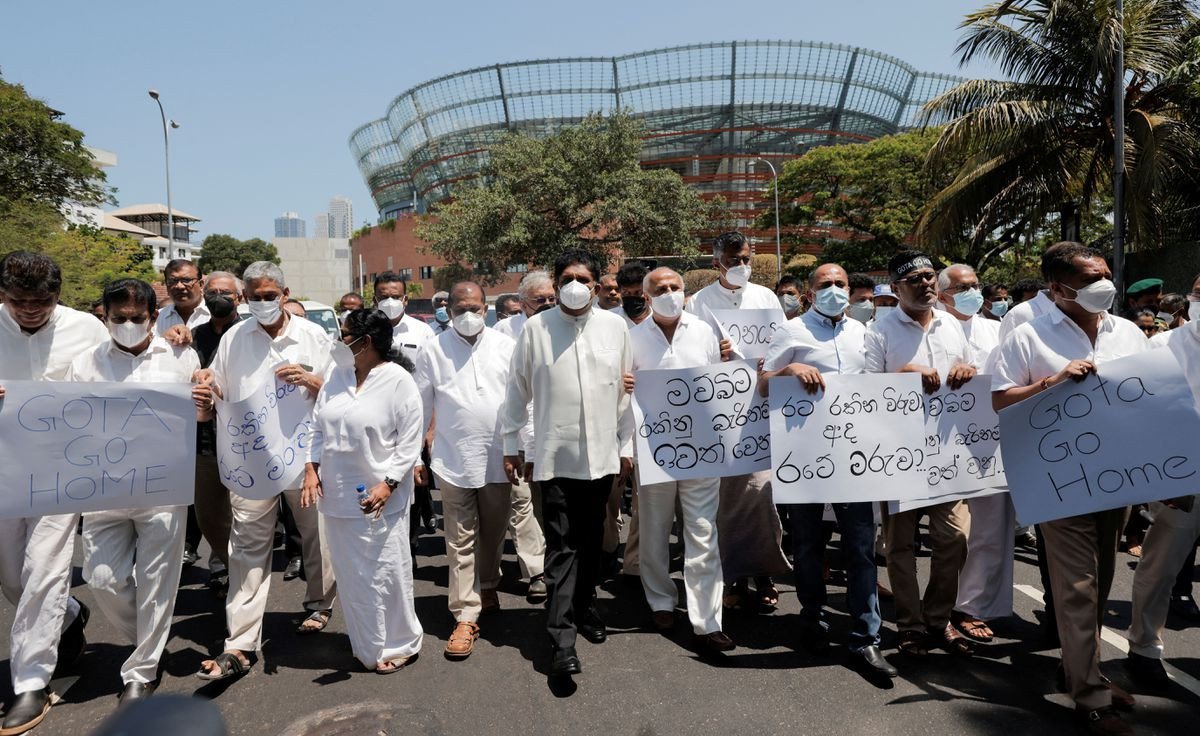
    The heavily indebted country has little money left to pay for imports, which has led to crippling shortages of fuel, power, food, and increasingly, medicine. Street protests have gone on nearly non-stop for more than a month, despite a five-day state of emergency and a two-day curfew.

    Timeline of a crisis

    President Gotabaya Rajapaksa is running his administration with only a handful of ministers after his entire cabinet resigned this week, while the opposition and even some coalition partners rejected calls for a unity government to deal with the worst crisis in decades.

    At least 41 lawmakers have walked out of the ruling coalition to become independents, though the government says it still has a majority in parliament.

    “The government needs to address the financial crisis and work to improve governance, or we will move a no-confidence motion,” Sajith Premadasa, leader of Samagi Jana Balawegaya Opposition group, said in parliament.

    “It is imperative that Sri Lanka must avoid a disorderly debt default. The government must work to suspend debt and appoint financial advisers to start off the process of restructuring debt.”

    Parliament proceedings were suspended twice in the morning as rivals heckled each other, with two members temporarily removed from the chamber on the orders of the speaker.

    Nearly two dozen associations, representing industries that collectively employ a fifth of the country’s 22 million people, together urged the government to quickly seek financial help from the International Monetary Fund (IMF), the World Bank and the Asian Development Bank (ADB).

    “We need a solution within weeks or the country will fall off the precipice,” Rohan Masakorala, director-general of the Sri Lanka Association of Manufacturers And Exporters of Rubber Products, told a news conference.

    RESERVES PLUNGE

    Rajapaksa is struggling to find a new finance minister to hold talks this month with the IMF for emergency loans, after Ali Sabry submitted his resignation having spent just a day in office. A ruling party lawmaker said Rajapaksa had yet to accept Sabry’s resignation.

    “We are pushing the government and opposition to establish political stability as soon as possible and give us a way forward,” Masakorala said. “IMF should have happened yesterday.”


  • Gold loses shine, price drops by Rs2,000 to Rs132,300 per tola

    Gold loses shine, price drops by Rs2,000 to Rs132,300 per tola

    Gold prices fell sharply in the local market on April 8, following the US dollar’s loss of value versus the rupee.

    The price of precious yellow metal dropped by Rs2,000 to Rs132,300 a tola (11.66 grams). Similarly, the cost of 10 grammes of gold decreased by Rs1,715 to Rs113,426. On the flip side, it jumped from $6 to $1,933 per ounce (28.3 gram) on the global market.

    The yellow metal in Karachi is reportedly selling for as low as Rs129,400, while 10 grams is being sold at Rs110,940. This rate for 24K gold announced by the Sarafa Bazar Association is also followed by the majority of gold markets in cities including Lahore, Islamabad, Peshawar, Quetta, and Karachi.

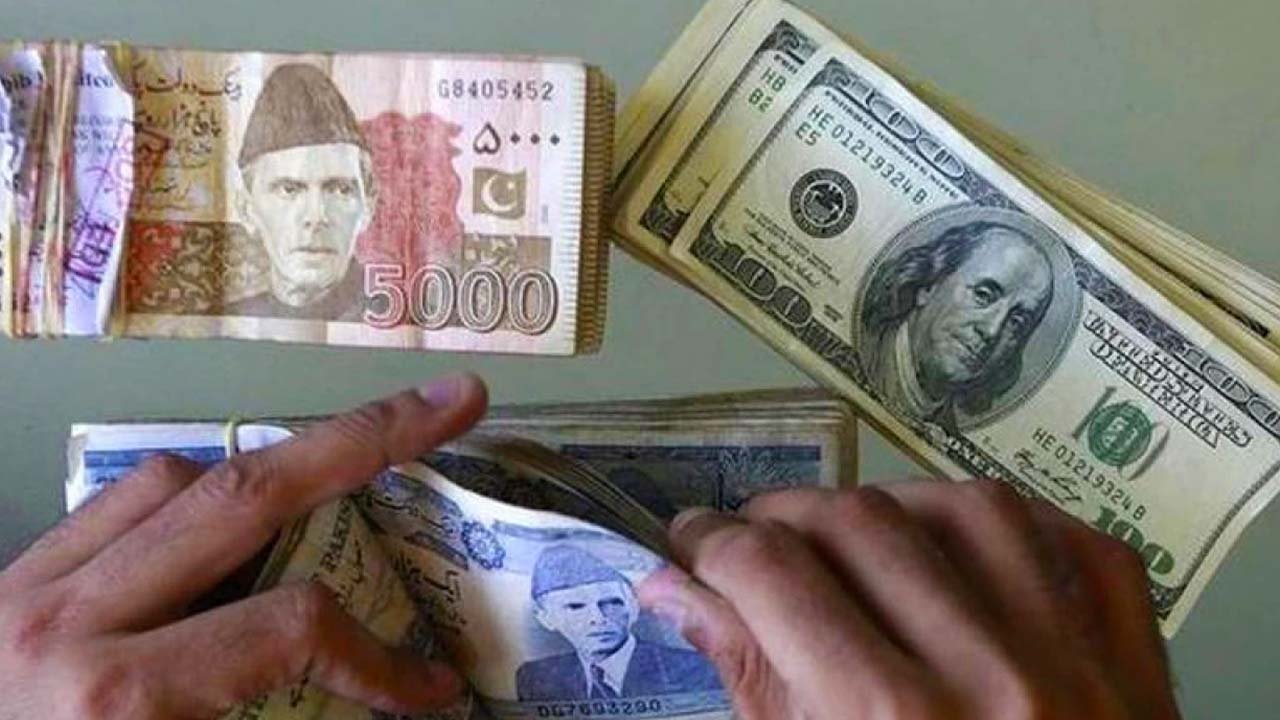
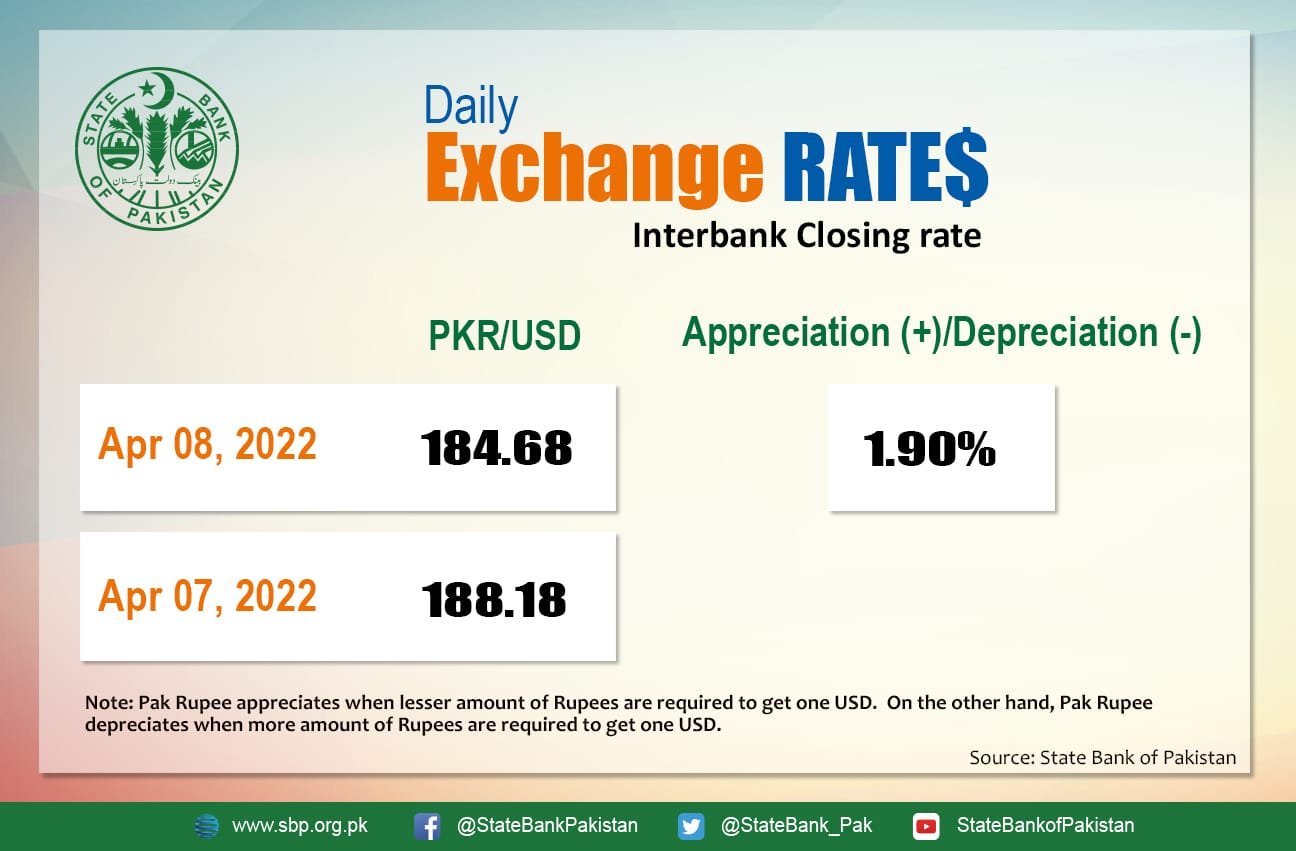
    The Pakistani rupee (PKR) gained Rs3.50 yesterday against the US dollar, making it the greatest single-day gain since April 2020. The local currency is currently trading at Rs184.68.

    During inter-day trading on April 7, the domestic unit crossed the Rs189 threshold, notwithstanding the political uncertainty. However, following a Rs2.5 depreciation, it concluded at Rs188.18.

    The gold correction had been overdue for a long time, since the political turmoil had created widespread panic, and individuals were transferring their capital to gold, as various rules had made it difficult for everyone to buy dollars.

  • Journalist, seven others stripped naked for questioning BJP leaders

    Journalist, seven others stripped naked for questioning BJP leaders

    A picture has gone viral on social media, in which a group of men, can be seen stripped to their underwear inside a police station in Madhya Pradesh. The eight men were seen standing against the wall with their hands clasped in front. They were kept in the custody for 18 hours.

    The eight men were seen standing against the wall with their hands clasped in front. The arrested journalist runs a YouTube channel, he and his cameraperson were arrested on April 2, when they went to a local police station to inquire why theatre artiste Neeraj Kunder was arrested. Kunder was allegedly arrested for making “indecent remarks” against BJP MLA Kedarnath Shukla Shukla and his son Kedar Guru Dutt Shukla on social media.

    In this regard, two officers in Madhya Pradesh have been sent to the police lines.

    As per Indian media, there is one journalist among others. The SHO while explaining the reason said that it was for the “accused’s safety”. He said that the arrested accused were stripped of their clothes in the lock-up so that they don’t commit suicide.

  • Hafiz Saeed jailed for 31 years in more terror-financing cases

    Hafiz Saeed jailed for 31 years in more terror-financing cases

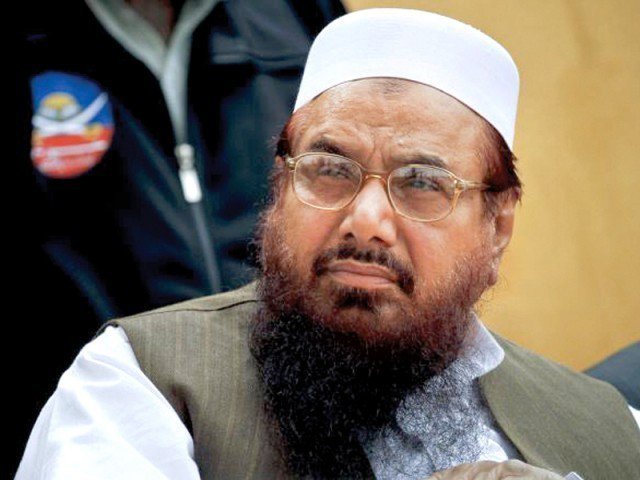
    The imprisoned Jamaatud Dawa (JuD) chief Hafiz Saeed was sentenced to 31 years in jail collectively in two more cases of terror-financing by an Anti-Terrorism Court (ATC) in Lahore on Friday.

    ATC Judge Ejaz Ahmad Buttar convicted the 70-year-old cleric in the cases filed against him by the Counter-Terrorism Department (CTD) Lahore and Sahiwal officials.

    The court awarded him rigorous imprisonment of 16 years and a half in the case No.90/19 and 15 years and a half in the case No.21/19.

    The court announced the verdict after hearing final arguments from both defence and prosecution sides and recording evidence.

    According to Aljazeera News, a Pakistani court has sentenced Hafiz Saeed, founder of Lashkar-e-Taiba (LeT), the armed group blamed by the United States and India for the deadly 2008 Mumbai siege, to 31 years in prison in two cases of terrorism financing.

    The Aljazeera quoted the verdict that court documents show Saeed was found guilty of multiple breaches in the two cases, but it was not immediately clear how much jail time it would entail given his current incarceration and the sentences’ running concurrently.

    “The sentences awarded to convict Hafiz Muhammad Saeed run concurrently of this case and of previously awarded, if any,” said a court order dated April 7.

    The judge ordered the authorities concerned to take over a mosque and a Madressah built using the funds collected by Hafiz Saeed.

    The JuD chief was arrested in July 2019 in connection with terror financing while he was on his way from Lahore to Gujranwala. Earlier in 2020, he was convicted in two cases of terror-financing when a Lahore anti-terrorism court awarded him 15 years in prison and a fine of Rs15,000 in each case.

  • Olympian Talha Talib tested positive in dope test, likely to get ban

    Olympian weightlifter, Talha Talib has tested positive for taking prohibited substances to improve performance. The tests were carried out under the authority of the International Testing Agency along with International Weightlifting Federation on Friday. It was conducted in two cities Gujranwala and Lahore for all Pakistani weightlifters.

    According to the reports, some substances of prohibited drugs were found in the blood of three weightlifters including Talha Talib. He has been banned from taking participating in the Birmingham Commonwealth games and the Olympics. In addition, Talha Talib could a face ban for at least four years.

    It is to be mentioned here that Talha Talib won the country’s first-ever medal at the World Weightlifting Championship last year in Uzbekistan by winning a Bronze in the snatch event in the 67kg category.

    He has come into the limelight when he missed two points to get a medal for Pakistan in the last Olympics. Many celebrities and politicians lauded his debut performance in Olympics.

  • World food prices at all times high in March: FAO

    World food prices at all times high in March: FAO

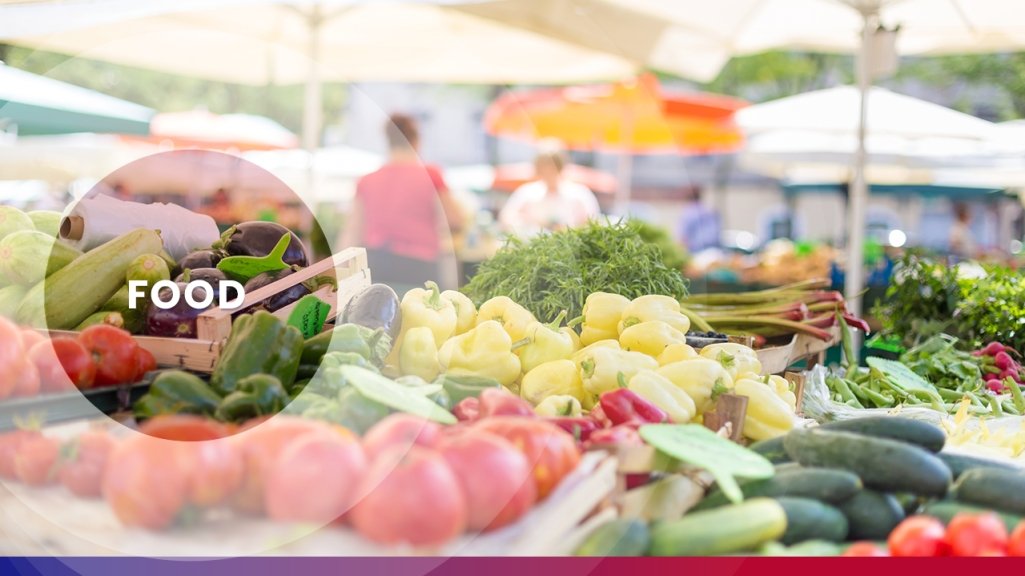
    Food commodity prices across the World made a significant leap in March to reach the highest-ever levels, as war in the Black Sea region spread shocks through markets for staple grains and vegetable oils, the Food and Agriculture Organization of the United Nations (FAO) reported.

    The FAO Food Price Index averaged 159.3 points in March, up 12.6 percent from February when it had already reached its highest level since its inception in 1990. The Index tracks monthly changes in the international prices of a basket of commonly-traded food commodities. The latest level of the index was 33.6 percent higher than in March 2021.

    The FAO Cereal Price Index was 17.1 percent higher in March than in February, driven by large rises in wheat and all coarse grain prices largely as a result of the war in Ukraine. The Russian Federation and Ukraine, combined, accounted for around 30 percent and 20 percent of global wheat and maize exports, respectively, over the past three years. World wheat prices soared by 19.7 percent during the month, exacerbated by concerns over crop conditions in the United States of America. Meanwhile, maize prices posted a 19.1 percent month-on-month increase, hitting a record high along with those of barley and sorghum. Contrasting trends across the various origins and qualities kept the March value of FAO’s Rice Price Index little changed from February, and thus still 10 percent below its level of a year earlier.

    The FAO VEGETABLE OIL PRICE INDEX rose 23.2 percent, driven by higher quotations for sunflower seed oil, of which Ukraine is the world’s leading exporter. Palm, soy and rapeseed oil prices also rose markedly as a result of the higher sunflower seed oil prices and the rising crude oil prices, with soy oil prices further underpinned by concerns over reduced exports by South America.

    The FAO SUGAR PRICE INDEX rose 6.7 percent from February, reversing recent declines to reach a level more than 20 percent higher than in March 2021. Higher crude oil prices were a driving factor, along with currency appreciation of the Brazilian Real, while favorable production prospects in India prevented larger monthly price increases.

    The FAO MEAT PRICE INDEX increased by 4.8 percent in March to reach an all-time high, led by surging pig meat prices related to a shortfall of slaughter pigs in Western Europe. International poultry prices also firmed in step with reduced supplies from leading exporting countries following avian flu outbreaks.

    The FAO DAIRY PRICE INDEX rose 2.6 percent and was 23.6 percent higher than in March 2021, as quotations for butter and milk powders rose steeply amid a surge in import demand for near and long-term deliveries, especially from Asian markets.

    FORECASTS FOR CEREALS

    FAO also released its new Cereal Supply and Demand Brief, which includes a forecast for global wheat production in 2022 of 784 million tonnes, a 1.1 percent increase from 2021. That estimate factors in expectations that at least 20 percent of Ukraine’s planted area to winter crops, notably winter wheat, may not be harvested due to direct destruction, constrained access or a lack of resources to harvest crops, reports from Russia of continued conducive weather conditions, as well as prospective production trends in China, the European Union, India, North America and elsewhere. Coarse grain production prospects remain favorable in Argentina, Brazil and South Africa.

  • 1 bln meals initiative begins distribution in five countries

    1 bln meals initiative begins distribution in five countries

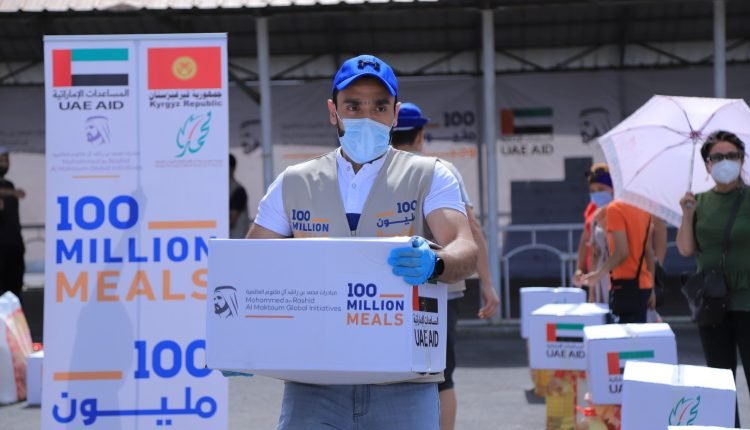
    The 1 Billion Meals initiative, which aims to provide food support to the underprivileged and undernourished in 50 countries around the world, announced that it has started distributing foodstuffs, food parcels in Lebanon, India, Jordan, Tajikistan and Kyrgyzstan.

    The initiative, which was launched at the beginning of the Holy Month of Ramadan and organized by the Mohammed bin Rashid Al Maktoum Global Initiatives (MBRGI), has started distribution in the four countries in cooperation with the Food Banking Regional Network (FBRN), the Mohammed bin Rashid Al Maktoum Humanitarian and Charity Establishment (MBRCH).

    The FBRN has started distributing long-term food items and food parcels with storable ingredients to the beneficiaries of the 1 Billion Meals initiative. Whereas MBRCH is distributing food parcels containing basic staples such as flour, rice, oil, sugar and dates to beneficiaries.

    Accurate Databases

    The 1 Billion Meals initiative provides beneficiaries with basic necessities needed for the preparation of nutritious meals or instant electronic vouchers for food supplies in cooperation with relevant local authorities in beneficiary countries. This coordination ensures the efficiency of distribution operations and, by taking advantage of technology applications, also provides direct access to the communities most in need based on comprehensive and accurate databases.

    Donations Continue

    The distribution of food parcels coincides with the arrival of contributions and donations to the 1 Billion Meals initiative from individuals, institutions, companies, businessmen and pioneers of charity and humanitarian work. These donations embody the values of the UAE and its generous society, which is keen to express solidarity with those in need without discrimination between race, religion or geographical region.

    The launch of the 1 Billion Meals initiative and the start of its distribution operations are part of the message of MBRGI, whose humanitarian goals are based on giving without any exception on the basis of gender, race, belief or region. The initiative falls under the pillar of Humanitarian Aid and Relief, one of the five main themes focused on by MBRGI.

  • Islamabad Traffic Police issues more than 28,000 challans to careless drivers

    During the last three months, the Islamabad Traffic Police (ITP) handed 28,224 fine tickets to motorists who were negligent on the roads.

    As per Senior Superintendent of Police (SSP) Traffic, Rai Mazhar Iqbal, special squads have been formed on the directives of Inspector General of Police (IGP) Islamabad, Muhammad Ahsan Younas to deal with reckless drivers who endanger the lives of road users.

    He also instructed the officials that road users should be treated with respect.

    SSP Iqbal stated that all city personnel have been urged to take stern action against such offenders and to assure that the city’s roads are secure.

    Furthermore, he revealed that the ITP education wing has been directed to ensure renewed efforts in a bid to raise public awareness regarding traffic rules.

    Several students have joined ITP as traffic volunteers, therefore he directed ITP’s teams to visit educational institutions to build traffic sense among more students.

    According to the SSP Traffic, the goal of conducting action against irresponsible drivers is to safeguard their personal safety as well as the safety of others.

  • Pakistani rupee records impressive gains against US Dollar, highest single-day gain

    Pakistani rupee records impressive gains against US Dollar, highest single-day gain

    In the intra-day trade on Friday, the Pakistani rupee (PKR) gained an impressive Rs3.5 against the US dollar, the highest single-day gain in two years after the Supreme Court (SC) pronounced the National Assembly (NA) deputy speaker order unconstitutional and restored the NA.

    The US dollar is currently trading at Rs185, as per foreign currency dealers, after weakening Rs3.5 versus the local currency in early trade. The USD is currently trading for above Rs186 on the open market.

    On Thursday, the rupee concluded at Rs188.18 against the USD in the interbank market.

    Consequently, the Pakistan Stock Exchange’s (PSX) benchmark KSE-100 index, reversed its downtrend shortly after starting on Friday and surpassed the 44,000 mark, a day after the Supreme Court of Pakistan annulled the deputy speaker’s decision against a no-confidence motion.

    Considering the trading which continued at 44, 198 on the Pakistan Stock Exchange, the KSE-100 benchmark index gained 411 points.

    The stock market has been under pressure since April 4, when it crumbled, losing over 900 points amid Pakistan’s ongoing political crisis, which arose after the National Assembly deputy speaker declared Prime Minister Imran Khan’s no-confidence resolution unconstitutional.

    SBP’s rate increase of 250 basis points and establishment of cash margins on 177 commodities is a marker that the economic system is in a slump and that prior initiatives were inadequate. This protective approach will aid in limiting the import of certain products, consequently bolstering the balance of payments.

  • Babar Azam and Shadab Khan caught being themselves

    Babar Azam and Shadab Khan caught being themselves

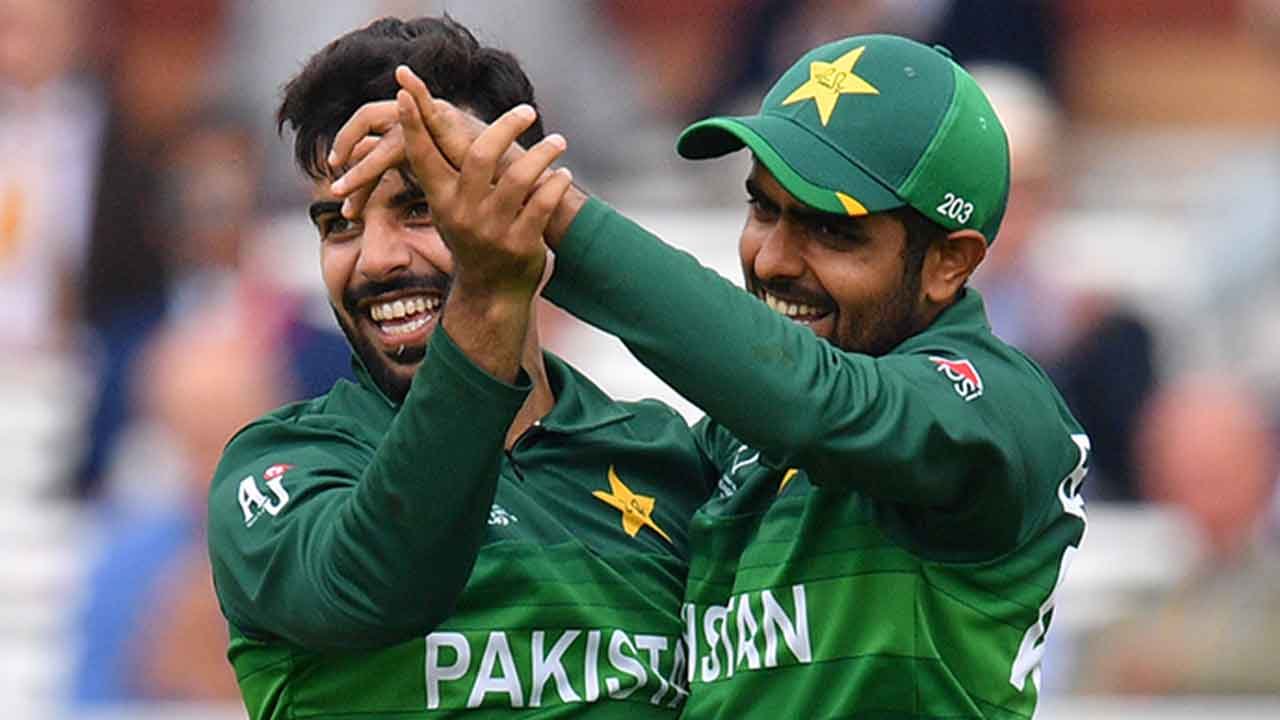
    Babar Azam, the Men in Green’s all-format captain, and Shadab Khan, the white-ball vice-captain, have demonstrated their leadership talents on the cricket field, they have also demonstrated their humanitarian abilities by distributing food items for Iftar to unprivileged people on the streets of Lahore.

    Following the distribution of Iftar, both cricket stars spoke to the media. Babar and Shadab were both in good spirits as they joked around with the press. Fans praised the duo’s generous gesture as the video of them serving food to the needy went viral on social media.

    Babar joked that journalists should refrain from asking any cricket-related inquiries.

    https://twitter.com/stzarak/status/1512166793367879693?t=UGki58_mcV3eIulRTomYlg&s=08

    After a busy home season that featured the seventh edition of the Pakistan Super League (PSL) and Australia’s historic trip to the country, Pakistan’s national team players got some well-deserved respite.

    The Green Shirts’ next international assignment will be versus the West Indies in June 2022, when they visit Pakistan for a three-match One-Day International series.