Author: newsdesk

  • PTI rally rescheduled for September 8

    PTI rally rescheduled for September 8

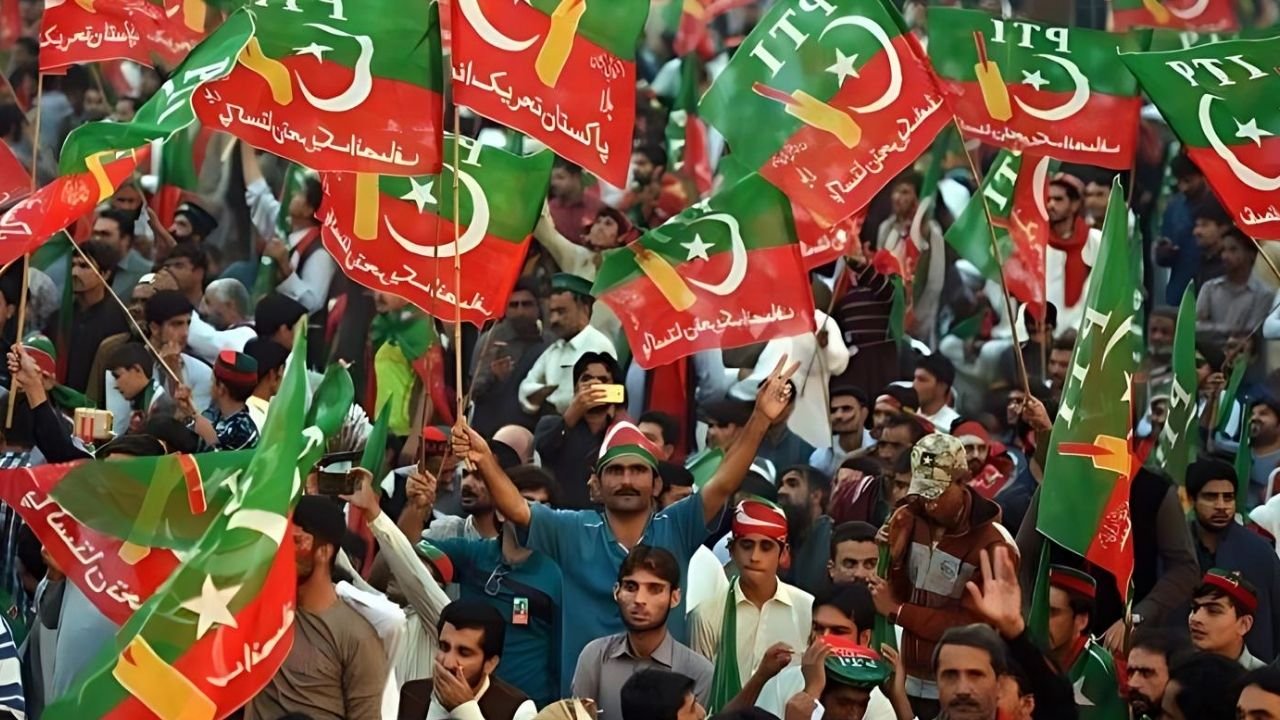
    A rally of the Pakistan Tehreek-e-Insaf (PTI), scheduled to be held in Islamabad on August 22, has been postponed and rescheduled for September 8
    after the local government revoked the No Objection Certificate (NOC) and sealed the road, putting security on high alert.

    PTI chairman Barrister Gohar Khan commented on the notification, stating that it was done on founder PTI Imran Khan’s advice.
    He said, “We postponed the jalsa following a meeting with the PTI founder in Adiala jail,”

    PTI Secretary Genaral Omar Ayub stated, “We have received information that the government is conspiring to spread anarchy under cover of the jalsa”.

  • Five more games to be introduced in Olympics 2028

    Five more games to be introduced in Olympics 2028

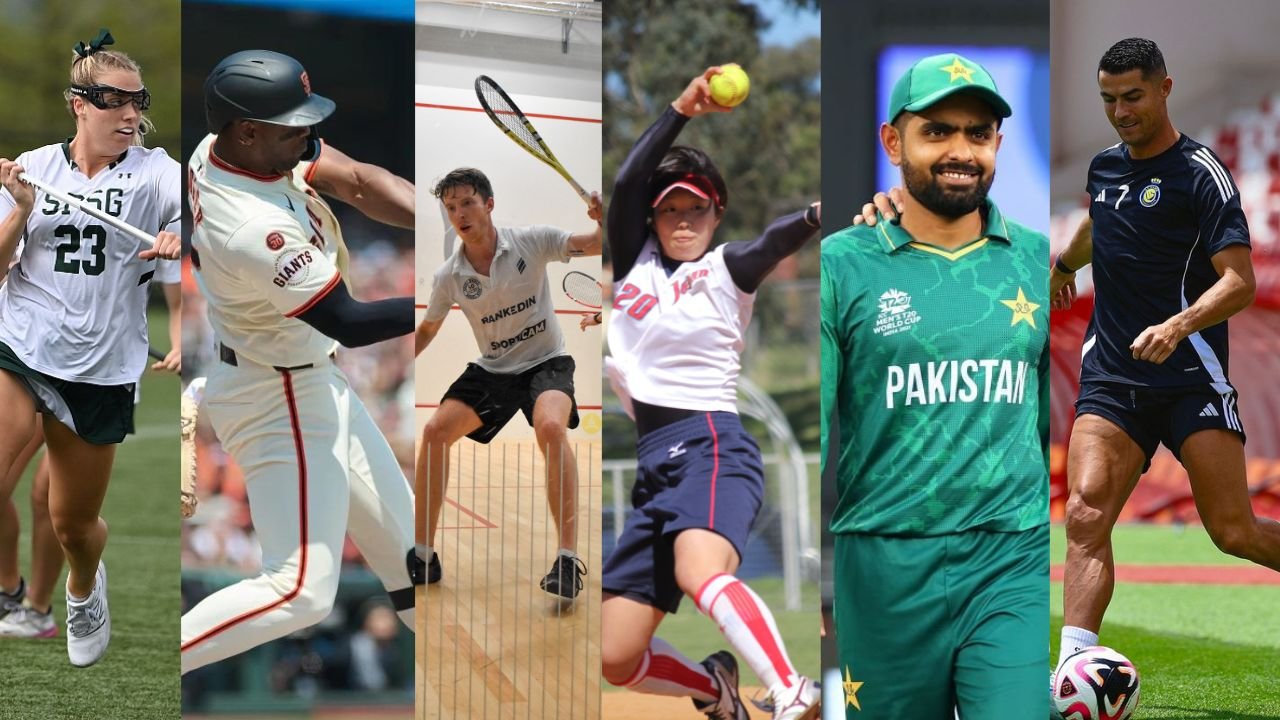
    With the end of the Paris Olympics 2024, preparations for the Los Angeles Olympics 2028 have started. Five new sports will be included in the games scheduled to be played in the United States, including flag football, baseball/softball, cricket, lacrosse and squash.

    Los Angeles has already hosted the Olympic Games twice, in 1932 and 1984, making it a unique place to host the Olympic Games.

    Public transport will be used to get to any sports venue. About 3,000 buses will be borrowed from other American cities and states. The opening ceremony is scheduled for July 14, 2028. The Games will continue until July 30, followed by the Paralympic Games from August 15 to 27.

    The University of California will establish an Olympic Village, and the LA Memorial Coliseum will become the first stadium to host three Olympic Opening Ceremonies and athletics events.

    The Los Angeles Arena will host gymnastics, Exposition Park diving, waterfront marathon swimming, triathlons and rowing events.

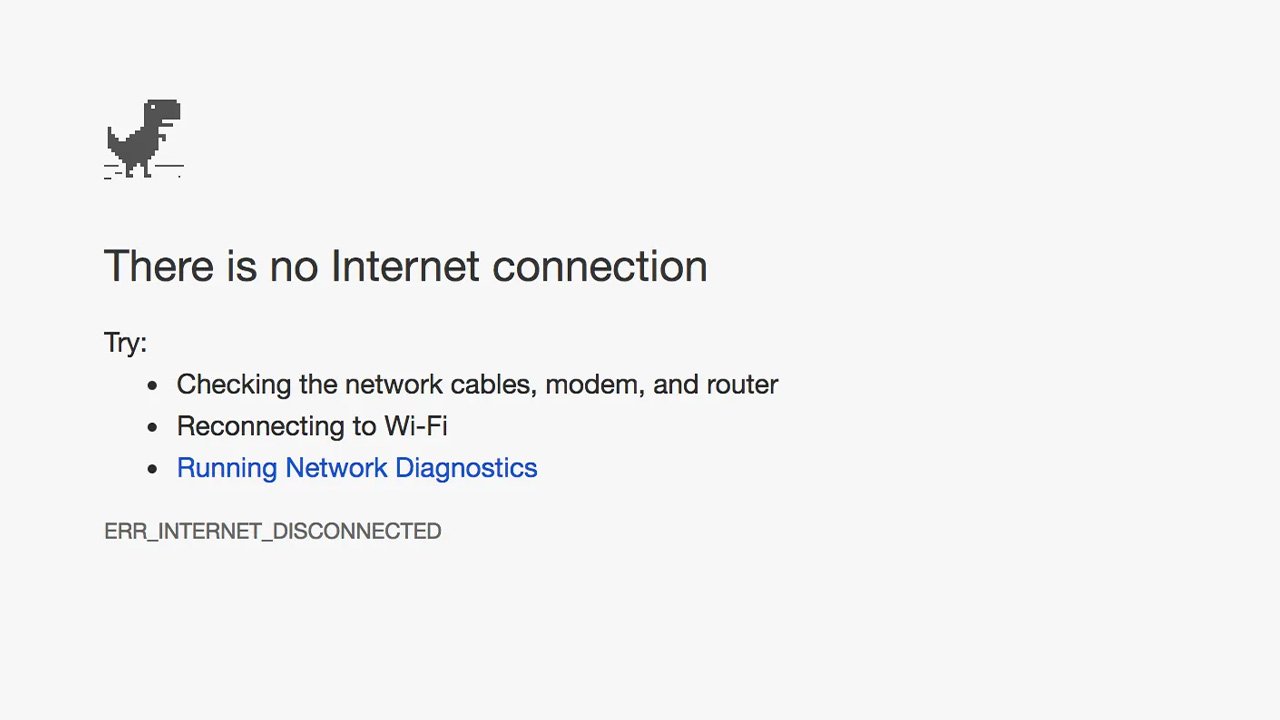
  • Internet issue in Pakistan: What’s behind the nationwide slowdown?

    Internet issue in Pakistan: What’s behind the nationwide slowdown?

    Pakistan, a nation that has steadily integrated digital technologies into the fabric of daily life, now finds itself grappling with an internet crisis that has sparked widespread frustration among its citizens. Confusion abounds as people ask: What’s really causing the slowdown in Pakistan’s internet?

    Millions of Pakistanis who rely on the internet for everything from communication to commerce are currently experiencing severe disruptions, reminiscent of the early 2000s when dial-up connections and internet cards were the norm. The situation has become so dire that many are questioning whether the country’s technological progress has come to a standstill.

    A regression to the past

    For many, the current internet woes feel like a step back in time. Despite the launch of 4G services years ago, internet speeds have plummeted to the levels of 2G or even EDGE networks. In some cases, the internet is so sluggish that it fails to function at all. This has led to a near-paralysis of digital communication in Pakistan, with millions struggling to maintain even the most basic online activities.

    The impact is felt across the spectrum of society. From students attempting to access educational resources to businesses trying to close deals, the internet slowdown has thrown a wrench into the daily operations of countless individuals and organisations. Popular platforms like WhatsApp, which serve as lifelines for communication in Pakistan, have become virtually unusable at times. Users report being unable to download images, videos, or documents, rendering the app ineffective for both personal and professional use.

    The blame game: Service providers or government control?

    As the crisis deepens, fingers are being pointed in multiple directions. Internet service providers (ISPs) are facing criticism for failing to maintain service quality, but there is growing suspicion that the root of the problem lies elsewhere. Reports suggest that the slowdown may be linked to the deployment of a nationwide internet firewall aimed at controlling online content and traffic. This has led to speculation that the government is intentionally throttling internet speeds to limit access to information and suppress dissent.

    The slowdown is not confined to rural areas; even the federal capital, Islamabad, and its posh sectors such as F-7 and F-6 are experiencing significant disruptions. This is a far cry from the promises of a digitally empowered Pakistan, where the number of 3G and 4G users had grown from 130.92 million at the end of February to nearly 132 million by the end of March 2024. The reality on the ground, however, tells a different story—one where millions of Pakistanis are struggling to stay connected.

    A growing digital divide

    The internet issue has exposed a growing digital divide in Pakistan. While those in urban centres like Karachi, Lahore, and Islamabad are accustomed to high-speed internet, the recent disruptions have left them reeling. Meanwhile, in rural areas, where internet access has always been patchy, the situation has gone from bad to worse. Places like Bara Manga are now almost entirely cut off from the digital world, exacerbating existing inequalities.

    The situation has sparked outrage among Pakistan’s growing online community, which includes not just casual users but also students, freelancers, traders, and others who rely on the internet for their livelihoods. The frustration is palpable, with many taking to social media to voice their concerns, even as they struggle to stay connected.

    Official responses: Confusion and contradictions

    The official response to the internet crisis has been marked by confusion and contradictions. After facing intense criticism from netizens and the information technology sector, the Pakistan Telecommunications Authority (PTA) finally broke its silence on the issue. PTA Chairman Major General (retd) Hafeez-Ur-Rehman, while briefing the National Assembly Standing Committee on IT, attributed the slowdown to a fault in the undersea submarine cable. He assured the public that the issue would be resolved by August 27, but many remain sceptical.

    Rehman explained that Pakistan is connected to the global internet through seven fibre optic cables, one of which is currently damaged. While this explanation offers some clarity, it does little to alleviate the frustration of millions who are still grappling with slow or non-existent internet service.

    Meanwhile, others in the IT sector believe that the government’s testing of a new nationwide internet firewall is the real culprit behind the disruptions. “On the one hand, the new government is promising an information technology revolution for Pakistan, and on the other, it is throttling it completely,” said one industry insider who wished to remain anonymous.

    The government has repeatedly denied responsibility for the internet problems, insisting that the firewall is intended to regulate and block malicious content while protecting government networks. Information and Technology Minister Shaza Fatima Khawaja, in a recent statement, blamed Pakistan’s large population for straining the network, adding that her team has been “working tirelessly” with ISPs to resolve the issue.

     Personal stories of frustration

    The impact of the internet crisis is perhaps best illustrated through the personal stories of those affected. Dr Maryam Jabbar, a medical officer at the Pakistan Institute of Medical Sciences (PIMS), described her daily struggle to commute using ride-hailing apps like InDrive. “Sometimes, I am unable to book a ride because the 4G does not work, and my phone shows the EDGE sign,” she said. “The situation of the internet is much worse in some areas of G-8. I had to walk from the PIMS OPD to Centaurus twice this week because neither my nor my colleagues’ internet was working.”

    Freelancers like Hannan Masood are also bearing the brunt of the slowdown. Masood, who works with clients in the United States, feared he might not be able to pay his rent this month after a client became angry over missed messages and calls. “The client thought I had intentionally turned off my internet to avoid work,” he said. Masood tried using SIM data and VPNs to stay connected, but found them equally unreliable. “VPNs work sometimes, but only for the first 10 minutes. After that, they become very slow,” he said, adding that he is hesitant to spend money on VPNs after hearing from friends that even paid versions are not functioning properly.

    Economic and political ramifications

    The internet crisis comes at a time of widespread discontent in Pakistan over the country’s economic situation. With inflation running high and the government sharply increasing taxes and electricity fees, many Pakistanis believe they are being asked to shoulder the burden of the ruling elite’s lavish lifestyle. The June budget announcement, which included a 25 per cent increase in government salaries, was followed by an unprecedented tax hike for the common salaried class. This move was heavily criticised, with an editorial in Dawn stating that it would “make the life of average Pakistanis even harder.”

    In this context, some view the internet slowdown as a deliberate attempt by the government to stifle criticism in digital spaces. Social media platform X (formerly Twitter) has already been blocked since the February elections due to “national security” concerns. Supporters of former Prime Minister Imran Khan’s party point out that he is the most popular Pakistani on the platform, with nearly 21 million followers, suggesting that the government’s actions are politically motivated.

    A call for transparency and solutions

    As the internet crisis drags on, the need for transparency and effective solutions has become increasingly urgent. The government’s mixed messages and the PTA’s assurances have done little to restore public confidence. If the new firewall is indeed behind the disruptions, as many suspect, there should have been some warning or at least an official explanation. Instead, Pakistanis are left to navigate a digital landscape that is increasingly unreliable and unpredictable.

    The situation underscores the importance of a robust and resilient internet infrastructure in today’s hyperconnected world. For a country that has embraced digital technologies as a means of economic and social progress, the current crisis is a stark reminder of how quickly those gains can be reversed. The government, ISPs, and all stakeholders must work together to resolve the issue swiftly and ensure that Pakistanis can once again rely on a stable and secure internet connection.

    As Pakistan grapples with this digital setback, the hope is that lessons will be learned, and the country will emerge stronger, with a more transparent and accountable approach to managing its internet infrastructure. For now, however, millions of Pakistanis are left in the lurch, waiting for their digital lifeline to be restored.
  • ‘Abuse every day’: Indian female medics speak out after brutal murder

    ‘Abuse every day’: Indian female medics speak out after brutal murder

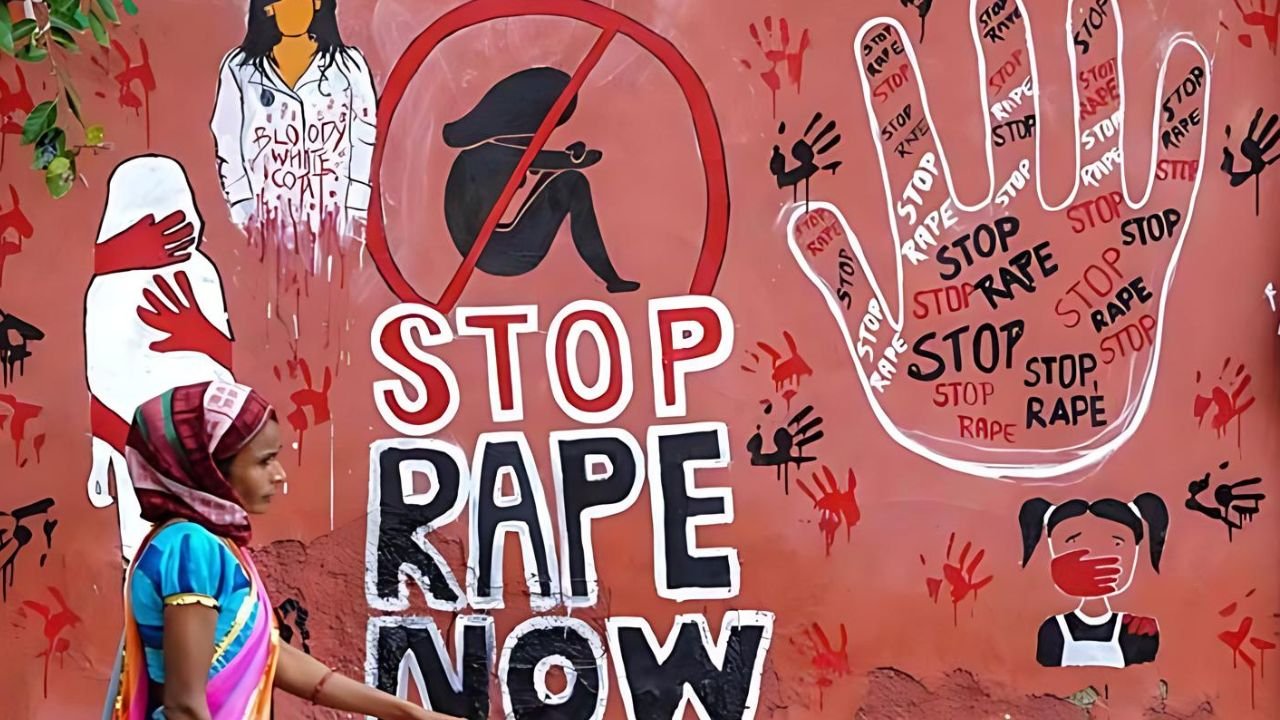
    Saving lives was the childhood dream for 28-year-old Indian doctor Radhika, but after the brutal rape and murder of a colleague her own safety has increasingly become a top concern.

    Earlier this month, at the government-run hospital where Radhika works in the eastern city of Kolkata, the battered and bloodied body of a 31-year-old woman doctor was found, sparking outrage.

    One man has been detained, but the attack has focused anger on the lack of measures for female doctors to work without fear, and triggered protests and medical strikes.

    “I was on night duty just two days before this incident,” Radhika said at Kolkata’s R.G. Kar Medical College and Hospital.

    “What she did is what any of us do -– resting whenever, wherever we can”.

    The murdered doctor — who has not been formally named but is being called “Abhaya”, or “fearless” by protesters — was found in the teaching hospital’s seminar hall, suggesting she had gone there for a break during a long shift.

    Radhika, whose name has been changed for fear of repercussions at her work, said conditions such as long working hours — with barely any time to eat or rest — were not unusual.

    “This could have been any of us, and this still can be any of us,” she added.

    – Attacks all too common –

    Tens of thousands of ordinary Indians have joined protests, channelling anger not only at the chronic issue of violence against women, but also at the failure to provide secure working conditions for them.

    According to the philanthropic organisation Dasra, women make up nearly 30 percent of doctors in India and 80 percent of nursing staff.

    Attacks on female medics are all too common.

    India’s Supreme Court on Tuesday ordered a national task force to examine how to bolster security for healthcare workers, saying the brutality of the killing had “shocked the conscience of the nation”.

    “The lack of institutional safety norms at medical establishments, against both violence and sexual violence against medical professionals, is a matter of serious concern,” the court order read.

    It highlighted a lack of CCTV cameras and a failure to screen visitors to hospitals for weapons.

    Medical superintendent Indira Kabade, who works at KC General Hospital in the southern city of Bengaluru, said she worries her staff can get home safely.

    “We never know if anyone is following them from the hospital,” said Kabade, adding she and many female colleagues want “airport-like security”, including police posted inside the campus.

    “Despite us working non-stop to save lives, there is a need to rethink safety at workplace,” Kabade said.

    The gruesome nature of the doctor’s killing has invoked comparisons with the horrific 2012 gang rape and murder of a young woman on a Delhi bus.

    Nearly 90 rapes a day were reported in 2022 in the country of 1.4 billion people.

    – Foul toilets –

    Exhausted doctors sleep where they can, snatching rest on a chair or the floor.

    “They are just completely tired and their bodies cannot push anymore,” Radhika said.

    There are restrooms for doctors — but men and women have to share, and some have no lock.

    She described one moment of terror when two men barged into the room as she rested.

    “I was really scared,” she said.

    Foul sanitation — including often one toilet for male and female medics — illustrate a failure by the authorities to provide basic infrastructure.

    The situation was particularly worrying when the women were menstruating, Radhika said.

    In the Himalayan territory of Kashmir, doctor Rubeena Bhat said some medics would rather use washrooms in houses neighbouring the hospital.

    “It’s that bad,” she said.

    – ‘Abuse every day’ –

    One female doctor in Thiruvananthapuram, a city in the southern state of Kerala, said she and her colleagues faced abuse every day, from verbal insults to physical molestation.

    “There is no end to it,” she said.

    Female doctors have been encouraged to participate in self-defence classes organised by the medical association.

    “Doctors are called gods or angels by some people,” the Kerala-based doctor said.

    “So we think we are immune to crimes. And when such a crime happens at a place which we consider the safest place, we are all afraid”.

    But while questions remain over her safety, Radhika is certain of her future.

    “I will fight and continue to be in the healthcare service”, she said.

  • ‘Liberals try to take me down’; Maria B. reacts following criticism for stealing designs from Palestinian collection

    ‘Liberals try to take me down’; Maria B. reacts following criticism for stealing designs from Palestinian collection

    Maria B is under fire after being accused of copying designs for her Palestine campaign.

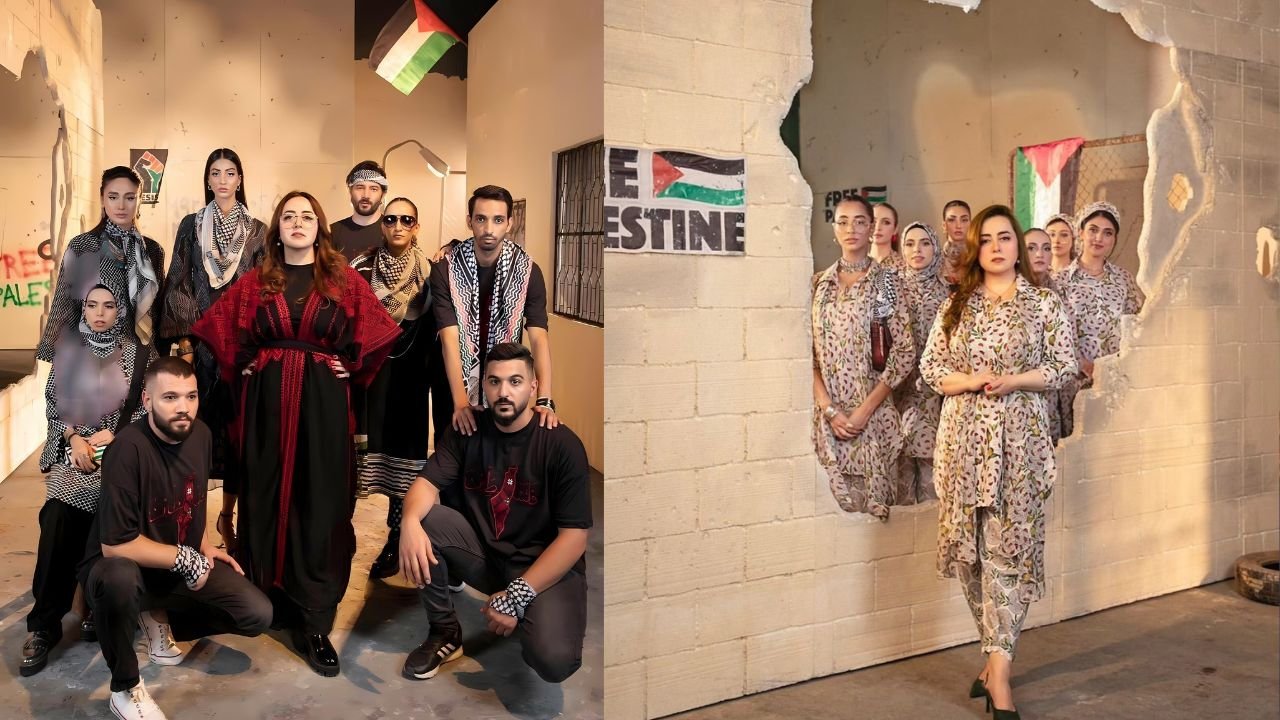
    Over the weekend, designer Maria B. launched a capsule line called the Falesteen Collection. The collection includes T-shirts, two-piece and three-piece lawn suits featuring prints of the black-and-white keffiyeh, colourful houndstooth patterns, and watermelon, symbolising Palestine’s resistance.

    One of the designs featured a map of Palestine with a boy merged into the pattern, along with the Palestine flag wrapped in olive branches.

    This design caught the attention of artist Leena Ghani, who noticed it was copied. She shared Maria B.’s campaign on her Instagram stories and tagged the page Palestine Quebec, which confirmed that Turkish artist Hacı Balina Atölye created the design.

    As the allegation spread online, Palestine Quebec and Leena Ghani urged people to call out the designer and support the artist whose work had been copied. Maria B. did not initially respond to the accusations.

    On Tuesday night, however, the designer addressed the issue on her Instagram stories, confirming that she had “unintentionally” used the artist’s work in her collection. She called it an “oversight” and apologised to her followers.

    “In this digital age of fast-paced information and viral images, such unintentional oversights can occur. We apologize for the oversight,” her statement read.

    “We have contacted the artist, who recognizes our work with empathy and grace and is willing to collaborate with us in our efforts for Gaza. She’s a young and talented artist, please support her work! @hacibalina,” the designer said.

    She also criticised those she called “liberals foaming at the mouth” for accusing her of blatant plagiarism.

    Maria B. responded to criticism in her stories, saying, “Maria B. copied the Gaza flag. Maria B copied the Gaza map. Maria B copied Keffiyeh. Maria B copied resistance art. Maria B copied watermelon. Watermelon copied embroidery. Low IQ liberals.”

    She emphasised, “This is an inspired collection picking up images of resistance,” and clarified that she was not making any money from the sales. “Liberals try to take me down while I’m trying to help raise funds for Gaza. This is Pakistan. Do nothing yourself and tear down anyone who tries to do something, God is enough for me, I will never stop,” she added.

    The Turkish artist Atölye shared a photo from Butt’s collection that featured her design, along with the caption, “My artwork in Pakistan.”

    Maria B.’s claim that ‘liberals’ were trying to ‘take her down’ overlooks the fact that she did copy the design. While her campaign to donate the proceeds from her sales to Palestine is commendable, copying someone else’s design is not. Whether intentional or not, incidents like this can harm even the noblest campaigns. We hope more brands in Pakistan will educate their teams about plagiarism and take extra care in reviewing their collections.

    Maria B. has repeatedly landed in hot waters in recent years for targeting the transgender community and, most recently, for her crusade against Barzakh.

  • The rebound guy can be worse than the ones who broke your heart: Nimra Khan dishes out advice we need

    The rebound guy can be worse than the ones who broke your heart: Nimra Khan dishes out advice we need

    Actress and model Nimra Khan, known for her outspoken views and resilience, shared her honest advice on rebound relationships when she appeared on ‘Mazaq Raat’ hosted by Imran Ashraf.

    The host, Imran Ashraf, asked, “Doesn’t it often happen that a wound takes years to heal, only for someone to come along and make things worse with a new ‘nail’ or problem?”

    Nimra Khan replied, “Rebounds are a mistake. When someone offers you a shoulder to cry on, it might seem comforting, but they can end up being worse than those who initially hurt you. I advise young girls to avoid taking the rebound route altogether.”

    Nimra Khan advised young girls, “My advice, particularly to young women, is to avoid pursuing rebounds. These relationships often offer only temporary comfort and can complicate the healing process.”

    Nimra Khan married Raja Azam, a police officer in London, on April 19, 2020, in Karachi. After being the victim of domestic abuse, Nimra Khan went through a challenging divorce. Her divorced husband marked a problematic phase in her life and was a reflection of her more significant challenges. In August 2021, she announced her divorce.

    A few days ago, Nimra Khan shared details of a terrifying experience where she escaped a kidnapping attempt.

    Nimra posted a video on her Instagram telling her followers,

    “I am Muslim proudly, but I am sorry, being Pakistani, I don’t know what I should say.”

    She began: “Assalamu Alaikum, the nation is still alive, right? However, the purpose of this video is not to praise this country. What happened to me yesterday was horrible; do you want your sister, daughter, or wife to experience the same fate? It is not safe to send any of your girls outside of Pakistan; I guarantee you that they are not safe here. You people understand that it is ridiculous to celebrate August 14th when girls are still unsafe in Pakistan.”

    Read more:‘No woman is safe in Pakistan’: Nimra Khan escapes kidnapping attempt

    “Yesterday, I was standing near Ramada, waiting for my car, when the three men came and tried to kidnap me; they harassed me. I had a mobile and bag, and I was waiting for my family; it was raining, and those men held me at gunpoint and dragged me to their car, but no one heard me. I did my protection; I pushed him and started running. He had guns, and he could open fire on me. How can I say I am safe in this country where I pay taxes when I step in front of a passing car? The family and Ramada staff saved me. I see why people have guards with them now; we need guards, which is probably why so many people are moving abroad. I am not safe here, and I can hire guards with my tax money,” the Umme Ayesha actress added.

  • ‘Faiz became zero after retirement,’ Khan stomps all over Faiz in a public breakup

    ‘Faiz became zero after retirement,’ Khan stomps all over Faiz in a public breakup

    Former Prime Minister Imran Khan, while talking with journalists on August 21 in Adiala Jail, dismissed allegations of maintaining ties with former ISI Chief Gen (retd) Faiz Hameed after his retirement, saying, “General Faiz was no longer a hero after his retirement. He became a zero.”

    Khan opined that there would be no point to stay in touch with Faiz after his retirement, Samaa TV reported.

    Furthermore, expressing concerns about Pakistan’s image abroad, he said, “I’m a former civilian prime minister, and my trial in a military court will tarnish the reputation of Pakistan.”

    “I demand that the army chief conduct the trial of General Faiz in an open court if the former ISI Chief is involved in matters related to May 9,” he told journalists.

    Security sources have responded to Khan’s demand of holding an open trial of former ISI Chief Gen Faiz saying, “Who is he to tell whether there will be an open trial of Faiz Hameed or not,”  Samaa TV reported.

    Sources also revealed that if Khan is put on trial with Hameed’s ongoing case, then “rest assured, it will be open.”

    “The whole world will then know what the founding chairman is doing and has been doing,” warned the security sources, according to Samaa TV

    Previously:

    On August 12, Pakistan Army’s media wing, the Inter-Services Public Relations (ISPR), announced the arrest of former ISI Chief Gen (retd) Faiz Hameed for misuse of authority and stealing valuables from the owner of Top City housing society in Islamabad.

    The army issued a statement that an inquiry was conducted into the complaints in compliance with the order of Pakistan’s Supreme Court (SC).

    ISPR stated in its press release of August 12, “Several incidents of violation of the Army Act have also come to light after Faiz Hameed’s retirement and the process of Field General Court Martial has also been started”.

    Meanwhile, journalist Omar Cheema on August 12 claimed that when authorities raided the Pakistan Tehreek-e-Insaf (PTI) Secretariat last month, they found evidence of former spymaster Lt Gen (retd) Faiz’s “role in facilitating PTI.”

    Omar alleged, “Gen Faiz was connected to PTI leadership and trained them to bypass intelligence agencies’ supervision because he was the inside man.”

    The journalist further claimed, “The problem that the army is facing is the involvement of its own people with PTI. And the leader of all these internal dissenters is Gen Faiz.”

    He stated that the founder of PTI, Imran Khan, was getting some facilities in jail that nobody could explain until now.

    Cheema claimed that the Top City Case in which Gen Faiz was found guilty was just for optics, while the real reason was his cooperation with PTI and Imran Khan.

    “This is a big setback for Imran Khan because his biggest supporter has been arrested,” said Cheema.

    He said this indicates where the relationship between the army and the PTI is going.

    Two days later, the PTI founder suggested that a judicial commission be formed if Gen Faiz’s arrest is related to May 9 events.

    PTI remained unusually quiet on the matter with Khan saying that it was an ‘internal matter’ of the Army distancing his party from Gen Faiz’s arrest.

    While talking to journalists in Adiala Jail, Khan dismissed all the rumours about his relation with former ISI Chief, saying, “I have no connections with Faiz Hameed’s arrest.”

    Khan also criticised this military’s treatment of Gen Faiz, calling him an “asset that was wasted.”

    He suggested that accountability is good but should be “across-the-board accountability.”

    Khan recalled that ex-army chief Gen Bajwa removed Hameed at the behest of Nawaz Sharif and Shehbaz Sharif, and after that, a heated exchange occurred between Khan and Bajwa. Khan calls Faiz Hameed ‘an asset’ that was wasted.

  • Naumaan Ijaz really likes Adnan Siddiqui’s performance in Gentleman

    Naumaan Ijaz really likes Adnan Siddiqui’s performance in Gentleman


    Adnan Siddiqui is one of Pakistan’s most beloved actors, hosts, and producers, having captivated audiences for over thirty years with his work. His legendary performances have made him an iconic figure and left an indelible mark on the entertainment industry. On the set of Tamasha, Siddiqui gave an interview to Something Haute.

      The host Hassan Chaudhry asked, “Rehmaati, everyone across the board is praising your performance, both within Pakistan and internationally. At this stage in your career, with such positive feedback coming in, how does it make you feel? Are you proud of yourself, glad, or simply enjoying the recognition?”

      Adnan Siddiqui replied, “It feels really good when your work is appreciated, when your efforts are acknowledged, and when your hard work is recognized. But I always emphasize that the credit is not mine alone. No actor can achieve that level of performance without the support of their fellow actors. Along with them, the production team, producer, director, writer, and even the director of photography all put in their hard work, and that’s how a final product comes together.”

    The host revealed, “Let me tell you, Adnan, you’ve got fans across the border too! Many top stars and actors have been praising your work and watching Gentleman. They’re blown away by your performance.”
    The actor said, “Even the stars of my own country, those who speak less about others have praised me.”

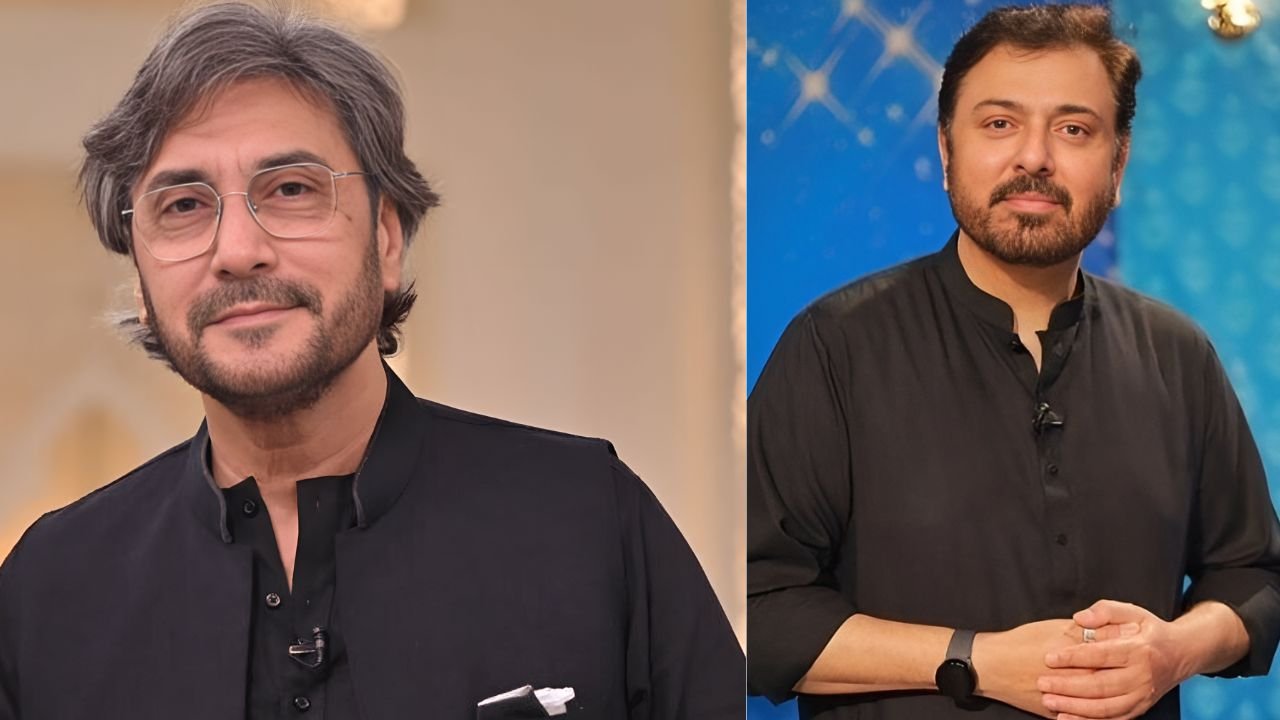
     “Naumaan Ijaz, known for his reserved praise, personally texted me to commend my performance in ‘Gentleman’. His recognition means a lot, as he doesn’t often give such praise. It shows there’s something exceptional about my role. While I value the competition in our industry, it’s important to remember that we are all united as one,” Siddiqui added.

    Gentleman is directed by Haissam Hussain. The dramas air on Green Entertainment on Sunday at 8:00 PM.

  • Fazlur Rahman will not form alliance with PTI

    Fazlur Rahman will not form alliance with PTI

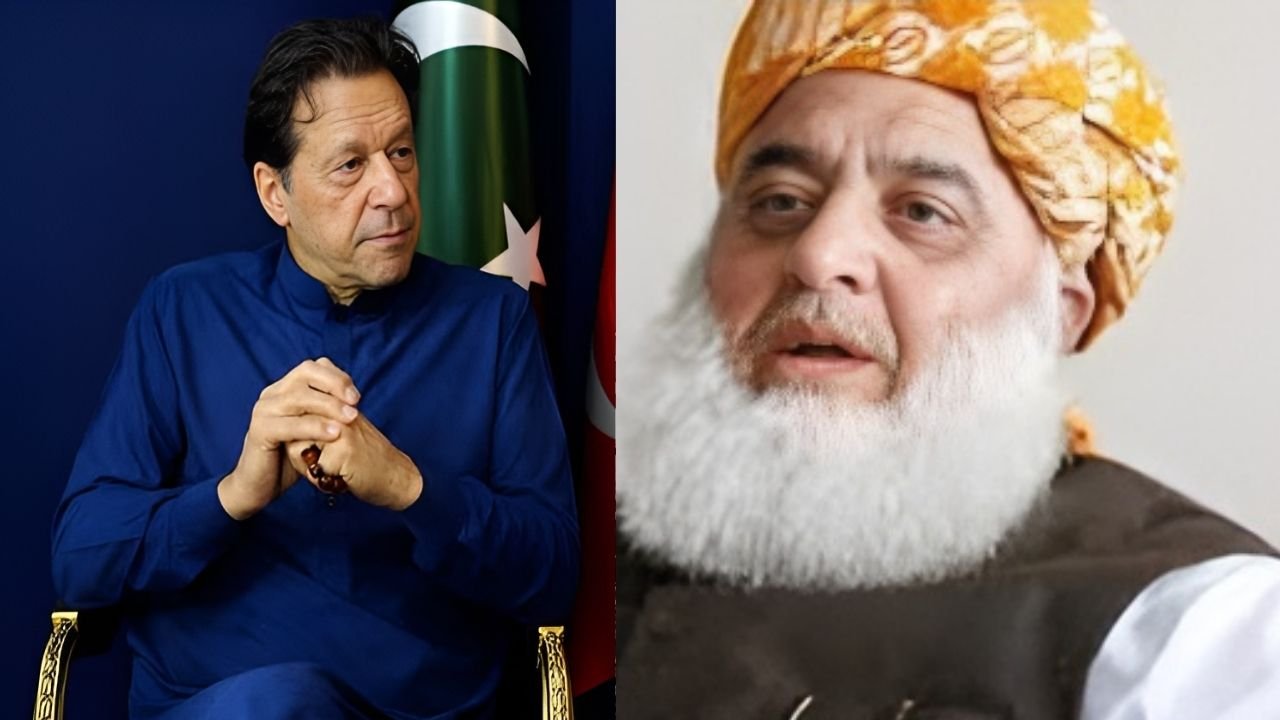
    Chief of Jamiat-e-Ulema Islam (JUI-F) Maulana Fazlur Rahman has denied that he is forming an alliance with the Pakistan Tehreek-e-Insaf (PTI) and said that his party will continue political activities on their own.

    While speaking to the media at Dera Ismail Khan, he said,
    “Our alliance experience in the past has not been good, so we will continue our struggle on our own.”

    He further stated, “We are talking to the PTI on an issue basis instead of entering into a political alliance.”

    Fazlur Rehman made it clear that the party is not hostile to the Pakistan Muslim League Nawaz (PMLN) or Pakistan People’s Party (PPP).

    The party led by Maulana Fazlur Rahman believed in launching an effort to achieve the rights of the oppressed people of Khyber Pakhtunkhwa (KP) and Balochistan, staying within the constitution.

  • Jay Shah pressures Greg Barclay to step down from ICC: Reports

    Jay Shah pressures Greg Barclay to step down from ICC: Reports

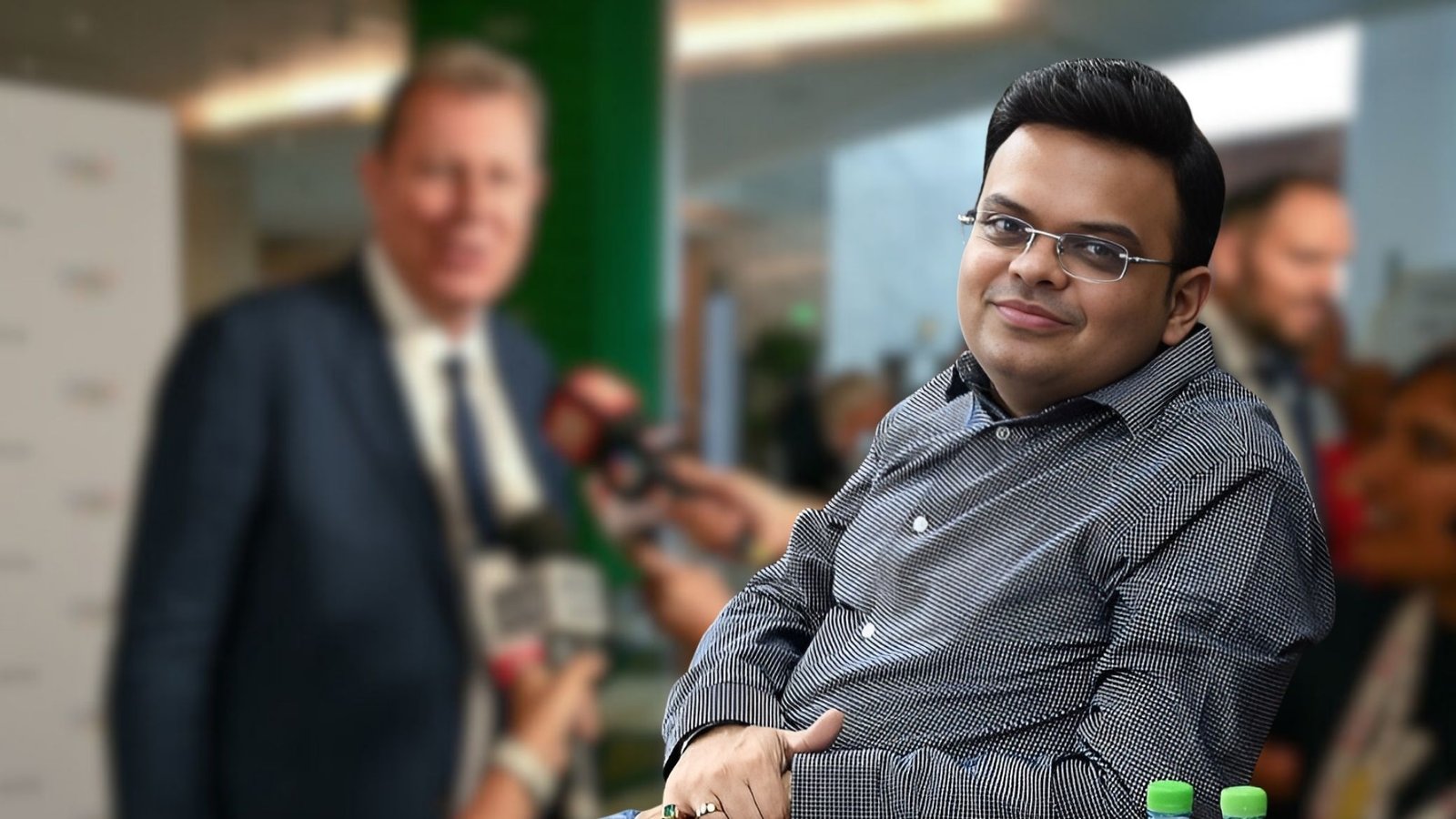
    Australian newspaper ‘The Sydney Morning Herald’ has exposed an Indian plot to take over International Cricket Council (ICC), saying that Indian Cricket Board Secretary Jay Shah forced the current president, Greg Barclay, to resign to take over the ICC presidency.

    Barclay has informed the Board of Directors that he is not interested in the position after the end of the term and will remain in office until November. Jay Shah will become the new president of the International Cricket Council.

    In February 2024, the Secretary of Board of Control for Cricket in India (BCCI) entered the race to become the Chairman of the ICC.

    Greg Barclay of New Zealand was elected in 2022. His term will expire in November 2024. Elections for the next Chairman will be held in November this year.

    To be elected as the ICC Chairman, Jay Shah will have to resign from the responsibilities of the Asian Cricket Council (ACC) and BCCI because, according to the rules, the ICC Chairman cannot hold any other office.

    However, this decision may also affect the scheduled Champions Trophy in Pakistan, set for February 2025. Pakistan will host the event, which will have a total of eight teams participating.

    The top seven teams from the group stage of the ICC One Day Cricket World Cup 2023 have secured their positions for the tournament, while Pakistan qualified for it as the hosts.

    Yesterday, the Pakistan Cricket Board (PCB) rejected media reports of the change in the dates and schedule of the ICC Champions Trophy, which will be held in Pakistan next year, as misleading.

    PCB is fully committed to hosting the Champions Trophy 2025 at three iconic venues in Pakistan.