Author: newsdesk

  • ‘Clean-bowled’: Praises pour in for PM Khan on UNGA speech

    ‘Clean-bowled’: Praises pour in for PM Khan on UNGA speech

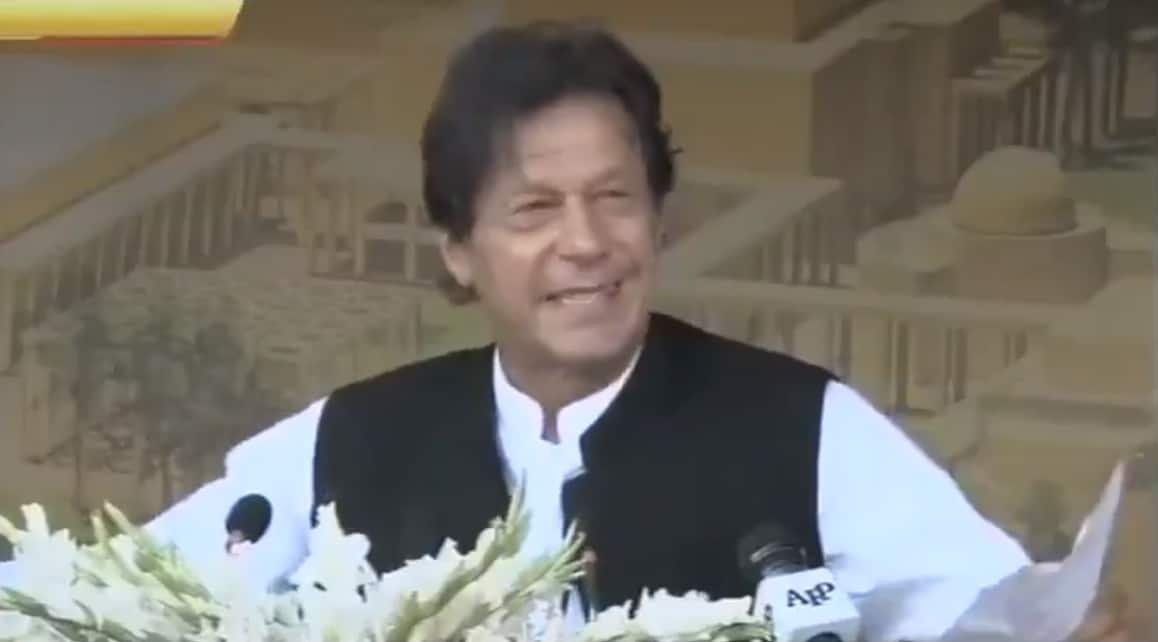
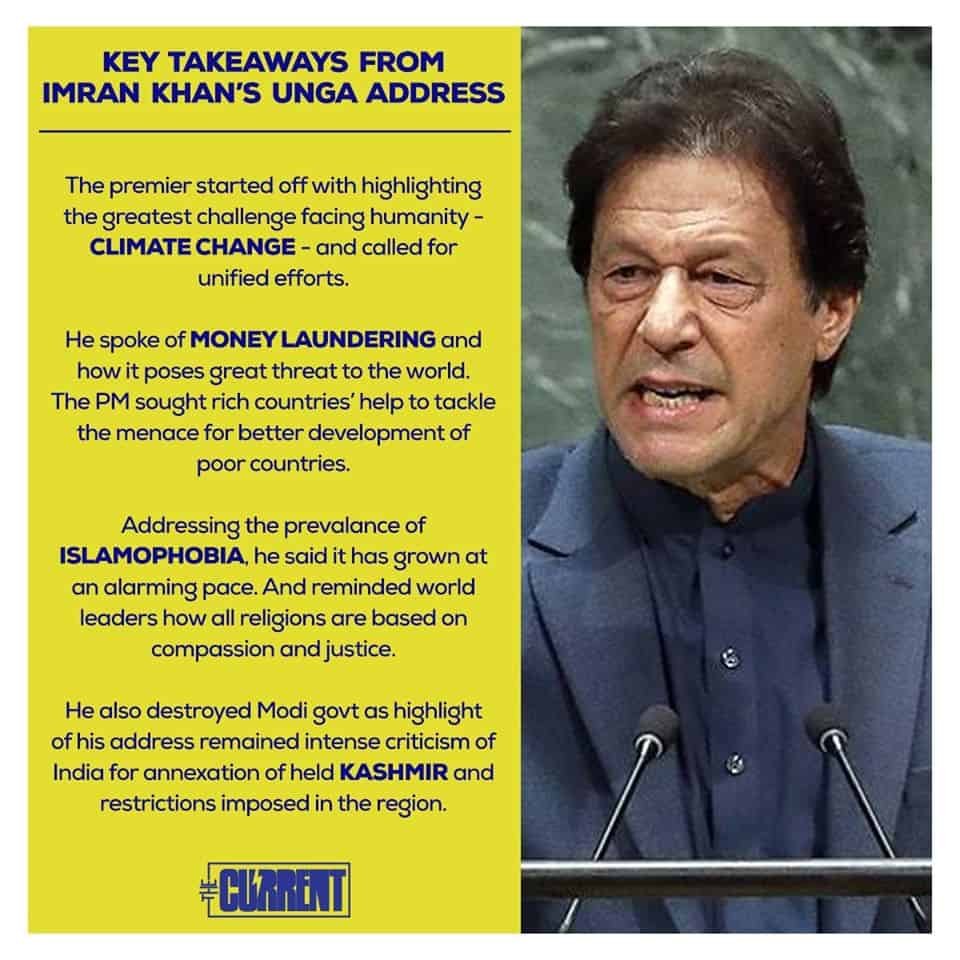
    Prime Minister Imran Khan on Friday addressed the 74th session of the United Nations General Assembly (UNGA) in New York. From climate change to destroying the Indian government over the Kashmir crisis, his historic speech had it all. So much so, that even his biggest critics lauded him for being bold and straight-forward.

    Apart from politicians and journalists, Pakistani celebs and sportspersons, including Mahira Khan, Wasim Akram, Humayun Saeed, Hamza Ali Abbasi and Sanam Saeed took to social media to appreciate PM Khan’s speech.

    https://twitter.com/khadijah_shah/status/1177684591622131713?s=20

    https://twitter.com/Neelammuneer__K/status/1177727367189553152?s=20

    In case you missed PM Khan’s speech, here’s a short summary:
  • Saudi Arabia drops abaya restriction for women tourists

    Saudi Arabia drops abaya restriction for women tourists

    To boost tourism in the country, Saudi Arabia has introduced a new visa system which will allow people to visit the country as tourists. Along with that, they have also announced that abayas will no longer be mandatory for women tourists. However, women are requested to dress modestly, including at public beaches.

    As per reports, the Kingdom is launching a new visa system for 49 countries to attract foreign companies to invest in a sector that can contribute towards ten percent of the country’s GDP by 2030.

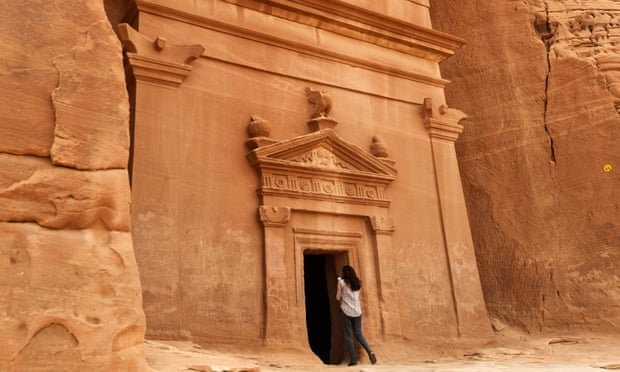
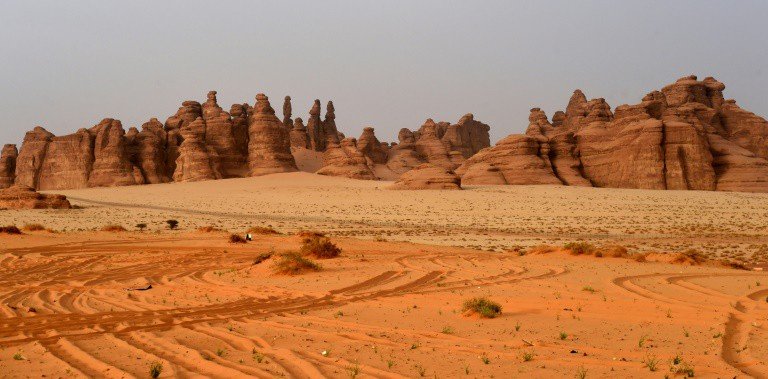
    The rose-coloured sandstone of Madain Saleh, a UNESCO World Heritage site, near Saudi Arabia’s northwestern town of al-Ula

    Visas will be available online for about Rs 12,550 ($80) with no restrictions for unaccompanied women as in the past. This does not include the holy cities of Makkah and Medina.

    Visas in the desert kingdom, endowed with rich bedouin heritage and archaeological sites, are currently restricted to expat workers, their dependents and Muslim pilgrims travelling to holy sites in Mecca and Medina. Citizens of Bahrain, Kuwait, Oman, and the UAE can also travel freely to the country.

    Al Ula

    Saudi Arabia has splurged billions in an attempt to build a tourism industry from scratch.

    In 2017, the kingdom announced a multi-billion dollar project to turn 50 islands and other pristine sites on the Red Sea into luxury resorts.

    Last year, construction of Qiddiya “entertainment city” was launched near Riyadh, which would include high-end theme parks, motorsport facilities and a safari area.

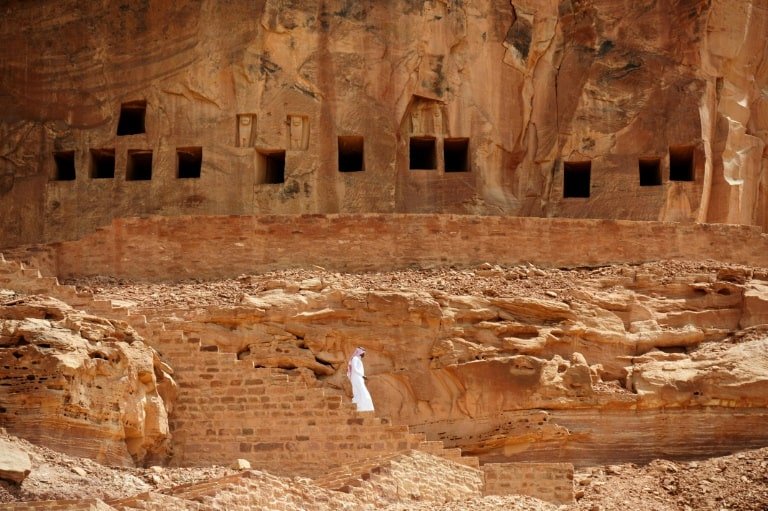
    The country is also developing historic sites such as the centuries-old Mada’in Saleh, home to sandstone tombs of the same civilisation which built the Jordanian city of Petra.

  • Two killed as Indian military’s helicopter crashes in Bhutan

    Two killed as Indian military’s helicopter crashes in Bhutan

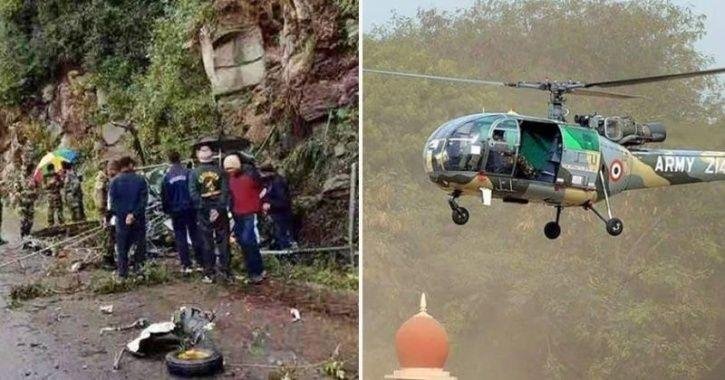
    An Indian Military Training Team (IMTRAT) Cheetah helicopter crashed in eastern Bhutan, killing two Bhutanese pilots on Friday, NDTV reported.

    According to the reports, the chopper belonged to Indian Army’s 667 Army Aviation Squadron based in the Indian state of Assam. The single-engine Cheetah Helicopter was en route to Yongphulla, Bhutan, when it crashed into a hill near Khentongmani.

    Indian Army Spokesperson Colonel Aman Anand said, “The helicopter went out of radio and visual contact soon after 1pm. The helicopter was on way from Khirmu (Arunanchal) to Yongphulla on duty”.

    The accident comes days after an Indian Air Force MiG-21 crashed near the Gwalior Air Force Base in Madhya Pradesh. The aircraft was on a routine training mission on Wednesday, September 25 when it crashed. Both pilots – a group captain and a squadron leader – managed to eject safely.

    According to the Indian Minister of State for Defence, Shripad Naik, Indian Air Force (IAF) had lost 27 aircraft, including 15 fighter jets and helicopters, in crashes since 2016.

  • I didn’t ask PM Imran for Iran mediation, he offered: Trump

    The United States (US) President Donald Trump has said that he did not speak to Prime Minister Imran Khan for mediation with Iran, it was Imran who thought it would be a good idea, Voice of America reported.

    According to the details and from the tweet of Voice of America Deewa (VoA Deewa), contrary to what PM Imran claims that Trump had asked him to mediate between the US and Iran, Trump has said it was Imran Khan who approached him for mediation.

    “Well, he’d like to do that, and we have a very good relationship. And there’s a chance that that could happen. But, no, I haven’t spoken. He actually asked me. He thought it would be a good idea to meet, VoA quoted President Trump as saying.

    Imran Khan had earlier said that US President Trump had asked him to help defuse tensions with Iran. He also said that prior to arriving in New York he had visited Saudi Arabia and spoken to Saudi Crown Prince Mohammed bin Salman who also asked him to talk to Iranian President Hassan Rouhani.

    PM added, “I immediately spoke to Rouhani after the meeting with Trump, but I can’t say anything right now more than this except that we’re trying and mediating”.

    Tensions run high between Tehran and Washington since May last year when Trump abandoned a 2015 nuclear deal and began reimposing sanctions on Iran in a stated campaign of “maximum pressure”.

  • Buzdar govt ‘softly declines’ to implement PM Imran-approved police reforms

    Buzdar govt ‘softly declines’ to implement PM Imran-approved police reforms

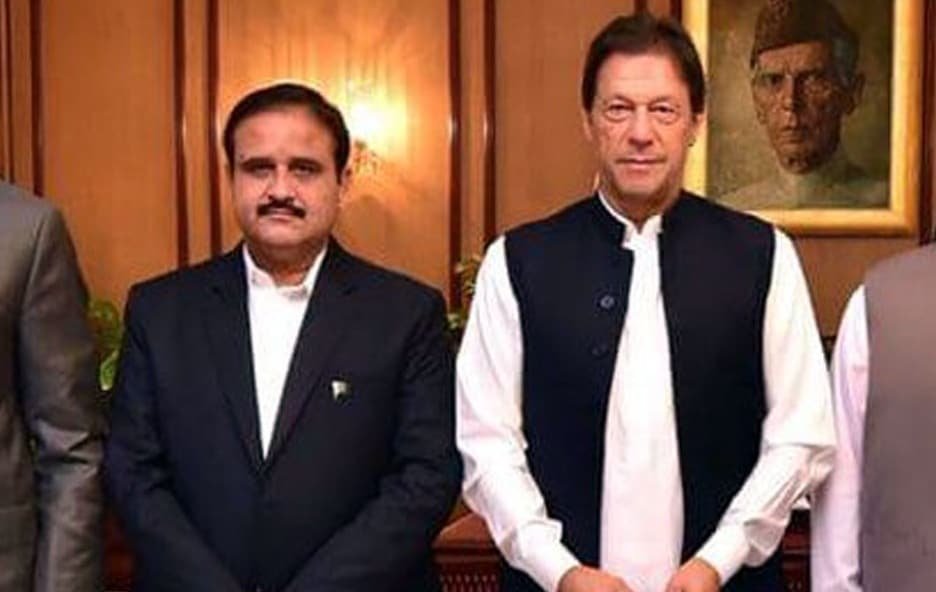
    Chief Minister (CM) Sardar Usman Buzdar-led Punjab government has softly declined to implement the police reforms package that was approved by Prime Minister (PM) Imran Khan ahead of his departure for Saudi Arabia and the United States (US), The News reported.

    According to reports, the Punjab government through the Interior Ministry was recently asked to implement the reforms package, however, the provincial administration has expressed reservations over certain measures approved by the premier “without proper consultation with the stakeholders”.

    The premier has reportedly given a go-ahead to the home departments to “take over control of the police” in Punjab, Khyber Pakhtunkhwa (KP) and Islamabad. Under the new system, the major functions of the police would be performed by the deputy commissioners (DCs) who have been given judicial powers of 22A and 22B besides the authority to inspect police stations.

    While the federal government wanted the implementation of these reforms in Punjab through an ordinance by September 30, the provincial government has assigned a high-level committee to review the reforms package for police and return to centre with its recommended changes.

    The report further said that the committee will be headed by the Punjab law minister and include three provincial ministers, chief secretary, inspector general of police (IGP), an ex-chief secretary and a retired IGP.

    It has been tasked with completing its deliberations within a week.

    “Following a presentation from the interior secretary, the reforms package was given a go-ahead by the PM. While the Punjab law minister was present during the presentation, neither the CM nor the IGP was there,” the report quoted sources as saying.

    COPS UNHAPPY WITH REFORMS:

    Meanwhile, officers of the Police Service of Pakistan as well as Punjab Police are “very upset with the way the reforms package was approved by the premier”.

    Reacting to the reforms, senior officers of Punjab Police held a meeting at the Central Police Office on Wednesday night and threatened that they would resign, Dawn reported.

    The police officers stated categorically that they “would prefer to leave their services rather than allowing the bureaucracy to take over the police department”. They unanimously rejected the new scheme which, they said, was an attempt of the Pakistan Administrative Services (PAS) to bring police under its control.

    Reports quoted an official as saying that the participants of the meeting decided to take up the matter with CM Buzdar and parliamentarians to highlight their reservations.

    Senior policemen authorised the IGP to meet the CM and bring to his knowledge their concerns. They also decided to present “factual situation” regarding the “failure” of the DCs on many fronts.

    Meanwhile, Law Minister Raja Basharat held a meeting with the IGP and other senior police officers who apprised him of their concerns. The law minister assured the IGP and other senior police officers that he would play his role in addressing their legitimate demands by taking these up with the chief minister.

  • Criminal negligence or accident? Bahria University student falls to death

    Criminal negligence or accident? Bahria University student falls to death

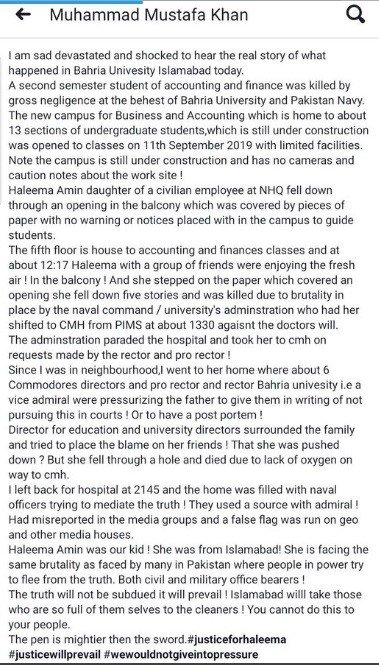
    A student of Bahria University Islamabad passed away after falling from the fourth floor of the university building.

    The deceased, 23-year-old Haleema Amin, was a bachelors student in her second semester at Bahria University. According to the police and hospital staff, she fell from the fourth floor of a new university block which is currently under construction.

    The hospital staff claimed that the Haleema was conscious when she was brought to the Pakistan Institute of Medical Sciences (Pims) in the afternoon by university staff, including a doctor.

    She had suffered multiple fractures including her backbone and was kept under observation and provided treatment. However, she passed away in the afternoon around 4:30 pm. The staff added that her body was later taken from the hospital by the same people who brought her to Pims.

    Meanwhile, the Margalla police said they found out about the incident when the woman was brought to the hospital. They said they were told she fell off the building while taking a selfie.

    The police said that the university did not allow them to investigate the scene of the accident and said that they would inform the police later and submit a report in this regard.

    The police also shared that the woman’s family has yet to be approached for legal action, and her body is not with the police or the hospital. They said legal action will be taken, including an autopsy, if a complaint is lodged with the police.

    Meanwhile, students of Bahria University said that their colleague passed away due to negligence by the university. They said that some of their classes were being held on the fourth floor of a new university block which is currently under construction and Haleem fell because of no proper fencing.

    The students took to social media and the streets to protest against the university for being negligent and hiding the facts of the case and are demanding justice for their friend.

    https://www.facebook.com/amna.asif.9277/posts/2399791793449586

    Minister for Human Rights Dr Shireen Mazaari also took notice of the incident and asked Education Minister Shafqat Mehmood to institute an inquiry.

  • Qandeel Baloch’s brother gets life imprisonment for murder

    Qandeel Baloch’s brother gets life imprisonment for murder

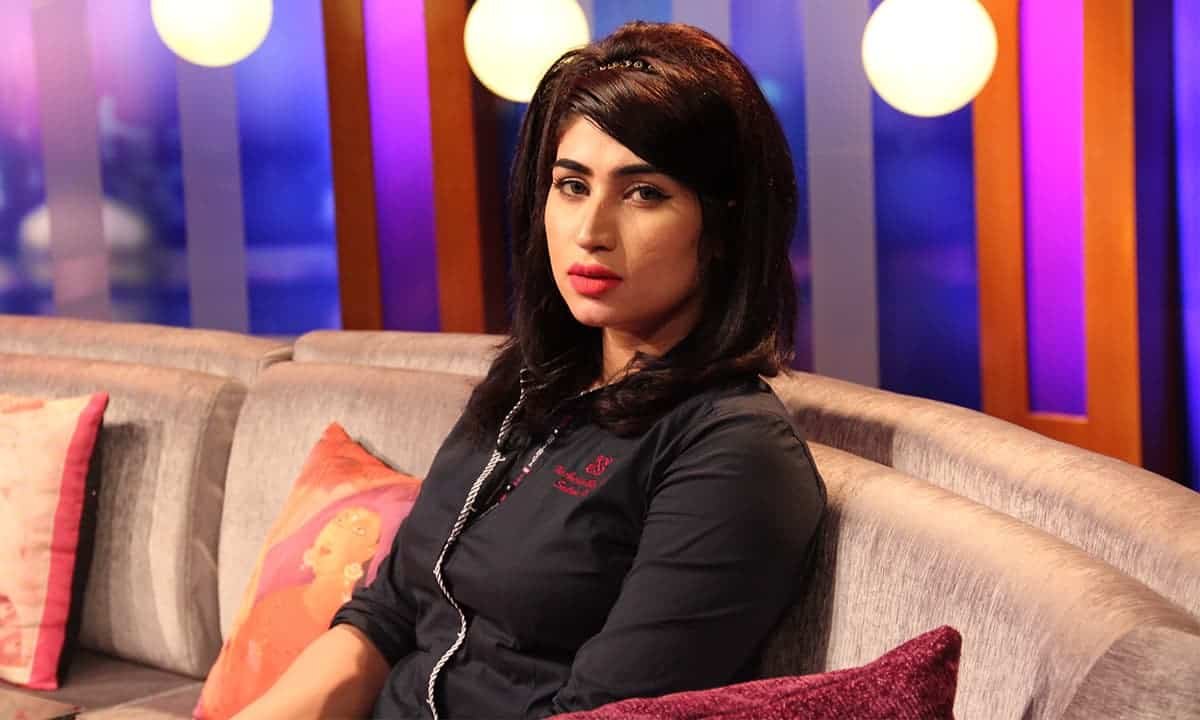
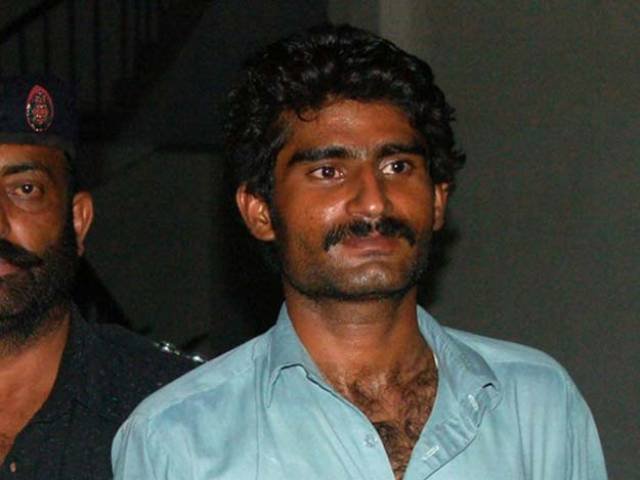
    A model court in Multan sentenced Qandeel Baloch’s brother Wasim Azeem to life in prison for murdering his sister. Life imprisonment means 25 years in jail.

    The social media star was strangled to death in Multan in July 2016 and her brothers Waseem Azeem and Aslam Shaheen were accused of murdering her. The brothers said that they killed their sister because she brought dishonour to their family and the “Baloch name” with her inappropriate videos and statements. While Waseem was arrested immediately, Aslam, who was accused of urging Azeem to kill Qandeel was arrested in Saudi Arabia this year with the help of Interpol.

    Waseem

    Waseem had initially admitted to drugging and killing his sister but later changed his statement. The court had been hearing the case for three years. A high court had dismissed his bail applications twice before. The court had reserved its verdict after the defence and prosecution completed their arguments.

    Meanwhile, six others accused in the case, including Mufti Abdul Qavi and Qandeel’s other two brothers Aslam and Arif, were not found guilty. Arif was reportedly the one who instigated Waseem to strangle his sister to death. Mufti Qavi was showered with rose petals as he exited the court.

    While Qandeel’s father had initially lodged a murder case against his son Waseem and his accomplices in 2016, he later had filed a petition seeking a pardon for his sons but the court turned it down.

    The affidavit said that the Anti-Honour Killing Laws (Criminal Amendment Bill) 2015, which prevents killers from walking free after being pardoned by the victim’s family, was passed months after Baloch was murdered and cannot be applied to her case.

  • Imran mocked for saying ‘Jinnah had cancer’

    Prime Minister (PM) Imran Khan has said that Quaide Azam Muhammad Ali Jinnah “had cancer and he kept it a secret from everybody”, in a blunder that has left Twitterati wondering if the premier is oblivious to what Jinnah really had — tuberculosis.

    Speaking at Asia Society in New York on Thursday, PM Imran said that Jinnah was his role model who had a mission and joined politics for it alone. “He was in it for the mission, not the fame or power. Dreamers change the world, but career politicians never do.”

    “He [Jinnah] didn’t tell anyone that he was battling cancer because he had a dream he wanted to fulfill,” the premier added, landing himself in crosshairs of netizens, who criticised the premier for “not knowing that Jinnah did not have cancer”.

    Here’s what they had to say:

    Another “thanked god for Imran not saying that Jinnah got treated at Shaukat Khanum Memorial Cancer Hospital”.

    https://twitter.com/MoxtOpinionated/status/1177380137014308865

    This is not the first time PM Imran has said that Jinnah had cancer. A few months ago, he had said that the founder of Pakistan “didn’t disclose that he was suffering from cancer so that the enemy couldn’t create hurdles and delay the process of creation of Pakistan”.

    JINNAH’S DEATH:

    From the 1930s, Jinnah suffered from tuberculosis; only his sister and a few others close to him were aware of his condition. Jinnah believed public knowledge of his lung ailments would hurt him politically.

    Tuberculosis is a disease caused by bacteria called Mycobacterium tuberculosis. The bacteria usually attack the lungs, but they can also damage other parts of the body.

    As his health deteriorated over time, Jinnah passed away in Karachi on September 11, 1948, at the age of 71, just over a year after Pakistan’s creation.