Author: newsdesk

  • World Bank forecasts 7% growth in Pakistan’s remittances for 2024

    World Bank forecasts 7% growth in Pakistan’s remittances for 2024

    Remittance flows to Pakistan are expected to rebound and grow by approximately 7 per cent, reaching $28 billion in 2024, with a further increase of 4 per cent to around $30 billion in 2025, according to the World Bank’s ‘Migration and Development Brief 40’ released on Wednesday.

    In 2023, Pakistan experienced a 12 per cent decline in remittance inflows, dropping to $27 billion, due to weak economic conditions, including a balance of payments crisis. Despite these challenges, Pakistan emerged as one of the top five recipient countries for remittances in 2023.

    “The top five recipient countries for remittances in 2023 are India with an estimated inflow of $120 billion, followed by Mexico ($66 billion), China ($50 billion), the Philippines ($39 billion), and Pakistan ($27 billion),” the report stated.

    Despite the global demand for labour in countries like the USA and those within the OECD, Pakistan’s internal economic struggles caused remittances to drop.

    The World Bank noted that many remittances were likely sent through informal channels in 2023, due to robust labour market conditions in destination countries.

    “Recent economic crises in Pakistan highlighted that delays in reforms not only deterred Foreign Direct Investment (FDI) but also negatively impacted formal remittance flows,” the report added.

    Home remittances play a crucial role in supporting Pakistan’s external account, stimulating economic activity, and supplementing the incomes of remittance-dependent households.

    During the first 11 months of FY24, workers’ remittances recorded an inflow of $27.093 billion, a 7.7 per cent increase compared to $25.146 billion during the same period in FY23.

    The report also revealed that with a share of 8 per cent of GDP, Sri Lanka and Pakistan are tied as the second most remittance-dependent countries in South Asia. Overall, remittances to South Asia grew by 5.2 per cent in 2023, reaching $186 billion, though this growth rate slowed from 12 per cent in 2022.

    This growth was primarily driven by India, which saw a 7.5 per cent increase to $120 billion, supported by strong labour markets in the United States and Europe.

    The slowdown was partly due to reduced outflows from GCC countries, impacted by declining oil prices and production cuts. Remittance flows to South Asia are projected to grow by 4.2 per cent in 2024.

    The World Bank highlighted that the economic conditions in South Asia’s largest recipients—India, Pakistan, and Bangladesh, which collectively receive 91 per cent of the region’s remittances—will be crucial in driving remittance growth.

    However, a weak economic recovery in Pakistan and Bangladesh poses a significant risk, potentially leading migrants to favour informal money transfer channels, thus reducing formal remittance growth.

  • SBP’s forex reserves decrease by $239 million in a week due to debt repayments

    SBP’s forex reserves decrease by $239 million in a week due to debt repayments

    Foreign exchange reserves held by the State Bank of Pakistan (SBP) fell by $239 million, reaching $8.896 billion as of June 21, according to data released by the central bank on Thursday.

    The total liquid foreign reserves held by Pakistan stood at $14.207 billion, with net foreign reserves held by commercial banks at $5.311 billion. The central bank attributed the decline to external debt repayments.

    “During the week ended on June 21, 2024, SBP reserves decreased by $239 million to $8.896 billion due to external debt repayments,” the SBP stated.

    This comes after a $31 million increase in the central bank’s reserves the previous week. In May, the SBP’s reserves had surged by $1.114 billion, surpassing $9 billion for the first time in nearly two years.

    This increase was primarily due to the disbursement of the last $1.1 billion tranche from the International Monetary Fund (IMF) under its $3 billion Stand-By Arrangement.

    The fluctuating reserves highlight the ongoing financial challenges faced by Pakistan, particularly in managing its external debt obligations and maintaining a stable economic outlook.

  • ‘Shah Rukh Khan’s work ethic inspires me’: Nawazuddin Siddiqui

    ‘Shah Rukh Khan’s work ethic inspires me’: Nawazuddin Siddiqui

    Aamir Khan, Salman Khan and Shah Rukh Khan may be the biggest stars in Bollywood but which one of them is the most professional when it comes to work ethics?

    Ace actor Nawaz Uddin Siddiqui has a fair idea of what working with the Khans is like. The three Khans have worked together on several films with Nawazuddin Siddiqui. In a recent interview with ‘Let’s Talk’, he discussed the qualities that make them superstars.

    “Salman Khan is a fun-loving person, Shah Rukh Khan works very hard, and Aamir Khan is a perfectionist”.
    I never felt jealous of the three Khans’ success. I aspire to be a good actor and never wanted to be a superstar,” he added.
    When asked which of the three Khans is the best, ge refused to name a favourite, instead praising each one’s qualities.

    Nawazuddin Siddiqui said that “Shah Rukh Khan is a very enthusiastic person who works tirelessly until the task is complete. His incredible hard work taught me humility.”
    He also said that “Aamir Khan is a perfectionist who has given us exceptional cinema, and his filmmaking is vast and diverse.”

    Nawazuddin has worked with Salman Khan in films like ‘Bajrangi Bhaijaan’ and ‘Kick’, with Shah Rukh Khan in ‘Raees’, and with Aamir Khan in ‘Talash’ and ‘Sarfrosh.’

  • Gold price surges to Rs241,000 per tola with Rs400 increase

    Gold price surges to Rs241,000 per tola with Rs400 increase

    The price of gold in Pakistan saw an uptick on Thursday, with 24-karat gold being sold at Rs241,000 per tola, marking an increase of Rs400 per tola.

    The Karachi Sarafa Association reported that the price of 24-karat gold per 10 grammes rose to Rs206,619, reflecting an increase of Rs343.

    The price of 22-karat gold also experienced an increase, being quoted at Rs189,400 per 10 grammes.

    In contrast, silver prices in the domestic market remained stable. The price of 24-karat silver stood unchanged at Rs2,850 per tola and Rs2,443 per 10 grammes.

    On the international front, spot gold traded near $2,304 an ounce, registering an increase of $5.6 or 0.24 per cent from the previous session.

  • Karachi commissioner refutes heatstroke fatality toll

    Karachi commissioner refutes heatstroke fatality toll

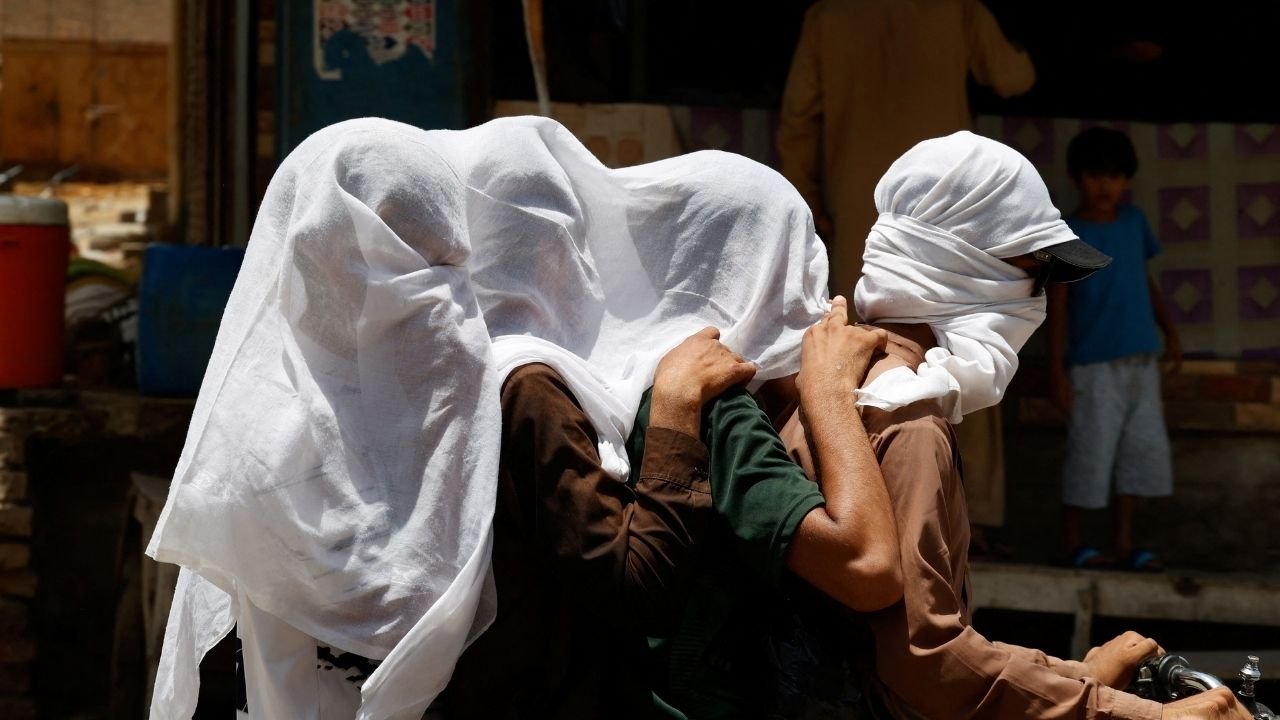
    Karachi Commissioner Syed Hasan Naqvi has denied the reported death toll of the heatwave that has engulfed the coastal city, asserting that the actual number of deaths is lower than claimed and remains unconfirmed by officials.

    Speaking at a press briefing on Wednesday, the commissioner disclosed that ten people had succumbed to heatstroke over the past two days, with approximately 1,700 cases of heatstroke reported across the city.

    Providing specifics on recent fatalities, Naqvi stated that eight deaths occurred on Monday and two on Tuesday.

    Meanwhile, the Edhi Foundation estimated around 568 deaths from heatwave-related medical emergencies, and the Human Rights Commission of Pakistan voiced concerns on the impact of the extreme weather and its extent.

    It is reportedly the first time since 2015 that temperatures in Karachi reached 42°C in June, with “feels like” temperatures peaking at 51°C.

    Addressing the unverified reporters, the commissioner urged welfare organisations to verify death figures with government authorities before releasing them to the public.

    Naqvi also instructed Karachi-Electric (KE) to refrain from load shedding between 12am and 6am during the heatwave, which typically lasts two to three days.

    The Karachi administration has established 124 heatwave centres equipped with water facilities as well as specialised wards in hospitals to provide medical aid to those affected by heatwave.

  • Zartaj Gul shuts down Ayaz Sadiq’s misogynistic remarks

    Zartaj Gul shuts down Ayaz Sadiq’s misogynistic remarks

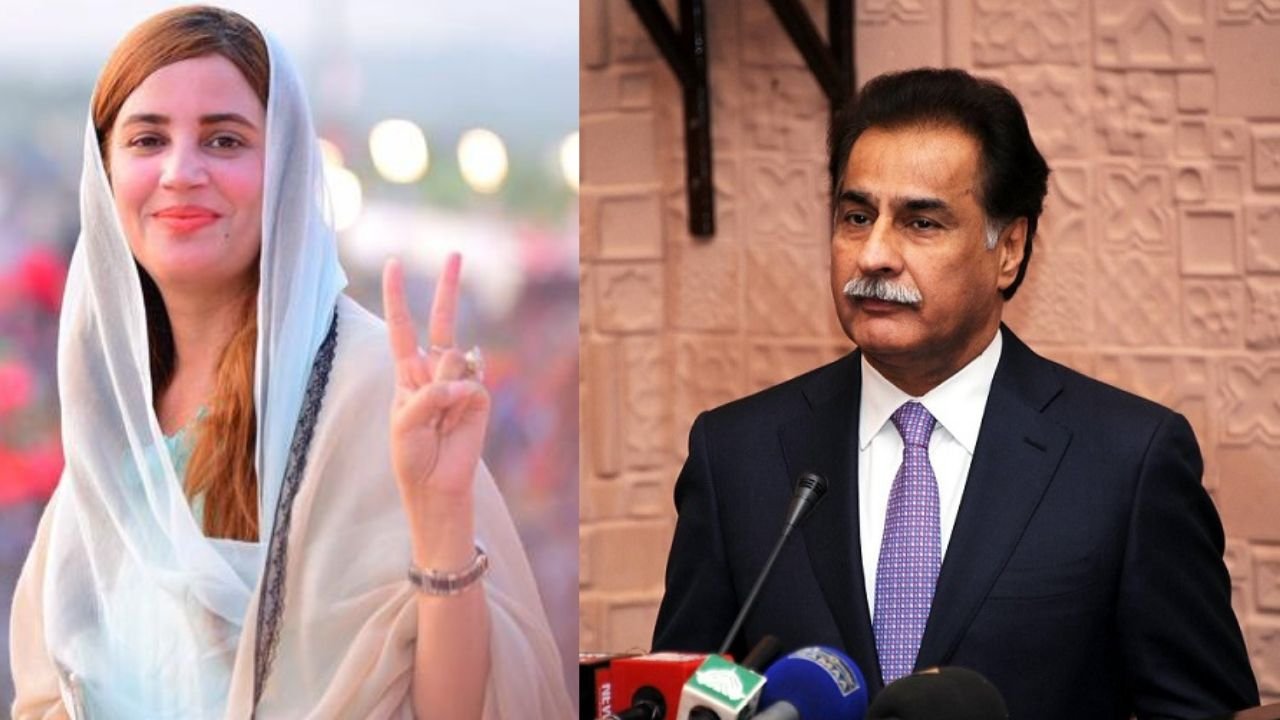
    In an unusual development in the National Assembly today, Pakistan Tehreek-e-Insaf (PTI) MNA Zartaj Gul requested the Speaker of House Ayaz Sadiq to “look into my eyes” when she addressed the floor with the speaker replying, “I don’t look into women’s eyes.”

    The PTI leader stated, “This is a request, sir, that if you don’t make eye contact with me, I cannot conduct my speech. I am a leader who won this seat through 150,000 votes from the people.”

    The speaker of the National Assembly replied, “I will listen to you but will not make eye contact with women.”

    The female PTI leader clapped back, “If you ignore the 52 percent female population and don’t make eye contact with them, then only selected leaders will get to this House.”

  • Chaudhry restore family relations, agree to keep political paths separate

    Chaudhry restore family relations, agree to keep political paths separate

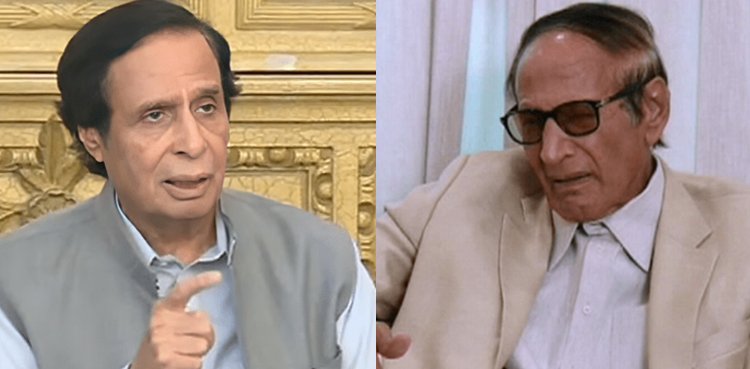
    Former Chief Minister Chaudhry Parvez Elahi met his cousin and Pakistan Muslim League-Quaid (PML-Q) chief Chaudhary Shujaat Hussain in a bid to improve family relations, putting aside the decision to choose a different political path.

    During the meeting between the two, both confirmed that family relations between the cousins have been reestablished.

    “Reconciliation was achieved between the Chaudhry brothers and family relations have been restored,” sources confirmed.

    The politicians who were also present at the meeting between the Chaudhry brothers disclosed that both cousins agreed to keep their political paths separate, adding that Chaudhry Shujaat invited Parvez Elahi to rejoin PML-Q.

  • Heatwave melts Abraham Lincoln’s statue in Washington DC

    Heatwave melts Abraham Lincoln’s statue in Washington DC

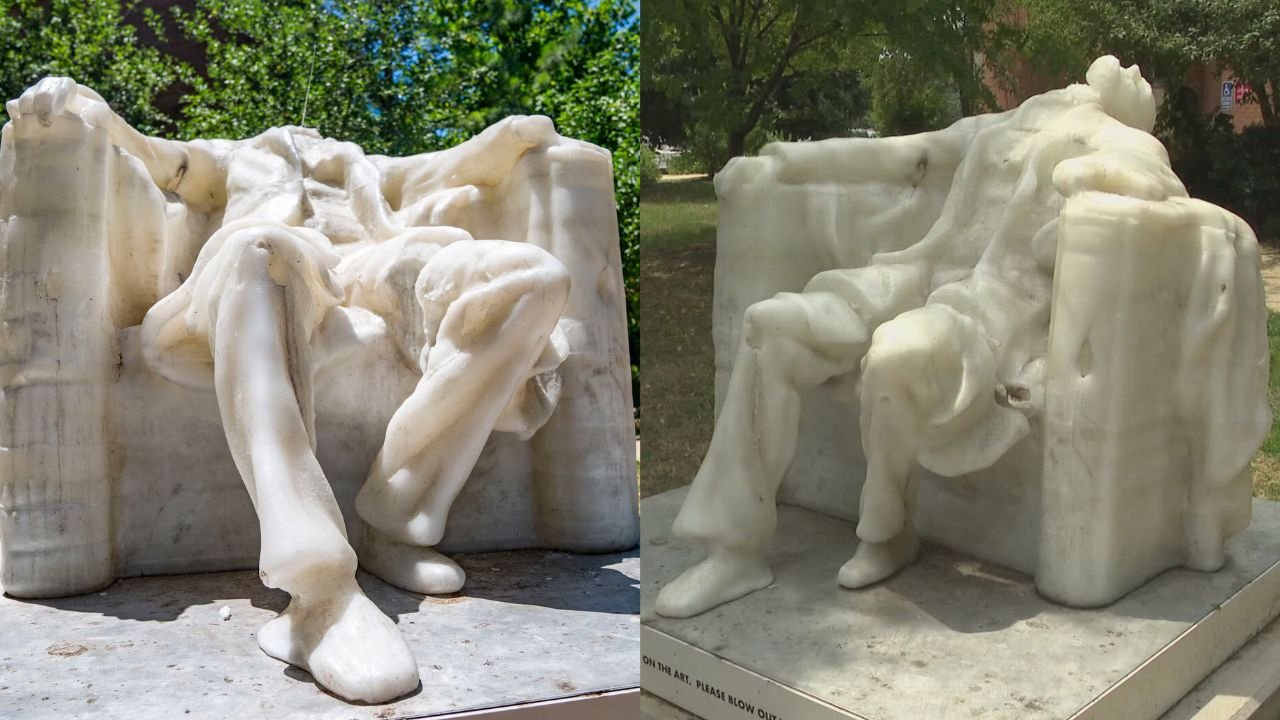
    An intense heat wave in the American capital, Washington DC, did not spare a wax statue of former American President Abraham Lincoln.

    The statue of Lincoln, the 16th President of the United States, had been placed at Camp Barker, an American Civil War-era refugee camp.

    As the heat intensified, the head melted first, then one of his legs dropped off from the torso, and a foot turned into a blob. The chair sank into the ground.

    At one point, the head of the statue melted and hung backwards, after which the administration separated the head from the statue and preserved it for later re-installation.

    However, the head from the 6ft wax sculpture of the Lincoln Memorial is now under repair, leaving behind a wire sticking out of the 16th president’s neck.
    The statue was installed at the same location last September, but the first version of the wax monument included over 100 wicks that were prematurely lit, melting a significant portion of the art installation ahead of its dedication ceremony.

    The new version was installed in February with fewer wicks, but the heat melted it as the DC-metro area was under a heat alert over the weekend.

  • Camel whose leg was amputated by feudal stands up

    Camel whose leg was amputated by feudal stands up

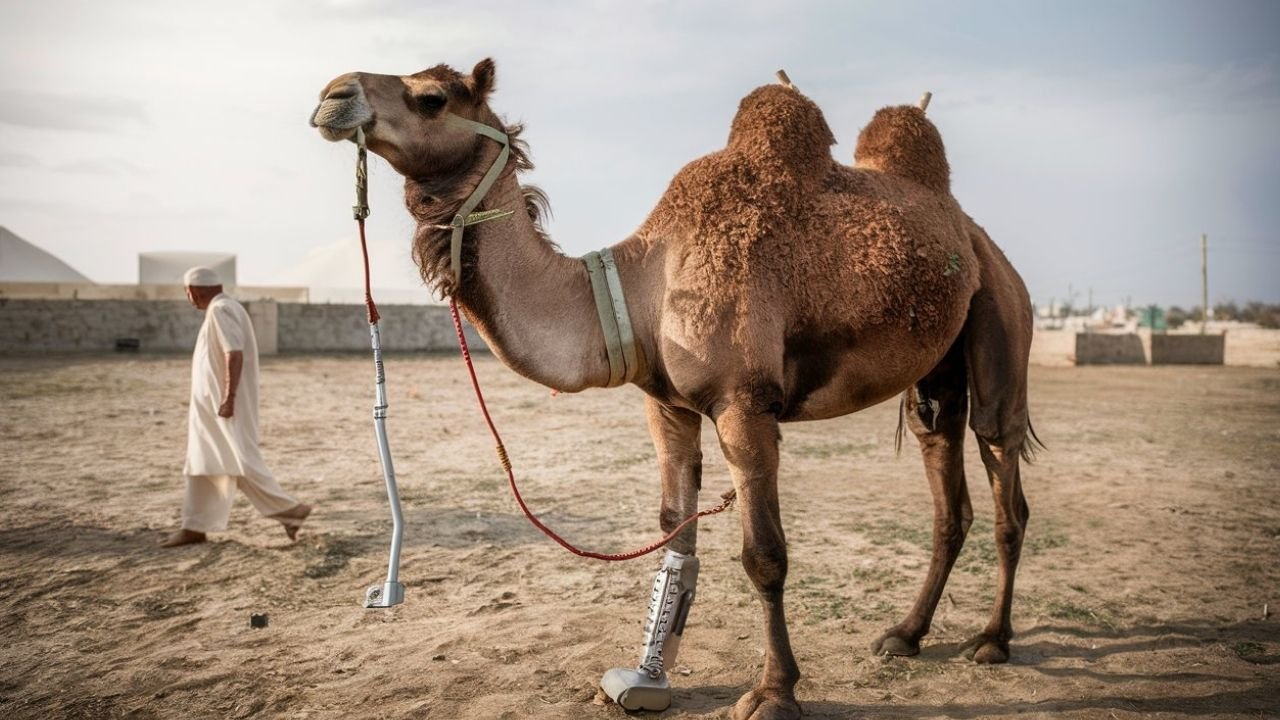
    The female camel who became the center of outrage in the country after her leg was amputated by an irate feudal landlord in Sanghar has been given support to stand up, Jang has reported.

    According to the management of the animal shelter treating the camel, she is still under care. An artificial limb has been provided for her support.

    In June, the female camel was brought from Sanghar to Karachi after a landlord chopped off her leg for trespassing on his land.

    Legal action was initiated following the circulation of videos related to the incident on social media.

    The management of the facility expressed gratitude to the artificial limb manufacturing company for their cooperation with the Department of Livestock and Robotics.

  • Khan, Bushra Bibi’s pleas seeking sentence suspension in Iddat case rejected

    Khan, Bushra Bibi’s pleas seeking sentence suspension in Iddat case rejected

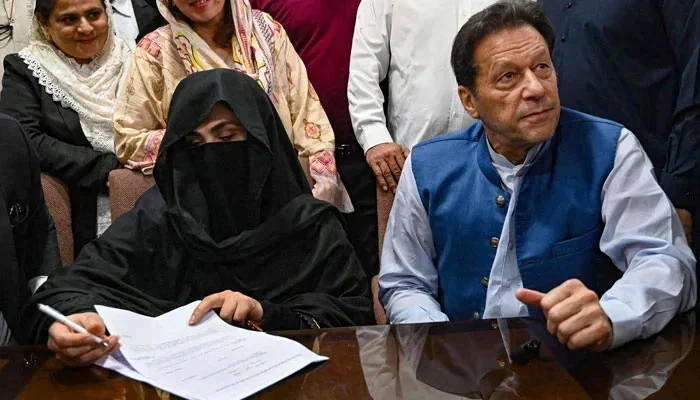
    A district and session court in Islamabad has rejected petitions submitted by incarcerated former Prime Minister Imran Khan and his wife Bushra Bibi, seeking suspension in the Iddat case filed against them.

    Judge Afzal Majoka announced the reserved verdict today. On February 3, a local court sentenced PTI founder Imran Khan and Bushra Bibi to seven years in prison on a plea filed by Bushra Bibi’s former husband, Khanwar Maneka.