Author: newsdesk

  • The Hundred draft: Hasan Ali and Naseem Shah most expensive Pakistani players

    The Hundred draft: Hasan Ali and Naseem Shah most expensive Pakistani players

    Hassan Ali and Naseem Shah have become Pakistan’s most expensive players with the reserve price of GBP 100,000 in the British league’s draft ‘The Hundred’.

    65 Pakistani players have been registered in the players’ draft held on March 20 for the fourth edition of ‘The Hundred’, including 60 men and five women while only two Pakistani players have been retained by their teams in the squad. Manchester Original have Usama Mir and Welsh Fire have retained Haris Rauf.

    Among Pakistani players, the reserve price of Shadab Khan and Iftikhar Ahmed is GBP 75,000, the base price of Muhammad Amir, Saim Ayub, Aamir Jamal and Abdullah Shafiq is GBP 60,000, while the reserve price of Fakhar Zaman, Muhammad Haris and Imad Wasim in the draft is GBP 50,000.

    Pakistani players Mir Hamza, Muhammad Hasnain and Azam Khan were registered with a reserve price of GBP 40,000, while the other 46 Pakistani players registered for the Men’s Hundred are included without a reserve price.

    Among the players registered without reserve price are Salman Ali Agha, Abrar Ahmed, Umar Akmal, Asif Ali, Haider Ali, Umar Amin, Faheem Ashraf and Shahnawaz Dahani.

    The names of Zaman Khan, Shaan Masood, Mohammad Nawaz, Ruman Raees, Saud Shakeel, Haneen Shah and Wasim Junior are also included in the list of unreserved Pakistani players.

    Among women, Iram Javed, Nida Dar and Fatima Sana are registered with a reserve price of GBP 17,500, while Alia Riaz and Jawaria Rauf are included in the draft without a reserve price.

    The fourth edition of The Hundred will start in July this year featuring eight teams each of men and women. The first match of the event will be played between Birmingham Phoenix and Oval Invincibles at Lord’s Cricket Ground on July 23.

  • India arrests BJP worker for chanting ‘Pakistan Zindabad’ one year ago

    India arrests BJP worker for chanting ‘Pakistan Zindabad’ one year ago

    The police in the Indian state of Karnataka has arrested a Bharatiya Janata Party (BJP) worker for raising ‘Pakistan Zindabad’ slogans over a year ago. The man was taken into custody one day after the arrest of three Congress workers on similar charges, reports Indian media.

    The BJP worker, identified as Ravi, 40, in a case registered against him for raising a pro-Pakistan slogan during a December 2022 protest, when the BJP was in government in the state.

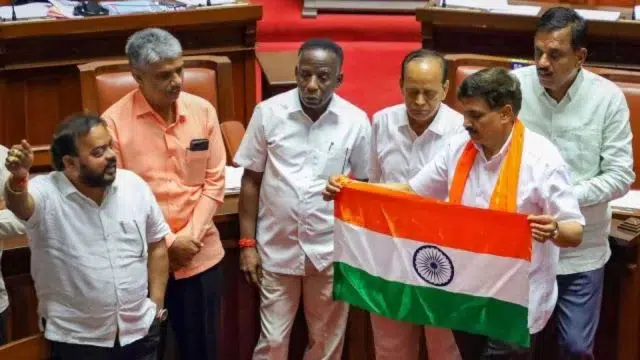
    BJP and JD(S) MLCs protest over the alleged sloganeering of ‘Pakistan Zindabad’ after Congress leader Naseer Hussain won the Rajya Sabha election, in Council hall during the Budget session of Karnataka Assembly, in Bengaluru. (PTI)

    The Indian Express has reported that the BJP protest was called against the remarks of the then Pakistani foreign minister Bilawal Bhutto Zardari against Indian Prime Minister Narendra Modi. While at the United Nations, Bilawal had called Modi the ‘Butcher of Gujarat’ – a reference to 2002 killing of Muslims when he was Chief Minister of the state. A video of the protest showed Ravi saying “Pakistan Zindabad” even as another person behind him attempted to close his mouth, it added. However, the local chapter of the BJP criticised Ravi’s arrest as “political vendetta”.

    The president of BJP’s Mandya district unit was quoted by the Indian Express as saying that Ravi was a farmer and he did not know any language other than his native Kannada and did not know the meaning of the words he spoke.

    The arrest came a day after three Congress workers were arrested for raising pro-Pakistan slogans in the Karnataka assembly on February 27 when party candidate Syed Naseer Hussain was elected to the Rajya Sabha. In a video shared by India Today, many congress leaders in the assembly have claimed that the exact words were actually Nasir Hussain Zindabad and not Pakistan Zindabad.

    Karnataka Home Minister G. Parameshwara said on Tuesday that pro-Pakistan slogans were raised twice. “We identified the suspects and arrested them. The law will take its course,” he said, according to the Indian Express report.

    The police said that the three Congress workers have been identified as Iltaz, from Delhi, Mohammad Nashipuri, a native of Haveri district of Karnataka and Munnawar, a resident of the state capital of Bengaluru on Monday. They remain in police custody, they added.

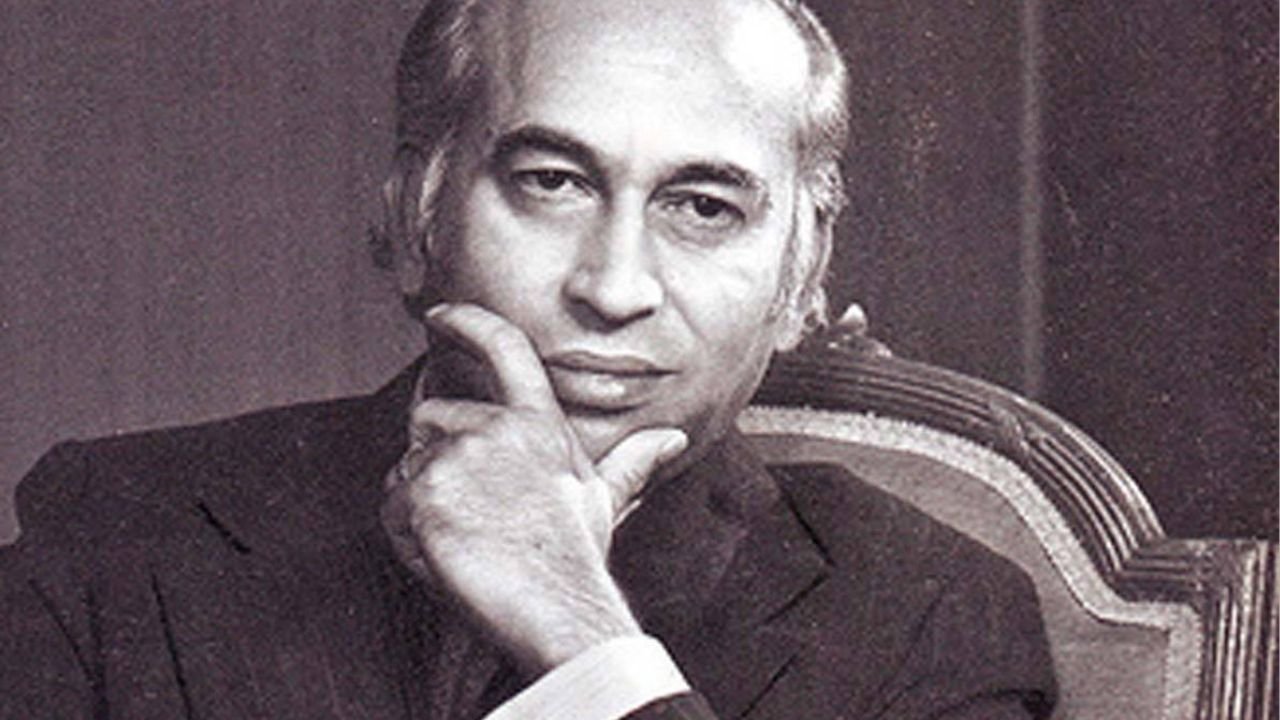
  • Zulfiqar Ali Bhutto was not given a fair trial: Supreme Court

    Zulfiqar Ali Bhutto was not given a fair trial: Supreme Court

    A nine-member bench of the Supreme Court has reserved its verdict on the murder trial of PPP founder and former Prime Minister Zulfiqar Ali Bhutto.

    The Chief Justice of Pakistan, Qazi Faez Isa, has said on Wednesday, “The proceedings of the Lahore High Court and of the appeal by the Supreme Court of Pakistan don’t meet the requirement of the fundamental right to fair trial and due process enshrined in the articles 4 and 9 of the constitution.”

    “This court can’t reappraise the evidence and undo the decision of the case. However, in a detailed reason, we shall identify the major Constitutional and legal lapses that occurred with regard to fair trial and due process.”

    Talking to media outside the court, Bhutto’s grandson, PPP Chairman Bilawal Bhutto Zardari said that the court has acknowledged that his grandfather was not given a fair trial.

    What is the Zulfiqar Ali Bhutto case?

    Zulfiqar Ali Bhutto, the leader who saw his elected government toppled by General Zia-ul-Haq in 1977, faced a controversial trial resulting in his execution.
    Former president Asif Ali Zardari brought back the long-dormant presidential reference on the death sentence of the late Prime Minister Zulfikar Ali Bhutto.

    The reference, filed in 2011 under Article 186 of the Constitution of Pakistan, resurfaced as a 9-member Supreme Court bench, led by Chief Justice Qazi Faez Isa, took up the case on December 12.

    The reference is based on the assertion by former Supreme Court Chief Justice Naseem Hasan Shah that the trial bench was influenced by the Zia-ul-Haq government.

    It also questions the constitutionality of conducting the murder case in the Lahore High Court instead of the Sessions Court.

    Article 186 and the President’s right

    Article 186 of the National Constitution empowers the President to seek the Supreme Court’s opinion on matters of public importance.

    The current hearing revolves around five crucial questions posed by Asif Zardari, aiming to address issues related to human rights, judicial precedent, fairness of the death sentence, adherence to Quranic orders, and the sufficiency of evidence.
    Questions from presidential reference

    Asif Ali Zardari’s reference poses pivotal questions, challenging the legality and fairness of Bhutto’s trial:

    1. Were Bhutto’s human rights, as enshrined in the constitution, respected during the trial?
    2. Will the Supreme Court’s decision set a precedent for all high courts, as per Article 189?
    3. Was the death sentence impartial and free from bias?
    4. Does the death penalty align with Quranic principles?
    5. Was the evidence and testimony presented during the trial sufficient for conviction?

    What was the case?

    Bhutto, who served as President of Pakistan from 1971 to 1973 and later as Prime Minister until 1977, was at the center of a storm of controversy that ultimately cost him his life.

    The narrative begins with the fall of Dhaka in December 1971, which marked a significant turning point in Pakistan’s history. Following this, Bhutto rose to power, first as President and later as Prime Minister under the newly established 1973 Constitution.

    However, his reign was short-lived as General Zia-ul-Haq seized control through a martial law imposition on July 5, 1977.

    Bhutto’s troubles escalated when he was arrested on September 3, 1977, in connection with the murder of political opponent Nawab Muhammad Ahmad Khan Kasuri in March 1974.

    Despite being released just ten days later due to “contradictory and incomplete” charges, Bhutto found himself back behind bars, this time under martial law. His trial commenced on October 24, 1977, with allegations of conspiracy to murder hanging over his head.

    Masood Mahmood, the Director General of the Federal Investigation Agency, testified against Bhutto, claiming he had ordered Kasuri’s assassination.

    The trial was marred by interruptions and allegations of bias, culminating in Bhutto’s conviction for murder on March 18, 1978. Despite appeals and pleas for clemency, Bhutto’s fate was sealed when the Supreme Court upheld the verdict on February 6, 1979.

    The final blow came on March 24, 1979, when the Supreme Court dismissed Bhutto’s appeal, clearing the way for his execution. Bhutto’s appeal in the Supreme Court in front of a seven-member bench was dismissed with a 4-3 verdict against him in February 1979.

    General Zia-ul-Haq, who had been calling Bhutto a murderer throughout the trial, ordered his hanging on April 4, 1979, sparking widespread condemnation and accusations of judicial misconduct.

  • Khyber Pakhtunkhwa cabinet set to take oath today

    Khyber Pakhtunkhwa cabinet set to take oath today

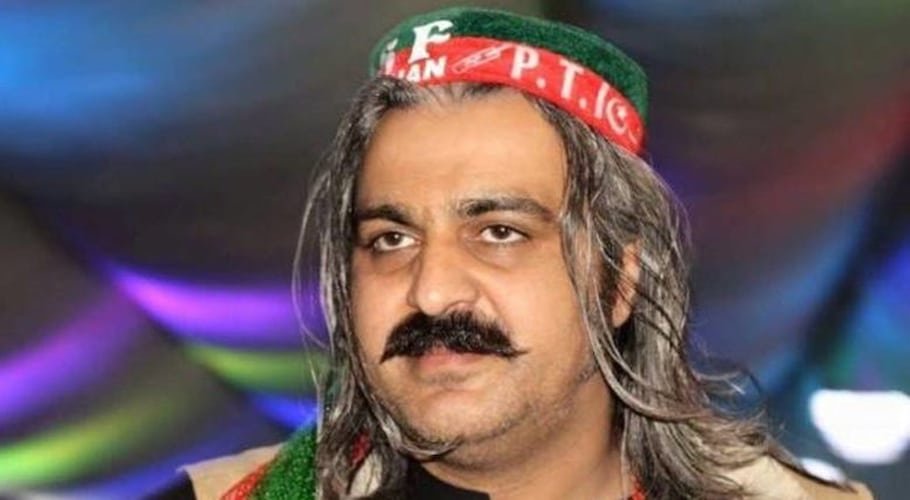
    The Khyber Pakhtunkhwa (KP) cabinet is set to take its oath of office today after Chief Minister of the province Ali Amin Gandapur got approval from Pakistan Tehreek-e-Insaf (PTI) founder Imran Khan, who is currently in Adiala jail serving sentences in multiple cases.

    Ali Amin Gandapur said in a statement that he discussed the formation of the KP cabinet with Imran Khan in Adiala jail.

    “Cabinet members will take oath today,” he confirmed.

    After meeting the founder of PTI, the newly-elected chief minister came back to Peshawar and asked relevant authorities to arrange the oath taking ceremony in the Governor House.

    However, the names of cabinet members have not been revealed yet.

    Interestingly, a majority of those considered and approved as cabinet members by Imran Khan were unaware of their selection. The News learnt from its sources that KP CM Gandapur did not disclose the names of his cabinet members, as he was under pressure by certain factions within the party to accommodate their nominees.

  • Oil prices drop again on concerns over China’s economic changes

    Oil prices drop again on concerns over China’s economic changes

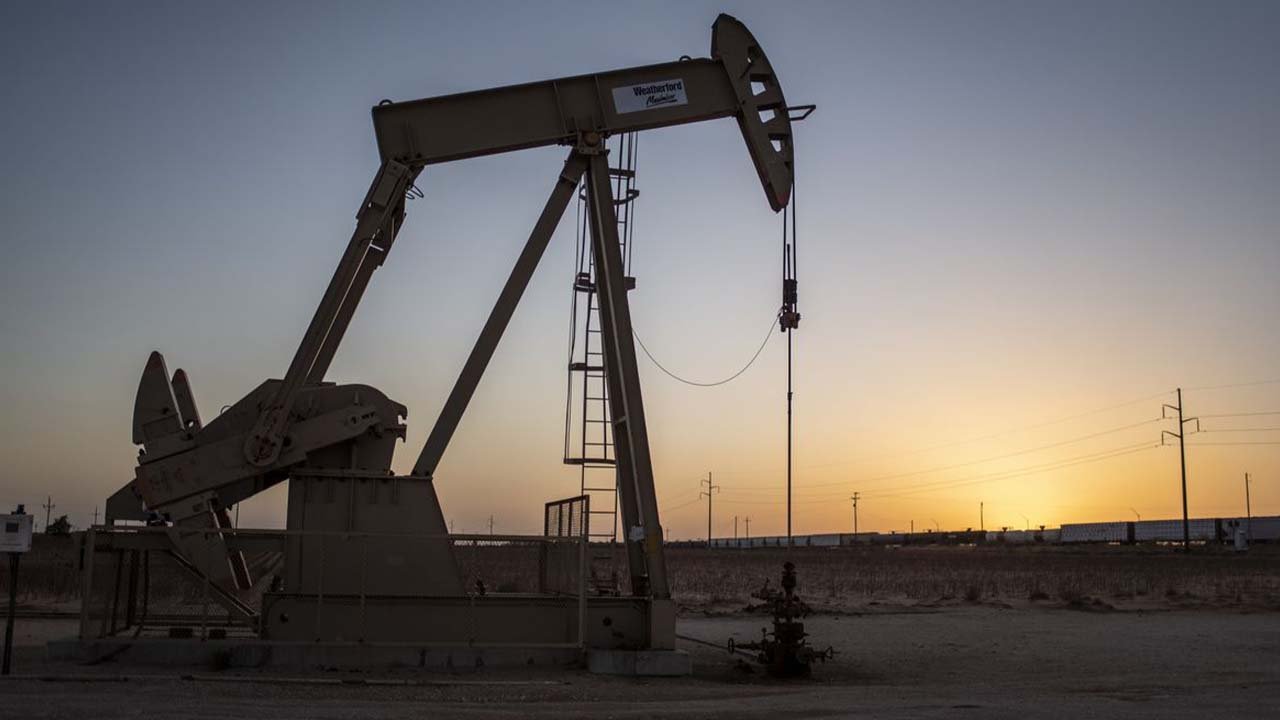
    In the wake of growing apprehensions over reduced oil consumption in China, a key player in the global oil market, oil prices witnessed a consecutive decline for the second day.

    The current market scenario reveals Brent crude trading at $82.16 per barrel, marking a 0.52 per cent decrease, while West Texas Intermediate crude (WTI) is trading at $77.9 per barrel, down by 0.6 per cent from the previous close.

    China, a significant oil consumer, declared its commitment to overhaul its economic development model and address industrial overcapacity concerns.

    Alongside these initiatives, China set its economic growth target for 2024 at approximately 5 per cent, a figure consistent with last year’s goal and in alignment with analysts’ predictions, according to Reuters.

    However, achieving this growth target may prove challenging this year, as analysts point out that China’s favourable base effect in 2023, resulting from the pandemic-affected 2022, may not be replicable. This potential hurdle has raised concerns and could impact investor sentiment.

    China, being the world’s largest crude importer, also announced intentions to intensify the exploration and development of oil and natural gas resources.

    Simultaneously, there is a commitment to tighten control over fossil fuel consumption, reflecting the nation’s dual focus on energy development and environmental responsibility.

    While anxieties regarding China’s demand outlook contributed to the downward pressure on oil prices, other factors provided support.

    Major oil producers’ decisions to reduce output and geopolitical tensions arising from the Israel-Gaza conflict played a role in sustaining crude prices.

    Over the weekend, the Organisation of the Petroleum Exporting Countries and its allies (OPEC+) extended their voluntary oil output cuts of 2.2 million barrels per day (bpd) into the second quarter.

    This decision aimed to bolster prices amidst global growth concerns and increased production outside the OPEC+ alliance.

  • PSL 9: Peshawar Zalmi defeats Multan Sultans by four runs after a thriller match

    PSL 9: Peshawar Zalmi defeats Multan Sultans by four runs after a thriller match

    In the 21st match of Pakistan Super League 9, Peshawar Zalmi defeats Multan Sultans by four runs after a thriller match in Rawalpindi Cricket Stadium.

    Peshawar Zalmi captain Babar Azam won the toss and elected to bat first against Multan Sultans.

    Peshawar Zalmi inning

    Peshawar Zalmi scored 204 runs for the loss of 5 wickets in the allotted 20 overs, captain Babar Azam scored 64 runs. Apart from this, Saim Ayub scored 46 runs, Haseebullah scored 31 runs and Asif Ali scored 11 runs. Rovman Powell scored 23 runs and Aamir Jamal scored 12 runs.

    Usama Mir took 3 wickets and Chris Jordan took 2 wickets for Multan Sultans.

    Multan Sultan inning

    Chasing the target of 205 runs, Multan Sultan took aggressive start by hitting 14 runs in first over. Multans captian Muhammad Rizwan scored 32 runs, Chris Jordan 30 while Iftikhar Ahmed scored 60 runs of just 21 balls but could not chase down the total.

    Multan scored 200 runs for the loss of five wickets in alloted 20 overs.

    From Peshawar’s side Aamir Jamal took two while Mehran Mumtaz and Naveen ul Haq took one wicket each.

  • Bitcoin’s price soars close to $69,000, then pulls back to $65,000

    Bitcoin’s price soars close to $69,000, then pulls back to $65,000

    Bitcoin, the leading cryptocurrency by market value, surged to a two-year peak, surpassing $68,600 on Tuesday and approaching its all-time high.

    The cryptocurrency has seen a notable 50 per cent surge this year, with a significant portion of the increase occurring in recent weeks, marked by inflows into US-listed bitcoin funds.

    During Asian trading hours on Tuesday, Bitcoin hovered around $68,500, reaching a session high of $68,828, just shy of the record peak of $68,999.99 set in November 2021.

    The approval of spot bitcoin exchange-traded funds in the United States earlier this year attracted new significant investors, reigniting enthusiasm reminiscent of the 2021 bull run.

    However, Bitcoin has now retreated to $65,000 as of 9:50 p.m. Kyle Rodda, senior markets analyst at Capital.com, described the current market conditions as “crypto mania 4.0,” suggesting that continued low bond and rate volatility could sustain the momentum, though acknowledging signs of irrational behaviour.

    In the week ending March 1, net flows into the ten largest US spot bitcoin funds totaled $2.17 billion, with over half directed towards BlackRock’s iShares Bitcoin Trust, according to LSEG data.

    Tony Sycamore, a market analyst at IG, expressed optimism about Bitcoin’s potential move towards $80,000 despite short-term overbuying.

    The cryptocurrency rally aligns with record-breaking performances in global stock indexes, including Japan’s Nikkei, the S&P 500, and the Nasdaq.

    Simultaneously, volatility measures in equities and foreign exchange markets are trending downward.

    Ether, Bitcoin’s smaller rival, also surged over 50 per cent for the year, reaching $3,649. Speculation about exchange-traded funds driving inflows has contributed to Ether’s momentum.

    A regulatory filing on Monday revealed that the US Securities and Exchange Commission has delayed its decision on BlackRock’s application for a spot ethereum exchange-traded fund.

    In a separate development, Tether announced that the number of dollar-pegged stablecoins it issued has surpassed $100 billion, providing stability in the cryptocurrency market.

  • Man, 34, allegedly shot dead by South-African wife in Karachi

    Man, 34, allegedly shot dead by South-African wife in Karachi

    A young man named Jehanzeb Malik, 34, was found shot dead in his apartment in DHA on Monday evening with his wife missing from the premises. It now appears that she fled after allegedly murdering her husband, reports Dawn.

    Jehanzeb’s body was found at the 20th-storey flat in a DHA high-rise apartment complex. He had reportedly been shot in the head from behind. The body was shifted to the Jinnah Postgraduate Medical Centre to fulfil medico-legal formalities, as per the police.

    The Crime Scene Unit of the police has collected evidence from the crime scene.

    The DIG briefed the media that the murdered victim lived in the apartment with his South African wife. The couple had tied the knot around five years ago. They had two children who were at their grandfather’s home at the time of the incident.

    He said that investigators came to know that the couple had a fight before the murder. The police have alerted airport authorities to stop her from boarding any flight.

  • Mark your calendars: Aurat March is around the corner!

    Mark your calendars: Aurat March is around the corner!

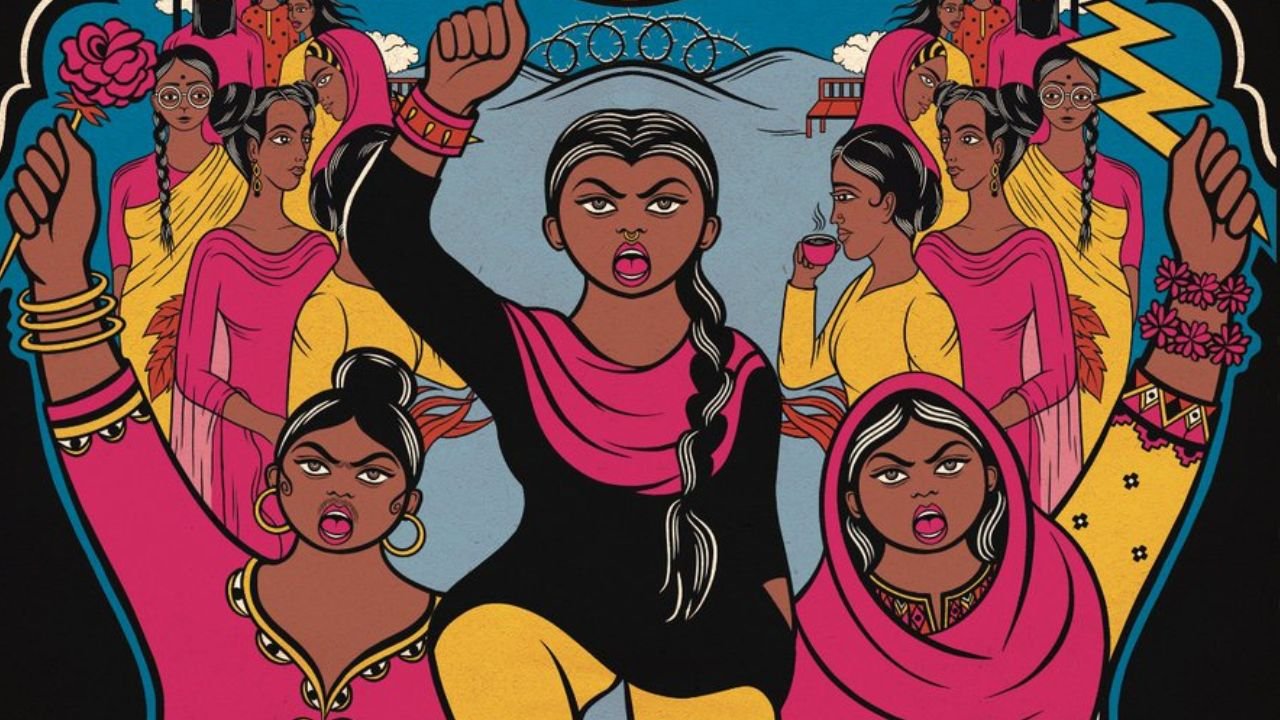
    March is finally here which means that 8th of the month is Women’s Day around the world and in Pakistan, Aurat March in major cities will walk through the streets to remind the state and the society of the due rights of women and minorities of the country.

    Where and when to join Aurat March?

    Lahore
    Time: 8th March, 2 pm
    Place: Lahore Press Club

    Karachi
    Time: 2:30 pm
    Place: Frere Hall

    Islamabad
    Time: 2 pm
    Place: Islamabad Press Club

    Multan
    Time: 3 pm
    Place: Nawan Shehar Chowk

    What are the demands this year?

    Lahore

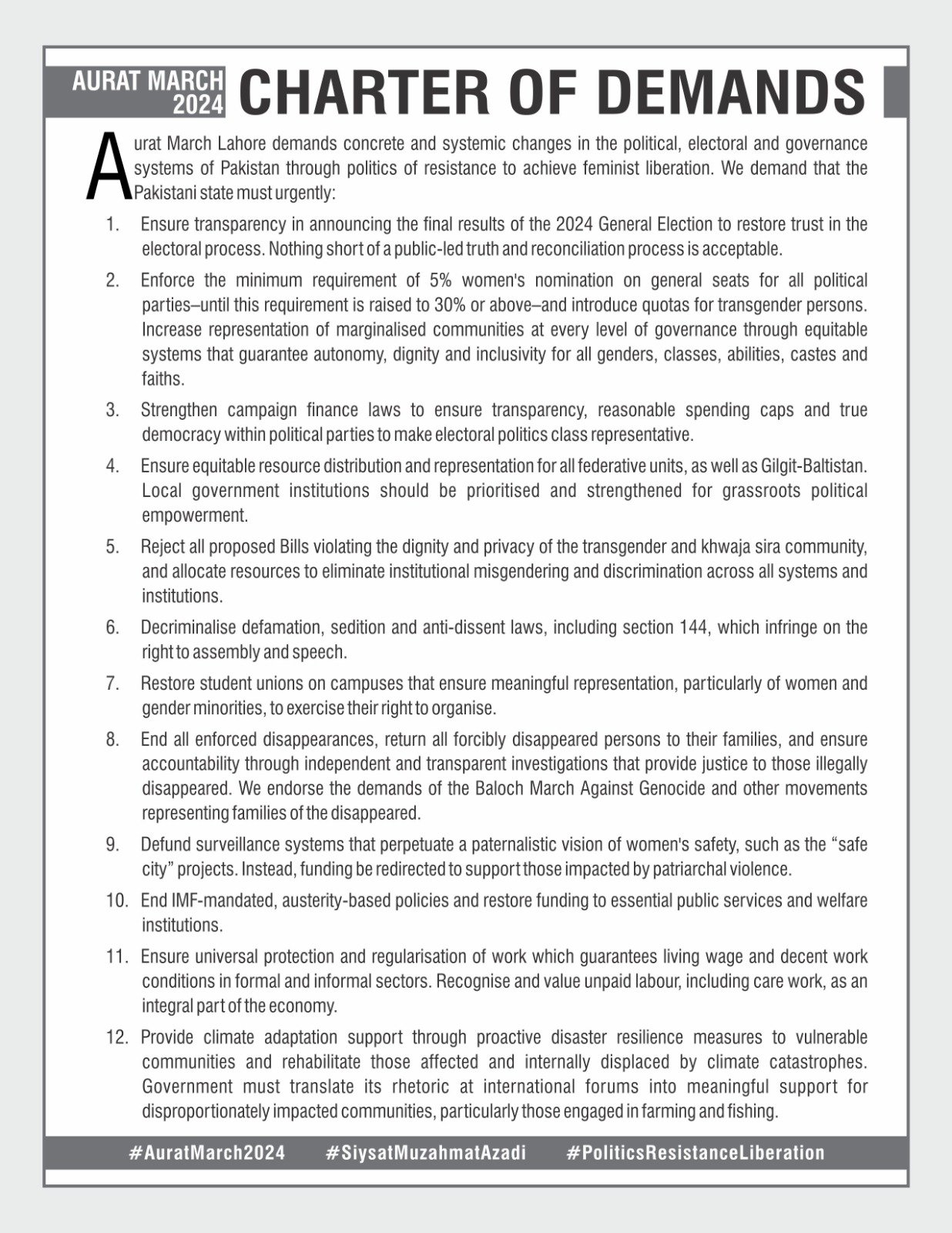
    This year, Lahore based its theme on “Siyasat, Muzahamat aur Azadi” which means that the manifesto addresses the electoral politics (in the light of the recent General Elections of Pakistan back in February 8), as well as asserts on the re-envisioning political participation where “oppressed groups and communities on the margin take center stage.”

    Here are the demands by Aurat March Lahore:

    Karachi

    In Karachi, Aurat March will focus on domestic violence, sexual violence, enforced disappearances, extrajudicial killings, land grabbing, state-sponsored poverty, religious extremism, repression of gender and body politics, fascistic capture of politics and everything “the patriarchy subjects us to under its militaristic control of our bodies.”

    Islamabad

    The capital’s theme this year is Resistance and Hope:

    Calling on to end enforced disappearances; promoting “hope and world peace” in light of Israeli genocide in Gaza; end to gender-based violence; to take action against cyber harassment targeting women, minorities, and children with effective legislation; end to period poverty by making period products accessible for all and provind period education in school; economic justice i.e. integrating women’s reproductive labour into country’s Gross Domestic Product (GDP), formalisation of informal sector to ensure work standards and safe working environment, action against child labour, wage regularisation, right to unionisation, and allocation of funds to rehabilitate women farmers, shopkeepers, small landlords; improved access to universal education and healthcare; political rights of women; as well as rights of religious minorities.

    Read the details on the demands by Islamabad here:

    Multan

    With the main focus on climate justice right and economic liberation, here are the demands by the city of Multan this year:

    1. Education for All: Guarantee education for girls up to the age of 16, ensuring equal access to knowledge and opportunities.
    2. Right to Identity: Ensure that all men, women, and transgender people in Siraiki Wasaib have their identity cards without any hindrance from the state.
    3. Combat Harassment: Form active committees against sexual harassment in educational institutions and workplaces, enforcing strict adherence to anti-harassment laws.
    4. Student Empowerment: Lift the ban on student unions in universities across Pakistan, allowing students to exercise their rights and have a say in their education. Also, Establish new colleges and universities with equitable access for all, fostering an environment of learning and growth.
    5. Inclusive Infrastructure: Implement accessible architecture in schools, government offices, and public spaces, catering to the needs of people with disabilities.
    6. Fair Wages: Enforce inflation-adjusted and gender-conscious minimum wage policies, promoting economic justice for all.
    7. Protect Domestic and Small Industry Workers: Safeguard the rights of domestic workers, particularly young girls, from exploitation and abuse.
    8. End Early Marriage: Enact laws against early marriage and forced religious conversion, setting the legal marriage age to 18.
    9. Transgender Rights: Implement the Transgender Rights Act 2018, ensuring equality and protection for transgender individuals.
    10. Political Victimisation: Stop the unjust targeting and unlawful detention, especially of women, for political reasons.
    11. Women’s Protection: Fully implement the Women Protection Bill and expedite the completion of Women Crisis Centers in Multan.
    12. Holistic Education: Incorporate human rights, climate change, and gender education into the high school curriculum, fostering awareness and understanding.
    13. Healthcare Access: Ensure accessible healthcare and employment opportunities, along with childcare facilities for women in both government and non-government sectors.
    14. Remove Taxes: Eliminate taxes on women’s hygiene products and essential items, relieving financial burdens on women.
    15. Worker Rights: Abolish the exploitation of various marginalized groups, including brick kiln workers, farmers, journalists, and factory workers.
    16. Combat Terrorism: Take legal action against activities that terrorize women, ensuring the rule of law prevails.
    17. Judicial Representation: Increase the number of women judges, particularly in the Lahore High Court, Multan, and Bahawalpur Benches, promoting gender parity in the judiciary.
    18. End Corruption: Eradicate corruption and mistreatment of women in social support programs.
    19. Report Mechanisms: Establish effective portals to report incidents of harassment and violence against women, ensuring swift action and justice.
    20. Religious Freedom: Protect religious places and minorities from desecration and criminal acts, upholding fundamental freedoms for all.
    21. Child Protection: Implement stringent measures to prevent the sexual abuse of children, safeguarding the innocence and well-being of our youth.
    22. Safe Spaces: Ensure the fundamental freedoms and protection of women in Dar ul Aman and working women hostels, providing safe havens for those in need.
    23. Digital Access: Declare internet access as a fundamental right and bridge the digital divide, ensuring equitable access to technology for all.
    24. Combat Stereotypes: Eliminate gender stereotypes in educational materials, electronic media, and social platforms, promoting equality and diversity.
    25. Justice for All: Pay homage to human rights leaders like Rashid Rehman and demand justice for those who have sacrificed for the cause of equality and justice.