Author: newsdesk

  • Pakistan imposes minimum export price on onions to tackle soaring local prices

    Pakistan imposes minimum export price on onions to tackle soaring local prices

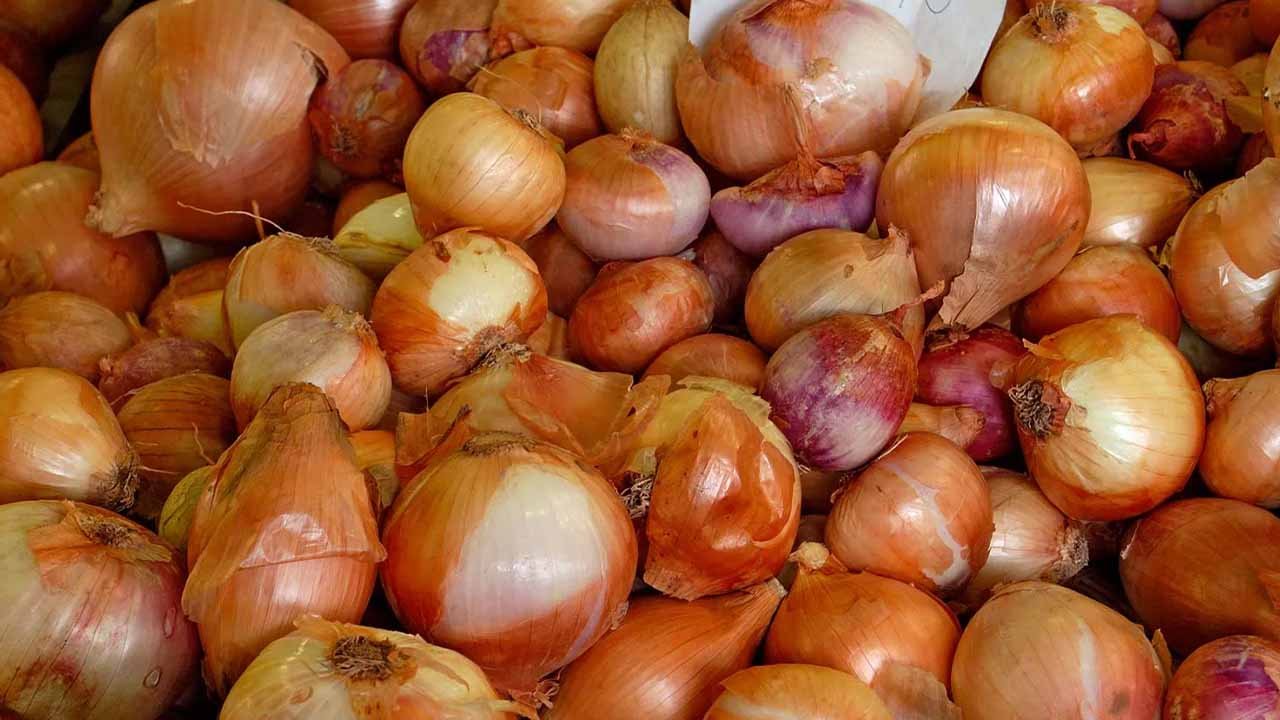
    In a move aimed at stabilising local prices, the government announced on Friday the establishment of a minimum export price for onions and shallots at $1,200 per metric ton.

    The notification detailing this decision was issued by the Ministry of Commerce.

    This decision comes in response to the escalating local prices of onions and shallots, driven by a surge in demand in international markets.

    Exporters operating in the domestic market have been capitalising on India’s ban on the export of these items, resulting in a shortage for local consumers.

    The latest weekly inflation figures, ending on January 11, 2024, revealed a 1.36 per cent week-over-week increase in the Sensitive Price Indicator (SPI) for the Combined Group. Notably, the second-highest surge among all 51 items was witnessed in onion prices, which rose by 8.94 per cent.

    This move by the government is strategically designed to curb the impact of export-related activities on local availability and pricing, with a focus on maintaining stability in the market.

    The Ministry of Commerce’s notification underscores its commitment to addressing the challenges posed by increased international demand and its repercussions on the domestic front.

    As authorities strive to strike a balance between facilitating exports and ensuring the availability of essential commodities for local consumers, the implementation of the minimum export price serves as a significant step in mitigating the adverse effects of market dynamics on the pricing of onions and shallots within the country.
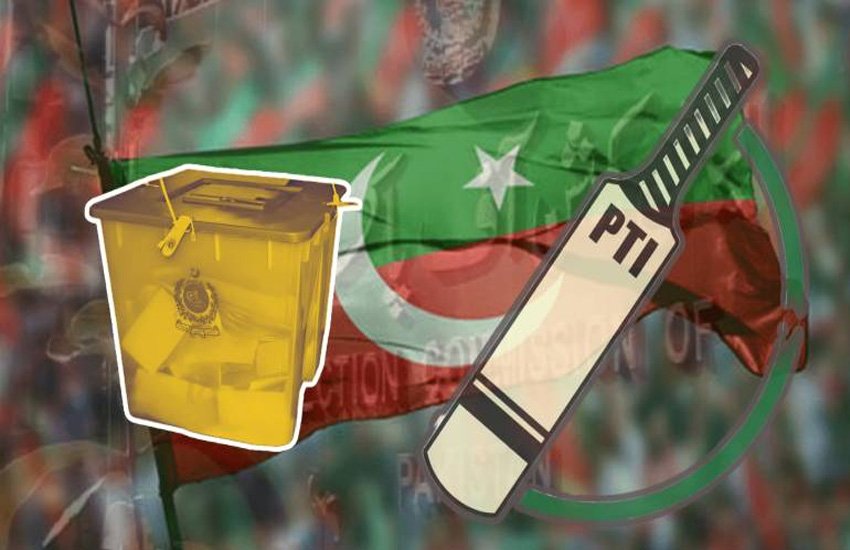

  • No Bat for PTI: Supreme Court

    No Bat for PTI: Supreme Court

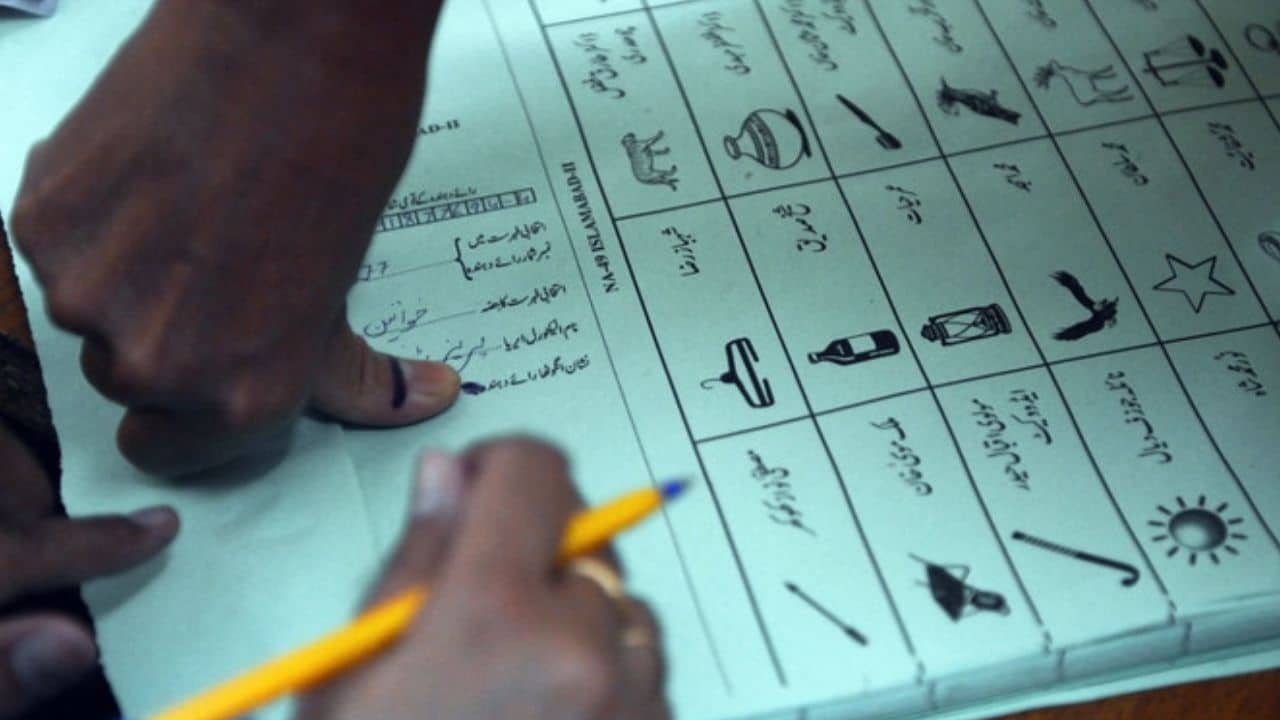
    Pakistan Tehreek-e-Insaf (PTI) suffered a significant setback as the Supreme Court (SC) overturned the Peshawar High Court’s (PHC) January 10 decision, stripping the former ruling party of its ‘iconic’ electoral symbol, the bat. This development comes just days before the upcoming general elections, Geo reported on Saturday.

    A three-member bench — headed by Chief Justice of Pakistan (CJP) Qazi Faez Isa and comprising Justice Muhammad Ali Mazhar and Justice Musarrat Hilali — announced the verdict after a day-long hearing.

    The election commission had on December 22 barred the PTI party from keeping its ‘bat’ symbol for the upcoming February elections, citing irregularities in their internal polls that did not comply with the party’s own constitution and election laws.

  • Afghan child killed in Karachi in fight over garbage collection

    Afghan child killed in Karachi in fight over garbage collection

    A 5-year-old child, Shehzad Gul, was beaten to death in what is being described as a dispute over garbage collection between two groups in Surjani Town, Karachi, reports Dawn.

    The horrific incident took place in Sector-4B. Shehzad Gul was one of three children and had two sisters.

    The dispute erupted between two Afghans over the collection of garbage, which led to the murder. The suspect(s) had been identified and police were waiting for the family to lodge an FIR to formally initiate legal proceedings.

    The victim’s father, Gul Mohammad, told reporters that he had been collecting garbage from houses for the last one month. On Friday, his son and a daughter accompanied him to collect the garbage.

    During the work, he left both children for a while and went to another street and when he returned, he learned that his son had been injured after being hit with a hard and blunt instrument.
    He rushed the child to Abbasi Shaheed Hospital (ASH) where doctors confirmed his death.
    The grief-stricken father said that he had been receiving “threats” from a man who had got the contract of garbage collection earlier. He suspected that his son was killed over that dispute.
    “I am a poor labourer who earns Rs13,000 on a monthly basis through garbage collection,” said the father.

  • Zayn Malik can sing in Urdu and fans are going crazy

    Zayn Malik can sing in Urdu and fans are going crazy

    British singer Zayn Malik teamed up with Pakistani music band ‘Aur’ to release an Urdu song called ‘Tu Hai Kahan’. The Pakistani band shared a short preview of the new song on Instagram, announcing its release. Zayn Malik lent his vocal talents to the song, as seen in a video where he recorded part of it in his own recording room. The final version includes vocals by Rafi, Osama, and Ahad from the ‘Aur’ band.

    Notably, ‘Aur’ gained widespread fame a few months ago with the same song ‘Tu Hai Kahan,’ which has amassed 92 million views on its music video. The collaboration with the British superstar adds another exciting chapter to their musical journey.

    The song released at 12pm on Friday, amassing massive hits within 24 hours. The song is a mellow, easy listen that we can predict will be on a lot of playlists.

    Something Zayn’s fans absolutely loved was that he sang in Urdu.

    The collaboration itself was significant.

  • Barrister Gohar Khan’s family ‘attacked’ in Islamabad

    Barrister Gohar Khan’s family ‘attacked’ in Islamabad

    Pakistan Tehreek-e-Insaf (PTI) Chairman Barrister Gohar Khan has alleged that his family was subjected to an attack while he was present in the Supreme Court on Saturday. The incident unfolded during the hearing of the Election Commission of Pakistan’s (ECP) plea challenging the Peshawar High Court’s (PHC) verdict favoring the PTI in the bat symbol and intra-party polls case.

    Upon receiving the distressing update, the PTI chief promptly left the premises of the Supreme Court. During a conversation with his colleague and fellow party member Barrister Ali Zafar, Barrister Gohar expressed concern over the safety of his family.

    “News has just come from home. People came in four double cabins and took the computer,” he stated, highlighting the severity of the incident.

    Barrister Gohar informed his colleague that his sons and nephews had been physically assaulted during the attack. The PTI lawyer, addressing the courtroom, emphasized the gravity of the situation, stating that some people reached his home and beat up his family members.

    X (former Twitter) user Salaar Khan wrote, “Barrister Ghar Ali Khan informs the Supreme Court that unidentified personnel have entered his home and beaten up his family. He asks the court for indulgence and is told people are looking into it.
    He begs the court for indulgence to explain. The scene cuts.”

    In response to the unsettling news, Chief Justice of Pakistan (CJP) Isa expressed disapproval, stating, “Whatever happened should not have happened.” He then summoned the additional attorney general to address the matter promptly.

    The additional attorney general assured the court that he would investigate the incident and left the courtroom. The reported attack on Barrister Gohar Khan’s family adds a concerning dimension to the ongoing legal proceedings, and further details are expected to emerge as the investigation unfolds.

  • Dr. Fahad Mirza opens up about breakup with Sarwat Gilani and surprising turn of events

    Dr. Fahad Mirza opens up about breakup with Sarwat Gilani and surprising turn of events

    Dr. Fahad Mirza, husband of Pakistani actress Sarwat Gilani, has made surprising revelations about his first marriage and subsequent breakup with actress Sarwat Gilani.

    Breaking his silence, Dr. Mirza shared, “I broke up with Sarwat when I was 25 to 26. After she left, I felt like a living corpse, utterly disappointed and financially struggling. I didn’t even have money for cigarettes or phone calls. I prayed for guidance, and Allah sent someone into my life – my first wife.”

    According to Dr. Fahad Mirza, at that time he met the woman who was 15 years older than him, she also had three children. “I was so broken at that time that I married her. She was 15 years older and a mother of 3 children but still I decided to marry her.”
    According to the actor and doctor, he then left home and started living with his first wife because he felt that Sarwat and he broke up “because of family”. He says that when he started living with his wife, “everyone started to think that I was worthless, even my father said that I was not fit to become a surgeon.”

    Mirza recalls that when he joined civil hospital, he was being paid Rs 12,000 as salary. “After this job I used to go to the library and study, during this time my wife took care of me, she used to send me food, give me pick and drop. She supported me at every step because she was wise, mature, she taught me a lot. Even after separation, I am still thankful to my wife for guiding me, otherwise I would have destroyed myself.”

  • Karachi police faces severe shortage of security personnel ahead of General Elections

    Karachi police faces severe shortage of security personnel ahead of General Elections

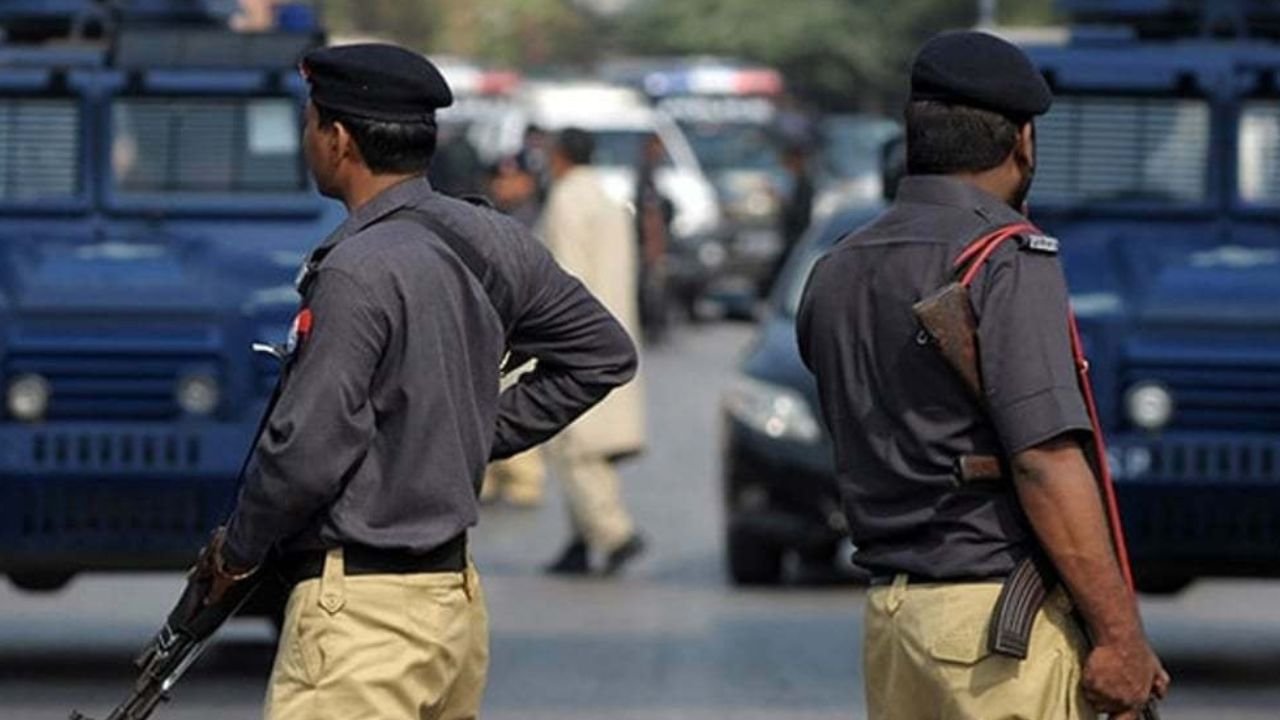
    As the nation braces for the upcoming general elections, Karachi police is facing a substantial shortage of 14,300 security personnel, including female officers.

    As per The News, Khadim Hussain Rind, the additional inspector general (AIG) of Karachi, revealed that the city’s police force had initiated robust security arrangements for the elections scheduled for February 8.

    However, he underscored the significant shortfall in required personnel.

    “Over 46,076 police personnel are needed for the election security plan, while Karachi Police have only 31,776. The required number of female police personnel is also not available,” said the AIG.

    He elaborated on the specific needs for female personnel, highlighting, “At least 3,200 female personnel are required for security arrangements at women’s polling stations while we have 1,200 female personnel. The KPO faces a shortage of 2,000 lady cops.”

    As per the security plan, eight police personnel are required for the most sensitive, six for sensitive and four for normal polling stations each. In Karachi, there are 2,033 most sensitive stations, 3,008 sensitive stations, and 308 polling stations are declared normal, while 16,264, 18,048, and 1,232 personnel respectively are required for them.

    Rind disclosed that 35,544 personnel would be assigned to duty at 5,349 polling stations in the megacity.

    Additionally, a quick response force is set to be deployed at polling stations, with 3,892 personnel assigned to 2,774 buildings. Furthermore, 4,210 police officers will be placed on reserve duty under the supervision of the Deputy Inspector General (DIG), accompanied by nine Senior Superintendents of Police (SSPs), 16 Superintendents of Police (SPs), 57 Deputy Superintendents of Police (DSPs), and 107 Station House Officers (SHOs).

    The AIG outlined plans to allocate 2,430 personnel for various election commission offices, welfare duties, hospitals, and miscellaneous tasks.

    However, he emphasized the glaring shortage of 14,300 police personnel and revealed that multiple options were under consideration to address this gap. Possibilities include deploying lady health workers, and polio staff, or hiring private security guards, anti-encroachment, excise police, anti-corruption, or forest department personnel to bolster the existing security measures.

    As the elections draw near, efforts are underway to mitigate the shortfall and ensure the safety and integrity of the electoral process in Karachi.

  • Family ties; PML-N candidate list favours relatives

    Family ties; PML-N candidate list favours relatives

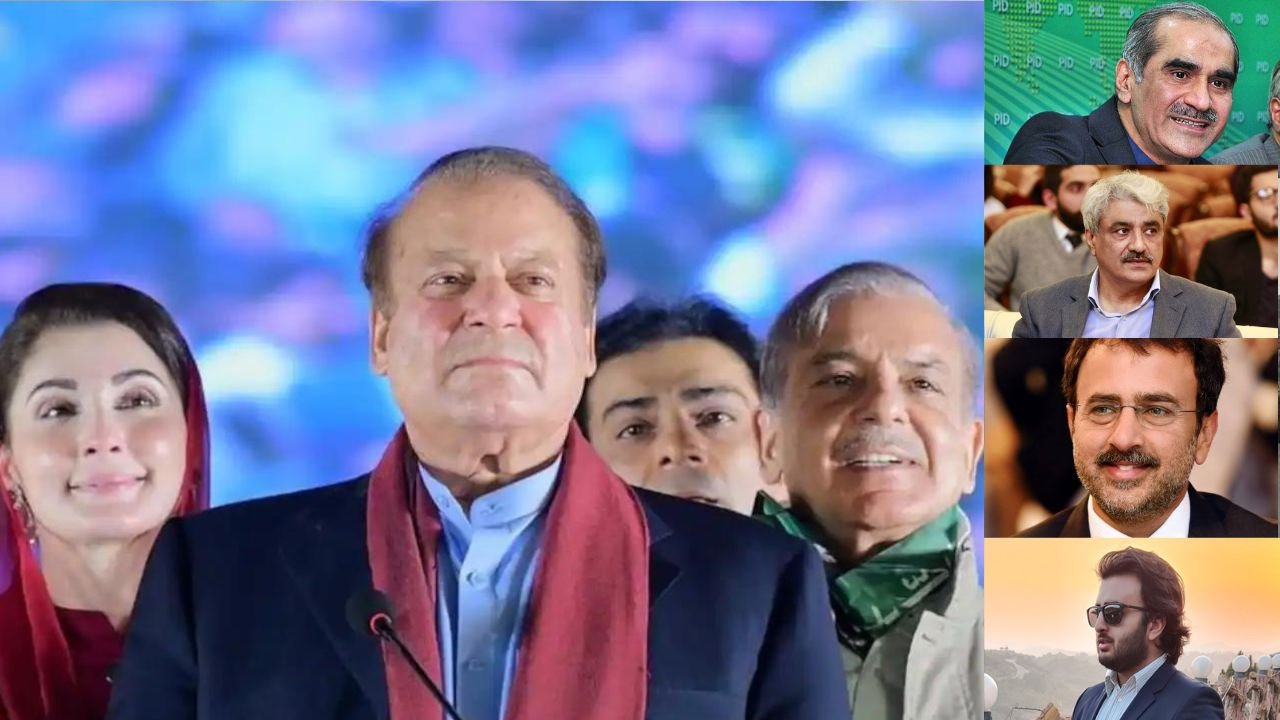
    As the general elections loom closer, the Pakistan Muslim League-Nawaz (PML-N) has disclosed its roster of candidates for both the National and Punjab Assemblies, drawing attention for granting tickets to more than 30 family members, as reported by The News.

    The announcement was made by Ishaq Dar, PML-N’s Head of Election Cell, marking a pivotal moment in the party’s preparations for the upcoming political showdown.

    In a notable revelation, 36 candidates have familial ties, including father-son, father-daughter, husband-wife, brother-in-law, mother-son, father-in-law, and uncle-nephew relationships among them.

    PML-N stalwarts Nawaz Sharif and his daughter Maryam Nawaz are set to contest the National Assembly polls from Lahore, while PML-N President Shehbaz Sharif and his son Hamza Shehbaz will participate in both the National Assembly and provincial assembly polls.

    Malik Saif ul Mulook Khokhar, the President of PML-N Lahore, and his son Faisal Ayub, have secured tickets for the National and provincial assemblies, respectively.

    Afzal Khokhar and his nephew Irfan Shafi Khokhar from Lahore are also contesting on PML-N tickets.

    From Dera Ghazi Khan, former minister Awais Leghari and his son Amar Leghari are nominated for National Assembly seats in Rajanpur.

    Additionally, former minister Khawaja Saad Rafique is vying for a National Assembly seat, while his brother Salman Rafiq is contesting for a provincial assembly seat, both from Lahore.

    In Muzaffargarh, former minister Syed Basit Bukhari and his daughter Syeda Shahr Bano Bukhari have been fielded as candidates.

    From Bahawalpur, Iqbal Chanar is nominated for a National Assembly seat, with his son Zaheer Iqbal Chanar is contending for a provincial assembly seat.

    Chaudhry Khalid Javed Waraich and his son Uqba Waraich are PML-N’s candidates for the National and provincial assemblies from Toba Tek Singh, respectively.

    Yaqoob Shaikh is contesting for the National Assembly from Jhang, while his wife Rashida Yaqoob is running for a provincial assembly seat.

    Notable leaders like Daniyal Aziz didn’t make it to the list.

    PML-N ticket distribution extends to various regions, including Kasur, Vehari, Dera Ghazi Khan, Taunsa, Lodhran, Khanewal, and Sheikhupura, with candidates such as Rana Hayat, Begum Tahmina Daultana, Amjad Farooq Khosa, Siddique Baloch, and Mian Javed Latif, among others.

    Notably, the PML-N has introduced eight new faces in Punjab for National Assembly tickets, including Bilal Azhar Kayani and Attaullah Tarar. The party has also allocated tickets to six women for the National Assembly and three for the provincial assembly in Punjab, showcasing a diverse candidate pool.

  • Israel weakly counters South Africa’s strong stance in genocide case: What’s next?

    Israel weakly counters South Africa’s strong stance in genocide case: What’s next?

    On January 11-12, the International Court of Justice (ICJ) heard the genocide case filed against Israel by South Africa.

    On Day 1, South Africa’s legal team put forward its case, pointing at the atrocities being committed against Palestinians in Gaza by Israel.

    Israel is accused of committing genocidal acts during their military operations which included mass killings of Palestinians, bodily and mental harm, forced displacement and food blockade, destruction of the healthcare system, and preventing Palestinian births.

    On Day 2, Israel defended itself against the charges, arguing that South Africa “ignored” the incident of October 7 and that Israel had the right to defend itself, adding that the court should put provisional measures against South Africa, accusing it of having ties with Hamas. Israel did not submit any evidence to support its claims that Hamas was the cause of the attacks in Gaza whereas South Africa submitted video evidence of Israeli atrocities in Gaza.

    They also blamed Hamas for the high civilian death toll in Gaza, claiming that Israel did not bomb hospitals and that they enabled humanitarian aid.

    What’s next?

    Al Jazeera explains that even though South Africa’s case against Israel can take years, an “interim measure” intended to halt Israel’s attack in Gaza can be taken “within weeks”.

    If the interim measure is implemented, Israel will be legally obligated to put an end to its offences. And while the “court’s rulings are final”, it has no authority to impose them, nonetheless.

    On the other hand, if the court does not implement an interim measure, “it could still decide it has jurisdiction and proceed with the case”, adds Al Jazeera’s explainer.

  • PPP, PTI field minority candidates on general seats

    PPP, PTI field minority candidates on general seats

    Pakistan People’s Party (PPP) has awarded four party tickets for general seats in provincial and national assemblies to minority candidates.

    Pakistan Tehreek-e-Insaf (PTI) has given one party ticket to minority candidate Lalchand Malhi from NA-213 Umerkot Sindh.

    The PPP nominated Sakhawat Masih, a ground worker from Narowal, for NA-76 Narowal, along with giving tickets to Doctor Mahesh Kumar Malani from Tharparkar for NA-215 Mithi/Tharparkar.

    Malani was the only Hindu MNA on general seat in the National Assembly from 2018–2023.

    PPP is also fielding Seth Hari Ram Kishori Lal from Mirpurkhas, for P.S-45 Mirpurkhas-I.

    He was also the only Hindu member of the provincial assembly (MPA) on a general seat from 2018–2023.

    Dr. Saveera Parkash from PK-25 Buner is also a PPP candidate, the first female Hindu candidate from the region.