Author: newsdesk

  • Govt’s bank borrowings jump 3.15x in six months

    Govt’s bank borrowings jump 3.15x in six months

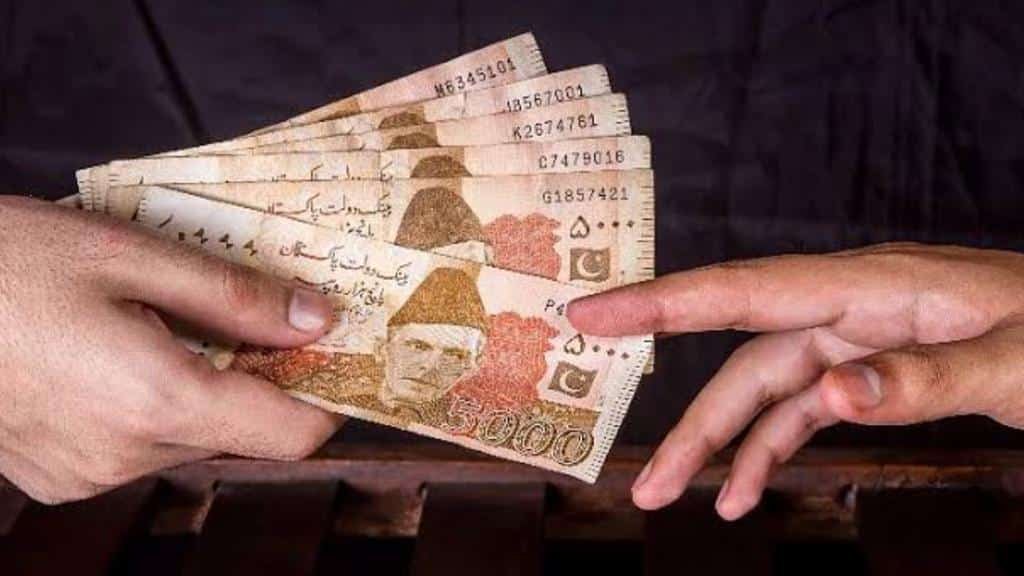
    The government’s reliance on bank borrowings has displayed a concerning upward trajectory, intensifying the nation’s debt burden and raising doubts about its optimistic economic outlook. 

    Recent data for the six months ending December 2023 reveals a substantial increase in borrowing through banks, soaring to Rs3.214 trillion compared to Rs1.019 trillion during the same period last year—an alarming surge of 3.15 times.

    Notably, this surge occurs amid a caretaker government’s administration, signalling that within six months, the government has amassed a level of debt equivalent to the entire fiscal year 2023. 

    While governments commonly borrow from banks to address financial gaps, refinance debts, and fund public projects, the scale of the borrowing indicates a matter of heightened concern.

    Despite the Federal Board of Revenue’s commendable performance in tax collections, with historic achievements of over Rs1 trillion in December and Rs4.468 trillion in 6MFY24, these impressive figures clash with the substantial reliance on bank borrowings.

     Economic apprehensions grow as these borrowing patterns contradict the government’s objective of optimising the allocation and expenditure of public funds.

    The caretaker government’s limited authorisation of Rs300.904 billion for development funds, out of a total allocation of Rs950 billion for ongoing and new social sector uplift projects, contrasts starkly with the escalating borrowing figures, hinting at the possibility of an expanding Public Sector Development Programme (PSDP).

    Furthermore, this escalating trend in government borrowings raises concerns among economists and financial experts who emphasise the importance of fiscal discipline. 

    The growing debt levels may not only impact the country’s creditworthiness but also strain future budgetary allocations, potentially limiting the government’s capacity to respond to unforeseen economic challenges. 

    As stakeholders closely monitor these developments, there is a pressing need for transparent fiscal policies and strategic measures to ensure a sustainable and resilient economic future for the nation.
  • JN.1 : New Covid variant spreading in Pakistan

    JN.1 : New Covid variant spreading in Pakistan

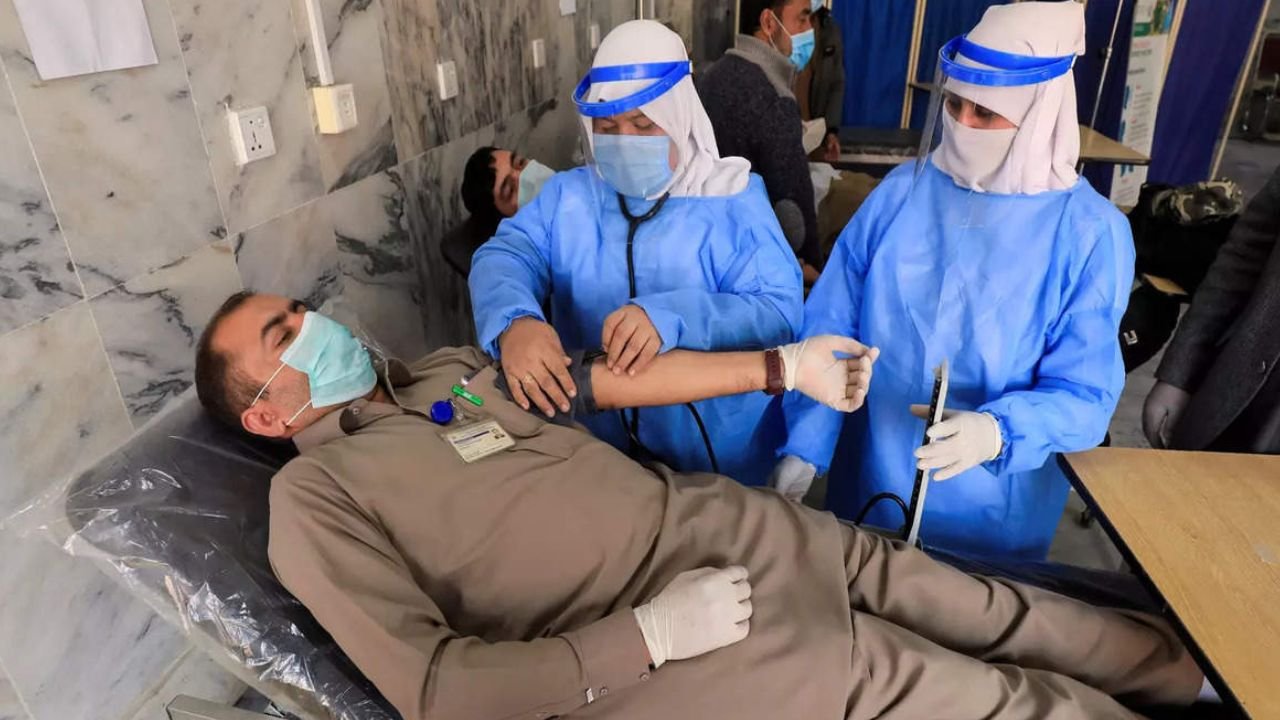
    The emergence of a new coronavirus variant, JN1, a subvariant of Omicron, has raised concerns as four cases were confirmed on Sunday in Pakistan.

    A spokesperson for the Ministry of Health confirmed that all four patients had recovered without encountering any complications, reports the Express Tribune.

    Amid global attention on the new strain, the World Health Organization (WHO) has classified JN1 as a “variant of interest.” Presently, WHO assesses the risk to public health from this strain as low based on existing evidence.

    Dr Nadeem Jan, the caretaker health minister, has said that authorities are closely monitoring the situation, adding that approximately 90 per cent of Pakistan’s population has received vaccination against Covid-19, a critical measure in combatting the spread of such variants.

    As winter brings its challenges, Dr Jan reiterated the importance of preventive measures, urging the public to continue wearing masks, maintaining social distancing, and following health guidelines to curb the spread of COVID-19 and other infectious diseases.

    A few days ago, the federal government decided to secure 500,000 doses of a COVID-19 vaccine in response to the potential resurgence of the new variant observed in multiple countries.

    The procurement strategy for Pfizer vaccines from the US was devised based on recommendations from the Emergency Operation Centre’s (EOC) technical advisory group.

    Previously, the Sindh Health Department confirmed the presence of a new variant of COVID-19 in two passengers arriving from overseas at Karachi Airport. However, it had clarified that no cases of the variant have been reported within the Sindh province.

  • Enforced Disappearance Bill never went missing, claims Chairman Senate

    Enforced Disappearance Bill never went missing, claims Chairman Senate

    In response to recent speculations surrounding the Criminal Law (Amendment) Bill 2021, the Senate Secretariat has issued a statement on Monday, debunking claims of the bill on enforced disappearances going “missing.”

    The Senate Secretariat clarified that the bill was duly passed by the National Assembly (NA) and subsequently returned to the NA after receiving approval from the Senate.

    https://twitter.com/OfficeSenate/status/1744311661509382327?s=20

    The Criminal Law (Amendment) Bill 2021, designed to introduce amendments to the Pakistan Penal Code (PPC) and Code of Criminal Procedure, received approval from the NA on November 8, 2021.

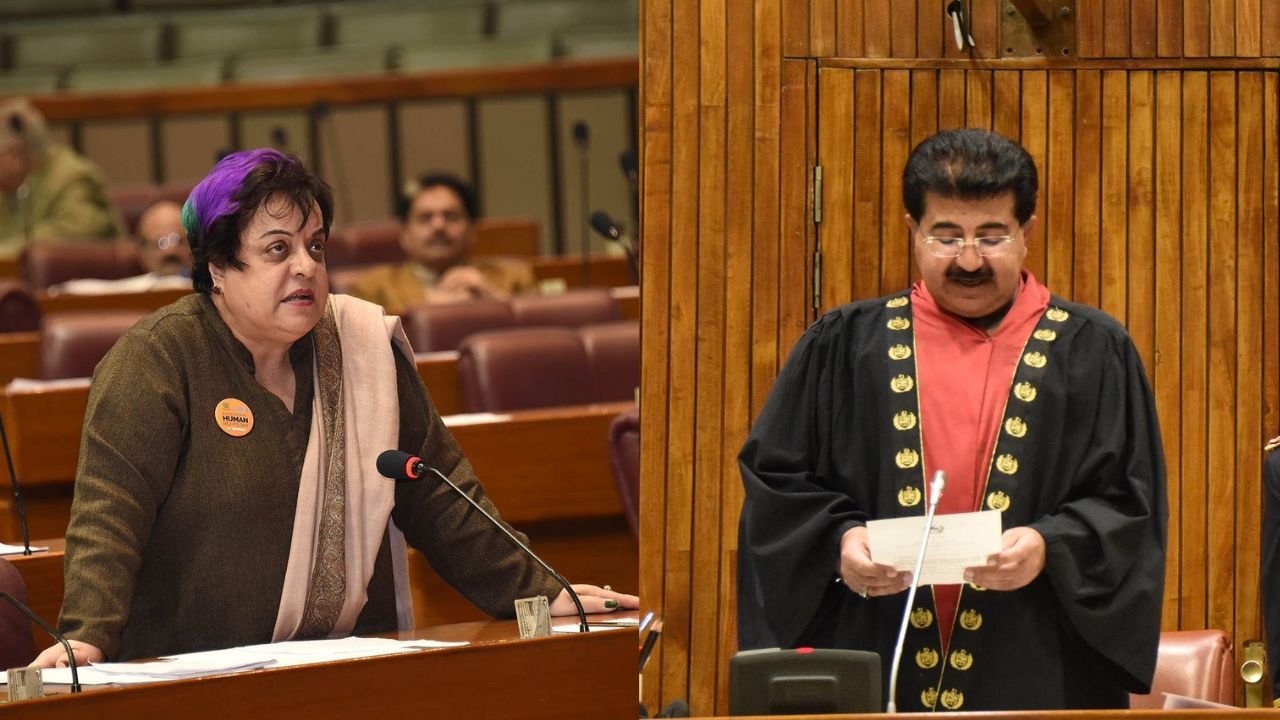
    Former human rights minister Shireen Mazari had previously voiced concerns about the bill’s status, suggesting that it had disappeared after being forwarded to the Senate.

    In its official statement, the Senate Secretariat refuted these claims, providing a detailed timeline of the bill’s progress. According to the Secretariat, the bill was initially introduced in the NA by the then-interior minister on January 7, 2021. After successfully passing the NA on November 8, 2021, the bill was transmitted to the Senate on November 10, 2021, adhering to constitutional and procedural requirements.

    Addressing the allegations raised by Shireen Mazari, the Senate Secretariat clarified that the bill was presented in the Senate on July 29, 2022. Subsequently, it was referred to the standing committee for a comprehensive consideration and report.

    “The Bill was passed by the Senate on 20th October, 2022 with some amendments. Accordingly, in pursuance of clause (2) of Article 70 of the Constitution of Pakistan, 1973 and rule 125 of the Rules of Procedure and Conduct of Business in the Senate, 2012, the Bill was returned to the originating House, i.e. the National Assembly of Pakistan on 20th October, 2022,” the statement said.

    The Secretariat underscored that, by Article 70 of the Constitution of Pakistan, 1973, and Rule 125 of the Rules of Procedure and Conduct of Business in the Senate, 2012, the bill was returned to its originating House, the National Assembly, on October 20, 2022, after securing approval in the Senate.

    The statement concluded by emphasizing that the bill was never missing, and it is not currently pending in the Senate Secretariat. Instead, it has been appropriately returned to the National Assembly after completing the required legislative process in the Senate. The Senate Secretariat reiterated its commitment to upholding constitutional and procedural standards in handling legislative matters.

  • Winning streak: Pakistani rupee appreciates 0.04% in fourth consecutive session

    Winning streak: Pakistani rupee appreciates 0.04% in fourth consecutive session

    In a resilient display, the Pakistani rupee continued its upward trajectory against the US dollar, marking gains for the fourth consecutive session in the interbank market on Monday. 

    The State Bank of Pakistan (SBP) reported a noteworthy appreciation of 0.04 per cent, with the rupee settling at Rs281.28 after a rise of Re0.12.

    This positive trend extends the rupee’s recent performance, as it achieved a 0.16 per cent appreciation during the preceding week, settling at Rs281.40 against the US dollar in the inter-bank market. 

    Impressively, this marks the eighth consecutive week of the local currency advancing against the greenback.

    The momentum driving the rupee’s strength can be attributed to the recent announcement of a staff-level agreement (SLA) between Pakistan and the International Monetary Fund (IMF). 

    This agreement pertains to the first review of the $3 billion standby arrangement (SBA), reinforcing investor confidence in Pakistan’s economic stability.

    A significant development contributing to this positive outlook is the notable increase in foreign exchange reserves held by the State Bank of Pakistan. 

    According to SBP data from the previous week, the central bank’s reserves surged by $464 million on a weekly basis, reaching $8.2 billion as of December 29.

    Internationally, the US dollar maintained stability on Monday, with investors eagerly awaiting a crucial US inflation report later in the week. This report is expected to provide clarity on the Federal Reserve’s monetary policy outlook. 

    The greenback’s recent rally was supported by a rebound in US Treasury yields as traders adjusted their expectations regarding the pace and scale of potential Fed cuts this year. 

    This cautious optimism globally has complemented Pakistan’s positive economic indicators, contributing to the sustained strength of the Pakistani rupee against the US dollar.

  • ‘Sky will not fall if polls are deferred’: Maulana Fazlur Rehman 

    ‘Sky will not fall if polls are deferred’: Maulana Fazlur Rehman 

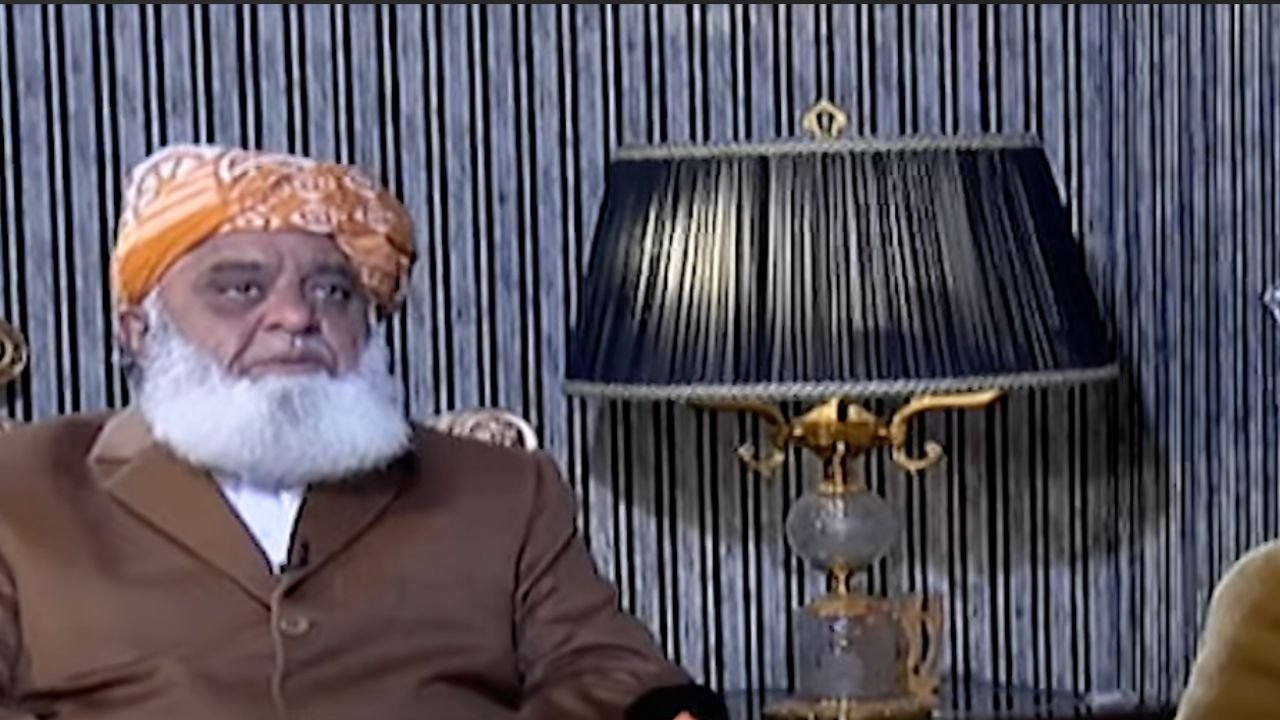
    Amid the ongoing controversy about the general elections scheduled for February 8, Jamiat Ulema-e-Islam-Fazl (JUI-F) chief Maulana Fazlur Rehman said that the Senate’s resolution advocating the postponement of the electoral process aligns with his party’s stance.

    The resolution, proposed by an independent lawmaker in the upper house of parliament on Friday amid concerns about extreme weather conditions and the security situation in the country.

    Maulana Fazlur Rehman, speaking on Geo News‘ program ‘Jirga’ before embarking on his visit to Afghanistan on Sunday, emphasised the need for a deferral of polls for the betterment of the security situation. 

    “Sky will not fall if polls are deferred for the betterment of the [security] situation,” Fazl said. He has continued to raise concerns about the security situation in the country, especially in Khyber Pakhtunkhwa (KP) and Balochistan.

    The JUI-F chief’s visit to Kabul comes at a delicate juncture, marked by strained relations between Pakistan and Afghanistan due to a surge in terror incidents, primarily attributed to the Tehreek-e-Taliban Pakistan (TTP), a banned outfit.

    Maulana Fazlur Rehman has consistently asserted that the current situation in the country is not conducive to holding elections, citing multiple attacks on his party in the last six months. The most recent incident was a gun attack on the JUI-F’s convoy in Dera Ismail Khan, where fortunately, he remained unharmed.

    The controversy surrounding the postponement of elections, which have already been delayed, intensified following the Senate’s approval of a resolution seeking to defer polls.

    However, a fresh resolution was tabled on Saturday in favour of conducting elections on February 8 as originally scheduled, leading to the initiation of contempt proceedings against senators involved in the delay resolution.

    Speaking about the motion to postpone polls, Maulana Fazlur Rehman stated in an interview that the Senate resolution supported the JUI-F’s stance on the threats of terrorism, although he claimed to have no prior information about the resolution.

    Expressing concerns about the electoral environment, especially in KP and Balochistan, the seasoned politician urged stakeholders to grasp the gravity of the situation. “People are being threatened through pamphlets warning them against attending JUI-F rallies.”

    Despite the challenging circumstances, Maulana Fazlur Rehman expressed hope for improvement and emphasised that his party would participate in elections. He stated, “We are not the ones running away from the elections,” underscoring the importance of talks and mediation while assessing ground realities for discussions with the TTP.

    Addressing the issue of a level-playing field, the JUI-F leader criticised the use of the term for a single party, alluding to shifts in political support. 

    “Yesterday’s blue-eyed boy is also being supported today,” he said without naming anyone.

    The year 2023 witnessed Pakistan grappling with terrorism, internal conflicts, socioeconomic disparities, regional instability and heightened tensions with militant groups along the Afghanistan border.

    Maulana Fazlur Rehman, consistently voicing grave concerns over the peace and security situation, recalled previous attacks on his party members. Notably, in September, a blast in Mastung injured senior JUI-F leader Hafiz Hamdullah, while in July, a suicide blast targeted a JUI-F workers’ convention in Bajaur’s Khar, resulting in the death of at least 40 party workers.

    In contrast to the JUI-F’s position, almost all major political parties have rejected the resolution to defer polls, insisting that the general elections must proceed as scheduled on February 8.

  • You won’t believe who first got Fawad Khan to join social media

    You won’t believe who first got Fawad Khan to join social media

    Superstar Fawad Khan recently joined Ahmed Ali Butt’s podcast and talked his career. This is a rare treat for his fans for the actor is notoriously private and not prone to giving many interviews.

    When asked about his time working in India and if Pakistani actors felt threatened by Indian actors, Khan said, “It’s a tough question because I got a lot of love in India. Politics is everywhere, but you can deal with it better in your own industry.”

    And he also talking about his experience working with Sonam Kapoor. “I auditioned for the film without preparation. I went to India for the experience and confidence. Working with the ‘Khoobsurat’ cast, especially Sonam Kapoor, felt great. It was a wonderful experience, and I only have positive things to say about it.”

    He disclosed that his entry into the world of social media was orchestrated by Bollywood actress Sonam Kapoor and actor Siddharth Malhotra. Kapoor created his Twitter account during the shooting of the movie Khoobsurat, while Malhotra set up his Instagram account during the filming of Kapoor and Sons.

    Discussing his work in “Kapoor and Sons” with Kapoor and Malhotra, Fawad Khan elaborated, “Working on ‘Kapoor and Sons’ was again a project I loved, and the team was excellent.”

  • Local gold prices drop by Rs1,900 per tola

    Local gold prices drop by Rs1,900 per tola

    On Monday, gold prices in Pakistan experienced a decline in alignment with the global market trend. 

    The local market recorded the yellow metal at Rs216,100 per tola, marking a decrease of Rs1,900 throughout the day.

    The 10-gram gold was traded at Rs185,271, reflecting a reduction of Rs1,629, as reported by the All Pakistan Gems and Jewellers Sarafa Association (APGJSA).

    Contrastingly, on the preceding Saturday, gold prices had surged by Rs1,000 per tola in Pakistan.

    The international gold rate exhibited a $20 premium, reaching $2,047 per ounce on Monday, following an $18 dip in the global market, according to APGJSA.

    In parallel, silver rates remained steadfast at Rs 2,660 per tola during this period.

  • Winter vacations extended in KP, timings changed in Sindh

    Winter vacations extended in KP, timings changed in Sindh

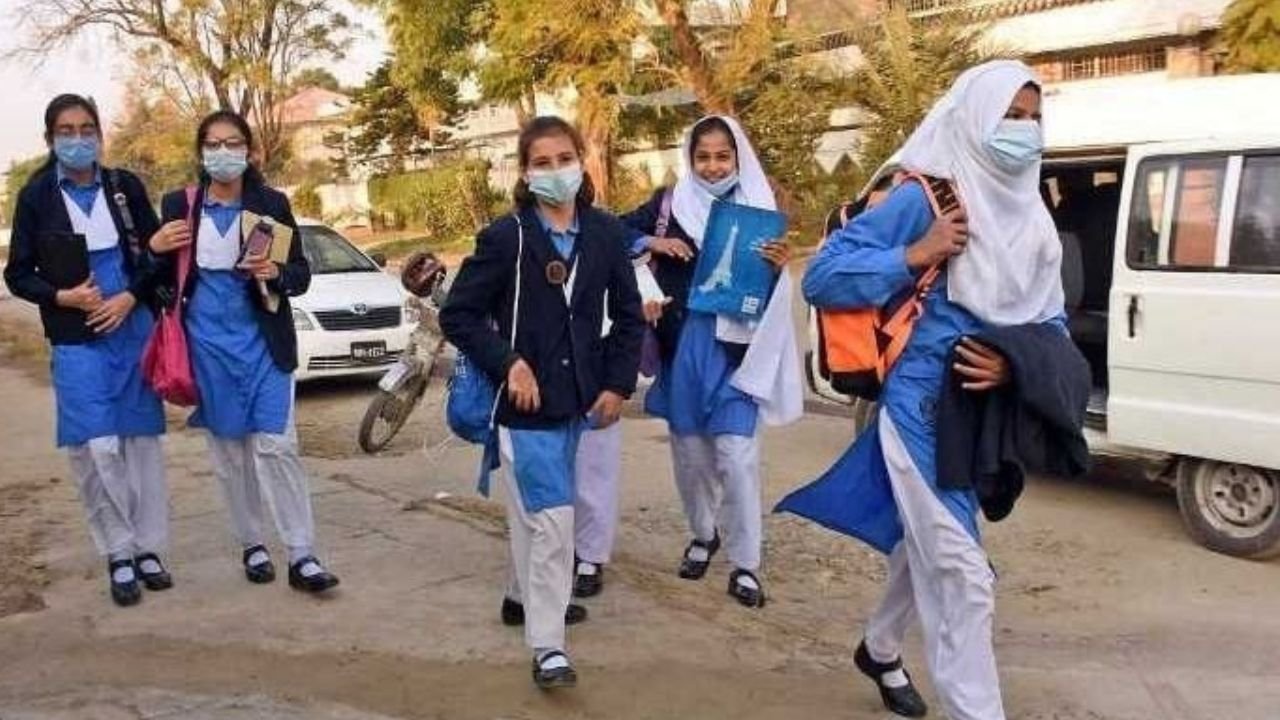
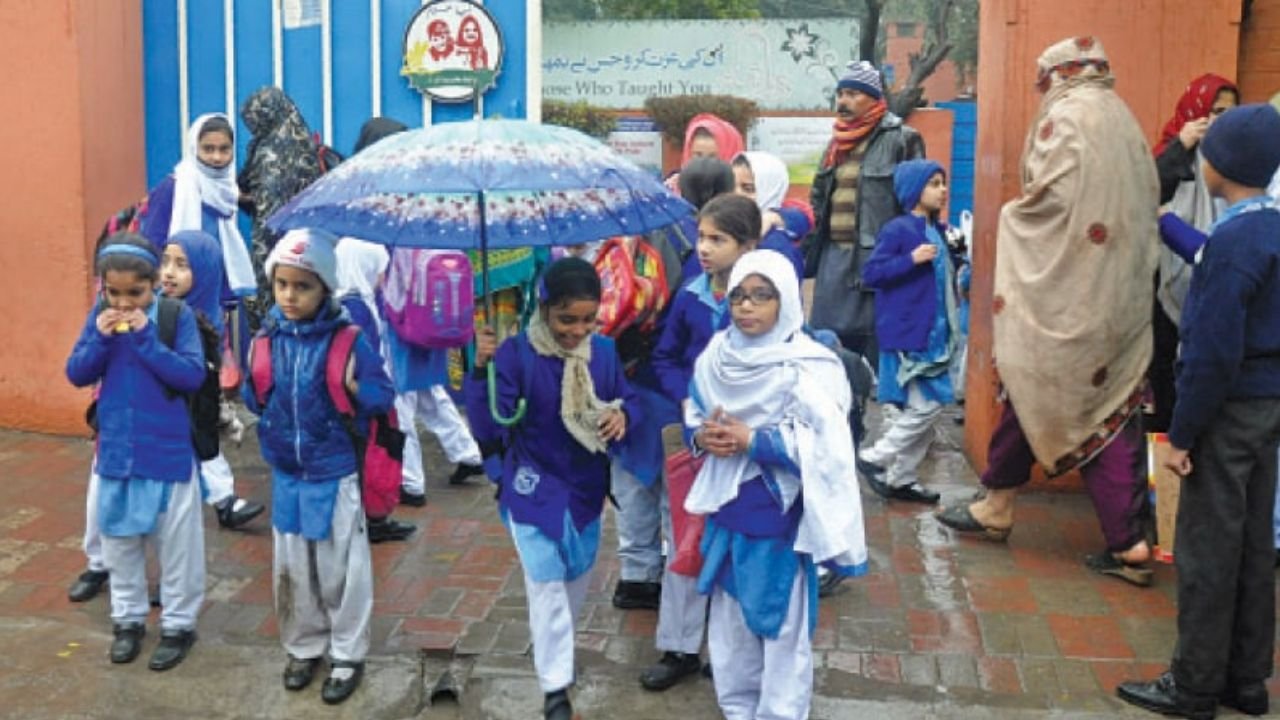
    Winter vacations extended in KP on the pretext of cold while the timings for schools have been revised in Sindh for the same.

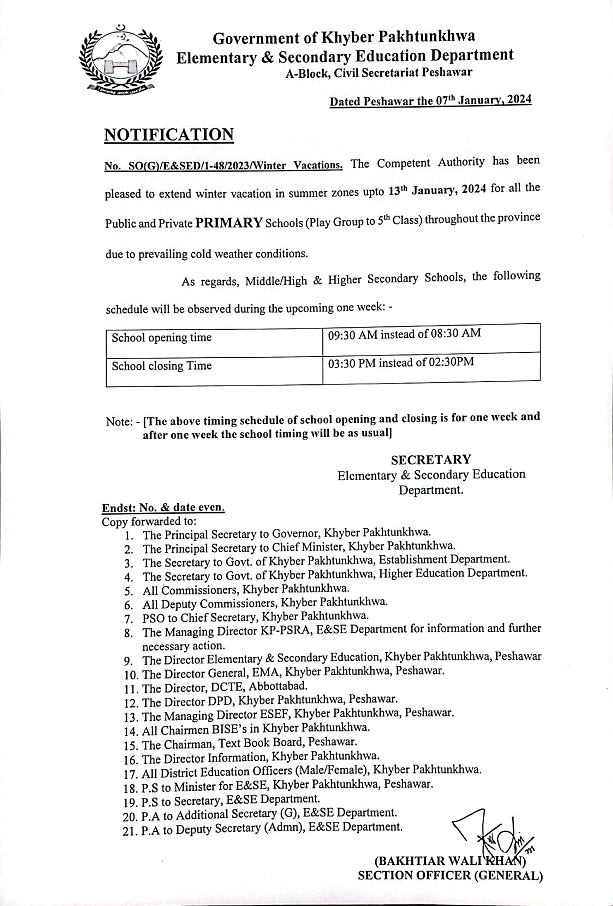
    The caretaker government in Khyber Pakhtunkhwa has extended winter holidays for government and private primary schools until January 13 due to severe cold and fog.

    As per official notification, all private and government primary schools (from playgroup to Class 5) across Khyber Pakhtunkhwa will remain closed till January 13 due to the prevailing cold weather conditions.

    The timings for the middle/ primary, high, and higher secondary schools will be from 9:30 am to 3:30 pm, instead of the previous 8:30 am to 2:30 pm. The notification further mentioned that these timings will remain in force for a week, after which the previous schedule will be followed.

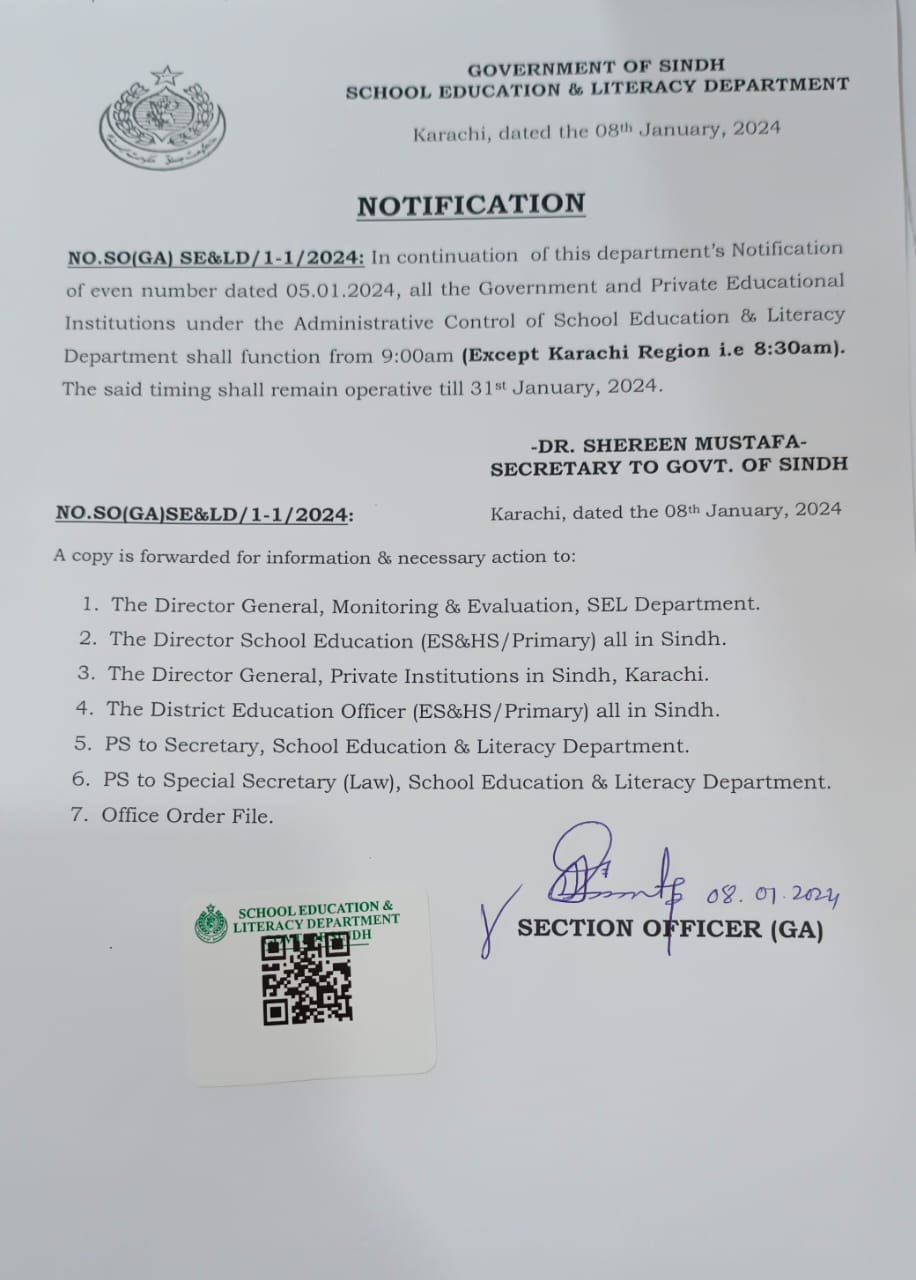
    Sindh government has revised the timings for all government and private educational institutions till January 31, reportedly owing to the cold wave.

    As per a notification issued by the provincial School Education and Literacy Department dated January 8, public and private schools under the administrative control of the School Education and Literacy Department will function from 9am onwards.
    However, this notification does not apply to private institutions.

  • No extension in school holidays in Punjab but timings have been changed

    No extension in school holidays in Punjab but timings have been changed

    Caretaker Chief Minister Punjab, Mohsin Naqvi has announced on X that school will resume on January 10, 2024, as planned.

    However, considering the ongoing winter wave, schools will start at 9:30 am from January 10 to 22nd. After the 22nd, it is expected that they will resume their regular school timings.

  • ICC Under-19 World Cup’s schedule announced

    ICC Under-19 World Cup’s schedule announced

    The schedule for the International Cricket Council (ICC) Under-19 World Cup has been released.

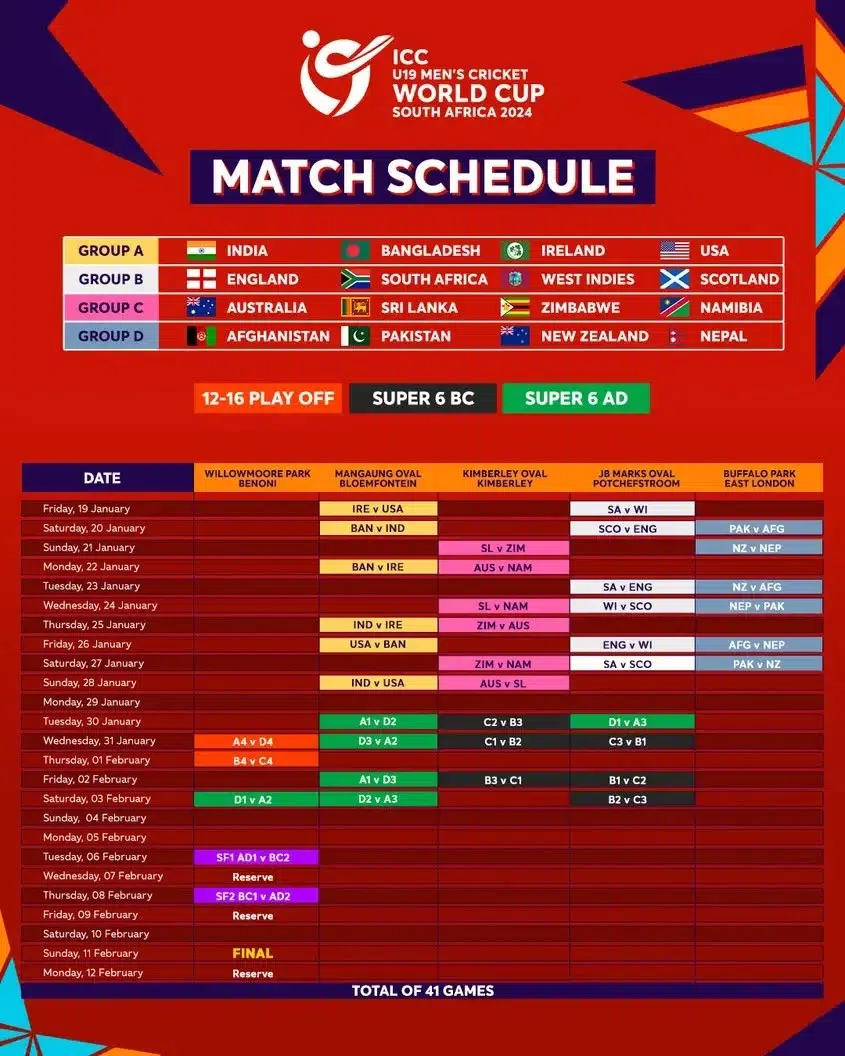
    The U-19 World Cup was scheduled to be held in Sri Lanka but has been shifted to South Africa due to the suspension of the island nation as an ICC member. The tournament will start on January 19, while the final will be played on February 11.

    Here is the complete schedule of under-19 cricket World Cup:

    The 41 matches of the tournament will be played at five venues in South Africa. A total of 16 teams are participating in the mega event, divided into four Groups.

    Group A of the U-19 World Cup includes India, Bangladesh, Ireland, and the USA, and Group B includes England, South Africa, West Indies, and Scotland. Australia, Sri Lanka, Zimbabwe, and Namibia are in Group C while Afghanistan, Pakistan, New Zealand, and Nepal are in Group D.

    Pakistan U-19 cricket team will play their first match against Afghanistan on January 20, while they will take on Nepal on January 24 and New Zealand on January 27.