Author: newsdesk

  • Lionel Messi wins Ballon d’Or for eighth time

    Lionel Messi wins Ballon d’Or for eighth time

    Lionel Messi, the world-famous football striker from Argentina, has won the Ballon d’Or award for the eighth time. Messi was named the best player of the year 2023 in a ceremony held in Paris.

    In addition, Messi’s Argentina team-mate Emiliano Martinez won the Yashan Trophy for best goalkeeper, while England and Real Madrid midfielder Jude Bellingham was awarded the Copa Award.

    Lionel Messi had a significant role in Argentina winning the World Cup 2022 for the third time after 36 years. Messi scored seven goals and assisted in three goals in the World Cup, while he scored 21 goals in 41 matches last season.

    In addition, Messi also played a key role in American football club Inter Miami winning the League Cup for the first time this year, he also scored 11 goals in 14 matches in the Major League.

    Messi has won the ‘Ballon d’Or award a record eight times, in 2009, 2010, 2011, 2012, 2015, 2019, and 2021.

    Portugal’s Cristiano Ronaldo has won the award five times, including 2017. Last year, the Ballon d’Or award went to French footballer Karim Benzema.

    It should be noted that the Ballon d’Or award is given by France Football to the best footballer of the year, while 100 journalists from around the world vote for the winner.

  • World Cup 2023: Afghanistan defeat Sri Lanka by seven wickets

    World Cup 2023: Afghanistan defeat Sri Lanka by seven wickets

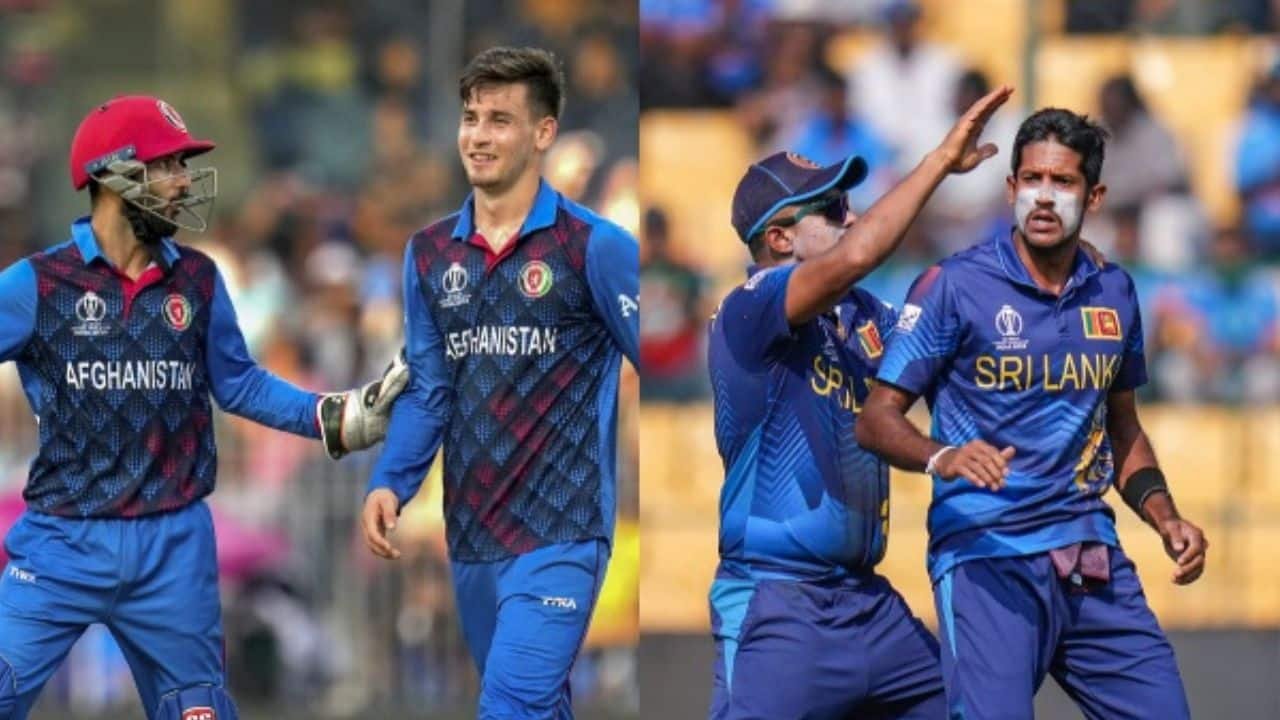
    Afghanistan defeated Sri Lanka by seven wickets in the 30th match of ICC World Cup 2023.

    Afghanistan captain Hashmatullah Shahidi won the toss and invited Sri Lankan captain Kaushal Mendis to bat first.

    Sri Lanka’s opening batsmen Patham Nissanka and Dimuth Karunaratne could not give their team a good start against the Afghanistan bowlers. In the fifth over, Dimuth Karunaratne returned to the pavilion after scoring 15 runs off Fazal Haq Farooqi, after which Patham Nissanka was dismissed for 46 runs off 60 balls.

    Sri Lanka’s third wicket then went to Mujeebur Rahman as he guided skipper Kaushal Mendis back for 39 runs, after which Mujeeb himself caught Sudira Samarawakarma LBW for just four runs. Cherith Asalinka played an innings of 22 runs and Angelo Mathews played an innings of 23 runs.

    The Sri Lankan team was bowled out for 241 runs in 49.3 overs.

    On behalf of Afghanistan, Mujeebur Rehman dismissed two players while Fazal Haq Farooqui took four wickets for 34 runs.

    Chasing the target of 242 Afghanistan lost its first wicket on the fourth ball of the first overs as Rehmanullah Gurbaz returned to the pavilion for a duck. After this, Ibrahim Zardan and Rahmat Shah scored a partnership of 73 runs.

    Zardan was caught on 39 runs. Afghanistan lost its third wicket on 132 when Rahmat Shah was caught out on 62 runs but Hashmatullah Shahidi and Azmatullah Umarzai led the team to victory by scoring 58 and 73 runs respectively.

    Dilshan Madushanka took two wickets for Sri Lanka.

  • New Australian scholarship alert

    New Australian scholarship alert

    Good news if you are planning to apply for a scholarship!

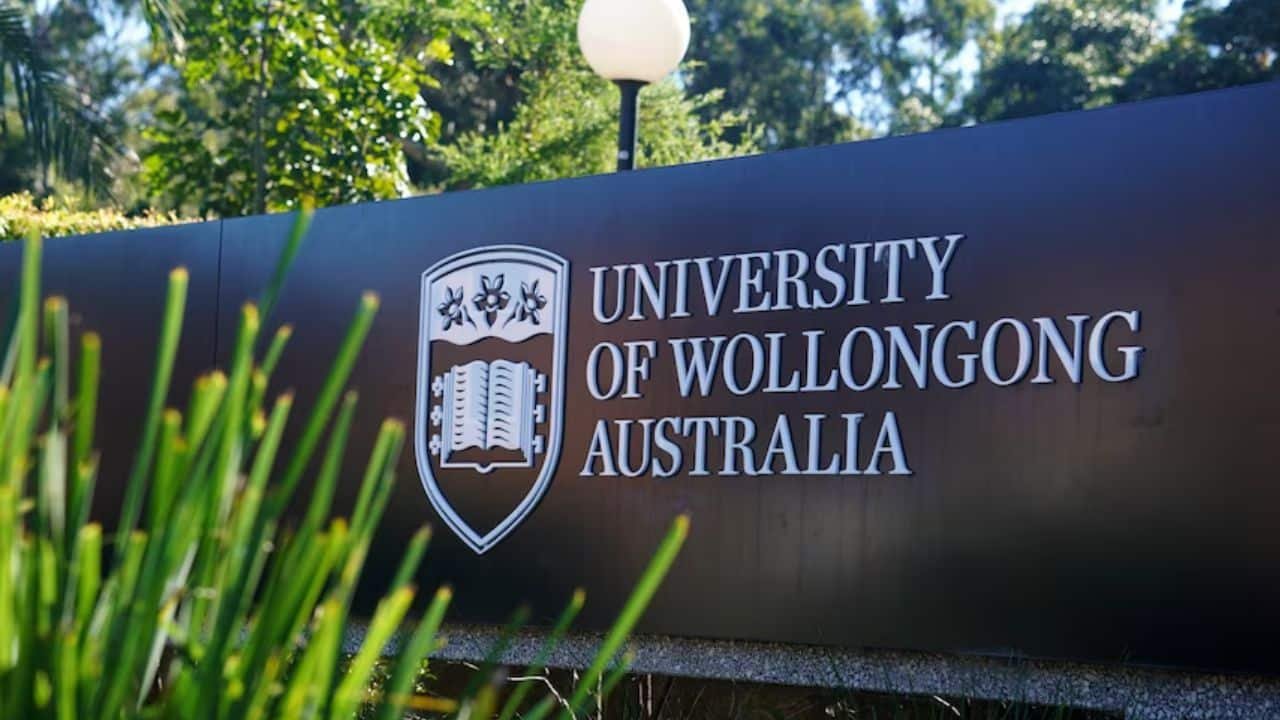
    Australia’s University of Wollongong (UOW) has announced the commencement of Vice-Chancellor’s Leadership Scholarships for students in Pakistan.

    Sources in the Punjab Higher Education Commission spoke with APP, revealing that it is the first time that a reputable Australian university has introduced scholarships for Pakistan.

    Two Pakistani students will be awarded the scholarship every year, HEC sources have disclosed.

    Currently, more than 27,000 Pakistani students are studying in Australian universities, with approximately 1,000 of them studying at the UOW, HEC disclosed.

  • World Bank projects only 1.7% growth for Pakistan in FY 2023-24 amid economic challenges

    World Bank projects only 1.7% growth for Pakistan in FY 2023-24 amid economic challenges

    The World Bank has issued a cautious outlook for Pakistan’s economy in the fiscal year 2023–24, projecting a modest growth rate of 1.7 per cent.

    The report, titled “South Asia Development Update Towards faster, cleaner growth,” highlights the fragile economic situation in Pakistan.

    Several factors have contributed to this fragility. The US dollar value of imports decreased by 26 per cent in August 2023 due to low demand and import controls, resulting in input shortages and a 15 per cent decline in industrial production by June 2023.

    Additionally, the economy shrank by 0.6 per cent in the fiscal year 2022–23 due to the impact of 2022 floods, high inflation, and balance of payments challenges.

    Import controls, initially aimed at reducing the trade deficit, hindered the supply of industrial materials and stifled growth.

    While these controls have been removed as part of an IMF lending programme, Pakistan still faces inflationary pressures, tight fiscal policies, and extensive flood damage. Foreign exchange reserves remain low, leaving the country vulnerable to external shocks.

    Pakistan is not alone in its economic struggles. Bangladesh, Pakistan, and Sri Lanka are all facing acute crises with ongoing balance-of-payments issues. These countries have begun implementing IMF-supported policies to address capital outflows and debt sustainability.

    Global factors, such as rising prices due to the end of the pandemic and Russia’s invasion of Ukraine, have exacerbated the challenges faced by these nations, leading to increased current account deficits and currency depreciations. To combat this, import controls have been imposed.

    In Pakistan, consumer price inflation stood at 27 per cent in August, down from a peak of 38 per cent in May, thanks to a stabilised exchange rate and a decline in food prices caused by the previous year’s floods. To address high inflation, the central bank raised its benchmark interest rate to 22 per cent in June.

    Pakistan and Sri Lanka are experiencing severe financial stresses, with low foreign reserve coverage and weak asset quality in both banking and non-banking sectors. The report also highlights the need for investment reforms in several South Asian countries to encourage growth.

    Restrictive import measures in Bangladesh, Pakistan, and Sri Lanka, although aimed at stabilising the external sector, have led to import shortages and economic downturns. Lowering these barriers to trade and capital flows could help boost long-term productivity.

    Lastly, despite adopting debt ceilings and deficit targets, many South Asian countries have high government debt-to-GDP ratios, with Pakistan experiencing fluctuations in government spending during election years.

    In summary, the World Bank’s report paints a cautious picture of Pakistan’s economic prospects, emphasising the need for sustained reforms and addressing various challenges to achieve stable and sustainable growth.

  • Punjab govt approves Rs2.07 trillion budget for four months

    Punjab govt approves Rs2.07 trillion budget for four months

    In a significant development, the Caretaker Punjab Cabinet, under the leadership of Chief Minister Mohsin Naqvi, convened for its 31st session at the Chief Minister’s Secretariat on Monday.  

    During this session, the Cabinet approved a surplus budget of Rs2.07 trillion for the upcoming four months, with a substantial allocation of Rs351 billion dedicated to development projects. 

    It is worth noting that this budget represents a crucial step in the interim governance of the province, as the caretaker government lacks the authority to approve a full-year budget in the absence of an elected government.  

    This temporary budget is designed to ensure that essential ongoing expenses are accounted for, enabling the effective management of the province’s daily affairs. 

    Within this four-month budget, particular emphasis has been placed on directing resources towards critical sectors.  

    Notably, Rs208 billion has been earmarked for the healthcare sector, and Rs222 billion has been allocated for the education sector. An additional Rs10 billion has been allocated to promote the progress of the agricultural sector. 

    In addressing various challenges facing the province, the Cabinet has committed Rs1.80 billion to the National Health Support Programme and Rs5 billion to the Punjab Textbook Board. Moreover, an allocation of Rs7.30 billion has been designated to address climate change issues, reflecting the government’s commitment to environmental sustainability. 

    The Cabinet meeting also saw the finance secretary provide a comprehensive overview of the forthcoming four-month budget, highlighting the robust financial position and surplus resources of the Punjab government.  

    In a significant move, the Cabinet approved a minimum wage of Rs32,000 for workers, effective July 1, 2023, further promoting workers’ rights and economic well-being. 

    Furthermore, the meeting underscored the importance of anti-smog measures in various regions, including Sheikhupura, Sahiwal, Gujranwala, Hafizabad, Lahore, and Kasur.  

    Chief Minister Naqvi urged strict enforcement of regulations on smoke-emitting vehicles and brick kilns by commissioners and deputy commissioners.  

    Stringent measures were also advised for ongoing construction projects, including the regular use of water sprinklers and a strict ban on crop residue burning, contributing to environmental preservation. 

    The Punjab Price Control for Essential Commodities Ordinance, 2023, received the Cabinet’s approval, reinforcing the government’s commitment to regulating essential commodity prices and ensuring consumer protection. 

  • Govt implements major gas price hike to tackle circular debt crisis 

    Govt implements major gas price hike to tackle circular debt crisis 

    On Monday night, the interim government made a significant announcement that will have a profound impact on the nation’s economy.  

    The decision involved a substantial increase in gas prices, set to take effect on November 1st, 2023. 

    Under this new pricing structure, non-protected domestic consumers will experience a substantial surge in their gas tariffs.  

    Specifically, rates will surge by a staggering 173 per cent for this category of consumers. Commercial users will see their gas prices climb by 136.4 per cent, while those in the export and non-export industries will face increases of 91 per cent and 83 per cent, respectively. 

    Further elaborating on the specifics of these changes, the revised monthly charges for protected consumers have been elevated from a mere Rs10 to a more substantial Rs400. For non-protected consumers, the monthly charges have surged from Rs460 to Rs1000, and for higher consumption slabs, the charges have escalated to a maximum of Rs2000. 

    In terms of actual consumption, the price per mmbtu will vary depending on usage. Users consuming up to 0.25 cubic metres will be charged Rs121 per mmbtu.  

    Those using up to 0.5 cubic metres will pay Rs150 per mmbtu; users with a monthly consumption of 0.60 cubic metres will incur charges of Rs200 per mmbtu; and those utilising 0.9 cubic metres will see rates set at Rs250 per mmbtu.  

    The steepest increase is witnessed by individuals using 1 cubic metre of gas per month, as their charges have surged from Rs400 per mmbtu to Rs1,000 per mmbtu. Users with gas consumption up to 1.5 cubic metres, previously paying Rs600 per mmbtu, will now be required to pay Rs1,200 per mmbtu starting from November 1st. 

    The changes in gas pricing also extend to small commercial users, such as local tandoors, who will be paying Rs697 per mmbtu from the aforementioned date.  

    The power sector will experience a range of charges, with rates fluctuating between Rs1,050 and Rs3,890 per mmbtu, while the cement industry will be subject to a consistent rate of Rs4,400 per mmbtu. 

    As for the export industry, gas pricing has been set at Rs2,100 to Rs2,400 per mmbtu, while non-export industries will be required to pay between Rs2,200 and Rs2,500 per mmbtu. These significant adjustments have been made to alleviate the burden on the nation’s economy. 

    The Power Division, in an official statement, justified the increase in gas prices by referencing the recommendations of the Oil and Gas Regulatory Authority, which sought to prevent an additional burden of Rs400 billion on the already burgeoning circular debt.  

  • JDC Opens Free Dialysis Center in Sialkot

    JDC Opens Free Dialysis Center in Sialkot

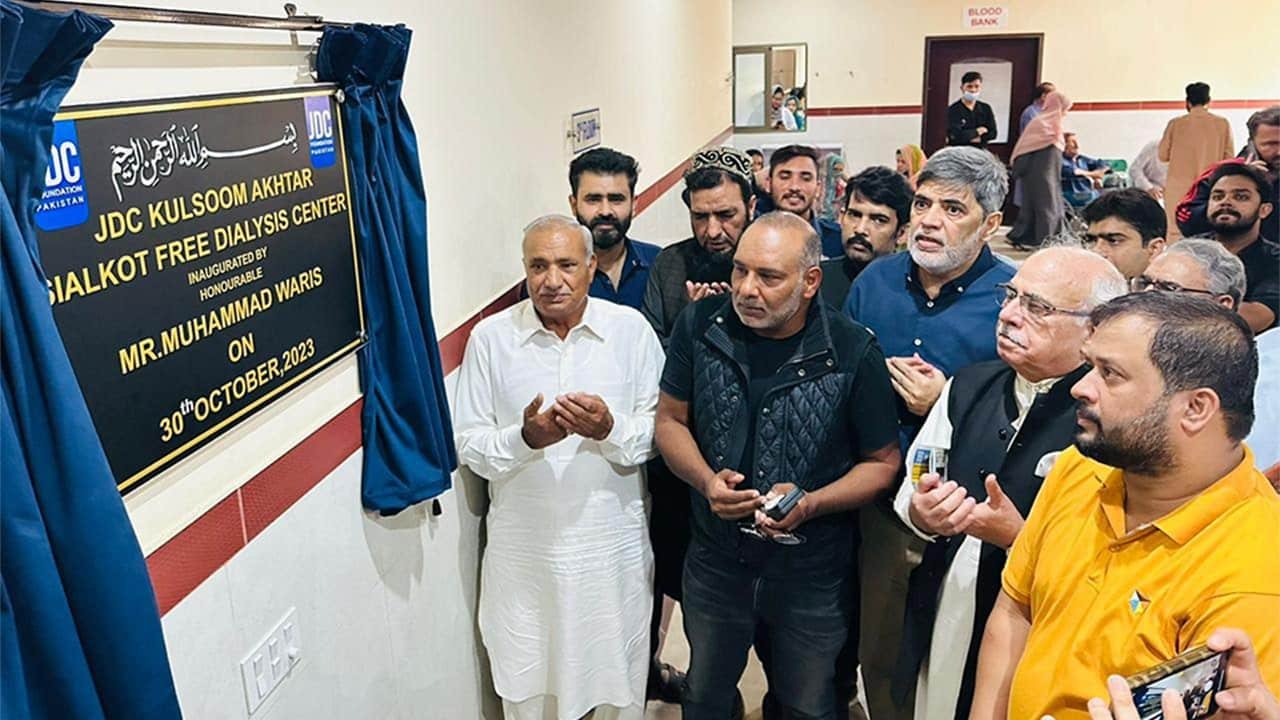
    JDC has taken a commendable step by opening a Free Dialysis Center in Sialkot on 30th October, 2023. This dialysis center has been named after the renowned businessman Tanweer Ahmed’s  mother, Kalsoom Akhtar, as he is the sole financial donor for this project and provided JDC the necessary funds to open a dialysis center in Sialkot. This initiative is a lifeline for those in need as it offers free dialysis services, effectively alleviating the financial burden faced by patients.

    In strict adherence to international standards, the facility ensures patient safety by adopting one time use equipment policies, thereby maintaining the highest levels of hygiene. Used equipment is promptly and safely discarded, guaranteeing a clean and safe environment for all patients.

    Zafar Abbas, the General Secretary of JDC, set a visionary goal of establishing 50 dialysis centers across Pakistan, and his resolute dedication has seen this vision come to life. In a country with over 17 million kidney disease patients and limited resources, this initiative addresses a pressing healthcare issue. Dialysis treatment, which typically costs over $3000 per year per patient, is often financially out of reach for many, making the need for such centers even more vital.

    Recognizing the urgency of the situation and the growing number of patients in need, JDC has already launched free dialysis centers in various cities, including Karachi. These centers have become beacons of hope for individuals who were previously burdened by the high costs of treatment.

    JDC Welfare Organization, a non-governmental, non-profit entity. It is dedicated to serving humanity without bias. The organization’s primary mission is to alleviate human suffering and help people regain their normal lives.

    As JDC continues to expand its network of free dialysis centers, it remains devoted in its commitment to providing high-quality medical care, entirely free of charge. These centers represent a significant leap towards reducing human suffering and offering hope to kidney disease patients throughout Pakistan.

  • Chief selector Inzamam resigns from post

    Chief selector Inzamam resigns from post

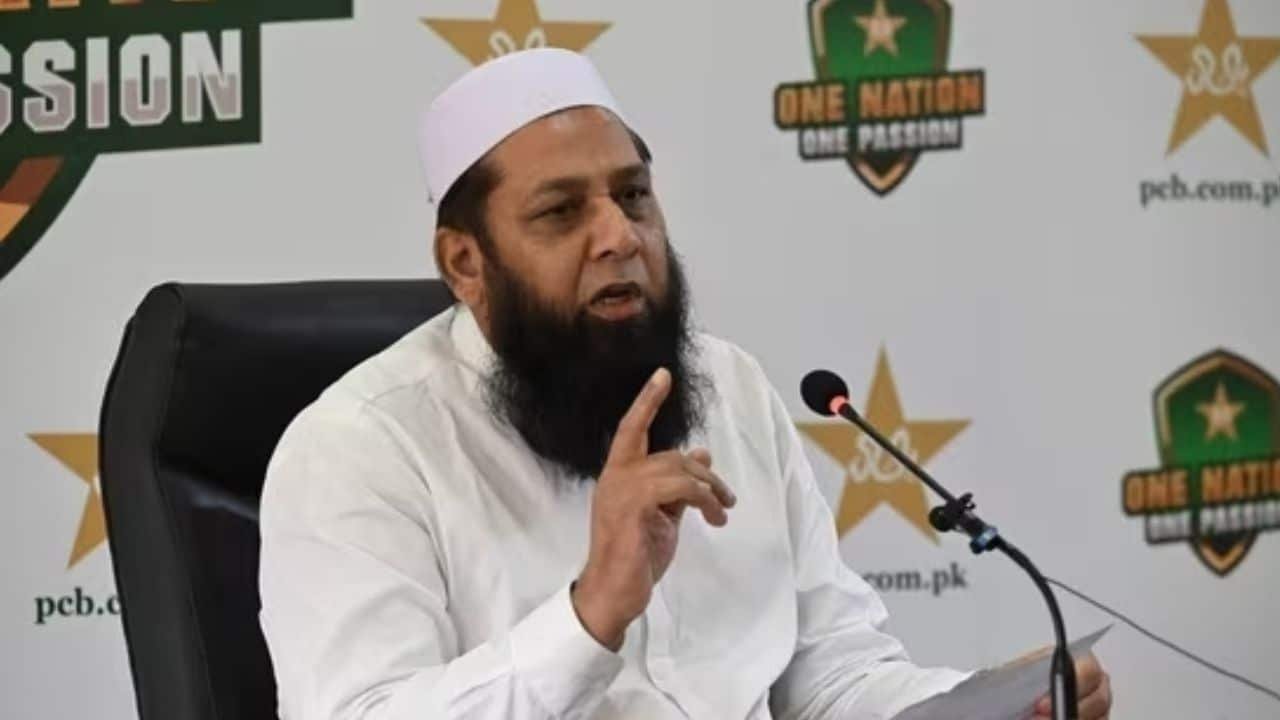
    Inzamam-ul-Haq, the chief selector of the national cricket team, has resigned from his post on Monday after the Pakistan Cricket Board (PCB) was relentlessly criticised following a string of defeats at the World Cup.

    In his statement, Inzamam-ul-Haq said, “People talk without research. If questions are raised on me, I thought it better to resign and to be on the side.”

    Stating that PCB is available for inquiry, the former batting great said that he has asked PCB to investigate accusations against him.

    “I have no connection with the player’s agent company, I am saddened by such allegations.” He further said, “After everything is cleared, I will sit with the PCB. I felt that if there is an inquiry against me, I should resign from the post, we should wait for the results of the inquiry.”

    The former Chief Selector asked for a transparent investigation and an independent inquiry from PCB. “I am telling you very clearly that I have never had anything to do with the company in my life, I have neither the first signature nor the later signature, whoever is saying this is wrong.”

  • State Bank of Pakistan maintains 22% policy rate in line with market consensus

    State Bank of Pakistan maintains 22% policy rate in line with market consensus

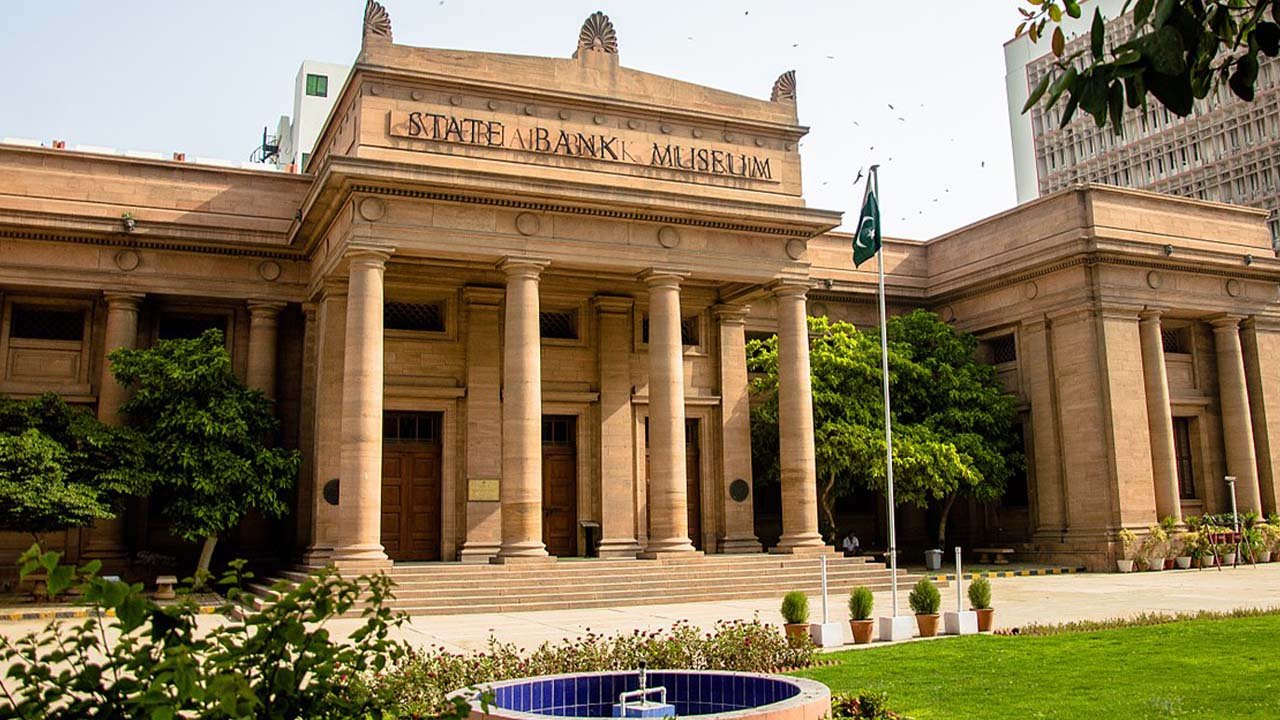
    Following the consensus in the broader market, the Monetary Policy Committee (MPC) of the State Bank of Pakistan (SBP) announced on Monday that it would maintain the key policy rate at 22 per cent, as stated in their press release.

    The Committee recognised that headline inflation, as expected, increased in September 2023 but anticipates a decline in October, followed by a sustained decrease, particularly in the latter half of the fiscal year.

    While the MPC acknowledged potential risks to the FY24 inflation outlook and the current account due to recent global oil price volatility and forthcoming gas tariff increases in November 2023, they also identified mitigating factors.

    These factors include targeted fiscal consolidation in the first quarter, enhanced availability of crucial commodities in the market, and the alignment of interbank and open market exchange rates.

    The MPC emphasised that the real policy rate, looking forward over a 12-month horizon, remains significantly positive.

    This is deemed appropriate to achieve the medium-term inflation target of 5-7 per cent by the end of FY25, contingent upon the sustained fiscal consolidation and timely realisation of planned external inflows, as articulated in the MPC statement.

  • We need to talk about depression and mental health…now

    We need to talk about depression and mental health…now

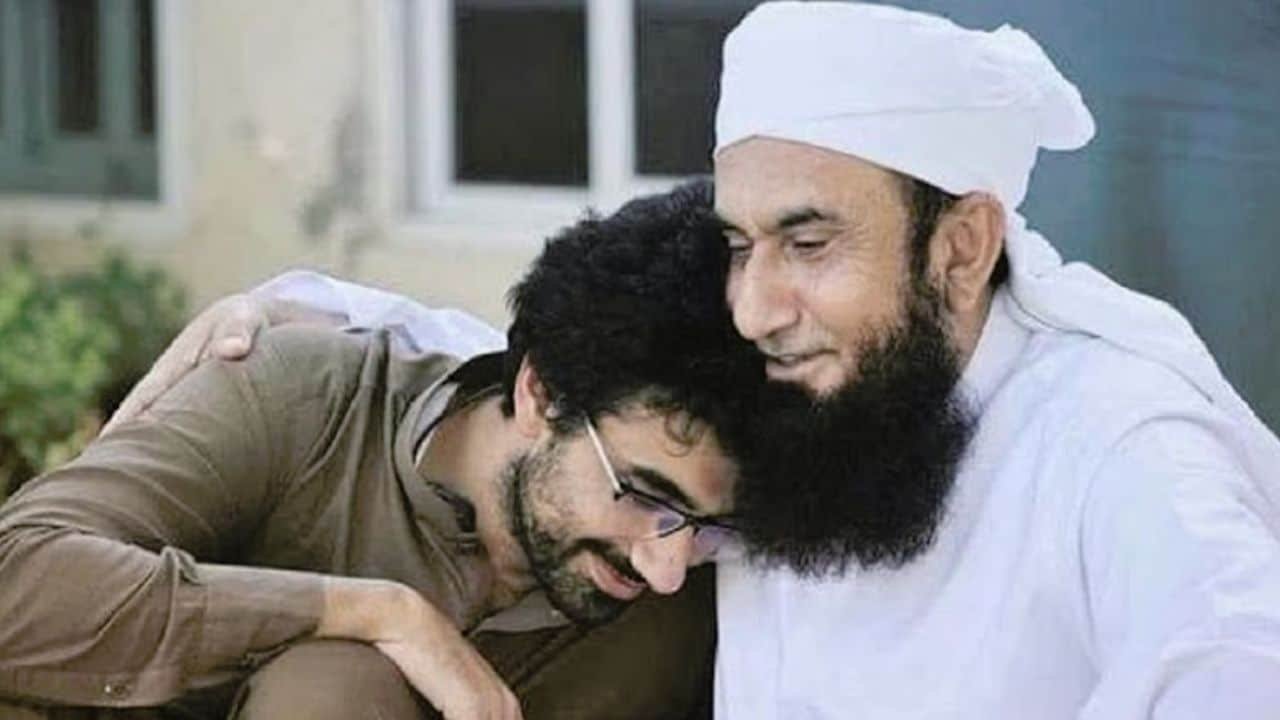
    The recent tragic incident involving the son of a prominent religious scholar, Maulana Tariq Jamil, has once again brought the discussion of mental health to the forefront.

    The heartbreaking revelation that Asim Jamil, son of Maulana Tariq Jamil, couldn’t survive due to severe depression and eventually took his own life, highlights the urgent need to address the often-neglected intersection between religion and mental health.

    According to the elder son of Maulana Tariq Jamil, Yousaf Jamil, Asim had been grappling with severe depression since childhood. Despite undergoing treatment, including Electroconvulsive Therapy (ECT), his mental illness only deepened in the last six months.

    As evidenced by Asim’s case, where even Electroconvulsive Therapy (ECT) proved ineffective, the necessity of professional medical intervention in severe cases of mental illness cannot be overstated.

    Despite the claims of certain public figures such as Resham, who said that depression “does not exist” and Feroz Khan, who while responding to a fan’s question regarding curing depression among 21-25 years old girls said: “Obey your men. Give them your responsibility and sit back and enjoy grapes. I’d do that if I was a woman. Be a queen,” it is important to recognise the limitations of this approach.

    It is pertinent to mention that the suicide rate in Pakistan has alarmingly crossed eight per cent (per 100,000 people), according to the World Health Organisation (WHO), and this can significantly be associated with mental health problems.

    According to WHO, there are only 0.19 psychiatrists in Pakistan per 100,000 inhabitants, one of the lowest numbers in the WHO-EMRO region as well as the entire world. The absence of trained mental health professionals in the country has created a major treatment gap, leaving more than 90 per cent with mental health issues untreated.

    Unfortunately, we, as a cultural collective, only end up making fun of people with mental health issues, sweep it under the carpet or pretend as if mental health is not an issue at all. We forget that globally, one in eight people have mental health conditions. We forget that being insensitive to mental health issues only increases the pain and agony of those who are facing these issues.

    In a country where we think a mentally troubled young man’s illness will be cured if he gets married, where we think talking about mental illness or seeking therapy or psychiatric treatment means you’re either not ‘man enough’, ‘weak’ or ‘mental’, we must raise awareness about mental health and how medical science can help resolve these issues.

    The unfortunate incident involving Asim Jamil highlights the urgency of destigmatising conversations surrounding mental health. It is imperative to foster an environment where individuals feel comfortable discussing their struggles openly without fear of judgement or discrimination.