Author: newsdesk

  • Shahid Khaqan Abbasi criticises Rana Sanaullah’s warning to Sarfraz Bugti

    Shahid Khaqan Abbasi criticises Rana Sanaullah’s warning to Sarfraz Bugti

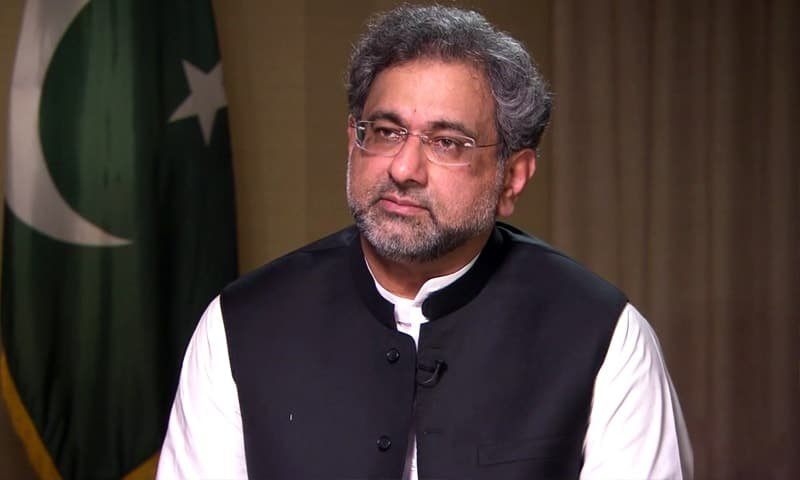
    Pakistan Muslim League-Nawaz (PML-N) leader Shahid Khaqan Abbasi has denounced the statement of former interior minister Rana Sanaullah against interim security czar Sarfraz Bugti.

    “Rana Sanaullah is a sensible man but he should not have said something which has multiple meanings,” Shahid Khaqan Abbasi said while responding to a question on Geo News’ Capital Talk show programme on Tuesday.

    The caretaker interior minister had angered PML-N ranks by stating that if Nawaz Sharif is not granted bail, authorities will arrest him from the airport on October 21, when he arrives back in Pakistan.

    PML-N leader Rana Sanaullah took exception to the statement, responding to Bugti’s remarks by saying, “Sarfraz Bugti should see the fate of former interior minister Sheikh Rashid before issuing such remarks.”

    However, Abbasi also criticised Sarfraz Bugti, stressing that it’s not the responsibility of the interim interior minister to arrest someone. The caretaker security czar is only responsible for ensuring the implementation of the law in the country, Abbassi said.

    “If you want to arrest Nawaz Sharif and there is also a court order [regarding arrest], then you will have to implement it,” he maintained.

  • ‘Will die here but not go back’: Indians seek asylum in Pakistan

    ‘Will die here but not go back’: Indians seek asylum in Pakistan

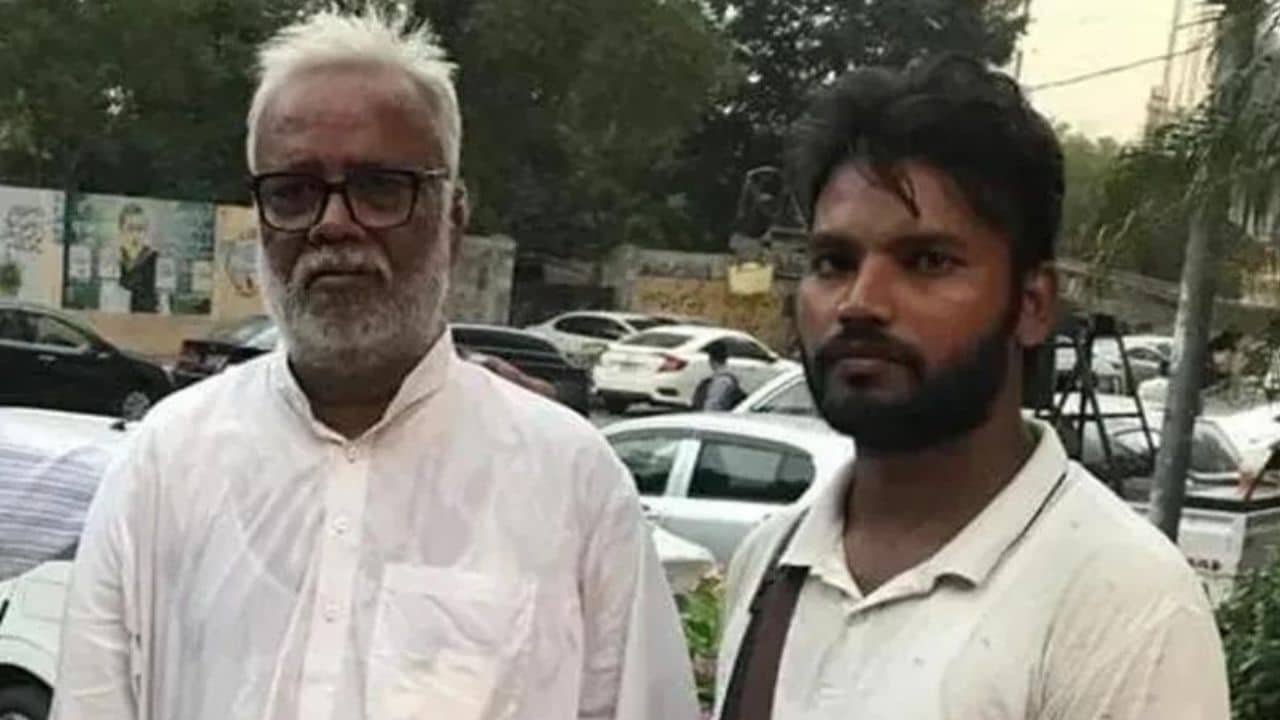
    Two Indian citizens who illegally travelled to Karachi last week have asserted that they would rather go to jail in Pakistan than go back to their own country.

    Identified as Mohammad Hasnain and Ishaq Ameer, the father and son want to seek asylum as their lives are threatened in India with increased religious extremism and Islamophobia, Karachi police have said.

    Dawn spoke with Karachi Deputy Inspector General of Police (South) Asad Raza who stated that the two are not suspected spies, “but were considered victims of religious bias and persecution in India”.

    For now, both the Indians have been sent to an Edhi Shelter home. According to IGP Raza, they seem to want to seek asylum here.

    The duo also protested outside Karachi Press Club on September 25 against the Indian government and its persecution of Muslims.

    “We are ready to go to jail but not back to India,” the police quoted them in a statement. “We will be killed as soon as we step on Indian land if we are deported.

    “If you want to kill us, kill us in Pakistan. At least we will get some land (for burial). In India, we won’t even get that,”

    The father-son also spoke with the media.

    The two left New Delhi on September 5 for the UAE and approached Afghanistan embassy for a visa. They then travelled to Kabul followed by air travel to Kandahar where they spent a night.

    Shedding light on the atrocities committed in India against Muslims and the lack of media coverage, Hasnain states that they are not the first ones to flee the country, stressing that many others have left before them but they could afford foreign citizenship in Europe, America, Britain, Germany, or Canada.

    “Those who are well off migrated to Turkey, Azerbaijan, or Malaysia. I did not have that stature. I had less money,” he added.
    They were not allowed to check in a hotel room in Karachi since they did not possess an identification card.

    Hasnain’s son Ameer said that they directly went to the office of IG Sindh on reaching Orangi Town, Karachi.

    “As soon as we reached there, we kept our baggage on the side, raised our hands, and said we are here to surrender.”

  • Pakistani Hajjis to get special perks to make pilgrimage easier

    The Ministry of Religious Affairs has unveiled its Hajj policy for 2024, designed to bring a revolutionary transformation to the pilgrimage journey for Pakistani pilgrims.

    Caretaker Religious Affairs Minister Aneeq Ahmed announced this game-changing policy, which will be presented to the cabinet for approval within the next 10 days.

    The most striking feature is the introduction of a short Hajj option, where pilgrims have the flexibility to go for Hajj from 18 to 30 days, which empowers pilgrims to customise their journey as per their preference.

    QR codes for suitcases

    The new policy also introduces technological advances in which each Hajj pilgrim will be provided with two specially designed suitcases adorned with QR codes. These QR codes will contain essential information such as the pilgrim’s name, passport number, residence, school number, and other pertinent details. This innovation aims to streamline logistics and enhance security during the pilgrimage.

    Special Mobile Package

    In a significant step towards connectivity, the ministry has secured an agreement with a Saudi Arabian mobile phone company to offer a special mobile package exclusively for Hajj pilgrims. Priced at Rs 4,000, it enables pilgrims to make audio and video calls, ensuring they can stay in touch with their families back in Pakistan throughout their Hajj journey.

    Minister Aneeq Ahmed expressed his optimism about these advancements, stating, “Now Pakistani pilgrims will not be lost in the crowd. These changes are designed to simplify the Hajj experience, enhance communication, and provide pilgrims with peace of mind.”

    Additionally, the Saudi government has offered official residences for Pakistani pilgrims, further easing their accommodations during their sacred journey.

  • ‘Pakistani men will ogle Gigi Hadid but insult me if I wear revealing clothes’: Zainab Raza

    ‘Tamasha Ghar’ contestant and model Zainab Raza recently gave an interview to Irfanistan where she addressed the consistent online backlash to her choice of outfits, and shut down her haters by reminding them that what she chooses to wear is her own choice.

    “My life, my rules. I know what I have to wear at any place. I wouldn’t walk in Khadda Market wearing a skirt; I’d wear normal clothes. I know that it’s comfortable to wear what I want, so I do it.”

    The model went on to criticise the hypocrisy of Pakistani men by pointing out how they will ogle and appreciate pictures of models Gigi and Bella Hadid, who are both Muslims, and have been spotted wearing revealing clothes, but will slut-shame Pakistani women endlessly if they do the same.

    “Gigi Hadid and Bella Hadid are both Muslims. The same men will like their pictures but since we’re Pakistani Muslims, they’ll insult and slut-shame us if we do the same.”

    Zainab urged all haters to remember to stop criticising anyone for dressing the way they want to, and said it is up to the person to decide how they want to present themselves. She urged everyone to be kind and stop hating on others.

    Watch the complete interview here

  • Nepal’s cricket team breaks sereval T20 records

    In the Asian Games, Nepal created a new history in the T20 Cricket format and broke several records in a single match.

    Nepal set the world record for the highest total runs in T20 cricket and scored 314 runs by losing 3 wickets while batting first against Mongolia.

    Apart from this, Kushal Malla of the Nepali team scored an unbeaten 137 runs off 34 balls, while Deepandra Singh scored an unbeaten 50 runs off 9 balls, Captain Rohit Paudal scored 61 runs off 27 balls.

    Earlier, Afghanistan was the highest run-scorer. Afghanistan scored 278 in a match against Ireland in February 2019.

    Fastest Fifty Record:

    Deependra Singh broke the record of fastest fifty of India’s Yuvraj Singh. Yuvraj Singh scored 50 runs in 12 balls against England in the 2007 World Cup, but Deependra Singh scored 50 runs in just 9 balls.

    Fastest Century:

    Kaushal Malla scored the fastest century, surpassing India’s Rohit Sharma and South Africa’s David Miller. Kaushal Malla scored a 34-ball century while Rohit Sharma and David Miller scored 35-ball centuries.

    Read More: Next stop, Pindi: Imran Khan transferred to Adiala jail

    A record for the biggest margin of victory in T20:

    Nepal also set a record for the biggest margin of victory in a T20 International, with the Nepal cricket team defeating Mongolia by 273 runs.

    Nepal scored a record 314 runs for the loss of three wickets. The Mongolian team was bowled out for 41 runs in the 14th over.

    The record for the biggest margin of victory before Nepal was held by the Czech Republic, who defeated Turkey by 257 runs on August 30, 2019.

  • Next stop, Pindi: Imran Khan transferred to Adiala jail

    Next stop, Pindi: Imran Khan transferred to Adiala jail

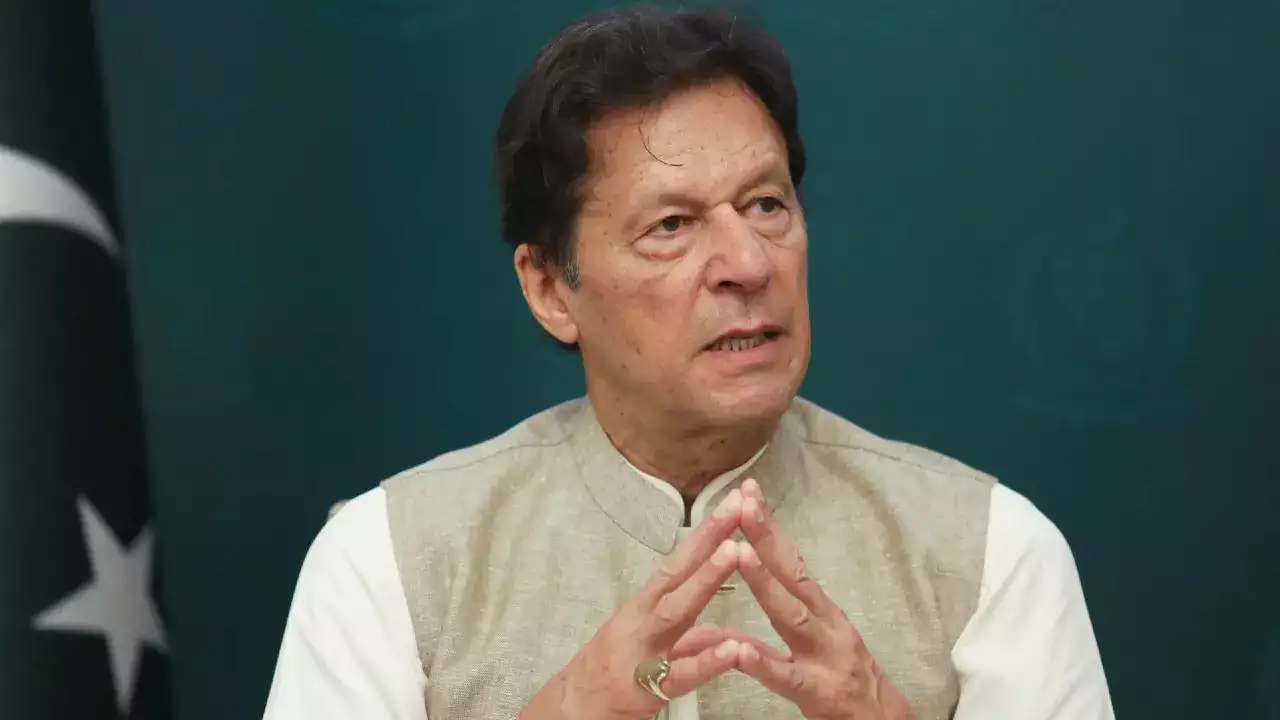
    Pakistan Tehreek-e-Insaf (PTI) Chairman Imran Khan has been shifted to Rawalpindi’s Adiala jail from Attock district jail after a lot of drama. Khan was finally moved to Adiala a day after the Islamabad High Court’s (IHC) order.

    Imran Khan was shifted to Adiala jail under tight security. There were 18 vehicles in a convoy, including 15 vehicles of Islamabad Police. The PTI chairman was transferred from Attock to Adiala jail via the Motorway.

    According to jail officials, Imran has been kept in a barrack in Adiala where Nawaz Sharif was also kept. The former prime minister has B-class facilities in Adiala jail.

    On Monday, IHC Chief Justice Aamir Farooq issued an order to shift the PTI chief from Attock to Adiala jail. The IHC chief justice remarked that Imran Khan deserves a better class in jail as he is the former prime minister of Pakistan.

    His rights should not be violated, Justice Farooq stated.

  • Israeli minister visits Saudi Arabia in a first

    Israeli minister visits Saudi Arabia in a first

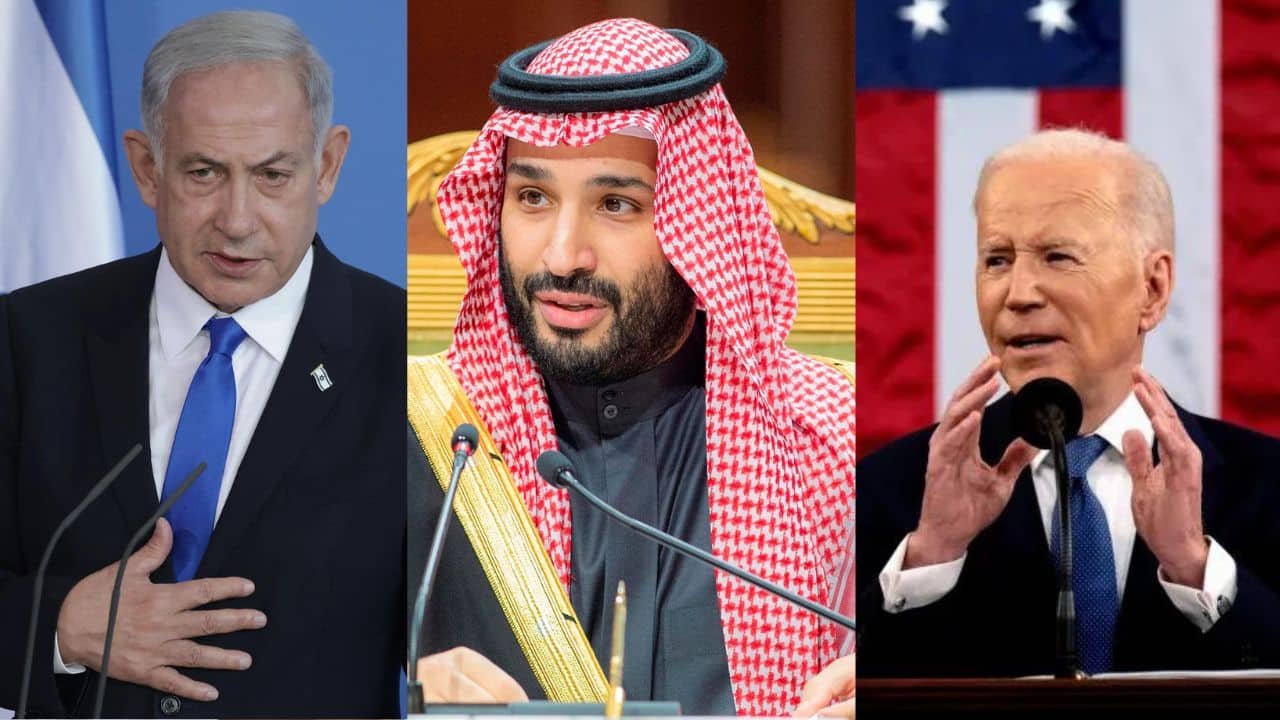
    Israeli tourism minister, Haim Katz, visited Saudi Arabia for a United Nations (UN) conference. It is said to be the first public trip of an Israeli cabinet member to Saudi Arabia.

    Leading a delegation, Katz arrived in Riyadh to attend the UN event on Tuesday.

    “Cooperation in the field of tourism has the potential to bring hearts together, and economic progress,” Katz stated.

    The meeting has been held a few days after US President Joe Biden urged the establishment of formal ties between Israel and Saudi Arabia.

    “I think such a peace would go a long way first to advance the end of the Arab-Israeli conflict, achieve reconciliation between the Islamic world and the Jewish state, and advance a genuine peace between Israel and the Palestinians. This is something within our reach,” Israeli prime minister had said to Biden.

    On Tuesday, the same day as Saudi Arabia and Israel met, a Saudi delegation went to the occupied West Bank — first in three decades — to reassure Palestinians that despite the improving relationship with Israel, Saudi Arabia will continue to stand by Palestinians.

    “The Palestinian matter is a fundamental pillar,” said Naif bin Bandar Al Sudairi, head of the Saudi delegation and new ambassador to Palestine. He met with top Palestinian diplomat Riyad al-Maliki in Ramallah.

  • First-ever plastic road in Punjab

    First-ever plastic road in Punjab

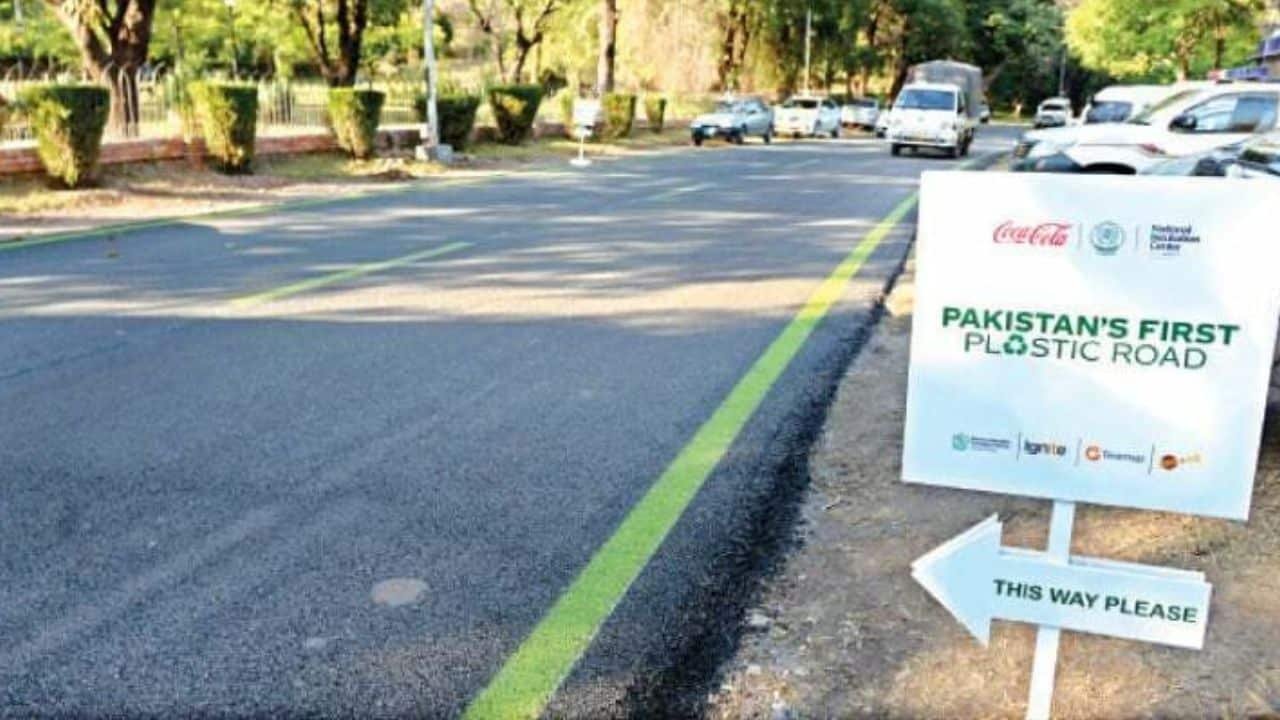
    For the first time in Punjab, a plastic road has been made. Caretaker Chief Minister Mohsin Naqvi inaugurated Zafar Ali road — from Lahore Gymkhana Mall Road to Jail Road.

    The technical assistance in the construction of this road was provided by the professors of the University of Engineering and Technology (UET).

    A plastic road is 60 per cent cheaper than a tar road and 100 per cent better in durability.

    According to caretaker CM Punjab, Rs2 crore incurred on its construction, while the cost of a tarred road of the same length would be around Rs6 crore.

    The plan for now is to convert Mall Road into a plastic road as well.

    A plastic road is made up of recycled waste, plastic bags in addition to other materials that are recycled into granules and then mixed with chemicals and a small amount of tar.

    Plastic roads do not easily get bumpy due to water and can sustain themselves for at least 10 years.

  • Afghani emerges as top-performing currency against US dollar 

    Afghani emerges as top-performing currency against US dollar 

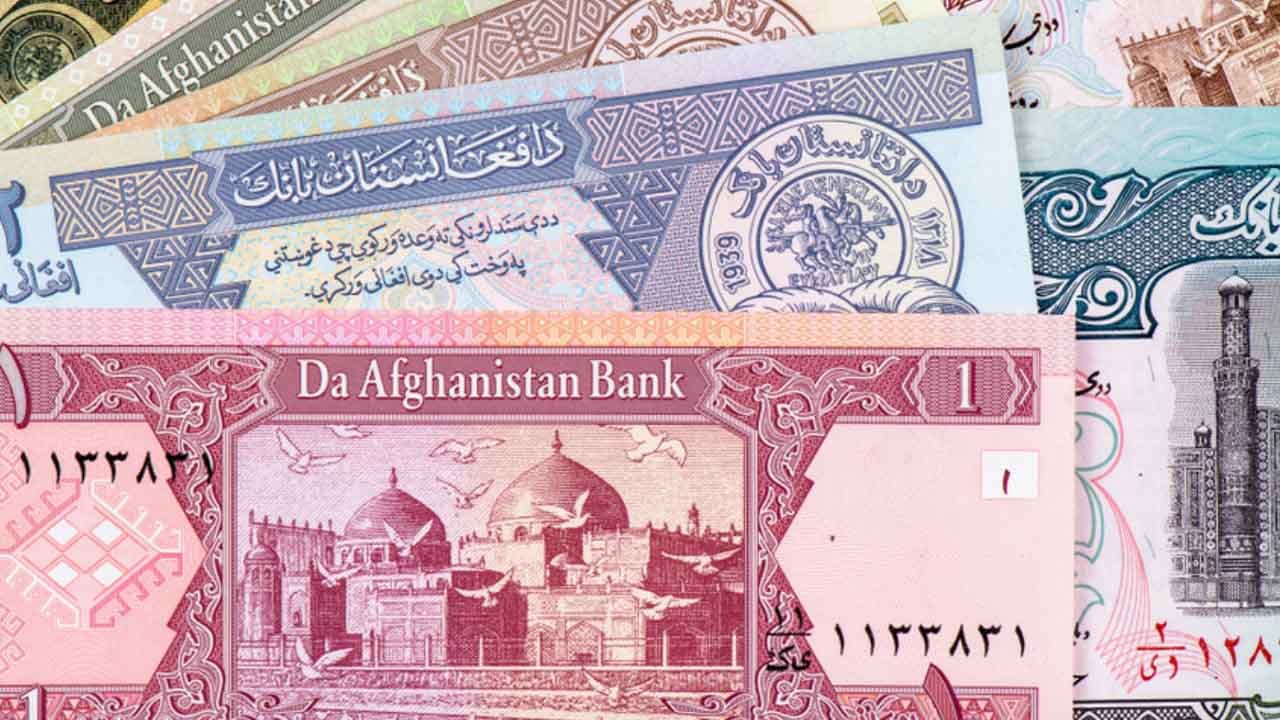
    In the third quarter of 2023, the Afghani, the official currency of Afghanistan, has exhibited exceptional performance, marking itself as the standout currency in the global financial landscape. Its remarkable ascent against the US dollar, with a substantial 9 per cent surge since the commencement of July, stands as a testament to its resilience and strength. 

    This impressive trajectory positions the Afghani as the third-strongest performer among global currencies in 2023, trailing only behind the Colombian peso and the Sri Lankan rupee. This distinction underscores the Afghani’s resilience amid challenging economic circumstances. 

    In Afghanistan, the pivotal role of facilitating foreign currency transactions falls upon the numerous money exchange establishments known as “sarrafs.” These sarrafs are ubiquitous, dotting the landscapes of both urban centres and rural villages alike, serving as the lifeblood of currency exchange activities. 

    Among these financial hubs, the Sarai Shahzada market in Kabul takes centre stage as Afghanistan’s premier financial epicenter. It serves as a bustling hub where substantial sums of currency are traded daily, exemplifying the nation’s financial vitality. Remarkably, the central bank places no restrictions on these exchange transactions. 

    Due to stringent financial sanctions, a significant portion of funds flowing into Afghanistan from foreign nations now traverse through the age-old money transfer system known as Hawala. This venerable system plays a pivotal role in the operations of sarrafs, further cementing their significance in Afghanistan’s financial ecosystem. 

    It is noteworthy that the United Nations (UN) has identified Afghanistan’s dire need for approximately $3.2 billion in aid for the current year, with roughly $1.1 billion already disbursed. This underscores the critical importance of international assistance in alleviating the nation’s pressing humanitarian challenges. 

    A sombre backdrop to these financial dynamics is the fact that, just last year, the UN disbursed nearly $4 billion in aid as Afghanistan grappled with a dire famine that affected half of its 41 million citizens. This staggering statistic underscores the profound challenges faced by the Afghan population. 

    Since the Taliban’s resurgence in Kabul in August 2021, stringent currency controls have been imposed, disallowing the use of the US dollar and Pakistani rupee by locals and restricting online trading activities. While these measures have seemingly contributed to Afghanistan’s stability, the broader Afghan economy has suffered, with soaring unemployment rates exacerbating the nation’s humanitarian crisis. 

    Regrettably, a staggering 79 per cent of the population now languishes in poverty, with a distressing 44 per cent of the people unable to secure adequate nourishment. The plight of Afghanistan’s populace remains a pressing global concern, necessitating concerted efforts to address both immediate humanitarian needs and long-term economic stability. 

  • ‘Anti-Muslim hate speech increases in India around elections’: Hindutva Watch

    ‘Anti-Muslim hate speech increases in India around elections’: Hindutva Watch

    A recent report on Hindutva Watch by Raqib Hameed Naik, Aarushi Srivastava and Abhyudaya Tayagi titled ‘2023 Half-Yearly Report: Anti-Muslim Hate Speech Events in India’ reveals that there have been 255 documented incidents of hate speech in gatherings targeting Muslims in the first half of 2023.

    The watchdog used the definition of hate speech by the United Nations which states, “any form of communication, whether oral, written, or behavioral, that employs prejudiced or discriminatory language towards an individual or group based on attributes such as religion, ethnicity, nationality, race, color, descent, gender, or other identity factors.” This definition includes all forms of expression, including speech, writing or behavior, and specifically focuses on any language that is either discriminatory (biased, bigoted, or intolerant) or “pejorative” (prejudiced, contemptuous or demeaning) of an individual or group.

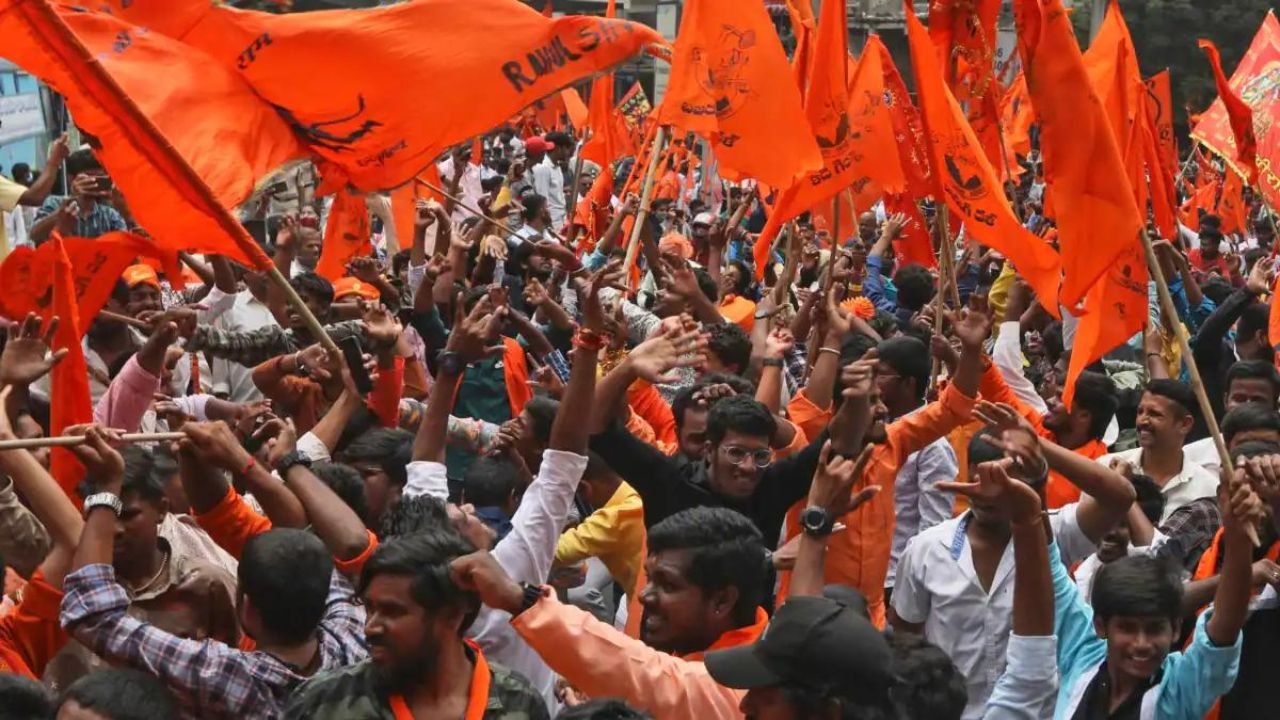
    It also notes that overwhelmingly, 205 (80 per cent) of these hate speech events occurred in BJP-ruled states and union territories. Maharashtra, Karnataka, Madhya Pradesh, Rajasthan, and Gujarat witnessed the highest number of hate speech gatherings, with Maharashtra alone accounting for 29 per cent of such incidents.

    Strikingly, seven out of the top eight states with the highest hate speech events are governed by the BJP and its coalition partners. Around 52 per cent of hate speech gatherings in BJP-ruled states and union territories were orchestrated by entities affiliated with the Rashtriya Swayamsevak Sangh (RSS), including the Vishwa Hindu Parishad (VHP), the Bajrang Dal, the Sakal Hindu Samaj, and the Bharatiya Janata Party. Overall, 42 per cebt of all hate speech gatherings in 17 states which includes two centrally controlled territories were organized by groups affiliated with the RSS.

    The report finds that approximately 64 per cent of the events in BJP-ruled states and union territories incorporated references to popular Hindu far-right anti-Muslim conspiracy theories. Overall, 51 per cent of all the hate speech gatherings in 17 states which includes two centrally controlled territories featured anti-Muslim conspiracy theories.

    A concerning 33 per cent of all the gatherings explicitly called for violence against Muslims and about 11 per cent of events included explicit calls for Hindus to boycott Muslims. Disturbingly, 4 per cent of all the events featured hate-filled and sexist speeches explicitly targeting Muslim women.

    Nearly 12 per cent of events featured calls to arms. Notably, 33 per cent of hate speech events took place in states that have already conducted or are set to conduct state legislative elections in 2023. Furthermore, over 36 per cent of these events occurred in states slated to hold legislative elections in 2024. In total, nearly 70 per cent of these events were reported in states with legislative elections either in 2023 or 2024.

    Hindutva Watch tracks the activity of Hindu far-right organizations and their members on social media, scraping data from X (formerly known as Twitter), Facebook, Instagram, Youtube and Telegram to find verifiable videos of hate speech events. They also employ data scraping techniques to identify verifiable videos of hate speech events, followed by in-depth research conducted by a team of dedicated journalists and researchers. Additionally, they draw upon credible reporting from established news organizations to compile comprehensive data. To ensure the accuracy of their findings, they conduct verification processes, confirming the authenticity of the videos, their precise location, and the date on which they were recorded.