Author: newsdesk

  • Bushra Bibi files petition to avoid possible arrest

    Bushra Bibi files petition to avoid possible arrest

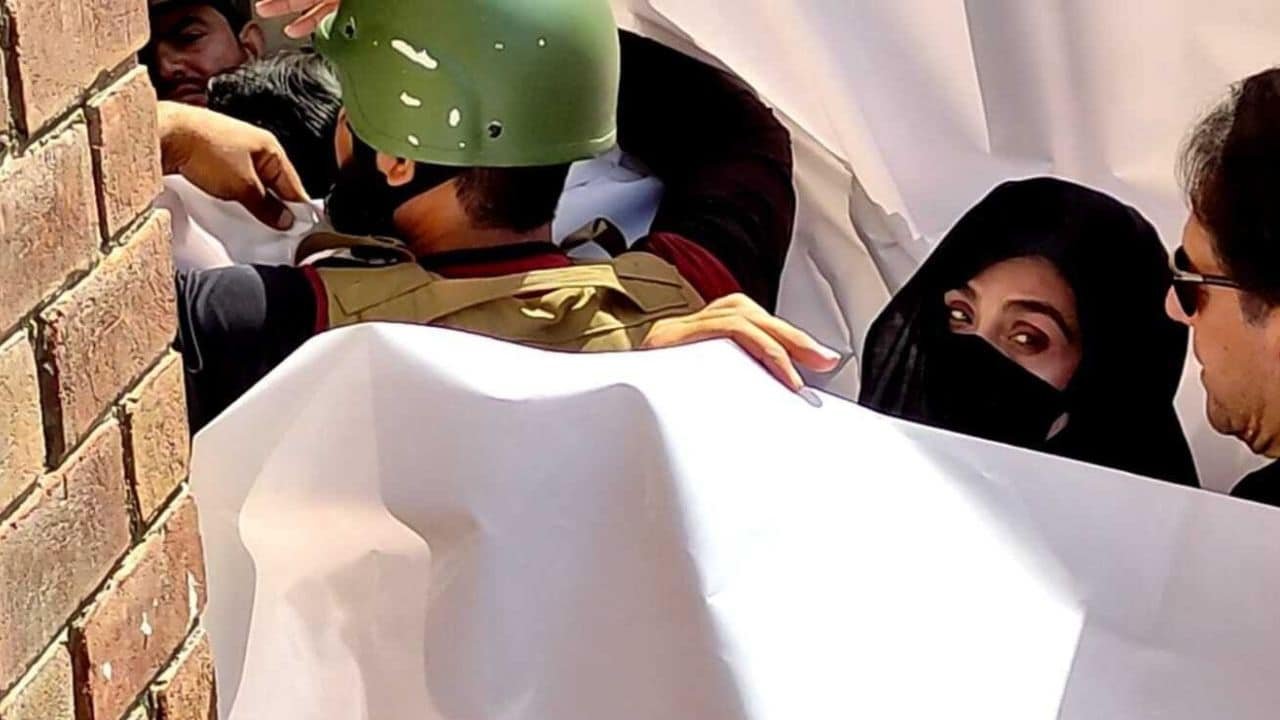
    Bushra Bibi, the wife of Pakistan Tehreek-e-Insaf (PTI) Chairman Imran Khan, has moved the Lahore High Court (LHC) to stop authorities from arresting her, asking for details of all the cases including undisclosed first information reports (FIRs) registered against her.

    The petition, filed through Advocate Mushtaq Ahmad Mohal on Monday, states that after the illegal removal of the petitioner’s husband from the office of the prime minister, political victimization of the petitioner, her husband and other family members has been initiated by federal and provincial governments as well as law enforcement agencies, all of whom are respondents in the petition.

    Bushra Bibi has pleaded that FIRs against her have been kept secret by the respondents to bar her from seeking pre-arrest bail. The respondents include the Federal Investigation Agency (FIA), National Accountability Bureau (NAB), Anti Corruption Establishment (ACE) Punjab, and police.

    “That act of the respondents regarding lodging false, frivolous, baseless and concocted FIRs against the petitioner and to conceal the FIRs numbers, police stations, districts, dates and provinces clearly indicates that the respondents intend to arrest the petitioner without providing an opportunity to get the relief from competent courts of law in the shape of anticipatory bails and pre-arrest bails and to get the FIRs secret against the petitioner at the behest of the respondents is not warranted by law, so law and justice demand that the respondents be directed to submit list of all criminal cases registered against the petitioner throughout in Pakistan, so that the petitioner may approach the competent courts of law, for redress of her grievances,” the petition read.

    It further requested for an order against arresting Bushra Bibi in any case till the provision of the details of case. The hearing of the petition is fixed before the court of Justice Alia Neelum.

    READ MORE: PDM is not ready to talk with Imran
  • ‘Woman spoke to me for a long time because she thought I was Hamza Ali Abbasi’s wife’: Nawal Saeed

    Ever thought that how embarrassing it is to be chatting with someone and then discovering that they mistook you for someone else? Actress Nawal Saeed had the same experience when elaborating at the Geo show ‘Hasna Mana Hai’ about the time, a stranger praised her and then realised she was not Hamza Ali Abbasi’s wife, Naimal Khawar.

    The actress recalled meeting a sweet old woman who kept compliment her work “And after 5 minutes, she went like, ‘I had really wished to meet Hamza’s [Ali Abbasi] wife’,” she joked.

    The ‘Banno’ actress had then revealed she kindly corrected the elderly fan that she was Nawal, not Naimal, but the fan was disappointed that her time was wasted.

  • Islamabad High Court orders Parvez Elahi’s release

    Islamabad High Court orders Parvez Elahi’s release

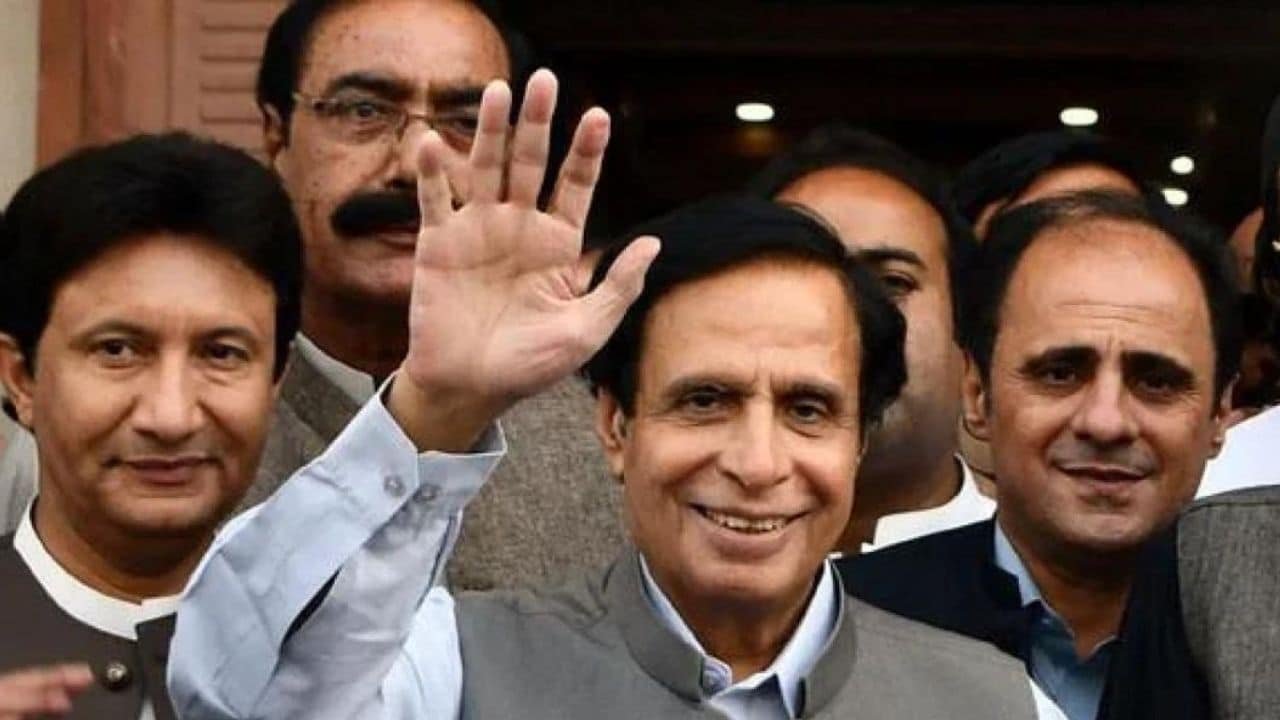
    The Islamabad High Court (IHC) on Sept 5 suspended the detention of PTI President and former chief minister Punjab, Parvez Elahi, under Section 3 of the Maintenance of Public Order (MPO), ordering his release.

    On Friday, the Lahore High Court (LHC) had ordered that the former Punjab chief minister be released.

    However, hours after he was released from Adiala Jail, Islamabad Police arrested Chaudhry Parvez Elahi from Canal Road in Lahore, leaving with him for the federal capital. Earlier that day, the Lahore High Court (LHC) ordered the National Accountability Bureau (NAB) to release Parvez Elahi, along with a restraining order against his possible arrest by any agency or preventive detention, after the accountability watchdog’s decision to arrest the former chief minister of Punjab was challenged in court through a petition.

    The visuals of his arrest went viral on social media.

    According to the capital police, Elahi was taken into custody on orders of the district magistrate under Section 3 of the MPO.

    Section 3 of MPO empowers the government to arrest and detain suspected persons. It states: “The government, if satisfied that with a view to preventing any person from acting in any manner prejudicial to public safety or the maintenance of public order, it is necessary to do, may, by an order in writing, direct the arrest and detention in such custody […] and [the] government, if satisfied that for the aforesaid reasons, it is necessary so to do, may extend from time to time the period of such detention, for a period not exceeding six months at a time.”

    After being moved to Attock jail, Parvez Elahi had approached the IHC against his detention, urging the court to declare it as “patently illegal, unlawful and without lawful authority”.

    In the petition, Elahi had requested the IHC to set aside the detention order and issue directives for his release. Interior secretary, district magistrate, the Islamabad police chief and the Adiala Jail’s superintendent were made respondents in the case.

    On Tuesday, Justice Tariq Mehmood Jahangiri took up Elahi’s plea. The court suspended the PTI leader’s detention order and also ordered his release. The court also issued a notice to the duty magistrate who ordered Elahi’s detention.

    Further, the court also summoned Elahi at the next hearing and ordered him to not issue any kind of statement until the next hearing. The hearing was subsequently adjourned till Tuesday (September 12).

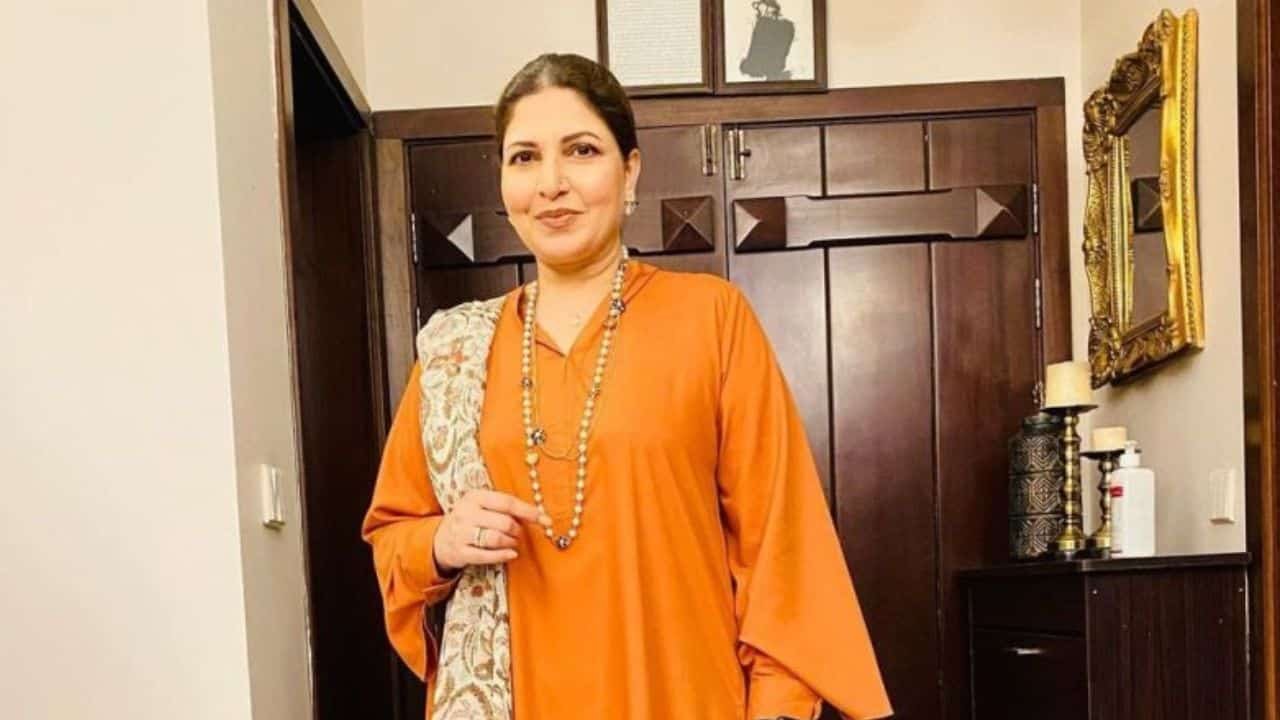
  • Shagufta Ejaz gets Botox injections and she’s not afraid to own it

    Shagufta Ejaz gets Botox injections and she’s not afraid to own it

    Veteran actress Shagufta Ejaz wants more women- especially those who aren’t young- to break down the misconceptions and stigma surrounding cosmetic surgery.

    The actress recently uploaded a vlog where she opened up about getting Botox surgery and provided a breakdown of what the procedure entails. The actor said her intention was to reduce the wrinkles on her forehead and eyes, adding that this was the fourth time she was getting Botox.

    “So, I didn’t want a frozen expression. I wanted to frown and lift my eyebrows and go sad and all. So, this is why I told [the doctor] that I wanted a 40% erase, and 60% expressions.”

    The actress showed her fans how the procedure progressed, showcasing the bruises around her eyes and the wrinkles on her forehead fading.

    Shagufta also talked in her vlog about the stigma surrounding Botox.

    “I believe that one should be honest about whatever you do,” pointed out the ‘Mere Damad’ actress. “A lot of people are getting it done; some want to disclose it, some do not. This is their personal choice and I thought this is the fourth time in my entire life that I’m getting this done and this time I wanted that I should share with you.”

    We’re incredibly happy that more actresses are encouraging women to stop listening to the stereotypical remarks that as women age, they must stop focusing on their looks and be sent out to pasture. Previously, Shahista Lodhi slammed age-shaming remarks while speaking about being mistaken as her son’s girlfriend. Lodhi reflected on how in Pakistan, women here are shamed if they invest too much attention on their looks as they grow older:

    “If you’ve had kids at a young age then is that also my fault? Apparently, that becomes a taunt too here…Why should I lie about it? It feels good that I have maintained myself even at this age.”

    On ‘The Talk Talk Show’, the aesthetic physician recalled counselling a woman who was kicked out of her house because of stretch marks, stressing that its not worth saving an abusive marriage if it depends on you getting surgery.

    Read more: ‘A patient revealed she was kicked out of her house by her husband because of her stretch marks’: Shahista Lodhi

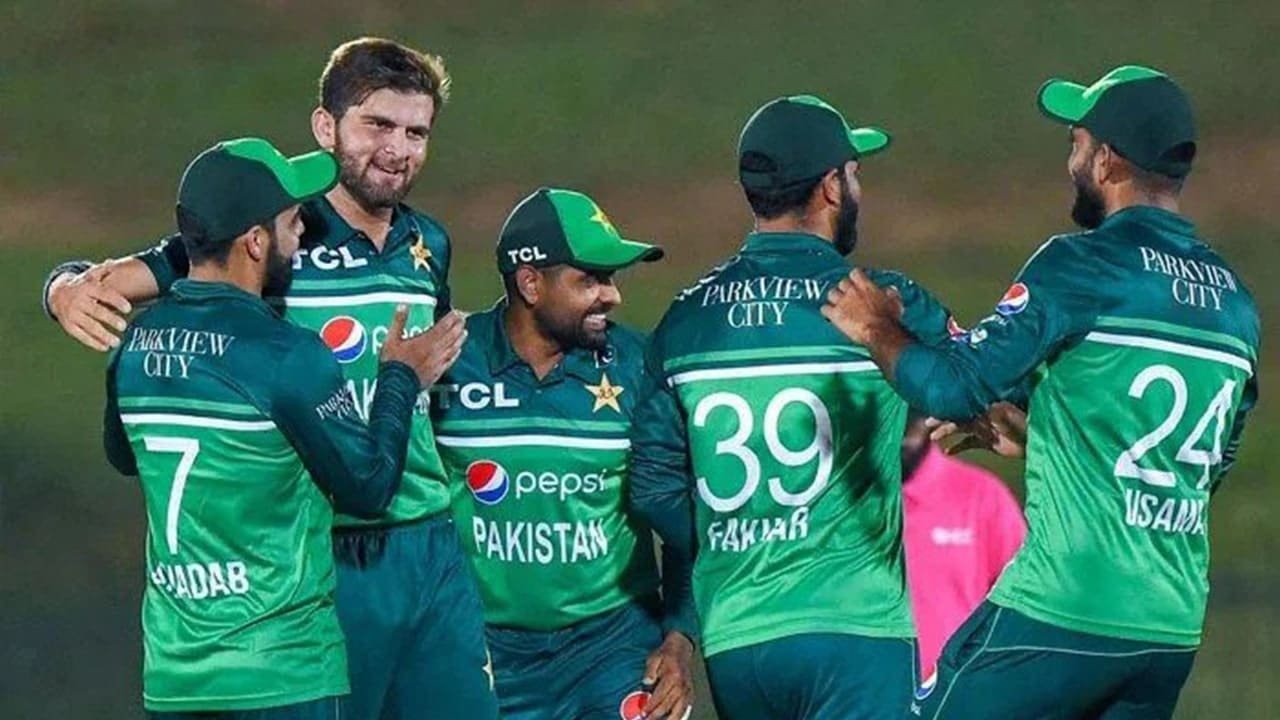
  • Asia Cup 2023: India beat Nepal to enter Super 4 Stage

    Asia Cup 2023: India beat Nepal to enter Super 4 Stage

    In the last Group A match of Asia Cup 2023, India beat Nepal by 10 wickets via Duckworth-Lewis method.

    In the first inning, Nepal set a total of 230 runs in 48.2 overs but after rain interrupted play, the target was revised to 145 in 23 overs according to the DLS (Duckworth-Lewis-Stern) Method.

    Aasif Sheikh was the top scorer for Nepal with 58 runs on 97 balls, while Kushal Bhurtel scored 38 runs on 25 balls. Gulsan Jha scored 23, Depindra Singh 29, and Somapl Kami put in 48 runs for the seventh wicket.

    Muhammad Siraj and Ravindra Jadeja took 3 wickets each.

    Read More: PCB asks BCCI to shift Pak-India matches to Pakistan

    Chasing the target of 145, Rohit Sharma scored 74 runs while Shubman Gill scored 64 runs.

    Sri Lanka and Afghanistan will play their last group match today in Lahore. The winning team will make it to the Super 4 Stage. Pakistan and India will play their Super 4 stage match of Asia Cup 2023 on September 10 in Colombo.

  • PDM is not ready to talk with Imran
    PDM is not ready to talk with Imran
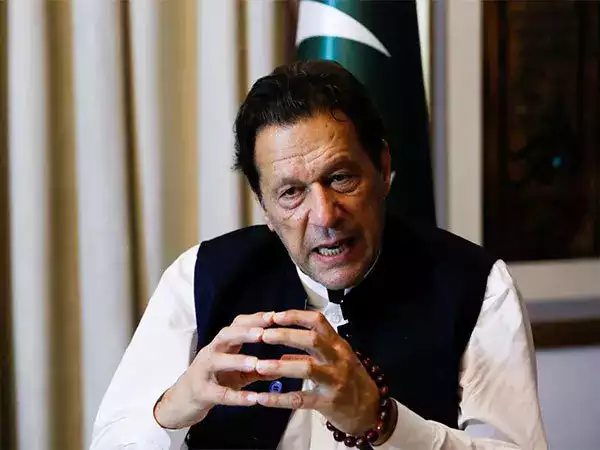
    Central leaders of the Pakistan Democratic Movement (PDM) have mutually decided not to talk with former Prime Minister Imran Khan about any political matter.

    Sources privy to inside details have told Jang that PDM leaders called Imran Khan responsible for inflation in the country as well term him the mastermind of the incidents of May 9.

    Sources also confirmed that PDM will contact the Pakistan People’s Party (PPP) within 48 hours to discuss the matter of talking to Imran.

    Earlier, Barrister Gohar Ali Khan said after meeting Imran Khan in Attock jail that the former prime minister was ready to talk to institutions and political parties about elections, stressing that he wants free and fair polls in the country.

    In a tweet, the lawyer said that he met Imran Khan at Attock Jail along with his colleagues. “Alhamdulillah, he is in great spirit but concern about ongoing uncertainty, inflation, and terrorism. He is willing to talk to all BUT about election,” he stated.

  • IMF declines request for tariff adjustment and subsidy on high electricity bills 

    IMF declines request for tariff adjustment and subsidy on high electricity bills 

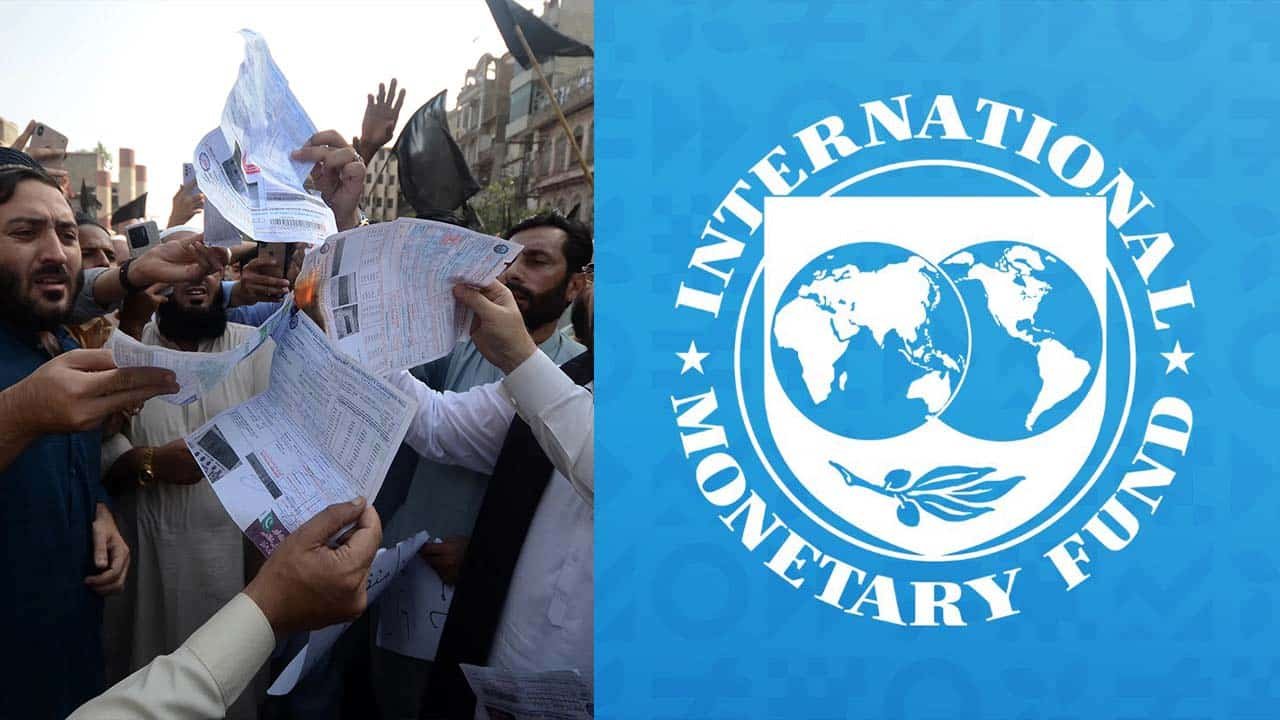
    In light of the government’s comprehensive deliberation on strategies to alleviate the burden of electricity bills, the International Monetary Fund (IMF) has declined the proposal for tariff adjustments or additional subsidies. This decision was made despite the government’s assertion that its bill collections for August had nearly met expectations, as reported by The News on Tuesday. 

    The IMF has expressed strong reservations regarding the government’s initiative to provide relief to economically disadvantaged individuals facing high power bills. Pakistan has consequently approached the global lender, requesting permission to phase in upcoming quarterly tariff adjustments (QTAs) and Fuel Price Adjustments (FPAs) amounting to Rs7.50 per unit over the next four to six months. 

    An authoritative source confirmed this request, stating, “Pakistan has sought the IMF’s approval for a gradual implementation of QTAs and FPAs over a four to six-month period, potentially incurring additional costs that will require mutual agreement.” 

    According to sources, the power sector continues to grapple with challenges, given the necessity of increasing tariffs by approximately Rs5 per unit in the current month and incorporating FPAs amounting to Rs2.72 per unit. Consequently, a cumulative tariff increase exceeding Rs7 per unit is anticipated.  

    The computation of QTAs will be based on losses incurred during the April-June period, reflecting reduced unit usage, increased interest payments, and fluctuations in exchange rates. Meanwhile, the FPA is calculated to address the rising prices of imported fuel, resulting in a potential hike of Rs7.50 per unit in September bills, subject to regulatory approval.  

    Simultaneously, the Ministry of Power asserts that its bill collection performance for August 2023 has improved and is nearing expectations. They contend that to mitigate the impact of inflated bills, they must seek the IMF’s approval for the staggered implementation of QTAs and FPAs.  

    According to calculations by the Ministry of Power for various consumer categories, those utilising 400 units can anticipate a reduction in power charges from Rs21,000 in August 2023 to Rs16,963 in September and further to Rs11,356 in October, factoring in QTAs and FPAs. Similarly, charges for consumers using 300 units are projected to decrease from Rs13,000 in August to Rs10,000 in September and Rs8,000 in October 2023. 

    With the onset of winter in October, it is anticipated that the issue of escalated bills will gradually subside. Additionally, officials are planning to approach the National Electric Power Regulatory Authority (Nepra) to determine the next tariff adjustments, considering seasonal usage trends. Given the peak usage during the summer months followed by a decline in winter, tariff adjustments will be tailored to accommodate these seasonal fluctuations. 

    The Prime Minister has instructed the Ministry of Finance to develop a strategy for economic stability in Pakistan. During a meeting with Interim Finance Minister Shamshad Akhtar, the current economic situation was discussed. 

    The government aims to find innovative solutions to ease the burden on electricity consumers, addressing issues like circular debt, power theft, and taxes with short-term measures. 

    The caretaker government’s primary goal is to facilitate early general elections while upholding constitutional obligations such as constituency delimitation following the population census. The focus is on restructuring fiscal and monetary policies for economic revitalization. 

  • Unrest after Holy Quran burning in Sweden

    Unrest after Holy Quran burning in Sweden

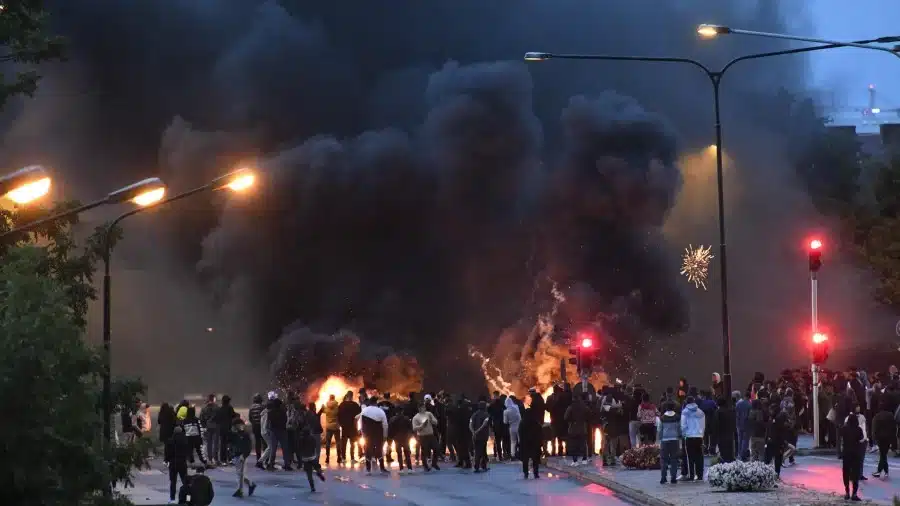
    Three men have been arrested in Sweden for participating in riots after another incident of the desecration of Holy Quran.

    Turmoil broke out after Iraqi anti-Islam activist Salwan Momika burned a copy of the Islamic holy book on Sunday.

    BBC reports that the police has detained 10 people for causing disruption in the city of Malmo.

    During the unrest, vehicles were set on fire and about a hundred people congregated in reaction to the desecration of the Quran.

    Momika has a record of desecrating the Quran during anti-Islam protests. According to the BBC, his actions have caused diplomatic outrage across the Middle East.

    Police officers have said that the protesters pelted them with stones while some threw electric scooters at police vehicles in addition to burning of the cars.

    This happened in the largely immigrant-populated area of Rosengard neighbourhood in Malmo.

    The city’s police area commander Petra Stenkula said while speaking to local media, “I understand that a public gathering like this arouses strong emotions, but we cannot tolerate disturbances and violence like the ones we saw on Sunday afternoon,”

    “It is extremely regrettable to once again see violence and vandalism at Rosengard.”

    Back in June, at the first day of Eid al-Adha, Momika set fire to a copy outside Stockholm’s central mosque

    Initially, Swedish police had given Momika a permit to protest, in conformity with the state’s free-speech laws but then said his case was to be investigated for incitement of hatred.

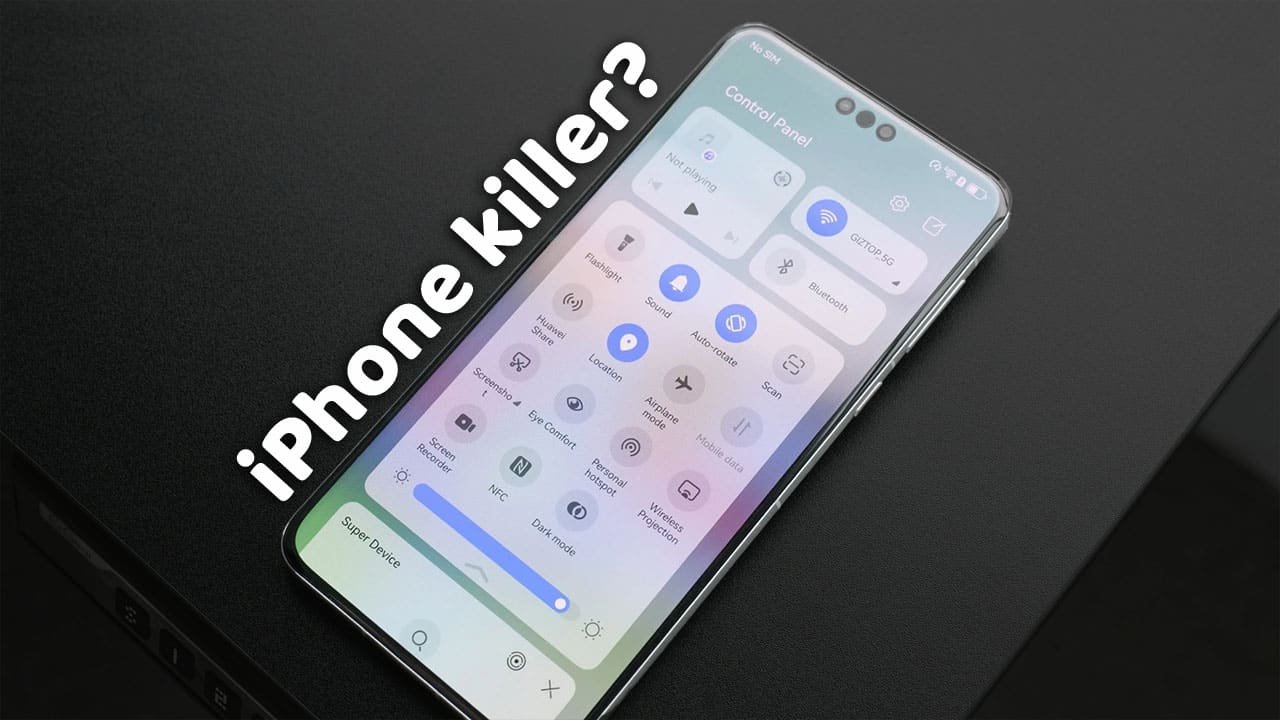
  • Can Huawei’s Mate 60 Pro finally kill the iPhone’s dominance?

    Can Huawei’s Mate 60 Pro finally kill the iPhone’s dominance?

    Huawei’s tenacity in the smartphone market, despite grappling with the challenges of the US embargo, has been nothing short of remarkable. Undeterred by adversity, the company has fervently strived to regain its foothold in the realms of both hardware and software.

    The latest chapter in Huawei’s resurgent narrative is embodied in the Huawei Mate 60 and Mate 60 Pro, devices that have ignited widespread intrigue and earned global user acclaim. In a mere five days following their debut, these smartphones remarkably achieved nearly 800,000 unit sales, signifying a triumphant comeback. 

    Within the confines of China, the Huawei Mate 60 series has emerged as a resounding success story. Officially launched on August 29th, these devices rapidly gained traction in the market, boasting sales figures that approached the 800,000-unit milestone within the initial five days.

    This achievement stands as a substantial improvement over the sales performance of their predecessors in the Mate series, which managed to muster approximately 500,000 units. Such resounding success is undoubtedly a testament to meticulous planning and unwavering commitment. 

    In the wake of challenging years, Huawei’s aspiration for resurgence led to the creation of a technological marvel. Powered by the cutting-edge Kirin 9000S processor, it reigns supreme as the swiftest mobile processor available in China. Notably, the Mate 60 series is equipped with a novel triple-lens rear camera system, featuring a 50MP main sensor, a 48MP ultrawide sensor, and a 12MP telephoto sensor. 

    The fervor surrounding the Huawei Mate 60 series extends beyond the Chinese borders, capturing the enthusiasm of international consumers. For instance, Japanese consumers have been keen to acquire the 12GB + 512GB version of the Huawei Mate 60 Pro, which is priced at approximately 70,000 Chinese yuan in the Chinese market, translating to around 140,000 Japanese yen (PKR 292,800).

    Interestingly, local dealers in Japan have been pricing the same smartphone model at levels exceeding 200,000 Japanese yen, roughly equivalent to 10,000 Chinese yuan, underscoring its immense popularity in the Japanese market. 

    Key Specifications: 

    Huawei Mate 60 

    – Display: 6.69-inch LTPO OLED display with a 1-120 Hz variable refresh rate 

    – Processor: Kirin 9000S 

    – RAM: 12GB 

    – Storage: 256GB, 512GB, or 1TB 

    – Rear Cameras: 50MP main camera with variable aperture (f/1.4 to f/4.0), 48MP telephoto camera, 12MP ultrawide camera 

    – Front Camera: 13MP 

    – Battery: 5000mAh 

    – Charging: 88W wired charging, 50W wireless charging 

    Huawei Mate 60 Pro 

    – Display: 6.82-inch LTPO OLED display with a 1-120 Hz variable refresh rate 

    – Processor: Kirin 9000S 

    – RAM: 12GB 

    – Storage: 256GB, 512GB, or 1TB 

    – Rear Cameras: 50MP main camera with variable aperture (f/1.4 to f/4.0), 48MP telephoto camera, 12MP ultrawide camera 

    – Front Camera: 13MP 

    – Battery: 4750mAh 

    – Charging: 88W wired charging, 50W wireless charging 

  • Social media giant X faces lawsuit for allegedly assisting Saudi Arabia in human rights abuses

    Social media giant X faces lawsuit for allegedly assisting Saudi Arabia in human rights abuses

    The social media giant formerly known as Twitter, now referred to as X, faces a revised civil lawsuit in the US that accuses it of aiding Saudi Arabia in committing severe human rights violations against its users. This includes allegations of disclosing confidential user data to Saudi authorities at a significantly higher rate than for other countries such as the US, UK, or Canada. 

    According to The Guardian, the lawsuit was originally filed in May by Areej al-Sadhan, the sister of a Saudi aid worker who was forcibly disappeared and later sentenced to 20 years in prison. The case revolves around the infiltration of Twitter by three Saudi agents, two of whom posed as Twitter employees in 2014 and 2015. This infiltration led to the arrest of al-Sadhan’s brother, Abdulrahman, and the exposure of the identities of thousands of anonymous Twitter users, some of whom were reportedly detained and tortured as part of the Saudi government’s crackdown on dissent. 

    The updated lawsuit alleges that Twitter, under the leadership of then-CEO Jack Dorsey, knowingly ignored or had knowledge of the Saudi government’s campaign to identify critics but provided assistance due to financial considerations and its close ties to the Saudi government, a major investor in the company. 

    The lawsuit highlights how Twitter was initially seen as a tool for democratic movements during the Arab Spring, which raised concerns for the Saudi government as early as 2013. 

    These allegations come shortly after Human Rights Watch criticised a Saudi court for sentencing a man to death solely based on his Twitter and YouTube activity. The convicted individual, Muhammad al-Ghamdi, had minimal online presence and was accused of having two accounts with a few followers and tweets, both containing retweets of government critics. 

    The lawsuit claims that Twitter was aware of security risks related to insider access to personal data and ignored red flags. It also alleges that Saudi authorities filed emergency disclosure requests with Twitter to obtain user identity information, often approved promptly. 

    Between July and December 2015, Twitter allegedly granted information requests to Saudi Arabia more frequently than to other countries, including Canada, the UK, Australia, and Spain. 

    Despite becoming aware of FBI concerns about Saudi infiltration, Twitter continued to engage with Saudi Arabia as a crucial regional partner. CEO Jack Dorsey even met with Mohammed bin Salman about six months after the FBI raised the issue. 

    The lawsuit ultimately seeks justice for Areej al-Sadhan’s brother, Abdulrahman, and aims to hold Twitter accountable for its alleged complicity in human rights abuses.