Author: newsdesk

  • Barbie is the first billion dollar film to be made by a female director

    Barbie is the first billion dollar film to be made by a female director

    Life in plastic is fantastic!

    As if leading a pink wave around the world wasn’t enough, cashing in a billion dollars from your first month in cinemas alone would be perfect. Warner Bros Pictures announced on Sunday that the Greta Gerwig directed film has broken records to make more than $1 billion dollars at the global box office, making Gerwig the first female director to accomplish this. The studio revealed that the movie took $459 million from North American theatres, and an extra $572 million from overseas screening, making a total of $1.0315 bn. Their final figures were confirmed by the media analytics firm Comscore:

    “As distribution chiefs, we’re not often rendered speechless by a film’s performance, but Barbillion has blown even our most optimistic predictions out of the water,” said Jeff Goldstein and Andrew Cripps, who oversee domestic and international distribution for the studio.

    The film, which was written and directed by the Oscar-nominated Greta Gerwig, stars Margot Robbie and Ryan Gosling in leading roles, as Barbie travels from her fantasy world to the real world in an attempt to understand the recent unravelings happening to her.

    Oppenheimer, meanwhile, has officially become the highest grossing World War II film ever made, by crossing the $550 million mark at the global box office.

  • ‘Made In Heaven’ comes back with a bang in second season, critics praise sinister take on Big Fat Indian Wedding

    ‘Made In Heaven’ comes back with a bang in second season, critics praise sinister take on Big Fat Indian Wedding

    Warning: spoilers if you havent seen season 1

    Eid came a little too early for social media users when on August 10, the much awaited sequel to the critically acclaimed Amazon Prime series ‘Made In Heaven’ released online. The nine episode drama focuses on the lives of Delhi wedding planners Tara and Karan, as they attempt to build a brand name for themselves in the cut-throat world of India’s wedding industry.

    Created by Zoya Akhtar and Reema Kagti, the season was lauded for the powerful performances by Sobhita Dhulipala and Arjun Mathur, as well as for boldly bringing to light issues like cast prejudice and sexual assault.

    This time, the second season promised to be quite a show-stopper as Karan decides to stop living in shame because of his sexual orientation and Tara decides to take her ex-husband Adil to court to get a good settlement in divorce. The two were left grappling with loss as their business is torn to shreds after a mob attacks it because of Karan’s support to decriminalize homosexuality. And critics, along with social media, had to agree, kay dair aye laikan drust aye.

    Indian drama critics have praised the show for delivering beyond their expectations, and bringing the four year long restlessness to a solid conclusion. The Indian Express praised the show-stopping performances by Sobhita, Jim Sarbh and Marthur, praising the skills with which Akhtar, Kagti and their collaborators “detail their characters and fill them in with specificity, reflect a sense of inner knowledge and empathy, which makes you curious about what’s going on behind their perfect exteriors.”

    If the first season was praised for addressing bold themes like same sex relationships, infidelity and ageism, NDTV commented that the new season dwleves even deeper by casting a transgender actor to play a career woman who has had a gender-reassignment surgery and is proud of being in her own skin.

    Writing for Film Companion, Rahul Desai praised Made In Heaven for remaining “a rare series that isn’t afraid to present its characters as paradoxical and unlikable.”

  • Major maintenance work to cause severe gas supply disruption in Karachi from tomorrow

    Major maintenance work to cause severe gas supply disruption in Karachi from tomorrow

    In a concerning development, the residents of Karachi are set to endure an extensive period of gas load shedding from August 12 to 27, as a critical gas supply of 107 million cubic feet per day (mmcfd) faces disruption due to essential annual maintenance work at the Kunnar-Pasakhi Deep (KPD) gas field.

    The Sui Southern Gas Company Limited (SSGC) has released a notification detailing the maintenance schedule for the KPD gas field, which is slated to be carried out in three phases over the course of 16 days. This maintenance work will necessitate a complete shutdown for eight days, coupled with a partial shutdown lasting four days.

    According to ARY News, the upcoming complete shutdown of gas operations is expected to result in a significant reduction of 107 mmcfd, while the partial shutdown will further trim the gas supply by 50 mmcfd. This unfortunate reduction in gas availability will inevitably impact various sectors, including domestic households, commercial establishments, industrial operations, and even the crucial Kapco power plants that rely on natural gas to generate electricity.

    This unfortunate situation follows closely on the heels of a recent setback faced by the Sui Southern Gas Company (SSGC) when a supply line was damaged during excavation work for the Bus Rapid Transport (BRT) project within Karachi. The 8-inch-diameter gas supply line suffered damage in the vicinity of Safoora Chowrangi, leading to an abrupt suspension of gas supply to neighbouring areas.

    The affected localities encompass a wide range, including vital institutions like the Memon Foundation Hospital and the sprawling Karachi University, as well as residential communities such as Sadi Town, Rimjhim, Rizvia Society, and Down University. Moreover, industrial sites and research facilities like Suparco, Sachal Goth, and surrounding villages have also been grappling with the repercussions of this supply disruption.

    While the inconvenience caused by this unexpected gas supply interruption is deeply felt, the SSGC remains committed to ensuring the completion of essential maintenance work at the KPD gas field. Despite the challenges posed by these circumstances, the SSGC aims to minimise the impact on citizens’ lives and livelihoods to the greatest extent possible.

    As Karachi prepares itself for this period of gas load shedding, residents are urged to exercise prudence in their gas consumption, explore energy-efficient alternatives where feasible, and cooperate with the SSGC’s efforts to manage the situation effectively.

  • SC strikes down Review of Judgement law two days after NA dissolution

    SC strikes down Review of Judgement law two days after NA dissolution

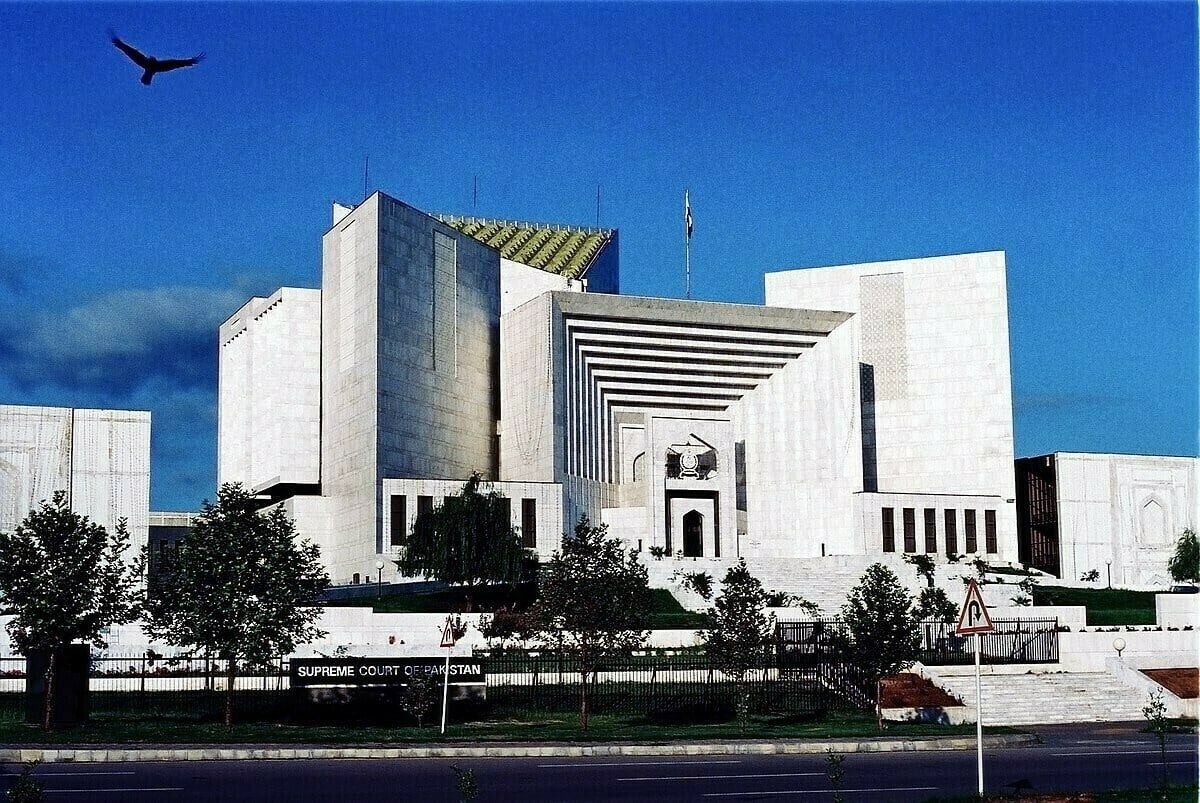
    The Supreme Court (Review of Judgments and Orders) Act 2023 was declared “unconstitutional” by the apex court’s unanimous decision on Friday, just two days after the National Assembly was dissolved.

    The law was interpreted by some legal analysts as a way back into active politics for former Prime Minister Nawaz Sharif and Jahangir Khan Tareen.

    Both Nawaz Sharif and Jahangir Tareen were disqualified under Article 62 of the Constitution. After today’s decision, both politicians can’t challenge their disqualification in the apex court.

    Chief Justice Umar Ata Bandial headed the three-member bench, comprising Justice Ijazul Ahsan and Justice Munib Akhtar. The bench announced the decision today (Friday) after six hearings dating from June 7 to June 19.

    During the hearing of the case, Pakistan’s Attorney General (AGP), Mansoor Usman Awan, requested that the court rejects pleas against the law. On the other hand, Pakistan Tehreek-e-Insaf (PTI) lawyer Ali Zafar, said that changes in the court’s power were not possible only through legislation but also required constitutional amendments.

    The CJP read out the verdict while the AGP and other lawyers were present in court.

    CJP Umar Atta Bandial said that the Supreme Court Review Act is “unconstitutional”. He further added that the detailed order would be issued later.

    The detailed 87-page long order said, “repugnant to and ultra vires the Constitution, being beyond the legislative competence of the Parliament.”

    It is also mentioned in the order that “It is accordingly struck down as null and void and of no legal effect”.

    Hamid Mir has also said that “From the timing of the decesion, it seems that Nawaz Sharif has been targeted”.

  • Another monsoon spell to hit Punjab from Sunday

    As many districts in Punjab deal with intense heat, the Provincial Disaster Management Authority (PDMA) has predicted rainfall in the coming days.

    As stated by the Provincial Disaster Management Authority (PDMA), the weather will remain hot and humid across the majority of Punjab. Nevertheless, the province is anticipated to experience monsoon rains from August 13 to 16.

    Substantial rainfall is forecasted for Sialkot, Narowal, Shakargarh, Lahore, Gujranwala, Gujrat, and Mandi Bahauddin. Additionally, there’s likelihood of rain accompanied by thunderstorms in Rawalpindi, Attock, Jhelum, Chakwal, Murree, and Galliat.

    The PDMA has affirmed that water levels in the Chenab, Ravi, Jhelum, and Sutlej rivers are within normal range, while Taunsa along the Indus River is experiencing minor floods. Tarbela and Mangala dams are currently at 95 percent of their capacity.

    Simultaneously, the Pakistan Meteorological Department (PMD) has predicted hot and humid conditions across most parts of the country in the next 24 hours. However, there’s an expectation of rain, wind, or thundershowers in northeastern Punjab, the Potohar region, Islamabad, upper Khyber Pakhtunkhwa, and Kashmir. In the central and southern parts of the country, there are chances of strong winds capable of raising dust.

  • Actress Rani Mukherjee reveals she had a miscarriage in 2020

    Actress Rani Mukherjee reveals she had a miscarriage in 2020

    Bollywood actress Rani Mukherjee has revealed that she suffered a miscarriage a few years ago. At the Indian Film Festival of Melbourne 2023, she opened up about suffering a miscarriage in 2020, five months after the Covid-19 pandemic began. The incident happened before Mukherjee started filming ‘Mrs Chatterjee vs Norway’.

    “Maybe this is the first time I am making this revelation because in today’s world every aspect of your life is discussed publicly, and becomes an agenda for talking about your film to get more eyeballs. Obviously, I didn’t speak about this when I was promoting the film because it would have come across as me trying to speak about a personal experience that would propel the film…so, it was around the year when COVID-19 struck. It was 2020. I got pregnant with my second baby at the end of 2020 and I unfortunately lost my baby five months into my pregnancy.”

    The ‘Paheli’ actress recalled how the producer Nikhil Advani called her up ten days after the ordeal, and Mukherjee said she immediately connected with the script of the film because of what she was going through at the time:

    “After I lost my baby, Nikhil (Advani) would have called me probably like 10 days later. He told me about the story and I kind of immediately… not that I had to have the loss of a child to feel the emotion but sometimes there is a film in the right time of what you are going through personally to be able for you to connect with it instantly. When I heard the story, I was in disbelief. I never thought in a country like Norway an Indian family would have had to go through.”

    Mukherjee’s recent release ‘Mrs Chatterjee vs Norway’ is based on the real-life story of the Indian couple Anurup and Sagarika Bhattacharya, whose children were snatched away by the Norwegian welfare services, deeming the couple unfit to take care of their children. Sagarika sued the Norwegian government to win back custody of her children.

  • Remittances to Pakistan decline by 19.3% to $2 billion in first month of fiscal year

    Remittances to Pakistan decline by 19.3% to $2 billion in first month of fiscal year

    Pakistan has experienced a notable decline in remittances during the first month of the current fiscal year, as data released by the central bank reveals a year-on-year drop of 19.3 per cent, amounting to $2 billion. This concerning trend was further accentuated by a month-on-month reduction of 7.3 per cent.

    In the month of July, remittance inflows from Pakistanis residing abroad amounted to $2.2 billion. The distribution of these remittances showed that Saudi Arabia held the top spot with a contribution of $486.7 million, followed by the United Arab Emirates with $315.1 million. The United Kingdom and the United States of America followed closely with $305.7 million and $238.1 million, respectively.

    Economic analysts anticipated this decline in remittances for the month of July, given the post-Eid ul Adha period. The reduction was expected, as Pakistani expatriates tend to increase their cash transfers back home during festive seasons. Interestingly, it seems that some of these remittance inflows have been diverted to the grey market due to more favourable exchange rates for dollars.

    Samiullah Tariq, the head of research at Pak-Kuwait Investment Company, shed light on this shift: “In my view, as this was the month after Eid ul Adha, flows were relatively subdued. Some Pakistanis are opting for unofficial channels to transfer money.” The continuous devaluation of the Pakistani currency is also impacting investment sentiment among overseas Pakistanis, discouraging them from contributing more significantly to the economy.

    The recent release of these remittance statistics coincides with the International Monetary Fund’s (IMF) approval of a $3 billion bailout package for Pakistan. The nation’s economy had been teetering on the edge of default due to mounting debt obligations. Governor Jameel Ahmad of the State Bank of Pakistan (SBP) reassured that the SBP remains committed to upholding its obligations, including maintaining a controlled difference between the interbank and open market exchange rates, as specified in the agreement with the IMF.

    Fahad Rauf, the head of research at Ismail Iqbal Securities, voiced his concern over the decline in remittances: “The extent to which remittances have declined is indeed worrying. Unofficial channels offering higher rates have played a role in this scenario.” He also highlighted the SBP’s efforts to attract more remittances through proposed changes in incentive schemes, including a 50 per cent increase in the reimbursement rate for Saudi Riyal conversions.

    The SBP’s latest monetary policy statement forecasts the current account deficit for fiscal year 2024 to range between 0.5 per cent and 1.5 per cent of the gross domestic product. This projection takes into account both evolving domestic and global economic conditions. The SBP remains optimistic about the prospects of multilateral and bilateral inflows following the IMF’s stand-by arrangement, which is expected to bolster external buffers and address short-term external financing requirements.

    As the nation navigates through these challenges, the market-determined exchange rate will continue to play a pivotal role as the first line of defence against external shocks, further supporting the buildup of reserves. With a cautious eye on global commodity prices and a moderate domestic economic recovery, Pakistan aims to manage its imports and strengthen its economic stability.

  • Pakistan seeks economic stability through multi-billion dollar Gulf investments

    Pakistan seeks economic stability through multi-billion dollar Gulf investments

    Pakistan is engaged in high-stakes negotiations with Gulf nations to secure billions of dollars in investments. These discussions come as Islamabad strives to stabilise its economy by attracting much-needed foreign currency, while the oil-rich Gulf monarchies seek to diversify their economies and extend their influence.

    According to a report by Saeed Shah published on the Wall Street Journal, a significant development on the horizon involves Saudi Arabia’s potential involvement in a massive copper mining project. Canada’s Barrick Gold is spearheading the development of this colossal mine, located in western Pakistan, at an estimated cost of $7 billion. Sources familiar with the project reveal that Saudi officials are in talks about acquiring a stake in this ambitious venture.

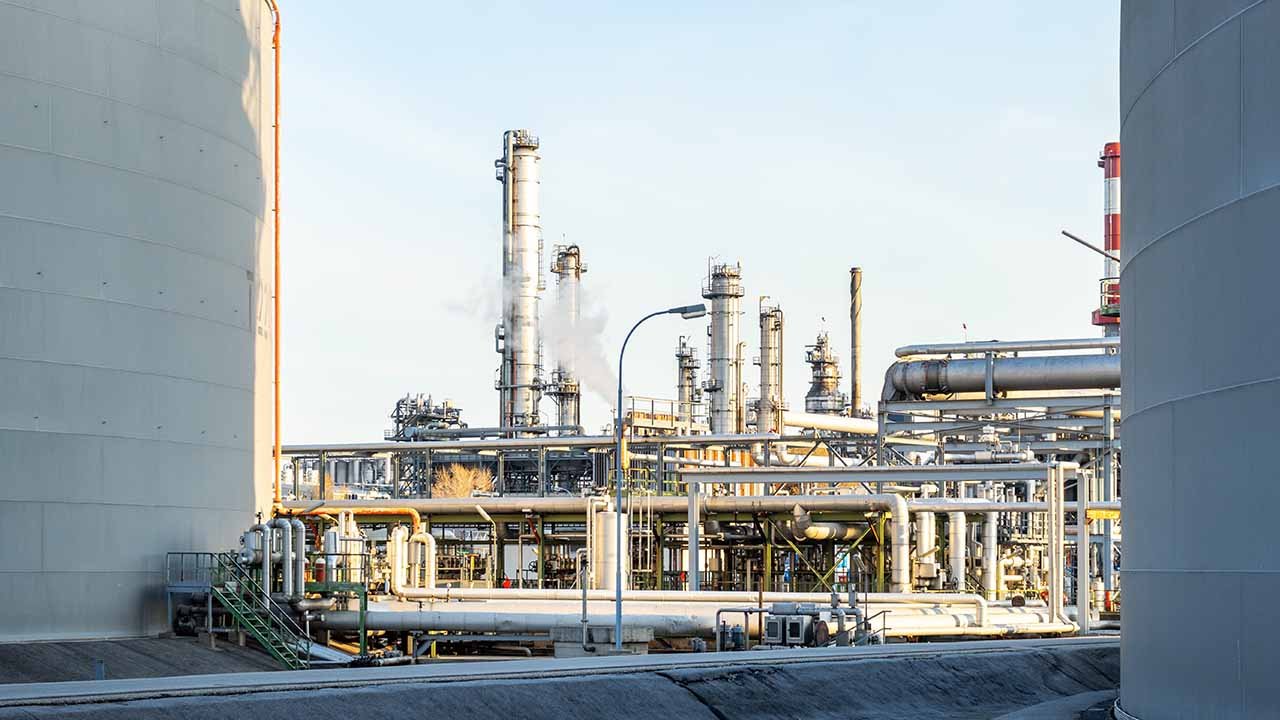
    Furthermore, advanced negotiations are underway for the establishment of a Saudi oil refinery within Pakistan’s borders. This ambitious project, estimated to cost up to $14 billion, has garnered the attention of both Islamabad and Gulf officials.

    This marks a notable shift for the Gulf states, moving away from traditional loans and grants to a strategic focus on acquiring assets to bolster their sovereign wealth funds.

    For Pakistan, these investments come at a critical juncture. The nation, home to a population of 240 million and armed with nuclear capabilities, has been grappling with economic turmoil and political instability. In June, an agreement was reached with the International Monetary Fund for another bailout, reflecting the urgency of the situation.

    To pave the way for these investments, Pakistan’s military, a dominant institution within the country, is taking measures to streamline the deal-making process. This initiative aims to address previous concerns raised by Gulf investors regarding bureaucratic hurdles and political uncertainties.

    The potential investments span a wide range of sectors, including mining, energy infrastructure, farmland, and the privatisation of government businesses. Notably, Pakistan’s newly established Special Investment Facilitation Council, which includes the army chief, has been designed to expedite the bureaucratic procedures associated with Gulf investment.

    Ahsan Iqbal, Pakistan’s outgoing planning minister and head of the executive committee of the Special Investment Facilitation Council, emphasised the strategic positioning of Pakistan as a gateway to growth in Asia. He stressed the importance of providing investors with the assurance of policy continuity for their investments.

    The Saudi deputy mining and foreign ministers have recently visited Islamabad to discuss this significant investment endeavour. These discussions align with Pakistan Prime Minister Shehbaz Sharif’s announcement that parliament will dissolve, potentially paving the way for a nonpolitical caretaker government and facilitating economic decisions.

    Pakistan’s relationship with its military is pivotal, with the army wielding considerable influence in the country. The Gulf has maintained direct ties with Pakistan’s military for decades, underscoring the military’s role as a key facilitator in these negotiations.

    The scope of the potential deals is substantial, with Pakistan hoping to secure around $25 billion in investments. Key areas of interest include solar energy, information technology, and the defence industry. Furthermore, Pakistan is prepared to offer uncultivated government land on long leases for agriculture, aiming to attract diverse investments.

    While concrete figures from the Gulf nations have yet to be disclosed, the prospect of significant investments has generated substantial interest. In this context, the ongoing economic challenges faced by Egypt and Pakistan have presented an opportunity for asset acquisition on favourable terms.

    Efforts to secure investments will likely see competition between Gulf nations, particularly Saudi Arabia and the United Arab Emirates (U.A.E.). Both nations have expressed keen interest in various sectors, including infrastructure and logistics.

    Amidst these negotiations, Islamabad has announced a tender for terminal services at Islamabad airport, a contract that is expected to draw interest from both the U.A.E. and Qatar. Pakistan’s transition to a nonpolitical caretaker government is anticipated to catalyse these investment deals.

    At the heart of the negotiations lies the prospect of a Saudi oil refinery, a deal that is reportedly on the cusp of realisation. The potential partnership with Saudi Aramco for this project underscores Pakistan’s strategic significance in the region.

    The mining sector also offers a lucrative opportunity, particularly in copper, a critical resource for the transition to cleaner energy. The joint venture between Barrick Gold and the Pakistani government in the Reko Diq mine has attracted Saudi interest, with the Saudi sovereign wealth fund, the Public Investment Fund, and Saudi mining company Ma’aden reportedly eyeing a stake in the mine.

    While challenges and security concerns persist, these negotiations mark a pivotal moment for Pakistan. With the potential for substantial investments across various sectors, the country seeks to harness its untapped potential and forge strategic partnerships in the Gulf region.


  • Mountaineers in pursuit of records accused by climbers of ignoring dying Pakistani sherpa on K2

    Mohammad Hassan, a 27-year-old Pakistani porter, lay severely injured just 1,300 feet from K2’s summit, a peak known for its unforgiving nature. Shockingly, as he battled for survival, fellow climbers allegedly chose to prioritize their ascent records over extending a helping hand. Drone footage captured at the grim scene reveals climbers navigating around Hassan on the precarious ledge, effectively leaving him to his fate.

    The incident has ignited controversy, centering on Norwegian climber Kristin Harila and her team, who were captured passing by the injured porter. Accusations have been leveled against them, claiming that their pursuit of a new world record took precedence over providing aid to Hassan. Adding to the outrage, reports said that a celebratory party followed shortly after the team achieved the record of conquering 14 of the world’s highest peaks in just over three months—despite the tragic loss of Hassan’s life, Daily Mail has reported.

    Kristin Harila has defended her actions, stating that she and her team attempted to assist Hassan. However, the treacherous conditions on K2 made any rescue attempts perilous.

    Austrian mountaineer Philip Flämig, who was climbing alongside Wilhelm Steindl, has drawn attention to footage captured by their drone. The footage allegedly depicts a grim sequence of climbers stepping over the stricken body of Mohammad Hassan rather than offering assistance.

    Flämig described the scene in Austria’s Standard newspaper, highlighting the heart-wrenching footage. He expressed dismay, pointing out that while one person tended to Hassan, others surged onward toward the summit. Flämig criticized the absence of an organized rescue operation despite the presence of Sherpas and guides who could have acted.

    Flämig denounced the incident as a “disgrace” and compared the stark contrast to practices in the Alps, highlighting the ongoing debate regarding the treatment of Sherpas in the Himalayas. He asserted that if Hassan were a Westerner, immediate rescue efforts would likely have been deployed. The tragedy, he lamented, highlighted the callous disregard for human life in favor of record-breaking pursuits.

    In response to these claims, Harila defended her actions and decisions, countering accusations of inaction. She refuted the notion that no effort was made to help Hassan, stating that her team attempted to lift him for over an hour. She also explained the hazardous conditions on the mountain, particularly on the treacherous part where Hassan fell.

    Drone footage of the incident revealed individuals climbing over Hassan as he lay helpless in the deep snow. The video offered a glimpse of the thin air at such high elevations, as climbers wore oxygen masks to combat the thin atmosphere.

    Despite differing accounts of the incident, the unsettling scene has prompted renewed debate about the ethics of mountaineering and the value of human life in extreme circumstances. Steindl, who had to retreat to base camp due to perilous conditions, expressed his disgust at fellow climbers’ inaction, stressing the importance of lending aid.

  • TW: Policeman sets his 14-year-old wife on fire over dowry

    TW: Policeman sets his 14-year-old wife on fire over dowry

    TRIGGER WARNING: abuse, domestic violence

    A 14-year-old girl married to a policeman in Sialkot has been set on fire after her husband became unhappy with the dowry provided to him.

    According to the complaint filed with the Sialkot police by labourer Tariq Mahmood, his daughter Muneeb Fatima, was married to Constable Waqas Nazir, who was posted at the Satrah Police Station, of Pasrur Tehsil. The marriage took place five months ago, however , when he went to visit their home, he was told by his daughter’s in-laws that she was happy and did not want to meet him.

    Speaking to DAWN, Mahmood elaborated that when Fatima came back to visit him after five months, she revealed details of torture, including being burnt by a clothing iron and being kept in chains.

    Mahmood further reported that his daughter was set on fire by her husband after he sprinkled petrol on her. When the labourer confronted Waqas, he was shot at and given death threats.

    Mahmood said his daughter was tortured by both her husband and his sister, Sadaf.

    Muneeb Fatima is receiving treatment at Tehsil Headquaters Hospital, Pasrur.

    The abuser, according to Dawn, made calls to a journalist and threatened to have him killed. The police, under the orders of the DPO, made several threatening calls to the journalist.

    According to the a spokesperson for the Sialkot district police, Waqas Nazir has been suspended by the DPO, while an inquiry has been launched against him.