Author: optimum_tech

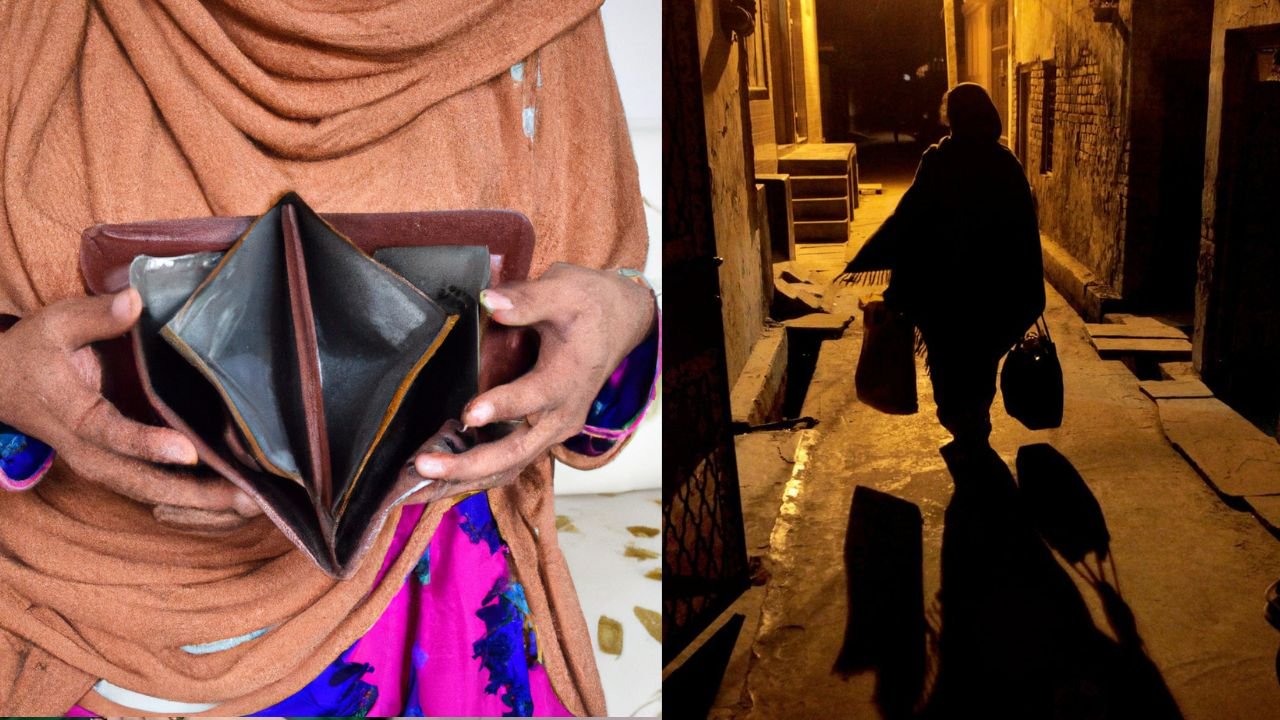
  • Behind closed wallets; The cycle of financial abuse of house help in Pakistan

    Behind closed wallets; The cycle of financial abuse of house help in Pakistan

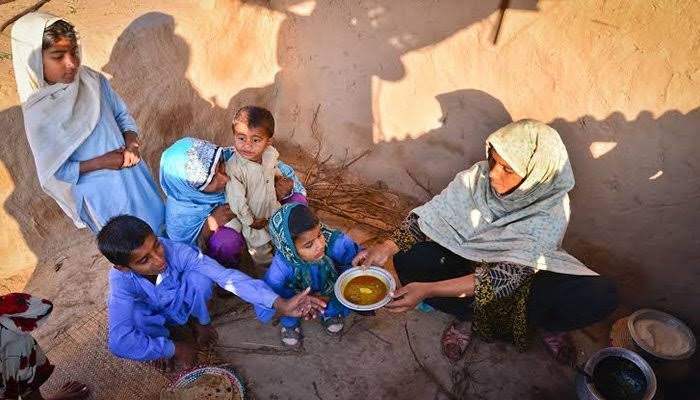
    Sonia, a 27-year-old woman, and mother of a 5-year-old daughter works as a house help. In eight years of married life, her husband has never had a stable job, nor does he bother to find work on a daily wage basis.

    Sonia has been paying off loans taken by her husband, Afzal, and her in-laws. In the initial months of her marriage, she sold whatever she had to buy a motor rickshaw for her husband so that they could have a source of daily income. Within no time Afzal sold the vehicle, taking additional loans to marry off Sonia’s sister-in-law.

    The debt piled up to 150,000 rupees. Sonia was working in two homes at that point, earning Rs20,000 from one for cooking food twice a day and Rs5,000 from the other for cleaning and washing the dishes. This was their sole family income in which they had to do grocery, pay the bills, feed their daughter and themselves, and look after the in-laws in addition to buying medicine for her mother-in-law.

    When she reminded her husband that he was supposed to work too if they wanted to get rid of the loans, she was beaten not only by Afzal but by his family too. From here started a never-ending cycle of financial exploitation and physical abuse. She endured two miscarriages due to the beatings and excessive work. She sometimes thinks that things would’ve been different if her father was alive.

    “I don’t blame my parents. This is what happens to people in our class. I just think that maybe if my father was alive, I would’ve had the option to tell him everything and he might have allowed me to take divorce and go back to my home. I don’t have that option anymore. I must live and survive here. I have a kid now. I can’t leave her,” she said while sobbing.

    Sonia is not the only one who goes through this cycle. I called up as many people as I could in different parts of Pakistan, family, friends, colleagues, acquaintances, and strangers to ask about their house help. Every woman had a similar story. A drug-addicted husband, an abusive husband, a husband who doesn’t work and keeps taking loans which the wife must pay. A never-ending circle of exploitation, harassment, and abuse.

    “There are very few people who respect us. It is not easy to clean someone’s dirt or wash their dishes with days-old rotten food. It is embarrassing to ask them for additional money to pay off loans. Sometimes I even have to take a loan from one person to pay off the previous one and the cycle goes on,” Sonia elaborated while talking about how draining her routine is as she does all the house chores and then works in the homes of other people too.

    She doesn’t want her daughter to end up like her. Instead she desires an education for her child, better career options. But whenever she brings the topic up, Afzal doesn’t take it seriously. He even spent the money they were given by different people to help finance their daughter’s education. Sometimes it was Eid gifts for sisters, other times it was a loan given to a friend. Sonia never got her money back.

    Doctor Ramish Fatima, who works in the periphery of Multan, details how such cases are quite normal and how these women suffer especially during their pregnancies. “These women keep working till the last month of their pregnancy and they must go back to work a few days after giving birth because they must pay off loans. If they fail to do so, they are beaten by their in-laws. In some cases, husbands work on minimum wages, but mostly don’t as they are drug addicts, and they physically abuse their wives after being intoxicated,” she explained.

    Ramish has been working in the periphery for over seven years now and most of the time she has dealt with such emergency cases. As a feminist and human rights activist, she believes that the solution to these problems is education and financial independence. She further emphasizes the importance of systemic upgrades and overall behavioral change in society towards women.

    Punjab Domestic Workers Act was enacted in 2019 throughout the province to regulate their terms of employment and working conditions of service, to provide them social protection and ensure their welfare, and to provide for the matters ancillary.
    The act states that “No child under the age of 15 years shall be allowed to work in a household in any capacity” while every other day we see cases of severe physical abuse and sexual exploitation against underage domestic workers.

    In the same manner, this act requires every employer to issue a letter of employment showing the terms and conditions of employment including nature of work and amount of wages.

    Regarding registration of Domestic Workers and Employers, this act states, “Every domestic worker, to benefit from the fund, shall make an application for registration in a manner as prescribed by the Governing Body, and every such domestic worker shall be provided by the Governing Body with a security number and identity card, which shall be renewable after completion of every three years. Provided that none of the domestic workers shall be eligible to get more than one security number and identity card. Every employer shall make an application for registration in a manner as prescribed by the Governing Body, and every such employer shall be provided with a registration number, which shall be renewable after completion of every three years.”

    Hiba Akbar, a lawyer who teaches at LMUS, believes that such laws are made to just get done with the binding of international treaties without any intention of implementing it.

    “Every time we see a shocking case of abuse of domestic workers we talk about laws but a law already exists. How many domestic workers are paid minimum wage? How many workers and employers are registered? Does anyone even know where they can register,” she questions. If the government was serious about implementation, she stresses, they would’ve made all the information public and ensured the safety and security of domestic workers.

    She further argues that financial abuse comes from employers too who believe that giving their house help food and clothes once in a while, that too of substandard quality, won’t help them in breaking the cycle of financial abuse and recurring loans.

    In 2023, Kashf Foundation, a registered Non-Banking Microfinance Company regulated by the Securities and Exchange Commission of Pakistan which started in 1996, gave 140,572 Easy Loans ranging from 10,000 to 35,000 rupees for short periods, as per their annual report.

    Their research in 2023 on low-income households highlighted that income spent on meeting food expenses has increased from 30% of their income in 2018 to 45% of their income in 2023 while earnings didn’t keep pace with the increase in food prices in real terms.

    Gender and Financial Inclusion expert Zainab Saeed explains that Pakistan has one of the lowest rates of financial inclusion in the world and only 7 percent of Pakistani women are financially included.

    She further says that most of the loans by microfinance institutions aren’t interest-free but have a service charge. Most microfinance institutions borrow money to lend money in addition to the cost of funds and running operations. Akhuwat, an interest-free loan program usually for small businesses, doesn’t solely focus on women but caters to women clients as well.

    “Turnaround times vary across institutions- for example Kashf is two days, you get the loan in two days. Other institutions have different turnarounds, like for Akhuwat, it is 10 to 30 days depending on what the set date for disbursement is in the month. Instant credit or nano loans like Jazz Cash have higher interest rates,” she says while emphasizing that a lot of women don’t even know how to use apps like Jazz Cash.

    As far as requirements are concerned, most of these institutions lend money to those who have their computerized national identity cards (CNIC), some require guarantors while others might demand post-dated cheques.

    When asked about how surety regarding on-time paybacks is made, Zainab said, “It is a trust-based environment so most people tend to pay back their loans on time. People don’t want to be blacklisted from Credit Information Bureau. Some institutions also go for appraisals like Kashf did a very detailed credit appraisal with household cash flows and that helped them to turn in the credibility of the loan.”

    For defaulters, there is legal recourse available but tending to civil courts given the judicial system of Pakistan is not the best solution. Generally, there are very few non-performing loans in the world of microfinance banks, as per Zainab. People end up paying back, some institutes take action to make an example out of it but they usually don’t end up taking that route.

    As these are not interest-free loans, ‘interest rate may vary from flat 25 to 30 percent’ which might seem high but, “the way the repayment is structured allows people to repay,” explains Zainab. “They Usually do monthly repayments. For instance, for a 10 thousand rupees loan, they are paying back 12 thousand 500 rupees. It is then 1000 to 1100 rupees a month. With microfinance institutions, there is a lot of transparency regarding installment dates and amounts which is lacking in other places,” she added.

    As a country with a low literacy rate and even lower financial inclusion of women in Pakistan, the path of loans, financial independence, and empowerment still seems like a far-fetched dream.

  • Women, contraceptives, and the troubled alleys of violence

    Women, contraceptives, and the troubled alleys of violence

    Shazia Khalid*, a 28-year-old housewife, was sitting on a bench in a small park in Lahore, looking at her five playing children when we met. She had a spark in her eyes but visibly looked tired, at least a decade older than her age. Seven years ago, when she got married, she was denied the authority to take a break from giving birth every year except one time which cost her everything.

    Shazia was in the final year of a Bachelor’s program when her family decided to marry her off. It was entirely their decision; she wasn’t even allowed to talk to her fiancé during the two months she was engaged to her future husband, a small general store owner.

    Akmam*, Shazia’s husband, is 42, and has been running the store for the past 20 years as this is his family business. Shazia feels like there is less mental compatibility between the two due to the 14-year age difference between them which also has an impact on family planning, “He keeps saying that he needs more off-spring before he gets older. We had four children in the first four years of our marriage. I wasn’t prepared for it at all. I kept asking him to think about a gap or family planning, but he never listened to me.”

    Teary-eyed, she explained how difficult her pregnancies were. Every time doctors advised her husband to wait for a year or two before the next pregnancy. “During my fourth child’s birth, my body almost collapsed. They had to give me a steroid shot to revive me. I was anemic and there was a lot of blood loss during childbirth. I went in shock and most things after that are blurry for me,” she said.

    After the near-death experience, she decided that she needed to think about her well-being and her children. Thoughts of what would happen if they were left alone in this world haunted her. The spectre of death during her next pregnancy seemed a real possibility. Her husband was still adamant that he needed another child because he had only one son, born after three daughters. Khalid talked to her gynecologist who strictly prohibited her from birthing again, advising her to give two years to her body before getting pregnant again.

    Since her husband wasn’t convinced, she secretly contacted her doctor to learn about contraceptives. After surety of discretion, she opted for an IUD (Intrauterine Contraceptive Device) which impacted her period cycle for two months but then everything was normal.

    Her husband was frustrated within six months that Shazia wasn’t getting pregnant. Her mother-in-law started talking about a second marriage for her son as she wanted more grandchildren. After almost a year, she was forced by the in-laws to visit another doctor of their choice and that’s when the truth was revealed.

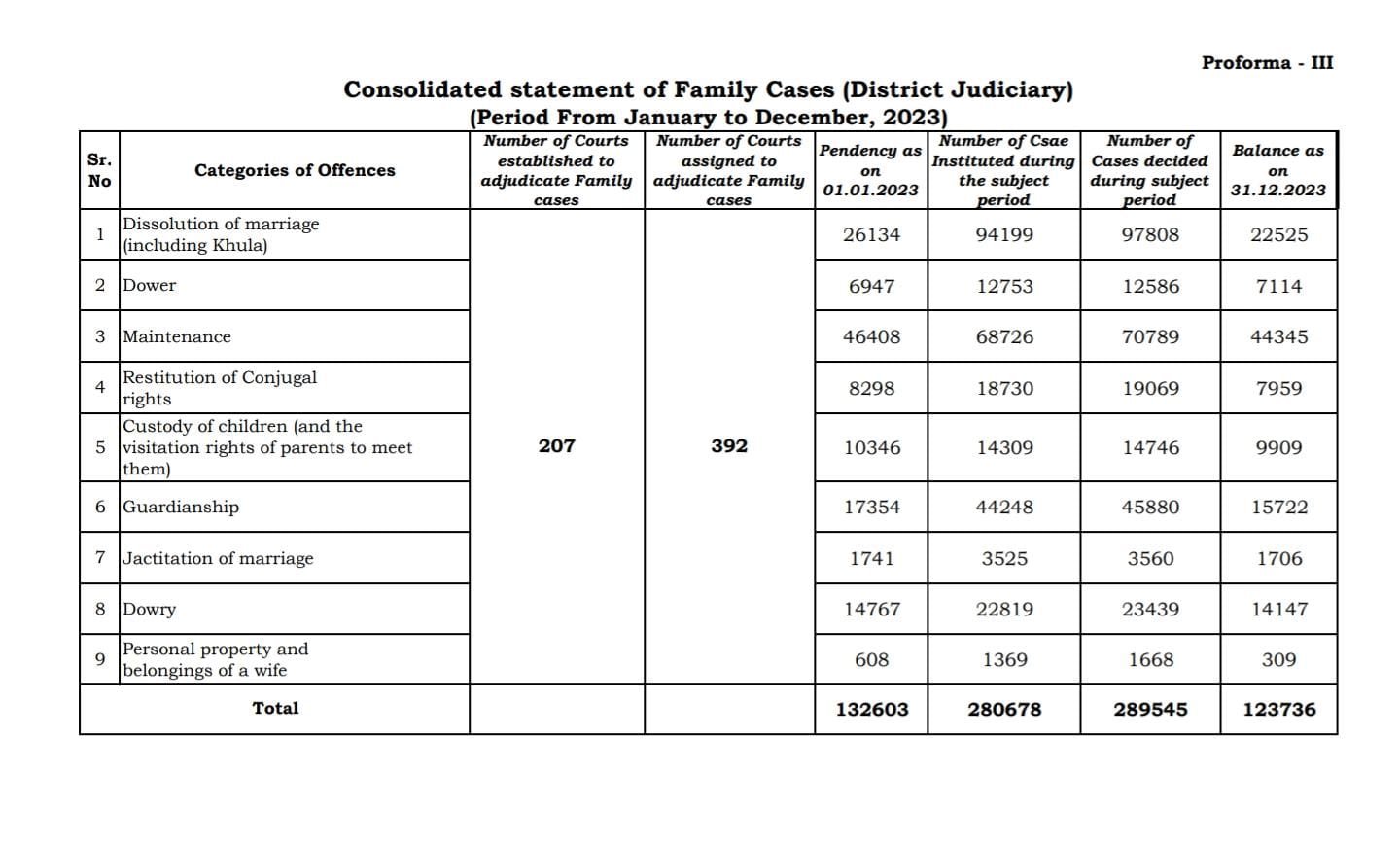
    Shazia was beaten by her husband, the gynecologist who helped her was attacked too, the staff in her clinic was assaulted and Akram didn’t hesitate in breaking things. Distraught and heartbroken, Shazia was sent back to her parents’ home where she received divorce papers soon after. Her kids are still with her husband and like 9909 people, as per data of consolidated statement of Family Cases in Lahore, she is also waiting for a verdict on custody and visitation rights.

    For gynecologist and physician Mehnaz Asim, who runs her practice in a lower socio-economic area of Lahore, these cases are a norm and to my surprise, religion is not the sole reason behind it. “Most of these people want more kids because they want them to be a part of the labor force and earn money from a young age. They don’t worry about their upbringing or education; they see their kids as a source of income.”

    As per the United Nations Population Fund (UNFPA) 2023 data, contraceptive prevalence rate for any method of contraception is only 26 percent among women aged between 15 and 49 while for modern methods it is only 20 percent.

    In a study conducted by the National Library of Medicine, the world’s largest biomedical library and a leader in research in computational health informatics, significant barriers to the adoption of IUDs in Pakistan were identified. These barriers include the reluctance of husbands, societal and cultural taboos, and heightened concerns regarding perceived side effects of IUD usage. Additionally, factors such as illiteracy, poverty, and low socioeconomic status were found to contribute to limited IUD utilization.

    Other important factors contributing to such a low modern contraceptive prevalence rate of 35.4% in Pakistan include the conservative society imposing restrictions on women’s self-determination and self-governance.

    Doctor Mehnaz thinks that it is important for people to know the pros and cons of every contraceptive method and there should be a strict rule implemented by the government regarding at least 2 years gap between children. “We are an overpopulous country with limited resources. Our government needs to implement this rule and penalize people who don’t follow it. This is not only important for the mother but for healthy childbirth too.”

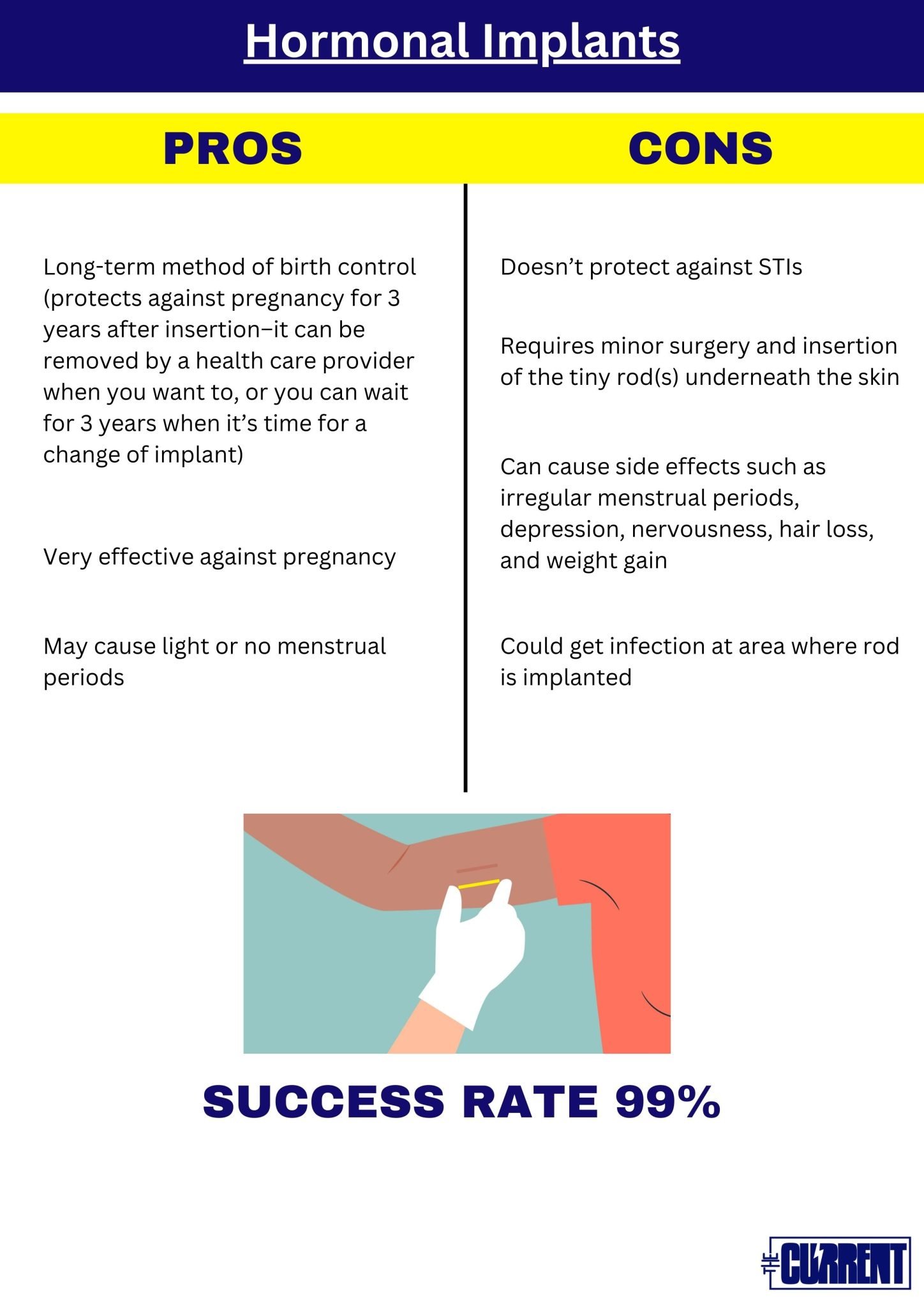
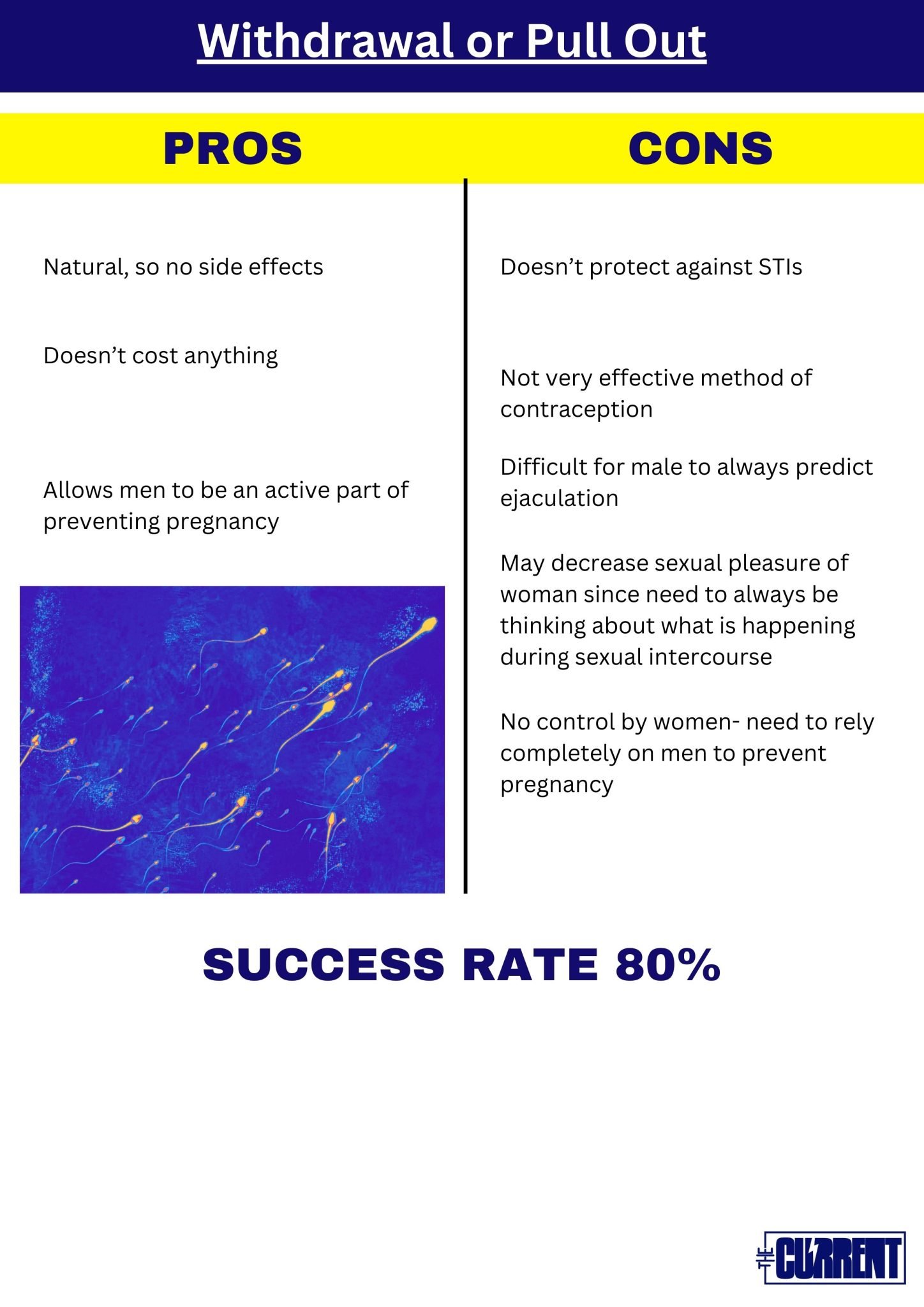
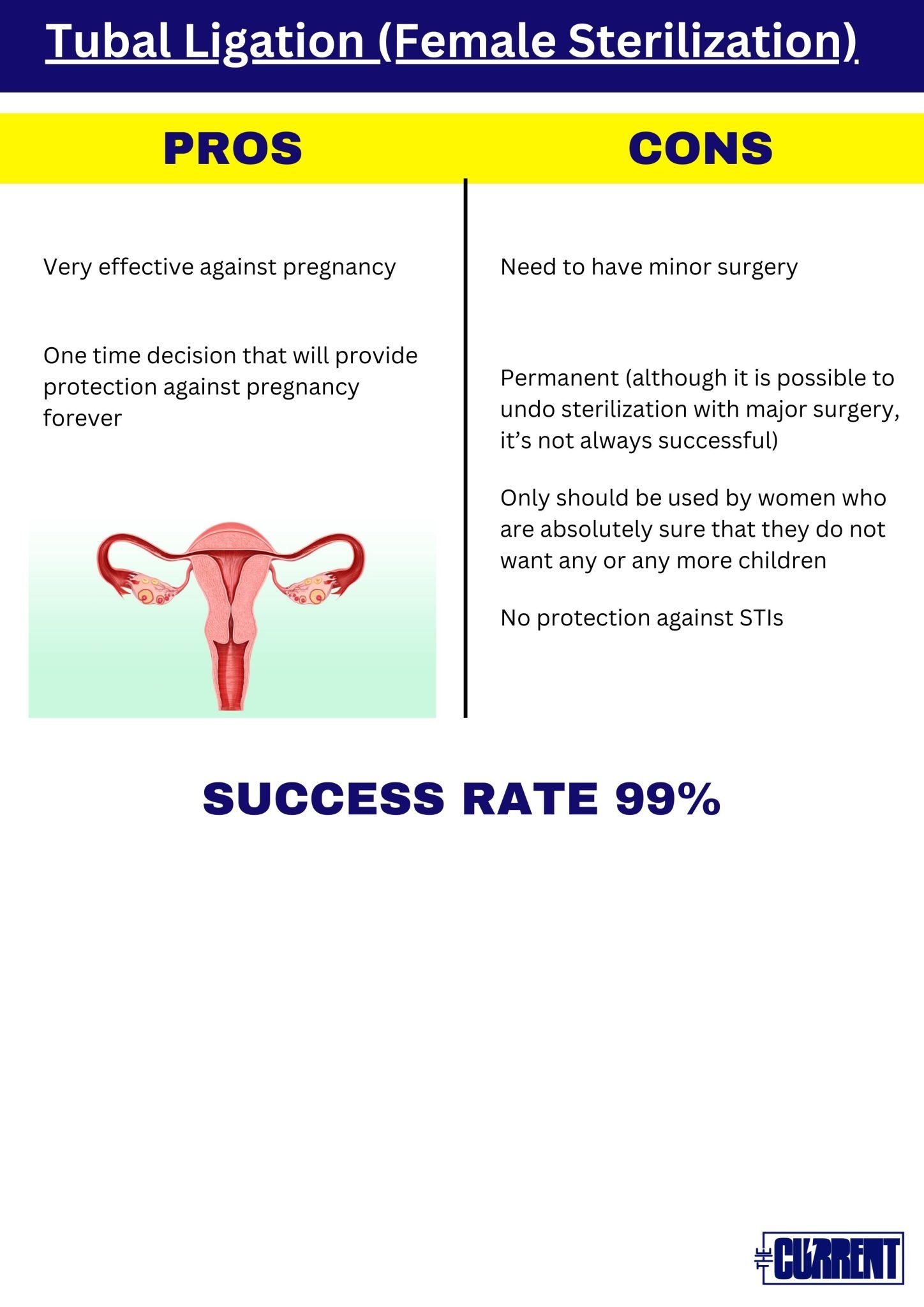
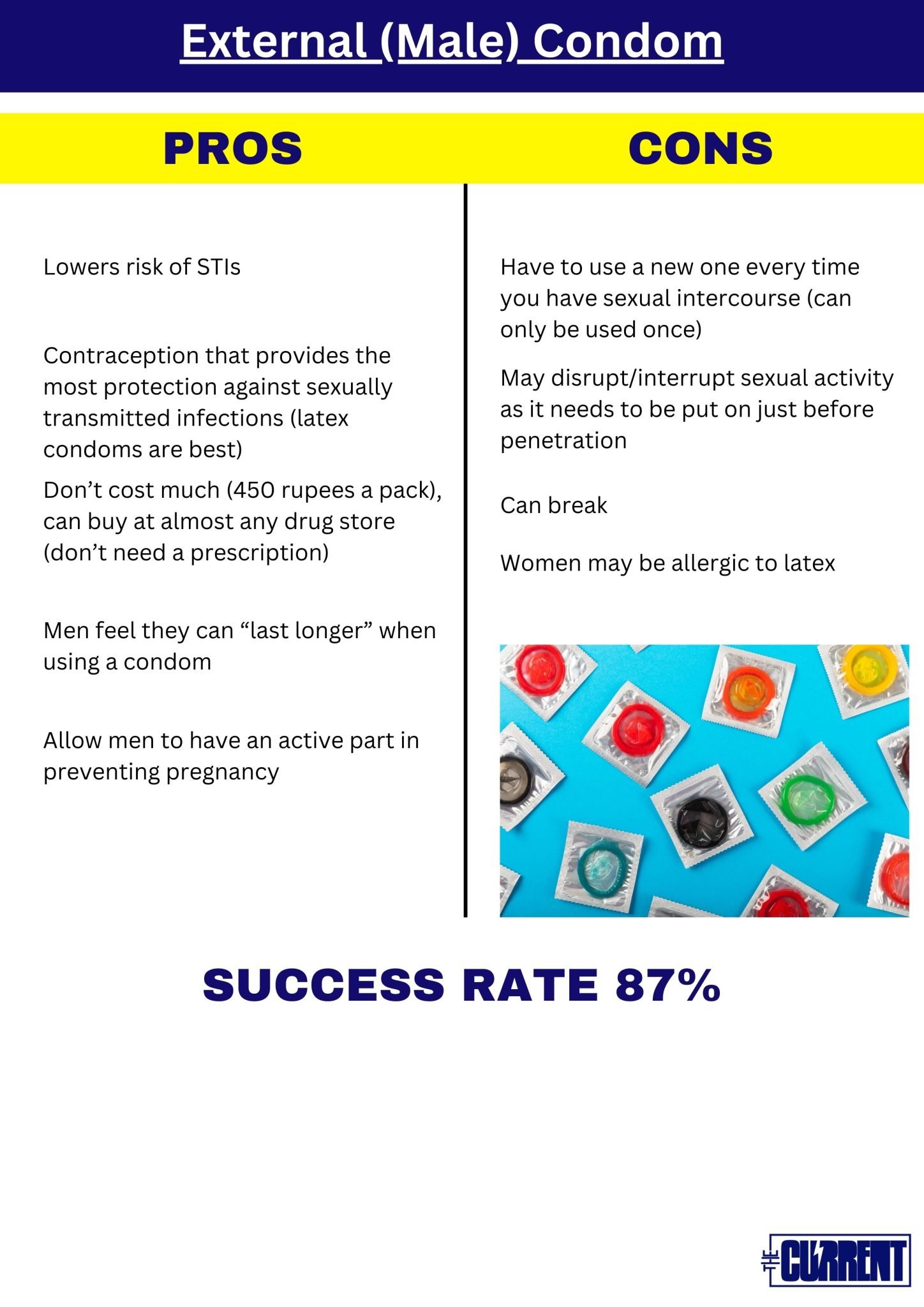
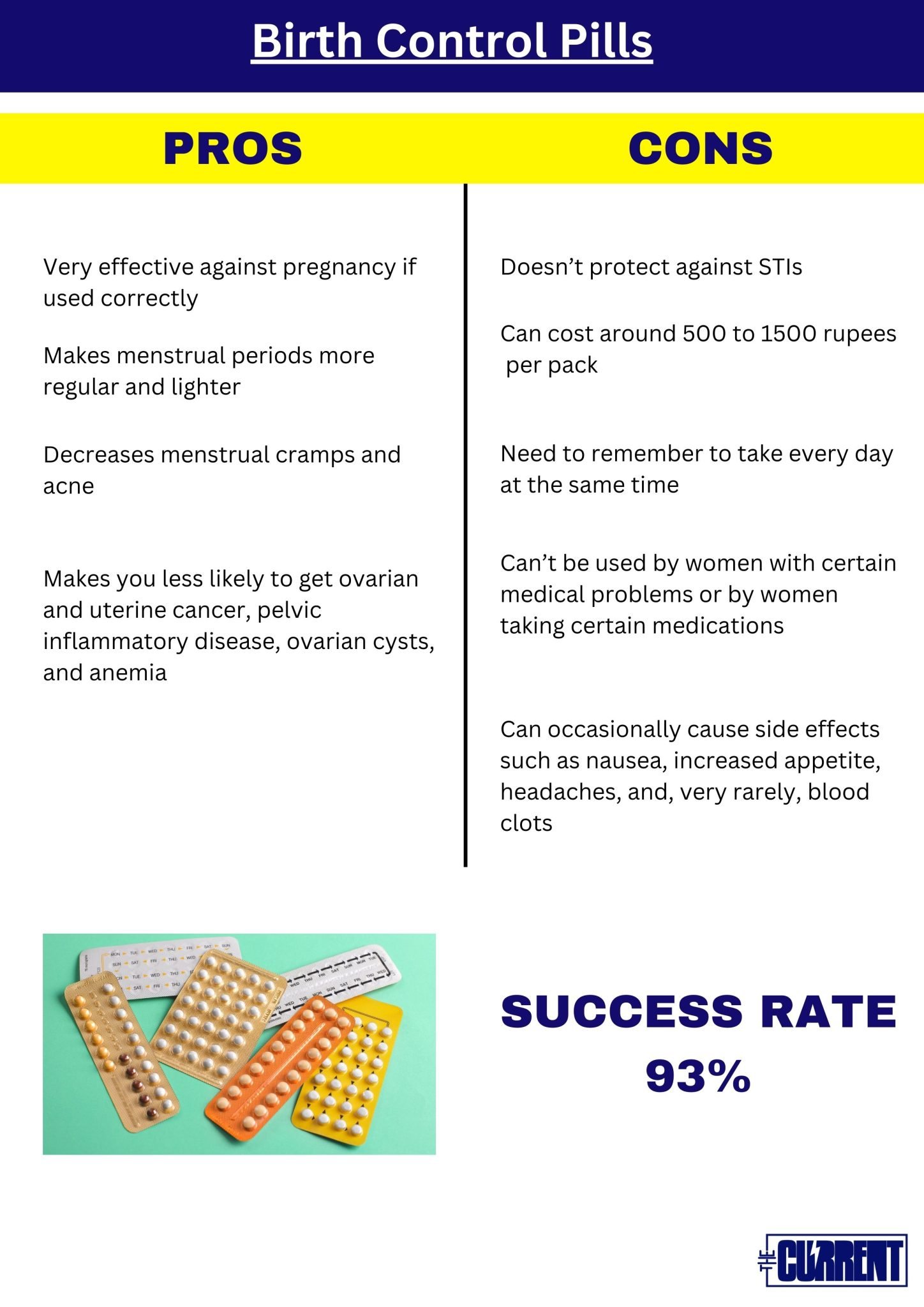
    Pros and Cons of Contraceptive Methods:

    The Center for Young Women’s Health (CYWH), a partnership between the Division of Adolescent/Young Adult Medicine and the Division of Gynecology, at Boston Children’s Hospital, has extensively researched on the pros and cons of different methods of contraception and their success rate.

    *Names have been changed to protect the privacy and confidentiality of the individual involved

  • PTI paying cost of two wrong decisions: Sher Afzal Marwat

    PTI paying cost of two wrong decisions: Sher Afzal Marwat

    PTI leader Sher Afzal Marwat has said the party is paying the cost of two wrong decisions.

    Speaking on Geo News show Aaj Shahzeb Khanzada Kay Sath, he said the first major mistake was committed when party founder Imran Khan gave instructions for a political alliance with the Jamiat Ulema-i-Islam Sherani.

    He said the second major mistake was the announcement of the inclusion into the Majlis Wahdat-i-Muslimeen, adding that some people gave a sectarian colour to the issue and gave threatening messages to the PTI leadership.

    Later, Marwat said, the PTI suddenly decided to join the Sunni Ittehad Council.

    “These are two wrong decisions and their culprits should be determined because we lost more than 80 seats due to them.”

  • Tanzeela Mazhar fought for seven years to get justice against workplace harassment

    Tanzeela Mazhar fought for seven years to get justice against workplace harassment

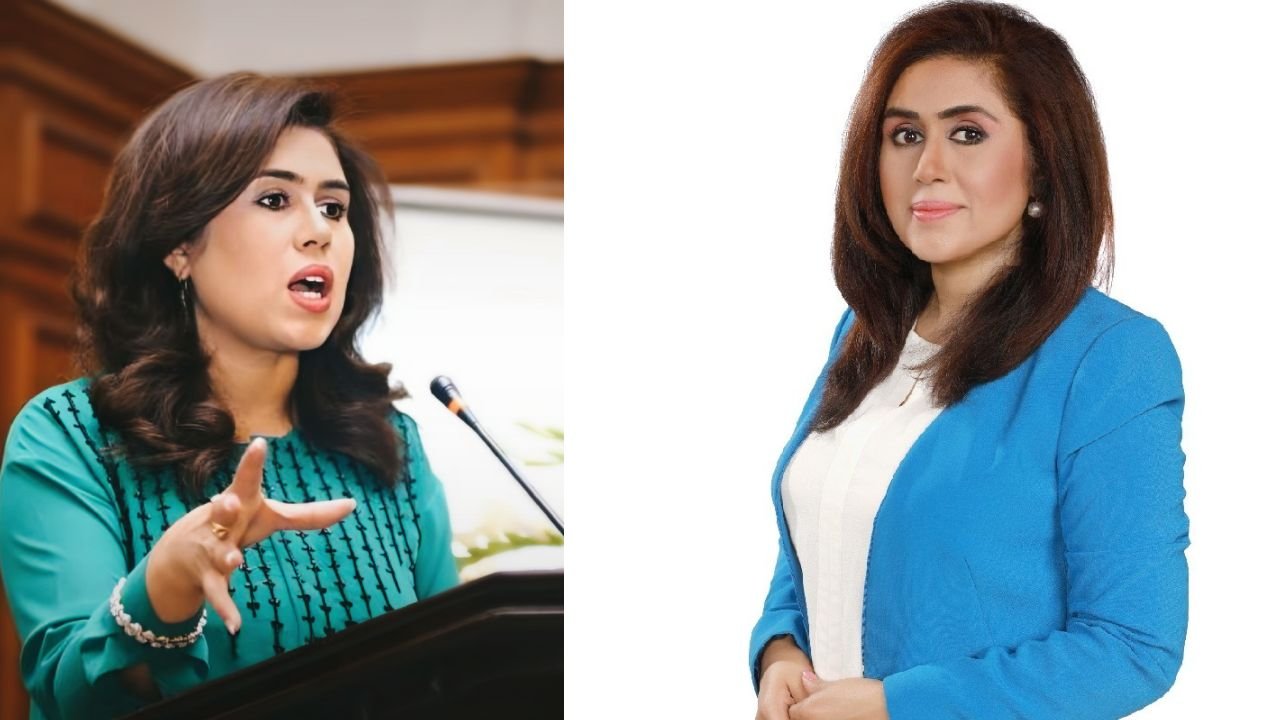
    After seven years of relentless struggle and facing criticism, television host Tanzeela Mazhar, a former anchor at Pakistan Television Corporation (PTV) News, finally received justice in her battle against sexual harassment as she was acquitted in a defamation case filed by her harasser.

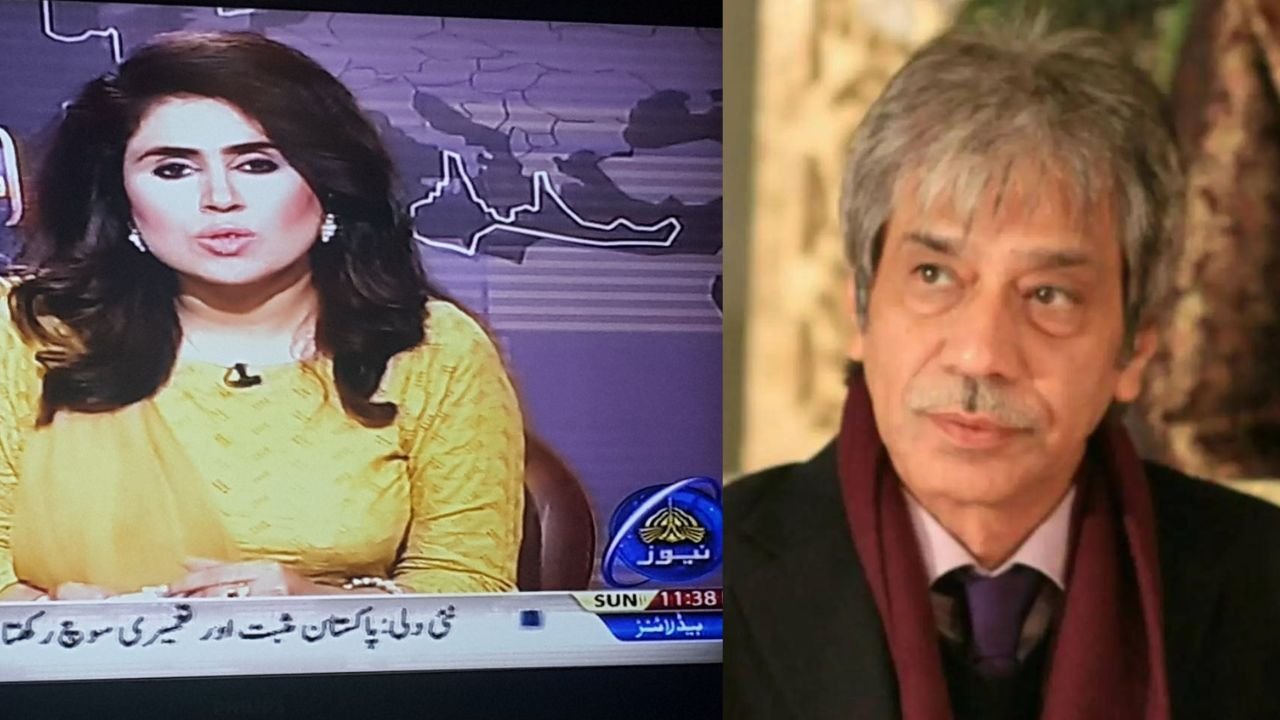
    Mazhar’s ordeal began in January 2017 when she bravely exposed Agha Masood Shorish, former director of current affairs on the state television, on X (formerly Twitter) for making “unwelcome advances” towards her in 2009.

    She shared that he took her off-screen after she confronted him. Screenshots of her chat added to the post revealed the harassment against her and another journalist, Yashfeen Jamal.

    In November 2017, PTV terminated Shorish, and the decision followed a series of investigations, with a total of five inquiries launched against Shorish, three of which specifically addressed allegations of sexual harassment.

    The severity of the situation prompted 14 producers from PTV to lodge a formal complaint against Shorish in the Islamabad High Court, elevating the issue to the national platform.

    The matter garnered further attention when it was brought up in the National Assembly, prompting the Information Ministry to issue a notification for Shorish’s termination.

    Since 2017, Mazhar has been fighting the criminal defamation lawsuit that was filed against her soon after she raised the matter of sexual harassment.

    “It is about not losing your ground”

    She believes, “It is not about winning or losing a case, it is about not losing your ground. When you talk about harassment, you are slapped with defamation cases by your harassers because they want you to step back from your ground.”

    The former PTV anchor asserted that this is a pattern that has been seen in multiple cases. Her co-complainant Yashfeen Jamal’s out-of-court settlement and statements made life difficult for her as that impacted her case.

    Mazhar faced backlash from her journalist fraternity and struggled to find a job. She now works as Head of Programming and Current Affairs at GTV News Pk.

    She is also the co-founder of Women in Media Alliance, a support center, which seeks to promote fair and inclusive representation of women in media organizations across Pakistan. They believe in highlighting the work of women affiliated with different mediums and providing them with a platform to get their voices heard.

    Court Hearings and Societal Pressure

    “Men of the family and home, nobody likes that a woman of your family goes every morning to deal with a court case because that is how our society is,” explains Tanzeela while remembering how she was never exempted from a court hearing, faced warrants due to absence, even when she was traveling somewhere for work or there was an emergency.

    She saw the ordeal as an opportunity, all thanks to her nerves of steel. She went back to university and became a lawyer.

    “The message to their egos as they felt they were punishing me, it all changed because the case went on for so long that I eventually started appearing in uniform. He tried to use every influence he had, his father was influential, so he had contacts with everyone, from bureaucracy to the judiciary to intelligentsia, but I fought against him,” she said with a spark in her eyes and a smile on her face.

    Mazhar’s Resignation and Response from Management:

    The fallout from the allegations against Shorish had a significant impact on PTV’s workforce. In March of the same year, Mazhar announced her resignation expressing her disappointment with the handling of the situation.

    She criticized the leadership, particularly referencing statements made by Maryam Nawaz and her party regarding the respect of women. Mazhar’s departure marked a poignant moment, highlighting the pervasive issue of moral corruption within the institution.

    Legal Battles and Renewal of Contracts:

    Meanwhile, the legal ramifications of the scandal continued to unfold. In February, PTV management renewed the contracts of Mazhar and her colleague, Jamal, amidst ongoing legal battles.

    Shorish retaliated by filing a defamation suit against Mazhar and Jamal, further complicating the situation. Despite mounting pressure, State Minister for Information, Marriyum Aurangzeb, assured the public of the impartiality of the inquiry committee tasked with investigating the harassment complaints.

    Timeline of Events and Parliamentary Intervention:

    The timeline of events reveals a complex web of inquiries and bureaucratic procedures. In January, the inquiry committee submitted its report to the PTV managing director, albeit with delays.

    Women lawmakers in the National Assembly demanded clarification on the lack of action taken against Shorish, amplifying the voices calling for accountability. The internal turmoil within PTV was further exacerbated by a circular issued by management, warning employees against making public comments on the ongoing investigations.

    Amidst the turmoil, Tanzeela Mazhar took to social media to publicly disclose her experiences with Shorish.

    In January 2017, she exposed Shorish’s unwelcome advances towards her on Twitter, shedding light on the pervasive issue of sexual harassment within PTV. Screenshots of personal conversations added weight to her claims, sparking a public outcry and igniting a national conversation about workplace harassment.

    In October 2018, Mazhar revealed that the internal inquiry conducted over the past two years was inadequate. She recounts facing bullying and threats throughout the process. Despite the eventual sacking of the director, the consequences do not include accountability for harassment.

    Additionally, Mazhar and her colleague Yashfeen Jamal navigate through two defamation lawsuits, both criminal and civil, further adding to the complexity of their situation. Mazhar’s journey involves recounting her experiences before probing committees and courtroom appearances, all while facing stigmatization from her offenders.

    Three years after filing her complaint against harassment at PTV, Mazhar finally received the inquiry report on August 20, 2019, upon approaching the Federal Ombudsman Secretariat for Protection Against Harassment (FOSPAH). However, the report was classified as a secret document, further complicating Mazhar’s quest for justice. Her appeals for redress from the PTI government also went unanswered.

    She attended court hearings to confront criminal defamation charges on October 9, 20, and 22, November 16 and 23, in the same year reflecting the ongoing legal challenges she faced in her fight against harassment.

    In 2020, Mazhar appeared at the Federal Ombudsman Secretariat for Protection against Harassment to present her arguments for challenging the inquiry report by PTV. She alleged that the inquiry was not conducted fairly and promptly, highlighting that the report was not shared with her until July 2019.

    Finally, on September 15, her appeal against PTV’s report was brought before the ombudsman for an additional hearing. Despite the initial expectation of concluding the report within 30 days, the process extended to a prolonged duration of three years.

    In September 2021, the court refused to accommodate Mazhar’s medical concerns during her trial, despite her being pregnant and nursing a fractured foot.

    Finally, on January 30, 2024, a Pakistani trial court acquitted Tanzeela Mazhar in the criminal defamation case, bringing an end to her seven-year-long legal battle.

    Throughout this ordeal, Mazhar’s resilience and determination to combat harassment have been evident. Her victory serves as a reminder of the importance of standing up against harassment and seeking justice, even in the face of adversity.

    “I was fighting for a larger cause, and I want women to keep fighting. It took 15 years of my life, this has made me a new person and has increased my passion to fight for gender rights,” she gives her message.

  • Are populism & cults detrimental to democracy?

    Are populism & cults detrimental to democracy?

    Pakistani elections have proved to be an interesting study as we see the party that was unable to campaign come out strong even in a splintered state. Election results have once again hit false narratives of traditional parties as voters voted for a leaderless group of independents only because Imran Khan’s PTI supported them. This has revealed the will of the majority that are a direct hit at Pakistan’s political dynasties giving them a wakeup call to change what they are doing.

    Given a chance, the voter actually wants a change, and not necessarily Imran Khan and PTI which are the only options from the traditional parties. There are many reasons why voters opted for the independents but could cult following be one of them?

    Has Pakistan voted on populism, due to cult mentality or because they want a change?

    Most voters might feel offended and declare that their votes were cast to change the status quo and for a better future. But can they answer why they made the choice – really made the choices they did in 2024?

    If you ask voters why they didn’t vote for the major parties, some will say so and so party didn’t deliver in the past despite being in power for X number of years and they want to bring change. A logical reason. Why should voters vote for someone they know may probably not do anything if put back into power again?

    However, other voters will keep voting for the same parties they have been for decades based on a personality or family name. These voters are not concerned about what the party or leader has delivered; they are loyal no matter what.
    So, is Pakistani politics a form of political cult?

    It would seem so, as most parties are based around personalities and/or family names. Each one has a major poster personality without which the party loses its importance. For example, PMLN is Nawaz Sharif; PTI is Imran Khan; MQM was Altaf Hussain; PPP is Bhutto and Bibi.

    Remove any of these people or in PPP’s case the Bhutto name, will these parties survive? Well, recently we have seen the once formidable MQM crumble after its leader Altaf Hussain was removed. Similar predictions were made when Imran Khan was jailed, and we did see the party lose its momentum in the initial days of the PTI’s leader’s imprisonment.

    It was too early to extract Imran Khan from the political scenario since his ‘legacy’ was still strong among the followers who were grieving the loss of their party and the treatment of their beloved leader. Certain ill-timed decisions and steps by the powers that be right before elections didn’t help their efforts to make PTI and its leader redundant and instead backfired, ending up motivating his already devoted voters.

    Cult politics is a dangerous trend in a vulnerable country like Pakistan where democracy hasn’t been allowed to take root properly. Political cults are as dangerous as dictatorships. These cults revolve around the same orbit no matter what and continue to support the status quo without considering the short and long-term consequences.

    In his 2021 Oped “Why personality cults and democracy don’t mix” in The Washington Post, Brian Klaas – associate professor of global politics at University College London and the host of the award-winning Power Corrupts podcast – wrote:

    “At the extreme end, cults of personality are not just dangerous; they’re also absurd. As strange as they might seem, however, cults of personality are a rational mechanism to enforce control. They serve as loyalty tests that sort zealots from dissenters. Sometimes, they can be reasonably innocuous. But they morph into a dangerously authoritarian phenomenon when two criteria are met. First, if party members are required to publicly idolize a single political figure to be fully accepted, you have a problem. Second, if party members are punished for refusing to publicly parrot lies on behalf of that figure, things have gotten out of control.”

    Cults are defined as a “usually small group devoted to a person, idea, or philosophy” (Britannica). It is a movement based usually on religious beliefs opposing the dominant party or ideology however some studies show that the cults were integrated into the society. Sometimes other factors apart from religion are the driving force in cults.

    Other definitions explain cults as a group that has come together by a common ideological system based on a ‘we-they’ philosophy that has been developed and encouraged by a charismatic leader. The followers are in an echo chamber to drown out all other opinions and voices, they may be socially isolated from non-members including family to ingrain the cult’s doctrine into minds and the cult leader may be seen as a parental figure.

    It is interesting to know that “one of the most prominent Roman cults was the imperial cult, which was dedicated to the worship of deceased and deified Roman emperors and their deified family members. Imperial cult worship reinforced the power of the dominant political system, and most or all of pre-Christian Roman society had some degree of membership in it”.

    In an article published in The New York Times (1982 by Glenn Collins) ‘The Psychology of the Cult Experience’ Margaret T. Singer a professor of psychology at the University of California, Berkeley said: ”The techniques of many cults fall under the general rubric of brainwashing. Consciously and manipulatively cult leaders and their trainers exert a systematic social influence that can produce great behavioural changes.”

    Experts outline some signs of cultic behaviour which may lead to or are shared by autocratic leaders. Cults may propagate concentration in a single person, the leader of the party or group using constant propaganda that resonates with the many people who eventually become followers. The cults develop rallies or festivals to keep the followers devoted to the leader and engaged through discussions (or speeches) of simple solutions that may or may not be practical and workable. These cults identify someone to blame and keep repeating this until this becomes the mantra and then the belief of the followers.

    The followers believe only their leader is the one who can save them and others, and despite demanding democracy and rights, they are in danger of crossing the invisible line and accepting authoritarianism.

    Populism and political and religious cults have done more damage to the country’s democracy hence the stability and economic prosperity. Democracy which is still in its nascent stage as the country sweeps through one nazuk dor (delicate time) after another, will survive and hopefully prosper as the country achieves some form of stability in the future.

    Pakistan still needs to experience real democracy despite its dictators, autocrats, and democrats and although this is a long and arduous journey it will hopefully achieve this goal as the few but strong democratic voices keep speaking up for basic human rights regardless of a person’s affiliation.

  • Government formation: What will kingmaker PPP do?

    Government formation: What will kingmaker PPP do?

    More than 11 days have passed since the general elections took place, yet the country is without a coherent government formation strategy.

    From every side saying they will form the government to every side saying they will sit in opposition, the situation remains unclear, except for one fact: Pakistan Peoples Party (PPP) is in the driving seat as the Kingmakers.

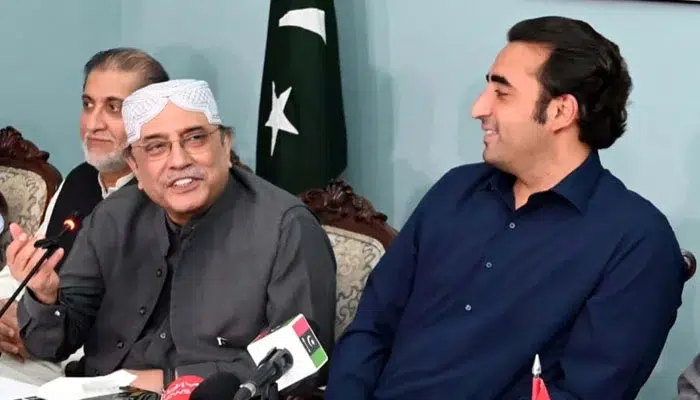
    So what will the party do? Chairman Bilawal Bhutto Zardari revealed on Sunday during a political rally in Thatta, that his party has rejected the power-sharing formula offered to them, but stressed that his father, Asif Ali Zardari, will be the PPP’s candidate for president. “I was told [by PML-N] that let us be the prime minister for three years, and then you can take the premiership for the remaining two years,” Bilawal revealed, adding that he said no to the offer. “I said I do not want to become a prime minister like this. If I become the prime minister, it will be after the people of Pakistan elect me.”

    The PPP chairman also said, without mentioning any names, that his party will align with those who asked for their votes but will not take ministries.

    The former foreign minister also stressed that his father will play a big role in reducing the political tension in the country.

    According to The News, Pakistan Muslim League-Nawaz (PML-N) and PPP are set to hold their fifth meeting today to hash out a formula for the formation of the federal government.

    On the other hand, PPP leader Sarfraz Bugti claimed on Sunday that his party will form the provincial government in Balochistan with the help of PML-N.

    “The PML-N would be our ally in Balochistan [as it has] given us a clear signal to form our government [in the province],” Bugti said while addressing a press conference in Islamabad.

  • Resign from party chairmanship, leaving politics: Jahangir Tareen announces retirement

    Resign from party chairmanship, leaving politics: Jahangir Tareen announces retirement

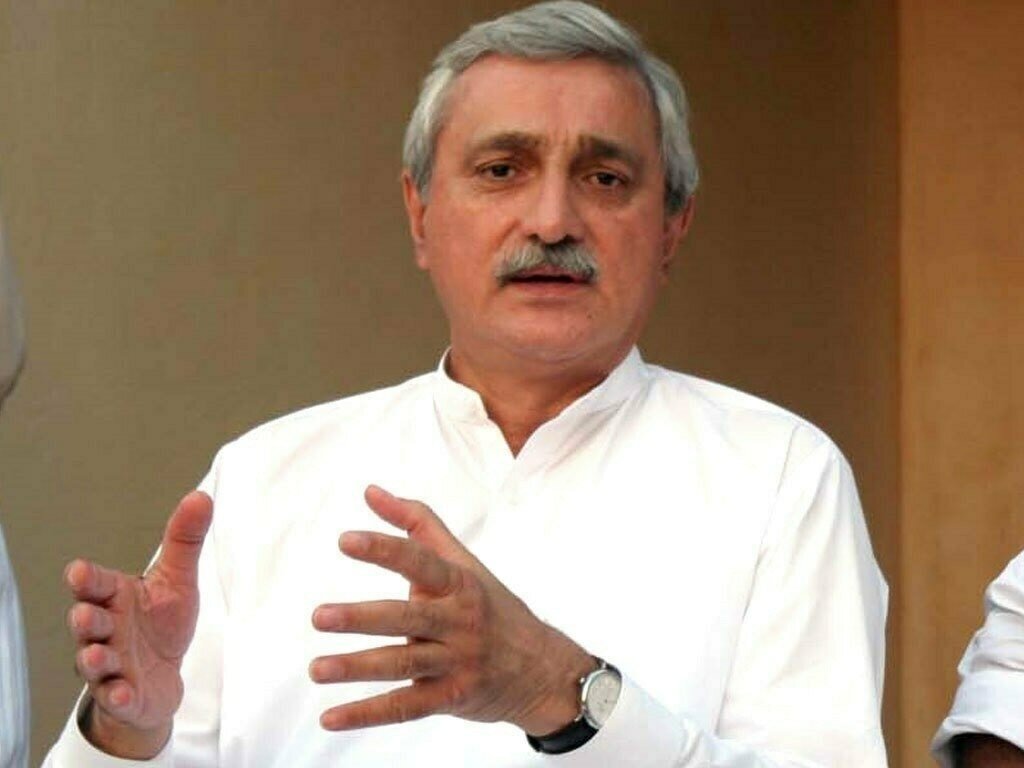
    Chairman of the Istehkam-e-Pakistan Party, Jahangir Tareen has announced that he is resigning from the party leadership and is leaving politics. Tareen took to X (former Twitter) and thanked everyone for supporting him and also congratulated his opponents.

    Tareen lost both the seats he was contesting on this year: in Lodhran and Multan. His party won two seats to the National Assembly won by Aun Chaudhry and Aleem Khan.

    On the other hand, Jamat-e-Islami chief Siraj-ul-Haq (JI) has also resigned from his party position. The JI chief had also lost his seat in the election.

    Pakistan Tehreek-e-Insaf Parliamentarians (PTI-P) chief Parvez Khattak has denied reports of him leaving politics.

    The senior politician confirmed that the news regarding his retirement from politics is wrong. He further said that he just wants a little break from politics.

    Parvez Khattak resigned from his party position on Monday afternoon after he, his family and most of the party suffered defeat in general elections 2024.

  • Election 2024 Wrap-Up 

    Election 2024 Wrap-Up 

    No mobile signals on election day:

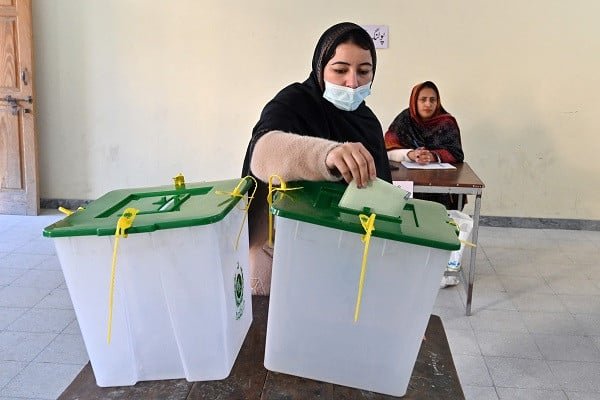
    The general election of 2024 took place on February 8, and there were no mobile signals on election day across the country. Caretaker prime minister Anwar Kakar said, “I don’t know what difficulties citizens are facing due to mobile suspension.”

    Polling started late:

    According to a report in The Express TRIBUNE, polling at most women polling stations started late on February 8 due to the late supply of election material in different areas of the country. 

    Blasts on election day:

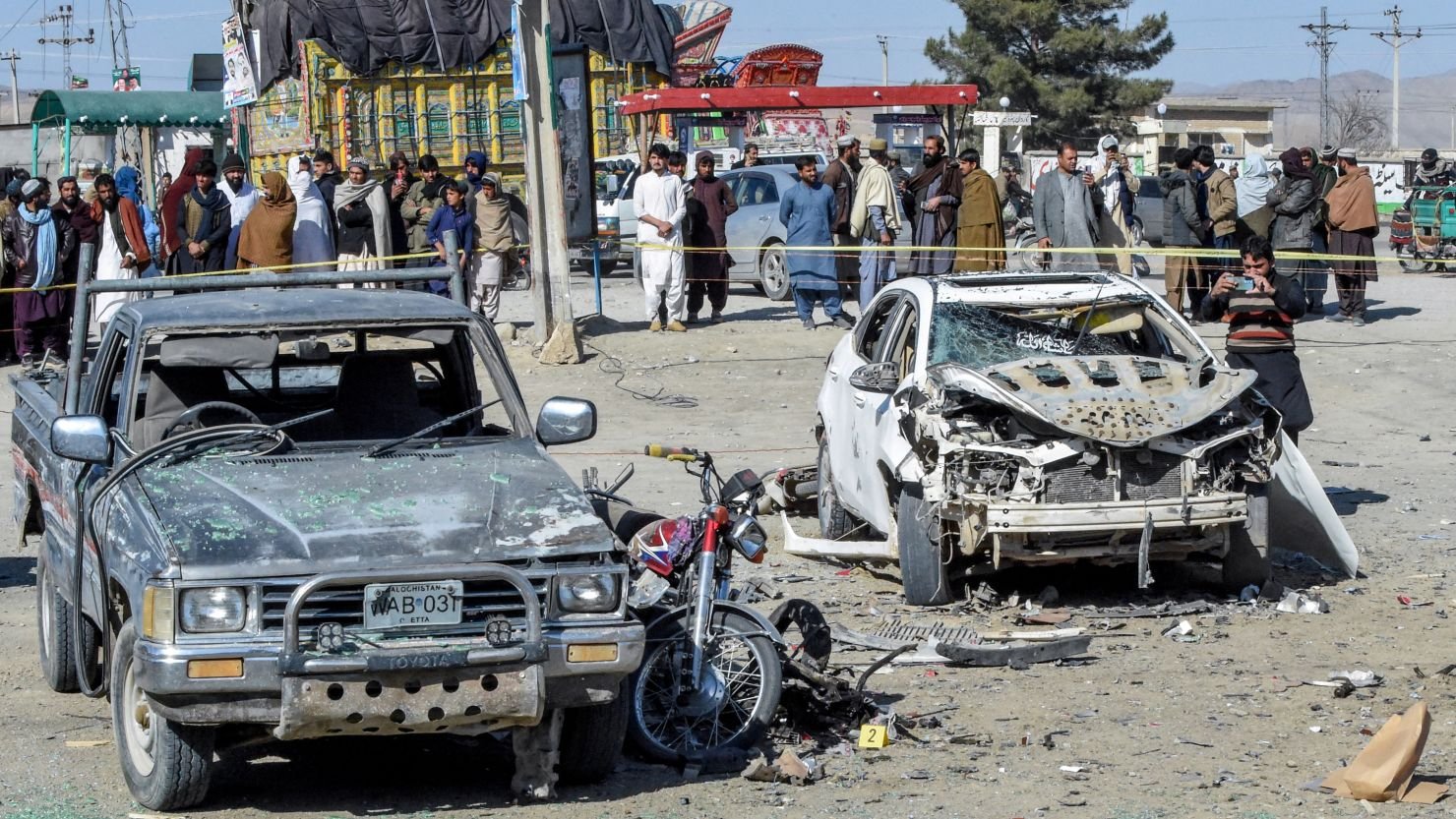
    Two blasts happened on Election Day in Lajja town and the Kharan area of Balochistan. At least three people were killed in two blasts on February 8.

    Hot Seats:

    NA-122 Lahore was a hot seat as Khawja Saad Rafique of the Pakistan Muslim League-Nawaz (PML-N) and PTI-backed candidate Sardar Latif Khosa were in competition. However, Sardar Latif Khosa won this seat.

    NA-128 was also a hot seat as PTI-backed candidate Salman Akram Raja and Istehkam-e-Pakistan Party’s (IPP) Aun Chaudhary were competing on it. However, Aun Chaudhary won this seat.

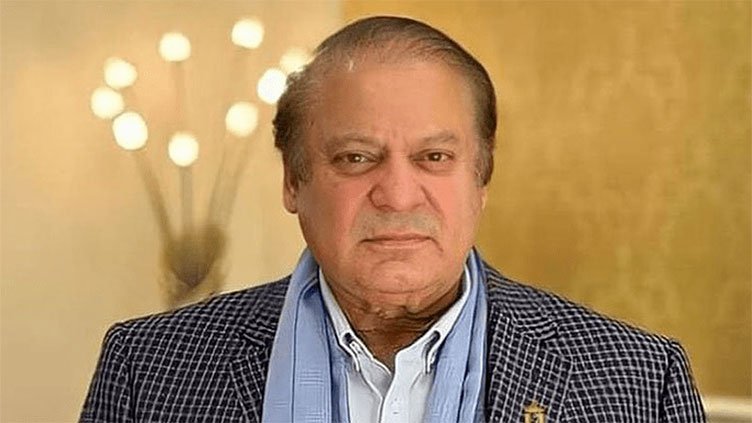
    NA-130 was also an important seat, as former Prime Minister Nawaz Sharif was in competition with PTI-supported Yasmeen Rashid. However, Nawaz Sharif won this seat.

    Long delay in election results:

    Election results took a long long time to be tabulated and released.

    ECP decides to announce results:

    The Election Commission of Pakistan (ECP) decided to announce results, beginning with three constituencies at 2am on February 9.

    Allegations of rigging:

    Multiple politicians claimed that the elections were rigged in different constituencies, and some politicians challenged their defeat in courts. 

    PTI Independents take the lead:

    Pakistan Tehreek-e-Insaf-backed candidates took the lead and then maintained it.

    Nawaz’s victory speech:

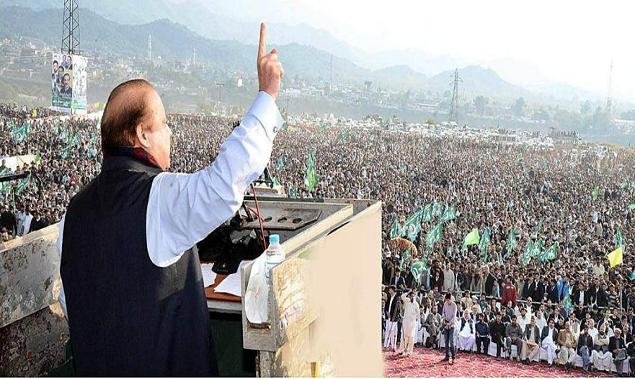
    Former Prime Minister, Nawaz Sharif cancelled his victory speech on Thursday night due to a delay in results. The next day, February 9, Nawaz Sharif said in his speech that all politicians and political parties should work together.

    Shehbaz meetings:

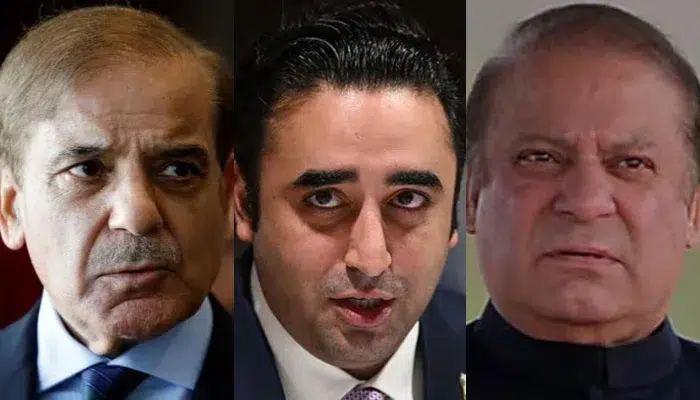
    Pakistan Muslim League-Nawaz (PML-N) president Shehbaz Sharif met Pakistan Peoples Party (PPP) Chairman Bilawal Bhutto Zardari, Asif Zardari, on Friday, and a delegation of the Muttahida Qaumi Movement-Pakistan (MQM-P) on Saturday to discuss the possibility of joining hands in a coalition government.

    Final Tally:

    According to results so far, PTI-backed candidates are 93, PML-N has 73 and PPP won 53 National Assembly seats.

  • Which Newly Elected Politician are you?

    Which Newly Elected Politician are you?

  • Which Political Party Are You?

    Which Political Party Are You?