Author: optimum_tech

  • Electioneering in Sindh – I

    Electioneering in Sindh – I

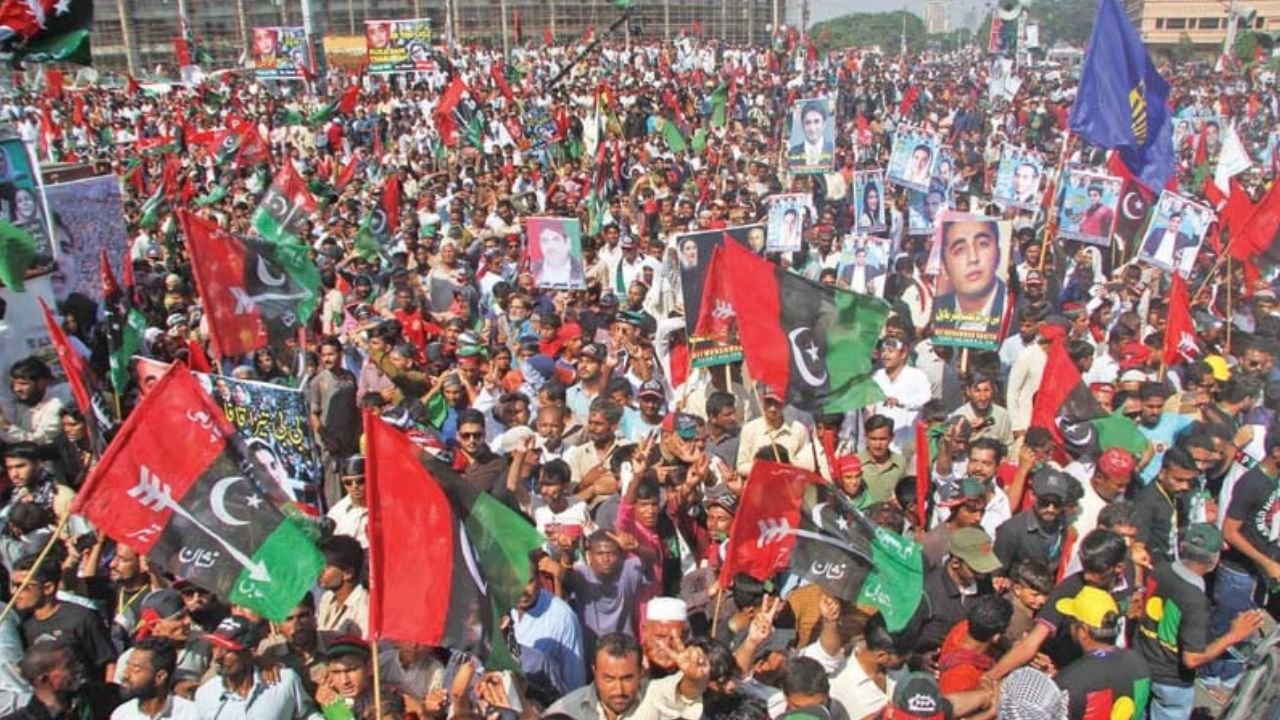
    For a long time, anti-Pakistan People’s Party (PPP) political parties in Sindh have had a desire to keep it away from power. To achieve their target, they have formed alliances and engineered seat adjustments since 2013, but they have failed at every occasion. Keeping their tradition alive, they have again joined hands by expanding an already existing alliance – the Grand Democratic Alliance (GDA) – and by making seat adjustments with the remaining anti-PPP parties: the Pakistan Muslim League-Nawaz (PML-N), Jamiat Ulema-e-Islam-Fazl (JUI-F), etc., and personalities.

    Administratively, Sindh is divided into six divisions and 30 districts. Voters in Sindh have to directly elect 61 MNAs and 130 MPAs to represent them in the National Assembly (NA) and provincial assembly (PA). PPP leadership is confident that this time it will increase its seat tally from Sindh, but the party’s biggest impediment is internal rivalry of its candidates in different areas.

    On most seats in Sindh, PPP candidates have a clear lead over their opponents, unless a miracle happens. Today we will discuss national and provincial assembly seats in Larkana (eight NA and 17 PA seats) and Sukkur (seven NA and 14 PA seats) divisions, where a close contest is expected or where important candidates are in the running.

    On NA 190 Jacobabad-I, a neck-to-neck fight is expected between traditional rivals, 2018 winner Mohammad Mian Soomro, who is running as an independent candidate, and PPP’s Ijaz Jakhrani. Similarly on PS 1, Jacobabad-I, PPP’s first-time runner Sher Mohammad Mugheri is facing independent candidate Abdul Razzaque Khan. On PS 3 Jacobabad-III, Mumtaz Jakhrani, PPP’ ex-provincial minister and relative of NA candidate Ijaz Jakhrani has rebelled against party decision and is in the race against PPP candidate Aurangzeb Panhwar. This constituency will see a close fight. All these independent candidates have the support of GDA and its allies. Past results suggest that PPP’s Sohrab Sarki is favourite on PS 2 Jacobabad-II. However, JUI-F’s Shafique Khoso is possibly giving him nightmares.

    PPP’s Shabbir Ali Bijarani and JUI-F’s Dr. Ibrahim Jatoi are in the race on NA 192 Kashmore cum Shikarpur. A close contest is expected here because both the candidates have not only party votes at their disposal but they have strong personal support bases too. On PS 5, Kashmore II, JUI-F’s Rab Nawaz Chachar, with the help of his community and the influential Tegho Khan Teghani, can surprise Ghulam Abid Sundrani of PPP. On PS 7 Shikarpur-I, Agha Taimoor Khan of JUI-F, whose peers were associated with the PPP and he himself has remained PPP MPA, is contesting the election against PPP where an interesting contest is expected. PPP’s Arif Mahar is up against JUI-F’s Abid Jatoi on PS 8 Shikarpur-II, where a fierce battle is expected.

    Although JUI-F’s Rashid Mehmood Soomro is up against PPP’s fresh inductee Shahryar Mahar, son of ex-federal minister Ghous Bux Mahar on NA 193 Shikarpur, his actual constituency is NA 194 Larkana where he is contesting elections against PPP Chairman Bilawal Bhutto-Zardari. His brother Nasir Mehmood Soomro is contesting NA 196 Kamber-I against Bilawal Bhutto-Zardari. According to local sources, PPP candidates have an edge over their rivals on these seats. However, PPP will have challenging contests on PS 12 Larkana-III and PS-14 Kamber I.

    On NA 198, PPP’s Khalid Lund will be challenged by independent candidate Faqeer Abdul Haq alias Mian Mithoo, infamous for forced conversion cases. Similarly on PS 18 Ghotki-I, PPP candidate Shahryar Shar is facing sitting PPP Senator Jam Mehtab Dahar and on PS 19 Ghotki-II, PPP candidate Bari Khan Pitafi is facing independent candidate Nadir Akmal Leghari. Both these independent candidates enjoy the support of PPP rivals.

    The PPP has smooth sailing in Sukkur, where former federal minister Khursheed Shah and others are in the run. GDA’s Deedar Jatoi will offer a bit of resistance against PPP’s Nauman Shaikh on NA 200 Sukkur-I and independent candidate Mubeen Jatoi against PPP’s Nasir Shah on PS 25 Sukkur-IV. Nafisa Shah, Qaim Ali Shah and Halar Wassan enjoy one-way traffic on NA 202 Khairpur-I, PS 26 Khairpur-I and PS 27 Khairpur-II respectively. There is a close contest on NA 203 Khairpur-II between Sadaruddin Shah of GDA and Fazal Shah of PPP. While in NA 204 Khairpur-III, PPP’s Javed Shah has a small lead over Moazzam Abbasi of GDA. On PS 27 Khairpur-III and PS 31 Khairpur-VI, PPP candidates Sajid Banbhan and Syed Bachal Shah are in difficult positions against their rivals Ismail Shah and Rashid Shah of GDA. PPP’s Shiraz Rajper and Naeem Kharal are slightly better off against their rivals Rafique Banbhan and Khalid Shaikh of GDA on PS 29 Khairpur-IV and PS 30 Khairpur-V respectively.

    In the next part of this series, we will discuss Shaheed Benazirabad and Mirpur Khas divisions of Sindh.

  • Actions speak louder than symbols

    Actions speak louder than symbols

    Elections are just around the corner. There has been a lot of debate and discussion brimming with political hubris in the months running up to it. As usual, nothing of substantial interest to the people – no concrete plans to try to put the economy on a path to recovery; no public schemes that can mature in the months after the election; nothing for an ordinary Pakistan.

    For months, the political arena has been abuzz with hours of ‘political debate’ on non-issues and as already mentioned, nothing to do with the people of Pakistan. Political parties have focused on everything and anything – as usual – that is important for their leaders. The most important discussion all through December 2023 was on the allocation of political symbols, with some parties afraid their ‘traditional’ symbols would be given to someone else. Can you blame them? These symbols are the only way their voters can identify them on the ballot paper, as a majority are either politically blind or illiterate. The political symbols are like a book with pictures that help everyone to their conclusions about the story regardless of the accompanying words.

    Most parties know the way to their followers’ votes is through their emotions rather than intellect. This helps them since most have not done anything for the people that can be used to woo the voter. Political workers have a special affinity with their party’s symbol, and it works. Many political parties lack substantial projects or even indications that they even attempted to begin any people-friendly projects; therefore, it is better to rile up emotions than logic. Logical voters ask too many questions. Hence the importance of political symbols.

    Promises made during elections are old ones- regurgitated and patched up – echoing for decades without any action to back them up. The only way voters can determine who to vote for is to study a party’s manifestos past and present, which should have been released weeks or months before the polling.

    The main Pakistani political parties launched their manifestos in the last week of January 2024 for elections to be held on February 8, 2024. There is no explanation or apology for this delay, maybe because the parties are aware of how their voters think and behave – at least devoted loyalists will believe anything they promise as a tradition of Pakistani politics.

    They have not impressed critics who commented that the manifestos “lack substance and fail to address the pressing realities of Pakistan”, adding that they rely on promises without offering concrete implementation plans. Others commented that “some have promised much, but most have not bothered at all”.

    Why isn’t this a surprise?

    The main reason for this is that parties know their voters won’t demand to see manifestos – past and present – which allows them space to play as they like.

    Even though the political parties have not given their voters much time – less than 10 days – it wouldn’t hurt for people to do a comparative study of these manifestos with past ones of not only their own party but the others as well.

    A manifesto is an extremely important document that informs voters what to expect from someone they elect to run the country for many years. It should be the first thing to be launched and made available to the public. It is the resume of the party vying for the reins of the country.

    People should not only question parties about what they have planned to make the public’s life better and hold governments accountable throughout their tenure on the promises they had made in their manifesto.

    They should ask what policies and plans has the government made to shield people from miseries; what they planned to stop people from murdering their children and partners, and committing suicide; to provide them employment in the country so that they don’t fall prey to human traffickers; to protect the rights of vulnerable groups like religious minorities; allocating funds to provide basic health and education.

    But this is too much to ask. Voters are indifferent, which is quite dangerous for society and the country. The only beneficiaries are those in power.

    However, it would make an interesting study to see why there is so much public indifference. One reason for this could be the unnatural public devotion to political leaders, some of whom have become demigods. Devotees flock around them regardless of their flaws. It is almost as if they are members of a cult – a political cult. They follow their leader with blank minds, no queries, or interests of their own, believing the mere presence of the leader will solve everything.

    This is not a new phenomenon in Pakistan or global politics, political cult behaviour takes root over years, weakening a conscious society and forcing it to stop asking questions. It has also damaged the political process and democracy itself.

    Like other cults political cults revolve around a personality and their agenda, with followers believing everything and anything, even if it is detrimental to the very structure of society.

    Commenting on the political cult behaviour, Bethany Burum, a research scientist in psychology who teaches a Harvard course on cult behaviour, said in an interview (The Harvard Gazette):

    “Cults manage to shift people’s beliefs rapidly away from the broader society and away from the beliefs they had before they joined. The second thing I emphasize is that cult members act against their own interests and their families’ interests quite strikingly.”

    Pakistan’s political history is a good example cult politics throughout the decades – one person calling the shots devoutly followed by thousands of people from the entire social spectrum and different backgrounds.

    The cult followers don’t care about the larger consequences that directly affect their lives, all they care about are the leader’s words and promises that hold an almost divine value for them. If their leader fails to fulfill a promise, the devotees blame the failure on other forces because their political (cult) leader cannot do wrong.

    And it doesn’t help that the political (cult) leaders provide quick fixes that are temporary but enough to reinforce their powers among the followers.

    Unfortunately, decades of political cults in Pakistan have done nothing to improve the society and bring prosperity to the people. It has only damaged the social psyche and ingrained hopelessness in the people forcing them to wait for the next and ‘real’ messiah. And begin following anyone who promises to break the status quo but never intended to do so.

    Pakistani voters seem to have reached a certain level of complacency that allows them to tolerate the superficial political claims from inefficient people running the country in the name of politics. They rather watch an argument around the allocation of political symbols than worry about what their leader(s) has promised them. It seems they rather believe in miracles than expect change, as that has never really worked out for them.

    It will take decades for the voter to understand the importance of the written manifesto and that actions speak louder than political symbols.

  • Unveiling the issues for women around ‘Mardana Kamzoori’

    Unveiling the issues for women around ‘Mardana Kamzoori’

    Fraeeha never had an issue with her blood pressure in her 27 years of life, but things changed after she got married. She has been married for a year and it was her parent’s choice with whom she’ll spend the rest of her life.

    She always visited a homeopathic doctor for any medical issues before her marriage and continued to do so till the physician told her to get her husband tested for infertility issue. Her husband got tested in June 2023 and that’s when everything changed for her.

    Faizan’s sperm count was low, so the doctor recommended they take medicines. Even before a month passed, her periods got delayed. “I took the test, it was negative. There was nothing in the ultrasound, but the doctor still gave me medicines for growth,” she said while lamenting how this made her hypertensive and she never recovered from it. She was taken to the emergency room in a nearby hospital as her blood pressure was high. She fainted once she reached there.

    As much as medical science has advanced, there is still a lot to be researched and taken into consideration regarding women’s bodies and the impact of different medications on them. Her husband ordered her not to tell anyone about his fertility issues and Fareeha was the one who took the brunt of its impact. She and her brother got married in the same month. When the other couple got pregnant within a month, everyone started asking her why she wasn’t pregnant yet.

    Male infertility is characterized by a man’s inability to initiate a pregnancy with his female partner. Various factors can contribute to male infertility, such as insufficient sperm production or the presence of unhealthy sperm. Genetic issues, like cystic fibrosis, or a blockage in the genital tract, may also be underlying causes.

    Certain predisposing factors, such as a history of genital infections, testicular injuries, or experiencing early or late puberty, may increase the likelihood of male infertility.

    Treatment strategies are tailored to address the specific cause of infertility. Options may include artificial insemination, the use of medications, or surgical interventions, depending on the identified factors contributing to the fertility challenges.

    Doctor Zarina Ashraf, a gynecologist by profession, recommends that a couple should wait for two years at least before starting medicines in case there is no issue of fertility in one of them. But this case was different. Fareeha and Faizan’s case was not something she hadn’t dealt with before but she still felt upset when she got to know that Faizan was not taking the medicines properly.

    Fareeha said, “I sometimes have to treat him like a child. I must convince him to take medicines. He sometimes needs extra pampering to keep taking the pills. It is exhausting but I keep my spirits high.”

    She is still among the ‘lucky ones’ whose spouse got tested and believes in treatment. Alina was not that lucky. She was married to Salman for nine years and she terms them a ‘nightmare’.

    “Salman used to beat me up, he told me multiple times that I am a useless woman since I can’t bear a child. All my tests were normal while he never agreed to get tested as he believed that fertility can never be a problem for men,” she stated in a shaking voice with tears in her eyes.

    Unlike Fareeha, who only got the chance to get an education till the intermediate level, Aleena got a master’s degree before getting married. She succeeded in her career but gave in to family pressure on marriage and still regrets it.

    “I have forgotten the number of medicines I’ve taken. Doctors always said that there was no issue with me, but my husband forced them to give me medicines. He used to beat me black and blue if I ever missed a pill and, in the end, all I am left with is hypertension, irregular periods, body fat, trauma, and a divorce,” she said.

    Aleena’s husband remarried and due to the wealthy background and influence of the girl’s family, he eventually got tested and doctors declared that he was infertile. The girl took Khula and left him, but this hasn’t given Aleena any closure. She is just relieved that the world eventually got to know the truth but the marks on her body and mental trauma are still there for her to deal with.

    “I have been practicing for more than 20 years and I have barely seen men who are easily convinced to get tested let alone seek treatment in case of infertility,” explains Zarina. She further added that societal pressure is also usually on women and men easily get away with it. She has now set a rule that in case of infertility treatment, the couple must sit together in her office and get counseling. Zarina believes that this has helped in changing the dynamics a bit but there is still a long way to go.

    Doctor Mehboob ur Rehman Asif runs a hospital in Lahore and often sees men with fertility issues. “They usually go for Hakims first instead of a professional doctor. Along with fertility issues we also see patients who have erectile dysfunction (ED), but they come to us after they have tried things like salajeet or other herbs,” he said.

    He further stated that a lot of such men usually know inherently that the fault lies in them but barely acknowledge it in from of their wives. Her life partner, Doctor Rabia Nisa, who is also a gynecologist by profession, makes sure to recommend such patients to her in case the husband refuses to get tested or seek treatment.

    The couple has been treating and counseling such cases for years but Rabia still thinks that in the end women are impacted more in such situations. “We see mothers-in-law and other family members verbally or even sometimes physically abusing the woman for not being pregnant. When we initially tell the patient that their husband needs to get tested, the first reaction is a no and that is primarily out of fear,” she said.

    Asif also agrees that such behavior exists adding that sometimes the husbands get aggressive too. “In most of the cases, their immediate reaction is anger or denial. Even if they know before their marriage that they have ED or any other issue, men rarely admit immediately that they have an issue. Mostly it is their ego and sometimes shame which become a reason behind this behavior,” he adds.

    Male Infertility in Pakistan

    According to a study conducted by the Pakistan Journal of Public Health, approximately 21% of couples in Pakistan face infertility issues. Furthermore, the same study found that male factors contributed to infertility in 37% of cases, female factors in 51%, and both male and female factors in 12% of cases.

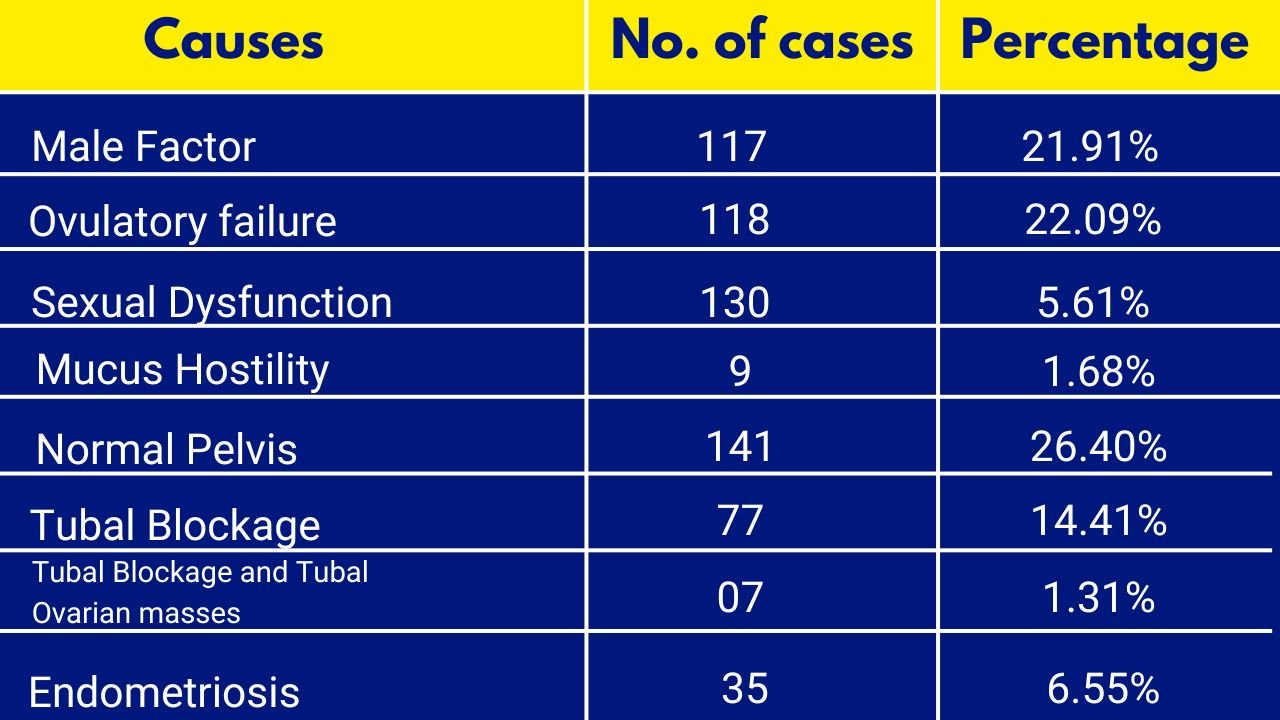
    According to a study, “Prevalence of Infertility in a Cross Section of Pakistani Population” by Riffat Shaheen, Fazli Subhan, Sikandar Sultan, Khaula Subhan, and Faheem Tahir from the Department of Obstetrics and Gynaecology, Federal Government Services Hospital, Islamabad, Pakistan (RS), and Department of Reproductive Physiology/Health, Public Health Laboratories Division, National Institute of Health, Islamabad, Pakistan, during the three years of their research out of 534 women presented for inability to conceive, indicating frequency of infertility in this population as 7%.

    A standard protocol of investigations revealed several causes for fertility deprivation.

    In the examined study, conducted at a public sector tertiary care hospital in the capital, it was observed that, over a three-year period, only 534 patients sought consultation with a history of infertility.

    This pattern reflects the prevailing socio-cultural dynamics in Pakistan, where individuals with financial means typically opt for private medical practitioners, leaving public facilities mainly utilized by the economically middle and lower classes.

    Despite being a significant portion of the Pakistani population, this demographic lacks awareness regarding available health facilities for investigating and treating infertility.

    The study states, that to address this issue, there is a need to raise awareness among this segment of the population, leveraging the network of lady health workers. By facilitating referrals to major hospitals equipped with units for managing infertility cases, couples can undergo investigation and receive necessary treatment or counseling.

    The data generated from these interactions could contribute to a consolidated national database by integrating it into the existing Health Management Information System (HMIS). This integration would enable the government to estimate the prevalence of both primary and secondary infertility cases, facilitating the development of targeted strategies for the welfare of individuals affected by infertility.

    How is male infertility diagnosed?

    Diagnosing male infertility involves a comprehensive approach by your healthcare provider.

    The process typically includes a review of your health history and a physical examination. Various tests are conducted, such as:

    1. Sperm Count (Semen Analysis): Your provider will collect at least two semen samples on different days to assess several factors. This includes the volume and uniformity of the semen, its acidity, as well as the quantity, motility, and morphology (shape) of the sperm.
    2. Blood Tests: Hormone levels are evaluated through blood tests to identify any abnormalities and rule out other potential issues contributing to infertility.
    3. Other Tests: Additional tests are performed to pinpoint the cause of sperm defects or reproductive system health problems. Imaging tests, like ultrasound, may be employed to examine the testicles, blood vessels, and structures within the scrotum.
    4. Testicular Biopsy: If the semen analysis indicates a low sperm count or absence of sperm, your healthcare provider may conduct a testicular biopsy. This involves the removal of a small tissue sample from each testicle, which is then examined under a microscope to determine the root cause of the fertility issues.

    Asif recommends that mandatory sex education in the early years of a child and constant sensitization among the public can change things. “The government needs to take a lead on this. Our society needs to stop shaming men for infertility and till the time men don’t stop making it an ego issue, this is not going to get better. We, as a society, need to be more accepting and at the same time be kinder and more empathetic towards women,” he adds.

  • FACTCHECK: Did Umair Jaswal really say, ‘Mera aur Khawar Maneka ka gham aik jaisa hai’?

    FACTCHECK: Did Umair Jaswal really say, ‘Mera aur Khawar Maneka ka gham aik jaisa hai’?

    On Sunday, Neo News posted an article with the title “Mera aur Khawar Maneka ka gham aik jaisa hai: Umair Jaswal”. Later, they deleted the article as singer-cum-actor Umair Jaswal explained that a fake X account with his identity appeared on social media after his former wife Sana Javed married cricketer Shoaib Malik.

    Umair Jaswal also confirmed in his Instagram stories that multiple posts were going viral on social media from unverified and fake accounts.

    The tweets from a fake account with the name @ImairJs were going viral. In one of the tweets, the poster, pretending to be Jaswal, compared himself with the former husband of former first lady Khawar Maneka.

    The famous singer also confirmed that his X (previously Twitter) account has a different user name, @umairjaswal.

    On Saturday, famous cricketer Shoaib Malik posted photos of his wedding with actress Sana Javed.

    Since Sana and Malik had worked together in the past, when the cricketer acted as a model and walked on the ramps, fans believed the earlier images were from one of those photoshoots. However, confirmation of their marriage came from family sources and Malik’s social media post.

  • ‘Crime of Kings is King of Crime’; Pakistan Tehreek-e-Insaf Nazriati (PTI-N) leader Akhtar Iqbal Dar accuses Imran Khan of corruption

    ‘Crime of Kings is King of Crime’; Pakistan Tehreek-e-Insaf Nazriati (PTI-N) leader Akhtar Iqbal Dar accuses Imran Khan of corruption

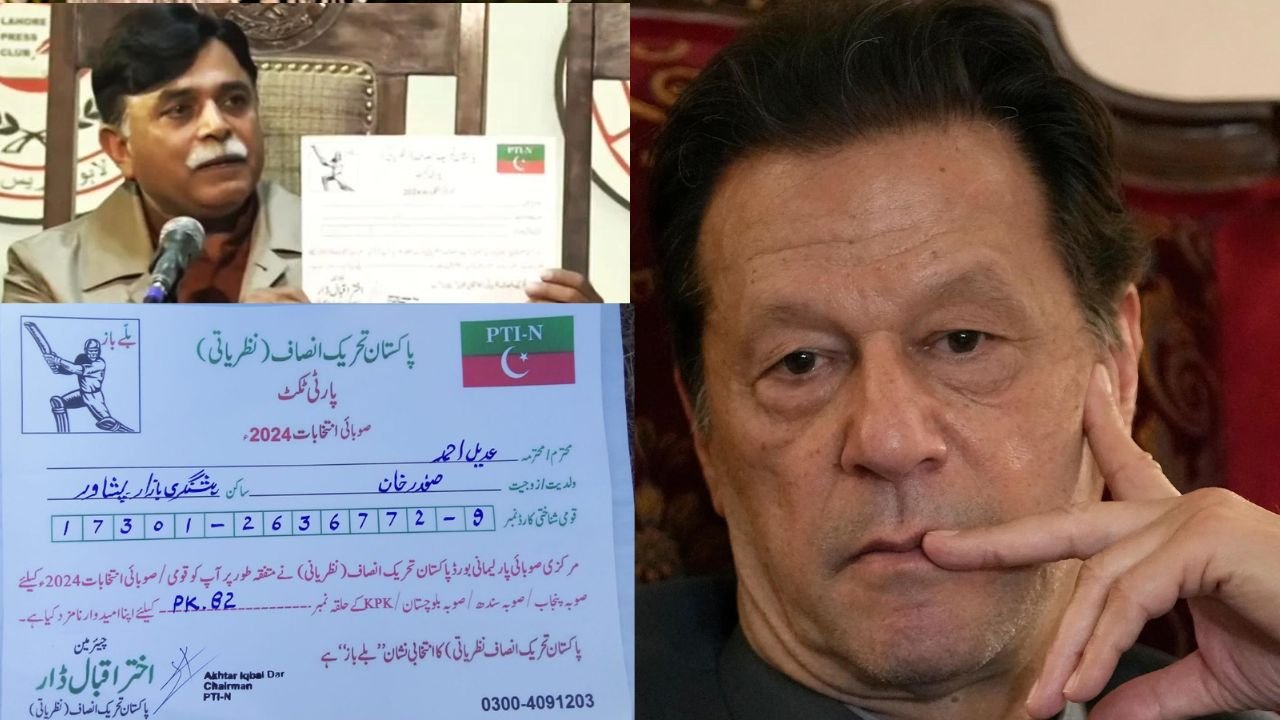
    The leader of Pakistan Tehreek-e-Insaf Nazriati (PTI-N), Akhtar Iqbal Dar, has leveled serious accusations against Pakistan Tehreek-e-Insaf (PTI), alleging the submission of fake tickets by PTI candidates under the banner of PTI-N.

    Speaking at a press conference in Lahore, Dar expressed bewilderment at the emergence of PTI candidates allegedly utilizing PTI-N tickets.

    He adamantly declared, “I do not know from where the PTI candidates got our tickets. PTI submitted our fake tickets; I issued tickets to PTI Nazriati candidates.”

    Accusing PTI of forgery, Dar underscored the gravity of the situation, emphasizing that candidates from one political party cannot exploit the platform of another. He urged the Election Commission of Pakistan (ECP) to conduct a thorough investigation into the matter and take appropriate action against instances of electoral forgery.

    Dar asserted the distinct identity of PTI-N, stating, “PTI-N has its own manifesto, its own constitution; our slogan is the death penalty for corruption.” He called for transparency in the electoral process and adherence to ethical standards.

    Responding to rumors circulating since midnight, Dar revealed that the distinguishing mark on PTI-N tickets is the unmistakable ‘batsman’ symbol. He claimed that Returning Officers (ROs) had inquired about their tickets, and PTI-N clarified that their tickets bear the clear mark of the regular ‘batsman,’ a symbol consistent with their 2018 election tickets.

    Journalist Murtaza Ali Shah took to X (former Twitter) and said, “ECP has stopped the retuning officers not to allow the candidates to get the Batman symbol while deceiving to be the members of an other party – after PTI decides to get Batman symbol of PTI-N”

    Displaying a PTI-N ticket to the media, Dar said, “This is our ticket. PTI has submitted our fake tickets. The ECP has issued a clear and blunt order that no candidate of any party can use the ticket of any other party.”

    Dar explained the genesis of PTI-N, stating, “In 2007, I felt the need to discourage rigging, hooliganism, money politics, electorate politics, and promote transparency. That’s why PTI-N was formed, and I must be a part of PTI-N.”
    PTI-Nazriati was formed by Akhtar Iqbal Dar in 2012 after differences with PTI founder Imran Khan. Like many past members, he alleged that the party established in the name of justice had become a party of turncoats with the inclusion of politicians from other parties.

    PTI-N was registered with the country’s top electoral authority in 2016 after accepting an application from Dar. At that time, the Khan-led party had filed an application in the Lahore High Court against the decision which was rejected.

    The PTI-N fielded 35 candidates in the 2018 elections. Although, they did not win any seats they secured over 21,000 votes from Punjab and Khyber Pakhtunkhwa. The party has a base in Punjab.

    It’s not just the symbol and name; both parties also have the same flags.

    In June 2022, PTI had urged the ECP not to grant the symbol to PTI-Nazriati, citing potential confusion among voters. However, the ECP did not entertain PTI’s request.

    Earlier today, PTI initiated a “plan B” by aligning with its splinter group, PTI-Nazriati, to secure the “batsman” symbol for its candidates, as the fate of its long-held “bat” symbol hangs in the balance pending a Supreme Court hearing.

    Amidst the Supreme Court’s deliberations on the Election Commission of Pakistan’s petition challenging the restoration of PTI’s “bat” symbol by the Peshawar High Court, PTI instructed its candidates to submit PTI-Nazriati tickets to Returning Officers. The move comes as a backup plan in case the iconic “bat” symbol is denied.

    The official PTI account posted on X, stating, “Whoever has PTI-Nazriati tickets should immediately submit them and take any kind of hindrance to the Election Commission of Pakistan (ECP) and high courts.”

    The move to secure an alternative symbol gained traction following Chief Justice of Pakistan Qazi Faez Isa’s remarks during a recent hearing.

    While the Supreme Court’s decision is pending, tensions rise within the political landscape. PTI leader Shoaib Shaheen submitted a plea to the ECP, requesting acceptance of PTI Nazriati tickets for candidates. However, the ECP issued a statement warning against attempts to deceive the commission through such requests.

    The evolving situation poses challenges for PTI-Nazriati candidates who have already received tickets in constituencies where PTI is fielding its candidates. The uncertainty surrounding the electoral symbol deadline adds further complexity to the political landscape, with the Supreme Court expected to announce its decision soon.

  • ‘Imran Khan was offered a two-third majority by Bajwa to end protests in August 2022’, Aleema Khan

    ‘Imran Khan was offered a two-third majority by Bajwa to end protests in August 2022’, Aleema Khan

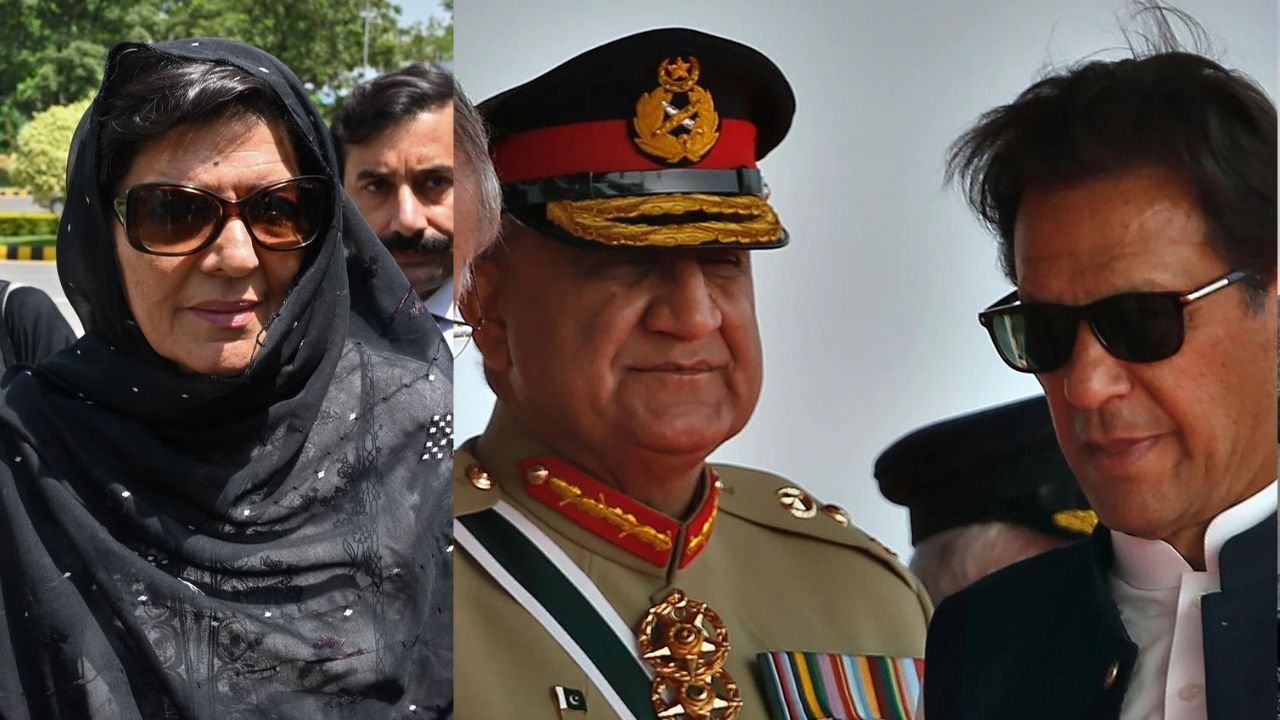
    Aleema Khan, the sister of former Prime Minister Imran Khan disclosed on Wednesday that her brother had once previously, received a message from the then Chief of Army Staff (COAS), General (retd) Qamar Javed Bajwa.

    The message reportedly offered a two-thirds majority in the National Assembly to Imran’s political party, Pakistan Tehreek-e-Insaf (PTI), if he agreed to end the nationwide protest he initiated after his ouster from the Prime Minister’s Office.

    PTI USA’s official account on X (former Twitter) posted, “In August 2022, General Bajwa, who was the COAS at the time, asked Imran Khan that if he stops talking about the conspiracy of regime change operation, which overthrew Khan’s government in April 2022, then PTI will be “allowed” to form a majority government in the upcoming elections. However, if Imran Khan doesn’t agree to stay quiet, then PTI will be reduced to only 30 seats.”

    Imran Khan launched a countrywide protest in April 2023, becoming the first prime minister in Pakistan’s history to be removed through a no-confidence vote.

    Despite governing the country for over three-and-a-half years, PTI faced challenges as allies defected, aligning with opposition parties that collectively sought to overthrow the PTI government.

    The former PTI chief had previously asserted that the conspiracy against his government originated within Pakistan, a departure from his earlier stance in which he had blamed the United States for his removal.

    During a media interaction after meeting Imran Khan at Adiala Jail, Aleema Khan shared the details of the alleged offer. She quoted her brother, saying, “In August 2022, General Bajwa approached me with an offer that if PTI ceased protests against regime change, a two-thirds majority for the party would be ensured in the National Assembly.”

    Imran Khan, according to Aleema Khan, expressed his unwavering commitment to principles, stating, “Our parents were born in a slave country; we are free, and I will not bow before anyone except God. We should face death than to accept slavery in a free country.”

    Aleema Khan also shed light on the challenges Imran faces in jail. She criticized the lack of an open trial in Adiala Jail, asserting that the cases against Imran Khan lacked substance. She further claimed that new cases are being brought up whenever he secures bail in an old case, suggesting a deliberate effort to keep the former prime minister incarcerated.

  • Who is going to run under a PML-N ticket? Key announcements suggest surprising political shift

    Who is going to run under a PML-N ticket? Key announcements suggest surprising political shift

    In a strategic move ahead of the 2024 general elections, the Pakistan Muslim League-Nawaz (PML-N) has officially revealed its powerhouse lineup. The announcement was made by Ishaq Dar, who is the PML-N’s Head of Election Cell, marks a pivotal moment in the party’s preparations for the upcoming political showdown.

    Tickets fiasco?

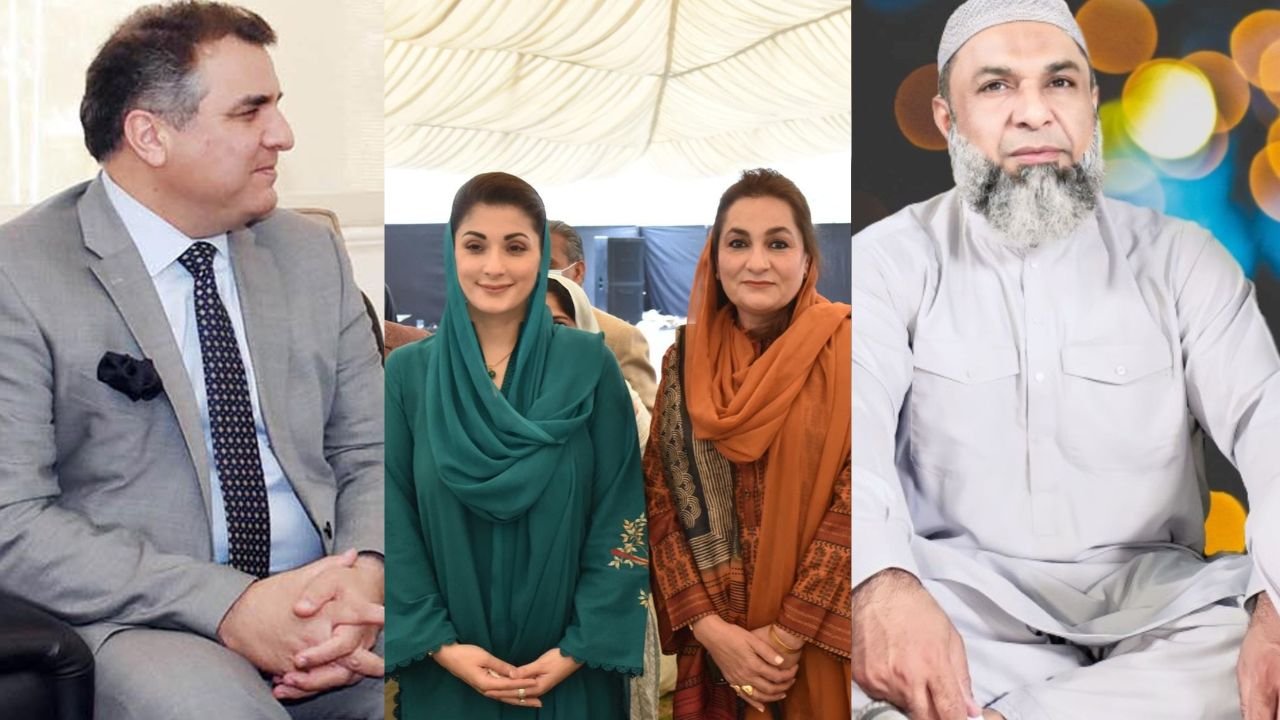
    Former federal minister Daniyal Aziz, after his differences with the party, has decided to contest the 2024 elections as an independent candidate. His decision comes after PML-N released its list of election candidates.

    X (former Twitter) user Dilawar Hussain wrote, “Disappointed with PML N’s decision not to grant a party ticket to Daniyal Aziz in Narowal. His courage in facing oppression and commitment to party deserves acknowledgment. Wishing for a reconsideration at the senior party level. ”

    The only elected woman MNA from the PML-N in 2018, Mehnaz Akbar Aziz, didn’t get a ticket this time from Narowal (NA 77). Mehnaz Akbar has announced to contest the election as an independent candidate in NA 75, Shakargarh.

    Former PML-N MNA Ch Jaffar Iqbal from NA 106 didn’t get the ticket this time. Instead it was given to the air chief’s brother Naseer Sidhu as per Alag Digital.

    Ch Hamid Hameed from Sargodha didn’t get the ticket. User Mehr Mohsin wrote, “He
    @ChHamidHameed has 40 year’s affiliation with @pmln_org and has been victimised several times for his loyalty with party – I also witnessed 2018 – but no ticket in 2024, what you have learned through your political experience? @MaryamNSharif @NawazSharifMNS @CMShehbaz.”

    User Ali Zain commented, “Hamid Hameed has been winning elections with massive margins in NA 84 (Sargodha City) for the past two elections and yet #PMLN didn’t award a ticket to their best candidate!! This is a huge opportunity for #PTI now to win this seat!”

    User Samraiz Ali pointed out that Khawar Maneka’s brother has been awarded a ticket, “PMLN Ticket of NA 139 Ahmad Raza Maneka. Khawar Maneka’s brother Ahmad Raza Maneka is currently a member of the National Assembly of Pakistan, and is affiliated with the PML-N.”

    While criticising the PML-N’s decision on awarding of the ticket to Ghulam Sarwar, user Najam Ali said, “This man bankrupted PIA and he gets the nod. I am speechless.”

    User Rowdy Rana said, “Nominated PMLN ticket holder PP-197 Sardar Masab Ali Dogar is still on bail in 9th May Terrorism FIR case pending.”

    User Israr Ahmed pointed out, “@pmln_org Supreme Leader @NawazSharifMNS awarded party ticket from PP-10 to illegal Blue World City Director Ch Nahim Ijaz for #GE2024 despite the candidate is involved in more than 200 criminals cases registered with @RwpPolice under multiple charges including terrorism, kidnapping, dacoity, robbery, firing on policemen, possessing illegal weapons and land grabbing. PML-N candidate is nominated in 49 FIRs out of 200.”

    Tickets Details

    Islamabad Capital Territory NA 46 Anjum Aqeel Khan, NA 48 Dr. Tariq Fazal Chaudhry

    Rawalpindi Division

    District Attock NA 49 Sheikh Aftab Ahmed, PP 1 Jahangir Khanzada, PP 2 Iftikhar Ahmed Khan, PP 3 Hameed Akbar, NA 50 Malik Sohail Khan, PP 4 Sher Ali Khan, PP 5 Malik Aitebar Khan.

    District Rawalpindi NA 51 Raja Osama Sarwar, PP 6 Mohammad Bilal Yamin, PP 7 Raja Saghir Ahmed, NA 52 Raja Muhammad Javed Ikhlas, PP 8 Iftikhar Ahmad, PP 9 Shaukat Raja (Raja Shaukat Aziz Bhatti), NA 53 Raja Qamar ul Islam, PP 10 Chaudhry Naeem Ejaz, PP 11 Imran Ilyas Chaudhary, NA 55 Malik Ibrar Ahmed, PP 14 Malik Iftikhar Ahmed, PP 15 Malik Mansoor Afsar, NA 56 Mohammad Hanif Abbasi, PP 16 Zia Ullah Shah, PP 17 Raja Abdul Hanif, NA 57 Danyal Chaudhary, PP 18 Sajjad Khan, PP 19 Haji Pervaiz Khan, PP 13 Malik Umar Farooq.

    District Chakwal NA 58 Maj. (Rid) Tahir Iqbal, PP 20 Sultan Haider Ali Khan, PP 21 Tanvir Aslam Malik.

    District Talagang NA 59 Sardar Ghulam Abbas, PP 23 Shehryar Mailk.

    District Jehlum PP 25 Chaudhary Nadeem Khadim, PP 26 Nasir Mahmood Lilla

    Gujranwala Division

    District Gujrat NA 62 Chaudhary Abid Raza, PP 27 Muhammad Hanif Malik, PP 28 Shabbir Ahmed, NA 63 Nawabzada Ghanznfar Ali Gul, PP 29 Nawabzada Haider Mehdi, PP 30, Maj (Rtd) Moin Nawaz Warraich, NA 65, Chaudhary Naseer Ahmed Abbas Siddhu, PP 33 Mohammad Ali, PP 34 Mian Tariq Mehmood.

    District Wazirabad NA 66 Nisar Ahmed Cheema, PP 35 Waqar Ahmed Cheema, PP 36 Adnan Afzal Chattha.

    District Hafizabad NA 67 Saira Afzal Tarrar, PP 37 Mian Shahid Hussain Khan, PP 38 Sheikh Gulzar Ahmed, PP 39 Mohammad Aoun Jahangir.

    District Mandi Bahauddin NA 68 Mushahid Raza, PP 40 Hameeda Mian, PP 41 Syed Tariq Yaqoob, NA 69 Nasir Iqbal Bosal, PP 42 Khalid Mehmood Ranjha, PP 43 Chaudhary Akhtar Abbas Bosal.

    District Sialkot NA 70 Chaudhary Armaghan Subhani, PP 44 Arif Iqbal, PP 45 Tariq Subhani, NA 71 Khawaja Muhammad Asif, PP 47 Mansha Ullah Butt, NA 72 Ali Zahid, PP 48 Rana Liaqat Ali, PP 49 Rana Muhammad Afzal, NA 73 Nosheen Iftikhar, PP 50 Chaudhary Naveed Ashraf, PP 51 Zeeshan Rafique, NA 74 Rama Shameem Ahmed Khan, PP 52 Chaudhary Arshad Javed Warraich, PP 53 Rana Abdul Sattar.

    District Narowal NA 75 Chaudhry Anwaar ul Haq, PP 54 Ahsan Iqbal, NA 76 Ahsan Iqbal, PP 56 Mannan Khan, PP 57, Khawaja Muhammad Waseem PP 58 Bilal Akbar Khan.

    District Gujranwala NA 77 Chaudhary Muhammad Bashir Virk, PP 59 Bilal Farooq Tarrar, PP 63 Muhammad Taufeeq Butt, PP 64 Umer Farooq Dar, PP 68 Chaudhary Muhammad Iqbal, PP 70 Amanullah Warraich, NA 78 Khurram Dastagir Khan, PP 60
    Moazzam Rauf Mughal, PP 61 Imran Khalid Butt, PP 65 Sahibzada Ghulam Fareed, NA 79 Zulfiqar Ali Bhindar, PP 66, Qaiser Iqbal Sindhu, PP 67 Akhtar Ali Khan, NA 80 Shahid Usman, PP 62 Muhammad Nawaz Chohan, NA 81Azhar Qayyun Nehra, PP 69 Irfan Bashir Gujjar.

    Faisalabad Division

    District Chiniot NA 93 Syed Muhammad Raza Bukhari, PP 94 Mehr Shah Behram Baral, NA 94 Qaiser Ahmed Sheikh, PP 95 Muhammad Ilyas, PP 97 Muhammad Saqlain Anwar Sipra.

    District Faisalabad NA 95 Azad Ali Tabassum, PP 99 Muhammad Shoaib Idrees, NA 97 Ali Gohar Khan, PP102 Jaffar Ali Hocha, PP103 Muhammad Safdar Shakir, NA 98 Chaudhary Muhammad Shahbaz Babar, PP104 Arif Mahmood Gill, PP 105 Rao Kashif Rahim Khan, NA 99 Mohammad Qasim Farooq, PP 107 Khalid Pervaiz Gill, NA 100 Rana Sana Ullah Khan, PP 108 Muhammad Ajmal, PP 109 Chaudhary Zafar Iqbal Nagra, NA 101 Irfan Manan, PP 111 Chaudhary Fugir Hussain Dogar, PP 113 Ali Abbas Khan, PP 114 Sheikh Mohammad Yousaf, NA 102 Chaudhary Abid Sher Ali, PP 115 Mohammad Tahir Pervaiz, PP 116 Ahmed Shehryar, NA103 Haji Muhammad Akram Ansari, PP117 Malik Muhammad Nawaz, PP 118 Sheikh Ejaz Ahmad, NA 104 Raja Riaz Ahmed, PP 110
    Mehr Hamid Rasheed, PP 112 Israr Ahmad Khan.

    District Toba Tek Singh NA105 Chaudhary Khalid Javaid, PP 119 Uqbah Ali, PP 120 Abdul Qadeer Alvi, NA 106 Muhammad Junaid Anwaar Chaudhary, PP 121
    Amjad Ali, PP 122 Col. (Rtd) Muhammad Ayub Gadhi, NA107 Chaudhary Asad ur Rehman, PP 123 Nazia Raheel, PP124 Syed Qutab Ali Shah.

    District Jhang NA108 Makhdoom Syed Faisal Saleh Hayat, PP 125 Makhdoom Syed Faisal Saleh Hayat, PP 126 Mehr Muhammad Aslam Bharwana, PP 128 Khalid Muhammad Sargana, NA 110 Muhammad Asif Muawia, PP 129 Khalid Ghani, PP 130 Ameer Abbas Sial, PP131Faisal Hayat

    Lahore Division

    Nankana Sahib NA 11 Chaudhary Muhammad Barjees Tahir, PP 132 Mian Ijaz Hussain Bhatti, PP 133 Rana Muhammad Arshad, NA 112 Dr. Shezra Mansab Ali Khan Kharral, PP 134 Mehr Kashif, PP 135 Agha Haider Ali Khan.

    District Sheikhupura NA 113 Ahmed Attique Anwar, PP 136 Muhammad Hassan Riaz, PP 137 Muhammad Arshad, NA 114, Rana Tanvir Hussain, PP 138 Pir Muhammad Ashraf Rasool, PP 139, Rana Tanveer Hussain, PP 140 Mian Abdul Rauf, NA 115 Mian Javed Latif, PP 141 Amjad Latif, NA 116, Sardar Muhammad Irfan Dogar, PP 142 Mehmood ul Haq, PP 143 Mumtaz Mehmood Khan, PP 144 Chaudhry Sajjad Haider Guijar.

    District Kasur NA 131 Saad Waseem Sheikh, PP 176 Chaudhary Muhammad Ilyas Khan, PP 177, Muhammad Naeem Safdar, PP 178, Malik Ahmed Saeed Khan, PP 179 Malik Mohammad Ahmad Khan, NA 133, Rana Mohammad Ishaq Khan, PP 181Sheikh Alla Uddin, PP 182 Mehmood Anwar, NA 134 Rana Mohammad Hayat Khan, PP 183 Rana Sikandar Hayat, PP 184 Rana Mohammad Iqbal Khan.

    Sahiwal Division

    District Okara NA 135 Nadeem Abbas Rabera, PP 185 Javed Allauddin Sajjid, PP
    192 Ghulam Raza Rabera, NA136 Riaz ul Haq, PP 190 Mian Yawar Zaman, PP 191 Mian Mohammad Munir, NA137 Rao Muhammad Aimal Khan, PP 186 Syed Ashiq Hussain Kirmani, PP 189 Ali Abbas, NA138 Mohammad Moeen Watto, PP 187 Chaudhry IRikhar Hussain Chachar, PP 188 Noor ul Amin Watto.

    District Pakpattan NA 139 Ahmad Raza Maneka, PP 197 Sardar Mansab Ali Dogar, NA 140 Rana Iradat Sharif, PP 195 Kashif Ali Chishti, PP 196 Farrukh Javed.

    District Sahiwal NA141 Syed Imran Ahmad Shah, PP 198, Walayat Shah, PP 199
    Qasim Nadeem, PP 200 Muhammad Arshad Malik, NA 142 Chaudhry Muhammad Ashraf, PP 201 Naveed Aslam Khan Lodhi.

    Sargodha Division

    District Sargodha NA 82 Doctor Mukhtar Ahmed Malik, PP 71 Sohaib Ahmad Malik, PP 72 Mansoor Azam Sindhu, NA 83 Mohsin Nawaz Ranjha, PP 73 Mian Manzar Hussain Ranjha, NA 84 Doctor Liaqat Ali Khan, PP 75 Abdul Razzaq Dhillon, PP 76 Mahr Ghulam Dastgir Lak, NA 85 Doctor Zulfiqar Ali Bhatti, PP 78 Rana Munawar Hussain, NA 86 Syed Javaid Hussain, PP 79 Taimoor Ali Khan Baloch, PP 80 Sardar Mohammad Asim Sher Maken.

    District Khushab NA 87 Malik Shakir Bashir Awan, PP 82 Malik Mohammad Asif Bha Awan, PP 83 Muhammad Moazzam Sher, PP 84 Karam Elahi Bandial

    District Mianwali NA 89 Obaid Ullah Khan Shadikhel, PP 85 Amanat Ullah Khan, NA 90 Humair Hayat Khan Rokari, PP 87 Inam ullah Khan Niazi, PP 88 Malik Muhammad Feroz Joya.

    District Bhakkar NA 91 Abdul Majeed Khan Khanan Khel, PP 89 Abdul Majeed Khan Khanan Khel.

    Multan Division

    District Khanewal NA 144 Syed Mohammad Mukhtar Hussain, PP 205 Imran Iftikhar Hiraj, PP 212 Irfan Ahmad Alias Rana Irfan Mahmood Khan, NA 145 Mohammad Khan Daha, PP 206 Barrister Chaudhry Osama Afzal, PP 211 Rana Mohammad Saleem, NA
    146 Pir Mohammad Aslam Bodla Siddique, PP 207 Amir Hayat Hiraj, PP 208 Babar Hussain Abid, NA 147 Chaudhry Iftikhar Nazir, PP 209 Chaudhry Zia ur Rahman.

    District Multan NA 148 Ahmad Hussain, PP 214 Mian Shehzad Magbool Bhutta, PP
    215 Shahid Mahmood Khan, PP 218 Salman Naeem, NA 151 Abdul Ghaffar, PP 219 Doctor Mohammad Akhtar Malik, PP 220, Rai Mansab Ali NA, 152 Syed Javed Ali Shah, PP 221 Mian Tariq Abdullah, PP 222 Rana Ejaz Ahmad Noon, NA 153 Rana Mohammad Qasim Noon, PP 223 Mehdi Abbas Khan

    District Lodhran NA 154 Abdul Rahman Khan Kanju, PP 226 Malik Shah Mohammad Joya, NA 155 Siddique Baloch, PP 227 Umair Baloch, PP 228 Syed Mohammad Rafiuddin Bokhari.

    District Vehari NA 156 Chaudhry Nazir Ahmad, PP 229 Chaudhry Mohammad Yousaf Kasela, PP 231 Sardar Khalid Mahmood Dogar, NA 157 Sajid Mehdi, PP 230 Mian Irfan Aqeel Daultan, PP 232 Malik Nousher Khan Anjum Langrial, NA 158 Begum Tehmina Daultana, PP 233 Mian Mohammad Saqib Khursheed, PP 234 Mohammad Naeem Akhtar Khan, NA 159 Saeed Ahmad Minhias, PP 235 Mian Khaliq Nawaz, PP 236 Asif Saeed.
  • Supreme Court ends lifetime disqualification

    Supreme Court ends lifetime disqualification

    In a landmark decision, the Supreme Court of Pakistan on Monday overturned the lifetime disqualification of lawmakers, rescinding its previous order that barred politicians from seeking office indefinitely.

    The decision came during the hearing of a case presented by former PML-N provincial member Sardar Meer Badshah Khan Qaisrani. The top court identified inconsistencies between the Election Act of 2017 and a previous Supreme Court ruling regarding the duration of disqualification.

    The Supreme Court declared that no person can be barred for a lifetime from running in elections if they are disqualified under Article 62 (1)(f), setting aside its landmark judgment in the Samiullah Baloch case.

    Sardar Meer Badshah Khan Qaisrani had filed a petition in 2007 challenging his lifetime disqualification over allegations related to a fake degree.

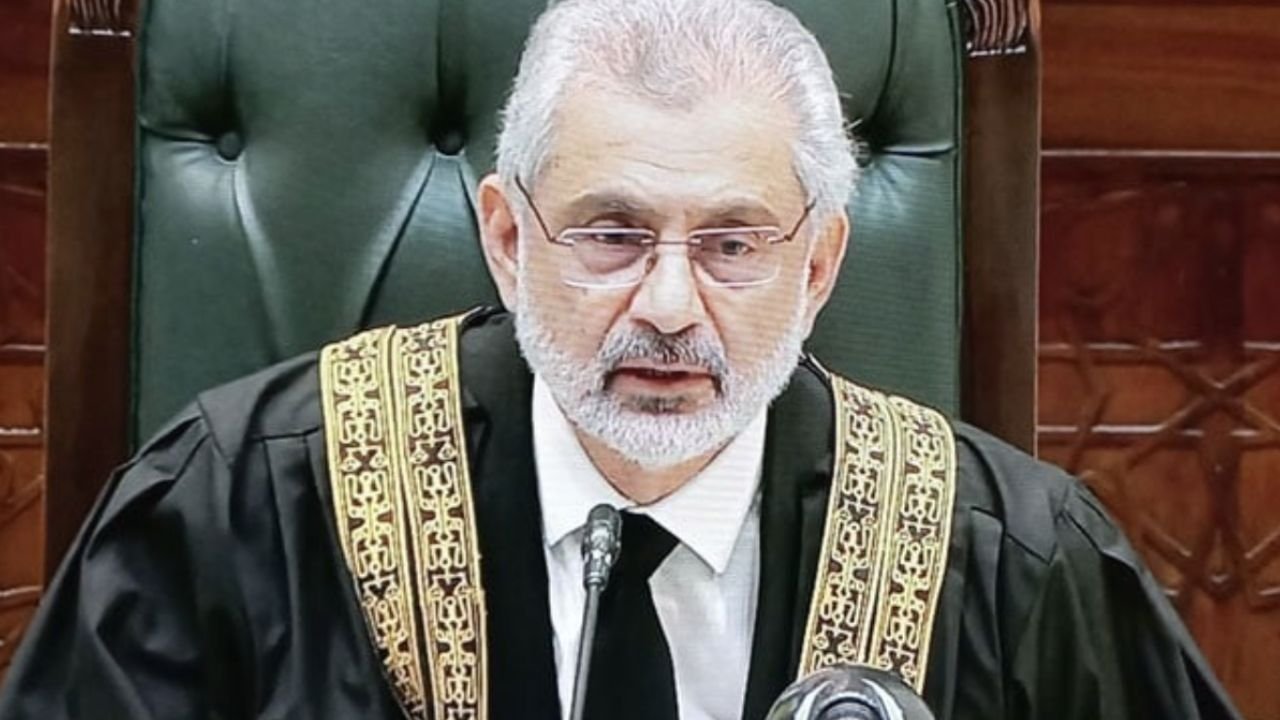
    Chief Justice of Pakistan, Qazi Faez Isa, announced that the Supreme Court aims to conclude proceedings on the lifetime disqualification case by January 4 (Thursday). This crucial decision will determine whether the amendment to the Election Act 2017 aligns with Article 62(1)(F) and establish whether lawmakers’ disqualification from contesting polls should be lifelong or limited to five years.

    The seven-member larger bench, led by Chief Justice Qazi Faez Isa and consisting of Justices Mansoor Ali Shah, Yahya Afridi, Aminuddin Khan, Jamal Mandokhail, Muhammad Ali Mazhar, and Musarrat Hilali, deliberated on the matter of lifetime disqualification for lawmakers during today’s proceedings.

    The apex court acknowledged the contradiction in the Election Act of 2017 and the earlier Supreme Court verdict and took this step after careful consideration. The decision marks a significant development in the ongoing debate over the length of disqualification for politicians and its alignment with constitutional provisions.

  • How many registered religious minority voters are in Pakistan?

    How many registered religious minority voters are in Pakistan?

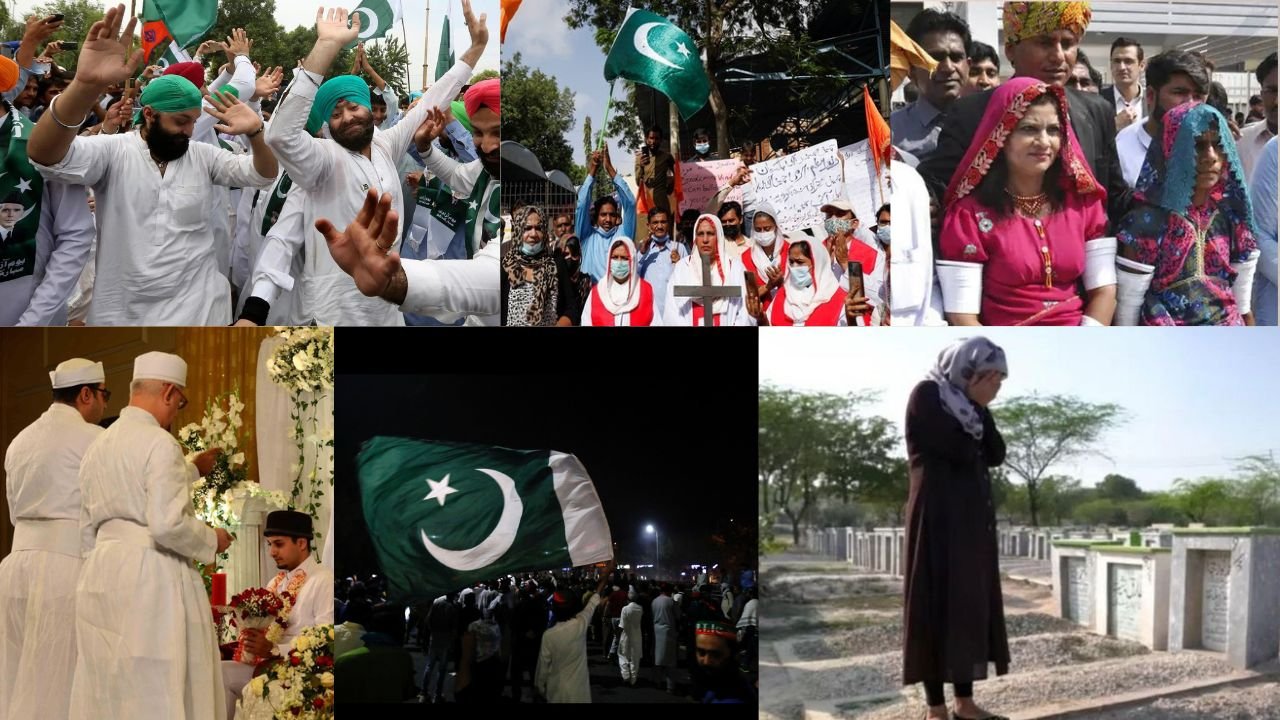
    As per the recent province-wise religion report of the Election Commission of Pakistan (ECP), there are 30 lac, 78 thousand, 3 hundred and 6 voters from religious minorities in Pakistan.

    Out of 40 thousand 781 minority voters in Khyber Pakhtunkhwa 3516 are Bahai, 220 Buddist, 28080 Christian, 4209 Hindu, 723 Parsi, 1149 Ahmadi, and 2884 Sikh.

    In former Federally Administered Tribal Areas (FATA) there are 3539 religious minority voters out of which 400 are Bahai, 41 Buddist, 1446 Christian, 669 Hindu, 16 Parsi, 23 Ahmadi, and 944 Sikh.

    For 12 lac 59 thousand 303 minority voters in Punjab, 18102 are Bahai, 786 Buddist, 1057071 Christian, 73456 Hindu, 262 Parsi, 108538 Ahmadi, and 1088 Sikh.

    In Sindh, there are 16 lac 80 thousand 582 minority voters, out of which 7269 are Bahai, 495 Buddist, 228552 Christian, 1423276 Hindu, 2787 Parsi, 16668 Ahmadi, and 1535 Sikh.

    Balochistan has 44 thousand 930 minority voters, out of which 1387 are Bahai, 1387 Buddist, 18702 Christian, 18702 Hindu, 265 Parsi, 549 Ahmadi, and 272 Sikh.

    In the Federal Capital, there are 44 thousand 783 minority voters, out of which 242 are Bahai, 41 Buddist, 40518 Christian, 276 Hindu, 16 Parsi, 3677 Ahmadi, and 13 Sikh.

    Although elections are not happening in Gilgit Baltistan and Azad Jammu and Kashmir in February 2024, ECP did share detailed data of these areas too.

    Out of 653 minority voters in Gilgit Baltistan, 472 are Bahai, 5 Buddist, 147 Christian, 8 Hindu, 16 Ahmadi, 5 Sikh, and none from the Parsi community.

    Azad Jammu and Kashmir has 3735 minority voters out of which 1083 are Bahai, 23 Buddist, 987 Christian, 45 Hindu, 13 Parsi, 1580 Ahmadi, and 4 Sikh.

    As Pakistan gears up for nationwide parliamentary elections in February 2024, a significant portion of the population, the Ahmadiyya community, faces disenfranchisement due to discriminatory provisions in the electoral law.

    Current electoral regulations in Pakistan effectively exclude Ahmadis from the voting process based on their religious beliefs.

    To register as voters, members of the Ahmadiyya community are compelled to either renounce their faith or accept placement in a distinct electoral list categorizing them as “non-Muslim.”

    However, self-identification as Muslim is a fundamental tenet of Ahmadiyya religious belief.

    This exclusionary practice has resulted in the denial of voting rights for Ahmadis, who comprise over 500,000 individuals in Pakistan.

    Despite their significant numbers, Ahmadis find themselves unable to participate in local, provincial, and national elections.

    It is noteworthy that in 2002, Pakistan discontinued an electoral system that segregated Muslims and non-Muslims into separate categories for registration and voting.

    However, discriminatory measures persist, particularly affecting the Ahmadiyya community’s ability to exercise their

    The government also created a separate category for Ahmadis. Since then, all Pakistani citizens have voted according to a single electoral list except the Ahmadis, who vote on a separate list.

  • Meet Abdul Hadi, legal eagle and Imaan Mazari’s husband

    Meet Abdul Hadi, legal eagle and Imaan Mazari’s husband

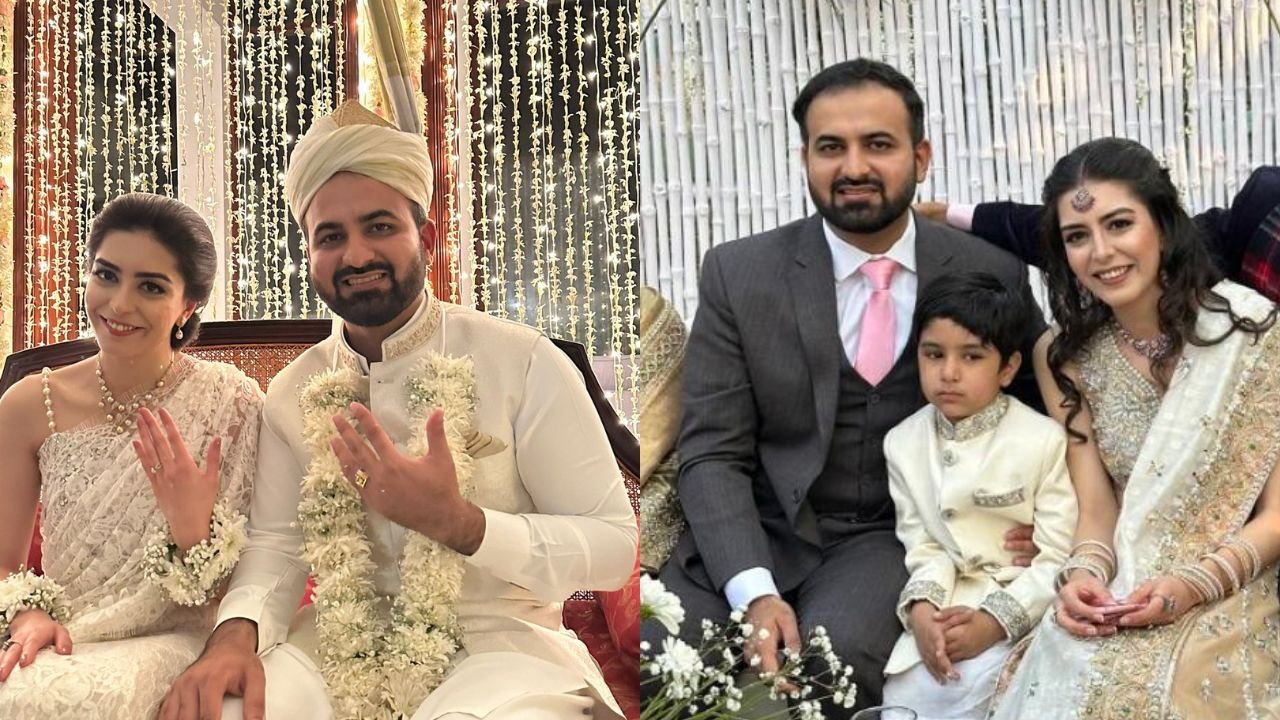
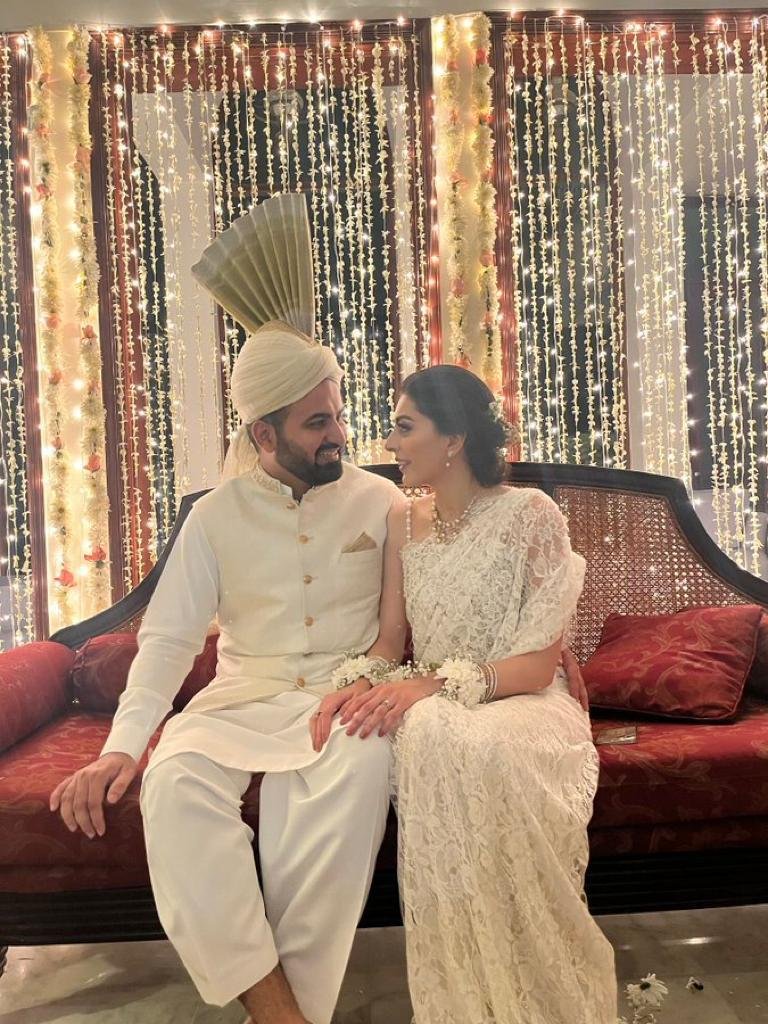
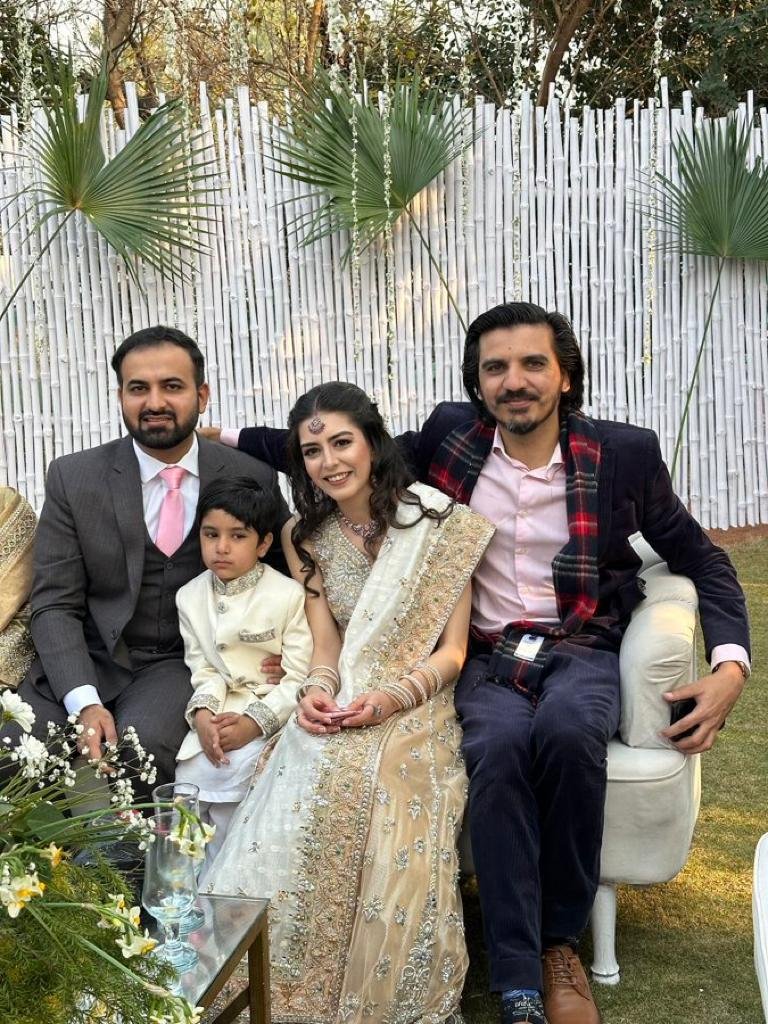
    Daughter of former federal minister Shireen Mazari, Imaan Zainab Mazaari Hazir, recently married the love of her life Abdul Hadi Ali Chattha, in a ceremony in Islamabad.

    Have you searched on Google who is Imaan Mazari’s husband?

    Abdul Hadi Ali Chattha is the Vice Chairman of the Human Rights Committee, Punjab Bar Council and Founder of Fair Trial Defenders Legal Aid Cell.

    Well, we got a chance to talk with him and as a Multani, I am filled with happiness and joy that Imaan married someone who was born and raised on a farm (Pind) in Multan.

    Abdul Hadi Ali Chattha did his O levels and A levels from Beaconhouse and went to Newcastle University UK for LLB Hons.

    He takes pride in being a Multani and honestly, so do I.

    When asked when the couple first met, Hadi said, “We first met in F-8 Katcheri because I was there for a client and got introduced to Imaan. We appeared in court together for that case.”

    He started working at AGHS legal aid cell with the late human rights giant Asma Jehangir after coming back from the UK.

    After her death, he worked at Justice Project Pakistan with Barrister Sarah Belal.

    When asked why he left the U.K. or cities like Islamabad and Lahore and came back to Multan, Hadi said, “In 2018 I came back to Multan and established my legal aid cell, Fair Trial Defenders Legal Aid Cell, to give back to the people of my land. We provide free legal representation to clients who can’t afford legal expenses. We have a core team of six lawyers with my co-founder Suleman A Zeb.”

    What do you love the most about Imaan?

    “It’s very difficult to answer that because it’s everything about her.”

    He was initially attracted because of her passion and bravery for the work she does. It’s also the side of her no one else knows, she keeps it hidden from the public eye.

    Head over heels in love with Imaan, Hadi said, “I have never met anyone like her. She’s the only one of her kind.”

    Since Imaan has been to jail recently, I asked him if he would go to jail for her. “I would go to jail with her. No one’s arresting my wife unless they arrest me too.”

    Hadi has decided to move his practice to Islamabad, getting an office there in June 2023. “We will be living in Islamabad, serving the people in Multan through Legal Aid Cell.”

    I asked if they intended to start a podcast together Hadi said nothing of the sort is happening in the near future.

    Hadi has been a great support and core organizer of Aurat March Multan since 2020. He looks after all the legal matters and NOCs required.

    When asked whether the couple will be seen in Aurat March Multan 2024 together, Hadi said, “Maybe one year in Islamabad March and one in Multan March. Wherever our comrades need us. “

    The most thoughtful part is that they didn’t have a wedding hashtag or an extravagant wedding. “We both wanted it to be as small and intimate as possible. We feel guilty being extravagant especially because of what is happening around us with our Baloch brothers and sisters and the situation in Gaza.”