Author: optimum_tech

  • Jungkook’s new song ‘3D’ featuring Jack Harlow is getting rave reviews from fans

    Jungkook’s new song ‘3D’ featuring Jack Harlow is getting rave reviews from fans

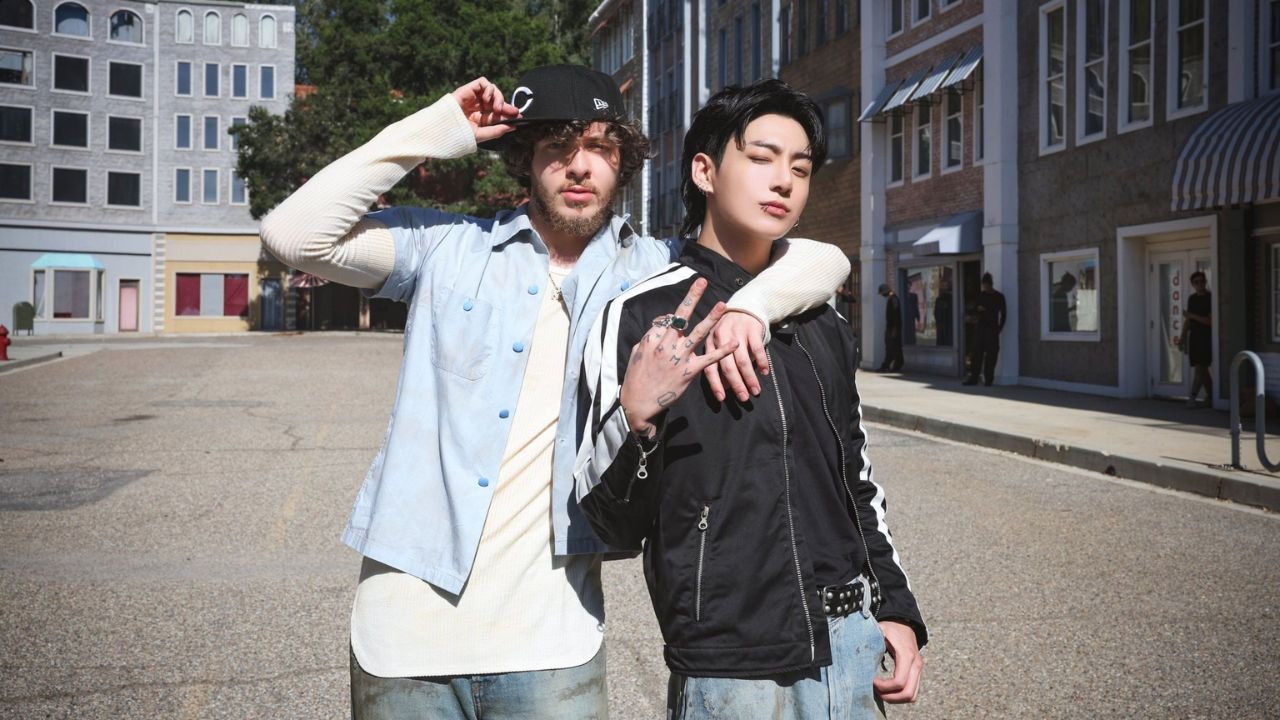
    Golden maknae Jungkook of BTS is back at it again with another banger single. The K-Pop singer has released the music video for his new single ‘3D’ which features American rapper Jack Harlow, and was described by the singer’s management BigHit Entertainment as a “more mature side of Jungkook.”

    Jungkook previously teased the single during his performance at the 2023 Global Citizen Festival. The music video is getting praise from fans and music critics.

    The single has broken international records, dominating iTunes charts of more than a 100 countries across the globe, according to BIgHit music, and the music video becoming the number 1 top trending videos on Youtube in USA and UK.

    Jungkook has revealed to Audacy that his solo album was set to come out by the end of 2023, ending it with a bang.

  • Shehzad Roy wants to hold unethical doctors accountable in Pakistan

    Shehzad Roy wants to hold unethical doctors accountable in Pakistan

    The internet’s favourite celebrity, Shehzad Roy, wants that doctors in Pakistan are no longer allowed to get away with medical malpractice or unprofessional behavior.

    In a viral tweet, the singer and philanthropist has encouraged social media users to come forward with their own experiences.

    The singer and philanthropist had wrote: “We need to hold doctors accountable for how they speak to their patients. Ive heard so many stories about how even renowned doctors humiliate their patients. Docs, please remember that a kind word sometimes goes much further than any pill u can prescribe”

    His viral tweet got many other users to share their experience of interacting with unprofessional doctors. One user wrote:

    “2 weeks ago a doc gave my children 1 min each after a wait of almost 2 hours (confirmed appointment). She didn’t check their throat or ear or chest, even though they were complaining of inflammation. My turn she was looking at the wrong file. Some doctors just don’t care.”

  • What was the backlash on Aurat March’s ‘people with uterus’ post all about? An organizer explains

    What was the backlash on Aurat March’s ‘people with uterus’ post all about? An organizer explains

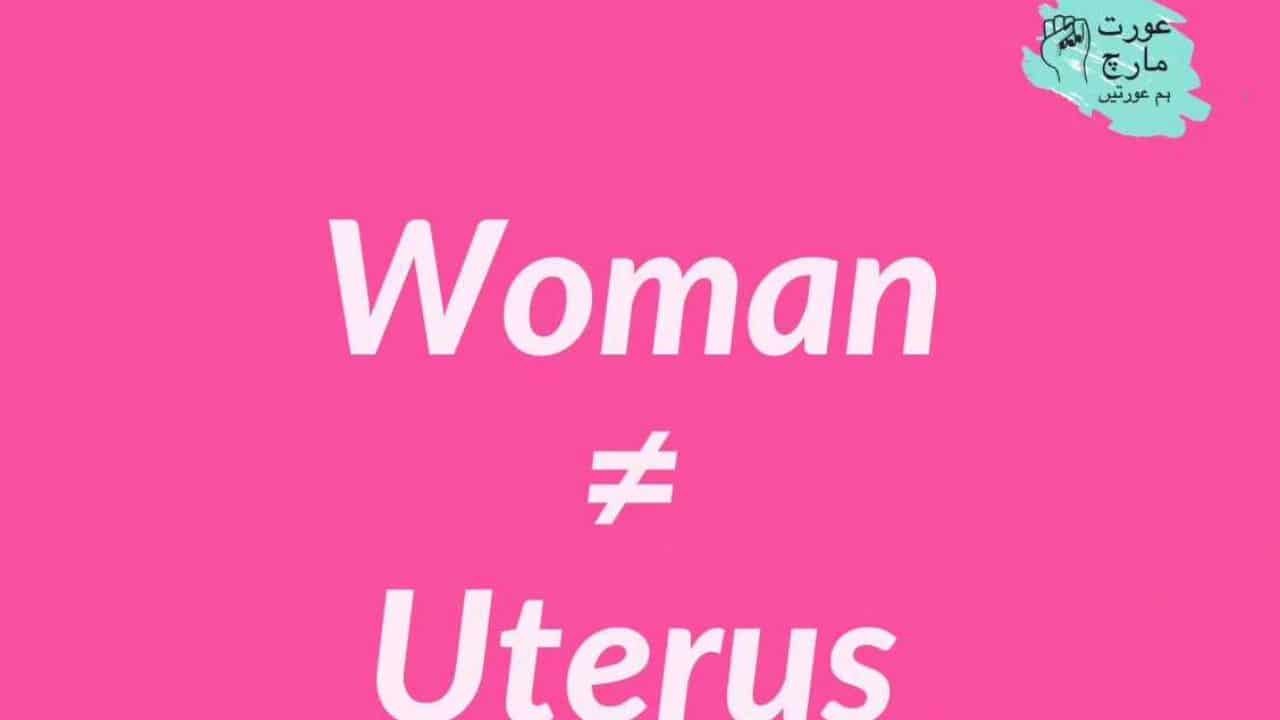
    Three days ago, the women rights movement Aurat March’s Karachi page uploaded a detailed statement on their Twitter account addressing the backlash surrounding the term ‘people with uteruses’. The term was used in a statement announcing a feminist baithak a few days ago, where women and people of other genders were invited to discuss the topic “Mensturation and Misogyny”.

    In their statement, Aurat March explained why mensturation has less to do with gender, because it’s a biological process since the uterus, or the womb is the main organ involved in it.

    “Mensturation is a biological process, with the uterus or the womb being the main organ involved in it. Needless to say, it has to do with the sex a person is assigned at birth rather than their gender. It only makes sense, then, to call anyone who mensurates a ‘person with uterus’ or ‘mensturator’.”

    “This form of criticism revolves around the deeply ingrained, patriarchal belief that a woman’s identity is inherently tied to her uterus, other reproductive organs, and ability to conceive and bear children. It is deeply misogynist, especially in our context, where many CIS women are considered baby making machines and girls are married off at a young age (often even in their teenage) with the belief that they would bear more children, often at the cost of the girl’s health or even life.”

    In their next post, Aurat March detailed on the misogynist attitude towards periods- and how it affects every person, woman or not.

    “Given that the majority of uteruses bleed almost every month for four decades, it is crucial to realize that the misogynist attitudes towards periods affect every person who mensurates- whether woman or not. We use the word misogyny here because the patriarchy views mensuration as inherently feminine thing (and hence, as cause of inferiority); therefore, this misogyny extends also to non-binary and trans-masculine mensurators.”

    “The bottom line is that the uteruses of many women, transgender men and non-binary persons (who were assigned female at birth) have been bleeding for centuries and will continue to do so.”

    The statement was slammed by several Twitter users as misogynist towards women, with Youtubers like Muzamil stepping in to label the movement elitist. To get to the bottom of the controversy and how can we craft more spaces for women, and people from the transgender community, to talk openly about their mensuration without facing backlash, we spoke with Aurat March organiser *Rosa.

    Q. What inspired you to write this statement, and did you anticipate that there would be such backlash?

    Truth be told, we did not expect the response to be this big. Aurat March regularly hosts baithaks where we discuss our politics with the poeple but also amongst ourselves. The use of inclusive and misogyny-aware language is something we’ve been consistently using over the years. Our movement is feminist and takes pride in the fact that we stand for all genders that are suppressed under patriarchy. We think the fact the tweet started with the word “people with uteruses” is what had people read it and have it make rounds.

    Q. Given the criticism the post has received, do you feel Aurat March could have worded the statement differently or toned it down?

    No. The criticism for a feminist voice in the political space has been there since day one. People criticize us mindlessly for anything that we do. They place an unfair burden of championing every single feminist issue in the country while those same men might not have gotten off their horses of privilege to raise a single finger for the feminist cause. The criticism is bandwagon-ish, misogynistic and transphobic, and it shows how much work we have to do in terms of the discourse around menstruation, the people it impacts, and the trauma of internalized misogyny that women in Pakistan carry. The hate isn’t even necessarily centered around the statement; it’s centered around Aurat March and what it represents.

    Q. Several users, including the YouTuber Muzzamil, criticised the post saying its proof that Aurat March is an elitist movement, that doesn’t address the ongoing issues faced by women in Pakistan. Do you feel this perspective is justified? 

    We think its funny that out of all the people, Muzzamil came out to call the Aurat March an elitist movement while he sits and tweets this from Dubai. There are several tiers of responses as to how the perspective isn’t justified. 

    The burden to prove whether AM is an elitist movement is not just unfair in the first place, it’s impossible to prove as well. Our marches regularly pulls in more than half of its audience from the working class communities we work with. We go and visit these hidden, impoverished and disenfranchised communities all year round: Zia Colony, Mauripur, Orangi Town, Kausar Niazi, Mehran Town, Race Course, Shikarpur, Surjani, Ibrahim Hyderi, Lyari are only some of the names. We then arrange their transport from their communities to the march as well. 

    But not just that, all that one has to do see where our priorities lie as a movement is go through our Instagram. For the last month or so, we’ve been working with effectees from Jaranwala, raising voices and protesting for the rehabilitation, protesting at Teen Talwar for recovery of Hindu missing persons while a delegation from our team has been facing harassment and abuse from the police at Jaranwala as we speak. 

    But of course, men like Muzzamil wouldn’t see the groundwork that Aurat March has done because he’s never visited these places himself, or maybe he doesn’t have binoculars big enough that can help him see all the way from Dubai. The truth is, our politics doesn’t revolve around just creating a feminist discourse or space on twitter, but a lot of people see it that way. They like to think that politics that does not exist beyond this digital space, and we couldn’t care less about these keyboard warriors. The work that we do, impacts the people we work with and it makes a difference in their lives, and that is all that the feminist cause is at the end of the day.

    Q. The ongoing backlash surrounding menstruation can have some implications on the mental health of Pakistani women because they don’t feel its safe for them to express their concerns out loud, even on social media. How can we continue to create spaces to openly speak about the issues Pakistani women want to talk about.

    We think it’s important to clarify our politics and position in this context. We believe it’s important to see a woman beyond her uterus. In many instances, this “bachadani” holds more value than her life. Her worth is gauged up on her ability to reproduce, her identity is centered around her motherhood, and her final goal is set out to become a mother. So many women lose their lives in forced pregnancies, so many battle uterine cancer and so many see their childhoods end the moment their uteruses start bleeding, married off to a man twice or thrice her age. So of course, when AM tries to separate the woman’s identity from her uterus, people lose their minds.

    It’s funny people think ‘people with uterus’ is dehumanizing language when so many people see only a uterus when they look at a woman. To think about how this experience might not be inherent to their existence would then, of course, be thought of as radical. At that same time, it’s important to remember that many women don’t necessarily have a uterus either. Alot of them have their removed due to complications, while many are simply born without one; the language is inclusive of their womanhood and identity, too. All the while, we also acknowledge all the people that menstruate or have uteruses but might not necessarily identify as women either, such transmen or non binary folks. The movement is just as much as for them and by them as it is for any gender.

    And understandably so, it becomes difficult for a woman to voice out her concerns regarding her body on social media. When our comments section becomes places of spewing hate or become dominated by men who think they’re invited to share their opinions about women’s bodies, they drown out any chances of having an open engagement and discussion on these topics. 
  • A major actor from the Harry Potter movies has passed away

    A major actor from the Harry Potter movies has passed away

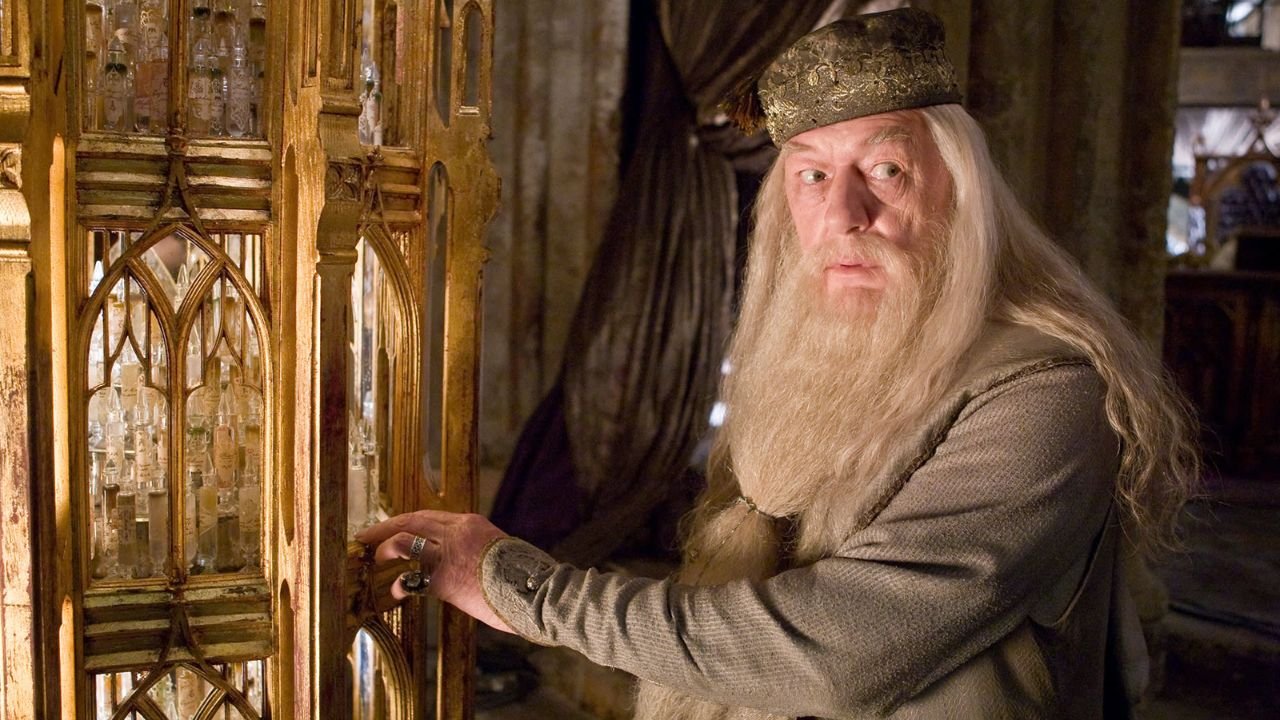
    British thespian Michael Gambon, best known for playing the beloved headmaster Dumbledore in ‘Harry Potter’ movies has passed away at the age of 82, BBC has reported.

    In a statement released to the press, the actor’s widow Lady Gambon, and son Fergus, said the actor suffered from a bout of pneumonia, and passed away with family members next to him at a local hospital.

    Gambon was best recognised for his performance in six of he eight Harry Potter films, where he played headmaster Albus Dumbledore, a mantle he took up after the death of veteran actor Richard Harris in 2003.

    Gambon was recognised as ‘The Great Gambon’ in acting circles. He recieved an Emmy nomination in 2010 for his performance in Jane Austen’s ‘Emma’ as well as a Tony nomination in 2010 for his role in David Hare’s paly ‘Skylight’.

    Gambon was knighted for his services to the entertainment industry in 1998.

    Harry Potter stars have expressed grief on social media at the actor’s passing. James Phelps, who played Fred Weasley in the fantasy franchise released a statement, sending prayers to the actor’s family.

    Several Twitter users mourned the loss of the actor by sharing some profound quotes said by Albus Dumbledore in the movies.

  • 55 percent of polling stations ‘sensitive’, what does that mean?

    55 percent of polling stations ‘sensitive’, what does that mean?

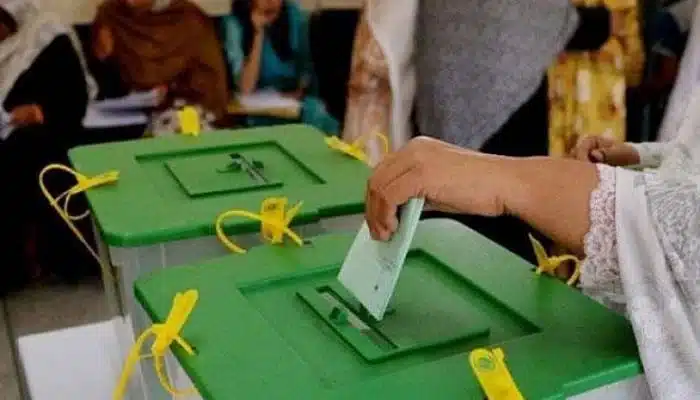
    According to the Election Commission of Pakistan (ECP), 55 percent of polling stations have been termed ‘sensitive’ for the upcoming general elections next year.

    ECP Secretary Omar Hamid Khan said, while briefing the Senate Standing Committee, that around 55 percent of polling stations to be established are sensitive.

    A ‘sensitive polling station’ usually refers to a voting site that is disputatious or requires more attention due to specific circumstances or factors that could become hurdles in a free and fair voting process. 

    A sensitive polling station could be one located in an area with a history of political unrest, violence, or security threats. In such cases, the voting process can be made free and fair by providing extra security by the caretaker government.

    If a polling station is located in an area with a history of political unrest, violence, or security threats, it can be considered a sensitive polling station. On the other hand, if a polling station serves a vulnerable population, like elderly citizens or people with disabilities, it could also be counted as a sensitive polling station.

    Similarly, if any polling station is located in remote or difficult-to-reach areas, it can also be considered sensitive because of logistical challenges.

    “A total 91,809 polling stations will be established, of which 49,919 have been designated as sensitive or highly sensitive,” Omar Hamid Khan said.

    The ECP secretary stated that 17,411 polling stations are highly sensitive, 32,508 are justly sensitive, and 41,809 are designated as ‘normal’.

    Omar Hamid Khan also told the senate standing committee that there are 266 National Assembly constituencies and 593 provincial assemblies. He also observed that one million polling staff would be required for the general election next year.

  • Ali Zafar, Danny Zee’s new song is NOT getting good reviews

    Ali Zafar, Danny Zee’s new song is NOT getting good reviews

    Singer Ali Zafar and his brother Danny Zee released a rap song on September 22 titled ‘Sushi // Woofer Paar De!’, featuring the rapper Mykko Montana. However, the internet isn’t really feeling the vibe this time. The song is going viral on social media with many users criticising the lyrics as “cringey”, particularly a line rapped by Daniyal that says, “I nut so thick she burpin’”.

    A user on X posted a screenshot of the music video with this lyric and wrote: “as if danyal zafar couldn’t get more disgusting …”

    Soon, several other users joined in and expressed their distaste.

    “i nut so thick she burpin” is a horrendous bar and he should be locked up just for that”, wrote a user.

    Users began sharing other lyrics they found horrendous on the same tweet.

  • What is the ‘boy math’ trend all about?

    What is the ‘boy math’ trend all about?

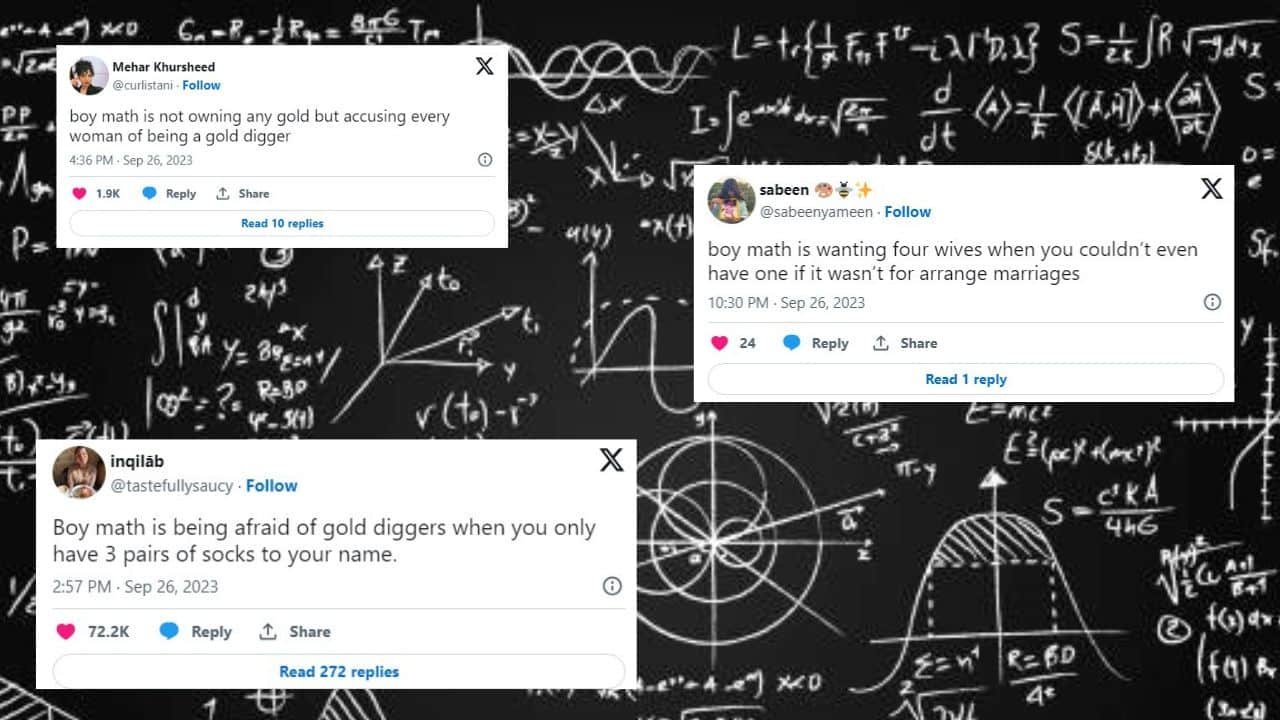
    If you’re chronically online like the rest of us, you’ve probably noticed that among the top trends on Twitter is the term ‘boy math’. What even is this trend all about and why is it all the rage on social media? We got all the deets here.

    Boy math is a term that was begun to counteract sexist backlash ignited by men on Twitter that women are not good at math or any technical things. Pakistani women are currently leading the game with some hilarious burns using the boy math trend, and we’re sharing some of the responses here.

    Pakistani women, please never change and never lose your wicked sense of humor. We salute y’all.

  • Here is a chance for Pakistani Swifties to finally watch Taylor Swift’s ‘Eras Tour’ concert film

    Here is a chance for Pakistani Swifties to finally watch Taylor Swift’s ‘Eras Tour’ concert film

    Pakistani Swifties can no longer complain about having a Cruel Summer because soon, they will get a chance to watch Taylor Swift’s upcoming concert film ‘The Eras Tour’ in theatres. Like the mastermind that she is, the singer announced today that her film is releasing worldwide on October 13, and Pakistan is among the 100 countries where it is screening.

    Needless to say all the local Swifties are screaming, crying, throwing storms.

    Taylor Swift announced the Eras Tour concert film on August 31 on her Instagram account, which is set to feature 44 performances ranging from all of her ten albums. The tour has received rave reviews from journalists, with Billboard calling it ‘must-see blockbuster of the year’ and Rolling Stone praising the ‘Anti Hero’ singer delivering a legendary performance every night.

    “The Eras Tour has been the most meaningful, electric experience of my life so far and I’m overjoyed to tell you that it’ll be coming to the big screen soon Starting Oct 13th you’ll be able to experience the concert film in theaters in North America! Tickets are on sale now. Eras attire, friendship bracelets, singing and dancing encouraged 1, 2, 3 LGB!!!! (iykyk)”

  • Mahira Khan’s ‘Razia’ is speaking about the plight of young women in Pakistan like no one else

    Mahira Khan’s ‘Razia’ is speaking about the plight of young women in Pakistan like no one else

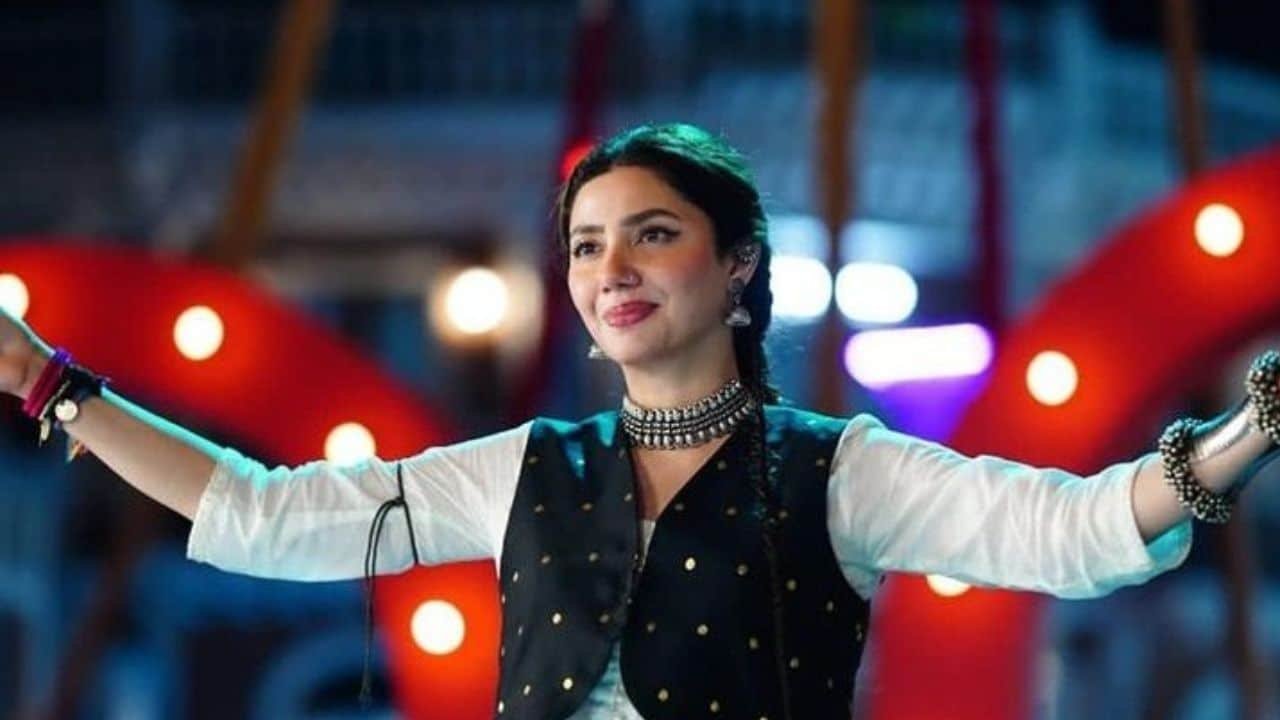
    Bold, confident and hard-hitting, Mahira Khan is back once more and this time she is not afraid to hold up a mirror to society’s face. Her new drama ‘Razia’ is creating buzz on social media. Mahira is no longer the sweet and naive female lead as we have known her. She’s the narrator who tells the story of how a young girl born in a conservative household in Pakistan learns to overcome every hardship to chase her dream.

    From the get go, this show keeps you hooked by telling you a story we’re all familiar with, but every episode is a gut punch on how Pakistani girls are robbed of their dreams and hopes because of patriarchy. Mahira waltzes around the stage and speaks with the audience about the journey of the young girl Razia, whose birth was a disappointment for the grandmother who wanted a boy. From that point, she continues to be punished for the crime of being born a daughter.

    Two episodes in, and we’re already awed by how the show speaks out on the ways young women are deprived of their dreams, whether it is something as small as eating after their brother does, or as monumental as Razia’s father banning her from playing outside because she is older now. And already, some of the powerful monologues in the episodes are gaining praise on social media.

    A user praised this scene where in a monologue from episode 1, Mahira points out how young girls today are no longer murdered on their birth, but are today buried alive by the consistent backlash society imposes on them

  • Who was Zainab Market named after? Twitter has a hilarious discussion about road names

    Who was Zainab Market named after? Twitter has a hilarious discussion about road names

    Ever thought about what was the meaning behind names of popular roads like Tariq Road in Karachi or Abdul Rehman Road in Lahore? A Twitter user decided to finally decode the question, posting a Tweet on X (formerly Twitter) asking who were the people after whom these roads were named.

    “Anyone ever wonder who the Zenab behind Zenab market, Tariq behind Tariq Road, Hasan behind Hasan Square really are? Who are these people? How did they become so iconic and important to Karachi?”

    A user was kind enough to explain Zainab Market’s name, and it turns out because that’s the name of the owner’s daughter.

    Soon, people brought up some hilarious road names and attempted to decode what they had really meant. For instance, there’s really a road in Karachi called Anda Mor?

    Then there’s another place called Mochi Mor? Kya mochi sirf wahan par baithtay hain?

    And Bandar Road doesn’t actually mean Monkey- but it’s the road that leads to the port.

    Finally we got an explanation behind Tariq road, it’s named after Tariq bin Ziyad, the Muslim General who led the invasion on Iberia.