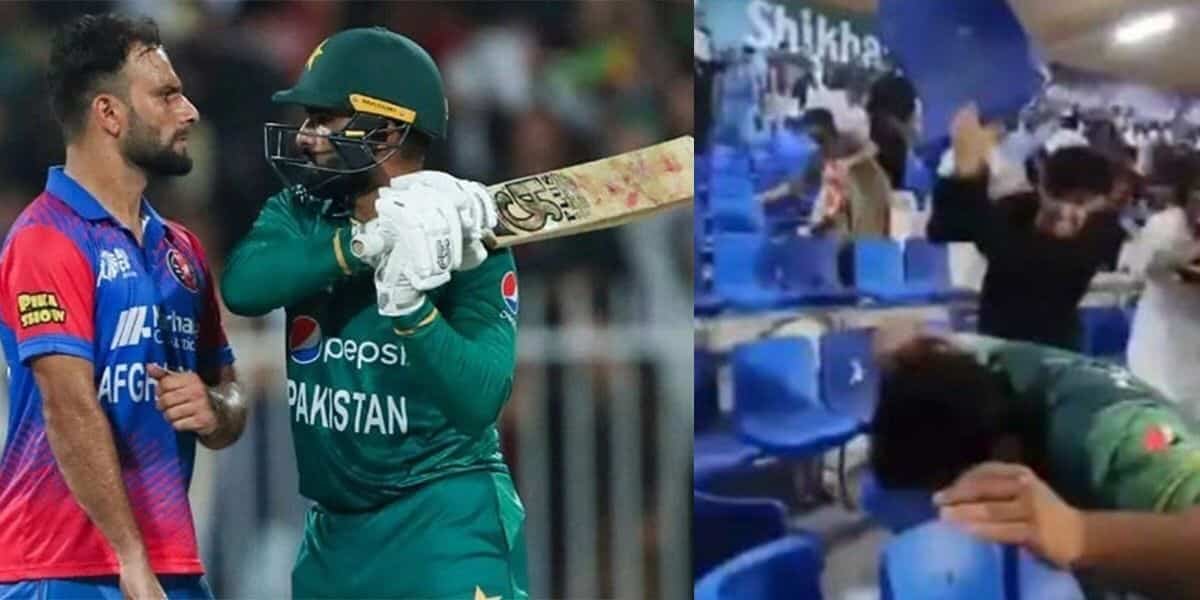
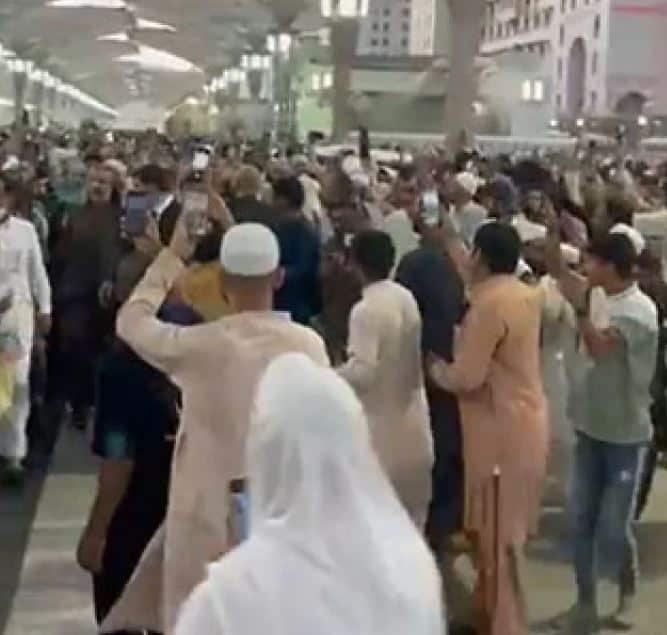
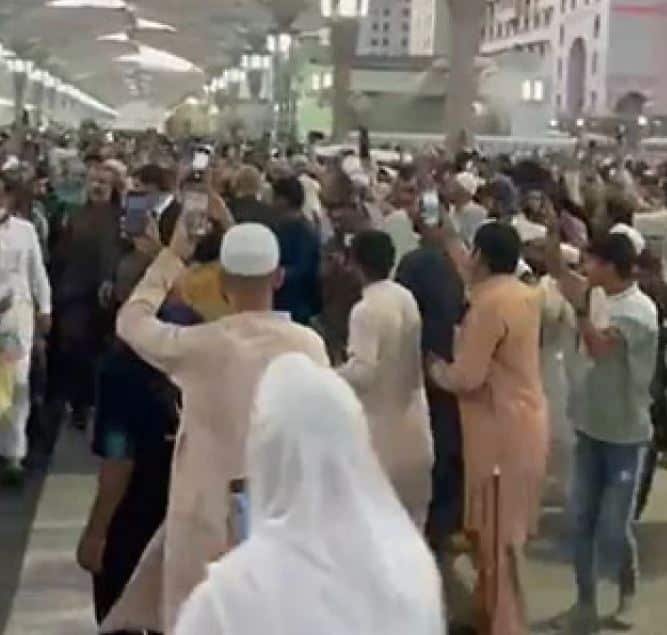
Sports brings pride and recognition to a country and for Pakistan, cricket is one of the most celebrated games. It brings both joy and heartache to millions of Pakistanis. With Pakistan and Sri Lanka playing the final of Asia Cup 2022, we wish both teams luck but we obviously want Pakistan to win! Pakistanis all around the world will be rooting for our boys in green. Cricket and our men in green are a source of continuous pride for the country but what we witnessed from the audience stands in the match between Pakistan and Afghanistan was nothing but disappointing at so many levels. The Afghanistan-Pakistan cricket rivalry is fast crossing the acceptable margins, even surpassing the age-old rivalry between India and Pakistan.
Afghanistan and Pakistan faced each other in an important Asia Cup fixture in the Super Four round, where the stakes were too high. Afghanistan needed a win to keep their chances alive, while Pakistan needed to clinch this win to be in the final. Afghanistan was close to victory but the Pakistani team bounced back at the last minute, stealing the game away. The event witnessed some heated moments between Afghan and Pakistani players, charging up the spectators on both sides. Afghan fans purportedly indulged in verbal abuse and later ended up throwing seats at the Pakistani fans, prompting many observers to say the spirit of the game has been ‘tainted’. Sports fabs across the world sometimes show uncouth behaviour, be it cricket or football or any other game. It is always difficult to see one’s own side lose but it does not mean that fans of the winning team should be subjected to violence.
While the cricketing rivalry between Afghanistan and Pakistan may be in its infancy, it has got all the ingredients for a heated contest courtesy the political history both countries share. After the disappointing scenes between the fans, there was an immense backlash against the Afghans. But the reaction of many Pakistanis was quite disappointing and downright racist. Pakistanis calling Afghans ‘namak haram’ — racist term often used to address Afghan refugees living in Pakistan — was not just uncalled for but also wrong. No one should have to bear verbal abuses and being called ungrateful or other names. Refugees deserve to be treated with dignity. This is what we also demand from western nations when it comes to Muslim refugees so why display racism against refugees in our own country? Also, to taunt an entire nation and another country because of the shenanigans of a few fans is just wrong. It is a game and one needs to accept both win and defeat with grace.
We just hope that the teams and supporters watching the Asia Cup final today show resolve and grace. May the best team win.
A day earlier, Khan announced that he would share the “next critical phase” of his party’s “Haqiqi Azadi movement” during his Gujranwala rally on Saturday.
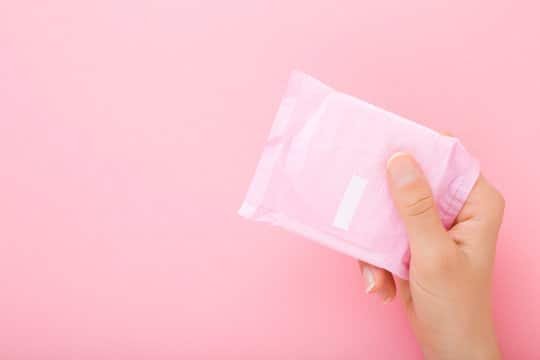
Pakistan is in the throes of devastating floods that have wreaked havoc across all four provinces. The scale of devastation has been estimated to be more than $10 billion. And yet with thousands of lives lost, and millions homeless, we are still debating on whether sending sanitary napkins to the flood-affected areas is a good idea or not. As per an estimate, 8.2 million women in flood-affected areas are of reproductive age. Menstruating women in disaster-hit areas require access to safe and clean menstruation hygiene products. We need to understand that periods don’t pause during floods or rains. It’s a natural process that keeps happening every month to every woman of age. There are women who are pregnant. There might be a few girls who will get their periods for the time. Due to the present conditions when there is no clean water, the use of cloth can be dangerous as well. There are reports that women have had to resort to using leaves in the flood-affected areas during their periods.
In times like these when every human matters, why does it happen that women are so conveniently put under the radar and a product that is a basic need for any woman of age, becomes a topic of debate in terms of whether it is a luxury or a necessity? When will people learn to accept that talking or educating about periods is not taboo? It’s about a woman’s hygiene and health. We all need to understand that men and women all need to be treated the same way, with dignity and equality. All of them need the same basic facilities.
It will take a lot of effort and manpower to provide the rehabilitation and relief needed for millions of people. It’s time we hit pause on always putting women under the radar and for once act with reason and responsibility towards them. We need to learn to empathise with the flood victims without gender discrimination.
The devasting floods have killed at least 1,191 people in the country. Balochistan and Sindh are the most affected provinces of the country. Hundreds of thousands of people who were displaced by the floods since June are currently residing in camps or with host families.
As per an estimate, 8.2 million women in flood-affected areas are of reproductive age. Menstruating women in disaster-hit areas require access to safe and clean menstruation hygine products.
Many organisations are donating sanitary pads for women. However, a debate has been going around for days that whether sanitary pads should be donated or not. Some give the arguments that rural women do not use and do not know how to use sanitary pads, and donating them sanitary pads is a waste of already limited resources. While others give an argument that disposing of sanitary pads pollutes the environment.
“One study has suggested that there may be an increased risk of urogenital infections, such as yeast infection, vaginosis or urinary tract infections, when women and girls are not able to bathe and/or change or clean their menstrual supplies regularly,” a report published by the United Nations Population Fund reads.
Here is the United Nations Children’s Fund (UNICEF) Guide to Menstrual Hygiene Materials:
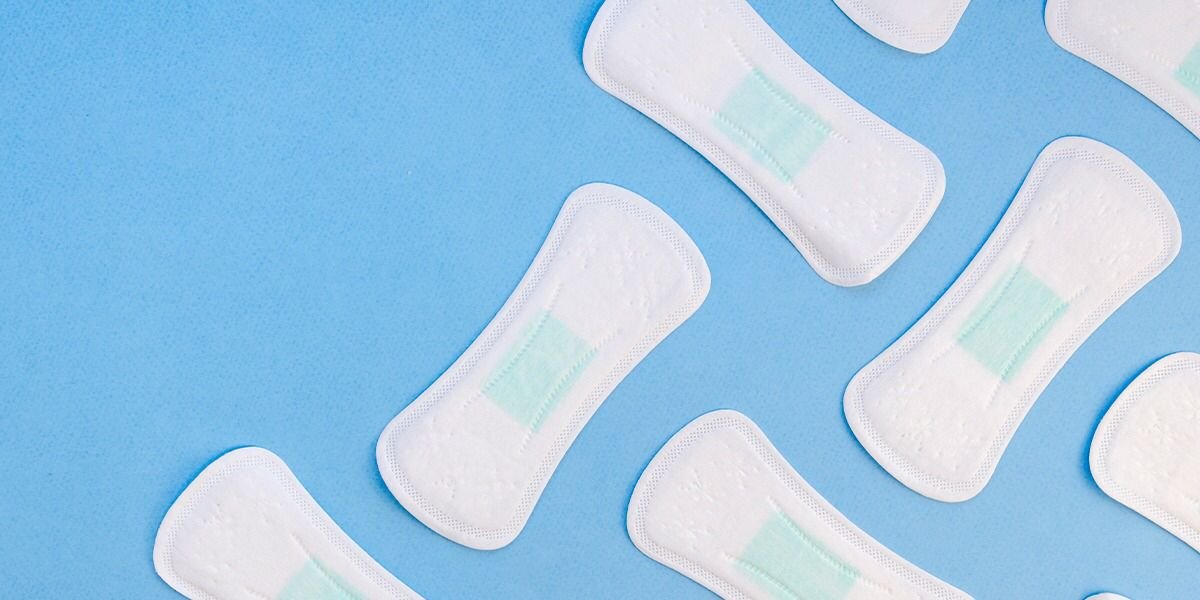
Pads are arguably the most widely used period product the sanitary pad/napkin has been commercially available for more than a century. They are worn inside the user’s underwear and absorb menstrual blood through layers of absorbent material, often rayon, cotton, and plastic. Pad design has changed over the decades to become considerably more absorbent and pleasant, with a wide selection available to suit different flows.
Talking about the arguments going around regarding the negative consequences of using disposable pads environment Lawyer Ahmad Rafay Alam while talking to The Current about the issues said, “Women are as entitled to their dignity as men. Screaming plastic pollution at a time like this is disingenuous at best. We can work out plastic pollution issues soon. Let’s first deal with the millions of women who menstruate.”
Dr Alia Haider, who is working for the relief of flood victims in Khyber Pakhtunkhwa (KP), while talking to The Current said that women in flood-affected areas do not have access to sanitary pads or the clothes they would normally use, as all of their belongings were completely destroyed.
Talking about the need of donating sanitary pads in flood-affected areas Haider said, “It would be very unfair to give women medicines but not sanitary pads,” adding that sanitary pads are not a luxury but a basic human need.
However, she said that donating sanitary pads is not enough, a tutorial about how to use them should be sent along or people distributing them should go and teach the flood-affected women.
“When I was working in medical camps in those areas, women came to me and said they don’t need it because they don’t know how to use them, then I used to take a group of 10 to 15 women in a room and used to teach them how to use sanitary pads. I made sure that they know that these are disposable.
She continued by adding, “We can also find and coordinate with women from those communities and backgrounds who know how to use sanitary pads and they can teach their fellow community members” So we need to connect with them on a community level.”
“When I was in Rajanpur, Taunsa, a woman did not know how to use sanitary pads so a guy came to me and said do get it to them. I asked the guy if he knows someone who knows how to use sanitary pads, to which the boy replied that his wife knows how to use them. Then I asked him to bring his wife, she knew how to use it and she offered that she would teach women in that community how to use sanitary pads.”
“We can’t sit idle and say oh my God that this is not the need of the time. Not maintaining menstrual hygiene can lead to many issues including Urinary tract infection (UTI), fungal infection, and prolonged use of clothing cause menorrhagia (excessive bleeding). During my visit to flood-affected areas, almost 60 to 70 per cent of women were suffering from Menorrhagia and other infections.”
She said that she does not think there is any other option than sanitary pads because even if they are provided with clothes, they will not have the resources to wash them or reuse them. Sanitary pads are accessible and disposable so they are the best option available according to Dr Alia’s assessment.
Where can you donate?
Bushra Mahnoor, who is leading a campaign called “Mahwari Justice” along with her friend Anum, while talking to The Current said that they started the campaign when the floods hit Pakistan at the end of June.
Mahwari is an Urdu word for Menstruation and Mahwari Justice means justice for women who menstruate and who are in dire need of menstrual assistance.
Talking about why she felt compelled to start the campaign, Bushra said,” I was a kid when the 2010 foods hit Pakistan. A lot of areas near my hometown Attock were flooded. My parents would collect goods and would take them to relief camps.”
Once when she went along with her parents to a relief camp, she saw a girl who was a year or two older than her. The girl’s shirt and shalwar (trousers) were spotted with large blood stains.
“My mother approached the girl and gave her a shawl to cover herself and a piece of clothing to use [as a pad]. The young girl explained to my mother that her periods started in the relief camp and she had nothing to use as a sanitary cloth. The girl was using her dupatta to manage periods but it was barely doing the job.”
“When floods hit Pakistan this year, the image of that little girl flashed into my mind and I knew I had to do something,” said Mahnoor. She then contacted Anum and they both decided that they had to do something for the women in flood-affected areas.
“Women and their needs get neglected not only by the state but by relief campaigners as well.”
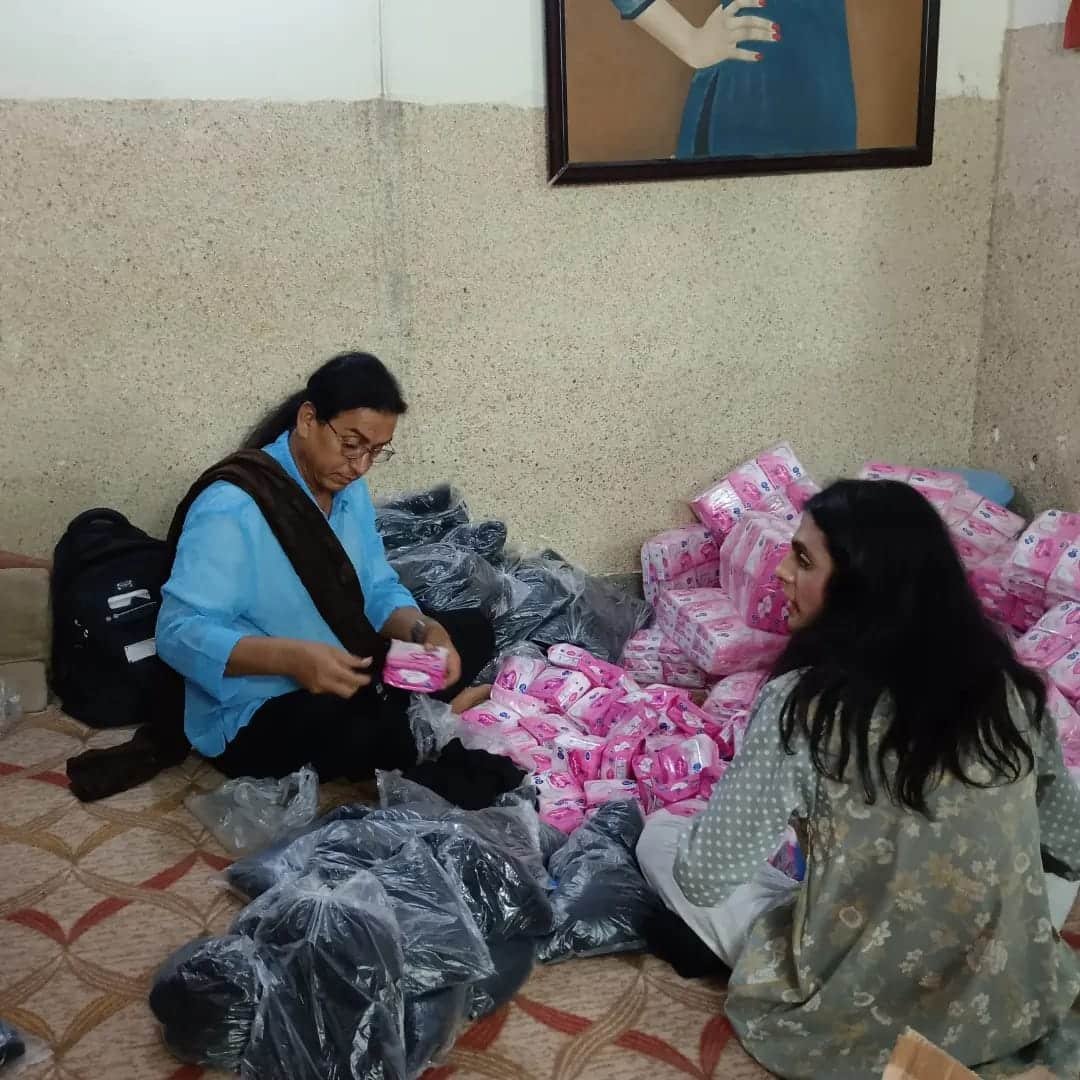
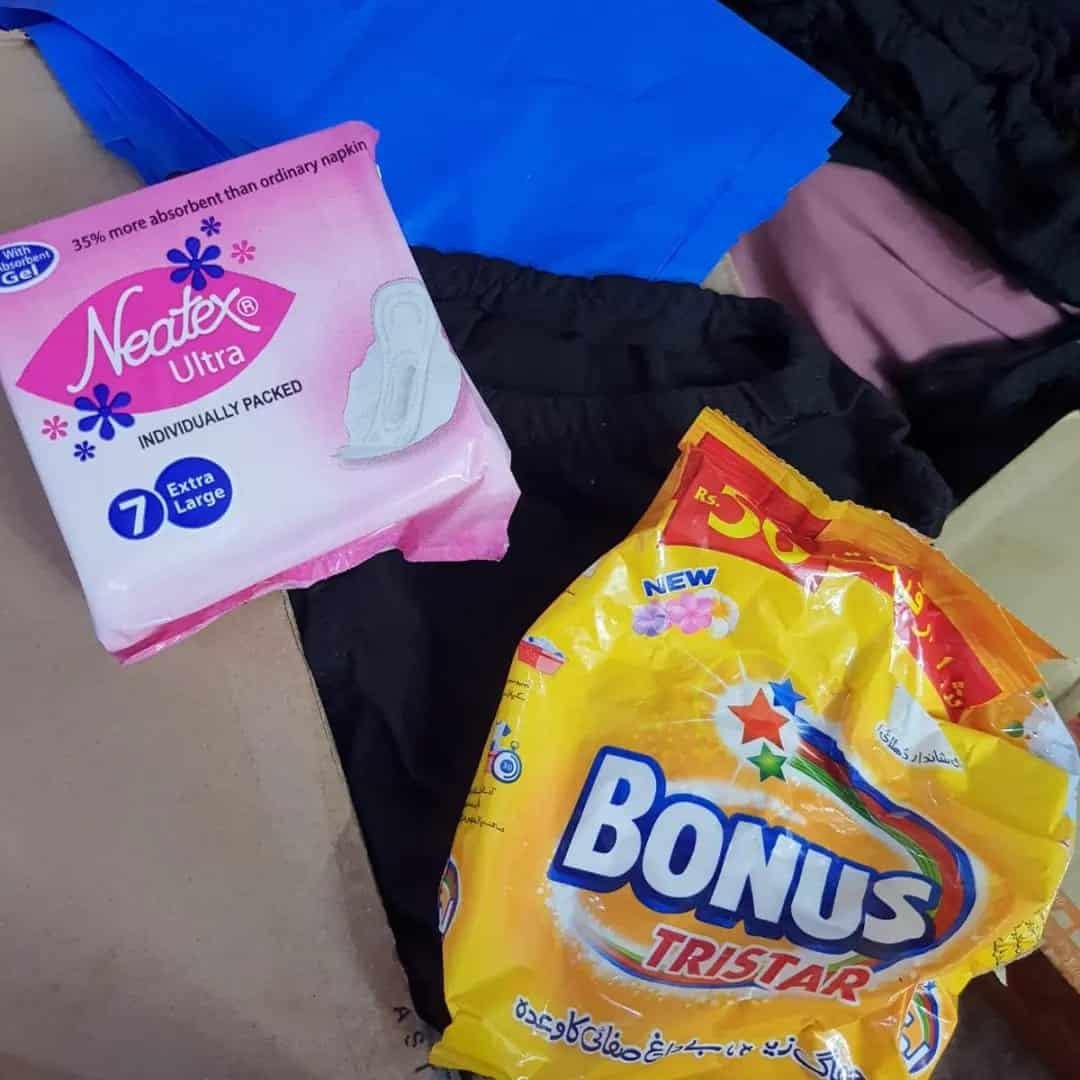
Mahnoor told The Current that Mahwari Justice is collecting sanitary napkins, cloth pads, cotton pads, underwear and sheets which they then donate to women in disaster-hit areas.
“There are many people who are saying that women in rural areas do not use sanitary pads. Why don’t they use sanitary pads? Because they do not have access to them and the critique is mostly coming from those who maybe have never used a cloth pad in their lives,” she stated.
Bushra comes from a lower-income background and for most of her life, she used a cloth pad. “Do you even realise, how uncomfortable and how unhygienic and how itchy the cloth pads are?” she wondered, adding: “I had to use cloth pads because we did not have the resources to buy sanitary napkins. It was difficult to afford sanitary napkins for six people every month.”
Mahoor further said that she agrees that sanitary pads have many problems too, but she does not understand why people think it is okay to preach about climate impact when an urgent crisis has hit the country.
“Pakistan is only contributing one per cent to the global carbon emission and women in rural areas do not make even a fraction of that one per cent.” She said she doesn’t understand why people are so worried about the waste that will be generated.
Anum Khalid, who started this campaign with Mahnoor while talking to The Current said, “If a flood victim is thirsty and you are giving them water in a plastic bottle, does that not harm the environment?”.
She continued by saying, “Bushra and I started this campaign to provide immediate relief to women or other menstruators from the issues they face from continuous bleeding.”
United Nations (UN)’s report on Guide to Menstrual Hygiene products suggests that consultation should be done on what products women are comfortable using because different materials and products are utilised for this purpose.
Anam said that they now send information about how to use sanitary pads along with their sanitary kits. They are also providing cloth pads for women in the areas where women ask for them because of their cultural preferences.
She continued by adding that our volunteers are teaching women in rural areas in their own language how to correctly use sanitary napkins.
She concluded by saying that the debate about whether something is a luxury or a basic need in times of crisis was tragic. “Our justice campaign, I believe, is helping to change the belief that sanitary pads are luxury,” she stressed.
Appeal for donations
Help us reach more flood-affected women and girls!
Floods in Pakistan have affected more than 30 million people, which is about 15 per cent of the country’s population. More than a thousand people have lost their lives and millions have been displaced, prompting the government to proclaim a national emergency. This is one of the worst natural calamities in recent times. The harrowing videos and pictures on our television screens and social media show massive devastation, pain, tears, and death spread across the country. Entire villages have been washed away, and there are places that have been fully drenched due to the inundated rain and floods, turning them into islands without any access to the outside world. There are places without electricity, without internet, without phone data, without roads, and without food and help. What Pakistan witnessed in the 2010 floods is not even close to what the country is facing today. A decade later, the country is fully swamped with water. Unfortunately, we the people woke up a little too late to this harsh reality. With every passing day, the death toll increases and so does the destruction.
The national response has been slow, to say the least, but mercifully all governments, federal and provincial, are actively helping the flood victims. Prime Minister Shehbaz Sharif has been actively visiting the flood-affected areas and trying to be at the top of his game by showing empathy towards the needy and has categorically said that it is time Pakistanis show unity and keep everything aside to save the flood victims while Chairman PTI Imran Khan will be hosting a telethon for fundraising on Monday. However, Khan has said that the PTI’s movement for Haqeeqi Azadi will continue alongside its flood relief work. PTI held a jalsa in Jehlum for its fight for haqeeqi azadi on August 27. A PTI member took to the stage and said that overseas Pakistanis should not give funds to the flood victims because the present government took away their right to vote. Khan also reiterated that his struggle against thieves will continue whether come what may. Such calamities demand a bipartisan approach from our leaders but well here too we have managed to fail our country. Khan seems pretty adamant that his quest against those he does not approve of will continue, even if there is a flood or war. PPP Chairman Bilawal Bhutto-Zardari has said that the Opposition can keep playing “jalsa, jalsa” while they will deal with the flood catastrophe.
The question remains: will the politicians be able to let their politics take a backseat for now and show some empathy towards their own citizens? Can’t politics, the numbers game, and the blame game wait? For once, our politicians should look beyond their own personal interests and agendas and stand united. Our politicians must give priority to those millions of people who have been affected by floods. It is time that all Pakistanis must donate wholeheartedly. The people need to be prompt with their help and generosity. We hope that partisan politics is put on hold, and all political leaders fully dedicate their voices and efforts to helping the flood victims. They need to be rescued right now and relief efforts must continue. They will later need to be rehabilitated and relocated. It will take a lot of resources and hard work. We must all come together to help them right now. Our political battles can wait.
A young girl was subjected to torture in Faisalabad. A final-year student, the girl alleged that her friend’s father became interested in her and even wrote her a formal proposal, which she declined. After she rejected the proposal, the accused pressurised her to change her mind. She received death threats. The complainant was even threatened that she could be raped. In videos that have now gone viral, she was subjected to physical and verbal abuse. Her hair was cut off and she was asked to lick shoes in order to humiliate her. She went through this abuse and torture only because she refused to marry a man who was also her friend’s father. This horrific incident shows how fragile Pakistani male egos are because they will not let a woman exercise her free will and choose to say no.
This isn’t the first incident of its kind. Back in 2018, a bus hostess was murdered in Faisalabad for rejecting a marriage proposal. We witnessed the same shock and horror that we are seeing today but did it change anything? No. Are women allowed to exercise their free will and choose the men of their choice? No.
In Punjab, the largest province of Pakistan, a total of 77 cases of physical assault were recorded in the month of July alone — 93 women in Punjab were abducted, and 47 cases of sexual assault cases were recorded. As far as domestic violence cases are concerned, Punjab reported 58 cases.
Women face the same problems across South Asia. In India, Bilkis Bano — an Indian Muslim woman who was gang-raped in the 2002 Gujarat riots — said that her peace has been taken away after the Gujarat government released her 11 rapists. Her rapists were released on August 15, i.e. Independence Day of India. They were convicted in 2008.“How can justice for any woman end like this? I trusted the highest courts in our land. I trusted the system, and I was learning slowly to live with my trauma. The release of these convicts has taken from me my peace and shaken my faith in justice,” said Bilkis in her statement.
With all the abuse, harassment, sexual assault, domestic violence, and rapes being reported not just in our country, but around the region, where are we headed as a society? Where do we go from here? Where do we stand? Has humanity died? What about morality and protection in the name of rule and law? Will women ever be safe, anywhere? Women of Pakistan and across the world deserve better.
Pakistan is celebrating its diamond jubilee, the 75th anniversary of its Independence Day today. A nation that was created in 1947 has come a long way — 75 years of resilience, hard work, commitment, struggle, dedication, and courage to keep fighting the odds. A country that is more than seven decades old sure deserves congratulations but it is high time we introspect because this 75-years-old Pakistan deserves better.
Look around, what do you see? A nation that was built on unity, faith, and discipline lacks the core of these words. We were founded to have freedoms — the freedom to live, practice our religion, and be who we think and feel. Support whichever notion finds home within us. Have a creative and critical school of thought. Be protective of our fellow Pakistanis. Not judge them for their religious beliefs, political choices, and ethnicities.
But what are we now? The present day’s 75-year-old Pakistan is far from the idea of its creation. How did we end up forgetting our reason for birth? How did we as a nation fail to stay in discipline and unity? This 75-year-old Pakistan is an amalgamation of extremism, fascism, political polarisation, and pluralistic ignorance. This country has been in the scientific laboratory for a long time now. It is time we find a litmus paper, unanimously to build this country. It is time we come out of this experimental phase and move toward a country that does not discriminate on the basis of gender. Where political leaders stay political and do not misuse religion as they please. Where the sole purpose and work of leaders is towards nation building. We can only hope that the 75-year-old Pakistan becomes strong for its girls and provides them an equal opportunity just like its boys. Where we provide an equal chance at life to the ones who have religious beliefs other than Islam. Where our minorities are not suppressed but rather treated as equals. Where rape, child marriages, abuse, and harassment ends.
May we all give this country what it truly deserves because all it really takes is unity, faith, discipline, and introspection. Long live Pakistan. Pakistan Zindabad!
Sports in any country is a celebrated sector of society. It brings pride and recognition to a country. Sports are symbolic of life. Life demands discipline, resilience, respect, compassion, teamwork, and character. Sports help develop those skills to apply on the playing field and in life. In any country, the state invests in their sports and the individuals playing them. Pakistan does just the opposite of it.
Pakistan chooses to forget its most talented and has a way of neglecting its sportsmen and sportswomen. Cricket and our men in green are a source of continuous pride for the country but there are other sports and players who too wear green with pride, and give it their all to bring us glory.
Our teams have gone to the Commonwealth Games and the Olympics but the players participating tell the same stories of negligence and their individual hard work. So what is that the players say? One: They need the state to pay attention to them. Two: Recognise the talent and show confidence in them when they are trying to develop their skills and polish themselves for the better. Three: Give them better training so that they can perform well and bring gold, silver, and bronze medals back home. Four: Treat them as equal and as important as they would treat a person playing cricket. Five: Don’t take credit for our individual wins as you have not invested in us. They ask the state to actually invest in them so that they can stand tall amongst the best.
What does the state do instead? The state has been in a habit of neglecting the raw and the talented, barring them from the opportunities which could have done wonders for the games, players, and the country. Yes, in recent times we see a prime minister congratulating a gold medalist but is congratulations enough? Don’t they deserve better training, better chances, and a better future? We can only hope that the state realises that mixed fortunes become the fate of many players in Pakistan because they were left out at some point. We can only hope that the state realises that every sport matters, every game matters, and every player is worth fighting for and that he and she deserves to get the best facilities. May our talented players keep making us proud.
A 74-year-old man was murdered in an alleged incident of robbery near Naran. The incident took place on July 24. A group of four people were staying in a camp near Saral Pass, which is a few kilometres away from Noori Top.
A Facebook user named Faizan Sami posted about the incident in a group, The Karakoram Club.
“I Faizan Sami, Asfandyar, Mudassir and uncle ( father in law of Mudassir) left for Ratti Gali from basil trek via saral pass,” the user wrote in a Facebook post.
“Reached Saral pass about 6.30 pm on Sunday 24th of July 2022. we unpacked and set our camp over there. We had four local porters with horses. After dinner and relaxing we off to bed. We were sleeping in our tent at about 11.20 o clock and heard voices coming out. My uncle sat and asked them who it hearing this they start firing. uncle got shot we all started screaming. And came out they beat us with our hiking sticks. We were made to stand in a row outside,” added Faizan while narrating the horrific incident.
“They asked for money and other stuff. we told them it was in the bags two of them went inside the tent while one was guarding us. When they saw the dead body one of them came out and told the other one they all started moving towards the tent. We slowly moved towards the downside and then started running. And hid in stones, after 15 minutes one of our porters come shouting our names. We then showed up and the porter told us that they too were looted. We then went to the tent they took all the bags one bag with money and the drone camera was under my jacket so it was left. They took almost 70,000. We covered the dead body in a tent, packed it well and went outside in search of help. After 3 hours of trekking, we reached a village on Noori’s top side. Anar Gul named person helped us a lot. He sends men along with one porter to bring dead bodies. we stayed there till morning. He sends men after the police and jeep.”
Talking to The Current, Faizan Sami said they heard noises around 11:15pm. His uncle shouted from the camp and asked, “Who are you?”
After hearing the noise, the robbers resorted to aerial fire which resulted in the death of the 74-year-old man named Raja Muhammad Azam.
The robbers made them sit 50 feet away from the camp. They asked them how many people were in the camp, and were told that they were a group of four people. Two of the robbers then went inside the camp to look for the fourth person and money.
“When they went inside the camp, they panicked after looking at the dead body and they called their fellow robber inside the camp,” Faizan told The Current.
After all of the robbers went inside, they took the opportunity to run away and they went “300 to 400 feet” away from the place to hide from them.
When they came back after a while after the robbers had left, they saw the dead body lying there. They left the dead body behind and went to ask for help to bring the dead body to a nearby village.
The FIR, a copy of which is available with The Current, was filed on July 25 in Naran. The police are still investigating the case.
The World Economic Forum recently released the Global Gender Gap Report, 2022. Out of the 146 countries ranked on the index, Pakistan is at 145, doing slightly better than Afghanistan. The report gauges how immense the gender gap is in areas including education, economic participation, health, and political empowerment. Pakistan’s second-last position comes as no surprise, at least not for the women in the country.
Earlier this week, a 21-year-old American woman, who is also a vlogger, was allegedly raped by her tour guide and his two accomplices in Dera Ghazi Khan. The woman revealed she knew the man [one of the culprits] for a long time and is hurt by the fact that he could do something like this. “I am deeply hurt by the fact that a friend I have known for such a long time was trying to portray a positive image of this beautiful country to foreign travellers, who seemed so trustworthy, could commit such a vile and horrific act,” she said. Then there was news of a van driver in Dera Ghazi Khan who raped a woman at Rajanpur wagon. Every day, someone somewhere in Pakistan gets raped, either by someone they know or a complete stranger. The women in Pakistan have said it over and over again about how unsafe they feel in this country, including in their homes, offices, and streets. You name it and you will come to know about a story of a woman being raped or sexually harassed. With all that is going on, when will this stop for the women living in the country? Will sanity ever prevail? Will they ever be safe? Will they ever get equality? Will justice and the right care be provided to them? What are our policymakers doing to make the lives of women in Pakistan better?
A new committee against rape has been announced by the Law Ministry in an effort to combat the worrying increase in sexual violence cases across the nation. The special committee’s primary responsibility will be to aid sexual assault victims in getting legal representation, in addition to attempting to stop cases of rape against children. But the question remains: will this be enough? Women in Pakistan are yearning for the day when our society will learn to provide the strength where it is required and stand with the survivors of sexual assaults when no one will be frightened to talk about their horrific experiences and when no woman will be blamed for being a victim and survivor. But until that day arrives, we can all try to bridge the gap and make it better for the women in our country. The leaders and decision-makers can really try and make an effort to make Pakistan safe for women. It is time to stand up for the ones suffering. Home needs to be a safe place, workplaces need to be safe, our streets need to be safe, and our trains and other transportation means need to be safe for women.
It has been a year since Noor Mukadam was brutally murdered by Zahir Jaffer in Islamabad. We hope that Noor finds justice. We hope that women who are killed in the name of so-called ‘honour’ find justice. We hope that men who commit crimes against women are caught and punished. We hope that our justice system does not betray are women constantly. We hope that women are allowed to study, work, marry of their own choice, stay unmarried if they wish to, and are able to live in a society that does not treat them like second-class citizens. Because enough is enough!