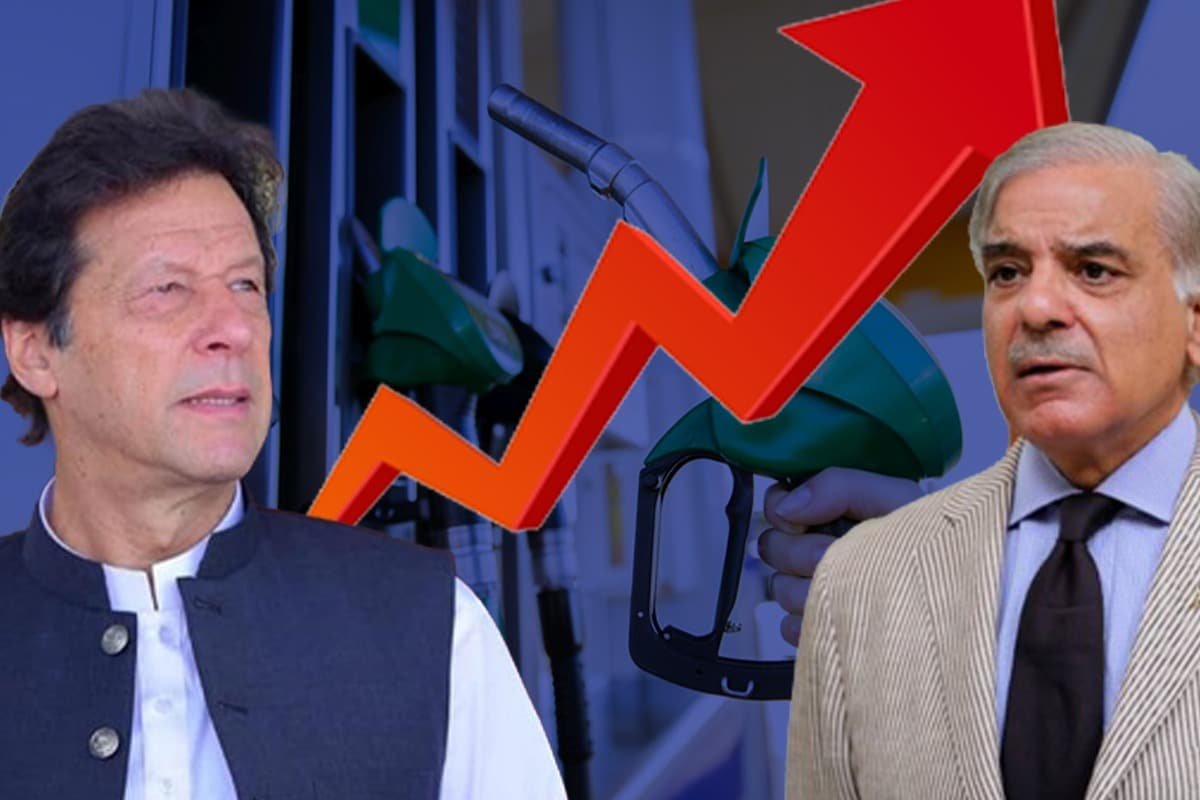
The incumbent government on Thursday unleashed another massive gasoline bomb on the country after another hike of Rs30. In less than a month, the price of petrol has risen by Rs60 to Rs209.86. The recent hike has been made to meet the International Monetary Fund’s (IMF) conditions.
The latest petrol price hike came just hours after the National Electric Power Regulatory Authority (NEPRA) approved a power tariff hike of Rs7.91 per unit.
The question remains who should the Pakistanis blame for the burden the governments of the past and present putting them?
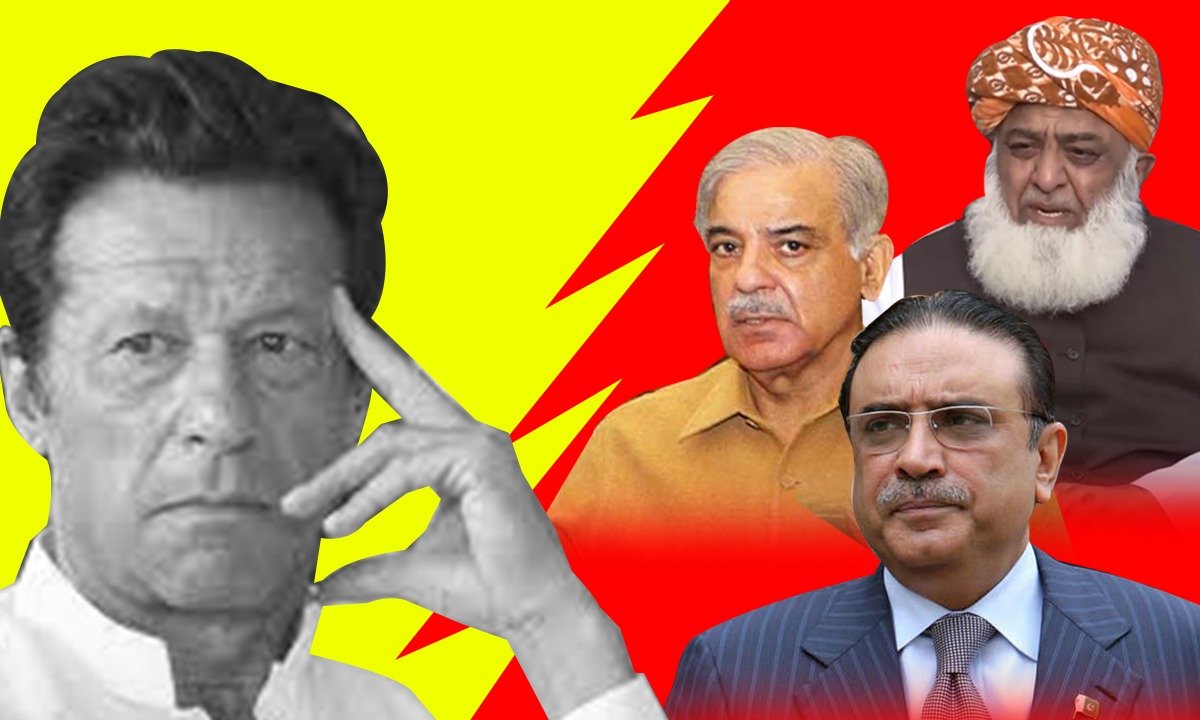
The interfering ex-prime minister is distracting the government with his constant threats
“The reserves are at their lowest level since 2019, when Pakistan last sought help from the IMF. Only half the $6bn bail-out agreed at the time has been disbursed. Mr Khan, then prime minister, originally agreed to cut subsidies and reform the economy but reduced fuel prices instead. The country is running deficits on both its budget and its current account. It needs some $37bn worth of financing for the fiscal year beginning in June, reckons the finance minister,” writes The Economist.
The Economist further writes about how the federal capital witnesses a protest once every year where the state gets questioned and those in power are demanded answers. But this time it was a former premier whose continuous marches and threats are creating instability. “The interfering ex-prime minister is distracting the government with his constant threats.”
“Mr Khan does not appear to be giving up hope. He is petitioning the Supreme Court to guarantee safe passage for potential follow-up marches. The coming spate of painful economic moves will supply him with plenty of excuses to paint the government as American stooges and enemies of the people. The appointment of a new army chief, due in November, will add yet more uncertainty to the political balance. To fix its economy, Pakistan badly needs stability. It will spend the coming months with anything but,” writes The Economist.
Hesitation to get cheap oil from Russia
The Current reached out to Pakistan Tehreek-e-Insaf’s (PTI) Spokesperson on Economy and Finance, Muzzammil Aslam and he said, ” First international markets, second lack of planning by the current government, and the hesitation to get cheap oil from Russia is the reason for the recent petrol bomb.”
“The price pass-through could be lower if they cut the refinery margins. Lastly, it is not necessary to raise prices, one can make up subsidies by imposing windfall taxes, wealth taxes etc,” says Aslam.
Decreasing prices was a selfish political move by PTI, but PMLN led-govt should have fixed it immediately
The Current reached out to Geo News’ Anchorperson Shahzad Iqbal to ask for his point of view on the present conditions being faced by the people. Commenting on the issue Iqbal said, “Decreasing prices was a selfish political move by the PTI government to either survive or to create hurdles for the incoming government. But Pakistan Muslim League-Nawaz (PML-N) led government should have fixed it immediately.”
“The delay by the sitting government cost Pakistan Rs150 billion,” said Iqbal.
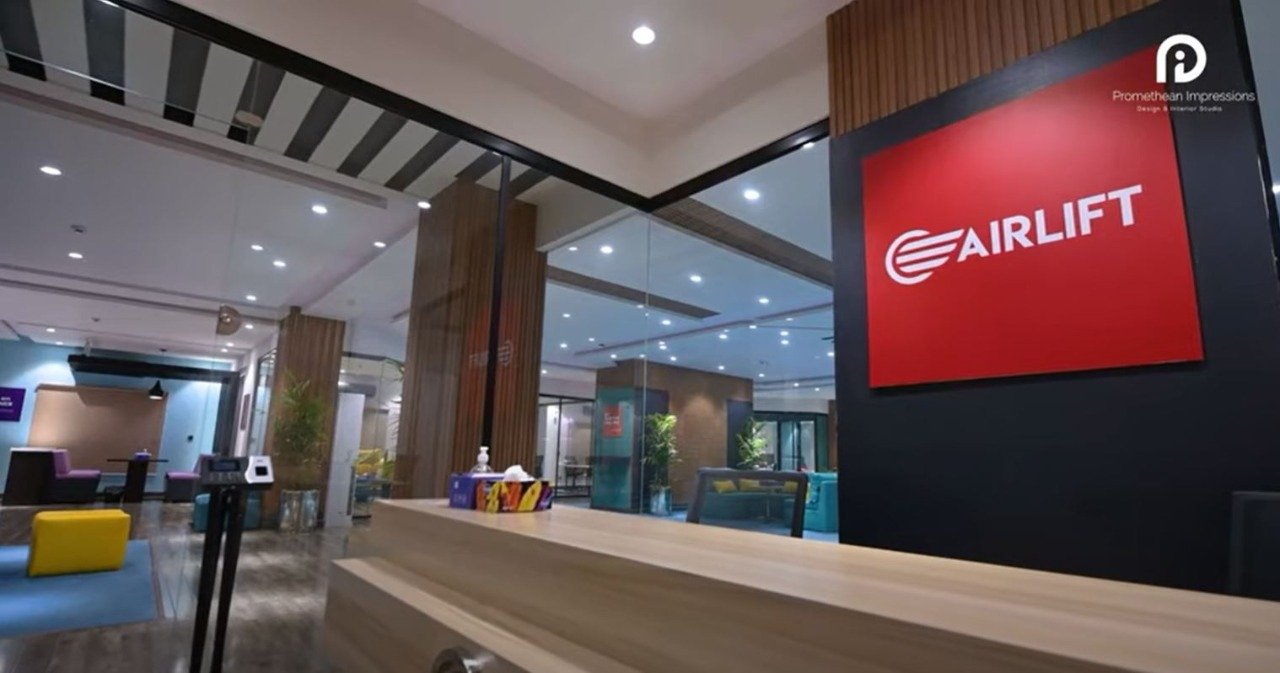
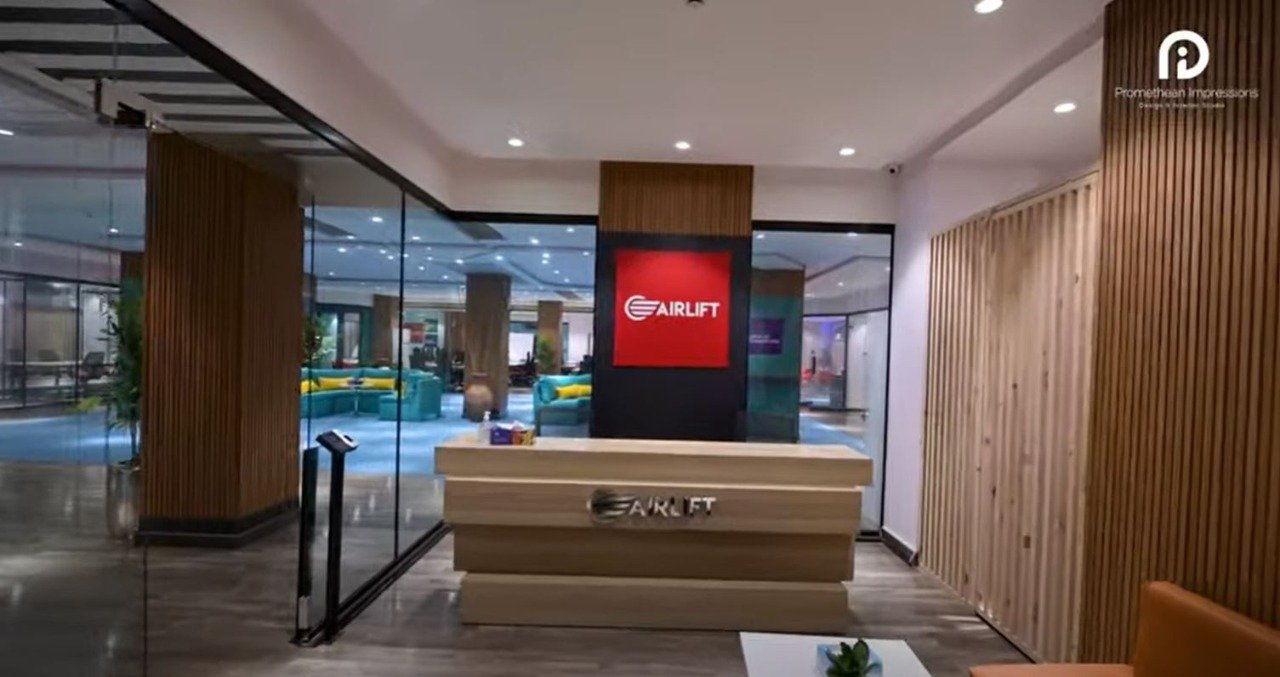
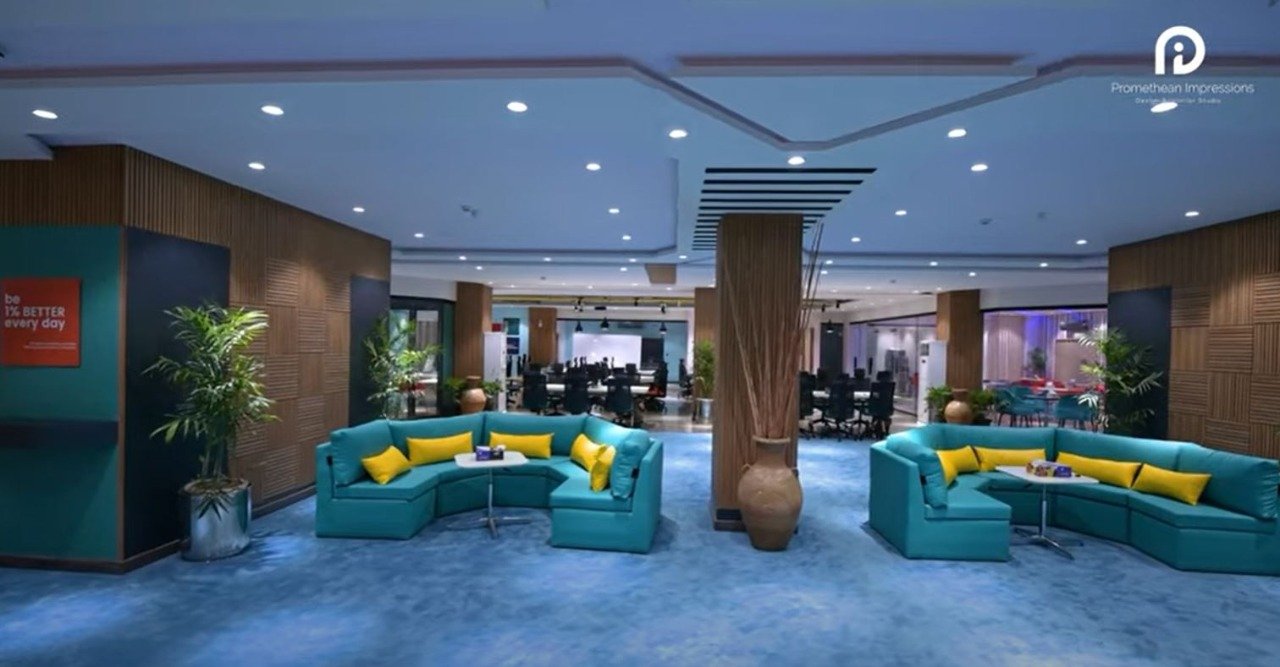
Airlift Technologies, a national grocery delivery service, has laid off 31 per cent of its workforce.
The company posted a statement on its official LinkedIn account confirming the layoff of its workforce; “In the light of the significant downturn in global capital markets, Airlift is undertaking a strategic realignment to reduce the surface area of operations and to increase focus in key areas that drive sustainability and profitability.”
“The decision to part ways with talented teammates has been incredibly challenging for the company. For impacted teammates, Airlift stands committed to providing financial and placement support to help find new roles,” the statement read.
Quick commerce startup Airlift closes down all cities apart from Karachi, Lahore and Islamabad, lays off 31% staff. pic.twitter.com/hSM8Cz3kYE
Usman Gul, the 33-year-old co-founder, and CEO commented on the company’s decision to permanently shut down, saying, “I think if the lens of change is ‘Did Airlift offer great returns to investors?’ then yes, regrettably, it was unsuccessful. If you’re talking about bringing Pakistan into a new reality or altering the entire ecology, then by that yardstick of success, we’ve come a long way,” Gul told Rest of World.
“In many ways, Airlift raised the bar of ambition for Pakistani startups in a big way. Our teams at Airlift redefined the standard of execution, strategy, building a world-class culture, developing a cutting-edge product, raising sizable fundraising rounds,” Gul continued.
What is the point of raising the greatest series B in the nation if the business fails 11 months later? Gul believed that these were improper inquiries when questioned about the $85 million that Airlift blew through in less than one year. He said that the appropriate questions to ask were: “What enabled Airlift to raise $100 million-plus in three years? That’s never happened in Pakistan before. What did this team do differently?”
Airlift was started in 2019 by Usman Gul, Ahmed Ayub, Awaab Khaakwany, Meher Farrukh, Muhammad Owais, and Zohaib Ali as a mass-transit option that connected consumers with buses at reduced costs. Due to the pandemic, Airlift’s transportation operations were halted in March 2020. During the covid pandemic, the company then pivoted its business plan and launched Airlift Express, a grocery delivery service with $10 million in investment. Airlift, last year in August, secured a mega-round of funding of $85 million dollars.
A former Airlift employee described the layoff as “shocking, unexpected, and heartbreaking.”
WHAT FINANCIAL EXPERTS THINK HAPPENED AT AIRLIFT
Ariba Shahid, Financial Journalist at Profit Magazine and DealStreetAsia, while talking to The Current about the layoffs at Airlift, said, “While downsizing is sad considering people lose their livelihoods, sometimes young startups need to scale back operations, recalibrate and start differently or fresh,” adding “In order to do so, they sometimes downsize. There is nothing wrong in doing so. I don’t think any business downsizes unless it’s absolutely necessary.”
Taking about the reason behind the layoffs Ariba added, “There are a number of ways to look at it. One likelihood is that Airlift’s funding was contingent on it attaining milestones. So maybe, they did not get the entire $85 million.”
“The other scenario is that they burned through approximately $10 million a month in customer acquisition costs and expansion. It is difficult for consumers to change their consumption pattern and move onto quick commerce. It also costs a lot to expand and grow, especially internationally, like Airlift did in South Africa. The macroeconomic environment with rising inflation and diminishing purchasing power makes it even more difficult.”
“Airlift was one of the bigger names in the ecosystem. The same way Airlift was used as an example while raising funds, it may be seen as a warning sign. However, the global liquidity crunch plays a bigger role at this point in time, in addition to Pakistan’s weakening macroeconomic sentiments.”
“There is no right or wrong way to run a startup at this point because the ecosystem is very nascent. There are no examples locally to follow. However in order to succeed startups need to ensure they are clean, transparent, do not fudge numbers, accept realistic valuations, stop obsessing over large rounds, and know when to stop blitz-scaling,” she added, talking about Pakistani startups.
While answering a question about the situation of Pakistan’s job market Ariba said, “Too soon to say that but yes, one can expect more layoffs across industries considering working capital will be more expensive, political instability, low investment inflows.”
Aitlift’s Lahore office
Dr Aqdas Afzal, Program Director and Assistant Professor of Economics, Habib University while talking to The Current about the possible reason behind the layoffs said, “The reason is not related to the Pakistani market, there is an economic downturn in the entire world. The inflation in UK and US is highest in last 40 years.”
He continued by adding that, “the main input of Airlift’s delivery is fuel and as considering the fuel inflation, they have withdrawn their services from those markets and cities from where they don’t get much sales and find it difficult to drive “sustainability and profitability.”
“I don’t think Pakistani startups are doing anything wrong, as we have seen they have been able to get get a lot of seed money.”
He further said, “In the coming days you will see a lot more startups booming in Pakistan.”
“The government needs to provide reliable, fast speed and affordable internet, because it is slowly becoming the weakest link for Pakistani startups.”
“I don’t think that Pakistan’s job market is collapsing,” said Afzal while answering a question about Pakistan’s job market.
He added, “We are in low value-added end of the spectrum in terms of freelancing skills and we should see if our educational institutions are teaching the level of coding that freelancers around the world are doing.”
Aitlift’s Lahore office
WHAT LAID-OFF EMPLOYEES HAVE TO SAY
Airlift released a database of the names of113 staffers who were abruptly terminated from their positions and were then ‘open to work.’ The employees listed in the database served in various departments of the cash-strapped venture, including operations, human resources, customer service, rider support specialists, and several software engineers, that were based in Pakistani cities including Karachi, Lahore, Islamabad, Gujranwala, Faisalabad, Hyderabad, and Peshawar, with the remainder in South Africa.
“The layoff news shocked the entire workforce as we had no idea the company would announce a massive layoff along with closing key warehouses in different cities,” an employee at Airlift Head Office Lahore, told The Current, “I was aware that the stock market was collapsing dramatically, with some well-known corporations laying off a large number of staff, but I had no idea that the capital market’s volatility would have such an immediate impact on Airlift.”
According to another insider, the company was unable to generate sufficient profit to entice international investors, which is why layoffs had to be done.
Khan revealed that he is looking for work and has undergone three job interviews so far. “After the news of the Airlift went viral on social media, I was approached by a couple of companies and individuals, although I have yet to receive job confirmation,” he claimed.
“I have had a wonderful time at the Airlift. The management took good care of the overall staff. The payouts were never delayed,” Husnain Raza, who was employed as a Rider Operations Specialist at Airlift barely a year ago, told The Current. “The company had to take this horrendous step or it could’ve been dissolved.”
Ex-Operations Lead at Airlift Faisalabad, stated that he is not concerned since the company has offered to compensate the employees who were laid off without notice with 1-2 months of salary. “I assume I’ll find another job until then,” he asserted.
The Current has reached out to the founders of Airlift for a comment on why the layoffs took place and about the future of the company. We are still waiting for a comment and until we get one, here is the statement issued by the company on the dismissal of their staff.
GLOBAL IMPACTOF THE ECONOMIC DOWNTURN
The impact of the global economy is not just being seen at Airlift or in Pakistan.
Cutbacks, contract terminations, and layoffs have impacted at least 5,600 startup employees since the beginning of 2022 at a number of unicorns, global tech companies in India, and growth-stage startups.
Startups like Unacademy, Furlenco, and many others have cut back and downsized in order to improve profitability. Better.com, a mortgage technology company based in the United States, has also asked employees to sign voluntary separation agreements. These layoffs occurred at Better.com’s India operations, where another 920 employees were let go earlier this month, following a total of over 3,000 laid off by April.
Unacademy, the edtech unicorn, laid off over 1,000 employees and shut down its online education platform, PrepLadder, in April 2022. More than 800 employees at BYJU’s-owned WhiteHat Jr were told to resign because they refused to work from the office.
Furthermore, Cars24, a marketplace, laid off workers in order to cut costs and move toward automation. In this downsizing, the unicorn may lay off up to 600 employees soon.
Alongside startups, some big names, such as Netflix, have cut staff this year, with some blaming the COVID-19 pandemic and others faulting ‘overhiring’ during periods of speedy growth. In 2022, Robinhood, Glossier, and Better are just a few of the technology firms that have significantly reduced their staff numbers.
The capital markets have taken a beating in 2022, and this has filtered down to the private sector. Fears about inflation, rising interest rates, and geopolitical issues have all contributed to a volatile financial market.
Startups, particularly those that profited from a pandemic growth that is now slowing, are beginning to feel the strain as well. Valuations have begun to fall, especially at the later phase, and entrepreneurs say it is far more challenging to raise new funding in such a situation.
A multitude of companies that experienced pandemic-related surges are experiencing a correction as a result of a variety of factors, including rising inflation, economic distress, war, and shifting consumer taste buds. Companies such as Meta and Twitter have publicly announced hiring freezes, and Snap confirmed this week that it is slowing hiring as revenue targets are missed.
If a company is bleeding money, it will most likely begin to lay off employees, preserving only those who are required to work to retain the business’s level of operations. If the company dissolves, the remaining workers may be laid off as well.
Among the most likely causes for layoffs is that the company is trying to cut costs in some way. This could be because the company needs to pay off debts, fewer sales or the company no longer has the financial backing of investors like Airlift.
As technological advancements and automation grow common in businesses, employers sometimes lay off employees in order to cut costs and reduce position redundancy. Moreover, if the employee satisfies certain requirements and is prepared to make the change, the organisation may commit to finding another role for them and transferring them to the position.
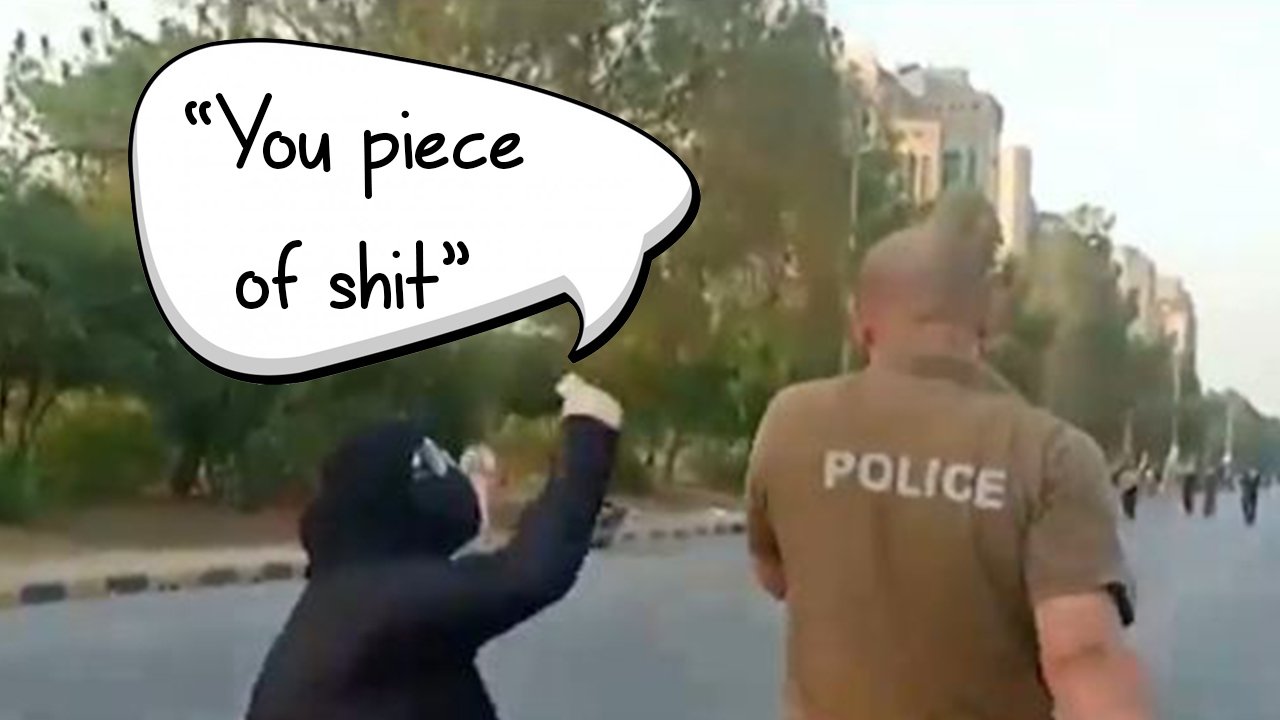
‘Piece of shit’ is all it took a woman to demean and disrespect a Rawalpindi constable, Muhammad Shahbaz. During Pakistan Tehreek-e-Insaf’s (PTI) ‘Azadi March’ in Islamabad, a woman wearing a black burqa repeatedly abused and shouted at a police officer for doing his job. The video went viral on social media. Though Shahbaz earned a lot of praise for showing restraint and resolve in the face of abuses hurled at him, the fact remains: why did he have to go through all this? What was the lady trying to prove? What entitled the woman to abuse the officer who was performing the very job he was assigned to do. Imagine if the police officer retaliated and did something in return. But instead of responding to the PTI supporter, the policeman in a rare display of decency and patience ignored the woman and continued walking silently along the road. Later it came to light that the enraged woman was reportedly setting fire to the trees with her companions and lost cool when she was stopped by the policeman and vented her anger on the constable in Islamabad at the time of Azadi March.
What we witnessed on May 25 is condemnable, especially the brutal crackdown by the government on PTI leadership by using the police. The ruckus created by the government, police, and PTI supporters needs to be addressed. But why should we only blame the police for all of it? They were following orders. The government is responsible for ordering them to unleash police brutality on PTI leadership and supporters. Having said that, no one can deny that the police force is in dire need of reforms. It will take many Muhammad Shahbaz’s to show resolve in difficult and testing times. We can only hope that society learns for the better and gives credit to these officers who are out and about to protect their people. Indeed, being a police officer is a thankless job. I hope we learn to give the officers the respect and due credit they deserve.
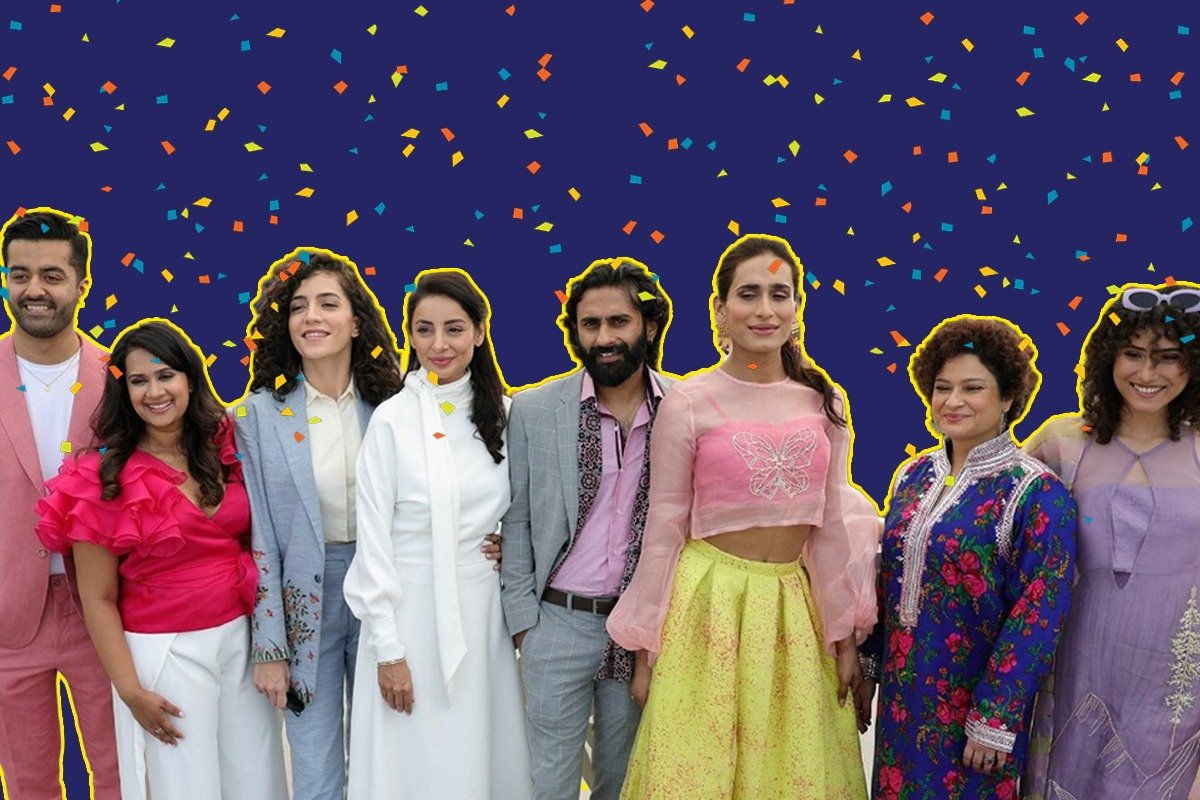
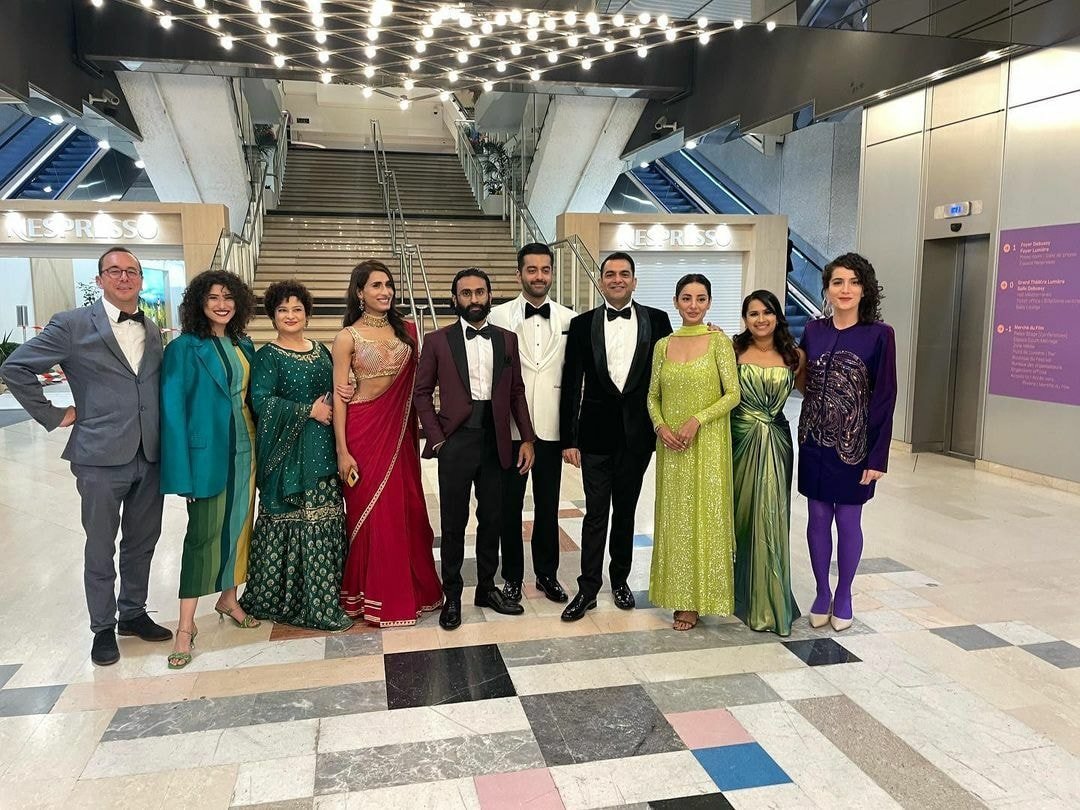
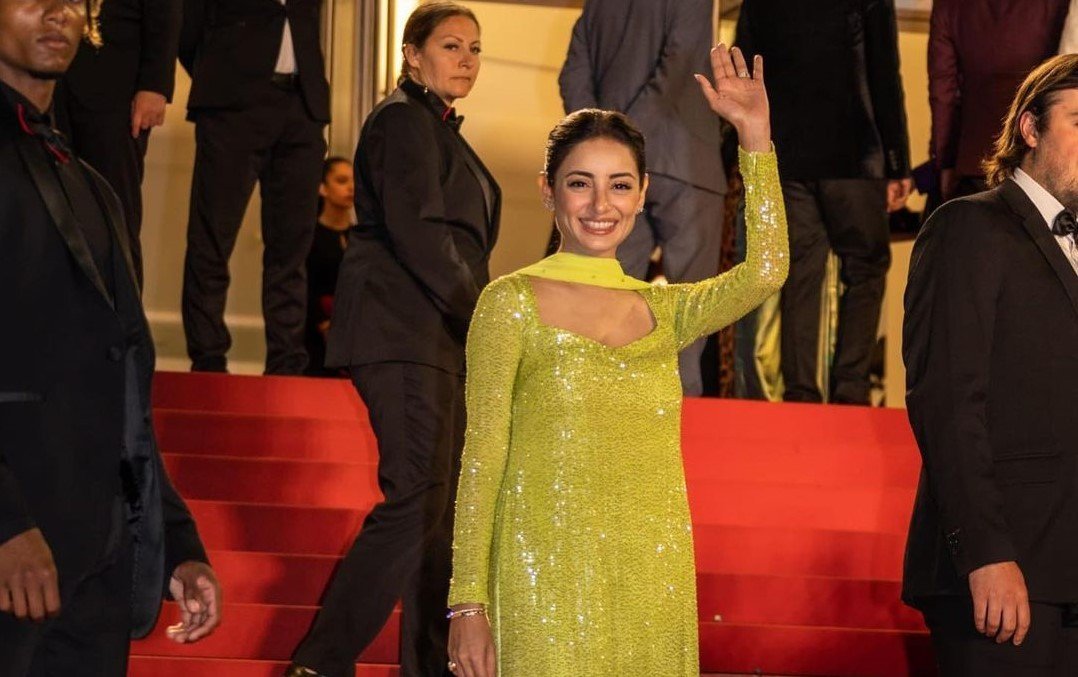
A 10-minutes standing ovation, pride, and tears of joy are what the world witnessed, as team Joyland stood tall amongst the august audience at the prestigious Cannes Film Festival. Joyland left its viewers beaming with joy as they revelled in the world of Saim Sadiq’s creation. A young director/writer, who with his innate creative aesthetic and passion has given a reason to people back home something to celebrate. Joyland will definitely serve as an opportunity for many to learn and aspire towards bringing the change. Pakistani cinema was in need of a moment like Joyland.
Written and directed by Saim Sadiq, Joyland represented Pakistan at Cannes. Joyland is the first Pakistani feature film to make the official selection at the festival. The film has been selected for the Un Certain Regard category. Cannes only takes in a limited number of 14 films in the category and it is a moment of immense pride for the Pakistani film industry.
Saim’s feature film is a star-studded ensemble, starring Sarwat Gilani, Salman Peerzada, Sania Saeed, Ali Junejo, Alina Khan, and Rasti Farooq. The film is produced by Sarmad Khoosat, Apoorva Guru Charan, and Lauren Mann.
Team Joyland
The Current reached out to the director Saim Sadiq, producer Sarmad Khoosat and female actor Sarwat Gilani and asked them about how they felt representing Pakistan, their work, and the journey of Joyland.
Saim, who is currently abroad, has a message for his people back home. Speaking to The Current, Saim said, “I hope people back home do watch Joyland and respond to it in the same way with love and appreciation, just like we received at Cannes.”
Saim Sadiq- Director Joyland
A creative genius when it comes to dramas and films, Sarmad Khoosat, who is the producer of Joyland, told The Current how “proud, overwhelmed, and emotional” these past few days have been for the team and him.
Khoosat while talking about Saim said, “This is Saim’s film. It is from his heart and his soul. It is many years that he has spent with this story. Right from the day he shared the story, I knew that there was a connection and truth to it which is exceptional and special.”
Selfie of Sarmad Khoosat and Saim Sadiq
Talking about his role as a producer, Khoosat said that he had not produced in a while and the journey on the other side of the camera was a little unnerving initially. But the joy he seemed to witness as the journey unfolded and seeing everything stamped on camera was rather fulfilling for Khoosat.
“It feels like a dream”, is what Khoosat said about Cannes. “I am very proud of this ensemble cast. They are truly special and what gifted actors, they are people made of dreams.”
Pakistan’s much-adored actress Sarwat Gilani spoke her heart out in her conversation with The Current. “Joyland for me means revolution for Pakistani cinema for sure. It talks about a lot of issues we hide away or feel shy to talk about.” Speaking about her director, Gilani said, “Saim is a very intelligent and a detailed-oriented person. He knew exactly what he wanted. The strings he wanted to pull in his audience’s heart, and well he was successful in doing that. I loved working with him and would look forward to working with him again. He made Joyland with a lot of responsibility and sensitivity.”
Talking about Cannes, Gilani said that it was a magical time for the team of Joyland.
Sarwat Gilani at Cannes
“It was an absolute honour to be there and represent Pakistan. And we are delighted to make history. The reception we got was unbelievable. Joyland received a 10-minute standing ovation and that in itself was a fulfilling reward for all of us,” said Gilani.
“Joyland is a call for empathy”, says Saim Sadiq. His debut film has received an overwhelming response from renowned world critics as well.
Anupama Chopra, an Indian film critic writing about Saim said that “he is keenly observant of the deep-set biases we carry and the harshness with which we judge each other”.
“Joyland remains a thoughtful, well performed and engrossing drama set in a culture that’s shifting, and not always with ease,” writes Deadline.
We only hope and wish that Joyland is given its due credit back home and people reciprocate the same love and appreciation it has given to Pakistan. We all look forward to experiencing the joy and charm of Joyland on our screens, back home in Pakistan.
Politics in Pakistan hits a new low every day. This past week, the nation witnessed two incidents that again prove how women in politics are seen as soft targets to settle political scores. Be it misogyny, sexist remarks targeted harassment or political victimisation — we have seen how women face the brunt of most of these attacks.
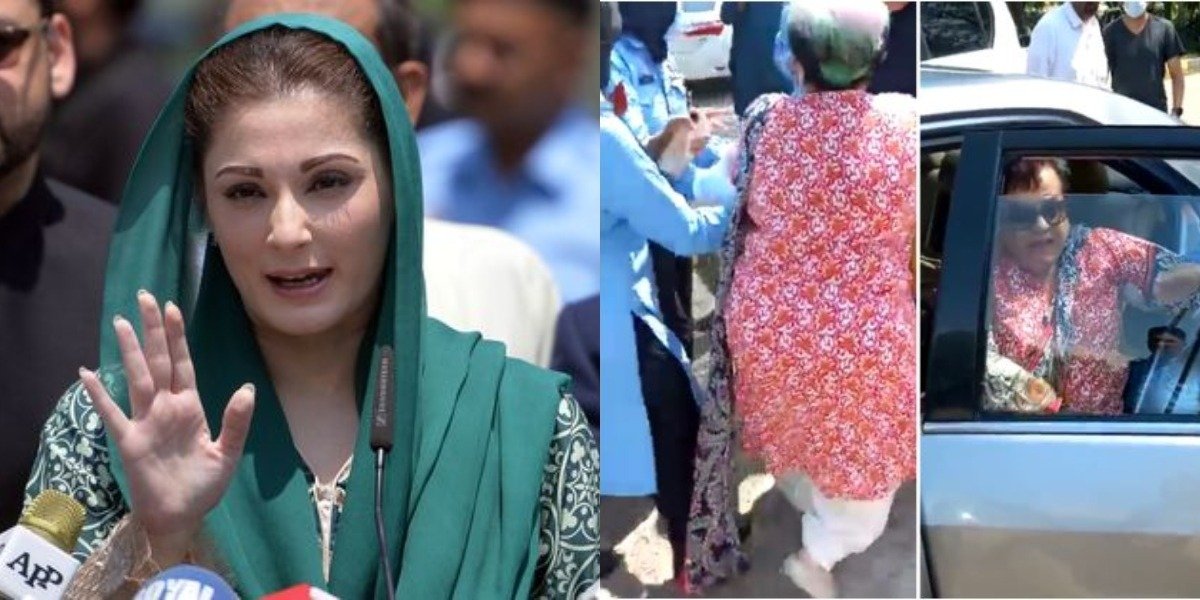
Case one: Former Prime Minister Imran Khan passed sexist and controversial remarks about Maryam Nawaz at a political rally in Multan on Friday. Khan said: “I was sent the video of Maryam’s speech in which she took my name so many times with such jazba and junoon that I want to tell her to be careful, your husband might get upset at you taking my name so often.” Khan’s misogynistic remarks about his political rival were uncalled for, and not what was expected from a national leader. One would have thought that a man who is almost 70-year-old, whose first wife has had to deal with perpetual harassment to this date, whose second wife faces a plethora of abuse on a regular basis, and whose current wife has not been spared either, would spare women. Yet he made these comments about Maryam Nawaz while addressing thousands of people looking to him as the future of the country. What message is being sent to our younger generation? That it is okay to sexualise women, that it is okay to mainstream misogyny? Where will it stop is what one wonders.
Case two: Punjab’s anti-corruption department took former human rights minister Shireen Mazari into custody in Islamabad yesterday. A video clip shows female police officers manhandling Mazari after she refused to step out of her car. The way that she was harassed and manhandled and the timing make it look like a clear case of political victimisation.
Pakistan at the moment is facing a national crisis. The new coalition government is finding it hard to stay afloat, the country needs a financial boost from the International Monetary Fund (IMF) to survive economically. Serious decisions are to be made for the betterment of the country but what are the male politicians doing instead? Demeaning, silencing, and mocking strong women to put them down. Arresting Mazari because she is a vocal critic while demeaning Maryam because she is giving a tough time to her opponents.
One can criticise anyone’s politics but in the case of women politicians, resorting to personal attacks is unwarranted. Mazari has faced such attacks from the likes of Khawaja Asif and others. Maryam was threatened with violence by Gandapur during the previous government.
No one is above the law but abuse of power can never be condoned, regardless of who it targets or from where it emanates. Khan must apologise for his remarks about Maryam Nawaz. Such misogyny needs to stop against women. The government has released Mazari but she has been arbitrarily arrested because of the whims of a few men. It is high time that men keep women out of their politics. They cannot scare women into quitting.
Holger Ziegeler, a German diplomat in Karachi, has been accused of sexually harassing attendees and groping a woman at an event in Karachi. The event took place on November 13 last year and was co-funded by the German Consulate.
“At the 2nd ScrapFest Pakistan event on November 13th/ 2021 at a privately hired venue; a woman attending was sexually harassed by one of the senior staff members from the German Consulate in Karachi,” wrote Urvah Khan in an Instagram post. She was the main organiser of the event.
“Since my last post on this incident, the German Federal Foreign Office’s unit responsible for investigating all allegations of sexual misconduct has directly contacted me. I have provided them with the video and text evidence I mentioned was in my possession,” wrote Urvah in a separate Instagram post.
Talking exclusively to The Current, Urvah Khan said that she organised the event ScrapFest, which promotes women and people from the LGBT community. The second event was co-funded by the German Consulate and Holger Ziegeler was German Consul General in Karachi.
The event took place on November 13, 2021, and Urvah officially issued a statement on April 22, 2022. Three days after issuing a statement, she contacted the German Foreign Office.
“It took a bit of time to make the statement because I needed time to speak to a victim and to convince the witnesses to come forward. We had a text message. After we found the video evidence and had collected the statements of the victims, I knew we had everything we needed.”
Regarding the status of the investigation, she said the German Foreign Office in Berlin is investigating the matter. “They are interviewing the witnesses and the victim. We are waiting to find out what is going to happen.”
Urvah further added that the woman who was groped by Holger Ziegeler reached out to her with the allegations the same night, and recorded her statement the next morning. “I brought it up with Holger. At first he was willing to apologise. The victim asked for a written apology as she was traumatised and did not want to see his face. He later retracted his apology and said that he did not harass her and this was a terrorist attack on his legacy.”
He also pressurised Urvah to get rid of the evidence.
Urvah said that when the German Consulate in Karachi was informed, they messaged her to take her Instagram posts down.
“They did not support me or try to investigate, which is one of the reasons I reached out to the German Foreign Office in Berlin.”
“A woman came by the stage where he groped her buttocks, then grabbed her hand.”
Urvah added that apart from the victim who was groped, Holger’s behaviour throughout the night was unacceptable and disrespectful towards many of the attendees. Many of them came forward as witnesses about how uncomfortable they felt.
“In terms of other attendees, he would try to go closer to them. A few of the witnesses said that they saw him trying to touch women on their body parts, on their stomachs, on their backs.”
“There was another witness who said that he was standing in front of him while he kept touching his friend’s back. She kept putting his hand back to where it was supposed to be,” added Urvah.
Asked why she chose to speak to an international publication, VICE, instead of a local one regarding the case, Urvah said, “Because he is a foreign diplomat, he had diplomatic immunity so that is why I was worried about PEMRA coming after an article or news item like this, and shutting it down. This is why I wanted the first article to be published in an international publication so PEMRA could not touch it.”
“The big issue is that he thought because he co-funded the event through the German Consulate, he could behave in this manner and could get away with it,” said Urvah. “I think it’s important if we all talk about what he did and I think it’s important to have a conversation.”
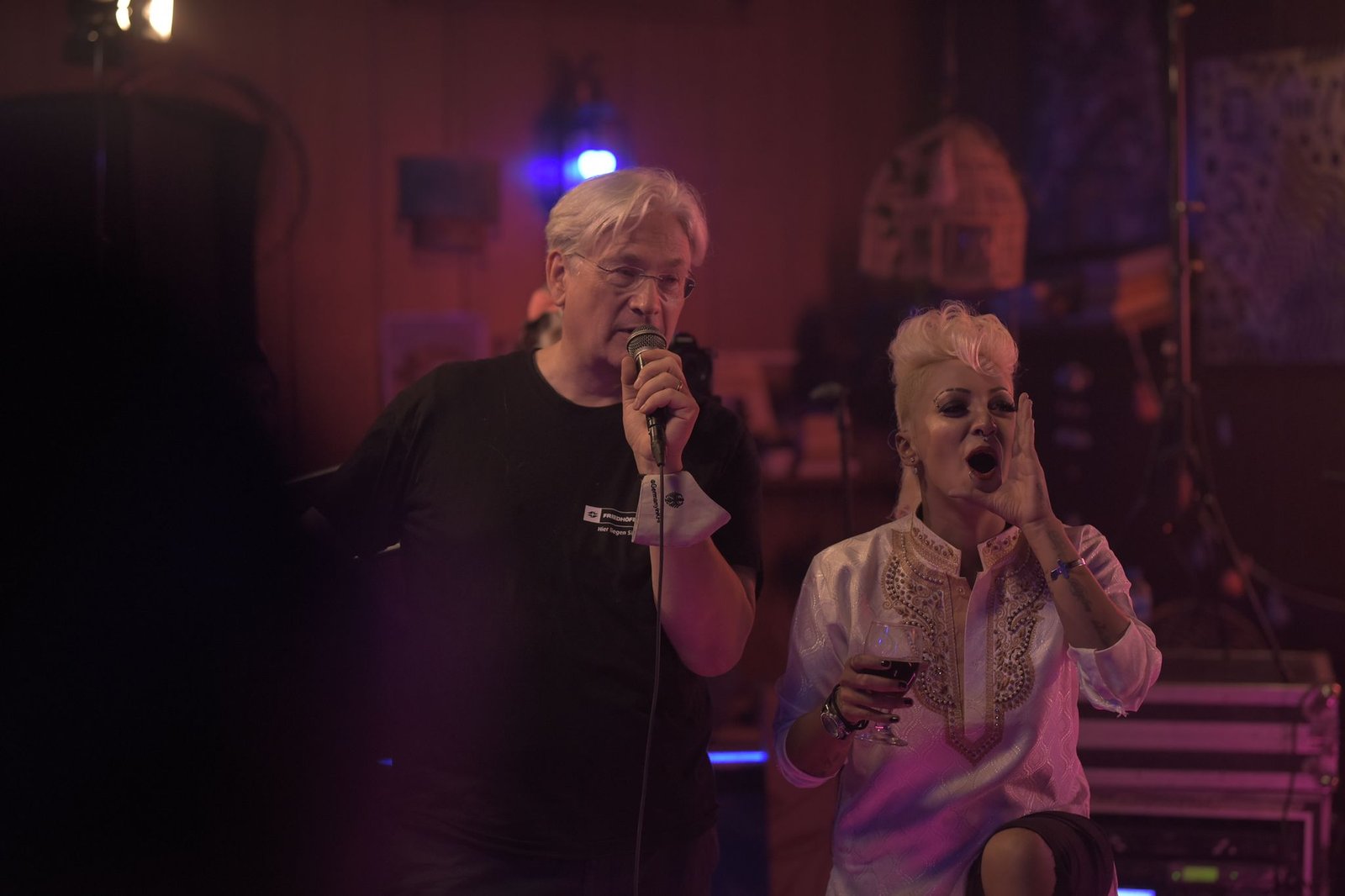
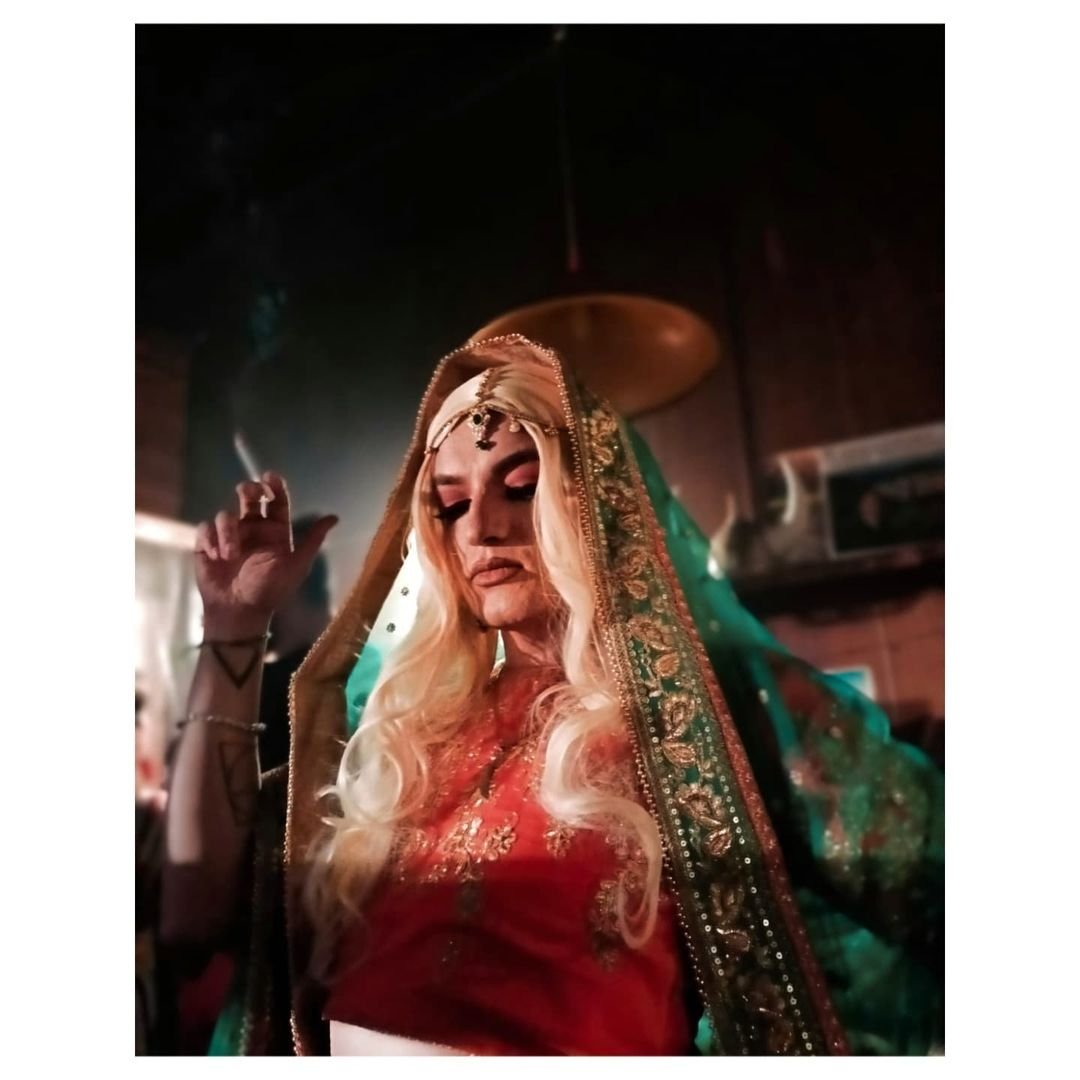
Talking exclusively to The Current, Dr Mehrub Moiz Awan, said, “I was hosting this event for a fee as requested by Urvah and a lot of my fans came specially for me.”
While narrating what happened at the event, Mehrub said, “The white man was visibly drunk or at least tipsy and interrupted me a few times during my jokes as well. I had especially made a point to crack jokes at white people and white privilege and our own audience was loving them. He tried to be a little handsy with me as well but as I’m a Pakistani transwoman, I know how to handle such guys very well.”
“Later I found out that a female left very upset because she was groped by the same guy. The dude actually sent Urvah a text as well that I saw with my own eyes. It said something like who’s this girl, she’s good. I want her number,” added Mehrub.
Disclaimer: The Current is not responsible for the statements mentioned in the story.
Aamir Liaquat is a public personality known for being in the limelight for all the wrong reasons. The man, nearing his 50s, is revered by one segment of Pakistani society and utterly despised by the other. Liaquat has recently been a hot topic of discussion for his third possible divorce with Dania Malik, who allegedly leaked two videos of Liaquat: one, where he can be seen roaming stark naked around in his room, and another where he is allegedly taking drugs. The two viral videos surfaced days after Aamir’s allegedly underage wife, Dania Shah, claimed that the televangelist takes illegal substances. The recent turn of events has clearly sparked a debate around a society glorifying child-and-adult unions. Dania claims she is 15, and Aamir knew it but still forged documents to get married. There can be no defence for a predatory act that takes advantage of class difference, age gap, and fame to trap a young teenage girl from a small city. Similarly, there can be no defence against revenge porn, even when it is against a person who has repeatedly aggravated public sentiment with impunity while disrespecting the institution of marriage, and religion.
Liaquat has announced to leave Pakistan for good, but what still remains a question is why Liaquat or men like him are given so much limelight or attention. Where are we heading as a society? What examples are we setting for younger boys? We can expect no less in a country where misogyny is peddled as soon as children are born, and underage marriage is glorified as some invaluable social norm. This is the sad reality of Pakistani discourse.
We can only hope that our society learns for the better and rather than giving so much limelight to people who are habitual of committing such acts with no remorse. We need to make people aware of the legal age of marriage, the exploitation of impressionable young girls, of the absence of justice, law, and order, which have led to a glorification of such vile acts of abuse in our society.
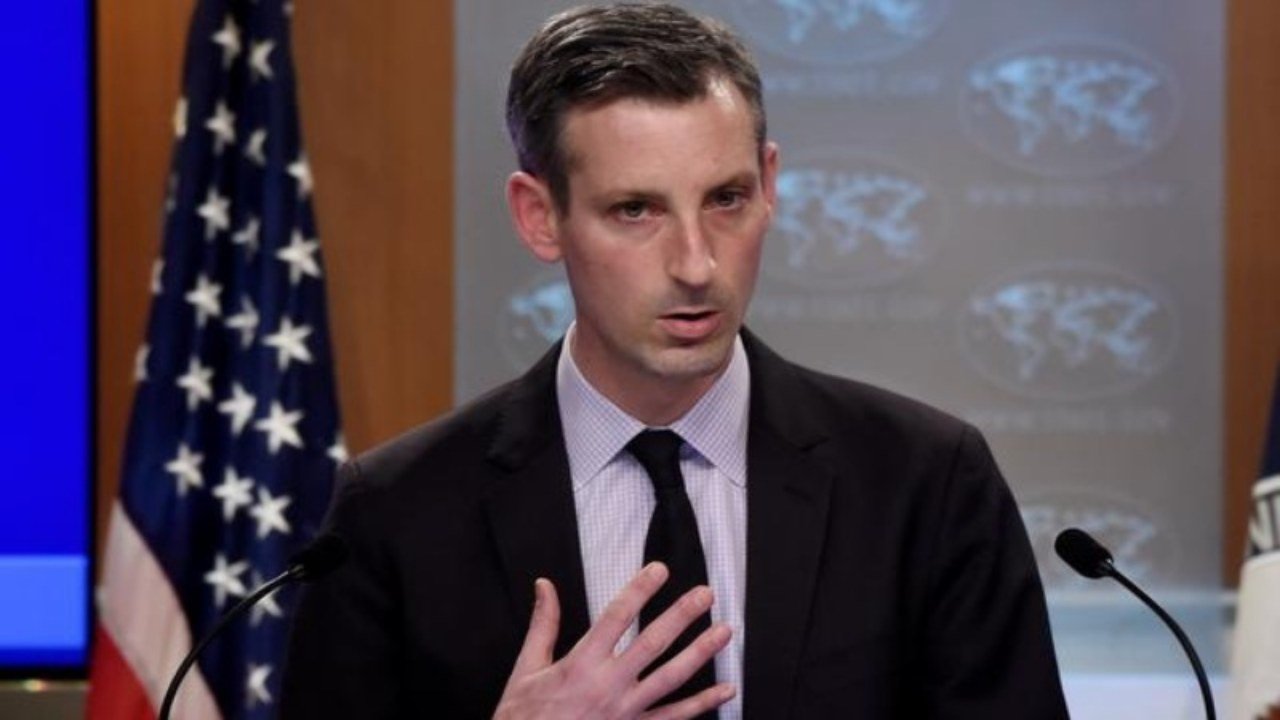
US State Department Spokesperson Ned Price on Friday declared that Congresswoman Ilhan Omar, who is currently on her maiden visit to Pakistan, was not visiting the country on US government-sponsored travel.
The senior official made the statement during a press briefing today in response to a question from a journalist.
“As you are well aware that Imran Khan is still blaming US for his ouster from PM’s office while he’s also asking his supporters to keep protesting outside the White House. But yesterday Congresswoman Ilhan Omar met with Mr. Khan in Islamabad. It was kind of an hour-long meeting. Close associates of Mr. Khan claimed that United States trying to clear the air with Mr. Khan. Is it true that Ilhan Omar is representing Biden government there in Islamabad,” the journalist had asked.
“Well, as I understand it, Representative Omar is not visiting Pakistan on US government-sponsored travel, so I’d need to refer you to her office for questions on her travel,” Price replied.
Omar, who made history as one of the first two Muslim women elected to the US Congress, arrived in Islamabad earlier this week on a visit to Pakistan. The Congresswoman will stay in Pakistan till April 24.
She met a host of important figures including President Dr Arif Alvi, Prime Minister Shehbaz Sharif, National Assembly Speaker Raja Pervaiz Ashraf and Foreign Office officials, as well as PTI Chairman Imran Khan.
According to official sources, the Congresswoman was also flown to the Line of Control (LoC) in the Chakothi sector, where she was briefed on the situation before and after the fresh understanding between the Pakistani and Indian armies to respect the 2003 ceasefire agreement.
Some residents, who had been affected by Indian shelling prior to the ceasefire, had also gathered there and shared their tales of horror with the visitors.
So #ImportedGovernment‘s selected journo brigade really upset with this mtg! It’s the same lot that says bec we oppose US- initiated regime change conspiracy we shd ask all Pak origin Americans to leave.We oppose US Admin’s regime change conspiracy. @Ilhan is not part of US Admin https://t.co/9x934ooZBY
According to PTI’s Shireen Mazari, Omar had discussed Islamophobia and other related issues in the meeting with Khan at the PTI chairman’s Bani Gala residence.
Politicians and social media users immediately questioned the PTI chairman about the meeting with the American legislator and reminded him of his criticism of US officials meeting opposition figures. Newly elected Interior Minister Rana Sanaullah led the charge by asking Khan if his meeting with Omar was “a conspiracy or interference”.
Mazari, subsequently, fired back at the critics by saying that Omar was not a part of the US administration.
In the wake of the no-confidence move against Prime Minister (PM) Imran Khan by the Opposition, a debate has started about several issues ranging from the government completing its term to defections from the ruling party. In Pakistan’s history, no civilian prime minister has ever completed his/her five-year term. Even when the last two civilian governments completed their tenures from 2008-2018, despite many hiccups and conspiracies against the governments. Of course, we do not know what the result of the latest vote of no-confidence will be, but if we are to believe speculations about what is happening in politics, this government may not survive and even PM Khan may not be able to complete his full term. Ideally, a civilian government, no matter how it has come to power, should be able to complete its full term. In a democracy like Pakistan, there are many factors involved in politics, which is why it is important for democratic governments to complete their tenures.
On the other hand, a vote of no-confidence is also a constitutional right that can be exercised in parliament to remove the Prime Minister from office if he/she loses the confidence of the majority of the members of the National Assembly. The number required to dislodge the premier is 172. The Opposition has followed a democratic procedure by moving a resolution for a vote of no-confidence, which requires signatures of at least 20 percent of the total membership of the lower house.
Under the 1973 Constitution, we have seen two votes of no-confidence in the past against prime ministers. First against Benazir Bhutto in November 1989 and then against Shaukat Aziz in August 2006. Both Bhutto and Aziz survived the votes. After successfully defeating the vote of no-confidence, Benazir Bhutto gave a magnanimous speech and said she bore no ill-will against the opposition. Contrast her words with what is happening today — a prime minister addressing the nation with a short message to join his March 27 rally, bitter words by the ruling party on national television, threats of what is in store for those members who have gone to the opposition’s side, threats of a showdown, etc. This is not how politics should be but unfortunately, we have seen how the discourse over the last few years has led to politicians stooping to the lowest level just to settle scores. Add to it labels like a traitor, apart from other choice words. These add to the toxicity of political discourse, which is telecast live on our television screens.
Parliament’s fights should be fought on the floor of the house through the vote of no-confidence, not on the streets.
The federal capital is bracing for trouble as both government and Opposition are in full action. Since the no-confidence motion has been submitted, the political chessboard has been a mess.
From witnessing a thundering prime minister and rather threatening federal ministers to equally vocal Opposition leaders, Pakistan politics has had much to offer in the month of March. Political analysts are calling the government ‘rather desperate’ and the Opposition ‘aggressive’.
Who will win the tug of war to power is yet to be decided as Islamabad might witness two long marches, the OIC, Pakistan Day Parade, and the vote of the no-confidence motion against Prime Minister Imran Khan.
Pakistan Democratic Movement (PDM) chief Maulana Fazlur Rehman will enter Islamabad on March 25 instead of March 23.
PM Khan has announced to hold a historic gathering on March 27.
The Current reached out to political analysts and senior journalists and asked whether there will be a clash on March 27.
The government is not going in the right direction: Hamid Mir
Senior journalist Hamid Mir, while speaking with The Current, said that seeing how Pakistan Tehreek-e-Insaf (PTI) is doing its governance, the government is not headed in the right direction.
There will definitely be a clash: Asma Shirazi
Senior political analyst Asma Shirazi said that seeing the unrest in the country, a clash between the government and opposition is “definitely possible”.
Shirazi said that seeing the ministers and how they are reacting and giving statements, it seems unlikely that a clash can be avoided. “The government needs to understand that maintaining law and order is highly important,” said Shirazi.
Agar million na bhi aye, 10 hazar bhi aye tu system ko khatra hai: Sabir Shakir
Anchorperson Sabir Shakir said that both the government and Opposition want a power show. Their display of power will be the problem.
Commenting on how the government officials are saying that they will gather one million people on D-Chowk on March 27, Shakir said, “Agar million na bhi ain, 10 hazar bhi aye tu system ko khatra hai [Even if a million people don’t turn up, 10 thousand people too can prove dangerous for law and order.]”
Followers of PM Khan learn from his misbehaving tone and apply the same: Sana Bucha
Journalist Sana Bucha categorically said that Pakistan Tehreek-e- Insaf and Prime Minister Imran Khan seem rather aggressive and desperate right now. In the past, we have seen them misbehaving and even now PM Khan is saying that the people of Pakistan need to do ‘Jihad’ against the Opposition, she said.
“The followers of PM Khan learn from his misbehaving tone and apply the same [when given a chance],” said Bucha.
“I am very certain that batamizi will happen,” added Bucha.
If all is well and the house is in order, why is the government trying to be hostile: Ajmal Jami
Anchorperson Ajmal Jami, commenting on the recent political temperature, questioned the government for showing aggression.
“If all is well and the house is in order, why is the government trying to be hostile?” questioned Jami.
Jami also commented on the PML-Q leader Chaudhry Shujaat Hussain’s statement where he asked the government and Opposition to call off the long marches as it was not the job of the government to hold marches. Jami said that it was a heavy statement.
“Chaudhry’s statement carried a lot of importance and weightage here, the government must not take it as a filler but consider it by all means,” said Jami.
There is worry and tension on the government’s end: Ayesha Baksh
Anchorperson Ayesha Baksh has said that both the Opposition and the government are challenging each other.
“There is worry and tension on the government’s end,” said Baksh.
“All concerned people should be active in the federal capital, the government is bringing matters on the road,” said Baksh.