Author: optimum_tech

  • Shafqat’s disappointment

    Last month, Minister for Education Shafqat Mahmood voiced his disappointment at the language used by young students on Twitter and social media. Responding to a question by senior anchorperson Asma Shiraz, Mahmood said: “The kind of language these children are using on Twitter, I think it is a collective failure of the government, teachers and parents. One feels ashamed.” Shafqat Mahmood was being trolled by students online for not postponing their exams. Later, the government did postpone the exams till June 15.

    Lawyer and activist Jibran Nasir, who was leading voices to raise the issue of exams on social media and a vocal critic of Shafqat Mahmood, came to the latter’s defence regarding online abuse. Jibran tweeted: “Dear Students, anyone encouraging you to make nasty comments or insulting tweets to highlight your exam issue doesn’t have your best interest at heart. I’ll repeat don’t hurt your cause or embarrass those supporting you by participating in such trends. Keep it clean & respectful.”

    Unfortunately, online trolling and abuse has become a norm in recent years. Trolls are basically people who attack people online in a vicious and malicious way. There are many studies that observe why trolls behave this way. Dr Mark Griffiths, Professor of Behavioural Addiction at Nottingham Trent University, told the BBC that most people troll others “for either revenge, for attention seeking, for boredom, and for personal amusement”. Then there are paid trolls who are part of political parties and other interest groups. It is their job to silence their critics by attacking them. Politicians, journalists, feminists, activists and many others face vicious online troll attacks in Pakistan and other countries. But this does not make it right. Trolls feel powerful because of the anonymity that social media provides. A lot of trolls do not use their own real names and identities. This makes them feel even more ‘powerful’ and they think they can say anything to anyone, be it celebrities, politicians, journalists, etc. Trolls also think that there are no consequences for such behaviour but this is not completely true either. In some cases, trolls who were identified have lost their jobs, have been expelled from educational institutions and some have even gone to jail for threatening others online.

    Shafqat Mahmood’s disappointment is something that everyone who has faced online trolling can relate to. We hope that young students and other people who think they can say anything and everything to strangers just because it’s an online space will introspect and behave more appropriately, as they would do in an offline space. 

  • Is Jake Paul as good as he claims?

    Is Jake Paul as good as he claims?

    Three matches. Three wins. Three knockouts. These impressive numbers — renowned American YouTuber Jake Paul’s boxing record thus far — indicate a promising start to his career. Although his boxing career is still in its infancy, the 24-year-old has not steered clear from making a flutter of outlandish claims including comparing himself to the legendary Floyd Mayweather and tossing up challenges to veteran combat fighters to take him on in in the ring, which beggars the question if he is really as good as he claims to be.

    The 6-foot-1-inch tall Ohioan faced barely any resistance from Saudi-born YouTuber AnEsonGib on his pro-boxing debut, which lasted only two minutes and 18 seconds of the first round as a handful of combination punches threw AnEsonGib off his balance before Jake wrapped up the lopsided game with a left punch followed by a right hook.

    In his second bout, Jake faced off against former NBA player Nate Robinson. Although Jake was a heavy favourite because of Nate’s inexperience, Nate’s brute athleticism stood him a chance. Coming into the game, Paul said that he would dribble Robinson’s head off the campus like a basketball. The former NBA point guard kicked off the proceedings by slipping aggressive punches on his opponent but his defence was anemic and beleaguered. Paul pressed home that advantage and floored him with a vicious powerbomb of the right hand in the second round, which required emergency treatment from ringside doctors and enabled him to register his second win in as many matches. As per a computerised punches scoring system, Paul managed to land 21 per cent of punches whilst Robinson could land only 10 punches out of the 56 punches he threw at Paul.

    Knowing that he can only ascend the boxing ranks and assert his authority in combat sports if he takes on established fighters instead of a YouTuber or an NBA superstar, Paul’s next fight was the stiffest challenge of his career as he was pitted against Bellator and welterweight champion Ben Askren. Paul put up another clinical showing and needed just a little over a minute to obliterate Askren who was all at sea after being at the receiving end of a vicious right hand from Paul.

    From a tactical point of view, Paul has a variety of punches in his arsenal. As his three fights have shown, he has genuinely good right and left jabs and hooks in his repertoire complemented with an assured defense and composed footwork.

    Plenty of boxing purists have already written him off because they take the view that pitting half-baked boxers like YouTubers or athletes from different sports against veteran fighters strip boxing of its quality. It is tough to not concur with them but if someone like Jake Paul is proving his mettle, there is no reason why he does not deserve a bout against whoever he challenges. Many of them are also irked by his trash-talking but as long as he lets his performance do the talking, he would not slip from the radar of boxing fans. Unlike other sports where trash-talking is considered unsportsmanlike, trash-talking is often used in combat sports to generate hype and entertainment around the contest.  

    To quote from a 2013 column by Nigel Collins, boxing writer for ESPN and former editor-in-chief of Ring Magazine, “When it comes to trash-talk, boxing is a natural.”

    Collins, part of the 2015 class for the International Boxing Hall of Fame, added that there are two parts to trash-talking: content and delivery. So far, Jake Paul has delivered on both the fronts.

    More importantly, Paul is sweating out in training and is determined to get more wins under his belt and that’s all that matters if he wants his aspirations of ascending the boxing ranks to become a reality.

  • ‘Chupke Chupke’: Feenu, Hashi and the evil nands keep the madness going

    ‘Chupke Chupke’: Feenu, Hashi and the evil nands keep the madness going

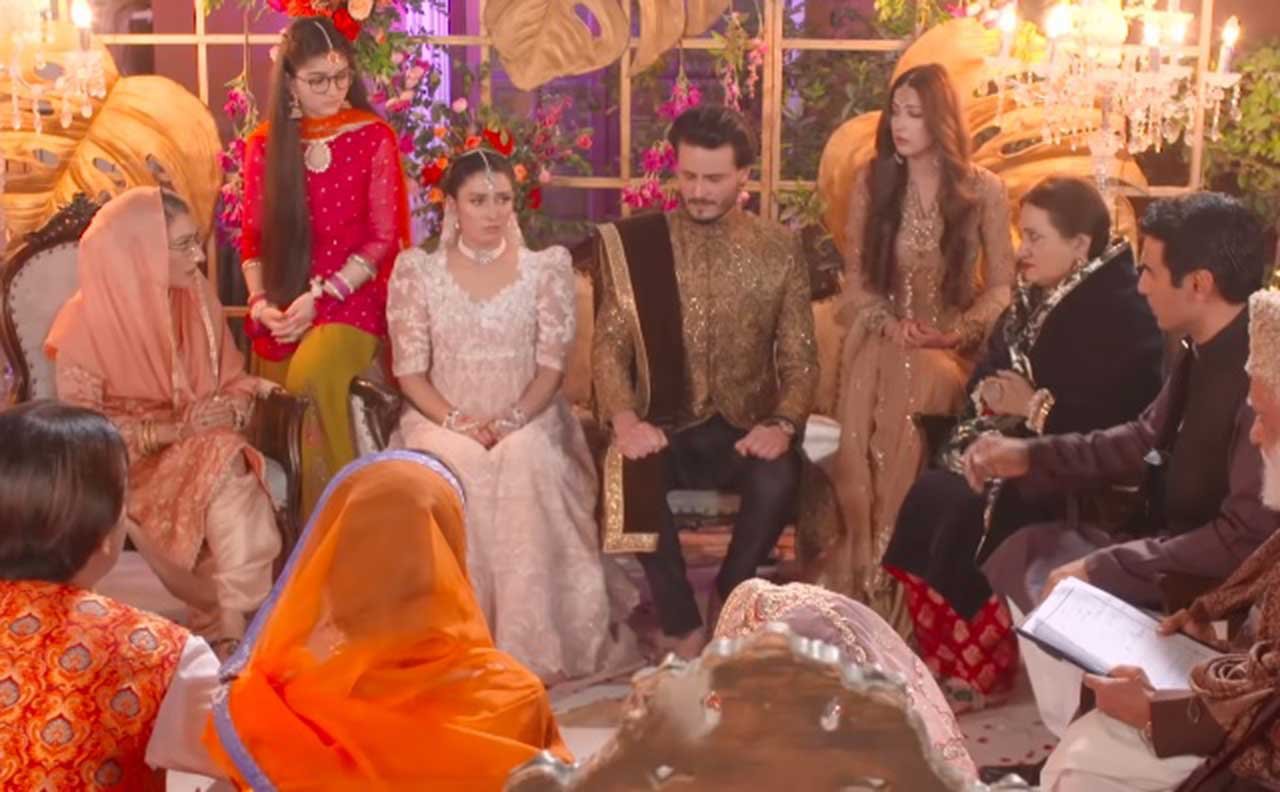
    I’ll be honest. When the first teasers of Chupke Chupke released I was not impressed. Ayeza Khan as a clumsy, 20-something bewakuf larki didn’t really appeal to me and she appeared to have no chemistry with co-star Osman Khalid Butt. Don’t get me wrong here, both actors are brilliant but somehow I was unable to connect with the show.

    Though I initially decided to avoid the drama altogether, the nature of my job doesn’t really allow me to do so and soon enough Chupke Chupke memes and fan edits started popping up on my social media feeds piquing my interest. And when ten-something episodes later, Faazi (Butt) and Meenu (Khan) tie the knot against their wishes, I ended up getting hooked to the show.

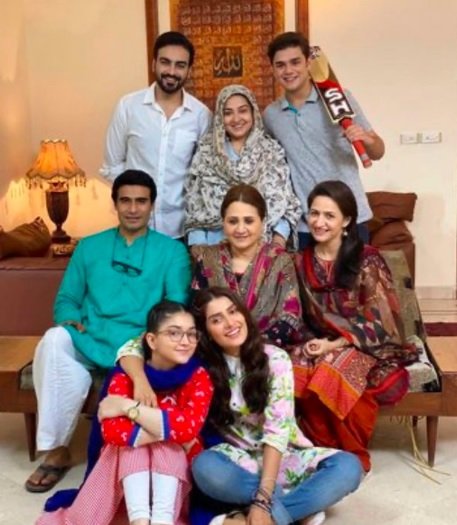
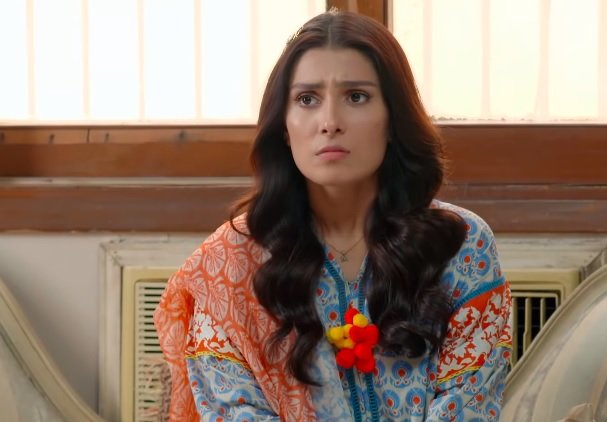
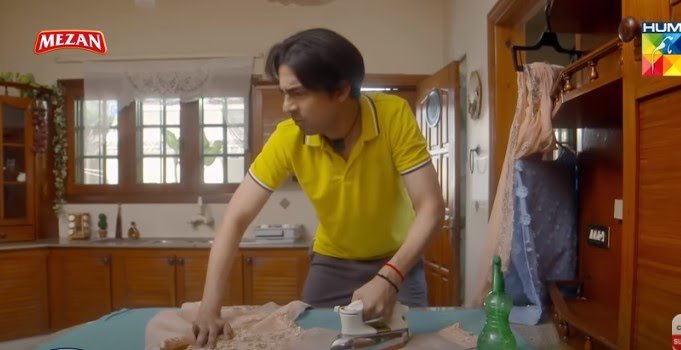
    The premise of Chupke Chupke is by no means simple, given the number of characters in the show. Kudos to director Danish Nawaz for dealing with the script so skillfully and straightening out the creases. Nawab Sahab, the family patriarch had two wives – Bebe (Asma Abbas) and Ama (Uzma Beg). While Nawab Sahab has passed away, both his wives live in the same house but in different portions. The two cannot stand each other and are always putting each other down even though all their grandchildren are friends. Meenu, Haadi (Arslan Naseer) Mirchi (Areesha Sultan) and Waleed are Bebe’s grandchildren, while Gul Apa (Mira Sethi), Faazi, Roomi and Mishi (Aymen Saleen) are Ama’s grandchildren. Gul Apa is married to her maternal cousin Miskeen (Ali Safina), while Roomi is married to Mani (Salman ‘Mani’ Shaikh). Tara Mahmood and Farhan Ally Agha play Meenu and Mirchi’s parents and Qavi Khan plays Nawab Sahab’s elder brother.

    Meenu and Faazi, who are constantly trolling each other, are set to marry outside the family on the same day. In a dramatic turn of events, the two end up getting married to each other and from there on there’s only trouble with a capital T. From the two refusing to acknowledge the marriage and later their feelings to the two grandmothers rejecting the nikkah and calling for an annulment to a ‘khufia’ (suspicious) and rushed rukhsati in the middle of the night – it is a mad caper.

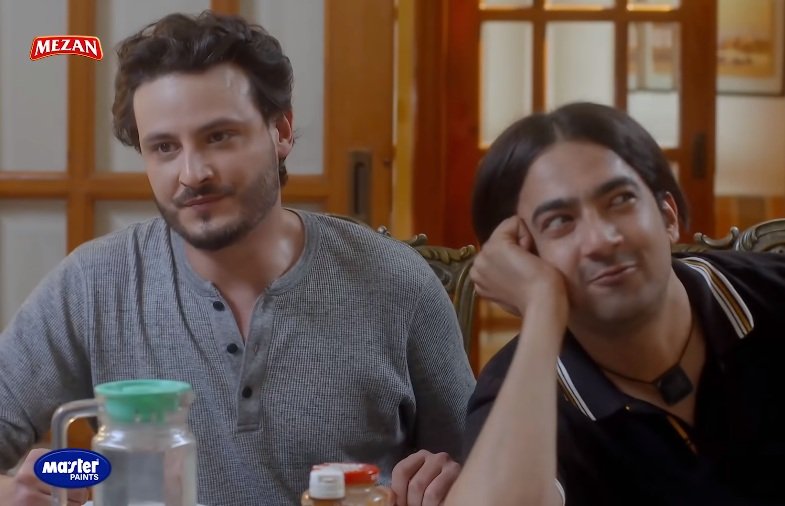
    If this drama was not enough, Haadi and Mishi, popularly known as Hashi, are also interesting in getting married to each other, while Gul Apa makes sure she makes life for the new bahu living hell with the help of the other ‘evil’ sister Roomi. Gul’s husband Miskeen, staying true to his name, will do or say something silly which is bound to make you laugh out loud. All the characters are so lovable that it is terribly hard to decide which one is your favourite. But if someone puts a gun to my head and forces me to choose, I’d go with Haadi and Miskeen.

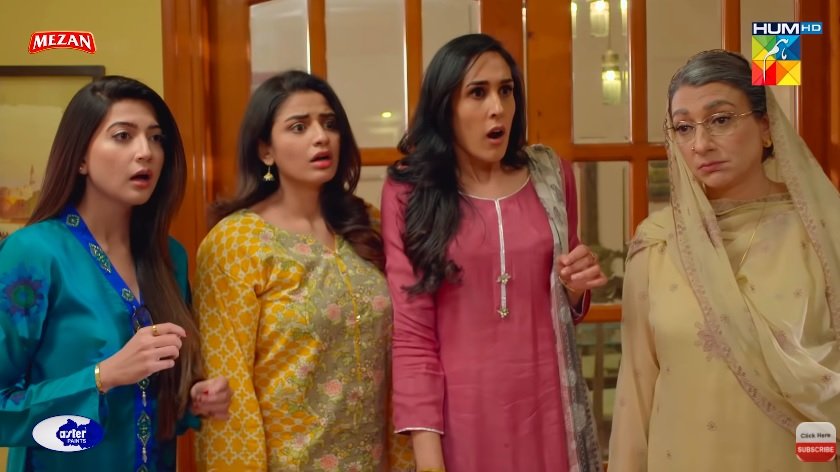
    The ‘evil’ sisters minus Mishi and Ama

    What makes the drama stand out, even more, is the performances. Each actor from little Mirchi to the two dadis, everyone has brought their A-game lighting up the screen and bringing so much energy that it perks up the viewer also. Like mentioned earlier, I had some reservations about Ayeza playing Meenu, but I can now say with full conviction that the actor has done complete justice to her role and despite racking my brain for other options, I couldn’t think of a better actor for this role.

    Meanwhile, Safina and Naseer in particular deserve a special shoutout. Safina’s transition into Miskeen is incredible – he has performed the role with such finesse that every time he comes on screen and says “Sarkar,” I want to cheer for him – his comic timing is excellent. Similarly, Naseer has made a promising debut as Haadi delivering one sarcastic comment after another with such ease.

    Read more – Ali Safina responds to criticism on character in ‘Chupke Chupke’

    The drama takes a while to set the stage but once it’s set its a rollicking rollercoaster.

    As far comparisons with Suno Chanda are concerned, there are plenty, but I think I’ll leave those for another day. It’s Chupke Chupke’s time in the spotlight and it’s best to let it shine.

    With only a few episodes to go till the finale, I am curious to know whether Haadi and Mishi will get married and what the future holds in store for Meenu and Faazi. Will Gul Apa go to Sadiqabad with her husband and leave them in peace? Can’t wait to find out!

  • Modi Administration exposed – India’s COVID crisis

    Modi Administration exposed – India’s COVID crisis

    The visuals from our next-door neighbour, India, are just horrendous. The record-breaking surge in coronavirus cases and the reports from India have left the entire world in shock. According to the Indian health ministry, 3,689 people have died within the past 24 hours. Last month, India became the first country in the world to register over 400,000 coronavirus infections in a single day. The situation in India continues to get worse. The second wave of coronavirus has exposed the Modi administration.

    The Modi administration gravely mishandled the COVID-19 crisis in India. From declaring a premature victory after the first wave, the Modi government is now downplaying the crisis. According to a report published in the New York Times, “Interviews from cremation grounds across the country, where the fires never stop, portray an extensive pattern of deaths far exceeding the official figures. Nervous politicians and hospital administrators may be undercounting or overlooking large numbers of dead, analysts say. And grieving families may be hiding Covid connections as well, out of shame, adding to the confusion in this enormous nation of 1.4 billion.”

    We have seen how journalists in India are being attacked online for telling the truth. The Modi government, it seems, is more worried about its international image than handling the crisis. From pro-Modi actors like Kangana Ranaut to media channels like Times Now to websites acting like the government’s mouthpieces, we have seen journalists Rana Ayyub and Barkha Dutt being attacked for their journalism. What is worse is how Indian government is also directly involved in intimidating those critising it. The police in Uttar Pradesh (UP) – a state run by BJP’s Yogi Adityanath – filed a criminal case against a man who used Twitter to appeal for an oxygen cylinder for his grandfather. CM Adityanath also asked the UP administration to “crack down” on hospitals that discharge patients due to shortage of oxygen or “complain” about it to the media. Just a week ago, India’s Ministry of Electronics and Information Technology said it had asked Twitter, Facebook and other social media platforms to remove some posts “in view of the misuse of social media platforms by certain users to spread fake or misleading information”. Such sort of censorship and intimidation just points to one thing: the Modi government is more interested in its image-building than addressing the disastrous COVID-19 crisis. Hospitals across India have run out of beds, oxygen supply is dwindling, the vaccination rollout programme is slow. All of this combined with election rallies and large gatherings that were allowed by the government in recent months led to catastrophic results.

    Pakistan government has offered relief and support to India. Prime Minister Imran Khan as well as others expressed their solidarity with India in this difficult time. We hope and pray that the situation changes for the better in India. 

  • When the apocalypse comes home

    Perhaps in 10 years, the world might develop the ability to look at pictures of the coronavirus pandemic wreaking havoc in India and not shudder in fear. Perhaps in 10 years, the memory of being horrified may have subsided enough for us to write more dispassionately about what happened in the terrible summer of 2021. Perhaps in 10 years, a new disaster may have befallen the human race, proving that nothing is the worst so long as we can say this is the worst.

    And perhaps in 10 years, we may also have the clarity to pinpoint exactly when the apocalypse came home in India. On January 30, 2020, India reported its first confirmed case of the novel coronavirus in a medical student who had returned to Kerala from Wuhan. That was not the beginning of the apocalypse. It begun much earlier, on May 26, 2014, when Narendra Modi was sworn in as Prime Minister.

    By electing Modi, India effectively signed up for a disaster that would begin with the persecution of minorities and end with a pandemic that does not differentiate between religions. The old identity that India had forged for itself, of a ‘non-violent’ state that was the birthplace of Gandhi and his freedom movement, came crumbling down on that fateful day in 2014, to be replaced by a Hindu Rashtra. The RSS, of which the BJP is part and Modi a member, has never shied away from its ultimate goal, i.e. the end of secular India and the birth of a Hindu Rashtra. Modi had promised to fulfill this goal by building a new country, one whose foundations would lie in the very worst days of India’s internal history, a live repeat telecast, if you will, of the Gujarat riots, of Babri Mosque demolition. And so it has come to be, that with every lynching reminding the world of the mutilated bodies in Gujarat, that Modi has indeed fulfilled his pledge. Unfortunately for his poor country, his promised land came at a cost.

    And that cost we now see being extracted from hapless people, breath for breath, gasp for gasp.

    Much has been written about how India allowed matters to reach this point, where the entire healthcare system has collapsed so completely. ‘How could the government have been this callous,’ ask the people. The answer lies in going just a few years back in time.

    Did the BJP government’s indifference to its people’s suffering begin with this wave of the pandemic? No. The indifference began with silence and tacit approval of Muslim lynchings at the hands of cow-vigilantes. It began when Dalits were stripped and flogged for skinning a dead cow. Did the Modi administration began sacrificing people at the altar of its popularity just now? No, that ritual began with anti-Muslim dog-whistles. It began with bringing all of India to the brink of war with Pakistan to win another election. It began with calculating political dividends in human lives.

    And now, as the world watches in horror, the true cost of having a populist fascist at the helm of affairs is obvious. Words fall woefully inadequate to describe the scale of the horror. The image of mass graves in New York and army trucks carrying away bodies in Bergamo seem to have paled in comparison to New Delhi’s overflowing crematoriums. If Modi had his way, the visuals coming through would have only been of overflowing graveyards. The virus had other plans.

    Biblical accounts of the coming of the apocalypse involve elaborate signs, trees sweating blood, stars falling from the sky and the burning of heaven and earth. For India, the apocalypse came home in a similar manner. The weak cried tears of blood, Bollywood and cricketing stars fell from grace. Finally, the earth burnt under one smoldering pyre upon another. 

  • Ahsan Khan launches clothing brand for the ‘awaam’

    Ahsan Khan launches clothing brand for the ‘awaam’

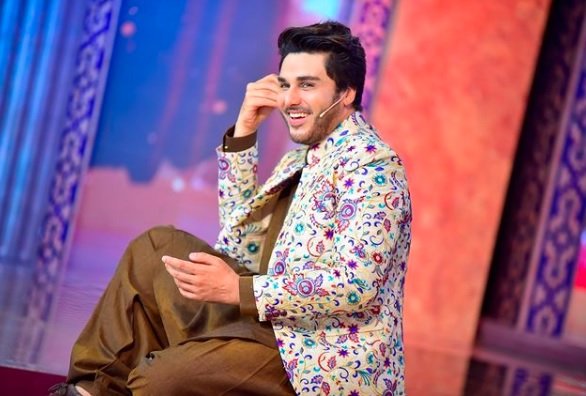
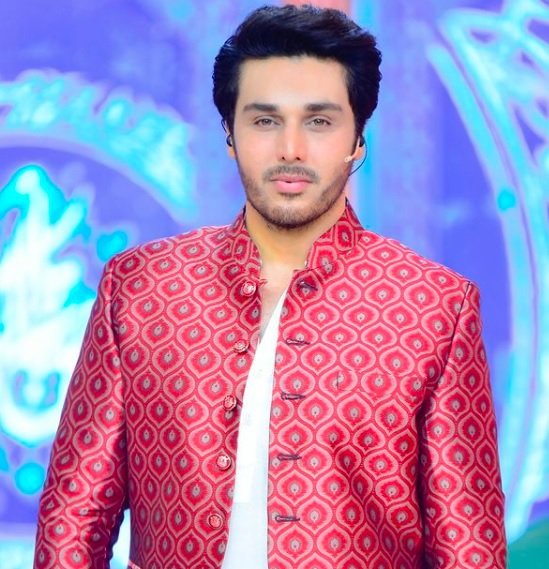
    If you’ve been following Ahsan Khan’s Ramzan transmission on Pakistan Television (PTV), you may have seen the actor don a variety of cool outfits and may also have wondered where he got them from. Turns out the actor decided to wear only his own brand – Ahsan Khan Marca – this season and soft launch it through the Ramzan transmission.

    FACT CHECK: Is Maulana Tariq Jamil selling nara’s for Rs 550?

    Khan, who has helmed a variety of ventures besides acting including an interior designing company with wife Fatima Ahsan, decided to venture into the clothing business after years of receiving queries from fans about his outfits and looks.

    “A lot of my fans and followers are always asking me and sending me messages about my clothes and outfits,” said Khan, while talking to The Current.

    “Messages like ‘Can you tell me where did you get that from?’ or ‘Yeh walay kapray please humain bhej dein‘ have been a regular in my inbox,” said Khan. “That’s where I got the idea that why shouldn’t start my own brand? Why don’t I introduce the kind of clothes I wear in the market? Ones which have my kind of style.”

    “A few friends and I got together, discussed this idea and decided to work on it,” shared Ahsan further, adding that he is not personally designing the clothes, but is overlooking the process so that the clothes emulate his style.

    The actor further said that he was looking to set up another business to create livelihood.

    “I also wanted to set up another business, another venture which would create jobs,” Ahsan told The Current. “There are a lot of people involved in the project including my friends. We have a very talented designer on board and most of our production is being done in Faisalabad.”

    When asked who his target market is, Khan said: “I am catering to my awaam. I don’t want to cater to anyone else except the people of Pakistan. My people. Casual normal people who want to wear good clothes so they can feel comfortable and good about themselves comfortable.”

    The actor added that his aim to make affordable clothes so that he can cater to the masses.

    Ahsan Khan

    Meanwhile, Ahsan also explained what Marca means.

    “Marca means ‘brand’ in Italian. So Ahsan Khan Marca means Ahsan Khan Brand,” said Ahsan, adding: “Many people have also understood it as the Urdu marka, which means achievement. So you can take it as that also.”

    While the actor was initially planning to launch the brand properly with a store and exhibitions, COVID-19 dampened his plans so he launched the brand online and hopes that he will be able to do a proper launch once the situation becomes better.

  • Biden bans most travel to U.S. from India to limit COVID-19 spread

    Biden bans most travel to U.S. from India to limit COVID-19 spread

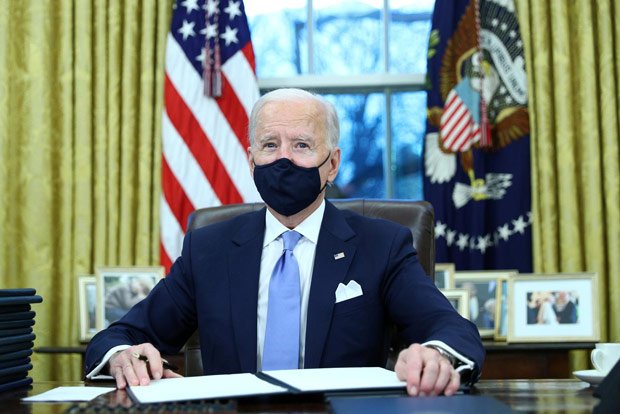
    U.S. President Joe Biden on Friday imposed new travel restrictions on India in light of the COVID-19 epidemic, barring most non-U.S. citizens from entering the United States.

    The new restrictions, which take effect on Tuesday, May 4 at 12:01 am ET (0401 GMT), are on the advice of the U.S. Centers for Disease Control and Prevention (CDC) and were imposed because “the magnitude and scope of the COVID-19 pandemic” in India was “surging,” the White House said.

    Biden on Friday signed a proclamation implementing the restrictions, which were first reported by Reuters.

    The proclamation said India “accounts for over one-third of new global cases” and added that “proactive measures are required to protect the nation’s public health from travelers entering the United States” from India.

    In January, Biden issued a similar ban on most non-U.S. citizens entering the country who have recently been in South Africa. He also reimposed an entry ban on nearly all non-U.S. travelers who have been in Brazil, the United Kingdom, Ireland and 26 countries in Europe that allow travel across open borders. China and Iran are also both covered by the policy.

    The policy means most non-U.S. citizens who have been in one of the stated countries within the last 14 days are not eligible to travel to the United States. Permanent U.S. residents and family members and some other non-U.S. citizens, such as students, are exempted.

    The decision to impose the latest travel restrictions came about quickly and was only reached in the last 24 hours, sources said.

    The Indian Embassy in Washington did not immediately comment.

    Second only to the United States in total infections, India has reported more than 300,000 new cases daily for nine days in a row, hitting another global record of 386,452 on Friday.

    Total deaths have surpassed 200,000 and cases are nearing 19 million – nearly 8 million since February alone – as virulent new strains have combined with “super-spreader” events such as political rallies and religious festivals.

    Medical experts say real numbers may be five to 10 times higher than the official tally.

    Other countries have imposed similar travel restrictions on India, including the United Kingdom, Germany, Italy and Singapore, while Canada, Hong Kong and New Zealand have suspended all commercial travel with India.

    On Wednesday, the White House said the United States was sending supplies worth more than $100 million to India to help it fight the COVID-19 surge.

    The supplies include oxygen cylinders, N95 masks and rapid diagnostic tests. The United States also has redirected its own order of AstraZeneca (AZN.L) manufacturing supplies to India, which will allow it to make over 20 million doses of COVID-19 vaccine, according to the White House.

    Nearly all travelers to the United States by air must show proof of a negative coronavirus test or recovery from COVID-19.

    In recent weeks, the White House and U.S. agencies have begun holding conversations about how to eventually unwind the policy as vaccination campaigns are rolling out and cases are declining in some countries.

    U.S. international air travel remains down 60% from pre-COVID-19 levels, while U.S. domestic air travel is down 40%, according to industry trade group Airlines for America.

    U.S. airlines and travel groups have urged the White House to set benchmarks for the eventual loosening of restrictions.

  • Ramzan dramas: On-screen couples with killer chemistry

    Ramzan dramas: On-screen couples with killer chemistry

    Take a flashback to the past few years, we have been observing the trend of airing sitcoms or romantic-comedy dramas on different channels during the month of Ramzan. Although this trend initially received much criticism. However, with the passage of time, people have started to enjoy watching these entertainment packages. Chupke Chupke and Tanaa Banaa of HUM TV are giving us laughter dose after every Iftaar, while Geo TV has given Ishq Jalebi

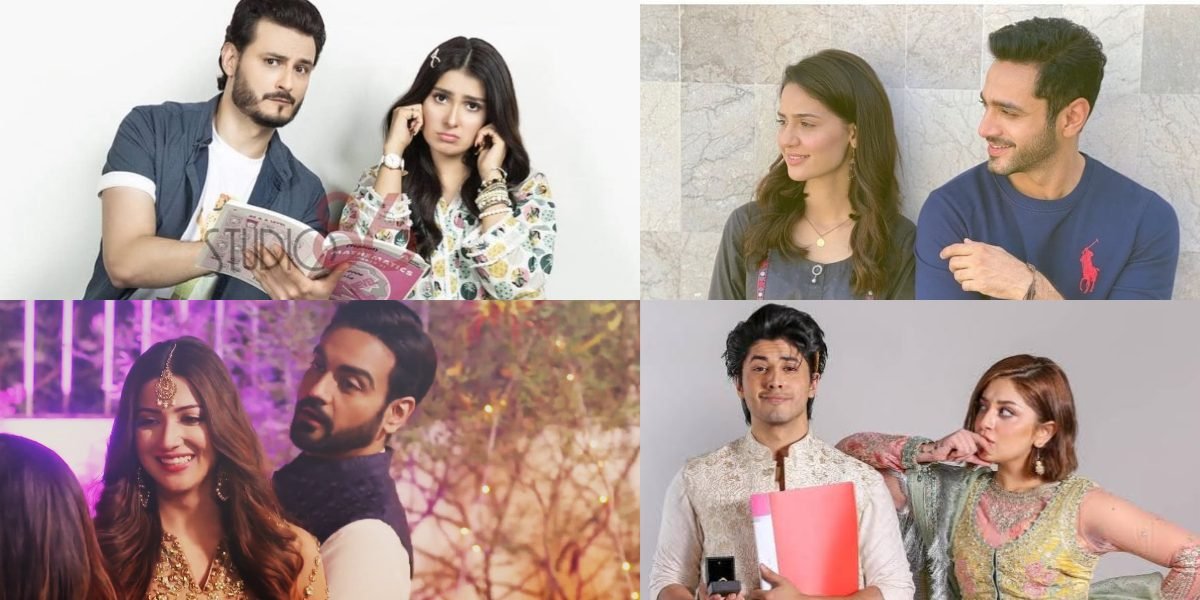
    These dramas are offering comedy, controversies and family politics but they’ve also given us four delightful on-screen couples. Zain and Zoya from Tanaa Banaa, Hadi and Mishi, Meenu and Faazi/Ustaad Jee from Chupke Chupke and Basim and Bela from Ishq Tamasha.

    Zain and Zoya

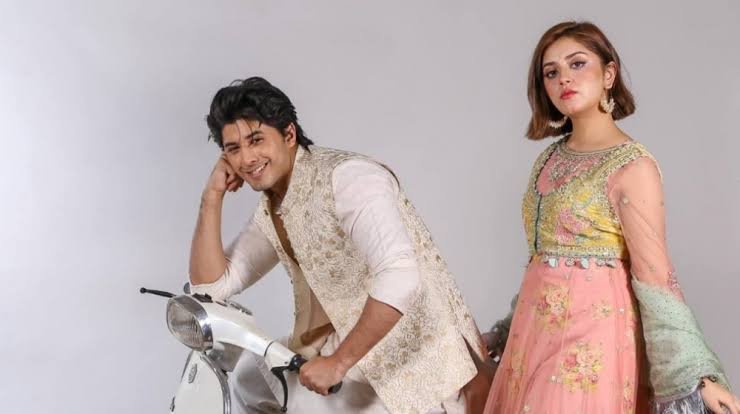
    Zain (Danyal Zafar) is a young boy who fell in love with Zoya (Alizeh Shah) at first sight. The couple has interesting chemistry with Zain expressing all his love for Zoya and Zoya just starting to realise that how much Zain loves her. While Zoya is stubborn, Zain is a loving and caring husband. The two are poles apart and this keeps the drama interesting.

    Hadi and Mishi

    Arslan Naseer is playing the role of Hadi while Aymen Saleem is acting as Mishi in Chupke Chupke. There is a unique hidden chemistry between this couple that was initially growing in the form of one-sided love. But now that Hadi has also fallen in love with Mishi, this love story has taken a new turn and one of the reasons why you tune into Chupke Chupke every night.

    Meenu and Faazi /Ustaad Jee

    Ayeza Khan is playing as Meenu and Osman Khalid Butt is playing as Faaz aka Meenu’s Ustaad Jee. Faaz used to teach Meenu so she calls him Ustaad Jee. However, in a strange turn of event the two ended up getting married and while they were initially embarrassed by this development, they are now slowly beginning to catch feelings.

    Faaz, who didn’t like Meenu for her carelessness and ignorance towards studies, is now falling for her innocence. Meenu too has started to like him and their cute ways of showing affection is making the drama more interesting. With many twists and turns, their wedding is at stake and everyone is eager to see what will happen next and what new problem will arise for the newly weds.

    Basim and Bela

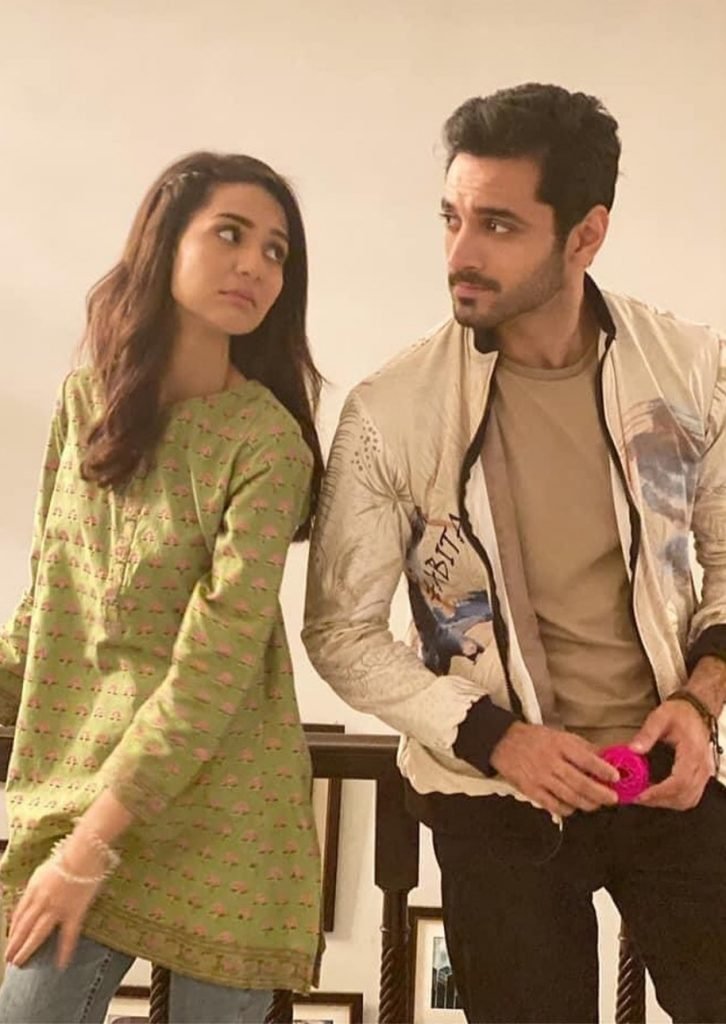
    Ishq Jalebi stars the Madiha Imam and Wahaj Ali in leading roles. Basim who is on the lookout for a shortcut to go abroad is in cahoots with Bela (Madiha Imam). She is his sidekick, best friend, and partner in crime in all that he does and also his maternal cousin who was orphaned as a child and lives with them. While Basim may not have realised how much Bela truly loves him, we the audiences can definitely see it and are absolutely loving the chemistry the two have with each other. With scenes that will make your heart have a happy dance, these two stars are a treat to watch and we’re anxious to see what Ishq Jalebi has in store for them next.

    While each couple has its own charm, my favourite has to be Meenu and Faazi. Both Osman and Ayeza have brought Meenu and Faazi to life brilliantly. Very much like Faaz, I used to detest Meenu and didn’t want him to marry her. But as the story progressed, I am also enjoying their naivety, blamelessness and non-romantic fondness. Looking forward to seeing how they will cross all obstacles among them and finally become husband and wife.

  • A hero for our times

    A hero for our times

    Just a few days before I. A. Rehman left us, we had been speaking about him at a journalism event – the second Razia Bhatti Memorial lecture at the IBA’s Centre for Excellence in Journalism (CEJ). Rehman sahab had been the very first speaker in this series – he spoke at the inaugural event, in 2019, and at this year’s lecture he was mentioned not just in that specific context but also as a beacon of hope in a country that is becoming increasingly intolerant and authoritarian. In his opening remarks, the IBA’s head Dr Akbar Zaidi called Rehman sahab “one of the greatest pillars of journalism, democracy, human rights that we have in Pakistan today.”

    And then, as Akbar Zaidi continued, he articulated the unspoken fear all of us had: the fear of Rehman sahab no longer being there – “One of the greatest pillars of journalism, democracy, human rights that we have in Pakistan today …and hopefully we’ll have for some years to go.”  Alas, that was not to be, because two days later Rehman sahab had exited with his usual quiet dignity.

    Two weeks later we are still having the memorial meetings and the tributes for him because, for so many people, the passing of I. A. Rehman is a devastating loss. This sense of immense bereavement is due to the fact that he was one of the sanest and bravest people working for the cause of democracy and social justice in Pakistan. 

    During his years as a journalist, he stood firm on principles and was part of the team of which set up and ran the Independent Azad in 1970-71. Then there was Viewpoint and then there was his support for Newsline — a journalist-owned publication, Newsline was headed by first Razia Bhatti and then Rehana Hakim and was founded by the team of journalists who left The Herald in 1988 when PHPL management asked Bhatti to leave. Rehman sahab was a staunch supporter and a regular contributor to the new magazine unlike some other contributors (unnamed here, but you know who you are) who didn’t want to risk the wrath of the Dawn group by writing for us. Mohammed Hanif who joined the magazine in 1989 summed it up succinctly in a recent tweet recalling: “When Razia Bhatti sent I.A. Rehman a cheque for his first contribution to Newsline, he mailed it back with a note: You can start paying me when you make your first million. Newline never made a million and Rehman sb never stopped writing.”

    At the Human Rights Commission of Pakistan (HRCP), he continued to fight against oppression and along with Asma Jahangir, Aziz Siddiqui and so many other lesser-known heroes, he was able to create a credible organisation that documented and raised awareness of human rights violations in the country.

    Much has been written about Rehman sahab over the past fortnight and the shared grieving has been somewhat cathartic yet the sense of loss persists. The void he leaves behind him is very great. Rehman sahab was a key part of the bulwark protecting rational and democratic thought in Pakistan – and indeed in South Asia. His passing has weakened the fortification that helped movements for social justice, human rights and constitutional reform to survive. He led the way in these efforts and he was so highly respected because he also walked the talk: he lived life simply and treated others, regardless of their social class or age, with consideration and generosity. He never wavered from the pursuit of peace and reason and his writings are truly remarkable for their clarity and intellectual depth. 

    He was one of the Titans who kept the flame of social justice movements alive, a flagbearer and a key leader in the fight against dictatorship and tyranny. Over the decades he stayed the course and continued the struggle despite all the tragedies and losses along the way, some of them very close to home. One that I remember was the murder of his nephew — the heroic lawyer and human rights activist Rashid Rehman in Multan in 2014; Rashid Rehman had been the defence lawyer for a young academic accused of blasphemy and he was shot and killed in his office after he had refused to give up the case despite receiving death threats from militant groups. 

    But despite all the losses, the injustices and the cruelty all around, Rehman sahab remained steadfast in his attempts to make the world a more just and compassionate place. 

    Truly he fought the good fight.

  • ‘Fitoor’: Is Haider confused or simply unfaithful?

    ‘Fitoor’: Is Haider confused or simply unfaithful?

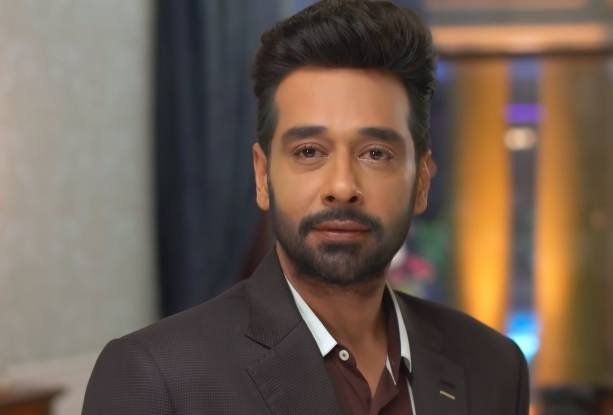
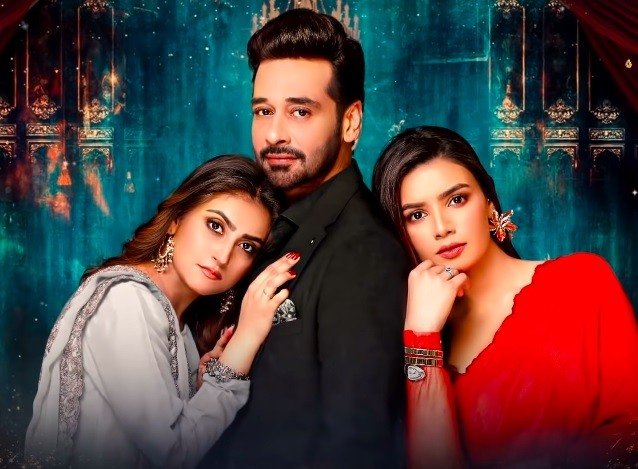
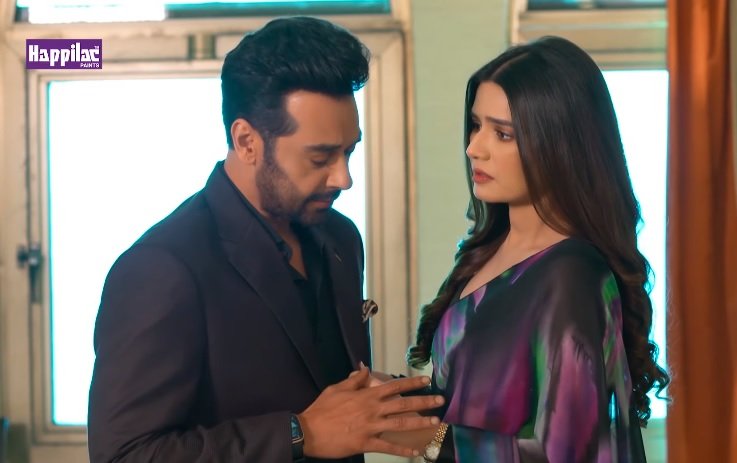
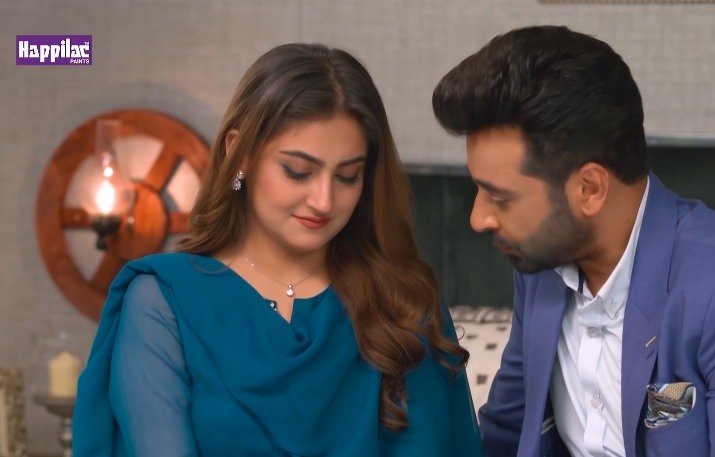
    Love triangles and cheating husbands are not new to Pakistani television. I have seen at least one if not more dramas on the subject and they have pretty much been done to death. Fitoor, which airs on Geo Entertainment, is the latest love triangle on the block with our hero oscillating between two women: one his wife and the other his pehli mohabbat (first love). He is unable to make a decision or decide who he wants to spend his life with. In this review, I try to break down whether our hero is confused and masoom or if he’s simply being unfaithful and enjoying the attention of both the women in his life.

    Fitoor

    Haider (Faysal Quraishi) was (or is) in love with his cousin Mehmal (Kiran Haq) since the two were young and Haider was poor. However, Mehmal, who wanted a better life (read money) ditched him and got married to her other cousin Ansab (Tipu Sharif), a well-off man with many indulgences including women and alcohol. From the beginning, Ansab made it clear that he was not going to change his ways. Haider is heartbroken with Mehmal’s bewafai and doesn’t get married focusing all his energies on building his business and becoming rich.

    Is Haider confused or simply unfaithful?

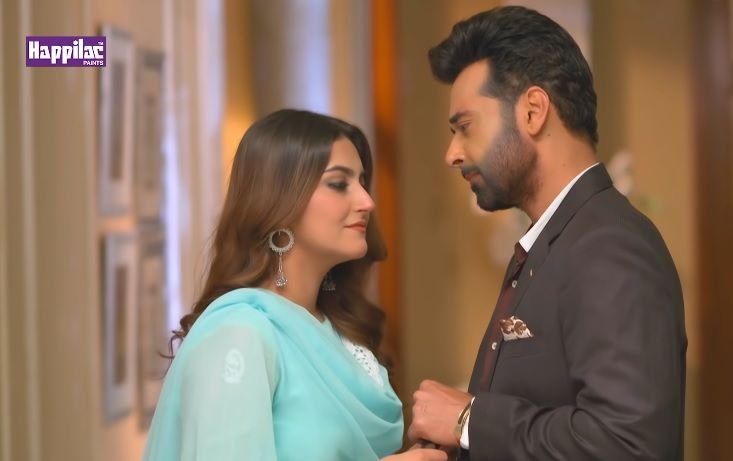
    He has a chance encounter with Dilnasheen (Hiba Bukhari) at a wedding and falls for her and soon the two get married. Now that Haider is rich and married, Mehmal starts feeling insecure and regretting her decision so she leaves her husband and settles into Haider’s house with her young daughter.

    Fitoor

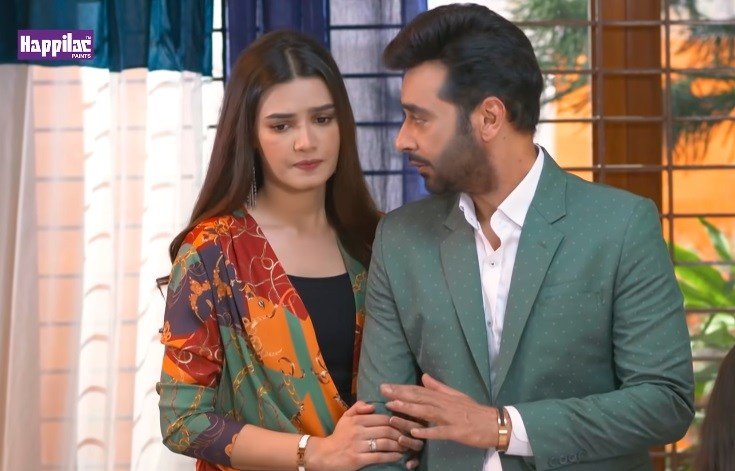
    She continues to make advances on Haider, who makes half-hearted attempts to tell her off but Mehmal is persistent. When Haider’s mother (Ismat Zaidi) realises what is happening, she throws Mehmal out of the house. However, Mehmal spins this around and gains Haider’s sympathies. Instead of taking her back home to face the wrath of his mother, Haider books Mehmal into a hotel under the name of Mr and Mrs Haider Salman. Not only that, but he also spends a substantial amount of his day with her in the hotel.

    Is Haider confused or simply unfaithful?

    While initially, we gave Haider the benefit of doubt, understanding that Mehmal was his first love and it is hard for him to get over her, we have now had enough. Haider is simply not making a decision or taking a stand but is instead yo-yoing between the two women. He spends his mornings with Mehmal, allowing her to fawn over him, and in the evening he goes home and gets cosy with his wife who is spending all her energies trying to win his heart.

    Fitoor

    Haider has also saved Mehmal’s name as Muneer on his phone and one wonders why he needs to do that unless he is hiding something. Besides, he also lied to Mehmal telling her that his phone’s battery was dead when in fact he was sharing a romantic moment with his wife. By doing this he is leading Mehmal on and giving her hope instead of drawing the line.

    Is Haider confused or simply unfaithful?

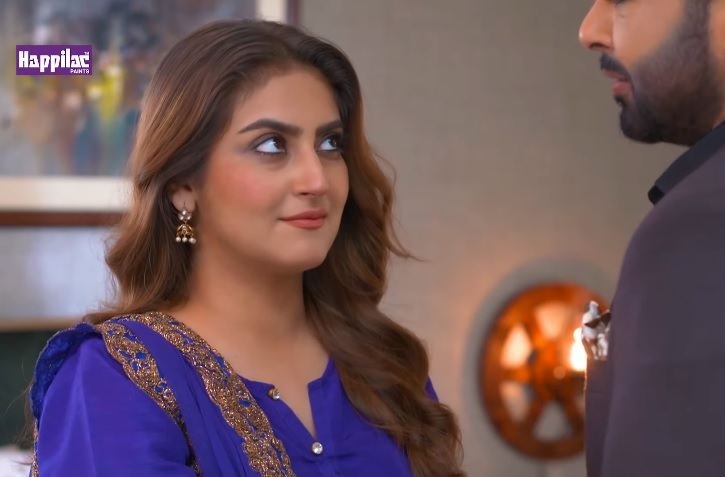
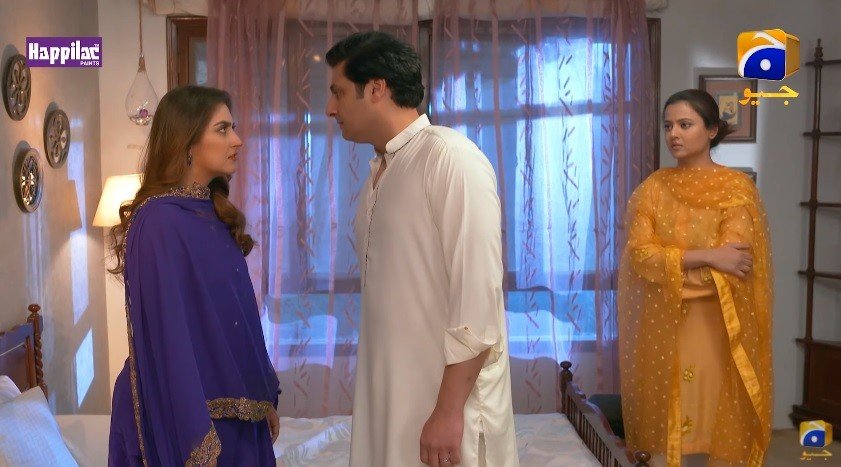
    In the latest episode, Dilnasheen catches Haider having lunch with Mehmal at the hotel and decides she has had enough. She leaves and goes back to her mother’s house. The scene that plays out at her mother’s house is disappointing, to say the least. Dilnasheen’s mother (Saba Faisal) not only justifies Haider’s behaviour but also tells her to accept it and try to win Haider’s heart. On the other hand, Dilnasheen’s brother Yawar (Kamran Jilani) blames the entire situation on her, telling her that she still harbours feelings for her ex-boyfriend Hamza (Wahaj Ali) and has not accepted Haider as her husband.

    Fitoor

    Mehmal’s damsel in distress act and reluctance to go back to her husband is also getting tiring and one wishes that Haider would stop constantly trying to be the knight in shining armour for her. At this point, it’s getting a little hard to believe that Haider is confused. He knows exactly what he is doing but is continuing to do so under the act of being caring and supportive towards his “yateem” cousin. So unless he pulls his act together, he’s going to get the label of a ‘cheating husband’.

    Is Haider confused or simply unfaithful?

    While Fitoor may seem typical on the surface, it is saved by great performances. Each actor has slid perfectly into their roles, giving solid performances. We may hate Haider but we are thoroughly enjoying Faysal’s performance. The writing is strong in most places as is the direction. The production value is a little weak with jumps in many scenes and Dilnasheen terribly needs a good stylist – the flowy clothes and hair are doing her no good. Especially when Mehmal’s outfits ooze glamour. Quraishi’s makeup is also terrible, making him look older and plastic in some places.

    Fitoor Is Haider confused or simply unfaithful?

    Written by Zanjabeel Asim and directed by Siraj ul Haq, Fitoor airs every Thursday on Geo Entertainment.