Author: optimum_tech

  • ویکسینیشن ، مرد اور عورت کا پردہ

    ویکسینیشن ، مرد اور عورت کا پردہ

    ابھی ایک ہفتہ پہلے میری والدہ کو کورونا ویکیسنیشن  کی دوسری خوراک لگی ۔ پہلی خوراک والے دن  میں کافی گھبرائی ہوئی تھی کہ پتا نہیں کیسے ہوگی ، سینٹر پر کیا حال ہوگا ،لوگ کتنے ہونگے وغیرہ وغیرہ ۔ جب میں سینٹر پر پہنچی تو لوگوں کا جمِ غفیر  نظر آیا ۔ زندگی میں پہلی بار اتنے  لوگوں کو ٹیکہ لگوانے کی خوشی تھی ۔ مجھے اندازہ نہیں تھا کہ کام شروع کیسے ہوگا ۔ اسی دوران میں نے کسی سے پوچھا جو کورونا سینٹر کے نمائندہ ہی تھے ۔ انہوں نے کہا آپ میرے ساتھ آ جائیں ۔ میں آپ کا کام کروا دیتا ہوں ۔ انہوں نے دس منٹ میں فارم جمع کروا کرآخری مرحلے تک کام کروا دیا ۔  میں نے پیسے دینے چاہے تو انہوں نے کہا “میں انسانیت کے ناتے کر رہا تھا، پیسے رکھئے” ۔ ساتھ ہی انہوں نے نمبر دیا کہ اگلی خوراک پر رابطہ کیجئے گا اورمیرا نمبر بھی مانگ لیا ۔ میں نے سمجھا خدا سے کوئی غیبی مدد آئی ہے اور خدا کا شکر ادا کیا ۔

    میرا شکر البتہ دو تین دن بعد” چلو جی “میں بدلا جب ان ہی صاحب نے اِدھر اُدھر کے میسج کرنے شروع کر دیئے ۔ جب وہ باز نہ آئے، تو میں نے جھوٹ کہہ دیا کہ میں شادی شدہ ہوں میرے خاوند جی میرا فون چیک کرتے ہیں ۔ اس کے دو دن بعد میری والدہ کی ویکسینیشن تھی ۔ میں نے موصوف سے رابطہ کیا کہ مدد مل سکتی ہے ؟ جس پر انہوں نے کہا “جی مشکل ہے” ۔ میرا نقلی خاوند تو میرا دشمن نکلا ! میرے نقلی خاوند کی وجہ سے موصوف کی انسانیت ہی ختم ہو گئی؟ کیا فائدہ ایسے نقلی خاوند کا ؟

    میں نے یہ واقعہ ٹویٹر پر لکھا تو ایک شخص نے لکھا ” ہاں تو نمبر دیا تھا ، تو بھگتو اب” ۔ اور مجھے تب احساس ہوا کہ اوہو! غلطی تو میری ہی تھی  ۔ چونکہ میں عورت ہوں ، اس لئے غلطی تو ہمیشہ میری ہی ہوگی ۔ چونکہ نمبر عورت کا تھا ، مرد تو بہکے گا ! اسی ہفتے میں پاکستان کے وزیرِاعظم عمران خان نے بھی مجھے احساس دلا دیا کہ غلطی تو میری تھی، ہے اور رہے گی کیونکہ میں عورت ہوں ۔ عمران خان نے اپنے خطاب میں زور دیا کہ ملک میں جنسی زیادتی کو روکنے کے لئے ضروری ہے کہ انگریزوں کے رسم و رواج کوختم کیا جائے ۔ اور پھر دبے دبے الفاظ اور پولے پولے منہ سے کہہ دیا کہ جب عورتیں پردہ نہیں کرتی تو بہت سے مردوں سے کنٹرول نہیں ہوتا اور پھر وہ جنسی زیادتی پر “مجبور” ہو جاتے ہیں۔

    زمانے بھر کے غم اور مرد کی یہ “مجبوری!” اس دنیا نے مرد کا جینا حرام کر دیا ہے۔ کیسے کیسے “مجبور” کیا ہے۔ کیسا کیسا امتحان لیا ہے ۔ کبھی مرد “مجبور” ہو کر اپنے ہی گھر کی عورت سے جنسی زیادتی کر دیتا ہے اور کبھی “مجبور” ہو کر موٹر وے پر ایک ماں کو اُس کے بچوں کے سامنے اپنی جنسی ہوس کا شکار کرتا ہے ، کبھی مرد “مجبور” ہوکر رشتے سے انکار کرنے والی عورت سے بدلہ لینے کے لئے اسے اپنی ہوس کا شکار بنا دیتا ہے، اور کبھی مرد عوت کا ناک، کان، بازو کا کچھ حصۤہ ، ہاتھوں کی انگلیاں، پیر ، آنکھیں، بال ، ہونٹ، جو بھی حصہ نظر  آ جائے  ، اس سے “مجبور” ہو کر عورت کو اپنی ہوس کا شکار بنا دیتا ہے ۔ اور “مجبوری” ادھر رکتی نہیں۔ مرد 3 سال کے لڑکے کو بھی دیکھ کر “مجبور” ہو جاتا ہے ۔ مرد ایک “مجبوری ” کا مجسمہ ہے جسے کب کیا دکھ جائے  اور جو دکھ رہا ہو وہ کس طرح اس کو جنسی زیادتی پر “مجبور” کر دے ، آپ کو کبھی نہیں پتہ چلے گا ۔ کیا انہی “مجبوریوں” کی بات کر رہے تھے آپ،وزیرِاعظم صاحب؟

    وزیرِ اعظم صاحب ! عورت ہونے کو جرم نہ بنائیں ۔ عورت کے کپڑوں کو مردں کی درندگی چھپانے کے لئے استعمال نہ کریں ۔ مرد جوصدیوں سے جنسی درندگی کو طاقت کے حربے کے طور پر استعمال کرتاہے۔ کبھی حالتِ جنگ میں اور کبھی عورت کو “مزہ” چکھانے کے لئے ، اسے عورت کے لباس میں چھپانے کی کوشش نہ کریں ۔وزیرِاعظم صاحب! وہ کون سے کپڑے ہیں جو مدرسے کے لڑکوں کو ان “مجبور” مردوں کے شر سے نہ بچا سکے ؟وہ کون سے کپڑے ہیں جو 3 سال کی بچیوں کو مردوں سے بچا نہ سکے؟

    وزیرِ اعظم صاحب ! کبھی نظر جھکا کر دیکھیں ، کبھی نظر ہٹا کر دیکھیں ، کبھی اپنے نفس پر قابو کر کے دیکھیں ۔۔۔ پھر نہ آپ کو کسی کے کپڑوں سے شکایت ہوگی اور نہ آپ “مجبور”  ہوں گے ۔

  • Richa Chadha’s ‘Madam Chief Minister’ is ambitious

    Richa Chadha’s ‘Madam Chief Minister’ is ambitious

    After the success of Sacred Games and Mirzapur, political and crime thrillers set in the corridors of power have become a thing in Bollywood. Indian politics has a history of being mired in plenty of controversy, drama and action and provides ample inspiration for gripping political dramas – one that will keep audiences engaged throughout the runtime.

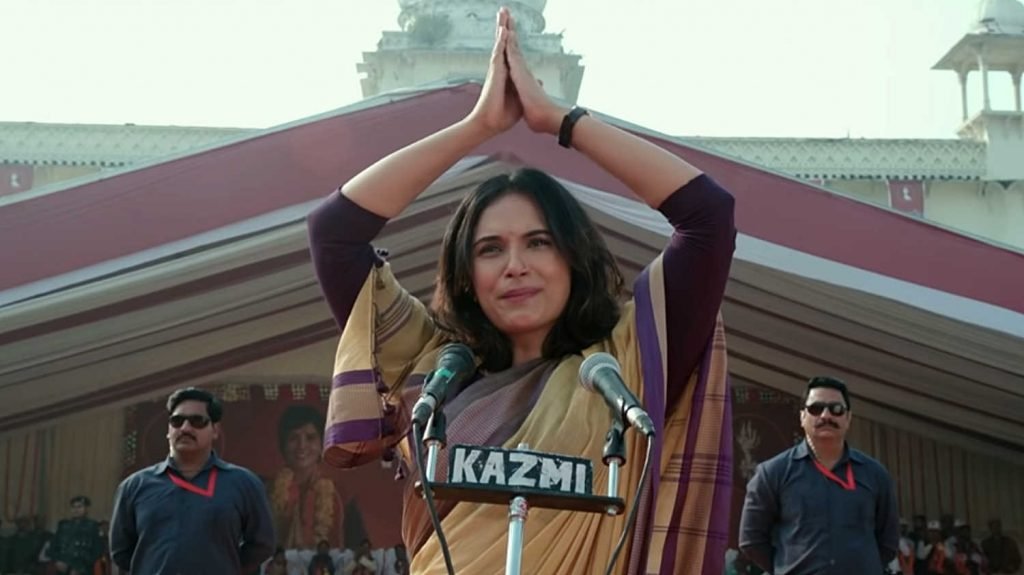
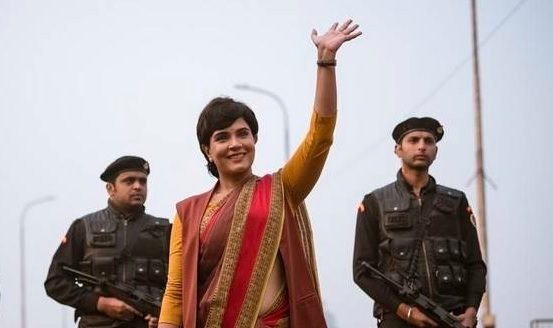
    Madam Chief Minister featuring Richa Chaddha in the lead is the latest political drama to come out of Bollywood and while it may not be able to match the class and finesse of Raajneeti or Tandav, it follows closely behind and is an entertaining watch, though a little devoid of logic at places.

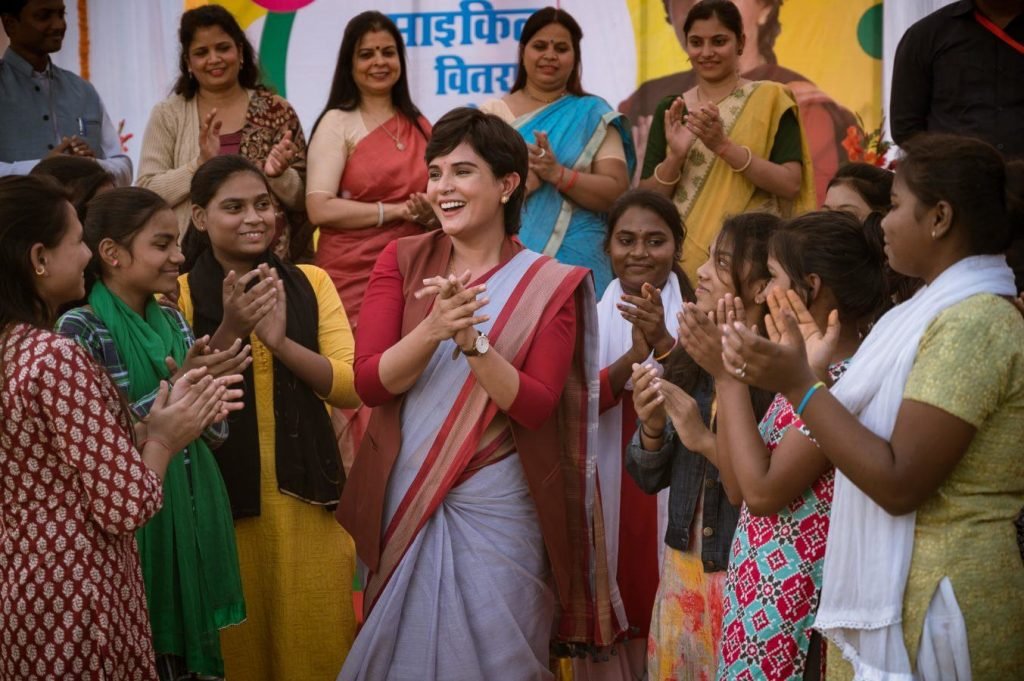
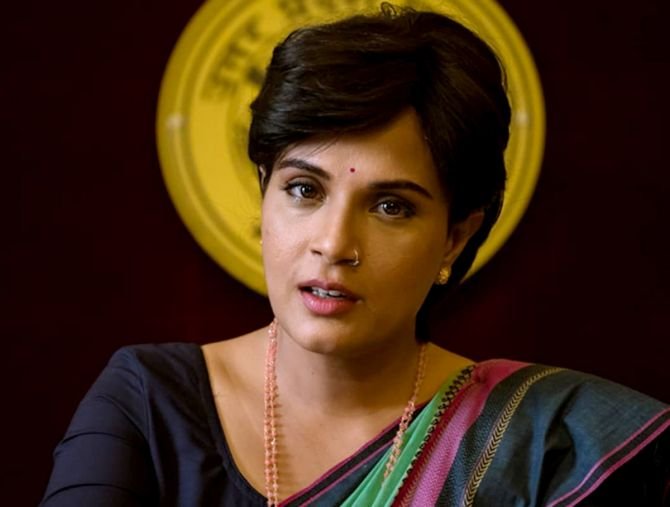
    Set in Uttar Pradesh (UP), Madam Chief Minister follows an ambitious, young Dalit woman Tara Roopram (Chaddha) and her journey to becoming the Chief Minister of India’s most populous province. However, it doesn’t stop there. The film also shows Tara as she manoeuvres the ‘kursi‘ battling misogynist and racist allies and opposition.

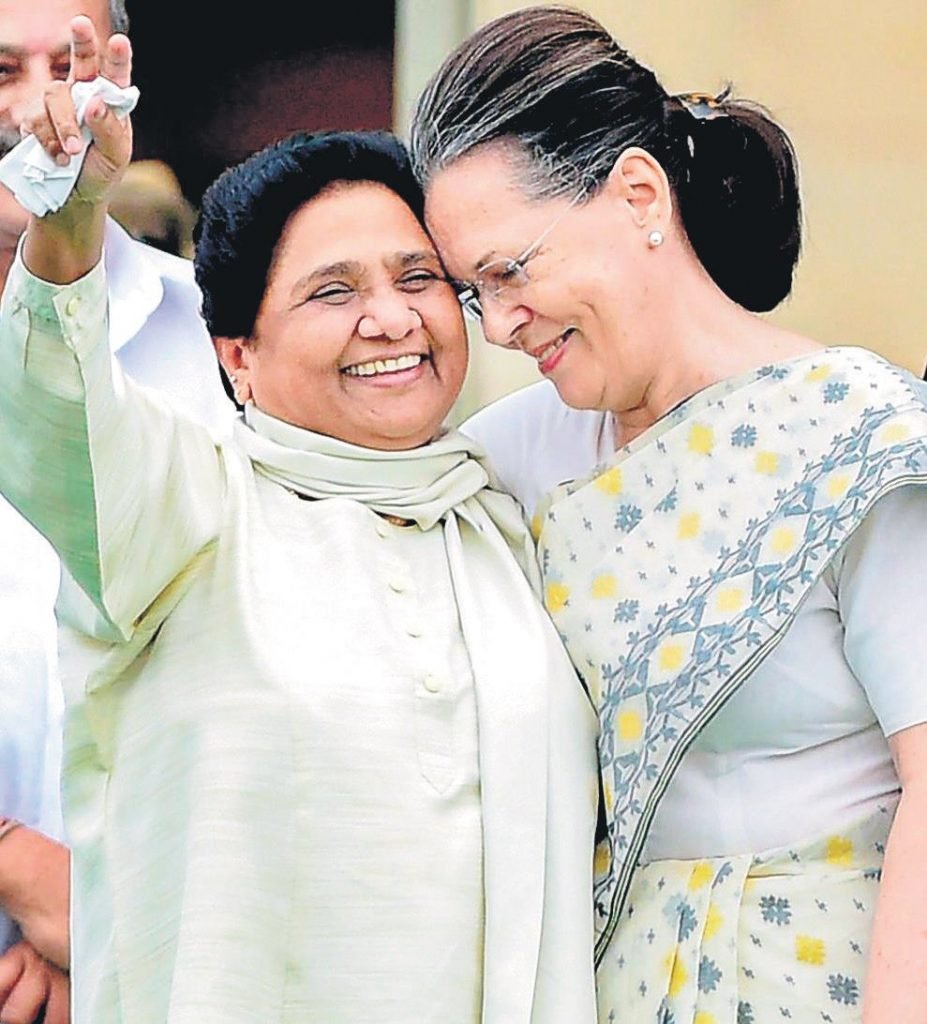
    According to reports in the Indian media, the plot of the film has been loosely inspired by the life and political career of Mayawati, India’s first Dalit chief minister. Dalits are a marginalised community and a Scheduled Caste in India and are considered to be ‘untouchables’. She was also the youngest chief minister in the history of UP and her rise in the world of politics was referred to as a “miracle of the democracy” by former Prime Minister PV Narsimha Rao. Other characters, including Tara’s mentor Master Surajbhan (Saurabh Shukla) have also been inspired by Maya’s close associates. Master Surajbhan’s character has purportedly been based on the founder of the Bahujan Samaj Party Kanshi Ram. Nonetheless, creative liberty has been taken and Tara was given a husband, though Mayawati chose to remain unmarried.

    Mayawati with Sonia Gandhi

    While Chadda gave a solid performance as Tara and shouldered the role well, it was Manav Kaul, who shines as Danish Rehman Khan, Tara’s secretary and later husband. His performance, especially in the second half of the film was strong.

    Written and directed by Shubash Kapoor, Madam Chief Minister is ambitious given how the makers tried to squeeze a lot into just two hours. The writing was weak with too many jumps, leaving plenty to be desired. However, it was entertaining, gripping and feel-good – especially where seeing a woman shine in the male-dominated world of politics is concerned.

    On a parting note, the film doesn’t appear to have a very high budget which makes you wonder why Pakistan does not attempt to produce such thrillers. Not only are they entertaining but they also subtly pass messages and challenge societal norms.

    Madam Chief Minister is currently trending in the top 10 on Netflix Pakistan.

  • The great debate on State Bank autonomy

    The great debate on State Bank autonomy

    “We must understand that we do need to make SBP autonomous, or else it would continue to get exploited by the government to gain political advantages through expansionary fiscal policies.”

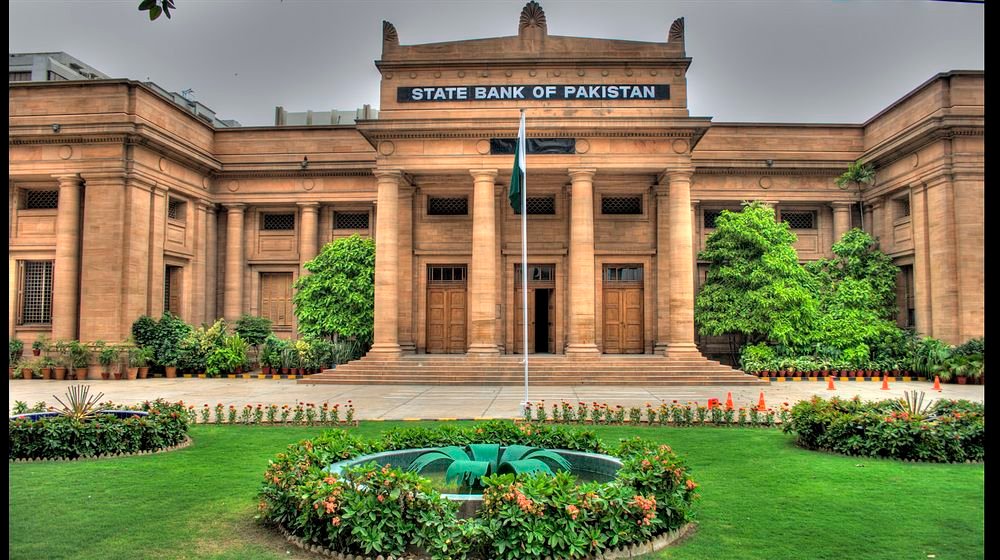
    If you have wondered in recent days what’s the real deal with the proposed changes in the State Bank of Pakistan law but have failed to understand the issue, perhaps this is just the right piece for you.

    Lately, there has been a lot of noise in the media about this issue. Many leading economists have claimed that this would mean compromising on government’s independence. Others have equated it to a deep conspiracy against Pakistan. But there are many contrarian voices as well, claiming that these amendments are justified and well needed. It’s time to put this debate to rest. Let’s objectively look at both sides of the argument and come to an independent conclusion.

    Firstly, why is there so much mistrust about the proposed amendments in the SBP Act?

    While there is always noise in the media, motivated by vested interests, it is hard to attribute all criticism to political motivations when it’s coming from multiple credible economists. There has to be a deeper reason for why so many people are apprehensive about it. There are a few cogent reasons. Pakistan is facing a fifth-generation war, and anything out of the ordinary is bound to raise eyebrows. Given our geostrategic location, it is not a farfetched idea that international powers could have a clandestine agenda. The fact that the current Governor State Bank is a former IMF employee has also not helped, given our eternal mistrust about the Bretton Woods institutions. People have confused two different issues: choice of the Governor and autonomy of the State Bank. Merely because the current governor is a former IMF employee, it’s a bit of a stretch to say that the proposed law will make the SBP subservient to the IMF. Lastly and most importantly, many economists have taken a clue from the recent past, when there was a hyper-reaction by the SBP to the headline inflation, which slowed down the economy. A legitimate question is what would prevent the State Bank from over-reacting in the future if Pakistan were to face similar circumstances.

    The second question is that where these amendments came from and why they are required.

    Pakistan has witnessed repeated boom-and-bust cycles that have taken a toll on national economic health. Many previous governments have spent generously to appease their voters and then got the State Bank to finance the ballooning budget deficits (by literally printing money). Under the government’s pressure, the central bank had kept the interest rates low and exchange rate overvalued to stimulate demand and drive growth. By the time the import-led consumption led to a crisis, it was the next government’s turn to run to the IMF yet again.  No one can deny that this pattern had to break.

    How can this cycle be broken?

    The IMF reports from 2008, 2013 and 2018 all highlighted SBP’s continued financing of large fiscal deficits and currency support operations draining external reserves and recommended enhanced autonomy for SBP with domestic price stability as the primary objective, flexible exchange rate policies and an end to direct lending to the government. Those who criticise the proposed amendments, unfortunately, have not come up with a better practical alternative.

    But the devil is always in the details. So what exactly has the IMF proposed?

    The IMF ran a safeguards assessment, which recommended ensuring full operational independence of SBP, making price stability the primary objective of the central bank, prohibiting monetary financing of public sector debt, and removing quasi-fiscal operations. It also suggested improving SBP’s governance, including creating a firewall between management and oversight functions, establishment of the Executive Board and protecting personal autonomy of members of SBP Board and Monetary Policy Committee. In addition, IMF also proposed strengthening legal provisions for audit and statutory mechanisms for sufficient capitalisation and profit retention.

    Let’s translate these proposed changes into simpler terms. What is the change that we actually need, which should not be unduly criticised?

    Putting an end to government’s direct borrowing from SBP, dissolution of Monetary and Fiscal Policies Coordination Board and removal of Secretary Finance from SBP’s Board, all aimed at cutting the cord between MoF and SBP. This is essential if we intend to remove the government’s influence on the State Bank to take politically motivated decisions.

    The tenure of the Governor also needs to be increased to delink his appointment from electoral cycle, depoliticise the Governor’s role and ensure policy continuity. The proposed tenure of five years is in line with other central banks including India. Some have criticised the provision for reappointment of the Governor, which is actually not new and was also present in the previous draft, albeit with a shorter tenure of three years.

    Then there has been a lot of criticism on proposing domestic price stability as the primary objective and ‘supporting general economic policies’ as a tertiary objective. No one has bothered to check that even the existing law does not mention supporting economic policies or growth as objectives of the SBP, and instead focuses on supporting the regulation and growth of monetary and credit systems. Moreover, putting price stability as a primary objective is not a novel concept and has been embraced by many countries. In fact, macro-economic stabilisation is critical for sustained economic growth and for preventing the boom-and-bust cycles – the kind we have repeatedly experienced.

    Nevertheless, the new law should mention sustainable growth as the ultimate objective. The Indian Reserve Bank Act also mentions price stability as its primary objective but keeping in view the objective of growth. But this would be a semantic change. The central bank cannot operate in isolation from the rest of the economy and ignore the growth considerations altogether.

    The proposed amendments also have a provision for the SBP to support growth. The end to quasi-fiscal operations would not mean the discontinuation of re-financing facilities, at least in the foreseeable future. These schemes have much lesser risk since the credit allocation decisions rest with the commercial banks, which in turn remain accountable for asset quality indicators, like non-performing loans, while the SBP steers clear of the credit risk.

    Another misunderstanding is about inflation targeting. Inflation targeting does not necessarily mean that SBP alone would be able to control inflation, especially if the country is facing supply-driven and cost-pushed inflation, and in the wake of weak monetary policy transmission mechanisms. But even in that situation, SBP’s interventions are required to mitigate the second-round effects of supply-driven inflation. However, given the track record, the SBP will also have to be cautious and not get carried away by inflationary concerns.

    There has also been much criticism about the new accountability clauses, especially the provision of getting prior permission of the SBP Board before NAB or FIA can initiate an investigation. But this is not an unusual concept in Pakistan. Securities and Exchange Commission enjoys the exact same protection under Section 41 (b) of the SECP Act. Why then fear it for the SBP?

    Moreover, a new accountability clause has been proposed to be added whereby the Governor will have to appear in person before the parliament, which wasn’t there earlier. Other than these, no accountability provision has been taken out from the existing law. 

    Furthermore, all SBP officials continue to be considered public servants and therefore subjected to Pakistan Penal Code’s stipulated offences for public servants (sections 161-171) including corruption. Similarly, the SBP’s accounts will continue to be audited by the Auditor General of Pakistan, besides two external auditors. In addition, the law now includes a conflict-of-interest clause, which will ensure transparency.

    Does this mean that all the proposed amendments are good, and nothing really needs to change? Not really. There are a number of proposed amendments that need reconsideration.

    For instance, the new law is not clear on who will set the inflation target. It should be made clear that National Economic Council is the legitimate forum to provide the target range.

    Similarly, the independent directors will now be appointed by the President, but on recommendation of the federal government. The only problem here is that the government will need to base its recommendations on list of candidates proposed by SBP’s Board itself, which seems cyclical and does not make sense. The federal government should be free to propose members who meet the requisite criteria.

    The section on removal of Governor has also been diluted, where previously they could be removed on breach of trust, but not anymore. Even the ground of serious misconduct has to be determined now by the court, which is ridiculous and needs to be fixed.

    Lastly, if the SECP Act is to be considered a benchmark for accountability clauses, then it should also be followed for other provisions. One can see that the newly inserted conflict of interest provision and the amended provision for removal of governor in the SBP Act are quite weak and must be strengthened in light of how these have been provisioned in the SECP Act.

    Most importantly, the question that we all need to ask is if there is anything for us to worry about the new SBP Act. Perhaps not as much as the media has portrayed.

    Many are confusing the issue of who occupies the seat of the governor with whether the central bank should be autonomous. The current governor might be from IMF, but that’s not always the case. So autonomy should not mean IMF controlling the central bank.

    Then, no matter what we write in the law, the parliament will always have the right to amend it. If we can change it once, we can always do that again. The President can even change it overnight through an ordinance if the parliament is not in session.

    Most importantly, there is a big difference between de jure and de facto power. By merely amending the law, the SBP cannot ignore the Prime Minister, the cabinet and the whole federal government.

    Lastly, before criticising the change and fearing the ‘new’, we must ask how the ‘old’ has delivered. We do know that it has not worked in the past, given our economic situation. So something must change.

    In short, we must understand that we do need to make SBP autonomous, or else it would continue to get exploited by the government to gain political advantages through expansionary fiscal policies. But we should not do it in a hush-hush manner and instead debate the proposed amendments in the parliament and only then pass them into law.
  • ‘Meera is perfectly fine’

    ‘Meera is perfectly fine’

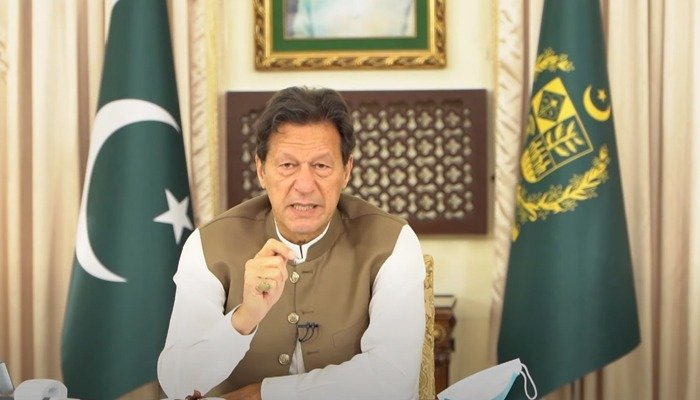
    Imran Abbas has stepped in to defend Meera after reports of her being admitted to a mental facility in the United States started doing the rounds on social media and television.

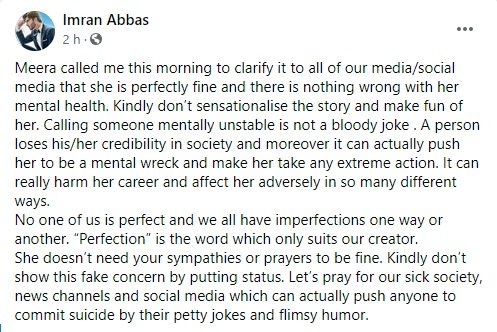
    “Meera called me this morning to clarify to all of our media/social media that she is perfectly fine and there is nothing wrong with her mental health,” wrote Abbas on social media. “Kindly don’t sensationalise the story and make fun of her. Calling someone mentally unstable is not a bloody joke.”

    “She doesn’t need your sympathies or prayers to be fine. Kindly don’t show this fake concern by putting status. Let’s pray for our sick society, news channels and social media which can actually push anyone to commit suicide by their petty jokes and flimsy humour,” the actor added.

    Meanwhile, speaking exclusively to The Current, Meera’s manager Hasan said that the actor is doing perfectly fine and is working on a few projects in the States. He said that she does know who started this terrible rumour and asserted there is no truth to it.

    When asked about the video of Meera’s mother Shagufta Zahra, in which she appeals to Prime Minister Imran Khan to bring back her daughter, Hasan said that Zahra is elderly and hard of hearing. He added that Meera had recently gone to get vaccinated for COVID-19 and had narrated details of her experience to her mother who misunderstood them.

    On the other hand, speaking to a local media outlet, Meera’s mother claimed that reports of the actor being admitted to a mental facility were true.

    “I received a call from Meera on April 5 and she kept crying,” Zahra told the media outlet. “She was telling me that the US police is sending her to a psychiatric facility. She did not tell me why they were doing that, but said she repeatedly told them that she was an actor and not mentally ill.”

    Read more – Meera loses her phone, seeks help on social media

    Speaking to the same media outlet, Meera’s manager Muhammad Qasim and another family member trashed the reports and Zahra’s claims saying that “Meera is perfectly fine, both in terms of her mental and physical health”.

    Qasim alleged that the actor’s mother is spreading rumours to resolve a personal dispute. Meanwhile, the family member said that Meera is in fact in touch with her father and there is more to the story than what is being discussed on social media.

    As per the latest ‘reports,’ Meera has been released from the psychiatric facility after her husband Captain Naveed paid $50,000 to get her released. The report further claimed that the actor has been given 48 hours to leave the United States.

    The Current has reached out to Meera for further clarification.

  • Watch ‘What a Girl Wants’ for Colin Firth

    Watch ‘What a Girl Wants’ for Colin Firth

    To meet the ever-growing demand for new and fresh content, Netflix has started bringing in pre-streaming platforms and classic films, giving older people a chance to revisit their teenage years and youngsters a glimpse into how films were before the smartphone took over. This week Amanda Bynes and Colin Firth’s What a Girl Wants hit Netflix and the film is already trending on number seven in Pakistan.

    Read more – Netflix to release a new movie every week in 2021

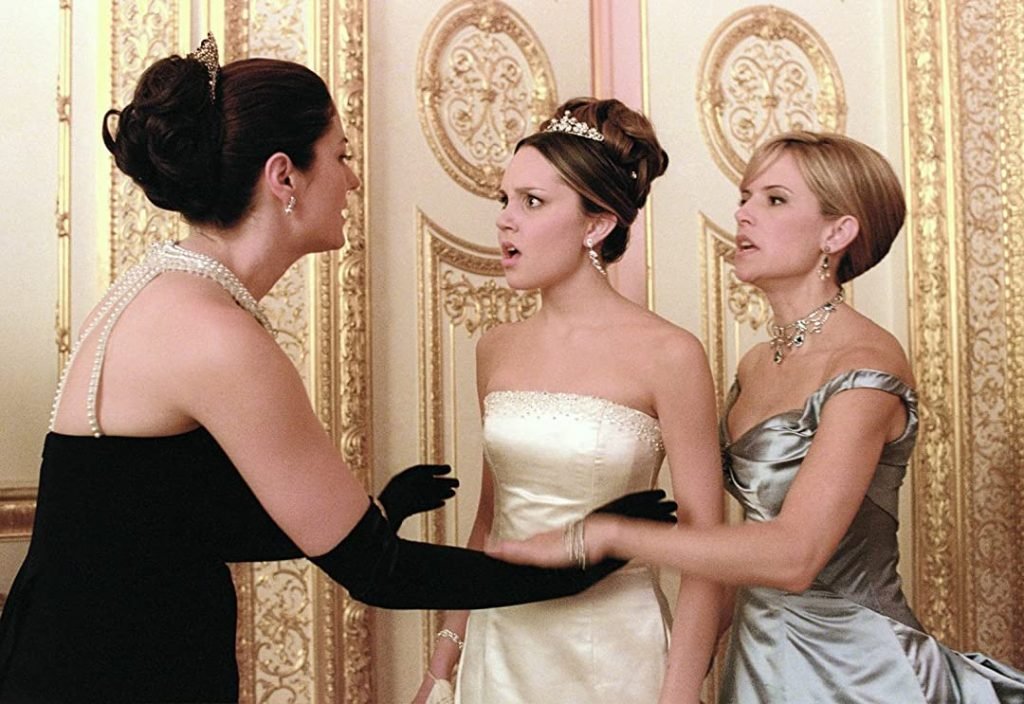
    The premise of What a Girl Wants is as simple. A young teenager Daphne (Bynes) living in New York with her single mother, on her 17th birthday decides that she is done waiting for her father to come, so she decides to fly across the Atlantic to London to find her father Lord Henry Dashwood (Firth). Her parents had been pulled apart before her birth by external forces and Henry had no idea that he had fathered a child. Naturally, when Daphne turns up on his doorstep, he is shocked and turns her away – more so at the behest of his evil fiancée Glynis – but Daphne’s grandmother takes her in. Over the course of the film, the father-daughter get to know each other, realising how similar they actually are. And as Henry put it, they both have the same eyes.

    What a Girl Wants is warm, fuzzy and strikes all the right chords. The film will instantly make you want to give your father a hug and cherish your relationship with him. It has all the qualities of a feel-good movie but the cherry on top is Firth’s performance. The English actor may be more popular for his role as Mr Darcy in Bridget Jones Diary or as King George VI in The King’s Speech, but his performance in What a Girl Wants will tug at your heartstrings.

    Firth is perfect as Lord Dashwood, a man who put forward his duties above his own feelings. He is endearing yet aristocratic at the same time and looks like an absolute dream. The way Firth plays with the character as it evolves is noteworthy. My favourite scene has to be the one on which he speeds away in an “indecorous” fashion with Daphne on a motorbike in a bid to evade the paparazzi.

    Firth also shares great chemistry with Bynes which is also one of the reasons why the film manages to keep audiences entertained throughout the film.

    What a Girl Wants is easy, charming and will give you a good laugh during this dark, pandemic-striken time.

  • Covid-19: Rising cases and vaccination process

    Covid-19: Rising cases and vaccination process

    Yesterday there were 3,568 Covid-19 patients in critical care in Pakistan, tweeted Asad Umar.

    “This is the highest number since covid started.”

    The Sindh government has also decided to suspend physical classes till grade 8 of all schools — public and private— for 15 days starting from April 6.

    Last month, Federal Education Minister Shafqat Mahmood had announced that all educational institutions will remain closed till April 11 in all districts where corona positivity and infectivity rate was high. According to a report in Dawn, a total of 19,367 under-18 children have tested positive for the coronavirus in Punjab so far. A large number of recent cases amongst minors and teenagers have contracted the UK-variant in the past three months.

    The third wave of coronavirus in Pakistan is turning out to be extremely dangerous. It is indeed spreading like wildfire across the country. NCOC recently banned wedding functions — both indoor and outdoor — from April 5 onwards in areas with a three-day rolling average of an 8 per cent positivity ratio. Many cities now have a high positivity rate. The UK government has now banned entry of passengers from Pakistan from April 9.

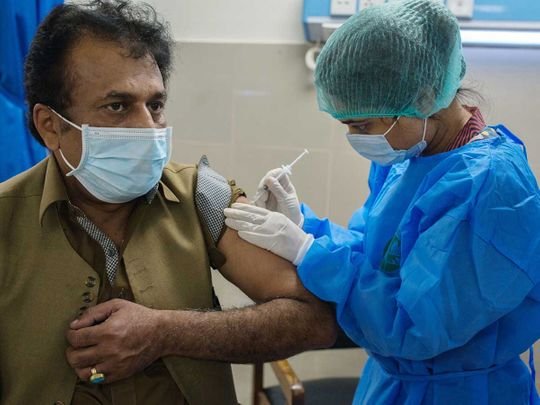
    The government’s vaccination programme for people above the age of 50 has been launched across the country. The Punjab government has launched a mobile vaccination service for senior citizens aged above 80 years and for differently-abled persons aged above 50 in four cities. Media reports say that while the government’s vaccination programme is going on smoothly, around 1,400 doses of the vaccine donated by China have either been administered to people out of turn or have went missing from three state-run hospitals in Lahore. Hopefully, such scams will stop now that private vaccines are also for sale.

    Privately-imported Russian vaccine Sputnik V is now available in a few cities in the country, including Karachi, Lahore and Islamabad. The cost of the vaccine has been fixed at Rs 12,268 for two doses. Some facilities are charging an additional amount to administer the vaccine. Those who are above the age of 18 can get the private vaccine if they can afford it. We hope that those who can afford it will get the vaccine and others who qualify for the government’s vaccine programme will also get vaccinated at the earliest.

    The pandemic is not going anywhere anytime soon. Despite this, we have seen how people are flouting SOPs. Markets are crowded with people who are not wearing masks and that is just the tip of the iceberg when it comes to SOPs violations. This can be dangerous. We must all act in a responsible manner and continue to follow SOPs — even after being vaccinated. This is the least that we can do.

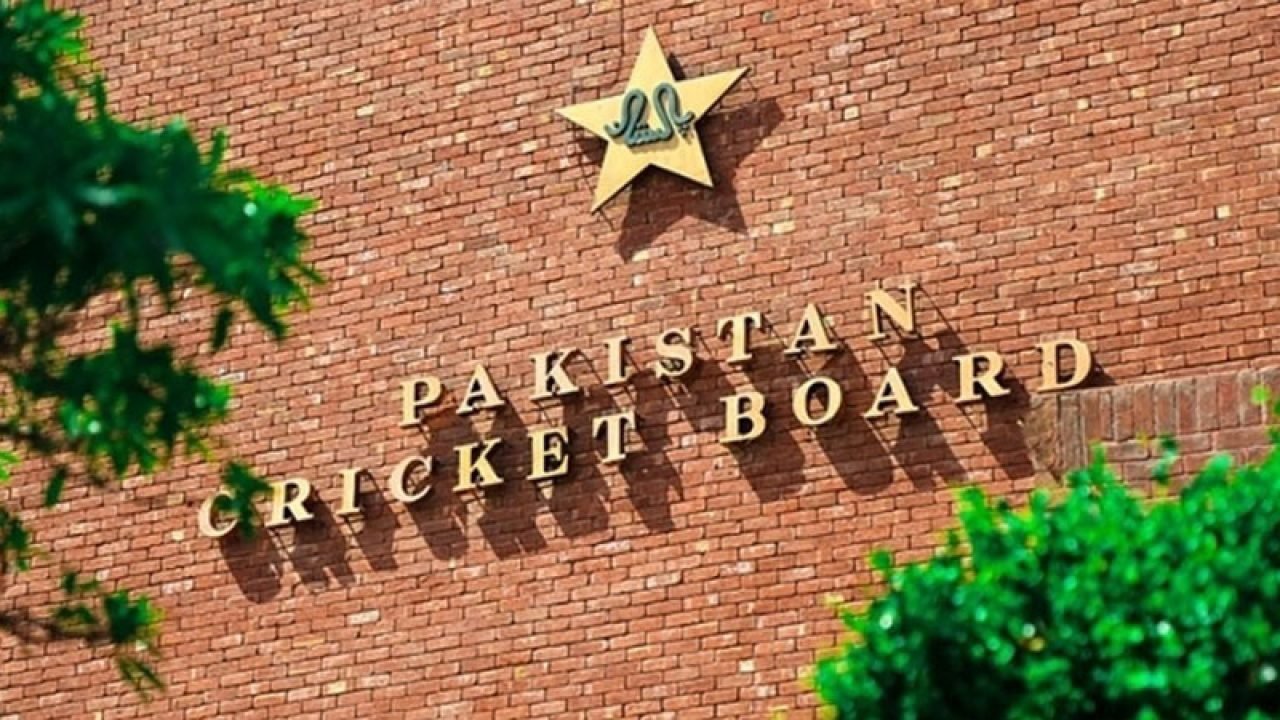
  • Sharjeel’s return exposes fault-lines in PCB’s zero-tolerance policy against corruption

    Sharjeel’s return exposes fault-lines in PCB’s zero-tolerance policy against corruption

    For anyone who follows the sport, the most embarrassing sight is when a player from their team is caught in match-fixing. Having the opportunity to step on the field and serve your country at a national or international level is a massive privilege and fixing games in exchange for a few bucks is indicative of demeaning of that privilege. The menace of match-fixing has dealt many jolts to Pakistan cricket over the course of its history. Following the 2010 infamous Lord’s spot-fixing scandal, one of the lowest points in Pakistan cricket when it hit rock bottom, the Pakistan Cricket Board enacted a zero-tolerance policy against corruption. However, the return of disgraced opener Sharjeel Khan in the T20 squad for the tour of South Africa and Zimbabwe, has exposed fault-lines in that “zero tolerance” policy.

    The left-handed batsman, who was suspended for five years with two-and-a-half of them suspended, deliberately played two dot balls against Hasan Ali in the opening match of the 2017 edition of the PSL. Although the two dot balls Sharjeel played had negligible impact on result of the game as Brad Haddin propelled Islamabad United to a 7-wicket win over Peshawar Zalmi, the opener’s return has stirred up the debate whether match-fixers deserve a second chance after they have served punishment.

    While on one hand some argue that everyone deserves a second chance and imposing a life ban will deprive them of bread and butter, others taker the view that there is no acceptable justification of actions that bring discredit to the country and that PCB needs to throw a book at match-fixers to deter other players from fixing matches in the future. There is no doubt that Sharjeel, who scored 200 runs in five matches at an impressive strike rate of 170.9, has been in a very good nick of late and can fill the void of someone who can score at a quick pace on top of the order. However, his return to the side has some serious potential ramifications.

    When Amir returned to the team after serving his ban, it didn’t go down well with several players of the team who expressed displeasure over his selection and refused to train alongside him in the nets. Sharjeel’s return may have the same impact which in turn can create needless dissension within the team’s ranks. More than anything else, it would send a wrong message to those players who are endeavoring to serve their country with honesty that disgraced players are getting the nod ahead of them. No player in the team, irrespective of how many landmarks he has achieved in his career, transcends the team and should be severely punished if his actions bring discredit to the country and damage the integrity of the sport.

    Here’s some food for thought: If PCB’s anti-corruption policies which it enacted after the Lord’s spot-fixing setback were coherent enough, it would have wiped out corrupt players and deterred other players from rigging games in the future. However, this has not proved to be the case which reinforces the point that PCB’s anti-corruption policies need to be more stringent and effective.

    I am unaware of how much say a coach has in team selection but Misbah, who has been a constant critic of bringing disgraced players back into the fold, pivoting from asking a life ban on match-fixers to not voicing his disapproval at Sharjeel’s selection is mind-boggling. During his tenure as the captain, Misbah took over a downtrodden Test team sabotaged by the Lord’s spot-fixing scandal and catapulted it to the top of the rankings with his astute leadership. With him at the helm right now, this is PCB’s best chance to rethink their corruption policies and keep corrupt players at arm’s length from other members of the team. If not Misbah, then who? If not now, then when?

  • PDM at war

    PDM at war

    The Pakistan Democratic Movement (PDM) is at war with itself, it seems. The opposition alliance that was formed last year as an anti-government alliance now seems to be fighting a battle within its ranks.

    The two largest parties — Pakistan Muslim League-Nawaz (PML-N) and the Pakistan People’s Party (PPP) — have had a falling out of sorts in recent weeks.

    While we saw over the months since the formation of the PDM that the PML-N leadership took a rather strong stand on the establishment meddling in politics, the PPP was being cautious when it came to naming anyone directly. The strategies of both parties also seemed to be different, which is understandable given the fact that PDM is a mix of different parties with different ideologies. But one of their common goals was to get rid of the government.

    There were of course differences in strategies as to how to do it: the PML-N and Maulana Fazlur Rehman believed in resignations but the PPP believes that it should be done within the democratic framework while remaining in the system. It is understandable that the PPP would not want to resign given that it is the only Opposition party that is in power in a province. It has more at stake in parliamentary system at the moment than other parties of PDM.

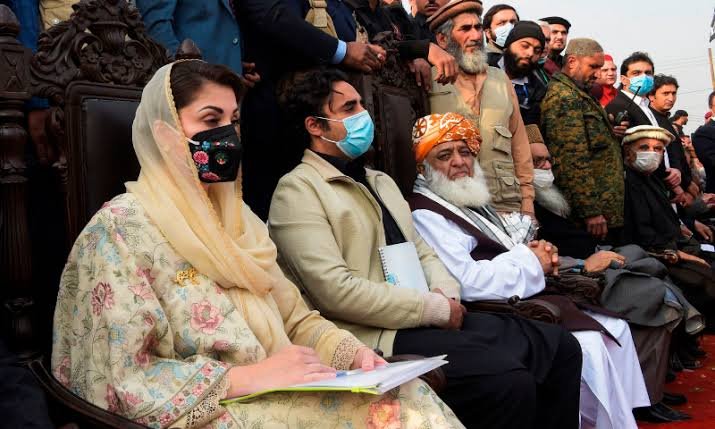
    These issues have now come back in public again after the recent PDM meeting where former president Asif Zardari asked former premier Nawaz Sharif to return to Pakistan when the issue of resignations from assemblies was proposed once again by the latter. What ensued was a public war of words. From a tweet by Maryam Nawaz warning PM Imran to be wary of a ‘substitute’ being fostered, to Bilawal Bhutto saying he will not respond to a PML-N vice president’s statement and his party VP could respond.

    Then Bhutto-Zardari said a family from Lahore has a track record of being selected, quite obviously taking a jibe at the Sharifs. Things escalated even faster when the PPP went against the consensus decision of PDM on the Leader of the Opposition in Senate being from the PML-N. First they said they do not agree on the name of Azam Nazeem Tarar as he is defending two police officers accused in Benazir Bhutto’s assassination case, who have been accused of negligence after her murder.

    The PML-N says that if the PPP could have a deputy PM who was directly nominated in BB’s letter, then why would they have an issue with Tarar’s name who is not defending any murderers. The PPP’s Yousaf Raza Gilani recently became the Leader of Opposition in Senate after securing votes from the government’s ally, BAP. Apart from the ANP and Jamaat-e-Islami, the rest of the Opposition parties supported Tarar in Senate.

    Now it remains to be seen whether the PDM decides that PPP will remain part of the Opposition alliance or not. The government, it seems, is having fun at the PPP’s expense. However, it is important that instead of this infighting, the Opposition parties should sit with the government and work on electoral reforms, accountability reforms, judicial reforms, among other things. Every democratic government must complete its tenure and bring about reforms.

    It is high time that the PDM stop thinking about a change in government and think long term so that it can benefit the system. Any elections without proper reforms would lead to finger-pointing by those who lose. It is important that all parties put aside their differences for the greater good of democracy.

  • تاریخ کا قرض

    تاریخ کا قرض

    مجھے یاد پڑتا ہے کہ اکثر تحریک پاکستان کا مضمون اسکولوں میں اساتذہ کچھ اس طرح شروع کروایا کرتے تھے کہ ‘تحریک پاکستان کی بنیاد اس دن پڑی جب برصغیر میں پہلا مسلمان آیا۔۔۔’ ویسے ہمارے اس خطے کے لوگ بھی عجیب ہیں وہ محمد بن قاسم سے تو اپنی تاریخ شروع کرنے پر فخر محسوس کرتے ہیں لیکن اپنے اس خطے کی قدیم تاریخ سے اپنے آپ کو پرے پرے رکھتے ہیں نہ جانے یہ شرم ہے یا ارادی عمل۔

    ہم مسلمان ہیں اور اس پر ہمیں فخر ہے لیکن جس خطے میں ہم رہتے ہیں اس کی بنا پر ہمارا یہاں کی قدیم و جدید تاریخ سے بھی ایک رشتہ ہے اور جب تک ہم اس رشتے کی ملکیت نہیں لیتے اور اپنی آنے والی نسلوں کو نہیں پڑھائیں گے تب تک ہم کیسے اس کو یقینی بنا سکتے ہیں کہ ہم کہاں سے آئے اور کہاں جا رہے ہیں۔ گندھارا تہذیب کا گہوارہ ہونے کے باوجود ہمارے بچے مغل بادشاہوں کے نام رٹ رہے ہوتے ہیں اعتراض اس پر نہیں ہے افسوس اس پر ہے کہ اس خطے کی تاریخ کو ایک خاص نظر سے دیکھنے اور ایک خاص رنگ میں رنگنے کی کوشش کی گئی ہے۔ راجہ پورس کا سکندر اعظم کے تصادم ہو یا بھگت سنگھ کا برطانوی استعمار کے خلاف اقدام۔ ہمیں تو فخر کرنا چاہئے کہ اس خطے میں رہنے والے استعماری قوتوں کے خلاف لڑنے میں، اپنے حق آزادی کو حاصل کرنے میں اس خطے کے باسی ایک تاریخ رکھتے ہیں۔ تحریک پاکستان ایک حادثہ نہیں ہے بلکہ برصغیر کی جنگ آزادی میں ایک روشن مینار ہے یہ تاریخ کے تسلسل میں ایک واقعہ ہے ایک سوچا سمجھا ارادہ!! اس خطے کی جنگ آزادی کی تاریخ میں بھی ہماری ‘پک اینڈ چوز’ کی پالیسی رہی ہے اور ایک ایسا خطہ جو ہمیشہ اپنے اندر تنوعات کو جذب کر کے ایک نیا رنگ پیدا کرنے کی صلاحیت رکھتا تھا اسے ہم ایک خاص عینک چڑھا کر دیکھتے ہیں اور اپنی آنے والی نسلوں کو بھی ایسے ہی دولے شاہ کے چوہے بنانے پر مصر ہیں۔ قومیت ایک اچھی چیز ہے لیکن جب جارحانہ اور شدت پسند قومیت بزور بازو مسلط کرنے کی کوشش کی جائے گی تو حاصل جمع ملغوبہ ہی ہو گا۔

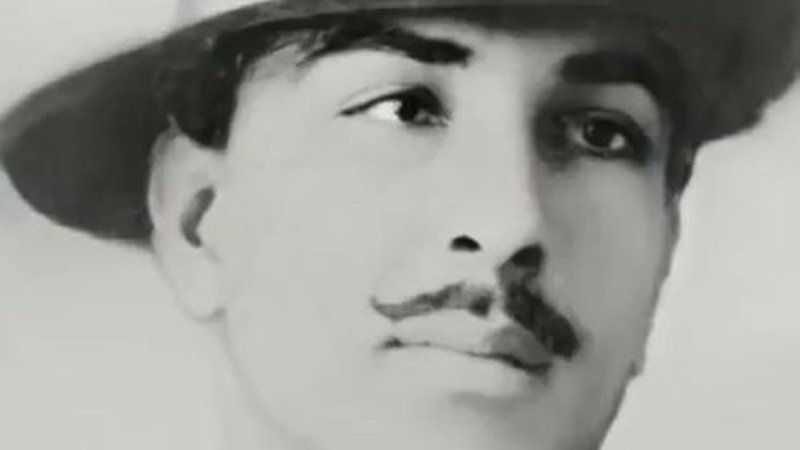
    ابھی 23 مارچ کا دن گزرا اور یوم پاکستان ہونے کے ساتھ ساتھ یہ بھگت سنگھ کی پھانسی کا دن بھی تھا لیکن اس کی بھی ہم نے ملکیت نہ لی حالانکہ بھگت سنگھ کو پھانسی لاہور میں ہی لگی تھی مزے کی بات یہ ہے کہ 23 مارچ کا دن ابتدائی برسوں میں یوم جمہوریہ کے طور پر منایا جاتا تھا کیونکہ 23 مارچ 1956کو پاکستان ایک جمہوریہ قرار پاتے ہوئے برطانوی عملداری سے مکمل چھٹکارا حاصل کر لیا تھا اور بھگت سنگھ بھی تاج برطانیہ سے مکمل آزادی کی جدوجہد کی علامت ہے۔

    بھگت سنگھ کو آپ مذہب کی عینک سے ہی کیوں دیکھتے ہیں یہ آزادی کی اس جنگ کا ایک سپاہی ہے جس نے اس خطے میں استعمار کو للکارا اور لاہور میں شادمان فوارہ چوک پر پھانسی چڑھ گیا لیکن ہم نے اس چوک کا نام اس آزادی کے ہیرو کو خراج تحسین پیش کرنے کی کوشش کو بھی ایک مذہبی معاملہ بنا دیا۔ پاکستان اور بھارت میں امن کا راستہ بھی ہماری مشترکہ تاریخ سے ہو کر نکلتا ہے جب دونوں طرف ہم اپنے اختلافات کے بجائے مشترکات کو مقدم رکھیں گے جب دونوں طرف اس مشترکہ تاریخ پر فخر کیا جائے گا۔ آج لاہور پر ہی صرف نظر دوڑائیں تو ایک ستم ظریفی سامنے آتی ہی کہ سر گنگا رام کے کئے گئے کام سے فیض تو اٹھاتے ہیں لیکن اپنی تاریخ میں انہیں وہ جگہ دینے پر تیار نہیں جس کے وہ متقاضی ہیں۔ ہماری سائنس کی کتابوں میں جابر بن حیان اور ابن الہیشم کو تو پڑھایا جاتا ہے لیکن ماہر طبیعات سبرامنین چندراشیکھر کو نہیں جو لاہور میں پیدا ہوئے اور پھر علم طبیعات اور فلکیات میں ایسا نام پیدا کیا کہ خلا میں Chandra X Ray Observatory انکے نام سے منسوب ہے میں سوچتا ہوں کہ یہ آبزرویٹری جب خلا میں لاہور پر سے گزرتی ہو گی تو چندرا شیکھر بھی ضرور اپنی جائے پیدائش کو دیکھ کر مسکراتے ہوں گے ویسے ہی جیسے برصغیر کی آزادی کا ذکر ہوتا ہے اور اس میں لاہور کا نام آتا ہے تو بھگت سنگھ بھی مسکراتا ہو گا۔ یہ خطہ اپنی تاریخ میں بہت زرخیز ہے بس ضرورت اسکی ملکیت لینے کی ہے۔

  • ‘Pehli Si Muhabbat’ brilliantly discusses the importance of consent in marriage

    ‘Pehli Si Muhabbat’ brilliantly discusses the importance of consent in marriage

    Pehli Si Muhabbat may not be high on masala and is developing slowly, rather at a snail’s pace, but it certainly comes with a strong message. The latest episode of the drama (Episode 9) sheds light on a topic often overlooked in Pakistani dramas – the importance of a woman’s consent in marriage.

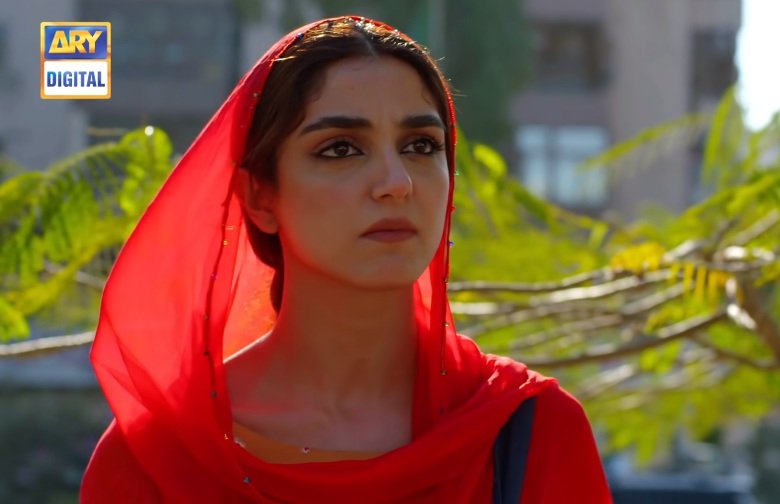
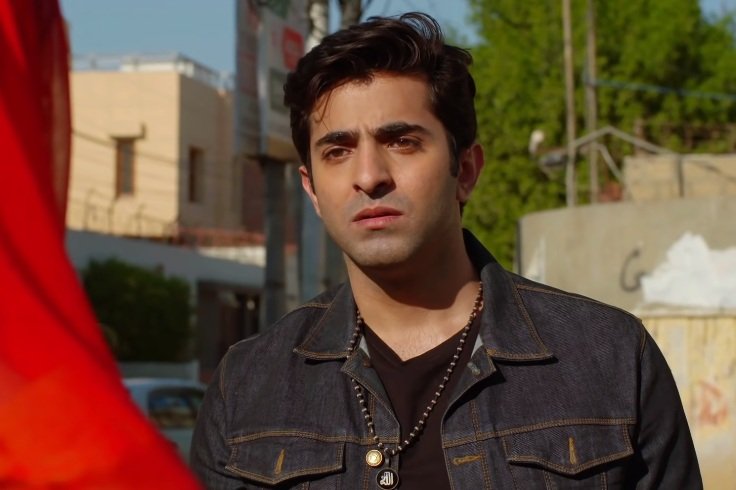
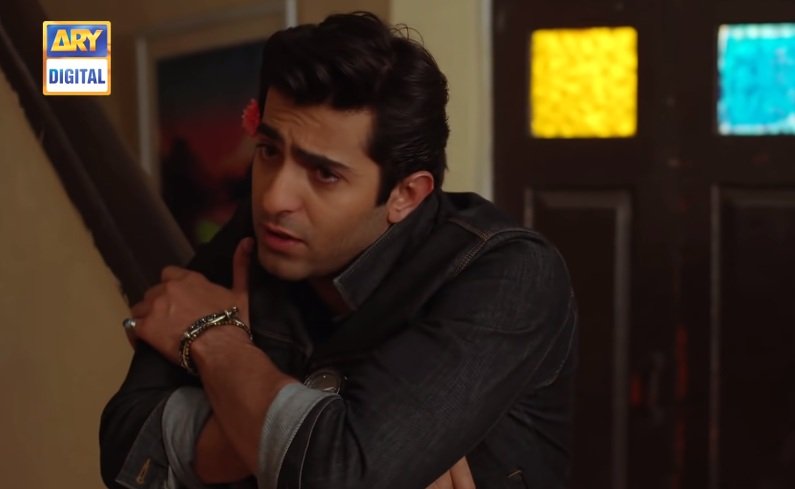
    Aslam (Sheheryar Munawar) and Rakshi (Maya Ali) have finally started telling family members about their love for each other and their desire to marry. Aslam has broken off his engagement with Bushra (Hina Afridi) and has let his Mamu know that he cannot marry her. On the other hand, Rakshi’s father Faizullah (Shabbir Jan) has decided to finalise Rakshi’s rishta with his friend’s son. When he tells his wife Nargis (Rabia Butt) of this, the conversation that follows needs to be broadcast everywhere loud and clear.

    Read more – Maya Ali reveals the reason behind her television comeback

    When Faizullah tells his wife that in their riwaj and culture, girls are not consulted before their own marriage, Nargis says: “Allah nay auraton kay baaray main jo ahkamat diye hain na, unkay baaray main bhi thora sa jaan lo. Waisay tum mard bhi na baray theek ho. Deen bhi sirf mardon ka rakhtay ho. Nikkah say pehlay Allah nay beti ki marzi janana zaruri kiya hai.

    In response, Faizullah dismisses Nargis’ comments, saying that she doesn’t know anything.

    Allah ki kitaab na humain bhi parhayi jaati hai Faizullah. Bismillah aur Ameen toh humari bhi hoti hai,” adds Nargis before leaving Faizullah to reflect on her words.

    In a country where women are often overlooked in the rishta process and told that the elders (read: men) in their family decide their future, such scenes and conversations give the audiences food for thought and can enable the wheels of change. It is also refreshing to watch this on-screen because most dramas paint those women wanting to marry of their choice as besharam (shameless) and wanton with their end also usually terrible.

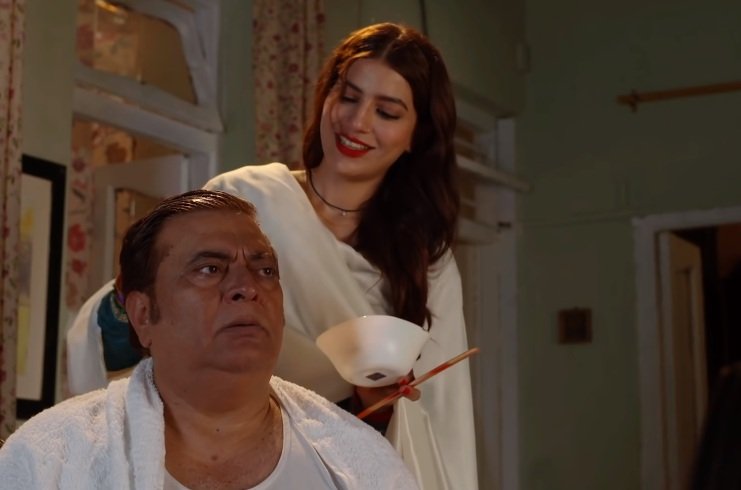
    Kudos to Faiza Iftikhar for these brilliant dialogues and to Anjum Shehzad for wonderfully executing the scene. Butt has been a powerhouse of talent throughout the episode, conversing through her eyes and body language and delivering one blazing scene after another – whether it was her conversation with Faizullah, confrontation with Niggi Apa or the way she handled Rakshi.

    Another person who is really standing out in the drama is Munawar. Sheheryar has owned Aslam to the very core and the scene in which he gives Niggi Apa a taste of her own medicine makes you cheer on him.

    Now that Aslam and Rakshi’s secret is out in the open, it will interesting to see what happens next. All I hope is that the drama starts moving faster else audiences will lose interest.