Author: optimum_tech

  • What’s wrong with CSS Exams?

    What’s wrong with CSS Exams?

    Do you know the meaning of the words ‘deracinated’, ‘bericloge’ and ‘hegiographic’? Probably not. I don’t either. And it doesn’t matter. (One of them perhaps is not even a word.)

    But it does matter to Federal Public Service Commission, as evident from a recently leaked question on social media, taken from the CSS 2021 English paper.

    CSS is the sought-after competitive exam, a gateway to the central superior services of Pakistan. A good result can potentially land you into a socially lucrative civil service job, while a bad result can waste years of hard work.

    Thousands appear for the exam every year and about 300 lucky individuals get through and get allocated across twelve service groups. These thousands of candidates often spend years preparing for the exam. While it is understandable that an exam of this level should be difficult, it doesn’t necessarily have to be unreasonable.

    I also appeared for CSS about 22 years ago and landed amongst top ten positions. Yet I’m not embarrassed to admit that had I been given this question, I would have failed. Probably many deserving candidates did this year.

    And for what? The answer to this question is by no means a measure to assess someone’s competence. But one unreasonable question can play havoc with years of hard work and it probably did.

    Why FPSC would do that is best known to them but one can speculate that it’s either the result of poor-quality control or manifestation of a decades-old mindset. The latter seems more plausible as indicated by many other leaked papers and questions.

    After seeing these baffling questions, I picked up the phone and called a retired federal secretary. I asked him about his own experience when he appeared for the competitive exam 53 years ago. What he told me was not very different from what I had experienced in my own exam. And when I looked at more recent CSS question papers, it dawned on me that they have hardly evolved.

    But these unreasonable question papers are only one of the things wrong with how CSS exams are conducted. There are many others.

    Firstly, they are inefficient. About 18,000 candidates appear for a total of 12 papers, out of which only 300-400 clear this written exam.

    Secondly, besides the outdated and complex structure, the pattern of exams is such that candidates can often game the system or get an undue advantage based on disparity in how different subjects are scored.

    Thirdly, these exams, even including a psychological test, do not sufficiently reveal the personalities of these candidates.

    With all the developments in technology and recruitment practices, why has the government failed to reform the CSS exams? And more importantly, how should these be reformed?

    Let’s first look across the border at Indian civil service, which like Pakistani civil service, was inherited from a British system. About 1.1 million candidates apply for superior services in India. They take about 500,000 to an initial screening test called ‘prelims’. Most of the candidates are left behind at this stage and approximately 1 out of every 50 candidates taking prelims is taken to the full-scale competitive exam called ‘mains’ comprising nine papers. The last stage is the interview, after which about 750 candidates are selected for various services.

    Although Indian system is better than us, since they have a much more efficient screening system, it is also not ideal. But for starters, it does indicate that Pakistan should also embrace screening to save costs and make the whole process much more efficient. Similar to a standardized test like SAT or GMAT, the results can remain valid for three to five years.

    But let’s also look for a better system. UK perhaps is a good example to see, since we have essentially inherited this system from them. But they did not remain frozen in the 1940’s and have moved on.

    The UK civil service follows a four-stage recruitment process. The first stage is the ‘application sift’ to screen the applicants. UK civil service requires writing a personal statement, a standard practice for international undergraduate and graduate admissions, unlike the CSS application that is limited to biographical and academic information.

    The second stage consists of standardized tests taken to narrow down the applicants’ pool to about 20 per cent of the candidates, through a simple, efficient, automated and low-cost process. The test includes questions on functional knowledge of contemporary issues or on standard IQ.

    The third and the most critical stage in the UK civil service recruitment is a two-day assessment center. The assessment center method has gained immense popularity in recent years and has been widely adopted by public and private sectors. The method includes a standardized evaluation of behavior based on simulations, interviews, group activities, etc. to help in revealing various aspects of a candidate’s personality. Since this is a resource-intensive method, very few candidates are taken to this stage.

    Pakistan’s CSS recruitment excludes this most important stage altogether and instead relies on a primitive psychological evaluation that leads to suitability restrictions on a handful of candidates.

    The fourth stage is the panel interview, which is very similar to the final CSS interview, but by then it can hardly compensate for the critical weaknesses in the first three stages of the CSS exam.

    Why are we living in the past? Why are we making it difficult for people to qualify for the competitive exams? And why are we employing arbitrary measures to narrow down the pool? It’s time to answer these questions and change the way CSS exams are conducted.

    Note: A shorter and partially different version of this article originally appeared in Express Tribune on 23rd February, 2021.

  • PSL ka groove

    PSL ka groove

    Pakistan Super League (PSL) is back with its sixth season, which promises to be another exciting one. From February 20 to March 22, Karachi and Lahore will be hosting the latest edition of PSL 2021. Due to the covid-19 pandemic, the National Command and Operation Centre (NCOC) has allowed 20 per cent audience to attend the PSL matches. The opening ceremony of PSL was a star-studded event, which was reportedly recorded in Turkey. Naseebo Lal and Atif Aslam performed along with rapper Imran Khan and Humaima Malik as well as Aima Baig and Young Stunners.

    Yesterday’s match at the Karachi’s National Stadium between Quetta Gladiators and Karachi Kings was quite one-sided given Gladiator’s performance. Karachi Kings’ bowling restricted them to just 121 runs and the Kings had an easy win.

    Lahore Qalandars have defeated Peshawar Zalmi with four wickets in hand. Two-time champions Islamabad United will play Multan Sultans later this evening. The viewership last year was around 120 million worldwide. This is no small feat given how big and established other cricketing leagues are, like the Indian Premier League (IPL), Big Bash, CPL, etc. The first four seasons of PSL took place mostly in the UAE given the security situation at home and the reluctance of foreign players to play in Pakistan. It is good to see that given the security arrangements made in the last few years, foreign players’ confidence has been restored.

    Credit must be given to former PCB Chairman Najam Sethi for making PSL materialise in the first place. Sethi’s efforts led to the league taking off in such a big way. The new management has done well to continue the tradition with zeal. All the teams look super fine on paper and we will surely get to see some remarkable performances in the 34-match extravaganza. Some amazing talent has come out and also been groomed due to playing in the PSL. May the best team clinch the cup!

  • The denial of COVID and cult of the self

    When it comes to pandemics and public health problems the key to success in dealing with these is widespread compliance and public cooperation. These are not situations where people can just decide they don’t want to follow the rules.

    The coronavirus pandemic has ravaged the globe and decimated the world population: in just over one year, COVID-19 has claimed around two and a half million lives and has mutated into at least two newer and more deadly strains of itself.

    The virus has proved to be a formidable enemy, always staying a few steps ahead of the scientists and public health experts but, as these experts have pointed out repeatedly over this last year, that is exactly the challenge with viruses – to stay several steps ahead of them and for this strategy to work everybody needs to listen to the health authorities.

    “Public health has to be a shared responsibility – it’s not about individual choice”

    Not abiding by pandemic rules and guidelines is the equivalent of switching all your lights on during a blackout in a traditional war – it gives your enemy the advantage of being able to attack and destroy you.

    Flouting blackout rules so flagrantly would provoke recrimination and accusations of being irresponsible and unpatriotic, of being a danger to the people in your community and country, yet in the case of the COVID deniers, covidiots and vaccine cynics such careless behaviour is justified on the grounds of individual freedom.

    All of last year, there were people grumbling about restrictions and insisting that the virus was a fabrication and that COVID-19 didn’t actually exist. Why governments would conspire to create this fiction was unclear when their own political standing and economies were being badly impacted was not really explained (or thought about) by the deniers.

    It was apparently some massive anti-people conspiracy. Restrictions were flouted in many countries in many ways –not wearing masks or not maintaining social distancing, organising illegal raves or going to secret hairdressers etc. Strict rules were declared to be a breach of individual freedoms and the question of liberty was much talked about.

    Why were people behaving in such an irresponsible manner? It seems to me that one major factor is that people who have not lived in a world where disease and pandemics are prevalent do not understand the concept of public health and vaccination programmes.

    Most people have forgotten the devastation caused by polio, smallpox, measles, mumps, tetanus and so many other diseases and viruses. Instead of regarding vaccinations as a blessing, they view these with distrust and consider them as an infringement of their freedom, a dastardly conspiracy by the authorities. This is true of most anti-vaxxers around the world and has been seen in practice (to deadly and chilling effect) in Pakistan where polio workers have been targeted and killed by the very people whose children they were trying to save.

    Then there is the capitalism factor. Capitalism is a selfish philosophy, a dog-eat-dog and every-man-for-himself approach that values individuals in monetary terms. Individuals in turn value everything solely in monetary terms and they tend to measure the worth of themselves and their peers according to the price tags attached to their lives.

    In a system where this thinking prevails public health campaigns with free vaccines and free advice are regarded with distrust, the perception is if it’s free and they are coming to us there must be something wrong with it’.

    Capitalism has also brainwashed us into thinking that social gatherings, clothes, pomp and ostentation are essential to our wellbeing. What else can explain the ridiculous insistence of people in Pakistan on going ahead with crowded weddings? (the insistence on mosque congregations was just as absurd but fuelled by a curious mixture of capitalist notions of individual liberty with the zealot brand or religion that is prevalent). And what else can explain the illegal raves and parties held in the UK during a lockdown?

    Capitalism has given people the idea that ‘choice’ is a basic right for them – whatever the situation. Because of this conviction, they think they can choose not to wear a mask, choose not to have the vaccine and ‘choose’ to do things that will kill or put others in danger (like the police officials who have to raid or restrain them for example).

    This is not that surprising considering the political and economic context of these times and it cannot be blamed on just individuals: governments and leaders must take much of the blame for decades of poor civic and public health messaging and remaining in thrall to financial investment, big money and the private sector.

    The idea of public health might have been easier to deal with if governments had focused more on the provision of clean water rather than delighting in the sense of prosperity that coffee shops and food franchises lent their economies. The absence of messaging on civic issues has resulted in societies that think they must have rights but no responsibilities. And it is this lack of a sense of collective responsibility that has resulted in this resistance to pandemic measures.

    Also, the (misleadingly named) trend of globalisation has resulted in countries becoming more selfish and less willing to work together. The World Health Organisation (WHO) has been increasingly weakened and ignored by a number of countries and was most notably undermined by the US at the beginning of the pandemic. A uniform global approach was not taken and the result is that the virus continues to spread and kill.

    If we have learnt anything from this virus and the handling of the pandemic the main lessons must be that we need to listen to the science and that we need to understand the collective responsibility we all have to keep our world safe.

  • It’s a happy ending for ‘Mushk’

    It’s a happy ending for ‘Mushk’

    Imran Ashraf’s ‘dream’ Mushk came to a close Saturday night with a perfect fairytale ending giving all us hopeless romantics just what we wanted on Valentine’s Day eve.

    The final episode of the drama had all the usual tropes of a happy ending with star-crossed lovers coming together and riding into the sunset for their happily ever afters.

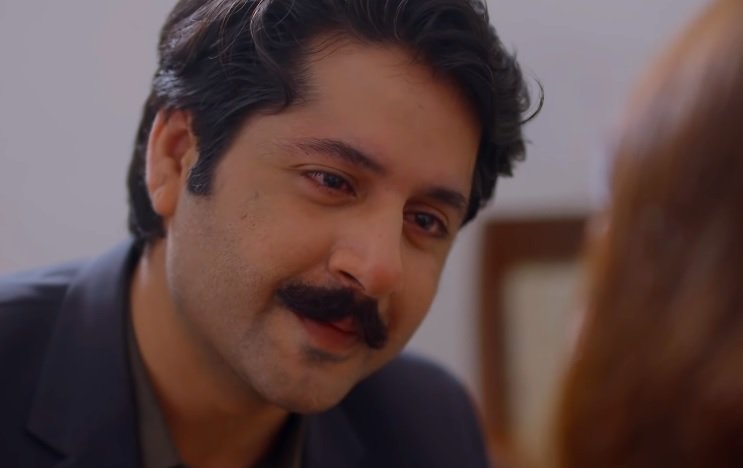
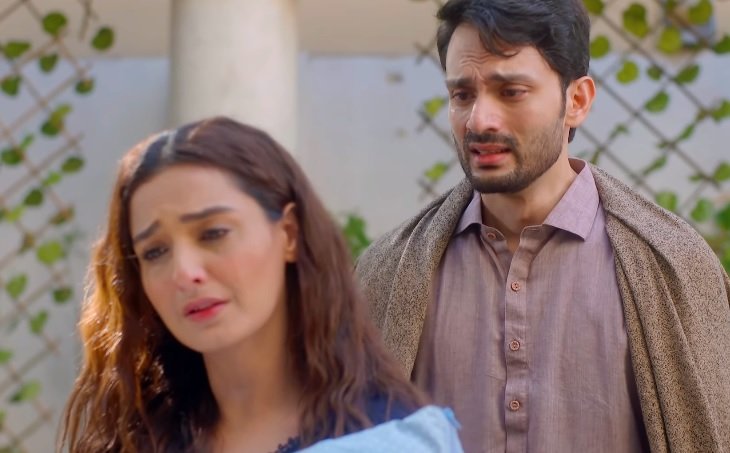
    On one hand, Mehak (Momal Sheikh) and Shayan (Osama Tahir) finally reunite after Shayan managed to escape his evil Mamu Muqaddar Khan’s (Aehsun Talish) clutches while on the other, Adam (Imran Ashraf) realises his love for Guddi (Urwa Hocane) and the two get married.

    Adam also turned into the knight in shining armour for Guddi after she is kidnapped and forced to marry Chotay Malik, helping her escape, though not before she slit her wrists in an act of defiance. Once she recovers, she decides to head back home and is waiting for her train, when Adam catches her and asks her to marry him. The drama ends with Adam saying ‘Shukar Alhumdulillah‘ to everything that transpired.

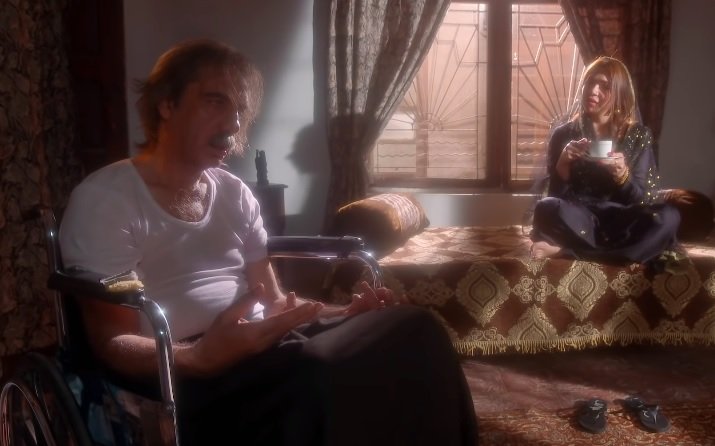
    Meanwhile, the evil characters in the drama are punished with Chotay Malik jailed for killing Dr Rana (Raja Haider) and Muqddar Khan paralysed and confined to the wheelchair, leaving viewers satisfied with their anjaam.

    While the drama had most viewers hooked with its interesting storyline and unpredictable twists and turns, it faltered at places and was slow-paced with some scenes unnecessarily dragging on. But what did work for the drama was its dramatic dialogues and brilliant performances. Imran proved to be a wonderful romantic hero and was a delight to watch on the screen. Osama was brilliant as Shayan and the range of emotions he expressed deserve a round of applause, even though most of the time you just wanted to give him [Shayan] a slap for his stupidity.

    As unfortunate as it is, dramas currently trending on Pakistani television are those which are either centred on women running after other women’s husbands or the usual family issues in which two people who like each other are not allowed to get married for whatever XYZ reason. In all this hullabaloo, Mushk was like a breath of fresh air and a great example of a solid script enhanced by brilliant performances.

  • Ali Sadpara, an unsung hero

    On February 5, Mohammad Ali Sadpara from Pakistan, John Snorri from Iceland and Juan Pablo Mohr from Chile went missing while climbing K2, which is said to be the deadliest mountain. Despite special rescue and search efforts, they have not been found yet and are presumed to be dead. It is a huge loss for Pakistan as we have lost our unsung hero, Ali Sadpara. He was a man who was known to be a versatile climber and mountaineer.

    All national and international media outlets that have profiled him have been nothing but full of praise for Sadpara. Anyone who had ever met him speaks highly of him. A man with not enough resources but with a lot of talent, hard work and an adventurous streak, Sadpara went on to become one of Pakistan’s greatest mountaineers. What others say about Ali Sadpara also shows that the man was genuinely a lovely and humble human being.

    Sadpara hailed from Gilgit-Baltistan. Born to a poor family in 1976, he started climbing in 2003 or 2004. He is the only Pakistani mountaineer to have climbed eight of the 14 highest mountains in the world. Sadpara also successfully made the winter summit of Nanga Parbat, which is known as a killer mountain, back in 2016.

    Sadpara’s son Sajid says his father was like a snow leopard, who moved extremely fast in the mountains. K2 winter summit was his dream, which took his life. Sajid says that he did see the three men climb over the bottleneck at the top, so they probably did make the summit but met an accident during the descent. The entire country was praying for Sadpara’s success when he had started K2 winter summit.

    When the news came that he may have succeeded, everyone was overjoyed. When he went missing, the entire country was shocked but we were all waiting for a miracle. That he has not been found for almost 10 days now means he may not have survived, a heartbreaking truth. Sadpara will be remembered for his songs and dances on the mountains, his willpower, his humbleness and his heroic nature — a man who wanted to do so much for Pakistan even though we did not give him the recognition that he deserved.

  • ‘!نہیں، عورت’

    ‘!نہیں، عورت’

    میری زندگی کا محدود تجربہ مجھے یہی بتاتا ہے کہ لفظ “نہیں” کہنا سب سے آسان کام ہے . دِل نہیں کر رہا ، میں نے نہیں جانا ، میں نے نہیں كھانا ، یہ نہیں ، وہ نہیں ، بس کہہ دیا نہ نہیں . بچہ جب بولنا سیکھتا ہے تو اماں ابا کے علاوہ “نو” فوراََ سیکھتا ہے . بچے پر تو پیار آتا ہی ہے لیکن یہی لفظ وقت گزرنے کے ساتھ اتنا تلخ ہوجائے گا اندازہ ہی نہیں ہو پاتا اور یہ تلخی صرف اِس سماج کی عورت ہی سمجھ سکتی ہے . عورت اپنی زندگی میں ہر رشتے سے اتنی بار نہیں سنتی ہے کہ اب مجھے لگتا ہے کہ اُردو لغت میں “نہیں” کی جگہ “عورت” کا لفظ بھی اِستعمال ہو سکتا ہے .

    یہ کپڑے نہیں پہننے سے لے کر ایسے نہیں بیٹھنے تک ، یہ نہیں کا لفظ مسلسل اک تلوار بن کر عورت پر لٹکا رہتا ہے . لیکن اصل فرق اِس “نہیں” کا تب نظر آیا جب گھر کے مرد حضرات بغیر اِجازَت کے گھر سے باہر نکل جاتے جبکہ مجھے اپنے دماغ میں اک پُورا مضمون باندھ کر اپنی سہیلیوں سے ملنے کی اِجازَت لینی پڑتی، اور جواب کیا ہوتا ؟ نہیں . یقین جانئے ہم عورتیں اِس نہیں پر صرف حیران نہیں بلکہ پریشان بھی ہوتی ہیں . کیونکہ یہ”نہیں” ایک سیکنڈ بھی ضائع کئے بغیر منہ سے نکلتا ہے . ایسے جیسے ہمارے والدین کے ڈی-این-اے میں بیٹیوں کے لیے “نہیں” شامل ہے اور وہ کچھ اور کہہ ہی نہیں سکتے . ہم عورتیں اکثر والداین سے اِس “نہیں” کی وجہ پوچھتی بھی ہیں . کبھی والدہ کہہ دیتی ہیں “بیٹا آپ کے ابو کو اچھا نہیں لگتا” ، کبھی وہ کہتی ہیں “یہ وقت نہیں ہے جانے کا” ، کبھی وہ کہتی ہیں “کیا کرنا ہے جا کر ؟ ” ، کبھی وہ کہتی ہیں “ابھی اس دن تو گئی تھیں” جو کہ زیادہ تر 2 مہینے پہلے کی ملاقات ہوتی ہے ، اور کبھی ان کے پاس کوئی جواب ہی نہیں ہوتا . کوئی وجہ نہیں ہوتی . اور سب سے زیادہ خوبصورت وجہ اِس “نہیں” کی ہوتی ہے “بیٹا شادی کے بعد خاوند کے ساتھ جانا” . اِس وجہ پر تو میں بالکل ہونقوں کی طرح گھورتی ہی رہ جاتی ہوں کہ زندگی کا کوئی بھروسہ نہیں ، کل ہے یا نہیں . اور آپ مجھے میرے خاوند کی اِجازَت کا انتظار کرنے کو کہہ رہی ہیں ؟

    اور اگر باخدا اِجازت مل جائے، تو عورت کو اپنی ہی دوست کا پُورا شجرہ نسب بتانا پڑتا ہے . دوست کہاں رہتی ہے ، کتنے بہن بھائی ہیں ، وہ کیوں نہیں آ سکتی ؟ ، تم ہی کیوں جاتی ہو ہر بار ؟ ، اور کون جا رہا ہے ، اور کوئی کیوں نہیں جا رہا وغیرہ . بس گھر کتنے رقبے پر بنا ہے اور کتنی گاڑیاں ہیں جیسے سوال ہی رہ جاتے ہیں . ان تفصیلات کے ساتھ ساتھ ، یہ بھی بتانا لازم ہے کہ دوست کے گھر کتنی دیر میں پہنچو گی ، کتنے گھنٹے بیٹھو گی ، اور واپس کتنے بجے آؤ گی . یہ تفصیلات فراہم کرتے کرتے وہ عورت اک عجیب احساس جرم کا شکار ہوجاتی ہے . ایسے لگنے لگتا ہے کہ جیسے دوست سے ملنے نہیں بلکہ بہت بڑا گناہ کرنے جا رہی ہو . ملنا سہیلی سے ہی ہوتا ہے لیکن لگتا ہے کہ شاید کسی نامناسب انسان سے ملاقات کرنے جارہی ہیں .

    جہاں مرد حضرات گھر میں محض اعلان کر کے روز ہی باہر نکل جاتے ہیں ، ہم خواتین ہفتے میں دوسری بار دوستوں سے ملنے کا ذکر کریں تو آگے سے جواب ملتا ہے “بیٹا آپ پِھر گھر سے باہر ہی رہیں . گھر کیوں آنا ہے ؟ ” . ہم لڑکیاں دِل ہی دِل میں دعا کرتی ہیں کے ملنے کا پروگرام ہی ختم ہوجائے . کوئی قدرتی آفت آ جائے یا ملک میں ایمرجنسی لگ جائے ، لیکن خدارا ! کوئی دوبارہ ملنے کا مت کہے !

    ٹویٹر پر اِس موضوع پر بات ہوئی تو ایک صاحب نے کہا “آپ اچھی طرح سے پوچھیں تو کیوں نہیں جانے دیں گے والدین ؟ ” اِس سے زیادہ اور اچھی طرح اِجازَت کیسے مانگیں جب ہم اپنی دوستوں کا پُورا شجرہ نسب ہی بتا رہی ہیں ؟ اور کس طرح اِجازَت مانگیں جب ہم اپنے آنے اور جانے کا وقت بھی بتا رہی ہیں ؟ اور کس طرح اِجازَت مانگیں کے ہم ہفتے میں صرف ایک ہی بار نکل رہی ہیں ؟ اور کس طرح اِجازَت مانگیں کہ ہم اپنی ملاقاتوں کو بھی کم کرتی جا رہی ہیں کے کہیں والدین کو یہ نہ لگے کہ لڑکی ہاتھ سے نکل گئی ہے

    ہنسی تو اس بات پر آتی ہے کہ اجازت کا طریقہ بتانے والے خود اجازت لیتے ہی نہیں۔ نہ وہ دنوں کی قید میں ہیں اور نہ ہی گھنٹوں کی قید میں۔ نہ ان کیلئے دن کی پابندی ہے نہ رات کی۔ نہ ان پر عزت کی قید ہے اور نہ ہی بے عزتی کی۔ اگر قید ہے تو وہ ہے سوچ کی، جو نہ بدلی ہے اور شاید نہ ہی بدلےگی۔ عورت کیلئے صرف ایک ہی چیز بدلتی ہے۔ اس کا گھر۔ لیکن اس گھر میں بھی “نہیں” کبھی نہیں بدلتا!

  • Indian farmers’ protest

    Indian farmers’ protest

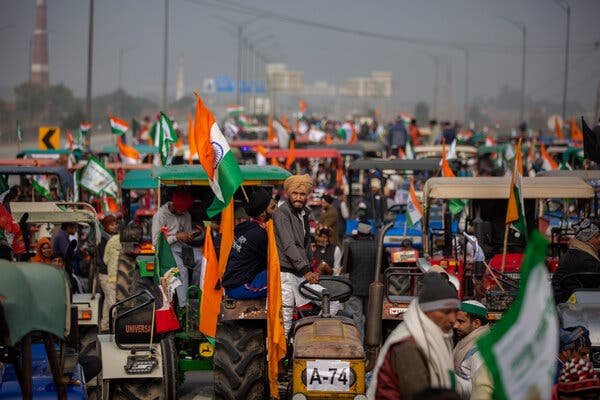
    Farmers across India are protesting against the new agricultural laws. Three laws pertaining to agriculture and farming have been passed in India, which the farmers say will affect their livelihood. It has been around 10 weeks since the farmers have been protesting. On India’s Republic Day, farmers marched on the Indian capital, New Delhi, in tractors and on foot. They stormed the Red Fort and also clashed with the police.

    These protests have evoked a strong reaction from across the world, which has kept the Indian Ministry of External Affairs (MEA) quite busy. From responding to Canadian Prime Minister Justin Trudeau’s supporting remarks for the farmers to even responding to pop star Rihanna’s tweet, the MEA statements have exposed India’s insecurities.

    A country that is very conscious of its international image and that takes pains to glamourise its culture and heritage across the globe, the Indian MEA referred to Trudeau by criticising “some ill-informed comments by Canadian leaders relating to farmers in India”. As if that was not enough of a diplomatic faux pas, Rihanna’s tweet led to a meltdown across India. Modi bhakts even lauded Rihanna’s ex for assaulting her.

    Kangana Ranaut called her a “porn singer”. Teen climate activist Greta Thunberg and Meena Harris, an American lawyer and the niece of US vice president Kamala Harris, also faced the brunt of Indian Twitterati as well as the Indian public. Their posters were set on fire and the Delhi Police registered sedition and conspiracy FIR on Thunberg’s Protest ”Toolkit” that she shared and tweeted in support of the farmers.

    What was even more disappointing but not surprising was how Indian celebrities and sports star like Sachin Tendulkar reacted to these tweets. It was an organised ”damage control” campaign launched at the behest of the Modi government but it backfired. Meena Harris and Greta have said that they will not be intimidated.

    Indians also accused them of taking money to push farmers’ demands. If it wasn’t so toxic, it would have been hilarious. Indian trolls and pro-Modi media (also called Godi media) have relentlessly tried to delegitimise the genuine grievances and demands of the farmers.

    In a capitalist world, farmers across the world are facing a lot of problems. The Indian Farm Laws will leave the farmers at the mercy of corporates. The farmers want them repealed. The Modi government is unmoved, which is expected of a fascist ruler who only believes in the mantra of profit and pushing the greater Hindutva agenda.

    The farmers are giving Modi a hard time that not even the opposition parties have been able to do in India. We hope that the farmers’ demands are eventually met. It will be a victory for labour rights and the marginalised. We stand in solidarity with the farmers.

  • HBCW21: More stars than fashion

    HBCW21: More stars than fashion

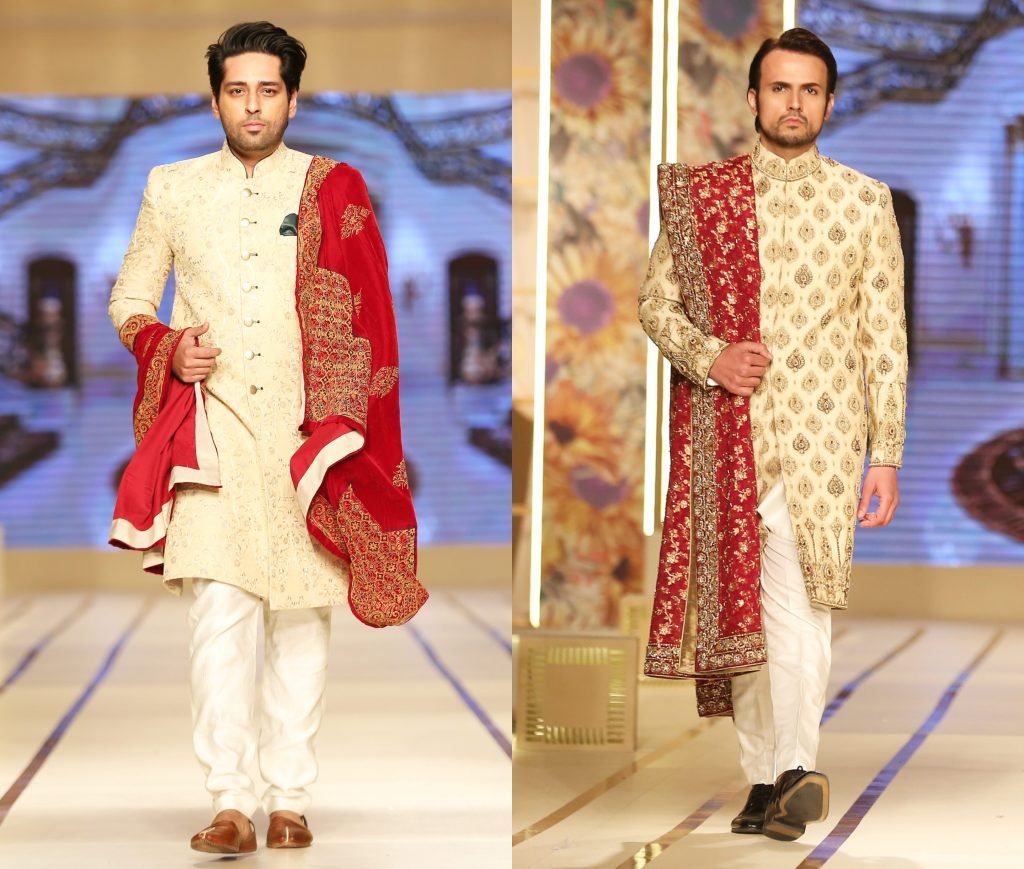
    If there is one thing that we love about Hum TV’s annual Bridal Couture Week (HBCW) it has to be the number of stars at the event. From Imran Ashraf to Sarah Khan to Resham, all the ‘it’ stars of the season were spotted setting the ramp on fire or in the front row or just hanging out backstage. While all this makes the HCBW an exciting affair, I wish I could say the same about the fashion and the outfits on the ramp because my biggest takeaway from the three-day extravaganza was the celebrity showstoppers and the acts they put up.

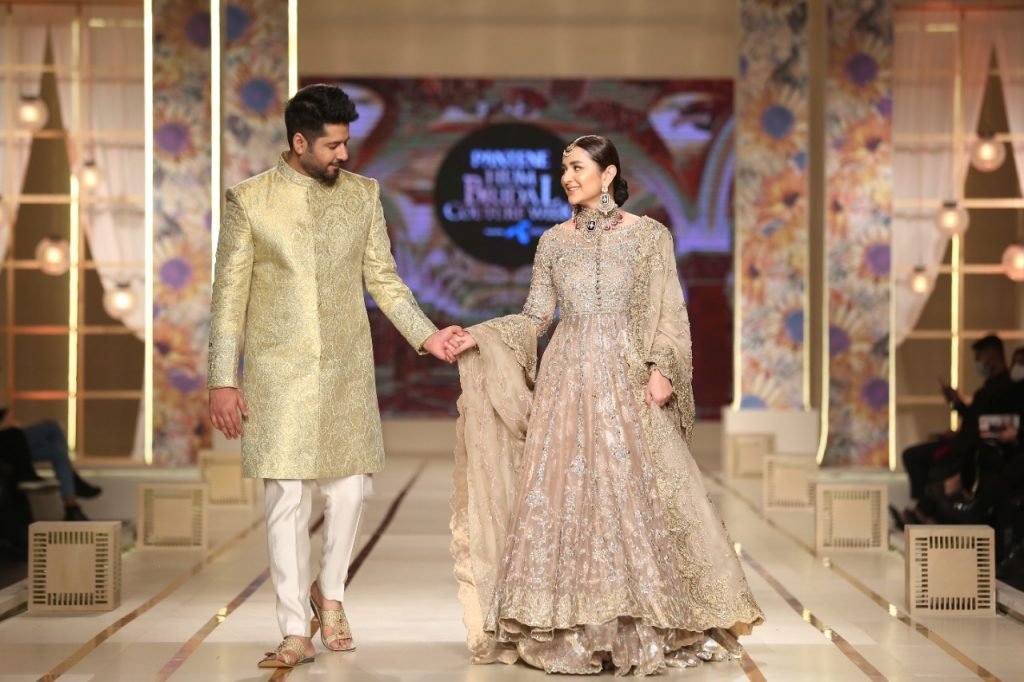
    Imran Ashraf & Yumna Zaidi walk for Umsha by Uzma Babar

    Held at the Pearl Continental Hotel in Lahore, this year’s HBCW was a grand affair despite COVID limitations. I have to add here that the organisers did a fantastic job ensuring all SOPs were followed and all attendees were wearing masks (and covering their nose and mouth) at all times.

    “I spent the entire Day 1 ensuring that everyone was wearing their masks properly,” remarked Moiz Kazmi of MK Digital while talking to me. He shared that the organising team present on site was under strict instructions to ensure that everyone was following the necessary SOPs and if anyone was found violating them, they were immediately escorted out of the hall. All chairs were also placed at a distance to ensure social distancing.

    Moreso, in an official announcement, Hum TV said that all models and those participating were required to undergo COVID-19 tests. The announcement also added that fittings will not be done during the event to ensure minimum contact. This explains why several models and showstoppers were seen wearing ill-fitted garments.

    This year’s HCBW saw many favourites including Ali Xeeshan and Khadijah Shah return to fashion weeks and one has to say that the two are game-changers. While Xeeshan’s collection Numaish wasn’t as strong as his previous ones, the message he intended to give out through his show was brilliant. Trust Ali Xeeshan to bring his signature drama to the ramp while creating social awareness. On the other hand, Shah presented a gorgeous collection of bridal dresses which are bound to be bestsellers in the upcoming wedding season.

    Despite being a hard year on several fronts, it was heartening to see many new designers debut. For instance, Nisa Hussain made a strong debut with theatrics and fashion. Arif Lohar opened her show with his Jugni Jee, grooving on the ramp like there is no tomorrow. Her showstopper Resham brought in some old-school glam, while Hareem Farooq was the chirpy, modern bride who likes to enjoy her wedding day.

    I have to admit that like any other person, I love to watch my favourite stars on the ramp but at the same time their casual attitude really puts me off. For example, Hira Mani and Affan Waheed who walked for Alishba and Nabeel on Day 1 chatted as they walked down the ramp. Similarly, Saboor Aly could barely manage her dress and stumbled several times. Usman Mukhtar and Salman Saeed appeared as if they were forced to walk. But not all was bad. Ayesha Omar and Maya Ali glided down the ramp as did Imran Ashraf and Yumna Zaidi. Sarah Khan and Falak Shabir brought their romance to the stage which made our hearts flutter.

    Interestingly, the fashion was not the only thing that was unoriginal. Nabila’s makeup team also presented looks which we have seen several times before and it felt that not much effort was made to bring in fresh trends as far as makeup is concerned.

    President of Hum Network Sultana Siddiqui, in a press release, said that the show was being presented “to bring normalcy to everyday life” and the show was successful in that as it offered a nice break from the monotony of COVID-times.

  • Should cricket give Nickelodeonesque broadcast a go?

    Should cricket give Nickelodeonesque broadcast a go?

    Apart from the usual coverage on CBS Sports, NFL collaborated with Nickelodeon for a kid-friendly coverage of the Wild Card round of the playoffs game between the Chicago Bears and New Orleans Saints on January 10, 2021. Very soon after the broadcast started, umpteen fans of different sports like hockey, baseball and basketball took to social media to point out how the governing bodies of the sports mentioned thereof need a kid-friendly broadcast to attract young generation towards sports. Barring a few exceptions, I didn’t see many people discuss whether or not the International Cricket Council (ICC) should follow suit. So, in what follows, I expound on the idea of Nickelodeonesque broadcast of cricket. First, I will look at whether the NFL’s move was a success or not. Second, I will outline how the Nickelodeon broadcast worked by breaking down how it differed from the usual broadcast. Third, I will deconstruct if this type of broadcast can materialise for cricket in the same way it did for NFL.

    In terms of viewership, the Nickelodeon broadcast of Bears-Saints game was a gargantuan success. Per CBS, as many as 2 million viewers watched the Nickelodeon’s simulcast thus becoming the most-watched program on Nickelodeon in almost a demi-decade. Zoomph, a social media analytics tool, noted that the Nickelodeon stream of the Bears-Saints game generated almost $6 million in social media value. According to them, there were 73,323 tweets related to the topic on the weekend of the broadcast that garnered 402 million impressions and 2.2 million engagements.

    More important, however, was the manner in which this broadcast took the world’s leading sports journalists by storm. American sportswriter Richard Deitsch, in his column for The Athletic, wrote that the Nickelodeon broadcast of Bears-Saints “was enormously different and challenging and chaotic and fun”. Sports Illustrated’s Conor Orr wrote that the broadcast was a revelation for him and stripping the game of all its self-importance and hubris was an absolute delight.

    For those who don’t follow NFL or missed the game, let’s take a look at how the Nickelodeon broadcast was different from the usual one. There were slime cannons sprayed at the player whenever any touchdown was scored, match scores and statistics emblazoned on the field were done in eye-catching colours like bright orange, lime green and purple supplemented with players having googly eyes, hamburger hats and characters like SpongeBob and Patrick Star also popped up on the screen to capture the viewers’ attention. On top of all these, Iain Armitage, who starred as Sheldon Cooper in the CBS sitcom Young Sheldon, was at the helm to explain penalties and other rules of the game in an easy-to-understand manner. Kids, for whom the simulcast was designed for, admired the fun-themed broadcast. Keith Smith, writer at Yahoo Sports, RealGM and CelticsBlog, tweeted that when he asked his daughter about what she likes about the Nickelodeon broadcast, she replied: “They’re explaining it. Like, in a way I can understand it as a kid. And these graphics are cool!”. Former American football quarterback Kurt Warner heaped praise on Nick for the playoff’s simulcast.

    “My son loves @Nickelodeon but has never sat and watched a football game with me UNTIL today… I appreciate Nick introducing our kids to the game in a fun & entertaining way!”, he tweeted.

    Much to the delight of those who found the simulcast appealing, Sean McManus, CBS Sports chairman, said that they’ll be looking to do similar broadcasts in the future with other Viacom platforms such as MTV, VH1 and BET.

    It might seem churlish to say so but when it comes to innovation and being at par with other top sports of the world, the game of cricket is an also-ran. As we saw when the idea of reducing Test matches to four days in order to increase the viewership numbers of Test cricket was tossed around, it invited criticism from a large number of traditionalists notorious for clinging to the age-old archaic rules. For a similar reason, ICC has attempted time and again to get cricket inducted into the Olympics to be at par with the other sports and solve its viewership conundrum but all of its attempts have been in vain.

    Although every aspect of this simulcast was amazing but one thing that stood out for me and must be there in cricket is that Young Sheldon part. If you scour through the Marylebone Cricket Club’s (MCC) website, it is tough for a common man to wrap his head around the plethora of rules listed there. Many argue that in the Subcontinent, cricket runs in their blood. However, that is simply watching the game, not completely understanding it. Understanding the game, and I cannot emphasize this enough, is different from simply watching it just like studying a book is different from reading it. To trigger interest in those who do not watch cricket or to ensure that those who watch, their interest does not fade out, ICC needs to inject fun in the game because today’s generation needs fun in everything to escape the worldly chaos and sports is no exception. Also, who (apart from traditionalists) wouldn’t like batsmen or bowlers getting slimed after scoring a hundred or taking a fifer or animated characters popping to explain the situation of the game?

  • Hafeez ka kya scene hai?

    The Pakistan Cricket Board (PCB) on Sunday announced Pakistan’s squad against South Africa for the upcoming three-match T20I series. While many domestic performers were happy to see their names on the list, everyone was wondering why all-rounder Mohammad Hafeez was not on it.

    While the new chief selector Muhammad Wasim refrained from using typical excuses like age, bad form or that there is someone better than Hafeez in the squad, he did present an interesting reason behind Hafeez’s exclusion from the squad.

    In a press conference, Wasim said that Hafeez is playing the T10 league happening in Dubai and will not be able to return to Pakistan to join the bio-secure bubble on time.

    “Unfortunately, the scenario is such that every player has to join the bio-bubble on February 3, and if a player can’t do so, it means he is unavailable,” said Wasim during the conference.

    Talking about Hafeez, he added: “Same was the case with Mohammad Hafeez. He was not available for the bio-secure bubble, that’s why he was excluded. There’s no question on his performance.” 

    Furthermore, according to a report in The News, a PCB official had revealed that just before the first T20 against New Zealand on December 18, Hafeez through an email had communicated to the board that he would not be in a position to participate in the three-match home series against South Africa due to his prior commitment with the T10 league in the UAE.

    “We have our limitations. Though we wanted to include Hafeez for the series he was adamant to join only on February 5 after playing his last T10 League match on February 4. Since he would be travelling back to Pakistan and in between, he would be out of the bubble for almost a day and rejoining others could be a risky affair. The PCB on the other hand cannot go against the MoU so we have to stick to the agreement,” the official had said.

    As per details, the PCB and Cricket South Africa have signed an MoU through which all the selected players for the T20 series will have to join the bubble on or before February 3.

    The official added that Wasim talked to Hafeez on Saturday in an effort to convince him to join the bubble in time.

    “He was not ready for that as he said he could only join the bubble on February 5. That is the reason Hafeez has been left out of the T20 series,” stated the official further.

    The official also added that the PCB comprehended the situation well in time and that was why it had approached Hafeez in December.

    “Hafeez’s email came after PCB’s cricket operation department approached him to clarify his position. Hafeez clearly mentioned his inability to make himself available for the series,” said the official.

    Meanwhile, on January 20, Hafeez in a statement had said: “I’m fully available for the T20I series [against South Africa] as my priority is always playing for Pakistan. I was also given NOC for T10 League because it would not clash with Pakistan’s international commitments. I will also comply with all the bio-secure bubble requirements.”

    Soon after the squad was announced, Hafeez took to Twitter to express his disappointment over not being selected for the team.

    Later, in a virtual presser, head coach Misbah-ul-Haq has said that Hafeez is an important player for the team, but in certain situations, you are unable to do anything, adding that bubble date and protocols were decided by the medical panel.

    “As a coach, we will miss him but this is the opportunity for someone else to step up,” added Misbah.

    Taking a look at Hafeez’ performance in T20Is, he has four fifties to his name in the past year. The first he scored against Bangladesh in Lahore (67 not out), the second he scored against England in England (69 not out), the third came against England again in the very next T20 (an unbeaten 89), and the last one was a score of 99 not out against New Zealand recently.

    Apart from the fifties, he has been scoring with the average of at least 35 plus in T20Is in the past couple of years and there are no prizes for guessing that he has been the best with the willow for Pakistan.

    Hafeez’s inclusion in the team was the need of the hour and even senior cricket journalist, Aalia Rasheed is unable to understand the decision. In a tweet, Rasheed wrote: “Hafeez is the requirement for Pakistan.”

    “Why did you grant him NOC when you knew the final is on February 6,” she asked the board. “If a pillar player joins [the squad] after one day then what’s the issue in it? MOU is already in your hand.”

    If Hafeez has sent an email to board with his demand, the PCB should share it with media and if there isn’t any email, then this puts a big question mark on the credibility of management. Nonetheless, the truth is bound to come out sooner or later.

    Former cricketer and commentator, Ramiz Raja has slammed Hafeez, calling him ‘selfish’, he said, “International teams are now coming to Pakistan so it is imperative that everyone religiously follows Covid-19 protocols. Among those playing in T10 League, Asif Ali is coming but not Mohammad Hafeez because he doesn’t want to end his contract. This shows the level of thinking because, considering the situation, we should be prepared to follow the necessary protocols even if there are last-minute changes.”

    He further opined, “If you look at Haris Rauf, he left Big Bash League to join Pakistan’s Test squad which shows what his priority is. If Pakistan is your priority then you are headed in the right direction. If you want to serve the leagues at the cost of selection for the Pakistan team, then you are certainly not on the right path. One should think about Pakistan instead of being selfish because nobody will back you.”

    Meanwhile, the current T20 squad includes – Babar Azam (c), Aamer Yamin, Amad Butt, Asif Ali, Danish Aziz, Faheem Ashraf, Haider Ali, Haris Rauf, Hasan Ali, Hussain Talat, Iftikhar Ahmed, Khushdil Shah, M Hasnain, M Nawaz, M Rizwan, Sarfaraz, Shaheen Afridi, Usman Qadir, Zafar Gohar and Zahid Mehmood.

    The squad along with the officials will enter the bio-secure bubble from February 3 while the players, taking part in the Test series, will join the bubble at the end of the second Test, which starts in Rawalpindi from February 4.

    The three-match T20I series will commence from February 11 at Gaddafi Stadium Lahore.