Author: optimum_tech

  • Daniel Pearl case

    The Daniel Pearl verdict comes at a time when the new US administration has just come to power. The Supreme Court (SC) on Thursday ordered the release of four men accused of the murder of US journalist Daniel Pearl in 2002, including Ahmed Omar Saeed Sheikh, the principal accused in the kidnapping and beheading of Pearl.

    Daniel Pearl was Wall Street Journal’s South Asia Bureau Chief. He was working on a story about links between religious extremists in Karachi and ‘shoe-bomber’ Richard Reid. He went missing in January 2002 from Karachi and a month later, a video of Pearl’s beheading was delivered to the US Consulate in Karachi.

    The White House did not take the SC order lying down and expressed outrage right after. White House spokeswoman Jen Psaki called the decision “an affront to terror victims everywhere” and said Washington is “committed to securing justice for Daniel Pearl’s family”. Foreign Minister Shah Mahmood Qureshi US Secretary of State Antony J Blinken on Friday and discussed the Daniel Pearl murder case, among other issues.

    Blinken tweeted: “Spoke with @SMQureshiPTI on ensuring accountability for convicted terrorist Ahmed Omar Saeed Sheikh and others responsible for Daniel Pearl’s murder. The Foreign Minister and I underscored the importance of continued US-Pakistan cooperation in supporting regional stability.”

    The Sindh government filed a review petition on Friday, asking the SC to revisit its decision. As per news reports, the federal government will also join the review proceedings. While it may not lead to any different outcomes, lawyers believe that it could give the Sindh government a chance to keep Sheikh in jail.

    Ahmed Omar Sheikh is quite notorious. According to an explainer by AP, “Sheikh was arrested by India after the 1994 kidnappings but was among terror suspects freed by India on December 31, 1999, in exchange for the hostages on an Indian Airlines aircraft that was hijacked and taken from Nepal to the then Taliban-controlled Afghan city of Kandahar.” He is also said to have been a part of the conspiracy to assassinate General Musharraf and was said to be the person who called Asif Zardari, impersonating the Indian external affairs minister from inside his prison cell, as per Dawn.

    Last year in April Sheikh was found guilty of a lesser charge of kidnapping and sentenced to seven years in prison and a fine of Rs 2 million to be paid to Pearl’s widow and his orphaned son who was born after the murder. The other three accused — Fahad Nasim Ahmed, Sheikh Muhammad Adil, and Syed Salman Saqib — were also cleared of all charges. They were earlier given life sentence, which was overturned. The SC order also shows how the case was mishandled by the prosecution from the start.

    The case was treated on the basis of a conspiracy and never went into the details of the murder. There was no weapon recovery, which is important in a murder case. That such a sensitive and a high profile case was mishandled by our prosecution speaks volumes about our weak judicial system. It is important that we improve our judicial system as well as forensic investigation. Pakistan cannot take this lightly as the new US administration and Pakistan’s relations cannot start on a wrong footing.

  • Will Pakistan get enough COVID-19 vaccines?

    Will Pakistan get enough COVID-19 vaccines?

    “If we are lucky to find a vaccine at $6-10 per dose, we would need a total of $540 to 900 million to acquire 90 million doses. Notwithstanding the existing allocation of $150 million and some vaccines as aid, it means that we are going to need much more money.”

    Will Pakistan get enough COVID-19 vaccines?

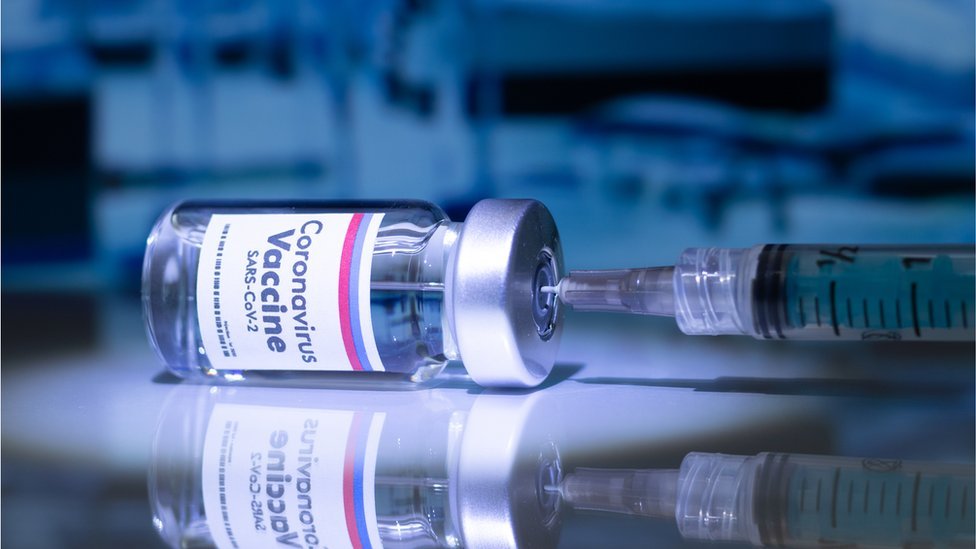
    Before we answer this question, we need to know how many vaccines we need. Pakistan has set a target to vaccinate 70 million people, out of its population of more than 220 million, to achieve “herd immunity”. Most of the COVID-19 vaccines in the market require two doses to be administered to each person. This means that we need at least 140 million doses, not taking into account any wastage.

    The next question we should ask is how many different vaccines there are in the market. So far, at least seven vaccines have been approved, out of which five have been approved for use outside their country of approval, including those by Pfizer, Moderna, Oxford-AstraZeneca, Sinopharm and Sputnik V. A number of other vaccines are in advanced stages of approval, including those by Johnson & Johnson, Novovax, CanSino and Bharat Biotech.

    Pakistan’s choice of vaccine will depend on three factors: price, storage and transportation requirement, and availability.

    The approximate per-dose price for Pfizer is $20, Moderna $10-50 (depending upon the quantity ordered), for Sputnik V less than $10, and for AstraZeneca $3-4. The price of Sinopharm’s vaccine is unknown but news reports suggest around $145 for two doses (or roughly $72.5 per dose). The price of Sinopharm seems excessive and it is not clear if Pakistan can get a discounted rate.

    The vaccines by Pfizer and Moderna need ultra-low temperatures to be stored. For instance, Pfizer’s vaccine needs to be stored at -75˚C, whereas that of Moderna needs -20˚C. This poses a serious challenge for developing countries like Pakistan, which have unreliable or mostly absent cold chains. Therefore, this handicap would prevent the wide usage of these vaccines in Pakistan. On the other hand, the Russian and Chinese vaccines as well as the one by AstraZeneca can be stored at standard refrigerator temperatures, making them much more suitable for us.

    The availability of vaccine, however, poses the most significant challenge. The manufacturers of all these vaccines have mostly booked their entire capacity for 2021 already. Some of them are now planning to further ramp up their capacity very quickly. Even the companies that are still in the final stage of vaccine trials have started to book orders from customers around the world.

    Looking at price and storage requirements, the Oxford-AstraZeneca vaccine seems to be the most suitable choice for Pakistan. However, AstraZeneca has gone into a partnership with Serum Institute of India for the supply of this vaccine to our entire region – South Asia. There is no reason to believe that Serum Institute would not prioritise Indian requirements over export orders. The rivalry between India and Pakistan is not going to help either. Sources suggest that while Serum Institute has indicated availability of the vaccine for exports by the third quarter of 2021, the volume that it would be able to provide to Pakistan remains unclear. There is also a chance that this stipulated timeline is not followed.

    This leaves Pakistan with the Chinese and Russian vaccines only.

    Incidentally, this is not a Pakistan-specific problem and instead a challenge faced by all low-income countries, which are struggling to acquire sufficient quantities of vaccine. Out of a total of 7.2 billion doses booked so far, 5.2 billion have been booked by high or upper middle-income countries, whereas 2 billion doses have been booked by lower middle-income countries, including 1.5 billion by India alone. So far, the low-income countries have booked no significant volumes of the vaccine.

    Nevertheless, it does not absolve the state of its responsibility to provide enough vaccines for its citizens and that too in a timely fashion.

    What has Pakistan done so far in this regard?

    We have so far adopted a three-pronged strategy. Firstly, we have joined the COVAX alliance, which is aimed at facilitating equitable access to COVID-19 vaccine. Secondly, the government is developing its own plan to acquire the vaccine and administer it through the public sector healthcare system. And lastly, the government has allowed the private sector to import the vaccine so that they can also provide them to those who can afford.

    COVAX is an alliance formed through efforts of the UN, WHO and GAVI. The Alliance is planning to make 2 billion doses available by the end of 2021 for high-risk and vulnerable populations. Out of this, 1.3 billion doses will be financed by donors and provided to 92 low and lower-middle income countries including Pakistan, targeting up to 20 per cent of their population, while the rest of 700 million doses will be made available to 80 wealthier nations that have joined COVAX, on a self-financed basis. Although COVAX, owing to its sheer size, has been able to secure some sizeable contracts for vaccine supply, it is not clear if it will be able to meet its ambitious target within the stipulated time. So far, COVAX has committed 50 million doses to Pakistan, which still leaves us with another 90 million doses to procure to meet the target of 140 million vaccine doses.

    For government’s own vaccine procurement, Pakistan has so far allocated $150 million to provide vaccines for the most vulnerable 5 per cent of the population. Reportedly, the government is also negotiating with development partners to get another $100 million. So far, the government has only confirmed booking for one million doses of the Sinopharm vaccine. In addition, China has also announced providing 0.5 million doses to Pakistan free of cost. These 1.5 million doses would be enough only for 750,000 people or 1 per cent of the targeted population.

    The price of the Chinese contract is unknown but if it’s anywhere close to $72.5 for a dose, then it would have taken $72.5 million or almost half the allocated amount. If, however, the Chinese have given the vaccine on a discount, it might have left us with more money.

    Although the government’s permission to allow private sector import of the vaccine is a good step, it is unlikely that the private sector would get a significant vaccine supply in 2021.

    If we are lucky to find a vaccine at $6-10 per dose, we would need a total of $540 to 900 million to acquire 90 million doses. Notwithstanding the existing allocation of $150 million and some vaccines as aid, it means that we are going to need much more money.

    Pakistan needs to act fast, mobilise financing and secure supply contracts from Chinese, Russians and those manufacturers that are in advanced stage of trials to get a timely supply of the vaccine. Then comes the challenge of vaccinating the massive target of 70 million people.

    In short, Pakistan may get enough vaccine, but it is likely to take more than a year. Given the current situation, it seems that Pakistan is not likely to meet its vaccination target before the second half of 2022.
  • Class and privilege

    Class and privilege

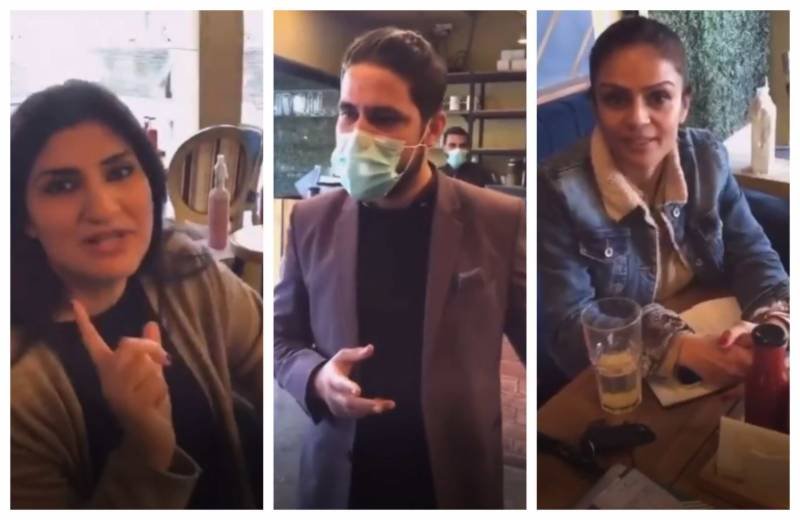
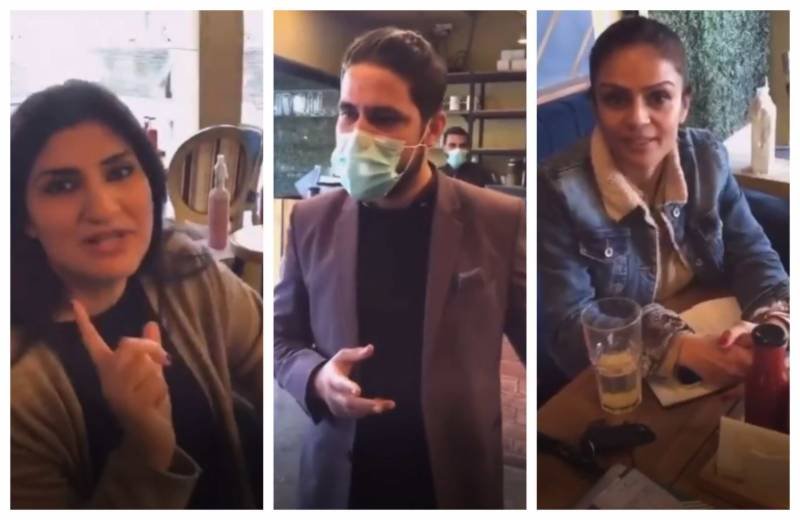
    A video of two women, who are the owners of Cannoli by Café Soul in Islamabad, mocking the café’s manager for not being fluent in English went viral on the internet this week.

    #BoycottCannoli trended online and even Prime Minister Imran Khan weighed in on the issue when he said on Thursday that he doesn’t use English phrases in public because it would be disrespectful to the majority of Pakistani citizens who don’t speak or understand the language.

    The elitist and classist owners were criticised on social media as well as mainstream media, but it seems that they remain unfazed by all the backlash. An ‘apology’ was posted by them on the café’s social media pages but it was anything but an apology. It said that this was just a banter with a team member.

    “We are not required to prove or defend ourselves as kind employers. Our team has been with us for a decade, that should speak for itself,” it said further. This non-apology led to more outrage and rightly so. There was no remorse in the apology, no acknowledgment that they did anything wrong, no sincerity. The thing that the owners need to realise is that not just their video but their so-called apology reeks of elitism, classism and workplace harassment.

    Unfortunately, these two women are not the only ones who are elitist but that as a class-based society, which is very conscious of status, many of us are very much part of the problem. We forget that we have no control over where we are born and being born in a privileged family is just an accident of birth.

    We have complexes about speaking in English, how being fluent in the English language opens up a lot of doors for us in the job market as well as society, how a certain accent would show that we come from a privileged background because we went to the ‘right’ schools and colleges.

    We all make fun of Meera jee’s English, we criticise our cricketers for not speaking proper English (remember Inzi’s ‘boys did well’?), we don’t treat the English language as just a medium of communication but as a status symbol.

    We hope that all of us have learned something from this unfortunate incident, which is to treat our employees with kindness and compassion and also not insult someone for not knowing the English language. Our society needs to break the barriers of class and be more tolerant and less judgmental.

  • انگریزی کا ہیضہ

    انگریزی کا ہیضہ

    کہنے دیجئے کہ  ہمیں بطور قوم انگریزی کا ہیضہ ہو گیا ہے  ۔ جی چاہ رہا ہے کہ    ملک کے   انگریزی سے نابلد عوام کو بتاؤں کہ تم کیا  اردو  یا کسی اور زبان میں خیالات کی چڑیا اڑاتے رہتے ہو انگریزی زبان کے در پر اپنا ماتھا ٹیک دو گیان وہیں سے ملے گا۔    کینولی والی خواتین  کی تحقیر آمیز ہنسی ، مینیجر اویس کی واضح بے چینی  معاشرے میں زبان کی بنیاد پر پائی جانے والی ایک نا محسوس لسانی تقسیم    کی طرف اشارہ کرتی ہے  جو باقاعدہ طبقاتی تقسیم میں ڈھل گئی ہے۔  تقسیم در تقسیم کے شکار  معاشرے میں اگر کوئی کمی رہ گئی تھی تو  اس پر   انگریزی زبان  کی بنیاد پر پائے جانے والے احساس کمتری نے  چار چاند  لگا د ئیے ہیں۔

    اس واقعہ نے اور کچھ نہیں کیا سوائے اسکے کہ ہمارے روز مرہ کے معاشرتی رویوں کی ایک جھلک دکھا دی ہے جہاں    انگریزی بولنے  پر اگلے کے دل میں ویسے ہی ایک رعب پڑ جاتا ہے کئی در تو صرف دو فقرے بولنے سے ہی کھل جاتے ہیں چاہے سامنے والا زیادہ عقلمند اور صاحب علم کیوں نہ ہو اسکی ساری قابلیت انگریزی زبان نہ جاننے کی بنا پر ٹھس ہو جاتی ہے۔ بھائی انگریزی ایک زبان ہے جیسے باقی زبانیں ہوتی  ہیں اس میں کون سا سرخاب کے پر  لگے ہوئے ہیں  ہاں اسے  بولنا سیکھنا ایک مہارت یا اہلیت تو گردانا جا سکتا ہے  فوقیت نہیں ۔ ہاں اگر انگریزی زبان کی وجہ سے زیادہ ارفع و اعلیٰ خیالات آتے ہوتے تو بات بھی تھی لیکن افسوس سوائے اسکے مجھے تو کوئی ایسی خوبی نظر نہ آئی کہ انگریزی زبان دنیا میں رابطے کی بڑی زبانوں میں سے ایک ہے اور شاید مختلف بولیاں بولنے والوں کے درمیان پل کا کام کرتی ہے۔  اس  میں  میسر علمی مواد  بھی اچھا خاصا ہے لیکن روسی ،چینی ، ہسپانوی اور دیگر زبانوں میں بھی اسی پائے کی چیزیں پائی جاتی ہیں بلکہ بعض زبانوں کے ادب ، فصاحت و بلاغت کے سامنے تو انگریزی زبان پانی بھرتی ہے۔

    خلا میں روسی انگریزی زبان جاننے کی بنا پر تو پہلے نہیں پہنچ گئے تھے یا چین کی معاشی ترقی کا راز انگریزی زبان کی وجہ سے تو نہیں ہے بلکہ عظیم چینی رہنما چو این لائی سے منسوب جملے کے بقول ‘ چین گونگا نہیں ہے’۔ صاحب دوسری زبانو ں کو چھوڑئیے اپنی  اردو کوہی لیجئے  بھلا  میر غالب کے پائے کا شاعر اور داستان امیر حمزہ جیسی دیومالا  جس زبان کے پاس ہوں اسے تو بڑے چاؤ  اور ناز سے  رکھنا چاہئے۔ یہ الگ بات ہے کہ ہم نے اسے نصاب کے رٹوں تک محدود کر کے رکھ دیا ہے ۔

    خیر بات بھی کہاں سے کہاں نکل گئی دیکھنا یہ ہے کہ  اس  واقعہ سے حاصل کیا ہو گا؟ سماجی رابطوں کی ویب سائٹس پر ہر ایک نے اپنے دل کی بھڑاس نکال لی، جی بھر کر صلواتیں  سنائیں اویس صاحب کو ان لوگوں نے بھی نوکری کی پیشکش کر دی جو اپنے ملازمین کو چھ چھ ماہ تنخواہ کی مد میں  لٹکائے رکھتے ہیں  ، ہاں جو چیز ہم   بھول گئے  وہ یہ کہ  دو خواتین جو ایک زبان پر پوری طرح سے مہارت نہ رکھنے پر ایک دوسرے انسان کا مذاق اڑا رہیں تھی وہ کوئی اور نہیں میں اور آپ تھے۔ کیا  انگریزی زبان نہ جاننے یا اس پر پوری قدرت نہ رکھنے کی بنا پر ہم  بھی  کیا دوسرے کا مذاق نہیں اڑاتے ؟ کیسا لگا آئینہ میں اپنا اصل روپ دیکھ کر جس پر پتا نہیں کس کس ریا کاری کی پرت چڑھا رکھی ہے  اصل میں  ہم نے کبھی اس گٹر کے ڈھکن کو اٹھانے کی زحمت ہی نہیں کی جہاں زبان کی بنیاد پر ، رنگ اور شکل کی بنیاد پر  اور کسی دوسرے انسان  کے رہن سہن کی بنیاد پر اسے اپنے سے نیچا سمجھا جاتا ہے۔

    اگرچہ اس واقعہ میں  مظلوم اردو بن گئی ہے لیکن  کیا یہی معاملہ ہم اپنے ملک کی دیگر زبانوں کے ساتھ نہیں کرتے ؟ پشتو، پنجابی ،سندھی اور بلوچی بولنے والے کو اردو میں بات کرنی پڑ جائے تو اسکا مذاق بن جاتا ہے ۔ اسی لئے مسئلہ اردو انگریزی کا نہیں    بلکہ ، عدم برداشت، معاشرتی رویوں اور سماجی آداب کا ہے ہم سب کے اندر چھوٹی چھوٹی کینولی آنٹیاں بستی ہیں ، ان کو صلواتیں سنانے سے پہلے اپنے گریبان میں بھی جھانک لیجئے۔

  • ‘Tandav’: A weak script saved by brilliant performances

    ‘Tandav’: A weak script saved by brilliant performances

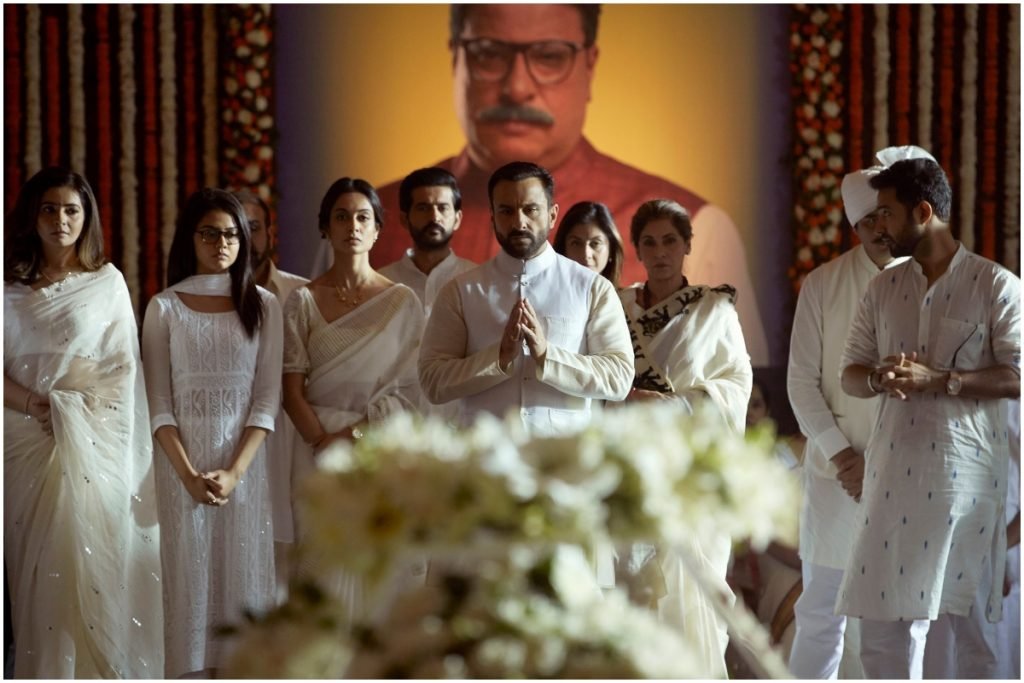
    Amazon Prime’s latest Indian web series Tandav has been in the news for all the wrong reasons. After the show opened to poor reviews by critics, it sparked outrage among the Hindu right-wing for depicting Lord Shiva in poor light. Protests were arranged and threats were issued against the cast and makers of the series (police had to be stationed outside Saif Ali Khan’s house), forcing them to issue an apology. They later also agreed to remove the objectionable parts in view of rising unrest.

    However, despite the poor reviews and immense backlash, the show continues to trend and with good reason – the foremost being that the show is extremely binge-able. The episodes are short, crisp, and fast-paced. Though the plot is weak and predictable with the makers trying to fit in too many issues in just nine episodes – dynastic politics, the race for the seat, farmers’ protests, and the student protests’ – the mindblowing performances will make you forgive the producers.

    Anuradha

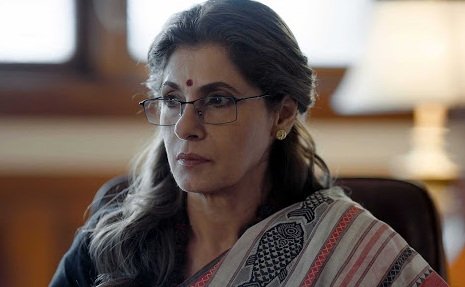
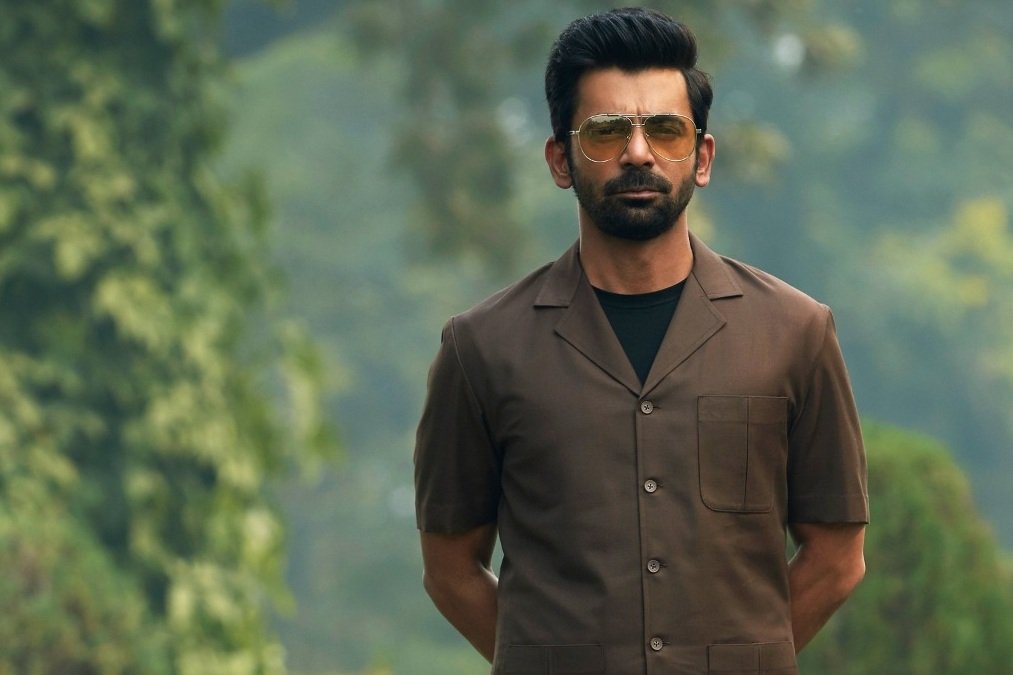
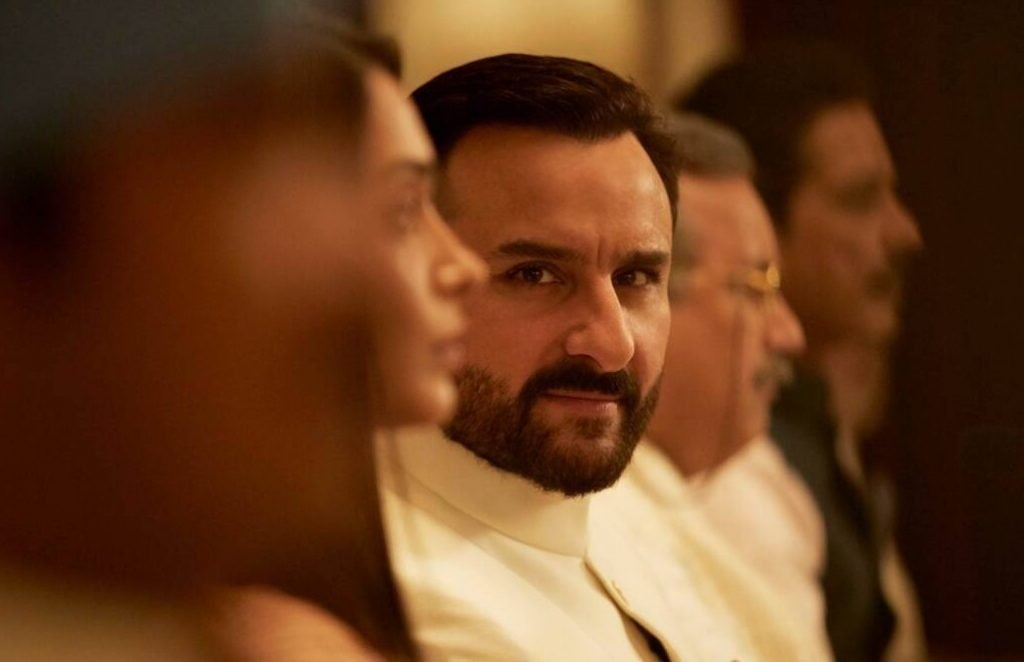
    Saif Ali Khan was amazing as the manipulative and ruthless Samar Pratap as was Dimple Kapadia as the power-hungry Anuradha Kishore. Let me just add that Kapadia owned every scene she was in, her screen presence was that good. Sunil Grover’s performance as Gurupal, Samar’s henchman was enough to send a chill down your spine.

    Gurupal

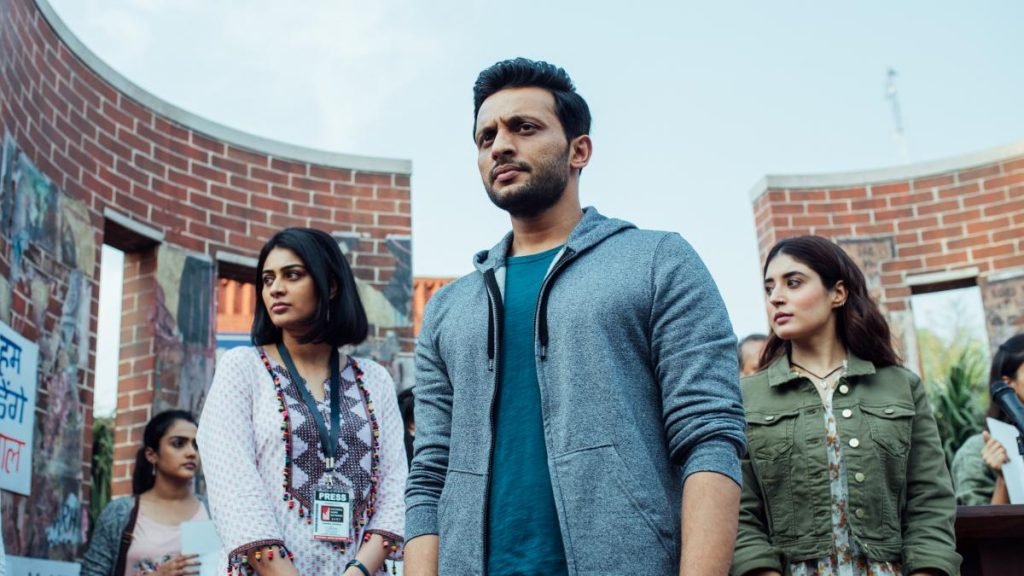
    Zeeshan Ayub did complete justice to his role of a morally upright and ambitious student Shiva and won audiences with his flawless performance. Playing a role like this in India’s current political climate requires guts and Ayub shone in it.

    As far as the show’s plot is concerned, there are two parallel stories running – on the one hand, we have India’s ruling party and their internal politics and quest for the Pradhānamantrī‘s ‘kursi’ and on the other, we have young students rallying for their rights and those of the farmers, who have been evicted from their land. Trouble brews when the two worlds collide and that’s what the gist of the series is.

    Director Ali Abbas Zafar, in an official statement, clarified that “Tandav is a work of fiction and any resemblance to acts and persons and events is purely coincidental” and that’s how one should also take it. While the series does appear to have been inspired by real-life incidents, it is also imperative to keep in mind that creative liberty has been taken.

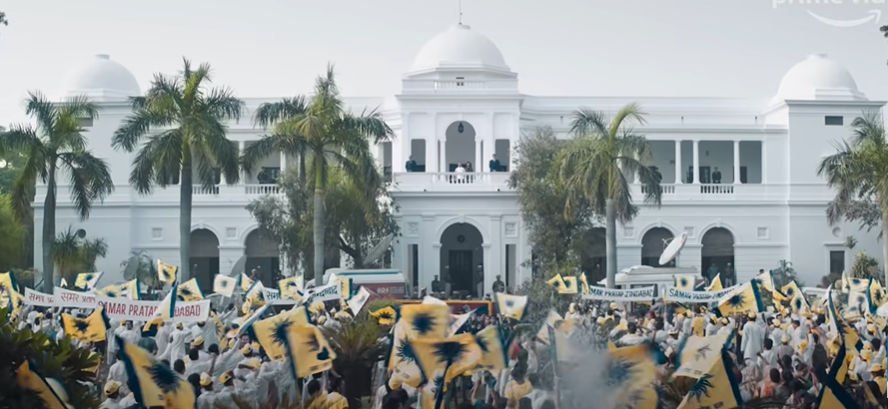
    It would be pertinent to mention that some scenes of the series have been shot at Saif’s ancestral home, Pataudi Palace. This is also the first time shooting took place inside the historical palace.

    In an interview, Saif had shared that though he doesn’t mind renting the grounds of the property, he was a “little bit nervous when the crew moved inside”.

    I would also like to add here that several viewers had expressed that they found the background score to be overpowering, I felt it complimented the mood and overall setting of the show.

    Tandav is no Rajneeti but it isn’t all that terrible either. Watch it for the performances, drama and masala.

  • Vaccine procurement woes

    Vaccine procurement woes

    We thought the year 2021 will be a year of hope after last year’s pandemic outbreak. This year will indeed be a year when a vaccine is rolled out around the world but there is a catch. According to the People’s Vaccine Alliance – a coalition including Oxfam, Amnesty International and Global Justice Now – just one in 10 people in dozens of poor countries will be able to get vaccinated against the coronavirus because wealthy countries have hoarded more doses than they need.

    The Alliance said that the rich nations have bought more than 50 per cent of the total stock of the world’s most promising vaccines, despite being home to just 14 per cent of the global population. According to the Duke Global Health Innovation Centre, the current models predict that there will not be enough vaccines to cover the world’s population until 2023 or 2024. This is quite worrying. Pakistan, too, has yet to procure the vaccines.

    Special Assistant to the Prime Minister on Health Dr Faisal Sultan told Dawn that Pakistan’s target is to procure the vaccine in the first quarter of the current year, and “we are confident of doing so. But it is quite difficult to say on which date we will acquire the vaccine”. Reports indicate that apart from Chinese vaccines and the Oxford vaccine, Pakistan will also be relying on the World Health Organization’s (WHO) COVAX initiative, which insures “rapid and equitable access to COVID-19 vaccines for all countries, regardless of income level”. Some government officials say that Pakistan did not have enough resources to place orders initially for vaccines. It is understandable given that Pakistan’s economy is already struggling.

    The lesson to learn from this pandemic is that countries like Pakistan must invest in science, technology and medical/health research. If we do this, we would be able to work on our own vaccines and manufacture them in the future. Healthcare is one of the top priorities of the current government. The government must step up and invest in research related to healthcare so that it helps Pakistan in the future. Coronavirus may have been a once-in-a-century pandemic but there will be new health emergencies that we could face in the future. Thus, it is important to invest heavily in research because the future is all about scientific research and development.

  • !پتا نہیں عمران خان

    !پتا نہیں عمران خان

    یہ کہنا مبالغہ آرائی نہ ہوگی کہ میں نے اپنی 70 فیصد زندگی “پتا نہیں ” کہہ کر گزاری ہی ۔ کوئی پوچھے کہ کیا کھانا ہے، میرا جواب ہوتا ہے ” پتا نہیں ” کوئی پوچھے کہ جانا کہاں ہے ،میرا جواب ہوتا ہے ” پتا نہیں ” ،کیا پہننا ہے ،کس سے رابطہ کرنا ہے، کیا دیکھنا ہے، کیا پڑھنا ہے، زندگی کا کوئی بھی کام ہو ، میری کوشش ہوتی ہے کہ ” پتا نہیں ” کہہ کر ہی مسئلے کا حل نکل آئے گا ۔ مسئلے کا اگر حل نہ بھی نکلے تو کم از کم میرے فیصلے سے مسئلہ نہ ذیادہ خراب اور نہ ہی سہی ہوتا ہے۔

    یہ تو خیر میری نجی زندگی کی روداد ہے ،لیکن یہ ” پتا نہیں ” کی عادت تو ہماری موجودہ حکومت نے بھی اپنا لی ہوئی ہے۔ بے نیازی اپنے محبوب میں تو اچھی لگتی ہے لیکن اپنی حکومت میں اس قدر بے نیازی دیکھ کر میرا پتا نہیں بھی ” لگ پتا گیا ” بن چکا ہے ۔ میں یہ پورے وسوق سے کہہ سکتی ہوں کہ اس ” پتا نہیں ” نے زندگی میں مجھے کچھ خاص آگے نہیں پہنچایا ۔لیکن موجودہ حکومت کو شاید یہ پہلے سے ہی معلوم ہے کہ وہ شاید عمر بھر اب شہرِ اقتدار سے نہیں جائے گی ۔ میرے وزیر اعظم عمران خان ،جو ذرائع کے مطابق اس ملک کو چلانے کے ذمہ دار ہیں ، نے اپنے دور حکومت میں اکثر و بیشتر بڑے خوبصورت انداز سے اپنی بے نیازی کا اظہار کیا ہے ۔ کبھی وہ بڑی معصومیت سے کہتے ہیں ” مجھے تو پتا ہی نہیں تھا ” ، اور کبھی کہتے ہیں “مجھے تو ٹی وی سے پتا چلا ” اور کبھی وہ کہتے ہیں ” مجھے تو میری بیوی بشریٰ نے بتایا ” ۔ مجھے ان کی بے نیازی پر ہمیشہ عمر اکمل یاد آ جاتے ہیں جنہوں نے ایک بار کہا تھا ” مجھے نہیں پتا وہاں کیا ہو رہا تھا” ۔ یہ جملہ شاید عمر اکمل نے بھی اس حکومت کے لیے ہی کہا تھا۔

    ہمارے وزیرِ اعظم ایک نجی ٹی وی کو انٹرویو دے رہے تھے جس میں میزبان کی جانب سے مہنگائی پر سوال اٹھایا گیا ۔ سوال میں پوچھا گیا عوام کیا کرے کیسے گزارا کرے ۔ میزبان کا کہنا تھا کہ لوگ خود کشیا ں کرنا شروع کر دیں گے ۔ جس پر ہمارے وزیر اعظم نے کہا ” تو پھر کیا کریں؟ ” میں نے یہ جملہ کافی بار سنا تا کہ مجھے یقین آ سکے کہ کوئی ایسا بھی ہے دنیا میں جس کو مجھ سے ذیادہ ” نہیں پتا ” ۔ ابھی اس ” پتا نہیں ” سے شناسائی بڑھ ہی رہی تھی کہ وزیرِ اعظم عمران خان نے کہا ” ہم 5 سال کے لیے آتے ہیں ، کچھ سمجھ نہیں آتا اور وقت گزر جاتا ہے ” ۔ پھر وزیراعظم نے ایک محفل میں یہ بھی کہ ڈالا کہ “ہمیں حکومت میں نہیں تھے تو کچھ نظر نہیں آتا تھا”۔ لیکن عمران خان صاحب! آپ کو تو اب بھی کچھ پتا نہیں چل رہا! یہ ایسے ہی جیسے آپ کسی ایسی شادی میں جائیں جہاں نہ آپ کسی کو جانتے ہوں ، نہ کوئی آپ کو جانتا ہو ۔ اور ادھر ادھر دیکھنے میں ہی وقت بیت جائے۔
    ملک میں کورونا اسی طرح پھیل رہا ہے جیسے وفاقی حکومت کی کیبنٹ پھیل رہی ہے ۔ہم جو رو رہے تھے کہ چین کی ویکسین سے خاص فرق نہیں پڑنا، اسی دوران وزیر اعظم کے معاون خصوصی ڈاکٹر فیصل نے بتایا کہ پاکستانی حکومت نے تو ویکسین کا آرڈر ہی نہیں دیا ۔اور شاید حکومت کو یہ بھی نہیں پتا ویکسین کون سی خریدنی ہے ۔ عمران خان کہتے تھے کہ باہر سے لوگ پاکستان آئیں گے نوکریاں کرنے ۔فالحال تو باہر سے صرف کورونا آیا ہے، اور وہ شاید کہیں جانے بھی نہیں والا ۔اسی “پتا نہیں ” کے سحر میں دو دن پہلے کپتان نے کہا کہ مہنگائی پر جلد ہی قابو پا لیں گے ۔اور آج میں نے پٹرول سے لے کر میری جینے کی تمنا تک کو مہنگا ہوتے دیکھا ۔
    مزے کی بات یہ ہے کہ وزیر اعظم اپنے ہر خطاب میں ہمیشہ کہتے پائے گئے ہیں کہ ان کو سب پتا ہے ۔ ہم ان کی بات سے متفق ہیں۔ لیکن جو ہمارے کپتان کو پتا ہے وہ نہ کہنے کے لائق ہے اور نہ سننے کے لائق ہے۔ جس کی سب سے بڑی مثال شیعہ ہزارہ کا دلخراش واقعہ ہے ۔کپتان کو یہ کہیں سے پتا چل گیا کہ لواحقین ان کو بلیک میل کر رہے ہیں۔نا صرف یہ،بلکہ جیسے جرمنی اور جاپان کی سرحدیں ملائی تھیں، اسی طرح ہزارہ شیعہ کو ڈاکو مافیا سے بھی ملا دیا ۔
    میرے پیارے وزیرِ اعظم ، اگر آپ کے پتا نہیں کہنے کا ایک ڈالر ملتا ہوتا تو آج آپ کی قوم لاکھوں کروڑوں کی مالک ہوتی ۔آپ کے ” پتا نہیں ” کی وجہ سے عوام یہ سوچنے پر مجبور ہو گئی ہے یا تو آپ کے پاس اسمارٹ فون کے بجائے نوکیا 3310 فون ہے یا پھر آپ کے پاس سگنل ہی نہیں آرہے ؟ آپ کے اس پتا نہیں کی وجہ سے ہم سب ایک بے یقینی کے عالم یہی سوچتے رہتے ہیں کہ پتا نہیں بجلی آئے گی کہ نہیں، پتا نہیں گیس آئے گی کہ نہیں ، پتا نہیں پٹرول سستا ہوگا کہ نہیں، پتا نہیں آٹا ملتا رہے گا کہ نہیں ، پتا نہیں چینی ملے گی یا نہیں ،پتا نہیں ہم رہیں گے کہ نہیں؟

    اب خود ہی بتائیے جب آپ ہی کو کچھ پتا نہیں ہوگا ، کچھ خبر نہ ہوگی ، تو ہمارا کیا ہوگا ؟

    وہ میر تقی میر نے شاید یہ شعر ہماری موجودہ حکومت کے لیے ہی کہا تھا:

    پتۤہ پتۤہ بوٹا بوٹا
    حال ہمارا جانے ہے
    جانے نہ جانے گل ہی نہ
    جانے باغ تو سارا جانے ہے

  • BOOK REVIEW: The Sikh Heritage — Beyond Borders of India and Pakistan

    BOOK REVIEW: The Sikh Heritage — Beyond Borders of India and Pakistan

    After the inauguration of the Kartarpur Corridor in November 2019, Pakistan has repositioned itself as an attractive destination for the global Sikh community for religious tourism. The numbers so far have not reached the expectations because of many reasons including among others the spread of the coronavirus and the heightened tension between India and Pakistan.

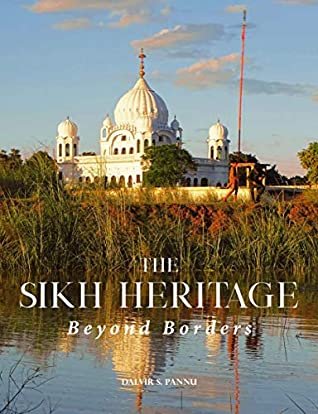
    Despite many hurdles, the history of the land of Pakistan retains a rich potential for the Sikh diaspora to relive and reclaim their religious heritage. As an effort to highlight and elaborate the religious memorials, Gurdwara, and history of the important religious figures, we find an impressive effort of Dr Dalvir S. Pannu as, The Sikh Heritage: Beyond Borders of India and Pakistan.

    The book is both a culmination of the writer’s ten years journey to explore the present condition of the memorial sites, also beautifully presented pictorially in it and a search for the authentic Sikh history with the help of archival and contemporary sources. The book also engages with the historical interaction between Muslims and Sikhs before 1947. 

    The book also engages with the historical interaction between Muslims and Sikhs before 1947. 

    To tell the story of eighty-four memorials in six districts of Punjab, the book sets off from the description of the Gurdwara Janam Asthan (the birthplace of Guru Nanak, the first of the ten Sikh Gurus), in the Nankana district.

    Locating 13 more in Nankana, 03 in Sheikhupura and six in Sialkot, the book highlights the importance of Guru Nanak’s life to understand the development of Sikhism. One finds that Gurdwara Sacha Sauda in Sheikhupura commemorates the moment in Guru Nanak’s life when he gave twenty rupees to a group of hungry mendicants instead of using them for personal business purpose. The Gurdwara Babe Di Ber in Sialkot the meeting of Guru Nanak with a Muslim mystic whose anger with the locality was resolved by Guru by pointing out the importance of being forgiving.

    Dr Pannu could locate the dilapidated remains of 17 memorials in the Kasur district. The remains of the memorials still exhibit dimly the frescoes on the walls and ceilings, paintings of the saints, dilapidating arches, inscriptions in Gurmukhi, and weakened parapets.

    The book surprises its local Muslim reader with the recollection of the story of Baba Bulle Shah (1680-1757) taking refuge in a Gurdwara Sahib of Daftuh, the Union Council of the Kasur district. The famous poet, and later Sufi saint of the Muslims, took refuge in the Gurdwara to save his life from the angry Muslim mob of village Pandoke, his ancestral village.  

    The shared communal traditions engulf the reader further once the book ferrets out the shrines and memorials in Lahore. The half of the total number of Sikh shrines, the book mines them in Lahore highlighting the importance of the city not only as a center stage for the development of the Sikh religion but also for being a witness to a long history of mutual engagement, strife, and coexistence of Sikhs and Muslims.

    One comes to know that Lahore is the birthplace of the sister of Guru Nanak and first GurSikh Bebe Nanki (1464-1518) in a village Chahal memorialized as Dera Chahal, and Guru Ram Das (1534-1581), the fourth of the ten Sikh Gurus, memorialized as Gurdwara Janam Asthan Guru Ram Das.

    Lahore also became a place where a Mughal ruler martyred Guru Arjan (1563-1606), the fifth of the ten Sikh Gurus, and the site is memorialized as Gurdwara Dehra Sahib. The city has the site of Gurdwara Shaheed Ganj, memorialized as a site of a painful memory of Sikhs killed in hundreds during the period of Mughal Viceroys of Lahore, including Abdul Samad Khan (1713-1726), Zakariya Khan (1726-1745), and Mir Mannu (1748-1753).

    The same city is also important for the shrines of figures including Pir Sheikh Abdul Qadir Jilani Sani (d. 1560), Wazir Khan (Sheikh Il mud Din Ansari, famous for making a grand mosque) and Hazrat Mian Mir (1550-1635), radiating the cheerful memories of friendly and intellectual interaction with Sikh Gurus.

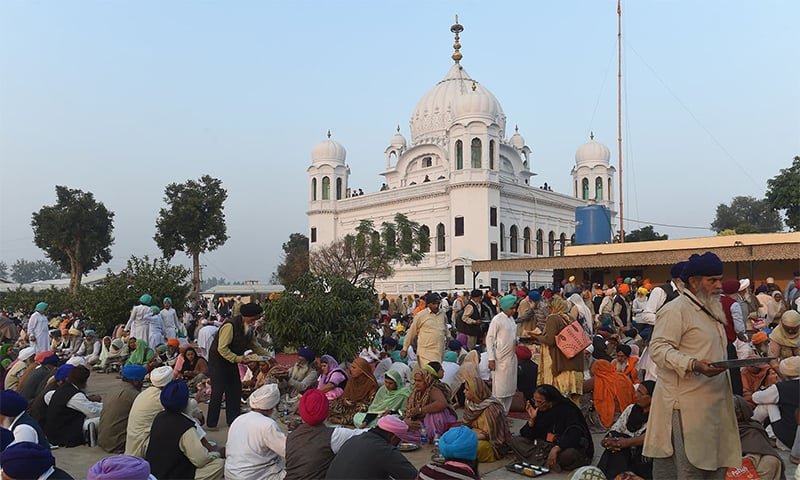
    The book ends its journey in the Narowal district at the Gurdwara Darbar Sahib, Kartarpur (God’s dwelling). The story of Gurdwara Darbar Sahib is also the story of the last eighteen years of the life of Guru Nanak who finally settled in this village and favored the life of the household instead of Udasis or life as a Divine Mission.

    As the book collected its data before 2019, the story of the Gurdwara Darbar Sahib does not include the development of the site as a Gurdwara Kartarpur Corridor inaugurated in November 2019. However, the details of Guru Nanak’s household life introduce the reader with interesting anecdotes coloring Sikhism with the teachings of Guru in a more practical fashion.

    The book is an outcome of the authentic and deep-seated urge to find one’s own identity in the communally divided region.

    In the backdrop of the birth of Pakistan that entailed violent communal clashes resulted in the uprooting of almost 2 million Sikhs from the region of Pakistan and constant tension on the borders between India and Pakistan since then, there has been seldom space, especially during the whole twentieth century for conducting such a study.

    This book is a witness to the beginning of a new turn in the history of Pakistan, when, instead of bracketing with the victims or perpetrators communally, the painful memories of violence can be commemorated from the humanistic perspective. The search of the Global Sikh community for the Sikhism within this region may become an opportunity for Pakistan to embrace its own heritage truly.

  • Imran Ashraf, Sarah Khan shine in ‘Raqs-e-Bismil’

    Imran Ashraf, Sarah Khan shine in ‘Raqs-e-Bismil’

    While most of the time, we critics or drama viewers, complain about how Pakistani dramas have become redundant and monotonous with the same old storyline based on unrequited love, marital woes, or love triangles, every now and then comes a new drama that shakes things up and makes you believe in the drama industry once again.

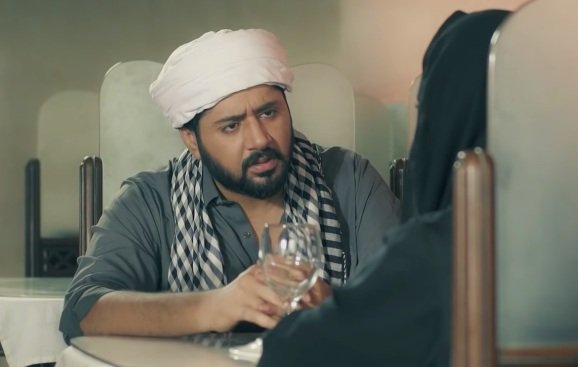
    Sarah Khan and Imran Ashraf’s ongoing drama Raqs e Bismil is one such example. Directed by Wajahat Rauf and written by Hashim Nadeem, the drama’s plot revolves around Sarah and Imran’s characters – Zohra and Moosa. Moosa comes from a very conservative background – he refuses to let his sister marry her love because he did not belong to the same sect – while Zohra belongs to a family of dancers and entertainers. The two cross paths on a bus and Zohra, who is wearing a burka at the time, catches Moosa’s attention, who immediately falls for her and her gutsy nature and asks her to marry him after their second meeting.

    While Zohra initially rejects Moosa’s advances with some powerful dialogues, she later invites him to her home so that he can find out her reality first-hand. The third episode of the drama ends with Moosa finding out Zohra’s reality and viewers are excited to know what will happen next for the two protagonists, who are worlds apart.

    Read more – Sarah Khan hits back at troll who criticised her over father’s death

    The first three episodes were engaging and fast-paced with brilliant performances by the lead and supporting cast. Imran and Sarah were brilliant as Moosa and Sarah, while their chemistry was also lit. Moosa, in particular, has many shades and Imran manages to portray them flawlessly; fluidly switching between a hardened family-man and a man smitten. A special mention to Momin Saqib, who really gave a solid performance as Essa, Moosa’s brother and wingman.

    Raqs e Bismal has quickly made it to our list of must-watch dramas and one we are delighted to recommend.

  • Hazaras face yet another tragedy

    Hazaras face yet another tragedy

    Imagine the pain of those families who not just lost their loved ones to a gruesome terrorist attack but also kept waiting for the state to show empathy towards them.

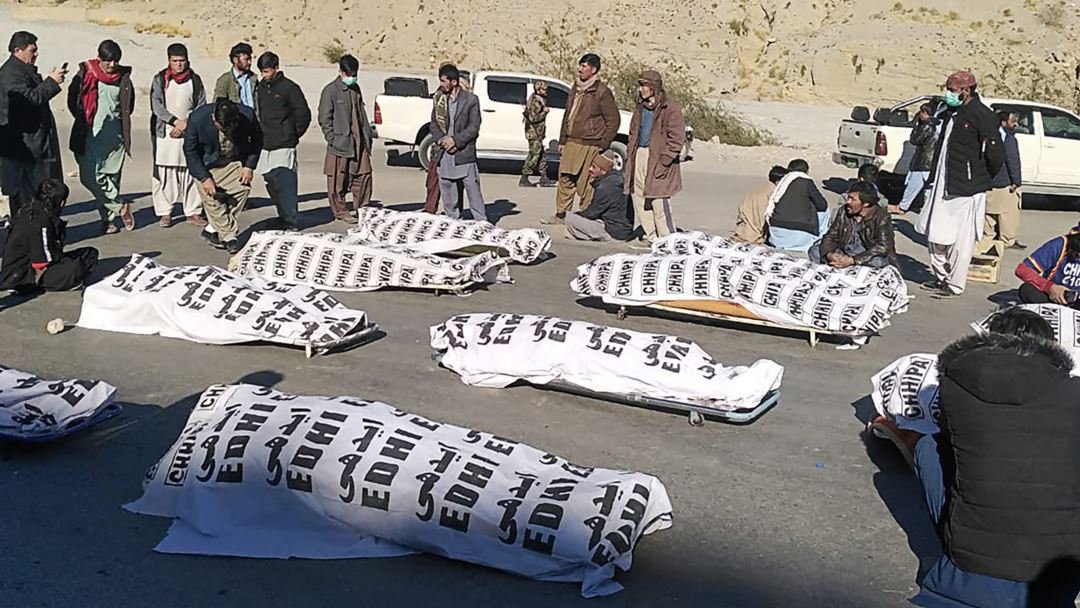
    11 Hazara coal miners were target killed in Balochistan last week. Their families staged a protest in the freezing cold of Quetta for a week and said they would not bury their dead till they meet Prime Minister Imran Khan. But the PM asked them to bury their dead first. He said he wouldn’t be ‘blackmailed’.

    At last, the Hazara mourners had to bury their dead and only then did PM Imran visit Quetta to meet them. No words can make us imagine the pain of the mourners. And to even think that they could blackmail anyone — those who are a marginalised community, those who have been relegated to a designated area, those who cannot even roam their area freely, those who cannot even get justice for their dead. There are Hazara families that have no male members left as they have all been target-killed.

    In a 2014 report by the Human Rights Watch (HRW), the Hazara Shias were described as ‘The Walking Dead’. They have continued to suffer at the hands of sectarian terrorist outfits committing genocide of the Hazara community. Thus the state should not have shown apathy towards their demand of meeting the PM. A powerful state cannot put conditions on its marginalised and beleaguered people. It is callous. Period.

    It is also important that the state safeguards the lives of all citizens, especially a marginalised community like the Hazaras. Pakistan made a lot of gains in its fights against terrorism in the last few years. The government should have consolidated those gains and made a proper strategy to counter terrorism and extremism.

    It is also important to empower the local police in Balochistan just like it was done in Khyber Pakhtunkhwa. We hope that the Hazaras will get justice as well as protection. They have suffered enough.