Author: optimum_tech

  • Dividing the divided

    “The ruling party’s most recent act of issuing a list of news media talk-show anchors, dubbing them pro-corruption, drives a deeper wedge into a polarised nation.”

    It is no secret that the truth of national integration of the Islamic Republic of Pakistan is not just bitter but severely inconvenient. The fine line that separates diversity and differences among this nation has blurred so many times that it has almost permanently been reduced to a smudge. From the barracks to the parliament, sermons and edicts from atop the mosque minarets, political jargons from atop the containers and trucks, to the unending layers of multiple identities — divisions are the Achilles’ heel of this society.

    Issuing a list of journalists, dubbing them against the interests of the state, vilifying them publicly was like shooting a nuke at this Achilles heel. Driving a wedge at the very source of information of the nation, the media, is creating the deepest division imaginable so far. In the history of deleted tweets in this country, these two might have very long lasting effects.

    A ruling political party being unaware of this landmine or apathetic to the consequences of triggering it can potentially prove to be catastrophic.

    73 years of age, sick, weak and drained it stood on shaky feet, running out of natural body resources, vitals dimming, surviving on one shot of steroids after another, scars of surgical interventions spread across the map of its skin and a plethora of side-effects from past treatments racking its existence. It had almost forgotten the number of doctors that had taken a shot at it, sometimes even without its total consent. Almost every one of those taxing prognosis left it more vulnerable and feeble. All of them focused on treating the symptoms and not the disease, worsening the illness.

    It was almost as if they knew, but never disclosed that it was plagued by the uncanny Autoimmune Disease – an ailment in which the organs of its own body were at constant war with each other. It was almost as if they were intentionally not treating the disease because ending its ailment would end years of profiteering from its misery, and yet they all claimed they did everything to serve its interest. Or maybe decades of varying drugs had blurred its ability to separate those who sought to save it from those who added to its agony.

    The story of Pakistan is difficult to pen down because it is hard to indisputably identify the heroes and the villains. Pakistanis to this day are even conflicted over autocratic dictatorships being good or bad. This is a country where coups were celebrated, even if by a significant minority. Its very inception on the basis of a presumed uniformity of a religion so deeply divided across sectarian lines was unsteady. The ethnic, cultural, political and ideological differences at its core, though dormant at the time, were highly flammable. While these divisions stayed buried under the unanimous rejected of Hindu subjugation, the fault lines under the surface started growing into visible cracks once liberated from the common enemy. This is why, ever since, the integration and unity of this nation has always been a function of hatred, fear and anger against a common enemy, rather than collective growth, pride and prosperity.

    However, in times when an aggravated threat of a common enemy does not exist, Pakistan’s autoimmune disease starts tearing her apart and eating the core of the country hollow. For all these reasons, and more, the worst thing that can happen to this already fragmented and disunited country is fuelling more divisions.

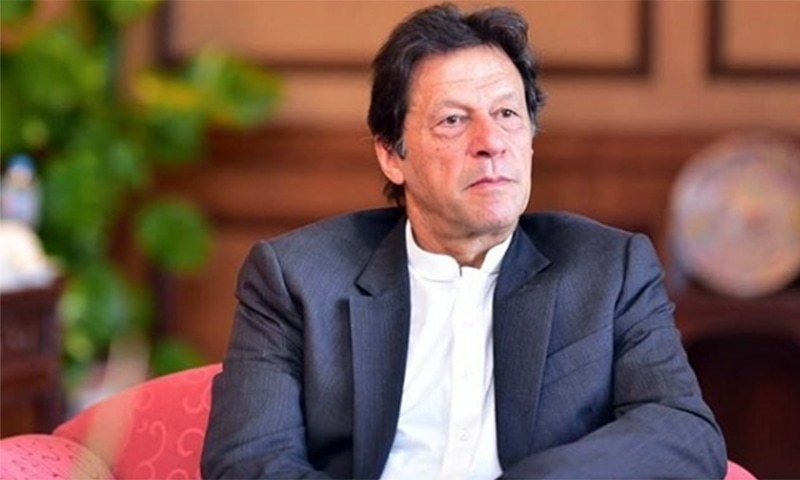
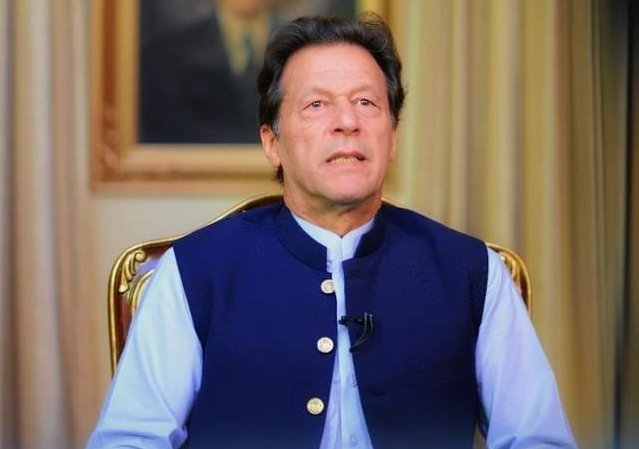
    From its campaign leading to the 2018 elections, PTI and its patron in chief Imran Khan has been extremely careless, if not intentionally exploitative, of this ability of the Pakistani polity. He went further than the usual practice of demonising and defiling his political rivals and berated their voters and supporters as dumb donkeys following their leaders mindlessly like zombies. At his massive public meetings he openly vilified news organisations that disagreed with him. The rants inadvertently led to mob attacks on news media offices and at times on journalists.

    The ruling party’s most recent act of issuing a list of news media talk-show anchors, dubbing them pro-corruption, incites targeted and aggravated hatred against these journalists. But more importantly still, it drives a deeper wedge into a polarised nation. It impacts not just PTI supporters but the supporters of its political rivals as well. With the history of Pakistan and its behavior in view, this action will have consequences far more long-lasting than being perceived.

    This list discourages openness to differing views and perspectives. It freezes the ability to question and challenge one’s hardened positions and clan-vote mentality. It encourages the dangerous practice of sticking to narratives that only feed people’s confirmation biases. It magnifies and glorifies selective perception. But more than anything else, it breeds generations of an ill-informed polity, with an ‘us-versus-them’ mindset for its own countrymen, incapacitated to vote a credible person into power, adding to the long list of bad doctors that would worsen this ailing country’s autoimmune disease and feed off its ailing semi-conscious body.
  • Five Pakistani dramas PM Khan should watch

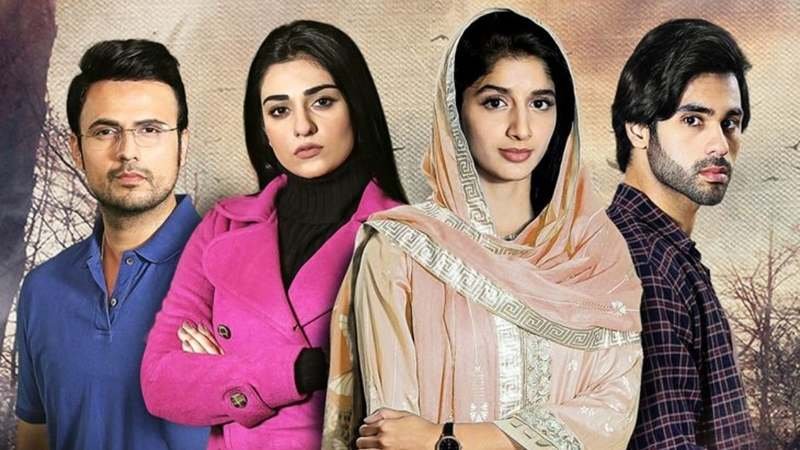
    Five Pakistani dramas PM Khan should watch

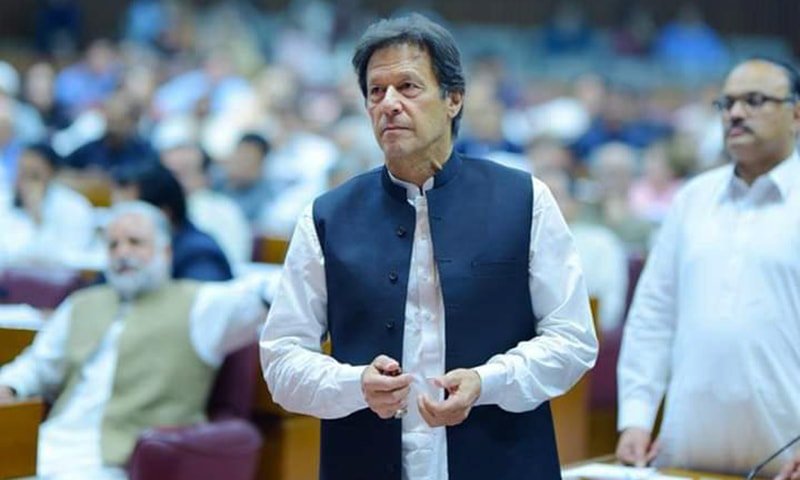
    Ever since he assumed office, Prime Minister Imran Khan has given us plenty of recommendations on drama serials and books – the most prominent being Turkish drama series Diriliş: Ertuğrul and Elif Shafak’s The Forty Rules of Love. Earlier this week, PM Khan recommended the youth to watch another Turkish show on Sufism Yunus Emre: Aşkin Yolculuğu, which is also being aired on PTV in Urdu.

    While we love the fact that the PM takes out time to recommend stuff to the youth, we decided to turn the tables and recommend him a few recent (in the past two years) Pakistani drama serials which are worth watching. Check out our suggestions below:

    Sabaat

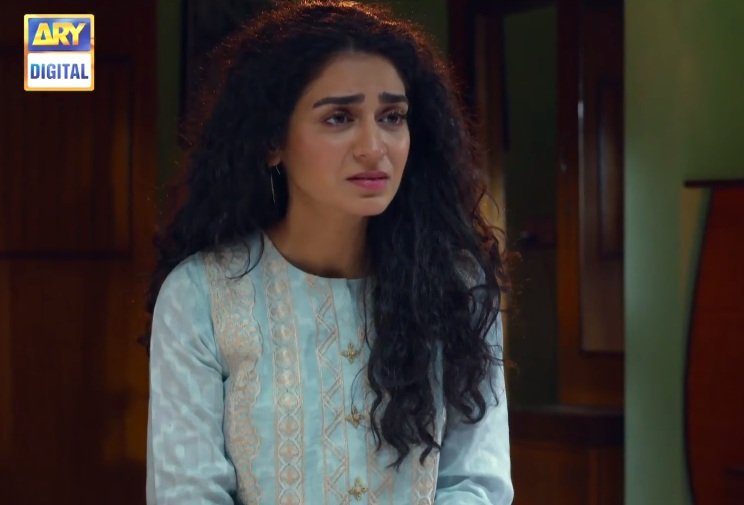
    While Hum TV’s Sabaat in its essence is a family drama exploring familial relations and dynamics, its presentation was very refreshing, in particular Anaya and Hassan’s storyline. The drama highlighted the importance of having a healthy, loving relationship with your children and gave out a strong message on the importance of empowering women and daughters and gave viewers a new heroine after Zindagi Gulzar Hai‘s Kashf. It also showed how ego, money and misunderstandings can ruin relationships and your life. All these themes are the ones which PM Khan has time and time again urged our drama writers to show on television.

    Read more – ‘Sabaat’ manages to tie up loose ends in a rushed finale

    Alif

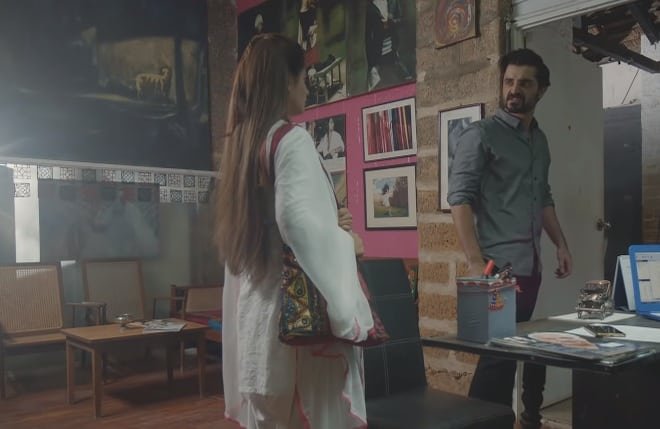
    Starring PM Imran’s BFF Hamza Ali Abbasi and Sajal Aly in the lead, Alif, written by Umera Ahmed and directed by Haseeb Hasan focuses on the spiritual journeys of two individuals Qalb-e-Momin (Hamza) and Momina Sultan (Sajal), who despite coming from completely different backgrounds help each other find peace in righteousness. Alif was a brilliant example of good storytelling and sensitive direction. Moreso, the entire cast of the drama including Hamza, Sajal, Ahsan Khan, Manzar Sehbai and Kubra Khan gave strong and solid performances. It is pertinent to add here that Hamza in several interviews has shared that his life reflects what is shown in the drama.

    Suno Chanda Season 1

    Perhaps one of the most-loved dramas in the country, Suno Chanda (Season 1) is chaotic, fun and will leave you with a warm feeling. The show which ran through Ramadan and had everyone hooked is about a household in which the children of two brothers get married just before the family’s patriach passes away. Directed by Aehsun Talish and written by Saima Akram Chaudhry, Suno Chanda is a comedy drama done just right. From the performances to the witty dialogues to the direction, everything about this drama was brilliant. The show gave us some memorable characters and there was bound to be one person in the cast you could relate too.

    Out of the list, if there is one drama the prime minister should be watching, it should be Suno Chanda. Will also give him some much-needed respite from the day-to-day political tensions.

    Aangan

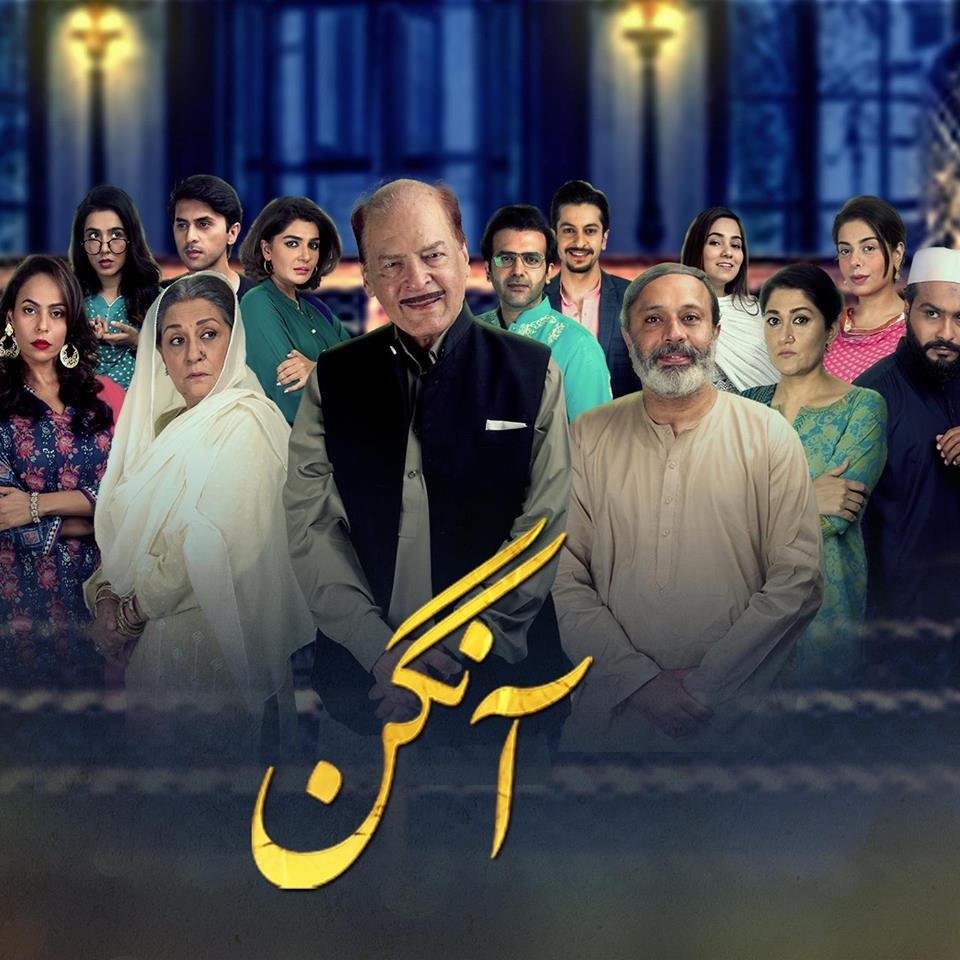
    Yet another multi-starrer drama starring some big dramas of the drama industry, Aangan brought back and romanticised living in joint family systems while at the same time highlighting the issues that come with it. The drama very delicately and tactfully challenged societal norms while keeping viewers engaged and hooked. Aangan is without a doubt one of Faiza Iftikhar’s finest works. I am pretty sure Khan sahab is going to love this one. It is everything he wants to promote through television and dramas.

    Sammi

    Perhaps the darkest drama on this list, Mawra Hocane and Adnan Siddiqui’s Sammi sheds light on the custom of vani (or exchange brides) and how women are forced to continuously bear children in the quest for a son. It is gritty and makes you uncomfortable but that is because you know that this is exactly what happens to women in this country. The drama has been sensitively written by Noor ul Huda Shah and directed by Saifee Hassan.

    Is there any other drama you would recommend PM Imran to watch? Let us know in the comments below.

  • Getting wet is the new viral trend in photoshoots

    Getting wet is the new viral trend in photoshoots

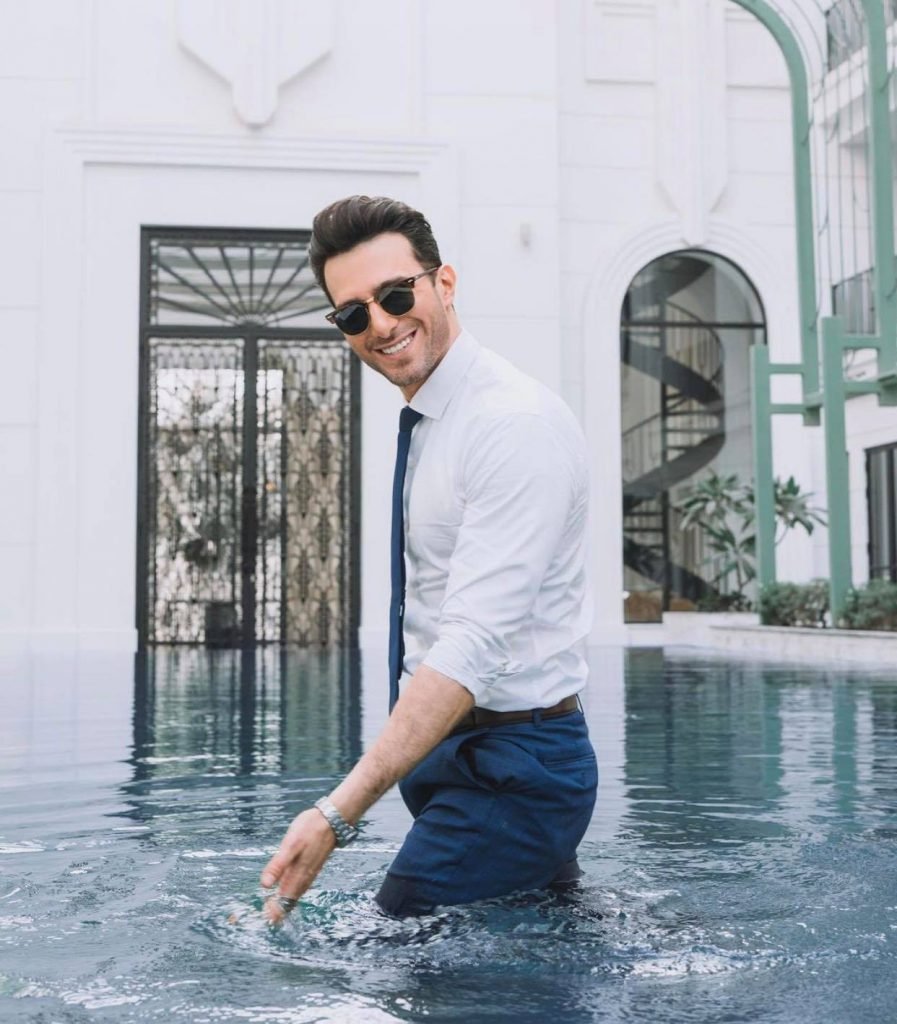
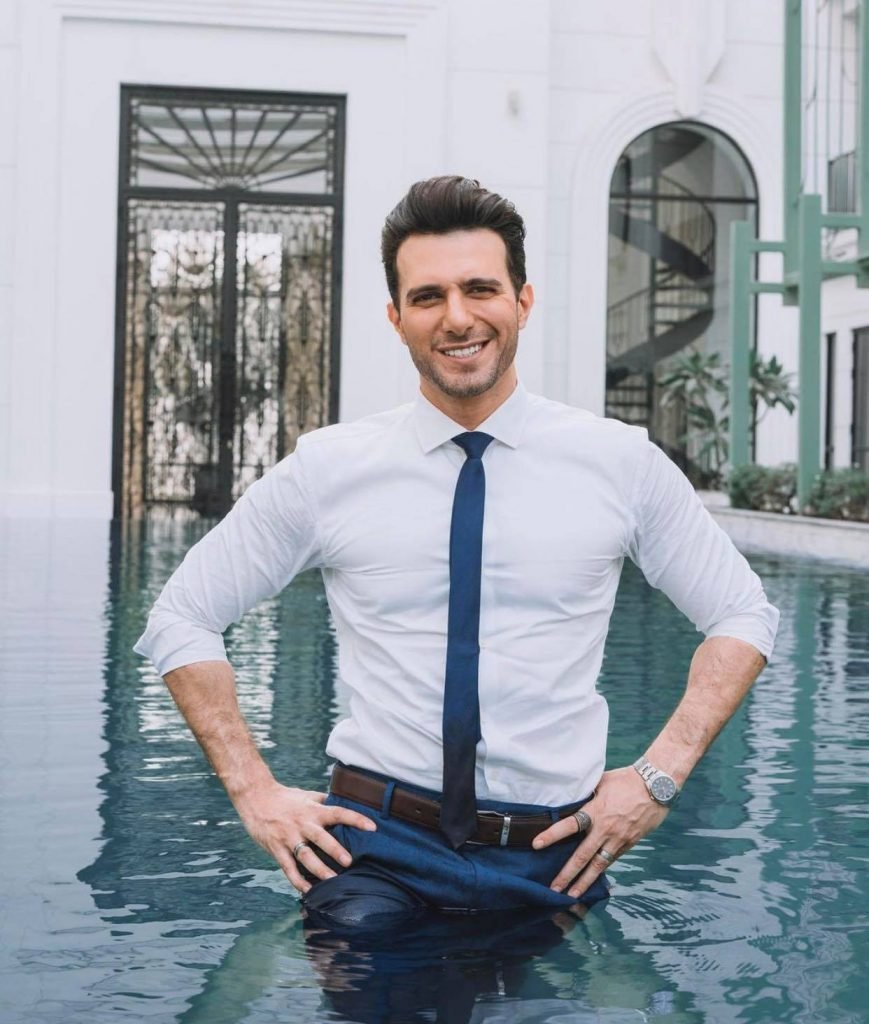
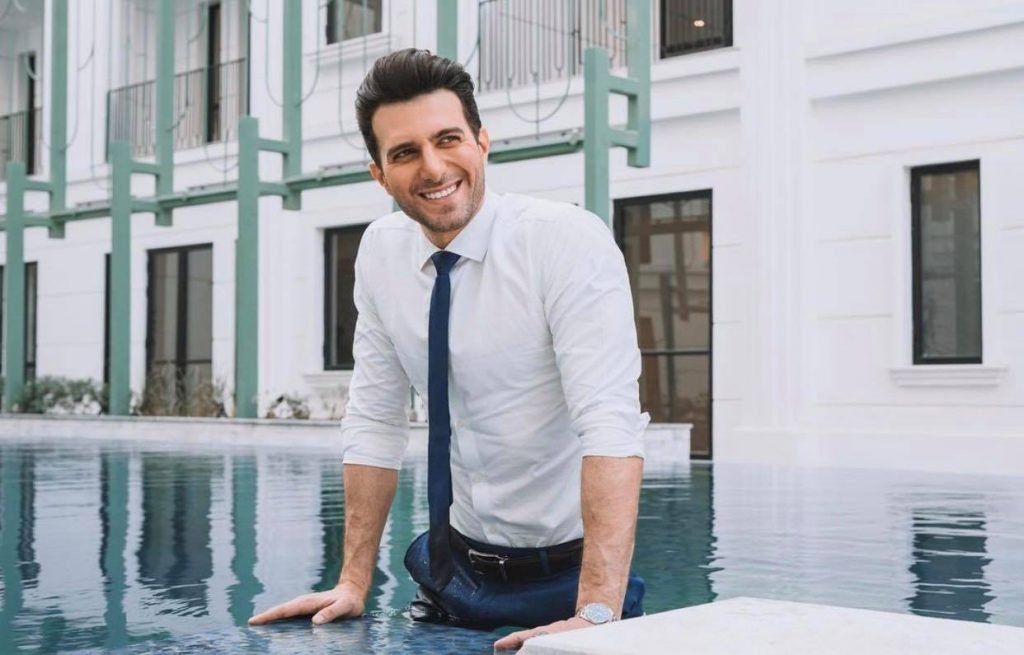
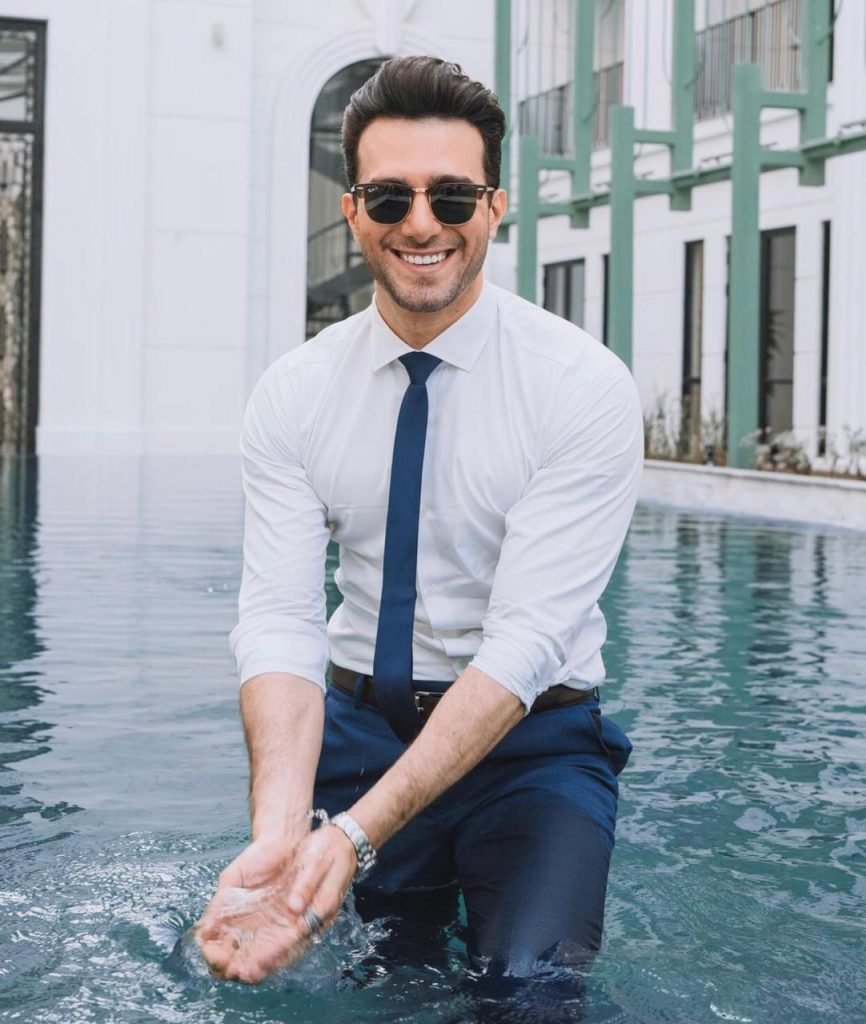
    If you are an Insta-stalker like myself, you may have noticed that several A-list celebrities were spotted lounging and posing away in the pool. While I initially thought that it was just a new Pakistani trend, I stumbled upon pictures of Hollywood celebrities posing in the pool as well, establishing the fact that getting wet (and wild) is the new trend in fashion and editorial photoshoots.

    It all started with Emmad Irfani, who did an entire editorial shoot wearing dress pants and a dress shirt while standing in a pool.

    Damn, check that style and swag.

    Photo Credits – Natasha Zubair

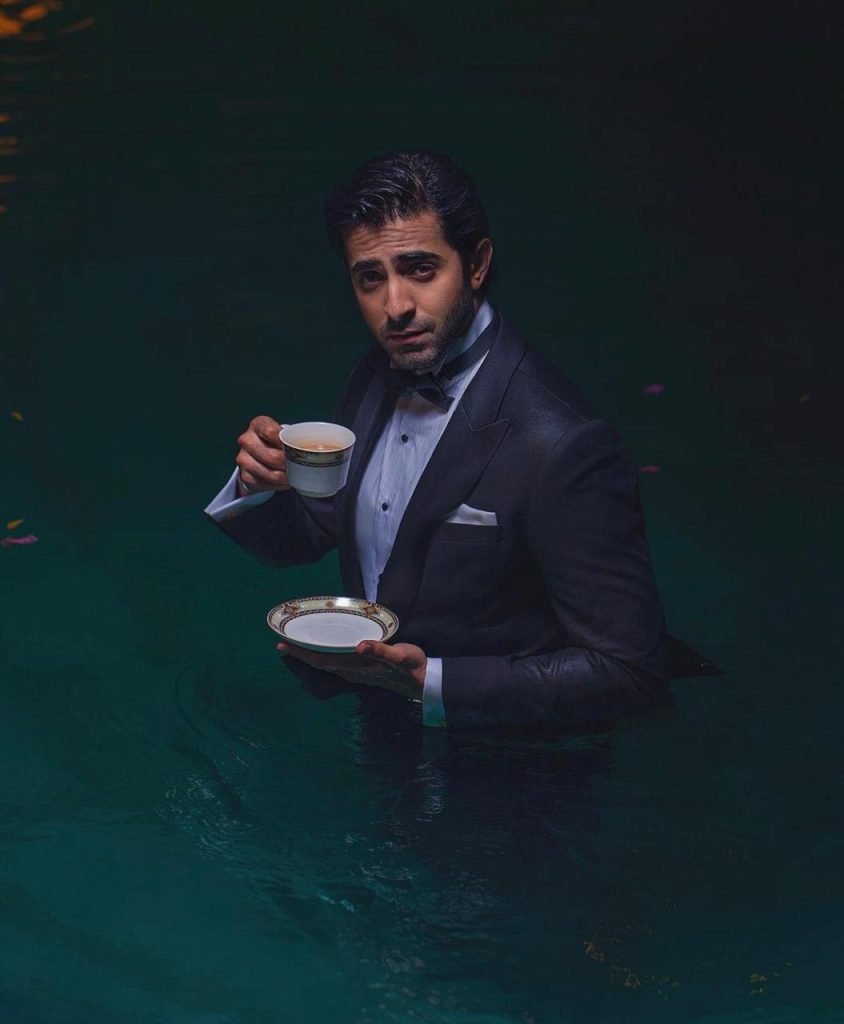
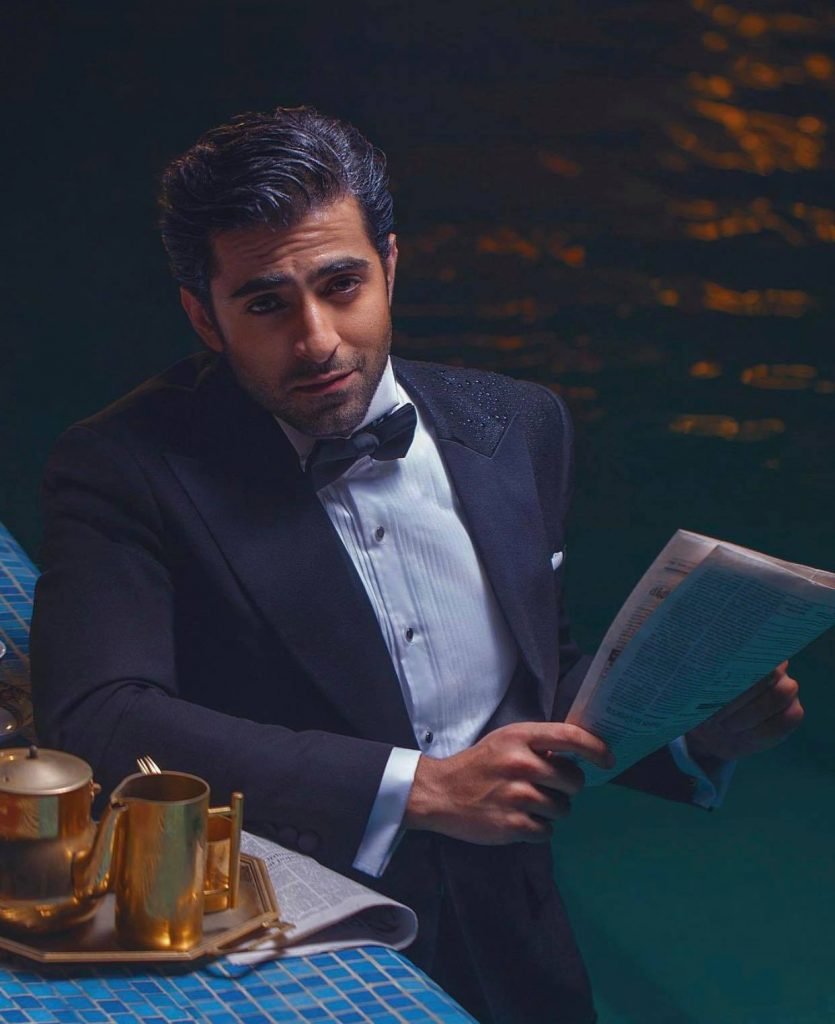
    Sheheryar Munawar was next, who took it a notch higher and wore a full suit in the pool while inviting us to join him for a cup of tea.

    Photo Credits – Rizwan Haq

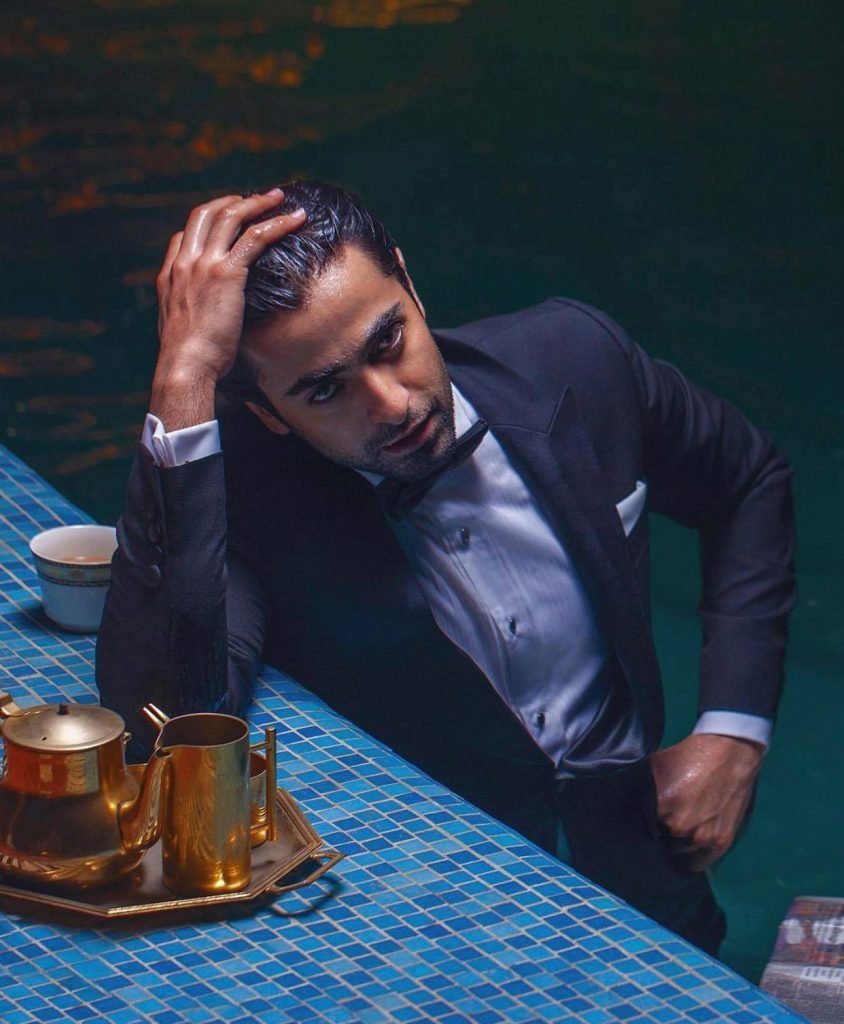
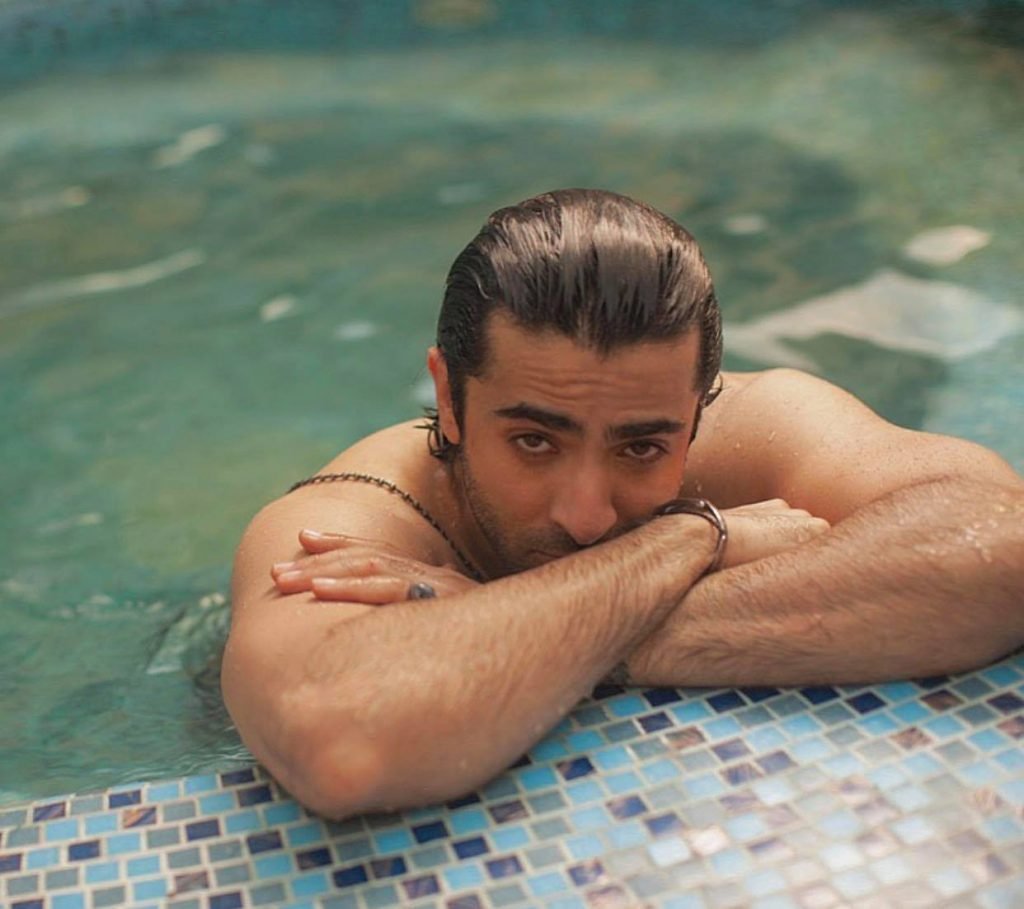
    Munawar then went on to do another shoot in the pool, this time without a shirt.

    Photo Credits – Rizwan Haq

    Read more – Syra Yousuf, Sheheryar Munawar turn up the heat with their latest photoshoot

    We then spotted Minal Khan also posing away in the pool wearing a black high-neck sweater.

    Next up we have Jennifer Lopez aka JLo, who turned up the heat and she stood in the pool. The shoot was from her upcoming skincare brand ‘JLo Beauty’. From where does the actor look 51?

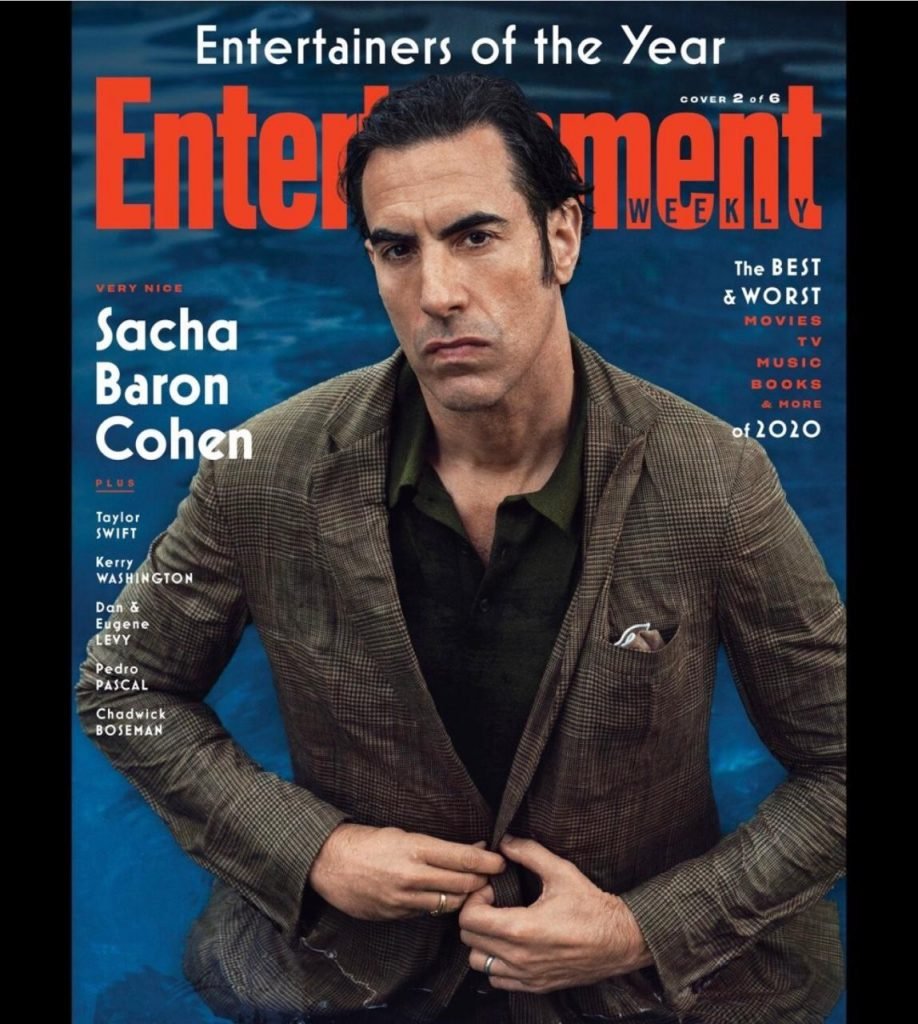
    Last but not the least there is Sacha Baron Cohen, who also suited up in the pool. Though we do have to add here that our boys slayed it better.

    Which pool shot was your favourite? Ours has to be JLo and Sheheryar.

  • Politics in the time of corona

    Politics in the time of corona

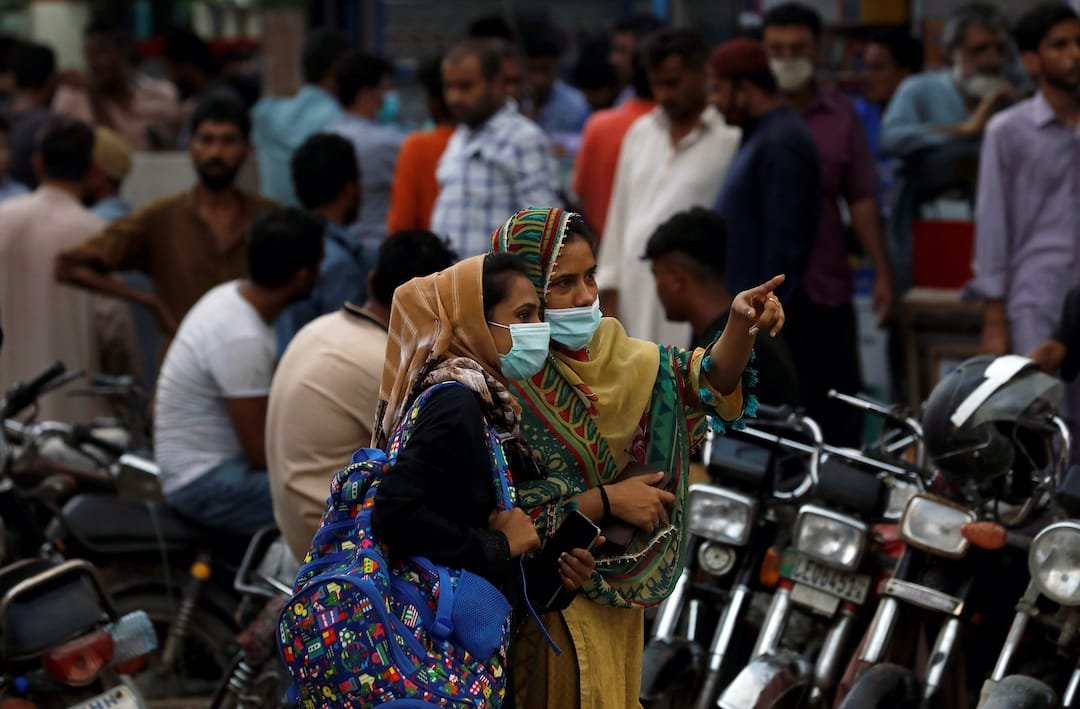
    The second wave of COVID-19 is here in Pakistan. The number of new coronavirus cases in the last few weeks has been gradually increasing. Reports indicate that hospital beds for corona-positive patients in several cities have reached maximum capacity.

    Pakistan had quite successfully controlled the coronavirus after its first wave. By August, the number of cases had gone down considerably. However, the success was short-lived. Come winter, the second wave was sudden but it spread quite rapidly. The positivity rate has now reached 7 percent in a matter of weeks. It is important that people follow SOPs like wearing a mask, sanitising their hands frequently, and maintaining social distance. Unfortunately, most of us have become careless.

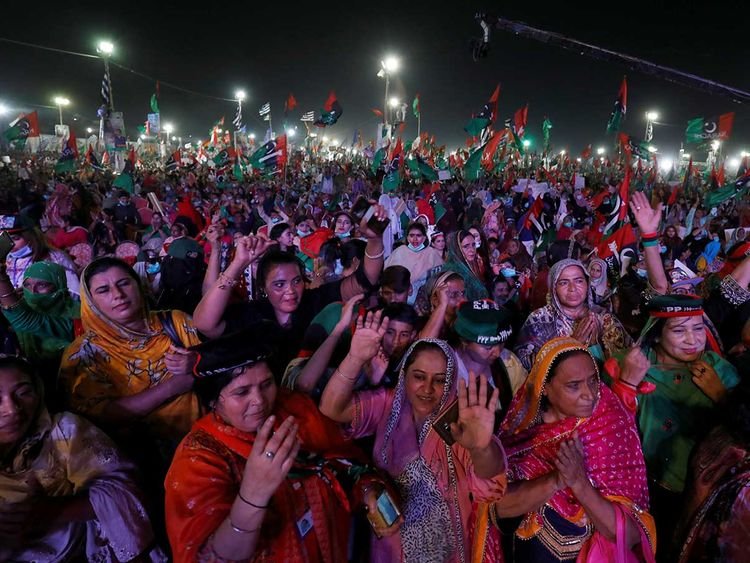
    On top of that, both the Opposition and the government are also being irresponsible. Leaders lead by examples but our leadership wants to spend more time in political point-scoring and blame-game than doing something for the people. The Pakistan Democratic Movement (PDM) has refused to postpone their rallies despite the fact that it can risk the lives of thousands of people who will be attending those jalsas.

    As if the PDM jalsas are not enough of super-spreader events, government officials don’t want to be left behind. Federal Minister Asad Umar, who also chairs the National Command and Operations Centre (NCOC), addressed a workers’ convention titled ‘Youth of Sukkur’ just yesterday.

    Tomorrow, the PDM is holding a rally in Multan. Chairman PPP Bilawal Bhutto-Zardari will be addressing the rally via video link because he contracted COVID-19 after the Peshawar jalsa. Both the Opposition and the government need to stop all public gatherings.

    Opposition leaders who are making light of the global pandemic by saying that the government is more dangerous than COVID-19 should really stop. They not just sound absurd but making light of a virus that can be deadly is highly irresponsible. The government, instead of threatening the Opposition and arresting their workers and leadership, should talk to the PDM leadership and talk them out of holding rallies. Such political rallies can hardly be stopped through sheer force. The Opposition really needs to put aside their egos and postpone their rallies for the larger good of the public. If our leadership will not set an example by acting responsibly, the public will not either.

    Educational institutions have now been closed. If people are not careful, soon the government may have to close down public places like parks, restaurants, gyms, malls, etc. We cannot take this new wave lightly. People are losing their lives across the world. We must stay vigilant.

  • ‘Over 20 mobile phones, Rs90,000 in cash’: Johar Town cafe robbed in ‘two minutes’

    ‘Over 20 mobile phones, Rs90,000 in cash’: Johar Town cafe robbed in ‘two minutes’

    Police have registered a case against two unidentified suspects for robbing a restaurant in Lahore’s Johar Town area on the night of November 26 and getting away with a loot of almost Rs1 million.

    Chai Khas, an eatery located on Main Boulevard, was jam-packed at 10:30 pm (despite coronavirus SOPs) when two alleged robbers entered the premises. According to eyewitnesses, the suspects armed with handguns took the “entire floor hostage and started taking away people’s mobile phones, jewellry, and wallets”.

    FIR of the incident

    The FIR of the robbery registered at the SattoKatlan police station claims that at least 21 mobile phones, worth almost Rs1 million, and Rs90,000 in cash was looted in the alleged robbery. The FIR, however, doesn’t mention the details or the worth of the jewellry. The suspects managed to finish their job in two minutes before getting away on a 70cc motorbike numbered 7102, as per the FIR.

    The incident took place at 10:30 pm on Thursday while the FIR was registered around 5 am on Friday, as the owner was allegedly reluctant to approach the police at first. However, after the insistence of the robbed customers, the owner decided to visit the police station in the wee hours of the morning, accompanied by one of the customers, who also shared the account of the robbery on a Facebook group.

    According to the FIR, the two suspects in their early 30s entered the restaurant on Thursday night. They sat in the cafe for a while before they took out their weapons and started robbing people at gunpoint.

    Subsequently, the police booked the suspects under Section 392 of the Pakistan Penal Code that pertains to robbery. “Whoever commits robbery shall be punished with rigorous imprisonment for a term which [shall not be less than three years nor more than] ten years, and shall also be liable to fine; and, if the robbery be committed on the Highway […..] the imprisonment may be extended to fourteen years,” the section reads.

    The police ASI, Furqan Anjum, remained unavailable for comments when The Current called him, seeking updates on the probe.

    RELUCTANCE OF CAFE OWNER:

    The people who were robbed at the restaurant have accused the cafe management of dilly-dallying in the registration of the FIR and the release of the CCTV footage of the incident. An eyewitness claimed that the owner didn’t want to go to the police because it could “damage the reputation of his cafe”. “The owner remained insensitive to the episode and remained reluctant to file an FIR,” the customer complained.

    People, who were robbed at the restaurant, have asked the Punjab IGP and Lahore police chief to take notice of the incident in light of a spike in street crimes over the past several months.

  • Pakistan’s new social media rules

    Pakistan’s new social media rules

    Pakistan’s new social media rules have ‘alarmed’ the Asia Internet Coalition (AIC), an industry association that promotes the understanding and resolution of Internet policy issues in the Asia Pacific region. It comprises leading internet and technology companies such as Amazon, Airbnb, Apple, Facebook, Google, LinkedIn, Twitter, and Yahoo, among others.

    AIC issued a statement on Thursday about the Removal and Blocking of Unlawful Online Content (Procedure, Oversight and Safeguards) Rules 2020. As per the AIC statement, “The Rules would make it extremely difficult for AIC Members to make their services available to Pakistani users and businesses. If Pakistan wants to be an attractive destination for technology investment and realise its goal of digital transformation, we urge the Government to work with industry on practical, clear rules that protect the benefits of the internet and keep people safe from harm.”

    Digital rights activists in Pakistan have also condemned the move.

    In a world that is now all about technology, Pakistan should be embracing the digital spaces instead of alienating tech giants. Not only will it be a huge blow to everyone in Pakistan who uses the internet but it also means that leading tech companies will not consider investing in Pakistan.

    During the corona pandemic, we saw how tech companies were successful and also made life easier for people during lockdown. It is thus baffling to see a government that always talks about Digital Pakistan and has actually used social media and digital media to its advantage now come up with rules that are draconian and not practical.

    Such shortsighted moves could lead to consequences that we can ill afford. With a struggling economy, we should ideally be more open and welcoming to tech companies. Instead, these companies are now expressing alarm at the new rules.

    If we just look at countries around us, including China and India, they have taken full advantage of the digital world. The US economy is helped immensely by technology companies. Pakistan’s new rules make it almost impossible for international tech companies to even consider opening their offices in the country.

    In the past, the ban on Facebook and YouTube pushed Pakistan back digitally by several years according to digital rights experts. The new rules, if not improved, could have far-reaching consequences. While these companies have not given an inkling of their next move, what if they stop providing these services in Pakistan? We need to factor in that there can be such a possibility and how it will affect hundreds of thousands of users.

    Why is it that we want to ban games or apps or even bring in new rules that take away fundamental freedoms when we are a democratic country and not an autocratic state. It is hoped that the government would rethink this strategy and make Pakistan a more open and tech-savvy country that is on par with the digital world.

  • ‘Ludo’ is delightfully entertaining

    ‘Ludo’ is delightfully entertaining

    Just when I thought I was done with Bollywood films for this year, given how terrible this year’s releases have been, Ludo popped up as I was scrolling through Netflix. The film had just released and was already trending in the top ten on Netflix Pakistan.

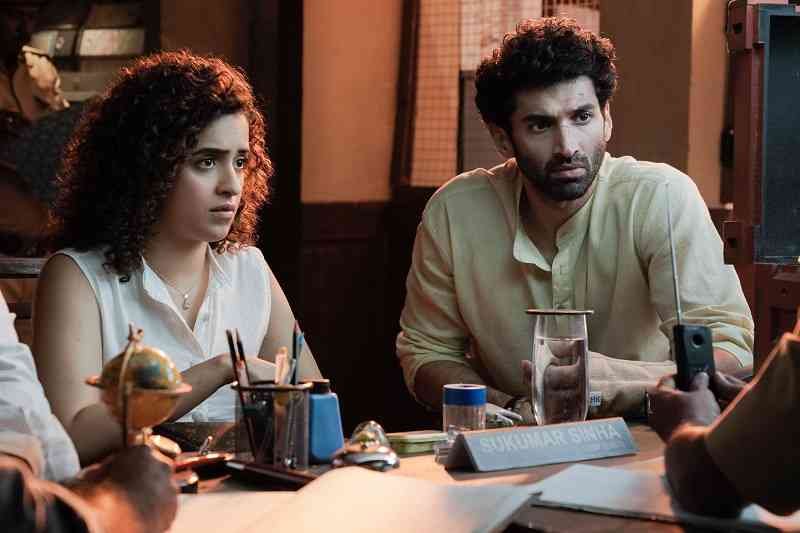
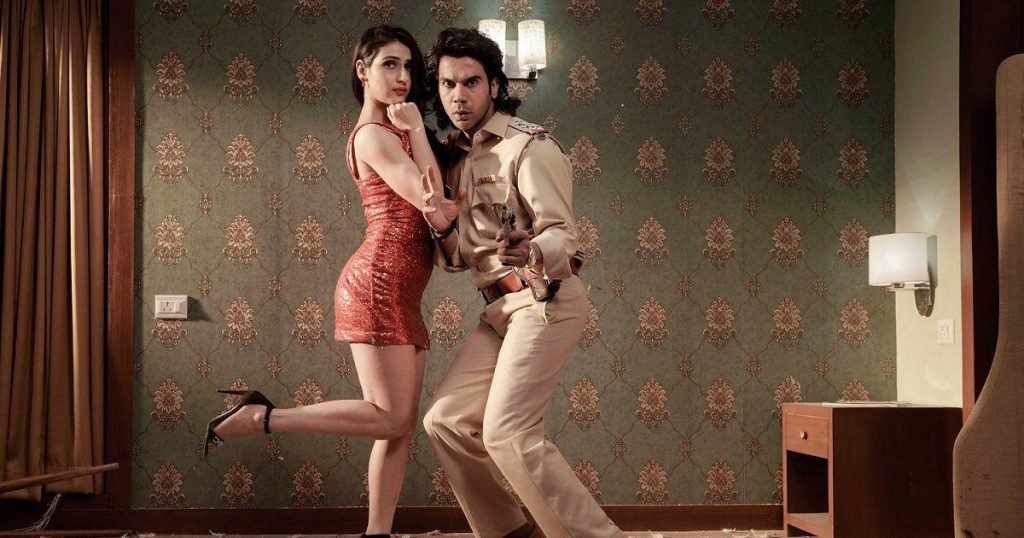
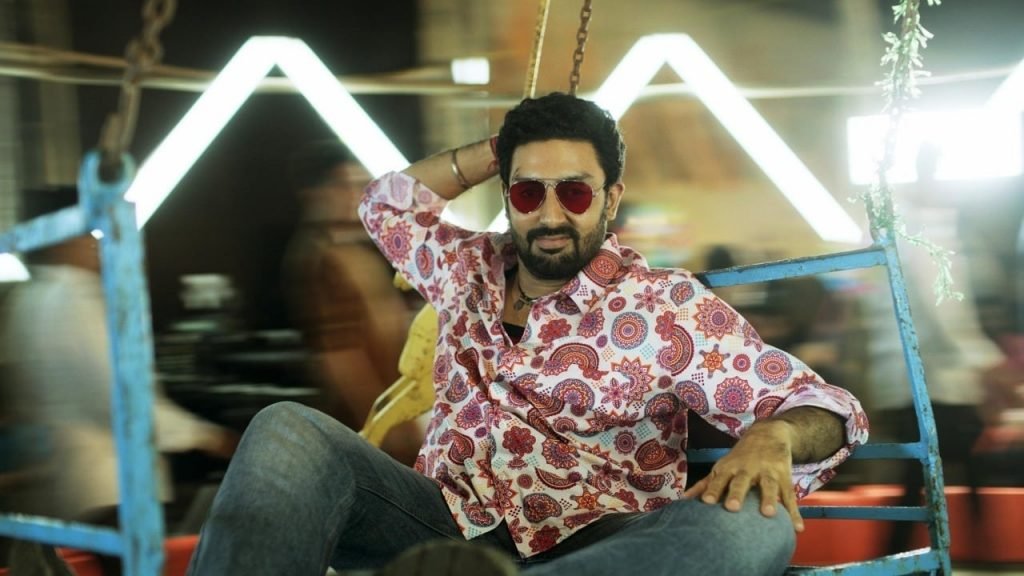
    Featuring an ensemble cast of Pankaj Tripathi, Aditya Roy Kapur, Abhishek Bachchan, Fatima Sana Shaikh, Rajkummar Rao, Sanya Malhotra, Rohit Suresh Saraf and Pearle Maaney, Ludo is a tough film to describe considering the multiple storylines running side by side. On one hand, you have Akash (Kapur) and Shruti (Malhotra), who are trying to cover up a sex tape before Sanya gets married to the man of her dreams, while on the other you have Bittu (Bachchan), who just came out of jail and ends up running into a little girl who kidnapped herself so her parents would pay attention to her. Then you have Alu (Rao), who runs a restaurant and dances to Mithun’s disco moves when he is stressed. He deeply loves his childhood crush Pinky (Shaikh), though she is married with a baby.

    Akash and Shruti

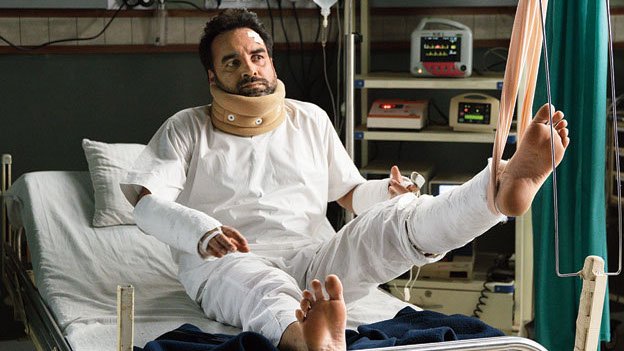
    On the surface, the characters have nothing to do with one another but their fates are all connected through Sattu Bhaiya (Pankaj) who is the resident gangster. As the leads try to sort out the problems in their lives, they end up getting entangled with one another in a very messy web controlled by Sattu Bhaiya. He manages to run everyone’s lives even while lying on a hospital bed.

    Sattu Bhaiya

    Written and directed by Anurag Basu, Ludo is a highly entertaining and enthralling watch. It keeps you gripped with its twists and turns and has been masterfully directed. A movie like this, which has multiple plotlines and characters, each with a different, distinct story, running side by side, could have easily fallen apart. But Basu holds it all together skilfully.

    Though it is slightly longer than average films these days, you will not feel yourself getting bored at any point – there is enough drama, comedy and romance to keep you hooked.

    Alu and Pinky

    All the leads gave brilliant performances though it was Pankaj who blew me away with his acting and expressions. Despite being a gangster, you couldn’t help but like his character all because of how Tripathi brought it to life.

    Bittu

    The cherry on top was the songs and background music, which perfectly complemented the theme and mood of the film. I have been listening to Aabaad Barbaad and Hardum Humdum on repeat.

    Read more – All single Pakistanis will relate to trending rom-com ‘Holidate’

    While Ludo may not be a cinematic marvel or an extraordinary film, it makes a fun, cosy watch especially on a chilly winter evening.

  • ‘Jalan’ continues to be a cringefest

    ‘Jalan’ continues to be a cringefest

    Every season, there is at least one, if not more, drama which creates a stir and causes an uproar on social media. This season, it is Jalan, with its twisted and very problematic storyline.

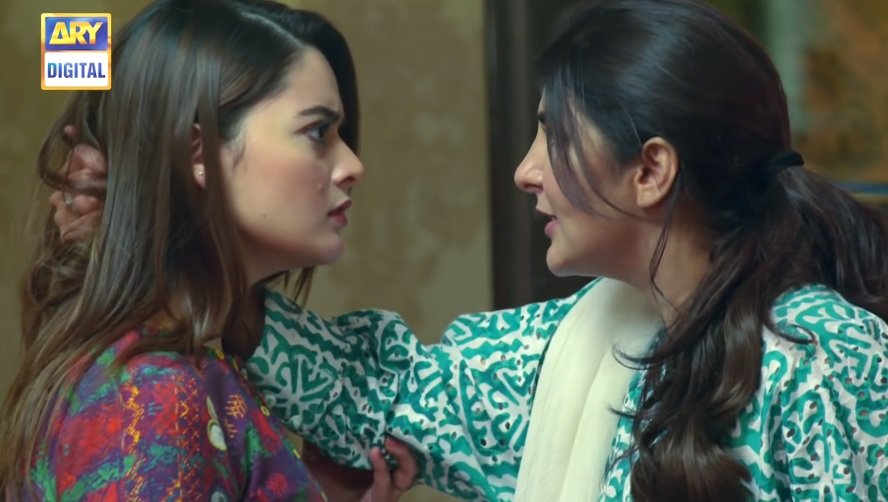
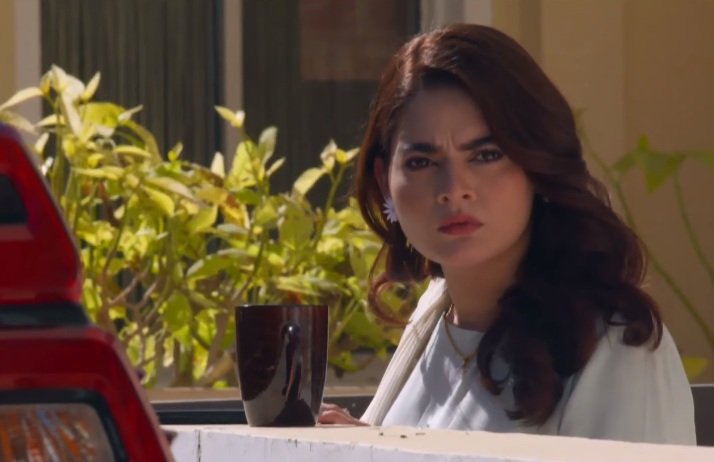
    For those who have been oblivious to the drama and PEMRA’s short-lived ban on it, Jalan is about two sisters Nisha (Minal Khan) and Misha (Areeba Habib) who are after the same guy. While Misha is the sweet and obedient sister, Nisha is a spoiled brat and wants to be better than her sister, so she sets her sights on her brother-in-law Asfandyar (Emmad Irfani) because he’s rich and good-looking. Ignoring the fact that her sister is married to Asfandyar (Asfi) and pregnant with his child, Nisha openly flirts with him and urges him to divorce his wife. Nisha eventually gets her way and Asfi not only divorces his wife but also pushes her as a result of which she falls to the floor and ends up delivering their baby prematurely. Nisha’s parents throw her out of the house and she seeks refuge with Asfi pushing him to marry her as soon as possible. As Nisha and Asfi get married, Meenu, who cannot bear the heartbreak and humiliation sets herself on fire and eventually dies leaving behind her infant child.

    Asfi and Nisha’s marital bliss doesn’t last long and the cracks become wider when Nisha’s ex-fiance Ahmer (Fahad Sheikh), makes a dramatic re-entry into her life richer and better-dressed. Nisha then sets her sights on him, straight-up asking him to marry her the second time they meet after their breakup.

    If the entire situation wasn’t bizarre enough, it’s execution is even more mind-boggling. The script is weak and the characters terribly developed. It’s as if the writer after every scene forgot what she had written in the previous scene and started the new chapter afresh – there is no flow in scenes. Even though Nisha is the protagonist, her character and callous actions are incomprehensible and beyond basic understanding. The drama’s writer Sidra Sehar Imran, in a recent interview, said that the drama is a true story but I’m finding that a little hard to believe. In the past (I’m looking at you Meray Paas Tum Ho), several writers have used the ‘true story’ trope as a marketing gimmick in an attempt to hype up their dramas and push up ratings. This time round I am not definitely not buying it.

    If we thought Nisha was messed up, Asfi is even worse. He barely has any dialogues and mostly just moves around with either a sullen expression on his face or screaming his head off. While Irfani does a decent job with the role, Asfi’s one-dimensional personality is irritating, to say the least.

    I am unable to fathom what the makers of the drama are trying to show with this plot and storyline. A few words simply cannot sum up the disaster this drama is. It is quite clear that ARY just wanted to create a stir with this and they have gotten exactly that. Substance and content do not matter. It appears that with Jalan, we’ve hit a new low.

    Jalan is one of those dramas which are so bad that they don’t even qualify as a guilty pleasure. Every time you tune into it, you are bound to get your blood pressure high.

  • Anti-democracy rules

    Anti-democracy rules

    “Our democratic dispensation now rests on the courts to strike these draconian rules down, on the Parliament and especially the opposition parties to walk the talk of protecting democracy, and on the government to prove its sincerity to its digital dreams. Or should we stop pretending?”

    If the internet offers an open space for citizens to freely express themselves, the newly notified internet rules seek to clampdown on those very freedoms in an autocratic manner. Whether one considers the process by which they were drafted, or the substantive matter of the tules, they flout democracy.

    In a democracy, rules relating to the internet would at the very least be well-informed in terms of the functioning of technology; take input of the technology sector, human rights experts, the companies that these rules would impact, students, as well citizen groups; and follow a consultative process where multiple drafts were shared with stakeholders and discussed and revised before being notified.

    What we saw instead was surprise news early on in the year that rules had been notified by the federal cabinet. No consultation was held or stakeholder input sought.

    After national and international outcry by human rights groups, consortium of technology companies such as the Asia Internet Coalition (AIC), and multistakeholder forums such as the Global Network Initiative (GNI), the PM said he will “suspend” the rules and hold more consultations. Except legally, a cabinet notification can only be “taken back” — denotified — by the cabinet itself, and not the PM, as held in the Mustafa Impex case in the Supreme Court, as well as the rules of business.

    However, the cabinet never denotified the previous set of rules, and has recently notified yet another set.

    For the new set of rules, consultations were an eyewash as expected, as not only are the new ones any less draconian than the last, but also make several additions that raise several questions.

    For one, in an attempt to include safeguards and protections, they give the powers of judge, jury, and executioner to the PTA where the authority, which is clearly not above pressure of the federal government, has the power to order social media companies to block or restrict content on the internet, decide what content is unlawful, and also review appeals against such a decision. The stipulation for appeal at high court comes after all of these steps. This goes against the separation of powers that the Constitution outlines and forms the basis of democratic governance.

    “The important question is who is making these decisions? Is the PM sincere in his wishes for a Digital Pakistan?”

    That is all the more problematic when one sees the exceptions to freedom of speech that the rules stipulate. They empower the PTA to not only interpret Articles of the Constitution but also sections of the Pakistan Penal Code (PPC) relating to the blasphemy laws for defining “glory of Islam”, “obscenity and decency”, and “public order” where powers under section 144 are cited as the yardstick for determining what online content can be deemed illegal.

    Most problematic is the rule regarding “integrity, security and defence of Pakistan” whereby it goes on to not only give PTA the powers to interpret Article 260 of the Constitution with regards to defining these terms – which is a function of the higher judiciary – but also expands it to “also mean and include the dissemination of an information which intimidates or harms the reputation of federal or provincial government or any person holding public office” and “brings or attempts to bring into hatred or contempt, or excites or attempts to excite disaffection towards the federal or provincial government”, effectively covering any criticism of the government on the internet to be restricted or blocked on the orders of the PTA as it wishes.     

    Additionally, the rules also go against the parent legislation – PECA – by making intermediaries, i.e. internet companies and internet service providers liable for content regulation and data sharing, hence privatising censorship. Section 38 of PECA explicitly limits intermediary liability. No company is going to agree to implementing a government’s rules over its own detailed community standards, as obvious form the AIC statement that signaled that internet companies may exit Pakistan if these rules are to remain. Rules also expect the companies in face of these orders to open an office in Pakistan, establish local databases, and offer the FIA unrestricted access to user data.     

    The important question is who is making these decisions? Is the PM sincere in his wishes for a Digital Pakistan? Or is the vision to make it like China where the country is cut off from the rest of the world, capacity for which is lacking here exactly because of years of similar shortsighted policymaking mistakes, lack of state investment in encouraging a robust IT ecosystem, and ad-hoc policy of censorship and privacy violations that discourage potential investment and growth?

    Our democratic dispensation now rests on the courts to strike these draconian rules down, on the parliament and especially the opposition parties to walk the talk of protecting democracy, and on the government to prove its sincerity to its digital dreams. Or should we stop pretending?

  • New wave of COVID-19 in Pakistan

    New wave of COVID-19 in Pakistan

    Pakistan is seeing another wave of COVID-19 in the country. On Saturday, the country saw over 2,000 cases reported for the second consecutive day, which means more than a 20 per cent increase in cases. These numbers are the highest since July. Seventeen people lost their lives to the coronavirus on Saturday as per the data from the National Command and Operation Centre (NCOC). Geo’s Arshad Waheed Chaudhry also lost his battle against COVID-19 on Saturday.

    After successfully controlling the pandemic, Pakistan’s new cases also point to the fact that people have become complacent in following the SOPs necessary till a vaccine comes out and is readily available across the country. From less than 6,000 active cases in September, we now have 24,938 active cases. While the NCOC has imposed a ban on indoor weddings in major cities with “high positivity and higher disease spread potential”, marriage hall owners are refusing to follow the government’s guidelines. They say that the new SOPs would not just lead to financial problems for the marriage hall owners but thousands of employees and businesses associated with the wedding industry would also suffer economic marginalisation.

    Federal Education Minister Shafqat Mahmood tweeted yesterday: “We have convened an important meeting of provincial education ministers on Monday at 11 am to discuss the latest coronavirus situation in the country. As stated before health of students is our no one priority.” Most schools across the country have reopened. Punjab’s Education Minister Dr Murad Raas also tweeted that there is a meeting of all provincial education ministers tomorrow to discuss the prevailing condition of COVID-19. “In my opinion, we should focus on a Smart Lockdown rather than an across the board shutdown of Schools,” tweeted Raas. NCOC has decided to close cinemas, theatres and shrines.

    The government will now have to decide what measures to take next. The new wave is turning out to be quite dangerous. The opposition parties are taking out rallies across the country while the government, too, has held some jalsas recently. Not many were seen following the SOPs, i.e. wearing masks, maintaining social distancing, etc.

    Such large gatherings apart from social gatherings will lead to more increase in the number of corona cases. It is time that all political parties as well as the people of Pakistan show responsibility before this new wave turns into a nightmare. Some organisations in the country have started implementing work from home again. Others may have to follow in case there is an increase in cases.

    There have also been some instances of faulty test results in recent months. Some people who have tested positive have had their tests done the next day from a different laboratory only to find out they were negative. The government also needs to increase testing across the country. We hope that this time around, the people will follow proper SOPs so that the new wave can be curtailed as soon as possible.