Author: optimum_tech

  • Gang-rape that shook Pakistan

    Gang-rape that shook Pakistan

    On Wednesday, a woman was gang-raped in front of her children on the Lahore-Sialkot Motorway. This incident has shaken the entire country. The details of the incident are so horrific that the women of this country are feeling unsafe, especially after the shocking statement made by CCPO Lahore Umar Sheikh. Mr Sheikh had the unbelievable audacity to tell the rape survivor that she should not have driven so late at night, she should have taken the busier GT Road instead of the stranded motorway and that she should have checked her car’s fuel tank before leaving the house. As if this was not enough, CCPO Lahore went on numerous channels to defend his statement, say that the survivor thought this was France and not Pakistan where society is different. And to add insult to injury, several ministers and cabinet members came to his defence.

    SAPM Shahzad Akbar stood by the CCPO’s side at a press conference and also said his statement was being turned into a controversy unnecessarily. Planning Minister Asad Umar went on to ask that should the CCPO be removed for a bad statement when he has not done anything illegal. Rallies were taken out all over the country on Saturday, asking for the removal of CCPO Lahore. He has shown zero remorse and he sounds extremely confident that he is going nowhere. While the CCPO has been issued a show-cause notice for his remarks about the rape survivor by the IG Punjab, the question remains: why has he not been removed yet? Even if his appointment was political, the government should have removed him to make the women of this country feel safe.

    CCPO Lahore’s statement has made each and every woman of this country feel unprotected and his casual sexism has laid bare the mindset prevalent in the police force about rape survivors. No wonder then that women who are raped do not report these crimes. When the police chief of the country’s second largest city is so dismissive of rape incidents, when he blames the survivor for an attack that could have been prevented with better policing and timely help, when many men on our televisions screens and online spaces are actually saying he said nothing wrong and this is what we were also thinking, how does it make a woman feel? In Punjab alone, there have been at least 2,043 registered cases of rape and 111 cases of gang rape this year. And these are the reported cases. What about those cases that are not reported because women and their families are afraid of the misogynist police mentality?

    When the government stands by a man who thinks women should not step out at night, it means that the government is protecting a misogynist. It gives a clear message to the women of Pakistan: you are on your own, we cannot protect you. Unless and until the CCPO is not removed, the police force will not change its mindset when it comes to violence against women and gender-based crimes. 

  • Misogyny is the norm

    The country’s leadership has set the tone.”

    As if the incident when a woman in a stopped car by the motorway was attacked in front of her children wasn’t horrific enough, the behaviour of the Lahore Police chief, CCPO Umar Sheikh, and his remarks about the incident were even more horrific — so shockingly medieval and misogynistic were these. 

    Is there anything one can say about the remarks of this police ‘officer’? Unfortunately, what one must say is that his remarks are not shocking to a large section of Pakistani society. And by this, I mean that his remarks reflect the mindset of not just a certain class but the thinking of a great many people who have a vested interest in keeping women dependent and sexually subjugated in society.

    The idea that a woman must have a male ‘guardian’ persists because it is preached and disseminated with impunity. Women are killed by their male relatives simply for behaving as independent beings and exercising independent choices. And these men get away with murder. If there is a natural disaster like an earthquake or flooding, women’s ‘shameless’ behaviour is blamed. If a woman is raped, she is to blame rather than her rapists.

    “The country’s leadership, notably the present government, is comprised of misogynists. Imran Khan may have had a westernised upbringing, studied at Oxford, but his public statements about women have all been regressive.”

    This primitive notion of a woman being a symbol of family honour and a slave to patriarchy is promoted openly in Pakistan. We have seen similar incidents (most notably the horrific Delhi bus rape and murder) in India, so let’s just say this is a chauvinist South Asian concept tinged with convenient references to your religion of choice. It has been almost four decades since the repressive Zia era and the brave resistance by the Women’s Action Forum (WAF) with so many other movements for social justice and democracy. Yet today you have the police chief of the main city of the majority province openly victim-blaming in the most misogynistic way, and you have the prime minister —  a leader who promised change and progress and social justice – not even bothering to condemn the remarks or order the sacking of this offensive (and very un) civil servant. 

    And therein lies the main problem: the country’s leadership, notably the present government, is comprised of misogynists. Imran Khan may have had a westernised upbringing, studied at Oxford, but his public statements about women have all been regressive. His government has not put gender equality or women issues on their list of priorities and it rarely talks about misogyny. The PM is surrounded by people who, like the Lahore police chief, are both habitually rude and habitually chauvinistic. And they get away with it. The PM himself is extremely rude and offensive when speaking about opposition politicians so, in a way, he has set the tone for the present. No surprise then if he were soon to express the Musharaffian view that ‘rape cases are the fault of women and journalists, and are a conspiracy to get visas by defaming Pakistan’…

    “What exactly is PTI’s concept of justice? And what steps have they taken to implement a system based on this concept? Perhaps this incident might be a good time to reflect on this.”

    Will he sack the ‘officer’ making the remarks? Probably not, because for some reason this ‘officer’ is well ensconced in the Punjab capital. And so he seems to have some sort of mysterious immunity and can get away with saying stupid things like women should not go out on their own, support patriarchal repression and just continue with his victim-blaming and misogyny.

    Lots of issues here: a misogynist society, power structures that fear female emancipation, religious regressivism that preaches the evils of the ‘loose woman’ or ‘temptress’ — and a government that doesn’t seem to be at all interested in issues of equality and justice or law and order. The PM issuing a statement condemning the incident is not enough because that is just lip service. What is needed now is that action is taken and lessons are learnt. And perhaps it might also be nice to have a minister for human rights who is actually concerned about the rights of the citizens of Pakistan instead of just making irrelevant statements about human rights violations in distant lands….

    Imran Khan’s party calls itself a justice movement. What exactly is PTI’s concept of justice? And what steps have they taken to implement a system based on this concept? Perhaps this incident might be a good time to reflect on this.

  • Shaheena Shaheen’s murder

    Shaheena Shaheen’s murder

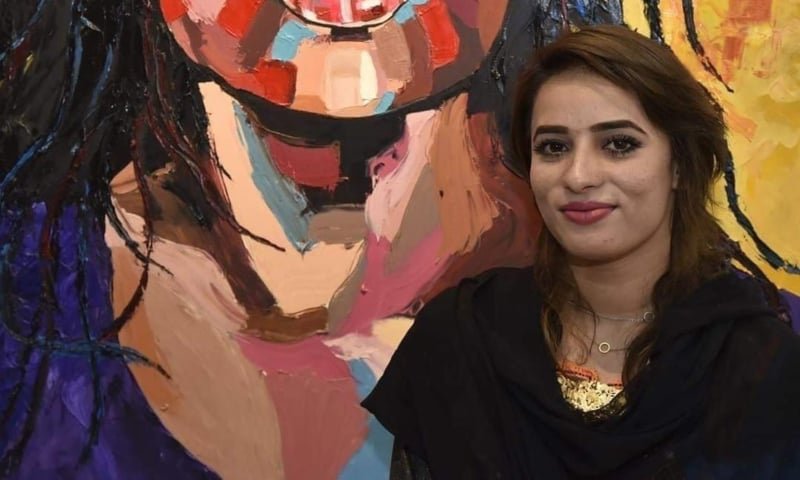
    Yesterday, a female journalist in Balochistan was shot dead. A social activist, an anchorperson at PTV and editor of a Balochi language magazine Dazgohar, Shaheena Shaheen was shot three times in Turbat on Saturday. She succumbed to her bullet injuries at the hospital. According to media reports, Kech Superintendent of Police Najeebullah Pandrani said the killing was the result of domestic violence. Shaheena’s family has nominated her husband in the First Information Report (FIR), whom she married just five months ago.

    Spokesperson of the Government of Balochistan Liaquat Shahwani tweeted that the murder seems to be due to a domestic issue and promised that justice would be served. Federal Minister for Information and Broadcasting Senator Shibli Faraz also condemned Shaheena’s murder. He said the government would fulfil its responsibility and bring the culprits to justice.

    Shaheena achieved a lot during her short but meaningful life. She was a talented artist, a brave social activist, and a talented journalist. Shaheena’s murder brings forth multiple issues plaguing our society, especially domestic abuse.

    Domestic violence is a serious issue in Pakistani context. According to a report released by SSDO in August and titled ‘Tracking Numbers: State of Violence Against Women and Children in Pakistan’, violence against women increased 10 times in just three months in Pakistan. A large number of women are victims of domestic abuse at the hands of their husbands but suffer silently due to multiple reasons, which include family ‘honour’, children’s future, lack of financial independence and the taboo attached to divorce. It is because of their silent suffering and lack of repercussions that these men continue to commit this crime. Some, like Shaheena’s husband, are emboldened enough to even commit murder. Apart from domestic violence, ‘honour killing’ by family members is not an uncommon practice in Pakistan. On Friday, the Supreme Court observed that the killing of women in the name of honour had never been an honourable practice and that such murders should not be categorised as honour killings. “It will help deter such killings if the term ‘Ghairat’ is not used to describe them,” observed Justice Qazi Faez Isa.

    Why is it that ‘honour’ is always attached to a woman’s actions and not that of any man in our society? Why is a woman expected to suffer at the hands of her abuser just to save family’s honour? Our lexicon is filled with phrases like, ‘Log kya kaheinge?’ [what will people say?], which make women think twice before leaving an abusive relationship. We wonder what these ‘people’ will say when a woman is murdered by her husband?

    The Ministry of Human Rights launched an awareness campaign about domestic abuse and violence in March this year, asking the victims to call their helpline. We have laws against domestic violence and honour killing in place but the major issue is under-reporting of these cases by the victims themselves who choose to stay silent due to societal pressures. It is time to raise awareness across the country and let these women know that they are not alone. The state as well as society stands with them. Shaheena, we hope your murderers are brought to justice. Rest in power, Shaheena!

  • Karachi’s rain mess: A case of governance failure, corruption and political turf wars

    Karachi’s rain mess: A case of governance failure, corruption and political turf wars

    “The curious case of this city is that it is administered by a mix of federal and provincial controlled landholding associations, cooperative housing societies, military-run cantonments, the navy, the railways and the industrial area authorities to name a few.”

    A commercial port city with more than 20 million residents, Karachi has continued to suffer decades of civic mismanagement, gaps in urban planning and development given the lack of adequate governance, corrupt civic agencies and political parties vying for power. None of the myriad agencies that control resources and management in this city have honestly bettered the city and the lives of its people.

    Take the tussle between the PPP and the MQM that has not only brutally destroyed the socioeconomic fabric of districts such as Lyari, a sprawling slum settlement turned into a hotbed of violence, guns and drugs when rival gangs were patronised by the city’s two political parties, but also resulted in turf wars affecting the running of civic institutions. The political bifurcation of jurisdictions within this city has, therefore, resulted in a complete breakdown of basic service provision over years – lack of clean drinking water, electricity, housing, security are just a few municipal services that should be under the local government system but this is not the case. Even an elected mayor has no jurisdiction over certain areas of this city. When a city’s history is rooted in ethnic and identity-based politics building urban infrastructure, providing municipal services, or even intervening in areas that are essentially administered by a particular political party is near to impossible.

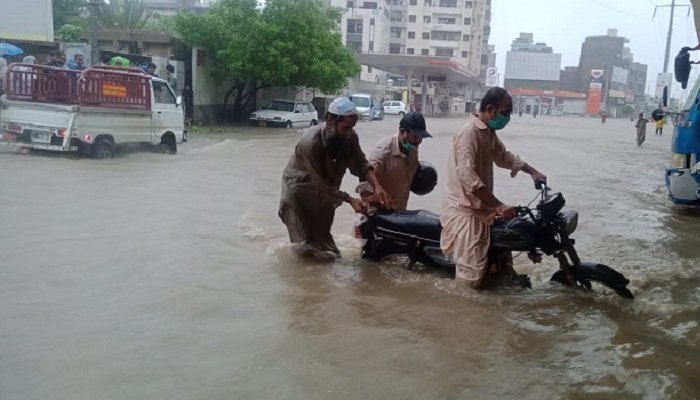
    Last week, Karachi was submerged in 230mm of rainfall in less than 12 hours, the most ever recorded, according to the Pakistan Metrological Department, exposing again glaring gaps in urban development, especially in low-income and vulnerable communities. Wealthy residential areas were not spared where drainage channels were choked. One such densely populated urban settlement with poor access to water and sanitation, Lyari is located about 15 minutes from the city’s business hub at I.I. Chundhrigar Road where you’d find most of the banking sector is headquartered. Streets were inundated with rain and sewerage water for days and later cleared up by residents because no government assistance reached these communities. Similarly, homes, businesses and streets in the city’s old quarter of Kharadar – a symbol of pre-colonial history which becomes the centre for Muharram processions (near Mithadar where the Edhi main office is located and adjacent to Jodia Bazaar) – literally drowned in a mix of rain, putrid sewerage water and floating garbage, increasing the risk of diseases, such as dengue and malaria. Some commercial/residential areas remain flooded with no electricity almost a week after the downpour in this city; sewerage water has collected in empty plots according to residents in different areas of Karachi where gutters are broken.

    First let’s be clear here: vulnerable neighbourhoods with already inadequate urban and social infrastructure have long been neglected by the ruling political powers and whomsoever authority is in charge of a given district. Then, the urban poor in Karachi are like none other. I recently read on Twitter: ‘The Lebanese people are like kids who’ve had to raise themselves because the parents were never around to take care of them.’ Now apply that to Karachi and it makes sense. Migration from rural to urban, and from the north has meant living in overcrowded, unsafe environments with little access to education, health, or sanitation, and with the COVID-19 crisis having reduced livelihood opportunities even further because of mobility restriction and decreased economic activity, natural disasters have the potential to decimate lives and homes. So why no focused body that can fix Karachi? The curious case of this city is that it is administered by a mix of federal and provincial controlled landholding associations, cooperative housing societies, military-run cantonments, the navy, the railways and the industrial area authorities to name a few. Many question the absence of the relevant authorities responsible for civic provisions, such as drain clearing before the annual monsoons, sewerage repairs and garbage collection. In fact, it was army personnel, volunteer rescuers, and even volunteers from the Islamist group Tehreek-e-Labbaik who rescued and evacuated people from many inundated residential neighbourhoods — some using boats for rescuing residents living in the newly constructed Naya Nazimabad area while some families waded through waist-high water. 

    Floating cars and destroyed homes: an apocalyptic sight

    Moreover, substandard construction in the city and informal settlements, built close to water draining channels or nullas, were perilously flooded or sunk during these rains given their poor physical infrastructure. This kind of urban flooding is to be expected as climate patterns change experts warn. And we have witnessed urban flooding in the past in Karachi. Warnings from the late Perveen Rahman, Orangi Pilot Project’s director, of the possibility of urban flooding if the mangrove plantation was removed on either side of Mai Kolachi because it served as a catchment area that could prevent flooding, were never heeded.

    The human toll of the recent rain tragedy has left Karachi’s residents reeling with more anger than ever and rightly so. I use the term tragedy here because rain in Karachi is hardly romantic or calls for a relaxing cup of tea and pakoras – rather it’s become synonymous with loss of lives, homes and livelihoods that could have been avoided had the concerned authorities prioritised rain preparations by declogging stormwater drains beforehand or constructing drainage facilities where none exist. Hundreds of people were forced to take shelter in the homes of relatives while scores of cars and other vehicles caught in the torrential downpours either remained submerged in water, many seen floating away as the water began flowing akin to a river developing rough currents. Scenes captured and shared as photographs and videos on social media were as if this city had been hit by a passing meteor and destroyed with a vengeance. Main thoroughfares and all seven newly constructed underpasses were submerged under several feet of water; children and motorcyclists drowned in waterlogged underpasses; young men slipped into storm drains (nullahs); 21 bodies were pulled out of just one water channel near Korangi; cars were seen stranded or floating everywhere in the city; underpasses resembled swimming pools turned nasty, and electricity was cut in areas for over five days to save people from getting electrocuted because this city has a surplus supply of unnecessary wires dangling on electric poles or lying unattended on roads and pavements. All this while empty shipping containers placed to block streets during the ninth and tenth of Muharram were seen dangerously floating down Zaibunissa street in Saddar jostling calmly for space with cars and buses. In the case of a police van caught in moving water currents on the main Sharah-e-Faisal thoroughfare that leads to Jinnah International airport – images of which went viral on social media – around five policemen were rescued by passersby who threw a rope ladder at them. Where were the authorities, the rescue services other than volunteers such as Edhi and Chippa to help in this disastrous monsoon deluge is a question we need to ask the provincial/federal government.

    And it was not just Karachi that witnessed the monsoon rains this year but images from the interior of Sindh are heartbreaking – entire villages have drowned, mud homes entirely washed away with families having lost their meagre belongings, hungry children huddled together under the open skies – and these are communities that persistently suffer from drought, malnutrition, lack of healthcare, unemployment. Again, why has this government neglected its most vulnerable people needing protection, shelter and food? According to the NDMA, troops using boats evacuated 300 people from the rain-hit district of Dadu in Sindh, while 1,245 people were evacuated from Karachi’s rain-hit areas last week, where residents lost their life’s savings when businesses were destroyed and homes flooded with sewerage water, especially where the city’s outdated drainage and waste systems were overwhelmed by an unprecedented spell of heavy rain. That is not to say urban flooding was unexpected. Although flood warnings were issued, it appears authorities in charge of overseeing the city’s basic services and infrastructure were at their usual lethargic best without formulating any kind of preemptive response.

    When DHA drowned in sewerage water

    This year’s monsoon rains did not distinguish between slum settlements and the wealthy Clifton and Defence Housing Authority (DHA) neighbourhood. Given DHA is a housing authority for the rich and famous, in the aftermath of these rains that didn’t appear so – the sprawling area that comprises DHA was inundated with water as aerial views shared on social media revealed not a dry patch. Originally founded in 1953 as Pakistan Defence Officers Housing Authority, Zia-ul-Haq passed a Presidential Order in 1980 to create DHA, a civic authority run by the powerful military controlling five per cent of urban land in this city. It is a private enterprise given a governing body run by chiefs of defence institutions, essentially administered by serving brigadiers under the direct command of corps commanders. It was decided then that DHA would have its own rules and essentially not adhere to the local government system that oversees the municipal provisions of the city. This Presidential Order divided the Karachi Cantonment – the southern side named Clifton Cantonment that was given DHA Phase 1. In other words, DHA and Cantonment Board Clifton (CBC) do not come under the mayor of the city who cannot control the drainage, water supplies and planning for this area.

    Residents from DHA, one of the largest landholding bodies in this city, were hard hit this year when scores of houses were flooded in the city’s posh district home to politicians, ministers, entrepreneurs and industrialists. No one from this authority emerged to apologise for the putrid mess that was open gutters and collected rainwater measuring over five feet in certain areas and no one attempted to provide assistance for those vulnerable residents trapped in their homes without electricity, food, water and medicine; some even at the risk of drowning. Many took to twitter cussing the electricity supplier, the Sindh government and the DHA authorities, as they witnessed green streets drowning mercilessly with such rainwater intensity that gated homes were left in utter disarray; heavy metal gates flung wide open with currents of the free-flowing water, expensive cars floating aimlessly or submerged and basements of homes flooded with expensive paintings and books destroyed in some homes. The urban middle-class deprived of basic amenities, clean water and electricity for years intermittently, say they watched this side of the Clifton bridge as they term the elite, drowning and waited for a reaction. The point being if you pay your taxes, water taxes included, and get nothing in return, because you’re compelled to buy your water, electricity and security, something has to give – and these rains meant no one was going to sit back and take the callousness suffered over years.

    Residents mobilised over Facebook and protested outside the office of the CBC, DHA’s sister organisation, to register their anger at having paid taxes for years but not having received any services, such as solid waster management disposal – the city actually has no plan for waste disposal – or running water without having to purchase water tankers and pay a whopping Rs 7,000 for one tanker. Furthermore, the stormwater drains clogged with garbage in DHA and elsewhere in the city, have not been removed as a preemptive move before the summer rainfalls. Hundreds of residents protested outside the offices of the CBC demanding the authorities clear the water hours, and present their audit for the past five years. Despite a legitimate right to protest, the organisers are now faced with police charges for rioting — and for shaking the CBC head out of his lethargic stupor. Fed-up with the city administration, other protests happened, in the days to follow, including all Karachi residents irked by years of neglect. A friend who said she’d stopped the water from seeping into her dining room and flooding her house, calling the city a disaster zone, a death trap. I can’t worry unless something hits me in the face, she said. Or else I’d die of anxiety. And I forgot to mention if you have a generator, which most Karachiites at home and for their businesses would do, finding a petrol station at 4 am was a nightmare when you ran out of petrol or diesel. 

    In certain residential and commercial areas of this city, even as I write this, electricity is yet to return; roads are filled with water, and sewerage, despite the Sindh government’s representatives, including the chief minister rolling up their sleeves and supervising water drainage. Draining the water from main roads has largely been left to volunteers and the Sindh government (read Sen Murtaza Wahab’s twitter updates) when the concerned authorities were unable to move in swiftly and do their job. Businesses have been gutted; supplies worth hundreds of thousands lost all over this destitute city, but who is listening to these troubles? Who will work or represent the interests of this city and its people? All of Karachi deserves greater attention because it has suffered years of neglect and economic hardship despite generating maximum revenue. No city can function with multiple agencies and multiple service provision jurisdictions. According to a paper on landownership in Karachi authored by Arif Hasan, Noman Ahmed and others, this city is governed by 13 different land management authorities which resultantly means no consensus is achieved and there is no coordinating mechanism, because of clashing interests. Over the years this has translated into a lack of low-income housing, amenities and utilities.

    Making Karachi liveable

    So while it is critical for megacities like Karachi where urban sprawl has not been able to keep up with the growing population needs to focus resources on immediate management and response to natural disasters or an urban crisis, attention must be paid to how long-term measures can be implemented to build a more sustainable and liveable city. This approach is imperative after an intensely destructive monsoon season countrywide that has revealed how unprepared and clueless we are when it comes to managing disasters of this unprecedented scale – natural disasters intensifying over the years as unusual weather patterns emerge clearly warning of the impact of climate change (Karachi’s extreme heatwave in 2015 is yet another example) If climate change is not addressed adequately by this government, without a disaster management infrastructure and expertise to match, severe weather will cause loss of lives and livelihood. Mitigating the effects of climate change  (on agriculture, for example) is imperative, especially in vulnerable areas, rural districts in Sindh, even KP and Balochistan, where the capacity to sustain climate change shocks is non-existent, and where disaster prevention is unaddressed.

    Karachi’s woes require a serious reorganisation of administrative duties so whomsoever civic agency is responsible gets the job done without political and commercial interference (especially in the use of land to their own advantage) while keeping at the fore the impact of climate change (droughts, floods, rain intensity will adversely affect water and food security in the near future) Governance must no longer be compromised because of conflict between stakeholders at the expense of the people. Strengthening local bodies is critical. As a party, the PPP has never allowed for that because it becomes a political issue whereas the PML-N gets voted on its governance track record in Punjab, so it must keep to a standard when it comes to civic services.

  • Karachi: Resilient no more

    Karachi: Resilient no more

    A city once known as the ‘city of lights’ has now been without electricity for almost three days and counting.

    Karachi resembles a dump now with dilapidated roads, virtually no sewerage system, no government public transport, buildings on top of each other without following any safety laws, no emergency response system, nothing. Recent visuals on our television screens, social media and WhatsApp following the monsoon rains in Karachi are horrendous. Cars floating around, houses drowning in sewerage water and rainwater, people being electrocuted, no electricity, no food, no relief in sight. A wheelchair-bound woman drowned in her house due to the mismanagement of those in power, someone who had a heart attack could not reach the hospital in time due to flooding…each story is worse than the other. More than 80 people have so far lost their lives.

    The ‘resilience’ of the people of Karachi has been taken for granted but Karachi has had enough!

    The Pakistan People’s Party (PPP) has been in power in Sindh for the last 12 years. In those 12 years, we have not seen the provincial government take any responsibility whatsoever for the woes of the provincial capital. Blaming the Muttahida Qaumi Movement (MQM) because it ruled Karachi for almost a decade before the PPP government came to power can only be done so much. If the Opposition parties tell the ruling PTI to stop blaming past governments and focus on their own performance, then the same rule should apply in Sindh. The MQM may not have done as much as it should have back then but it is no excuse for a government that has been ruling the Sindh province for over a decade now.

    It will also not paper over the fact that the local bodies system is so weak that no city government can be blamed for anything catastrophic. If the PPP wants to shift the blame, it should have had a fully empowered local bodies system in place. When a government does not want to devolve power and then not do anything itself, then who is to blame? Climate change may be another reality but it is not something that has come out of the blue. Where is the emergency relief system to work in times of natural disasters? If it were not for the Edhi foundation and Chhipa and other private organisations, the city of Karachi would have been an orphan city. Private citizens are helping each other out rather than the government. Where is the empathy of the rulers? Some of the tweets by provincial ministers are full of apathy towards the people of Karachi; clearing a few roads of rainwater do not make the problems of Karachi go away.

    Now that a committee has been formed with all stakeholders to address the issues plaguing the largest city of Pakistan, it is hoped that regardless of their political affiliations, all stakeholders would work towards reaching a solution and not play politics at the cost of innocent lives. The people of Karachi have witnessed ethnic warfare, sectarian killings, mafias, crime and much worse. They deserve a break now. The Sindh government and all other stakeholders need to work together in order to bring some semblance of normalcy back to a city that is the heart of Pakistan. 

  • BOOK REVIEW: Dare To Be You — Pakistan’s First English Self-Development Book

    BOOK REVIEW: Dare To Be You — Pakistan’s First English Self-Development Book

    When the COVID-19 pandemic began and I started working from home, I bought into the uproar on social media about having more free time. My first, and perhaps only, resolution for this “extra time” was to read more books, and, in line with everyone’s suggestions about learning new skills and working on one’s own self, I thought I’d try and get two birds with one stone.

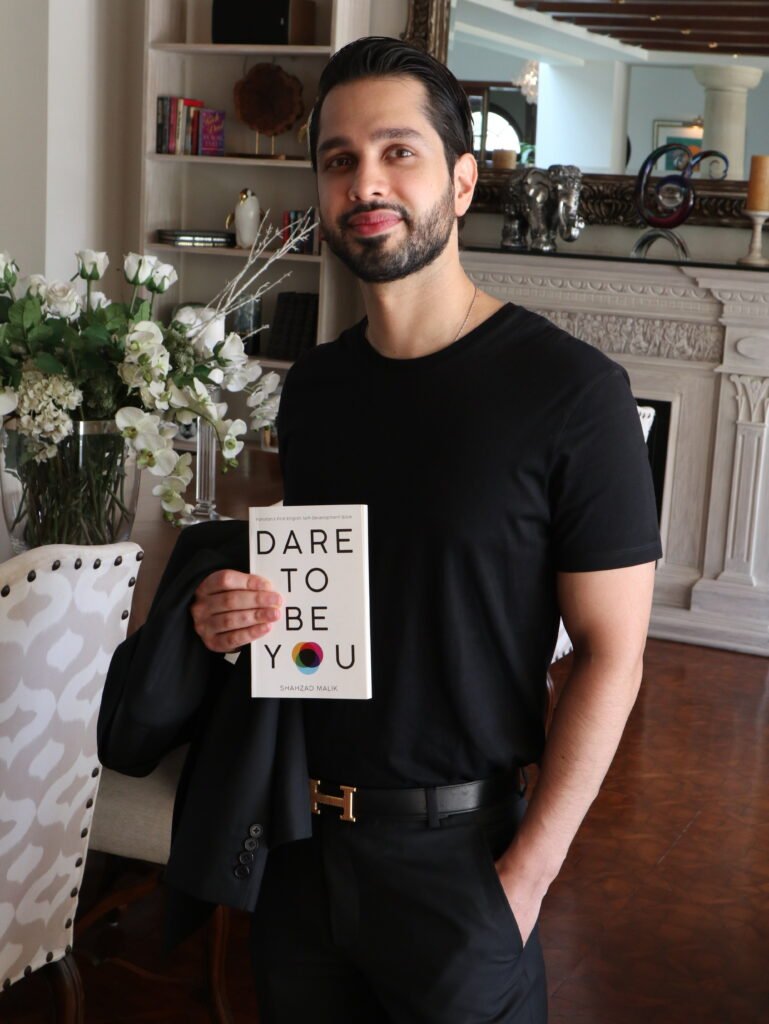
    As it so happened, I came across this new book on social media: “Dare to Be You — Pakistan’s First English Self-Development Book” by Shahzad Malik. I was very intrigued and immediately went to the website and ordered it. The book arrived a couple of days later and honestly, I was blown away when I took it out of the packaging. It looked better up close than it did in the pictures. The cover design is beautiful — it’s very minimalistic and, quite like the book itself, it’s not in-your-face. It’s powerful in its subtlety.

    It didn’t take me very long to finish the book once I started it. It’s not very long but, more importantly, once I started, I was hooked! I didn’t want to put it down. In fairness, I had not expected this when I bought the book or picked it up. I’m very wary of self-help books generally because they always feel very preachy to me. “You’re living life all wrong, and you must do x, y, and z if you want to be successful.” It almost always leaves a very bittersweet taste in my mouth. But, luckily, “Dare to Be You” isn’t like that at all! It’s very real and very candid. Like the author’s sitting right there talking to you. Like a conversation between friends.

    I mean, of course, it is a self-development book, so of course, it’s going to include certain preferred acts and traits. But when I say the book is very real I mean that the author isn’t minimising what you’re going through. He seems to be well-aware of it. And when he talks to you, it feels like he’s talking to you as someone who has been through the things you’re currently going through, has managed to come out on “the other side”, and is now reaching back trying to pull you there too. I’m not one to take everything at face value, so I was a bit skeptical of whether the author actually “made it” and a few Google searches showed me he really had. And after reading the (deeply personal) incidents he’s narrated in the book and how he navigated through them, I really have a new-found respect for him.

    “Dare to Be You” is built around one central idea that resonates throughout the book; all of us have the potential to be better and to do better, and we owe it to ourselves to try until we get to where we want to be. In certain places, the book definitely adopts a tough-love attitude, where it actively engages with the excuses we sometimes buy into. But the tough love is fair game, and, honestly? It really helps. Because it really makes you face what you’re running away from, while also guiding you to the support and confidence you need to win (think of the coach in any famous boxing movie pumping up the boxer before the big fight).

    The book discusses a number of topics, all the way from overthinking to fear to finding one’s passion. It addresses the idea of mindfulness, of allowing ourselves to listen to our emotions rather than let ourselves be overwhelmed by our thoughts and the discouraging voices in our heads. This idea also flows through the book, and we are reacquainted with it at various points along the way, helping to really ground it in the reader’s mind. And in anxious times such as these, this has been game-changing. The book also lets readers explore how we can change our default way of approaching situations, by allowing for greater awareness of our internal frameworks. For instance, it allows us to explore the fears we carry, that hold us back, and lead to us minimising ourselves. This, in turn, allows us to see them for what they really are and shed them off, taking away their power over us so that we are not perpetually afraid and encumbered.

    One of my key take-aways from the book has to be from the chapter on happiness. To quote from the book:

    “I had become scared of feeling happy because I thought good things didn’t last. Think about it. It seems so simple when I write it down, but it was such a profound realization for me – that I could be afraid of happiness. That I could be afraid of something beautiful, simply because I was afraid I would lose it.

    The book really invites readers to give themselves a real, honest chance at happiness — both in the small everyday joys and as a mindset — that can become the basis for a more content and resilient life. And once you’re no longer afraid of happiness, the journey to discover your passion becomes a lot clearer (the book helps prevent the associated overwhelm by providing a structure to navigate your journey).

    It’s been nearly a fortnight since I finished the book. And over the past two weeks, I’ve found myself thinking back to the book, and even picking it up to re-read certain parts of it. For a relatively light read, I’ve been pleasantly surprised by how it has stayed with me (almost on a subconscious level), allowing me to already start changing some of my habits that have just always been there. I find myself taking down my internal barriers one by one, and actively trying to do away with the voice inside my head that’s always more-than-happy to tell me I’m not good enough.

    Granted, I haven’t yet achieved everything I wanted to and I haven’t arrived at the pinnacle of my life’s work. But “Dare to Be You” has certainly allowed me to start walking down the path I’ve been avoiding for a very long time. The path to a self-aware, authentic and meaningful life.

  • ‘Pyar Ke Sadkay’: All’s well that ends well

    ‘Pyar Ke Sadkay’: All’s well that ends well

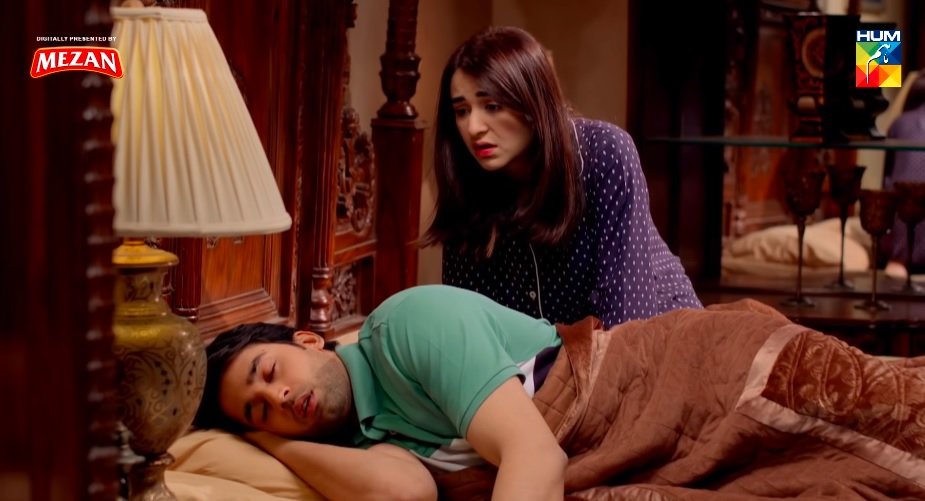
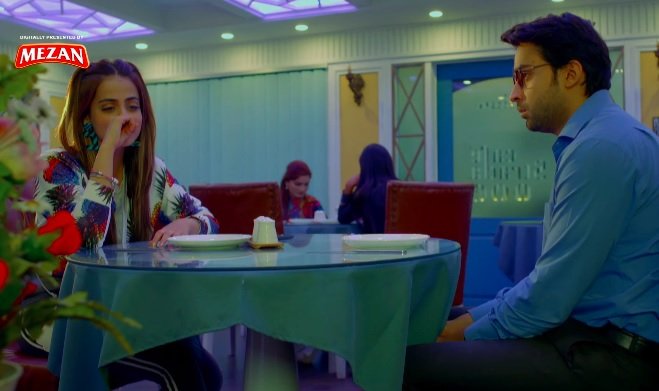
    Hum TV’s much-loved rom-com Pyar Ke Sadkay came to close Thursday night with a happy ending that left viewers satisfied.

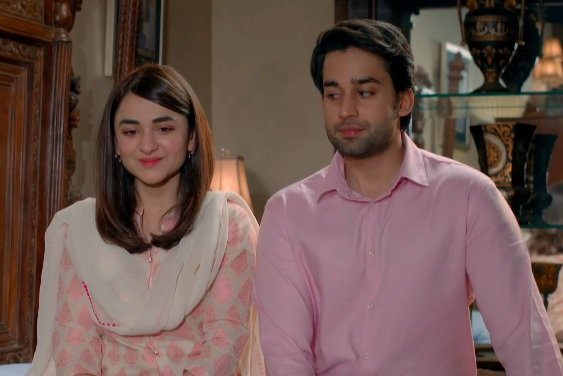
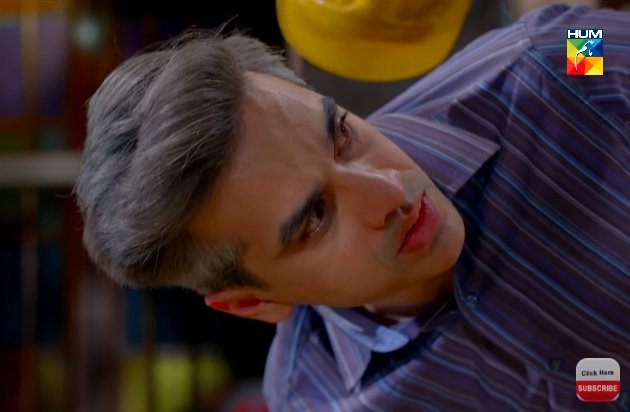
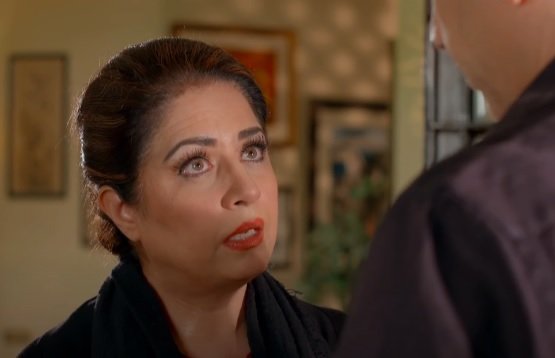
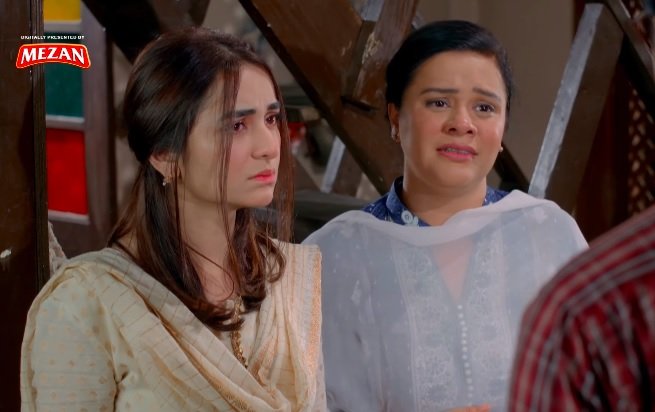
    Starring Bilal Abbas Khan, Yumna Zaidi, Atiqa Odho and Omair Rana among others, Pyar Ke Sadkay is a love story of two bawlas (simpletons) Abdullah (Bilal) and Mahjabeen (Zaidi) who end up getting married after fate throws them together. Over the course of the drama, they fall in love and overcome several obstacles along the way including an ex-crush Shanzay (Yashma), a manipulative father-in-law Sarwar (Omair Rana) and a weak mother-in-law Mansoora Begum (Atiqa Odho) before finally ending up together in the last episode.

    Though the last episode paid attention to all the subplots in the drama and ensured that there is no loose end left, I do wish it was not as rushed as it was. Throughout its run, the drama has been well-paced except in the last couple of episodes which were a bit of a drag. But that doesn’t mean the finale did not have its moments. In fact, there were plenty of them starting with Abdullah telling Shanzay to shut up, Mahjabeen’s mother refusing to take a settlement from Abdullah, Abdullah’s run-in with Sarwar and finally the confrontation between Mansoora Begum and Sarwar. The finale was packed with drama and had viewers hooked. Abdullah’s evolution in the last episode was brilliant and every time he stood up to his bullies, you couldn’t help but cheer.

    On the flip, I do wish that Pho and Washma were given more attention in the finale. Mahjabeen’s pregnancy was also forgotten and Sarwar’s moment with his mother just seemed forced and out of place. I really didn’t understand why Sarwar is upset with his mother and blames her for all his actions.

    Meanwhile, the performances were absolutely brilliant – whether it was Yumna, Bilal, Atiqa, Omair, Shra Asghar (Washma) or Salman Hassan – each one of them did complete justice to their characters. Credit for the amazing acting also goes to the director Farooq Rind who brought out the best from his actors.

    Zanjabeel Asim Shah’s script was solid and the characters very likeable. Some of the dialogues, especially those by Mahajabeen’s mother were powerful and thought-provoking.

    Pyar Ke Sadkay was one of those rare, well-written and well-produced drama which you enjoyed watching. Will definitely miss watching Abdullah and Mahjabeen’s shenanigans every Thursday but onto the next now.

  • The ‘Churails’ are the superheroes we wish we had

    The ‘Churails’ are the superheroes we wish we had

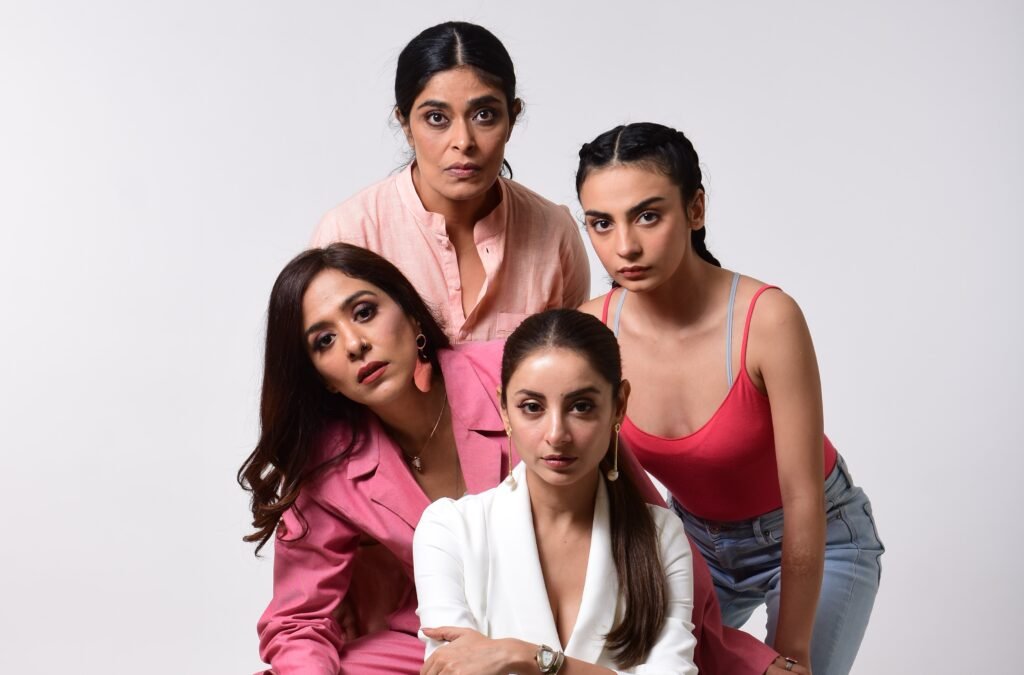
    Step aside folks, Pakistan has truly arrived at the web series front with Churails. Though this is not the first original web series to come out of Pakistan, it is indeed the one that has put us on the map and from this point onwards, there is no looking back.

    Read more – Cheating husbands, badass women & girl power: ‘Churails’ promises to be ‘witchy’ delight

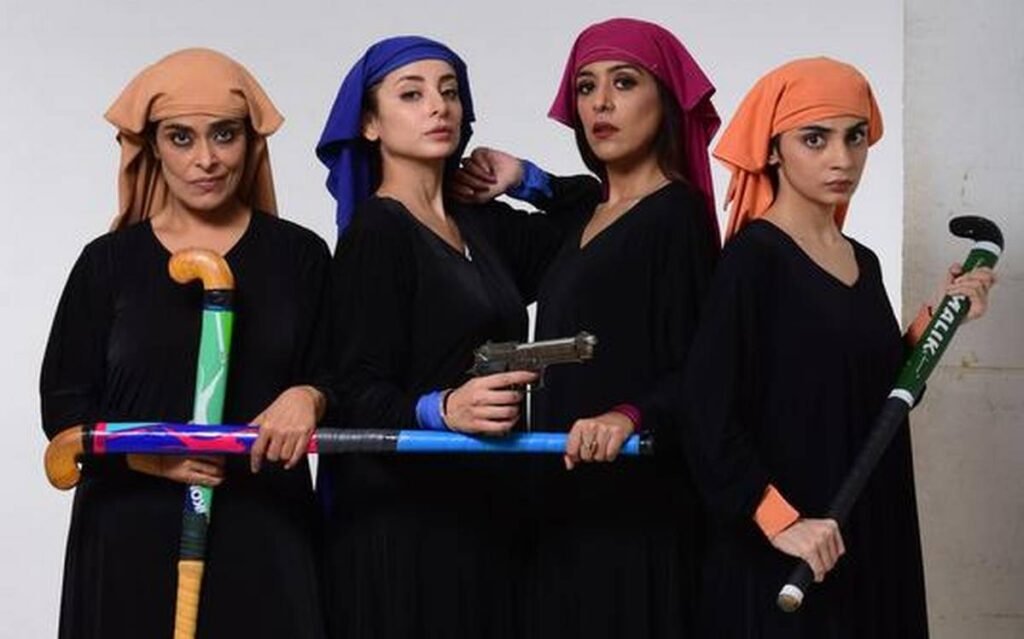
    Created and directed by Cake director, Asim Abbasi, Churails features Sarwat Gilani, Yasra Rizvi, Nimra Bucha and Meharbano as the four churails (witches) who are here to shake things up. Bakhtawar Mazhar, Sameena Nazir, Zara Khan, Mareeha Safdar, Amtul Baweja, Meher Jaffri and Shabana Hassan play the chosen seven while the male leads include Omair Rana, Kashif Hussain, Fawad Khan and Sarmed Aftab. There are plenty of cameos in the series, some of which are bound to surprise you and keep you hooked even more.

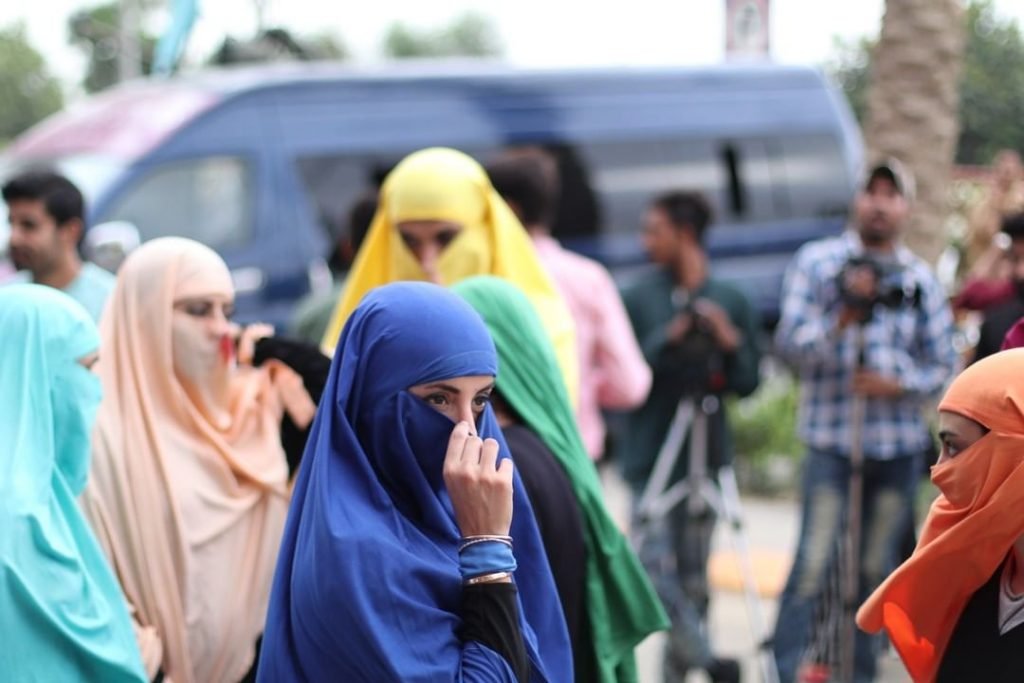
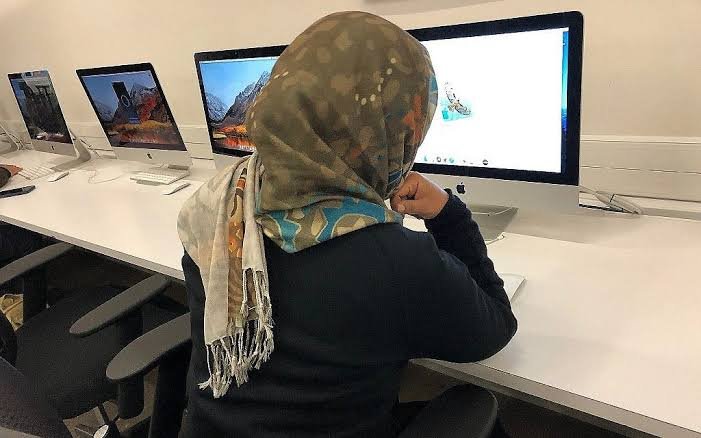
    The series is about four women from completely different backgrounds come together one rainy night and decide that they have suffered enough at the hands of the men in their life. They come up with the idea of setting up a detective agency under the guise of a hijab and burqa store with the aim to get justice their way. They then set up an army of baby churails – the Chosen Seven – and train them to carry out their spying and sleuthing missions. The interesting bit is that their team is not all women – their army also consists of two men, one of whom is a hacker. All is going well for the Churails until of their own goes missing and the women come face to face with the powerful men of the city.

    Churails has been wonderfully directed and presented. I like how the director made sure to strike a balance. Contrary to popular belief, the series is not anti-men or ‘fahash (vulgar)’ from any angle – it aims to challenge the system of patriarchy and break stereotypes surrounding outspoken and confident women. While the series shows plenty of ‘bad’ men, on the other end it shows decent men also, who support the women around them. Similarly, while they show mazloom and oppressed women, they also show women who support the system and enable the men around them. At the same time, I also liked how Asim cleverly combined fiction with reality. While the concept of Churails and all-women superhero team is something we all wish for, it is unrealistic at the end of the day. However, the situations the Churails find themselves in are very much real and oftentimes uncomfortable.

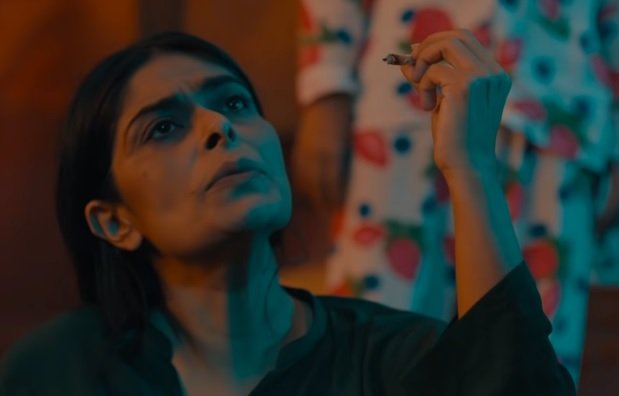
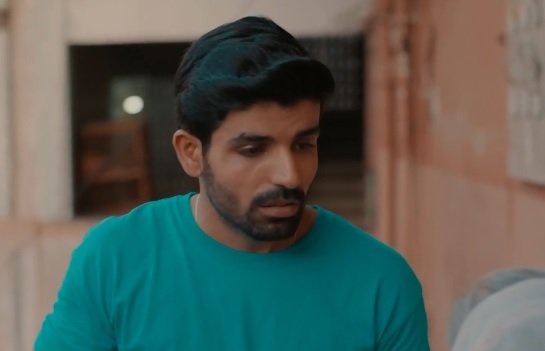
    Perhaps the strongest part of the whole series were the performances, cinematography and music. The performances were absolutely phenomenal – it was like each role was written with the actor in mind – whether it was Sarwat as Sara ‘the perfect wife’ or Yasra as the hippie wedding planner Jugnu or Meharbano as Zubaida the young girl aspiring to be a boxer, each actor put forward their best foot. As for Nimra Bucha, she was on another level as Batool. She spoke little and had limited dialogues but the way she communicated with her eyes and expressions was just brilliant. The male actors also deserve a round of applause, especially Hussain as Shams and Aftab as Dilbar. Not only were they great in their roles, but their characters were also likeable. Omair Rana was fantastic as the manipulative politician and Sara’s husband Jamil as were the Chosen Seven.

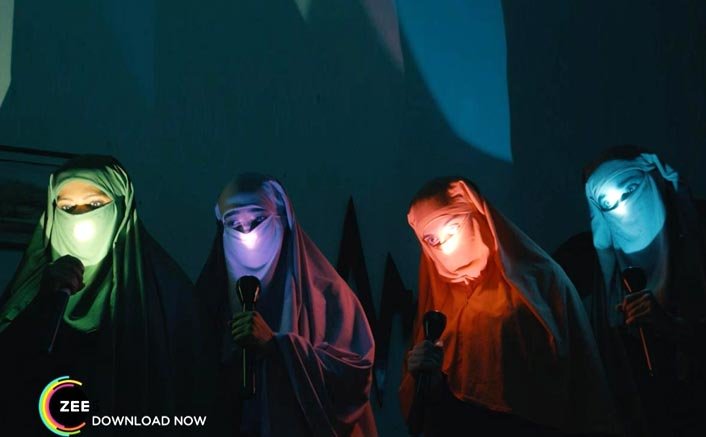
    Mo Azmi is a master of his craft and with Churails, he did his thing with finesse. He shot each frame meticulously, paying attention to detail, because of which the entire show was so aesthetically pleasing. The way he shot the frames in which the faces weren’t showing was simply mind-blowing. I particularly liked how Azmi played with lights to create an impact. The music of the series was also well-thought-out and each track and sound perfectly complemented the mood of the scene and added depth and character. Kudos to the music director for using music so deftly.

    Production value of the series was also high with beautiful sets and chic costumes. I particularly loved Sara’s wardrobe – so glamourous.

    Churails HQ

    While everything seems to be going right with the series otherwise, the one department which was I felt was a little weak was the editing, which would have been crisper. Each episode is approximately one hour long. Most web series have 45-minute episodes. Keeping that in mind, I do wish the episodes were a tad bit shorter. However, given how much I enjoyed the series, I’m willing to overlook this.

    Shams

    Overall the show is fun, fierce and full of sass. Asim attempted to shake things up with his series and I think he definitely did because these feisty and badass ‘Churails’ are here to stay. I would highly recommend everyone, especially all women to watch the series because I’m pretty sure you all will thoroughly enjoy it.

    Churails is currently streaming on Zee5, which is accessible in Pakistan. The service operates similarly to Netflix and Amazon Prime and requires a subscription. While the subscription is usually Rs 2500/year, they are currently offering a deal through which you can get the subscription for Rs 1500 for the whole year. Payment can be done via a credit card.

    Watch our video review here:

  • Targeting women

    Targeting women

    A large group of Pakistani women in media have released a joint statement about organised trolling, abuse and harassment they face online. The statement says, “Vicious attacks through social media are being directed at women journalists and commentators in Pakistan, making it incredibly difficult for them to carry out their professional duties.”

    The statement further says that online attacks are instigated by government officials and then amplified by a large number of Twitter accounts, which declare their affiliation to the ruling party.

    They asked the government to restrain its members from repeatedly targeting women in the media, send out a clear message to all party members, supporters and followers, to desist from launching these attacks, whether directly or indirectly and, hold all such individuals within the government accountable and take action against them. #AttacksWontSilenceUs, the hashtag used by the women who released the statement, trended at No 1 on Twitter.

    Targeting women in media is easy as there are only about five percent of women who are journalists in Pakistan. They not only face vile abuse related to their gender, but they also face a barrage of allegations that they take ‘lifafa’ or are paid by Opposition parties. These bullying tactics are used to either silence them and/or discredit them. Last year, a report titled ‘Hostile Bytes – a study of online violence against women journalists’ by Media Matters for Democracy (MMfD) said that 95 percent of women journalists feel online violence has an impact on their professional choices, while 77 percent self-censor as a way to counter online violence. In the recent statement by women media practitioners, self-censorship was identified as a problem as well as hacking attempts of their social media accounts. The mental toll it must take on those who are at the receiving end of this constant abuse is another factor that leads to self-censorship.

    Targeting women is a worldwide phenomenon. In neighbouring India, the trend is quite similar. Amnesty International published a report earlier this year, which said that women politicians in India face a shocking scale of abuse on Twitter. “Women are targeted with abuse online not just for their opinions – but also for various identities, such as gender, religion, caste, and marital status.” It has also been seen how women journalists who do not toe the official government line in India are viciously trolled by the ‘Modi Bhakts’ on social media platforms, especially Twitter.

    The National Assembly’s Human Rights Committee has invited women media practitioners who released the statement to come and highlight their issues in a meeting on Tuesday. Federal Minister for Human Rights Shireen Mazari also lent her support to the women media practitioners in her tweets. It is important that these issues are raised at the right platforms so that Pakistani online spaces can be safe for women from all spheres of life. A civil discourse is the need of the hour instead of online abuse. We hope that those who are behind such campaigns can actually get past their political differences and ensure that online spaces are used for meaningful discourse instead of bullying.

  • ‘Ishqiya’ ends on a bittersweet note

    ‘Ishqiya’ ends on a bittersweet note

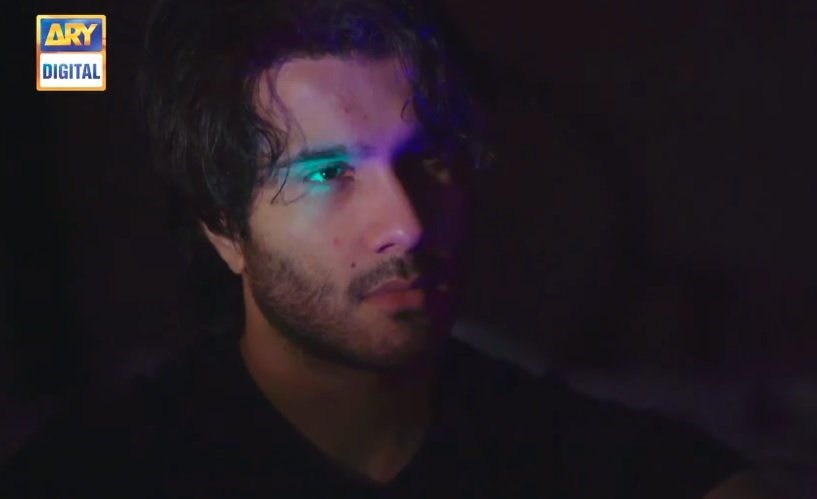
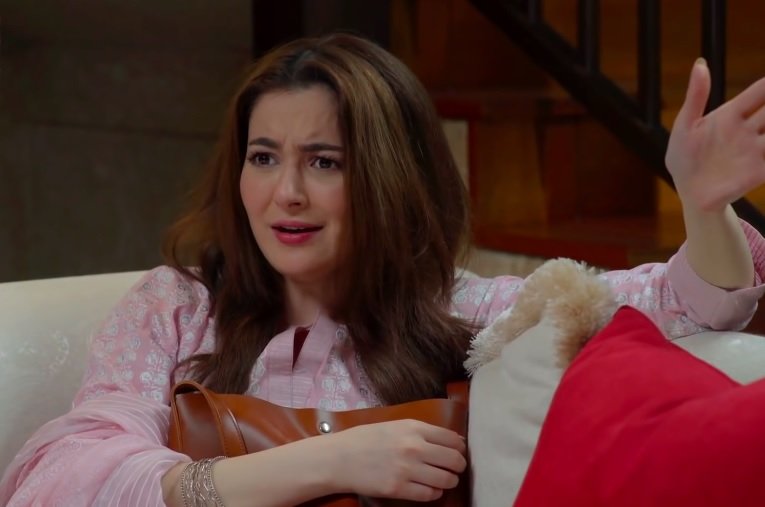
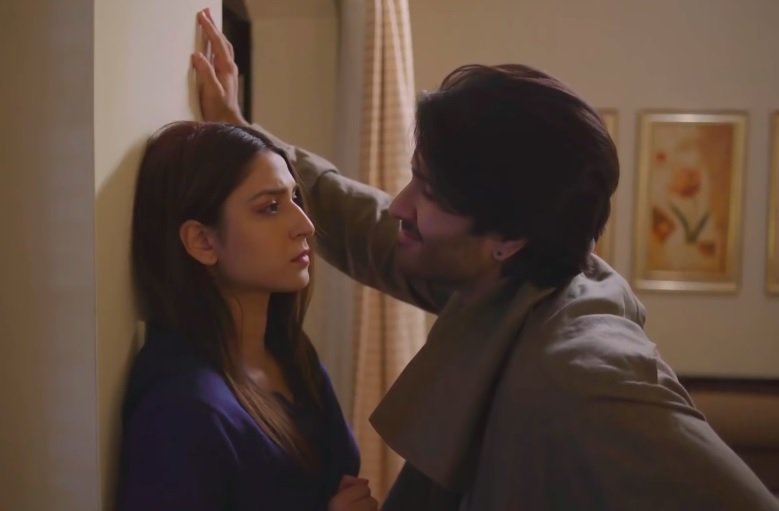
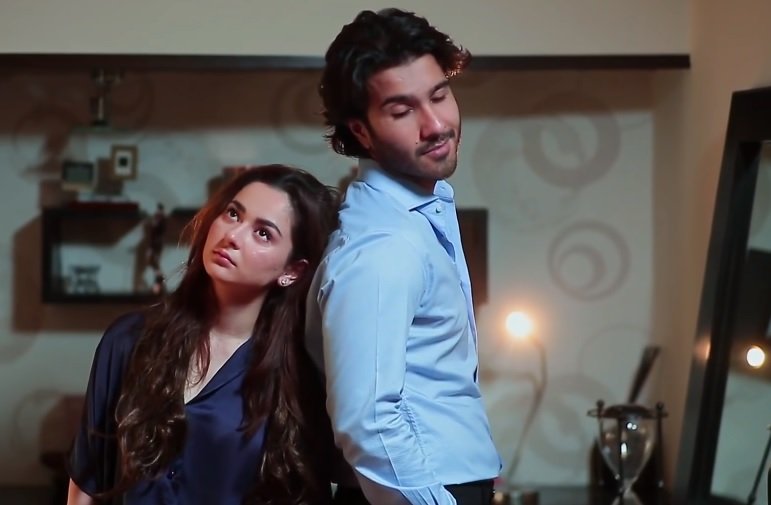
    Hania Aamir, Feroze Khan, Ramsha Khan and Gohar Rasheed’s painstaking romantic saga Ishqiya came to a close Monday night with a finale that left viewers torn. While some thought the ending was fitting, others were rooting for a happy ending for Rumi (Hania) and Hamza (Feroze). But alas that did not happen, even though Hamna (Ramsha) and Azeem (Gohar) got their happy ending. If you ask me, I’m just glad that no one died or lost their sanity.

    To be honest, I really was not a big fan of Ishqiya given its ridiculous storyline and I made that pretty clear at several instances (Here and here). But given the nature of my job and the fact that the drama trended every week on YouTube (the last episode is trending at number two on YouTube Pakistan) and social media, I had no choice but to follow it and try to figure out what exactly made it a hit. After much thought and going through audience comments, I came to the conclusion that strong performances by the lead and supporting cast, Rumi (Hania) and Azeem’s (Gohar) characters and the chemistry between Hania and Feroze is what attracted audiences and made them tune in every Monday.

    To sum up the plot in a few lines, Ishqiya was the story of two sisters Rumi and Hamna (Ramsha Khan) who have conservative, yet loving parents. Hamna is in a relationship with her class fellow Hamza but her father Siddiqui sahib (Shabbir Jan) gets her married to Azeem. Being an obedient daughter and a weak person, Hamna does not protest and goes ahead with her father’s wishes. This is when the problem begins. Hamza is heartbroken over Hamna’s marriage and thinks she betrayed him so he sets out to seek revenge from her by marrying her sister so he can be close to her and mentally torture her. In the process, he ends up falling for his wife but as they say, you reap what you sow. Pretty convoluted if you ask me.

    While the actors did complete justice to their roles and delivered above-average performances – Hania was great as the bubbly, chirpy Rumi, while Ramsha fit perfectly as the sober and introverted Hamna; Gohar was wonderful as the soft-spoken Azeem and as for Feroze, he seems to have perfected the role of the ‘bad boy’ – they were let down by a weak script, bizarre plot and poorly written characters. The drama relied heavily on flashbacks, greatly testing our patience because while the present featured someone crying, the flashback saw the person crying even more. Basically, there is lots of crying in the drama, except a few moments of comic relief by Hania. Gohar and Hamna became monotonous in a few episodes because they maintained the same expressions. But then again that was more of the script’s fault than their own.

    Similarly, Hania and Feroze’s chemistry was crackling and straight out of a Mills and Boons novel but again it was neither explored nor developed properly. The two complimented each other well and were one of the highlights of the drama.

    Badar Mehmood has given us many memorable dramas including Cheekh and Balaa and I’m still trying to figure out why he opted for a project like this. But given the drama’s success, I’m scared that our directors and producers will continue to churn out such senseless and nonsensical stories. Written by Mohsin Ali Shah, Ishqiya was produced by Fahad Mustafa and Dr Ali Kazmi under their production house Big Bang Entertainment.