Author: optimum_tech

  • PIA pilots’ licences

    PIA pilots’ licences

    The Pakistan International Airlines (PIA) crash in May that killed 97 out of 99 people on board is still fresh in our memories. An initial report says it was due to human error by the pilot and air traffic control. Aviation Minister Ghulam Sarwar Khan said the pilots were distracted discussing coronavirus and as a result, the pilot initially failed to perform the landing correctly when the plane scraped at the runway the first time before taking off again. In another shocking “revelation”, the aviation minister said that 262 pilots out of 860 active ones in Pakistan have “fake licenses” which he later changed to dubious or suspicious licences. It not only made international headlines but as a result, PIA grounded 141 pilots while there also are reports of Pakistani pilots in Vietnam and some Gulf countries being grounded, subject to a review.

    On the other hand, Pakistan Airline Pilots’ Association (PALPA) on Saturday denied these allegations. Head of the pilots’ union said there is no truth in these allegations. According to a detailed report in BBC Urdu, the claim by the aviation minister is incorrect and the number of pilots with dubious credentials is not as high. The minister later conceded his original stance. The report explains that the examination process, which makes for about 5 per cent of the licensing process, changed in 2012. Before 2012, pilots had to give two papers but a new model of examination was introduced by the Civil Aviation Authority (CAA) which now requires pilots to take eight papers, mostly theoretical. It did lead to some pilots failing the exams as they were quite complicated or they didn’t get a proper understanding of the scope of exams.

    While many cleared the new examination process, some could not, so an environment evolved where it was made easy for pilots to cheat and some eagerly resorted to cheating, which included making others sit in their place to clear the exams for a few hundred thousand rupees. It is said that while pilots around the world get their commercial licences after being tested for their technical know-how and flying hours as well as a basic examination process, Pakistan’s new examination process was thought to be cumbersome for most of the pilots since it was laid out in a way that was not clear to those who were taking it.

    This is a case of moral dilemma as well as using unfair means. Being a pilot is one of the key jobs where there are extremely high expectations of moral obligation and trust. Cheating cannot be condoned at any cost nor the concept of facilitation of such unfair means. All pilots must be investigated properly and if they have resorted to shortcuts, they must be punished. That said, if the number is marginal compared to the minister’s claim, a clarification must be issued to clear the names of Pakistani pilots. Some complain that the CAA’s role in the entire process raises some red flags.

    We cannot stress enough about air safety. Hundreds of lives are at stake each time a plane takes off. The Aviation Ministry, CAA and airlines must investigate thoroughly and make their findings public. Any such inquiry must involve international stakeholders to add credibility to an embattled CAA whose own credibility is also on the line. Pilots and their bodies also need to initiate a thorough, inward-looking review process that builds trust in their own profession and shows that they are not on the wrong side of the debate.
  • I’m always right…

    I’m always right…

    Imran Khan’s recent Freudian slip reveals a lot.”

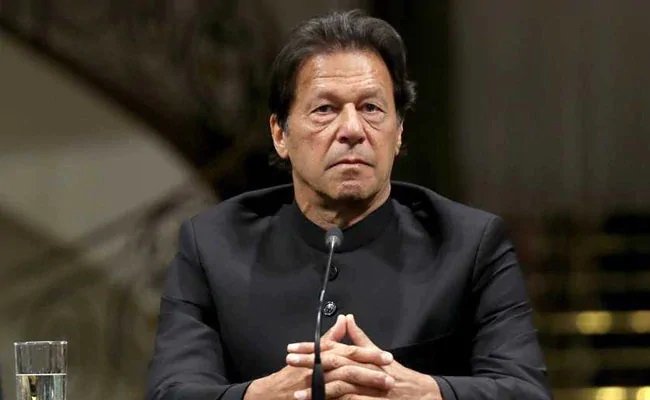
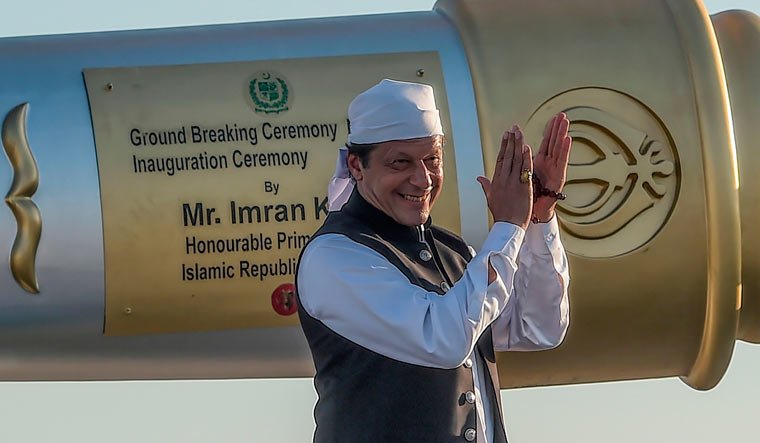
    Two interesting things happened recently in the chaotic drama that is Pakistani politics: one is that the prime minister (PM) actually deigned to show up in the parliament, and the second is that he referred to al-Qaeda founder Osama bin Laden as a “shaheed [martyr]” during his speech on the floor of the National Assembly.  

    Imran Khan, speaking in the context of his usual “the world has mistreated Pakistan” narrative, referred to the Abottabad raid saying, “One thing that happened was that the Americans came and killed Osama Bin Laden in Abbottabad… martyred him” — or in Urdu, “Abbottabad may aa kr maar diya… shaheed kar diya.” People picked up on this quickly and social media erupted in astonishment and dismay.

    This was then followed by the very amusing attempts of IK apologists to clarify what “he actually meant”. One of his advisors attempted to fudge the facts by tweeting that the PM “twice used the word  ‘killed’ for OBL” and that all the ensuing hoo-ha was actually a conspiracy “with clear attempt to make his remarks controversial unnecessarily”.

    But the fact is that his remark is controversial. His slip of tongue reflects possibly his true political leanings and seems to be the logical continuation of the position he has taken on various issues over the years.

    “He [Imran] is the man who despite (or maybe because of ) his elitist Lahori upbringing and western education, has always taken very right-wing and regressive political positions.”

    He is the man who tried to portray the Taliban to western media as “misunderstood freedom fighters”, who was in favour of “negotiating” with militants, and who advocated for them being allowed to open an office — as if to suggest that they were a serious political group rather than a group of armed religious extremists responsible for the bloody attacks and bombings that resulted in the killing of thousands of Pakistanis (civilians, uniformed personnel, school children, teachers).

    He is also the man who despite (or maybe because of ) his elitist Lahori upbringing and western education, has always taken very right-wing and regressive political positions. After his return to Pakistan, he became something of a born-again Muslim and also something of a born-again Pashtun, and his closest political allies over the decades have been right-wing and religious parties.

    Apart from official spokespersons trying to clarify and defend the PM’s choice of words, there were also several others, including some non-official ones like the TV news anchor who describes himself on Twitter not as a ‘columnist’ but as a ‘prominent columnist.’ This gentleman tweeted repeatedly in defence of the great leader and he came out with a few gems about the leader’s slip of tongue, even bringing puja, idols and Modi into the conversation! He also remarked that “the discussion was not about OBL” but about how IK’s government “has improved communication and engagement with the US & the world”.

    The way the Pakistan Tehreek-e-Insaf (PTI) government has reacted to this matter, illustrates both the way that it functions as well as the way in which Imran himself conducts his politics. For one thing, IK does not seem to believe in any sort of political dialogue of any kind of engagement that might lead to consensus.

    “‘I am right’ could easily be his motto in life (inching even further towards the far right). You can call this either immense self-belief or insufferable arrogance…”

    His approach seems to be that when he talks, everybody else should listen. His speeches are a mixture of pseudo-Islamic nationalism and political self-righteousness, peppered with abuse for opposition members. His contempt for parliament is evinced by his poor attendance record as well as the fact that he has not bothered to do any legislative work in parliament or do anything on any committees or in any other way be part of the community of parliamentarians. But when he talks, people should listen, and people who disagree with him are wrong.

    “I am right” could easily be his motto in life (inching even further towards the far right). You can call this either immense self-belief or insufferable arrogance — but the problem with this tendency is that it is often an impediment in the process of learning and developing.  Which raises the question that: after 22 years in the field has Imran Khan evolved politically? Will he ever be able to?

    The answer to this question is unclear but it is a sad fact that a man who so many Pakistanis wished so well because he was a national cricket hero (and eye candy) has become a divisive, rude and arrogant leader. He has some good ideas generally perhaps and also has the persistence to keep going, but the “I am right” mantra will only get you so far in life.

  • Malala’s future

    Malala’s future

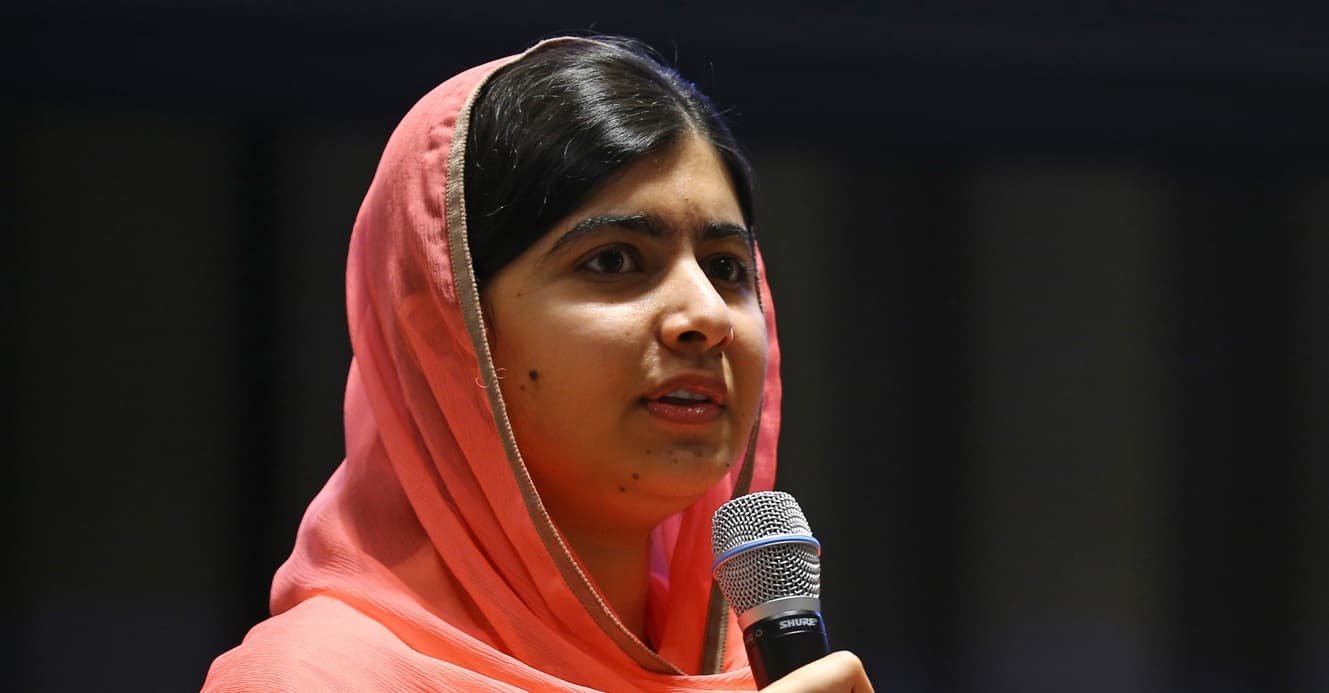
    Pakistani women have time and again proven that despite the country’s patriarchal setup, they can always be counted on to make a mark. Malala Yousafzai, the country’s second and the world’s youngest Nobel laureate, is continuing the legacy of Pakistan’s iconic women.

    Malala graduated from Oxford University earlier this week. “Hard to express my joy and gratitude right now as I completed my philosophy, politics and economics degree at Oxford. I don’t know what’s ahead. For now, it will be Netflix, reading and sleep,” she tweeted.

    For someone so young, Malala has achieved what most of us cannot even imagine in our lifetimes. But it did not come easy; in fact, it was at a great personal cost. In 2009, Malala started writing a diary for BBC Urdu under the pen name ‘Gul Makai’. Swat Valley was under Taliban rule at the time. In one of the entries, she wrote, “I am sad watching my uniform, school bag and geometry box. I felt hurt on opening my wardrobe and seeing my uniform, school bag and geometry box. Boys’ schools are opening tomorrow. But the Taliban have banned girls’ education.”

    Malala and her family received multiple threats from the Taliban even after their rule ended in Swat.

    She was shot by the Taliban in October 2012 when she was on her way home from school in Swat. The Taliban tried to assassinate her because she had become an ambassador for girls’ education. The assassination attempt left her in a critical condition when she was taken to a hospital in Rawalpindi. She was later transferred to a hospital in the United Kingdom (UK).

    Malala went on to become a global icon. From writing a diary under a pseudonym at an incredibly young age to surviving a brutal assassination attempt, her bravery makes one wonder about the determination and grit this young woman has shown over the years. Despite her success, Malala remains down to earth and humble. One can see that there is no pretense.

    After her graduation, many are wondering what role she would take on in the future. It is for Malala to decide what is next but we can say with certainty that her future will not be anything ordinary. For an extraordinary woman like Malala, an ordinary job would obviously not do. She will always be a global ambassador for girls’ education and may well continue her work since it is a huge task indeed. Some speculate whether she will enter politics at some stage. Whatever she decides, we know she will continue to make Pakistan proud of her work.

    May your light continue to shine bright, Malala!

  • The Sher I knew

    The Sher I knew

    “Rest in peace Khalid Sherdil. You are loved beyond measure, and we will miss you terribly.”

    They say things happen for a reason. There wasn’t a reason why on Friday, May 22, I felt the need to check if Khalid had reached Karachi. Strange that my phone buzzed in my hand the exact moment I wanted to check his whereabouts. I had received a text message from a friend that something was not quite right; Khalid’s plane had bumped on the runaway a few times and taken off again. In those few moments, I knew something was wrong.

    Moments later, flight PK-8303 crashed. My first thought: this is not happening. The plane was too close to the runway. Khalid will be okay. He had to be okay. You can’t joke with a person the night before their flight and not have them be alright. It didn’t work that way.

    Khalid at Altit Fort in Hunza in October 2019.

    The day worked its way, getting ready to deliver the knockout punch that Khalid was gone. People gathered, wept and stayed with us. I remember the quiet, the horrid gut-wrenching silence when people run out of words.

    Strangely no one from Pakistan International Airlines (PIA) ever came. Everyone who was anyone in the bureaucratic machinery reached out to help us, to somehow get Khalid’s body back to us. For days we didn’t even know if there was a body. Would we get one back? If we did, would it be Khalid’s? Worst still, what if someone had mistakenly claimed his body? These questions, nauseatingly real and unimaginable, simultaneously ate through my family.

    “Khalid was all around us and yet I knew that the Almighty had played His final hand and he was gone. We were awash with grief, the kind that gnaws inside bones and never leaves.”

    For days we didn’t have Khalid’s body and yet we had so much of him around us. I sat every day in his room, looking at the feature stone wall which he had put up with so much love. He had sent photos of the tiles to everyone in the family to see if we approved. Outside his giant, floor to ceiling window lay the sprawling lawn where he played endless hours of soccer with my children. If it wasn’t soccer, it would be chess or games that Khalid invented with their own hilarious rules. Even the house cat had some role to play in his playtime with the children. I was waiting for the moment that Khalid would walk in, chapstick in hand and start some silly game.

    Khalid was in a hurry to get someplace all the time. He had boundless energy and the soul of an adventurer. He loved his bold and beautiful belts, his colourful sunglasses and chocolate. I’ve never met a kinder soul than his, his smile always saying more than his words. Khalid was kind, magnanimous, spirited and gentle beyond belief. He helped others without ever thinking about it. Khalid even helped me find a new home for my dog because he knew I just couldn’t give it away to anybody. You’d never think a man in that dark suit would know how to love so much.

    Khalid at Khunjerab National Park in October 2019.

    Khalid was all around us and yet I knew that the Almighty had played His final hand and he was gone. We were awash with grief, the kind that gnaws inside bones and never leaves.

    Grief, as it so happens, at least according to the Kubler-Ross Cycle, has five stages: denial, anger, bargaining, depression and acceptance. Thanks to PIA, which incidentally offered no assistance to locate Khalid’s body or help in the least in any humane way, my husband’s grief cycle jumped straight to acceptance. There was no room for denial or anger as he got down to the business of getting his brother home.

    “I can only hope for the best but somehow I’m reminded of a famous quote at the conclusion of The Shawshank Redemption, where Andy Dufresne says to his friend, ‘Remember, hope is a good thing, maybe the best of things, and no good thing ever dies.’”

    It wasn’t easy. Four days later, Khalid’s DNA matched and he was on his way home. PIA was still absent, behaving like a child who throws away a toy after it’s broken.

    As an on-again-off-again writer, I like to get to the bottom of things. I wanted to distill all the information in my wrecked brain and re-create what happened that day. PIA didn’t even bother to have a press briefing as to what may have happened to flight PK-8303. A grieving mind will settle for any information that provides closure. I watched video after video on YouTube to make sense of what might have happened. And still, silence from the airline that could make sense of it all.

    Adventurous, determined and committed to helping humanity.

    They say the smallest coffins are the heaviest. After receiving Khalid’s coffin draped in our national flag, it could not have been heavier. Khalid loved wearing the Pakistani national flag lapel pin on his suit collar, and as fate would have it, he was buried with our flag. Khalid was a true patriot and he loved his country. His friends, fellow Pakistan Administrative Service (PAS) officers and family helped bring him home. An airline bearing our national flag perished with 97 souls on board and all the PIA could offer was a compensation cheque after everything was done. Keep your money PIA; don’t use it as a means to absolve yourself of guilt.

    As days pass by, my friends and family offer words of comfort. I can only hope for the best but somehow I’m reminded of a famous quote at the conclusion of The Shawshank Redemption, where Andy Dufresne says to his friend, “Remember, hope is a good thing, maybe the best of things, and no good thing ever dies.” Something pure and good died on flight PK-8303.

    Rest in peace Khalid Sherdil. You are loved beyond measure, and we will miss you terribly.

  • Selective lockdown

    Selective lockdown

    Prime Minister (PM) Imran Khan has reiterated that there will not be another lockdown. “It is tantamount to shutting down the entire economy to contain the spread of coronavirus. My views have been quite clear on this from the first day.”

    He said that Pakistan is not like Singapore or New Zealand or Taiwan with smaller populations and is also not a rich country to afford a lockdown. PM Imran said smart lockdown will be imposed after identifying hotspots and blamed the people of Pakistan for not following SOPs.

    Pakistan’s coronavirus cases are more than 141,000 while deaths are 2,647. The number of cases keeps rising rapidly each day, which hospitals seem unable to deal with. Oxygen cylinders are unavailable in most cities or are available at exorbitant prices while prices of oximeters, medicines and other supplies have also shot up. Pakistan’s health sector will not be able to deal with such a huge crisis in the coming days.

    “I have been saying this repetitively that you must take precautions… I am disappointed to see that our people have been very careless,” said PM Imran who had once likened COVID-19 to flu.

    He said that masks are now mandatory and both the administration and volunteers of the Tiger Force will ensure this.

    It is easy for the government to ask people to follow the SOPs and take precautions while not taking responsibility for its policy failure. When lockdown was first imposed in the country, it should have been extremely strict followed by aggressive testing. Lockdown should not have been lifted for Eid when cases were on the rise. The government not just lifted the lockdown but also kept downplaying the virus despite warnings from health workers and senior doctors. No wonder then that people are not taking coronavirus seriously. It is the government’s responsibility to implement rules; people all over the world are not responsible unless rules and laws are strictly implemented. The government should consider temporary lockdown in cities where administration finds it difficult to control the spread of coronavirus, increase the number of tests, create more awareness by telling people how serious this virus is.

    Countries that locked down early and strictly have been able to return to normal much faster and are open to a large extent. In Pakistan, we have been busy in comparisons or criticism of other countries’ strategies while no effective policy has been in place here.

    Reports indicated that the Punjab government was considering imposing a strict two-week lockdown in Lahore at the recommendation of the World Health Organization (WHO) due to the rising number of cases but PM Imran rejected the proposal.

    Selective lockdown is not a solution because its implementation will be extremely difficult. It seems as if the government has adopted the policy of ‘to each his/her own’ when it comes to dealing with the coronavirus. Let’s not forget that countries that have gone down this road have not been able to save their economy either. We should act before it is too late.

  • Trending on Netflix Pakistan: ‘Malang’, ‘The Lovebirds’

    Trending on Netflix Pakistan: ‘Malang’, ‘The Lovebirds’

    Despite a blanket ban on Indian films in Pakistan, our love affair with Bollywood films continues. Because every time a new Bolly film releases on Netflix, it instantly starts trending. And I don’t understand that because as of late, Bollywood films have become trashy, for lack of a better word. I can’t remember the last time I saw a decent Bollywood film and thought to myself, ‘Oh this was nice’.

    Read more – ‘Extraction’ & ‘Love Aaj Kal’ are trending on Netflix Pakistan but not worth the watch

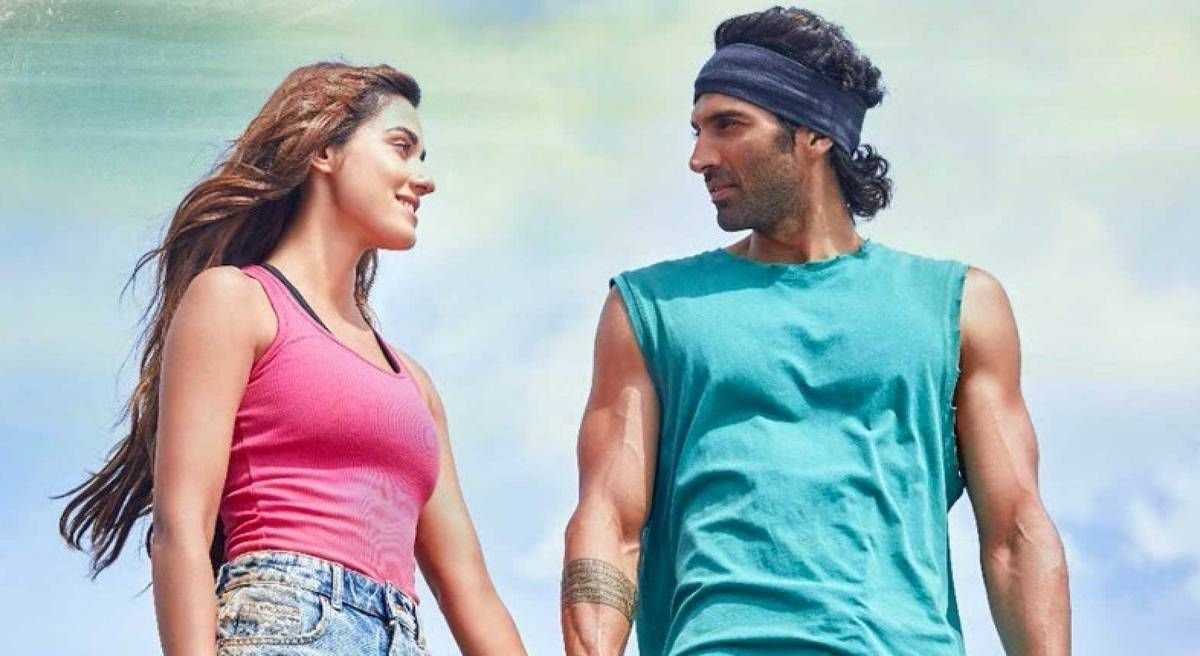
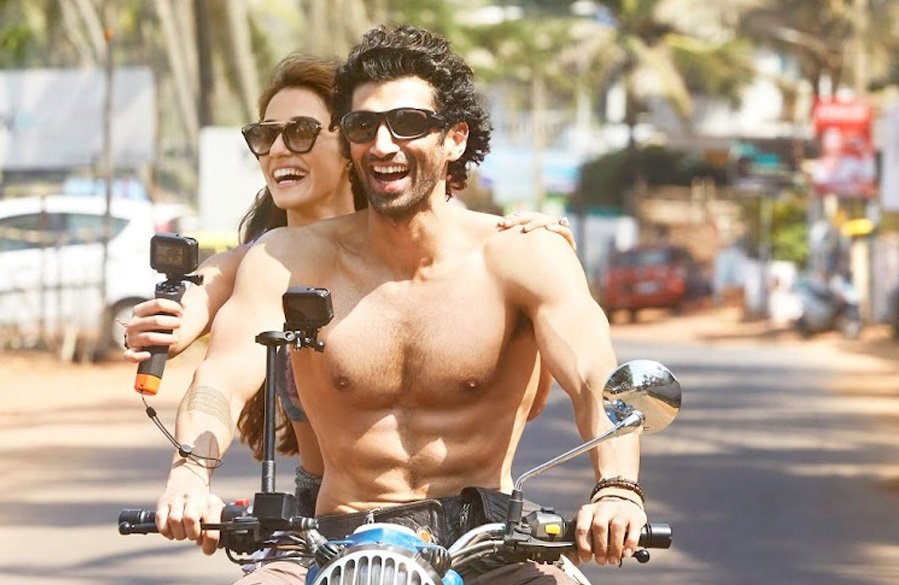
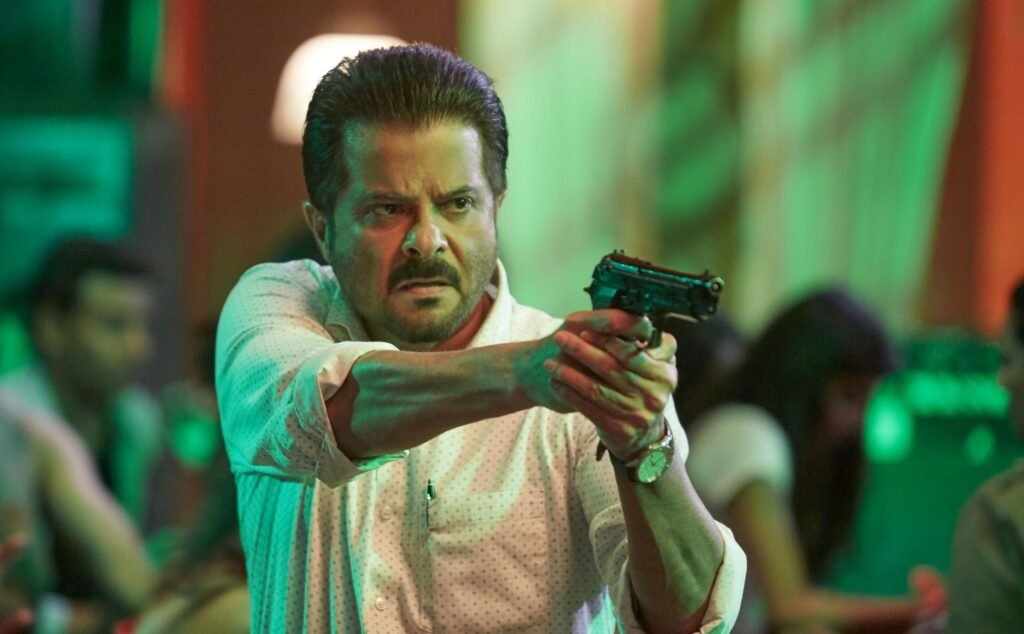
    Nevertheless, this weekend, the top film on Netflix Pakistan is Aditya Roy Kapur and Disha Patani’s Malang – a story about love and revenge. Advait Thakur (Kapur) and Sara (Patani) are two free-spirited (read: aimless) souls who meet in Goa and instantly hit it off. They spend their days enjoying the beachside and their nights attending rave parties featuring a lot of drugs. From ecstasy to cocaine, the film has it all. When I initially saw the scenes involving drugs, I found them to be a bit strange because audiences across the world are calling filmmakers to be more careful about the message they give out to the world. However, the makers of Malang really don’t give a s*** about that because there are no warnings or disclaimers either.

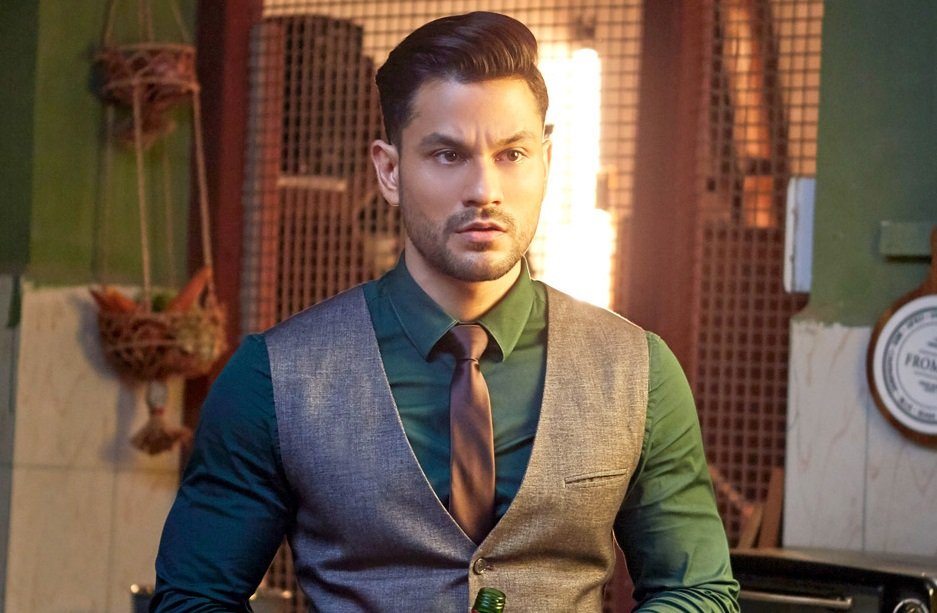
    Soon enough Disha gets pregnant, bringing an unexpected twist into the couple’s life. While Advait runs away, Sara chooses to stay in Goa and raise her child. However, Advait soon realises his mistake and comes back to Goa only to discover that a police officer Micheal (Kunal Khemu) is attempting to rape Sara, thinking she is someone else. After a lot of bloodshed and marr dhaar (fighting) – which also seems to be a central theme in the film – Advait is sent to jail while Sara is killed. The rest of the film follows Advait get revenge from the police officers who covered up their colleague’s crime and assisted Micheal in Sara’s murder.

    Meanwhile, Anil Kapoor plays a crazy cop Agashte with a tragic past who only knows how to serve justice by killing criminals in encounters. Think the Bollywood version of Rao Anwar. Despite a solid performance, Kapoor’s character is poorly written and there is not much he can do with it except laugh creepily in an attempt to provide comic relief.

    To be very honest, a lot of the scenes in Malang reminded me of Siddharth Malhotra and Shraddha Kapoor’s Ek Villian. The plot was not original and the film had nothing new to offer in terms of content. But to ensure that his audiences leave the cinema halls satisfied and forget about the nonsense the rest of the film was, the film’s makers added a twist in the end to give that shock and thriller factor.

    Malang has been directed by Mohit Suri of Aashiqui 2 fame, which means that the music of the film is definitely satisfactory. The songs are soulful and melodious and you will catch yourself humming them long after the film ends. In case you missed it, our very own Asim Azhar composed one of the songs Humraah, though it does not feature in his voice in the film.

    Read more – Asim Azhar releases his Bollywood song ‘Humraah’

    The only good thing the film had to offer was lots of eye candy and spectacular views of the beach. Aditya Roy Kapur has toned his abs to perfect and missed no opportunity to show them off. Add to that an incredibly good-looking face and that is probably what will get you through the almost three-hour-long film.

    The Lovebirds

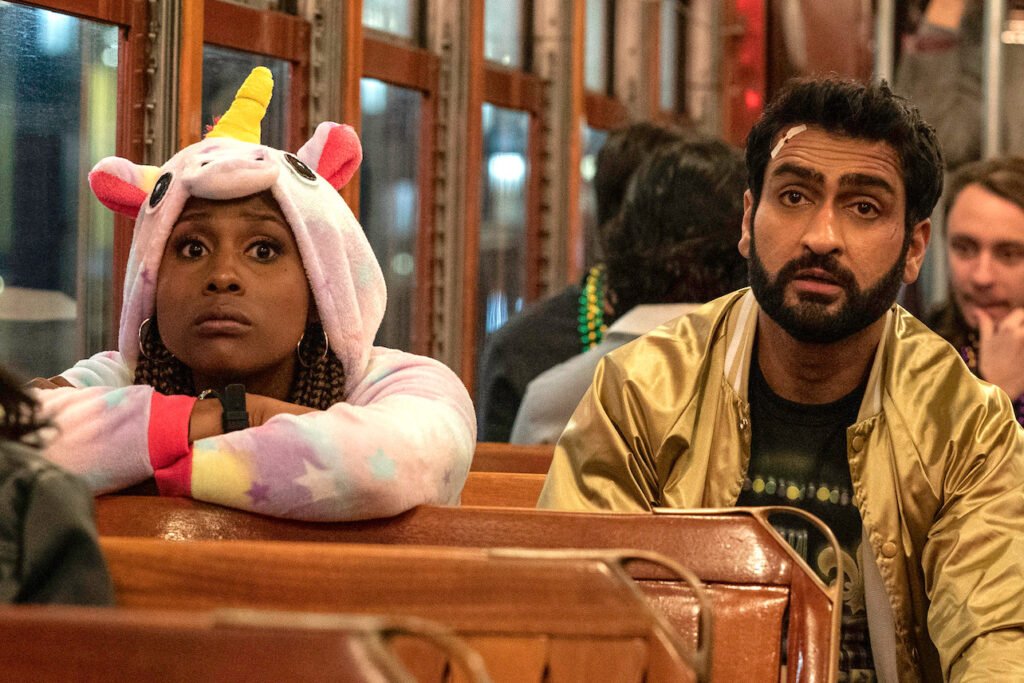
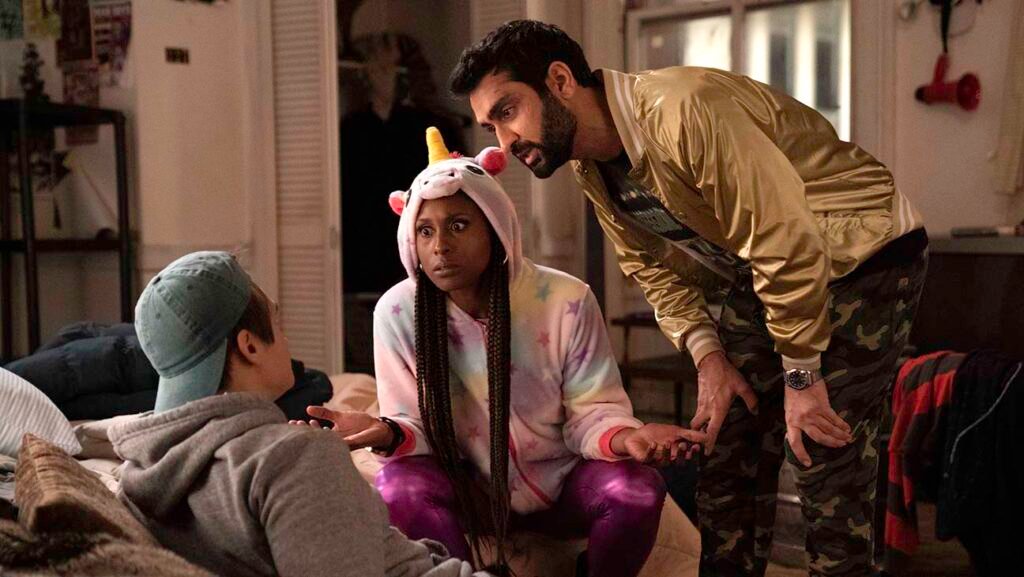
    Similarly, The Lovebirds, starring Issa Rae and Kumail Nanjiani has nothing new to offer in terms of an original plot or storyline. However, it will keep you entertained throughout its 90-minute run-time.

    Jibran (Nanjiani) and Leilani (Rae) are a couple, who are on the brink of a breakup when they are unintentionally embroiled in a murder mystery. The two spend the night dodging the police and trying to find evidence to prove their innocence. Along the way they get into hilarious messes, which can get a little lame and cliched, but Rae and Nanjiani’s comic timing, charm and chemistry more than makeup for that. This is the first time I’ve seen either of their work and I thoroughly enjoyed their performance.

    The film is a light, mindless comedy, something you can watch with your family or on Netflix Party with your friends. It’s easy, doesn’t require much thinking and offers that break from reality we so need in these testing times. If you’ve enjoyed watching comic capers like Date Night or Game Night, chances are that you will enjoy this film as well. You might even catch yourself laughing out loud at some points.

  • Zafraan – Iranian cuisine at its finest

    Zafraan – Iranian cuisine at its finest

    With COVID-19 lockdowns, restaurants across the city (and country) have remained closed for over 3 months now. As a hard-core foodie, I have been missing going out to try out different yet delicious cuisines. This prompted me to look up some home-based food delivery outlets in the city and that’s when I came across a mother-daughter startup. What intrigued me was their Iranian cuisine, something which my husband and I always enjoy eating. And lo and behold I just discovered a gem.

    Read more – The quest for the perfect French Toast in Lahore

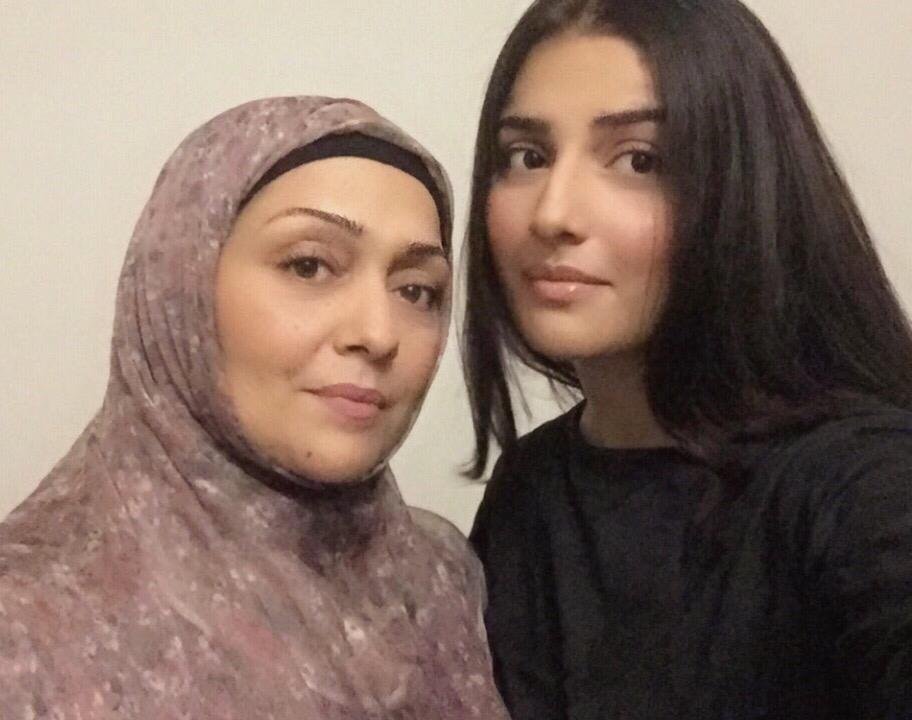
    Born in Tehran, in the heart of Iran, Elham learned the craft of Afghani and Iranian cuisine from a generation of exceptional cooks whilst spending a majority of her pre-marriage life in the Middle East. After moving to Karachi back in 1992, she won the hearts of many of her family and friends with her authentic Iranian food. When the lockdown was imposed and everyone went into quarantine, Elham discovered that she had a lot of free time on her hands now, allowing her to work on an idea that had been lingering on her and her daughter Mahum’s minds for a while. Free time along with the wish to be financially independent, gave Elham and Mahum the motivation to use their free time to do something productive. That’s when Zafraan came into being with the vision to spread the joys of Iranian flavours to the people of Pakistan.

    Zafraan’s menu is simple yet authentic and prices very reasonable. They offer home delivery, which is a blessing in the current situation, and pay special attention to hygiene and taste.

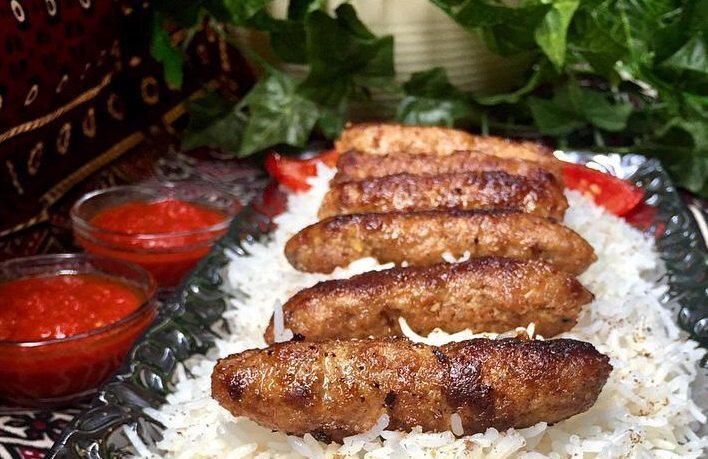
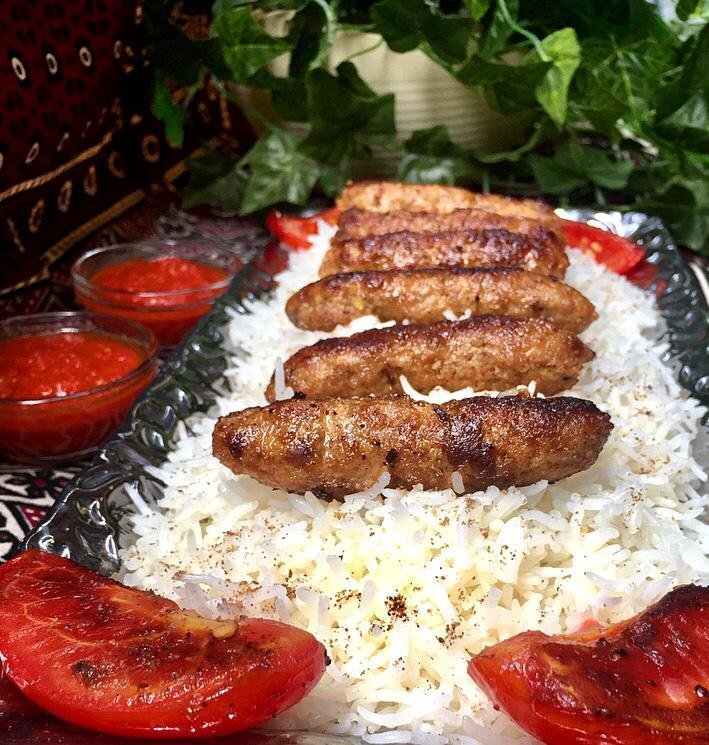
    Let’s begin with Chullu Kebabs which literally means ‘rice and kebab’ in Persian. It is the national dish of Iran and also the most popular. These legendary kebabs are a fan favourite and Zafraan’s ace of spade. The dish consists of buttery saffron rice and top quality minced beef kebabs served with grilled tomato and tomato sauce. The tenderness of the kebabs along with a combination of tomato sauce and buttery rice bring together an abundance of flavour that pays a rich tribute to the culture of Iran.

    Chelow Kebabs

    Next up, we have the Afghani Aush sometimes spelt ‘Aash’ meaning ‘noodle’ in Afghani. Aush is comfort food at its best. It’s a noodle soup consisting of tomato-based broth, filled with chicken chunks and mixed herbs and spices. The flavour is distinct and nothing like any other soup served in Pakistan.

    Afghani Aush

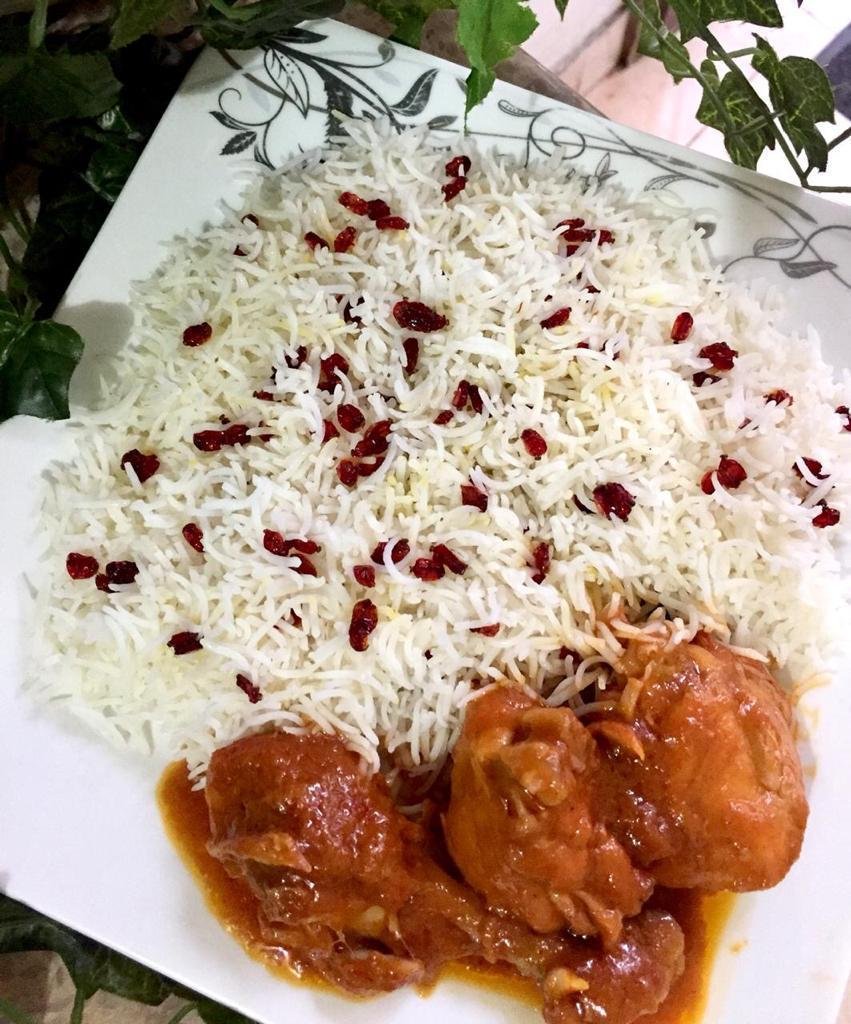
    Then comes the classic Zereshk Pulao, also known as “jewelled rice” because of the red barberries in it. The dish is balanced with a hint of sweetness for the perfect taste. The rice is served with Persian chicken gravy. This dish is exotic and simple at the same time and a must-try if you are a fan of any type of rice and chicken gravy.

    Zereshk Pulao

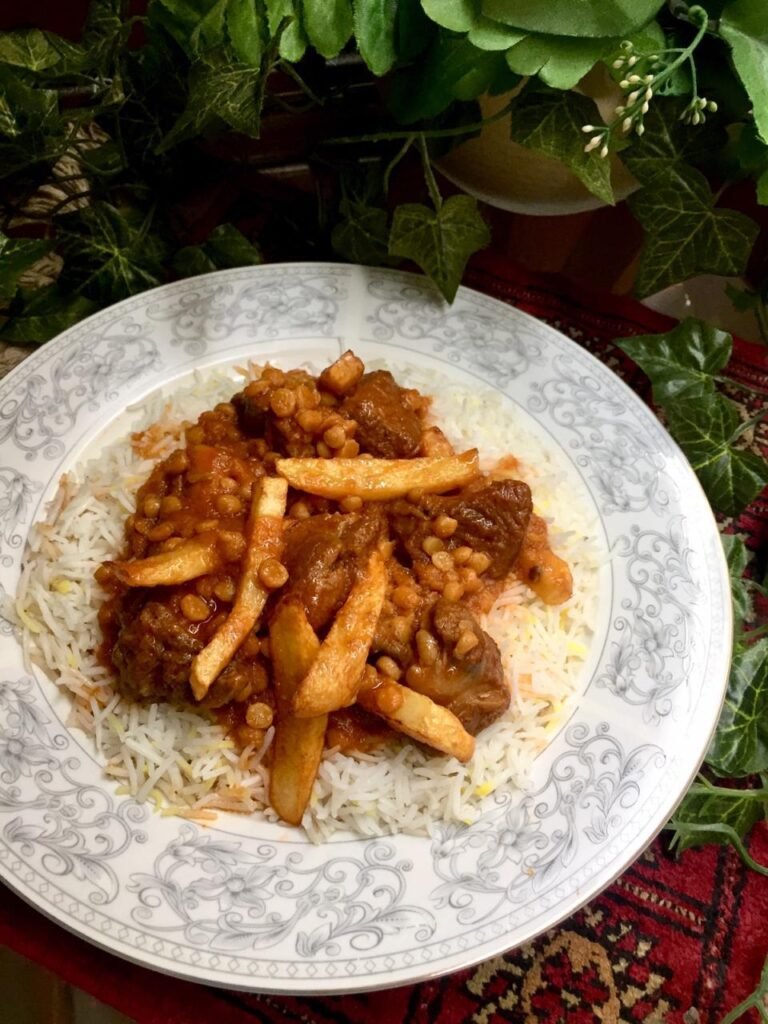
    Last but not least is my favourite Khoresh Gheymeh, which is mutton and split pea stew – a traditional and popular Iranian stew – topped with fried potatoes and served with aromatic white rice. If this doesn’t tickle your taste buds, I would be quite surprised.

    Khoresh Gheymeh

    Though quarantine and lockdowns have snatched the livelihoods of so many across Pakistan, the silver lining is where courageous women like Elham and Mahum have started their own business with an intent to not only serve classic, authentic Irani/ Afghani food but also the desire to be financially independent.

  • Racism at home

    Racism at home

    Being away from my country, I am having a difficult time processing world affairs, especially the killing of George Floyd, which has left many around the world, including me, speechless, angry and stunned. To all the black people who have long and continue to suffer the systematic oppression in Western countries, especially in the United States (US), I stand with all of you.

    I don’t understand or can gauge your pain, but in silence, words, and action, I am with you.

    Respecting the suffering of African-Americans, I would like to bring to limelight the racial stigmas related to being black or a dark-toned person in Pakistan.  For hundreds of years, having a dark complexion has been looked down upon in South Asian countries. Pakistanis are no less, where a dark skin shade is culturally wired in our brains as synonymous with poverty, illiteracy, and slavery.

    I won’t be overstating that all of us have been racist at some point in our life, be it casually, unintentionally, or knowingly. To me, it seems that we are in a race to be whiter than white people. For us, our sense of pride is skyrocketed when someone compliments our facial colour and delivery of the English language. As a result, we adopt practices that corrupt society at large and infuses it with just not racism but injustice too.   

    “It is just not the educational system, but this racism is systematic and deep-rooted in our societies, for which we are equally responsible. There are racial slurs pretty standard such as “Kalia,” “Kali,” or “Kalu” to disrespectfully address someone with a dark skin tone. As if their measurement of respect comes with the shade of your body.”

    I am sure, like many others, I had a strange experience of unintentional racism through our education system. We were repeatedly lectured on how Islam treats everyone equally. The guiding example of Prophet Muhammad (PUBH) was quoted now and then, on how despite resistance from Arab society, he (PUBH) appointed Bilal ibn Rabah to call the first prayers, but in the same breath, our very teachers favour kids with a fairer skin tone. Those kids were likely to become your teachers’ favorite students. I also heard remarks such as, “OMG! You are so beautiful because you are white” or rejoining the classes after the summer break; one teacher unforgivingly remarked, “What have you done during your summer break, you have become so black!”

    It is just not the educational system, but this racism is systematic and deep-rooted in our societies, for which we are equally responsible. There are racial slurs pretty standard such as “Kalia,” “Kali,” or “Kalu” to disrespectfully address someone with a dark skin tone. As if their measurement of respect comes with the shade of your body. It doesn’t stop there; brown parents want a fairer daughter-in-law for their son, which helps them boost their societal pride as if she is a commodity or a showpiece.  In the same bid, women are obliged to use fairness creams so that they can wed their prince charming.

    I have always had a difficult time coping with advertisements prescribing color change possibility with-in 20 days of regular use. To add further, I knew someone who went to the US for higher education and wanted to marry an African-American. The family back in Pakistan didn’t approve of the marriage, objecting to her appearance. Similarly, I think of all women in Pakistan whose wedding proposals are causally rejected, on being dark. The amount of trauma and stress it leaves the person with, is unexplainable.

    “I can write a long speech about how I support the black lives movement in the US, but my head continues to bow down in shame because the ones in Pakistan are treated far worse.”

    I, however, am still speaking from a privileged position of being a man and can hardly relate to the suffering of women in Pakistan. 

    We often criticise US authorities for the handling of black people, but it is worse here in Pakistan. From security guards to cab drivers, the initial mental framework of respect is proportional to someone’s fairness. These and many other instances add up to racism at all levels in Pakistan. I can write a long speech about how I support the black lives movement in the US, but my head continues to bow down in shame because the ones in Pakistan are treated far worse. I, therefore, pick to criticise my own country and culture, with an ambition to change myself and the people around me in understanding that somebody’s colour should not be a measurement of their ability, intelligence, worth or respect.

    Please remember when you lash out at white people with #blacklivesmatter hashtags on your digital channels. Use your presence to be the voice of those who are unheard or racially abused in Pakistan. Whatever inspires you in your life, be it religion, science, or culture, let’s reform our vocabulary and lifestyle, and celebrate people beyond their color, ethnicity, race or gender.

  • Power and privilege trumps all?

    Power and privilege trumps all?

    Last week, we witnessed how power and privilege can make people go blind as they think they can break the law and get away with it.

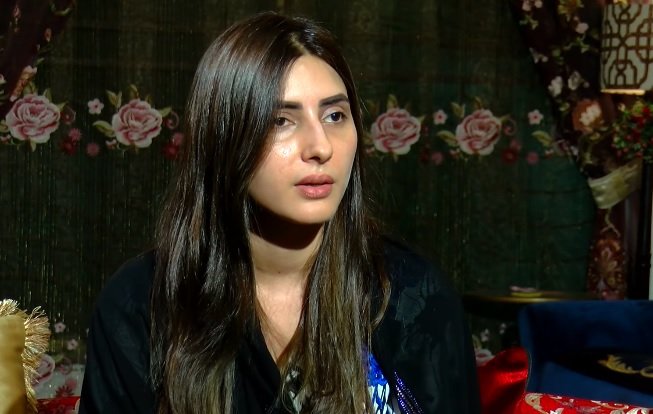
    Videos of armed guards and three women breaking and entering the house of actor Uzma Khan went viral on social media.

    The three women belong to the family of all-powerful property tycoon Malik Riaz. Two are said to be his daughters while the third is related to his wife. Pakistani media, with a couple of honourable exceptions, did not even air the news.

    We can well imagine why.

    The clout Malik holds over those running the affairs of the state is quite evident so it is inevitable that the media, which is already going through a financial crunch, will not alienate him.

    There are many angles to the story. Many in our society latched on to the ‘cheating husband’ and ‘gold digger’ narrative about Usman Malik and Uzma Khan. What they failed to acknowledge was the criminal and vile aspect of this whole incident.

    Those videos were made to humiliate Uzma Khan and this is why they were released and circulated by the very women who broke the law. How can someone enter another’s house with armed guards, breaking and vandalising everything in sight, asking one of the guards to sexually assault Uzma, threatening the girls that ‘we’ will get you picked up by the ISI, throwing alcohol or some other liquid on them (we don’t know yet what exactly was thrown on them) and threatening to burn them, taking away their clothes/bags/shoes and other valuables, beating them up, breaching their privacy and much more?

    Usman Malik’s wife, Aamna Usman, had the audacity to make another video where she is admitting to the crime but says she did it because she had no other choice. Well, she did have a choice: she had the choice of confronting her husband and if he did not want to end the relationship, leaving him should have been her obvious choice. And if she did not want to leave him, even then the family should have resolved the issue among themselves instead of bringing Uzma into disrepute. What Aamna Usman chose to do was not a choice. It was a decision taken because she knew she wields more power, has more money and more privilege than an actor/model in this society.

    We hope that justice will be served. These three women and their armed guards should not be allowed to get away scot-free. Some say an out-of-court settlement is possible. We cannot rule it out but we would still like to say kudos to Uzma Khan and her sister Huma Khan for braving this out and standing up to privileged brats. Our society hardly ever does it. More power to Uzma and Huma!

  • Online delivery services and the nightmares they deal with

    Online delivery services and the nightmares they deal with

    “The smartphone has transformed online shopping in Pakistan and the COVID-19 lockdown has accelerated it,” says Jarrar Shah of 24seven, an online grocery store based in Lahore.

    Shah’s words ring true because the past couple of weeks have witnessed a great shift in the way the world functions. As cases of coronavirus rose in Pakistan, the country went into lockdown, until recently, with all offices, shops, malls, restaurants closed. Only pharmacies, grocery stores and essential businesses were allowed to operate and that too for a limited number of hours. Unfortunately, us Pakistanis are not very used to that lifestyle – our day begins well into the afternoon and ends just before midnight – but changing circumstances forced us all to alter our routines and many of us turned to online shopping in a bid to make life easier for ourselves. According to Google Trends, searches for ‘online grocery’ grew exponentially in the last few weeks with the sharpest rise registered in the week following the lockdown.

    Read more – Washington DC market uses robots to deliver groceries during coronavirus pandemic

    While we’re all aware of how online shopping works at our end, on the other side it’s a whole different ball game.

    Speaking to The Current about the procedure that follows, Jarrar explained that after the customer places an order on any of their portals – website, application, Whatsapp – the order is processed and their team begins to collect the items. He shared that though they have their own warehouse, they have partnered with other stores, bakeries and meat shops and sometimes depending on the order placed, they have to collect items from different locations to complete an order. Both Jarrar and Bilal Bakhtawari of D Watson, Islamabad said that the app is the most convenient of them all because it mentions the price and availability of products saving the time of both the customers and the stores. Once the order is complete, the riders deliver it.

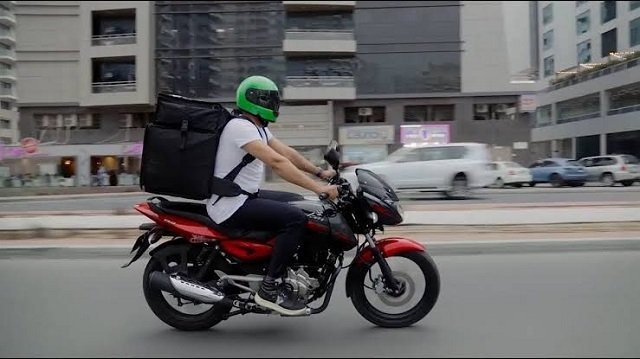
    In this whole process, the rider perhaps has the toughest job.

    “We provide the riders with all the necessary precautions, including sanitisers, masks and regular temperature checks, but to what extent can we keep them safe? These guys often have to deliver stuff, come rain, come sun and often have to travel long distances to deliver orders,” says Bilal, adding that if any of the riders feel ill, they are told to immediately get themselves checked and are sent home.

    Both Jarrar and Bilal also asserted that their premises are regularly disinfected and cleaned.

    While most customers are accommodating and patient and are willing to overlook delays and incomplete orders, given the situation, there is a small percentage of them who tend to be unreasonable.

    “Customers have been by and large accommodating. Only ten percent of them have issues,” says Shah.

    Both business owners explained that they initially faced problems because they were not prepared to manage such a situation as they went from a few orders to a hundred or more orders every day. However, with time they managed to streamline their services by increasing staff and opting for better rider services.

    Sharing a particularly harrowing experience, Shah shared that someone placed an order from abroad for their loved ones in Lahore using a credit card.

    “When the rider went to deliver they said the stuff is not up to the mark and kept the rider hostage, demanding that we refund them the amount in cash. It turned out that the whole situation was a scam. The person from abroad wanted to send money to Pakistan and because all money wiring services were closed, they attempted to use our store to do so.”

    “We’ve referred the matter to the police,” he added.

    Similarly, Bilal recounting his nightmarish experience shared that a lady placed an order for fruits and vegetables on their app after store timings. He said that the prices of fresh goods are revised daily and when her order was processed the next day, she was informed of the change in prices before confirming her order. However, when the rider went to deliver her order, she claimed that she had cancelled her order. After a whole fuss, it was revealed that her husband was not satisfied with the prices and was not willing to pay for the order because of which she put the entire blame on the management to try to get out of the situation.

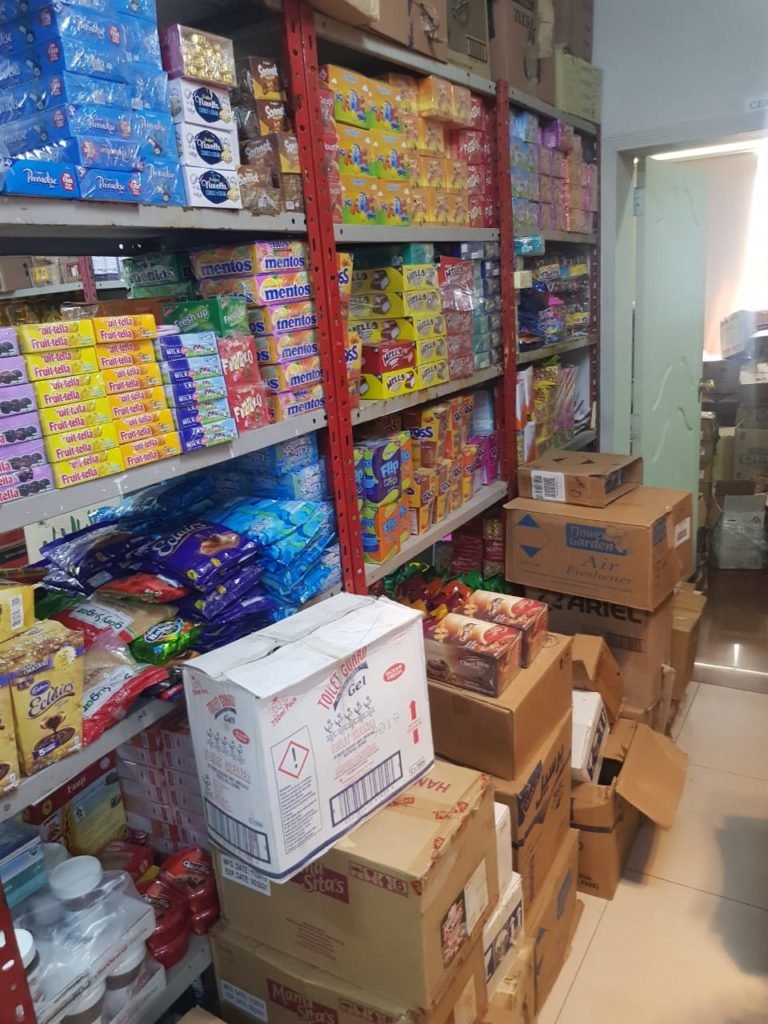
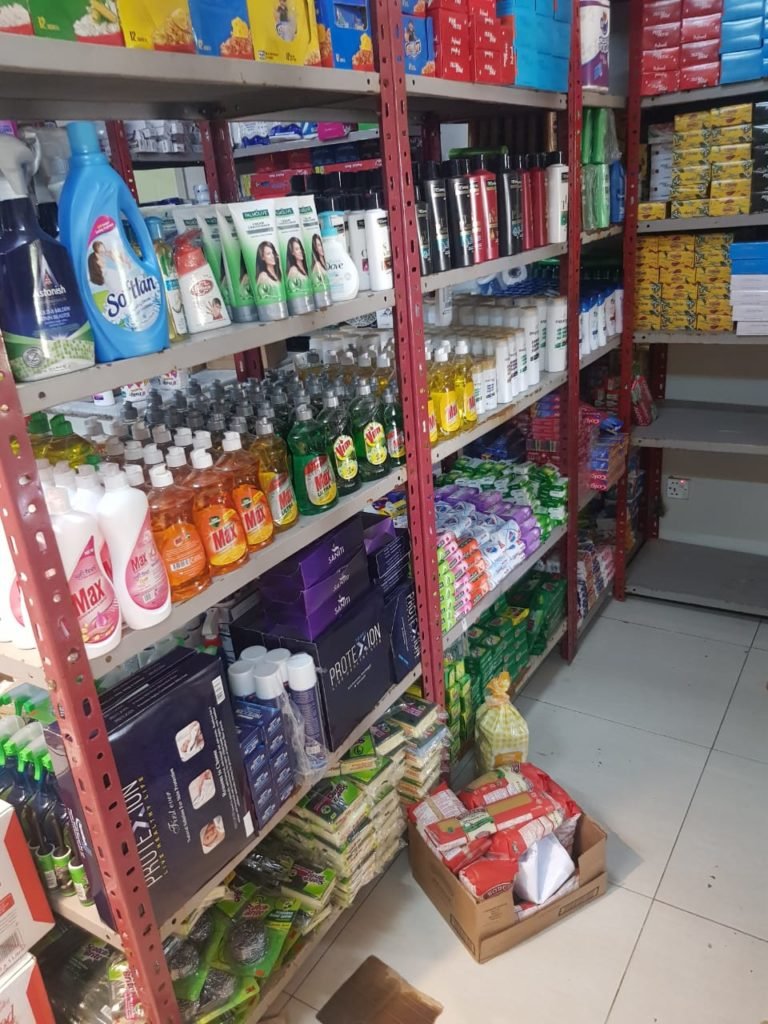
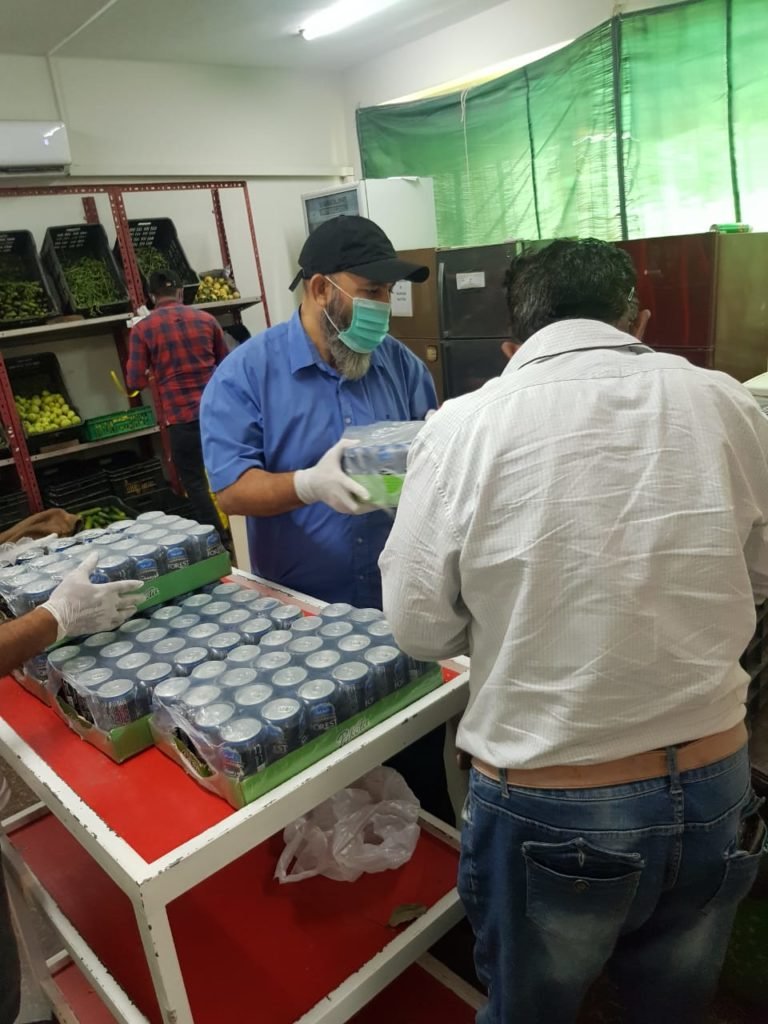
    Orders being put together at 24Seven’s warehouse

    While people in Pakistan still prefer to go and buy their groceries in person, online shopping is slowly but steadily getting popular, especially among those who lead fast-paced lifestyles and have limited time.

    On whether this is feasible in Pakistan or not, Jarrar is positive that it is. However, Bilal feels that until online payments like Paypal don’t come to Pakistan, online businesses won’t flourish.

    “As we have observed in the past couple of weeks, the market for online shopping is definitely promising. However, in my opinion, it won’t flourish until a proper payment system is put into place,” says Bilal. “We often receive bogus orders with Cash on Delivery because of which our business suffers. People place orders but when our rider goes to the address, there is no one to receive the order.”

    “Until online payments come to Pakistan, online businesses will not flourish.”