Author: optimum_tech

  • ‘Extraction’ & ‘Love Aaj Kal’ are trending on Netflix Pakistan but not worth the watch

    ‘Extraction’ & ‘Love Aaj Kal’ are trending on Netflix Pakistan but not worth the watch

    To make decision-making easier for their users, Netflix has recently started sharing a list of ‘Top 10’ movies or seasons which are trending in different countries. According to a blog post from the company, the Top 10 row will be updated every day with “the most popular titles within a subscriber’s country, and the position of the row will also change depending on how relevant the shows and movies in the list are to their interests.”

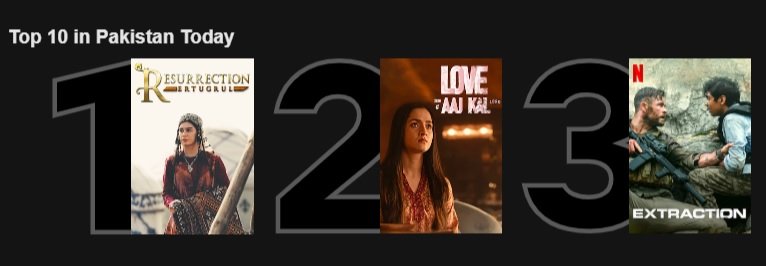
    As of Friday (May 1) night, the top three things trending on Netflix are Diriliş: Ertuğrul, Love Aaj Kal and Extraction, while the two films are also the top two in the Movie Category. While we all know that Diriliş: Ertuğrul is a hit among Pakistani audiences, Extraction and Love Aaj Kal are new additions to the streaming service.
    Read more – R-rated ‘Fifty Shades Freed’ number 1 on Netflix Pakistan

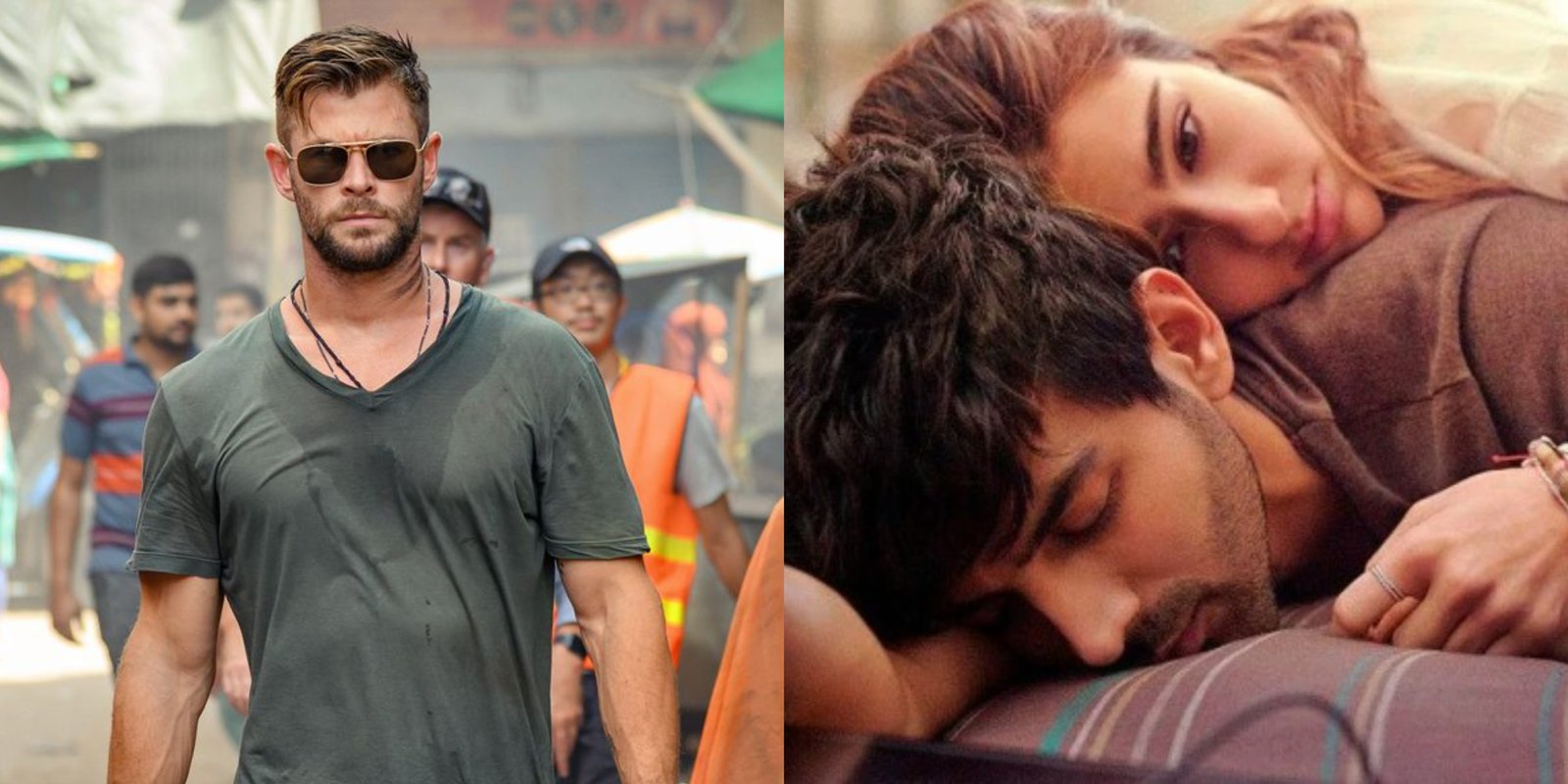
    Like any other Pakistani who grew up on Bollywood films, I couldn’t resist watching Love Aaj Kal. I mean Imtiaz Ali, Sara Ali Khan and Kartik Aryan — bring it on. As for Extraction, because for the most part, my job does require me to keep up with the latest trends, I decided to step out of my usual romantic comedies/dramas zone and watch something different and see whether it was worth the Netflix hype.
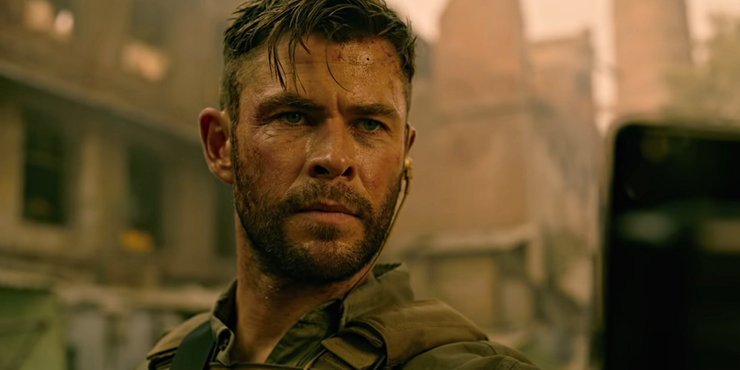
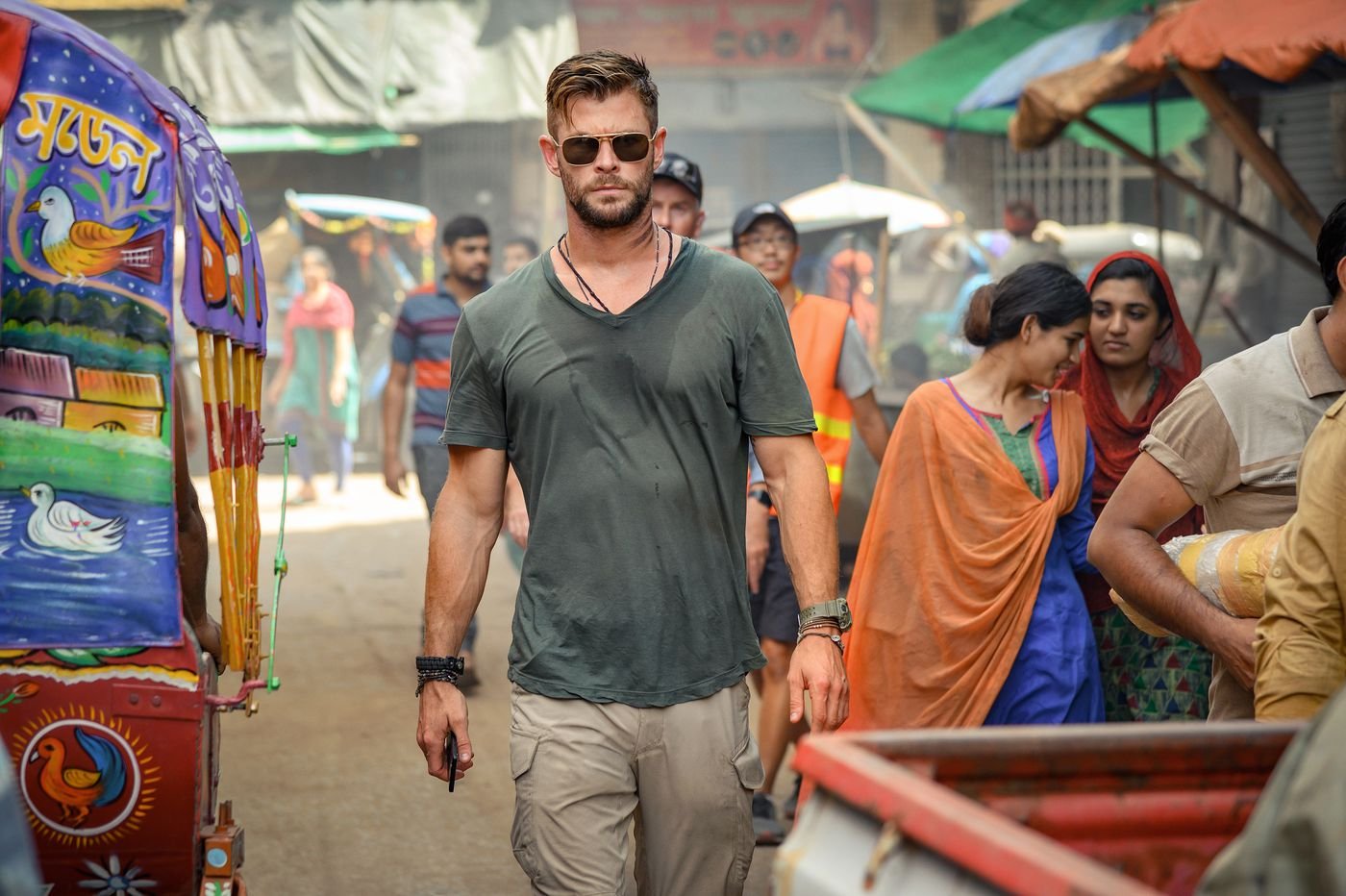
    Let’s start with Extraction. The Chris Hemsworth action-thriller has been creating a buzz since he went to India for its shoot. A day before its release, Hemsworth on social media had said that “making this film was one of the most exhausting but rewarding experiences I’ve ever had on a set.”

    He further said: “We set out to make the most insane, intense action film and I couldn’t be prouder of what we’ve achieved.” Unfortunately, the film only made me insane with the amount of bloodshed it had it in. To be honest, I’m generally not a big fan of action films but I do enjoy them from time to time. The two-hour-long film, which I finished in three sittings, was just a Bollywood film on steroids given that a lot of actors [for example Randeep Hooda, Pankaj Tripathi] in the film were from India.
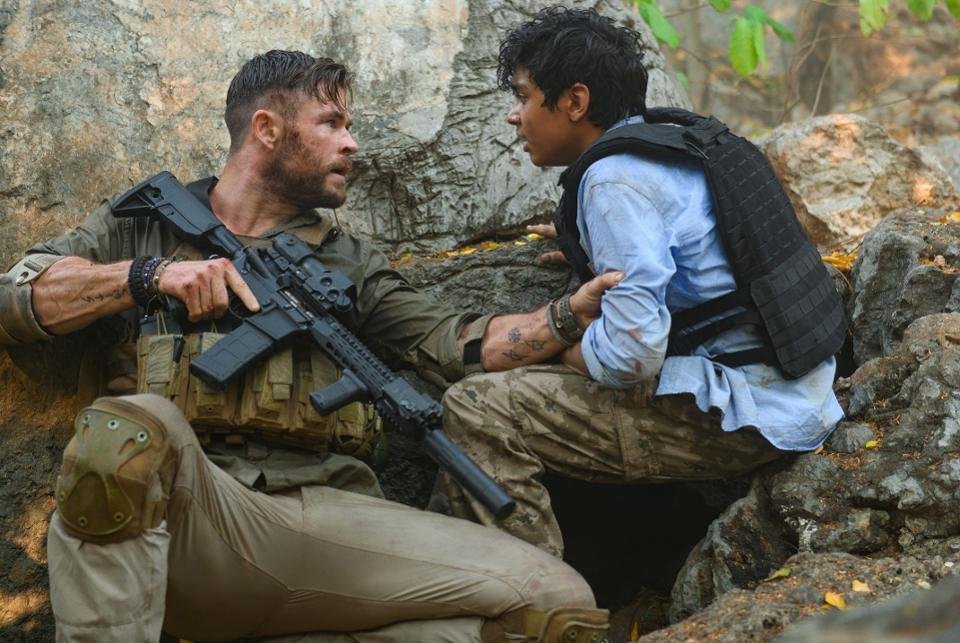
    The film is focused around Tyler Rake (played by Hemsworth), a black-market mercenary and former Australian Special Air Service Regiment soldier with a troubled past. From Rake’s first scene in the film, one can tell that he is the sort of person who likes to challenge and see death in the eye. Except for a few glimpses from his past, Rake’s character isn’t adequately developed. Anyways, Rake is hired by a fellow mercenary Nik Khan (Golshifteh Farahani) to rescue Ovi Mahajan Jr. (Rudhraksh Jaiswal), the son of India’s biggest drug lord (Pankaj Tripathi), from Dhaka, Bangladesh who has been abducted by Bangladesh’s biggest drug lord, Amir Asif (Priyanshu Painyuli).

    The film is just one, long and bloody action sequence. There are limited dialogues and the characters just run through the narrow streets of Dhaka as they try to escape Bangladesh’s most notorious drug lord. They jump from building to building, kill countless people on the way and lockdown an entire city. The ending is as abrupt as the beginning – there is no character development or plot development. So unless you want to see only action, I’d advice you to skip the film altogether.
    Now onto Love Aaj Kal. If I had to sum up the film in one word, or two, I’d say half-baked. The story, the characters, the plot, everything about the film is half-baked. The film follows the same premise as Imtiaz Ali’s first Love Aaj Kal, which had two love stories running side by side.
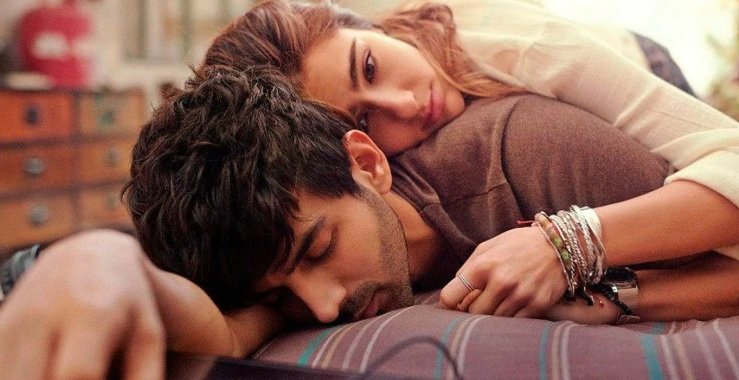
    Zoe (Sara Ali Khan) is a free-spirited but ambitious girl who wants to make a career. She is bold, speaks her mind and does what she feels like, which sometimes gets a bit over the top. Veer, on the other hand, is a sensitive guy who looks at life differently than Zoe. The two meet in a club and while Zoe just wants to have a one-night stand, Veer decides that it’s not right because Zoe is “special”. How he decided that within an hour is beyond my understanding. Zoe gets annoyed with this and leaves his house and goes back to her life. Except Veer starts stalking her, not in the 90s way by singing songs and all, but by getting a spot at the co-working space where she sits. Soon the two grow closer and get into a relationship but Zoe’s mother who wants her daughter to become independent first urges her to not give up on her career for marriage. This confuses Zoe who then breaks up with Veer. The breakup scene was so ridiculously cringed that you cannot help but wonder how Imtiaz Ali even came up with it. What follows afterwards is a typical Bollywood story of how two people who are meant to be together will find their way back to each other. In between all this, Raghuvendra “Raghu” Singh, who is the owner of the cafe where Zoe works, narrates his 20-year-old love story to Zoe to help her understand her own feelings and make her decisions.

    What I did not like about the film was first Zoe’s character. It was highly irritating and Sara’s acting was also terrible. Especially the scenes in which she was drunk or crying. In fact, her own dialogue basically sums up her acting: “Tum mujhe tang karnay lagay ho“.

    It appears that all the attention was paid to Zoe and Raj’s character because Veer’s character was highly underdeveloped. We don’t understand his profession, neither do we understand why he spends his days just buzzing around Sara – does he not have his own life. And to top it all, his insecurities deriving from his parent’s relationship are summed up in a rap song, which is more confusing than explanatory.
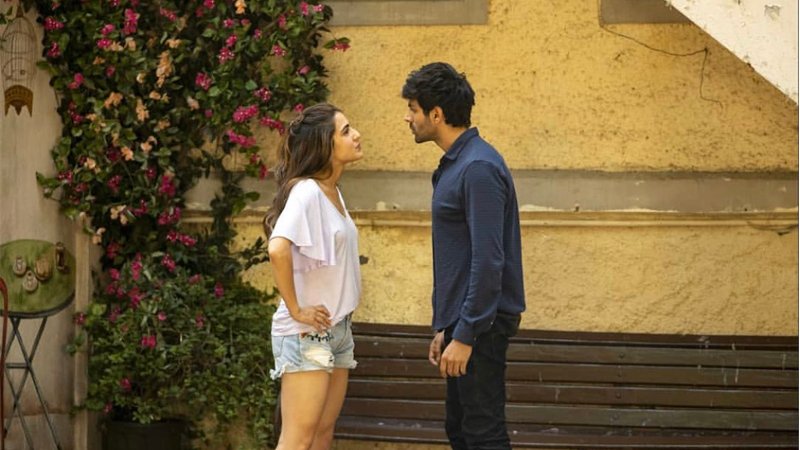
    While the plot did have its heart in the right place, the film was not engaging enough. It lacked the humour [like in Jab We Met] or simplicity [Highway] which Imtiaz usually beautifully weaves into his films. Sorry, Imtiaz, I really did try my best to like the movie but it just wasn’t happening.
  • Wholesome quarantine life with kids

    Wholesome quarantine life with kids

    It’s been a month or so of this new reality. Social distancing and self-isolation has turned all our schedules upside down. And for parents of young kids, that means a whole lot of chaos and moods. However, there is a lot we can do to make sure our kids get a wholesome life experience even during this very surreal way of life.

    In this article I will go through the essentials that I include in a typical week to make my kids enjoy and learn from our days of social distancing.

    Follow a routine

    Children behave best when they know what to expect. The predictability of a routine or a set timetable gives them comfort and causes less anxiety. Hence try to start the day the same way and end it with a solid bedtime routine. Encourage kids to follow a timetable. For example, keep more educational activities in the first half when their minds are fresh, and more physical activities in the second half when you need to tire them out for bed! Repetition of this basic schedule helps children understand what is required and reduces tantrums considerably.

    Read more – Schools shut down? Here are some fun indoor activities for your kid

    Healthy Diet

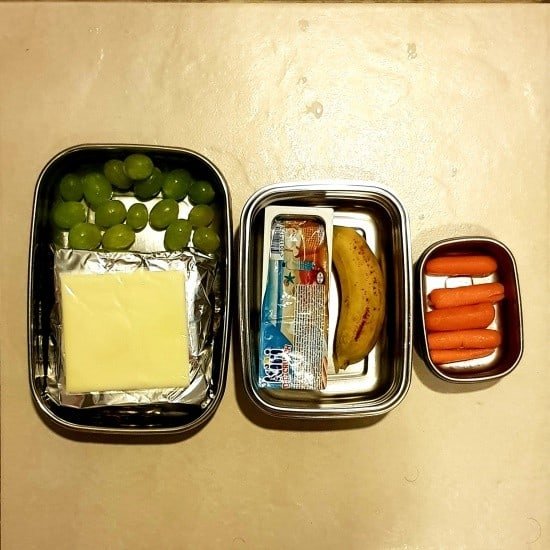
    Since all of us are staying indoors and our activity levels have decreased quite a bit, avoiding junk and maintaining a healthy diet is essential. The healthier we eat, the more active and fresh we can be the whole day. Try your best to make majority food at home and keep all basic food groups covered throughout the day ranging from carbohydrates, meats, dairy, fats and starch to fruits and vegetables.

    Screen time

    Let’s admit screen time for kids translates to some me time for us adults, which is essential for our mental health. It is unrealistic to expect parents to engage with kids all the time without social lives or play dates. So revise your old rules and take each day at a time.

    Fun time

    It’s natural for children to want to jump around and create a mess whether that’s through arts and crafts or just free play. In these trying times don’t expect them to be robots. Let them create and imagine. In Pakistan, most houses have a garden so let them explore. And if you don’t have the great outdoors, create a space within the house which is safe for mess and fun.

    Exercise

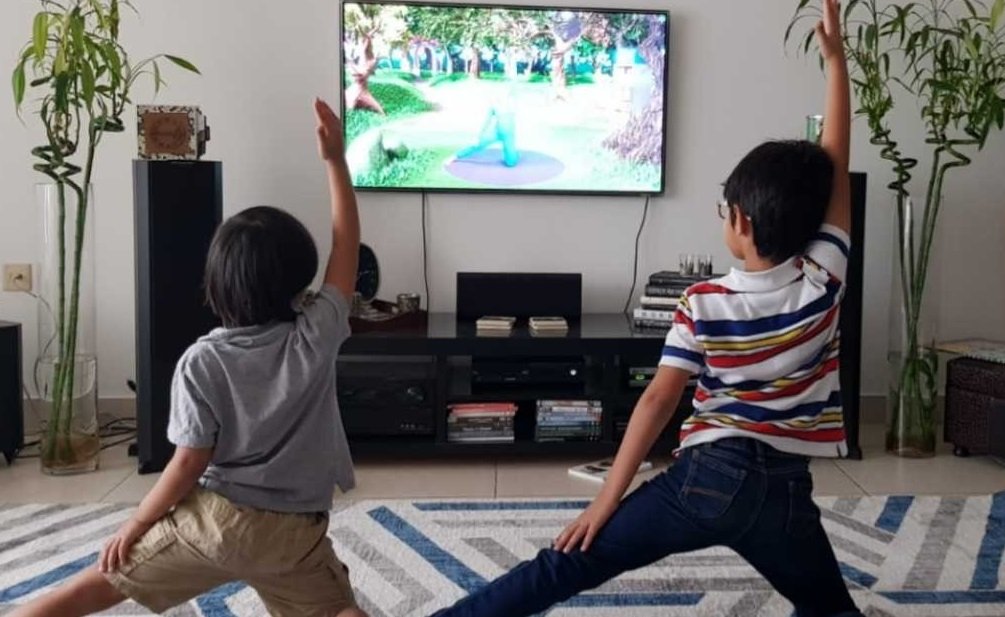
    I recommend some kind of physical exercise at home for all kids. It is the best way to get their bodies energised and fit. It also helps them get a good night’s sleep. YouTube channels are a great resource for this. Whether its cardio through dance, or yoga, be sure to spend at least 30 minutes exercising.

    Read more – Coronavirus: Six tips to manage self-isolation anxiety

    Family time

    Even though in theory us parents are with our kids day and night these days, are we really spending quality time with them all day? The answer is no and it’s normal. To think that every hour of the day will be filled with family bonding is unreasonable. In actuality, working parents are juggling between work, homeschooling, and daily chores. And stay at home parents are doing a lot of different tasks too. So take 30 minutes to an hour away from chores, work, and your mobile phones and give quality time to your kids. Whether that’s through board games or reading books together – the point is to give your children your undivided attention and make memories.

    Outdoor time

    Fresh air is a blessing now more than ever. Spending at least 15 to 30 minutes outdoors is known to increase happy hormones and relax anxious children and adults. So if you have a garden or any outdoor private safe space, use it! Go out for evening chai and snacks. And if you don’t, try to open your windows and sit by them for a little while to watch the blue skies. It will help your children feel better and appreciate a change in scenery.

    Staying connected to God

    One of the major advantages of being a Muslim is that we are reminded if the presence of a higher power at least 5 times a day. Use this opportunity to b teach your kids about Islam. Pray together if you can. Hope and faith are things that create positivity in all of us, so keep it alive as much as you can.

    Staying connected to friends and family

    Thanks to technology today, we can stay in touch with family and friends all over the world. Try to connect with your favourite people at least twice a week. This helps maintain relationships and helps children remember their old bonds. It creates a sense of sanity and reminds us that we are not in this alone.

    Helping hands

    The workload around the house has definitely increased for all of us since everyone is home all day and some of our temporary domestic help can also not come in. This means more food needs to be cooked, more laundry piles up, and in short more mess. In my opinion, these are all signs of life and laughter. So a family that uses and abuses the house together, should also clean and cook together. Encourage kids to help in all types of chores. This serves as an activity and helps pass the day in a productive way.

    Boredom

    Lastly, despite all of the above, there may be things you can’t manage. Some days may not have all the engagement mentioned and kids may say they are bored. To this I always say…it’s okay. Let them get bored. Boredom is actually good! It encourages them to think for themselves and sharpens their minds in more ways than giving them a well thought out activity.

    Zunaira is the author of a blog called From Dresses To Diapers. The part-time blogger and full-time mommy can be reached at her Instagram account.

  • Rethinking a post-COVID-19 future

    Rethinking a post-COVID-19 future

    “We should not go back to the old ways.”

    We are living through a global pandemic and life as we knew it will perhaps never be the same again, That’s the hope anyway. Because there are a lot of things about the way life was before that need rethinking — and COVID-19 has given us an opportunity to do this.

    In the 21st century, there was life before the virus, there is now lockdown and life during the virus and, at some point, there will be life after the virus — but will the latter be the same as our old way of living? There is much discussion now of ‘getting the economy going’ again, of getting things back to ‘normal’ again but is our plan just to restore the same economic model and the same old systems?

    Or is now the time to rethink the way we live?

    Several falsehoods about our lives have been exposed by the lockdown. Key among these is the myth that the old way of working and studying was the only way: fixed hours of attendance at sites you had to physically travel to. It turns out that this ‘hazri’ culture is not actually essential, and many of these ways of working were just constructs whose aim was to strengthen a type of corporate or darbari culture. Not allowing people to work from home stemmed perhaps from a reluctance to lose control of staff. The institutions that would hire expensive consultants to help them ‘save money’ and work efficiently told us that it was too expensive to have individual desks for staff and subjected them to the horrors of hotdesking. This apparently ‘saved’ some money yet these same organisations would be reluctant to allow staff to work from home routinely even though that would have saved even more money. The permission for ‘working from home’ was given not as the norm, but as some kind of great favour or concession which involved HR, applications and a degree of workplace politics.

    Well now nearly everybody’s working from home and we realise this has actually been possible for many, many years and that perhaps the workplace would have caught up with technology long ago if there weren’t so many dubious management practices and vested interests involved. Apart from the workplace, there is the question of the classroom and what it is — is it a physical reality or an intellectual one? In Britain, university education was once state-funded and all about education rather than businesses.

    “We’ll have to rethink education completely — especially university education.”

    But in the last decade universities have been turned into businesses which are less about education and more about profits. The students are called ‘clients’ and since university fees are now more than three times what they were ten years ago, they are saddled with crippling student debt (student loans are given by a private profit-seeking company). Students invest so much that they are afraid to challenge intellectual views of question anything professors say because they know that they need to get good grades because of their investment. Instead of concentrating on the wellbeing of their students, universities seem to have become more focused on marketing their brand in order to attract a maximum number of ‘customers’ or ‘clients’. But even when the riches poured in, it never seemed to be the academic staff who’d benefit but rather the ‘managers.’

    We’ll have to rethink education completely — especially university education. In Argentina, most young people get their first degree while working full time. Work by day and take evening classes. It might take longer but it definitely seems to be a more productive way to live. Oh, and state universities are free.  Of course, education can not all be virtually based but perhaps a large part of it does need to be.

    Then there’s the question of how society values work. Of how bankers are more highly paid and valued than ‘unskilled’ workers. How financial managers are much better paid than medical professionals. Now we realise who are the professionals that society really needs when in times of trouble: they are the medical professionals, the cleaners, the garbage collectors, the bus drivers, the police, the fire brigade, the people who run food shops and stack shelves. These are essential, these are the people we should value, these are the jobs we need to pay people well to do.

    We need to think of new businesses too. Instead of having an endless number of restaurants and coffee shops to ‘provide employment’ perhaps we should have more businesses whose goal is to contribute to community welfare employing people. We need more cooperative models of working and more localised businesses. Instead of manufacturing fast fashion and throwaway clothes which encourage frivolous spending and whose plastic fibres are clogging up the oceans and rivers, we perhaps should concentrate on businesses that produce food.

    “And guess who governments need to fund now? Not bigshot entrepreneurs and investment bankers, they need to support medical professionals, health workers and research scientists.”

    The virus and subsequent lockdown exposed a number of vulnerabilities in life as we were living it, and one of these was the matter of food production and supply. Perhaps now we need to have a national policy of localised production: local dairy farming, local livestock, locally grown fruit and vegetables. Apart from the fact that this will avoid the issue of complicated supply chains, many people in the health, economic and development sectors have long argued that this is a healthier and more sustainable way to live. This way food production would be organic and fresh – not shipped from the other side of the world. And in terms of food, we need to unlearn the mantra that endless choice is good. The illusion that the more choice you have in choosing, for example, a brand of chocolate shows how ‘free’ you are as people needs to be dispelled. And we need to move back to the idea of quality not quantity in the way we live.

    And new initiatives need to be set up to care for the environment. The enforced detox brought on by the lockdown has shown us bluer skies, clearer air and cleaner waters. We need to have a policy of setting up local initiatives to support this which are goal-oriented and not just motivated by a profit motive.

    And guess who governments need to fund now? Not bigshot entrepreneurs and investment bankers, they need to support medical professionals, health workers and research scientists. And they need to provide free broadband and digital access to all citizens because when push comes to shove this is something that will benefit the whole of society. We need more government spending, new frameworks and new initiatives based on a clear vision of what our priorities are now.

    People and governments need to come together and come up with a new way to live and a new model of economics, We can make a whole new sort of world; a world minus dodgy ‘outsourcing’, privatisation, unsound financial instruments, economic disparity and unbridled greed. But what’s needed is a lot of imaginative ideas and a bold new way of thinking. We need to be creative.

  • Rishi Kapoor’s unfulfilled wish: a visit to Pakistan

    Rishi Kapoor’s unfulfilled wish: a visit to Pakistan

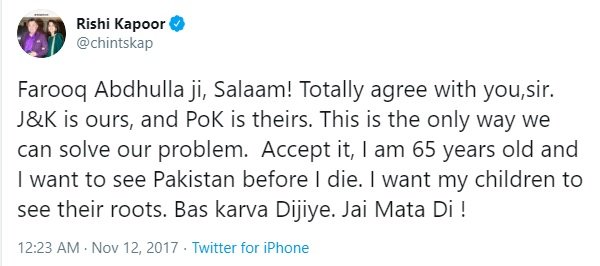
    With a heavy heart, the world has bid goodbye to veteran actor Rishi Kapoor, who breathed his last Thursday morning. A few hours after his death, an old tweet of the actor surfaced in which he expressed his desire to visit Pakistan so that his children can see their roots.

    IN PICTURES: Rishi Kapoor’s funeral

    In the tweet, shared in November 2017, Kapoor appeals to Kashmiri politician Farooq Abdullah to solve the Kashmir issue so that he can visit Pakistan before he dies.

    Unfortunately, the actor passed away before that could happen and the past couple of years has seen Indo-Pak relations go from bad to worse.

    Rishi, himself had strong ties with Pakistan. Not only are his ancestral roots in the country but he was also connected with the people here especially via social media and often engaged in heated debate with them.

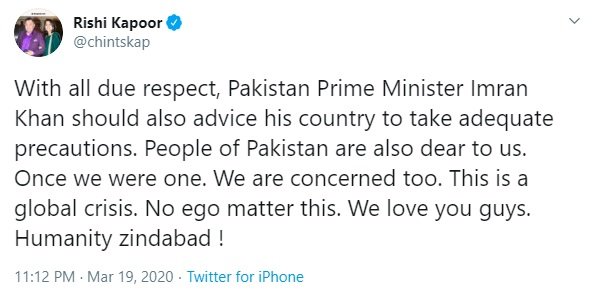
    A few weeks before his demise, Kapoor had asked Prime Minister Imran Khan to “advise his country to take adequate precautions.”

    “People of Pakistan are also dear to us,” the actor had written in a tweet.

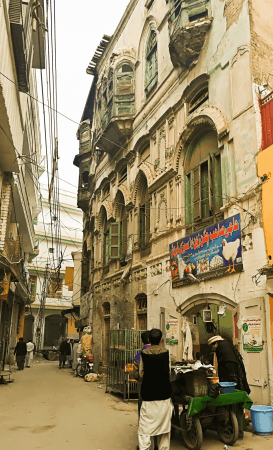
    Rishi’s ancestral home, popularly known as the ‘Kapoor Haveli’ is located in Qissa Khwani Bazar, in Peshawar Pakistan. Rishi’s father Raj Kapoor, grandfather and patriarch of the Bollywood royalty Prithviraj Kapoor and grand uncle Trilock Kapoor were all born in this building. According to details, the house was constructed between 1918 and 1922 by Dewan Basheswarnath Kapoor, father of Prithviraj Kapoor. However, after the partition the Kapoors’ migrated to India.

    The magnificent haveli has about forty rooms with exquisite overhanging balconies and astonishing floral motifs in its front.

    In 2019, Rishi had requested the Government of Pakistan to preserve his ancestral home and convert it into a museum.

    Minister of Foreign Affairs Shah Mahmood Qureshi, at that time, had said, “There was a call from Rishi Kapoor. He requested that his family’s home in Peshawar should be made into a museum or some sort of institution. We have accepted his request.”

    Similarly, Shehryar Afridi, who was serving as the Interior Minister at that time had shared that the actor had called him personally with his request.

    “He had called me and talked about making his ancestral home into a museum. Now the federal and provincial governments are working on this and will transform the house into a museum soon,” Afridi had stated.

    Rishi had last visited Pakistan with Shashi Kapoor and Randhir Kapoor in 1990. They had travelled to Peshawar to see their family’s house and also took some soil from the house to keep their heritage intact.

    Decades later, Rishi shared a picture from the visit on social media.

    Kapoor breathed his last a day after he was admitted to the hospital after he complained of breathing difficulties. The actor had been battling with cancer for a while now.

    Read more – Veteran Bollywood actor Rishi Kapoor passes away

    Announcing his demise, the actor’s family in a statement had said that he remained his jovial and entertaining self till the end and that he would “like to be remembered with a smile and not with tears.”

  • COVID-19: Should we worry about Pakistan’s economy?

    The world has come to a screeching halt.

    The coronavirus pandemic has affected lives in so many different ways that no one could have imagined only a few months ago. Large metropolitan cities like New York and London seem like ghost towns right out of a Hollywood movie. Restaurants, cinemas and airlines have stopped operating and malls are deserted. People, no matter where they are, are just afraid to get out of their houses and carry on with normal life. It is no more a health crisis, and is instead, taking the shape of an unprecedented economic catastrophe.

    No one knows the exact scale of this catastrophe, but everyone knows that a major recession is in the offing.

    Pakistan is no exception and the International Monetary Fund (IMF) has projected a 1.5 per cent contraction in the country’s GDP this year, the first in over seven decades, whereas the World Bank (WB) estimates that it can be as much as 2.2 per cent. Next year would be no different and the economy is expected to post negligible growth, that too if we are lucky. However, even this guesstimate can very easily turn into further contraction, if the crisis continues to deepen.

    HOW TO UNDERSTAND COVID-19’s IMPACT ON PAKISTAN’S ECONOMY?

    In layman’s terms, there are two major ways in which the pandemic can affect the economy. The first is what’s happening outside the country, while the second is what’s happening inside. In other words, the effects on the economy can be driven by both global factors and domestic developments.

    If you remember the 2008 global financial crisis, which turned the world’s financial markets upside down, you would also remember that it did not have a major impact on Pakistan’s economy. That can be explained by our poor integration with the world’s financial markets, which has been a blessing in disguise. Therefore, one thing is certain that the impact of a global economic meltdown is going to have a much more diluted effect on Pakistan than other countries that are fully integrated into the global economy.

    There is no doubt that the country would sail through this storm, but not without a well-thought-out action plan to stimulate the economy and bring it back to life, once the crisis is over.

    Let’s look at the global travel and tourism industry, for instance, that is taking a major hit. But Pakistan hardly had any share in this market and therefore is not likely to get impacted much. Nevertheless, disruptions in economies of Pakistan’s export destinations like the United States (US) and Europe are having a major bearing on Pakistan’s exports. Export orders are being cancelled, leading to a serious dip in the country’s already flailing exports. Fall in workers’ remittances is another area that is going to adversely impact the country, as Pakistani workers in the Middle East and elsewhere suffer job losses.

    Now we come to the in-country crisis, the impact of which is going to be driven by the severity and duration of the disease outbreak and the state’s response to it i.e. the nature and duration of the lockdown and the restrictions imposed. The already imposed lockdown, though enforced unevenly, has affected the economy in a big way. Millions of jobs are at stake and daily wage workers, who in most cases already belong to a vulnerable segment, are likely to be the major sufferers of the crisis.

    The lockdown has also suppressed demand in a number of industries such as automotive, consumer goods and construction among others. But more significantly, services sectors like domestic travel and transport, retail and wholesale trade, and hospitality are the worst casualties with their business activities coming to a standstill.

    Suppressed economic activity is resulting in a significant revenue loss for the government, whereas massive emergency response and relief activities are driving the expenditures high. The fiscal deficit is likely to touch 10 per cent of the GDP, leaving hardly any money for development, while the debt-to-GDP ratio is expected to hit the roof on the back of substantially increased debt burden. And if the country has to impose a blanket lockdown again at some stage, owing to the worsening health situation, all these indicators could quickly go from bad to worse.

    It is time for us to start thinking about some difficult fiscal and economic reform sore points that we have been avoiding for years.

    However, there is also a silver lining. Looking at Pakistan’s GDP composition, there are quite a few sectors like agriculture, electricity generation and distribution, gas distribution, communication, government services etc that are going to be much more resilient to this crisis. Moreover, there could also be some windfall earnings from the global economic downturn. The unprecedented fall in global oil prices is likely to bring in some relief for the country through the reduction in import bill. Additionally, as the world gears up for providing relief to developing countries to fight the economic shock, Pakistan is likely to be one of the beneficiaries of debt relief measures and aid inflows. In fact, the country has already received $1.4 billion in rapid financing from the IMF.

    Nevertheless, we must realise that Pakistan was already facing a tough economic situation and COVID-19 hit the country just when macroeconomic indicators were beginning to stabilise. There is no doubt that the country would sail through this storm, but not without a well-thought-out action plan to stimulate the economy and bring it back to life, once the crisis is over. And this would need much more than what’s being offered in the recently introduced fiscal stimulus package. Moreover, we would need years of fiscal discipline and economic prudence before we are fully able to recover from this shock.

    Now is the time to start thinking about some of the difficult fiscal and economic reform sore points like bleeding state-owned enterprises, ballooning wage and pension bill, swelling circular debt and inefficient government machinery, that we have been avoiding for years.

  • We’re on your side, dear minister

    We are all familiar with the adage that journalism is not a crime. Unfortunately, it seems that the ruling Pakistan Tehreek-e-Insaf (PTI) for some reason thinks it is.

    When The Current, with pictorial evidence, reported how unhygienic the conditions at a quarantine facility in Peshawar were, and when a few journalists shared the story on social media, the government did not take it very well. Khyber Pakhtunkhwa (KP) Health Minister Taimur Khan Jhagra took to Twitter and quote-tweeted journalist Benazir Shah.

    Other than questioning the report, he said:

    Targeting a well-respected journalist for tweeting a story about bad conditions at a quarantine facility in KP came as a surprise to many who had been commending both the KP government and Jhagra for their hard work in the fight against coronavirus. Jhagra could have ignored the story and not responded at all or just acknowledged the unhygienic conditions. If neither, he certainly could have responded without targeting Shah. 

    Jhagra is known to be decent and hardworking unlike many of his colleagues. Thus it came as a surprise when he targetted an accredited journalist, despite being fully aware of how the trolling brigade works. By targeting Shah specifically, he unleashed a troll army that is always ready to attack the media, especially women journalists.

    The notoriety of the ruling party’s troll army is an open secret despite official denial. Twitter trends against the media and renowned journalists have become a norm. Sharing private pictures of journalists taken from their social media accounts is another feather in the cap of these trolls. Any journalist who has attended Prime Minister (PM) Imran Khan’s media briefings in recent days and dared to ask him a tough question, has faced online trolling and vile attacks.

    Jhagra also implied in his Twitter thread regarding The Current’s story that the “privileged” cannot bear 48 hours of discomfort as the quarantine facilities may not be ideal. Well, this wasn’t about privilege. It was about highlighting the unhygienic conditions at a quarantine facility and nothing to do with privilege. Both the privileged and the under-privileged deserve clean quarantine facilities. This problem isn’t limited to Pakistan. In neighbouring India, many such cases of poor and unclean quarantine facilities have been highlighted on social as well as mainstream media.

    We understand that the government has limited resources and it will be difficult to deal with such pressures. We also acknowledge how hard the federal, as well as provincial governments, are working to fight the coronavirus and that mistakes are unavoidable as this is something the world hasn’t seen in recent times.

    We commend the hard work of our public officials, healthcare workers, doctors, policemen, security officials and everyone out there who is working day in and day out to ensure that the people of Pakistan stay safe and healthy during the pandemic. But we will also mention and highlight facts and news so that our readers stay informed. It is not our job to only highlight the positives; we have to report the truth even if the state does not like it. Journalists cannot be bullied by online trolls or campaigns against them. The media is not your enemy; coronavirus is our common enemy. Fight the virus, don’t fight the media without any reason.

    We don’t have rose-tinted glasses on, and red flags are not just flags to us…

  • ‘Ishqiya’ makes no sense

    ‘Ishqiya’ makes no sense

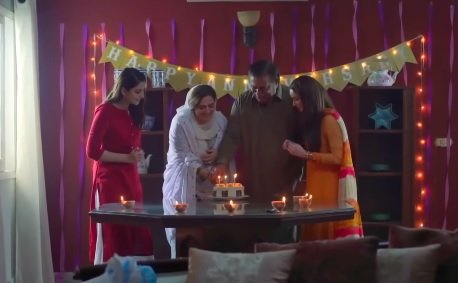
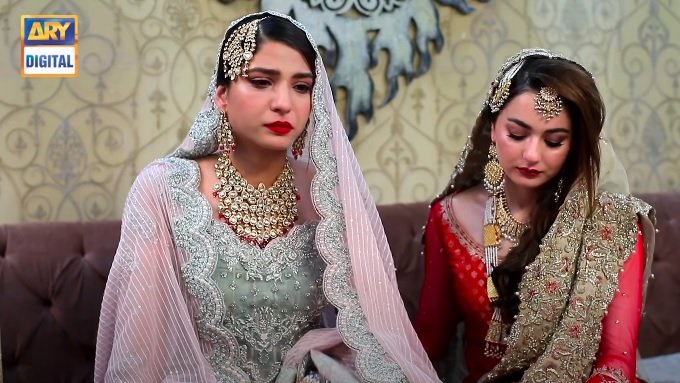
    Pakistani dramas generally are far from reality – even though they do pretend to be realistic. But more often than not you come across dramas that are so far-fetched from reality that they begin to test your patience. And Hania Aamir, Feroze Khan, Gohar Rasheed and Ramsha Khan’s Ishqiya is one of those.

    To begin with, the plot doesn’t make any sense. Hamna (Ramsha Khan) and Romaisa (Rumi) are two sisters who have typical Pakistani drama parents: old-school and simple. While Hamna is the sober and serious one, Rumi (Hania Aamir) is the lively and playful one. Hania in this drama is no different than Daneen, her character in Anaa and from the first 10 episodes, I think it is fair to say that her fate will somewhat be the same. Rumi’s over-the-top energy is a bit annoying and her dialogues are borderline cringe.

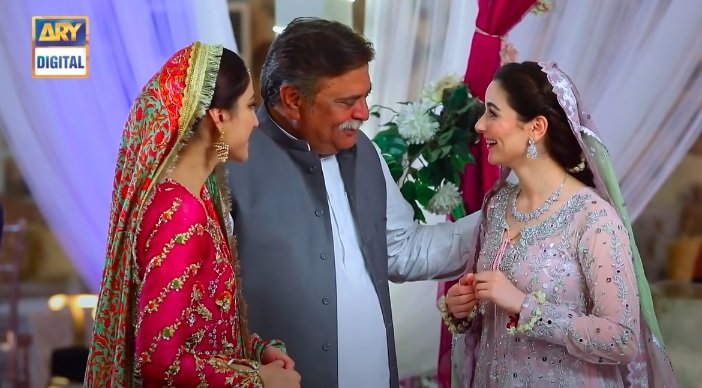
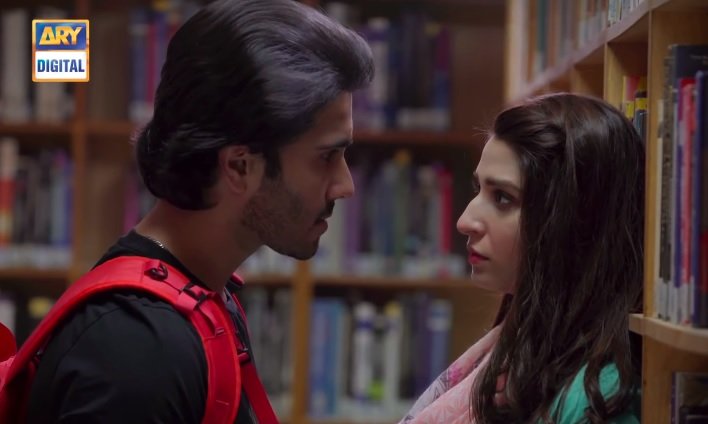
    On the other hand, Hamna is in a relationship with her class fellow Hamza (Feroze Khan). The two love each other passionately to the point that Hamza is a bit obsessive about Hamna. In the first few episodes, Hamza gives major Kabir Singh vibes: the public possessiveness, the self-destructive nature etc. In a typical twist of fate, the girls’ father Siddiqui Sahab (as Rumi calls him) has ill health and wants to get his daughters settled (in other words married) as soon as possible. When his colleague approaches them with a rishta of his son Azeem (Gohar Rasheed) for Hamna, Siddiqui Sahab does not hesitate to say yes and Hamna is soon married to Azeem. When Hamza finds out, he throws a major tantrum and in the process ends up getting involved in a car accident. After he recovers, Hamza decides that the best way to get back at Hamna is by marrying her sister Rumi and soon the two also end up getting married with the reception of both the sisters scheduled on the same day.

    I’m pretty sure by now, after reading the plot of the drama, you must also be thinking keh yaar yeh kya drama hai? My sentiments exactly. The plot makes zero sense to me – how can a someone not tell their sister that ‘Dude the boy who is approaching you for a rishta is my ex-boyfriend and that he is only doing this to get back at me?’

    Not only that, ever since Hamna got married to Azeem, she has a long face, barely eats and is always teary-eyed. That is literally visible to everyone except her own family who are oblivious to her tears.

    After mentally torturing Hamna through four episodes and making her uncomfortable at every opportunity, the latest episode saw Hamza finally take his new bride, Roomi home. Hamna also moved to her husband Azeem’s house. It appears that now that the basic matters have been settled and the two former lovers have married other people, we’re in for a major plot twist and a whole lot of drama, which I’m thinking I will skip given how the plot of Ishqiya isn’t the most original. The Pakistani drama scene has seen plenty of such dramas before: one I can remember on top of my head is Yaariyan featuring Ayeza Khan, Moomal Sheikh, Junaid Khan and Muneeb Butt. It also had a similar premise involving two sisters.

    Written by Mohsin Ali Shah and directed by Badar Mehmood (Cheekh, Balaa), Ishqiya airs every Monday at 8pm on ARY Digital.

  • Unbelievable times

    Unbelievable times

    We are living in unbelievable times. 

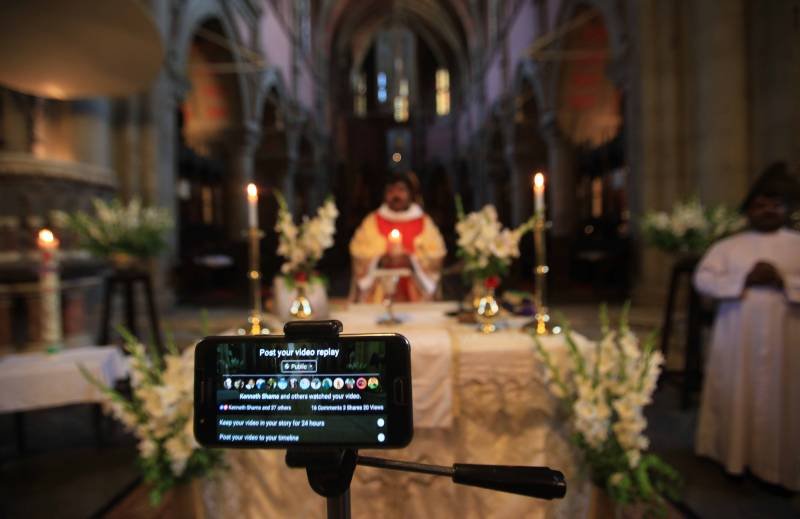
    “Wishing all our Christian citizens a happy Easter. Please stay safe and keep your families safe during the COVID-19 pandemic by praying and celebrating at home; and by observing the national safety protocols,” tweeted Prime Minister (PM) Imran Khan earlier today. The reality of coronavirus hits you hard when you read this tweet. Churches not just all over the country, but also in major parts of the world, are closed due to the coronavirus outbreak.

    A World Bank (WB) report on South Asia released last night is alarming. It says that Pakistan, India, Bangladesh, Afghanistan and other smaller countries may have so far reported relatively few coronavirus cases but they could be the next hotspots.

    “The economic outlook for South Asia is dire. South Asia will likely experience the worst economic performance of the last 40 years… for Pakistan, Afghanistan and Sri Lanka, the full range of their forecast GDP growth for this fiscal year is in negative territory,” says the report. It says that Pakistan may face a recession for the first time in 68 years.

    The report further states that the crisis will reinforce inequality in South Asia. This is something that the premier has constantly been worried about. The poorest of the poor will suffer the most is what he kept telling us about in his addresses to the nation as well as media briefings and interactions.

    This is indeed a catch-22 situation. Like his counterparts in other South Asian countries, PM Imran is in unchartered territory and is trying to deal with the pandemic by learning from other countries’ successes as well as mistakes and also by keeping in mind the local ground realities. He seemed confused about lockdown initially but later, and maybe soon enough, realised that there was no other choice. The federal government, as well as the provincial governments, will decide tomorrow (Monday) whether lockdown in the country should be extended.

    Many reports suggest that it may be extended till April 21.

    As the WB report suggests, smaller nations like Pakistan could be the next hotspot for coronavirus. Lockdowns may have helped to a great extent but we also need aggressive testing. Unfortunately, it hasn’t happened as we don’t have enough testing kits. Reports suggest some of these testing kits have also turned out to be faulty and/or substandard. Not having enough kits also points to another aspect, i.e. protectionism. The Global Trade Alert project says at least 69 countries have banned or restricted the export of protective equipment, medical devices or medicines during the pandemic while the World Health Organization (WHO) has warned protectionism could limit the global availability of vaccines.

    While the federal and provincial governments in Pakistan are doing their best under the circumstances and with the resources at hand, the real challenge lies in finding a cure for coronavirus. These are difficult times indeed and the predictions related to the coming months are not too bright either.

    Since it might soon be too late for all precautionary measures, stay home and stay safe for yourself and your dear ones.

  • ‘Kaheen Deep Jalay’ keeps getting worse

    ‘Kaheen Deep Jalay’ keeps getting worse

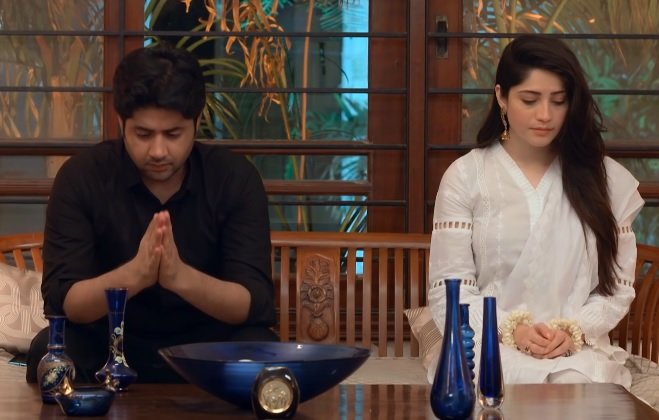
    Saach baat bataoon toh Neelum Munir and Imran Ashraf’s Kaheen Deep Jalay on Geo was my guilty pleasure. The drama was full of well, drama, and it had a heavy dose of masala complete with over-the-top twists and turns which were oh-so-fun to watch. But the last couple of episodes have turned the serial into a painful watch.

    Let’s take a quick run through the plot. Rida (Neelum Munir) is the only sister of three brothers: Hatim (Hammad Farooqui), Fahaam (Ali Abbas) and Asim (Syed Arez). The brothers dote on their sister and pamper her to no extent. Rida’s maternal cousin Shamila (Nazish Jahangir) gets married to her eldest brother Fahaam. Shamila is a conniving and manipulative girl who is jealous of Rida because of the attention she gets from her brothers. Shamila’s only brother doesn’t pamper her much and seeing Rida get so much attention from her brothers irks Shamila who then uses every opportunity to mentally torture her sister-in-law.

    Meanwhile, Rida gets married to Zeeshan (Imran Ashraf). Zeeshan, who was Hatim’s colleague had fallen in love with Rida from the moment he saw her. The two get married and are happy but soon Zeeshan’s insecurities coupled with Shamila’s manipulation cost them their marriage.

    Read more – ‘Kahin Deep Jalay’ is terribly typical but full of masala

    The recent episodes have seen the plot spiral completely out of control. A misunderstanding on Zeeshan’s part leads him to believe that Rida cheated on him. This gives Shamila a chance to lash out on Rida even more and Rida’s brothers who doted on her through the course of the drama now refuse to even acknowledge her to the point that they wish that she was dead. It is impossible to understand how Rida’s brothers just suddenly turned their back on their sister and refuse to believe her innocence. This plot twist is beyond my understanding.

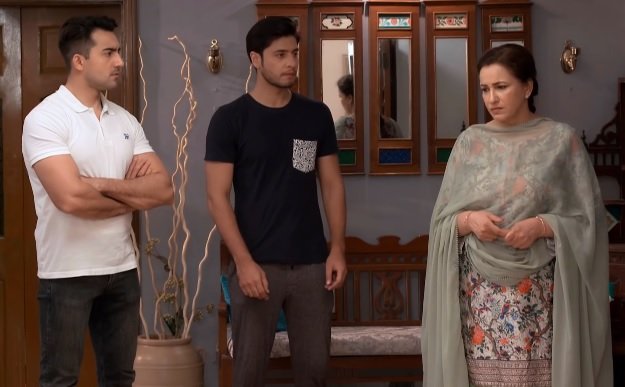
    Hatim, Asim and Rida’s mother

    Though Zeeshan later realises his mistake and asks Rida for forgiveness, she refuses to forgive him (and rightly so) and the two spend their days crying. Zeeshan, in particular, is very annoying. He cries all the time (not that I’m against men crying) and feels sorry for himself and doesn’t really make much of an effort to make amends. He just hopes that Rida will come around.

    On the other hand, Shamila, whose husband Fahaam is shot dead, manipulates her brother-in-law Hatim into marrying her so that she can once again become the bahu of the house. Another over-the-top and absolutely unnecessary plot twist. It’s so annoying to see how the men in the family are so oblivious to Shamila’s actions.

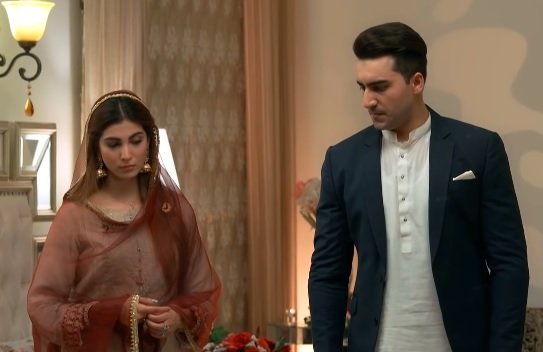
    Shamila and Hatim

    Despite the frustrations, I don’t want to overlook the positive which is Rida’s relationship with her mother-in-law (Saba Faisal). It is refreshing to see a mother-in-law stand up for her daughter-in-law and criticise her son for being unfair to her. Her character is probably the only balanced one in the entire drama – the rest of them are an emotional mess.

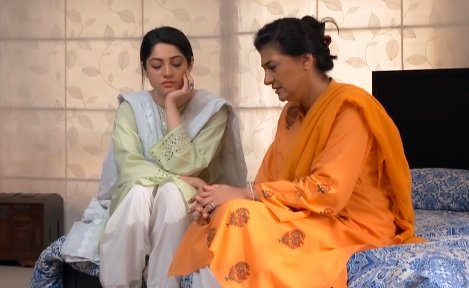
    Rida and her mother-in-law

    While Kaheen Deep Jalay continues to test my patience, the only reason I will continue to watch the drama is because I’m curious to know Shamila’s end. And I’m pretty sure it’s not going to be a pleasant one. So that should make up for the frustrations. In my opinion, things could have been accelerated and the drama should have wrapped up by now.

    Another thing that has been bothering me is how Geo repeats the last ten minutes of the previous episode in the new episode.

    Nonetheless, if you’re looking for a masalaydaar drama which does not require too much of your brain cells, give Kaheen Deep Jalay a go. Otherwise given how it’s progressing, or regressing, you can skip it.

  • Time for kindness

    Time for kindness

    With at least 1.2 million confirmed cases and 64,000 deaths across the globe, the new coronavirus aka COVID-19 pandemic is continuing to take a toll on the world. The economic impact is so huge that it is being compared to the Great Depression.

    Managing Director of the International Monetary Fund (IMF) Kristalina Georgieva says this is an economic crisis like no other. “Never in the history of the IMF have we witnessed the global economy coming to a standstill. It is way worse than the global financial crisis.”

    Countries are fast realising that the impact of this virus is so huge — and unpredictable at the same time — that whatever they do may not be enough.

    First, it was about creating and spreading awareness as not many were taking it seriously. Then came the lockdowns, partial or complete, in many countries. Now there are some other stark realities that people are facing; financial woes being one of them. Social-distancing is a privilege. Not everyone can afford it. Lockdowns have helped contain the spread to a certain extent but the economic impact on daily wagers, the lower middle class and many others will be quite harsh. Thus, governments and private citizens must step in to help. 

    A Facebook post doing the rounds about a university van driver in Pakistan is heartbreaking. According to the post, the driver has been calling up students asking for his monthly charges but not many are responding to his calls/texts. We need to understand that in these tough times, we must help those who are less privileged than us. Those who have given leave to their domestic staff must pay their salaries — and if possible, an advance salary as well. Help those around you who you think need it. Buy rations or donate to charities and organisations like the Edhi Foundation that are doing credible work and helping people in these troubling times. 

    Another tragic aspect is that those who fall victim to corona have to deal with the illness alone — away from family and friends — in order to keep others safe from the virus. Burying those who die of coronavirus has also become an ordeal. Family members and friends can only say goodbye from a distance. Funerals in the time of coronavirus are quite different. Coronavirus has changed the world so drastically that people cannot even grieve together anymore. These are the new realities until a cure is found. 

    We will keep learning new things with each passing day. We will see the world change. People will be hungry, frustrated, desperate, scared, depressed, angry and much more. But we must be kind and understanding for this is what humanitarianism is all about. Be human! Be safe.

    FOLLOW THIS LINK FOR LATEST CORONAVIRUS UPDATES FROM PAKISTAN