Author: optimum_tech

  • Raheela: The Girl Child

    It’s the International Day of the Girl and Pakistan is shamelessly on the bottom of the global ranking in empowering them. They face death; stunted growth; violence; child labour and limited or no access to education and medical care.

    I took a dirt road two hours away from Peshawar in 2017 to find out more about how young girls with no access to education can be brought back into the gig economy.

    I spoke to about a dozen young girls and recorded their
    interviews to put a report for the people who were working to change the
    traditional set up in the conservative Khyber Pakhtunkhwa (KP) district.

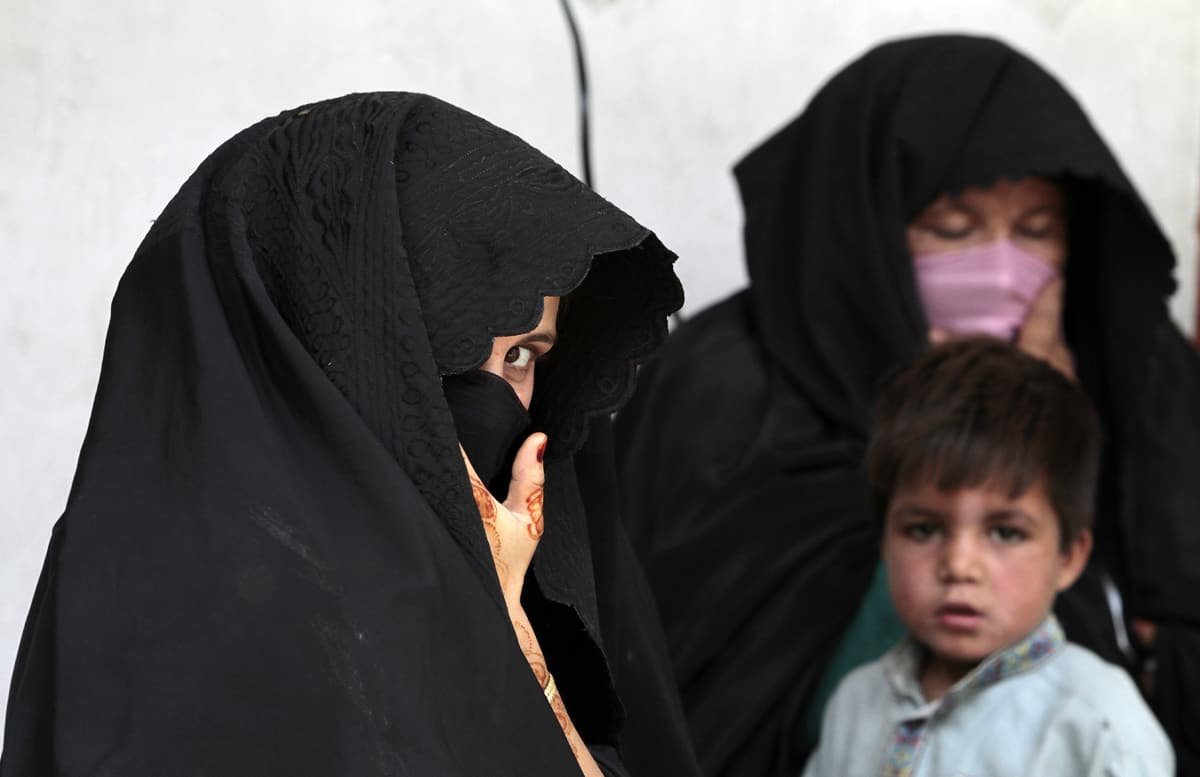
    I spoke to the adolescent girls learning vocational skills like tutoring, tailoring and computer skills. Some girls between 15 and 19 were clad in burqas, others in chadors and most, in a deep sense of shame. Their body language was subdued and their presence was mild like they were a bit too grateful for the donor support I had gone to assess.

    Raheela was an unforgettable young girl. She was a Frida
    Pinto lookalike, big eyes and a chiseled jawbone with fierceness about her life
    story that both humbled and awed me. She was what we call a success story that
    we were to tout for more funding in the area of adolescent girls, where
    government support failed or was neglectful.

    Raheela had learned to make a lot of money over the past few
    months. She was given a grant to receive a brand new Singer sewing machine. The
    machine allowed her to sell clothes to local women that she sewed faster and
    better. She could now afford to send her younger siblings to school. That
    month, she made more money in thirty days than her drunk and abusive father
    made in a year.

    Many would consider this a success, but for Raheela, it meant a disrupted order of status quo that led her father to rage and episodic beatings.

    She looked at me to answer questions with a black eye that she unsuccessfully attempted to mask under a cheap concealer, three shades lighter than her wheat skin colour. I had to, so I asked her about the black-blue eye.

    Her face comes to me like a floating ghost when I hear politicians rattle their podiums and make big promises. When big men with power claim justice for the common people who are facing stagflation in the economy, I wonder if they really ever see Raheela.

    Am I ugly, bad and unworthy? She asked me in response.

    No.

    I said she was beautiful and good and worthy and that it was
    the people who exploited her that should be put away.

    She was not fearless, but she was incredibly brave.

    Today, we mark the International Day of the Girl Child, so I went back to my notes from that day I met Raheela.

    I often think of Raheela because she is far away from the
    cult of cool that many young adolescent girls her age are obsessed with. She
    cares more about how to hide her siblings when her father picks up the rod than
    she does about getting the corners of her wing eyeliner right. Her life is more
    immediate and her troubles are not imagined.

    Her face comes to me like a floating ghost when I hear politicians rattle their podiums and make big promises. When big men with power claim justice for the common people who are facing stagflation in the economy, I wonder if they really ever see Raheela. I wonder if they hear the tremble in her voice when she describes going back to a home where she faces chronic punishment for working to support her family. I wonder if they even know that in this country, girls are prematurely sexualised and prematurely made into grown-up adults when they are too young to even understand their own bodies.

    I’m going to dare to dream a world for her today because that is what the day calls for – after all the GirlForce is unscripted and unstoppable.

    If I could reimagine a world for Pakistan’s Raheela, I would dare to dream that she has a lot of hygiene. That she has access to sanitary pads that are biodegradable and safe. Many girls in the programme who enter puberty end up missing their vocational classes just because they are on their period. The norm is unsanitary cloth packs that leak and limit their mobility. I want a world where a period doesn’t signal young women’s child-bearing age, but an age that needs care and protection from people who have an exploitative mindset. Commercial sanitary pads are prohibitively expensive in rural areas and there is no education on how to maintain mobility during menstruation. As a result, menstruation is used as a weapon to ground Raheela.

    I often think of Raheela because she is far away from the cult of cool that many young adolescent girls her age are obsessed with. She cares more about how to hide her siblings when her father picks up the rod than she does about getting the corners of her wing eyeliner right.

    I would also imagine a world for her where the road to the vocational centre would not be planted with land mines of honour culture. Where the local village perverts won’t call her a slut for wandering instead of being invisible. I’d want local police to punish those men if they dare make her feel threatened. Instead, local police usually victim-blame young women who face eve-teasing and sexual harassment. Raheela was asked to go back home and fetch her abusive father before a legal complaint is lodged. She ended up not complaining and facing the men in her path day after day, passively.

    It would be rather nice if Raheela had a basic smartphone that allowed her to receive her stipend in a mobile wallet, safe from the drug-addiction ambitions of her father. A mobile wallet that allows her to buy her mother the medicines she needs to repair her mental health, her self-esteem and her social embarrassment for only giving birth to girls.

    Access to the internet would be great for Raheela. She could get socially connected to friends and family she trusts and can rely on. She could even search the latest fashion trends to remix in the clothes she designs and sells in larger cities. She could learn English, the language the internet uses and sharpen her Urdu skills using tutorials. She could search for entertainment and watch shows that give her respite from her reality. She could use YouTube to research how to manage money and do basic bookkeeping so her business can stay afloat longer.

    I’d want a world where Raheela knows that elsewhere in the universe, there are doctors who perform surgeries remotely; that holograms exist; that future jobs will focus on creativity and collaboration; that there are smart shoes that measure everything including steps. Most importantly, that she can protect her digital footprint and have her cyber world secure from prying eyes of men who can hurt her now or in the future. She could know her rights as a citizen. She would know then, that the state has promised to protect her, educate her for free and punish anyone who harms her physically. That would change her mindset.

    I want Raheela to know that clothes look better when you wear them on your back while standing up straight, chin up, shoulders back. Raheela is not ugly, not a bad person and she is not unworthy of this dream I have dreamed entirely on her behalf.

    I’d like to give her some representation in the local government, perhaps even as a citizen. She could understand that there are others like her suffering in the community and hold a town hall with them to support community involvement. Raheela could help create public pressure to have easier access to schools, transport, healthcare and plumbing by speaking up for more young women.

    I want Raheela to know that clothes look better when you wear them on your back while standing up straight, chin up, shoulders back. Raheela is not ugly, not a bad person and she is not unworthy of this dream I have dreamed entirely on her behalf.

    It’s the International Day of the Girl. Pakistan is shamelessly on the bottom of the global ranking in empowering them. Girls in Pakistan face death; stunted growth; violence; child labour and limited or no access to education and medical care.

    It’s too late for Raheela, by now she may have a few girls of her own, her father may have won at patriarchy and she may have lost at it. Can we please get this dream in a politician’s speech so it could maybe… maybe become a part of the cult of cool that some girls can never reach.
  • Textile industry marks record growth after 10 years

    Textile industry marks record growth after 10 years

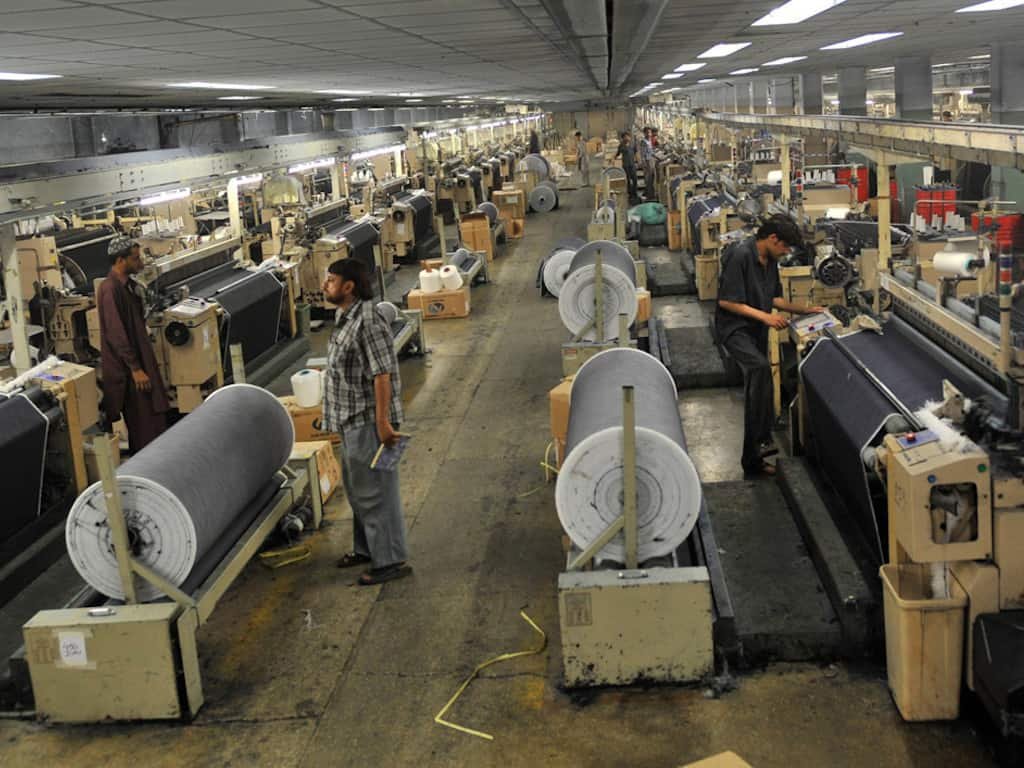
    The textile industry in Pakistan has achieved a record increase of 26% growth in quantitative terms after 10 years, according to a statement issued by All Pakistan Textile Mills Association (APTMA).

    APTMA states that the growth did not directly reflect in dollar amounts due to a substantial worldwide decrease in textile prices, however, if this growth in quantity had not been achieved the exports would have been less than $ 8.5 billion as the international prices have now recovered.

    Further records reveal that the profits of companies were over 5% and that the companies have posted a turnover of $ 16 billion out of which $ 13.3 billion was exported and $ 2.8 billion were sold in the domestic market.

    The industry has contributed a total of Rs40 billion to the exchequer through income tax as well as various other indirect taxes and levies of over Rs 35 billion.

    As a result of the profits posted, the industry has strong balance sheets and an equity fund of $ 1 billion earned directly from the international market. These funds can be leveraged to invest at least $ 4 billion in the next year alone.

  • Dog culling: You don’t have to be an animal lover, but at least be human

    Dog culling: You don’t have to be an animal lover, but at least be human

    We starve them, kidnap them and even murder them, but the moral community that rejects the abuse of humans, does not consider what we are doing to animals as something wrong.

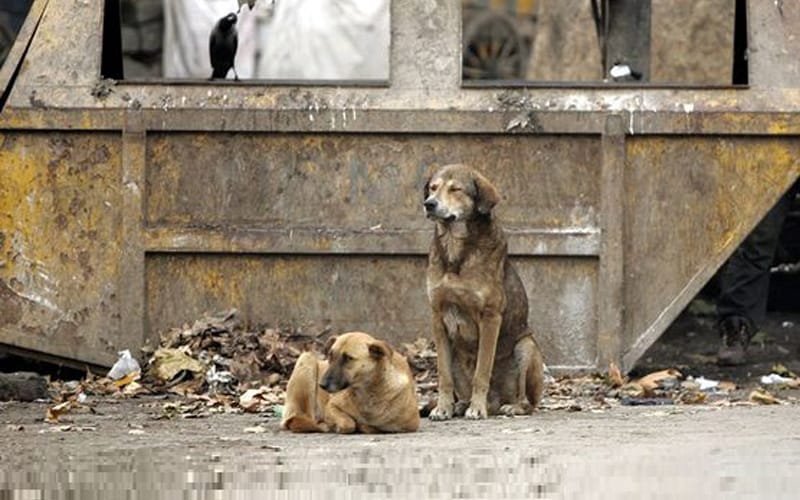
    If you reside in any of the big cities of Pakistan, you must have woken up to the sounds of gunshots every few months. Gunshots, loud whimpers, more gunshots and then complete silence… a deafening silence.

    Dog culling, which basically means to kill, takes place to reduce the population of stray dogs and the occurrence of rabies. It is a brutal and outdated practice that still exists in a few countries around the world — Pakistan being one of them.

    As per a study by the World Health Organisation (WHO) in 2010, around 97,000 dog bite cases are reported every year in Pakistan, however, there are still no exact figures of the number of deaths caused by rabies. And the governments’ solution to combating the spread of the deadly disease, is dog culling.

    Every year, thousands of dogs are brutally murdered by being shot or poisoned. The government, under the municipal department, hires ‘dog shooters’, whose only job is to kill all the dogs in any area. These shooters are given old guns, which mostly miss the target, resulting in injured dogs suffering for hours as they slowly bleed to death.

    According to the World Animal Protection (WAP), “Culling dogs is not the solution to rabies”. It is also not the solution to decrease dog population, because, for every dog that’s left, eight more puppies will be born and with the imbalance created in the environment due to dog culling, more food will be available for the new ones.

    The surviving animals will keep on reproducing and these new dogs will then move to areas that were previously made ‘dog-free’. This cycle continues every year, the dog population doesn’t decrease and nor is rabies contained. So what is the solution that can eliminate both rabies and dog population? It is TNVR.

    TNVR stands for Trap, Neuter, Vaccinate and Return. You pick up dogs from the streets, spay/neuter them so they can no longer reproduce; vaccinate them so they do not get rabies, tag them or chip them and then return them to the area they were found in. This way, stray dogs will not only be free of rabies, but their population will also gradually start to decrease.

    As per WAP, “the only way to eliminate the virus is through
    vaccination. Vaccinating at least 70% of the dogs in an area creates herd
    immunity, slowing the spread of rabies until it dies out”.

    A single female can produce up to 2,048 puppies in just four years! Now imagine the effect of spaying one female. A study in India (Reece & Chawla, 2006) reported a decrease of 31.8% to 51% in dog population in six years when 50% or 70% of the population was spayed and neutered. Meanwhile, Thailand has seen a decline of 50% in just five years.

    If we just talk about rabies drives, countries as Panama, Chile, Brazil and Argentina initiated countrywide rabies vaccine drives that have led to them being rabies-free for over 10 years now.

    One of the major reasons why no time is spent on campaigns such as TNVR is because of the public opinion regarding dogs. In our society, dogs are looked down upon, and we consider them as non-feeling, non-thinking beings.

    However, according to a 2012 University of Cambridge study, animals have a conscience, which means they think, feel and respond to the world in the same way as humans, but just because they express their emotions differently, we tend to overlook them.

    The result of this willful forgetfulness is reflected in the way we treat dogs. We stone, beat and even shoot them dead every day.

    Imagine the same for a human being;
    where he or she is starved, kidnapped, poisoned, murdered, shot or tortured. Most
    governmental bodies around the world, NGOs and individuals would agree that
    such acts are wrong. They would criminalise such acts and punish those who
    commit them.

    Sadly, the same cannot be said for animals, their abuse is accepted by the same moral community that rejects the abuse of humans. As a society, we still do not see what we are doing to animals as something wrong. We are okay with watching animals suffer; we are okay with the constant and widespread abuse of animals.

    Perhaps it is time for the citizens of this country to wake up and take a good hard look in the mirror. Have we become the very monsters we speak of? Have we become so selfish that we refuse to acknowledge the abuse that takes place outside our homes every day? Have we become so arrogant that we deny basic rights to other living beings around us? Have we completely lost humanity and compassion? But most importantly, are we even human anymore?

  • Caffè Praha – the new, happening brunch place in town

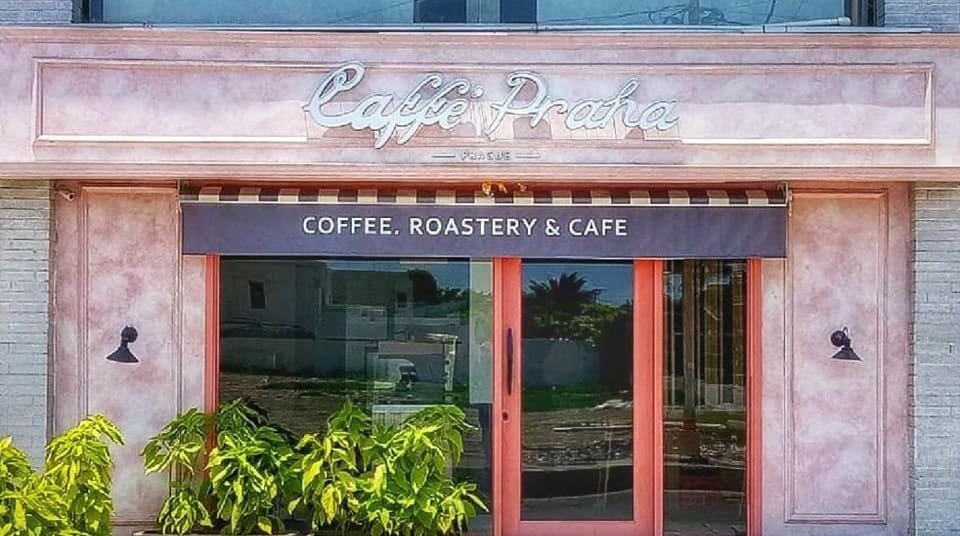
    Caffè Praha – the new, happening brunch place in town

    Interior done in simple, soothing shades of mints and greys, Caffè Praha has caught the attention of Karachi ladies since it’s opening a fortnight back. Whether it is breakfast, brunch, lunch, tea, or dinner, the place is always buzzing.

    I first visited the place for lunch and though I was really impressed by the mini lunch menu – it had just 6 mains – it was my second visit for a breakfast brunch which I actually enjoyed.

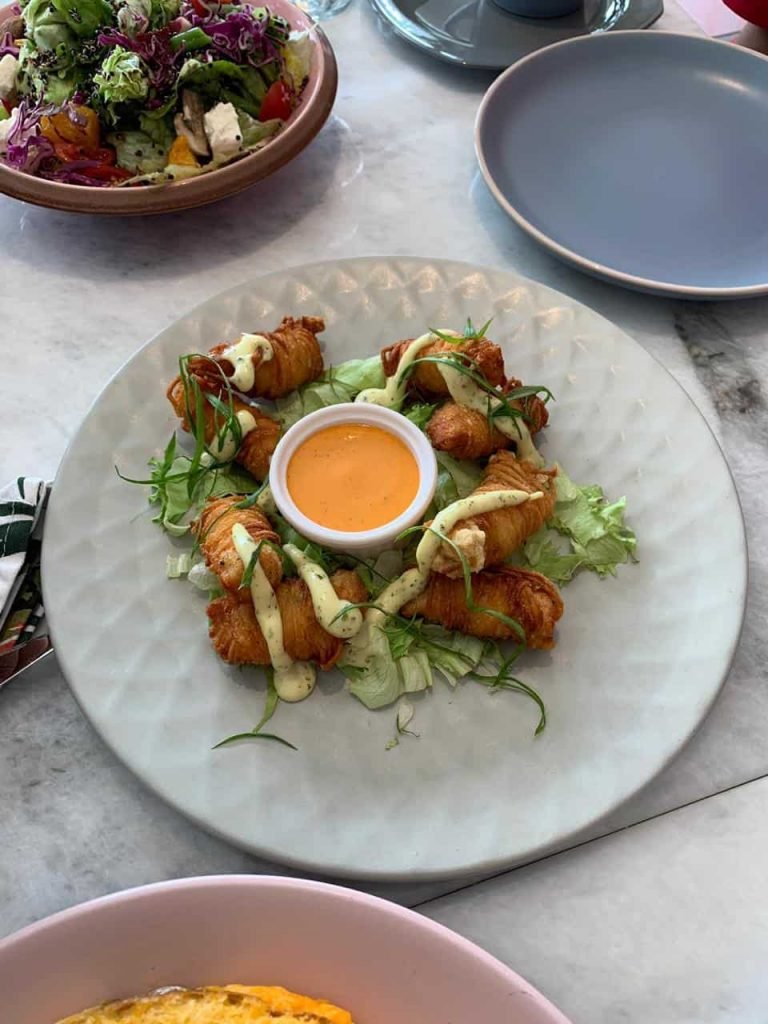
    Nonetheless, we began our meal with some meaty starters – Korean Sticky Wings, Prawn to be Wild and Chicken Strips. All three dishes were juicy, succulent and an absolute treat.

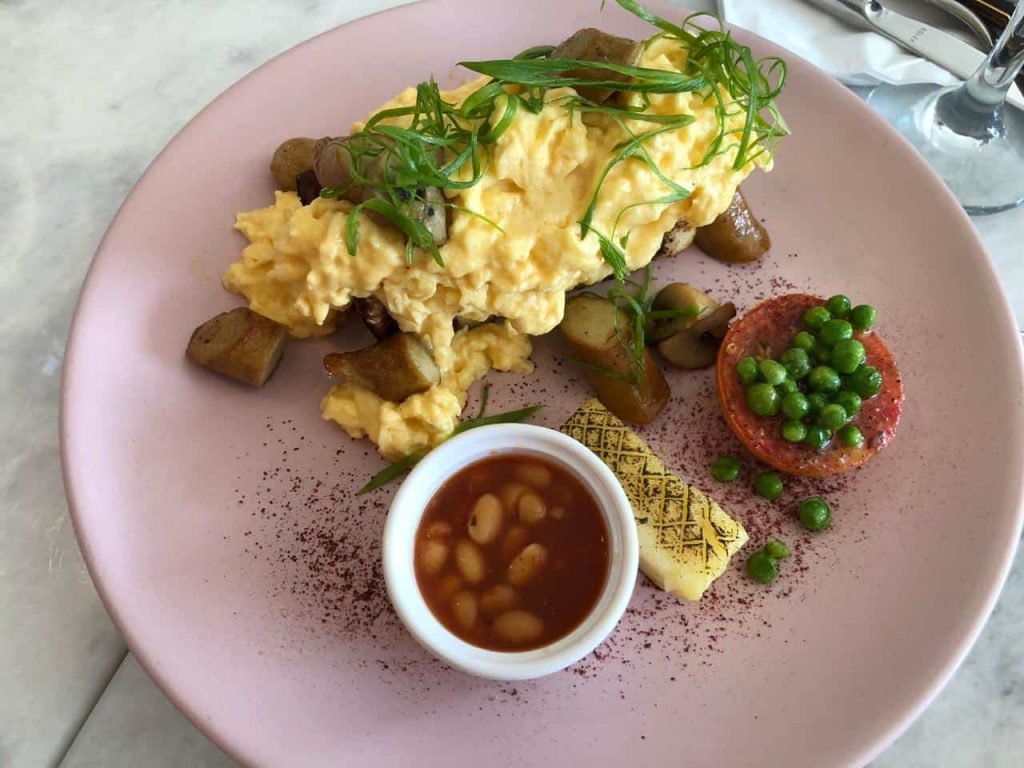
    From the breakfast menu, we tried the Old Town Omelette, which was stuffed with cheese and spinach; the Salmon Avocado Brioche served with Hollandaise Sauce and Guacamole and the American Breakfast which consisted of scrambled eggs and sausages. All three dishes were pleasing to the taste buds and did not fail to impress.

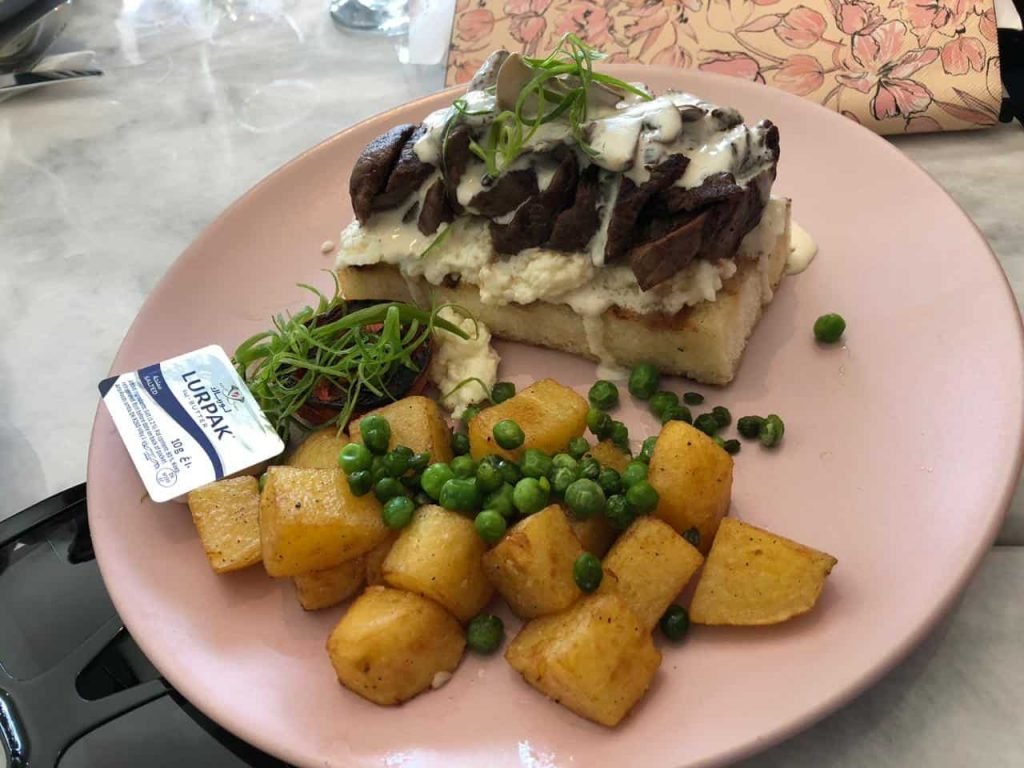
    But the winning dish on the breakfast menu was the Steak on Toast. The delightful dish had succulent pieces of meat on scrambled eggs and mushroom in white sauce all perched on a bed of toast, potatoes and peas. I am without a doubt going back for this one.

    Steak on Toast

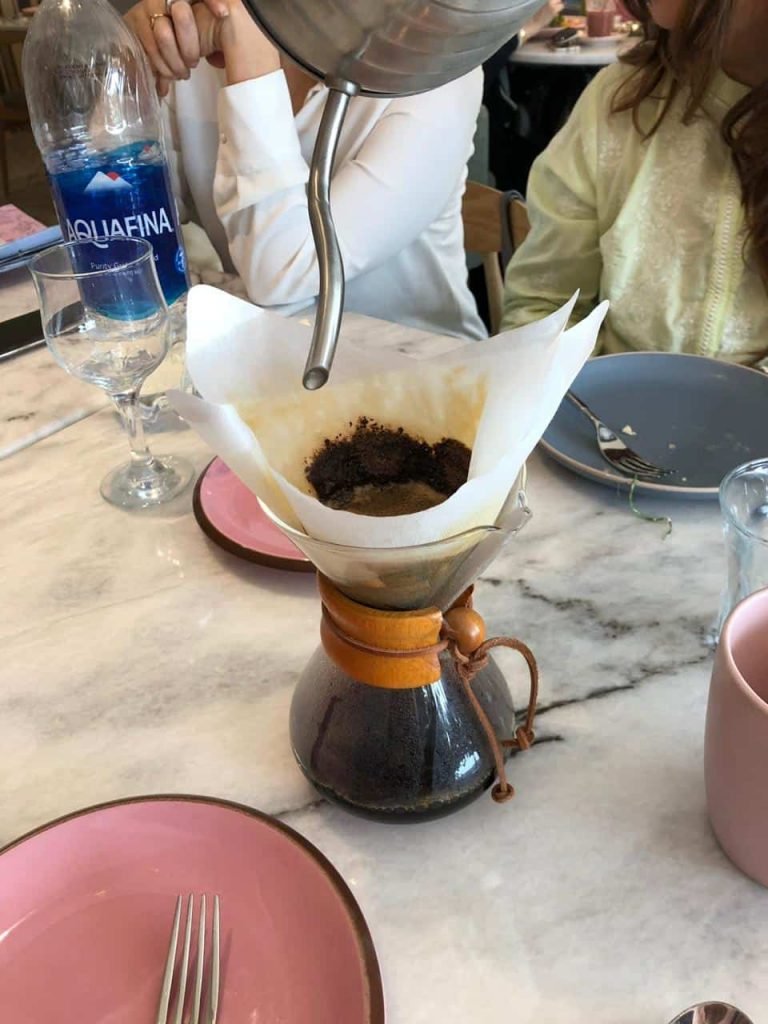
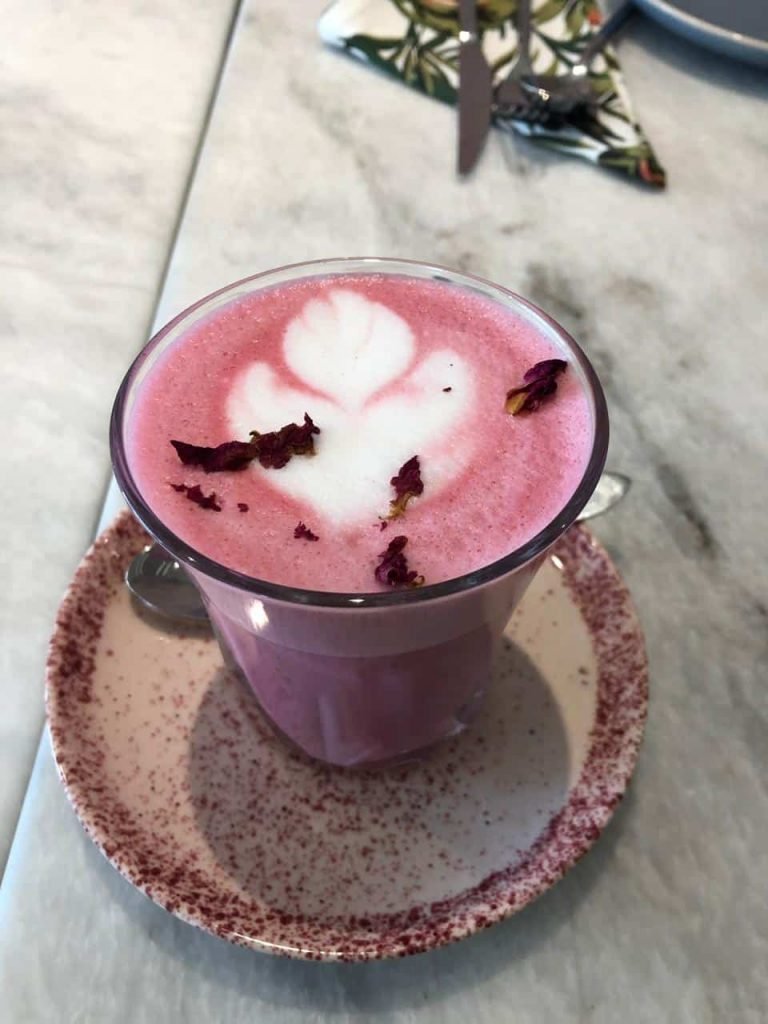
    Last but not the least we tried their Freshly Brewed Coffee and Rose Latte, which is coffee mixed with pink rose water. While we enjoyed the fresh coffee, the Rose Latte was a total disappointment – not recommended at all.

    To sum it all up, my friends and I had a wonderful experience at Caffè Praha. Happy staff, sinfully delicious food and reasonably priced, this place is here to stay.

  • Exploring the French Countryside

    Exploring the French Countryside

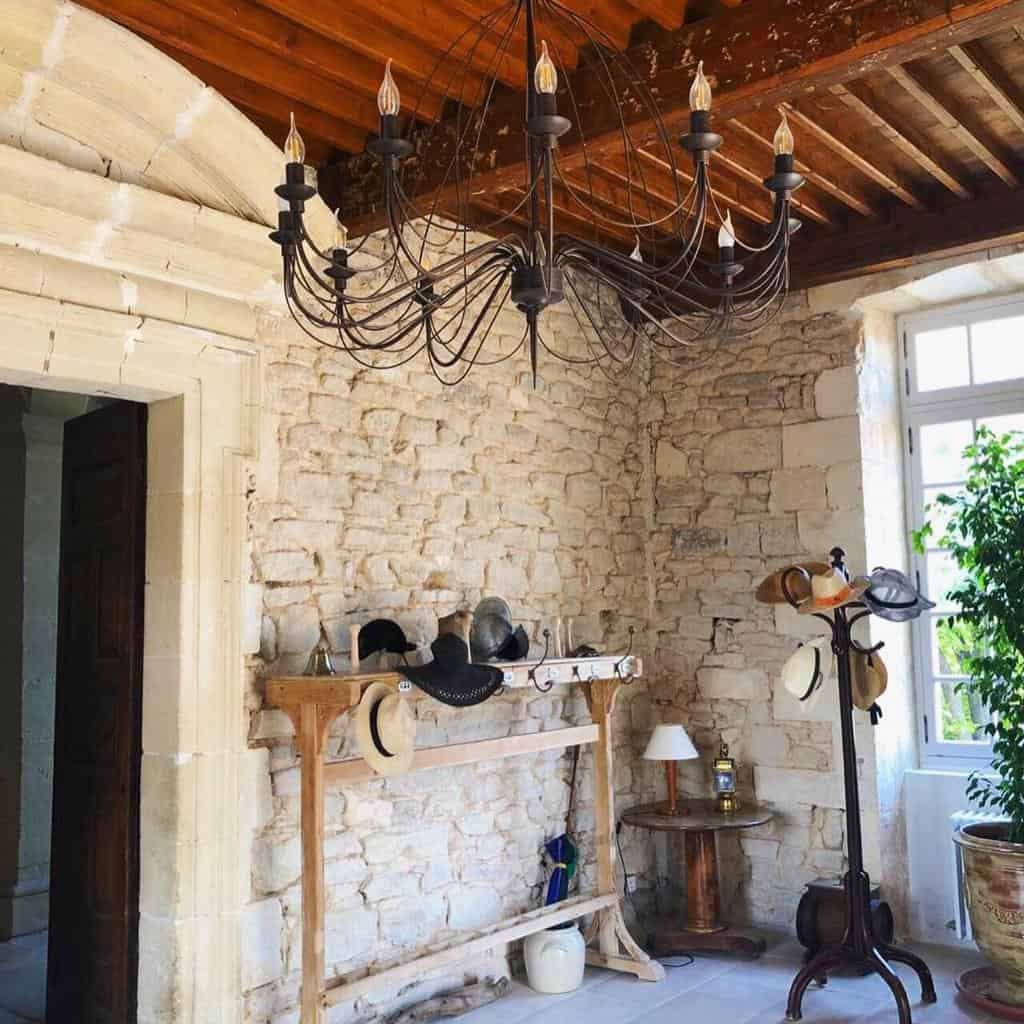
    It is always a delight to spend the summer in Europe but spending the summer in the European countryside is special. Think bright, sunny mornings, long, warm afternoons by the pool and cool nights under the starlit sky.

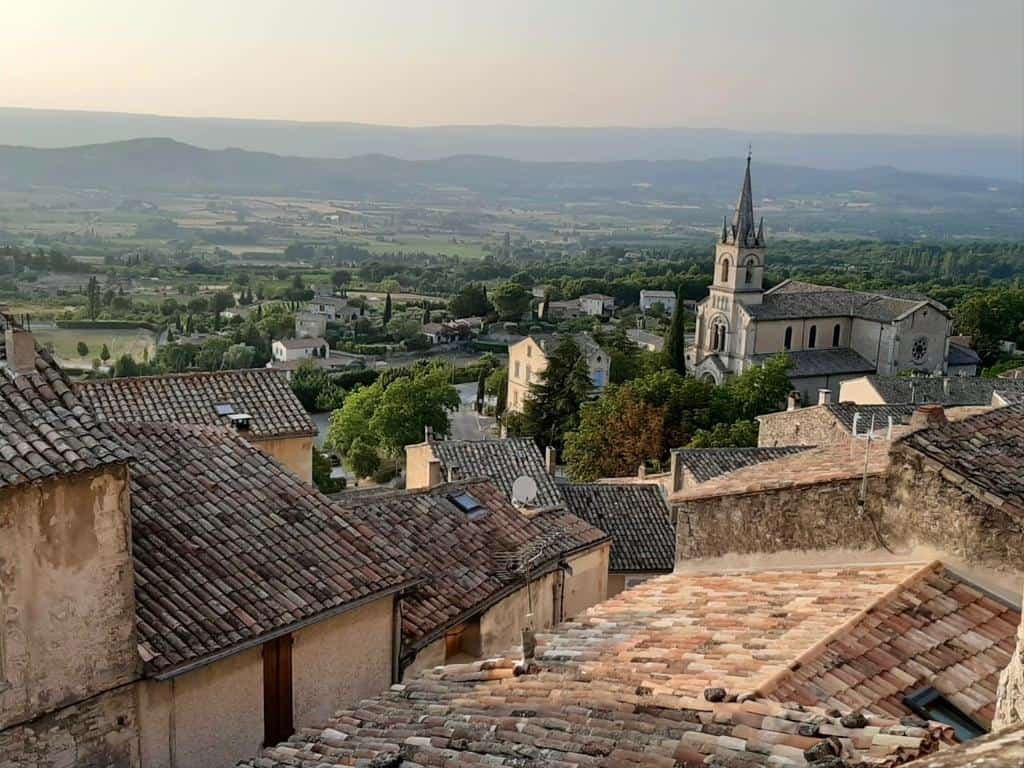
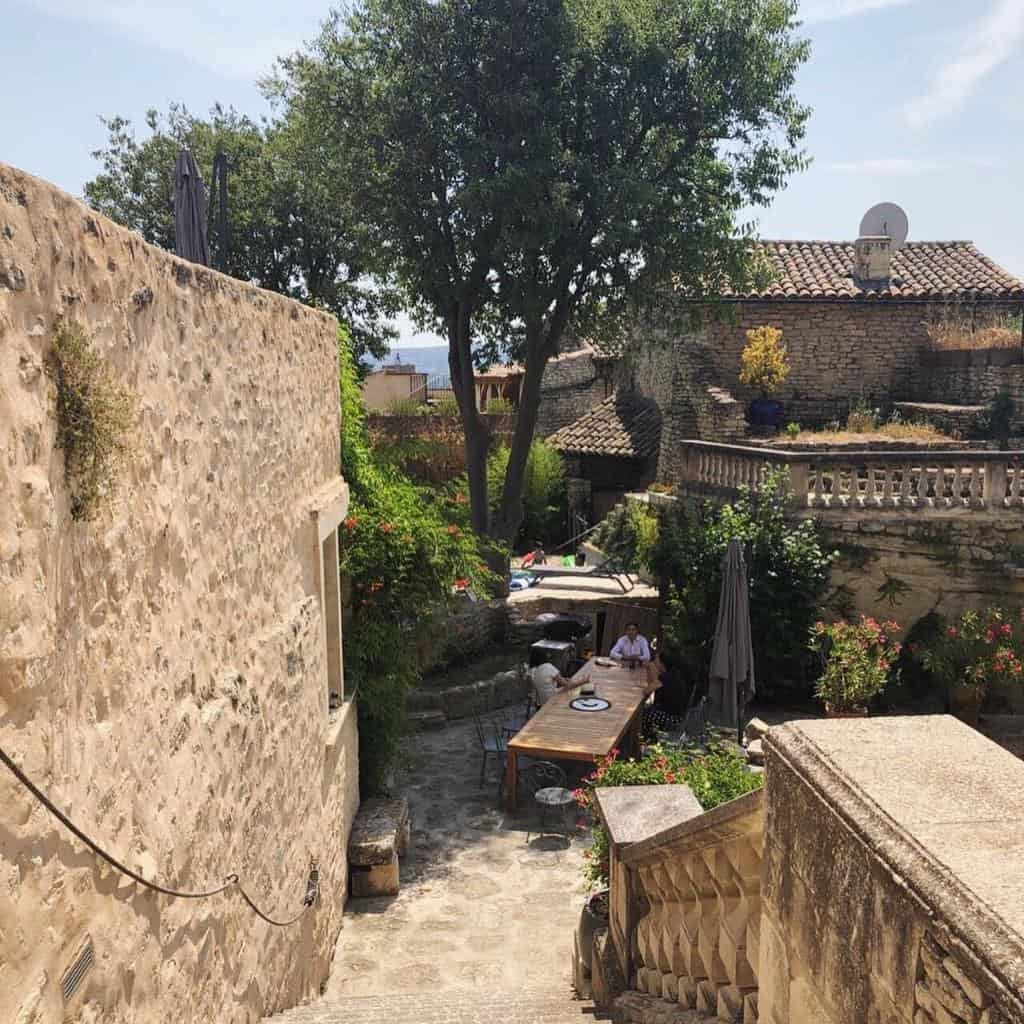
    This summer I had the chance to spend the summer in Provence, a historical province in southeastern France. The culturally rich province extends from the left bank of the lower Rhône to the west to the Italian border to the east and is bordered by the Mediterranean Sea to the south. To be honest, my family and I couldn’t have picked a better escape to relax and unwind from the hustle-bustle of our daily lives.

    What’s so special about Provence?

    Where to stay

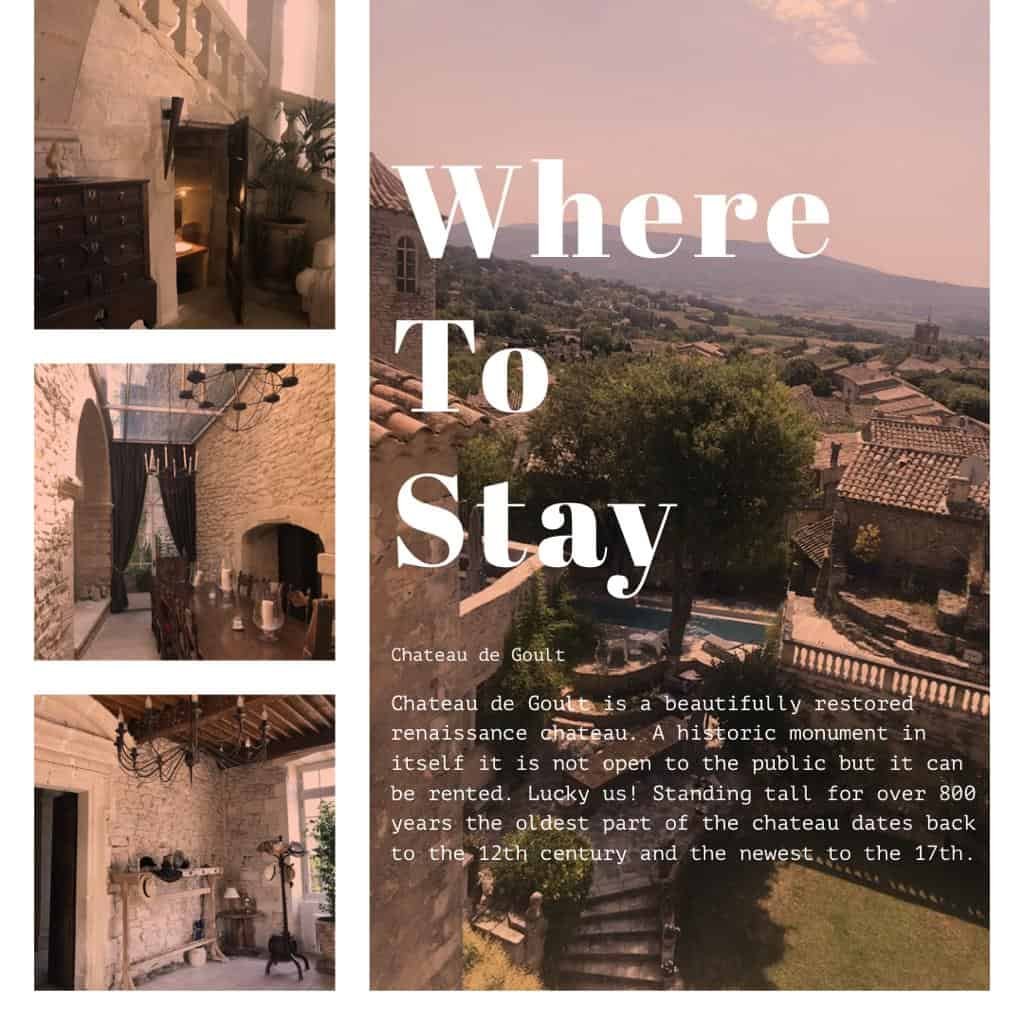
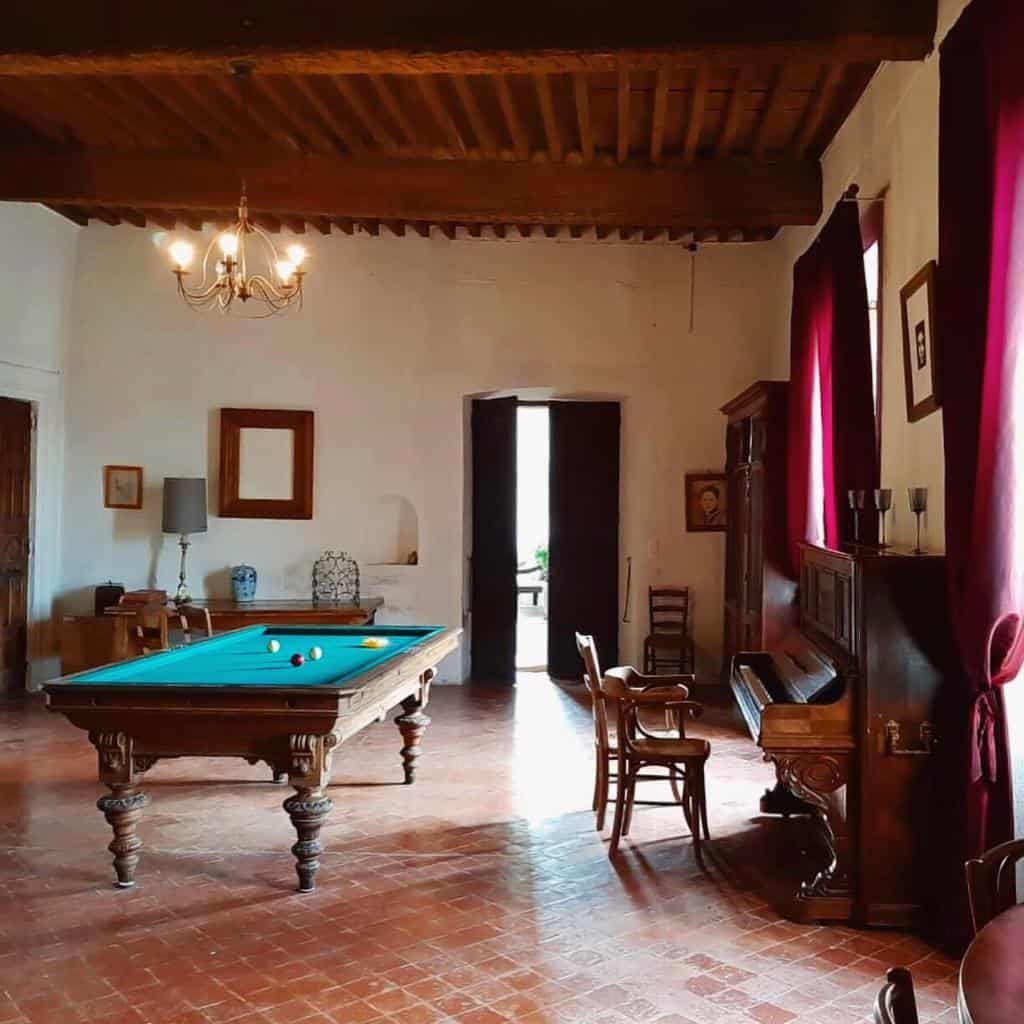
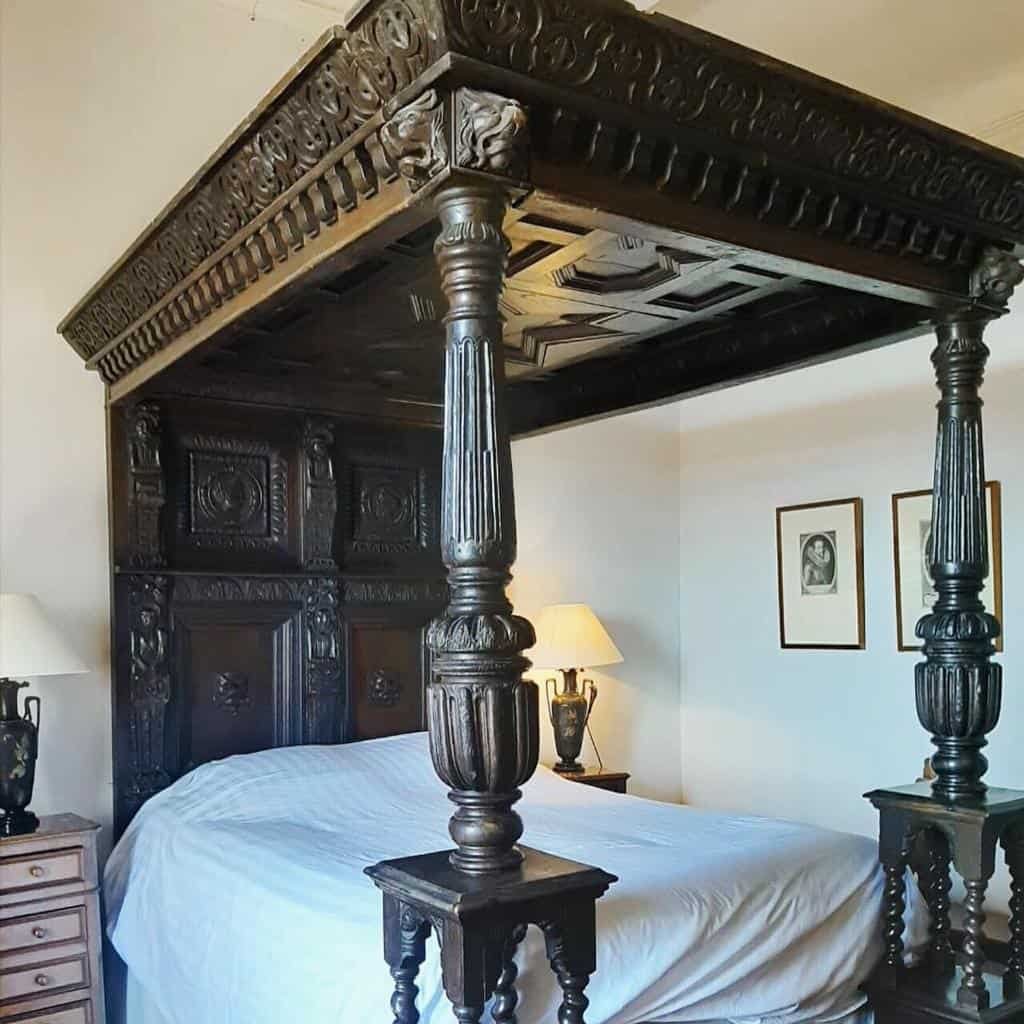
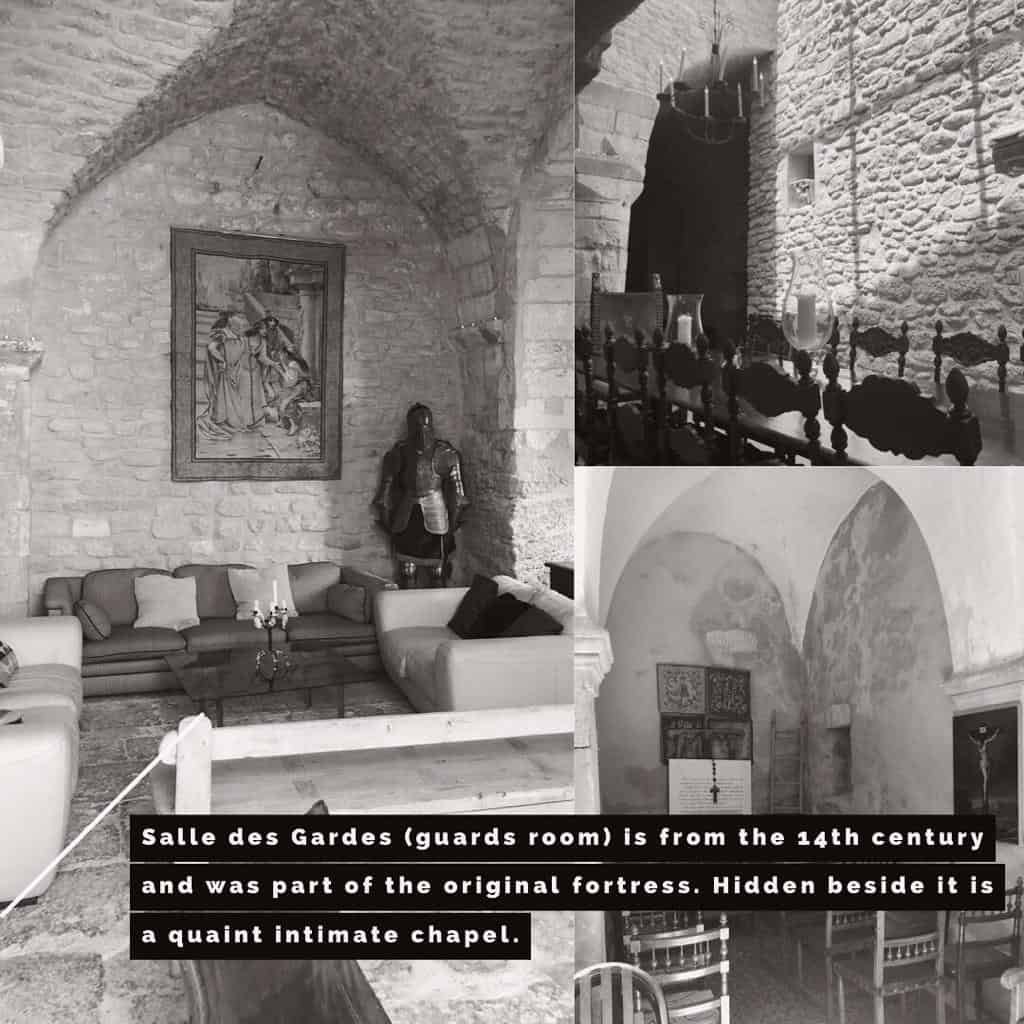
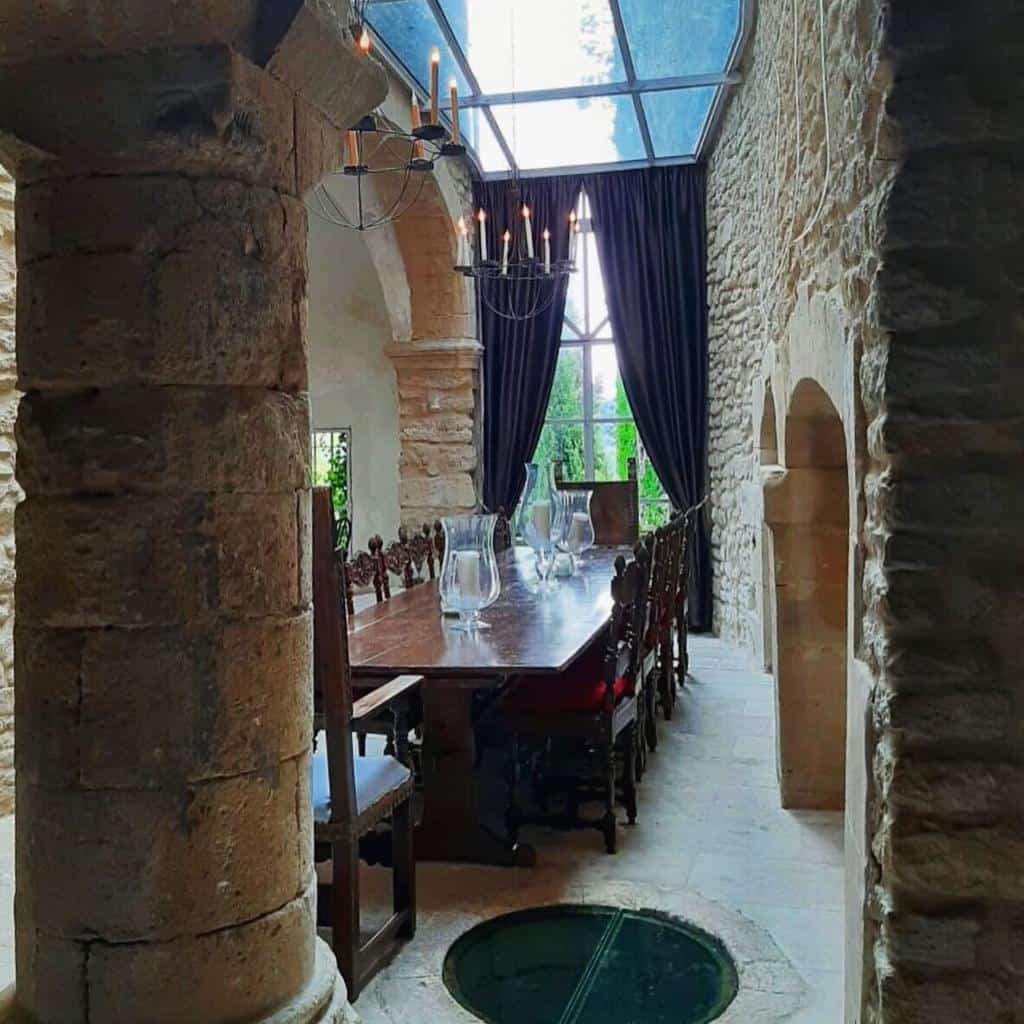
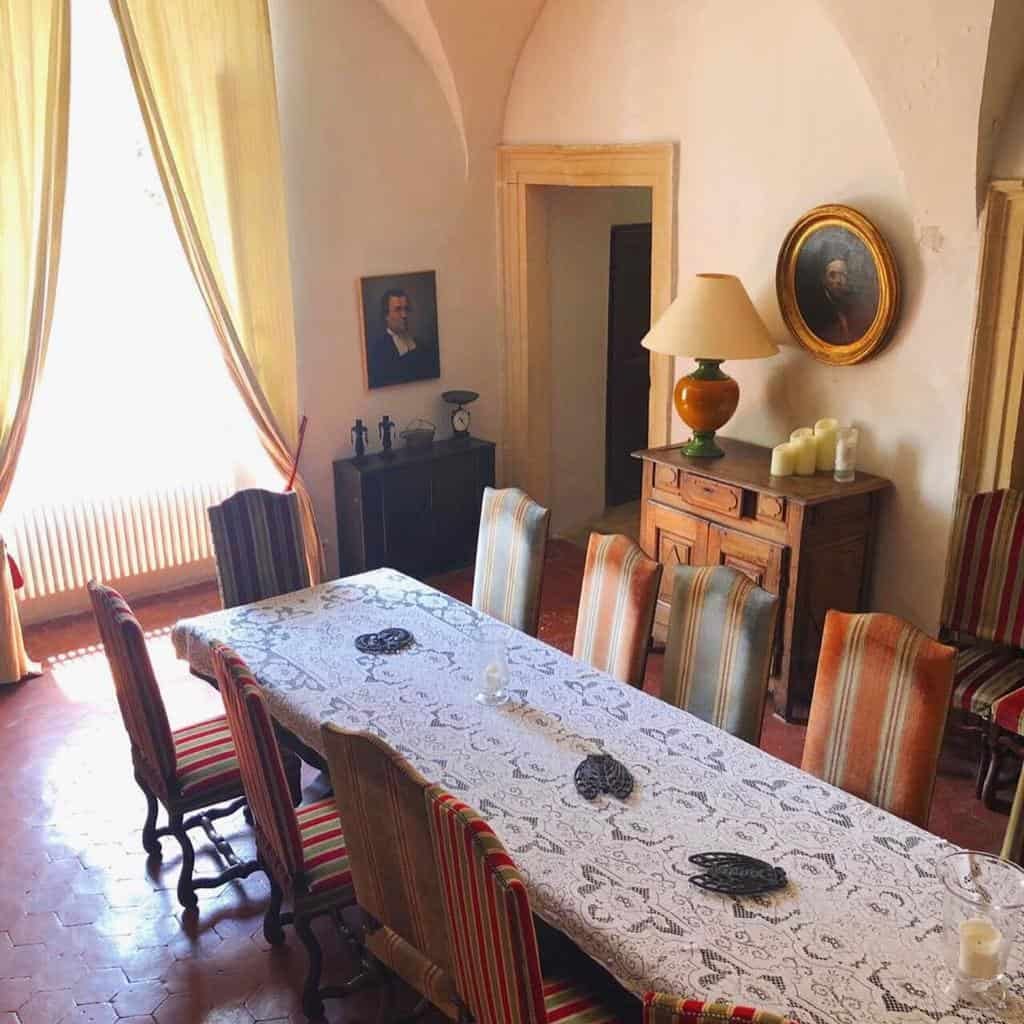
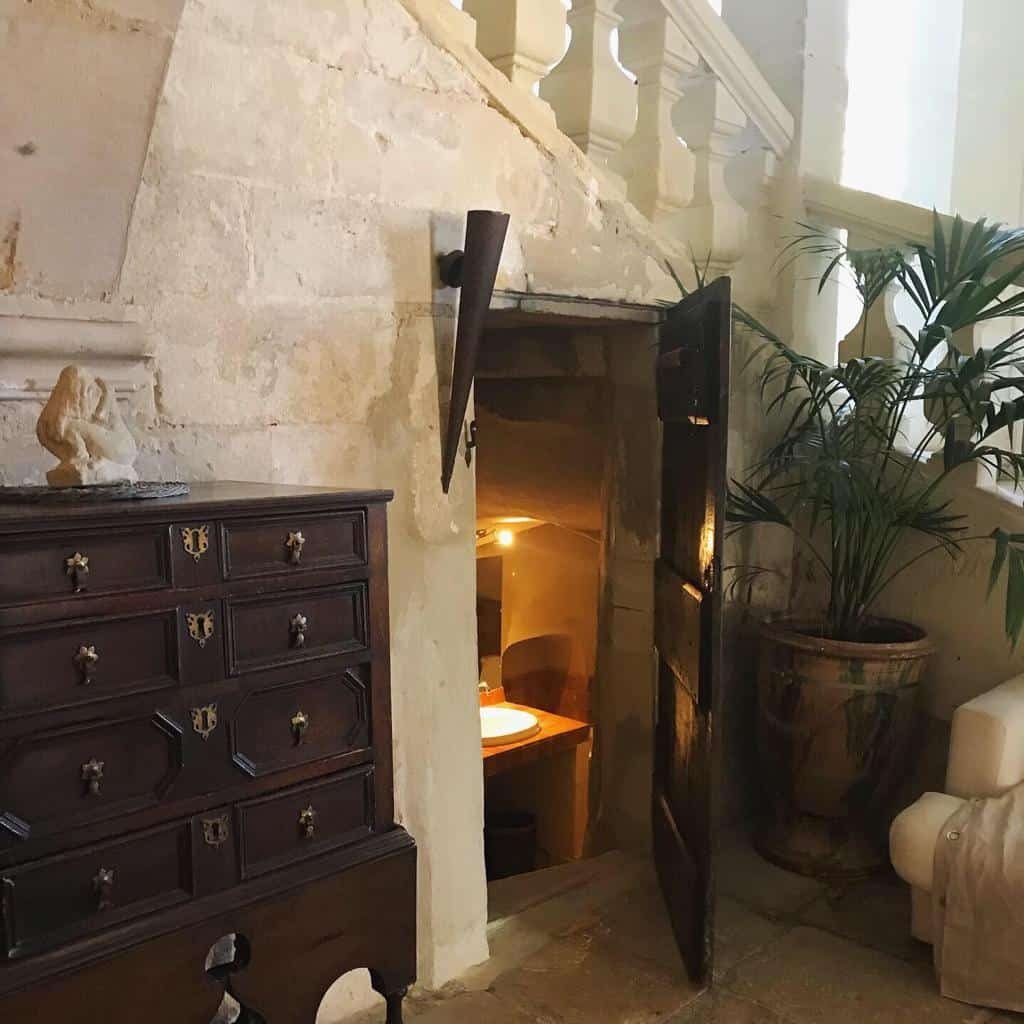
    Chateau de Goult

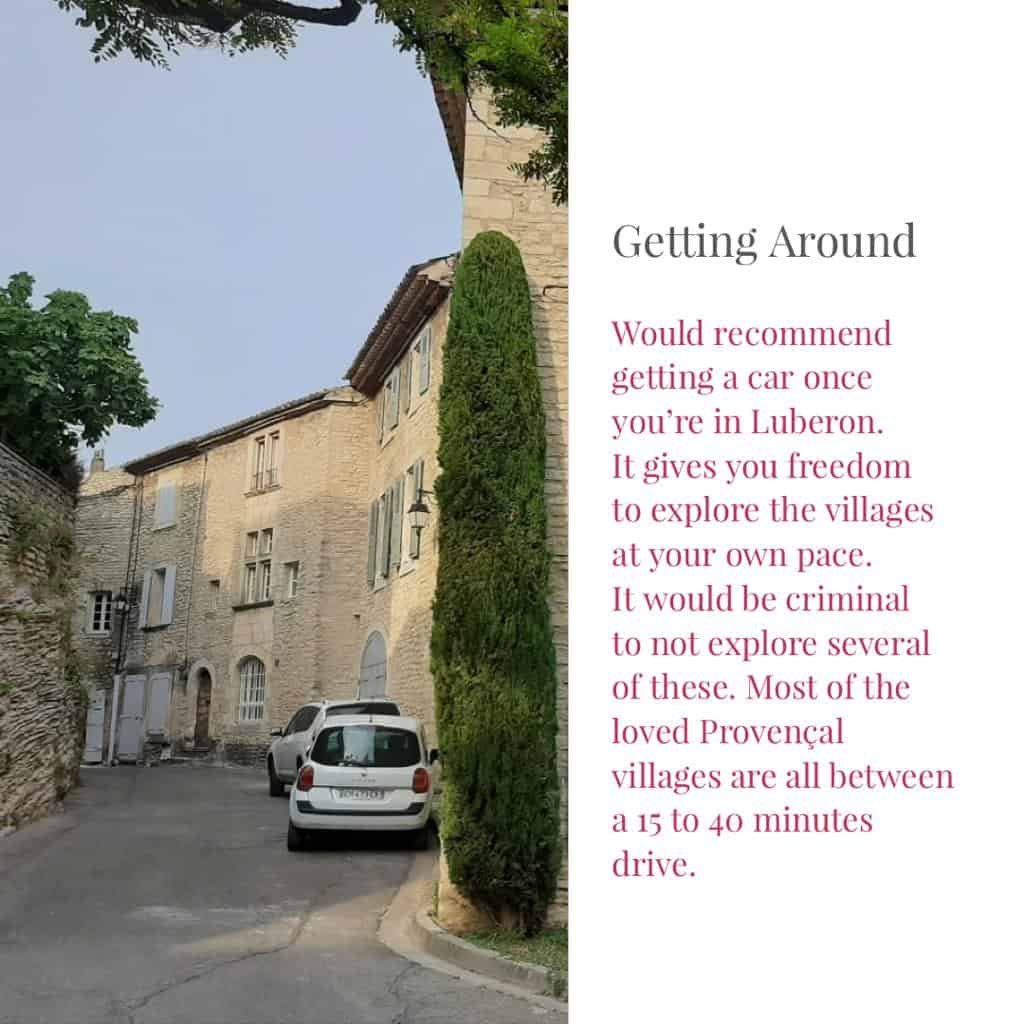
    Getting around

    Places to explore

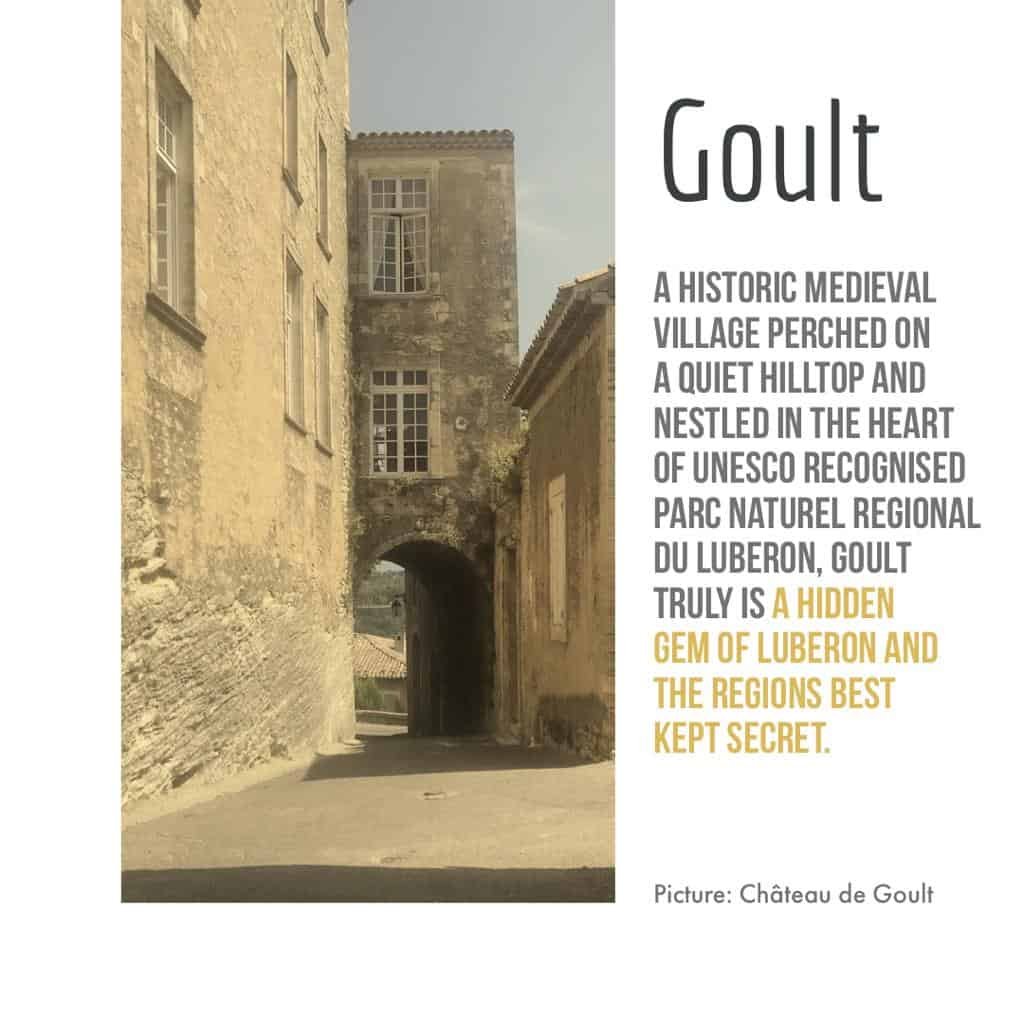
    Goult

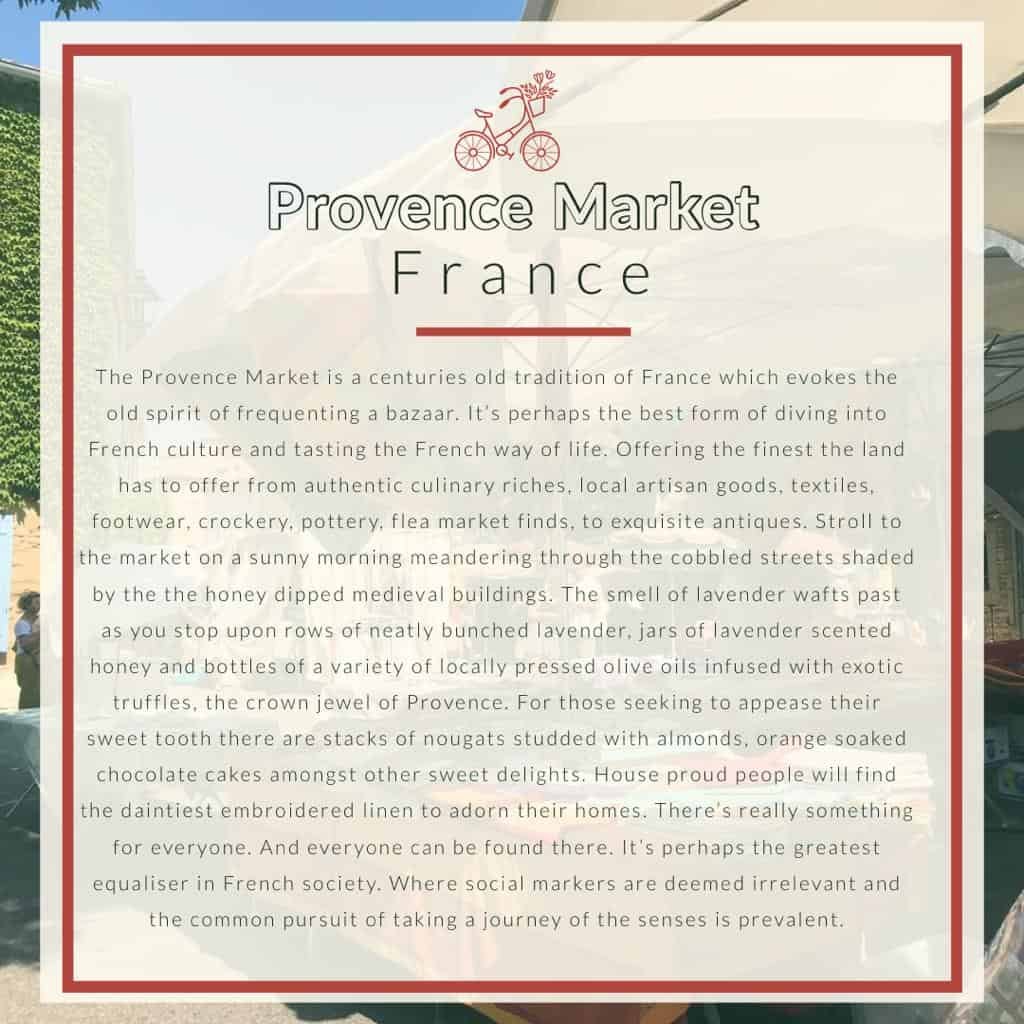
    Provence Market

    Bonnieux

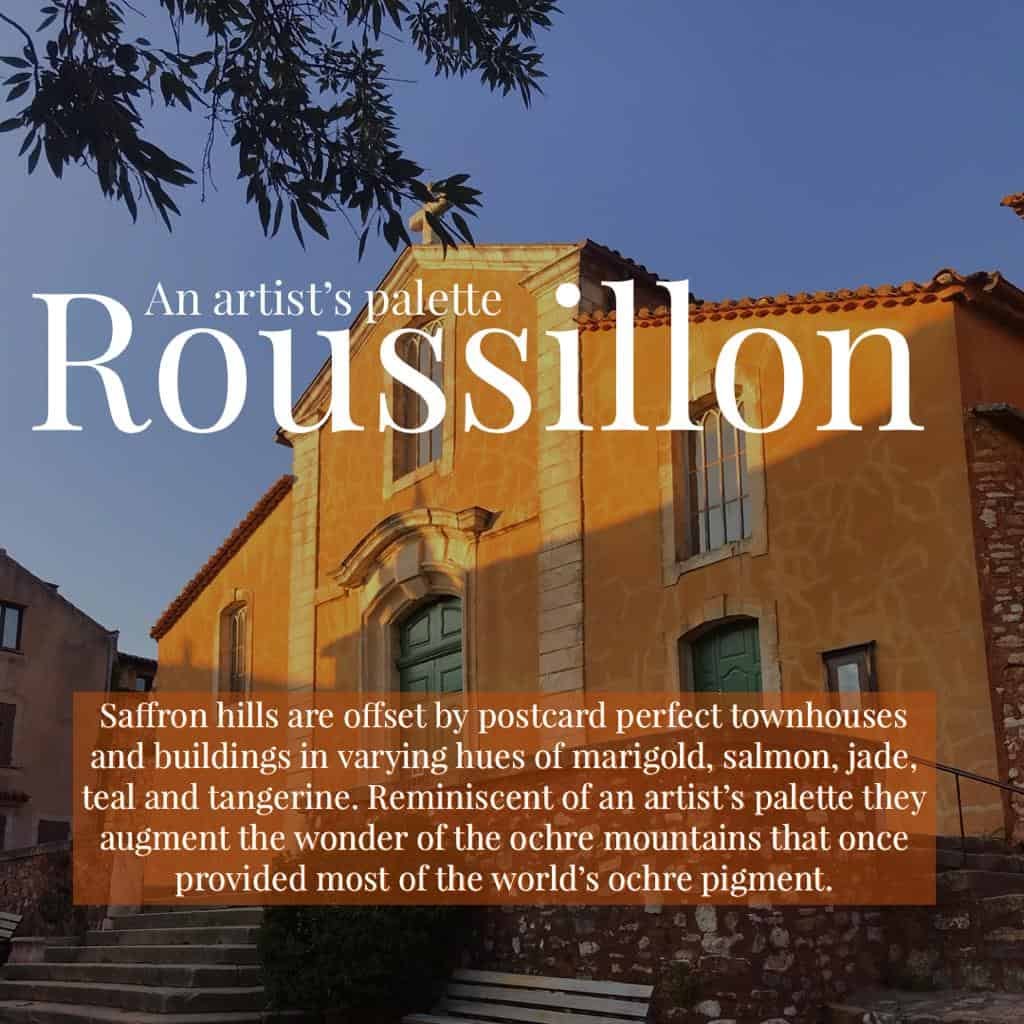
    Roussillon

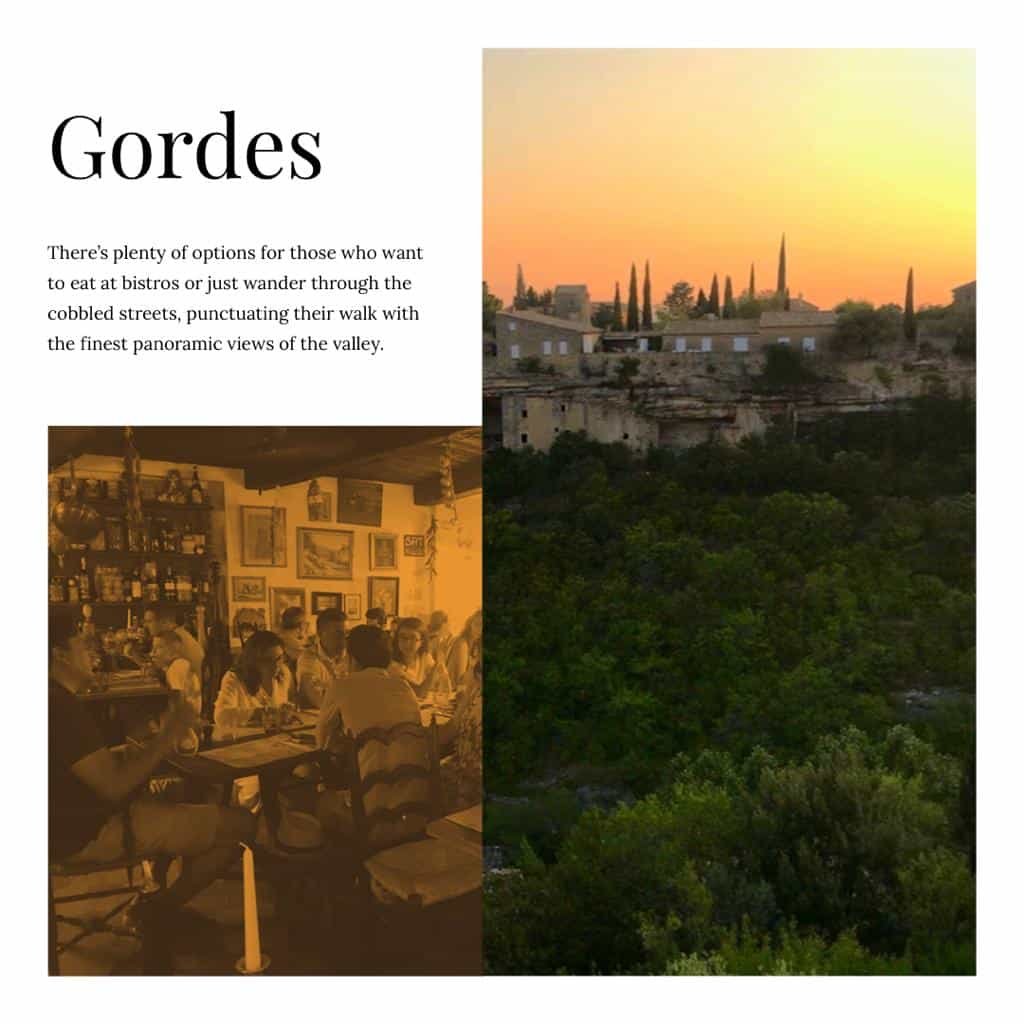
    Gordes

    Learn how to make French Cuisine

    Don’t forget to soak in some Vitamin D.

    Just writing this piece has given me a serious case of wanderlust and made me want to go back.

  • Are fashion brands disconnected from reality? Under fire ‘Generation’ responds

    Are fashion brands disconnected from reality? Under fire ‘Generation’ responds

    With rising costs of basic necessities, other products which are categorized as “not so necessary,” such as expensive clothes, are taking the back seat. But it appears that fashion brands are oblivious to these shifts in the economy. Why? Because they seem to churn out products that are categorized as affordable but are way out of the average Pakistani woman’s league.

    On one hand, we have Generation, which has always prided itself for being inclusive and affordable and on the other, we have Elan, a high-street fashion brand which most people love from afar.

    Generation, with their latest campaign featuring teachers, has gotten a few things wrong. For starters, people are unhappy with the prices. The joras are priced between Rs 6500 – 9000. Most school teachers in the country, including those who work in private schools, earn up to Rs 40,000 a month. Given the rising costs of basic necessities, it is unlikely that teachers will have any money left over to splurge on such items.

    Social media users also thought the same and many of them commented on Generation’s posts, asking them to rethink their prices and offer discounts to teachers.

    When we contacted Generation for their response on the social media backlash, they commented, “We kicked off August with our “Back to College” campaign and the shoot in question, was its extension.”

    “Inspired by the nostalgia of college and the fact that a huge part of our customer base is from the teaching profession, we shot the campaign with Naveed Anjum, a college professor herself-who is a regular customer of GENERATION and who herself chose the clothes for this shoot. The blackboard, chalk and the old-school feel of the visuals served to evoke memories of good old classroom days with the teachers who shaped our present.”

    They added, “Our casual product price ranges from Rs 1,500 to 9,000 and we chose one of the more sober collections featuring three-piece suits which ranges from Rs 6000 to 9000 but perhaps price should have been centre stage in deciding which collection to feature for the teacher segment. We’ll be more mindful of these things in the future.”

    A balanced and well-curated response as one would expect, given their up-to-date marketing and PR teams.

    Meanwhile, Khadija Shah of Elan came under fire after she took to Twitter to announce that she is introducing an “unstitched wedding season collection” which will be priced between Rs 18,000 and Rs 20,000.

    https://twitter.com/khadijah_shah/status/1175801825393618944?s=20

    The trolling that Khadija received, after her tweet, had no end. People called her out for being an elitist who lives in her own bubble.

    https://twitter.com/Ruby2805/status/1176224699518529538?s=20

    At the same time, several people stepped forward to defend Khadija.

    Khadija also tried to reason and explain the logic behind the high prices. She said that because of the depreciating rupee, the cost of raw materials and production has increased.

    https://twitter.com/khadijah_shah/status/1175854136782393346?s=20
    https://twitter.com/khadijah_shah/status/1176066620470517761?s=20

    When the trolling increased, Khadija hit back saying that she is not forcing anyone to buy these.

    https://twitter.com/khadijah_shah/status/1175855188952985600?s=20
    https://twitter.com/khadijah_shah/status/1176157628470374400?s=20
  • Quick and Healthy Lunchbox Ideas

    Quick and Healthy Lunchbox Ideas

    So we are well into the first term of the school year. The excitement is slowly wearing off and energy levels in the morning are not so high anymore (as if they ever were!), and I have started DREADING the morning routine which has now become a blur between breakfast and running out the door. Putting together the school lunchbox for my boys’, aged 6 and 3, is probably THE most difficult task of the day.

    In this article, I will share tips and tricks I use for quick and healthy snacks and lunches to suit all types of eaters.

    Tip 1: Don’t be afraid of leftovers

    Leftovers from dinner the night before are actually lifesavers! Whether it’s daal chaawal (lentils and rice) or chicken saalan curry, if you learn the art of presentation, your kids can eat a full meal in school.

    For anything rice-based like chaawal qeema I use the insulated Thermos Food jars. These keep the food warm and fresh until lunch break and act as a bowl to help my kids eat without making a mess.

    On days that I have leftover chicken or any other curry, I just take out the meat, wash away the curry and mash it up with mayonnaise to make a chicken sandwich or paratha roll and voila, I have a meal.

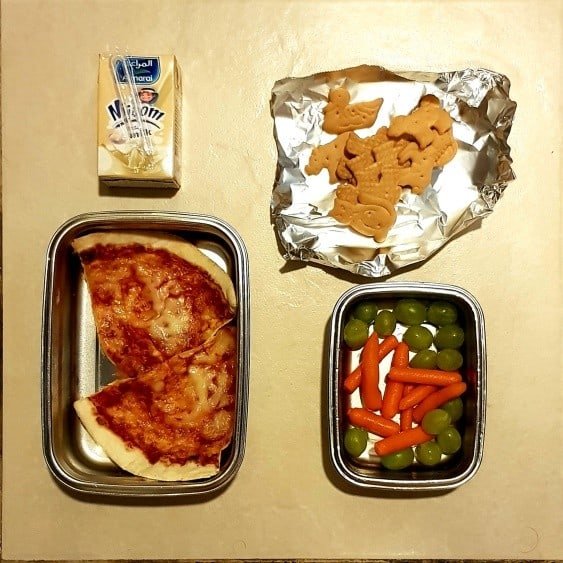
    And our personal favourite is leftover PIZZA!

    Tip 2: Use pasta as an alternative to rice

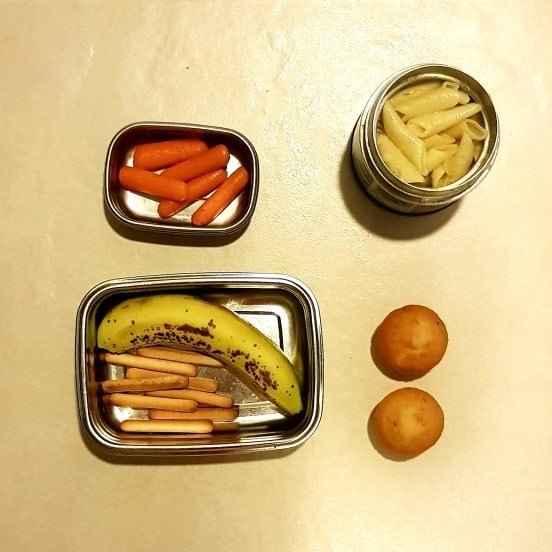
    Giving rice more than 2 times a week means getting rice back in their lunch box. The best alternative to this is pasta or noodles. My quick and easy go-to pasta recipe is:

    1. Boil the pasta a night before along with boiled chicken (with a dash of salt and pepper)
    2. Store it in the fridge

    The next morning, warm up a helping of pasta and chicken. Add butter generously and you have Butter Pasta with Chicken for lunch.

    Once again, give this in a steel jar or box to keep it warm and fresh and soft.

    Tip 3: Make heavy snacks

    Let’s address the parents who were rolling their eyes in the above section because their kids would NEVER touch rice or anything they have eaten the night before. Some kids just need more snack-based meals and there’s no reason to think these can’t be healthy and proper meals that can also be prepared quickly and easily first thing in the morning. On days I have not boiled rice or pasta in advance I am saved by BREAD.

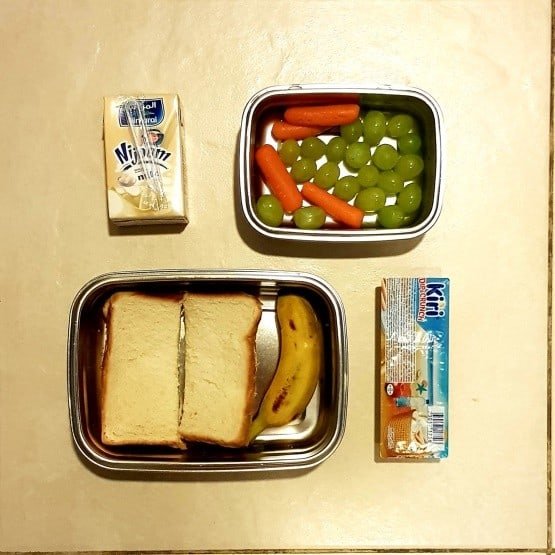
    Two slices of bread covered generously in butter with a slice of cheddar cheese is my two-minute sandwich.

    However, to make this a little more substantial I add anything and everything from the fridge that I know my kids will eat. These can include:

    • Turkey slices to give that dose of protein (but I would only recommend this once in two weeks as turkey is processed meat).
    • Those Shaami Kebabs that us desi moms always have stored in our freezers is a great addition also.

    (Extra tip: I use my beloved Air Fryer to save frying time in the morning. I just have to defrost the kebabs in the microwave and put them in the air fryer while I get the kids ready. If you don’t have the option of an air fryer, you can fry them the night before and heat them up in the morning to save time).

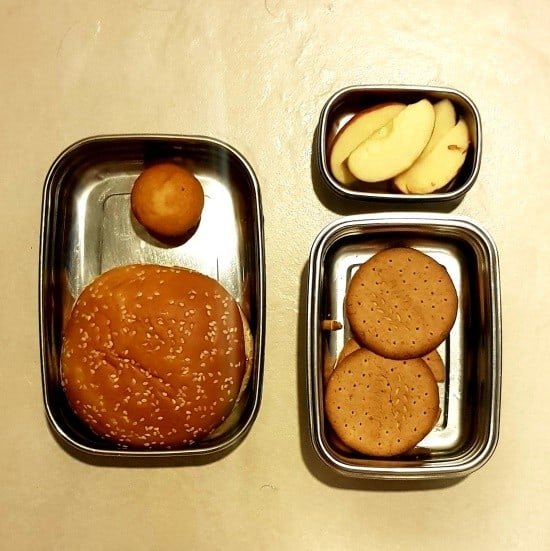
    • Homemade or store-bought frozen chicken or beef burger patties with ketchup and mayonnaise on burger buns to make a yummy burger.

    (Extra tip: Add vegetables only if your kids enjoy them and only the ones they prefer. You don’t want a perfectly good burger going to waste!)

    Tip 4: Eggs are your best friend

    Generally, my kids eat scrambled eggs in the morning. But on days I need to give them eggs for lunch (because I have nothing else in the fridge), I give them cereal or croissants for breakfast. And then I use eggs to make the following lunches:

    • Fry an egg. Toast 2 slices of bread and put butter on both. Grab a slice of cheese. Put them together to make the easiest egg sandwich.
    • Make two slices of French Toast and add some cheese slices in the box to make it a substantial meal.
    • Boil eggs during the weekend. Mash. Add salt, pepper and mayonnaise. Store the mixture in the fridge for upcoming school mornings to make a different kind of egg sandwich.
    • 2 minute Egg Quiche: Melt 1 tablespoon butter in a mug. Add 1 egg, 2 tablespoon milk, salt and pepper, any other topping like spinach or tomatoes or turkey. Place broken bread on top and dip it in so it’s wet. Microwave for 2 minutes. Once done scoop it out in one whole piece.
    Egg Quiche

    Tip 5: Add small bites for a full stomachs

    Rice, pasta, sandwich, burgers, paratha rolls – we have covered our grains here. But my kids need more favours and fun things to keep them going during the day.

    There are many snacks one can give such as biscuits, chips and cakes. But under the health policy in our schools, chips, chocolates and anything with frosting is a no-no.

    I mostly alternate between the following snacks for my kids as I know they will actually eat them.

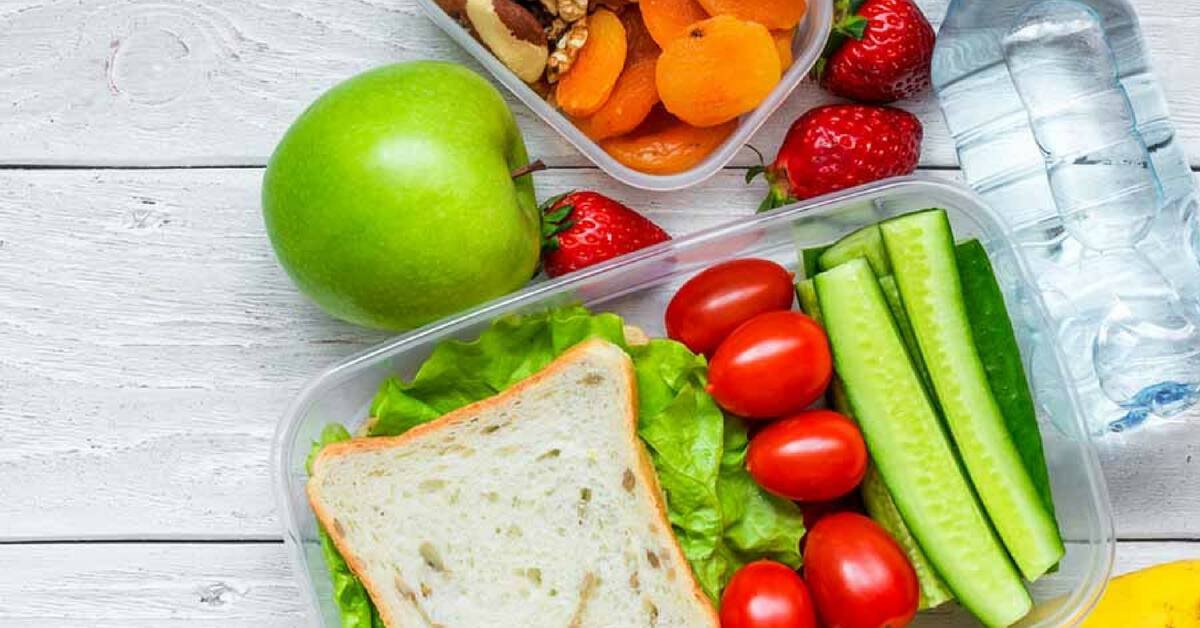
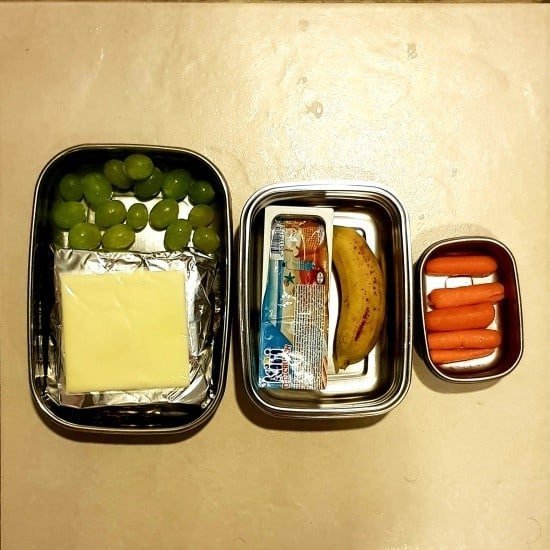
    • Fruits: Bananas, Apples, Grapes, Oranges, Strawberries
    • Vegetables: Baby Carrots, Cucumbers
    • Others: Plain Cake, Cheese Sticks, Crackers and Cheese, Plain Biscuits

    An alternative for kids who don’t enjoy fruits are:

    • Banana cupcakes
    • Apple Crumble
    • Blueberry Muffins

    Healthy alternatives for chips are cereals or crackers. I give my boys protein cereals or cheddar crackers for them to nibble at during snack or lunchtime.

    Apart from that, I am also a firm believer of water versus juices as they too contain a large amount of sugar. But sometimes when I feel like the food and snacks will not be enough I add flavoured milk or juice for some extra energy. This way they are not weighted by oil or heavy sugars and spend an active day.

    Hope these tips help you during rushed mornings for the rest of the remaining term and you are able to feel better about your children’s lunch menu in school!

    Zunaira is the author of a blog called From Dresses To Diapers. The part-time blogger and full-time mommy can be reached at her Instagram account.

  • Guilty – of being a woman

    Guilty – of being a woman

    Likening women to uncovered candy or screaming about the virtues of the hijab or issuing thoughtless circulars regarding schoolgirls and what they should wear — none of these can be solved by a quick-fix order from a government.

    I don’t know about you but I’m not particularly keen on being likened to a lollipop — or any other candy, really. But, judging by social media posts and general attitudes towards harassment and women’s bodies, men in Pakistan seem very (disturbingly) comfortable with being likened to the house fly or the common ant.

    In keeping with the way women are seen (as candy that needs to be covered up, in case you didn’t get the idea), a week or so back schoolgirls in Haripur were instructed to cover up lest something unfortunate were to happen to them.

    “Instruct all students to use gown/abaya or chador to veil/conceal/cover up their-self in order to protect them from any unethical incident.” With these words, District Education Officer (DEO) Samina Altaf put the onus of sexual harassment or anything else that comes under ‘unethical incident’ on young girls. Altaf’s Haripur circular was followed by one for Peshawar. The usual debates ensued on social and traditional media and — as is now pretty much what is expected from this government — the circulars were taken back.

    That the original notification was issued by a woman needs to be unpacked in a whole other article, but let’s just say that the patriarchy and right-wing morality we all grew up with is not confined to one gender and needs to be fought from within.

    Child rights organisation Sahil has said that from January to June in the current year, 1,304 cases of sexual abuse of children have been reported by the media in the country, which means that at least seven children are abused daily in Pakistan. Let the numbers sink in: seven children every single day are either raped or sodomised or otherwise abused — and some are then even murdered. That is not a joke and no number of inane circulars can help correct this without some deeper corrective measures.

    We live in a country where a district in Punjab — Kasur — has almost become synonyms with child abuse, and yet nothing seems to be done about it other than some ineffectual and bizarre reshuffling in the police order. We live in a country where colleges in a big city like Karachi find it perfectly normal to police girls clothing by checking if the kameez/shirt they’re wearing covers their posterior. We live in a country where the only solution to child rape is the death penalty for the rapist (which is not a deterrent) but never a campaign to raise awareness regarding child sexual abuse or sexual harassment generally.

    It is not odd then that in this same country we would have a ‘#HijabIsProtection’ Twitter trend soon after the Hairpur/Peshawar circulars and smack in the middle of three fresh cases of abuse and murder in Kasur. The only thing that reinforces is the absolutely incorrect belief that covering up is the solution to harassment — whether in school, on the street or at home. And it reinforces all the guilt, shame, fear that women here (and in other parts of the world too) grow up with when it comes to their bodies and what harassment is all about (hint: it has nothing to do with what you’re wearing).

    Likening women to uncovered candy or screaming about the virtues of the hijab or issuing thoughtless circulars regarding schoolgirls and what they should wear — none of these can be solved by a quick-fix order from a government. We need a change in attitudes, in the way women are perceived and what little girls are taught about themselves and their ‘virtue’. That requires a change in how society sees ‘safety’. And that then requires a change in how the state perceives issues of security and safety — not of the state but of the people it is meant to serve.

    You will not protect our little girls and boys by asking girls to cover up, or asking parents to employ guards at homes and at school. That’s not deterrence, that’s fear and state’s incompetence. You will not protect our little girls and boys just by hanging one rapist and thinking your work’s done. It’s not. The monsters created by a sick society won’t go away if you just close your eyes. We need your eyes open, your minds working and your people — state representatives — doing much more than issuing ill-thought-out circulars.

  • Crippling state: Striving for a polio-free Pakistan

    The commitment to eradicating polio from Pakistan is now a national cause led by the prime minister himself.

    The question that I ask myself every day since assuming office is that Pakistan’s polio programme is 25 years old, but why haven’t we been able to eradicate polio till this day?

    The answer is complicated, to say the least.

    My days and nights are consumed in brainstorming strategies and constructing innovative methodologies on how to reach all the children of Pakistan consistently, so one day in the near future I can hand over the keys of the Emergency Operation Centre (EOC); the headquarters of the polio eradication in Pakistan, to the prime minister and we raise the flag of a polio-free Pakistan.

    To begin explaining the scope of the problem, it’s important
    to understand the enemy you are dealing with. The poliovirus is ferocious and
    with evil-intelligence leaves crumbs behind for us to follow. One of our
    biggest mistakes has been taking its bait, fighting it in territories that it
    poses to be its home. While it has kept us engaged fighting its proxies, it has
    multiplied and expanded its arsenal to the extent that we now have to revise
    our strategy to counter it, more aggressively in it is home. We have had 158
    cases of polio in the last five years, and 64 this year alone.

    To me, the number of cases is not mere statistics or a reputation hazard, but these figures represent actual children that have been paralysed for life. We must acknowledge it for what it really is — a daunting and horrific reality of what this virus is capable of, and a stark reminder of just how urgently we need to bring polio to an end.

    But the cases are a mere symptom of the number of children we are missing in every polio campaign — this is where the real problem begins.

    The current outbreak the country is facing was not unpredictable. The Independent Monitoring Board (IMB), one of the highest bodies that evaluate the success of the strategies countering the poliovirus, had predicted the outbreak a year earlier than it actually happened.

    The fact is that the data being collected during polio
    eradication campaigns had been misleading operational priorities. The number of
    children recorded as ‘missed’ aided by fake finger markings has had disastrous
    connotations on campaign quality and in return has not accurately reflected ground
    realities leaving hundreds and thousands of children unvaccinated and
    vulnerable to the virus. The root cause of which boils down to the communities
    resistance to being vaccinated.

    This past year saw an upsurge of anti-vaccine propaganda
    spreading like wildfire on social media platforms. As time went on, community
    distrust in the programme fueled by propaganda ended up sparking catastrophic
    incidents like the one in Peshawar on April 22, 2019. Consequently, motivation
    levels of polio eradication teams dwindled as refusals to the vaccine continued
    to spike across the nation.

    I am no newcomer to the programme. I have been associated with polio eradication efforts for over eight years. In all that time I’ve seen people committing the same mistakes over and over again, with my voice unheard. It was immediately clear to me that our traditional approaches had failed. We had to think out of the box and the transformation had to happen soon.

    To this end, I am proud to say that the Pakistan Polio Eradication Programme has worked long and hard over these past few months to adapt to the growing myriad of challenges and to transform and re-vitalise its efforts to bring polio to a halt.

    The commitment to eradicating polio from Pakistan is now a national cause led by none other than the prime minister of Pakistan, Imran Khan, himself. Such is the commitment that the premier asks for text updates on an almost daily basis and this goes all the way down, right to the frontline workers.

    To make the requisite changes for the desired impact, I have
    been personally involved in the review of the entire programme structure. This
    review has already identified many of the operational deficiencies embedded
    within the programme, including issues with programme structures and has
    reconfirmed the fault-lines that were evident to everyone but were never fixed.

    But, I believe that there needs to be an accountability
    framework that not only measures our success but also guarantees that everyone
    is accounted for their assigned role and nobody is allowed to play with the
    future of our children.

    A 24/7 WhatsApp helpline has also been established to provide direct responses to all parent and caregiver queries, concerns and complaints. Any and all queries, concerns or complaints are logged by the programme, responded to instantaneously, or then forwarded to district officials for remedial follow-up. The Polio Helpline is being initiated in the following months as a 24/7 call centre as well.

    I also believe that one of the biggest hindrances to the
    success of the polio programme is the way it is perceived in the eyes of the
    masses. For this, my team is working with the most creative minds in this
    country to design and launch a Perception Management Initiative which does not
    only aim to counter propaganda and helps builds trust within the community but
    aims at creating demand for the polio vaccine, which has been only a topic of
    several discourses but not been achieved to date.

    I am confident that this transformation of the programme will deliver the results we desperately need. I reassure all Pakistani citizens that I along with my team will not sit idle until Pakistan is certified polio-free.

    The writer is prime minister’s focal person on polio. He tweets at @babarbinatta.