Author: saadan

  • Exchange rates: Rupee closes at Rs277.68 against US dollar

    Exchange rates: Rupee closes at Rs277.68 against US dollar

    The Pakistani rupee (PKR) recorded a marginal decline against the US dollar, depreciating 0.01 per cent in the interbank market on Monday.

    According to the State Bank of Pakistan (SBP), PKR wrapped up first trading day of the week at Rs277.68 after experiencing a loss of four paisa versus the greenback.
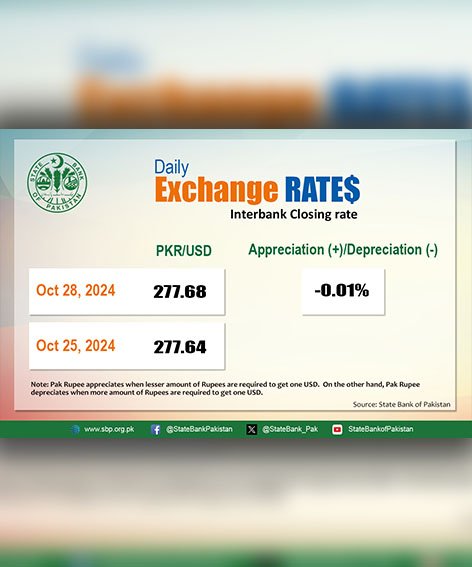
    SBP exchange rate: USD to PKR

    During the current fiscal year, Pakistani currency has gone up by 66 paisa or 0.24 per cent against the dollar. While it has appreciated more than Rs4 or 1.51 per cent so far this calendar year.

    During the previous week, PKR weakened marginally as it depreciated three paisa or 0.01 per cent against the US dollar.

    The dollar index has climbed 3.6 per cent to 104.49 during October, its sharpest monthly rise in more than two years.

    In the open market, local money exchangers quoted the American currency at Rs278.62 for selling and Rs276.75 for buying.

    As compared to other foreign currencies, the home unit remained largely stable despite minor fluctuations.

    Currency Change (Paisa) Change (%) Today’s rate (PKR) Last close (PKR)
    Euro 62.43 0.21 per cent 299.97 300.59
    Japanese Yen 1.64 0.90 per cent 1.8105 1.8269
    British Pound 14.39 0.04 per cent 360.06 360.20
    Chinese Yuan 2.85 0.07 per cent 38.95 38.98
    Saudi Riyal 1.82 0.02 per cent 73.94 73.96
    UAE Dirham 1.07 0.01 per cent 75.60 75.61
    Swiss Franc 36.12 0.11 per cent 320.00 320.36
    Exchange rates

    Against the Pound, PKR appreciated 14.39 paisa or 0.04 per cent and closed at Rs360.06.

    PKR increased 62.43 paisa or 0.21 per cent against the Euro, closing at Rs299.97.

    The local unit was reported 36.12 paisa or 0.11 per cent up against Swiss franc to end the session at Rs320.

    Pakistani currency fell by 1.07 paisa or 0.01 per cent against the UAE Dirham to close at Rs75.60.

    PKR’s value against the Japanese Yen rose 1.64 paisa or 0.90 per cent to close the day at Rs1.8105.

    The local unit increased 2.85 paisa or 0.07 per cent against Chinese Yuan to close at Rs38.95.

    The local currency shed 1.82 paisa or 0.02 per cent against Saudi Riyal to Rs73.94.
  • Exchange rates for today: PKR declines 0.05% against US dollar

    Exchange rates for today: PKR declines 0.05% against US dollar

    The Pakistani rupee (PKR) experienced a slight decline against the US dollar on Thursday, depreciating by 0.05 per cent in the inter-bank market.

    The currency closed at Rs278.67, marking a decrease of Rs0.15 from the previous day’s rate of Rs278.52, according to the State Bank of Pakistan (SBP).

    In comparison with other major currencies, the rupee faced mixed outcomes today:

    Currency Previous rate Today’s rate Change (PKR)
    Euro 309.59 310.65 1.05
    British Pound 362.60 365.10 2.50
    Swiss Franc 325.44 328.04 2.60
    South Korean Won 0.21
    Japanese Yen 1.9063 1.9165 1.02 paisa
    Chinese Yuan 39.03 39.06 3.1 paisa
    Saudi Riyal 74.23 74.27 3.87 paisa
    UAE Dirham 75.87 75.83 4.06 paisa
    PKR vs other currencies

    Euro to PKR: The rupee lost Rs1.05, closing at Rs310.65, compared to the previous rate of Rs309.59.

    British Pound to PKR: The rupee depreciated by Rs2.50, ending the day at Rs365.10, up from Rs362.60.

    Swiss Franc to PKR: The rupee fell by Rs2.60, closing at Rs328.04, compared to Rs325.44 from the previous session.

    Won to PKR: The Pakistani rupee was reportedly trading at Rs0.21 paisa against Won

    Japanese Yen to PKR: The rupee saw a slight decline of 1.02 paisa, closing at Rs1.9165 versus Rs1.9063.

    Chinese Yuan to PKR: The rupee gained 3.1 paisa, closing at Rs39.06, up from Rs39.03.

    Saudi Riyal to PKR: The rupee increased by 3.87 paisa, closing at Rs74.27, compared to Rs74.23.

    UAE Dirham to PKR: The rupee appreciated by 4.06 paisa, closing at Rs75.83, up from Rs75.87.

    Over the current financial year, the rupee has depreciated by 32.82 paisa or 0.12 per cent against the US dollar, while it has appreciated by Rs3.19 or 1.15 per cent since the beginning of the calendar year.

    In the money market, the benchmark 6-month Karachi Interbank Bid and Offer rates fell by 63 basis points to 17.69 per cent and 17.94 per cent, respectively.

    The domestic currency has remained relatively stable in recent months, hovering around the Rs277-279 range against the dollar, as traders monitor positive economic indicators and await the approval of a new $7 billion Extended Fund Facility from the International Monetary Fund (IMF).

    On Wednesday, Pakistan’s Finance Minister, Muhammad Aurangzeb, stated that the IMF Executive Board meeting on Pakistan is scheduled for September, noting that “good progress” is being made with the IMF.

    It is worth noting that this is the third consecutive decline witnessed in the ongoing week.

    Additionally, regarding the Pakistani currency, the central bank plans to introduce newly designed currency notes across all denominations next year to enhance security features, according to SBP Governor Jameel Ahmad.

    Speaking to a parliamentary body in Islamabad on Wednesday, Ahmad stated that the central bank aims to finalise the new designs by December, with the notes to be issued in phases. Notably, one of the denominations will be a polymer note, he added.

  • Govt approves massive gas tariff hike, raising concerns of growing financial hardship

    Govt approves massive gas tariff hike, raising concerns of growing financial hardship

    The government’s recent decision to approve a substantial increase in gas tariffs, set to take effect from November 1, 2023, has significant implications for the public and the country’s economic situation. 

    This decision was made during a meeting of the Economic Coordination Committee (ECC) of the Cabinet, led by Finance Minister Dr Shamshad Akhtar. The gas tariff increase, reaching up to 193 per cent, will have a profound impact on the already inflation-weary masses.

    This decision comes in anticipation of an impending review by the International Monetary Fund (IMF), scheduled for later in the month, which had urged Pakistan to address the escalating circular debt in the energy sector.

    The approved plan involves various changes to gas tariffs. For protected consumers, the fixed monthly charges will increase from Rs10 to Rs400, while non-protected consumers will witness a rise from Rs460 to Rs1,000, with higher slabs potentially reaching up to Rs2,000. 

    Additionally, the government has raised local gas tariffs for different consumer groups, with non-protected domestic consumers facing a 173 per cent increase, commercial users a 136.4 per cent hike, exports an 86.4 per cent increase, and non-export industries a 117 per cent tariff rise. 

    Exporters will experience an 86 per cent tariff increase, effective November 1, 2023. It’s worth noting that the tariff hike was initially proposed to begin on October 1, 2023, but it has now been scheduled for implementation in November 2023.

    The meeting also addressed other significant issues. The Ministry of Industries and Production presented a proposal to meet urea requirements for the Rabi season 2023–24, which was approved by the ECC. The committee also emphasised the need for uninterrupted gas supply to the fertiliser industry and urged provinces to play a more proactive role in sharing the importation cost.

    Additionally, the ECC reviewed a summary from the Earthquake Reconstruction and Rehabilitation Authority (ERRA), which sought approval for a Technical supplementary grant of Rs484 million. 

    This grant aims to cover pay and allowances for 415 contract and project employees from July 2023 onwards. The ECC directed the Ministry of Planning, Development, and Special Initiatives to identify sources for financing ERRA employees’ salaries.

    Lastly, the ECC approved a summary from the Ministry of Finance regarding the establishment of the National Credit Guarantee Company Limited. 

    This company will play a crucial role in supporting credit enhancement for Small and Medium Enterprises (SMEs), contributing to the development of these businesses.

    In summary, the government’s decision to increase gas tariffs significantly will impact various consumer groups and is a response to economic challenges, especially the circular debt issue. 

    The ECC meeting covered multiple important topics, including measures to address urea requirements, financial support for earthquake reconstruction, and initiatives to boost SMEs through the National Credit Guarantee Company.

  • Pakistan Stock Exchange crosses 47,000-mark after five weeks

    Pakistan Stock Exchange crosses 47,000-mark after five weeks

    The Pakistan Stock Exchange (PSX) enjoyed a favourable trading session on Wednesday, with its key KSE-100 Index surging above the 47,000 level for the first time in five weeks. This uptrend was primarily driven by the robust performance of the banking sector.

    Throughout the trading session, the KSE-100 Index remained firmly in positive territory, ultimately settling at 47,079.83. This represented a notable gain of 323.03 points, or 0.69 per cent. The last instance the benchmark index closed above the 47,000 mark was on August 28.

    In a post-market report, Ismail Securities, a prominent brokerage house, attributed the positive momentum in the equity market to increased liquidity, particularly within the banking sector.

    On the preceding day, Tuesday, the KSE-100 Index managed to eke out a 0.28 per cent gain in a session characterised by a relatively narrow trading range.

    Shares of 342 companies were traded, with 172 witnessing an increase, 134 recording a decline, and 36 remaining unchanged.

    Topline Securities, another respected brokerage house, envisions the KSE-100 Index approaching the 50,000 level in a potential “pre-election rally.” They expressed their belief that the Pakistani market could experience an 8–10 per cent surge in the lead-up to the elections, assuming a smooth election process and the approval of the IMF tranche in November, stating this in an earlier note.

    Simultaneously, the Pakistani rupee continued its strengthening trend against the US dollar, registering a 0.37 per cent gain in the interbank market on Wednesday. According to the State Bank of Pakistan, the rupee settled at 284.68 after an increase of Rs1.04, marking the 20th consecutive appreciation against the greenback.

    Trading activity also saw an uptick, with the all-share index volume rising to 330.2 million shares from Tuesday’s 213.2 million. The value of traded shares also increased, reaching Rs7.3 billion compared to Rs6.1 billion in the previous session.

  • WhatsApp to introduce animated avatars for video calls soon

    WhatsApp to introduce animated avatars for video calls soon

    Meta’s messaging application, WhatsApp, is reportedly gearing up to introduce animated avatars for video calls. This anticipated feature, reminiscent of Apple’s Memoji, has been in development since the previous year.

    According to WABetaInfo, an independent source for real-time WhatsApp updates, the Messenger app has now unveiled the capability to use animated avatars during video calls in its latest Android beta version 2.23.19.14.

    WhatsApp is actively informing its users about this innovation through a pop-up notification. This notification provides the option to “utilise your avatar during calls,” offering the choice to either “switch to avatar” or defer the decision with a “not now” button.

    To employ this new video call avatar feature, users must select the “Switch to avatar” option. This function will replicate their facial movements and expressions in real-time through the use of an avatar character. Importantly, users retain the flexibility to disable this feature at any time through the settings, allowing them to reveal their true selves. Crucially, the introduction of the avatar feature will not compromise WhatsApp’s end-to-end encryption, ensuring the preservation of user safety and privacy.

    It’s worth noting that some data usage will be necessary to enhance the Avatar experience on the app. Additionally, WhatsApp is actively developing avatars for status updates, although there is no official information regarding their release at this time.

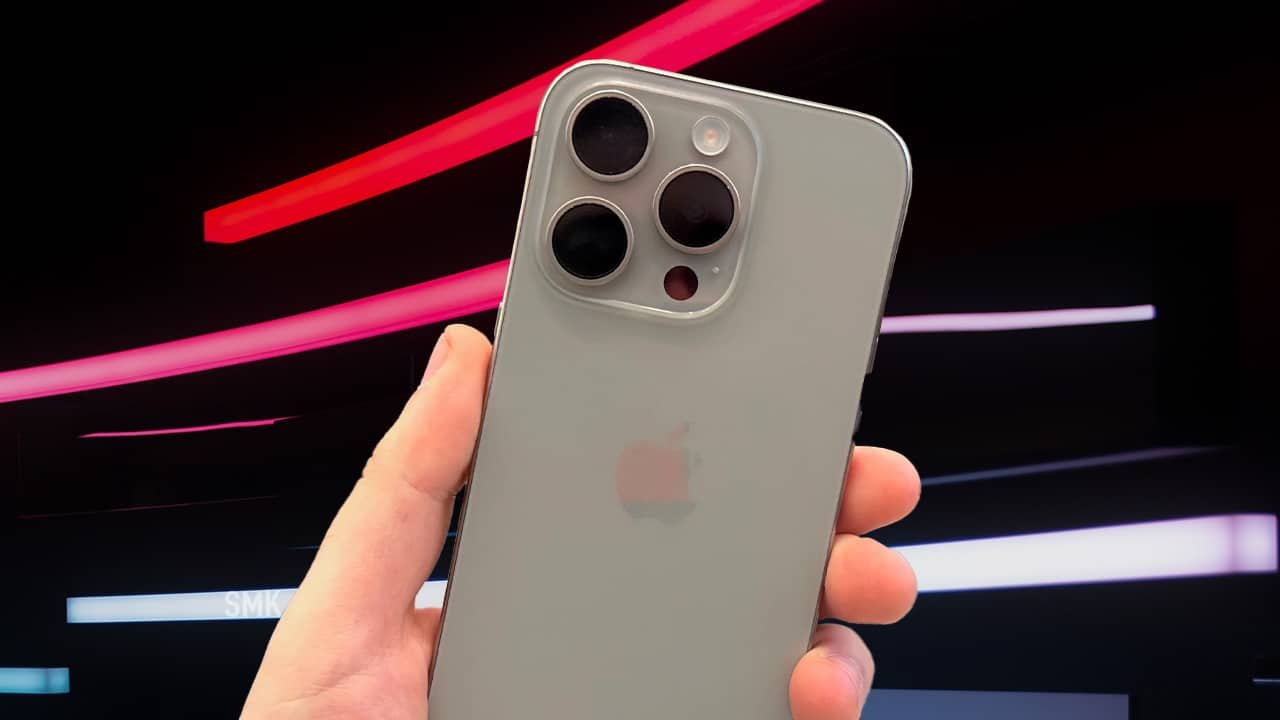
  • Indian-made iPhone 15 units expected to reach Pakistan soon

    Indian-made iPhone 15 units expected to reach Pakistan soon

    Apple is expected to release iPhone 15 units manufactured in India for sale in India and other countries. This means that we might also see these made in India iPhones in Pakistan, as Pakistani mobile sellers import iPhones from various countries like China, Japan, Hong Kong, and the US. While these Indian-made iPhones may not arrive in Pakistan directly from India, they are likely to become available as they enter international markets.

    Unfortunately, there are no official Apple stores in Pakistan, and there are limited authorised Apple product sellers. It remains uncertain how many iPhones made in India will be available in Pakistan in the future, but as Indian iPhone production increases, we can expect to see more of them.

    Although the majority of iPhone 15 units will still come from China, Apple’s efforts to scale production in India are making progress, reducing its reliance on Chinese manufacturing. Apple began assembling previous iPhone generations in India in 2017 and has been producing flagship iPhones there since 2020. The company aims to increase its production in India from 7 per cent to 25 per cent by 2025. However, there may still be some delays due to logistical challenges.

    Closing the production gap between China and India is crucial for Apple, as it provides a reliable manufacturing alternative and helps the company comply with India’s Make in India law to avoid steep tariffs. This move also aligns with Apple’s strategy to navigate geopolitical issues and local labour disputes.

    Given recent Chinese nationalism, which encourages the use of domestic brands like Huawei, this shift in production location is timely. Despite their high cost and the requirement for PTA approval in Pakistan, Apple iPhones remain popular among those who can afford them.

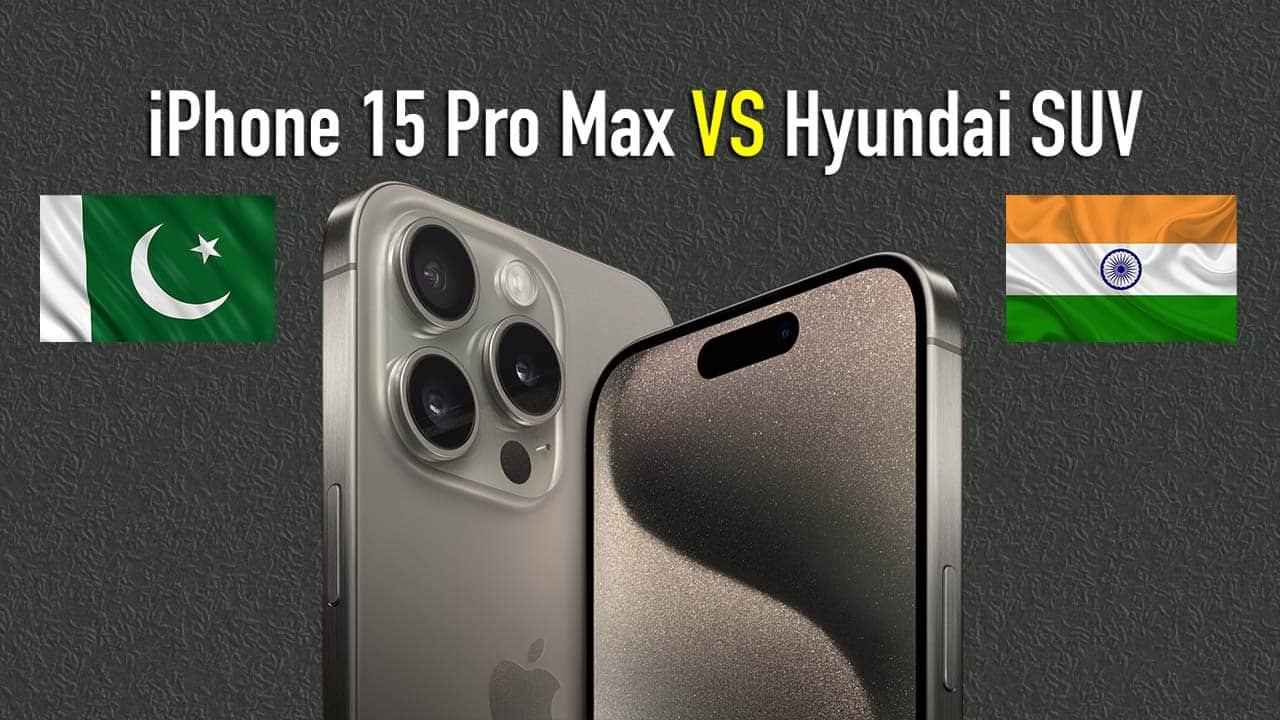
  • Will iPhone 15 Pro Max in Pakistan surpass the price of a Hyundai SUV in India?

    Will iPhone 15 Pro Max in Pakistan surpass the price of a Hyundai SUV in India?

    The iPhone 15 Pro Max with 256 GB of storage is initially priced at $1,100 in the United States, which, at the current exchange rate of Rs295, translates to approximately Rs325,000 in Pakistani rupee (PKR).

    However, it’s anticipated that the cost will significantly rise in Pakistan due to additional expenses like Pakistan Telecommunication Authority (PTA) approval and retailer margins.

    Given the precedent set by the iPhone 14 Pro Max, which currently retails for Rs540,000 in Pakistan, we expect the starting price of the iPhone 15 Pro Max to be around Rs555,000 or possibly even higher once local mobile shop owners import and sell them.

    Apple iPhones generally have higher price tags in Pakistan due to taxes and PTA approval fees, making it challenging to pinpoint the exact cost.

    Nonetheless, it’s reasonable to assume it will exceed Rs500,000, considering that the iPhone 14 Pro Max is already priced above this threshold in Pakistan.

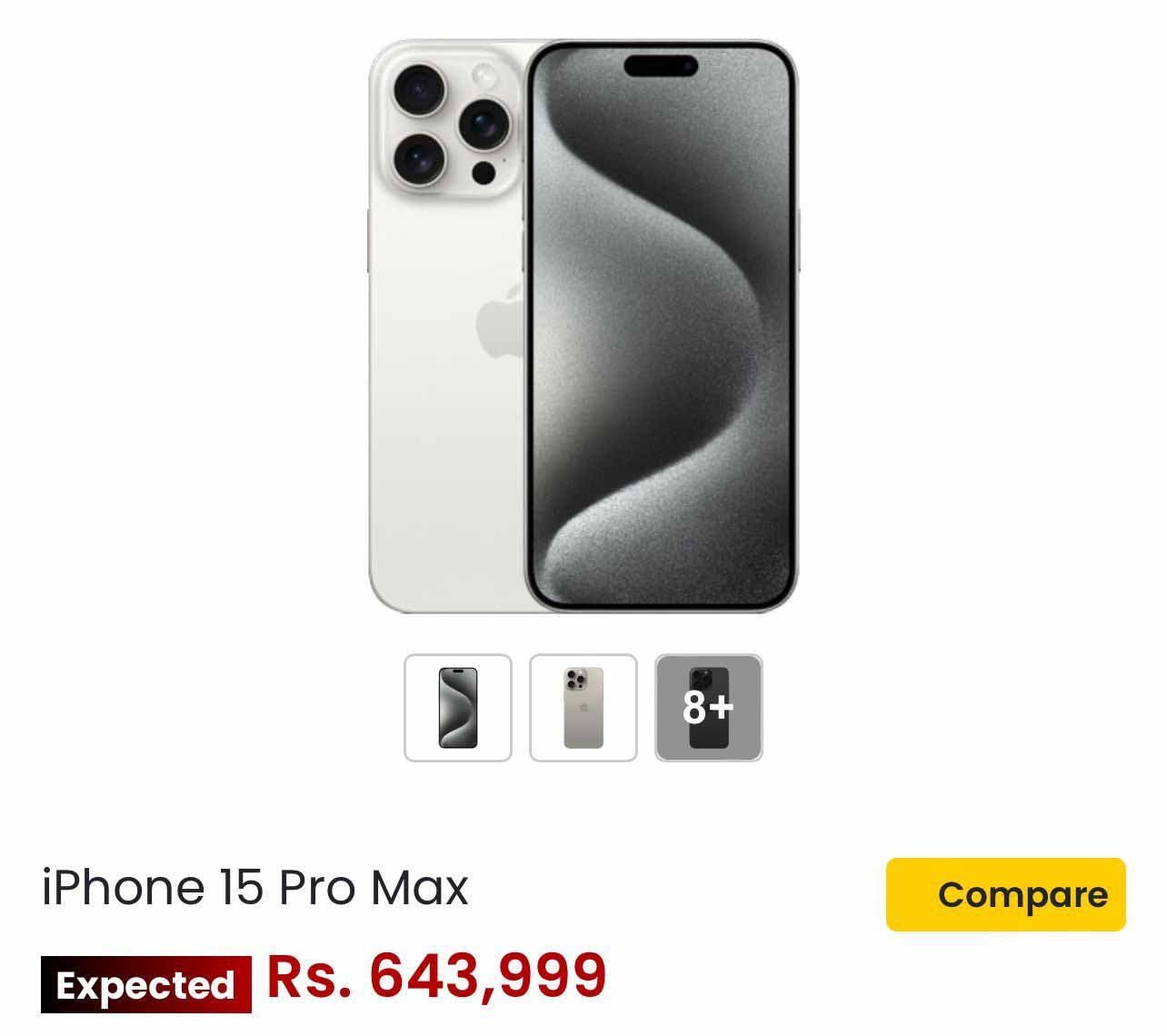
    Additionally, a Pakistani website called Phonebolee suggests an expected price of PKR 643,999 for the Apple iPhone 15 Pro Max.

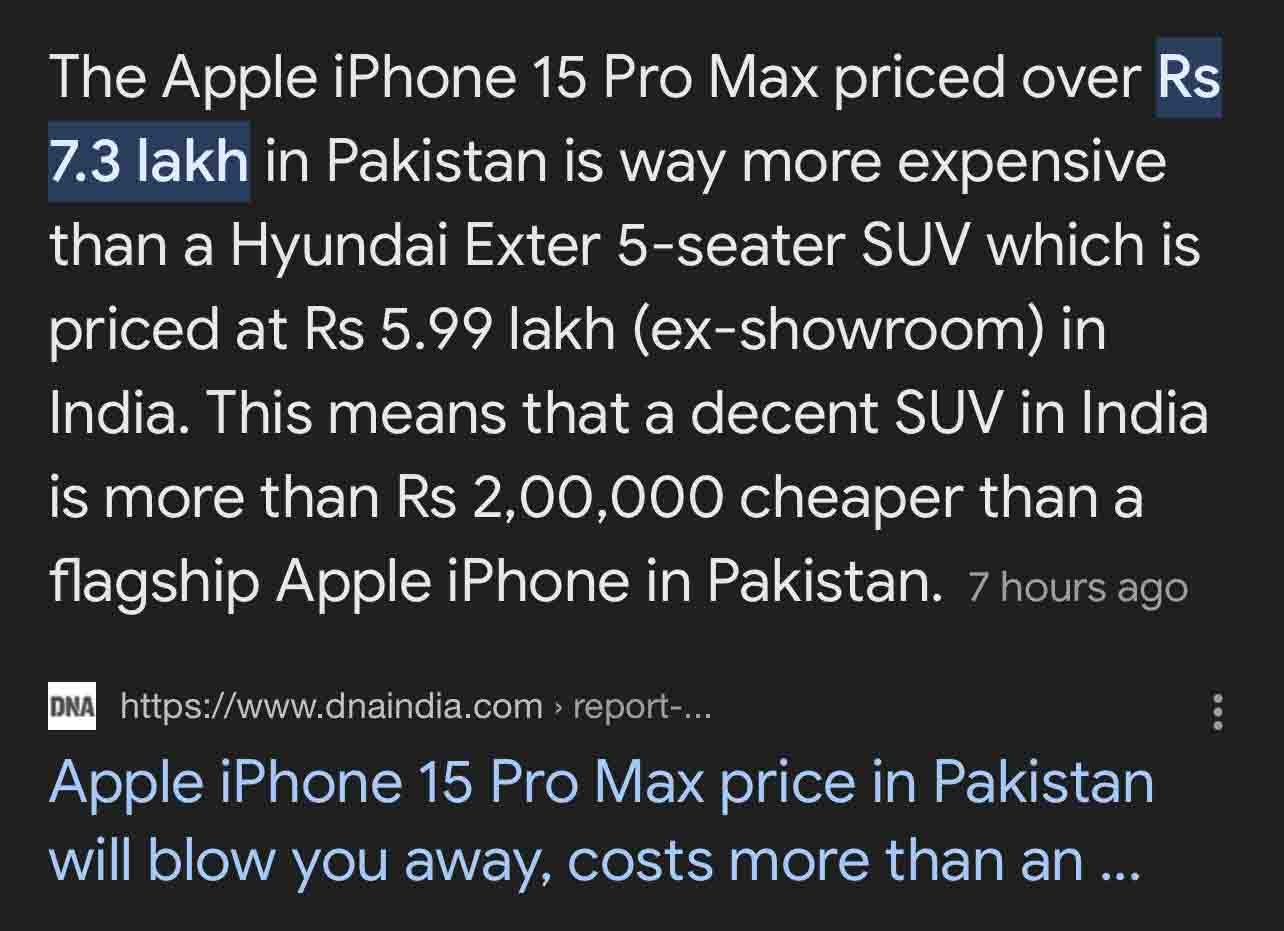
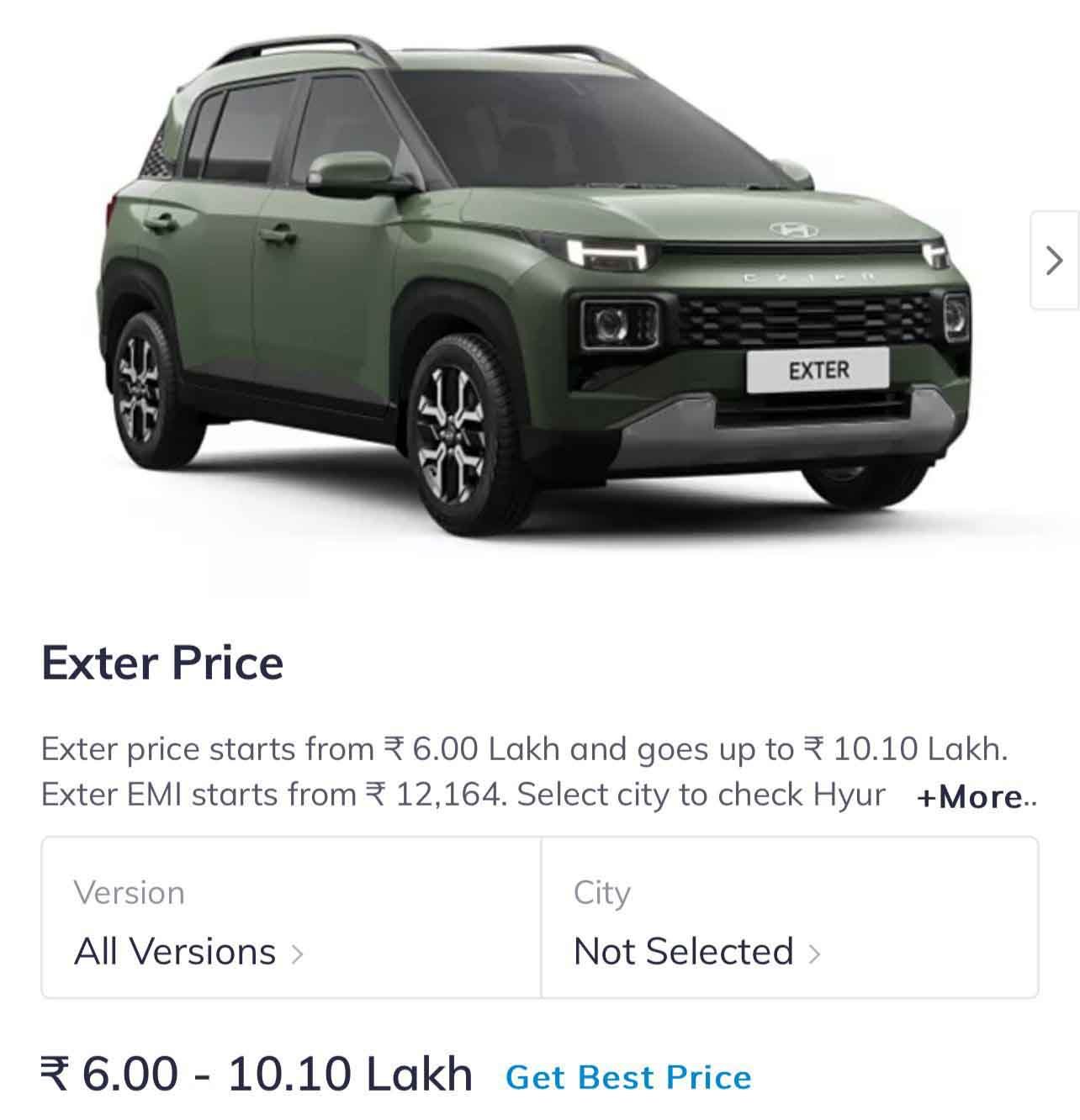
    In terms of comparisons to India, a report by DNA India highlights the astonishing prices of iPhones in Pakistan. It notes that the Apple iPhone 15 Pro Max, priced over Rs7.3 lakh in Pakistan, surpasses the cost of a Hyundai Exter 5-seater SUV, which is priced at INR 5.99 lakh in India.

    However, it’s important to be cautious about such comparisons, as they might not accurately reflect the actual market dynamics.

    Keep in mind that the exact price of the iPhone 15 Pro Max in Pakistan can vary among different retailers.

    Additionally, the exchange rate between the Indian rupee and the Pakistani rupee is approximately 1 INR to PKR 3.56. So, when comparing the INR 600,000 price of an SUV, it equates to approximately Rs2,136,800, or Rs2.1 million in Pakistani rupees, which is significantly higher than the expected price of the Apple iPhone 15 Pro Max.

  • Is Apple considering a massive RAM and storage upgrade for the iPhone 15?

    Is Apple considering a massive RAM and storage upgrade for the iPhone 15?

    In recent months, there has been a flurry of information and speculation regarding the storage and RAM specifications of the forthcoming iPhone 15 Pro. This situation has been marked by conflicting reports.

    MacRumors, a popular source, has recently verified the storage configurations that Apple tested for the iPhone 15 Pro and iPhone 15 Pro Max, which encompass 256 GB, 512 GB, and 1 TB options. Interestingly, Apple has sourced NAND storage components from multiple vendors, including SK Hynix, Western Digital, Kioxia, and Samsung. 

    Despite earlier rumours circulating about a potential 2TB storage variant, there is no substantiated evidence to support its inclusion. Additionally, a Weibo leak that suggested the iPhone 15 Pro would commence with a 256GB storage capacity has proven inaccurate, as the available storage options will align with the tiers seen in the iPhone 14 Pro.

    Turning to the RAM specifications, Apple intends to equip the iPhone 15 Pro with LPDDR5 DRAM, consistent with the RAM utilised in previous flagship devices. Testing has been conducted on two RAM configurations, specifically 6GB and 8GB, sourced from Samsung, Micron, and SK Hynix. 

    The final RAM configuration for mass production units remains undisclosed, but it is conceivable that Apple may adjust the RAM based on the storage capacity of the device, potentially granting 8GB to higher-capacity models. 

    TrendForce’s recent report suggests that Apple may indeed opt for 8GB in the iPhone 15 Pro, implying that the 6GB configuration could be abandoned.

    In addition to these internal components, the iPhone 15 Pro is set to feature an upgraded A17 SoC, manufactured using TSMC’s cutting-edge 3nm process. The A17 chip is anticipated to incorporate an extra GPU core, promising enhanced graphics performance. 

    Furthermore, the performance cores are expected to operate at an increased clock speed of 3.70 GHz, a notable improvement over the A16’s 3.46 GHz clock speed.

    Beyond these technical enhancements, the iPhone 15 Pro is poised to introduce several notable features, including an entirely new titanium frame, USB-C connectivity, and the incorporation of a periscope zoom lens in the iPhone 15 Pro Max variant.

  • American retailer sells Pakistani Servis Cheetahs as ‘Taliban’s favourite shoe,’ priced over Rs30,000

    American retailer sells Pakistani Servis Cheetahs as ‘Taliban’s favourite shoe,’ priced over Rs30,000

    An American online shopping platform known as “Americana Pipedream” is offering Pakistani Servis Cheetah high-top shoes, which are advertised as “The Taliban’s Favourite Shoe” and are priced at approximately Rs30,500 ($99). 

    Screenshot from Americana Pipedream Website

    The website lists these shoes for individuals who wish to emulate the Taliban’s style, and the company claims that “the Servis Cheetah is a highly popular running and sports shoe in the Middle East and Southeast Asia. Much of its notoriety stems from its use by the Taliban, Mujahideen, and even Afghan Security Forces over the past 40 years. 

    These Servis Cheetahs are brand new and originate from Pakistan, a shoe brand that is not commonly found in the American market. 

    Interestingly, despite the platform’s strong promotion of these shoes as the “Taliban’s favourite,” the details section acknowledges that they are rare to come by in the United States and suggests that the quality may not be top-notch due to their Pakistani origin. 

    Furthermore, upon conducting research, it was discovered that the exact same shoes are sold by Servis Pakistan for Rs2,799. 

    Screenshot from official Servis Pakistan Website

    The website appears to specialise in promoting clothing and accessories associated with the Taliban and similar themes. Other products featured on the website include Afghan War Rugs & Accessories, new apparel and accessories, books, camping and outdoor gear, axes and knives, tactical gear, pipes and accessories, vintage clothing, Phantomleaf camouflage, clearance items, night vision devices, and various military surplus items categorised by style and country of origin, including Swiss Surplus, Balkan Surplus, Greek Surplus, German & Austrian Surplus, Romanian Surplus, Vintage US Military Clothing, and British Surplus. 

  • Arrogance vs innovation: Why BlackBerry failed to see threat posed by the iPhone 

    Arrogance vs innovation: Why BlackBerry failed to see threat posed by the iPhone 

    In 2007, Apple introduced the iPhone, a revolutionary new smartphone that would change the way people use their phones forever. BlackBerry, the dominant smartphone maker at the time, was quick to dismiss the iPhone, saying that it was “not a threat” and that “we’ll be fine.” 

    But BlackBerry was wrong. The iPhone was a huge success, and it quickly took over the market. BlackBerry, on the other hand, began to lose market share. By 2013, BlackBerry was no longer the top smartphone maker. 

    How BlackBerry lost the smartphone war?

    There were a number of reasons why BlackBerry failed to see the threat posed by the iPhone. Here are some of the most important factors: 

    • BlackBerry was too focused on its existing customers: The company’s bread and butter was business users, who were slow to adopt new technologies. The iPhone, on the other hand, was designed for a wider audience, including consumers.
    • Slow to innovate: The iPhone was packed with new features, like a touch screen and a web browser, that BlackBerry didn’t have. BlackBerry was also slow to adopt new operating systems, such as Android. 
    • BlackBerry was arrogant: The company executives believed that they were the best in the business and that they didn’t need to change. This attitude blinded them to the threat posed by the iPhone.

    How iPhones have captured the market now 

    The iPhone has been the best-selling smartphone in the world for many years. In 2022, it accounted for 22 per cent of the global smartphone market. This is followed by Android with 69. per cent market share. 

    There are a number of reasons why iPhones have captured the market: 

    • They are known for their high quality and sleek design. iPhones are made from high-quality materials and have a sleek, modern design. This makes them appealing to consumers who want a stylish and durable smartphone. 
    • iPhones have a user-friendly interface and are easy to use. The iPhone’s operating system, iOS, is known for its intuitive interface and easy-to-use features. This makes it a good choice for people who are not familiar with smartphones. 
    • Offer a wide range of features and apps. The App Store has a wide variety of apps to choose from, including games, productivity apps, and social media apps. This makes the iPhone a versatile device that can be used for a variety of purposes. 
    • Backed by a strong brand name and reputation. Apple is a well-known and respected company, and its products are known for their quality. This gives consumers confidence in the iPhone. 

    Facts about iPhone sales 

    • In 2022, Apple sold over 240 million iPhones. 
    • The iPhone 13 was the best-selling iPhone model in 2022. 
    • Apple iPhone generates more revenue for the tech giant than any other product. 
    • The iPhone is a major driver of Apple’s stock price. 

    Additional thoughts on the matter 

    BlackBerry’s physical keyboard was a major advantage in the early days of smartphones, when touch screens were still relatively new and difficult to use. However, the iPhone’s touch screen was a more intuitive and user-friendly interface, and it eventually won over consumers. 

    The company’s business model was also a factor in its downfall. BlackBerry made most of its money from selling its devices to businesses, which were slow to adopt new technologies. Apple, on the other hand, made most of its money from selling apps and services in its App Store, which was a more open and flexible platform. 

    BlackBerry also made some bad strategic decisions. For example, the company decided to focus on its own proprietary operating system, BlackBerry OS, instead of adopting a more open platform like Android. This decision made it difficult for BlackBerry to attract developers and apps, which further hurt its competitive position. 

    The story of BlackBerry vs. iPhone is a cautionary tale about the dangers of complacency. When a new technology comes along, it’s important to be open to change and to be willing to adapt. Otherwise, you could end up like BlackBerry. 

    BlackBerry’s main focus currently is on software and services. Sadly, the company has discontinued its own smartphone line and now focuses on providing security software and services to businesses and governments.