Category: Business

The most important business news, explained in a young, easy to understand way. News that affects young career professionals.

  • Registration fee for 1501-2000cc vehicles reduced to 2% by excise department

    Registration fee for 1501-2000cc vehicles reduced to 2% by excise department

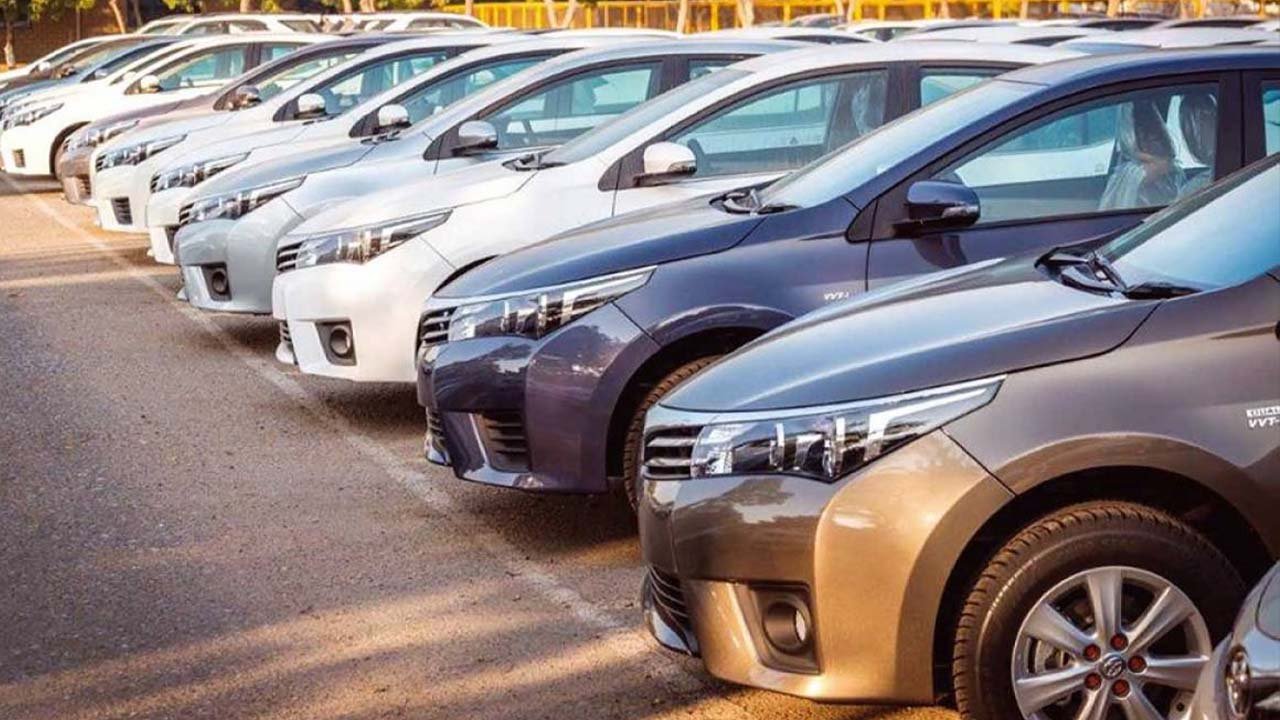
    The Excise and Taxation Department of Punjab has recently introduced adjustments to the fees associated with vehicle registration and transfers, in accordance with the budget proposed by the caretaker government. One notable change is the reduction of the registration fee for vehicles with engine capacities ranging from 1501cc to 2000cc, from 3 per cent to 2 per cent.

    Furthermore, the government has extended a significant 95 per cent discount on motor vehicle tax for electric vehicles until June 2025. In addition, a new withholding tax has been introduced specifically targeting the registration of vehicles exceeding 2001cc.

    Another modification in the system pertains to private vehicles, which were previously subjected to a flat token tax of Rs2,500 per seat. Under the new regulations, these vehicles will now be taxed based on their respective engine capacities, providing a more accurate and equitable taxation structure.

    In addition to the changes in registration fees, the Excise department has also revised the transfer fees for motorcycles, cars, rickshaws, and commercial vehicles. The fee for motorcycles has been raised from Rs150 to Rs500, while vehicles with engine capacities up to 1000cc will now incur a transfer fee of Rs2,500, increased from the previous Rs1,200.

    For vehicles falling within the range of 1000cc to 1800cc, the transfer fee has been elevated by Rs3,000, now amounting to Rs5,000. Similarly, for vehicles surpassing 1800cc, the excise department will collect a transfer fee of Rs10,000, compared to the earlier fee of Rs3,000.

    Commercial vehicles also witness a revision in their transfer fee, experiencing an increase of Rs1,000, now totaling Rs5,000.

    These revisions to the vehicle registration and transfer fees aim to establish a more efficient and equitable system, aligned with the government’s budgetary objectives, while considering factors such as vehicle engine capacity and promoting the adoption of electric vehicles.
  • Pak Suzuki’s auto and motorcycle plant to stay closed till July 19

    Pak Suzuki’s auto and motorcycle plant to stay closed till July 19

    Pak Suzuki Motor Company Ltd (PSMCL), Pakistan’s leading car manufacturer in terms of production and sales, has announced an extension of its plant shutdown due to an ongoing shortage of inventory. The decision was conveyed to the Pakistan Stock Exchange (PSX) through an official notice on Friday.

    In the notice, the automaker explained that the management had decided to prolong the closure of its motorcycle and automobile plant until July 19, 2023, citing the persistent inventory shortage. Previously, PSMCL had already suspended operations until July 15, 2023, and had also experienced a shutdown from May 2 to May 9 due to a scarcity of raw materials.

    It is important to note that the auto industry in Pakistan is facing multiple challenges, leading several automakers to announce temporary or partial closures in recent months, citing various reasons.

    In April, Pak Suzuki reported its highest quarterly loss to date, amounting to Rs12.9 billion in the first quarter of 2023. This decline in profitability was attributed to a decrease in sales and substantial finance costs. In comparison, the company had incurred a loss of Rs460.227 million during the same period the previous year.

    Earlier, Pak Suzuki had appealed to Prime Minister Shehbaz Sharif not to introduce additional duties and taxes in the upcoming 2023-24 budget. The company emphasised the economic uncertainties it was facing and the resulting struggles and losses.

  • 17.5% increase in pension announced for federal govt retirees

    17.5% increase in pension announced for federal govt retirees

    The government has issued a notification announcing a 17.5 per cent increase in the pension for federal government pensioners. The increase, sanctioned by the President, will be effective from 18th July 2023 until further orders. It applies to all civil pensioners of the federal government, including civilians paid from Defence Estimates, as well as retired armed forces personnel and civil armed forces personnel.

    The 17.5 per cent increase in pension will also be applicable to pensioners who retire on or after 1st July 2023. To determine the eligibility for the increase in pension as sanctioned in this notification, “Net Pension” refers to the pension being drawn minus the Medical Allowance.

    In addition, the increase will be granted to family pensioners under the Pension-cum-Gratuity Scheme of 1954, the Liberalized Pension Rules of 1977, pensions sanctioned under the Central Civil Services (Extra Ordinary Pension) Rules, as well as the Compassionate Allowance under CSR-353.

    If the gross pension sanctioned by the federal government is shared with another government in accordance with the rules stated in Part-IV of Appendix-III to the Accounts Code, Volume-I, the increase in pension will be divided proportionately between the federal government and the other government concerned.

    However, the increase in pension as sanctioned in this notification will not be applicable to the special additional pension granted in place of pre-retirement orderly allowance and the monetized value of a driver or an orderly.

  • UK house prices drop at fastest rate in 12 years, more decline expected: Halifax

    UK house prices drop at fastest rate in 12 years, more decline expected: Halifax

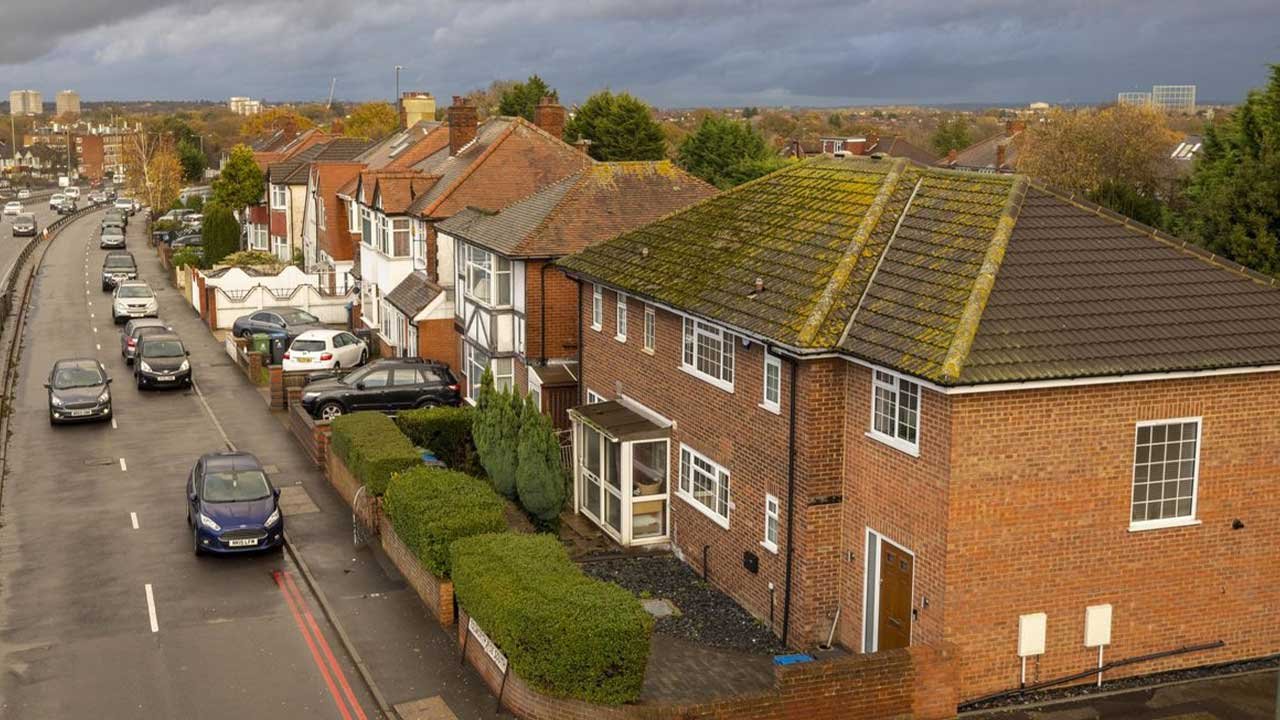
    According to mortgage lender Halifax, UK house prices witnessed a significant decline last month on an annual basis, marking the fastest rate of decrease in 12 years.

    The rising interest rates are expected to exacerbate the challenges faced by the housing market. Halifax reported a year-on-year drop of 2.6 per cent in house prices for June, following a 1.1 per cent decrease in May. This decline represents the largest fall since June 2011. On a monthly basis, prices dropped by 0.1 per cent in June, following a 0.2 per cent decrease in May.

    Kim Kinnaird, the director of Halifax Mortgages, explained that the substantial annual decline can be attributed to the comparison with the peak in house prices observed around a year ago, coupled with relatively minimal price movements in recent months.

    However, the surge in mortgage costs driven by mounting expectations for the Bank of England to combat inflation through increased interest rates suggests that the housing market will face further challenges in the coming months.

    Kinnaird stated that predicting the depth and duration of the downturn in house prices remains challenging, but the possibility of decreasing inflation may provide some support. Kinnaird also noted that the anticipation of a peak Bank Rate exceeding 6 per cent in the foreseeable future implies that mortgage rates will likely remain elevated for an extended period, contributing to ongoing financial strain for households.

    Investors have recently speculated that persistent inflation will prompt the Bank of England to raise interest rates to their highest level in 25 years, reaching 6.5 per cent by December. In response to soaring funding costs, various lenders, including Halifax, a subsidiary of Lloyds Bank, and other prominent institutions, have repeatedly adjusted their home loan offerings in a race to keep pace.

    Historical data indicates that significant increases in swap rates, which influence mortgage funding expenses, often foreshadow substantial declines in housing starts. This conclusion is supported by a Reuters analysis covering the past 35 years.

    Halifax highlighted that the largest decrease in house prices occurred in the southeast of England. London experienced a decline of 2.6 per cent in annual terms, marking the most substantial drop since October 2009.

  • Pakistan’s weekly inflation reaches lowest point at 28.6% since October 2022

    Pakistan’s weekly inflation reaches lowest point at 28.6% since October 2022

    The Sensitive Price Indicator (SPI) recorded a weekly inflation increase of 0.70 per cent, reaching 28.55 per cent on a year-on-year basis for the week ending June 6.

    This represents the lowest rate since October 20, 2022, when SPI inflation stood at 27.1 per cent. Furthermore, short-term inflation surged to an all-time high of 48.35 per cent for the period ending on May 4.

    During the week, a total of 51 items were monitored, and their price movements were analysed. Out of these items, 24 (47.06 per cent) experienced price increases, 10 (19.61 per cent) witnessed price decreases, and 17 (33.33 per cent) remained stable.

    This table showcases the items that recorded either an increase or decrease in their average prices during the specified week:

    Item Increase/Decrease
    Tomatoes Increase (42.25%)
    Onions Increase (8.70%)
    Potatoes Increase (4.79%)
    Wheat flour bag 20 kg Increase (4.05%)
    Gur Increase (4.01%)
    Sugar Increase (3.48%)
    Shirting Increase (3.02%)
    Hi-speed diesel Increase (2.95%)
    Garlic Increase (1.90%)
    Matchbox each Increase (1.66%)
    Curd Increase (1.43%)
    Pulse mash Increase (1.29%)
    Fresh milk Increase (1.20%)
    Rice irri-6/9 Increase (0.74%)
    Rice basmati broken Increase (0.67%)
    Mustard oil Increase (0.59%)
    Prepared tea Increase (0.56%)
    Long cloth 57″ Gul Ahmed/Al Karam Increase (0.51%)
    Mutton Increase (0.40%)
    Beef with bone Increase (0.39%)
    Toilet soap Increase (0.24%)
    Powdered milk Nido 390 gm polybag each Increase (0.13%)
    Georgette Increase (0.08%)
    Cooked daal Increase (0.04%)
    Bananas Decrease (7.51%)
    Chicken Decrease (2.80%)
    Eggs Decrease (1.17%)
    LPG Decrease (0.96%)
    Vegetable ghee Dalda/Habib 2.5 kg tin each Decrease (0.74%)
    Cooking oil Dalda or other similar brands, 5L Decrease (0.72%)
    Vegetable ghee Dalda/Habib or other superior quality, 1 kg pouch each Decrease (0.81%)
    Pulse masoor Decrease (0.47%)
    Pulse moong Decrease (0.31%)
    Pulse gram Decrease (0.24%)
  • State Bank of Pakistan’s foreign exchange reserves surge to $4.46 billion with $393 million increase

    State Bank of Pakistan’s foreign exchange reserves surge to $4.46 billion with $393 million increase

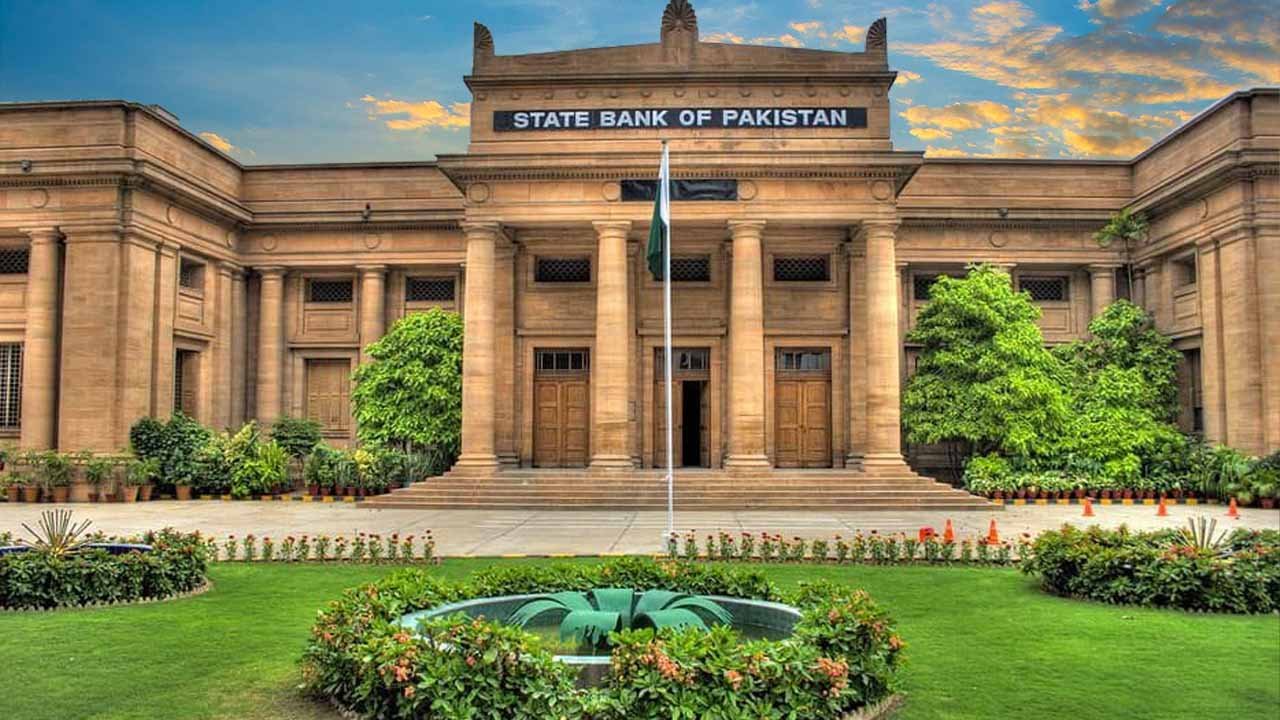
    The State Bank of Pakistan (SBP) has announced an increase of $393 million in its foreign exchange reserves, bringing the total to $4.46 billion. In an official statement, the central bank stated that this rise occurred on June 30, 2023. The boost in reserves is seen as a positive development for the country’s economy.

    At the same time, the overall liquid foreign reserves held by Pakistan now stand at $9.74 billion, with commercial banks accounting for $5.28 billion of that amount. These figures reflect the country’s efforts to stabilise its foreign reserves and strengthen its financial position.

    This increase in foreign exchange reserves is largely attributed to Pakistan’s recent agreement with the International Monetary Fund (IMF). The country signed a staff-level agreement with the IMF, amounting to $3 billion, for a duration of 9 months. The IMF’s “Stand-By Arrangement” with Pakistan has been successfully concluded, signaling a positive outlook for the nation’s economic stability.

    Nathan Porter, the IMF Mission Chief, commended Pakistan for its commitment to achieving its economic goals and acknowledged the parliament’s crucial role in this accomplishment. He emphasised that the staff-level agreement under the Stand-By Arrangement is a significant milestone.

    The agreement is now awaiting final approval from the IMF’s executive board, which is anticipated to occur in mid-July. Once approved, Pakistan will be eligible to receive the $3 billion loan from the IMF.

    In his remarks, Porter highlighted the parliament’s efforts to enhance tax revenues, an essential component of Pakistan’s economic growth. The parliament has taken noteworthy steps to increase funds allocated to the Benazir Income Support Programme and has also limited tax exemptions.

    These measures are expected to lead to an increase in tax revenues, which, in turn, could result in a primary surplus of 0.4 per cent for Pakistan’s economy. The additional funds generated through these increased tax revenues can then be directed towards crucial social sectors.

    Overall, the increase in foreign exchange reserves for the State Bank of Pakistan is an encouraging sign for the country’s economic stability. With the IMF agreement on the horizon and the parliament’s dedication to boosting tax revenues, Pakistan is poised to make significant strides in its economic development.

    The final approval of the agreement by the IMF’s executive board will mark a crucial milestone in Pakistan’s journey towards a more prosperous future.

  • Pakistan Stock Exchange rises above 44,000 points after 14 months

    Pakistan Stock Exchange rises above 44,000 points after 14 months

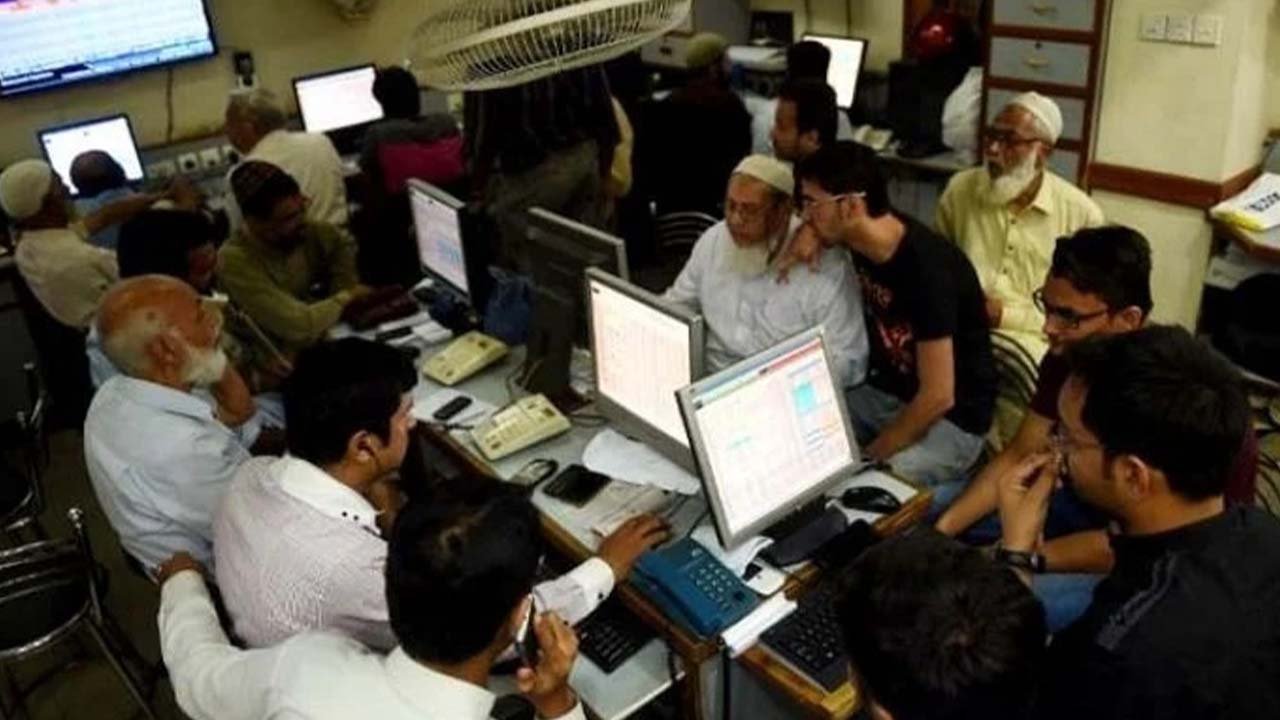
    On Thursday, the Pakistan Stock Exchange (PSX) benchmark index surpassed the 44,000 milestone after 14 months, experiencing a substantial surge of over 600 points after a two-day decline. The PSX website reported the KSE-100 index closing at 44,178.85 points, reflecting a commendable rise of 1.44 per cent or 626.02 points.

    Market analysts attribute this rally to several pivotal factors. Firstly, the standby agreement reached with the International Monetary Fund (IMF) played a crucial role in bolstering investor confidence. This agreement significantly alleviated uncertainties, particularly the risk of default, providing Pakistan with the opportunity to focus on its fiscal policies.

    Additionally, the disbursement of payments to independent power producers (IPP) contributed to the positive momentum in the market. The government allocated around Rs140 billion to the IPPs, allowing them to distribute higher dividends. Consequently, this development led to a surge in the shares of these companies.

    Moreover, the cement sector experienced a notable upturn due to a decline in international coal prices. Lower coal prices benefit the cement industry as coal is a primary fuel for cement production.

    Prominent market experts, such as Salman Naqvi, the head of research at Aba Ali Habib Securities, express optimism about the market’s potential. Naqvi anticipates that the index could potentially reach a range of 45,000 to 46,000 points. However, he cautions that the rise may not be consistently linear, considering the recent slump following a historic bull run on Monday.

    On Monday, the stock market witnessed significant gains as Pakistan secured a $3 billion short-term financial package from the IMF. This package provided significant relief to the struggling economy, which was facing a severe balance of payments crisis and diminishing foreign exchange reserves.

    The funding, allocated over nine months, surpassed expectations and provided respite as Pakistan awaited the release of the remaining funds from a previous bailout package agreed upon in 2019. The IMF board is scheduled to approve the deal in July.

  • Pakistan’s pharma industry exports soar to record-breaking $713 million in FY2022-23

    Pakistan’s pharma industry exports soar to record-breaking $713 million in FY2022-23

    Pakistan’s pharmaceutical industry has experienced an impressive surge in exports, reaching an all-time high of $713 million during the fiscal year 2022-23. The remarkable boost in exports can be attributed to the increased demand for surgical and medical equipment, as well as pharmaceutical products.

    The data reveals that surgical and medical equipment exports accounted for $407 million, while drugs and pharmaceutical products contributed $306 million to the export value. Surgical equipment exports witnessed a notable increase of 6.03 per cent, while there was a substantial growth of 25.16 per cent in pharmaceutical product exports.

    Sources indicate that the volume of pharmaceutical exports witnessed a remarkable rise of 98.6 per cent during the fiscal year 2022-23. Approximately 51,964 metric tons of medicines and medical devices were exported, demonstrating the industry’s expanding reach.

    In terms of specific quantities, Pakistan exported 26,054 metric tons of medicines and medical equipment, contributing significantly to the impressive growth in the pharmaceutical sector’s export value. The notable growth of 25.3 per cent in pharma export value further highlights the industry’s success in the international market.

    Looking ahead, sources report that the pharma industry has set an ambitious export target of $1 billion for the fiscal year 2024-25, indicating the industry’s determination to continue its upward trajectory.

    According to ARY News, industry insiders attribute this substantial increase in exports to the incentives provided to the pharmaceutical sector. The government’s support and facilitation have played a crucial role in boosting the industry’s growth and enabling it to compete effectively on the global stage.

    Furthermore, sources highlight the noteworthy surge in exports of Pakistani medical equipment, particularly during the challenging times of the COVID-19 pandemic. The demand for locally produced ventilators witnessed a significant rise as Pakistan began manufacturing its own ventilators to address critical needs during the health crisis.

    The thriving pharmaceutical industry and its impressive export performance signify Pakistan’s growing influence in the global healthcare market. With continued support from the government and a commitment to innovation and quality, the country’s pharma sector is poised for further growth and success in the years to come.

  • Lucky Motor Corporation increases Kia car prices by up to Rs4 lakh

    Lucky Motor Corporation increases Kia car prices by up to Rs4 lakh

    Lucky Motor Corporation Limited (LMCL) has implemented price increases across all Kia car models, with the exception of Picanto Manual, Stonic EX, and Carnival. The company has not provided a specific justification for this price surge.

    It is worth noting that, in contrast to the previous price adjustment, the company has also raised the price of the Picanto. As of July 5, the revised prices for the various models are outlined in the following table:

    Model Old price (Rs) New price (Rs) Hike (Rs)
    Picanto Automatic 3,625,000 3,825,000 200,000
    Stonic EX+ 5,930,000 6,050,000 120,000
    Sportage Alpha 7,050,000 7,300,000 250,000
    Sportage FWD 7,940,000 8,190,000 250,000
    Sportage AWD 8,570,000 8,820,000 250,000
    Sportage Black Edition 9,050,000 9,300,000 250,000
    Sorento FWD 10,400,000 10,800,000 400,000
    Sorento AWD 11,300,000 11,700,000 400,000
    Sorento V6 11,390,000 11,790,000 400,000

    Previously, the company held a notable market share and was mentioned alongside Pakistan’s leading car manufacturers until mid-2022. However, currently, Kia’s car sales have dwindled to merely a few hundred units.

    Although there was a slight increase in sales for the company last month, it was not substantial enough to make a significant impact. Given the prevailing circumstances, it is understandable that all automakers in Pakistan are focused on survival.

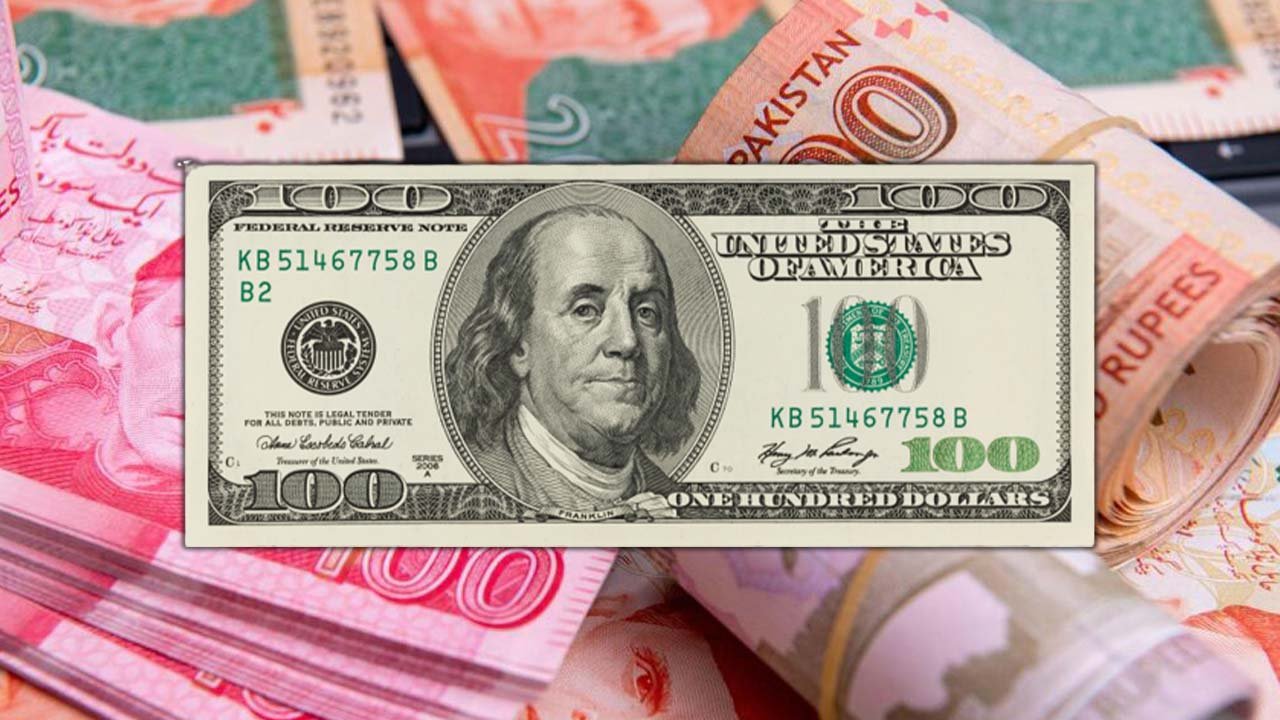
  • Pakistani rupee closes at Rs277.41 as US dollar recovers by nearly Rs2 in interbank trade

    Pakistani rupee closes at Rs277.41 as US dollar recovers by nearly Rs2 in interbank trade

    The US dollar appears to have bounced back on Wednesday at the opening of interbank trade, as it gained 31 paisas. The American currency closed at Rs277.41 after gaining Rs1.97 against the local unit. The dollar was exchanged for Rs275.75 at the start of the trading session on Wednesday.

    However, later the greenback gained even more value with Rs1.31 in interbank trade and was being traded at Rs276.75. In just a short while, the currency gained even more strength with Rs1.56 and was traded at Rs277.

    Owing to the strengthening of the dollar in the interbank trade, the currency’s value stopped falling in the open market also. Its value remained stable at Rs280 in the open market. On Tuesday, the greenback had lost a massive Rs10 in the interbank market.

    On the other hand, the Pakistan Stock Exchange continued its bullish trend. The shares of energy, oil and gas, and refinery companies were shared in the market.

    The stock exchange retained its limit of 44,000 points on Wednesday morning. The KSE-100 index rose with 472 points to 44,030 points. At the start of the trading session, the index gained 200 points to reach 43,770 points.