Category: Business

The most important business news, explained in a young, easy to understand way. News that affects young career professionals.

  • Yamaha proposes a ferry service linking Do Darya and Port Qasim, expanding water sports facilities in Sindh

    Yamaha proposes a ferry service linking Do Darya and Port Qasim, expanding water sports facilities in Sindh

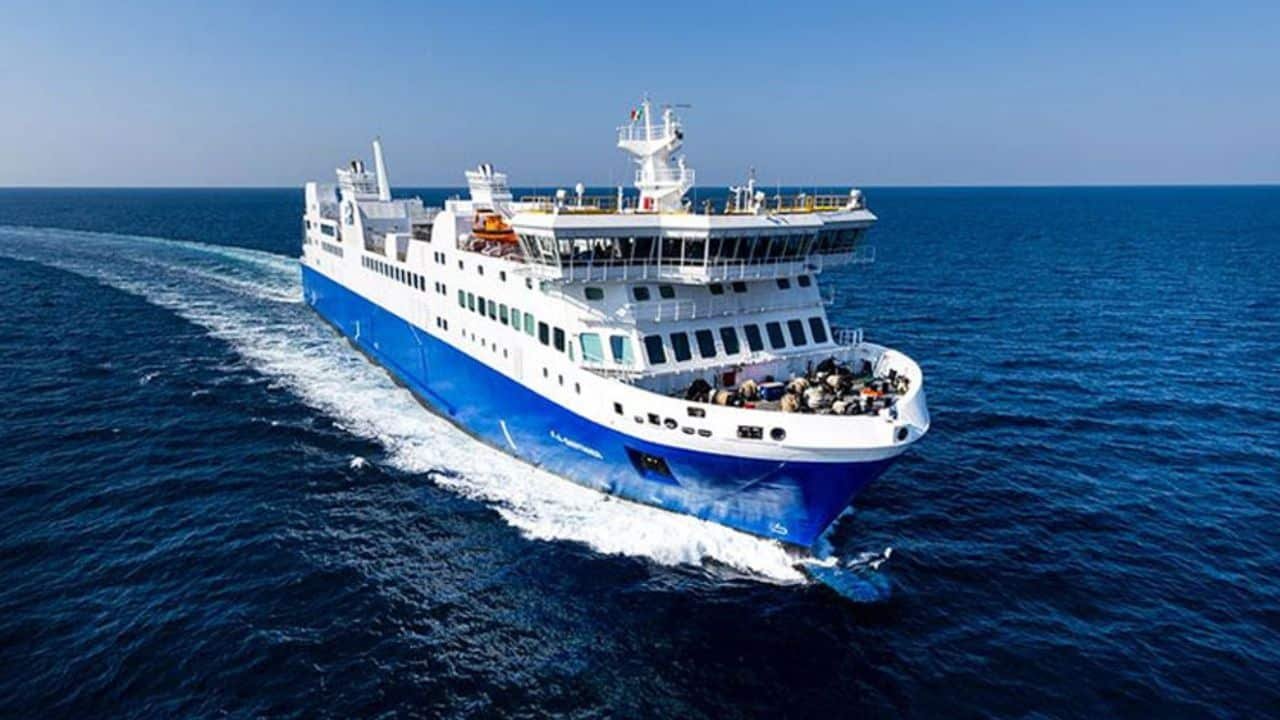
    In a groundbreaking announcement, a Japanese firm, Yamaha, has presented a proposal to launch a ferry service connecting Karachi’s Do Darya with Port Qasim, as well as develop various water sports facilities across the province of Sindh.

    The proposal was discussed during a meeting between Chief Minister (CM) Syed Murad Ali Shah and Yoshiyuki ITO, the Senior General Manager for Central Asia and the Middle East at Yamaha Japan.

    The officials explored the potential of establishing water sports facilities at different barrages and lakes in Sindh, with a particular focus on enhancing recreational activities.

    A statement issued by the CM House outlined the discussion, revealing that the proposed ferry service between Do Darya and Port Qasim was among the key topics.

    Chief Minister Syed Murad Ali Shah expressed enthusiasm for the idea, emphasising the immense potential to develop water sports facilities in collaboration with Yamaha Pakistan.

    The chief minister further highlighted the possibilities for establishing these facilities at various barrages in Sindh, including Keenjhar, Guddu, Sukkur, and Kotri Barrages.

    He underlined the importance of involving the private sector in such endeavors, which would contribute to the growth of water-based recreational activities in the region.

    During the meeting, the Yamaha representative informed Chief Minister Syed Murad Ali Shah that the proposed ferry service would not only facilitate transportation but also provide recreational opportunities.

    Additionally, he emphasised the quality and performance of Yamaha’s WaveRunners, indicating their suitability for water sports enthusiasts.

    The introduction of a ferry service and the development of water sports facilities in Sindh would not only boost tourism but also enhance the overall experience for locals and visitors alike.

    As the proposal moves forward, collaboration between Yamaha and the provincial government holds the promise of an exciting future for water-based recreational activities in Sindh.

  • Fitch and Moody’s: IMF loan provides temporary relief for Pakistan, but risks remain

    Fitch and Moody’s: IMF loan provides temporary relief for Pakistan, but risks remain

    Fitch Ratings and Moody’s Investors Service issued warnings on Monday regarding Pakistan’s financial sustainability, despite the recent acquisition of a much-needed $3 billion lifeline from the International Monetary Fund (IMF).

    Last week, Pakistan signed a short-term (nine-month) loan programme worth $3 billion with the IMF, as the previous $7 billion programme was prematurely ending on the same day.

    The objective of the new loan programme is to provide the necessary foreign exchange to reopen imports, support listed companies in gradually resuming partially closed production, and stimulate economic activities within the country.

    Additionally, this programme serves as a signal to other donor agencies and friendly nations, which had pledged $9 billion at a Geneva meeting in January 2023, to extend new financing to Islamabad.

    However, the two global rating agencies caution that risks persist for Pakistan’s economy, particularly as the government faces a daunting $25 billion debt repayment challenge in the upcoming year starting in July.

    Krisjanis Krustins, Fitch’s Director of Sovereigns for APAC, emphasised that Pakistan will require significant additional financing beyond IMF disbursements to meet its debt obligations and support an economic recovery.

    While the IMF likely sought and received assurances for such financing, there remains a risk that it could prove insufficient, especially if current account deficits widen again.

    In order to secure the initial agreement with the IMF, Pakistan had to implement measures such as tax increases, spending cuts, and raising its primary interest rate to a historical peak.

    Although the markets responded positively to this initial agreement, leading to a significant surge in stocks and improved performance of dollar bonds, it still awaits approval from the IMF Executive Board.

    Moody’s analyst Grace Lim, based in Singapore, expressed doubts about Pakistan’s ability to secure the full $3 billion IMF financing during the stand-by period of the loan programme. Lim stated that it remains uncertain whether the Pakistani government will be able to secure the complete amount.

    Furthermore, she highlighted that the government’s commitment to implementing ongoing reforms will be tested as the country approaches elections scheduled for October 2023.

    It is worth noting that Pakistan had previously obtained a $1.1 billion loan in August, which was subsequently halted due to Islamabad’s failure to comply with certain stipulated conditions.

    According to Moody’s, the towering $25 billion debt repayment comprises both principal and interest, amounting to nearly seven times Pakistan’s foreign exchange reserves.

    Lim further added that only after the elections will it become clear whether the country will be able to enter into another IMF programme.

    Until a new programme is agreed upon, Pakistan’s ability to secure loans from other bilateral and multilateral partners in the long term will be severely limited, she cautioned.

  • Pakistan commits to boost foreign exchange reserves to $11.7 billion by 2024

    Pakistan commits to boost foreign exchange reserves to $11.7 billion by 2024

    Pakistan has made a commitment to the International Monetary Fund (IMF) to significantly increase its gross foreign exchange reserves by $7.65 billion. The goal is to raise the reserves to $11.7 billion by the end of the financial year 2024, up from the current level of $4.056 billion in the financial year 2023. This move is aimed at building a buffer of foreign exchange reserves to protect the national economy from external shocks.

    The assurance was given through a Letter of Intent (LoI) signed by Finance Minister Ishaq Dar and State Bank of Pakistan (SBP) Governor Jameel Ahmed. Under a $3 billion stand-by arrangement (SBA) for nine months, Pakistan assured the IMF and its executive board of its commitment to bolster its foreign exchange reserves.

    If the gross foreign exchange reserves reach $11.7 billion by the end of June 2024, they will be sufficient to meet the country’s import requirements for goods and services for approximately 1.8 months.

    The balance of payment (BoP) chart, agreed upon by the IMF and Pakistan, indicates that projected disbursements of foreign loans during the current financial year 2023-24 are expected to amount to $15.01 billion from multilateral and bilateral creditors. This financial year started on July 1, 2023, and will end on June 30, 2024.

    The analysis of the BoP data suggests that Pakistan needs to secure external financing from multilateral and bilateral creditors during the current fiscal year. Additionally, Pakistan is seeking an additional deposit of $2 billion from the Kingdom of Saudi Arabia and $1 billion from the United Arab Emirates (UAE). The Islamic Development Bank (IsDB) has agreed to provide a $1 billion loan program.

    Furthermore, Pakistan is actively working on program loans and project financing from the World Bank, Asian Development Bank, and Asian Infrastructure Investment Bank (AIIB) to secure a total disbursement of $15 billion from all multilateral and bilateral sources.

    To further strengthen its reserves, Pakistan intends to engage with bilateral partners, especially China, Saudi Arabia, and the UAE, to extend the maturity of their existing deposits, which amount to $2 billion, $3 billion, and approximately $2 billion, respectively, in the current financial year.

    The IMF executive board is scheduled to convene on July 12, 2023, in Washington DC, to review and consider Pakistan’s request for approval of a $3 billion short-term bailout package, including a $1 billion tranche release. Upon approval by the executive board, the $1 billion tranche will be disbursed within a few days.

    The IMF staff has already circulated copies of the Letter of Intent among the executive board members. In this document, Finance Minister Ishaq Dar and the SBP governor have provided assurances regarding the implementation of crucial fiscal and energy reforms to address fiscal challenges. Islamabad has also committed to tackling issues in the energy sector, including measures to control the circular debt problem.

    To address energy sector concerns, the government plans to raise power and gas tariffs in line with the determinations made by the regulators. The National Electric Power Regulatory Authority (NEPRA) will finalise the power tariff, while the facts regarding gas tariffs are being ascertained by relevant officials.

    The Oil and Gas Regulatory Authority (OGRA) has already recommended increasing gas tariffs by 45 per cent and 50 per cent for two major gas utilities. The government has a 40-day timeframe to make a decision on this matter, after which the recommendations will be notified in the second week of July 2023.

    Under the nine-month SBA program, it is anticipated that there will be two reviews conducted by the IMF mission in September and December 2023. Each review is expected to lead to the disbursement of a $1 billion installment.

    Overall, Pakistan is taking significant measures to strengthen its foreign exchange reserves, seek external financing, and implement necessary reforms in order to address its economic challenges and ensure stability.
  • Pakistani rupee gains Rs15 versus US dollar during intraday trade

    Pakistani rupee gains Rs15 versus US dollar during intraday trade

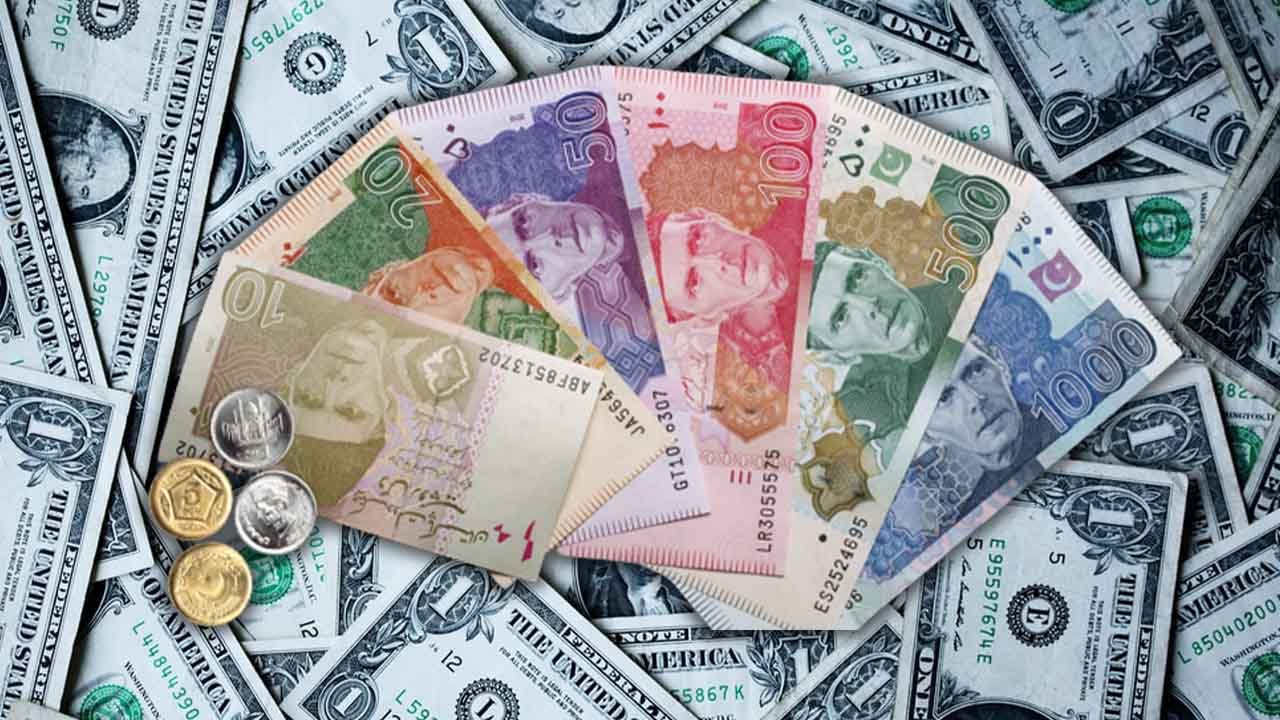
    In the aftermath of securing last-minute funding from the International Monetary Fund (IMF), the Pakistani rupee exhibited a substantial gain of Rs15 against the US dollar in the interbank market on Tuesday.

    As reported by the Forex Association of Pakistan, the local currency’s exchange rate appreciated to Rs271 around 10 am. It is worth noting that the rupee had closed at 285.99 against the dollar on June 27, with trading activities suspended due to the Eid holidays last week and a bank holiday on Monday.

    This positive development follows a previous record-high exchange rate of Rs290.93 reached on May 11. Since then, the dollar has experienced a considerable decline of more than Rs23.

    The anticipated 3 per cent appreciation of the rupee has been realised, but the sustainability of these gains will be verified in the days ahead. The government has indicated that the partial funds from the IMF deal will be disbursed by mid-July.

    Additionally, the government has expressed confidence in securing approximately $4 to $5 billion from Saudi Arabia, the United Arab Emirates, and the Islamic Development Bank. These additional funds would contribute to resolving the dollar liquidity issues.

    The strength and stability of the rupee are likely to be maintained if these payments materialise. However, any delays could potentially increase pressure on the currency.

    According to the government’s projections, Pakistan’s reserves are expected to increase to $14 billion by August. Should this estimation hold true, it is anticipated that the rupee will stabilise around the range of 270 to 280, as suggested by experts.

  • Govt expected to hike gas prices by 50%, electricity by Rs4 per unit for IMF deal

    Govt expected to hike gas prices by 50%, electricity by Rs4 per unit for IMF deal

    Pakistan is expected to increase gas sale prices by 45-50 per cent and electricity base tariffs by Rs3.50 to over Rs4 per unit for the fiscal year 2023-24.

    These adjustments must be notified before the upcoming meeting of the International Monetary Fund’s (IMF) Executive Board on July 12.

    According to reports, this increase in energy prices is necessary to pave the way for the $3 billion programme agreed upon under the Stand-By Arrangement (SBA) with the IMF at the staff level.

    Earlier, the Oil and Gas Regulatory Authority (Ogra) announced an increase of 50 per cent (Rs415.11 per MMBTU) for consumers of the Sui Northern Gas Pipeline Limited (SNGPL), bringing the subscribed gas price to Rs1,238.68 per MMBTU.

    Additionally, the regulator raised the gas price by 45 per cent (Rs417.23 per MMBTU) for consumers of the Sui Southern Gas Company Limited (SSGCL) for the fiscal year 2023-24. However, the government has yet to officially notify the increase in gas prices for the upcoming financial year.

    The SNGPL has an accumulated shortfall of Rs560.378 billion up to FY23, while Sui Southern has a shortfall of Rs97.388 billion. The federal government had previously notified the increase in gas sale prices based on different categories from January 1, 2023.

    As per the existing policy, high-end consumers subsidise the gas prices for low-end consumers. It is likely that the government will continue this policy, with high-end consumers paying the gas price for low-end consumers starting from July 1, 2023.

    According to The News, the entire energy sector is currently burdened by circular debt, which amounts to over Rs4,300 billion. This debt is divided between the oil and gas sector, with Rs1,700 billion, and the power sector, with Rs2,600 billion.

    The IMF emphasises the need for Pakistan to make the energy sector viable and sustainable, which requires increasing the base tariff for the fiscal year 2023-24.

  • Pakistan’s inflation rate drops to 29.40% in June: Citizens’ purchasing power remains under pressure

    Pakistan’s inflation rate drops to 29.40% in June: Citizens’ purchasing power remains under pressure

    The Pakistan Bureau of Statistics (PBS) has released the latest data on the country’s inflation rate for June, indicating a slight decline compared to May. According to the report, the inflation rate for June stood at 29.40 per cent, showing an increase of 8.1 per cent compared to the same period last year.

    Although there was a marginal improvement from the inflation rate of 38 per cent reported in May, the country still faces significant challenges due to high inflation. This persistent inflationary environment continues to erode the purchasing power of citizens, affecting their ability to afford basic necessities.

    Analysing the data further, the report highlights that inflation in urban areas was recorded at 27.3 per cent, while agricultural communities experienced an even higher inflation rate of 32.4 per cent. These figures emphasise the vulnerability of rural areas and the agricultural sector to the rising cost of living.

    Comparing the current situation with that of the previous year, the Bureau of Statistics reveals a substantial year-on-year increase. In June of the previous year, the inflation rate was 21.3 per cent, further underscoring the severity of the current inflationary crisis.

  • Pakistan Stock Exchange gains over 2,300 points on revived investor confidence after signing IMF agreement

    Pakistan Stock Exchange gains over 2,300 points on revived investor confidence after signing IMF agreement

    The Pakistan Stock Exchange (PSX) experienced a substantial increase of over 2,300 points on Monday, fueled by renewed investor confidence after the signing of a staff-level agreement between Pakistan and the International Monetary Fund (IMF) on Friday.

    At 12:00 pm, the benchmark KSE-100 index of the Pakistan Stock Exchange surged by 2,381 points, currently trading at 43,833 points.

    Market experts attribute this bullish trend in the PSX to the revival of the loan programme with the international lender.

    Last week, Pakistan officially signed a staff-level agreement worth $3 billion with the International Monetary Fund (IMF). The signing ceremony took place in Lahore and was attended by Prime Minister Shehbaz Sharif, Finance Minister Ishaq Dar, and Information Minister Marriyum Aurangzeb.

    The International Monetary Fund (IMF) announced the successful completion of a “Stand-By Arrangement” between the global financial institution and Pakistan.

    The staff-level agreement, valued at $3 billion for a duration of 9 months, was reached through virtual negotiations conducted by IMF Mission Chief Nathan Porter and his team, who maintained continuous communication with Pakistani authorities.

    The final approval of this agreement will be granted by the IMF’s executive board, expected to occur in mid-July. Once approved, Pakistan will be eligible to receive the $3 billion loan.

  • Govt increases levy on petrol to Rs55 per litre, maintains Rs50 levy on diesel

    Govt increases levy on petrol to Rs55 per litre, maintains Rs50 levy on diesel

    In a recent development, the government has decided to raise the petroleum development levy (PDL) on petrol in accordance with a staff-level agreement worth $3 billion signed with the International Monetary Fund (IMF).

    Starting from today, the PDL on petrol will be increased from Rs50 to Rs55 per litre, while there will be no change in the development levy on high-speed diesel (HSD), which remains at Rs50 per litre.

    The announcement was made by Finance Minister Ishaq Dar, who clarified that petrol prices would not be affected by this decision. However, diesel prices will see an increase of Rs7.50 for the next two weeks, with the new price becoming effective from July 1.

    Minister Dar emphasised this during a late-night press conference, ensuring that there would be no change in the price of petrol.

    To enable this adjustment, the government sought the power to amend the Petroleum Products (Petroleum Levy) Ordinance, 1961 (XXV of 1961) through the Finance Act 2023-24. This amendment grants the government the authority to increase the petroleum levy, eliminating the requirement for parliamentary approval to determine the maximum limit of the levy.

    According to The News, the Ministry of Finance shared with the Senate Standing Committee on Finance that the PDL has been set at Rs60 per litre, aiming to generate revenue of Rs879 billion in the upcoming fiscal year. This target surpasses the revised target of Rs542 billion for the previous financial year, which concluded on June 30, 2023.

  • Govt keeps petrol price unchanged, implements Rs7.50 hike in diesel rate

    Govt keeps petrol price unchanged, implements Rs7.50 hike in diesel rate

    The Finance Minister, Ishaq Dar, announced that the price of petrol will remain unchanged while the price of diesel will see an increase of Rs7.50 per litre for the next fortnight. 

    During a late-night press conference, Minister Dar clarified that there would be no adjustments made to the price of petrol, but the price of diesel would experience a rise of Rs7.50 per litre. The revised price for diesel will take effect from 12:00 am on July 1.

    As per the government’s announcement, the existing price of petrol, as of June 30, 2023, will be maintained at Rs262 per litre. There will be no change in the petrol price. 

    On the other hand, the existing price of diesel, also as of June 30, 2023, stands at Rs253 per litre. However, starting from July 1, 2023, the new price for diesel will be Rs260.50 per litre, reflecting an increase of Rs7.50 per litre.

    It is worth noting that earlier reports had indicated a potential increase of Rs5 in the Petroleum Development Levy (PDL) for both petrol and diesel, scheduled to be implemented on July 1. 

    The government had been considering raising the petroleum levy from Rs50 to Rs55 per litre for both fuels. The adjustment in the PDL is set to commence at the start of the next fiscal year.

    To enable this change, the government has sought the authority to amend the Petroleum Products (Petroleum Levy) Ordinance, 1961 (XXV of 1961), specifically in the Fifth Schedule, column (1), through the Finance Act 2023-24. This amendment grants the government the power to adjust the petroleum levy as required.

  • IMF’s $3 billion stand-by arrangement expected to bolster Pakistan’s economy and restore investor confidence

    IMF’s $3 billion stand-by arrangement expected to bolster Pakistan’s economy and restore investor confidence

    Pakistan and the International Monetary Fund (IMF) have achieved a significant milestone with the announcement of a staff-level agreement (SLA) on a $3 billion stand-by arrangement (SBA).

    Nathan Porter, the IMF’s Mission Chief to Pakistan, expressed his satisfaction, stating that the IMF team has reached a staff-level agreement with the Pakistani authorities on a nine-month Stand-by Arrangement (SBA) in the amount of SDR2,250 million (about $3 billion or 111 per cent of Pakistan’s IMF quota).

    The Pakistani economy has been facing multiple challenges since the completion of the seventh and eighth reviews under the 2019 Extended Fund Facility (EFF) in August 2022. The country has experienced external shocks, including devastating floods in 2022 that affected millions of Pakistanis, as well as a surge in international commodity prices due to the conflict in Ukraine involving Russia.

    These shocks, combined with certain policy missteps such as constraints on the foreign exchange market, have resulted in a stagnant economic growth rate. Furthermore, inflation, particularly for essential items, has risen significantly.

    Despite the authorities’ efforts to reduce imports and the trade deficit, foreign reserves have declined to alarmingly low levels. The power sector is also facing liquidity issues, with mounting arrears (circular debt) and frequent load shedding.

    The newly established stand-by arrangement (SBA) will serve as a critical support mechanism for the Pakistani government in stabilising the economy and mitigating the impact of recent external shocks. It aims to maintain macroeconomic stability while providing a framework for financial assistance from both multilateral and bilateral partners.

    The $3 billion funding for a duration of nine months has exceeded expectations and will contribute to restoring investor confidence. The uncertainty surrounding the upcoming change in government after June 2023 has been alleviated to a considerable extent. The agreement also opens avenues for social and development spending by improving domestic revenue generation and ensuring careful execution of expenditures to address the needs of the Pakistani people.

    The successful implementation of steadfast policies is paramount for Pakistan to overcome its current challenges. This includes demonstrating greater fiscal discipline, adopting a market-determined exchange rate to absorb external pressures, and making further progress on reforms, particularly in the energy sector, to enhance climate resilience and improve the business climate.

    Given the formidable obstacles faced by Pakistan, the newly established stand-by arrangement (SBA) serves as both a policy anchor and a platform for financial support from multilateral and bilateral partners in the foreseeable future.