Category: Business

The most important business news, explained in a young, easy to understand way. News that affects young career professionals.

  • IMF criticises Pakistan’s budget for FY24, urges govt to enhance revenue generation

    IMF criticises Pakistan’s budget for FY24, urges govt to enhance revenue generation

    The Ministry of Finance high-ups informed the Senate Standing Committee on Finance and Revenues that the International Monetary Fund (IMF) has expressed serious objections regarding the budgetary framework for 2023-24. 

    The IMF has urged the government to increase both tax and non-tax revenues. 

    A senior Ministry of Finance official acknowledged the IMF’s dissatisfaction with the budgetary framework and stated that they would need to defend the proposal to raise the petroleum development levy to Rs869 billion for the next fiscal year, compared to the revised estimate of Rs542 billion for the current financial year.

    However, the senators strongly opposed the Ministry of Finance’s intention to bypass parliamentary approval and empower the government to amend the Petroleum Levy Ordinance 1961 in order to raise the petroleum levy beyond Rs50 per litre. The government plans to increase the levy to Rs60 per litre in accordance with the consumption pattern in the country, as outlined in the Finance Bill 2023-24.

    Additionally, the Senate panel rejected the proposed imposition of a 0.6 per cent advance tax on cash withdrawals exceeding the limit of Rs50,000 and suggested raising the tax rate to 1% while reducing the limit to Rs25,000 for non-filers. The panel also recommended changes to the tax rates for Super Tax, proposing a reduction in the maximum rate from 10 per cent to 8 per cent for the highest income bracket.

    The Securities and Exchange Commission of Pakistan (SECP) expressed severe concerns about the increased risk of money laundering resulting from the raised monetary limit of foreign remittances from five million rupees to $100,000. SECP Commissioner Abdul Rehman Warraich informed the Senate committee that the Federal Board of Revenue (FBR) is unable to inquire about the source of investment or income under Section 111 of the Income Tax Ordinance 2001. 

    Similarly, the FBR cannot investigate tax evasion based on the source of remittance under the same section. It is worth noting that Section 111 taxes unexplained income except foreign remittances entering Pakistan.
  • Shell Pakistan’s parent company to exit ownership, announces sale of stake

    Shell Pakistan’s parent company to exit ownership, announces sale of stake

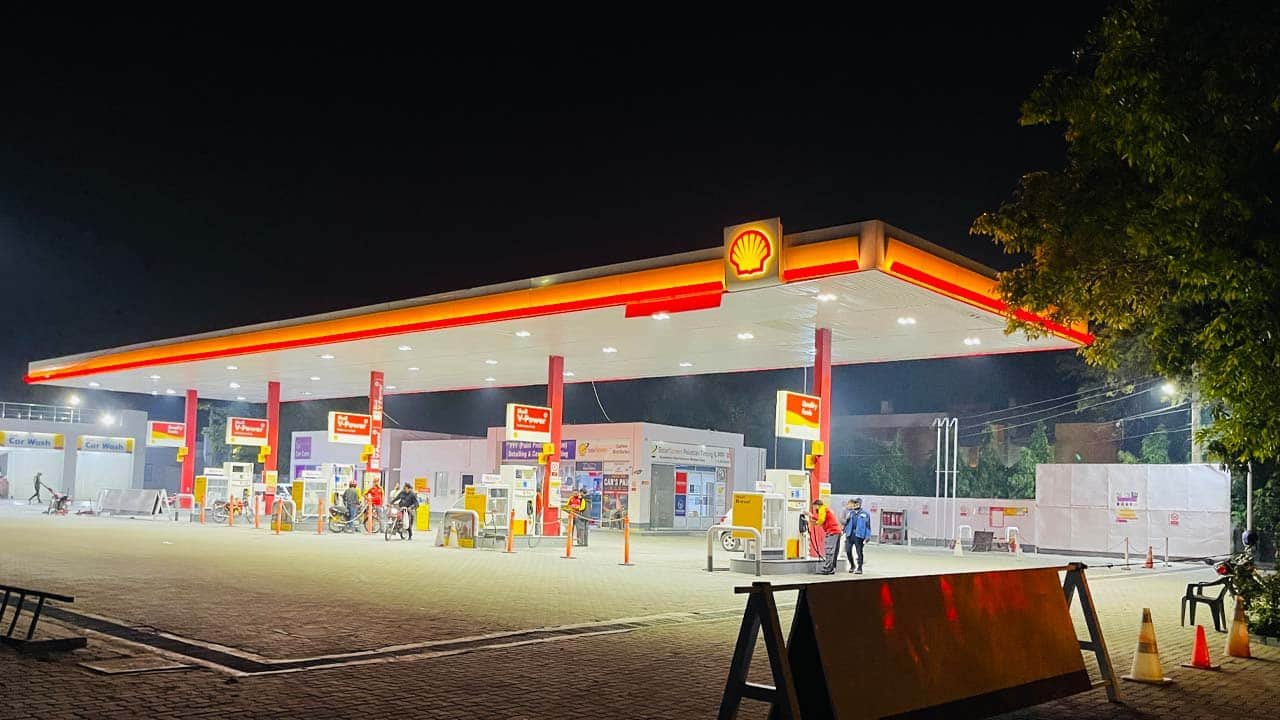
    Shell Pakistan Limited (SPL) announced on Wednesday that its parent company, Shell Petroleum Company Limited (SPCo), has communicated its intention to divest its ownership stake in SPL. The notification was conveyed by SPCo to the Board of Directors of Shell Pakistan Limited during a meeting held on June 14, 2023. The announcement was promptly disseminated to the Pakistan Stock Exchange (PSX) by Shell Pakistan.

    The potential sale of shares is contingent upon a targeted sales process, the completion of binding documentation, and obtaining the requisite regulatory approvals. It should be noted that SPL operates as a subsidiary of Shell Petroleum Company Limited, United Kingdom, which is itself a subsidiary of Royal Dutch Shell Plc—a globally renowned energy and petrochemical conglomerate.

    Shell Pakistan Limited engages in the marketing of petroleum products, compressed natural gas, and a diverse range of lubricating oils. While this development signifies a change in ownership, Shell Pakistan has emphasised that its ongoing business operations will remain unaffected and continue as usual. The company remains fully committed to ensuring the provision of safe and reliable services to its valued customers and partners.

    In the previous month, Shell Pakistan Limited released its financial results for the first quarter of 2023, which were significantly impacted by the prevailing economic crisis in the country. The company reported a substantial loss of Rs4.6 billion, in contrast to a profit after tax of Rs2 billion in the corresponding period last year. This downturn can be attributed to the unprecedented devaluation of the Rupee, escalating inflation, and broader macroeconomic uncertainties.

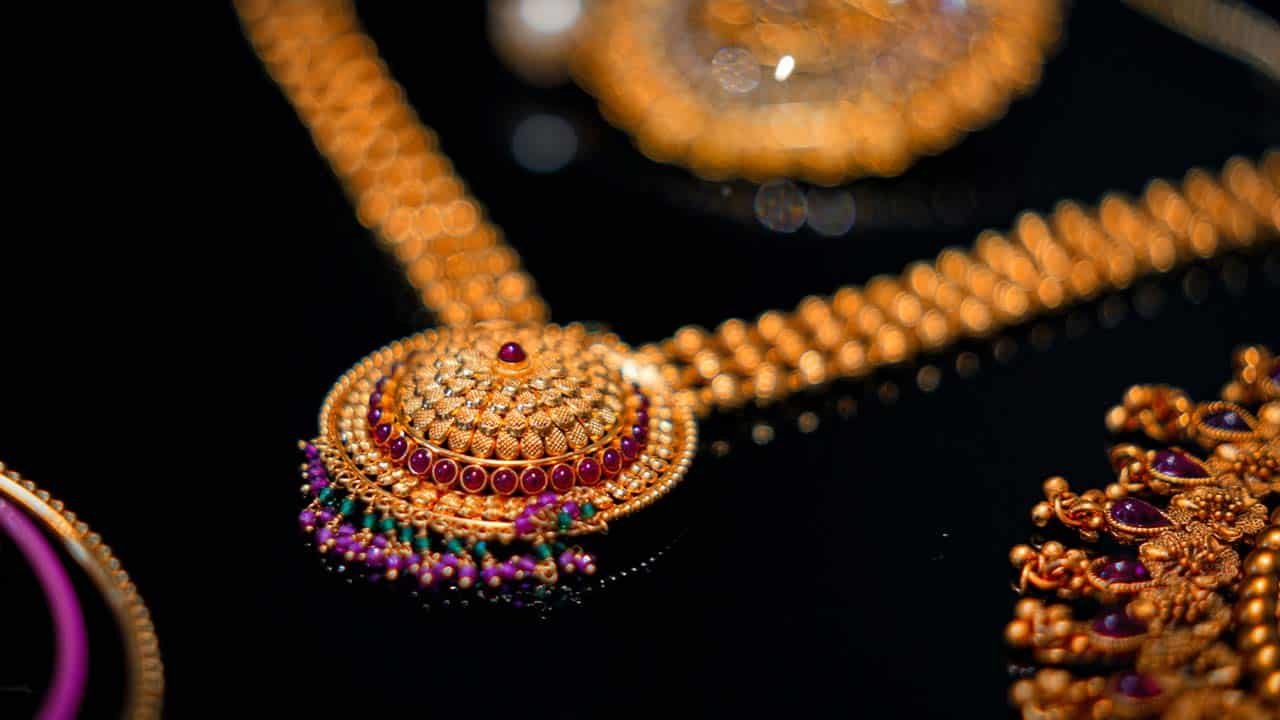
  • Gold price in Pakistan drops by more than Rs5,700 per tola in two days

    Gold price in Pakistan drops by more than Rs5,700 per tola in two days

    On Tuesday, the price of gold in Pakistan continued its downward trend, influenced by post-budget concerns and the impending cyclone Biparjoy, resulting in a deserted market. The All Pakistan Sarafa Gems and Jewellers Association (APSGJA) provided data indicating a decrease in the price of gold (24 carats) by Rs4,000 per tola and Rs3,430 per 10 grams, reaching Rs221,500 and Rs189,900, respectively.

    Internationally, the price of gold experienced a $2 decline, settling at $1,961 per ounce. Over the past two sessions, the cumulative decline in the prices of this precious commodity amounted to Rs5,750. Moreover, it is worth noting that gold is priced Rs4,000 per tola lower in Pakistan compared to the Dubai market.

    The fluctuating gold rates in Pakistan can be attributed to ongoing political and economic uncertainty, high inflation, and currency depreciation. During such times, individuals tend to consider gold as a safe investment and a hedge. Tuesday’s market witnessed a significant decline due to various factors, including international rates, dollar depreciation, cyclone Biparjoy, and unfavorable weather conditions that deterred buyers from venturing out.

    Data from the association indicated that the price of silver remained unchanged at Rs2,650 per tola and Rs2,271.94 per 10 grams. Furthermore, the local currency experienced a decrease of Rs0.34 or 0.12 per cent against the US dollar, concluding the day at Rs287.97 in the interbank market.

  • Inventory shortage forces Pak Suzuki to extend motorcycle plant shutdown

    Pak Suzuki Motor Company (PSMC) has officially announced the extension of the shutdown of its motorcycle plant until June 16, 2023. The decision was conveyed to the Pakistan Stock Exchange (PSX) through a notice on Tuesday. The company attributed this action to ongoing government restrictions on imports, which have negatively impacted the automotive industry and resulted in a shortage of inventory.

    The notice stated, “Due to shortage of inventory level, the management of the company has decided to shut down motorcycle plant from June 12, 2023 to June 16, 2023.” However, the automobile plant will continue its operations as usual.

    Previously, PSMC had temporarily closed its motorcycle plant until June 10, 2023, due to a shortage of raw materials. Furthermore, both the automobile and motorcycle plants had experienced a shutdown from May 2 to May 9. Similarly, the automobile plant underwent closure from April 7 to April 28.

    As an assembler, manufacturer, and marketer of Suzuki cars, pickups, vans, 4x4s, motorcycles, and related spare parts, PSMC plays a crucial role in the automotive sector. The Suzuki brand, originating from Japan, holds prominence in the company’s product lineup.

    Earlier in April, PSMC reported its highest-ever quarterly loss of Rs12.9 billion for the first quarter of 2023. The decline in sales and substantial finance costs were cited as contributing factors. In comparison, the company had incurred a loss of Rs460.227 million during the same period last year.

    The auto industry in Pakistan is currently grappling with numerous challenges. Indus Motor Company Limited and Honda Atlas Cars, two other prominent listed companies, have also halted production in recent months due to economic hardships.

    The country’s auto sector heavily relies on imports, making it particularly vulnerable to the government’s import restrictions and the tightening of Letters of Credit iissuance. Furthermore, soaring finance costs and significant increases in car prices have dampened consumer demand.

  • Massive reduction in petrol price expected as Pakistan aims for one-third crude oil import from Russia

    Massive reduction in petrol price expected as Pakistan aims for one-third crude oil import from Russia

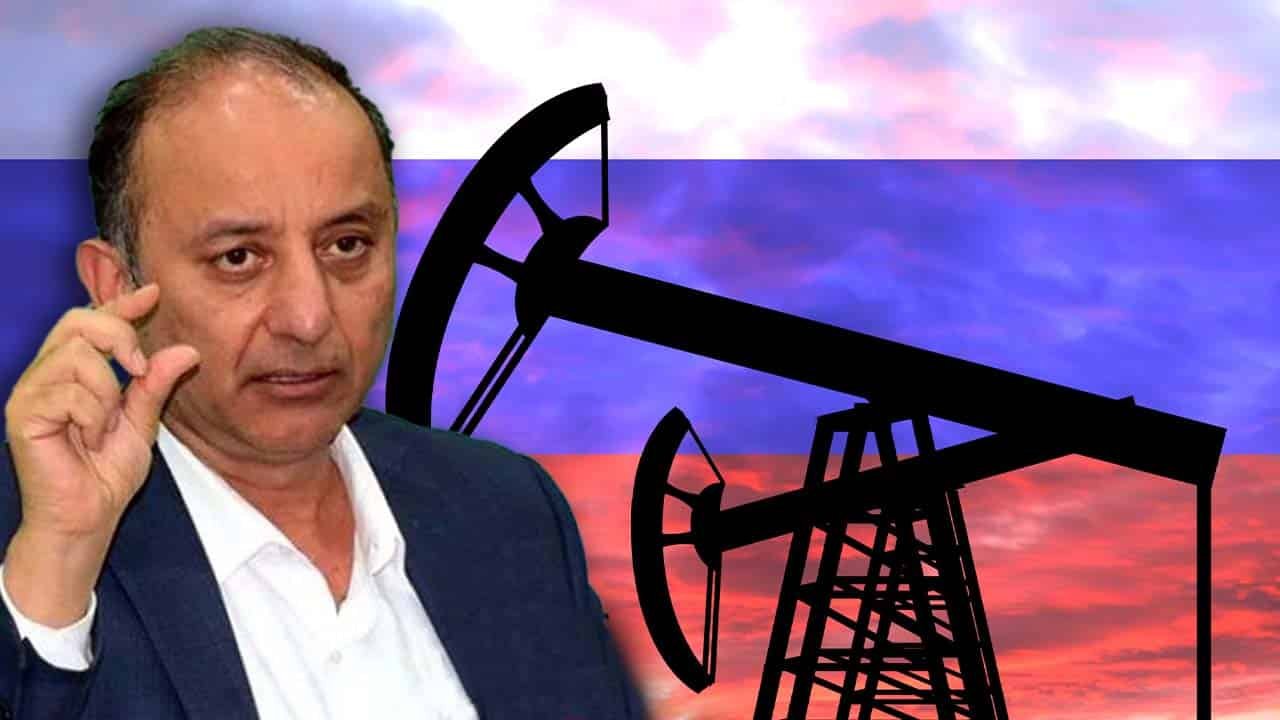
    Minister of State for Petroleum, Musadik Malik, has announced that the prices of petroleum products will witness a decrease once a continuous supply of oil from Russia is ensured.

    Speaking to a private news channel, Malik highlighted the substantial difference in prices that will benefit the masses once Pakistan starts fulfilling one-third of its domestic oil needs through imported Russian oil. He stated, “Our target is to obtain one-third of crude oil from Russia at a discounted rate. When we achieve this objective, petroleum products will be available at a cheaper price.”

    In response to a question about the expected decrease in fuel prices, Malik said, “I am unable to divulge the precise pricing details at this moment. However, it will lead to a significant difference.”

    While the state minister refrained from disclosing the current price, he emphasised that a substantial reduction in price would occur. He also mentioned that the first oil cargo has already arrived in Karachi, and the government is focused on maintaining a steady supply of Russian oil.

    The current deal involves 100,000 metric tonnes of oil, with the second consignment scheduled to arrive at the port next week.

    When asked about the possible effects of buying Russian oil and any potential issues at the global level, Malik expressed confidence that adhering to agreements and maintaining transparency would prevent any complications. He underscored the importance of responsible international engagement.

    Previously, Prime Minister Shehbaz Sharif expressed his fulfillment of another promise made to the nation, stating that the arrival of the first-ever Russian oil cargo marks the beginning of a new relationship between Pakistan and the Russian Federation. He described the day as transformative and emphasised the country’s commitment to achieving prosperity, economic growth, and energy security.

    Following its docking at the port, the authorities have commenced the process of transferring the Russian crude from the oil tanker to the Pakistan Refinery Limited for further processing and extraction of various final products. The transportation of crude oil to the facility is expected to be completed within the next 24 to 36 hours.

    It is worth noting that this is the first time Russian crude oil is being treated in Pakistan. The determination of the actual price of petroleum products in Pakistan will be possible only after the completion of the processing of this imported oil.

  • Sindh govt allocates Rs10 billion for buying 500 hybrid buses

    Sindh govt allocates Rs10 billion for buying 500 hybrid buses

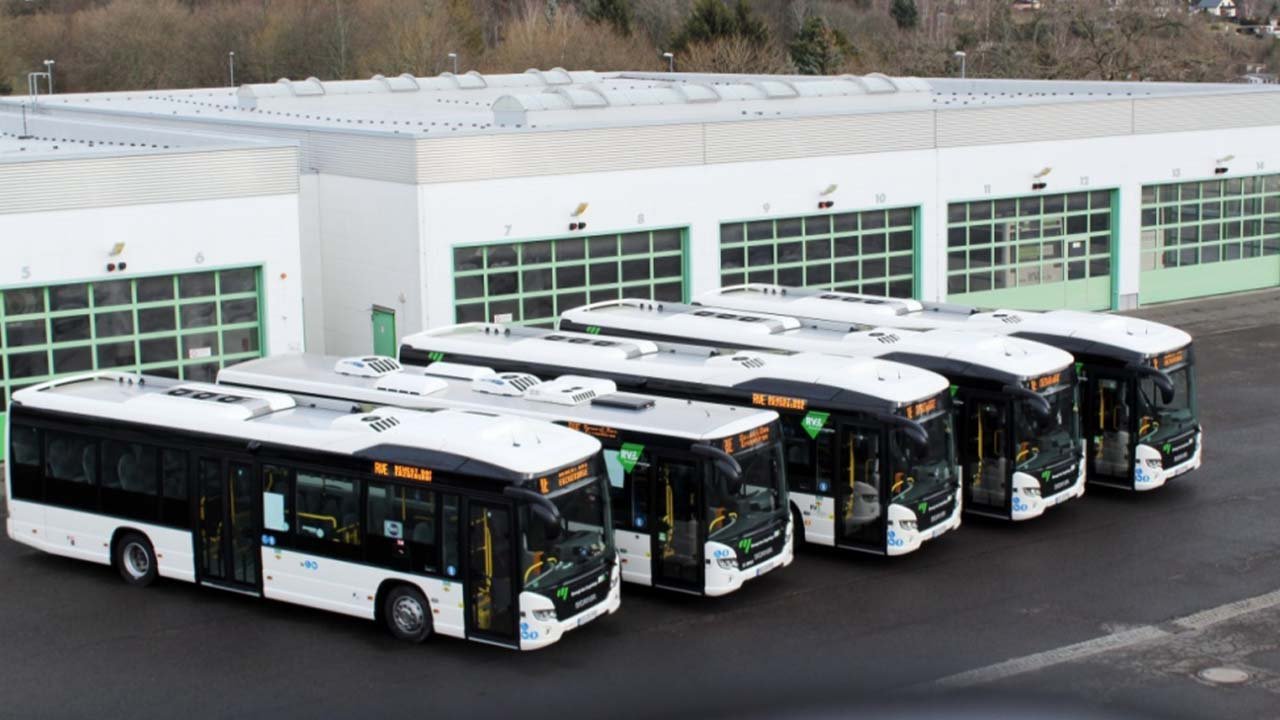
    The Sindh government, under the leadership of Chief Minister Murad Ali Shah, has taken a significant step towards enhancing the public transportation system by allocating a substantial amount of Rs10 billion in the provincial budget for the fiscal year 2023-24. This allocation is specifically aimed at procuring 500 hybrid buses, which are known for their superior environmental performance and fuel efficiency.

    In addition to the allocation for hybrid buses, the provincial Transport Department has been granted a total of Rs13.4 billion. Within this allocation, Rs6.1 billion has been earmarked for the development of the ‘Intra-District Peoples’ Bus Service,’ which will greatly benefit commuters within the province. Furthermore, Rs2 billion has been dedicated to the maintenance of transport infrastructure, ensuring the sustainability and longevity of the transportation network.

    Recognising the importance of expanding the reach of public transportation, the PPP-led government has also allocated Rs600 million for the establishment of new routes. This investment will provide greater accessibility and convenience to the residents of Sindh.

    Moreover, keeping in mind the needs of the employees at the Sindh secretariat, the government plans to initiate three new routes from the following year, with a budget provision of Rs6 million. This initiative reflects the government’s commitment to improving the transportation options available to its citizens and creating a conducive work environment for the public servants.

    During the budget session in the Sindh Assembly, Chief Minister Syed Murad Ali Shah, who also serves as the Finance Minister, presented the overall budget for the fiscal year 2023-24. The total outlay of the budget for the province is estimated at an impressive Rs2244 billion, reflecting the government’s dedication to promoting growth and development across various sectors.

    The decision to procure hybrid buses stands out as a commendable choice by the Sindh government. Hybrid buses offer numerous advantages over conventional buses, particularly in terms of environmental impact and cost savings. By utilising both an internal combustion engine and an electric motor, hybrid buses significantly reduce harmful emissions, making them more environmentally friendly.

    Additionally, their fuel efficiency leads to lower operational costs, saving valuable resources in the long run. These hybrid buses will not only provide a reliable and comfortable mode of transportation but also contribute to a cleaner and more sustainable future for the residents of Sindh.

    Overall, the budget allocation for the procurement of hybrid buses showcases the Sindh government’s commitment to modernising public transportation and promoting sustainable practices. It is a positive step towards enhancing the quality of life for the people of Sindh and reducing the carbon footprint of the province.

  • ‘No need to panic’: PM Shehbaz hopes Pakistan and IMF will sign deal this month

    ‘No need to panic’: PM Shehbaz hopes Pakistan and IMF will sign deal this month

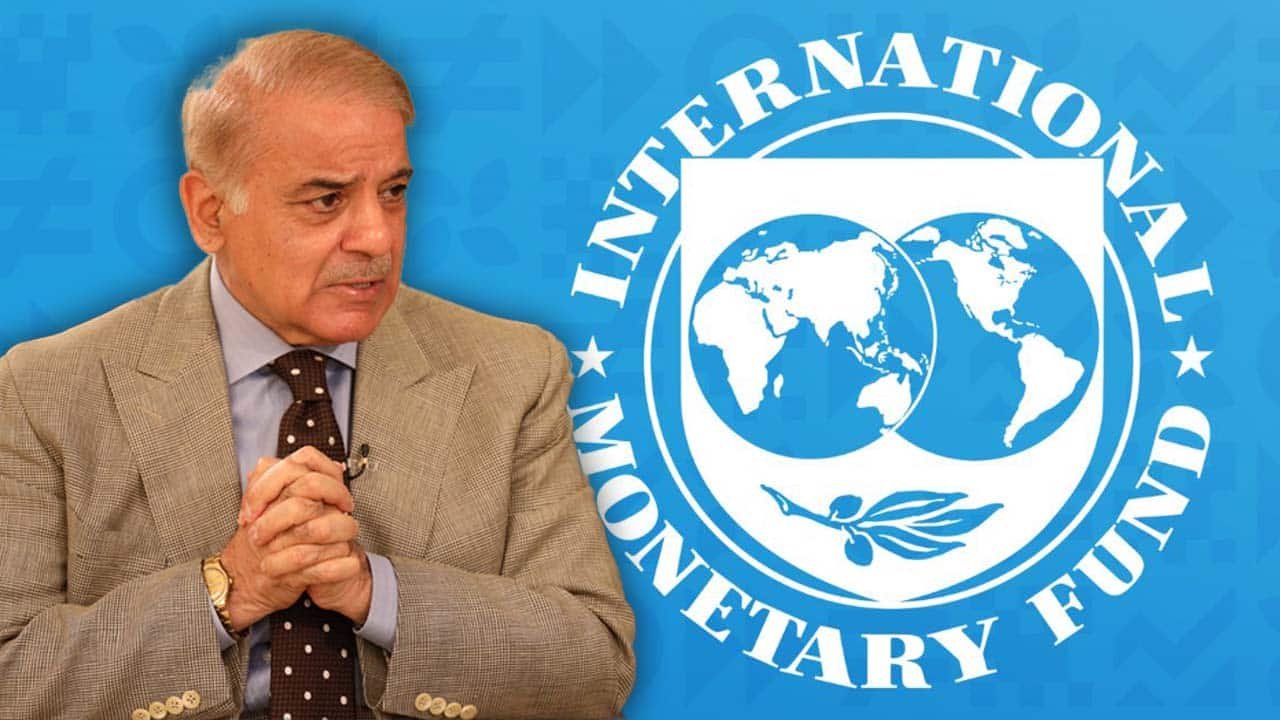
    Prime Minister Shehbaz Sharif reiterated on Sunday that Pakistan has successfully fulfilled all the prerequisites set by the International Monetary Fund (IMF) to revive the halted bailout program. He expressed confidence that no obstacles remain in finalising a staff-level agreement between the nation and the IMF, emphasising that Pakistan is committed to resolving its financial challenges.

    During the inauguration of the Sabzazar Sports Complex in Lahore, Prime Minister Shehbaz hinted at a contingency plan, stating, “If there are further delays in reaching an agreement with the IMF, I will address the situation.” He urged the public not to panic, assuring them that Pakistan will be safeguarded by the divine will of Allah. He expressed hope that the government and the IMF will achieve a staff-level agreement within the current month.

    Highlighting the significance of political stability, the Prime Minister emphasised its crucial role in ensuring economic stability. He pledged to bring about economic prosperity in the country under the leadership of PML-N supremo Nawaz Sharif.

    In strong criticism of the former ruling party, Prime Minister Shehbaz held deposed Prime Minister Imran Khan responsible for the events of May 9 and vowed to bring all those involved in the violent protests and attacks on civil and military installations to justice.

  • First-ever discounted Russian crude oil cargo arrives in Karachi

    First-ever discounted Russian crude oil cargo arrives in Karachi

    Under a newly established agreement between Islamabad and Moscow, the inaugural shipment of discounted Russian crude oil arrived in Karachi on Sunday, marking the beginning of enhanced trade relations between the two nations.

    Departing from Russia over a month ago, the oil cargo reached Pakistan via Oman. Officials announced that the unloading process would commence on Monday, with the oil undergoing processing at the Pakistan Refinery Limited (PRL).

    During its lengthy voyage, the 100,000 metric ton oil shipment was divided into two parts in Oman due to the Karachi port’s limited capacity to accommodate larger vessels. Subsequently, two smaller ships, each carrying 50,000 metric tons of oil, embarked on their journey to Karachi.

    Upon the cargo’s arrival, Prime Minister Shehbaz Sharif expressed his enthusiasm on Twitter, describing Sunday as a “transformative day” and affirming the fulfillment of his commitment to the nation.

    He expressed the belief that these developments would contribute incrementally to prosperity, economic growth, energy security, and affordability. The Prime Minister further recognised and commended all those involved in this national endeavor who helped turn the promise of Russian oil imports into reality.

    Sources indicate that this Russian oil shipment will not be subject to the existing domestic oil pricing mechanism in the country. Consequently, the PRL will assume the benefits or losses associated with the Russian oil. Additionally, the sources stated that this shipment serves as a test case to evaluate the quality of the crude oil and the ratio of refined products. A report will be submitted to the federal government to inform future decisions regarding long-term commercial oil agreements.

    Pakistan had secured its order for the initial cargo of Russian crude oil at a discounted rate of up to $18 per barrel. Following the Platts crude oil prices, Islamabad applied a discount ranging from $16 to $18 per barrel, according to insider information.

  • Budget 2023-24: How much tax will you pay on your salary?

    Budget 2023-24: How much tax will you pay on your salary?

    Finance Minister Ishaq Dar presented a comprehensive budget proposal of Rs14.46 trillion for the fiscal year 2023-24, emphasising an expansionary approach. One of the key highlights of the proposal was a substantial increase in the salaries of government employees, aimed at providing much-needed relief.

    In order to ensure that the burden on the salaried class remained unchanged, the coalition government decided not to make any alterations to the existing tax slabs, which were approved in the previous year’s Finance Bill of 2022.

    Outlined below are the tax slabs for different income brackets:

    1. Income below Rs600,000 per year (Rs50,000 per month):

       – No tax will be deducted.

    2. Income between Rs600,000 to Rs1.2 million per year (Rs50,000 to Rs100,000 per month):

       – Tax will be levied at a rate of 2.5 per cent on the amount exceeding Rs600,000.

    3. Income between Rs1.2 million to Rs2.4 million per year (Rs100,000 to Rs200,000 per month):

       – Tax will be levied at a rate of Rs15,000 plus 12.5 per cent on the amount exceeding Rs1.2 million.

    4. Income between Rs2.4 million to Rs3.6 million per year (Rs200,000 to Rs300,000 per month):

       – Tax will be levied at a rate of Rs165,000 plus 20 per cent on the amount exceeding Rs2.4 million.

    5. Income between Rs3.6 million to Rs6 million per year (Rs300,000 to Rs500,000 per month):

       – Tax will be levied at a rate of Rs405,000 plus 25 per cent on the amount exceeding Rs3.6 million.

    6. Income between Rs6 million to Rs12 million per year (Rs500,000 to 1,000,000 per month):

       – Tax will be levied at a rate of Rs1.005 million plus 32.5 per cent on the amount exceeding Rs6 million.

    7. Income exceeding Rs12 million per year (exceeding Rs1,000,000 per month):

       – Tax will be levied at a rate of Rs2.955 million plus 35 per cent on the amount exceeding Rs12 million.

    These tax slabs have been carefully designed to ensure a fair and balanced approach to income taxation, considering various income brackets. By maintaining consistency with the previous year’s tax slabs, the government aims to alleviate the burden on the salaried class while still generating the necessary revenue for public welfare and development initiatives.

    Overall, the budget proposal presented by Finance Minister Ishaq Dar reflects the government’s commitment to supporting government employees and maintaining a progressive tax system that promotes economic growth and fairness.

    Tax slabs Annual income Monthly income Tax rate
    Slab 1 Below Rs600,000 Below Rs50,000 No tax deducted
    Slab 2 Rs600,000 – Rs1.2 million Rs50,000 – Rs100,000 2.5 per cent of the amount exceeding Rs600,000
    Slab 3 Rs1.2 million – Rs2.4 million Rs100,000 – Rs200,000 Rs15,000 + 12.5 per cent of the amount exceeding Rs1.2 million
    Slab 4 Rs2.4 million – Rs3.6 million Rs200,000 – Rs300,000 Rs165,000 + 20 per cent of the amount exceeding Rs2.4 million
    Slab 5 Rs3.6 million – Rs6 million Rs300,000 – Rs500,000 Rs405,000 + 25 per cent of the amount exceeding Rs3.6 million
    Slab 6 Rs6 million – Rs12 million Rs500,000 – Rs1,000,000 Rs1.005 million + 32.5 per cent of the amount exceeding Rs6 million
    Slab 7 Above Rs12 million Above Rs1,000,000 Rs2.955 million + 35 per cent of the amount exceeding Rs12 million