Category: Business

The most important business news, explained in a young, easy to understand way. News that affects young career professionals.

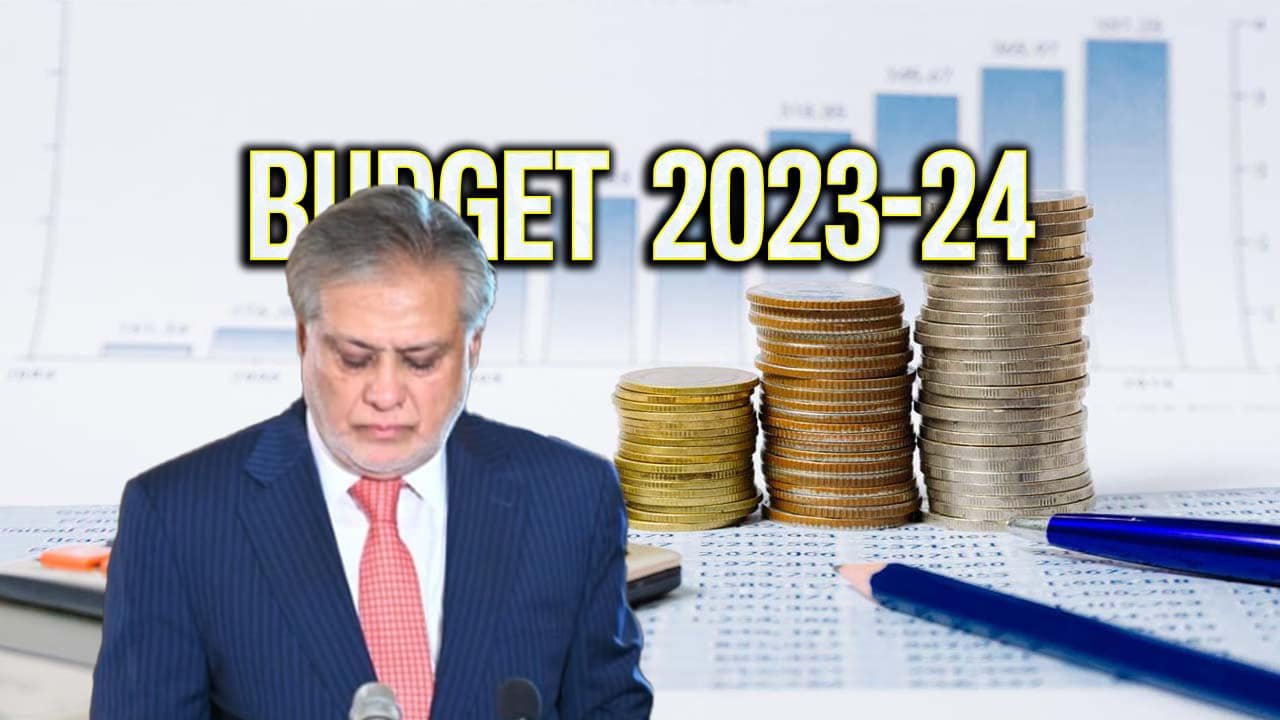
  • Budget 2023-24 prioritises promoting economic growth, says Ishaq Dar

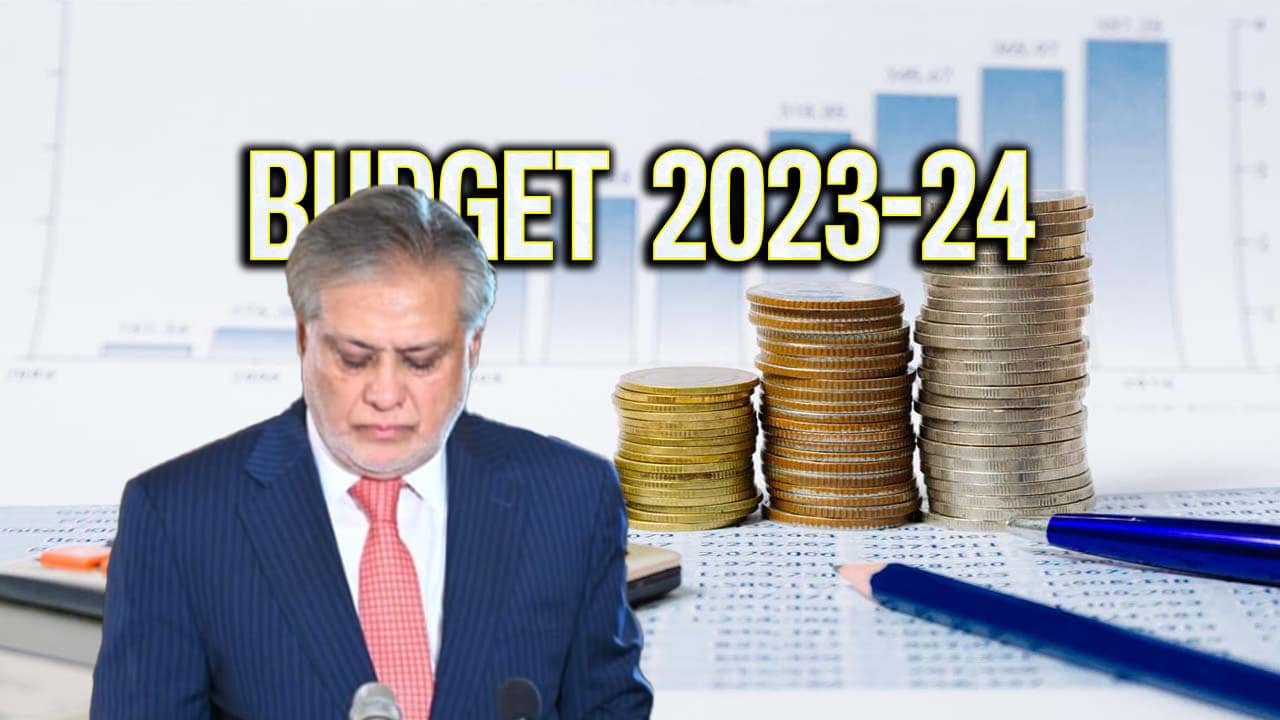
    Budget 2023-24 prioritises promoting economic growth, says Ishaq Dar

    Federal Minister for Finance and Revenue, Ishaq Dar, delivered a comprehensive assessment of the FY2023-24 budget during a post-budget press conference in Islamabad. He highlighted the distinctive nature of this budget compared to previous traditional budgets, emphasising its focus on fostering economic growth.

    Dar shared that the coalition government is committed to addressing the concerns of traders before finalising the federal budget in parliament. In order to accomplish this, he announced the formation of two committees to address business-related issues and technical matters.

    These committees, customary within the Federal Board of Revenue (FBR), will be established by the FBR chairman by Monday. Their purpose is to ensure comprehensive consideration of any overlooked aspects and provide a platform for individuals to voice genuine reservations.

    The finance minister refuted claims of introducing new taxes this year and emphasised the government’s efforts to provide substantial relief. He defended the allocation of Rs950 billion and Rs200 billion from the Public and Private Partnership mode, considering it a notable achievement. Dar reiterated the budget’s departure from traditional approaches, with a strong emphasis on fostering progress and economic growth.

    Dar expressed the government’s determination to rectify past economic losses by promoting employment opportunities, curbing inflation, and generating more jobs. Consequently, he anticipated a decrease in the policy interest rate.

    Read more: Govt allocates only Rs97 billion for education in budget 2023-24

    The minister projected inflation to be around 21 per cent in the upcoming fiscal year (2023-24), while estimating government expenditure at Rs14,040 billion.

    Addressing the power sector, Dar allocated over Rs1900 billion exclusively for its development. He stressed the importance of implementing necessary reforms to improve this sector. He also clarified that no new subsidies would be introduced in the renewable energy sector, despite its prominence in the budget.

    Furthermore, the minister addressed rumors regarding the withdrawal of edible oil, refuting such claims and affirming that no such action had been taken.
  • Govt allocates only Rs97 billion for education affairs and services in budget 2023-24

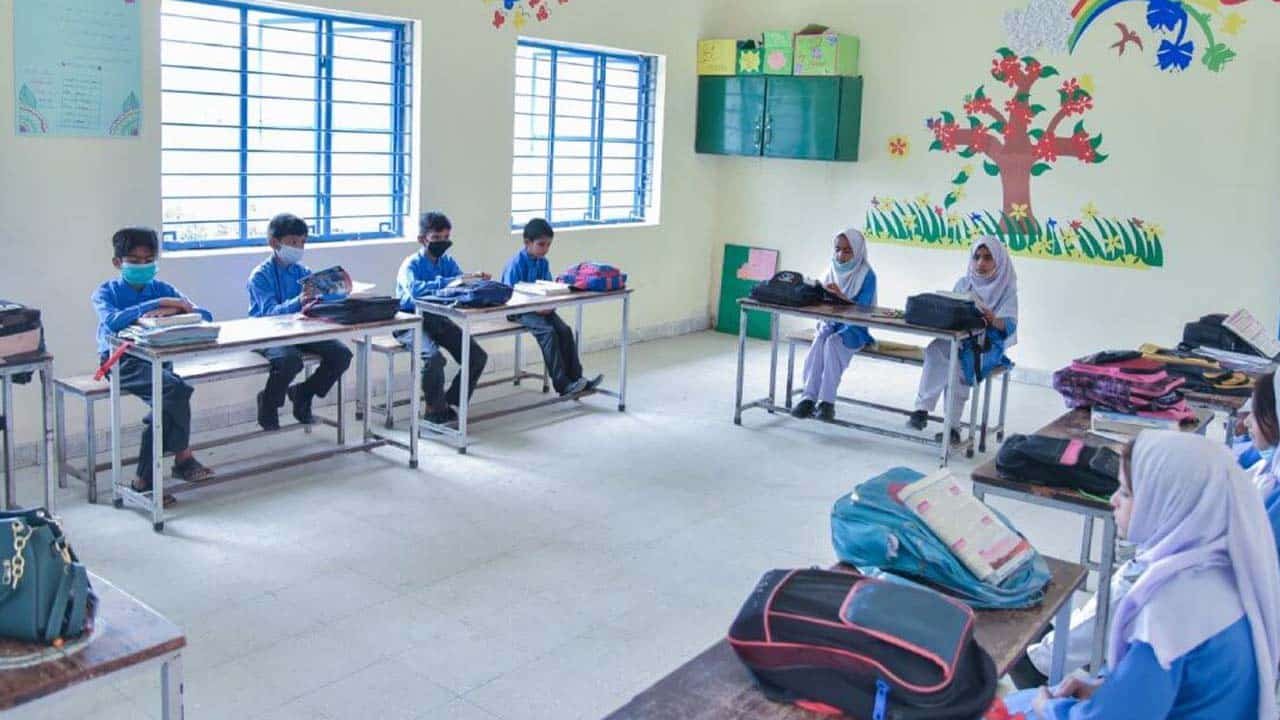
    Govt allocates only Rs97 billion for education affairs and services in budget 2023-24

    The federal government has designated a budget of only Rs97.098 billion for education affairs and services in the fiscal year 2023-24. This allocation reflects a 5.5 per cent increase compared to the revised allocation of Rs91.777 billion for the current fiscal year.

    Pakistan’s public expenditure on education, as a per centage of GDP, is estimated to be 1.7 per cent in the fiscal year 2022-23, a slight increase from 1.4 per cent in the previous year. However, this figure remains the lowest in the region.

    Of the total allocation, the bulk of expenditure amounting to Rs76.589 billion has been allocated for Tertiary Education Affairs and Services in the budget for 2023-24, accounting for 79 per cent of the total allocation under this category.

    Furthermore, the government has designated Rs4.468 billion for pre-primary and primary education affairs in the upcoming fiscal year, compared to Rs3.786 billion in 2022-23. Additionally, Rs10.778 billion has been earmarked for Secondary Education Affairs and Services in 2023-24, as opposed to Rs8.863 billion in the previous year.

    The budget for administration has also increased, with Rs3.698 billion allocated compared to the revised figure of Rs2.010 billion for 2022-23, which was later revised to Rs2.430 billion.

    Since the implementation of the 18th Constitutional Amendment, education has been devolved to the provinces, making the federal government primarily responsible for financing higher education.

    According to budget documents, the Higher Education Commission (HEC) has been allocated Rs59.71 billion under the Public Sector Development Programme (PSDP) for 2023-24, a significant increase from the previous year’s allocation of Rs44.718 billion.

  • Govt increases defence budget by 16% to Rs1.8 trillion

    Govt increases defence budget by 16% to Rs1.8 trillion

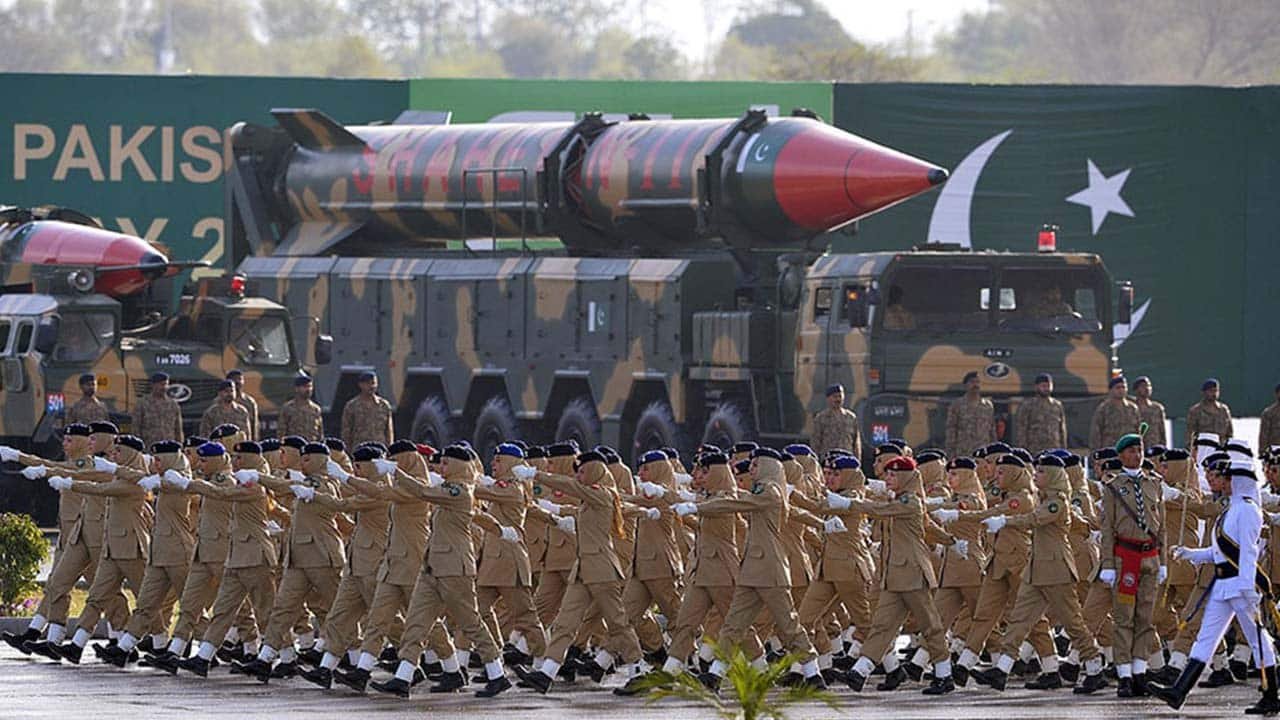
    In response to the prevailing internal and external security challenges faced by Pakistan, the federal government has put forward a proposal for a substantial 16 per cent rise in the defence budget. According to the budget document, the allocation for defence in the fiscal year 2023-24 is projected to be Rs1,804 billion, signifying an increase from the revised defence spending of Rs1,591 billion assigned for the outgoing fiscal year.

    Experts opine that the justification for a 15.7 per cent surge in the defence budget stems from the record inflation and devaluation of the rupee against the dollar witnessed over the past year. A detailed examination of the budget reveals that the figure of Rs1,804 billion excludes Rs563 billion designated for retired military personnel pensions, Rs280 billion for the armed forces development program and other crucial expenses, and Rs58 billion for UN peacekeeping missions.

    According to the 2023-24 budget document, out of the total defence allocation, Rs705 billion has been set aside for employee-related expenses, Rs442 billion for operational costs, Rs461 billion for local purchases and import of arms and ammunition, and Rs195 billion for civil works. Interestingly, all three branches of the military—the army, navy, and air force—have received equal budget increments, albeit with the army receiving the largest share due to its size and role.

    Pakistan’s defence spending currently accounts for 1.7 per cent of its GDP, representing a decline compared to the previous year. In the 2022-23 fiscal year, defence spending constituted around 2 per cent of the country’s GDP, which expanded due to the reevaluation of the economy.

    When comparing the average spending per soldier, Pakistan allocates $13,400, while India dedicates $42,000, Saudi Arabia $371,000, Iran $23,000, and the United States allots a substantial $392,000 annually. It is important to note, however, that the disparity lies in the significant disparity in the sizes of their respective economies compared to Pakistan’s.

    Defence expenditure has consistently been a topic of discussion, with some advocating for greater transparency and open debate regarding the military budget. In recent years, the government has provided more detailed information about the defence budget. Nevertheless, there has been no open parliamentary debate on the subject. Observers argue that the increase in the defence budget is warranted, considering the imminent external and internal security challenges faced by the country.

    Despite the withdrawal of US troops from neighbouring Afghanistan, Pakistan continues to deploy a substantial number of troops along its western border and erstwhile tribal areas to combat the threat of terrorism. Similarly, tensions persist between Pakistan and India, although the restoration of a ceasefire has provided some respite.

  • Govt employees of grades 1-16 to receive 35% salary raise in FY2023-24 budget

    Govt employees of grades 1-16 to receive 35% salary raise in FY2023-24 budget

    In response to the ongoing challenges posed by significant inflation, the federal cabinet has granted its approval to the budget proposals for the upcoming fiscal year 2023-2024.

    As part of these measures, the salaries of government employees will be enhanced by up to 35 per cent, based on the recommendations put forth by various stakeholders. This decision aims to alleviate the hardships faced by the less privileged segments of society.

    Furthermore, the government has sanctioned a 17.5 per cent increment in pensions for the fiscal year 2023-2024. Employees falling within grades 1-16 will benefit from a salary raise of 35 per cent, whereas those in higher grades, above grade 17, will experience a 30 per cent increase in their salaries. Moreover, the government has established a minimum wage of Rs32,000.

    In addition to salary adjustments, the Pay and Pension Commission has proposed a 100 per cent rise in medical and conveyance allowances for government employees, along with a 10 per cent increase in ad hoc allowances. These recommendations are being taken into careful consideration by the government.

    The approval of the budget proposals reflects the government’s commitment to address the economic challenges faced by the country and provide relief to its citizens.

  • Govt targets non-filers with 0.6% tax on cash withdrawals more than Rs50,000

    Govt targets non-filers with 0.6% tax on cash withdrawals more than Rs50,000

    The federal government has announced the implementation of a flat 0.6 per cent tax for individuals who are not listed on the Federal Board of Revenue’s (FBR) Active Taxpayer List (ATL). This taxation policy, as outlined in the budget documents, aims to facilitate the documentation of the economy.

    As per the official document, the government has chosen to impose a tax rate of 0.6 per cent on cash withdrawals exceeding Rs50,000.

    The primary objective behind this initiative is to record the cash withdrawal data of individuals who are not on the ATL and encourage them to increase their transactional expenditure. The intention is to attract more individuals to become part of the tax system.

    It is important to note that this legislation was previously in effect but was repealed by the previous administration through the Finance Bill 2021. However, certain significant measures introduced under the Finance Act 2022 to address non-compliance were not effectively enforced.

    Consequently, the government has now made the decision to strictly enforce these measures in order to enhance the country’s tax revenue.

  • Budget 2023-24: Finance Minister announces tax relief measures for IT sector and freelancers

    Budget 2023-24: Finance Minister announces tax relief measures for IT sector and freelancers

    In a recent announcement, the federal government has unveiled a series of measures aimed at fostering growth and investment in the freelancing and information technology (IT) sectors. The government has decided to implement a reduction in tax rates for investments in the IT sector, provide tax breaks to freelancers, and establish a favorable environment for investment by normalizing duty-free equipment provisions.

    During the budget presentation for the fiscal year 2023-24, Finance Minister Ishaq Dar highlighted the importance of the IT sector and its immense talent pool within the country. To support the growth of IT exports, the government plans to extend the current 0.25 per cent discounted income tax rate for the next three years.

    Recognizing the significance of banks in facilitating investment in the IT sector, the finance minister proposed a reduced tax rate of 20 per cent for banks involved in lending to this sector. This reduction aims to alleviate the burden on banks, as the existing tax rate for investments stands at 39 per cent.

    Additionally, the government has recommended providing Duty-Free Equipment privileges to incentivize investment in the IT sector. Moreover, the minister has suggested granting the industry the status of Small and Medium Enterprises (SMEs), enabling individuals to avail themselves of special and exclusive discounted income tax rates applicable to this sector.

    In a move to streamline processes for IT and IT-related services exporters, Minister Dar proposed the issuance of Automated Exemption Certificates to non-residents within 30 days. Furthermore, the government plans to reduce the Goods and Services Tax (GST) from 15 per cent to 5 per cent specifically for IT and ITeS services in the Islamabad Capital Territory (ICT).

    To support the freelancing community, Minister Dar recommended exempting individuals from the obligation of filing a sales tax return in order to benefit from the concessional rate of 0.25 per cent. Emphasizing the vital contribution of freelancers to the country’s foreign exchange earnings, the minister suggested that those whose IT and IT-enabled services exports were less than $24,000 in the previous fiscal year should be exempted from sales tax registration and allowed to file a simplified single-page income tax return.

    These measures underscore the government’s commitment to fostering a conducive business environment and encouraging investment in the freelancing and IT sectors, thereby facilitating economic growth and job creation.

  • Ishaq Dar to present Rs14.7 trillion budget for FY2023-24 today

    Ishaq Dar to present Rs14.7 trillion budget for FY2023-24 today

    Finance Minister Ishaq Dar is set to reveal the federal budget for the fiscal year 2023-24 today, with a proposed outlay of Rs14.7 trillion. The budget carries a higher consolidated budget deficit, exceeding 6 per cent of the GDP, and includes allocations for various targeted schemes aimed at attracting voters in the upcoming general elections.

    The government has established targets for tax collection by the Federal Board of Revenue (FBR) at Rs9.2 trillion, along with a non-tax revenue target of Rs2.7 trillion. To achieve the non-tax revenue target, the government plans to amend the finance bill, raising the petroleum development levy (PDL) from Rs50 per litre to Rs55-60 per litre. This adjustment aims to collect Rs870 billion in the next budget, as opposed to the revised estimate of Rs550 billion for the outgoing fiscal year.

    The credibility of the budgetary figures remains a concern as they are subject to change throughout the financial year. If a new government assumes power after the general elections, it will likely need to introduce a mini-budget to align economic realities with the International Monetary Fund (IMF) and secure a fresh bailout package.

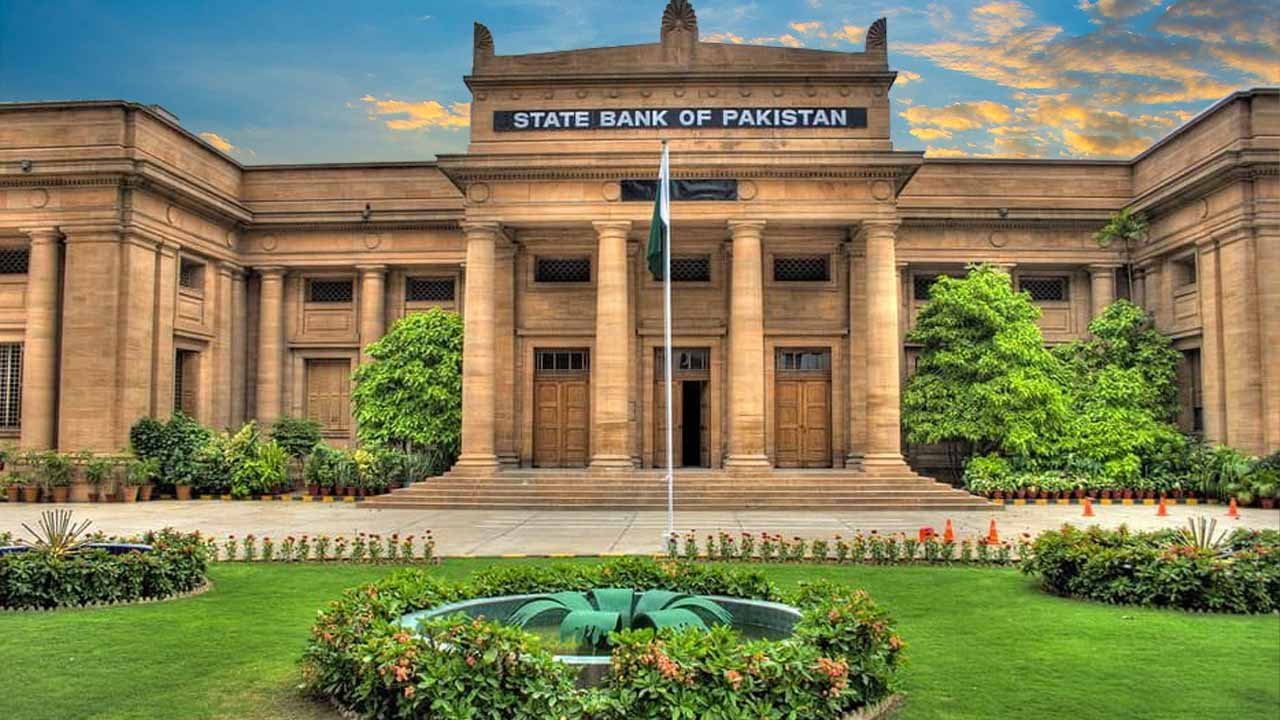
    The government’s ability to satisfy the IMF on the revival of the stalled programme is yet to be seen. The continuing stalemate may endanger the diminishing foreign exchange reserves, with the State Bank of Pakistan’s reserves falling below $3.9 billion.

    Without establishing a comprehensive budgetary framework with the IMF, signing the staff-level agreement will be impossible. Fulfilling three conditions becomes crucial: securing external financing of $6 billion, presenting the next budget in accordance with IMF guidelines, and ensuring a market-based exchange rate.

    The IMF programme is scheduled to conclude on June 30, making any further extension unlikely, as stated by the finance minister during the launch of the Economic Survey for 2022-23. The need for a realistic budget for the next financial year is evident due to the lack of credibility surrounding the budgetary figures, which frequently undergo changes.

    The tenure of the Pakistan Democratic Movement (PDM)-led government is set to expire on August 12. However, the government has approved an allocation of Rs90 billion for the implementation of the SDGs Achievement Programme (SAP) in the next budget, compared to the revised allocation of Rs116 billion for the current financial year.

    Ensuring external debt servicing, which requires $25 billion, is the primary priority of the government in the next budget. How the government plans to generate such a substantial amount, considering it obtained just under $8.1 billion in the first ten months of the current fiscal year out of the total budgeted figure of $22.8 billion for external loans and grants, remains to be seen.

    The fiscal constraints present significant challenges, as the total net revenue receipts of the federal government are insufficient to meet debt servicing requirements. After transferring resources to provinces and accounting for non-tax revenue, the total net receipts of the federal government are expected to amount to Rs6.5 trillion.

    Meanwhile, total debt servicing will consume Rs7.5 trillion, resulting in a deficit of Rs1,000 billion for the federal government. Therefore, other expenditure categories, such as defense, salaries, pensions, civil government operations, subsidies, and grants to public sector enterprises, will have to be funded through borrowing.

    During the survey launch, the finance minister pledged the government’s commitment to increase salaries, pensions, and minimum wages for workers in the FY24 budget. To finance the substantial budget deficit in the next financial year, Pakistan will need to acquire domestic and foreign loans amounting to Rs7,000 to Rs7,500 billion.

    The challenges ahead do not have easy solutions, and addressing them will require profound structural reforms to navigate the economy out of its crisis mode.

  • Finance Minister rejects idea of coalition govt entering fresh IMF programme

    Finance Minister rejects idea of coalition govt entering fresh IMF programme

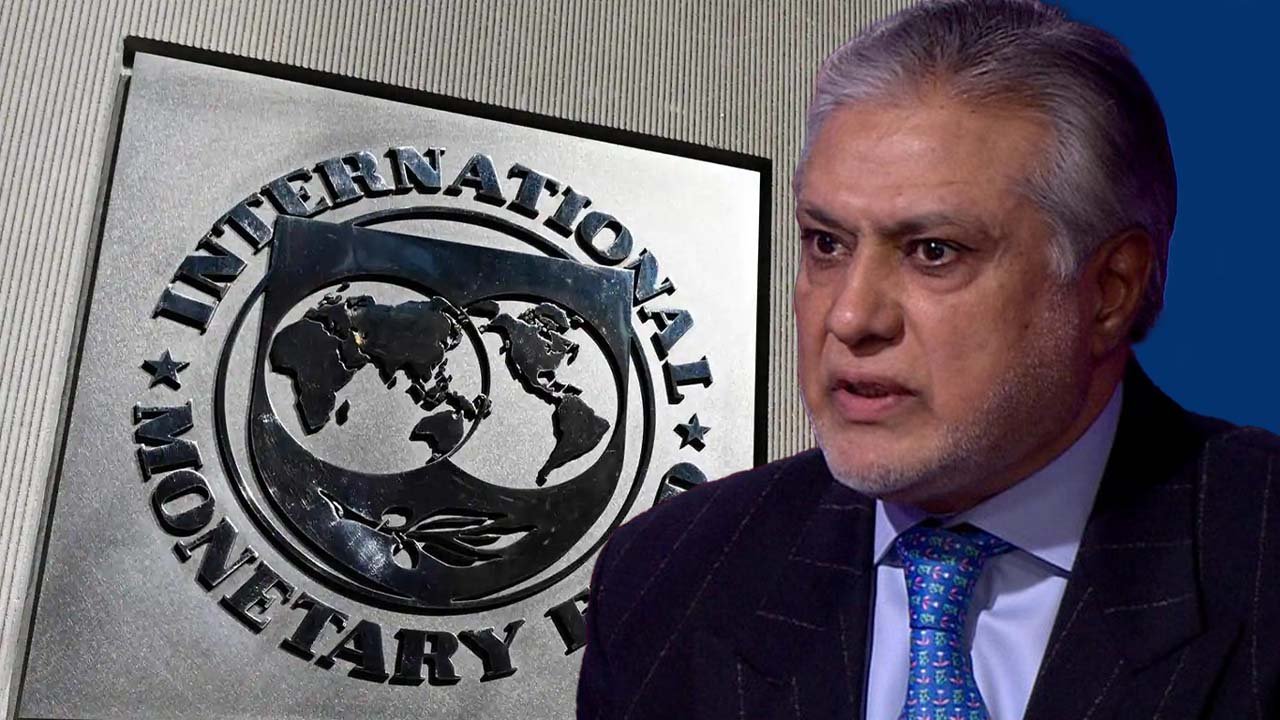
    Pakistan’s Finance Minister, Ishaq Dar, has voiced his opposition to the idea of entering into a new International Monetary Fund (IMF) bailout programme without the consent of the incoming government.

    Speaking at a press conference, Dar emphasised the need for democratic fairness and stated that any future IMF agreement should be the prerogative of the government elected after the ongoing programme concludes on June 30.

    The minister also highlighted Pakistan’s efforts in meeting IMF requirements and expressed hope for the successful completion of the ninth review before the programme’s conclusion.

    Government’s efforts and budget transparency

    During the press conference, Minister Dar reassured journalists that the coalition government had provided the IMF with budgetary information and expressed confidence that the budget numbers shared were without objection.

    He revealed that Prime Minister Shehbaz Sharif had agreed to share the numbers, and there were no issues concerning the figures presented. This transparency is a crucial step in unlocking the ninth review and securing the remaining funds from the IMF’s Extended Fund Facility.

    IMF’s conditions and economic challenges

    Under the current IMF programme, Pakistan has been required to implement several challenging measures, including the removal of energy subsidies, allowing the rupee to float against the US dollar, raising taxes and duties, and restricting imports.

    These measures aim to address Pakistan’s balance-of-payments crisis and reduce its external debt burden. However, the country’s economic challenges, combined with political uncertainty and a decline in foreign investment, have made the task more difficult.

    Esther Perez Ruiz, the IMF’s resident representative for Pakistan, stated that there is only enough time for one final board review before the scheduled end of the $6.5 billion Extended Fund Facility.

    Ruiz emphasised the need for Pakistan to restore the proper functioning of the foreign exchange market, present a budget for FY24 aligned with programme objectives, and secure credible financing commitments to close the $6 billion funding gap. These actions will pave the way for the final review and release of remaining funds.

    The call for ‘democratic’ decision-making

    Finance Minister Ishaq Dar emphasised the importance of democratic principles in determining Pakistan’s involvement in any future IMF programmes. He stressed that the decision to enter into a new programme should rest with the government elected after the ongoing programme concludes, rather than being imposed on a new administration.

    Dar’s stance reflects the need to ensure that any commitments made align with the vision and policies of the elected government, fostering a fair and democratic approach.

    Pakistan’s Finance Minister Ishaq Dar has voiced his opposition to the undemocratic imposition of a new IMF bailout programme. He said that any future agreement should be the prerogative of the incoming government, allowing them to shape policies and commitments in alignment with their mandate.

    As Pakistan works towards meeting the IMF’s requirements and unlocking the remaining funds, it is crucial to balance economic stability with democratic decision-making to ensure sustainable growth and development.

  • Pakistan’s foreign exchange reserves dip to $3.91 billion amid IMF agreement delay

    Pakistan’s foreign exchange reserves dip to $3.91 billion amid IMF agreement delay

    In a challenging turn of events for Pakistan’s economy, the foreign exchange reserves held by the State Bank of Pakistan (SBP) have plummeted to $3.91 billion.

    The decline in reserves is primarily attributed to external debt payments, coinciding with the expiration of the country’s International Monetary Fund (IMF) program, which has been stalled for several months.

    The SBP announced on Thursday that the reserves decreased by $179 million during the week ending on June 2, leaving the country with barely enough coverage for controlled imports for just one month.

    Commercial banks, on the other hand, are holding net foreign reserves worth $5.42 billion, $1.51 billion more than the central bank. Consequently, Pakistan’s total foreign reserves stand at $9.3 billion as of June 2.

    This marks the sixth consecutive weekly drop in foreign exchange reserves for Pakistan, signaling a lack of progress in securing external financing. Political instability has played a significant role in the deteriorating economy, and the country has yet to secure much-needed funding to avert the risk of default.

    Pakistan’s $350 billion economy is currently in turmoil due to financial woes and the delay in reaching an agreement with the IMF. The pending agreement would release crucial funds that are essential for stabilizing the economy.

    The government has been engaged in discussions with the IMF since the end of January to resume a $1.1 billion loan tranche, which has been on hold since November 2022. This loan is part of a larger $6.5 billion Extended Fund Facility (EFF) agreed upon in 2019.

    Earlier today, Finance Minister Ishaq Dar revealed that the coalition government has shared its budget numbers with the IMF, aiming to unlock the ninth review.

    He expressed confidence that there are “no issues in the numbers.” Pakistan’s government faces significant pressure from the IMF to implement stringent fiscal measures and unlock the final tranche of a vital bailout package.

    To meet the IMF’s requirements, Pakistan must eliminate subsidies in sectors such as energy, allow the rupee to float against the US dollar, increase taxes and duties, and impose import restrictions. These measures are seen as crucial steps toward stabilising the economy and securing external funding.

    The future of Pakistan’s economy hinges on successful negotiations with the IMF and the implementation of effective economic reforms.

    The government must address political instability and work towards regaining the confidence of international lenders to alleviate the financial strains on the country.

  • Countdown to Pakistan’s budget unveiling: Last IMF review holds the key

    Countdown to Pakistan’s budget unveiling: Last IMF review holds the key

    Pakistan is heading towards a crucial phase as it prepares to unveil its budget on June 9, following an arduous bailout negotiation with the International Monetary Fund (IMF). A Fund official revealed that only one board review remains under the current IMF bailout package, which is seen as a step towards a successful review.

    Esther Perez Ruiz, the resident representative for Pakistan at the IMF, emphasised the need to restore the proper functioning of the foreign exchange market to pave the way for the final review.

    Ruiz outlined additional prerequisites, including passing a budget that aligns with the program objectives for the 2023-24 fiscal year, and securing credible financing commitments to address a $6 billion shortfall.

    Experts suggest that the coalition government is striving to strike a delicate balance between satisfying the demands of the IMF and winning over voters in the upcoming general election. Analysts expect the government to announce populist measures in the budget to appease the electorate while aiming to meet IMF prescriptions.

    The IMF program, which concludes this month, has approximately $2.5 billion in funds yet to be released due to ongoing negotiations between Pakistan and the lender. Pakistan’s economy is grappling with severe challenges, including high inflation, fiscal imbalances, and low reserves.

    The government is hoping that the general election scheduled for November will help alleviate the turmoil stemming from a protest campaign led by Pakistan Tehreek-e-Insaf (PTI) chairman after his removal in a no-confidence vote last year.

    Former finance minister Miftah Ismail stressed the importance of securing IMF funding, highlighting the difficulties Pakistan would face without it. Ismail expressed confidence that the government would present a budget in line with IMF prescriptions to ensure the country’s survival in the next fiscal year.

    A staff-level agreement between Pakistan and the IMF to release $1.1 billion from a $6.5 billion package has been delayed since November, further intensifying the country’s need for funds to avert a balance of payments crisis. Experts believe that even after the current program expires, Pakistan will likely seek another bailout in the upcoming fiscal year to avoid defaulting on its debt obligations.

    Pakistan’s central bank reserves can cover imports for only about a month, underscoring the urgency of securing financial assistance. Inflation in the country, home to 220 million people, has reached a staggering 37.97 per cent in May, marking a record high for the second consecutive month and making it the highest rate in South Asia.

    The planning minister recently announced that development spending targets in the new fiscal year would be set at 1,150 billion rupees ($4.02 billion), while projecting an inflation rate of 21 per cent for the same period. With the general election looming, some analysts anticipate that the government will announce vote-winning measures, even if they have to be scaled back later.

    Pakistan’s budget unveiling tomorrow will be closely watched by the nation, as it not only sets the course for the fiscal year but also represents a crucial step in the ongoing negotiations with the IMF and the government’s efforts to regain stability and boost economic growth.