Category: Business

The most important business news, explained in a young, easy to understand way. News that affects young career professionals.

  • Non-filers beware: Proposed increase in advance taxes on vehicles and utility bills

    Non-filers beware: Proposed increase in advance taxes on vehicles and utility bills

    In an attempt to boost tax revenue and increase non-tax income, the Pakistan Business Council (PBC) has proposed the Federal Board of Revenue (FBR) to impose higher advance taxes on various sectors. The council’s recommendations primarily target non-filers and aim to generate additional funds for the government’s development initiatives.

    One of the key proposals put forth by the PBC is to increase the annual advance income tax amount for owners of vehicles with an engine capacity of 2000cc and above who are non-filers. The council suggests raising the amount to Rs250,000 per year.

    Additionally, the PBC argues for an increase in advance income tax levied on non-filers for the purchase of cars, as outlined in section 231B.

    The proposed changes in advance income tax for different engine capacities are as follows:

    Engine capacity: 1800cc – 2000cc

    Existing tax: Rs600,000

    Proposed increased tax: Rs2,000,000

    Engine capacity: 2001cc – 2500cc

    Existing tax: Rs900,000

    Proposed increased tax: Rs2,500,000

    Engine capacity: 2501cc – 3000cc

    Existing tax: Rs1,200,000

    Proposed increased tax: Rs3,000,000

    Engine capacity: Above 3000cc

    Existing tax: Rs1,500,000

    Proposed increased tax: Rs4,000,000

    Furthermore, the PBC suggests raising the advance income tax from Rs1,200,000 to Rs2,400,000 on the sale of vehicles with an engine capacity of 2001cc and above by non-filers before registration.

    In addition to the proposed changes in vehicle-related taxes, the PBC recommends increasing the advance tax collected from domestic connections in the name of non-filers.

    Currently, non-filers with monthly utility bills of Rs25,000 or more are subject to a 7.5 per cent advance tax. The council suggests continuing this practice and exploring the possibility of imposing withholding tax on withdrawals exceeding Rs50,000 in a single day from non-filer bank accounts.

    According to sources within the FBR, the board has decided to increase the petroleum development levy from Rs50 to Rs60 per unit, which is expected to generate revenue of Rs870 billion. The government aims to increase non-tax income to Rs2.9 trillion through such measures.

    It is worth mentioning that the proposed measures are intended to create additional funds for various government initiatives. One such initiative involves increasing pensions by up to 30 per cent, which would require Rs780 billion in funding.

    The PBC’s recommendations, if implemented, would significantly impact non-filers and luxury expenditures. These proposed changes seek to address the revenue deficit and support the government’s efforts to strengthen the economy and promote sustainable development in Pakistan.
  • Pakistan and Russia aim to strengthen bilateral relations in trade, investment, and energy sectors

    Pakistan and Russia aim to strengthen bilateral relations in trade, investment, and energy sectors

    In an effort to strengthen bilateral relations between Pakistan and Russia, Chairman Senate Muhammad Sadiq Sanjrani engaged in productive talks with Chairman of the Russian Duma, Mr Volodin, during a delegation-level meeting held in Moscow on Wednesday.

    The discussion encompassed various areas of mutual interest and emphasised the significance of parliamentary exchanges in fostering effective diplomacy.

    A press release issued by the Pakistan embassy in Moscow highlighted the consensus reached during the meeting. Both sides expressed their commitment to enhancing parliamentary interaction between the two nations. This step is expected to bolster bilateral ties and pave the way for increased cooperation in trade, investment, and energy sectors.

    Chairman Sanjrani reiterated Pakistan’s dedication to strengthening relations with Russia across all domains of mutually beneficial cooperation. Trade, investment, and energy were particularly emphasised as key areas for future collaboration.

    The significance of continued cooperation in international forums, such as the United Nations and the Shanghai Cooperation Organisation (SCO), was also acknowledged and agreed upon by both parties.

    During the talks, Chairman Sanjrani extended an invitation from the Speaker of the National Assembly of Pakistan to Chairman Volodin, inviting him to visit Pakistan. In a positive response, Chairman Volodin accepted the invitation, reflecting the willingness of both countries to further solidify their ties.

    The meeting between Chairman Senate Sanjrani and Chairman Volodin serves as a significant milestone in the diplomatic efforts between Pakistan and Russia. It highlights the mutual desire to strengthen bilateral relations and lays the groundwork for increased cooperation in various fields, including trade, investment, and energy.

    The forthcoming visit of Chairman Volodin to Pakistan is expected to further enhance the ties between the two nations and open new avenues for collaboration.

  • Google’s technical glitch causes panic with incorrect US dollar rate of Rs186 instead of Rs286

    Google’s technical glitch causes panic with incorrect US dollar rate of Rs186 instead of Rs286

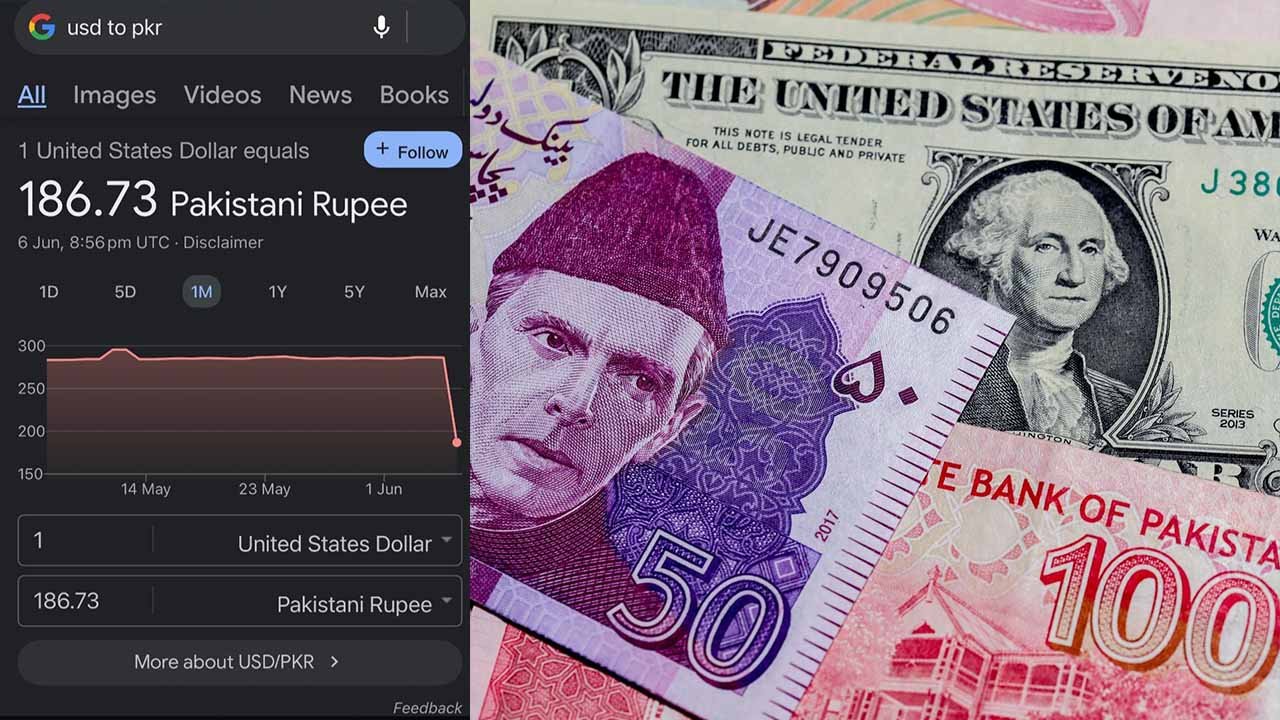
    Late Tuesday night, a technical malfunction on Google Search caused a momentary panic among investors and observers as the value of the US dollar plunged in comparison to the Pakistani rupee.

    The unexpected drop to Rs186.73 bewildered many, especially considering that the local currency hadn’t experienced a significant rebound recently.

    It was later discovered that the decline in currency exchange rates was a result of a technical problem with the search engine on the website, leading to a temporary plummet in the rates.

    This incident is not the first of its kind and has occurred multiple times in the past, leaving users puzzled by massive declines in dollar rates.

    The glitch and its impact

    On Tuesday, June 6, the interbank market closed with the Pakistani rupee at Rs286.56 against the US dollar, while it remained above Rs300 in the open market. However, due to the technical glitch on Google Search, the rates displayed on the platform inaccurately dropped to Rs186.73.

    The sudden decline surprised and concerned individuals who were monitoring the exchange rates, as it deviated significantly from the prevailing values. Fortunately, the issue was promptly identified and rectified, restoring the rates to Rs286.72.

    Recurring glitches on Google Search

    This incident marks yet another occurrence of a glitch affecting the world’s largest search engine and impacting currency exchange rates. In July of the previous year, the rates displayed on Google Search had crashed to Rs207.10, a stark contrast to the rates issued by the State Bank of Pakistan.

    According to the central bank, the rupee had closed at 236.02 against the US dollar in the interbank market. The repetition of such glitches raises concerns about the accuracy and reliability of the information provided by Google Search in matters of global financial significance.

    User Reactions and Social Media Response: The recent glitch on Google Search didn’t go unnoticed by users, with several individuals taking to Twitter to highlight the issue. One user tweeted, “Last night, the dollar crashed on Google,” emphasising the impact the technical malfunction had on the perceived value of the US dollar.

    Such reactions on social media platforms highlight the widespread reliance on search engines for real-time financial data and the potential consequences of inaccuracies caused by technical glitches.

    While the glitch was rectified, it highlights the recurring nature of such incidents on the world’s largest search engine, casting doubts on the accuracy of the financial information provided.

    As reliance on search engines for real-time data increases, it becomes imperative for platforms like Google to ensure the reliability and integrity of the information they display to prevent unwarranted panic or misinformation in the financial markets.

  • PM Shehbaz urges Finance Ministry to ensure strict adherence to IMF guidelines in upcoming budget

    PM Shehbaz urges Finance Ministry to ensure strict adherence to IMF guidelines in upcoming budget

    In a meeting held between Prime Minister (PM) Shehbaz Sharif and Finance Minister Ishaq Dar on Tuesday, it was emphasized that the upcoming budget, scheduled to be presented on June 9, should strictly adhere to the parameters set by the International Monetary Fund (IMF).

    PM Shehbaz Sharif has expressed his optimism about reaching an agreement with the IMF, dispelling media reports suggesting a populist budget typically seen in election years.

    An informed source, who was present during the meeting, highlighted that Pakistan cannot afford to deviate from the IMF’s prescribed principles in the budget. The PM’s resolve to adhere to these guidelines was reinforced after his recent telephonic conversation with IMF Managing Director Kristalina Georgieva. It was during this conversation that PM Shehbaz Sharif personally appealed to Georgieva to revive the stalled $6.5 billion bailout package.

    The discussion between the PM and the IMF Managing Director took place due to the finance ministry’s inability to break the deadlock over loan talks in the past four months. However, the source disclosed that PM Shehbaz Sharif expressed satisfaction after his conversation with Georgieva, leading to an agreement to share the budget details with the IMF.

    Furthermore, the IMF Managing Director indicated the possibility of a revival of the programme. This positive development prompted PM Shehbaz Sharif to inform the Turkish media during his visit to Ankara that Pakistan remains hopeful of finalising a deal with the IMF this month. He assured that Pakistan had met all the required conditions and that the upcoming budget would align with the terms and conditions set forth by the IMF.

    “We are still very hopeful that the IMF programme will materialise. Our ninth review by the IMF will match all terms and conditions, and hopefully, we’ll have some good news this month,” PM Shehbaz Sharif stated during an interview with Anadolu in Ankara, where he was present for President Recep Tayyip Erdogan’s inauguration ceremony.

    According to Geo, the PM further clarified that while some actions are typically met after the board’s approval, this time, the IMF insisted on meeting those actions before granting approval. He affirmed that Pakistan has fulfilled these requirements as specified by the IMF.

    As the budget presentation approaches, all eyes are now on the Ministry of Finance, which has been tasked with ensuring strict compliance with IMF parameters. With the PM’s renewed optimism and the positive signals received from the IMF, there is a growing sense of hope that Pakistan will be able to secure the much-needed financial support to address its economic challenges.

    It remains to be seen how the upcoming budget will reflect the government’s commitment to IMF compliance and whether it will lead to a successful conclusion of negotiations with the international financial institution.

  • Russian crude oil shipment faces delay, expected to reach Pakistan on June 11

    Russian crude oil shipment faces delay, expected to reach Pakistan on June 11

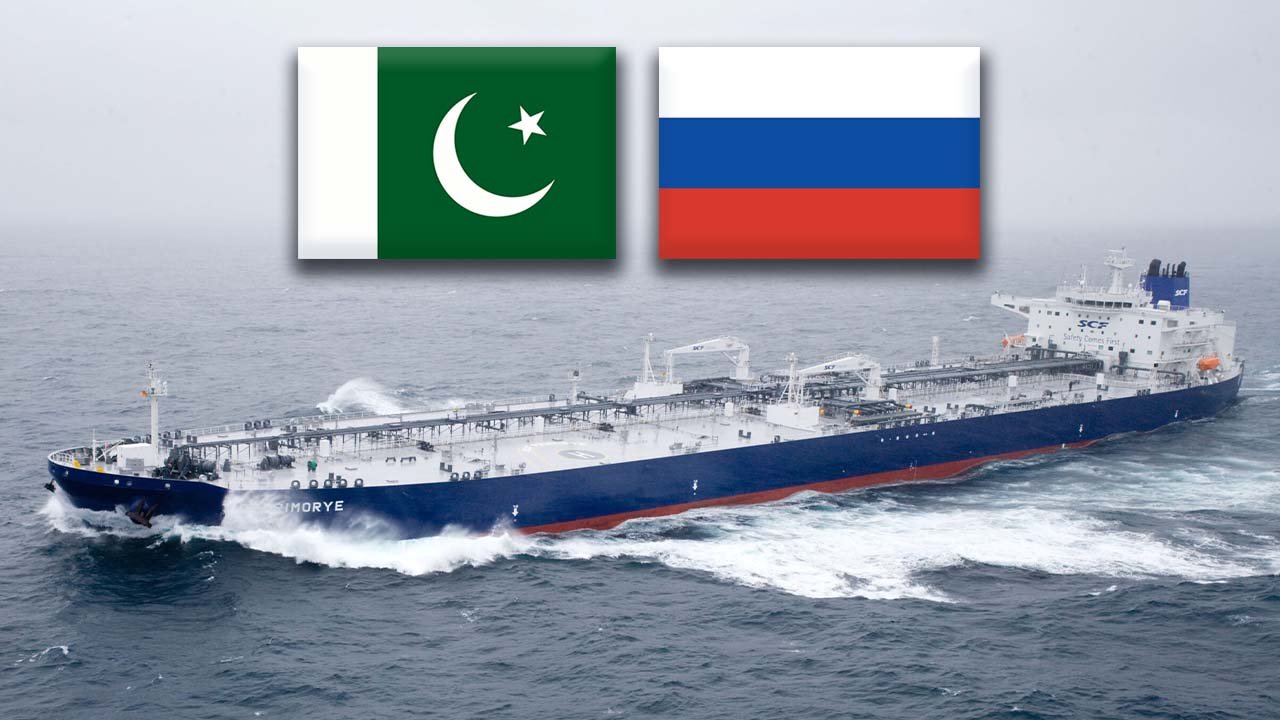
    In a recent development, a Russian cargo vessel carrying 100,000 tonnes of crude oil has experienced delays and is now expected to reach the Omani port of Duqm on June 7. This delay has caused a setback in Pakistan’s plans as the oil was initially scheduled to arrive in Oman on May 27-28.

    According to an official, the crude oil will be transported to Pakistan via smaller ships from the Omani port, which will take approximately two weeks to reach Port Qasim in Karachi. The Russian vessel, loaded with Ural crude on April 21 at a Russian port, encountered a delay of 10 days due to technical issues. Subsequently, it arrived at Egypt’s Suez Canal on May 17, where it faced a lengthy 12-day wait in a queue to cross the canal.

    Following its journey across the Red Sea, the vessel is anticipated to reach Duqm on Tuesday. Upon arrival, the crude oil will be unloaded onto a smaller vessel with a capacity of 50,000 tons. This smaller vessel is expected to reach Port Qasim on June 11. The remaining 50,000 tons of Russian crude will be transported separately and is scheduled to arrive at Port Qasim on June 20.

    According to The News, authorities have assured the safe and smooth arrival of the Russian crude, despite the logistical challenges that caused the delay. The official stated that the transportation cost has already been settled with the Russians, so the delay will not result in additional expenses. However, there is a concern that if the price of crude oil decreases during this period, it could have detrimental effects on the country.

    Pakistan Refinery Limited (PRL) has been entrusted with the responsibility of refining the test cargo of Russian crude oil. PRL will blend this oil with crude imported from the United Arab Emirates and Saudi Aramco. The test cargo will provide valuable data to the government regarding the quality, yields, and commercial viability of the Russian oil. Additionally, it will assist the government in assessing transportation costs, refining expenses, and refining margins for the country’s refineries.

    The government is eagerly awaiting PRL’s test report, which will aid in making informed decisions about future oil imports and refining processes.

  • Rising inflation forces over 80% of Pakistanis to reduce monthly expenses

    Rising inflation forces over 80% of Pakistanis to reduce monthly expenses

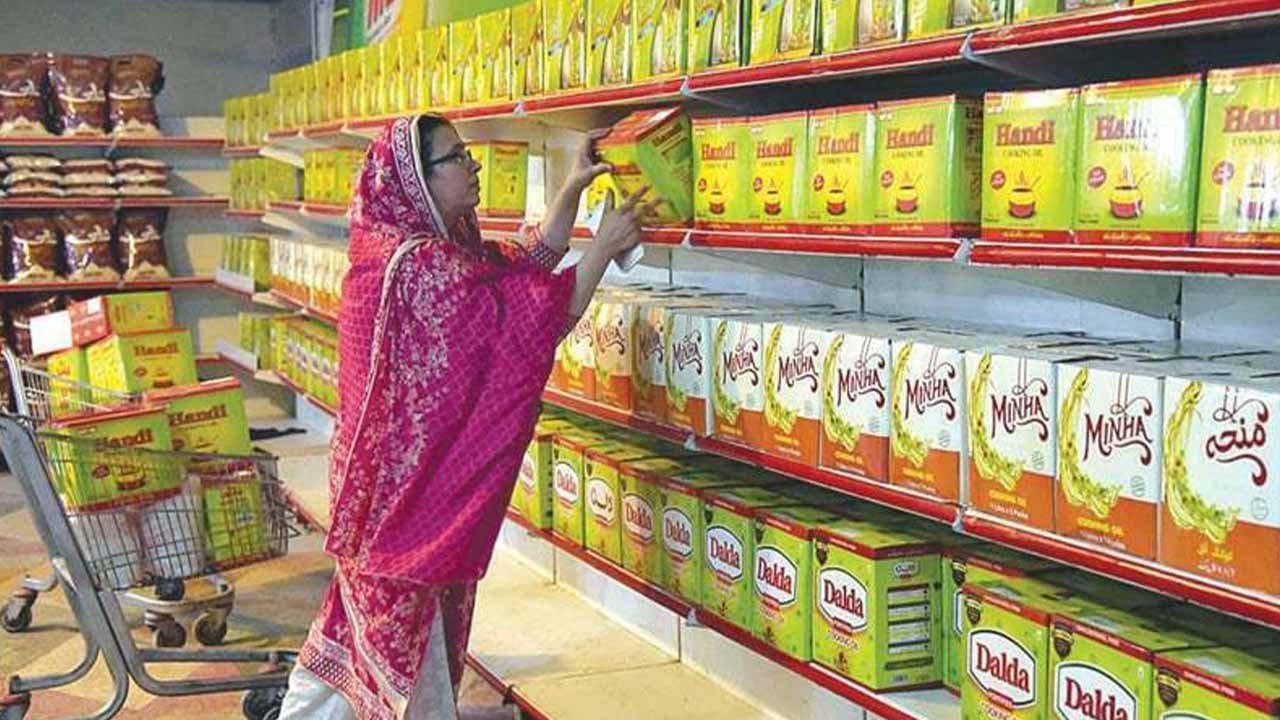
    A recent survey conducted by PulseConsultant in the month of May has shed light on the significant increase in downtrading among urban Pakistanis, attributed to the high inflation rate. The study surveyed more than 1,360 respondents across the top 12 cities of Pakistan.

    The findings of the study reveal a notable shift in consumer behavior and attitude towards purchasing and consumption patterns in light of the current inflation wave. As prices continue to soar, many respondents have altered their buying preferences to cope with the economic challenges.

    According to the study, 55 per cent of respondents reported that they have switched from expensive brands to more affordable ones. This percentage represents a considerable increase from the previous month of April, where the trend stood at 45 per cent. This shift highlights the growing financial strain faced by consumers, prompting them to seek cost-effective alternatives.

    Moreover, the data indicates a decline in the phenomenon of purchasing the same brands but reducing the quantity. In April, 46 per cent of respondents claimed to be adopting this strategy, whereas in May, the number dropped significantly to 38 per cent, showing an 8 per cent decrease. This suggests that consumers are finding it increasingly difficult to maintain their previous consumption habits.

    In terms of monthly home purchases, the study reveals that 81 per cent of respondents reported a reduction in May, marking a 3 per cent increase compared to April when the figure was 78 per cent. This indicates that consumers are actively curtailing their household expenses in response to the inflationary pressures.

    To gain a deeper understanding of consumer behavior and attitudes towards the current inflation wave, PulseConsultant invites individuals to join their syndicated research initiative. The study aims to gauge the impact of inflation on purchasing and consumption behaviors across 40+ categories, focusing on five parameters: consumption increase/decrease, brand switching, quantity reduction while retaining the brand, changing the stock keeping unit (SKU) while retaining the brand, and category consumption drop.

    The research methodology involves face-to-face interviews with a sample size of 1,704 individuals across the top 17 cities in Pakistan. The gender distribution comprises 30 per cent males and 70 per cent females, while the age group considered is 22-55 years. The socioeconomic classes targeted range from SEC A-D. The research is scheduled to take place over a period of four weeks.

    As inflation continues to affect the purchasing power of consumers in urban Pakistan, the study by PulseConsultant aims to shed light on the evolving trends and behaviors within the market. The findings will help businesses and policymakers make informed decisions to navigate the challenging economic landscape and cater to the changing needs of consumers.

  • Markets nationwide to close at 8 pm to save energy

    Markets nationwide to close at 8 pm to save energy

    The National Economic Council has decided to close shops across the country at 8 pm.

    The meeting was held under the chairmanship of Prime Minister Shehbaz Sharif, with the participation of the Chief Ministers of Sindh, Punjab, and KP.

    The Balochistan Minister of Planning also participated in the meeting. During the meeting, it was decided to close shops across the country at 8 pm.

    In a press conference held after the meeting, Federal Minister for Planning Ahsan Iqbal stated that the decision to close shops at 8 pm was made to save energy.

    He further mentioned that commercial areas will be closed at eight o’clock, green energy will be promoted, and LED bulbs will be installed.

  • PM Shehbaz confident of positive outcome in IMF loan talks

    PM Shehbaz confident of positive outcome in IMF loan talks

    Pakistan and the International Monetary Fund (IMF) are on the verge of finalising a long-awaited loan deal, according to Prime Minister Shehbaz Sharif. In an interview with Turkish news agency, the premier expressed hope that the ninth review by the IMF would align with all the terms and conditions, leading to positive news this month.

    Prime Minister Shehbaz Sharif said that Pakistan has diligently fulfilled each and every requirement set by the IMF as prior actions. The country’s commitment to meeting these obligations demonstrates its determination to address economic challenges head-on.

    However, in the event of the IMF talks falling through, the prime minister assured the nation that Pakistan possesses the resilience and fortitude to overcome any obstacles. He drew attention to the fact that the people of Pakistan have faced and triumphed over numerous challenges in the past. If necessary, they are prepared to tighten their belts and rise once again. Shehbaz Sharif credited the government’s ability to navigate these difficulties to the unwavering support of the Pakistani people and the assistance of brotherly and friendly nations.

    Highlighting the close bilateral relations between Pakistan and Turkiye, the prime minister described them as “one soul, two hearts that beat together.” He took the opportunity to congratulate the people of Turkiye on President Erdogan’s re-election, considering it a “wonderful development.” The deep bond between the two nations sets the stage for enhanced cooperation in the near future.

    PM Shehbaz Sharif outlined plans for Pakistan and Turkiye to strengthen their collaboration, particularly in the areas of biogas, solar energy, and hydropower. By focusing on these sectors, both countries aim to bolster trade and achieve mutual growth. The emphasis on renewable energy sources aligns with the global trend towards sustainable development and underscores the commitment of Pakistan and Turkiye to fostering a greener future.

    As Pakistan and the IMF move closer to finalising the loan deal, there is renewed hope for the country’s economic stability and growth. The government’s determination to meet the IMF’s requirements and the unwavering support of the Pakistani people serve as strong foundations for overcoming challenges and securing a brighter future. Furthermore, the prospects for increased cooperation with Turkiye in key sectors pave the way for mutually beneficial partnerships and contribute to regional progress.

    With anticipation building, all eyes are now on the impending announcement that will mark a significant milestone in Pakistan’s economic journey. The successful conclusion of the loan deal will not only provide much-needed financial assistance but also serve as a testament to Pakistan’s commitment to reform and progress.

  • Spotify announces second round of layoffs, cutting 200 jobs in podcast unit amid restructuring efforts

    Spotify announces second round of layoffs, cutting 200 jobs in podcast unit amid restructuring efforts

    On Monday, Spotify Technology announced its intention to implement a second wave of redundancies, resulting in the reduction of 200 positions within its podcast unit. This strategic restructuring follows a prolonged period of substantial investment, as the company seeks to adapt its business model accordingly.

    This decision affects approximately 2 per cent of the music-streaming giant’s workforce, bringing Spotify in line with other prominent industry players such as Meta Platforms and Roku. These companies, facing an uncertain economic landscape, have also resorted to similar measures by implementing a second round of job cuts.

    During early trading, the shares of this Sweden-based organisation exhibited a modest increase of approximately 0.5 per cent, outperforming the relatively subdued performance of the broader market.

    In recent years, Spotify has actively pursued the expansion of its podcast business, anticipating that the format’s heightened engagement levels would attract a larger number of advertisers. However, this ambitious endeavour resulted in a surge of the company’s operating expenditure, growing at twice the rate of its revenue last year. Furthermore, rising interest rates and persistent inflation have prompted businesses to curtail their advertising expenditures.

    Consequently, earlier in 2023, Spotify took the decision to reduce its workforce by 6 per cent, while also announcing the departure of Dawn Ostroff, a pivotal figure in shaping the podcast business. Ostroff adeptly navigated the company through contentious episodes, including the controversies surrounding Joe Rogan’s show and its alleged dissemination of misinformation concerning COVID-19.

    In light of these circumstances, Sahar Elhabashi, the head of Spotify’s podcast business, conveyed on Monday that the company has reluctantly but necessarily opted for a strategic realignment. This course of action aims to address the prevailing challenges and align the organisation with its evolving objectives.

    Additionally, Spotify unveiled its plan to consolidate the Parcast and Gimlet studios into a unified entity known as Spotify Studios. This amalgamation will oversee the production of Spotify originals. Elhabashi emphasised that the company intends to adopt a bespoke approach tailored to each individual show and creator, departing from the previously uniform approach.

    By undertaking these measures, Spotify aims to optimise its operations, remain agile in a dynamic market, and position itself for sustained success in the podcast industry.

  • New Canadian airline introduces direct flights from Canada to Pakistan

    New Canadian airline introduces direct flights from Canada to Pakistan

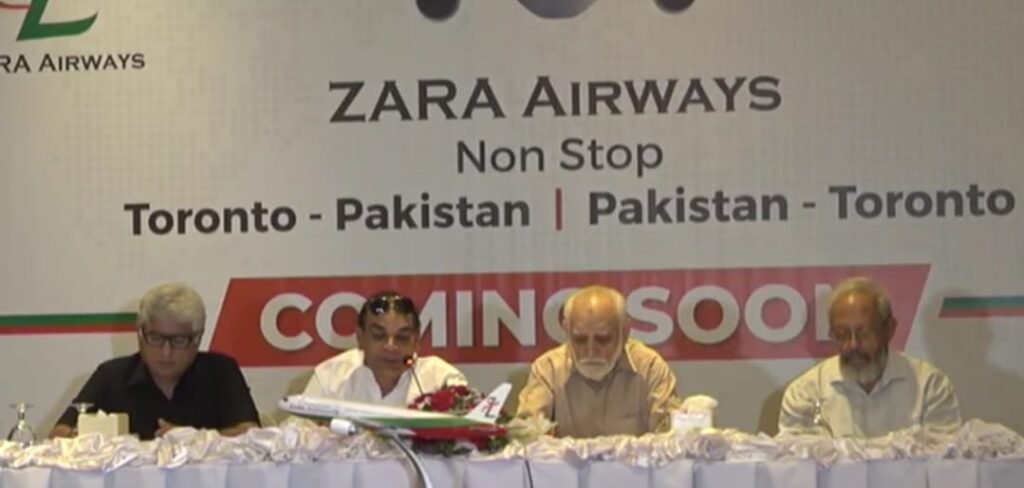
    A new Canadian airline has introduced direct flight to three major cities in Pakistan from Toronto. The flights to Islamabad, Karachi and Lahore will begin in August.

    The new airline, Zara Airways, has appointed Ejaz Haroon, former managing director of Pakistan International Airlines (PIA), as an adviser.

    The airline will operate three weekly flights from Toronto to Karachi, Islamabad, and Lahore.

    It plans to initiate operations in August, utilising two Boeing 777 aircraft initially, with the potential to expand the fleet based on demand. The partnership with Shaheen Airport for ground services, cabin crew, and other operational support will further strengthen Zara Airways’ capabilities.

    To ensure smooth commencement of operations, Zara Airways is currently in the process of securing a No Objection Certificate (NOC) from the Canadian government.

    The establishment of Zara Airways is poised to invigorate Pakistan’s aviation industry, which has recently witnessed positive developments.

    The approval of Wizz Air Abu Dhabi and SunExpress by the Civil Aviation Authority (CAA) will introduce increased competition, ultimately leading to lower fares and improved services for passengers.

    Additionally, Ethiopian Airlines has announced the resumption of direct flights between Karachi and Addis Ababa, a route that had been suspended since 2004.